




“If you had looked at me, you would’ve known”
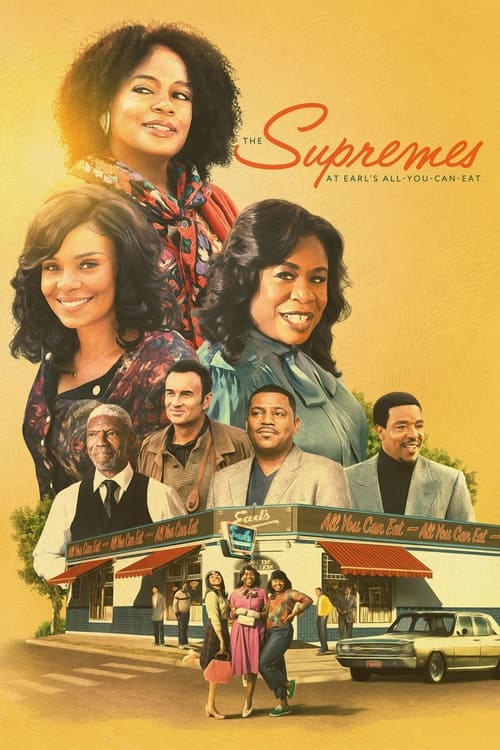
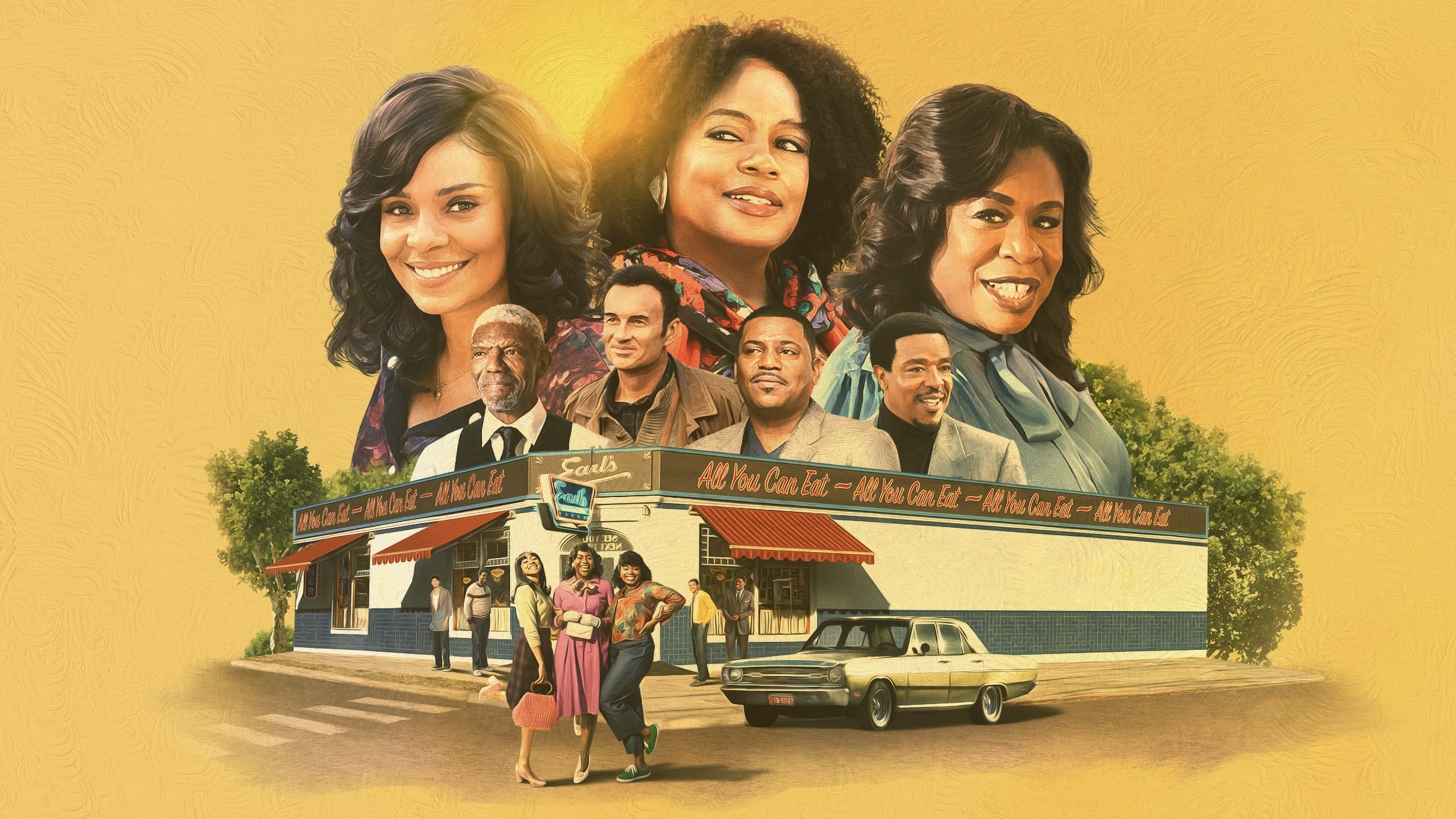
Tina Mabry’s The Supremes at Earl’s All-You-Can-Eat marks her return to the director's chair after a significant hiatus following her 2009 debut, Mississippi Damned. This period piece dramedy, adapted from Edward Kelsey Moore’s 2013 novel, made its world premiere at the Martha’s Vineyard African American Film Festival on August 7th, 2024, before arriving on Hulu just sixteen days later.
The film’s first half is anchored by a propulsive, nonlinear narrative that introduces its main protagonists in 1975 and reintroduces them in 1999. We see Odette (portrayed by Kyanna Simone Simpson in 1975 and Aunjanue Ellis-Taylor in 1999), Barbara Jean (Tati Gabrielle and Sanaa Lathan), and Clarice (Abigail Achiri and Uzo Aduba) as cheeky, spirited children before the realities of adulthood take their toll. The chemistry between the two sets of actors playing the leads is particularly effective, making the transitions between timelines seamless and the characters' growth believable.
The script, for the most part, feels natural and authentic, though there is one late scene that stands out as puzzling. However, revealing too much about it would risk spoilers. Despite this minor hiccup, the film excels at portraying the deep bond between its three protagonists, a connection that feels genuine and earned. While the themes of enduring friendship and facing life's hardships are far from novel, Mabry's execution gives them fresh vitality, making the film worthwhile despite some notable pacing issues.
Odette, arguably the closest thing the film has to a central protagonist, is introduced with a powerful character-defining moment. In a particularly memorable scene, she strips down to her underwear and threatens Curtis (Jason Turner), Barbara Jean’s overly handsy stepfather. Odette's brazen claim that her father taught her to box, only to gleefully admit afterward that her father was a small man and she can’t fight worth shit, adds layers to her character, blending her vulnerability with her bravado that becomes central to the movie later.
The Supremes, however, do not lead happy, carefree lives—far from it. Odette is grappling with a cancer diagnosis, a struggle introduced at the film's outset. Barbara Jean is mourning the loss of her husband, but her grief is compounded by a more harrowing revelation that emerges later in the movie.
Clarice, meanwhile, wrestles with the sacrifices she made for a less-than-stellar husband, having abandoned a promising career as a classical musician. The film deftly uses the familiar trope of affectionate ribbing among close friends to establish the depth of their relationships. This dynamic feels so real that it’s hard to imagine the actresses aren’t friends off-screen as well.
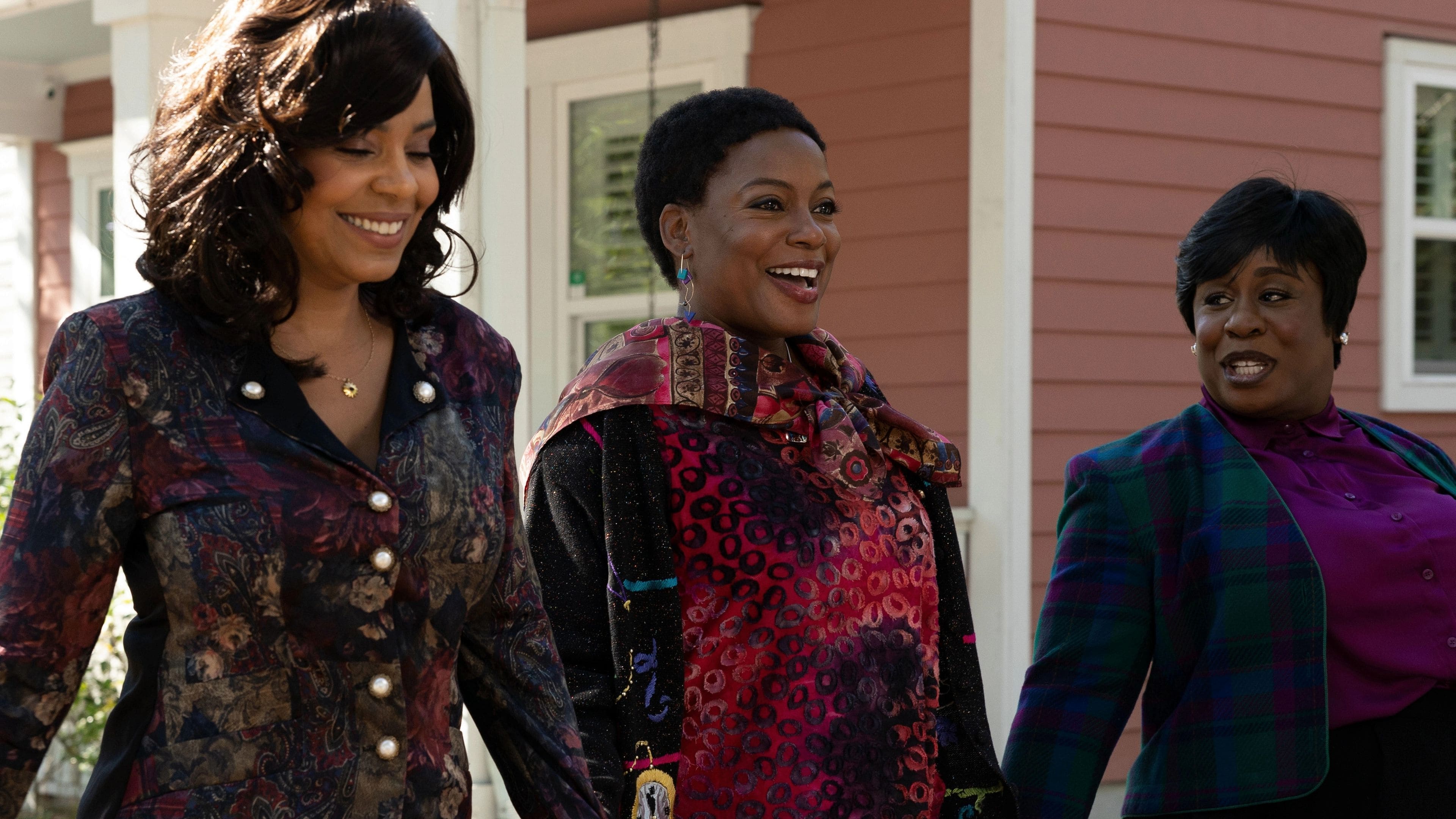
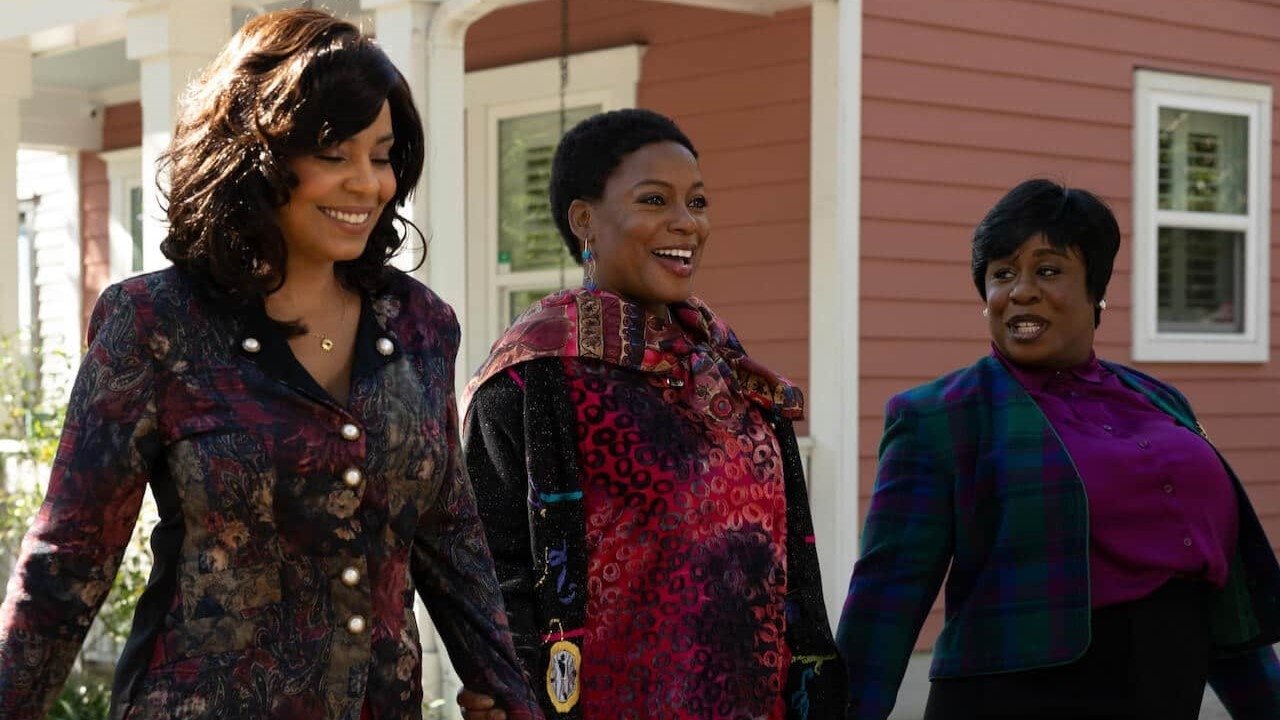
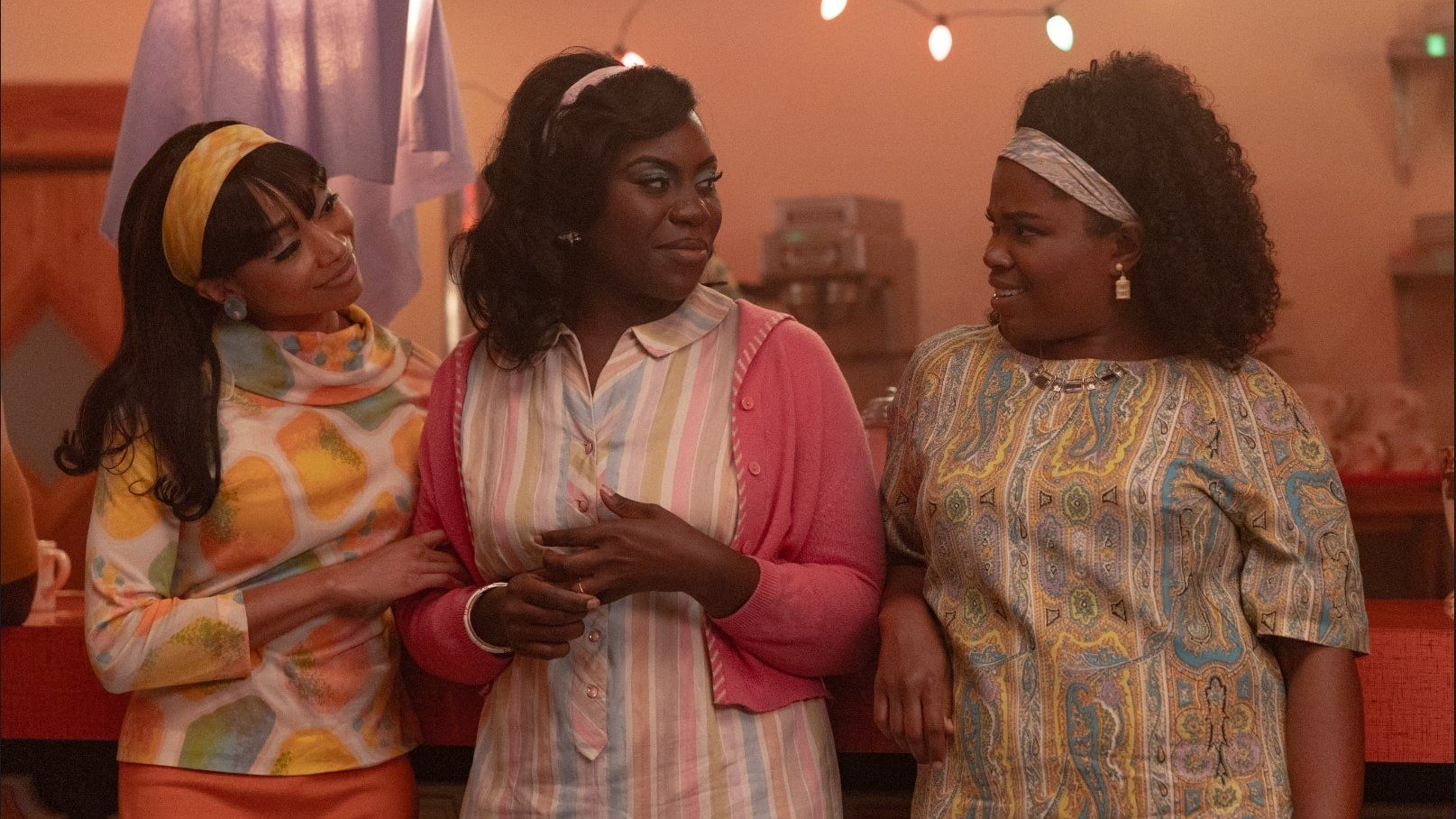
Visually, the film shines, especially during the flashback sequences. The atmosphere is meticulously crafted, featuring details like a sock hop, period-accurate costuming, and even a redneck antagonist who feels plucked straight from a Stephen King novel. The production design, in general, is superb, adding richness to the film’s setting and period authenticity.
Where the film falters, however, is in its decision to focus on three protagonists. Juggling multiple central characters is a challenge for any film, and while The Supremes at Earl’s All-You-Can-Eat does its best, the pacing suffers. Odette is the film’s primary focus, but Clarice and Barbara Jean also receive considerable screen time—just not enough to flesh out their stories entirely. The result is that their narrative arcs feel somewhat underdeveloped, with their conclusions coming across as rushed.
Given the film’s substantial two-hour and four-minute run, the final cut seems like a compromise. It's possible that one creative faction advocated for a longer film by 10 or 15 minutes to provide more focus on Barbara Jean and Clarice, while another preferred a shorter cut, relegating them to strictly supporting roles. If this was indeed the case—though it’s purely speculative—I believe the compromise didn’t entirely succeed. The potential longer or shorter versions are likely more effective in delivering a cohesive story.
Despite these flaws, The Supremes at Earl’s All-You-Can-Eat remains a solid film worth watching for its heartfelt exploration of friendship and the trials of life. Mabry’s direction, combined with solid performances from the younger and older cast members, ensures that the film resonates emotionally, even if its structure and pacing occasionally stumble.
“If you had looked at me, you would’ve known”
Tina Mabry’s The Supremes at Earl’s All-You-Can-Eat marks her return to the director's chair after a significant hiatus following her 2009 debut, Mississippi Damned. This period piece dramedy, adapted from Edward Kelsey Moore’s 2013 novel, made its world premiere at the Martha’s Vineyard African American Film Festival on August 7th, 2024, before arriving on Hulu just sixteen days later.
The film’s first half is anchored by a propulsive, nonlinear narrative that introduces its main protagonists in 1975 and reintroduces them in 1999. We see Odette (portrayed by Kyanna Simone Simpson in 1975 and Aunjanue Ellis-Taylor in 1999), Barbara Jean (Tati Gabrielle and Sanaa Lathan), and Clarice (Abigail Achiri and Uzo Aduba) as cheeky, spirited children before the realities of adulthood take their toll. The chemistry between the two sets of actors playing the leads is particularly effective, making the transitions between timelines seamless and the characters' growth believable.
The script, for the most part, feels natural and authentic, though there is one late scene that stands out as puzzling. However, revealing too much about it would risk spoilers. Despite this minor hiccup, the film excels at portraying the deep bond between its three protagonists, a connection that feels genuine and earned. While the themes of enduring friendship and facing life's hardships are far from novel, Mabry's execution gives them fresh vitality, making the film worthwhile despite some notable pacing issues.
Odette, arguably the closest thing the film has to a central protagonist, is introduced with a powerful character-defining moment. In a particularly memorable scene, she strips down to her underwear and threatens Curtis (Jason Turner), Barbara Jean’s overly handsy stepfather. Odette's brazen claim that her father taught her to box, only to gleefully admit afterward that her father was a small man and she can’t fight worth shit, adds layers to her character, blending her vulnerability with her bravado that becomes central to the movie later.
The Supremes, however, do not lead happy, carefree lives—far from it. Odette is grappling with a cancer diagnosis, a struggle introduced at the film's outset. Barbara Jean is mourning the loss of her husband, but her grief is compounded by a more harrowing revelation that emerges later in the movie.
Clarice, meanwhile, wrestles with the sacrifices she made for a less-than-stellar husband, having abandoned a promising career as a classical musician. The film deftly uses the familiar trope of affectionate ribbing among close friends to establish the depth of their relationships. This dynamic feels so real that it’s hard to imagine the actresses aren’t friends off-screen as well.
Visually, the film shines, especially during the flashback sequences. The atmosphere is meticulously crafted, featuring details like a sock hop, period-accurate costuming, and even a redneck antagonist who feels plucked straight from a Stephen King novel. The production design, in general, is superb, adding richness to the film’s setting and period authenticity.
Where the film falters, however, is in its decision to focus on three protagonists. Juggling multiple central characters is a challenge for any film, and while The Supremes at Earl’s All-You-Can-Eat does its best, the pacing suffers. Odette is the film’s primary focus, but Clarice and Barbara Jean also receive considerable screen time—just not enough to flesh out their stories entirely. The result is that their narrative arcs feel somewhat underdeveloped, with their conclusions coming across as rushed.
Given the film’s substantial two-hour and four-minute run, the final cut seems like a compromise. It's possible that one creative faction advocated for a longer film by 10 or 15 minutes to provide more focus on Barbara Jean and Clarice, while another preferred a shorter cut, relegating them to strictly supporting roles. If this was indeed the case—though it’s purely speculative—I believe the compromise didn’t entirely succeed. The potential longer or shorter versions are likely more effective in delivering a cohesive story.
Despite these flaws, The Supremes at Earl’s All-You-Can-Eat remains a solid film worth watching for its heartfelt exploration of friendship and the trials of life. Mabry’s direction, combined with solid performances from the younger and older cast members, ensures that the film resonates emotionally, even if its structure and pacing occasionally stumble.