

Amanda
2022·Drama·1h 34m
7.0
★
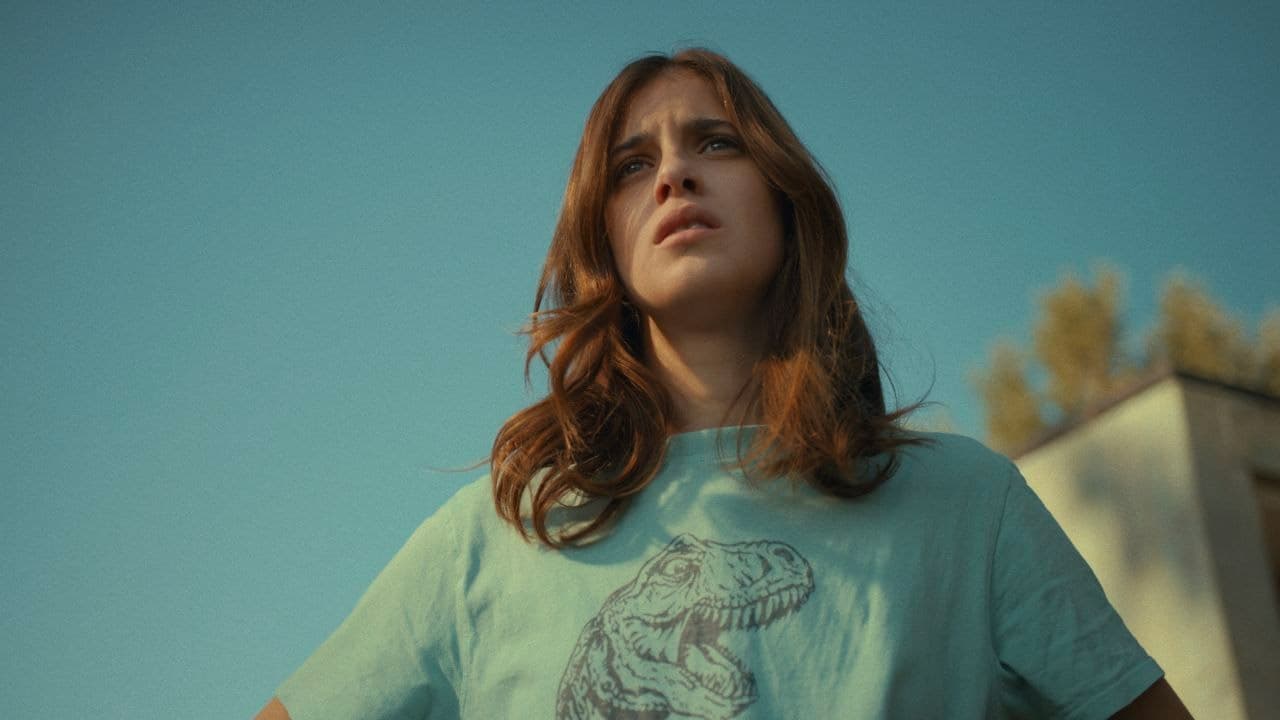
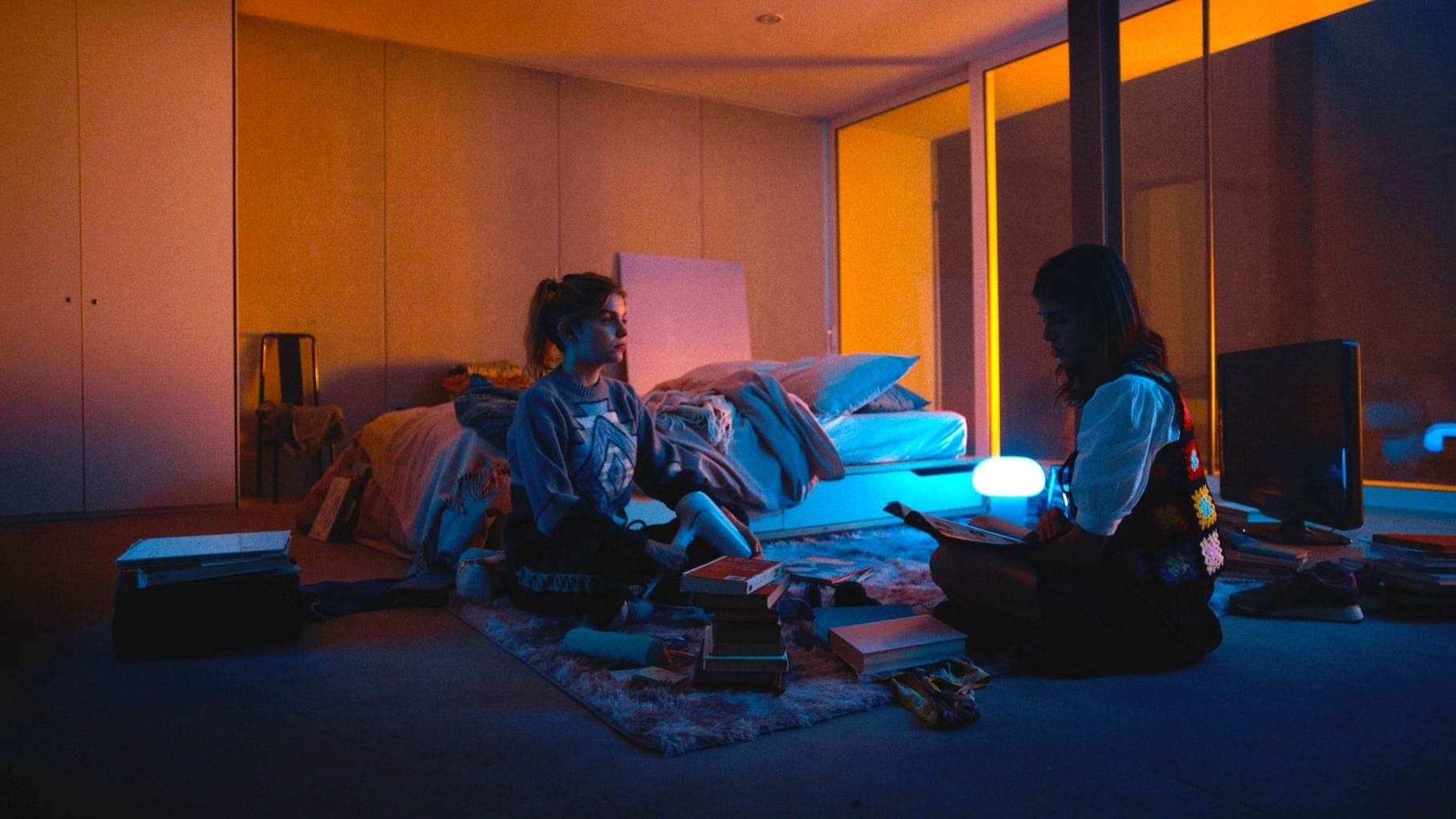
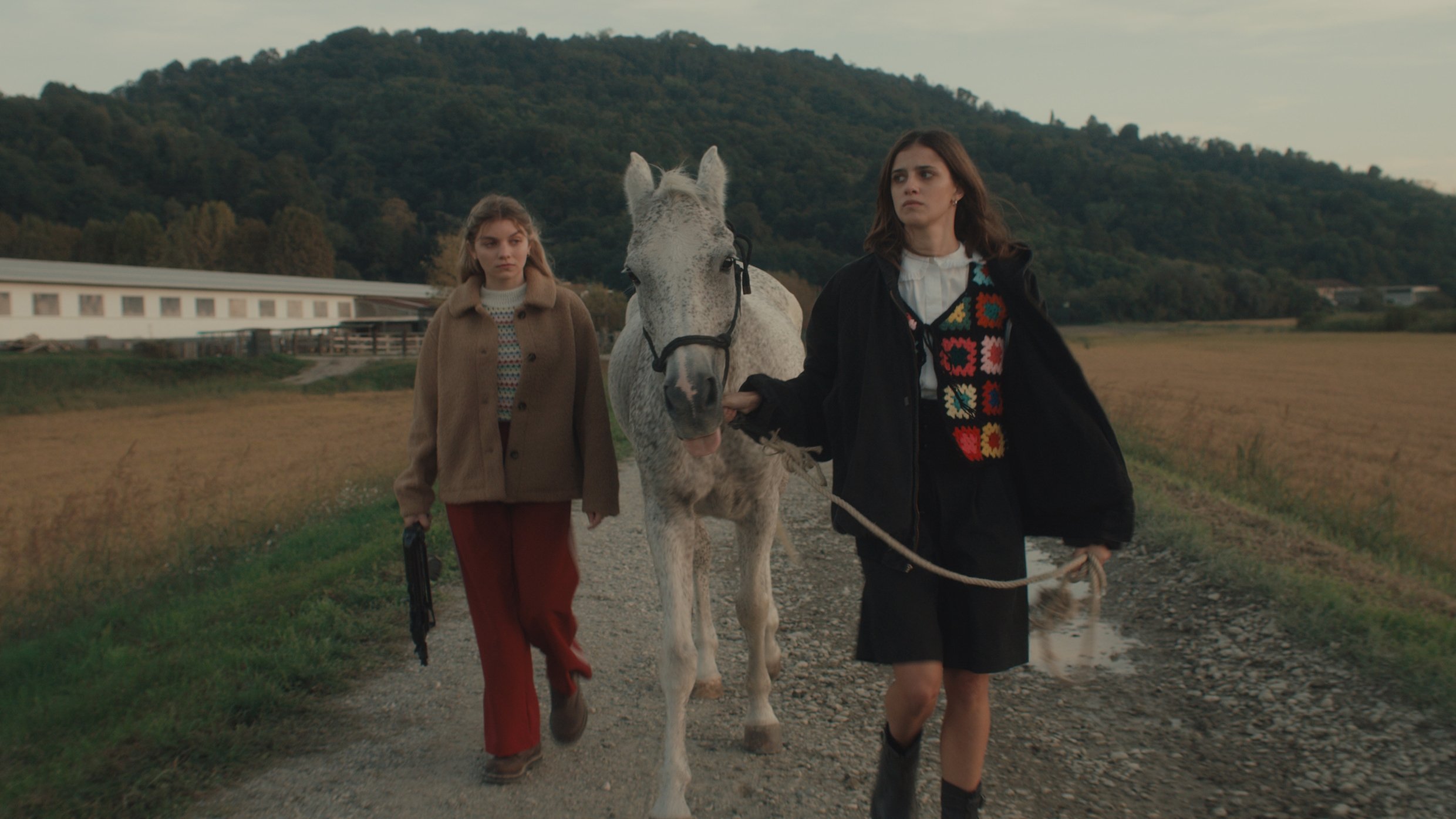
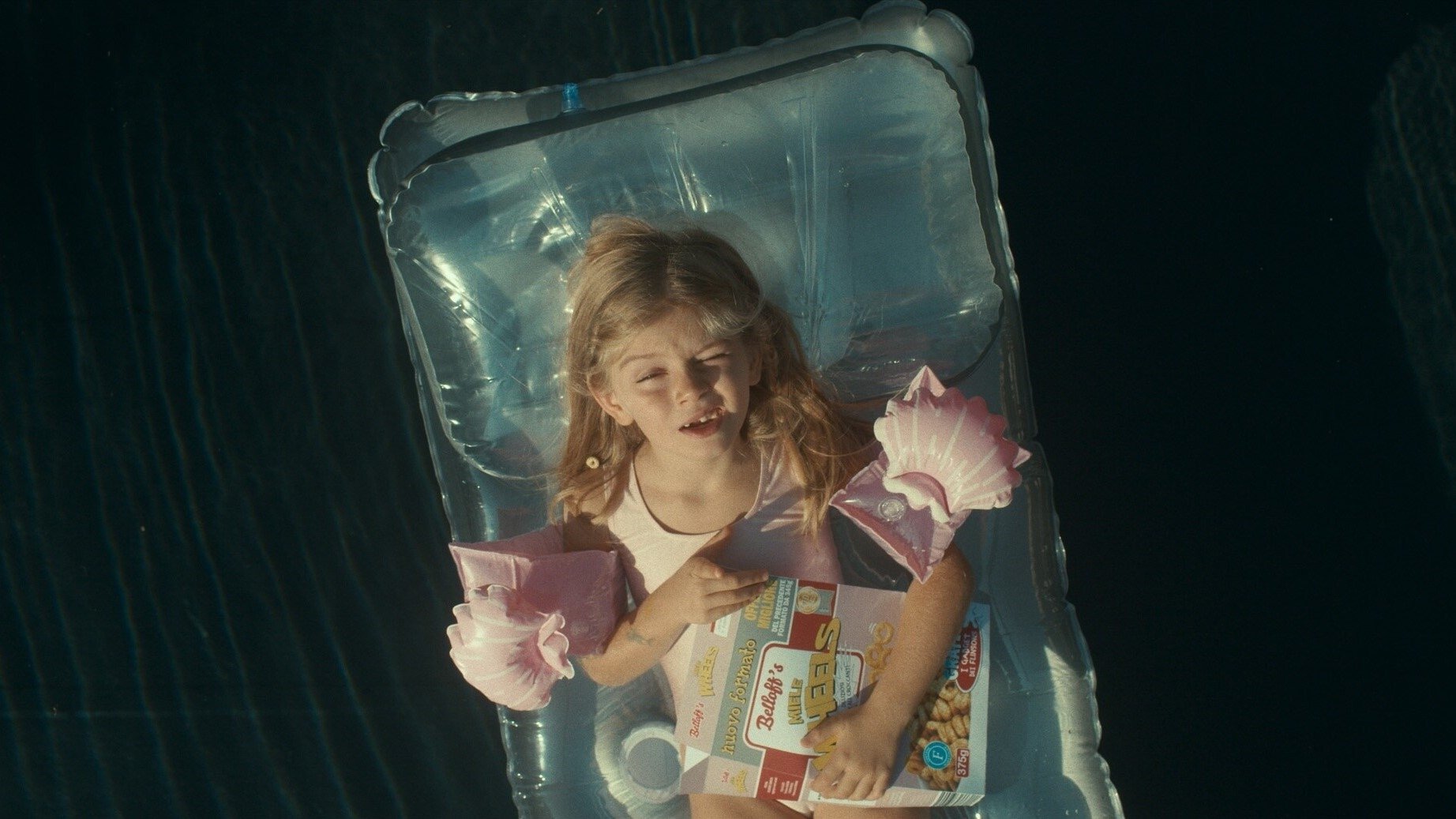

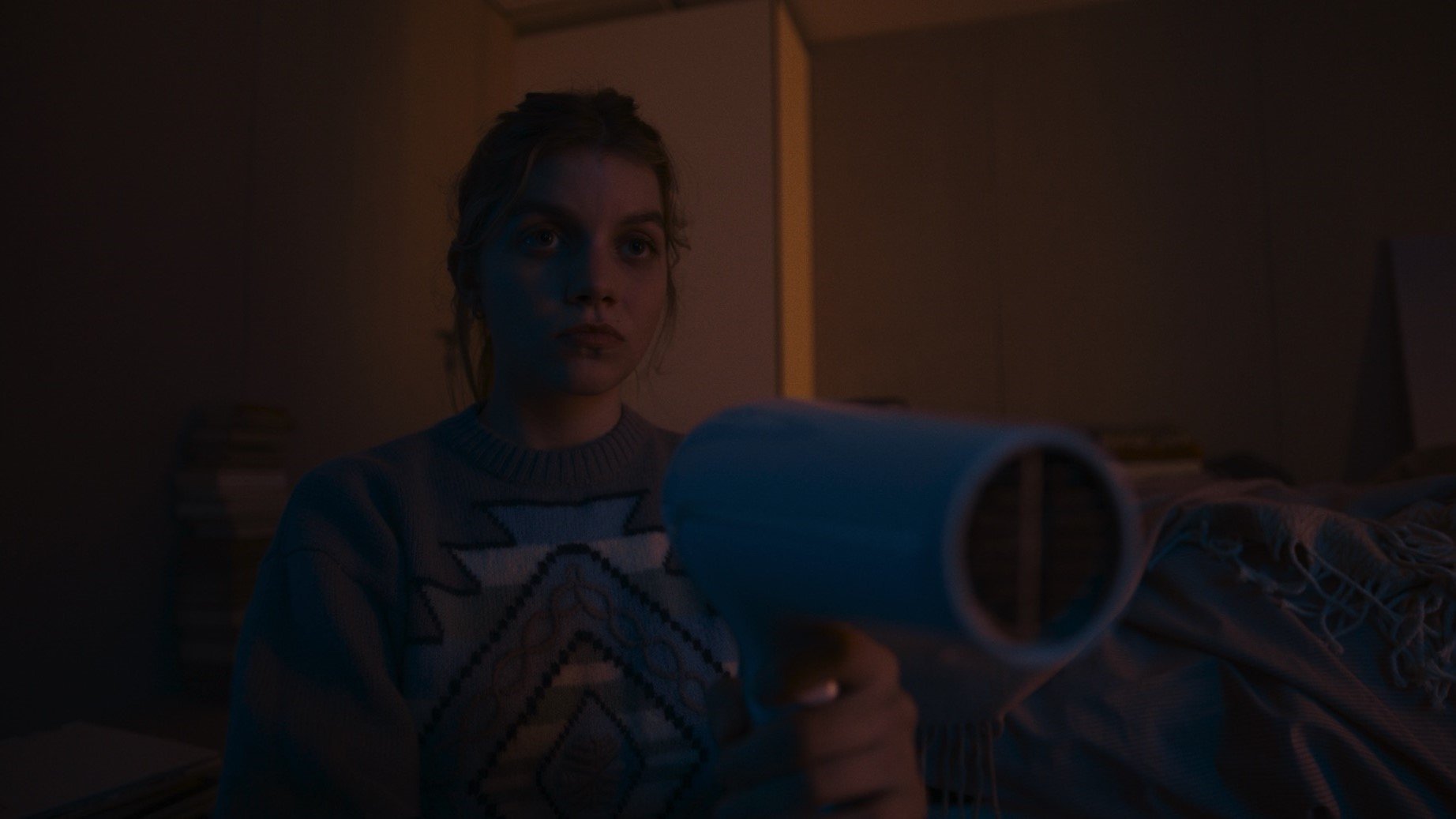


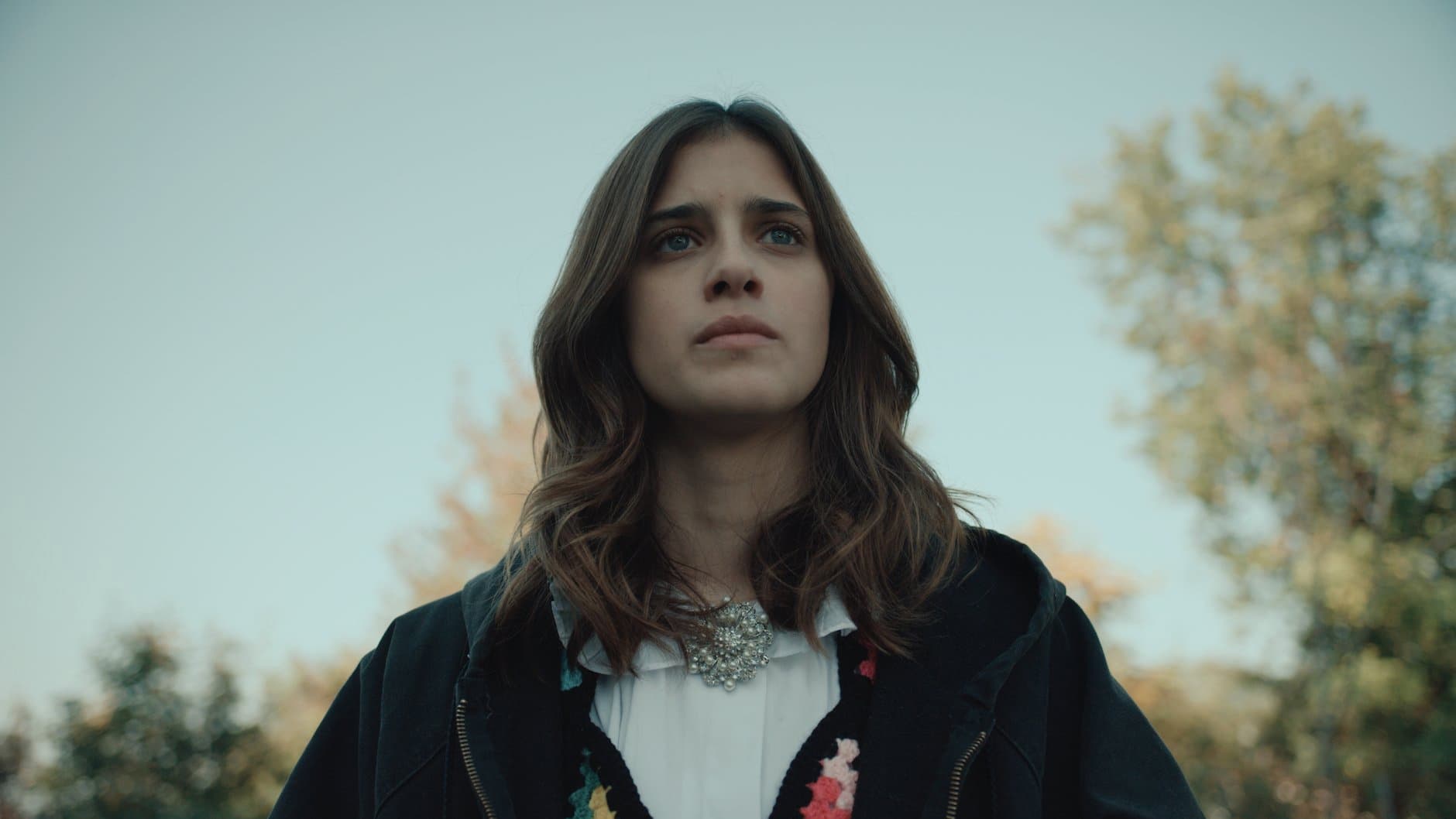
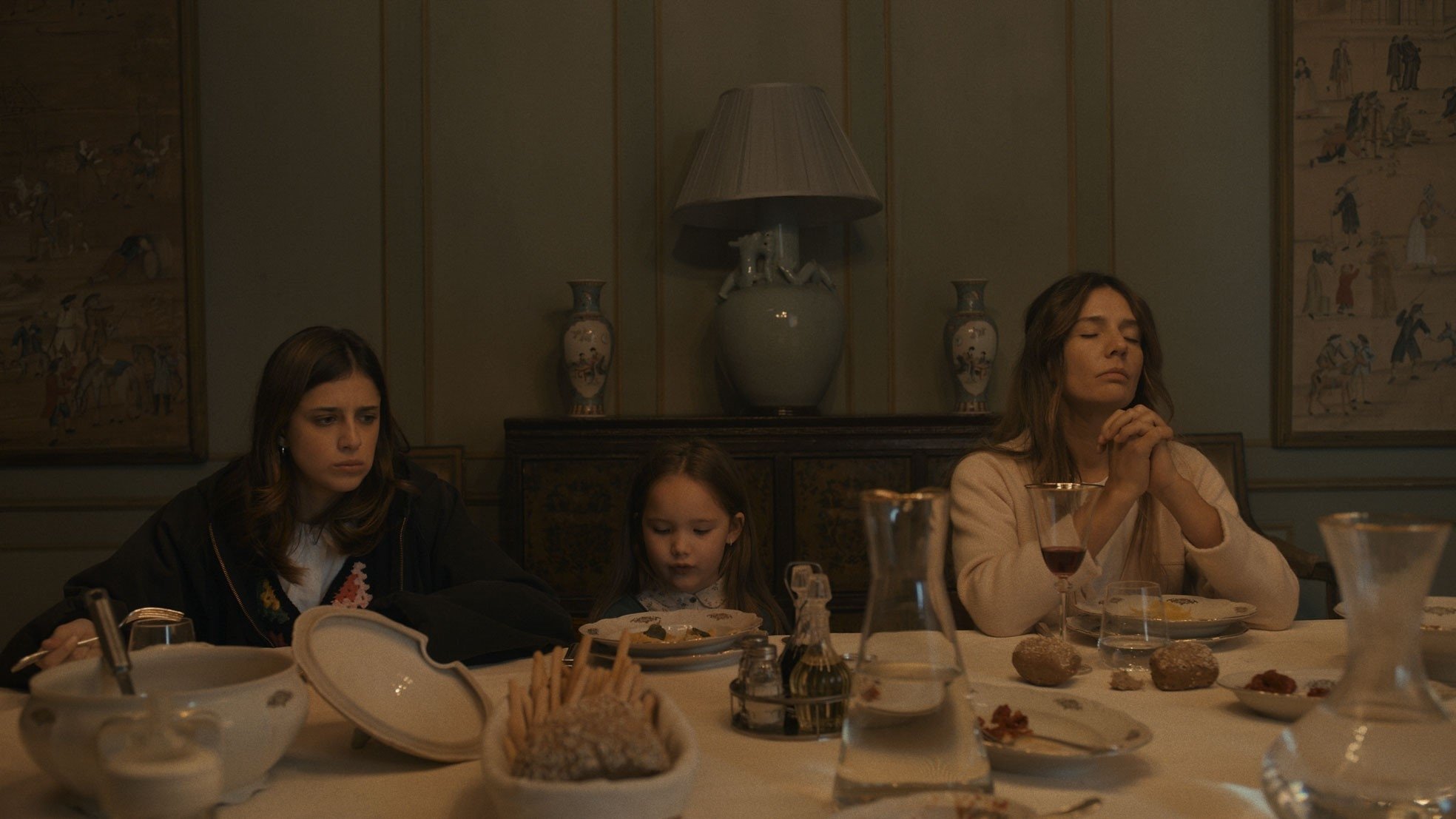
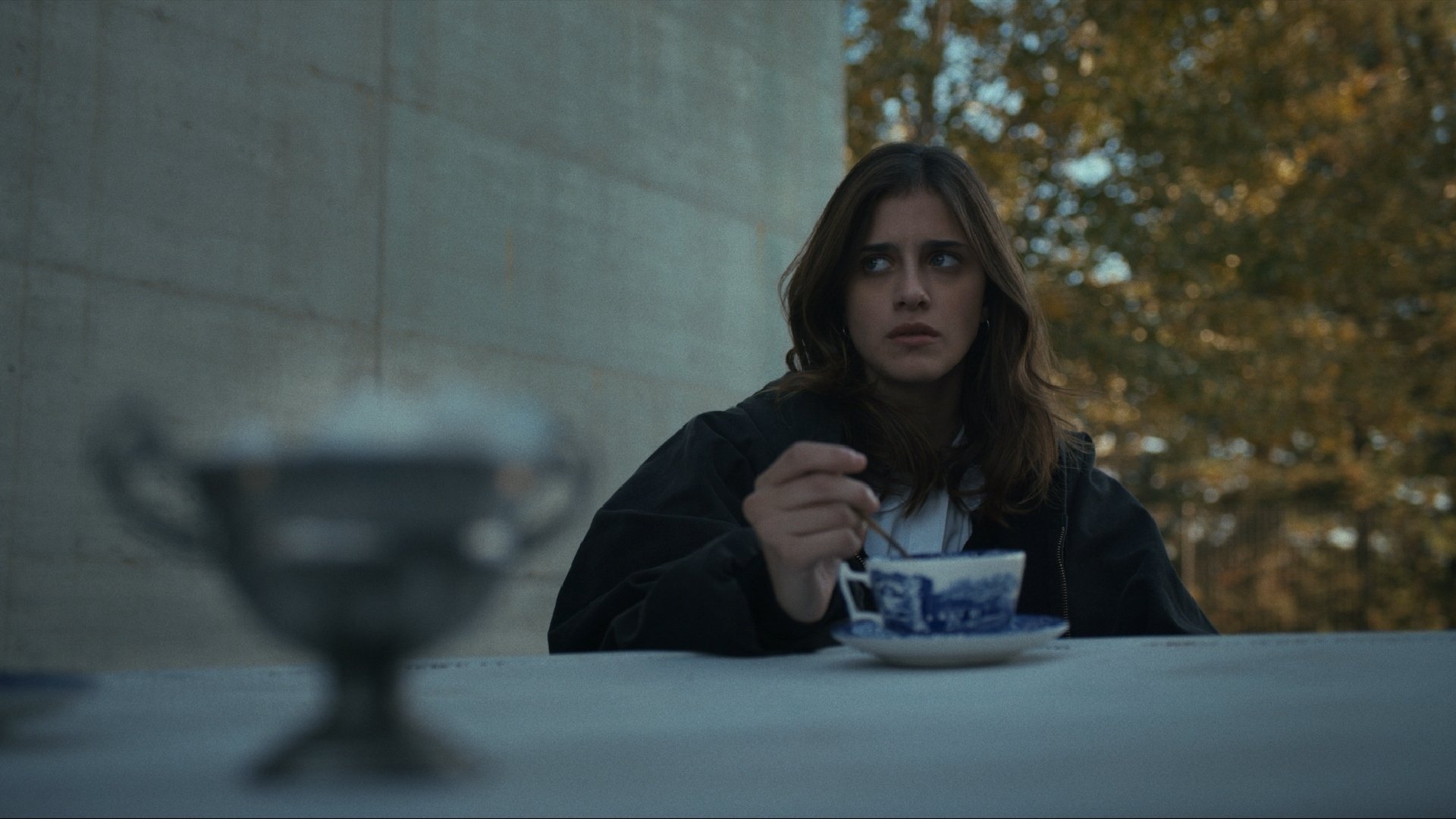
Amanda, 24, lives mostly isolated and has never had any friends, even if it's the thing she wants the most. Amanda chooses her new mission as to convince her childhood friend to believe that they are still best friends.
Directed by Carolina Cavalli

Trailer

IMDB
N/A
Where to Watch



Cast

Benedetta Porcaroli
Amanda

Galatea Bellugi
Rebecca
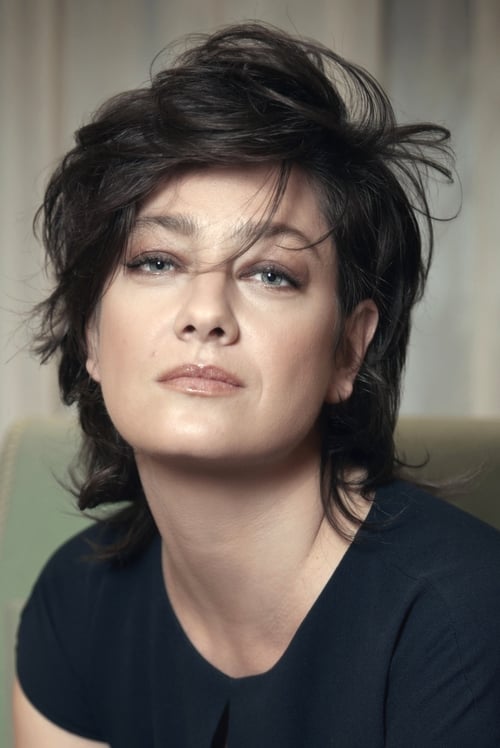
Giovanna Mezzogiorno
Viola

Michele Bravi
Dude

Monica Nappo
Sofia

Margherita Missoni
Marina
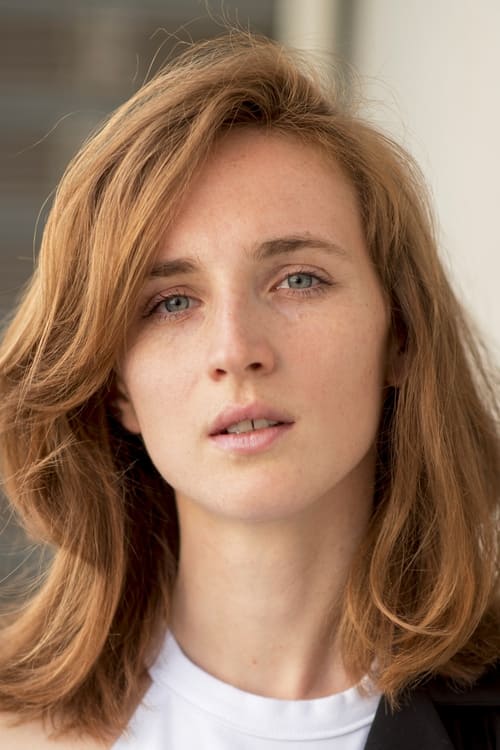
Giorgia Favoti
Ann

Sergio Chiorino
Dario

Matilde Rabottini
Matilde

Riccardo Lai
Movie Theater Cashier

Giovanna Guida
Horse Stable Woman

Massimo Vavassori
Ladybug
Crew

Carolina Cavalli
Director
Carolina Cavalli
Screenplay
Carolina Cavalli
Writer

Niccolò Contessa
Original Music Composer
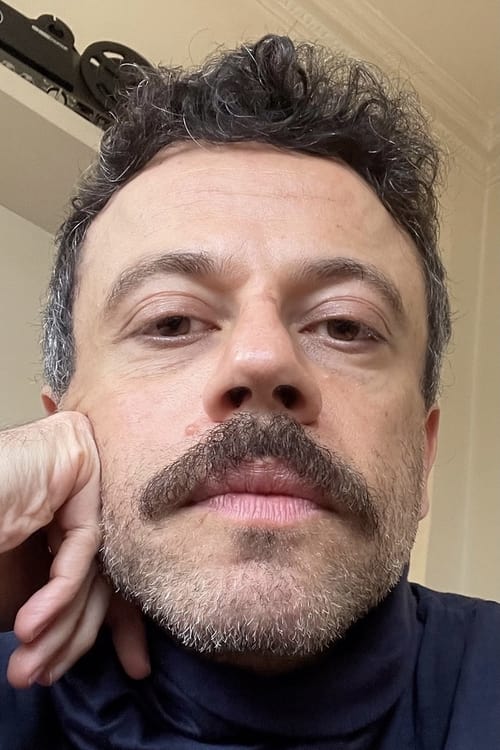
Babak Jalali
Editor
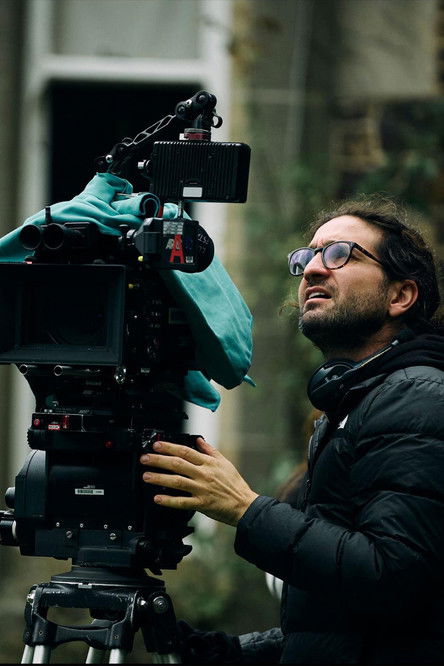
Lorenzo Levrini
Director of Photography
Lorenzo Gangarossa
Producer

Mario Gianani
Producer
Paolo Sorrentino
Thanks
Popular Reviews
41 reviews
carter canfield
7.0★ · 02/02/24

most men think they are ryan gosling, but in reality we are all really just Amandas
most men think they are ryan gosling, but in reality we are all really just Amandas

1

ila
8.0★ · 11/06/23
Lady Bird directed by Wes Anderson
Lady Bird directed by Wes Anderson
1
alesha
6.0★ · 04/23/26
Amanda is a quiet, unusual film that focuses on a young woman who feels completely out of place in the world around her. The story follows Amanda, a 24 year old who comes from a wealthy background but lives a very empty and isolated life. She has never had a real friend, and this becomes the central problem she tries to solve. When she decides she wants a friendship, she fixates on reconnecting with someone she barely knew as a child, treating this idea almost like a mission rather than a natural relationship. The film does not follow a typical storyline with clear emotional growth. Instead, it moves in a loose and sometimes uncomfortable way, reflecting Amanda’s own mindset and the difficulty she has understanding other people.
Benedetta Porcaroli gives a strong and very controlled performance in the main role. She plays Amanda as someone who is often cold, blunt, and socially unaware, but never turns her into a joke or a stereotype. There are moments where Amanda seems selfish or even irritating, yet the performance still allows you to see her vulnerability underneath. You get the sense that she genuinely does not know how to behave or connect, which makes her actions feel believable even when they are frustrating. The dynamic with the character Rebecca is especially important, as it shows how Amanda tries to build a connection in a way that feels forced and one sided, highlighting how fragile and uncertain her idea of friendship really is.
The film’s style is very simple but deliberate. The pacing is slow, and many scenes focus on small, awkward interactions rather than big dramatic events. The humor is dry and sometimes almost invisible, coming from how uncomfortable or strange situations feel rather than from obvious jokes. The direction avoids sentimentality, so it never tries to make the story overly emotional or uplifting. Instead, it stays honest about loneliness and social disconnection, even when that honesty makes the film feel distant or hard to watch. The clean visuals and controlled tone help create a sense of emptiness that matches Amanda’s inner life.
Overall, Amanda is a film that will not appeal to everyone, especially if you are looking for a warm or easy story about friendship. It can feel slow and emotionally distant, and the main character is not someone you immediately connect with. However, if you are open to a more subtle and honest portrayal of loneliness, it becomes a thoughtful and memorable experience. It stands out because it does not try to fix its character or offer simple answers, choosing instead to show how complicated and uncomfortable human connection can be.
Benedetta Porcaroli gives a strong and very controlled performance in the main role. She plays Amanda as someone who is often cold, blunt, and socially unaware, but never turns her into a joke or a stereotype. There are moments where Amanda seems selfish or even irritating, yet the performance still allows you to see her vulnerability underneath. You get the sense that she genuinely does not know how to behave or connect, which makes her actions feel believable even when they are frustrating. The dynamic with the character Rebecca is especially important, as it shows how Amanda tries to build a connection in a way that feels forced and one sided, highlighting how fragile and uncertain her idea of friendship really is.
The film’s style is very simple but deliberate. The pacing is slow, and many scenes focus on small, awkward interactions rather than big dramatic events. The humor is dry and sometimes almost invisible, coming from how uncomfortable or strange situations feel rather than from obvious jokes. The direction avoids sentimentality, so it never tries to make the story overly emotional or uplifting. Instead, it stays honest about loneliness and social disconnection, even when that honesty makes the film feel distant or hard to watch. The clean visuals and controlled tone help create a sense of emptiness that matches Amanda’s inner life.
Overall, Amanda is a film that will not appeal to everyone, especially if you are looking for a warm or easy story about friendship. It can feel slow and emotionally distant, and the main character is not someone you immediately connect with. However, if you are open to a more subtle and honest portrayal of loneliness, it becomes a thoughtful and memorable experience. It stands out because it does not try to fix its character or offer simple answers, choosing instead to show how complicated and uncomfortable human connection can be.
Amanda is a quiet, unusual film that focuses on a young woman who feels completely out of place in the world around her. The story follows Amanda, a 24 year old who comes from a wealthy background but lives a very empty and isolated life. She has never had a real friend, and this becomes the central problem she tries to solve. When she decides she wants a friendship, she fixates on reconnecting with someone she barely knew as a child, treating this idea almost like a mission rather than a natural relationship. The film does not follow a typical storyline with clear emotional growth. Instead, it moves in a loose and sometimes uncomfortable way, reflecting Amanda’s own mindset and the difficulty she has understanding other people.
Benedetta Porcaroli gives a strong and very controlled performance in the main role. She plays Amanda as someone who is often cold, blunt, and socially unaware, but never turns her into a joke or a stereotype. There are moments where Amanda seems selfish or even irritating, yet the performance still allows you to see her vulnerability underneath. You get the sense that she genuinely does not know how to behave or connect, which makes her actions feel believable even when they are frustrating. The dynamic with the character Rebecca is especially important, as it shows how Amanda tries to build a connection in a way that feels forced and one sided, highlighting how fragile and uncertain her idea of friendship really is.
The film’s style is very simple but deliberate. The pacing is slow, and many scenes focus on small, awkward interactions rather than big dramatic events. The humor is dry and sometimes almost invisible, coming from how uncomfortable or strange situations feel rather than from obvious jokes. The direction avoids sentimentality, so it never tries to make the story overly emotional or uplifting. Instead, it stays honest about loneliness and social disconnection, even when that honesty makes the film feel distant or hard to watch. The clean visuals and controlled tone help create a sense of emptiness that matches Amanda’s inner life.
Overall, Amanda is a film that will not appeal to everyone, especially if you are looking for a warm or easy story about friendship. It can feel slow and emotionally distant, and the main character is not someone you immediately connect with. However, if you are open to a more subtle and honest portrayal of loneliness, it becomes a thoughtful and memorable experience. It stands out because it does not try to fix its character or offer simple answers, choosing instead to show how complicated and uncomfortable human connection can be.
Benedetta Porcaroli gives a strong and very controlled performance in the main role. She plays Amanda as someone who is often cold, blunt, and socially unaware, but never turns her into a joke or a stereotype. There are moments where Amanda seems selfish or even irritating, yet the performance still allows you to see her vulnerability underneath. You get the sense that she genuinely does not know how to behave or connect, which makes her actions feel believable even when they are frustrating. The dynamic with the character Rebecca is especially important, as it shows how Amanda tries to build a connection in a way that feels forced and one sided, highlighting how fragile and uncertain her idea of friendship really is.
The film’s style is very simple but deliberate. The pacing is slow, and many scenes focus on small, awkward interactions rather than big dramatic events. The humor is dry and sometimes almost invisible, coming from how uncomfortable or strange situations feel rather than from obvious jokes. The direction avoids sentimentality, so it never tries to make the story overly emotional or uplifting. Instead, it stays honest about loneliness and social disconnection, even when that honesty makes the film feel distant or hard to watch. The clean visuals and controlled tone help create a sense of emptiness that matches Amanda’s inner life.
Overall, Amanda is a film that will not appeal to everyone, especially if you are looking for a warm or easy story about friendship. It can feel slow and emotionally distant, and the main character is not someone you immediately connect with. However, if you are open to a more subtle and honest portrayal of loneliness, it becomes a thoughtful and memorable experience. It stands out because it does not try to fix its character or offer simple answers, choosing instead to show how complicated and uncomfortable human connection can be.
Aktozh
7.0★ · 11/05/25
Не знаю кого кинню больше - ребекку или аманду
Классный фильм, но чего-то не докрутили как будто😭😭😭 чувствуется, что это дебютная работа
Классный фильм, но чего-то не докрутили как будто😭😭😭 чувствуется, что это дебютная работа
Не знаю кого кинню больше - ребекку или аманду
Классный фильм, но чего-то не докрутили как будто😭😭😭 чувствуется, что это дебютная работа
Классный фильм, но чего-то не докрутили как будто😭😭😭 чувствуется, что это дебютная работа
niki
7.0★ · 11/24/24
i liked it i just believe it could’ve been way better and obviously this is so UNDERRATED im sure a lot people will see themselves in amanda
i liked it i just believe it could’ve been way better and obviously this is so UNDERRATED im sure a lot people will see themselves in amanda