
2023·Drama·1h 48m
7.1
★

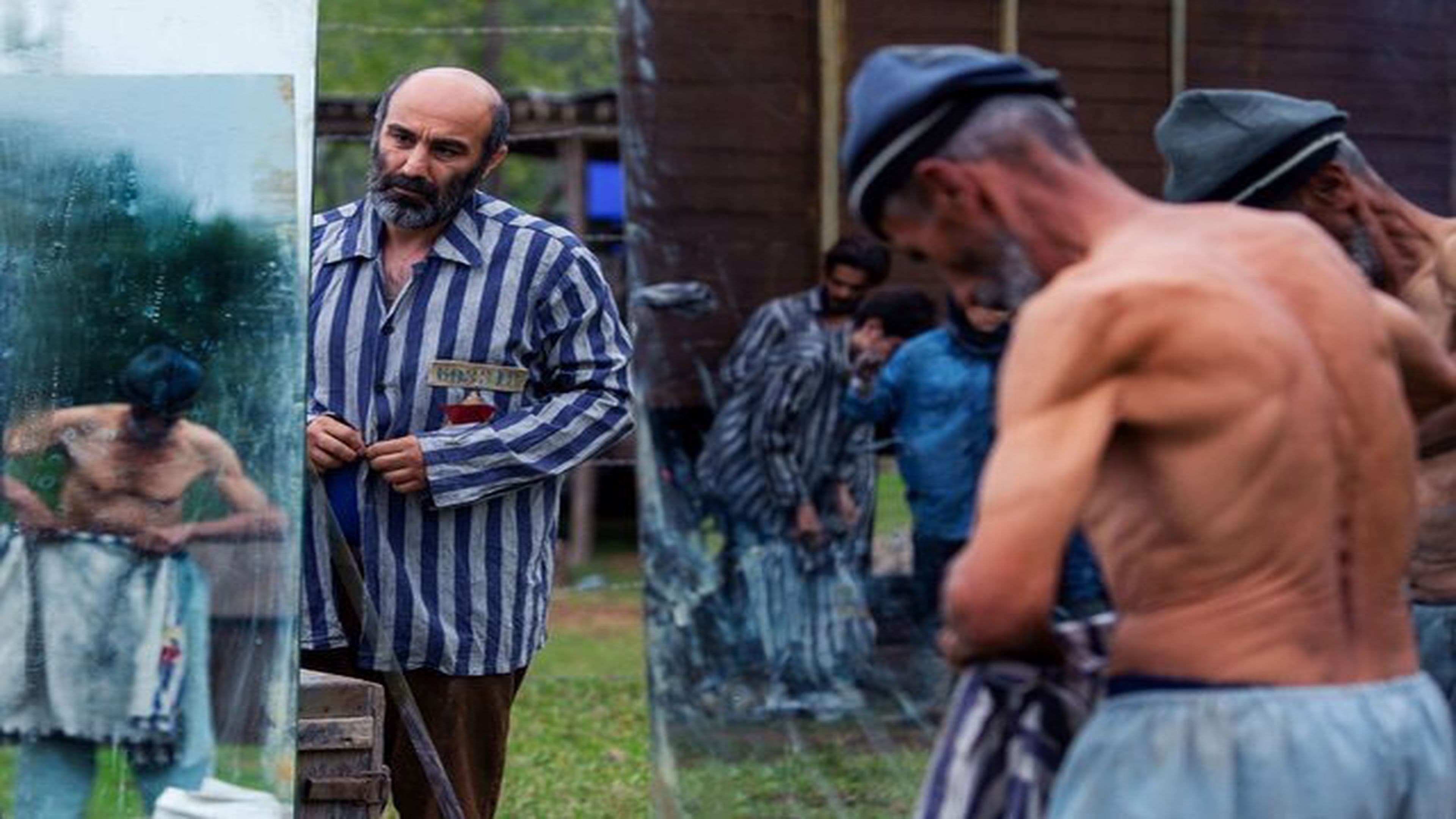
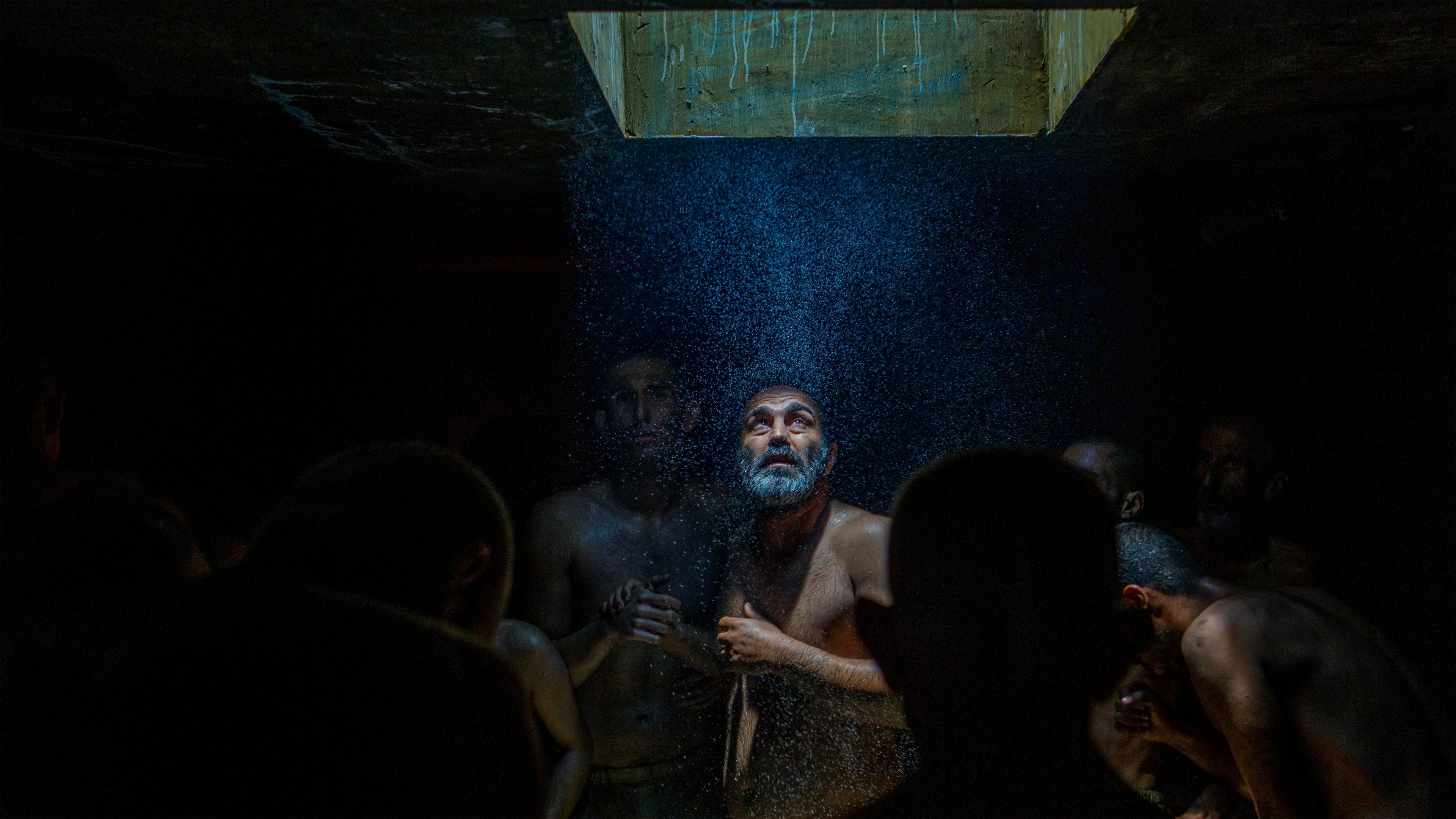
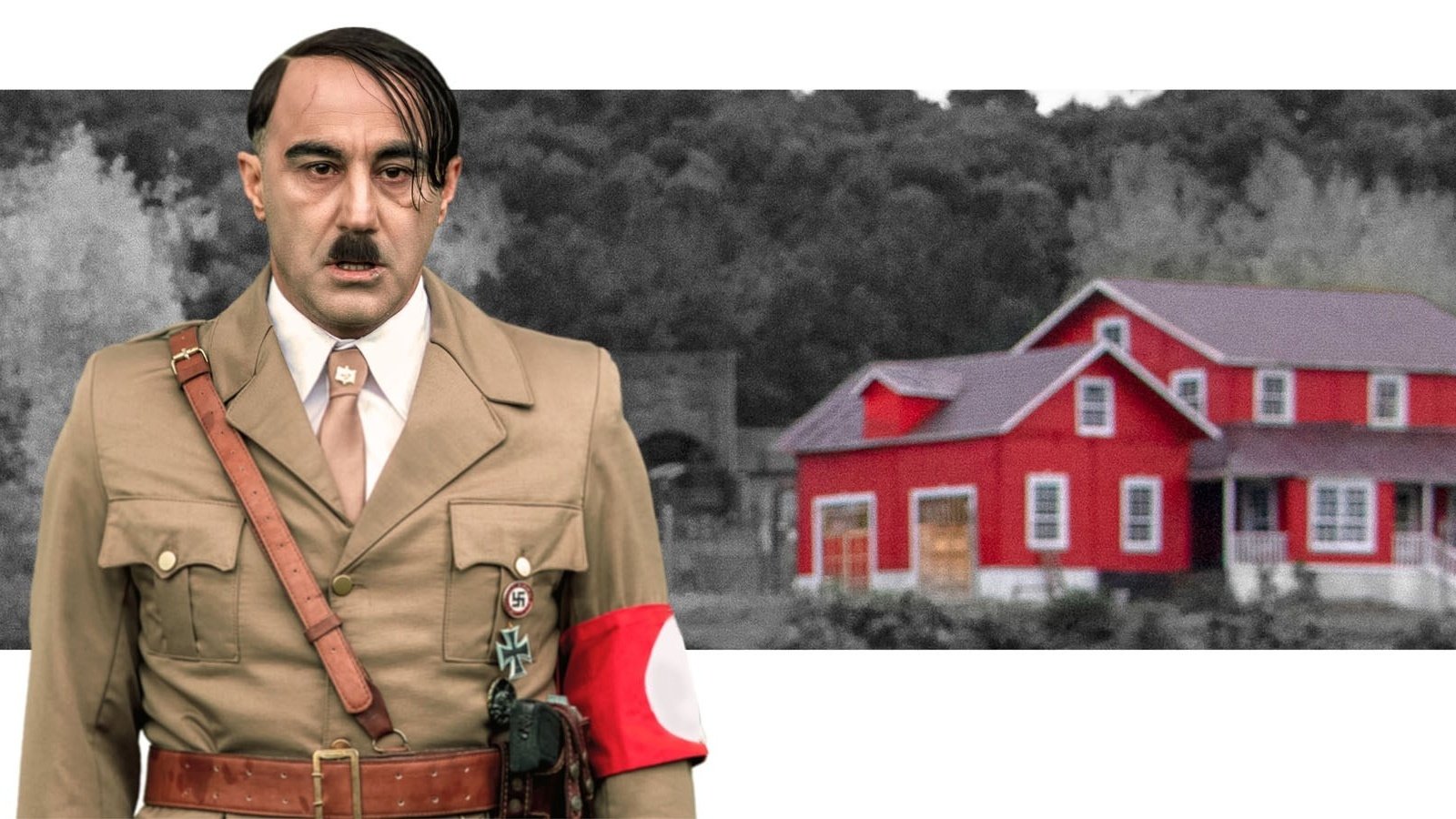
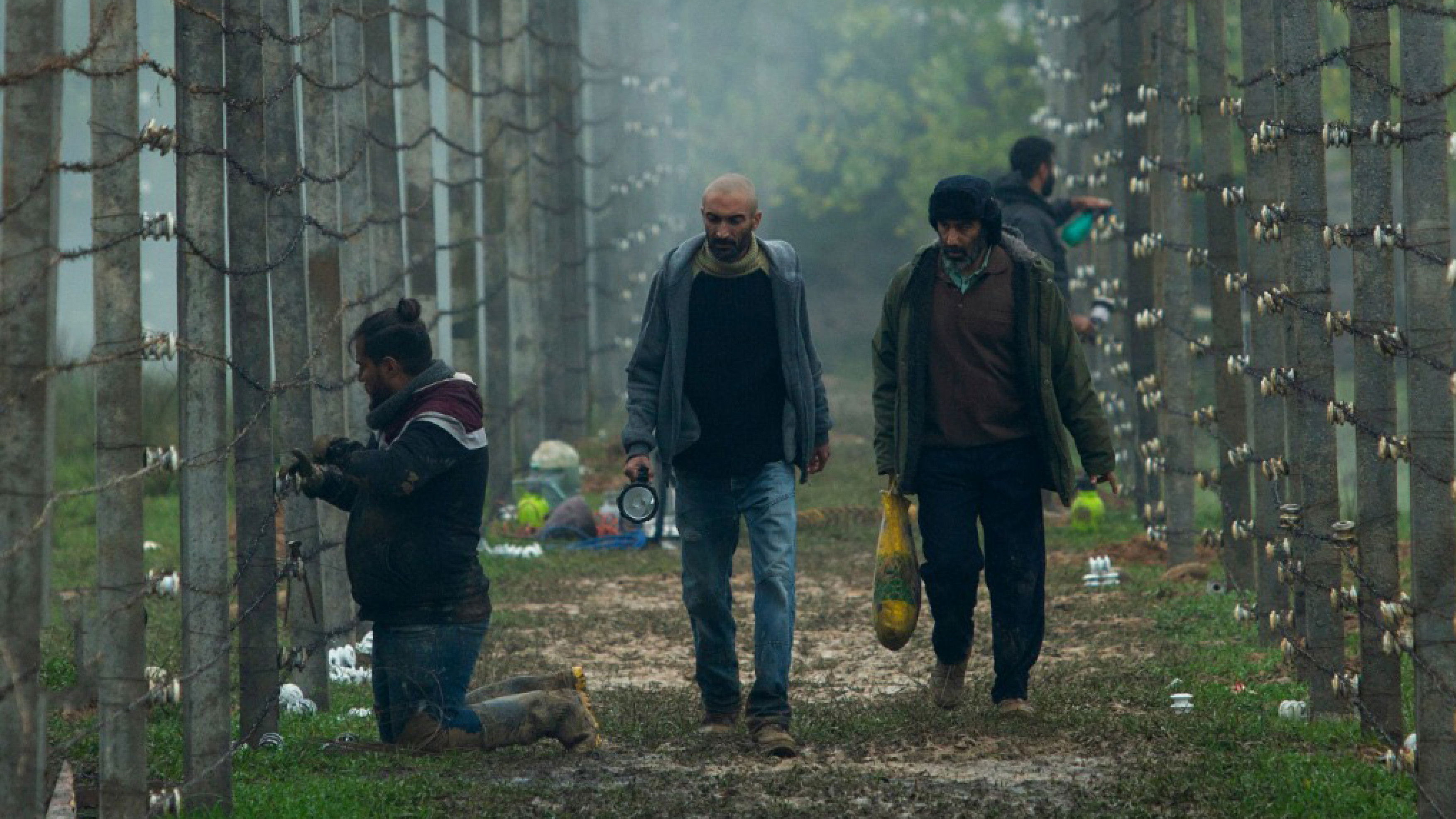
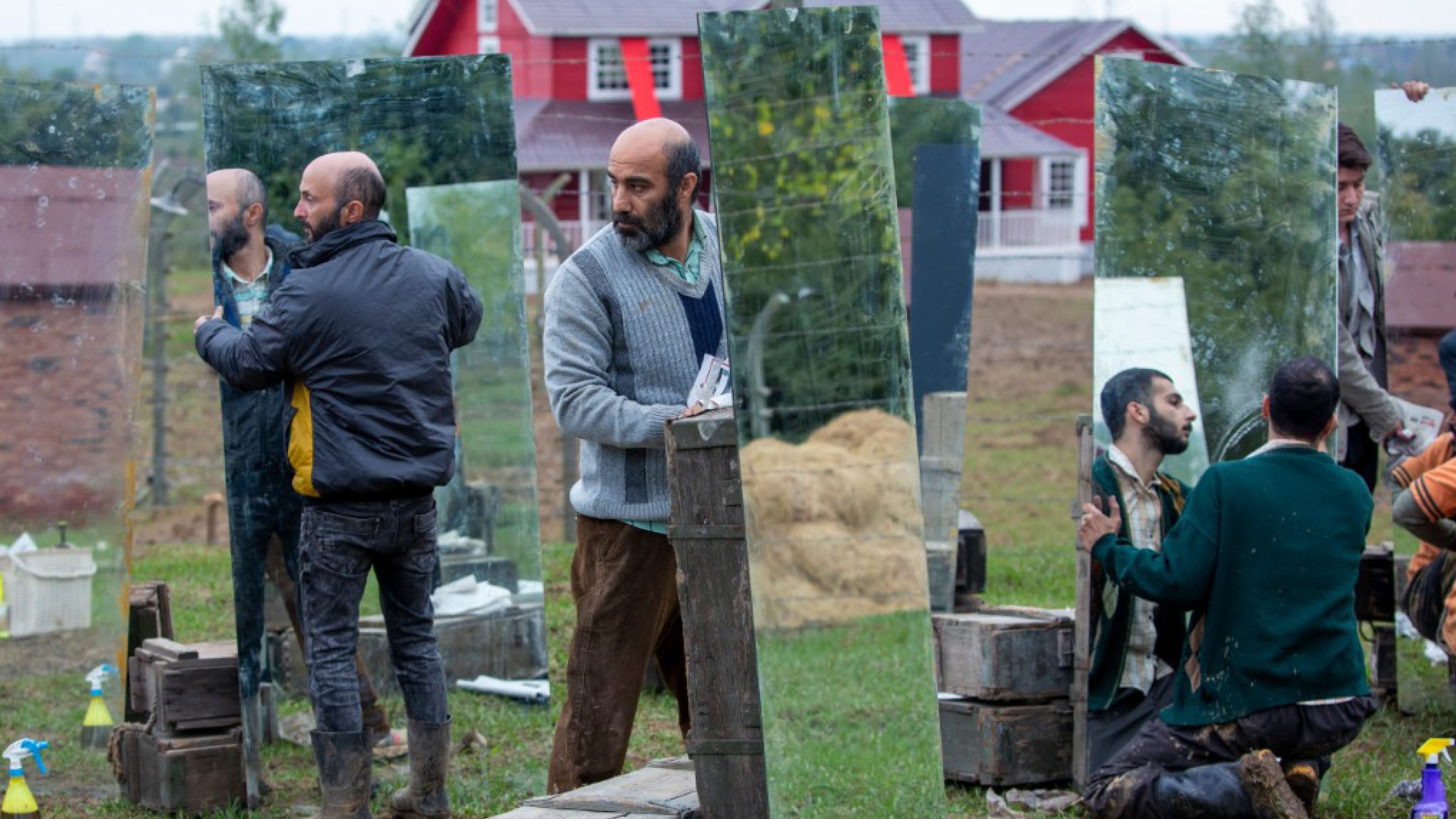
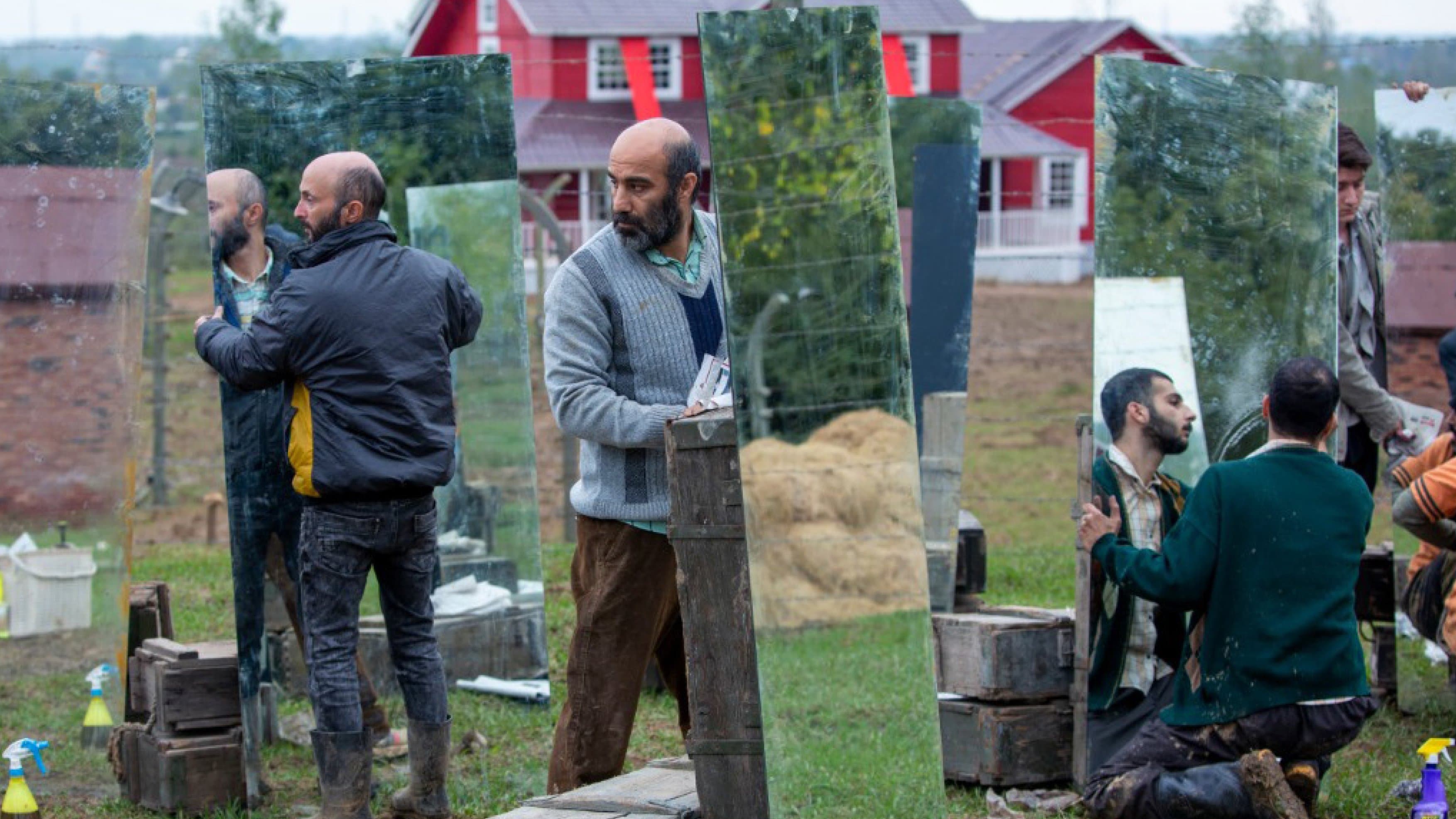
Shakib is a homeless day laborer who never got over the loss of his wife and son in an earthquake years ago. Over the last couple of years, he has developed a relationship with a deaf and mute woman, Ladan. The construction site on which he works today turns out to be the set of a film about the atrocities committed by Hitler during WWII. Against all odds, he is given a movie role, a house and a chance at being somebody. When Ladan learns about this, she comes to his workplace begging for help. Shakib’s scheme to hide her goes tragically wrong and threatens to ruin his newfound status and what seemed to be the opportunity of a lifetime.
Directed by Houman Seyyedi
sign languages
film within a film

Trailer

IMDB
N/A
Where to Watch



Cast
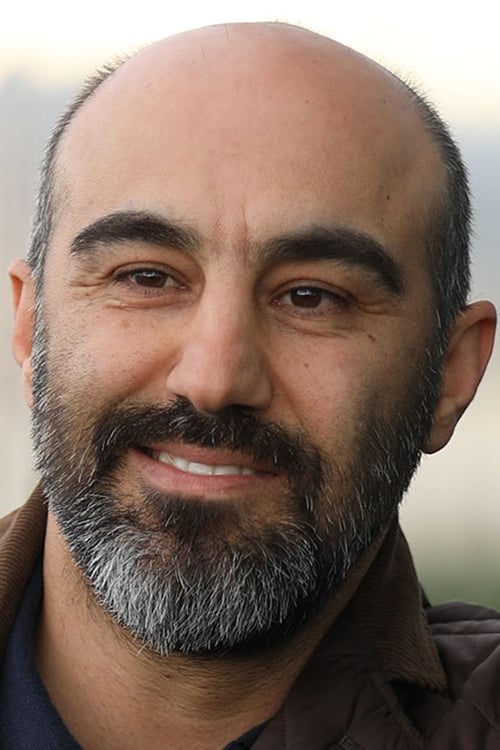
Mohsen Tanabandeh
Shakib

Mahsa Hejazi
Ladan
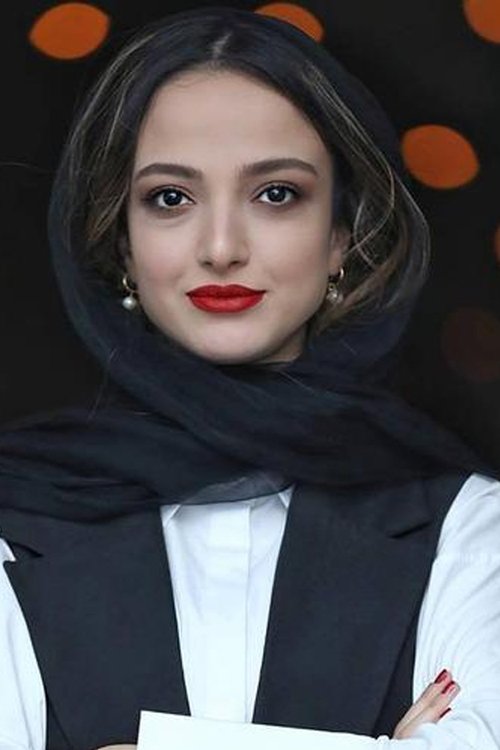
Neda Jebraeili
Zare
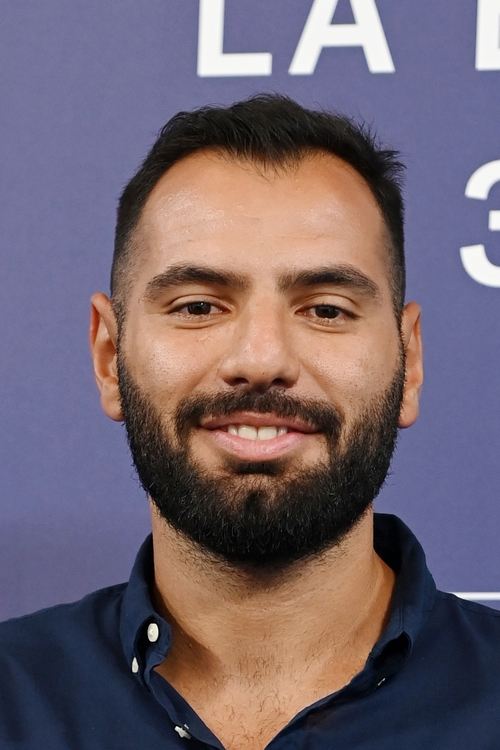
Navid Nosrati
Nosrati
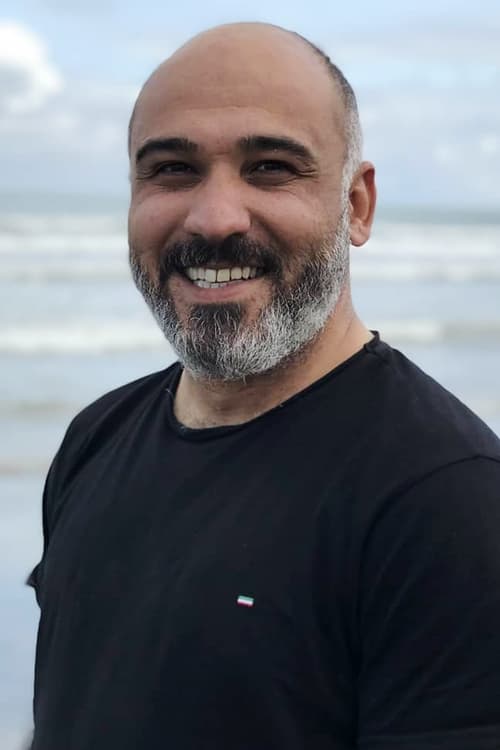
Morteza Khanjani
Farshid
Bahman Sadegh Hassani
Javad
Crew
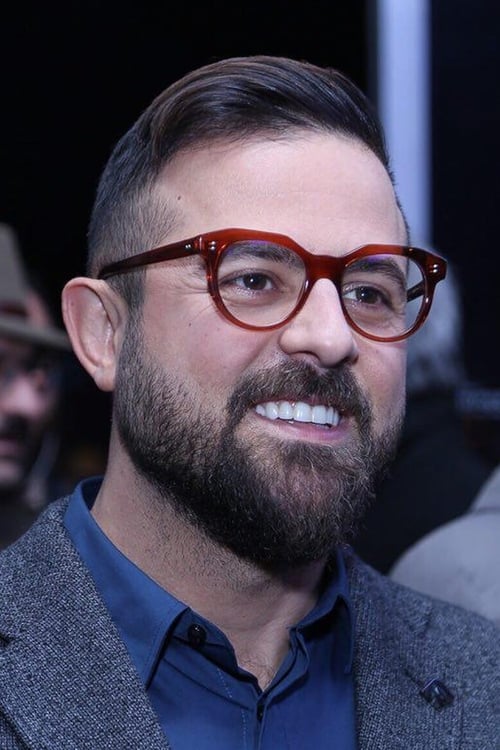
Houman Seyyedi
Director
Houman Seyyedi
Writer
Houman Seyyedi
Editor
Houman Seyyedi
Producer

Bamdad Afshar
Music
Popular Reviews
10 reviews
armi
6.0★ · 10/11/24

It would be objectively unfair to rate this lower. There is a stark contrast in rating when comparing Iranian viewers and international viewers. The former seems to dislike it much more than the latter, which makes sense given the dynamics of international cinema.
The Iranian complaints sound valid. The film is a repetition of misery lit, which saturates Iranian cinema for any drama production. Such plot lines have become predictable and lacking originality, with much of the visible creativity attributed to inspiration from other great directors of today and of the past. Many seem to think that such movies are tailored to appease Western audience, who expect this sort of bleak and hopelessness, with a side of poverty and totalitarianism, class difference, and rage. Lots of rage. Half the dialogues are yelled, not spoken. That is the doom of Iranian cinema, where drama is founded on volume instead of content.
The story loses momentum past 30 minutes, and the potential of narrative depth is lost. Although Seyedi manages to pull everything together for the end scene, which again for many, had more shock value than real substance. I think the ending would have been more satisfying had the writing gone a different route, in line with the first act. I would have been happier to see a film where the evil of cinema unravels, without the introduction of Ladan’s character at all! This would have been a continuation of meta filmmaking, art made about the process of art, and whatever that can arise from it, in this instance tyranny. This has been explored for quite a while in “Western” films, so Seyedi and others of his status would still be catching up. I only hope for Iranian artists to try and be progressive in their art head on and independent from global movements , instead of waiting for it to happen in America or Europe and then following that. I hope for them to initiate that which is new. We have been behind in the same way in literature, and the same goes for film, including technique. Compare to your standard visual elements in Western drama. I personally don’t think the visuals are a stylistic choice, and it’s not intentionally trying to be “European Arthouse”. The truth is that it’s behind in cinematography, and the visuals lack finesse.
Regardless, Seyedi could have kept the ending unchanged in my opinion, which to me indicates that the Ladan storyline was not essential to the film. The main strength was Mohseb Tanabandeh’s performance, which made the confused script somewhat convincing.
The Iranian complaints sound valid. The film is a repetition of misery lit, which saturates Iranian cinema for any drama production. Such plot lines have become predictable and lacking originality, with much of the visible creativity attributed to inspiration from other great directors of today and of the past. Many seem to think that such movies are tailored to appease Western audience, who expect this sort of bleak and hopelessness, with a side of poverty and totalitarianism, class difference, and rage. Lots of rage. Half the dialogues are yelled, not spoken. That is the doom of Iranian cinema, where drama is founded on volume instead of content.
The story loses momentum past 30 minutes, and the potential of narrative depth is lost. Although Seyedi manages to pull everything together for the end scene, which again for many, had more shock value than real substance. I think the ending would have been more satisfying had the writing gone a different route, in line with the first act. I would have been happier to see a film where the evil of cinema unravels, without the introduction of Ladan’s character at all! This would have been a continuation of meta filmmaking, art made about the process of art, and whatever that can arise from it, in this instance tyranny. This has been explored for quite a while in “Western” films, so Seyedi and others of his status would still be catching up. I only hope for Iranian artists to try and be progressive in their art head on and independent from global movements , instead of waiting for it to happen in America or Europe and then following that. I hope for them to initiate that which is new. We have been behind in the same way in literature, and the same goes for film, including technique. Compare to your standard visual elements in Western drama. I personally don’t think the visuals are a stylistic choice, and it’s not intentionally trying to be “European Arthouse”. The truth is that it’s behind in cinematography, and the visuals lack finesse.
Regardless, Seyedi could have kept the ending unchanged in my opinion, which to me indicates that the Ladan storyline was not essential to the film. The main strength was Mohseb Tanabandeh’s performance, which made the confused script somewhat convincing.
It would be objectively unfair to rate this lower. There is a stark contrast in rating when comparing Iranian viewers and international viewers. The former seems to dislike it much more than the latter, which makes sense given the dynamics of international cinema.
The Iranian complaints sound valid. The film is a repetition of misery lit, which saturates Iranian cinema for any drama production. Such plot lines have become predictable and lacking originality, with much of the visible creativity attributed to inspiration from other great directors of today and of the past. Many seem to think that such movies are tailored to appease Western audience, who expect this sort of bleak and hopelessness, with a side of poverty and totalitarianism, class difference, and rage. Lots of rage. Half the dialogues are yelled, not spoken. That is the doom of Iranian cinema, where drama is founded on volume instead of content.
The story loses momentum past 30 minutes, and the potential of narrative depth is lost. Although Seyedi manages to pull everything together for the end scene, which again for many, had more shock value than real substance. I think the ending would have been more satisfying had the writing gone a different route, in line with the first act. I would have been happier to see a film where the evil of cinema unravels, without the introduction of Ladan’s character at all! This would have been a continuation of meta filmmaking, art made about the process of art, and whatever that can arise from it, in this instance tyranny. This has been explored for quite a while in “Western” films, so Seyedi and others of his status would still be catching up. I only hope for Iranian artists to try and be progressive in their art head on and independent from global movements , instead of waiting for it to happen in America or Europe and then following that. I hope for them to initiate that which is new. We have been behind in the same way in literature, and the same goes for film, including technique. Compare to your standard visual elements in Western drama. I personally don’t think the visuals are a stylistic choice, and it’s not intentionally trying to be “European Arthouse”. The truth is that it’s behind in cinematography, and the visuals lack finesse.
Regardless, Seyedi could have kept the ending unchanged in my opinion, which to me indicates that the Ladan storyline was not essential to the film. The main strength was Mohseb Tanabandeh’s performance, which made the confused script somewhat convincing.
The Iranian complaints sound valid. The film is a repetition of misery lit, which saturates Iranian cinema for any drama production. Such plot lines have become predictable and lacking originality, with much of the visible creativity attributed to inspiration from other great directors of today and of the past. Many seem to think that such movies are tailored to appease Western audience, who expect this sort of bleak and hopelessness, with a side of poverty and totalitarianism, class difference, and rage. Lots of rage. Half the dialogues are yelled, not spoken. That is the doom of Iranian cinema, where drama is founded on volume instead of content.
The story loses momentum past 30 minutes, and the potential of narrative depth is lost. Although Seyedi manages to pull everything together for the end scene, which again for many, had more shock value than real substance. I think the ending would have been more satisfying had the writing gone a different route, in line with the first act. I would have been happier to see a film where the evil of cinema unravels, without the introduction of Ladan’s character at all! This would have been a continuation of meta filmmaking, art made about the process of art, and whatever that can arise from it, in this instance tyranny. This has been explored for quite a while in “Western” films, so Seyedi and others of his status would still be catching up. I only hope for Iranian artists to try and be progressive in their art head on and independent from global movements , instead of waiting for it to happen in America or Europe and then following that. I hope for them to initiate that which is new. We have been behind in the same way in literature, and the same goes for film, including technique. Compare to your standard visual elements in Western drama. I personally don’t think the visuals are a stylistic choice, and it’s not intentionally trying to be “European Arthouse”. The truth is that it’s behind in cinematography, and the visuals lack finesse.
Regardless, Seyedi could have kept the ending unchanged in my opinion, which to me indicates that the Ladan storyline was not essential to the film. The main strength was Mohseb Tanabandeh’s performance, which made the confused script somewhat convincing.


Hesam
6.0★ · 02/05/26
soroush
7.0★ · 01/26/26
Kevin
5.0★ · 09/03/25
sama
7.4★ · 12/11/24