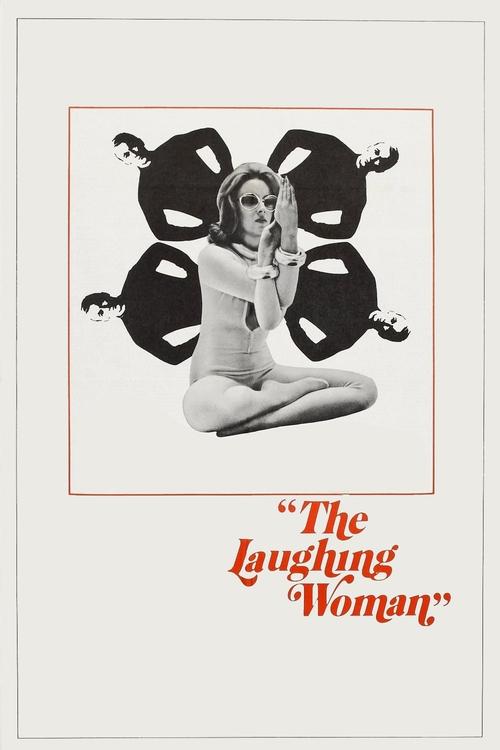
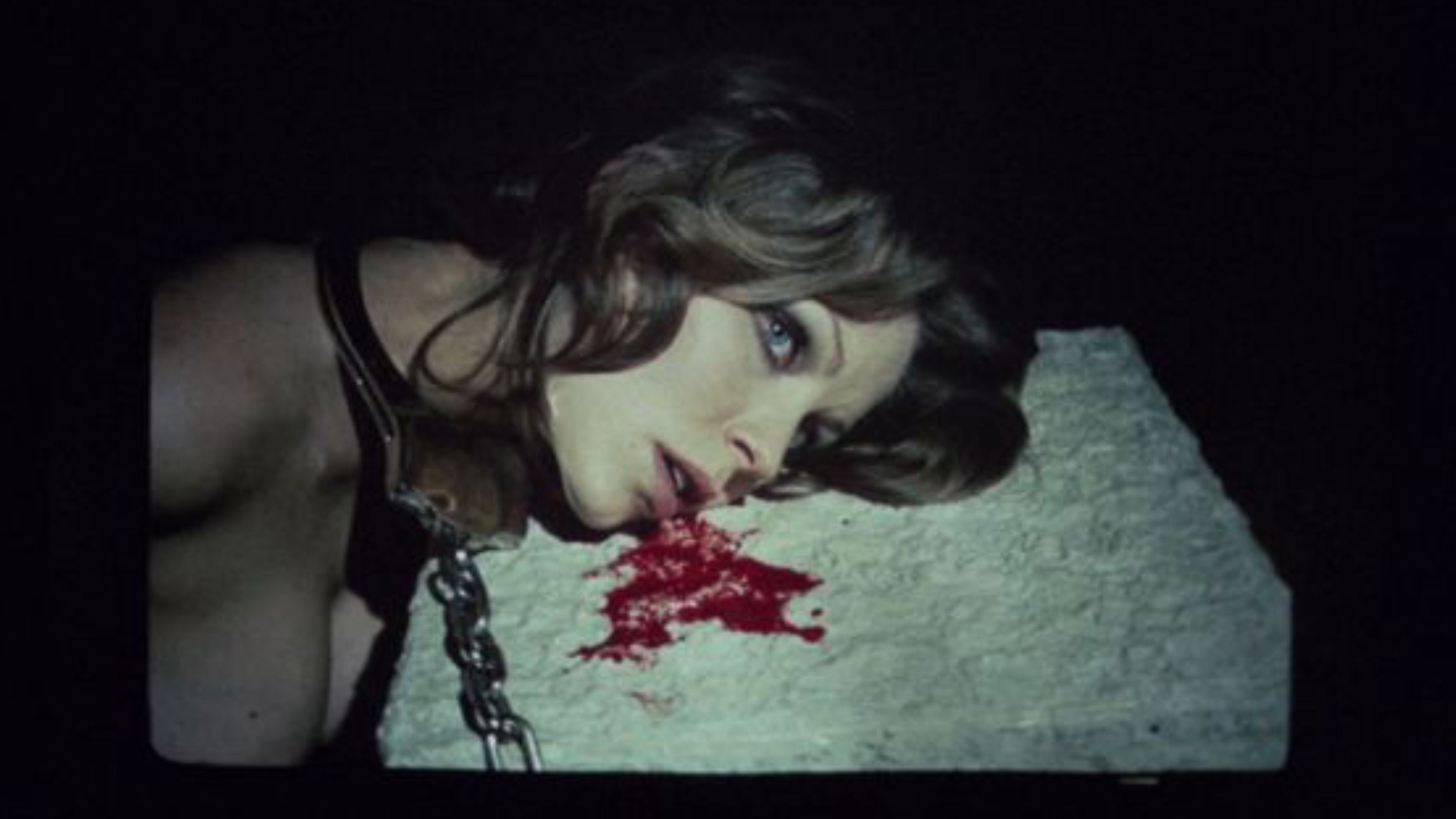
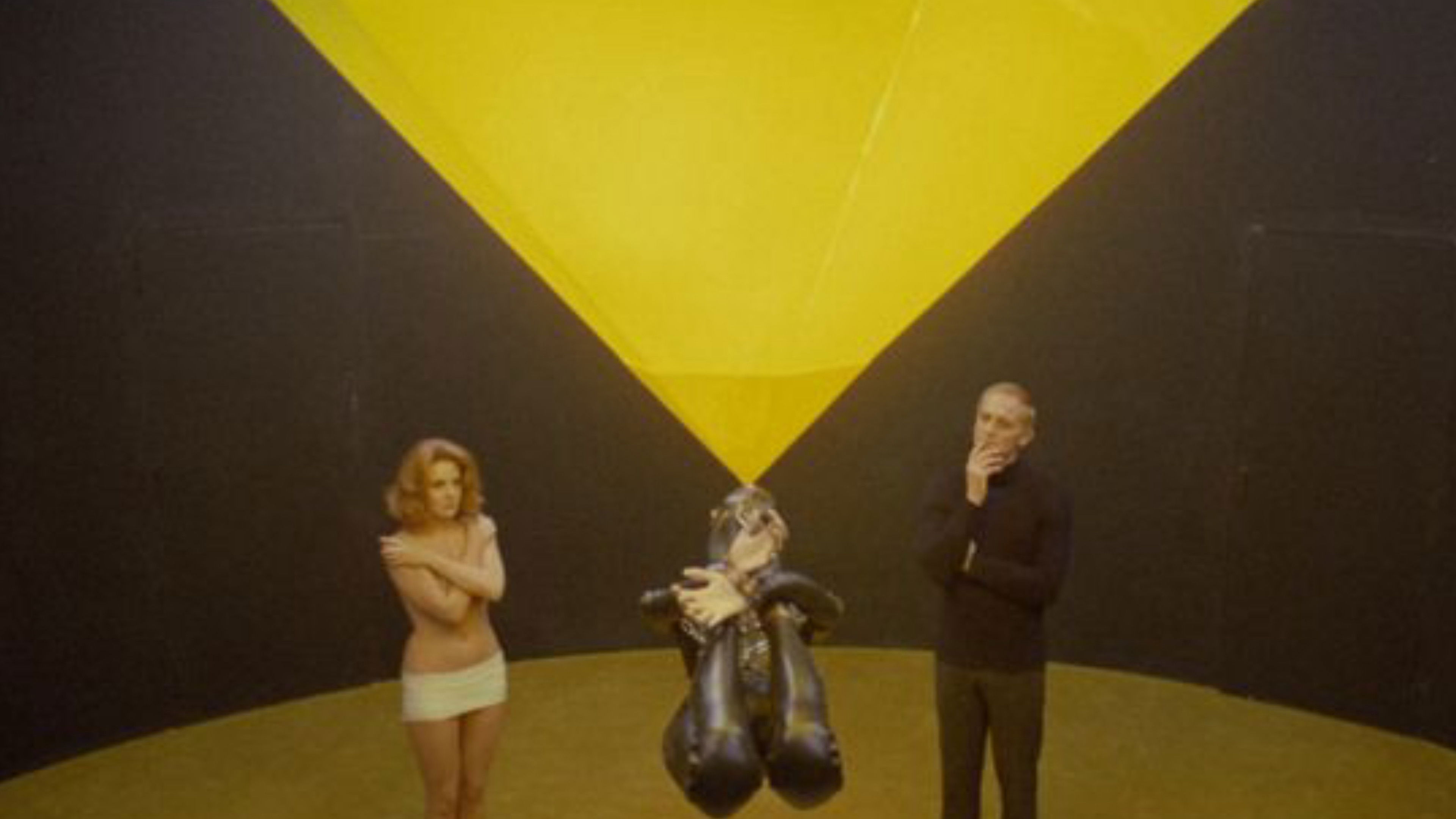
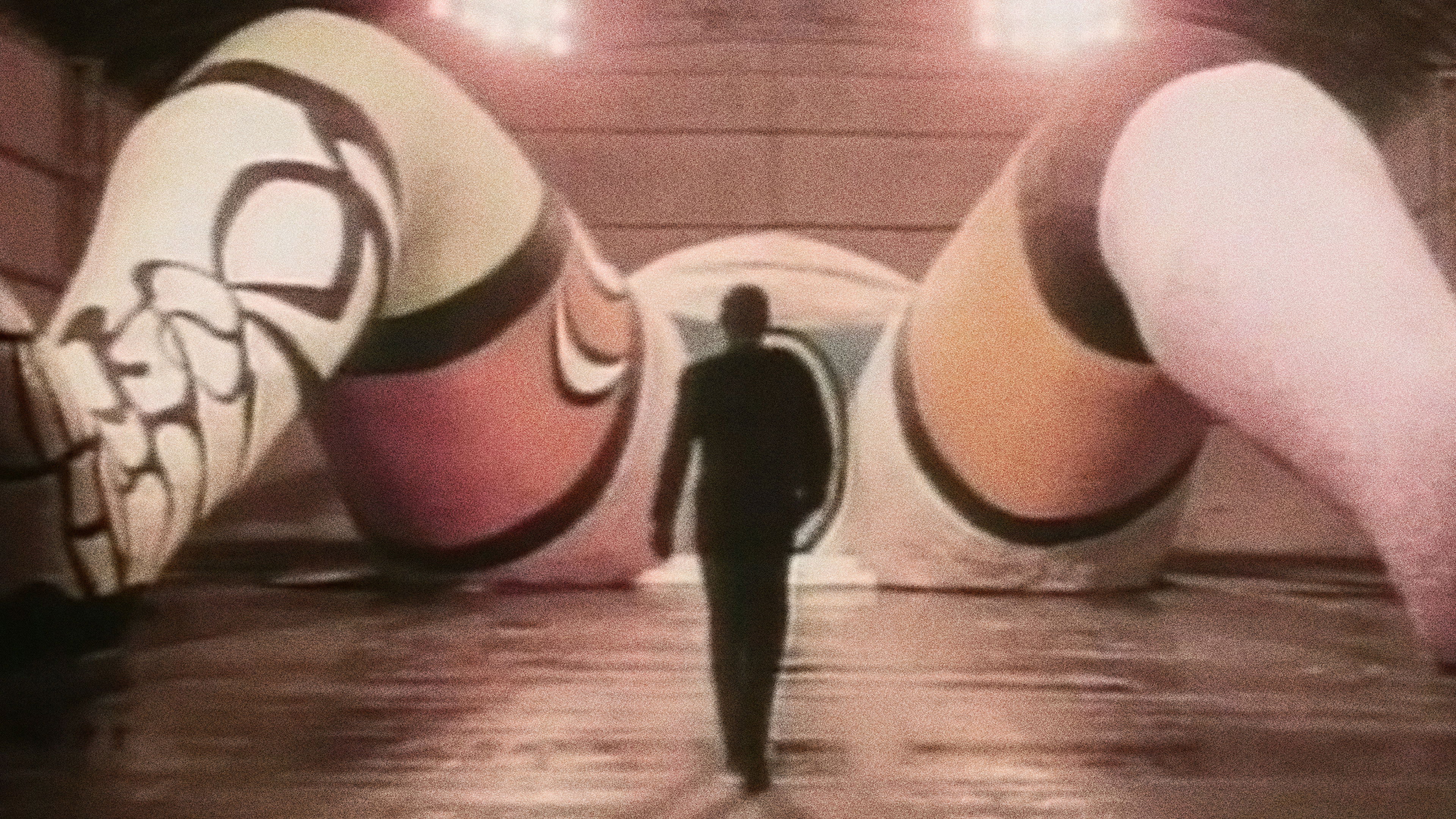
Okay, I want to say lots of things and I have lots of questions about this movie:
-Why is this movie not talked about enough?
-That man was cumming when Mary talked about cat whiskers.
-What was Mary talking about in the restaurant?
-I want that boat-car thing.
-I hope this wasn't porn.
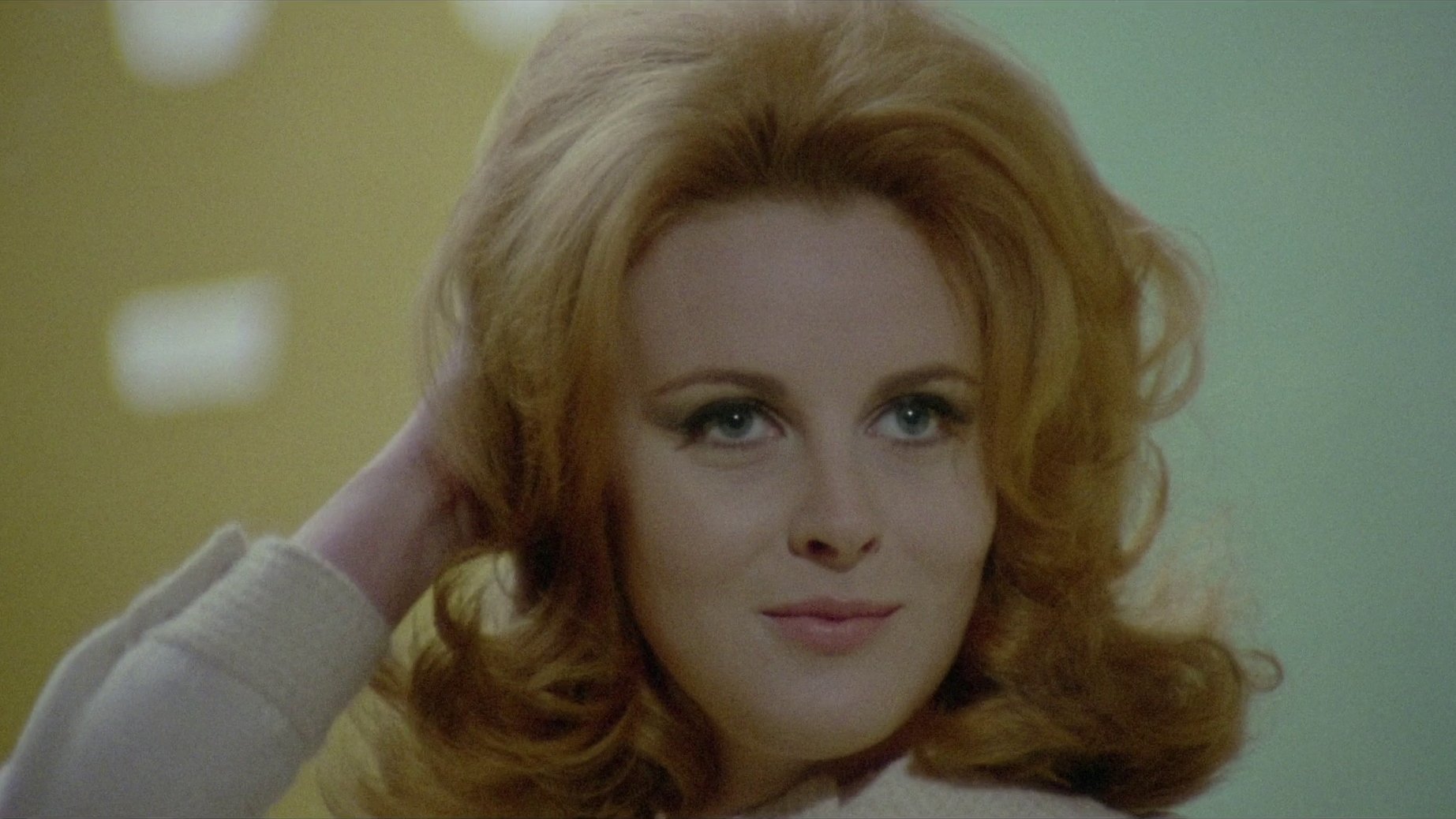
-The girl is really pretty and beautiful and the man is also alive.
-Mary should be one of the feminism symbols.
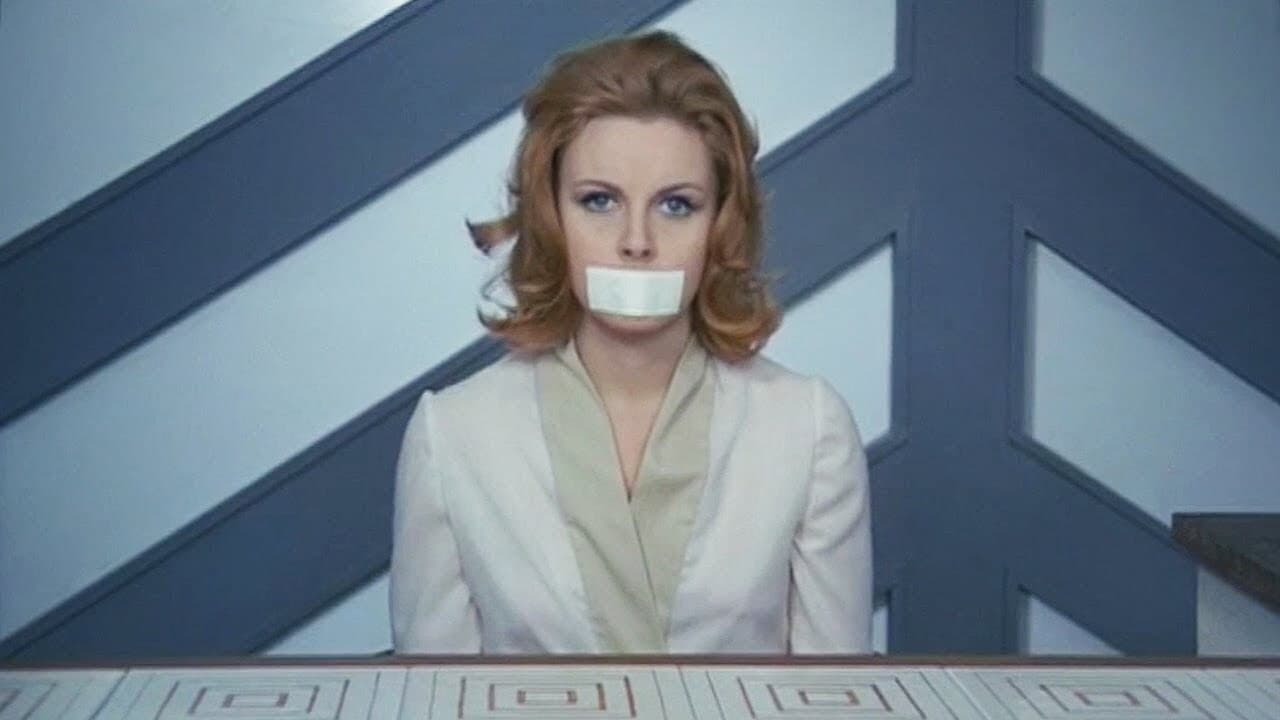
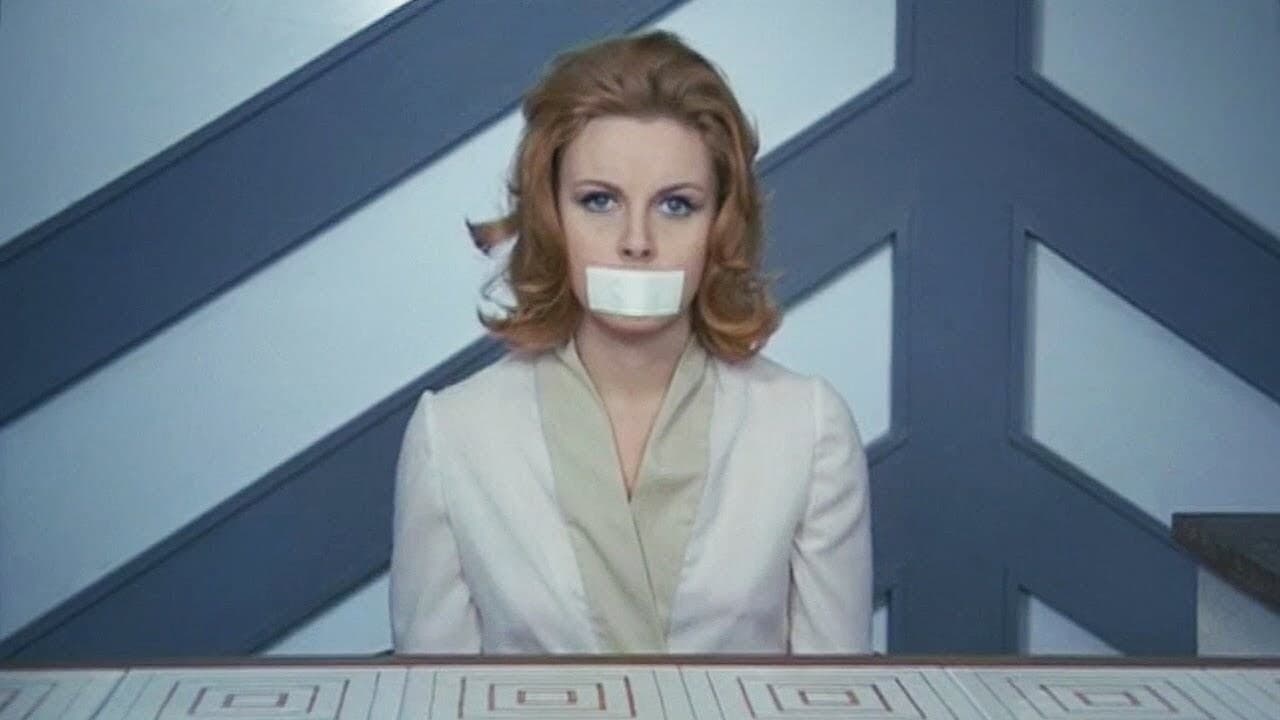
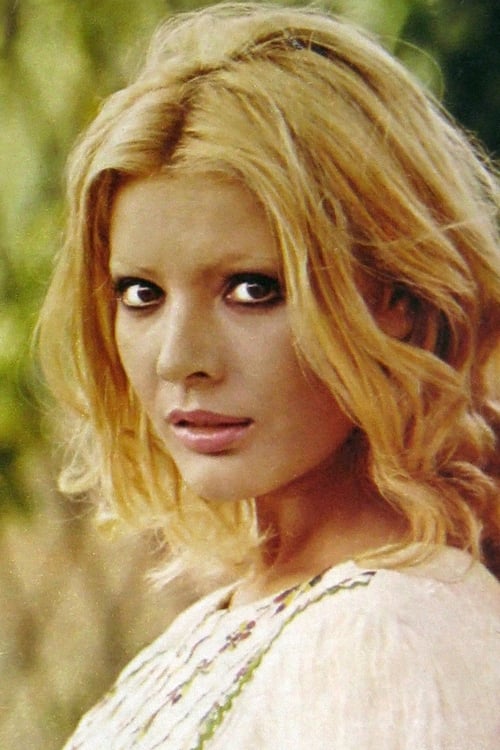
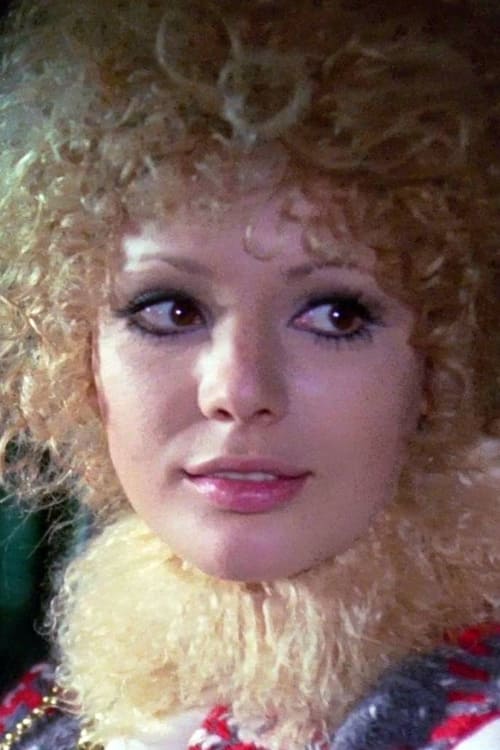
-What is that hair color?
-How can she manage keeping her hair that majestic all the time?
-Mary's theme>>>>
-Men are so horny ugh.
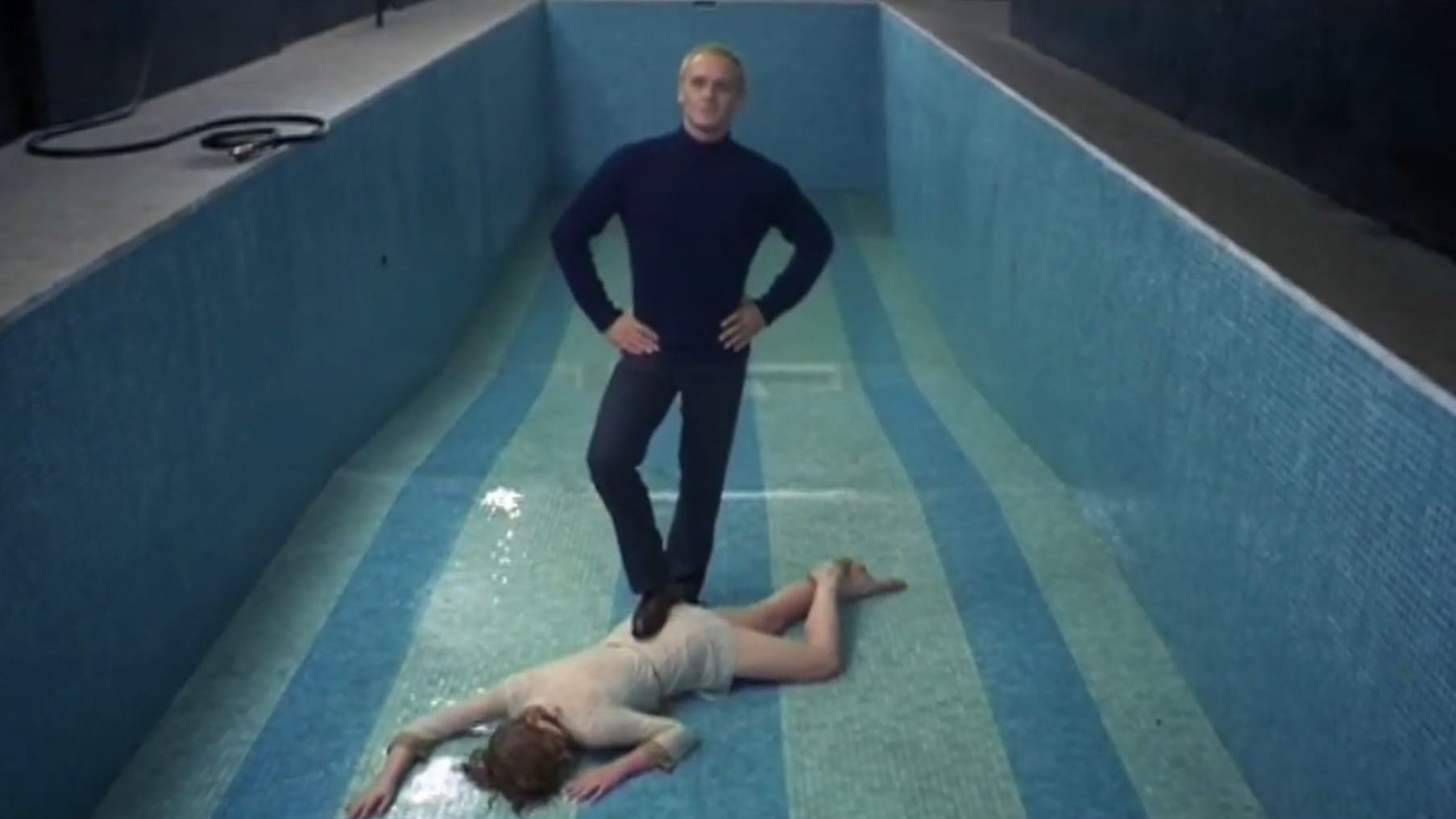
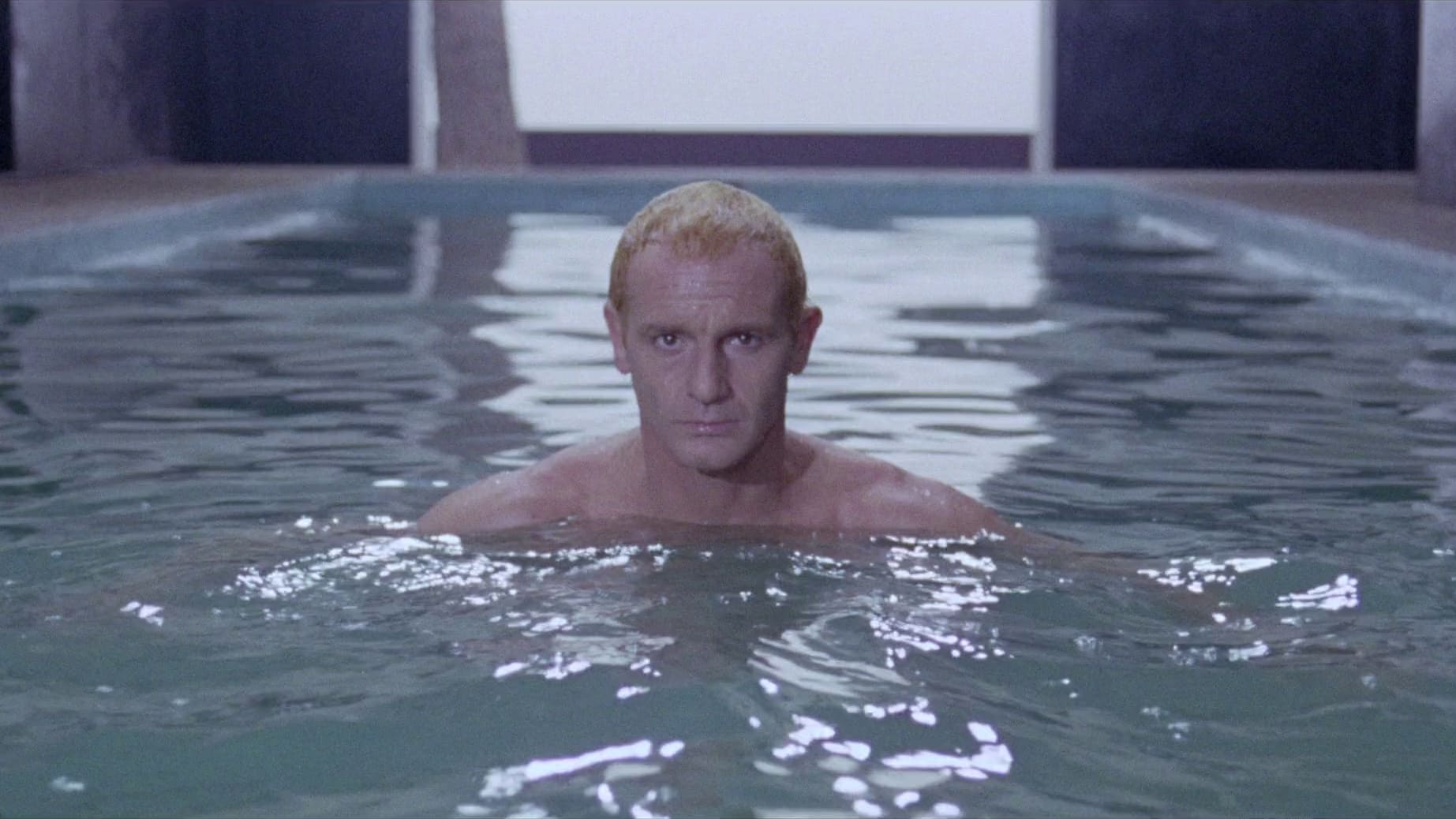
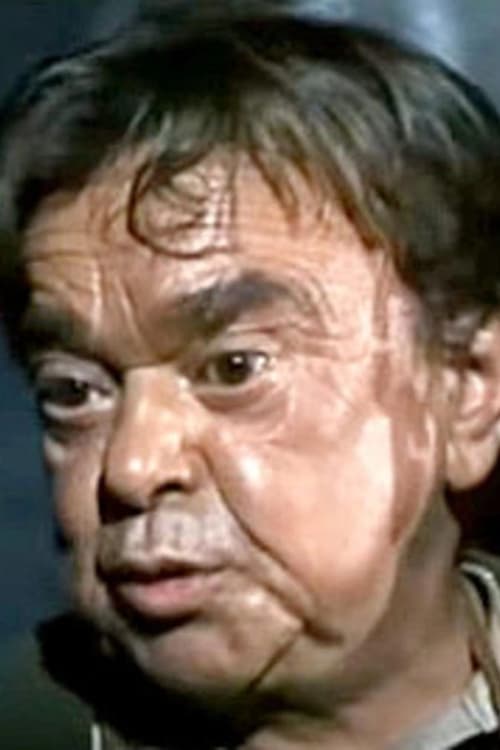
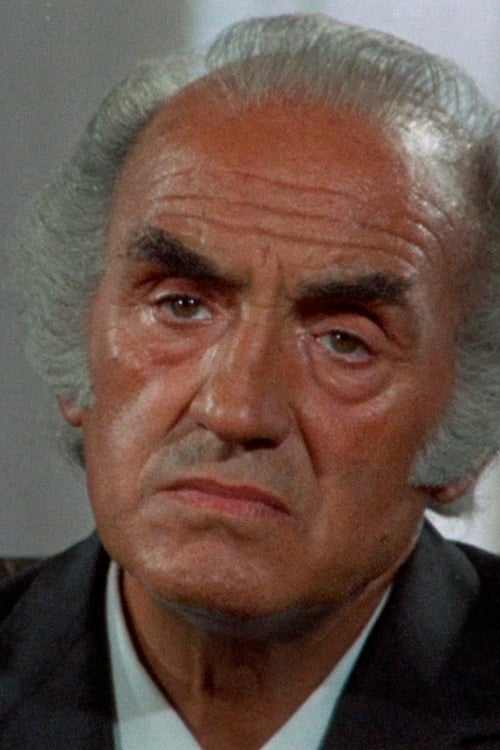
-That Man does NOT look good im sorry, but his voice tho.
-New challenge: most beautiful soundtrack for non freaky films->**FAILED!!
**-Not a single woman is laughing in this movie.
(I'll have more questions when I go to sleep, I'll come back to edit and add more)
Okay, I want to say lots of things and I have lots of questions about this movie:
-Why is this movie not talked about enough?
-That man was cumming when Mary talked about cat whiskers.
-What was Mary talking about in the restaurant?
-I want that boat-car thing.
-I hope this wasn't porn.
-The girl is really pretty and beautiful and the man is also alive.
-Mary should be one of the feminism symbols.
-What is that hair color?
-How can she manage keeping her hair that majestic all the time?
-Mary's theme>>>>
-Men are so horny ugh.
-That Man does NOT look good im sorry, but his voice tho.
-New challenge: most beautiful soundtrack for non freaky films->**FAILED!!
**-Not a single woman is laughing in this movie.
(I'll have more questions when I go to sleep, I'll come back to edit and add more)