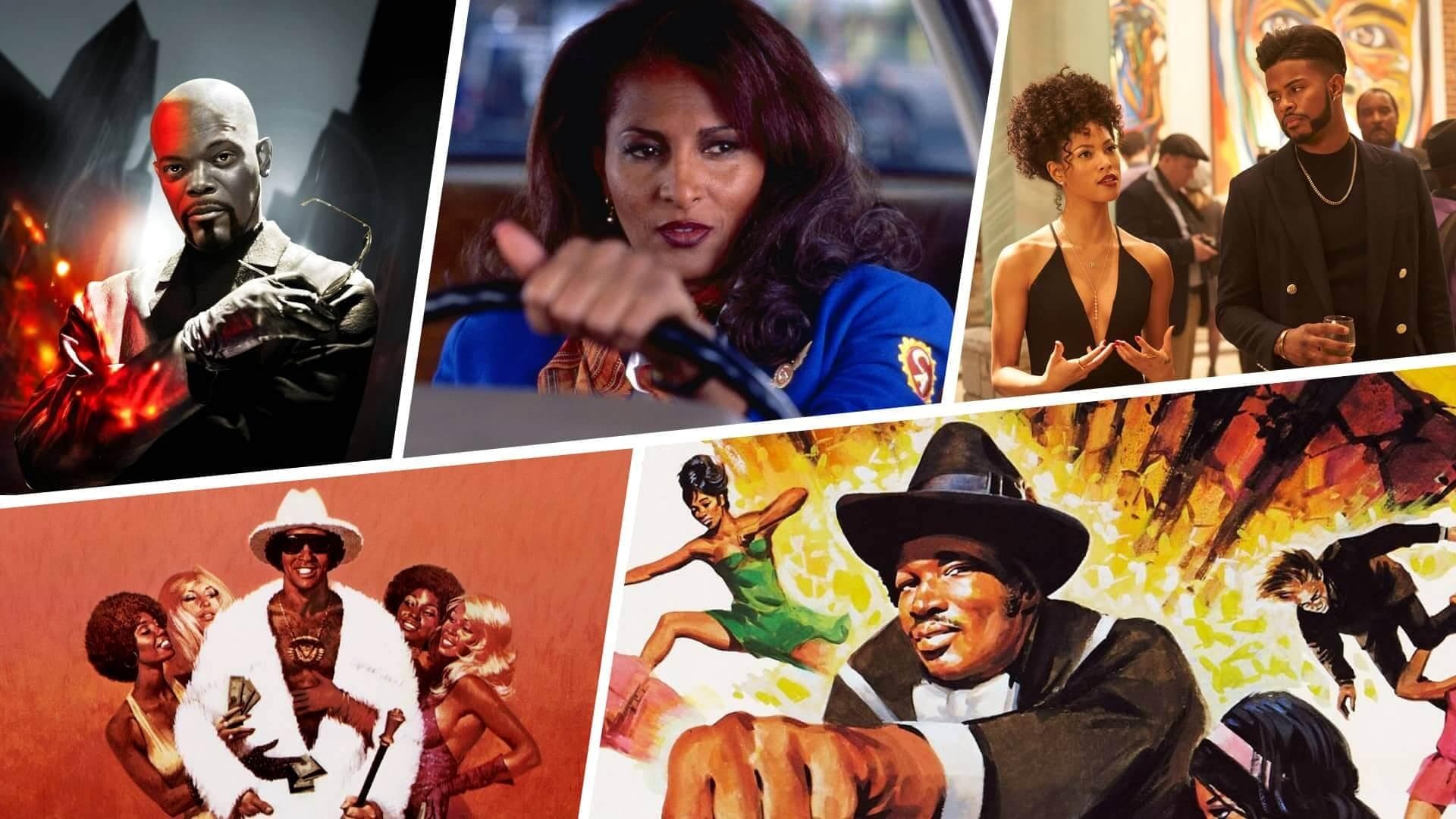
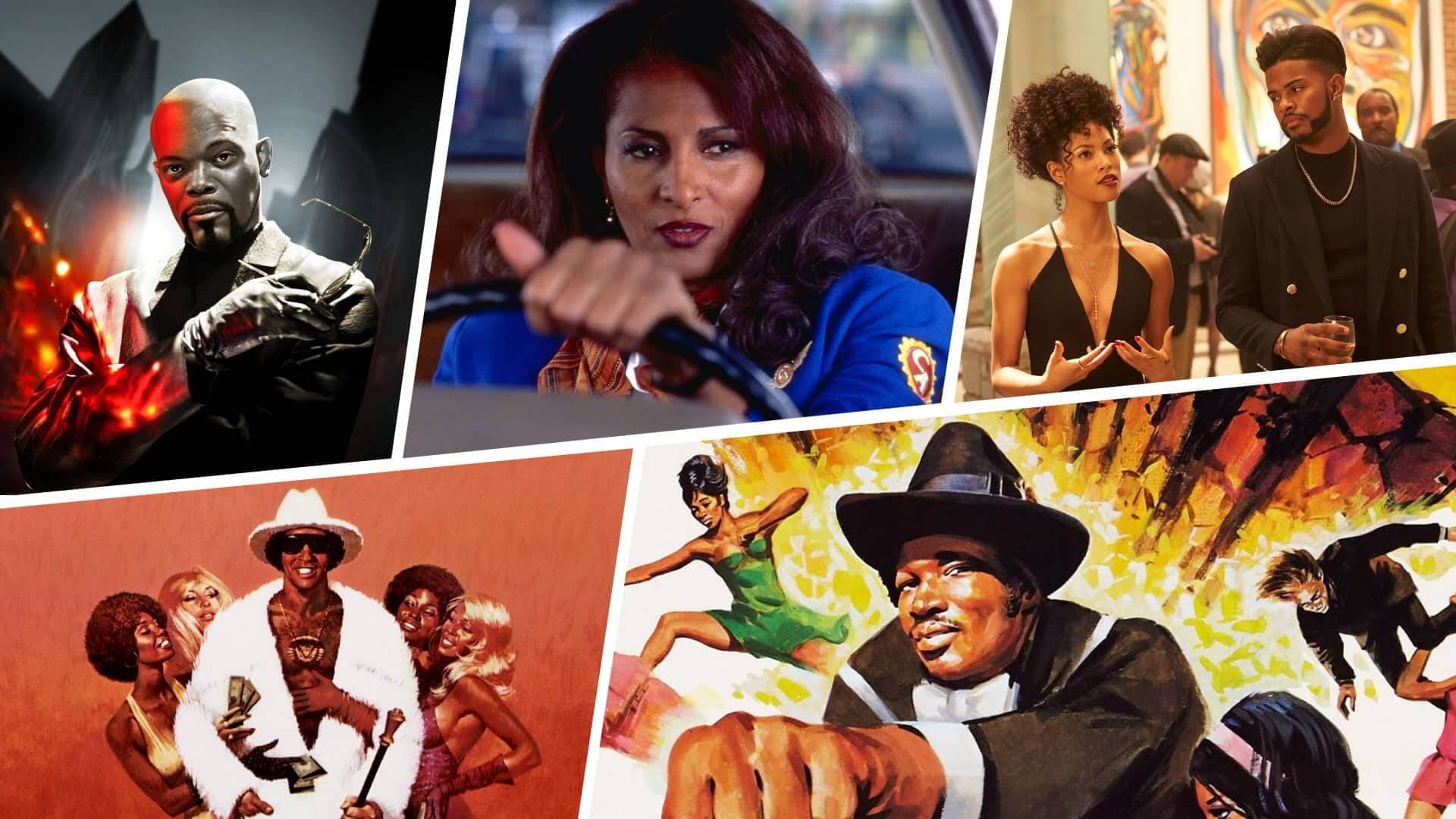
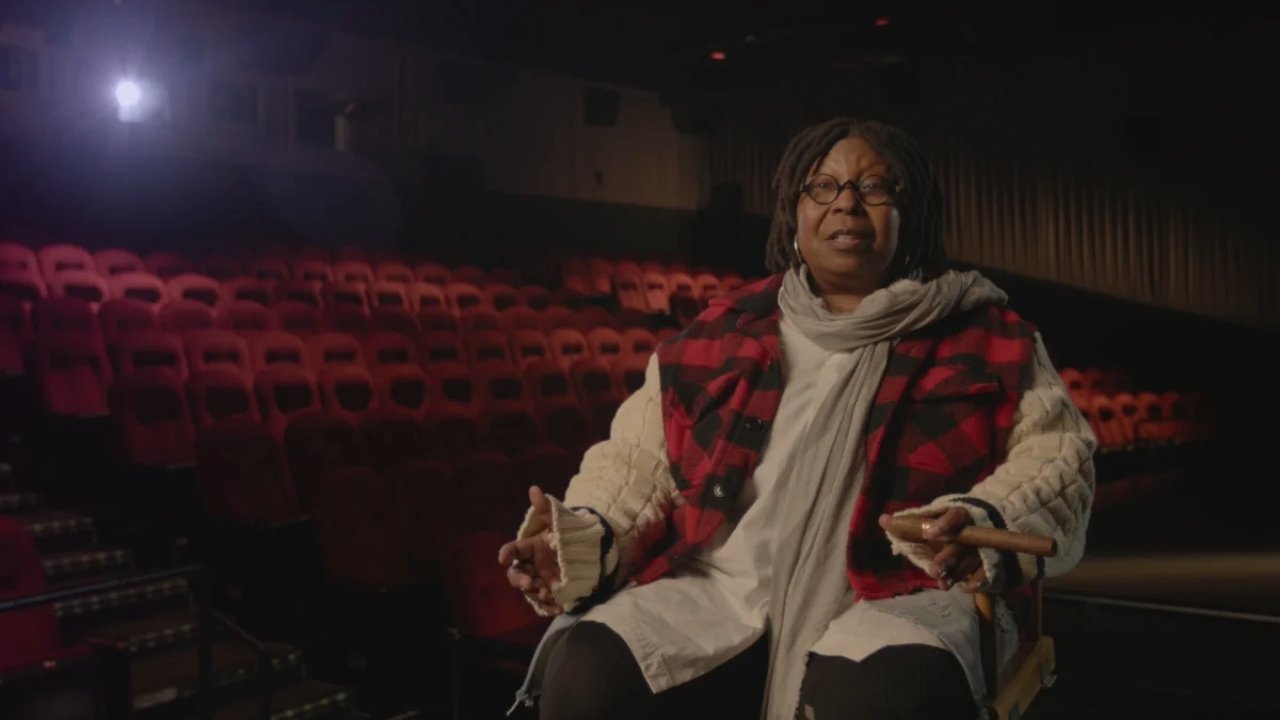
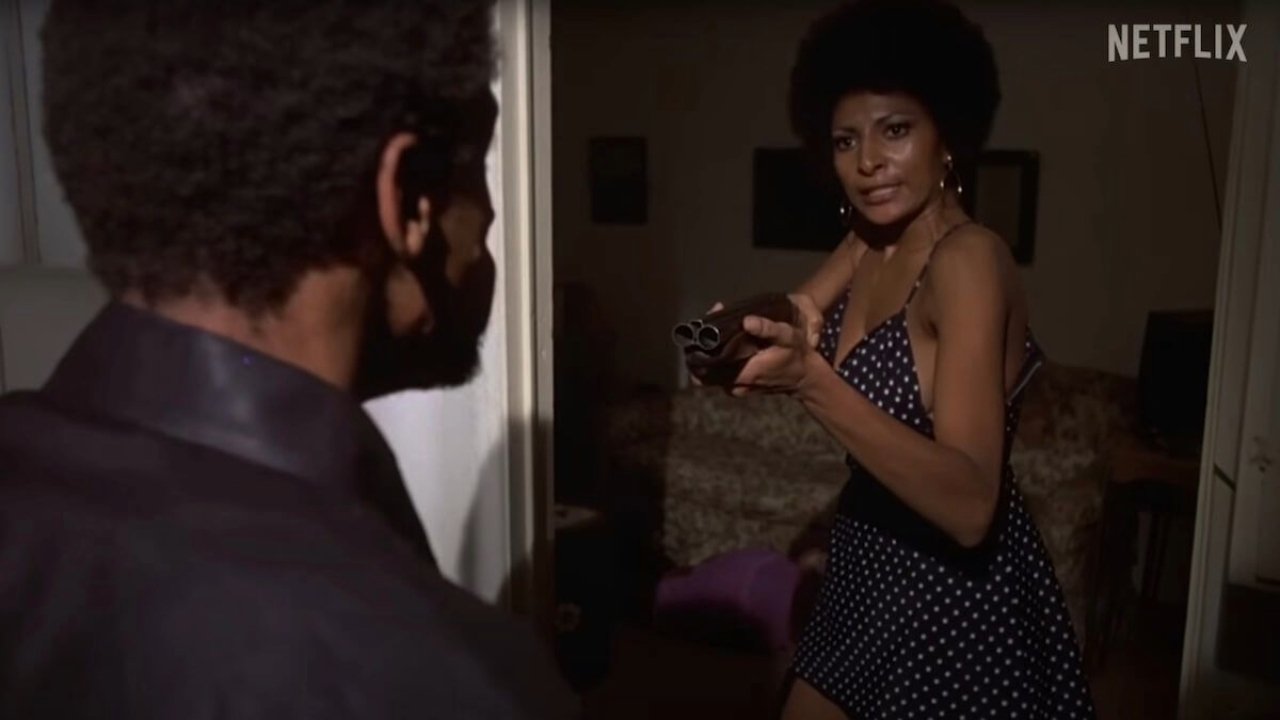
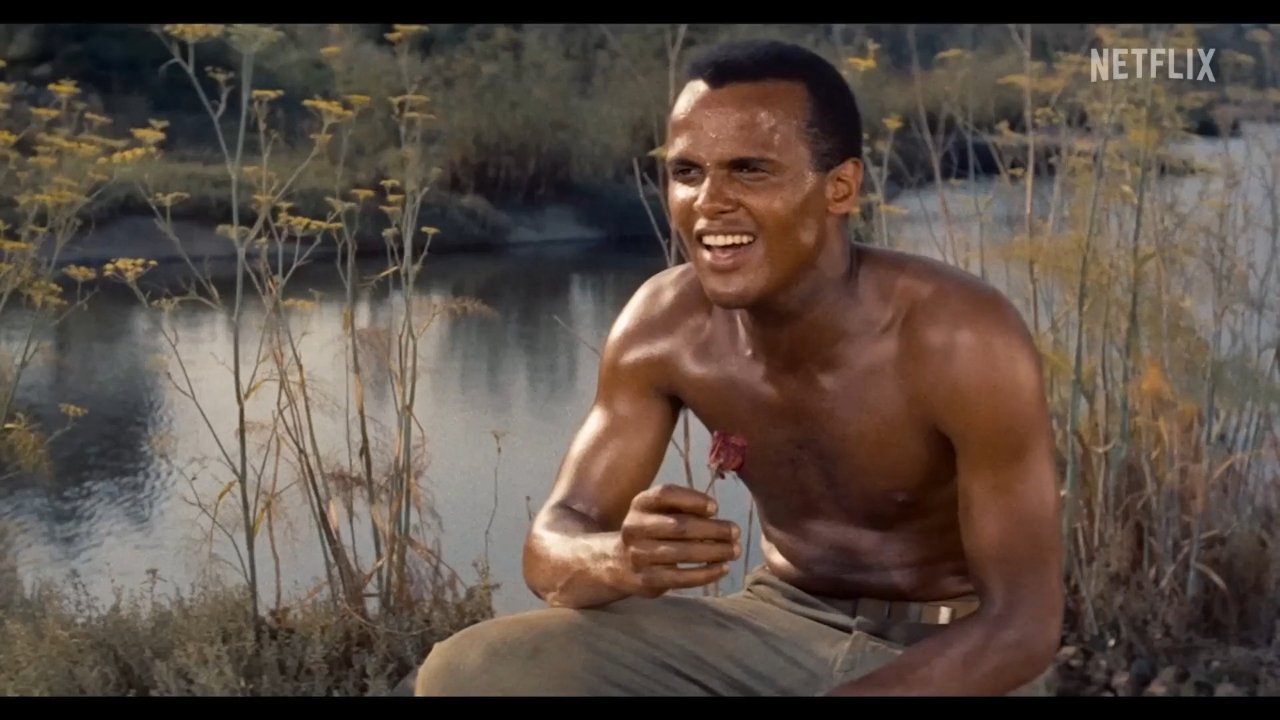
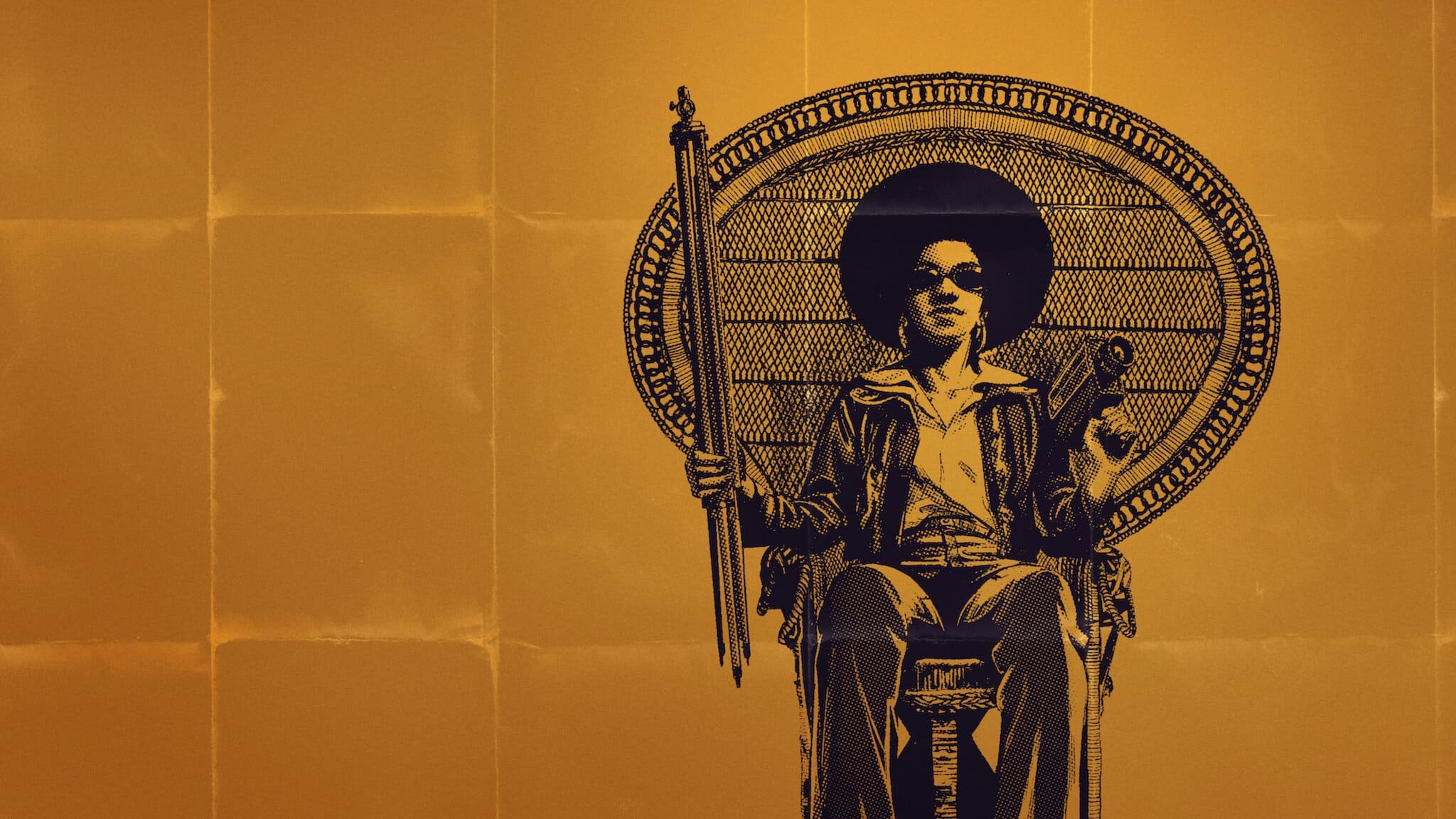
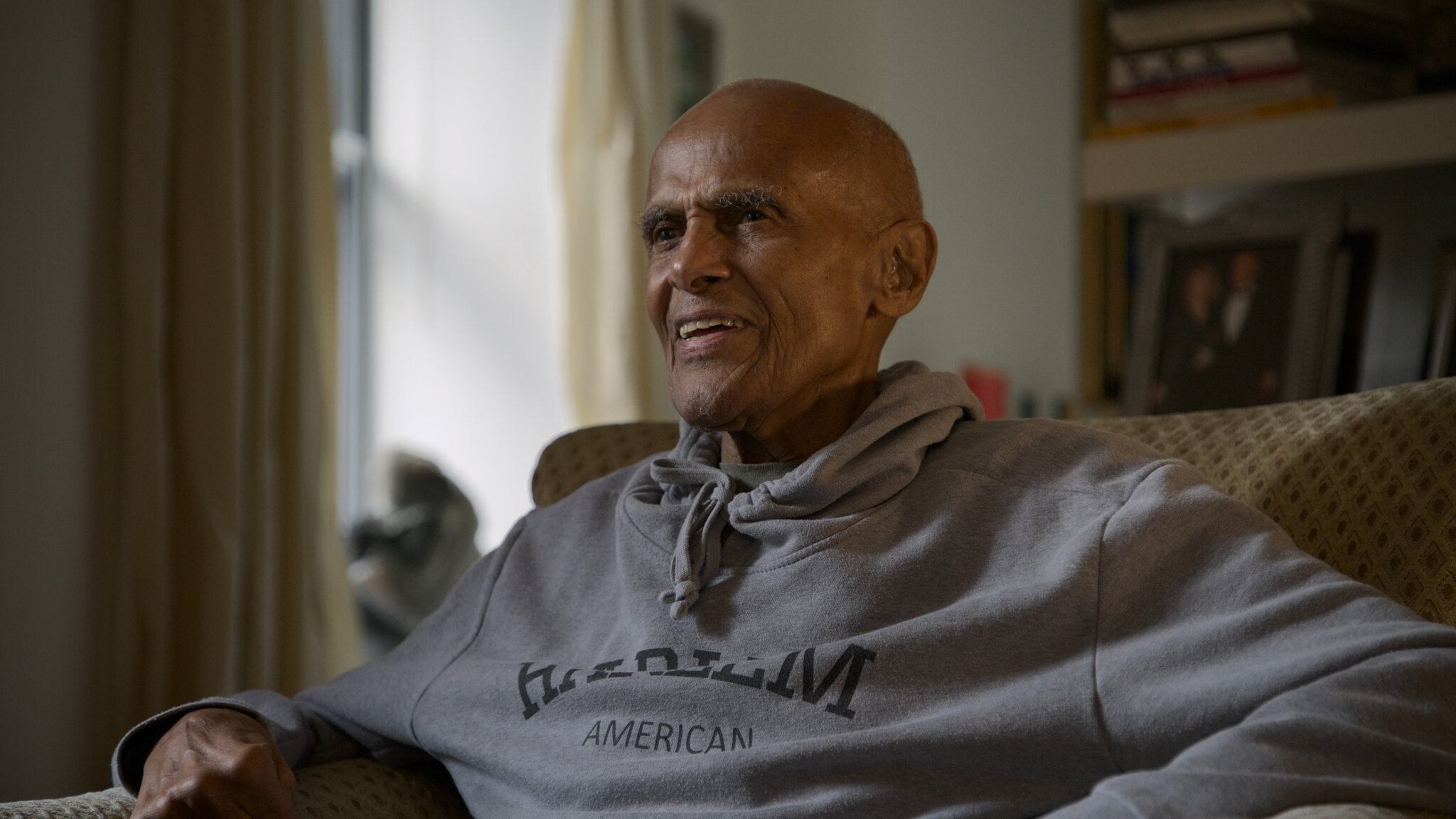
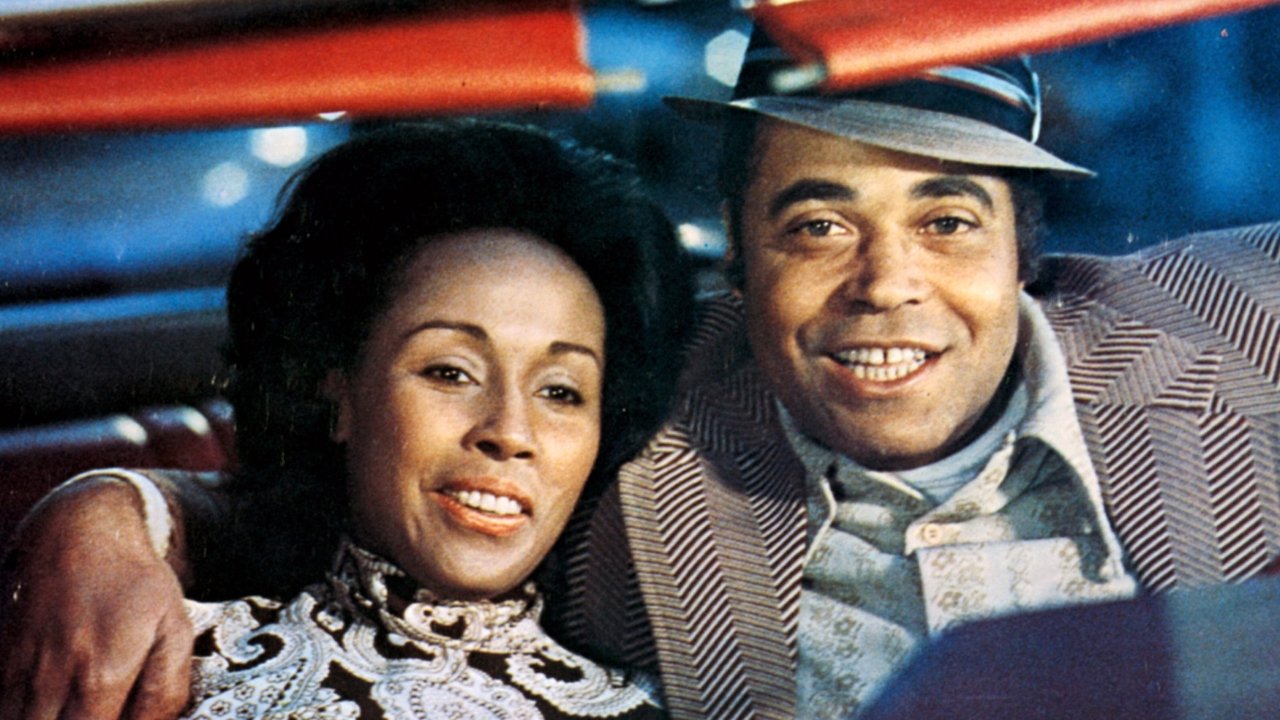
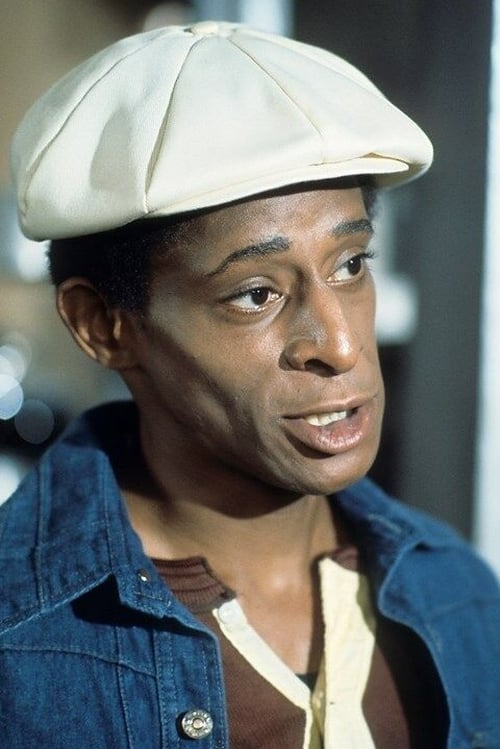
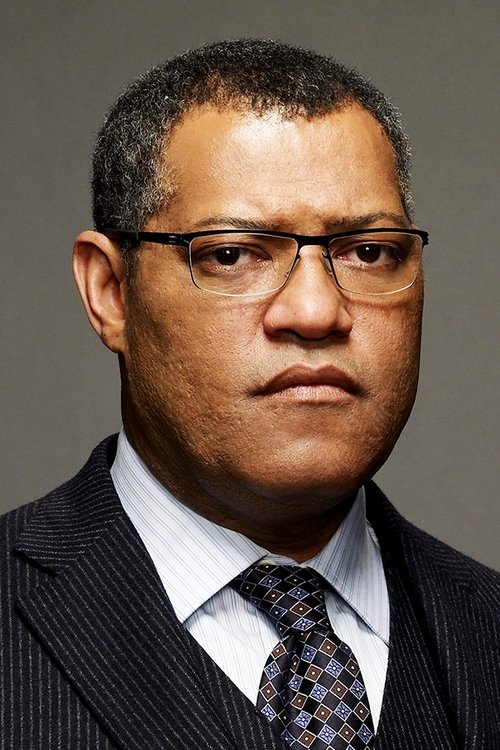
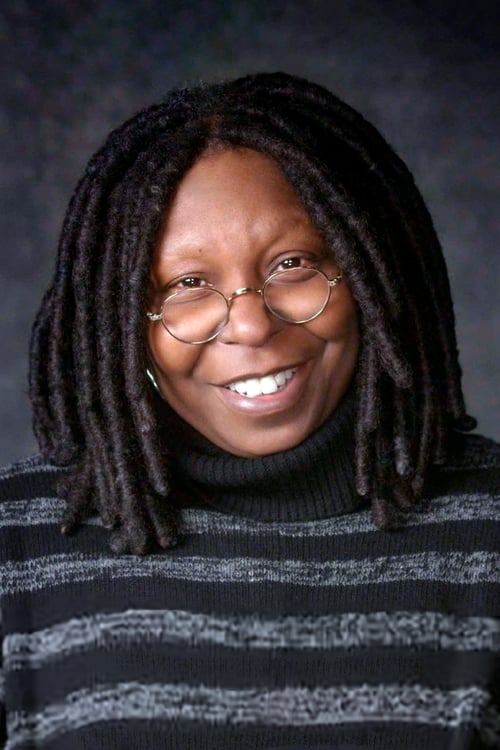
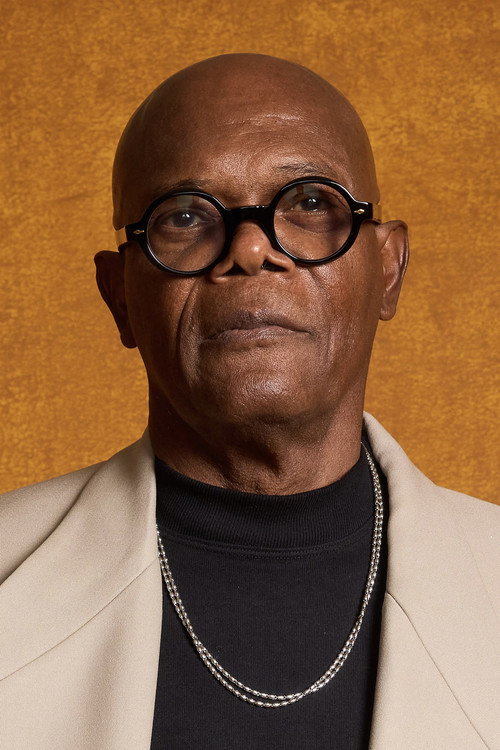
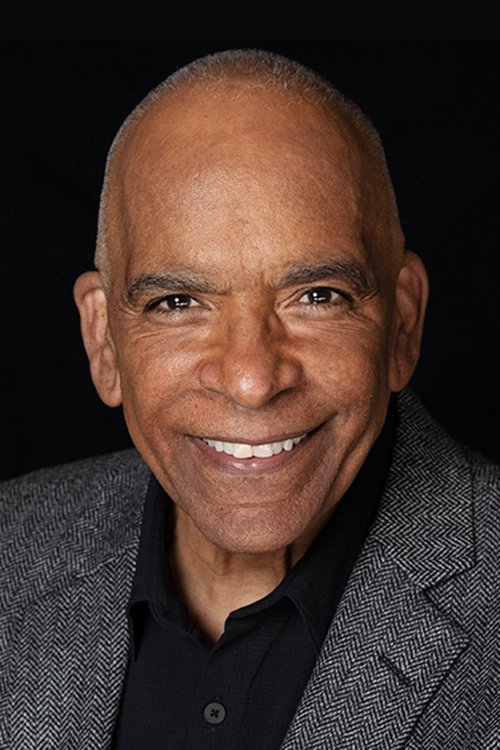
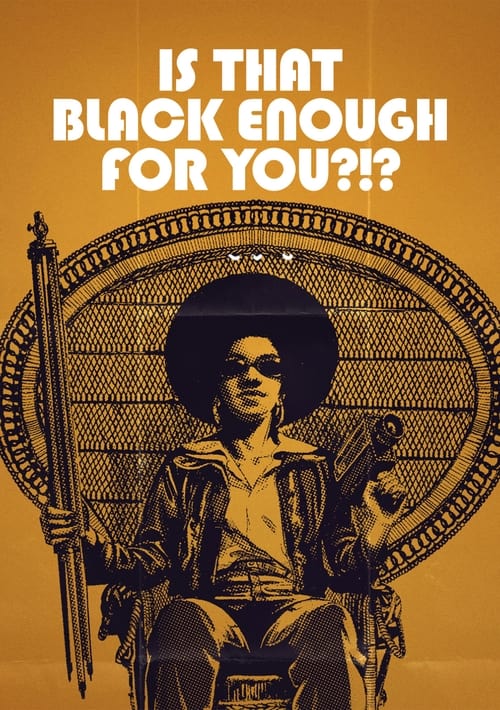
This film is a survey of Black films between 1968 and 1978. It posits that this was the decade where everything changed for Black film. Although it Blaxploitation is the most definitive movement that occurred during this time, the film also looks at other trends in representation. The film is very well researched and includes insightful commentary from actors like Samuel L. Jackson, Laurence Fisher, Whoopi Goldberg, and even Zendaya. Unfortunately, the film feels a little too saturated as it constantly progresses from topic to topic. It makes many good points but never explores any of them with enough depth to make them stick.
However, I did learn a few things like the fact that the practice of releasing the film’s soundtrack before the film’s release was started by Melvin Van Peebles with Sweet Sweetback’s Baadasssss Song (1971). Just like with Black films in the 90s with hip hop, the music in Blaxploitation films is inextricable from the films themselves. Artists like Curtis Mayfield and Isaac Hayes blew up because of their Blaxploitation scores for Super Fly (1972) and Shaft (1971), respectively. Also, the exaggerated entrances of Black heroes in Blaxploitation films became incredibly influential and seems to be connected to the exaggerated performance of swagger among rap artists. These were probably as a result of having to overcompensate for one’s Blackness and ended up redefining what cool meant to many Americans.
Unfortunately, this has a huge blind spot in not mentioning Rudy Ray Moore but I guess Netflix already made a movie about him.
This film is a survey of Black films between 1968 and 1978. It posits that this was the decade where everything changed for Black film. Although it Blaxploitation is the most definitive movement that occurred during this time, the film also looks at other trends in representation. The film is very well researched and includes insightful commentary from actors like Samuel L. Jackson, Laurence Fisher, Whoopi Goldberg, and even Zendaya. Unfortunately, the film feels a little too saturated as it constantly progresses from topic to topic. It makes many good points but never explores any of them with enough depth to make them stick.
However, I did learn a few things like the fact that the practice of releasing the film’s soundtrack before the film’s release was started by Melvin Van Peebles with Sweet Sweetback’s Baadasssss Song (1971). Just like with Black films in the 90s with hip hop, the music in Blaxploitation films is inextricable from the films themselves. Artists like Curtis Mayfield and Isaac Hayes blew up because of their Blaxploitation scores for Super Fly (1972) and Shaft (1971), respectively. Also, the exaggerated entrances of Black heroes in Blaxploitation films became incredibly influential and seems to be connected to the exaggerated performance of swagger among rap artists. These were probably as a result of having to overcompensate for one’s Blackness and ended up redefining what cool meant to many Americans.
Unfortunately, this has a huge blind spot in not mentioning Rudy Ray Moore but I guess Netflix already made a movie about him.