

2022·Drama·2h 31m
7.1
★
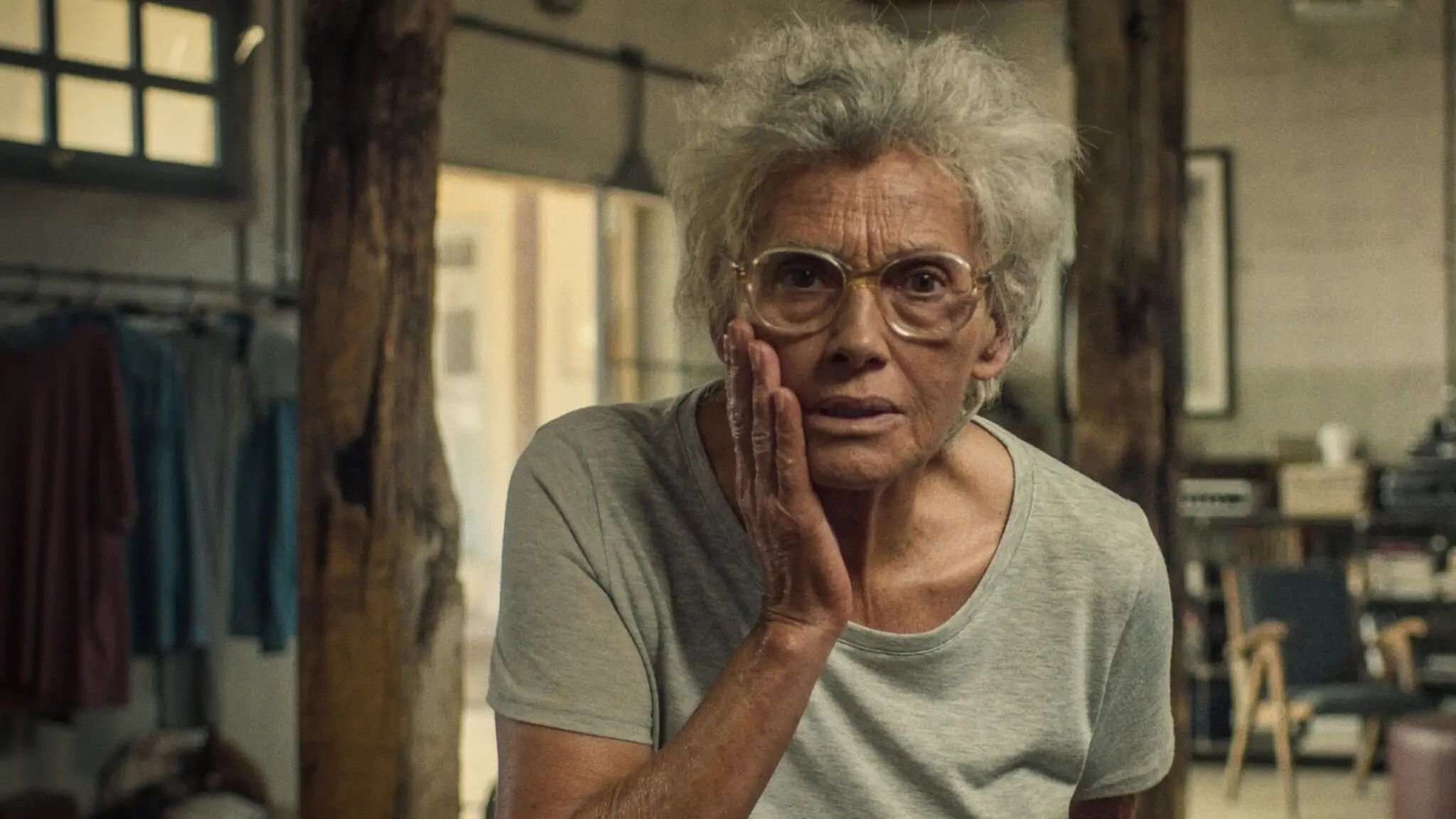
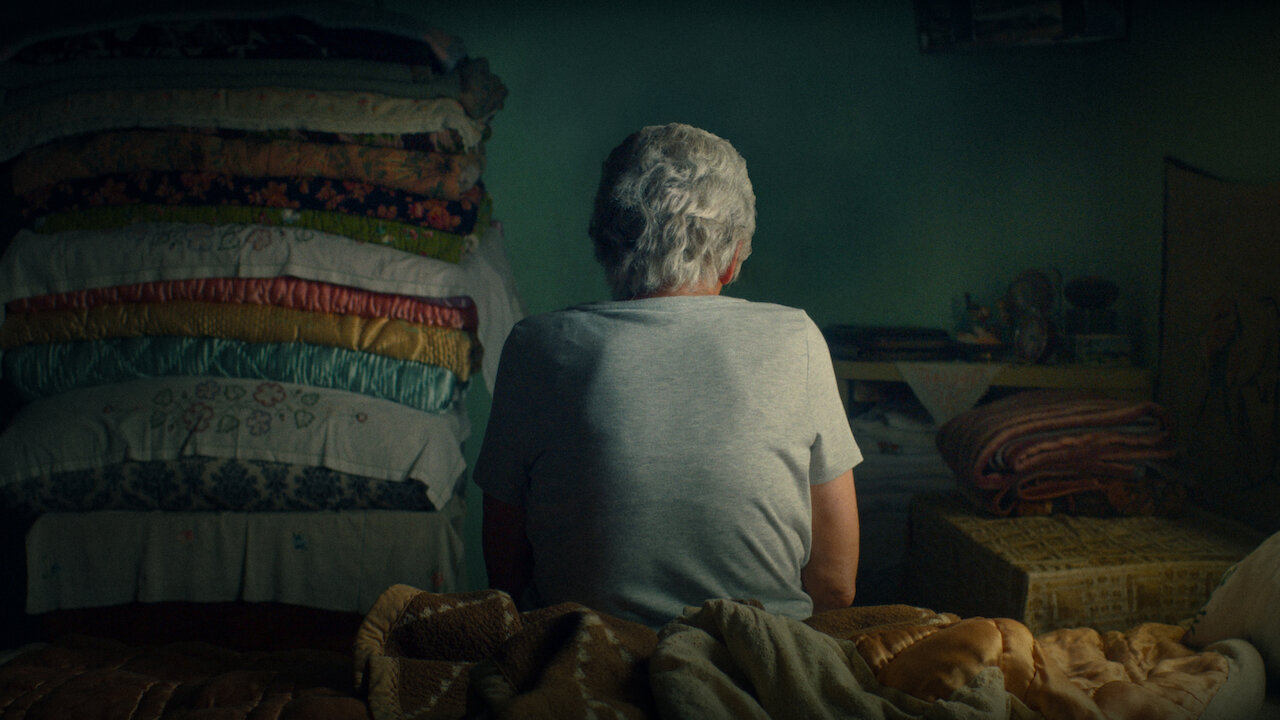
A family migrates to the city after a tragic loss. When they reunite in their hometown 30 years later, buried emotions and painful secrets resurface.
Directed by Berkun Oya

Trailer

IMDB
N/A
Where to Watch

Cast

Ayça Bingöl
Saliha

Okan Yalabık
Kadir

Fatih Artman
Yusuf

Funda Eryiğit
Young Havva

Nur Sürer
Havva

Olgun Şimşek
Cemil

Yılmaz Erdoğan
Bekir

İncinur Daşdemir
Yusuf's Wife

Muttalip Müjdeci
Actor Bekir

Tansu Biçer
Cemil's Father

Aslı Işık
Merve

Çağla Naz Kargı
Young Saliha
Crew

Berkun Oya
Director
Berkun Oya
Writer
Berkun Oya
Producer
Popular Reviews
16 reviews
peraviae
9.0★ · 03/03/26

Some of the most powerful films are not built around action or spectacle, but around what families refuse to say to one another for decades. Cici, the Turkish drama from writer-director Berkun Oya, is precisely that kind of film. Streaming on Netflix, it is a slow, patient, and ultimately devastating portrait of generational wounds and the long shadow a single household can cast over an entire bloodline.
The story follows a family that migrated to the city after a tragic loss in their past. When they reunite in their rural hometown thirty years later, buried emotions and painful secrets begin to resurface. What sounds like a familiar premise is handled with uncommon depth and care. Oya, who previously showed a gift for intimate human drama in the acclaimed series Ethos, brings that same quiet intensity to the feature format here.
The film moves across two timelines, drawing connections between the family's turbulent past and their fractured present. It is a structure that rewards attention, gradually revealing how the past has shaped each character in ways they may not fully understand themselves. The writing trusts the audience to sit with discomfort and ambiguity rather than offering easy explanations.
The ensemble cast is one of the film's greatest strengths. Each actor carries the weight of their character's history convincingly, communicating trauma and love and resentment often within the same breath. The performances feel lived-in rather than performed, grounded in a naturalism that makes even the quietest scenes feel charged with unspoken history.
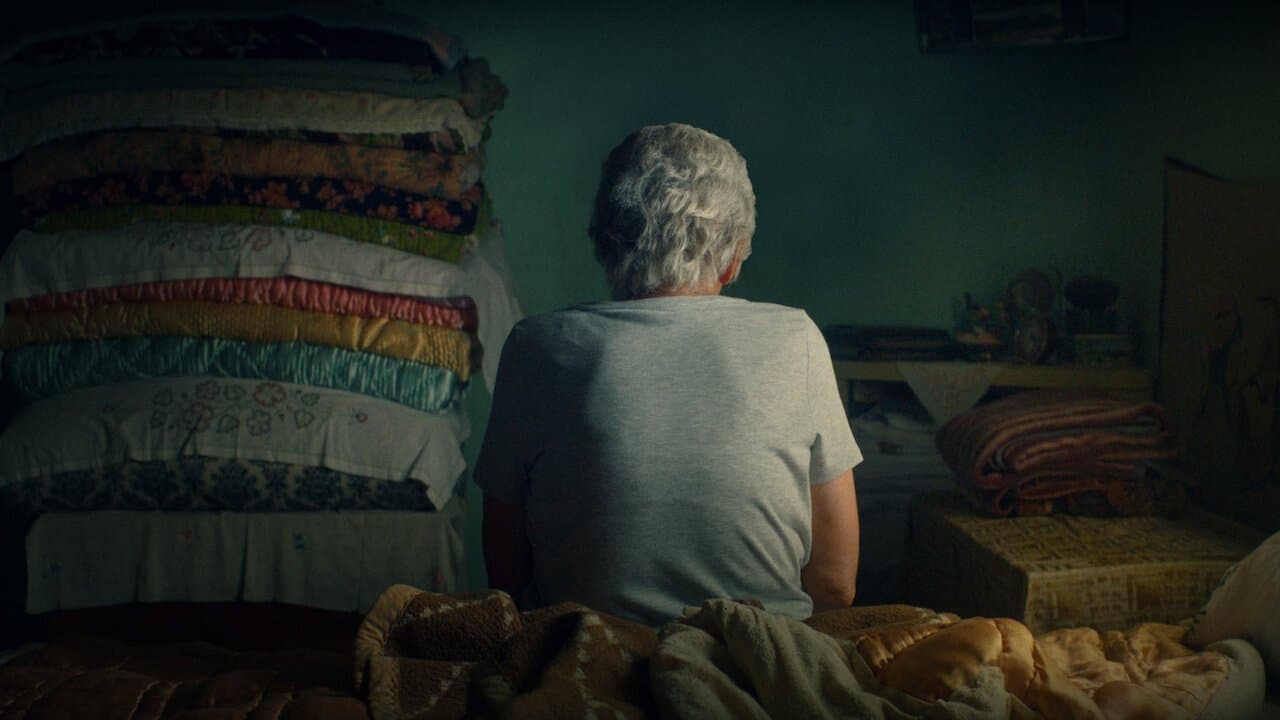
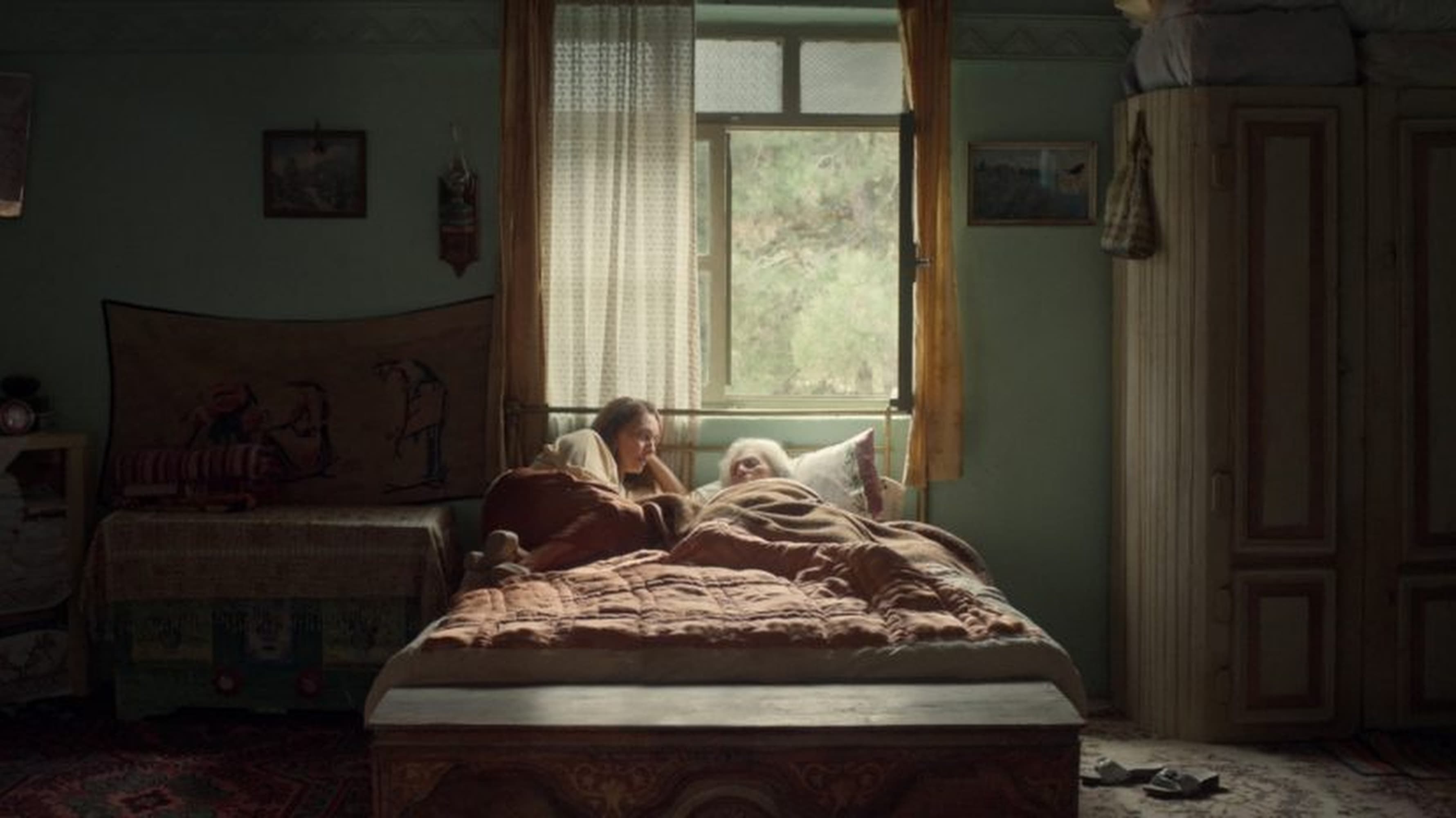
Oya's visual style is distinctive throughout: a tendency to keep characters centered in the frame as if pinned by the gravity of their circumstances, paired with a dark and folkloric undertone that gives the film a world slightly apart from everyday realism. It is intimate and slightly claustrophobic in the best possible way.
At over two hours, the pacing demands patience. There are stretches where the film lingers longer than strictly necessary, and viewers accustomed to more propulsive drama may occasionally feel the runtime. But those willing to settle into its rhythm will find that the deliberate pace is part of the point. This is a film about emotions that took thirty years to surface. It does not rush them.
Cici is a quietly devastating achievement in Turkish cinema: a film about family, guilt, memory, and the stories we keep buried until they insist on being told.
Emotionally rich, beautifully performed, and unforgettable.
The story follows a family that migrated to the city after a tragic loss in their past. When they reunite in their rural hometown thirty years later, buried emotions and painful secrets begin to resurface. What sounds like a familiar premise is handled with uncommon depth and care. Oya, who previously showed a gift for intimate human drama in the acclaimed series Ethos, brings that same quiet intensity to the feature format here.
The film moves across two timelines, drawing connections between the family's turbulent past and their fractured present. It is a structure that rewards attention, gradually revealing how the past has shaped each character in ways they may not fully understand themselves. The writing trusts the audience to sit with discomfort and ambiguity rather than offering easy explanations.
The ensemble cast is one of the film's greatest strengths. Each actor carries the weight of their character's history convincingly, communicating trauma and love and resentment often within the same breath. The performances feel lived-in rather than performed, grounded in a naturalism that makes even the quietest scenes feel charged with unspoken history.
Oya's visual style is distinctive throughout: a tendency to keep characters centered in the frame as if pinned by the gravity of their circumstances, paired with a dark and folkloric undertone that gives the film a world slightly apart from everyday realism. It is intimate and slightly claustrophobic in the best possible way.
At over two hours, the pacing demands patience. There are stretches where the film lingers longer than strictly necessary, and viewers accustomed to more propulsive drama may occasionally feel the runtime. But those willing to settle into its rhythm will find that the deliberate pace is part of the point. This is a film about emotions that took thirty years to surface. It does not rush them.
Cici is a quietly devastating achievement in Turkish cinema: a film about family, guilt, memory, and the stories we keep buried until they insist on being told.
Emotionally rich, beautifully performed, and unforgettable.
Some of the most powerful films are not built around action or spectacle, but around what families refuse to say to one another for decades. Cici, the Turkish drama from writer-director Berkun Oya, is precisely that kind of film. Streaming on Netflix, it is a slow, patient, and ultimately devastating portrait of generational wounds and the long shadow a single household can cast over an entire bloodline.
The story follows a family that migrated to the city after a tragic loss in their past. When they reunite in their rural hometown thirty years later, buried emotions and painful secrets begin to resurface. What sounds like a familiar premise is handled with uncommon depth and care. Oya, who previously showed a gift for intimate human drama in the acclaimed series Ethos, brings that same quiet intensity to the feature format here.
The film moves across two timelines, drawing connections between the family's turbulent past and their fractured present. It is a structure that rewards attention, gradually revealing how the past has shaped each character in ways they may not fully understand themselves. The writing trusts the audience to sit with discomfort and ambiguity rather than offering easy explanations.
The ensemble cast is one of the film's greatest strengths. Each actor carries the weight of their character's history convincingly, communicating trauma and love and resentment often within the same breath. The performances feel lived-in rather than performed, grounded in a naturalism that makes even the quietest scenes feel charged with unspoken history.
Oya's visual style is distinctive throughout: a tendency to keep characters centered in the frame as if pinned by the gravity of their circumstances, paired with a dark and folkloric undertone that gives the film a world slightly apart from everyday realism. It is intimate and slightly claustrophobic in the best possible way.
At over two hours, the pacing demands patience. There are stretches where the film lingers longer than strictly necessary, and viewers accustomed to more propulsive drama may occasionally feel the runtime. But those willing to settle into its rhythm will find that the deliberate pace is part of the point. This is a film about emotions that took thirty years to surface. It does not rush them.
Cici is a quietly devastating achievement in Turkish cinema: a film about family, guilt, memory, and the stories we keep buried until they insist on being told.
Emotionally rich, beautifully performed, and unforgettable.
The story follows a family that migrated to the city after a tragic loss in their past. When they reunite in their rural hometown thirty years later, buried emotions and painful secrets begin to resurface. What sounds like a familiar premise is handled with uncommon depth and care. Oya, who previously showed a gift for intimate human drama in the acclaimed series Ethos, brings that same quiet intensity to the feature format here.
The film moves across two timelines, drawing connections between the family's turbulent past and their fractured present. It is a structure that rewards attention, gradually revealing how the past has shaped each character in ways they may not fully understand themselves. The writing trusts the audience to sit with discomfort and ambiguity rather than offering easy explanations.
The ensemble cast is one of the film's greatest strengths. Each actor carries the weight of their character's history convincingly, communicating trauma and love and resentment often within the same breath. The performances feel lived-in rather than performed, grounded in a naturalism that makes even the quietest scenes feel charged with unspoken history.
Oya's visual style is distinctive throughout: a tendency to keep characters centered in the frame as if pinned by the gravity of their circumstances, paired with a dark and folkloric undertone that gives the film a world slightly apart from everyday realism. It is intimate and slightly claustrophobic in the best possible way.
At over two hours, the pacing demands patience. There are stretches where the film lingers longer than strictly necessary, and viewers accustomed to more propulsive drama may occasionally feel the runtime. But those willing to settle into its rhythm will find that the deliberate pace is part of the point. This is a film about emotions that took thirty years to surface. It does not rush them.
Cici is a quietly devastating achievement in Turkish cinema: a film about family, guilt, memory, and the stories we keep buried until they insist on being told.
Emotionally rich, beautifully performed, and unforgettable.


nhr
cok uzundu
cok uzundu
Baver
3.0★ · 12/08/22
köy filmlerinden nefret ediyorum
köy filmlerinden nefret ediyorum
Kubilay
"Pazar günleri... Şimdilerde... Sokak aralarından geçerken... gözüme pijamalı aile babaları ilişirse, kışın, yağmurlu gri günlerde tüten soba bacalarına ilişirse gözlerim... evlerin pencere camları buharlaşmışsa... odaların içine asılmış çamaşır görürsem... bulutlar ıslak kiremitlere yakınsa, yağmur çiseliyorsa, radyolardan naklen futbol maçları yayımlanıyorsa, tartışan insanların sesleri sokaklara dek yansıyorsa, gitmek, gitmek, gitmek, gitmek, gitmek.......... isterim hep."
Cici'yi boğazımda bir düğümle bitirirken aklıma Çocukluğun Soğuk Geceleri'nden geldi bu satırlar. Hep aynı his çünkü. Hep unutmaya çalıştığımız ama hiç unutamadığımız çocukluğumuz, saplanıp kaldıklarımız.
Gecenin bir yarısı göğsümüze oturan o his.
Çocukluğun gürültülü sessizlikleri ancak bu kadar geride kalabiliyor işte.
Sanki bizim hayatımız değilmişçesine bir bilmezden gelmeyle çerçeveler içine hapsedip, kirli bir aynaya yansıtsak da peşimizi bırakmayan; artık bir buluntuya dönüşse de ensemizde nefesi...
Cici'yi boğazımda bir düğümle bitirirken aklıma Çocukluğun Soğuk Geceleri'nden geldi bu satırlar. Hep aynı his çünkü. Hep unutmaya çalıştığımız ama hiç unutamadığımız çocukluğumuz, saplanıp kaldıklarımız.
Gecenin bir yarısı göğsümüze oturan o his.
Çocukluğun gürültülü sessizlikleri ancak bu kadar geride kalabiliyor işte.
Sanki bizim hayatımız değilmişçesine bir bilmezden gelmeyle çerçeveler içine hapsedip, kirli bir aynaya yansıtsak da peşimizi bırakmayan; artık bir buluntuya dönüşse de ensemizde nefesi...
"Pazar günleri... Şimdilerde... Sokak aralarından geçerken... gözüme pijamalı aile babaları ilişirse, kışın, yağmurlu gri günlerde tüten soba bacalarına ilişirse gözlerim... evlerin pencere camları buharlaşmışsa... odaların içine asılmış çamaşır görürsem... bulutlar ıslak kiremitlere yakınsa, yağmur çiseliyorsa, radyolardan naklen futbol maçları yayımlanıyorsa, tartışan insanların sesleri sokaklara dek yansıyorsa, gitmek, gitmek, gitmek, gitmek, gitmek.......... isterim hep."
Cici'yi boğazımda bir düğümle bitirirken aklıma Çocukluğun Soğuk Geceleri'nden geldi bu satırlar. Hep aynı his çünkü. Hep unutmaya çalıştığımız ama hiç unutamadığımız çocukluğumuz, saplanıp kaldıklarımız.
Gecenin bir yarısı göğsümüze oturan o his.
Çocukluğun gürültülü sessizlikleri ancak bu kadar geride kalabiliyor işte.
Sanki bizim hayatımız değilmişçesine bir bilmezden gelmeyle çerçeveler içine hapsedip, kirli bir aynaya yansıtsak da peşimizi bırakmayan; artık bir buluntuya dönüşse de ensemizde nefesi...
Cici'yi boğazımda bir düğümle bitirirken aklıma Çocukluğun Soğuk Geceleri'nden geldi bu satırlar. Hep aynı his çünkü. Hep unutmaya çalıştığımız ama hiç unutamadığımız çocukluğumuz, saplanıp kaldıklarımız.
Gecenin bir yarısı göğsümüze oturan o his.
Çocukluğun gürültülü sessizlikleri ancak bu kadar geride kalabiliyor işte.
Sanki bizim hayatımız değilmişçesine bir bilmezden gelmeyle çerçeveler içine hapsedip, kirli bir aynaya yansıtsak da peşimizi bırakmayan; artık bir buluntuya dönüşse de ensemizde nefesi...
Ayse Nazli
7.0★ · 05/02/26