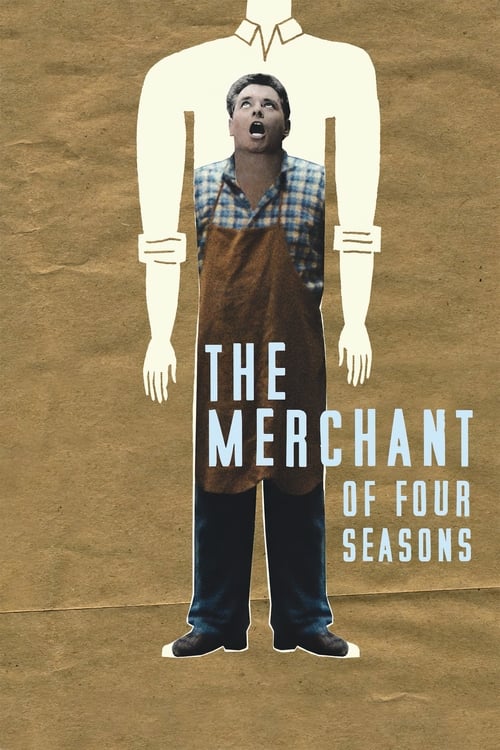
This was an unusual one for me. I’m a bit on the fence about it. Emotionally, I felt pretty distanced from the film while watching it, but after sitting with it—and reading some other perspectives—I’ve come to appreciate that it’s doing something more intellectually rigorous than I initially gave it credit for.
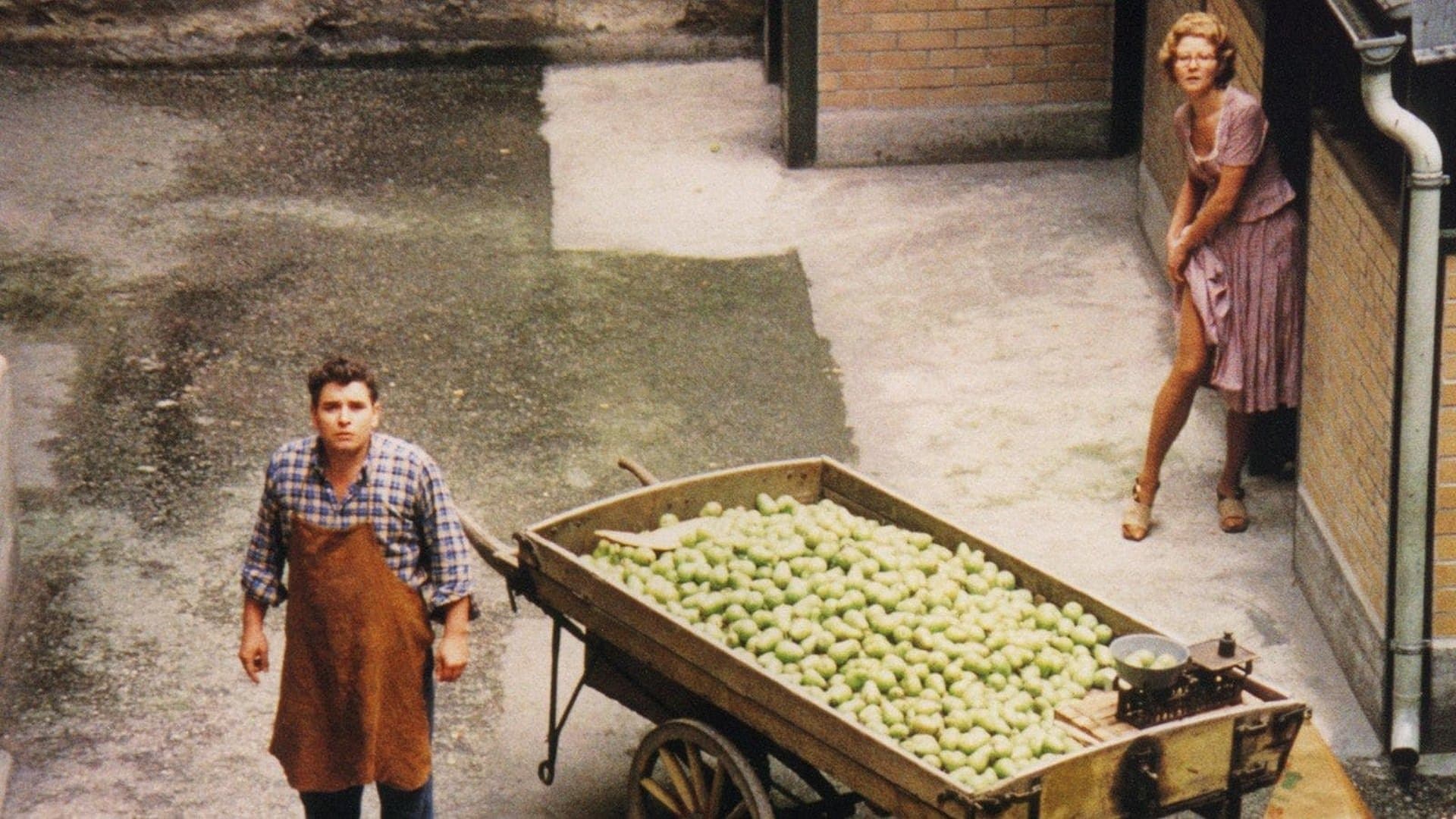
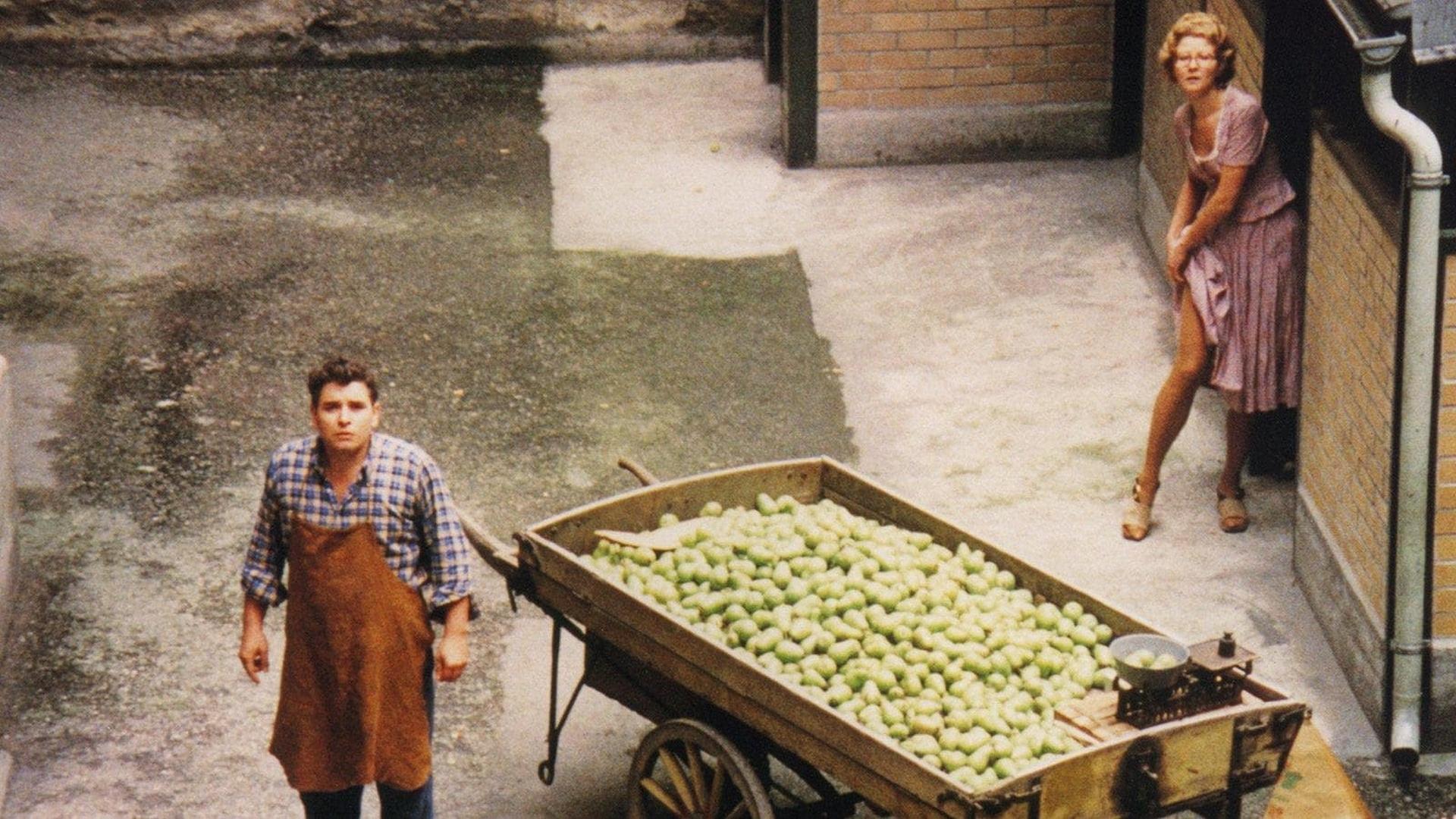
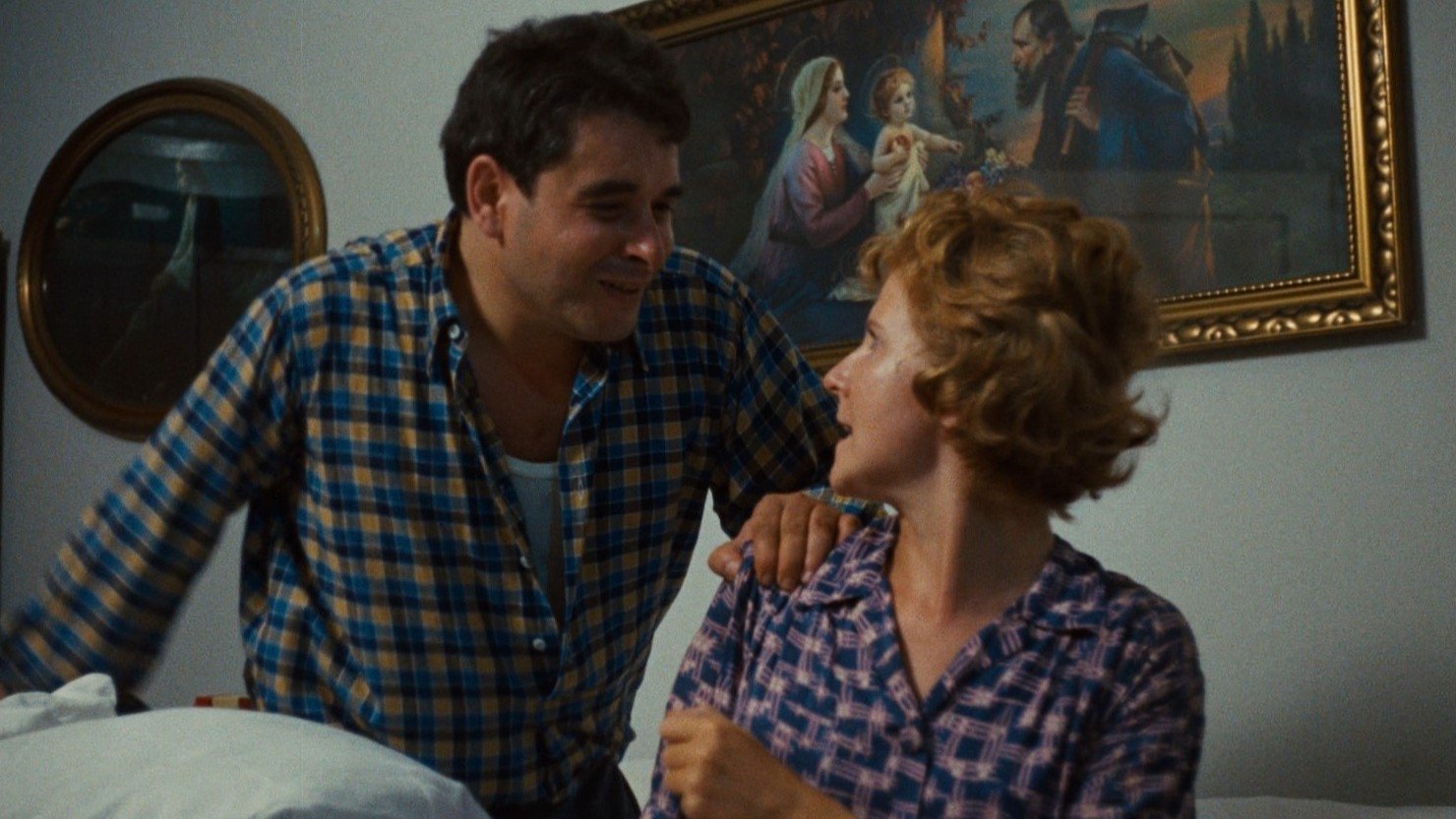
The film follows Hans, the black sheep of an upper-middle-class family in Munich. After returning from the war, he becomes a fruit salesman pushing a cart through the streets, a job his mother sees as deeply shameful. Hans was fired from the police force for sleeping with a prostitute, which also explains why he joined the Foreign Legion in the first place. Now he lives a working-class life, desperate for acceptance—from his mother, his sister, his brother-in-law, and especially his wife, who still doesn’t fully trust him.
In classic Fassbinder fashion, the film unfolds as a slow, domestic melodrama—a portrait of a deeply flawed man who just wants to be seen and valued by the people closest to him.
The challenge with a film like this—especially one from early-’70s Germany—is navigating the cultural and generational distance. Hans is not an easy character to like. Early on, the film’s central turning point is him getting drunk and brutally beating his wife. She threatens to leave him, he suffers a heart attack, and while he’s hospitalized, she takes a lover—who later ends up working for them at their fruit stand. The film takes several winding narrative detours like this, including Hans recruiting an old military friend to help with the business.
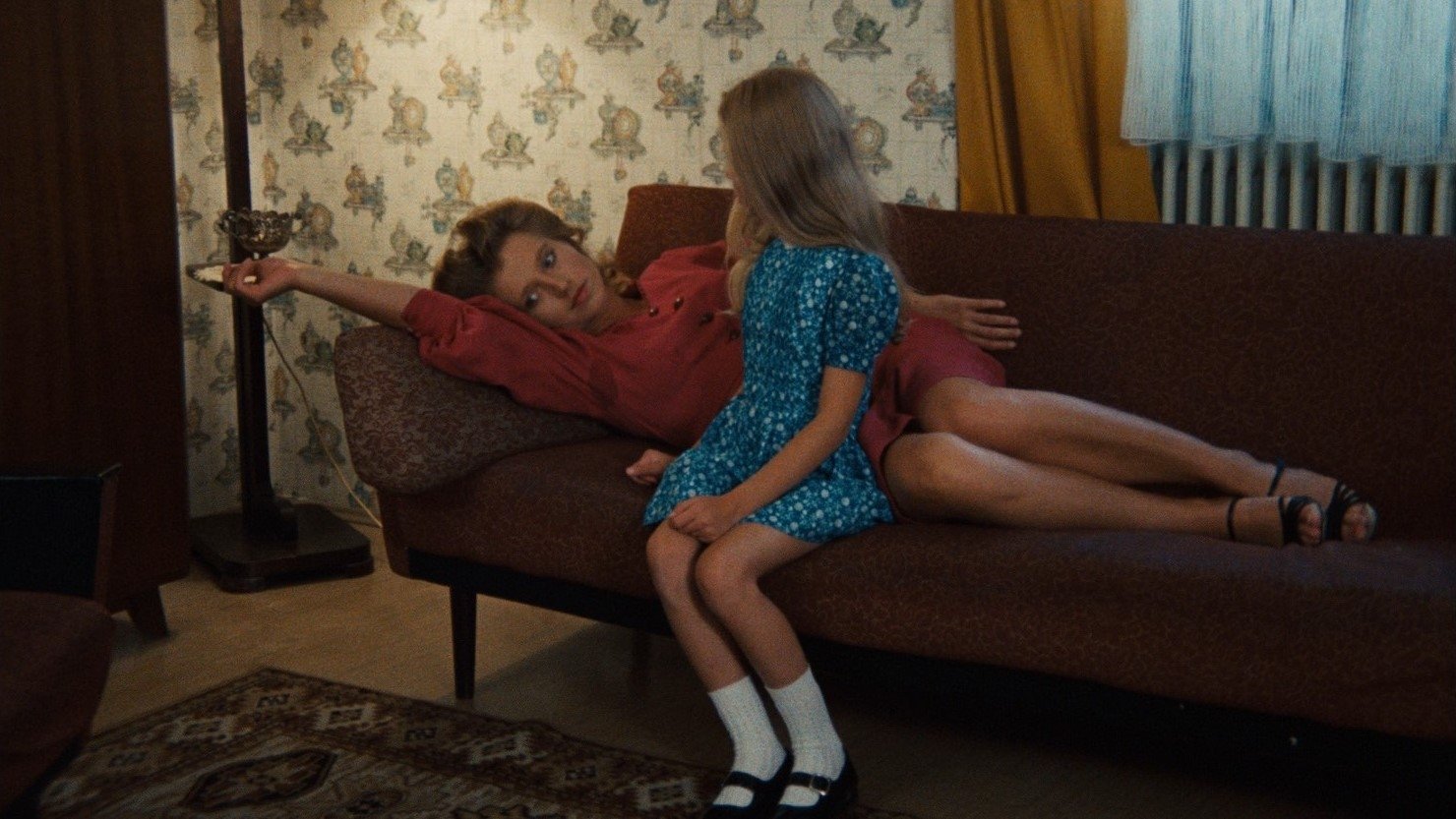
When the fruit business becomes successful, Hans finally gains respect from his wife and mother—but only conditionally. Their affection is tied to his productivity and status, not to him as a person. That, to me, feels like the emotional core of the film: love that is transactional rather than unconditional.
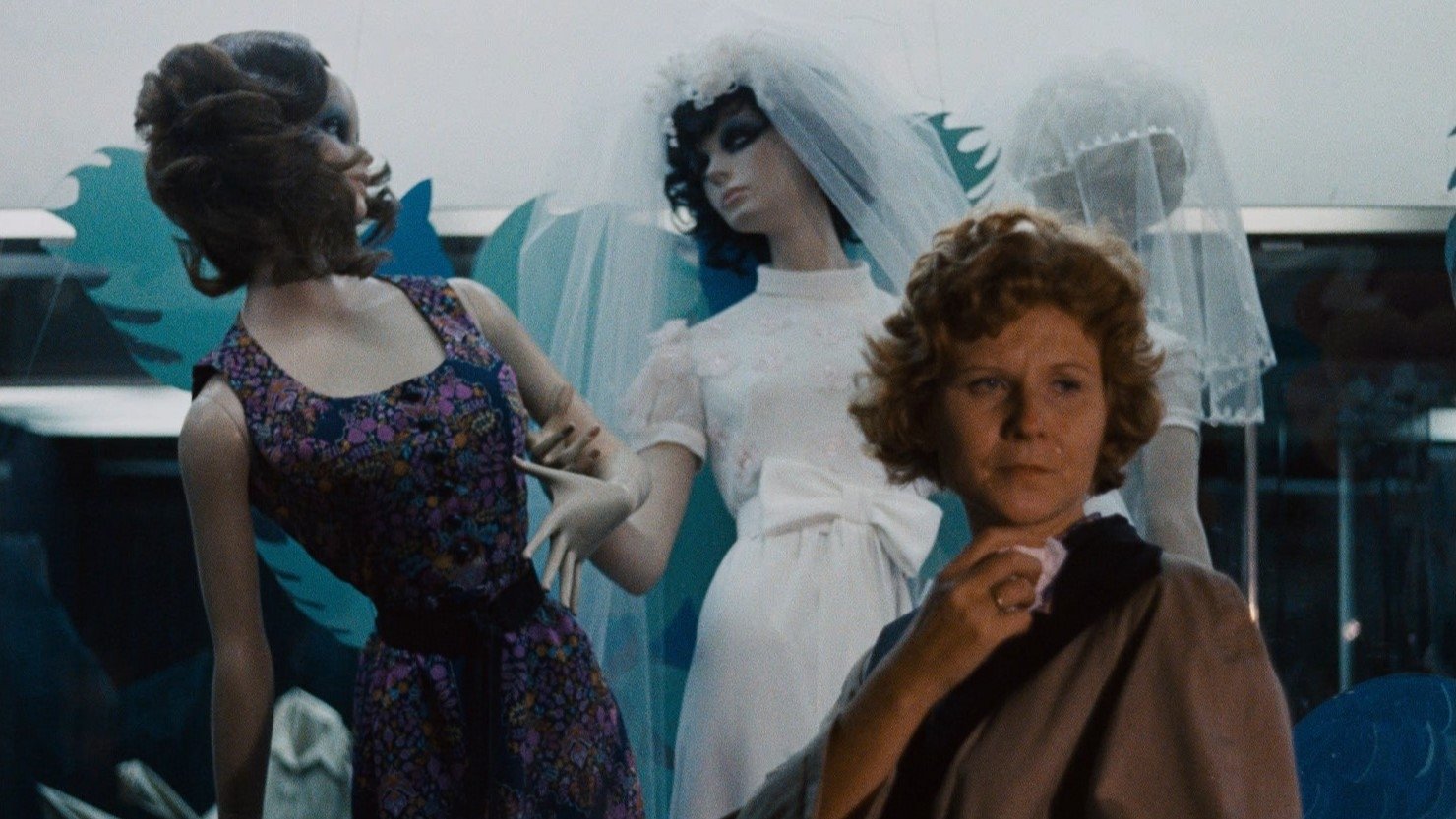
My main issue lies in the presentation. The acting can be inconsistent, the cinematography swings between striking compositions and awkward ones, and the pacing often feels sluggish despite the film being under 90 minutes. Character motivations are sometimes painfully obvious and other times baffling. Some of that is likely cultural distance—people behave and speak in ways that feel alien from a contemporary American perspective—but it still creates emotional friction.
By the end, Hans makes a decisive choice, and the near-total lack of reaction from those around him left me feeling removed from the humanity of the moment. I often felt pulled between emotional engagement and detachment.
So, The Merchant of Four Seasons didn’t knock my socks off, and it didn’t immediately make me want to dive headfirst into Fassbinder’s filmography. But it is a solid, important film—one that clearly helped launch his career. And for anyone interested in the history of German cinema, it’s probably essential viewing.
6.4/10
This was an unusual one for me. I’m a bit on the fence about it. Emotionally, I felt pretty distanced from the film while watching it, but after sitting with it—and reading some other perspectives—I’ve come to appreciate that it’s doing something more intellectually rigorous than I initially gave it credit for.
The film follows Hans, the black sheep of an upper-middle-class family in Munich. After returning from the war, he becomes a fruit salesman pushing a cart through the streets, a job his mother sees as deeply shameful. Hans was fired from the police force for sleeping with a prostitute, which also explains why he joined the Foreign Legion in the first place. Now he lives a working-class life, desperate for acceptance—from his mother, his sister, his brother-in-law, and especially his wife, who still doesn’t fully trust him.
In classic Fassbinder fashion, the film unfolds as a slow, domestic melodrama—a portrait of a deeply flawed man who just wants to be seen and valued by the people closest to him.
The challenge with a film like this—especially one from early-’70s Germany—is navigating the cultural and generational distance. Hans is not an easy character to like. Early on, the film’s central turning point is him getting drunk and brutally beating his wife. She threatens to leave him, he suffers a heart attack, and while he’s hospitalized, she takes a lover—who later ends up working for them at their fruit stand. The film takes several winding narrative detours like this, including Hans recruiting an old military friend to help with the business.
When the fruit business becomes successful, Hans finally gains respect from his wife and mother—but only conditionally. Their affection is tied to his productivity and status, not to him as a person. That, to me, feels like the emotional core of the film: love that is transactional rather than unconditional.
My main issue lies in the presentation. The acting can be inconsistent, the cinematography swings between striking compositions and awkward ones, and the pacing often feels sluggish despite the film being under 90 minutes. Character motivations are sometimes painfully obvious and other times baffling. Some of that is likely cultural distance—people behave and speak in ways that feel alien from a contemporary American perspective—but it still creates emotional friction.
By the end, Hans makes a decisive choice, and the near-total lack of reaction from those around him left me feeling removed from the humanity of the moment. I often felt pulled between emotional engagement and detachment.
So, The Merchant of Four Seasons didn’t knock my socks off, and it didn’t immediately make me want to dive headfirst into Fassbinder’s filmography. But it is a solid, important film—one that clearly helped launch his career. And for anyone interested in the history of German cinema, it’s probably essential viewing.
6.4/10