
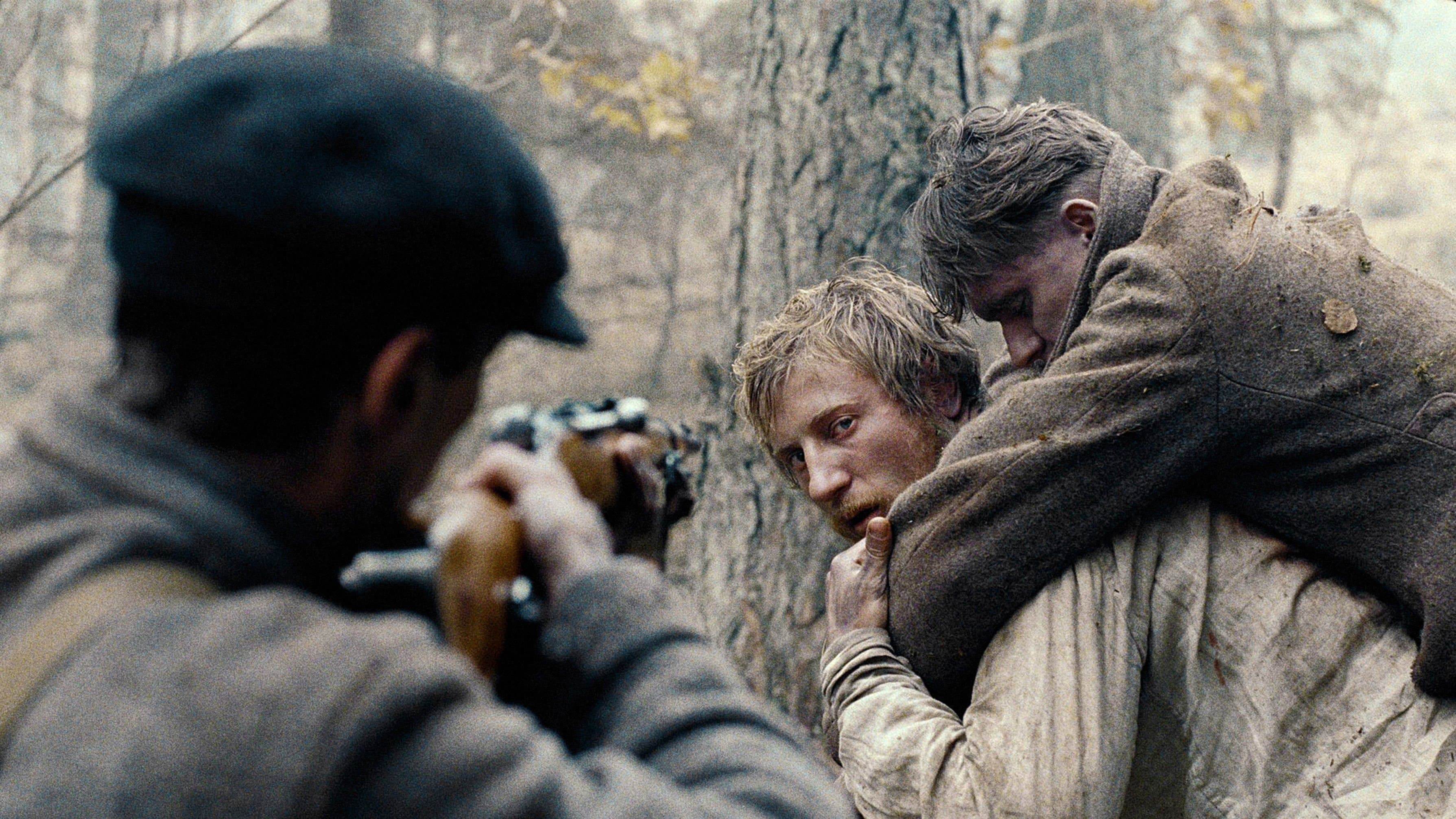
In the Fog
2012·Drama·2h 7m
7.1
★
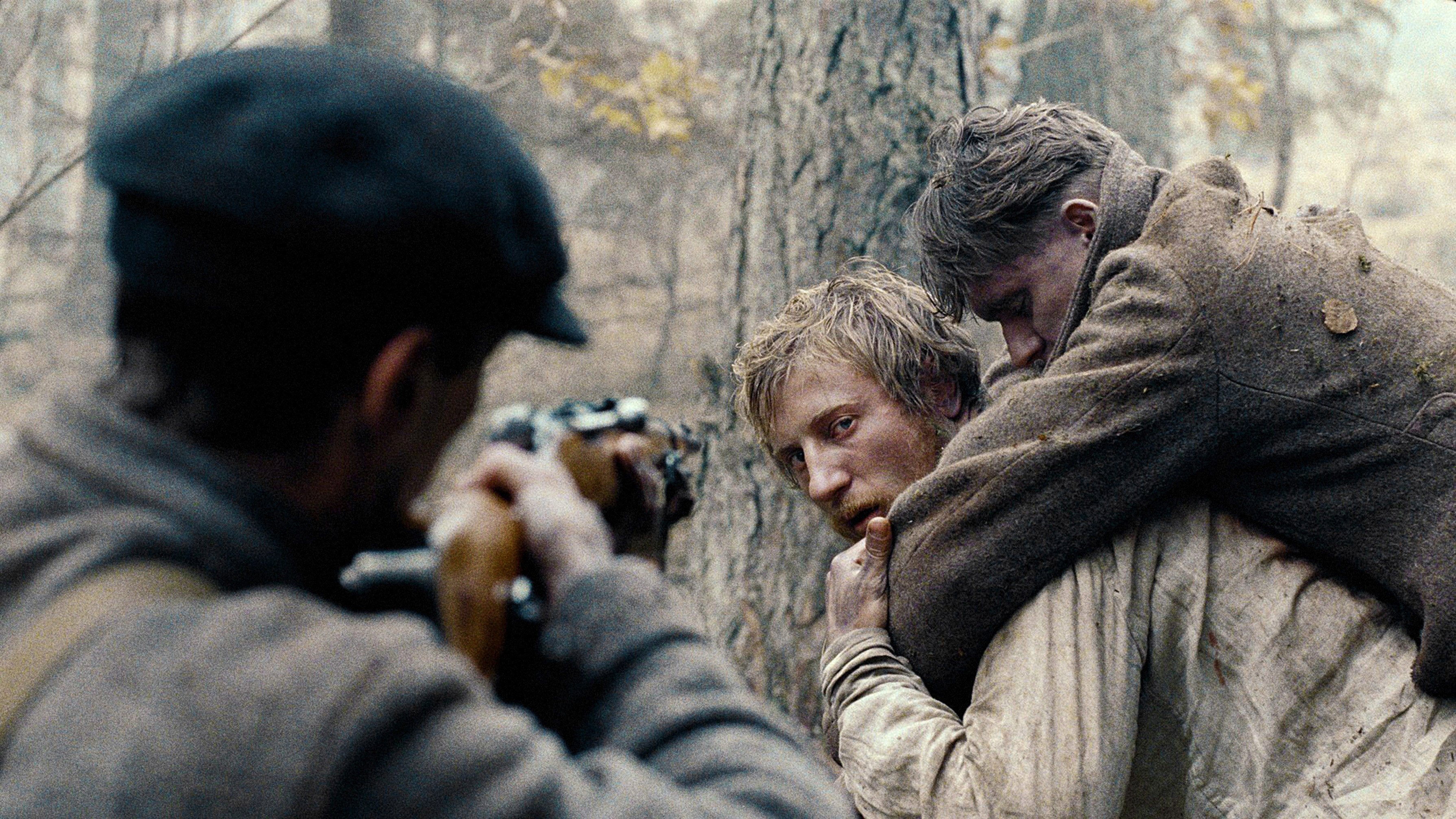
Western frontiers of the USSR, 1942. The region is under German occupation. A man is wrongly accused of collaboration. Desperate to save his dignity, he faces an impossible moral choice.
Directed by Sergei Loznitsa

Trailer

IMDB
N/A
Where to Watch

Cast

Vladimir Svirskiy
Sushenya
Vladislav Abashin
Burov

Sergey Kolesov
Voitik

Yulia Peresild
Anelya

Kirill Petrov
Koroban

Dmitriy Bykovskiy-Romashov
Yaroshevich
Vlad Ivanov
Grossmeier
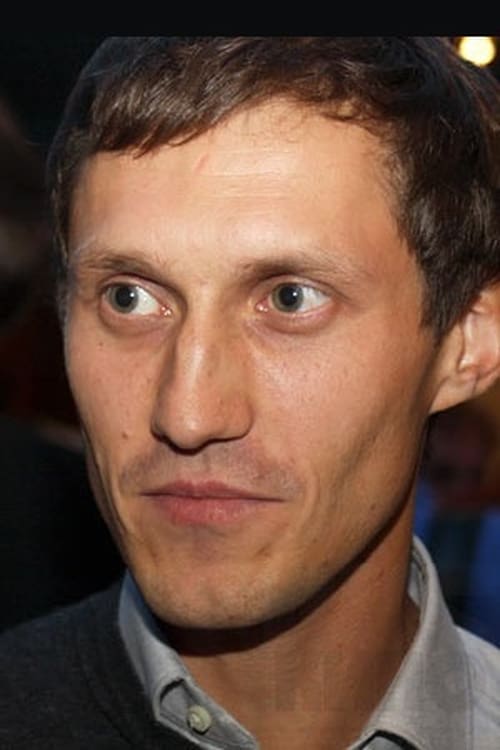
Igor Khripunov
Mirokha

Nadezhda Markina
Burov's mother

Boris Kamorzin
First policeman
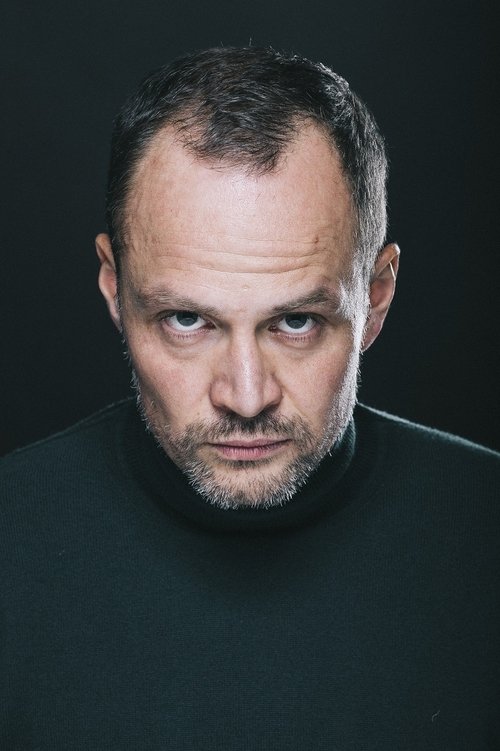
Mikhail Evlanov
Second policeman

Timofey Tribuntsev
Fourth policeman
Crew

Sergei Loznitsa
Director
Sergei Loznitsa
Screenplay

Danielius Kokanauskis
Editor
Oleg Mutu
Director of Photography

Vilnis Kalnaellis
Co-Producer
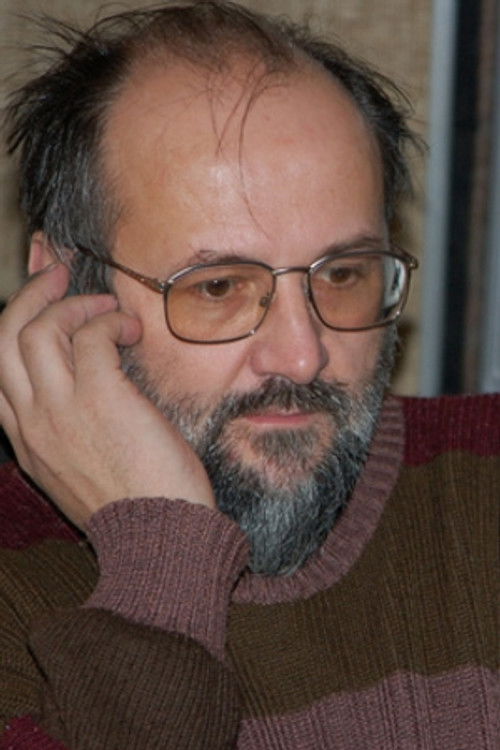
Vladimir Golovnitsky
Sound Designer

Dorota Roqueplo
Costume Design

Juris Žukovskis
Art Direction
Vasili Bykov
Novel
Jurģis Krāsons
Production Design
Popular Reviews
4 reviews
dparasol
8.0★ · 10/26/25
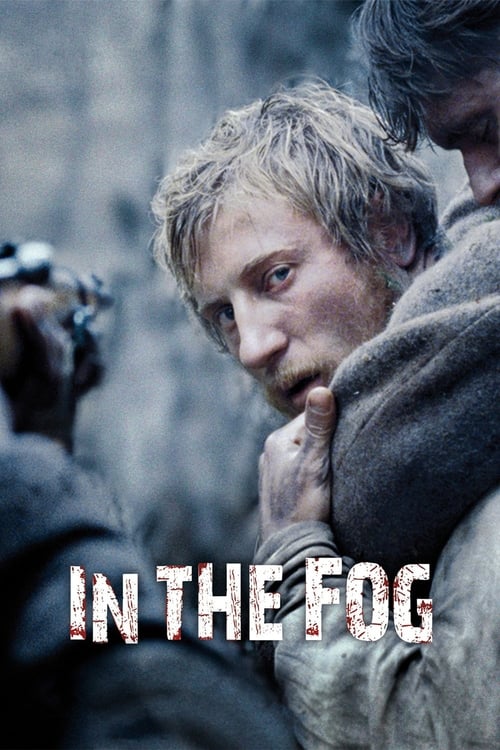
It seems like our protagonist is, or has been accused of being, a collaborator. Of course, when the Nazis show up and break up his summary execution at the hands of a furious Belarusian, they fire their shots off at him, as well. And when he manages to circle back around to the man, he tries to save his life. From the perspective of moral conduct, he doesn't seem like the type, but at the juncture I'm writing this it's not really clear what the truth is (later on, it becomes clear to the viewer that he did not collaborate). And, of course, the lookout who failed to clock the Nazis incoming is all excuses when he's questioned about that failure.
Secondly, we visit with someone else, who apparently might be plotting something. What's he plotting? I don't know, but he built that truck with his own hands, and now it's been taken from him. Soon, I have my answer about his plotting: rather than letting the bastards use his truck, he decides to destroy it. His mother watches helplessly as his useless antics threaten to bring disaster on his own head.
Central theme of the erosion of morals during wartime. It's not really clear in this film that there's any morally sufficient course of action. The contest has been decided, and all involved are trying to resist in vain. Is it worth it to resist if it results in the deaths of innocent people? At what point does one stop considering relative human cost? At what point do you stop prioritizing your own life? What, exactly, are you responsible for? This film asks a lot of these sorts of questions, and some are answered, even if in contradictory terms occasionally.
Sushenya tries and fails repeatedly to convince his captors that he's innocent, but he still works to deliver his childhood friend's body. When the second of his captors is killed on the road, he drags the body away and takes his own life. Absolutely bleak.
"I...am...hurt badly?" "Who knows? But you were shot." "And I didn't...kill you in time." "No time. The police appeared suddenly out of nowhere." "Take me to Zubrovka. I must go to Zubrovka...over there, look for Kienya." "Kienya? Fine."
alt. quote: "You were a fool before, and you're still a fool today."
alt. alt. quote: "I took you for a clever fellow. But you're an idiot. You want a noble death? You want everyone to honor your memory? you want them to write pamphlets about you? No...that's not going to happen. I will arrange another sort of death for you. For the last time. Yes or no?" "I can't do it." "Fine. You can't. Get out of here. Go away."
Secondly, we visit with someone else, who apparently might be plotting something. What's he plotting? I don't know, but he built that truck with his own hands, and now it's been taken from him. Soon, I have my answer about his plotting: rather than letting the bastards use his truck, he decides to destroy it. His mother watches helplessly as his useless antics threaten to bring disaster on his own head.
Central theme of the erosion of morals during wartime. It's not really clear in this film that there's any morally sufficient course of action. The contest has been decided, and all involved are trying to resist in vain. Is it worth it to resist if it results in the deaths of innocent people? At what point does one stop considering relative human cost? At what point do you stop prioritizing your own life? What, exactly, are you responsible for? This film asks a lot of these sorts of questions, and some are answered, even if in contradictory terms occasionally.
Sushenya tries and fails repeatedly to convince his captors that he's innocent, but he still works to deliver his childhood friend's body. When the second of his captors is killed on the road, he drags the body away and takes his own life. Absolutely bleak.
"I...am...hurt badly?" "Who knows? But you were shot." "And I didn't...kill you in time." "No time. The police appeared suddenly out of nowhere." "Take me to Zubrovka. I must go to Zubrovka...over there, look for Kienya." "Kienya? Fine."
alt. quote: "You were a fool before, and you're still a fool today."
alt. alt. quote: "I took you for a clever fellow. But you're an idiot. You want a noble death? You want everyone to honor your memory? you want them to write pamphlets about you? No...that's not going to happen. I will arrange another sort of death for you. For the last time. Yes or no?" "I can't do it." "Fine. You can't. Get out of here. Go away."
It seems like our protagonist is, or has been accused of being, a collaborator. Of course, when the Nazis show up and break up his summary execution at the hands of a furious Belarusian, they fire their shots off at him, as well. And when he manages to circle back around to the man, he tries to save his life. From the perspective of moral conduct, he doesn't seem like the type, but at the juncture I'm writing this it's not really clear what the truth is (later on, it becomes clear to the viewer that he did not collaborate). And, of course, the lookout who failed to clock the Nazis incoming is all excuses when he's questioned about that failure.
Secondly, we visit with someone else, who apparently might be plotting something. What's he plotting? I don't know, but he built that truck with his own hands, and now it's been taken from him. Soon, I have my answer about his plotting: rather than letting the bastards use his truck, he decides to destroy it. His mother watches helplessly as his useless antics threaten to bring disaster on his own head.
Central theme of the erosion of morals during wartime. It's not really clear in this film that there's any morally sufficient course of action. The contest has been decided, and all involved are trying to resist in vain. Is it worth it to resist if it results in the deaths of innocent people? At what point does one stop considering relative human cost? At what point do you stop prioritizing your own life? What, exactly, are you responsible for? This film asks a lot of these sorts of questions, and some are answered, even if in contradictory terms occasionally.
Sushenya tries and fails repeatedly to convince his captors that he's innocent, but he still works to deliver his childhood friend's body. When the second of his captors is killed on the road, he drags the body away and takes his own life. Absolutely bleak.
"I...am...hurt badly?" "Who knows? But you were shot." "And I didn't...kill you in time." "No time. The police appeared suddenly out of nowhere." "Take me to Zubrovka. I must go to Zubrovka...over there, look for Kienya." "Kienya? Fine."
alt. quote: "You were a fool before, and you're still a fool today."
alt. alt. quote: "I took you for a clever fellow. But you're an idiot. You want a noble death? You want everyone to honor your memory? you want them to write pamphlets about you? No...that's not going to happen. I will arrange another sort of death for you. For the last time. Yes or no?" "I can't do it." "Fine. You can't. Get out of here. Go away."
Secondly, we visit with someone else, who apparently might be plotting something. What's he plotting? I don't know, but he built that truck with his own hands, and now it's been taken from him. Soon, I have my answer about his plotting: rather than letting the bastards use his truck, he decides to destroy it. His mother watches helplessly as his useless antics threaten to bring disaster on his own head.
Central theme of the erosion of morals during wartime. It's not really clear in this film that there's any morally sufficient course of action. The contest has been decided, and all involved are trying to resist in vain. Is it worth it to resist if it results in the deaths of innocent people? At what point does one stop considering relative human cost? At what point do you stop prioritizing your own life? What, exactly, are you responsible for? This film asks a lot of these sorts of questions, and some are answered, even if in contradictory terms occasionally.
Sushenya tries and fails repeatedly to convince his captors that he's innocent, but he still works to deliver his childhood friend's body. When the second of his captors is killed on the road, he drags the body away and takes his own life. Absolutely bleak.
"I...am...hurt badly?" "Who knows? But you were shot." "And I didn't...kill you in time." "No time. The police appeared suddenly out of nowhere." "Take me to Zubrovka. I must go to Zubrovka...over there, look for Kienya." "Kienya? Fine."
alt. quote: "You were a fool before, and you're still a fool today."
alt. alt. quote: "I took you for a clever fellow. But you're an idiot. You want a noble death? You want everyone to honor your memory? you want them to write pamphlets about you? No...that's not going to happen. I will arrange another sort of death for you. For the last time. Yes or no?" "I can't do it." "Fine. You can't. Get out of here. Go away."


GreenAntikörper
5.0★ · 11/16/21
Dani
6.0★ · 11/17/18
Dani
6.0★ · 11/17/18
PaulPRO
5.0★ · 03/31/13