
Duvidha
1973·Fantasy·1h 22m
7.1
★
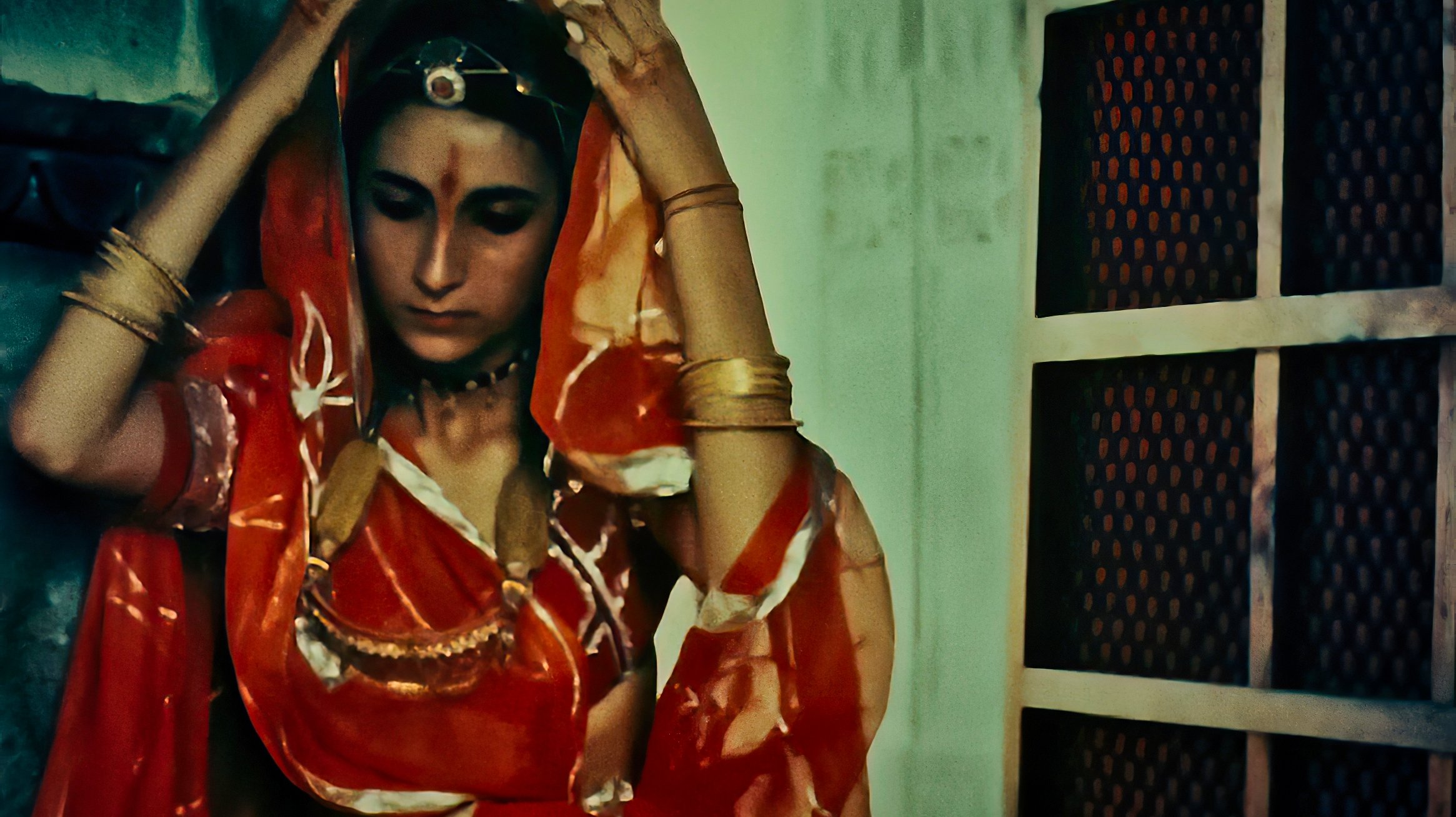
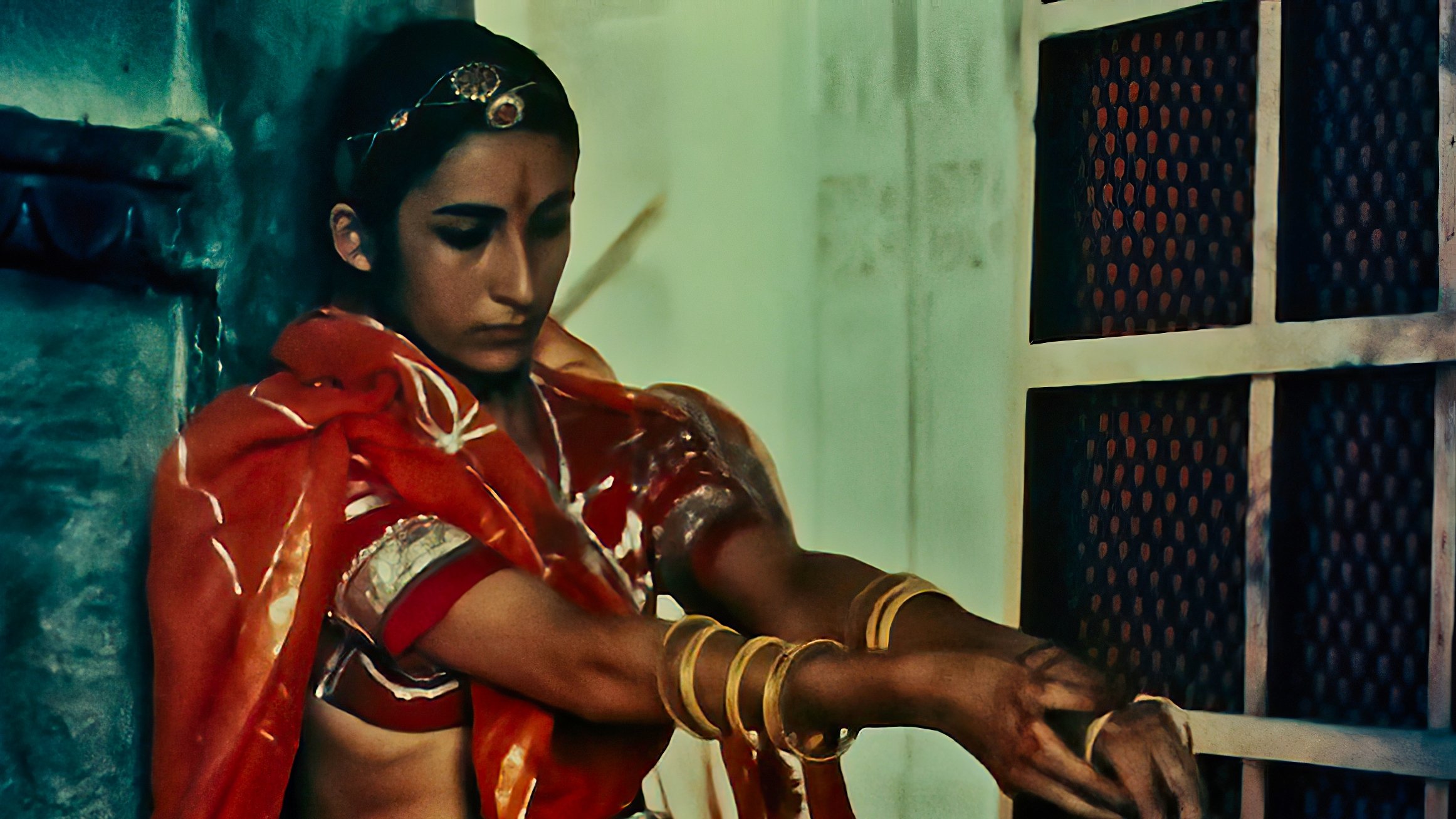
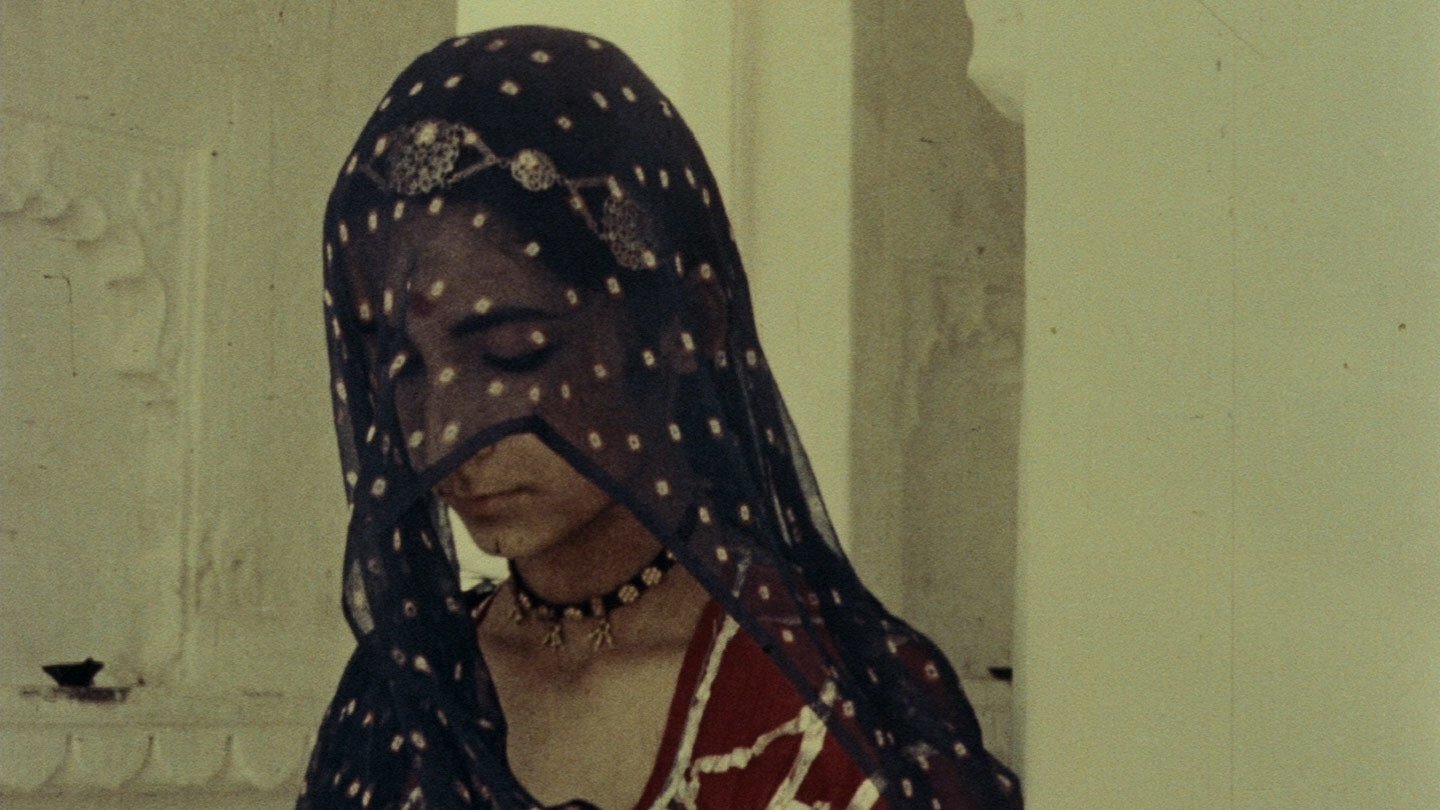
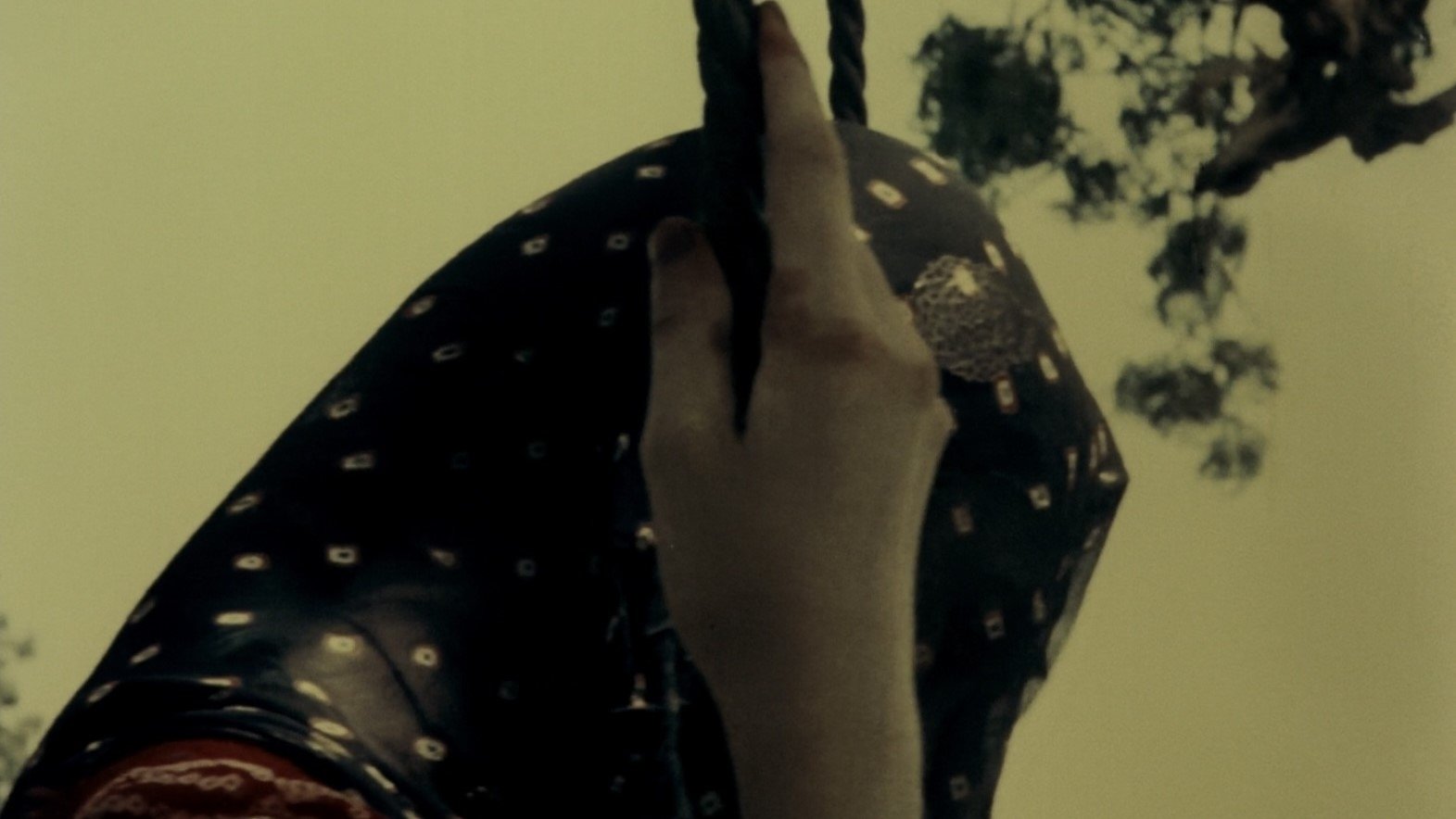
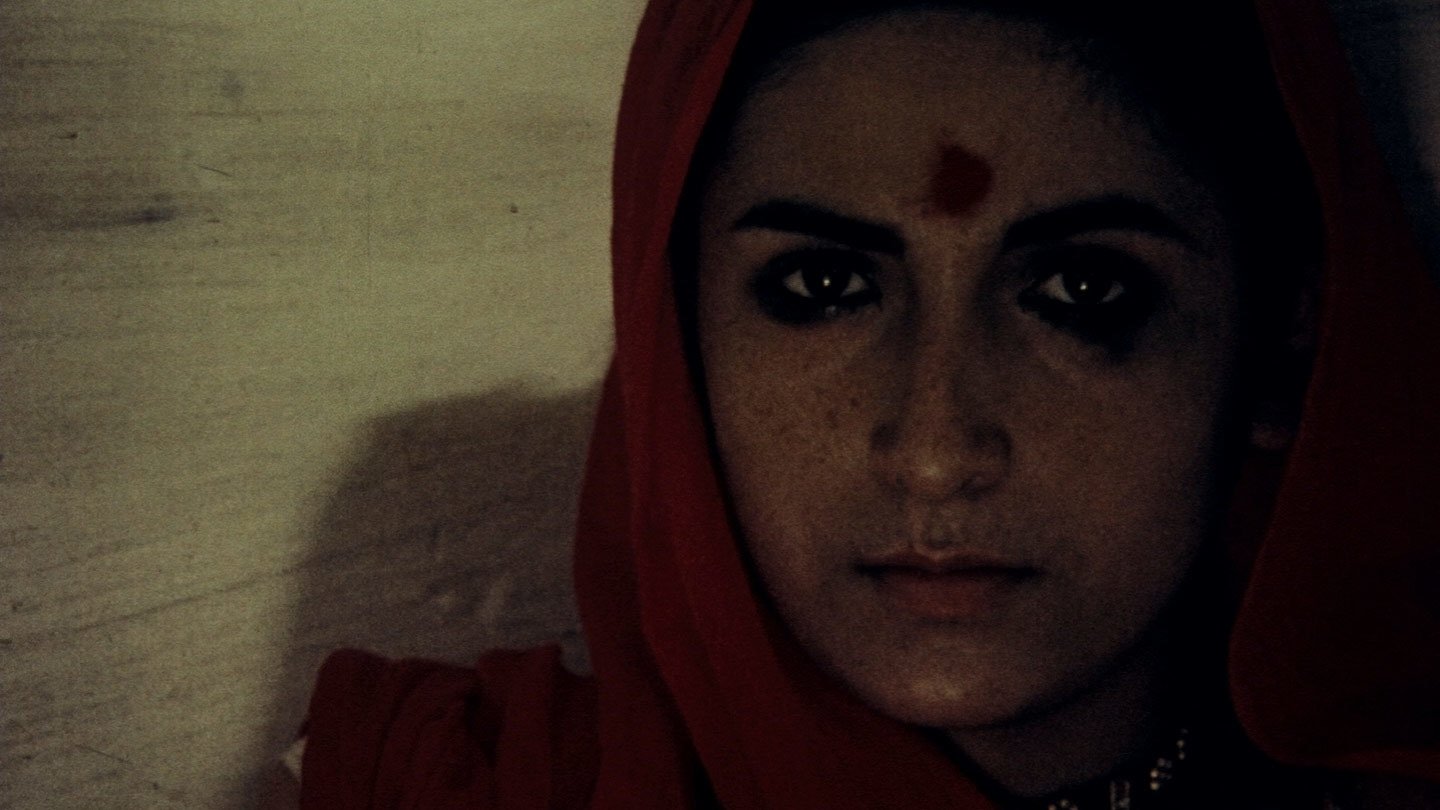
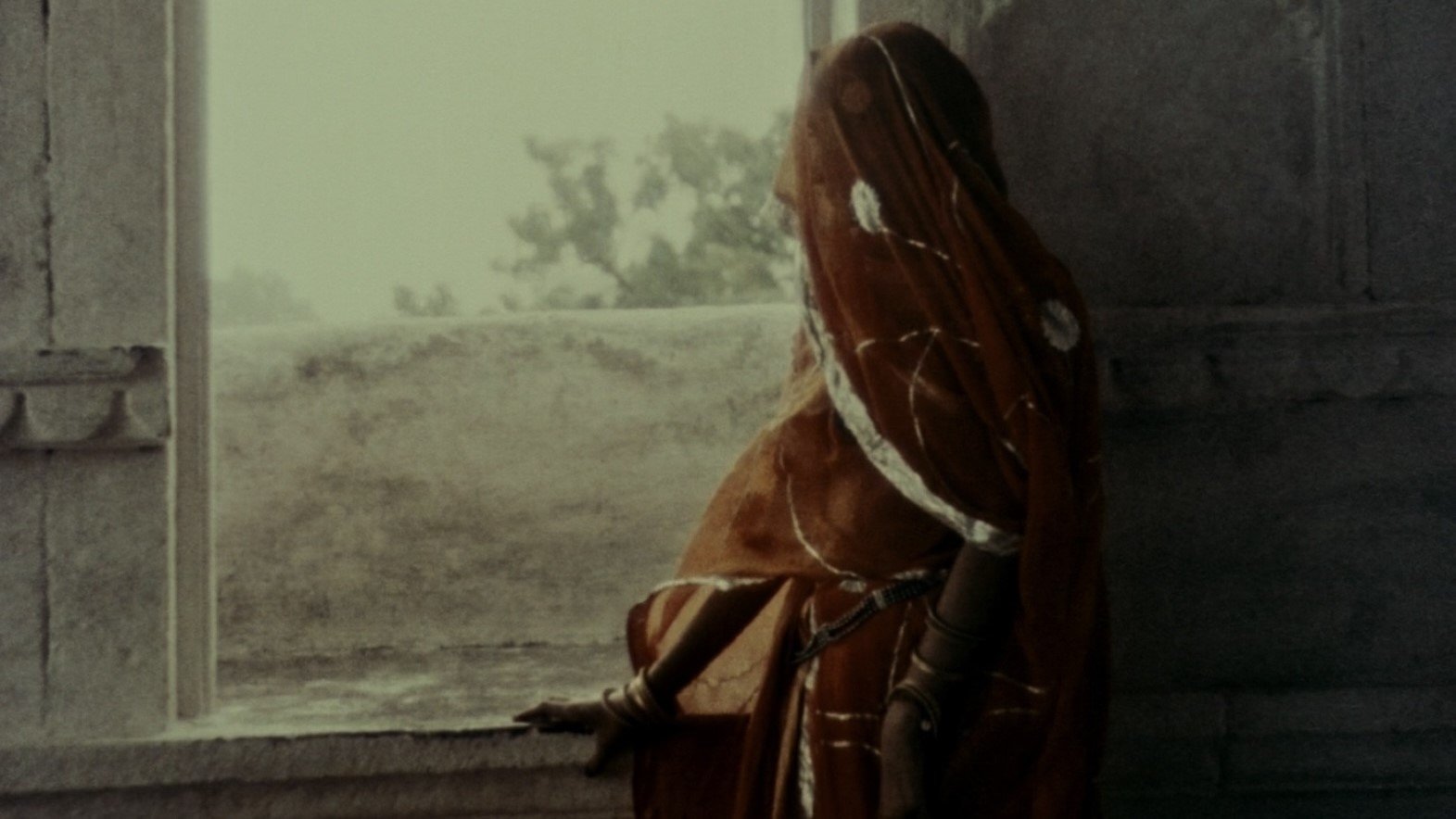
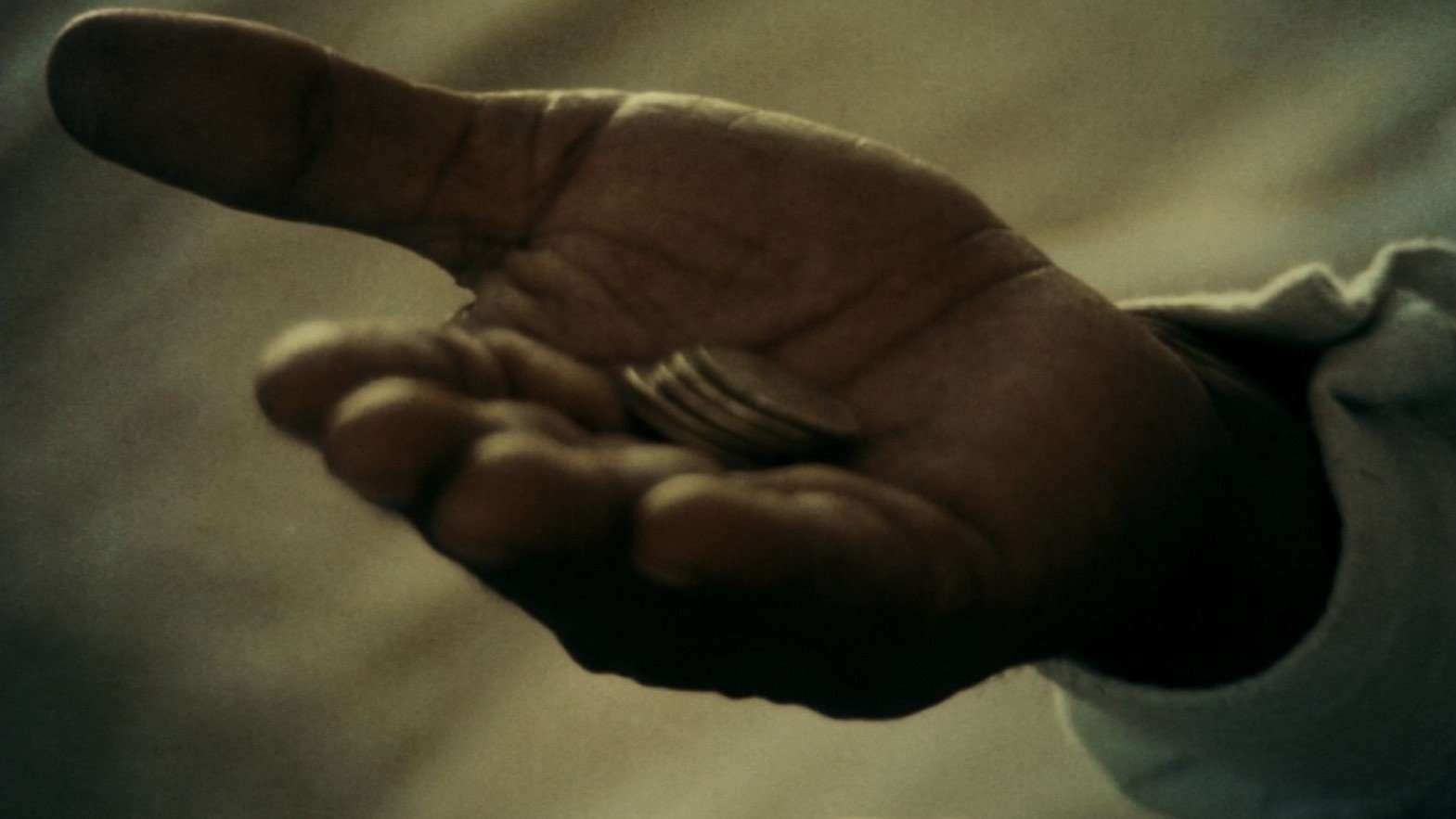
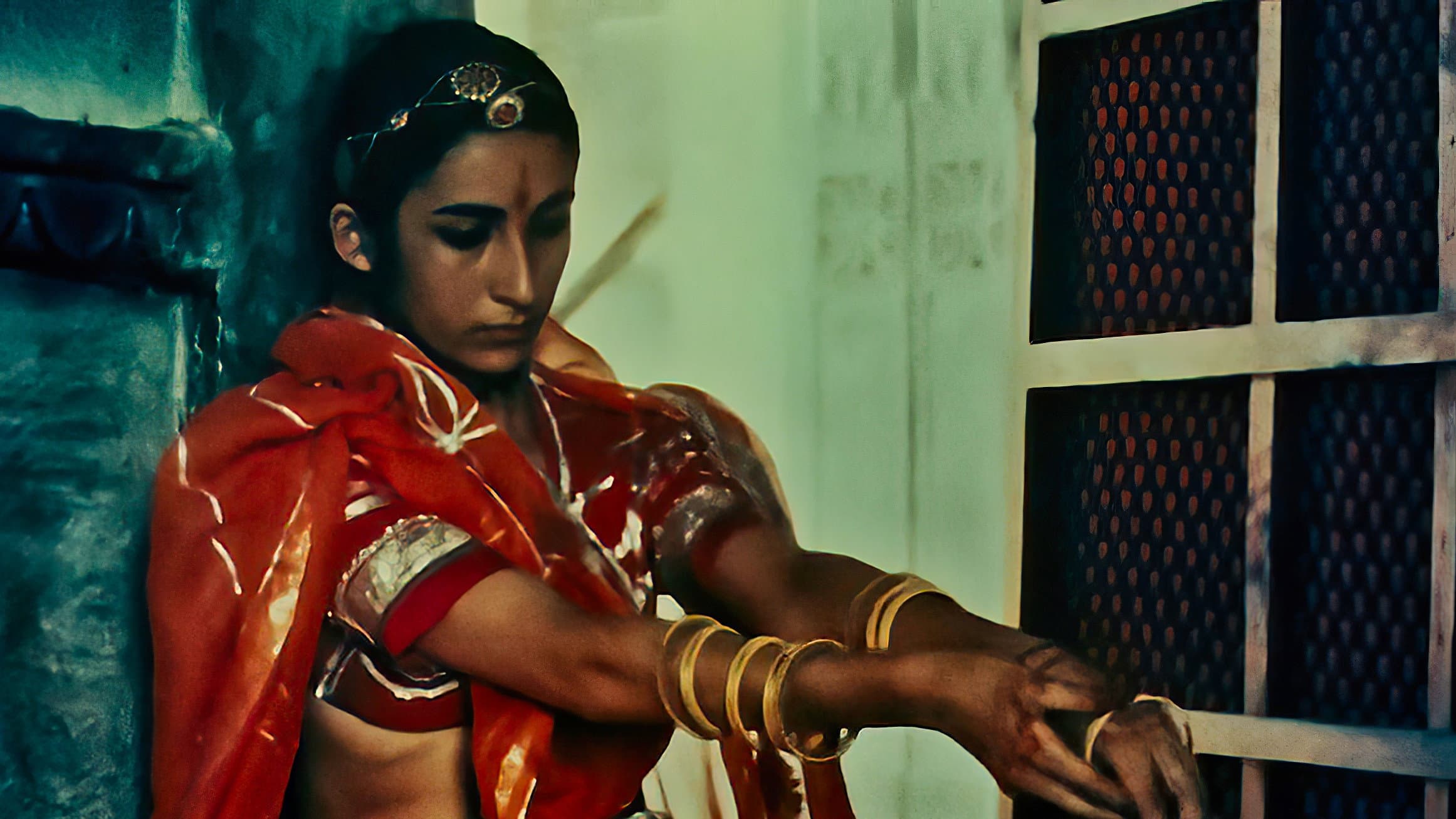
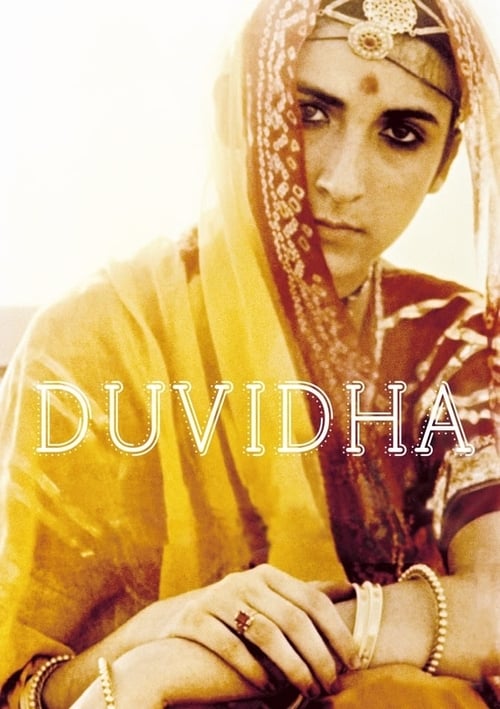
A newly-married merchant’s son is sent away for business. A ghost, who laid eyes on the bride, falls madly in love with her and takes the form of the husband and begins living with her.
Directed by Mani Kaul

Trailer

IMDB
N/A
Cast

Raisa Padamsee
Lachhi
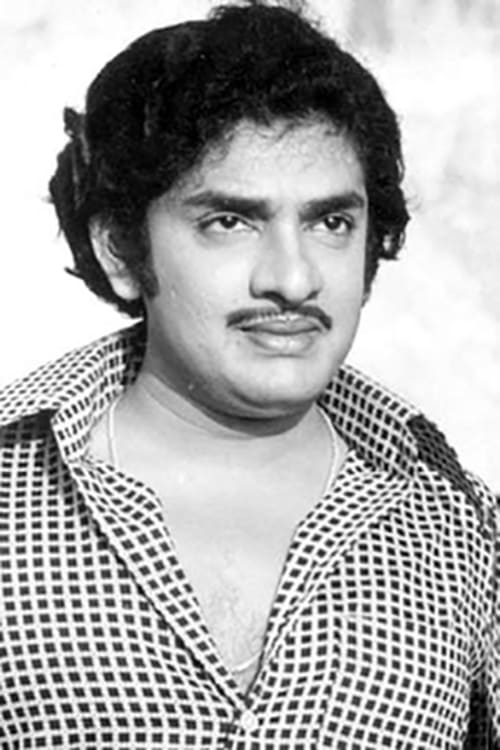
Ravi Menon
Krishnalal / Ghost
Crew
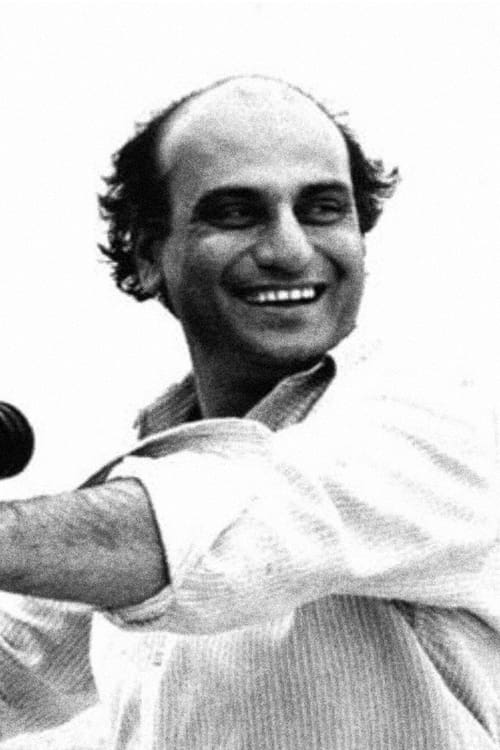
Mani Kaul
Director
Mani Kaul
Producer

Manoj Sharma
Sound mixer
Manoj Sharma
Sound Assistant
Popular Reviews
27 reviews
Shin Anuj
7.0★ · 06/24/26
Duvidha never felt like I was watching folklore, it felt like I was hearing it from the villagers themselves. The kind of stories children tell each other to sound brave, or the ones your relatives casually bring up as if they actually happened. Whether they're true or not doesn't matter—the feeling stays. Loved how naturally the supernatural was woven into everyday life.
Duvidha never felt like I was watching folklore, it felt like I was hearing it from the villagers themselves. The kind of stories children tell each other to sound brave, or the ones your relatives casually bring up as if they actually happened. Whether they're true or not doesn't matter—the feeling stays. Loved how naturally the supernatural was woven into everyday life.


Blackfish
9.0★ · 05/16/26
"babe would you still love me if i was replaced by a banyan tree dwelling ancient spirit who took my form"
serene
serene
"babe would you still love me if i was replaced by a banyan tree dwelling ancient spirit who took my form"
serene
serene
grace
10.0★ · 02/13/26
How can one expect dreams to last? They are built on quicksand.
Beautiful and surreal. Silence interspersed with sparse, intentional narration and traditional Rajasthani singing. An exploration of a woman’s autonomy and duty wrapped in a ghost story. There are no frights here, not even mystery. The ghost reveals himself immediately, smitten by the abandoned bride. There is only isolation and longing, a choice to be made.
Beautiful and surreal. Silence interspersed with sparse, intentional narration and traditional Rajasthani singing. An exploration of a woman’s autonomy and duty wrapped in a ghost story. There are no frights here, not even mystery. The ghost reveals himself immediately, smitten by the abandoned bride. There is only isolation and longing, a choice to be made.
How can one expect dreams to last? They are built on quicksand.
Beautiful and surreal. Silence interspersed with sparse, intentional narration and traditional Rajasthani singing. An exploration of a woman’s autonomy and duty wrapped in a ghost story. There are no frights here, not even mystery. The ghost reveals himself immediately, smitten by the abandoned bride. There is only isolation and longing, a choice to be made.
Beautiful and surreal. Silence interspersed with sparse, intentional narration and traditional Rajasthani singing. An exploration of a woman’s autonomy and duty wrapped in a ghost story. There are no frights here, not even mystery. The ghost reveals himself immediately, smitten by the abandoned bride. There is only isolation and longing, a choice to be made.
endo
6.0★ · 01/28/26
Pour des parents une fille est comme une mauvaise herbe qu’il faut déraciner au plus vite. Dès 16 ans j’ai été mariée et renvoyée de la maison.
franchement c’est un bon film et la colorimétrie, les plans et le choix des vêtements traditionnels c’est juste magnifique. Cependant je trouve que la mise en scène est parfois un petit peu bancale mais c’est la difficulté d’adapter un conte c’est évident. JE SUIS DONC INDULGENT HOP. Sinon évidemment l’histoire je trouve ça FOU j’aurais adoré en voir une version + développé sur les deux hommes même si je trouve ça très bien qu’on soit + concentré sur la femme qui reste évidemment le personnage principale qui est juste comme une propriété de l’homme et de la famille.
Chaque jour je me réveille et j’insulte le racisme banalisé en Inde.
franchement c’est un bon film et la colorimétrie, les plans et le choix des vêtements traditionnels c’est juste magnifique. Cependant je trouve que la mise en scène est parfois un petit peu bancale mais c’est la difficulté d’adapter un conte c’est évident. JE SUIS DONC INDULGENT HOP. Sinon évidemment l’histoire je trouve ça FOU j’aurais adoré en voir une version + développé sur les deux hommes même si je trouve ça très bien qu’on soit + concentré sur la femme qui reste évidemment le personnage principale qui est juste comme une propriété de l’homme et de la famille.
Chaque jour je me réveille et j’insulte le racisme banalisé en Inde.
Pour des parents une fille est comme une mauvaise herbe qu’il faut déraciner au plus vite. Dès 16 ans j’ai été mariée et renvoyée de la maison.
franchement c’est un bon film et la colorimétrie, les plans et le choix des vêtements traditionnels c’est juste magnifique. Cependant je trouve que la mise en scène est parfois un petit peu bancale mais c’est la difficulté d’adapter un conte c’est évident. JE SUIS DONC INDULGENT HOP. Sinon évidemment l’histoire je trouve ça FOU j’aurais adoré en voir une version + développé sur les deux hommes même si je trouve ça très bien qu’on soit + concentré sur la femme qui reste évidemment le personnage principale qui est juste comme une propriété de l’homme et de la famille.
Chaque jour je me réveille et j’insulte le racisme banalisé en Inde.
franchement c’est un bon film et la colorimétrie, les plans et le choix des vêtements traditionnels c’est juste magnifique. Cependant je trouve que la mise en scène est parfois un petit peu bancale mais c’est la difficulté d’adapter un conte c’est évident. JE SUIS DONC INDULGENT HOP. Sinon évidemment l’histoire je trouve ça FOU j’aurais adoré en voir une version + développé sur les deux hommes même si je trouve ça très bien qu’on soit + concentré sur la femme qui reste évidemment le personnage principale qui est juste comme une propriété de l’homme et de la famille.
Chaque jour je me réveille et j’insulte le racisme banalisé en Inde.
mothman
7.0★ · 11/20/25
the vibrancy of the film makes the stark contrasts of the darker scenes stand out more with the themes it’s trying to get across. I think this was really beautiful.
the vibrancy of the film makes the stark contrasts of the darker scenes stand out more with the themes it’s trying to get across. I think this was really beautiful.