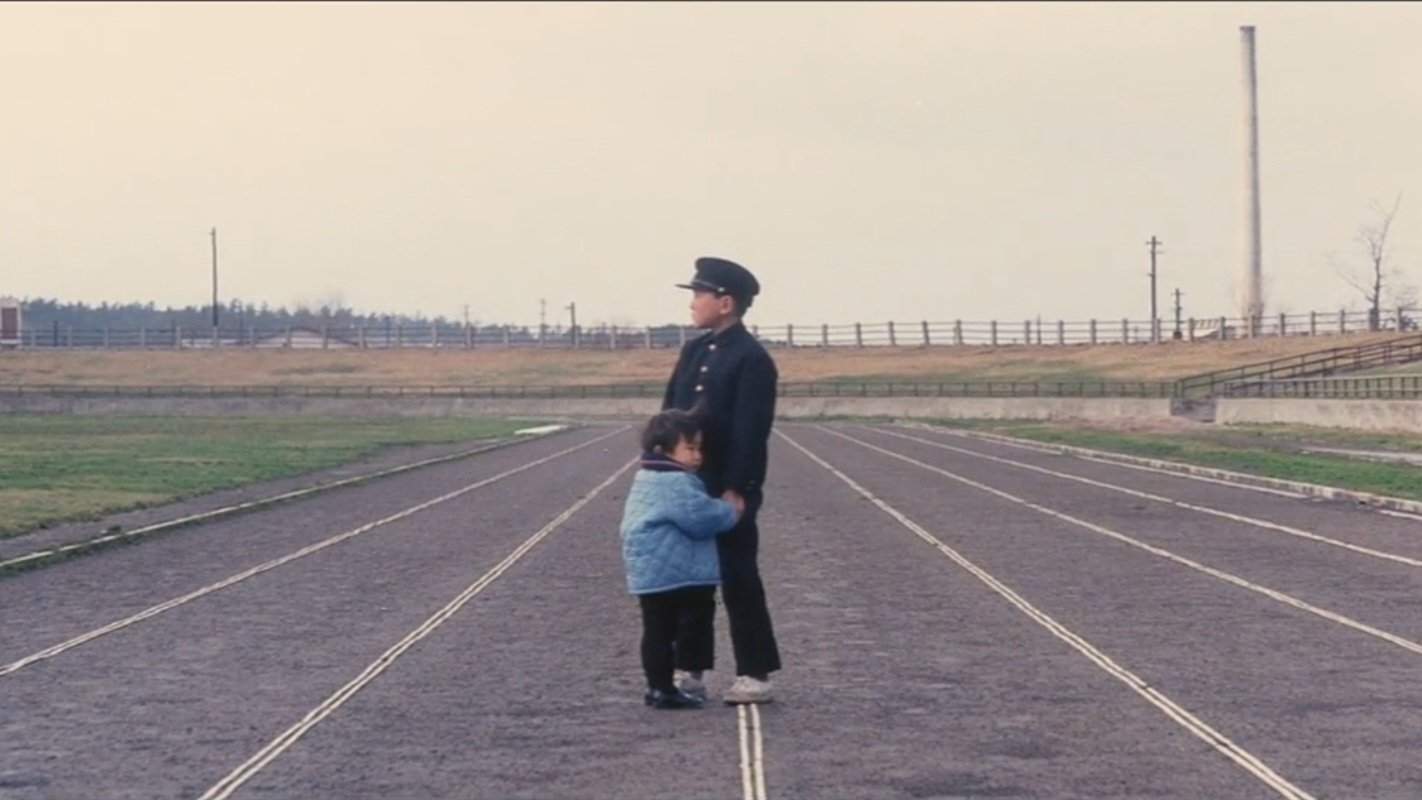
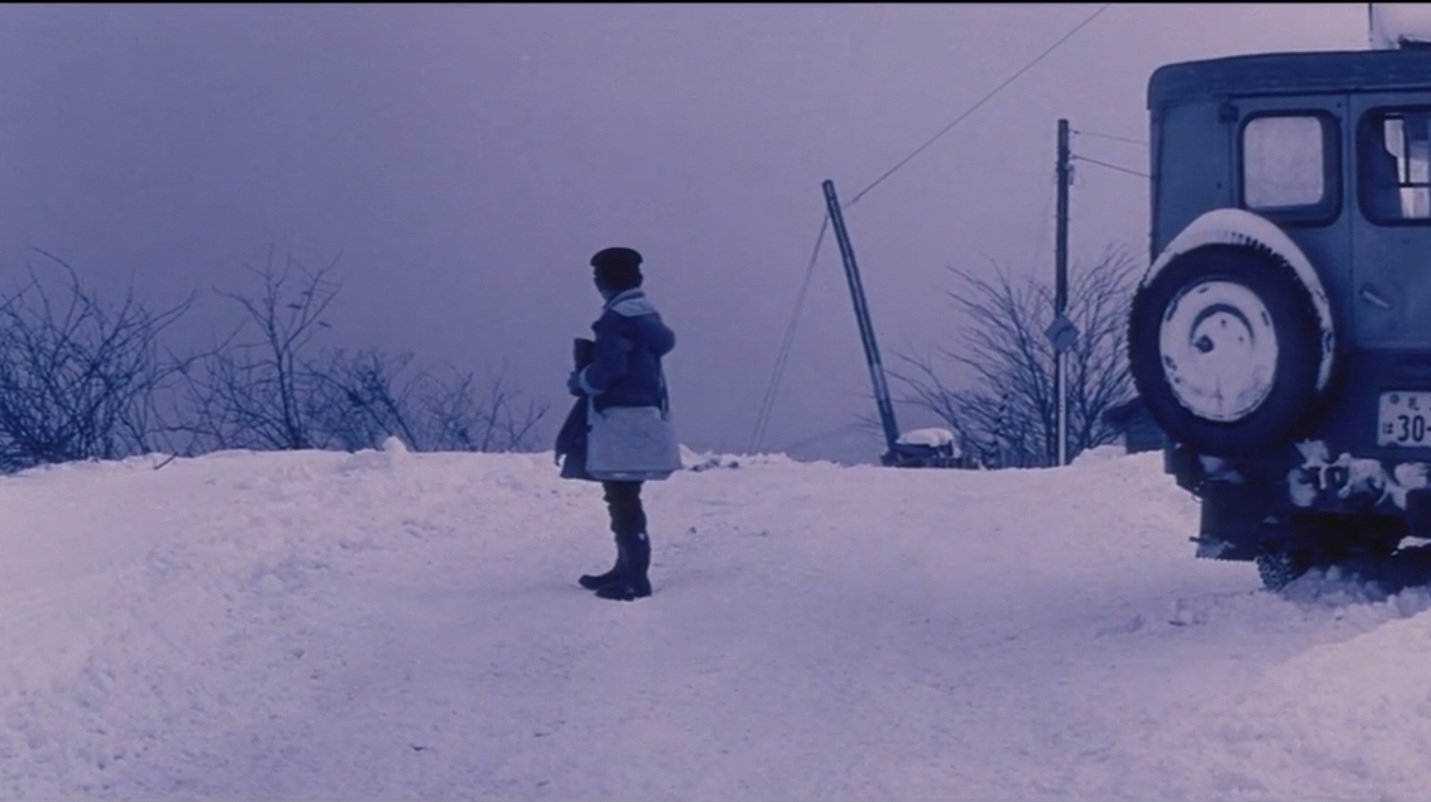
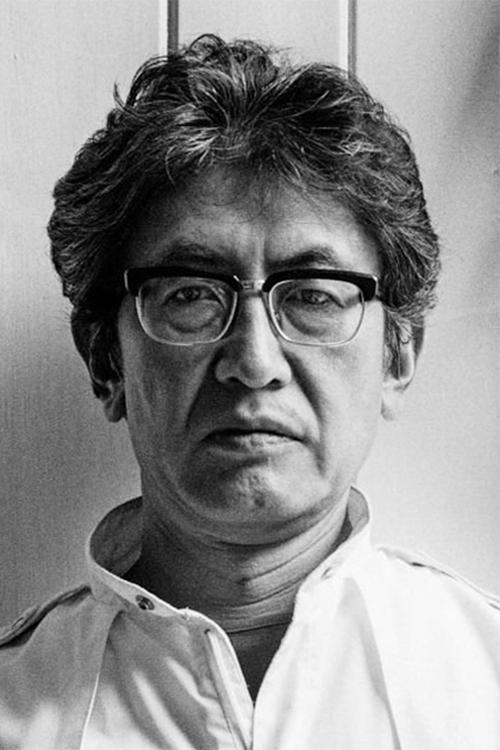
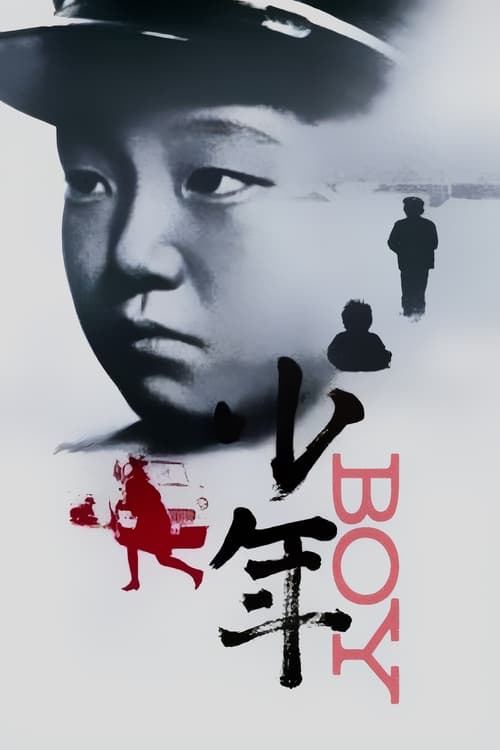
Oshima takes another look at postwar Japan in this depressing depiction of a family pulling scams across Japan. Oshima keeps his storytelling much more conventional than some of his other films, instead reserving his more abstract tendencies for the sound and color he uses throughout the film.
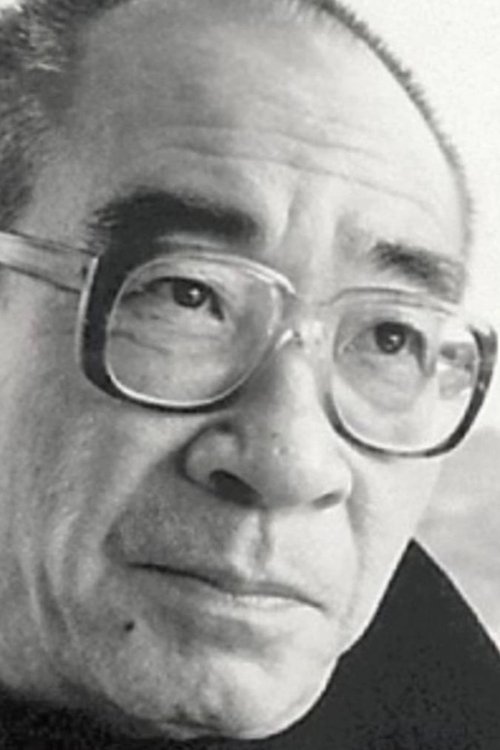
This film reminds me a lot of one of a movie I love by my favorite director, Kore-eda Hirokazu. That being Shoplifters, in fact Boy feels like the flip side of the Shoplifters coin. Both stories depict unconventional families working as a unit to commit crimes. However, while Kore-eda's depiction of the family is hopeful and even forgiving, Oshima opts to be pessimistic and scathing in his review of the family in Boy.
Kore-eda's film essentially says that good people sometimes have to do bad things, not exactly allowing them to, but being understanding and empathetic about their position. Oshima on the other hand will allow for no such indulgence. Oshima instead seems to ask the question, can bad people do good things? Using the character of the Father played by Watanabe Fumio as the catalyst of this question. I believe Oshima's answer would be no by the end of the film.
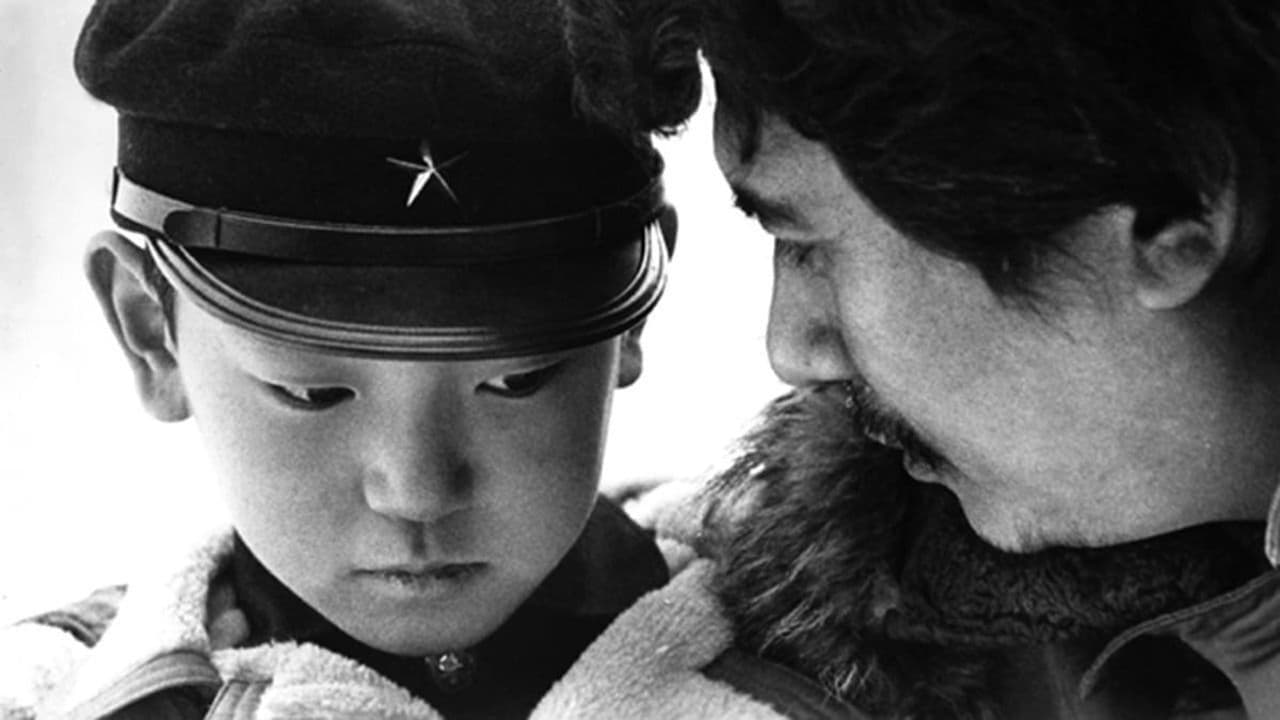
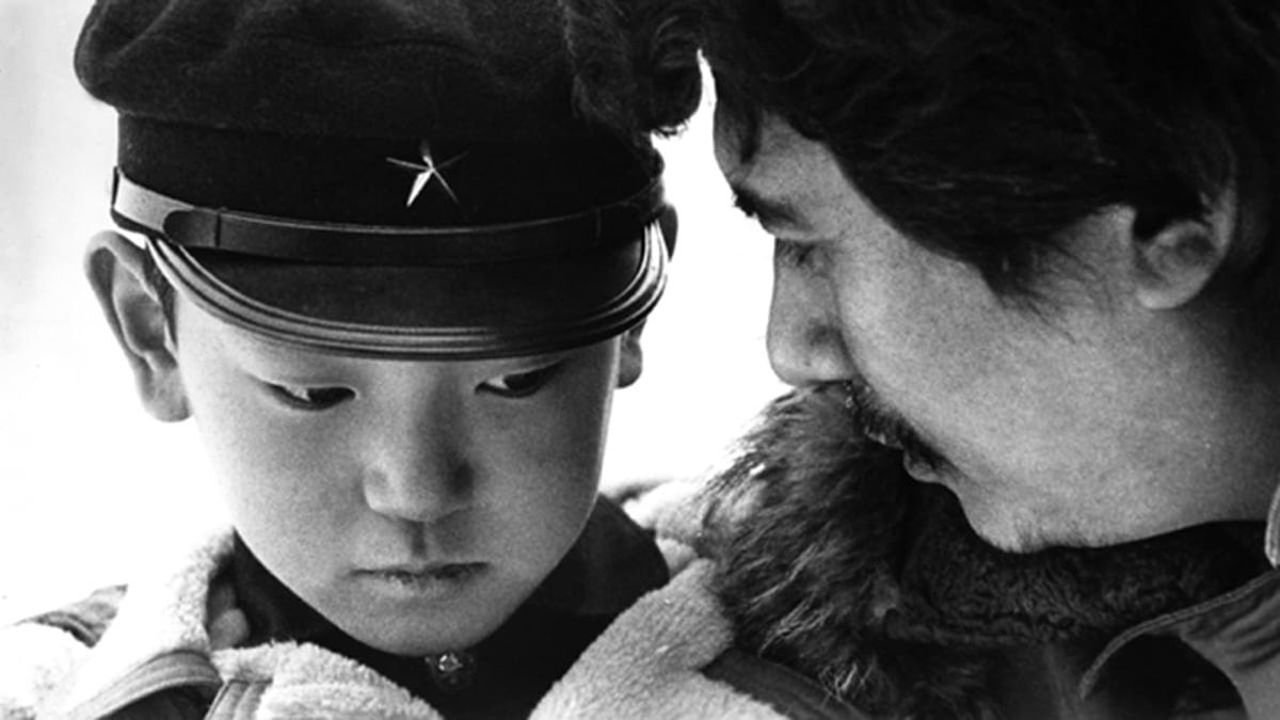
To go further with this comparison, specifically looking at the paternal figures in each film, Lily Franky's character in Shoplifters is kind and caring, even if he incites Shota to commit crimes. Watanabe's character on the other hand is much more self-serving, making the Boy get into harms way so that he can make money for himself and by extension his family, but first and foremost for himself. This self-serving nature can be seen most in the sequence when Father insists on splitting up to make sure they don't get caught and while the Stepmother (played by Koyama Akiko) keeps both of the kids in a rundown hotel without working heat, Father stays in a luxury suite, literally looking down on Stepmother and Boy at one point when they come to see him.
Even more, while Osamu in Shoplifters wants to take on Yuri out of the kindness of his heart, a kid he does not know and is not related to. Father in Boy wants his wife to terminate her pregnancy because it would mean he would have to settle down and stop running scams on people. While both paternal figures run away and abandon their "son" in a key moment in the film, Osamu plans to go back and is remorseful for his actions, while Father is combative and abusive when challenged on his cowardice.
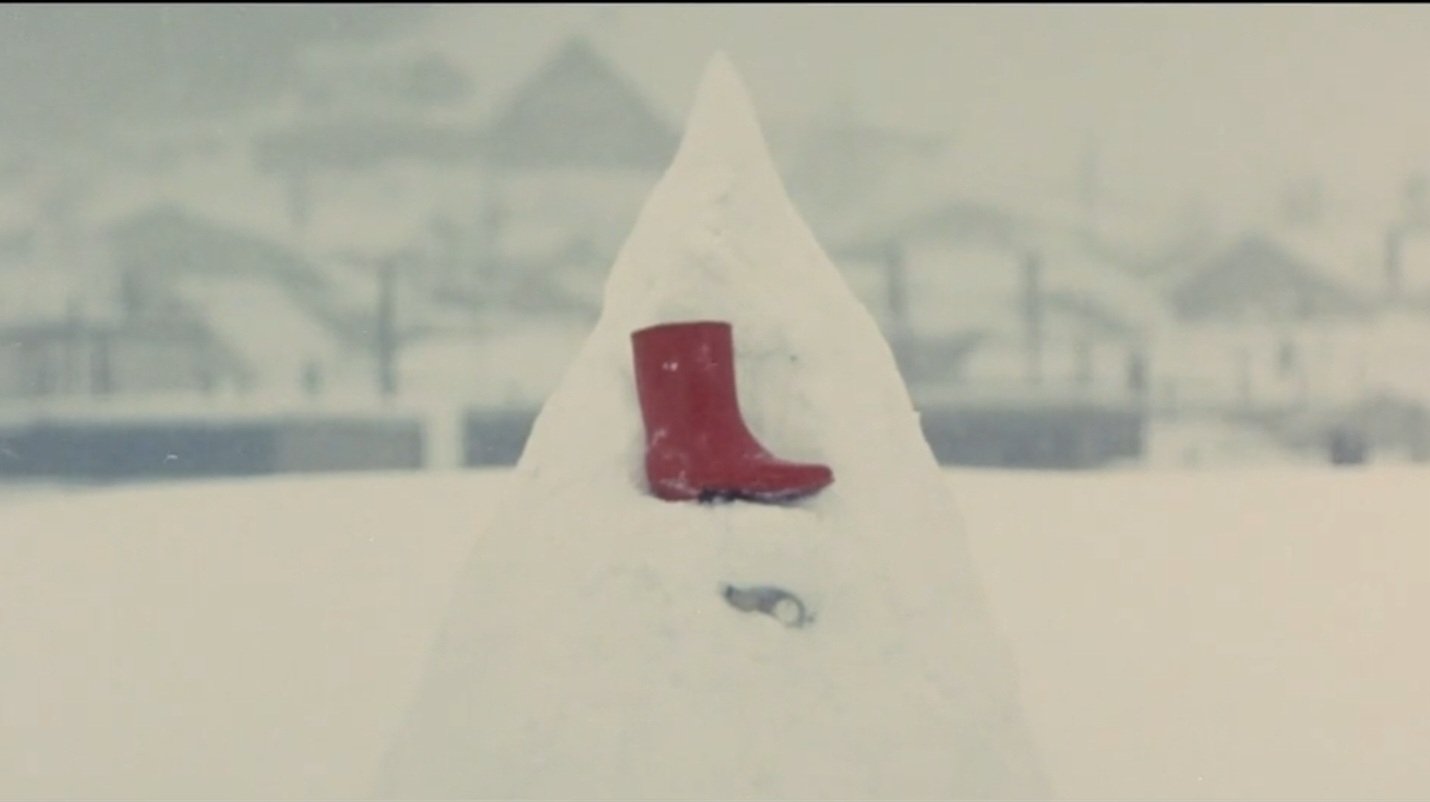
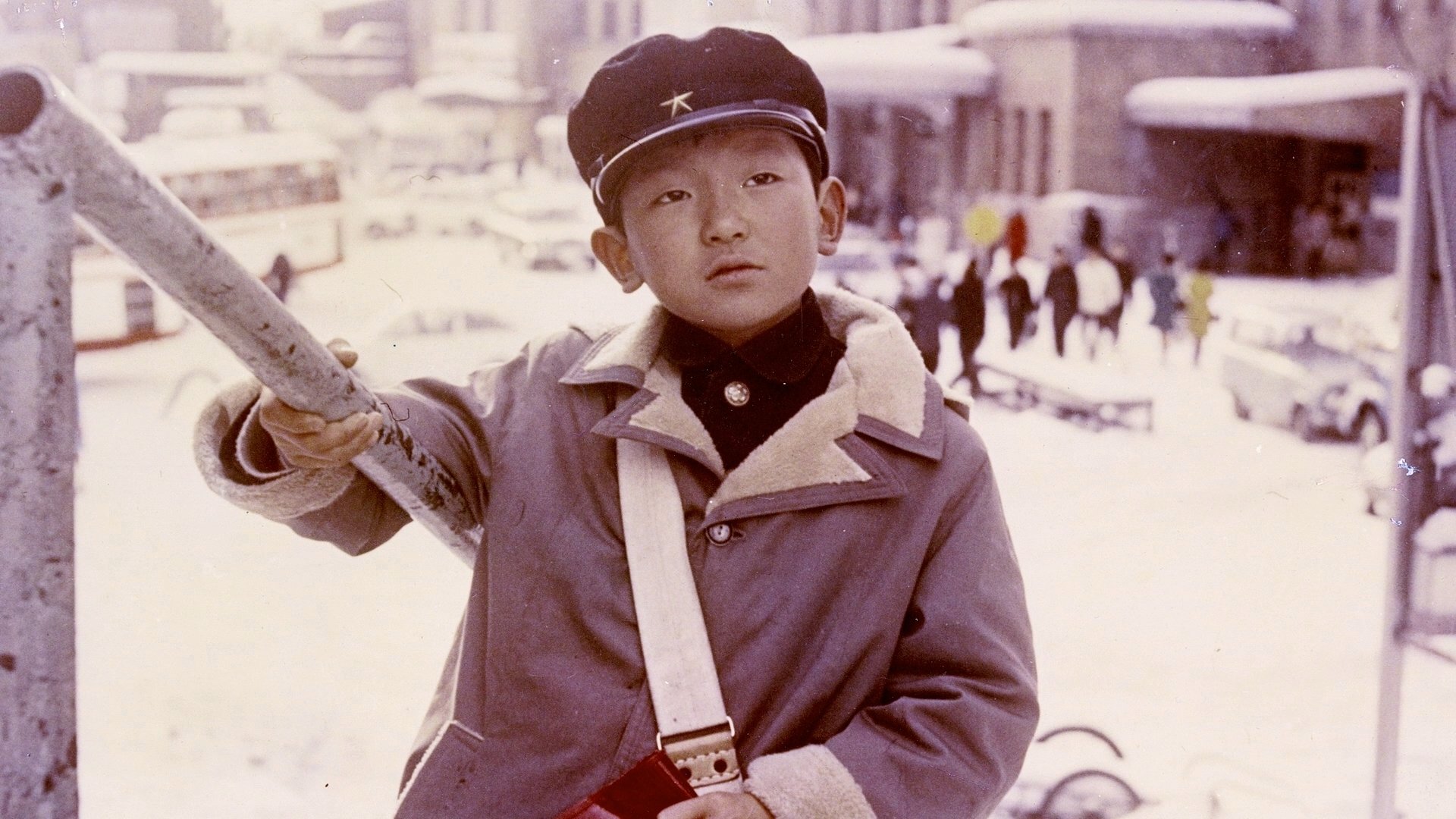
Both Boy and Shota lose their innocence. Boy's being depicted by the red shoe in the snow, the watch, his tarnished hat. Shota however always seems to choose a different path and by the end of the film literally and figuratively jumps off the path he was led down and gives up the life. For Boy however, he ends the film defending his family and their schemes, feigning ignorance when asked about their crimes. Shota was shown kindness and in the end was able to keep that kindness when helping Yuri and essentially free himself, Boy may not be able to break free though. Does he know anything else?
Boy is the flip side of Shoplifters, depressing versus hopeful, a found family from Shoplifters versus an essentially forced family in Boy.
Oshima takes another look at postwar Japan in this depressing depiction of a family pulling scams across Japan. Oshima keeps his storytelling much more conventional than some of his other films, instead reserving his more abstract tendencies for the sound and color he uses throughout the film.
This film reminds me a lot of one of a movie I love by my favorite director, Kore-eda Hirokazu. That being Shoplifters, in fact Boy feels like the flip side of the Shoplifters coin. Both stories depict unconventional families working as a unit to commit crimes. However, while Kore-eda's depiction of the family is hopeful and even forgiving, Oshima opts to be pessimistic and scathing in his review of the family in Boy.
Kore-eda's film essentially says that good people sometimes have to do bad things, not exactly allowing them to, but being understanding and empathetic about their position. Oshima on the other hand will allow for no such indulgence. Oshima instead seems to ask the question, can bad people do good things? Using the character of the Father played by Watanabe Fumio as the catalyst of this question. I believe Oshima's answer would be no by the end of the film.
To go further with this comparison, specifically looking at the paternal figures in each film, Lily Franky's character in Shoplifters is kind and caring, even if he incites Shota to commit crimes. Watanabe's character on the other hand is much more self-serving, making the Boy get into harms way so that he can make money for himself and by extension his family, but first and foremost for himself. This self-serving nature can be seen most in the sequence when Father insists on splitting up to make sure they don't get caught and while the Stepmother (played by Koyama Akiko) keeps both of the kids in a rundown hotel without working heat, Father stays in a luxury suite, literally looking down on Stepmother and Boy at one point when they come to see him.
Even more, while Osamu in Shoplifters wants to take on Yuri out of the kindness of his heart, a kid he does not know and is not related to. Father in Boy wants his wife to terminate her pregnancy because it would mean he would have to settle down and stop running scams on people. While both paternal figures run away and abandon their "son" in a key moment in the film, Osamu plans to go back and is remorseful for his actions, while Father is combative and abusive when challenged on his cowardice.
Both Boy and Shota lose their innocence. Boy's being depicted by the red shoe in the snow, the watch, his tarnished hat. Shota however always seems to choose a different path and by the end of the film literally and figuratively jumps off the path he was led down and gives up the life. For Boy however, he ends the film defending his family and their schemes, feigning ignorance when asked about their crimes. Shota was shown kindness and in the end was able to keep that kindness when helping Yuri and essentially free himself, Boy may not be able to break free though. Does he know anything else?
Boy is the flip side of Shoplifters, depressing versus hopeful, a found family from Shoplifters versus an essentially forced family in Boy.