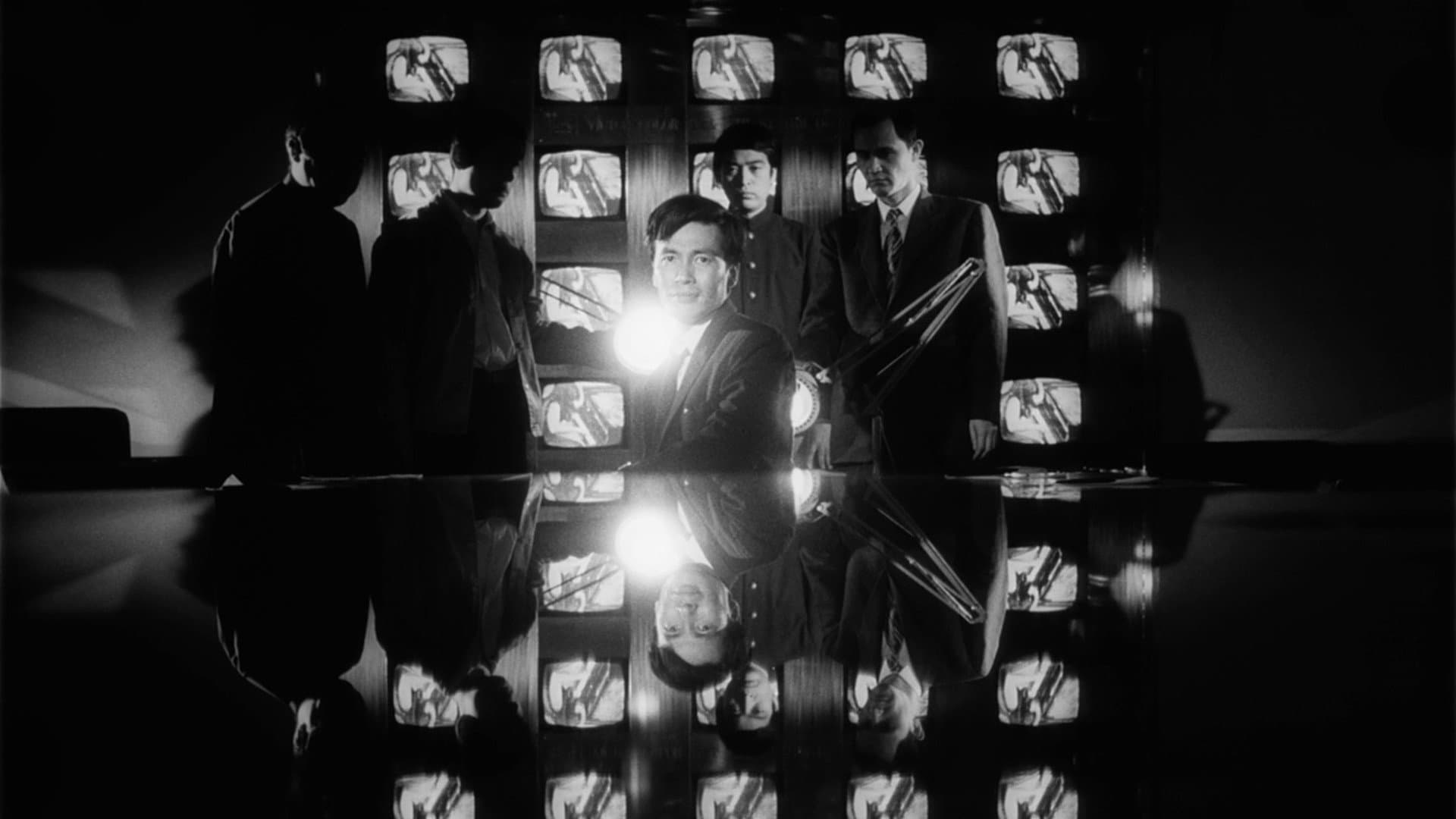
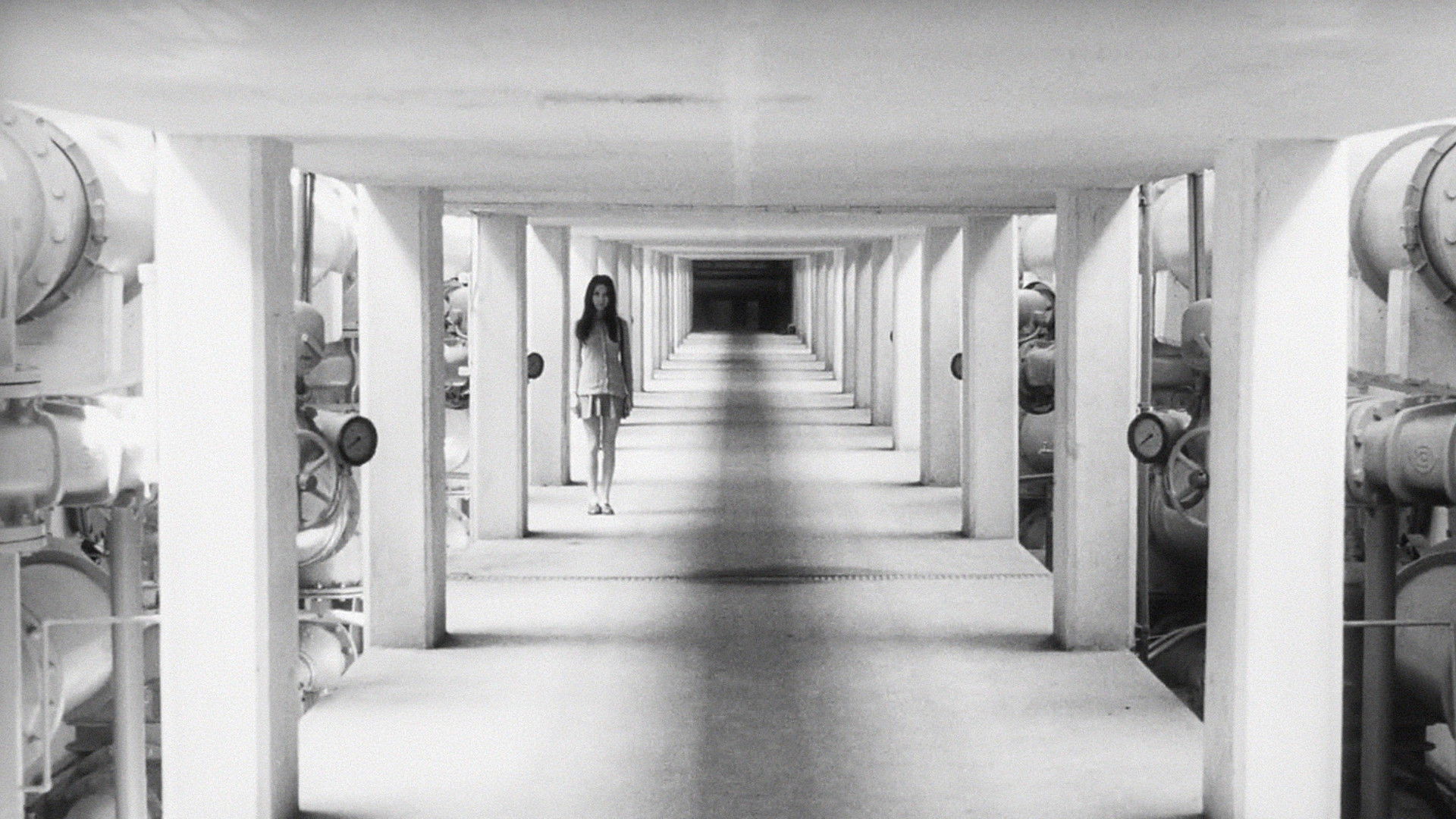
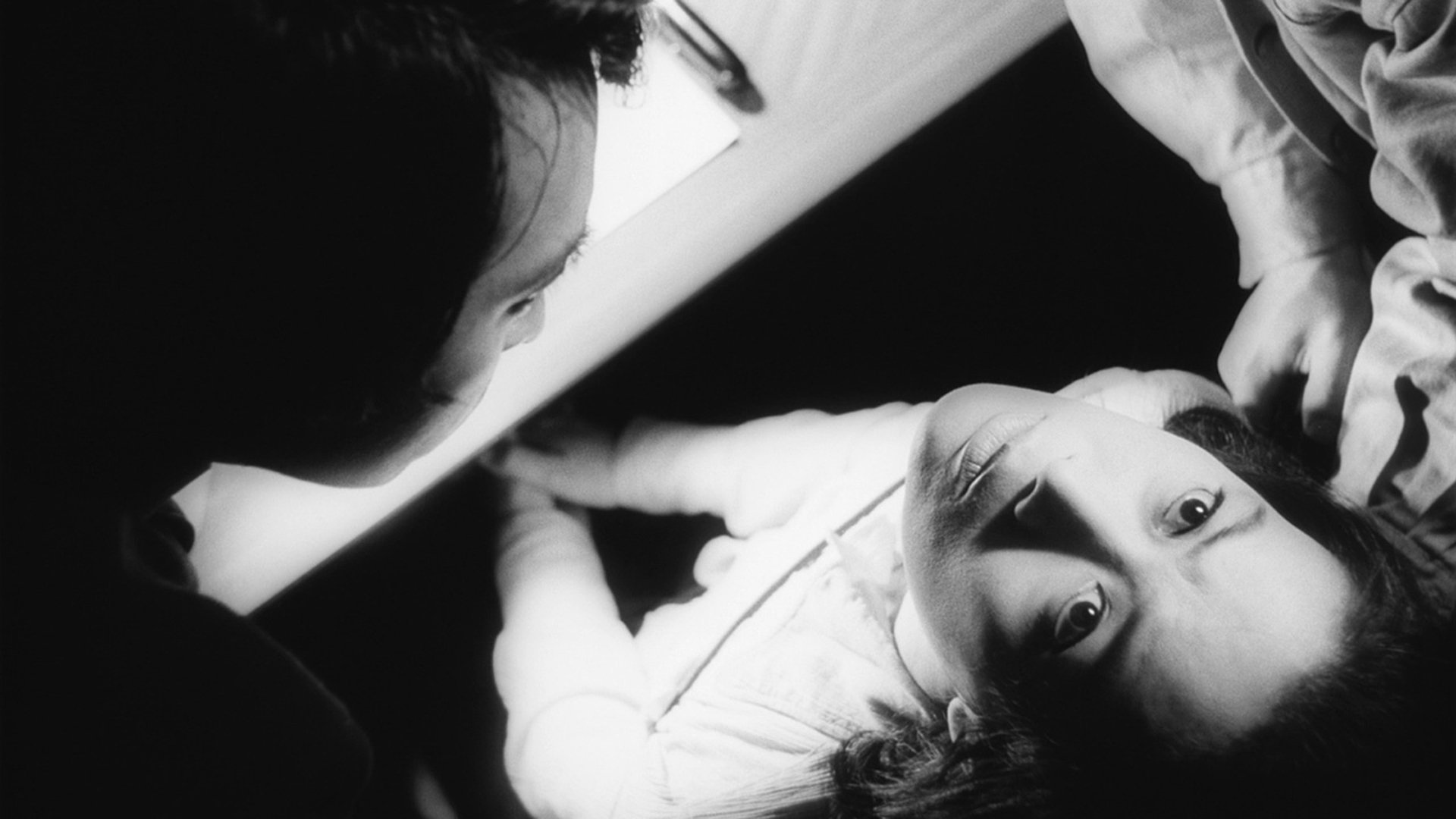
There is something about watching Yoshida films that bespeaks their genius. It is the connective tissue that binds frames and images, but it goes beyond one single element like editing.
This has to be one of the most challenging films I’ve seen to date. While E+M was the film whose reputation I knew most, I feel like this was hiding in its shadow. It pushed me away from comprehension but pulled me closer to palpability.
The experience of the film itself reminds me of when I first saw Andrei Rublev: totally overwhelmed and lost. But still the weight of the film is undeniable, oppressive, in fact, and only exacerbated by my lack of understanding. It’s like holding a wrapped present and being cosmically prevented from opening it.
I watched the intro from Yoshida on my blu-ray and he mentioned his old friend who went off to the mountains to join the Communist cause. I felt like a part of this was Yoshida missing that friend a lot. Even maybe his own implications in the relationship. There is a thematic exploration of identity that feels quite profound.
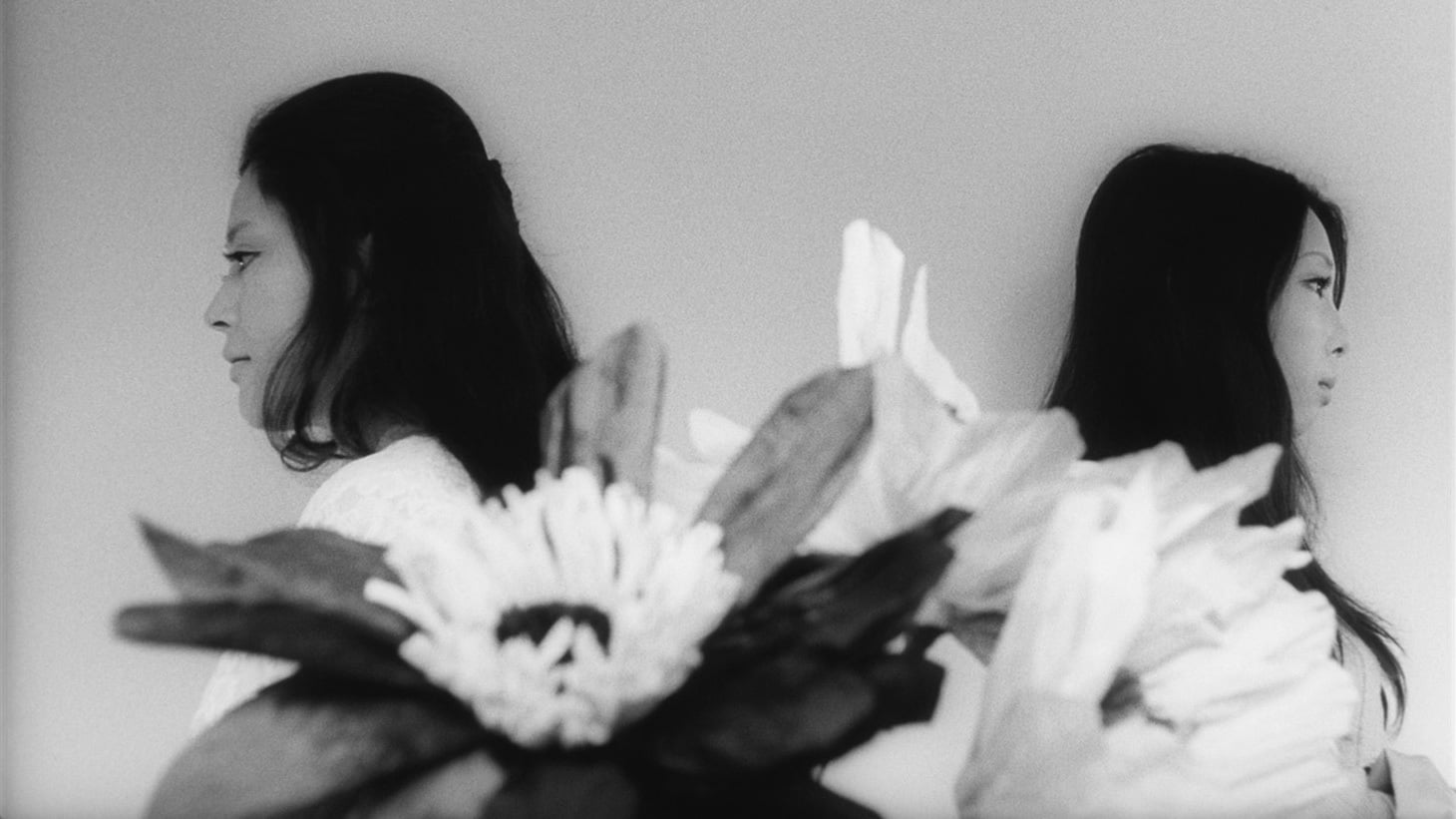
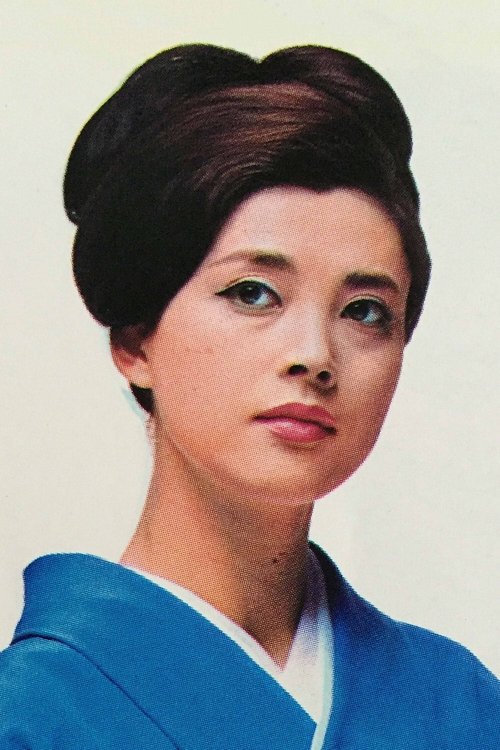
One of my favourite things in Yoshida films is often the power and autonomy of the female characters. His reoccurring wife, Mariko Okada, often represents a powerful level of autonomy. Here, that role seems in place but so much more obfuscated. With the story, seemingly (?), more focused on the spies, the clarity of Okada’s role becomes obscured. In fact, I’m unsure of how to interpret most of the women’s actions. But to be clear, I’m quite lost on this film.
This will likely be the Yoshida I yearn to revisit most and as much as I didn’t understand this time, I have high confidence (like was the case with Andrei) this is a favourite lying in wait.
There is something about watching Yoshida films that bespeaks their genius. It is the connective tissue that binds frames and images, but it goes beyond one single element like editing.
This has to be one of the most challenging films I’ve seen to date. While E+M was the film whose reputation I knew most, I feel like this was hiding in its shadow. It pushed me away from comprehension but pulled me closer to palpability.
The experience of the film itself reminds me of when I first saw Andrei Rublev: totally overwhelmed and lost. But still the weight of the film is undeniable, oppressive, in fact, and only exacerbated by my lack of understanding. It’s like holding a wrapped present and being cosmically prevented from opening it.
I watched the intro from Yoshida on my blu-ray and he mentioned his old friend who went off to the mountains to join the Communist cause. I felt like a part of this was Yoshida missing that friend a lot. Even maybe his own implications in the relationship. There is a thematic exploration of identity that feels quite profound.
One of my favourite things in Yoshida films is often the power and autonomy of the female characters. His reoccurring wife, Mariko Okada, often represents a powerful level of autonomy. Here, that role seems in place but so much more obfuscated. With the story, seemingly (?), more focused on the spies, the clarity of Okada’s role becomes obscured. In fact, I’m unsure of how to interpret most of the women’s actions. But to be clear, I’m quite lost on this film.
This will likely be the Yoshida I yearn to revisit most and as much as I didn’t understand this time, I have high confidence (like was the case with Andrei) this is a favourite lying in wait.