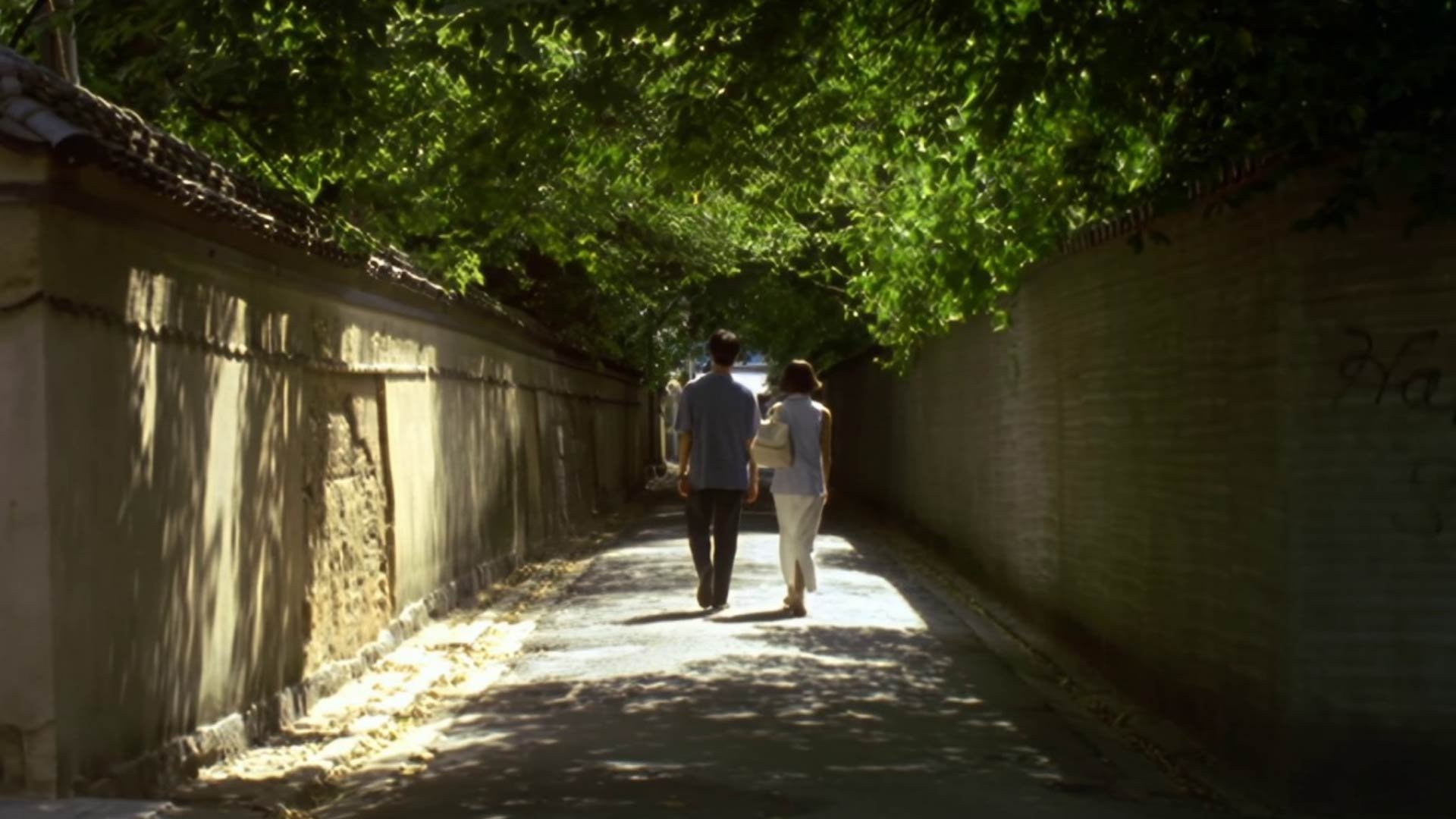
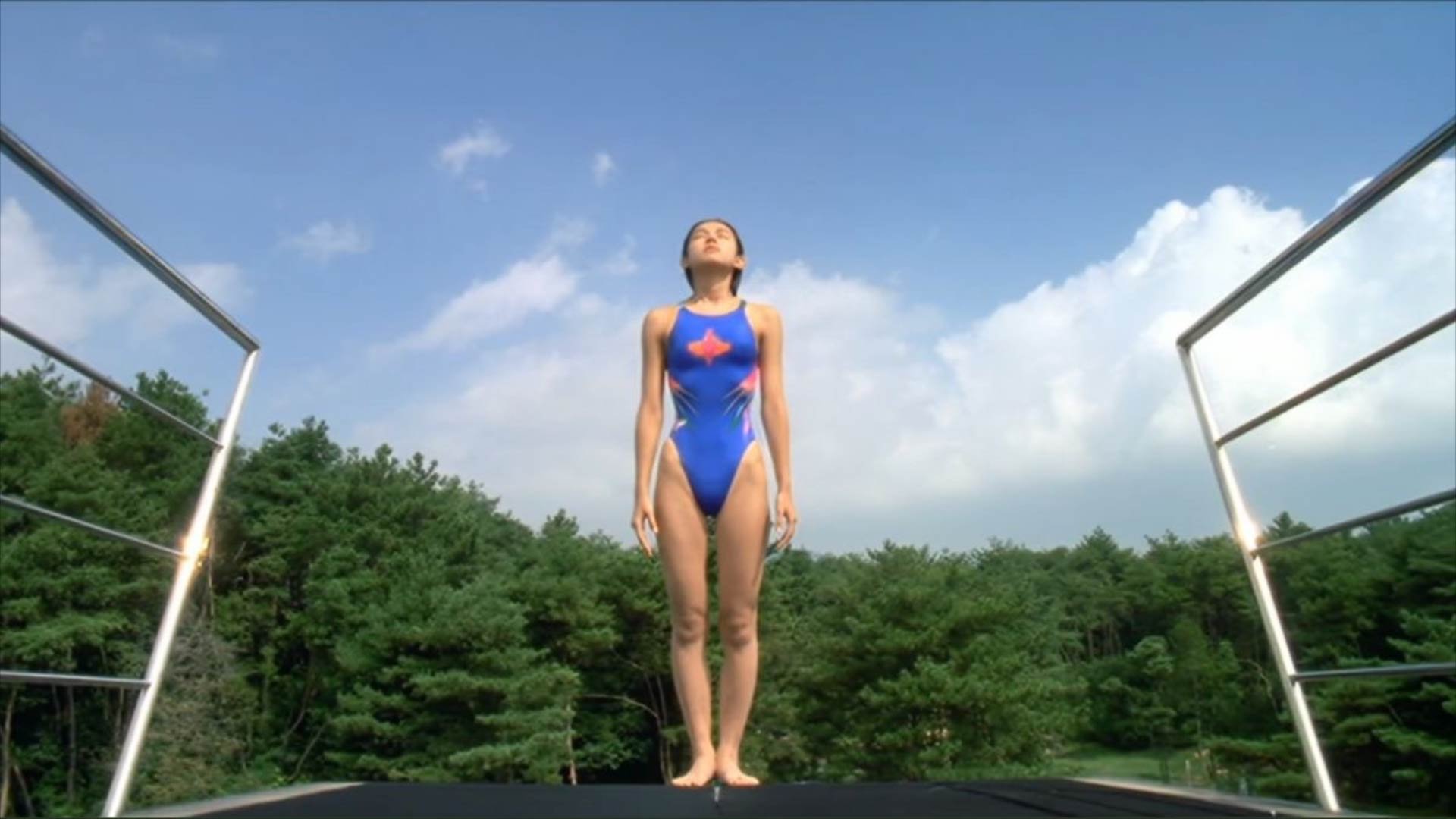
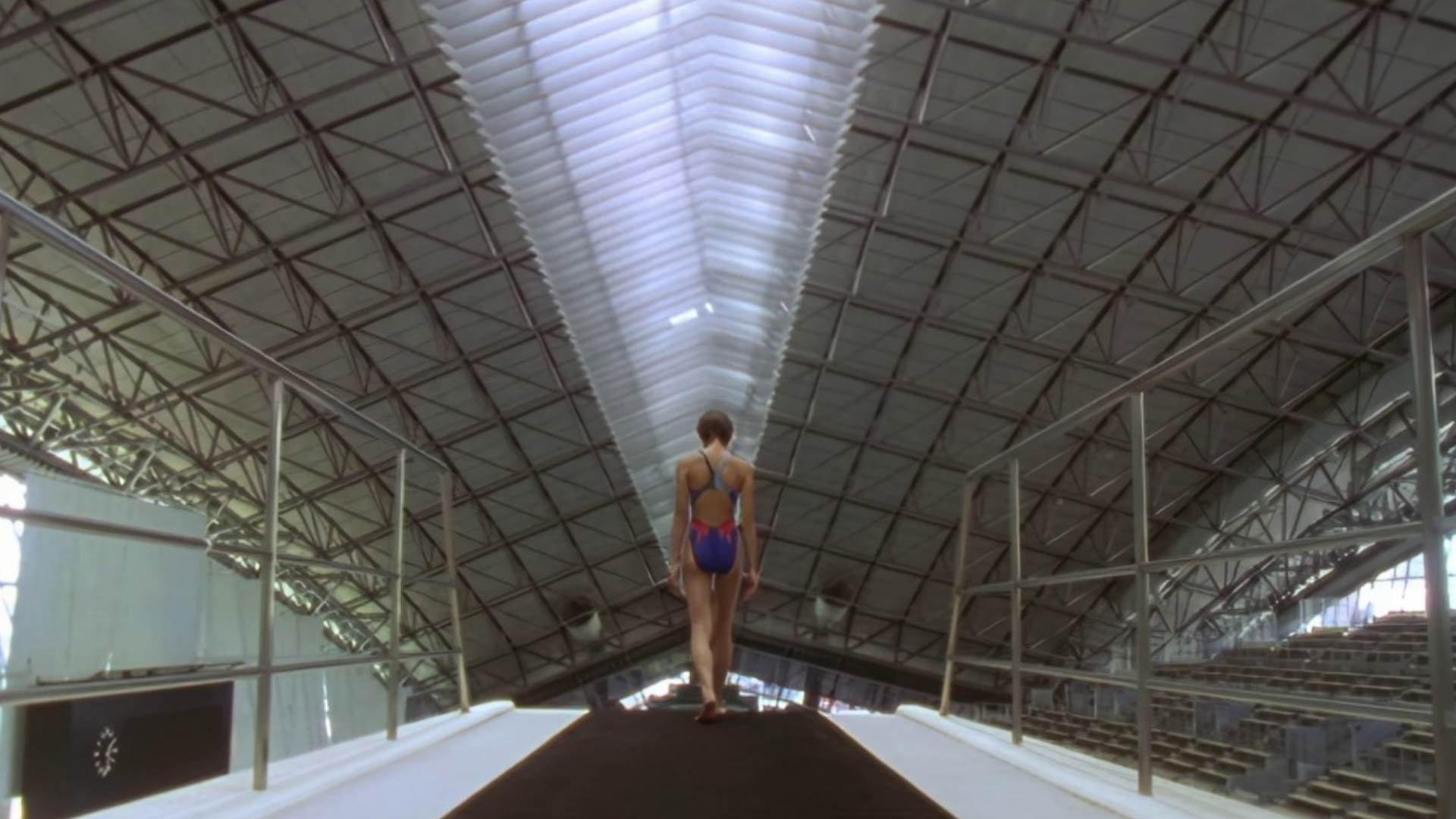
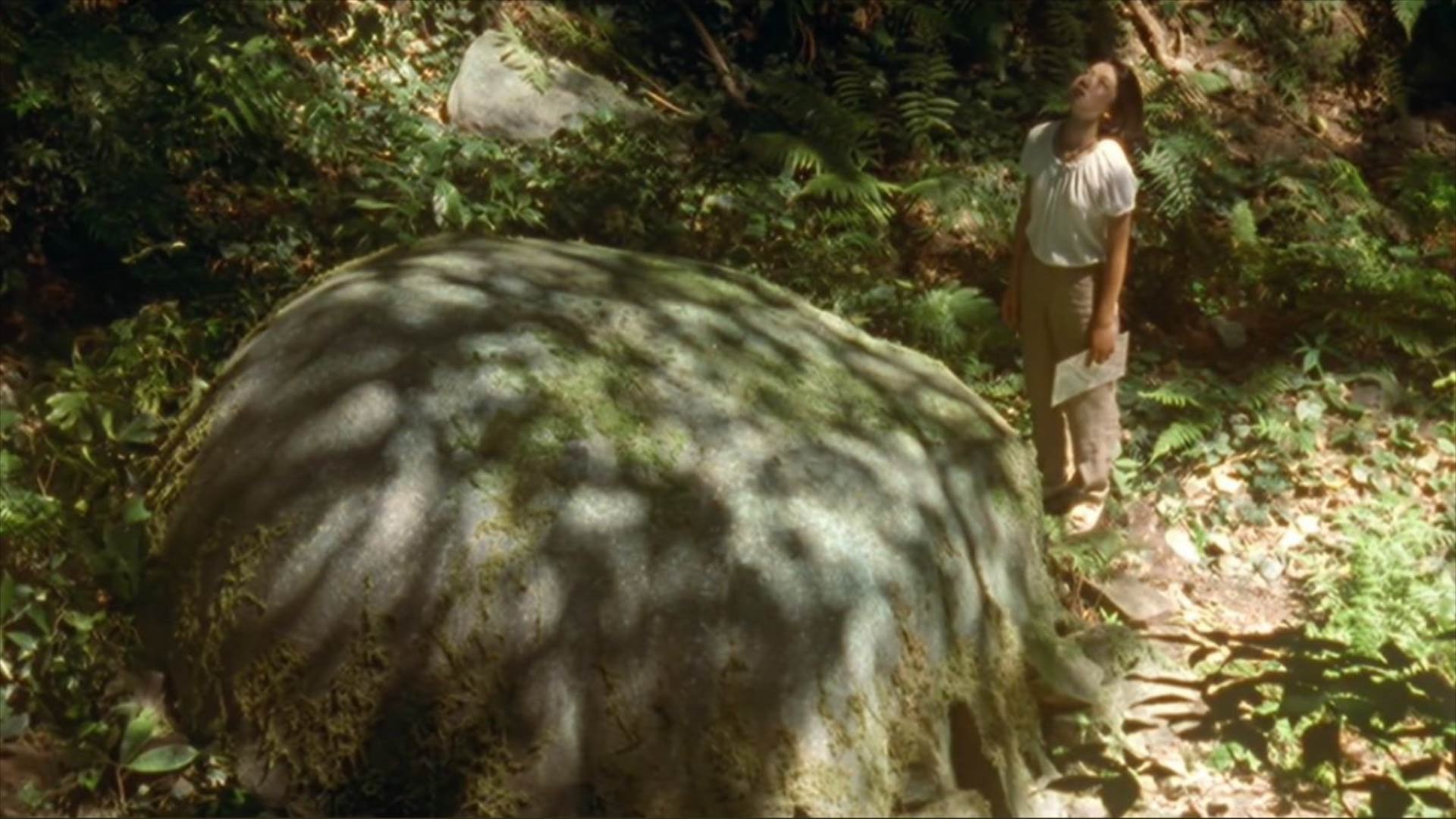
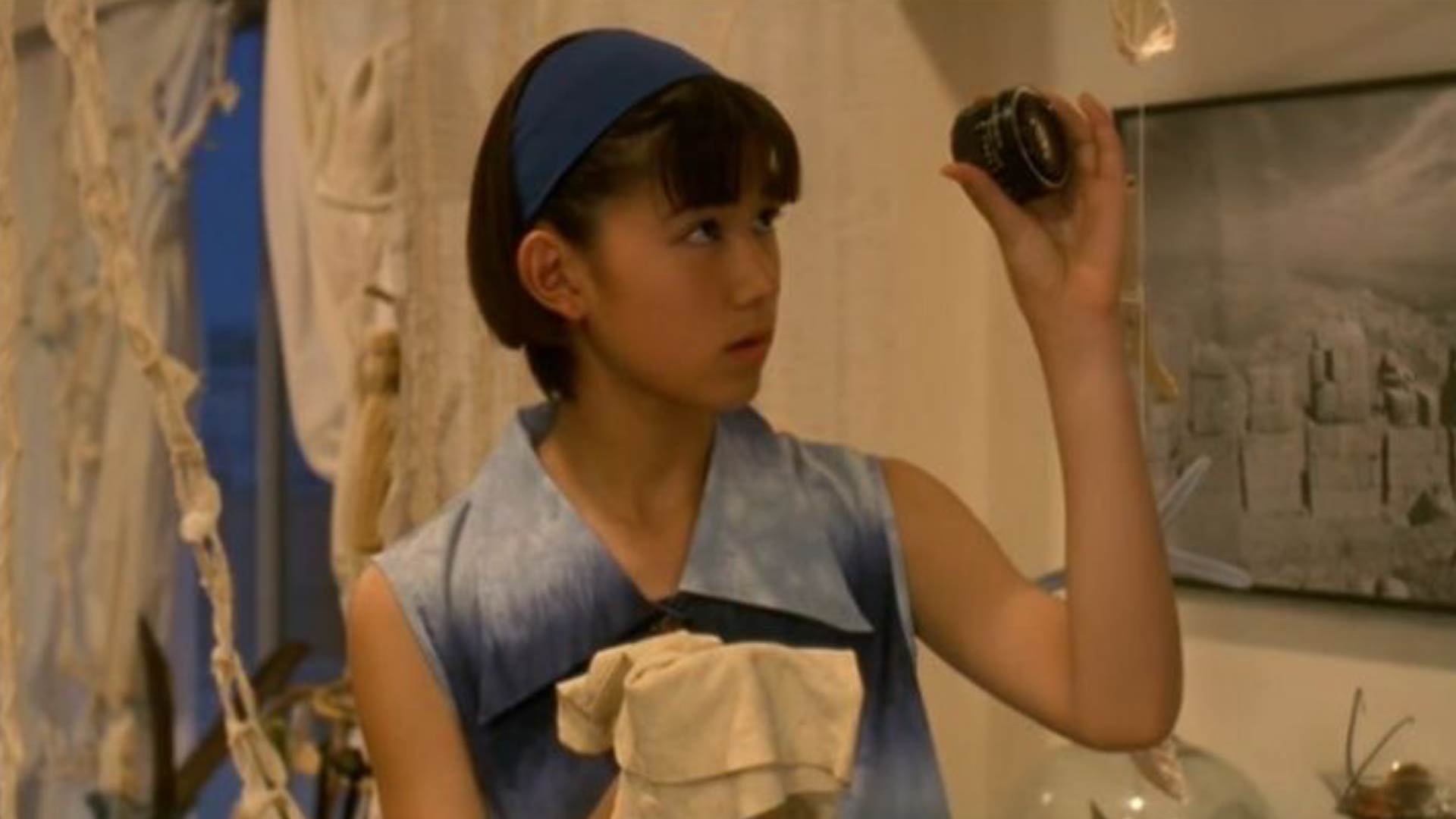
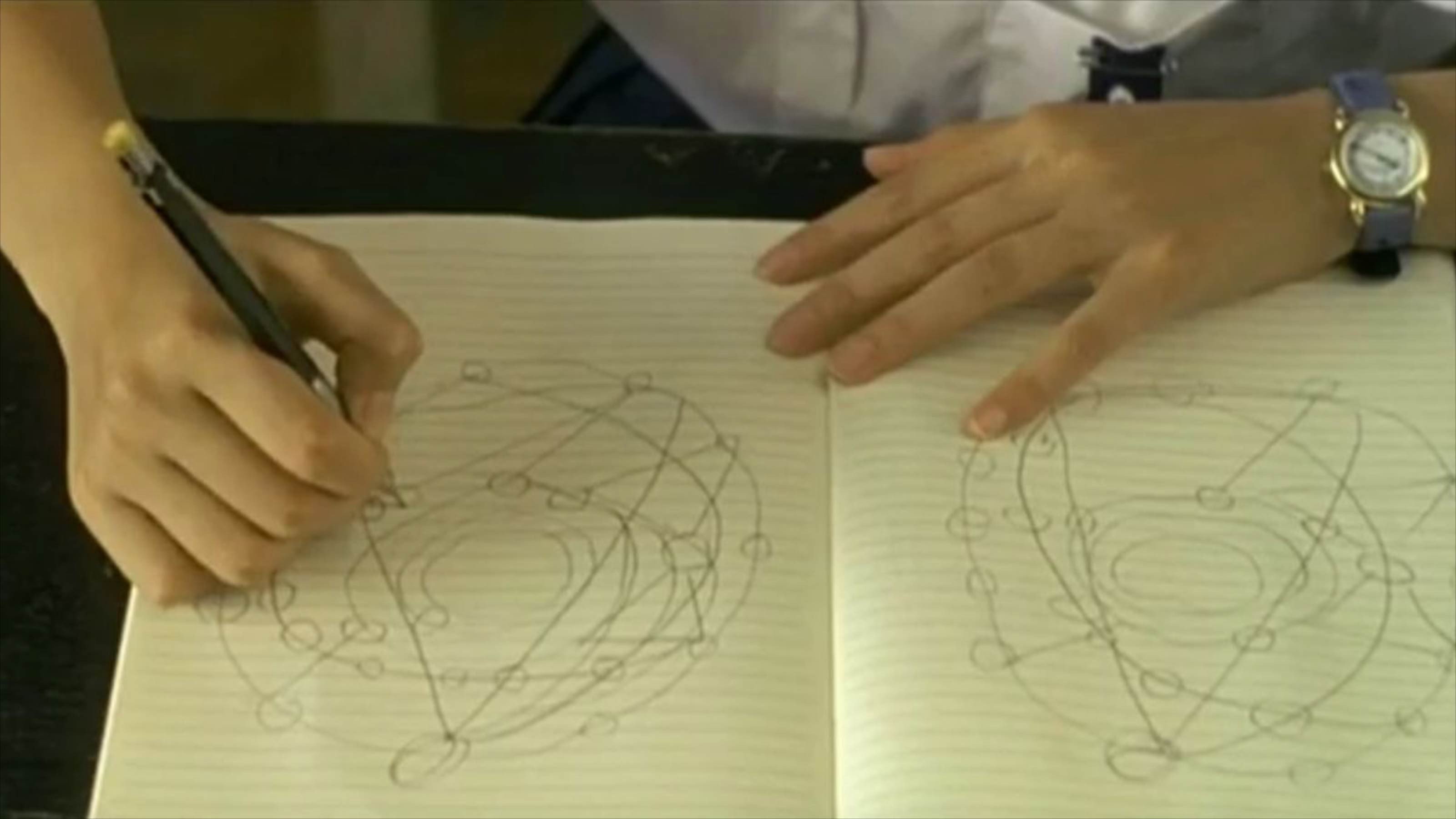
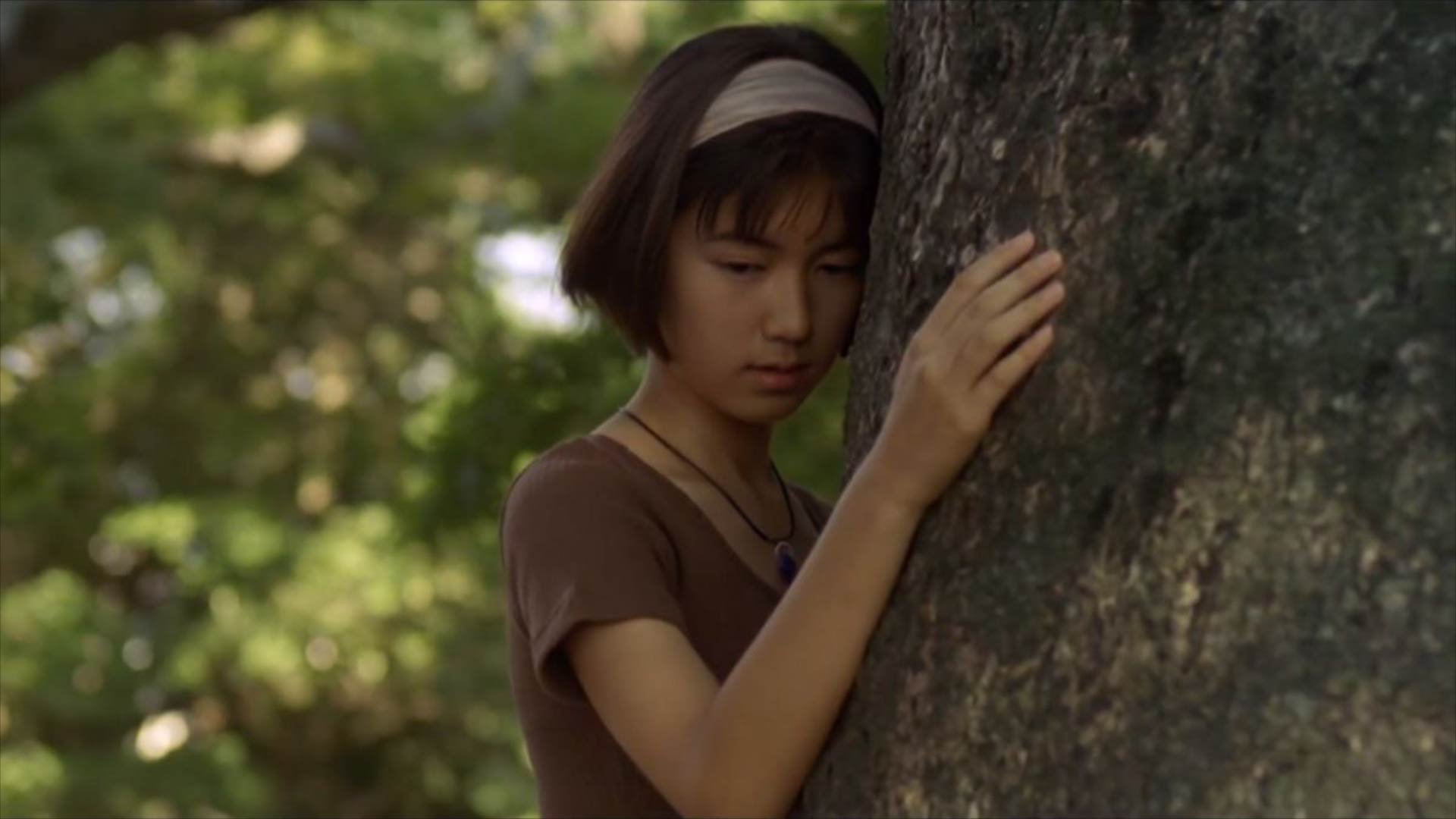
August in the Water feels less like watching a movie and more like drifting through someone else’s memory. It’s one of those films where trying to explain the plot almost misses the point, because what really stays with you is the atmosphere, the feeling, and the emotional weight behind every scene.
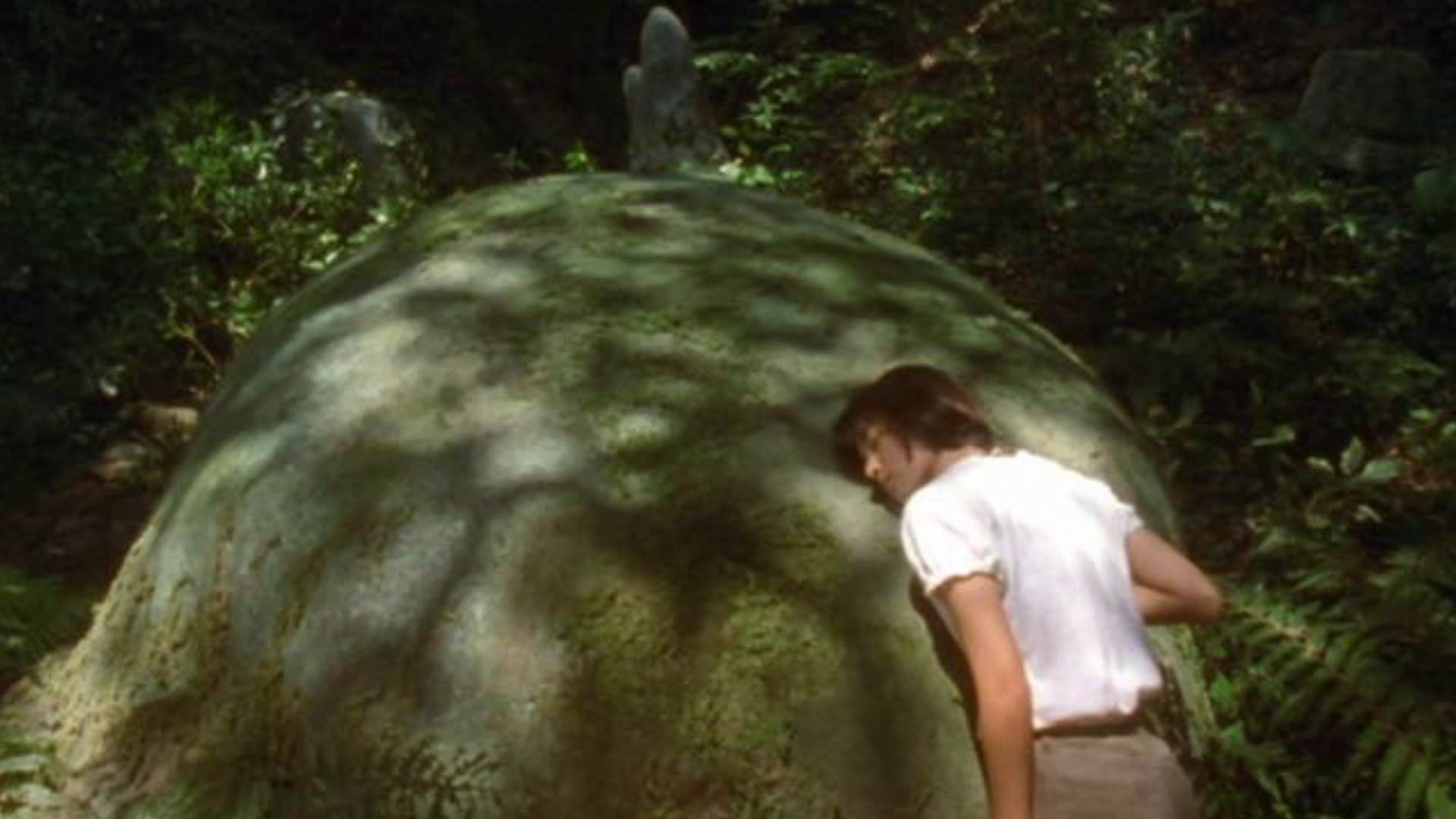
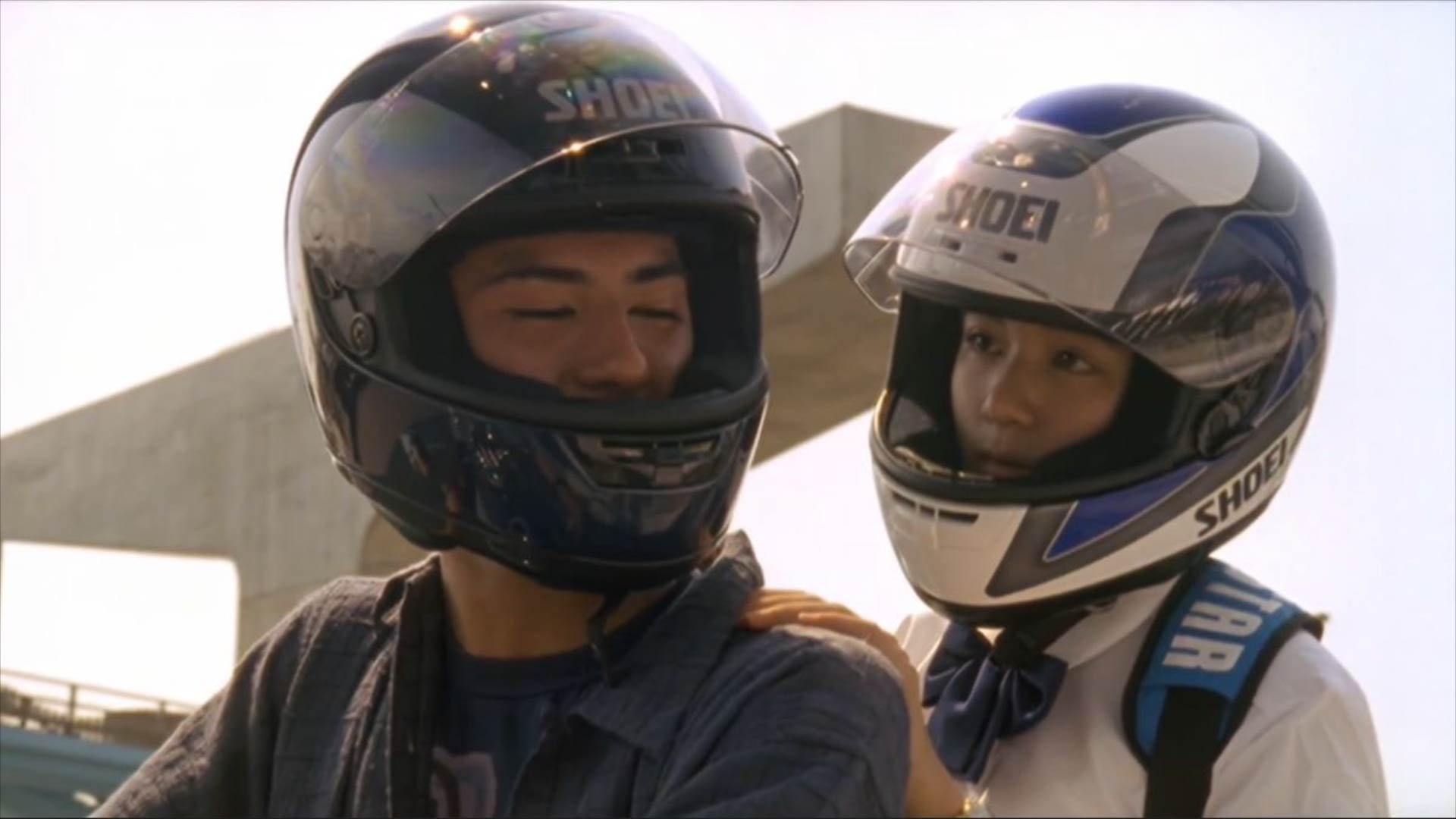
The film moves in a quiet, dreamlike rhythm where reality, memory, nature, and spirituality all slowly blur into each other. There were moments where I couldn’t immediately explain what was happening in a literal sense, but emotionally it still felt very clear. The film doesn’t rely on exposition or structure, it relies on mood and experience.
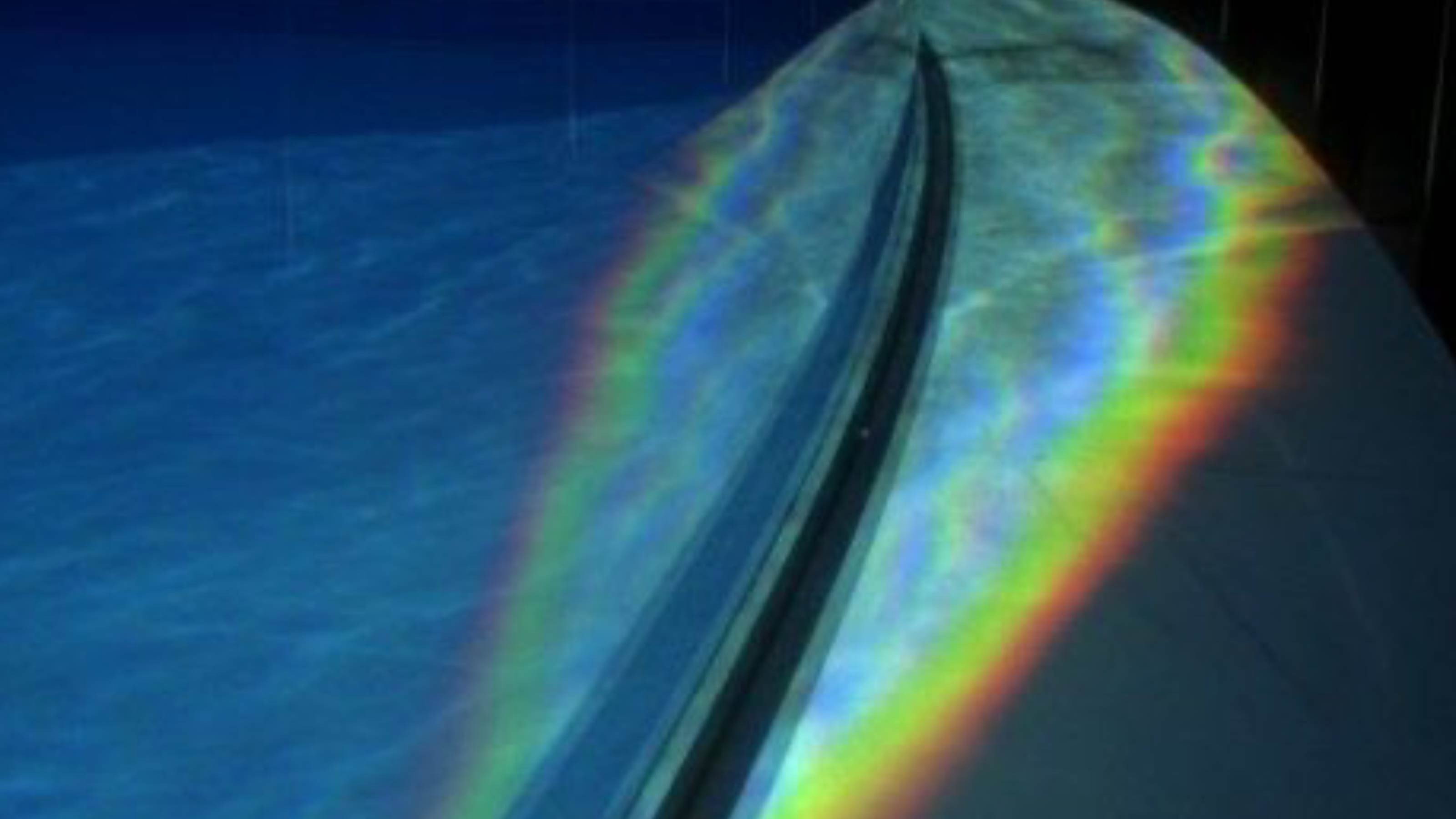
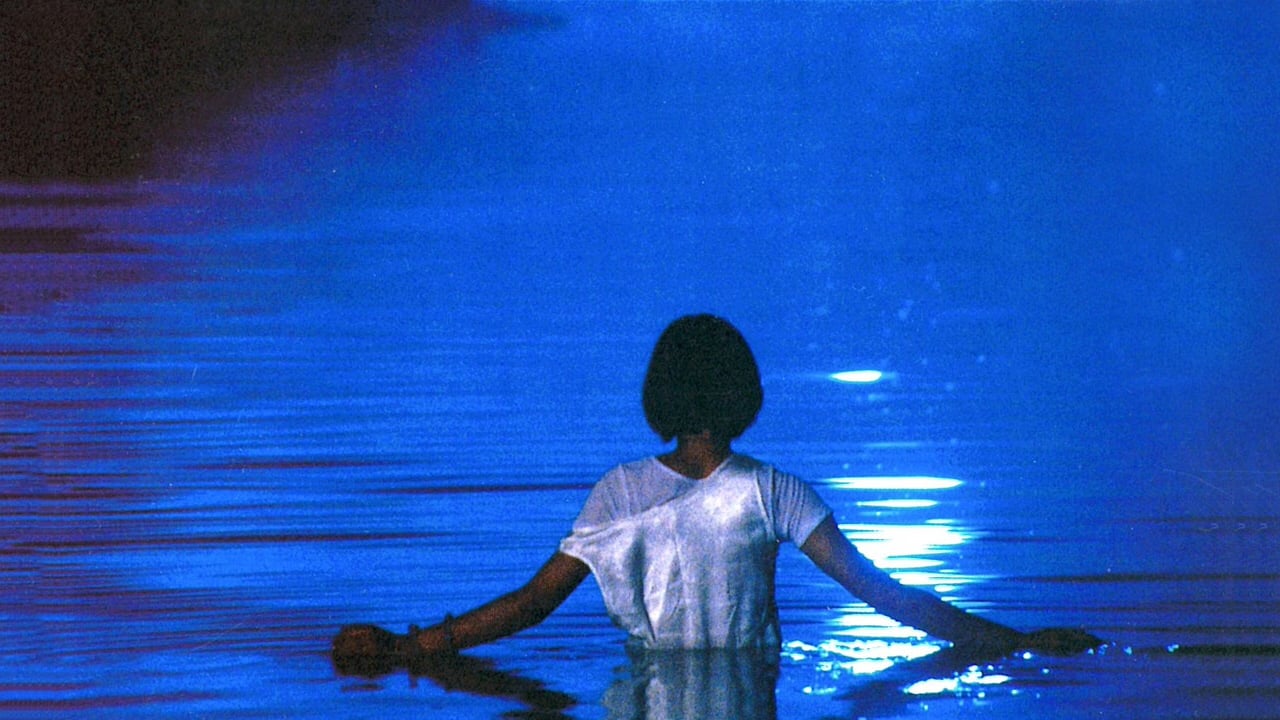
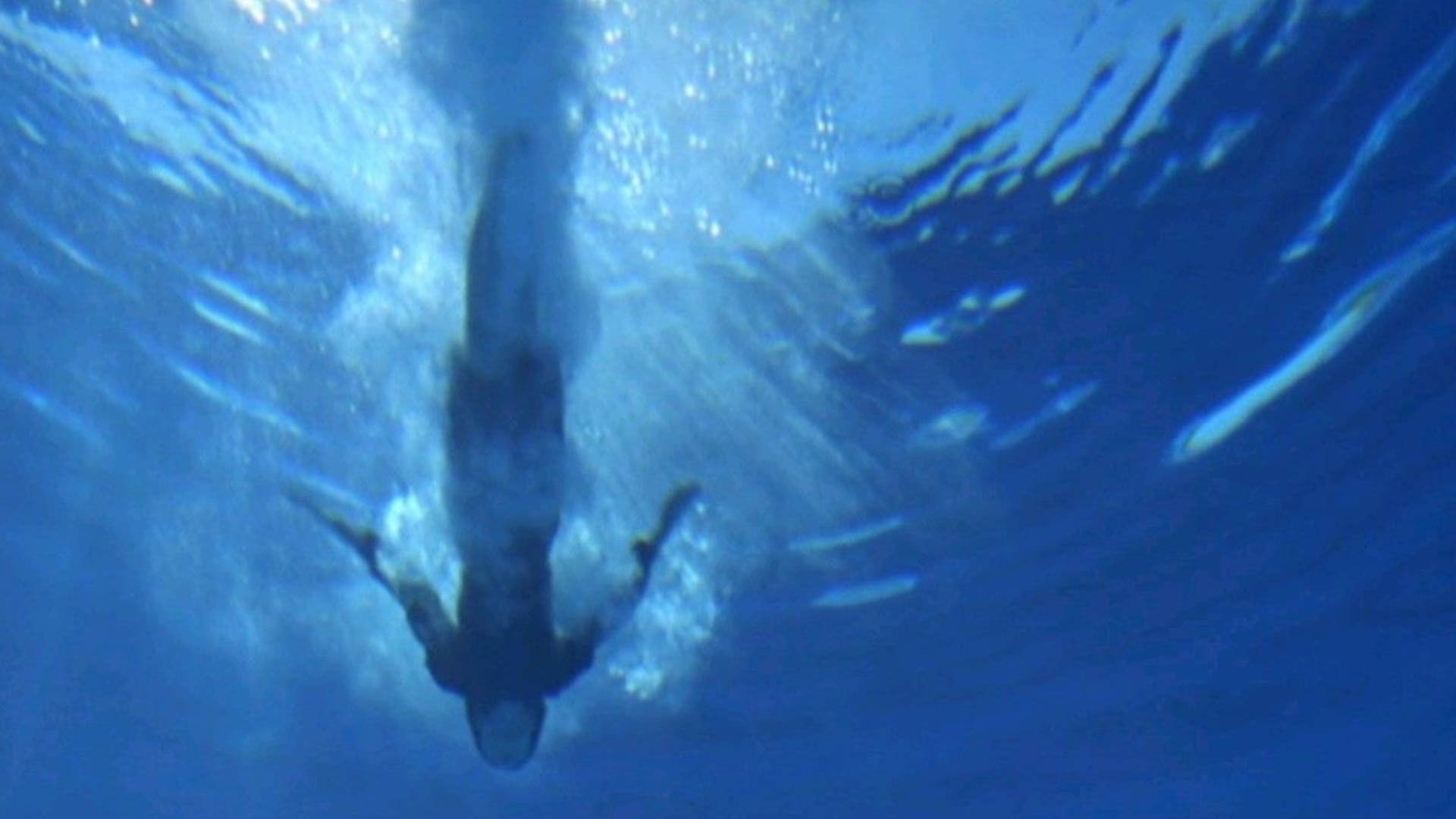
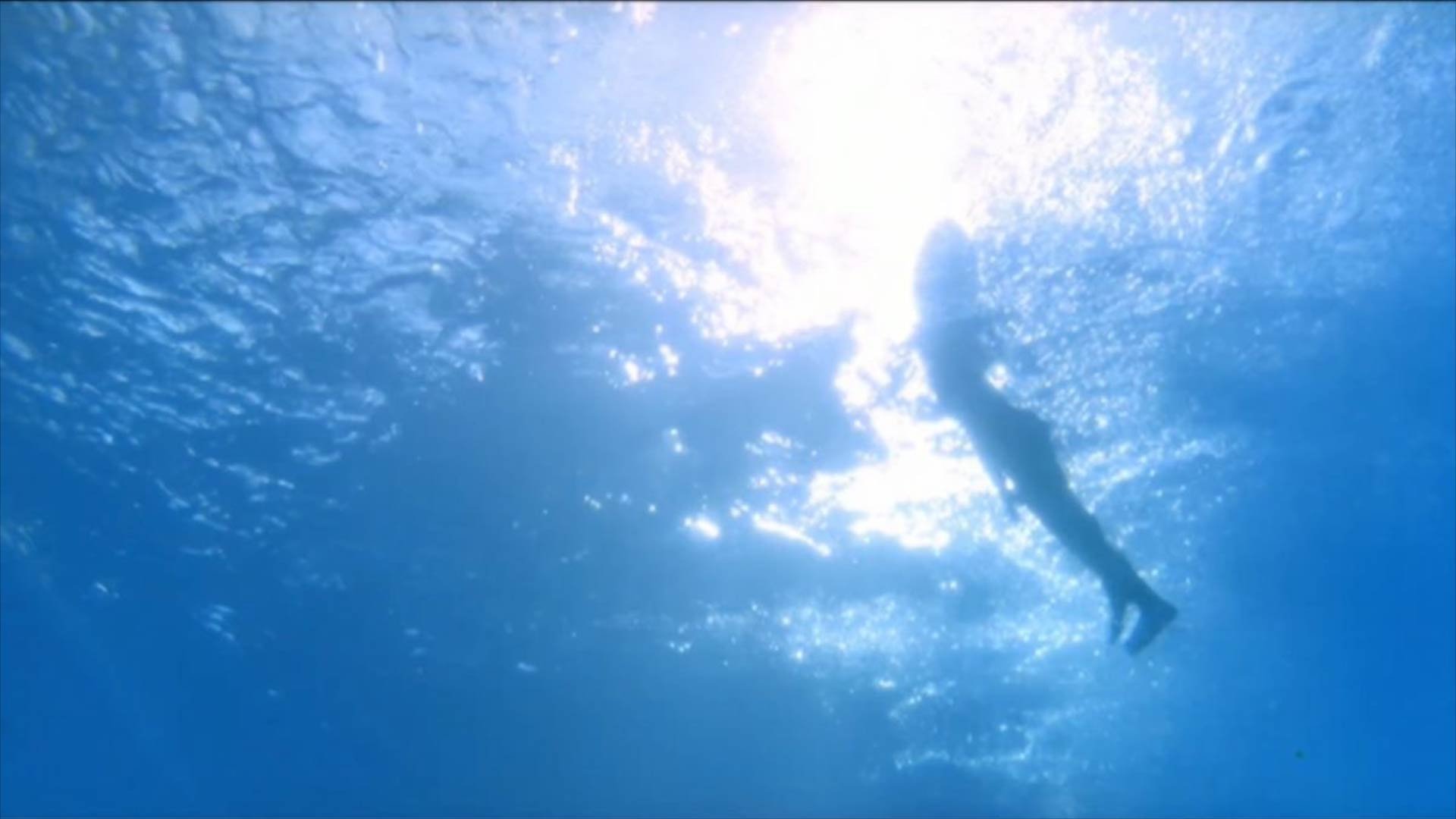
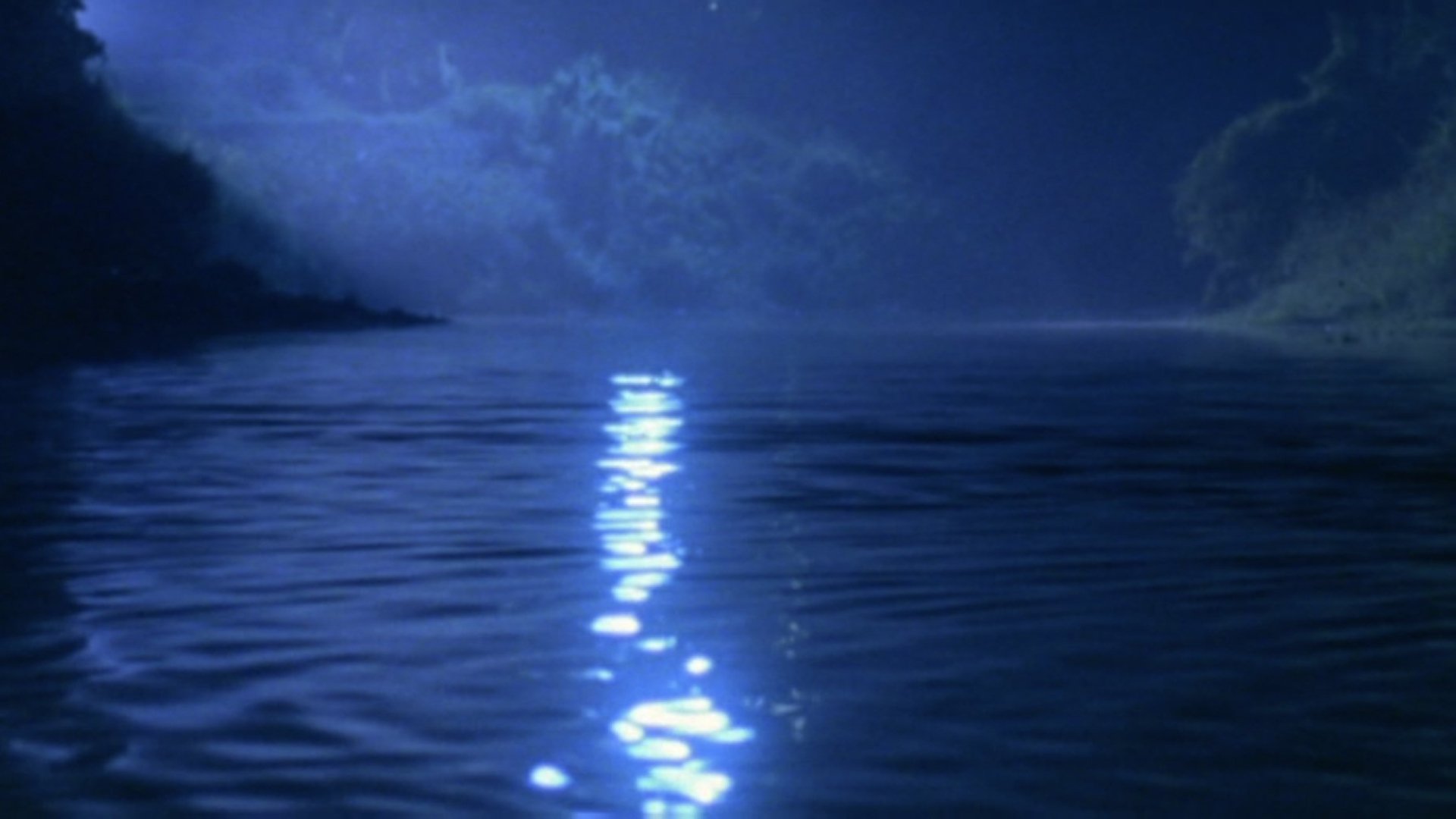
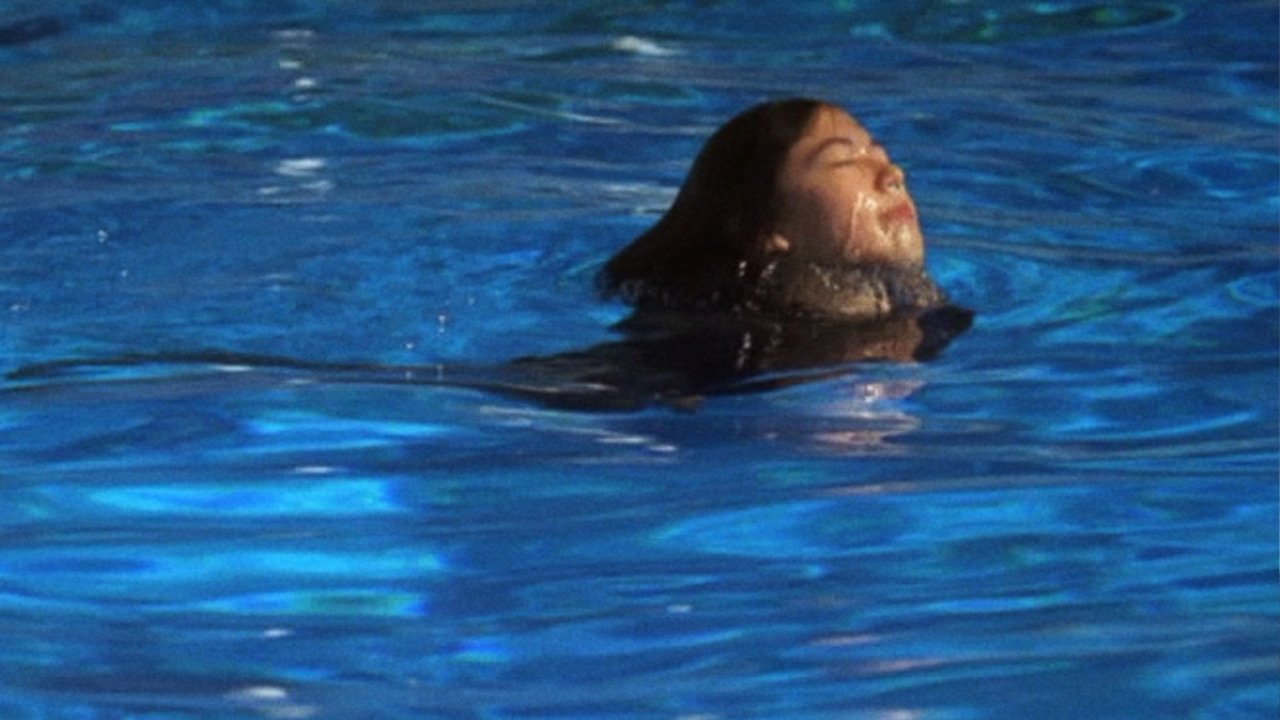
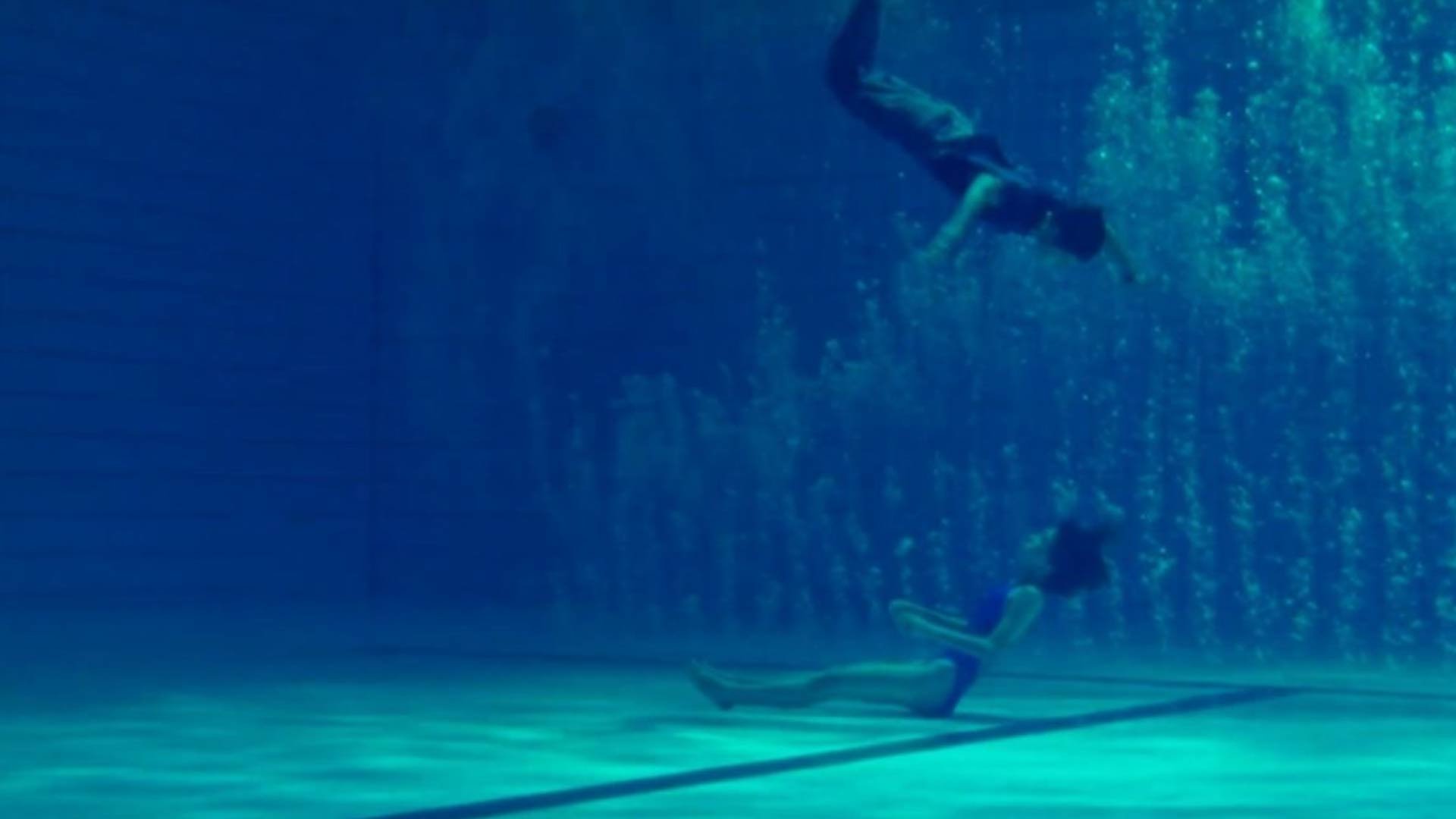
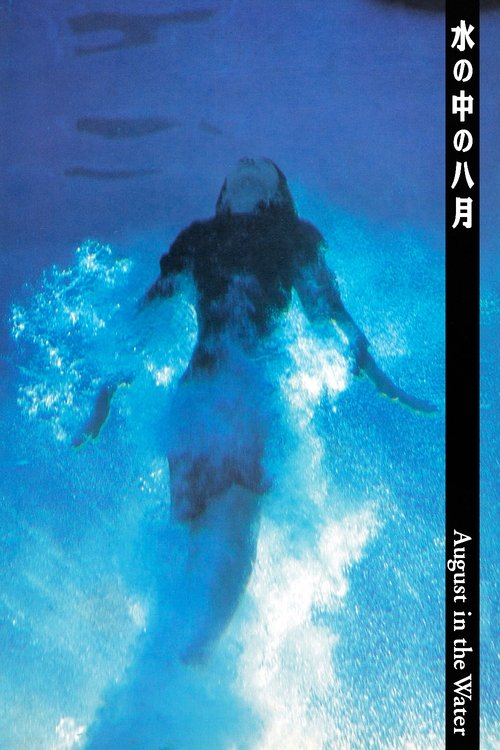
What stood out most to me is how it uses water as a symbol for everything unstable in human experience. Identity, time, memory, even reality itself feel like they are constantly shifting and dissolving. By the end, it becomes less about “what exactly happened” and more about what it feels like to exist inside something that cannot fully be defined.
The line:
“Sometimes I become uncertain if it was real, dream, or just memories, and whether I’m alive or not.”
perfectly captures that idea. It does not just apply to the character—it feels like it reflects a broader question about perception itself. The film blurs that boundary between what is real and what is experienced so much that it starts to feel universal.
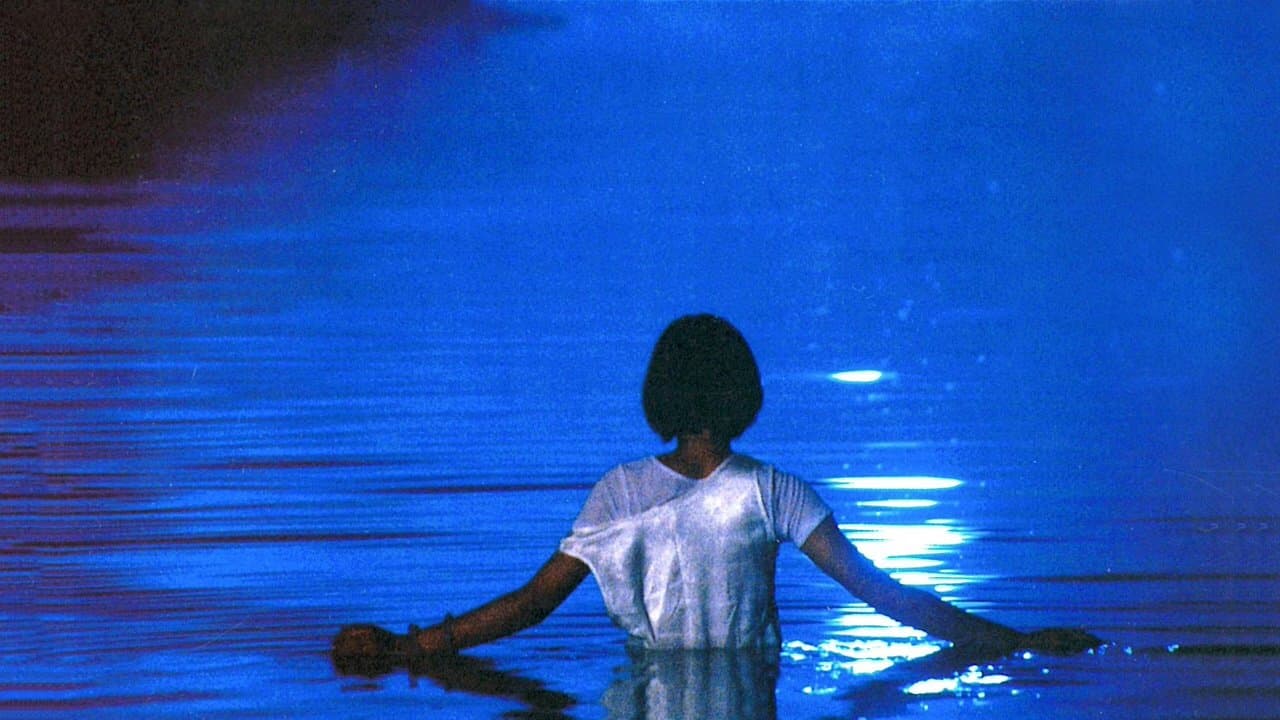
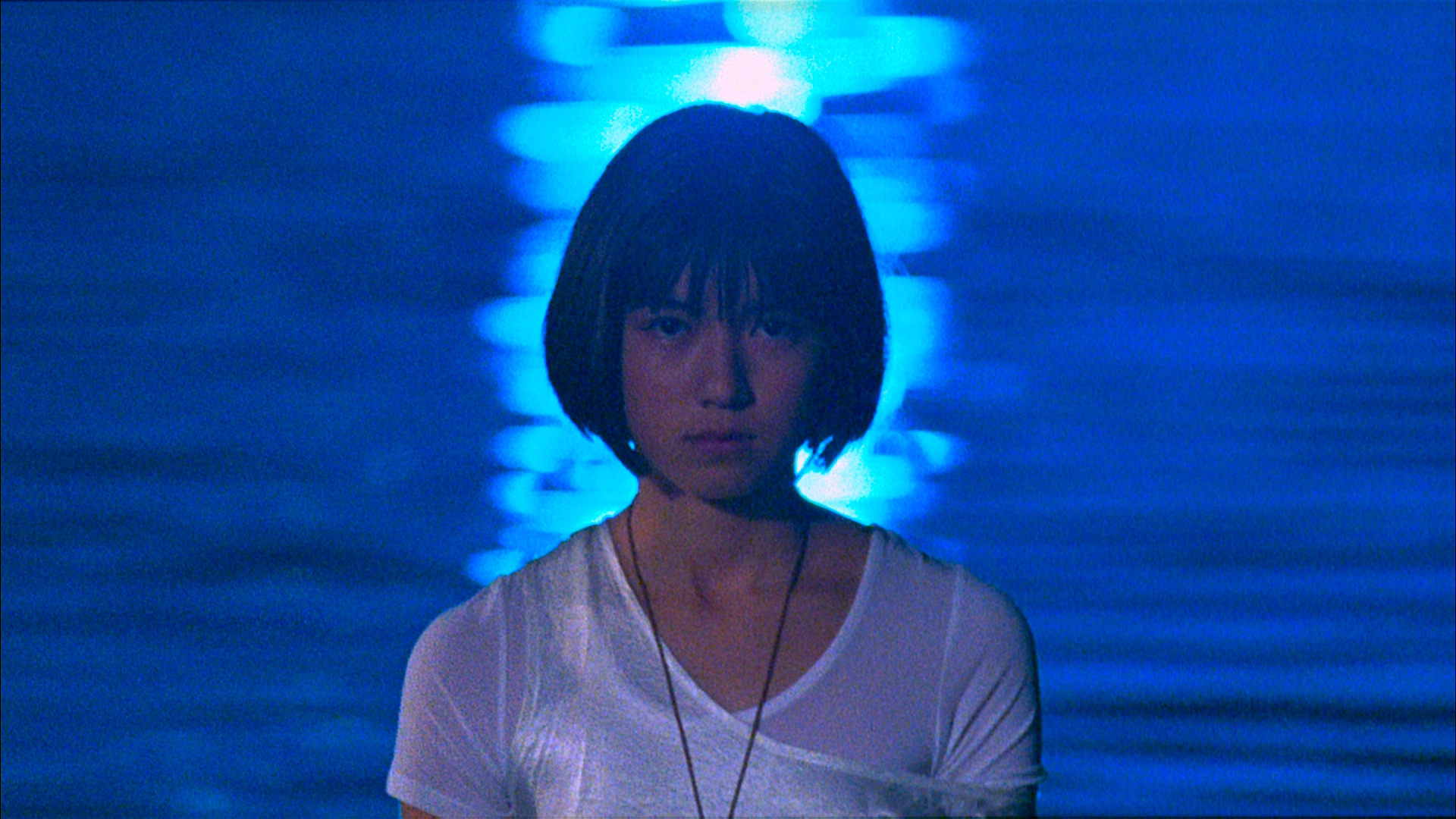
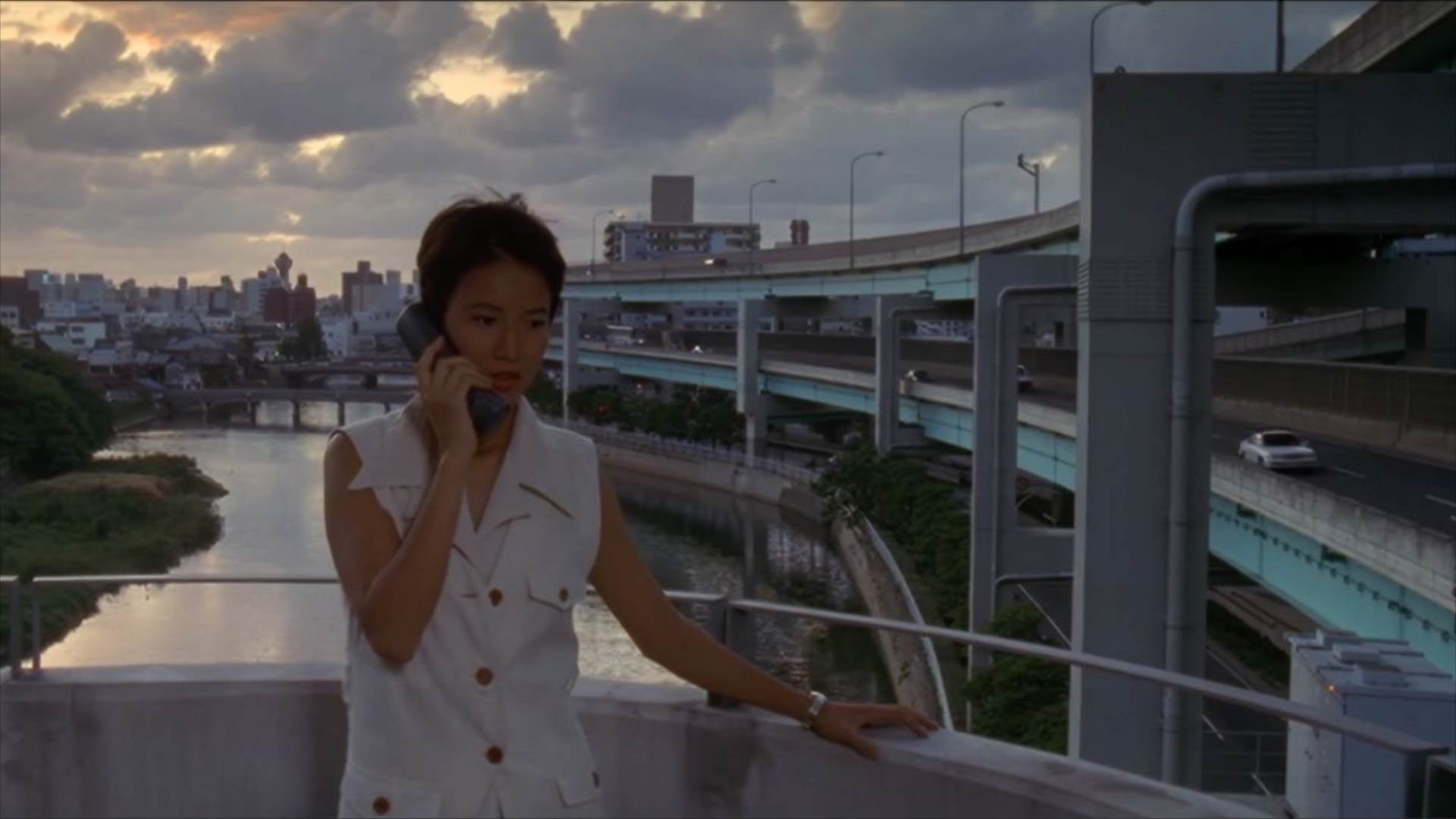
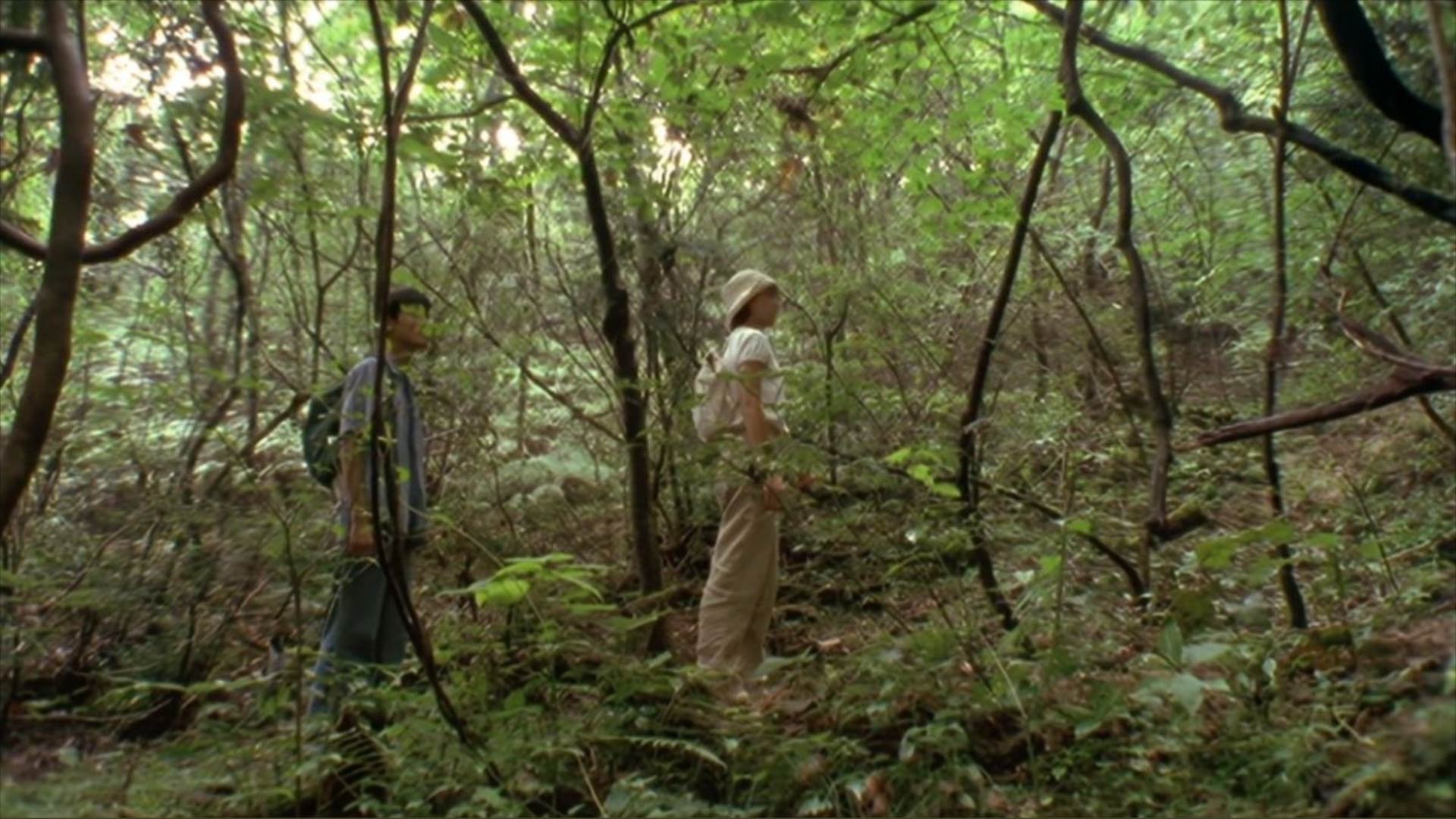
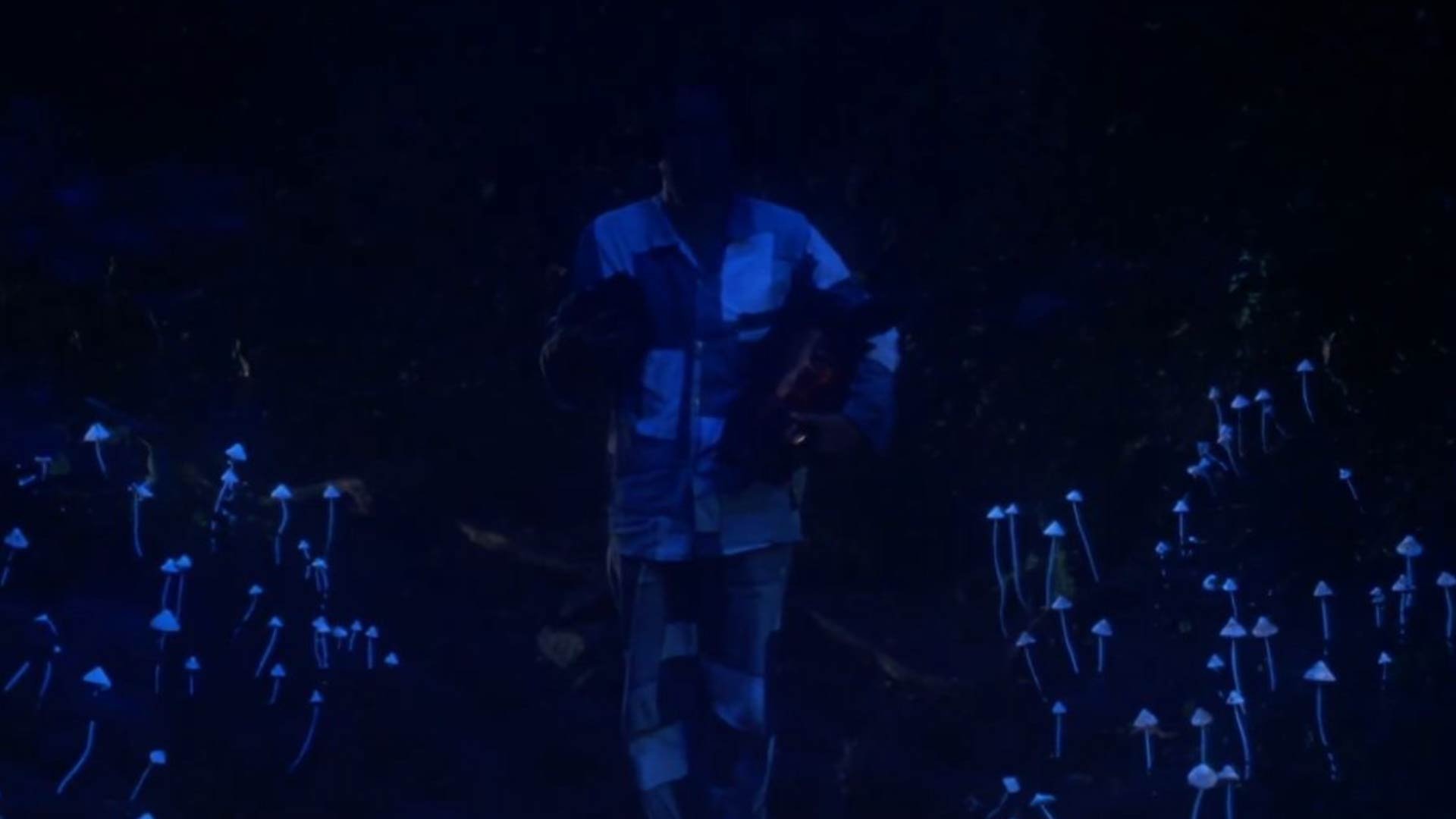
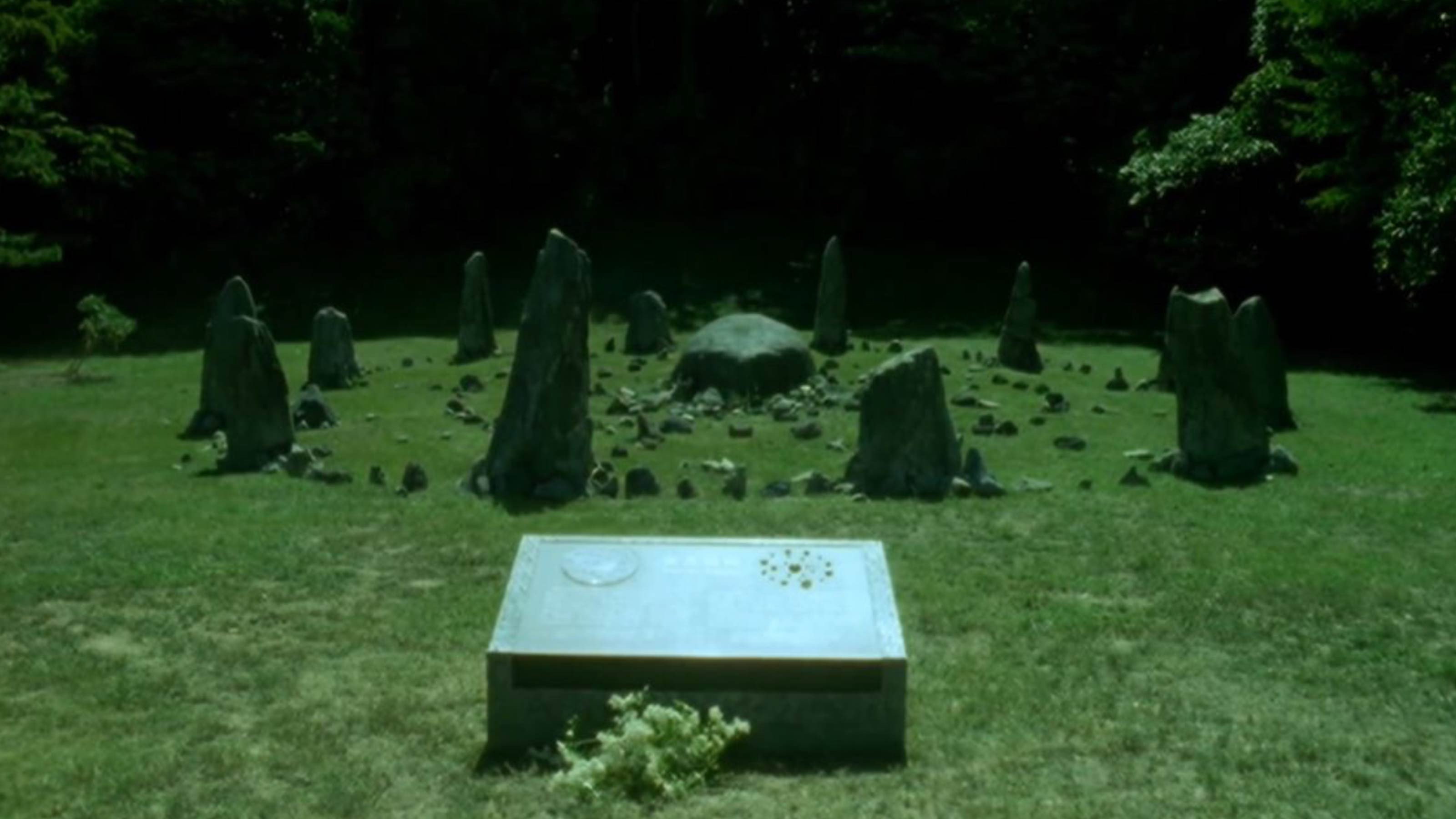
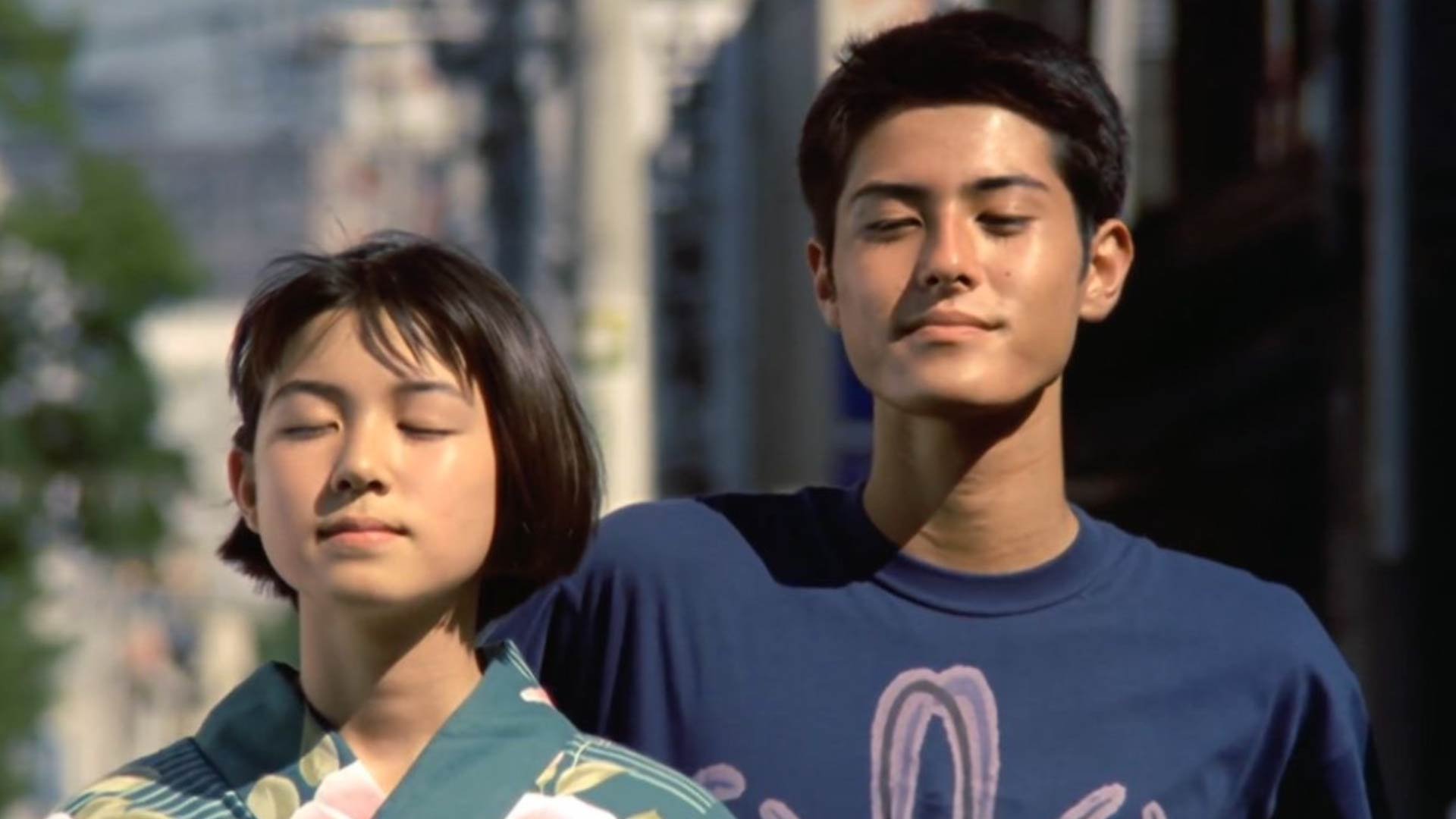
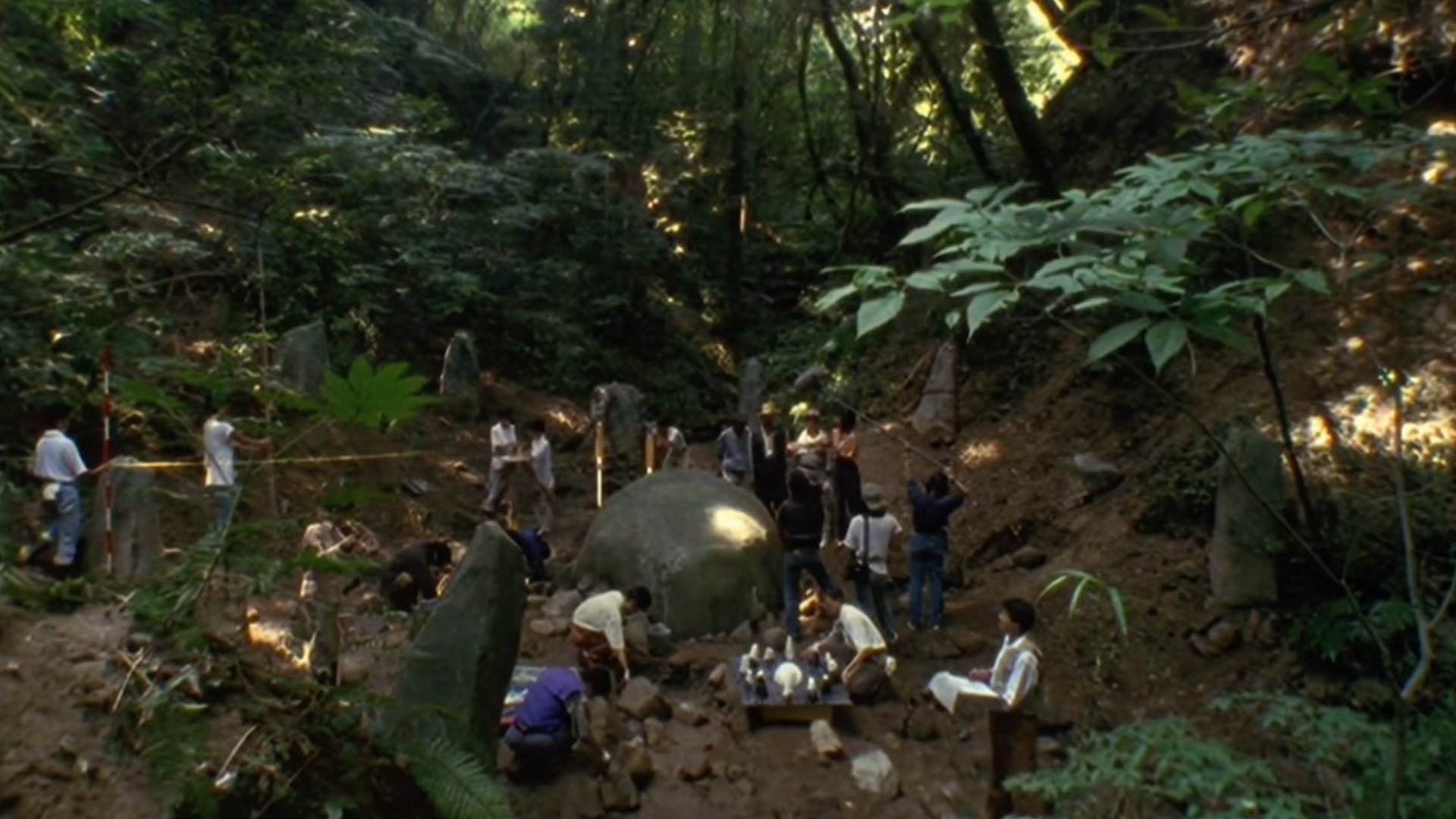
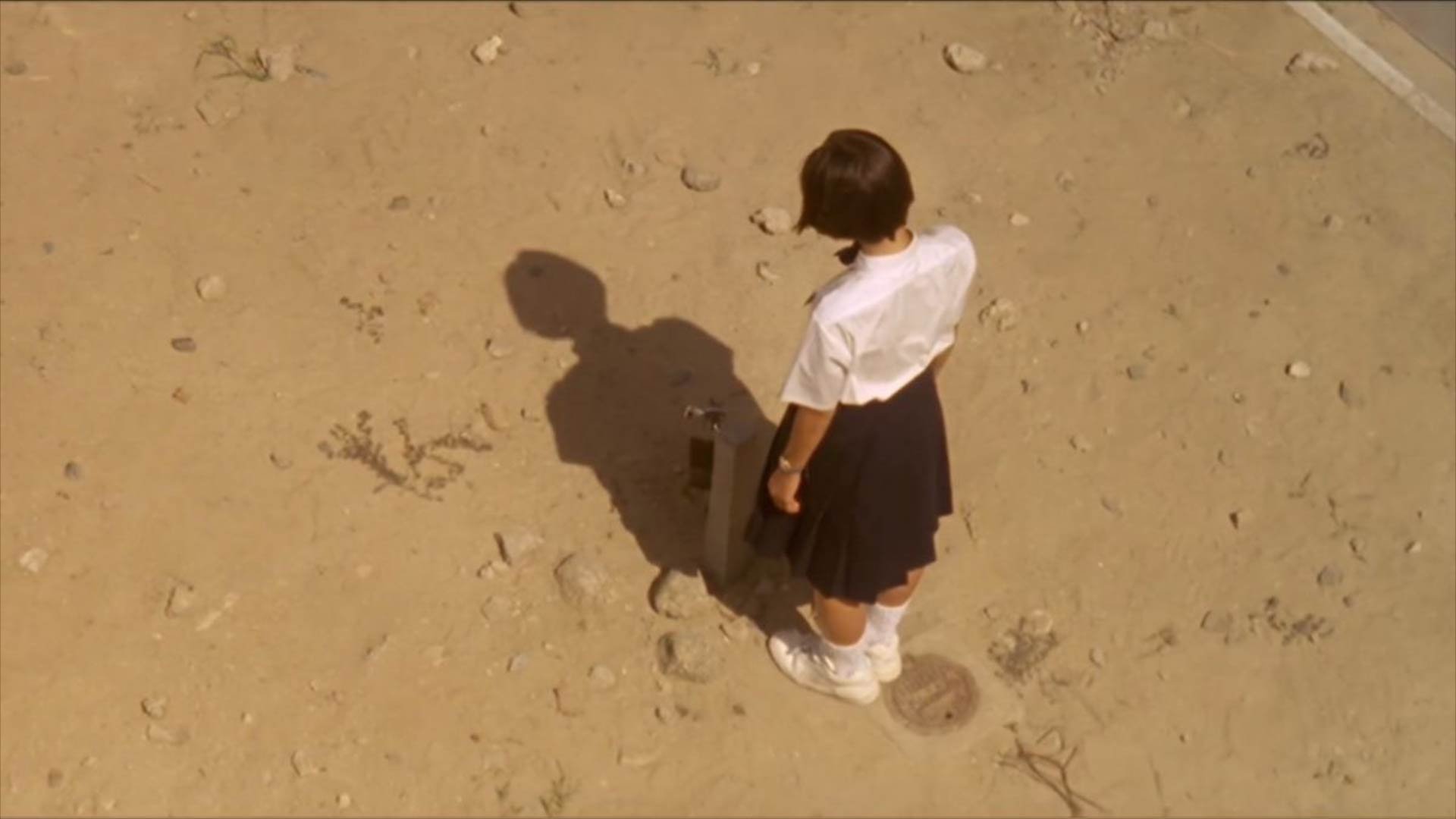
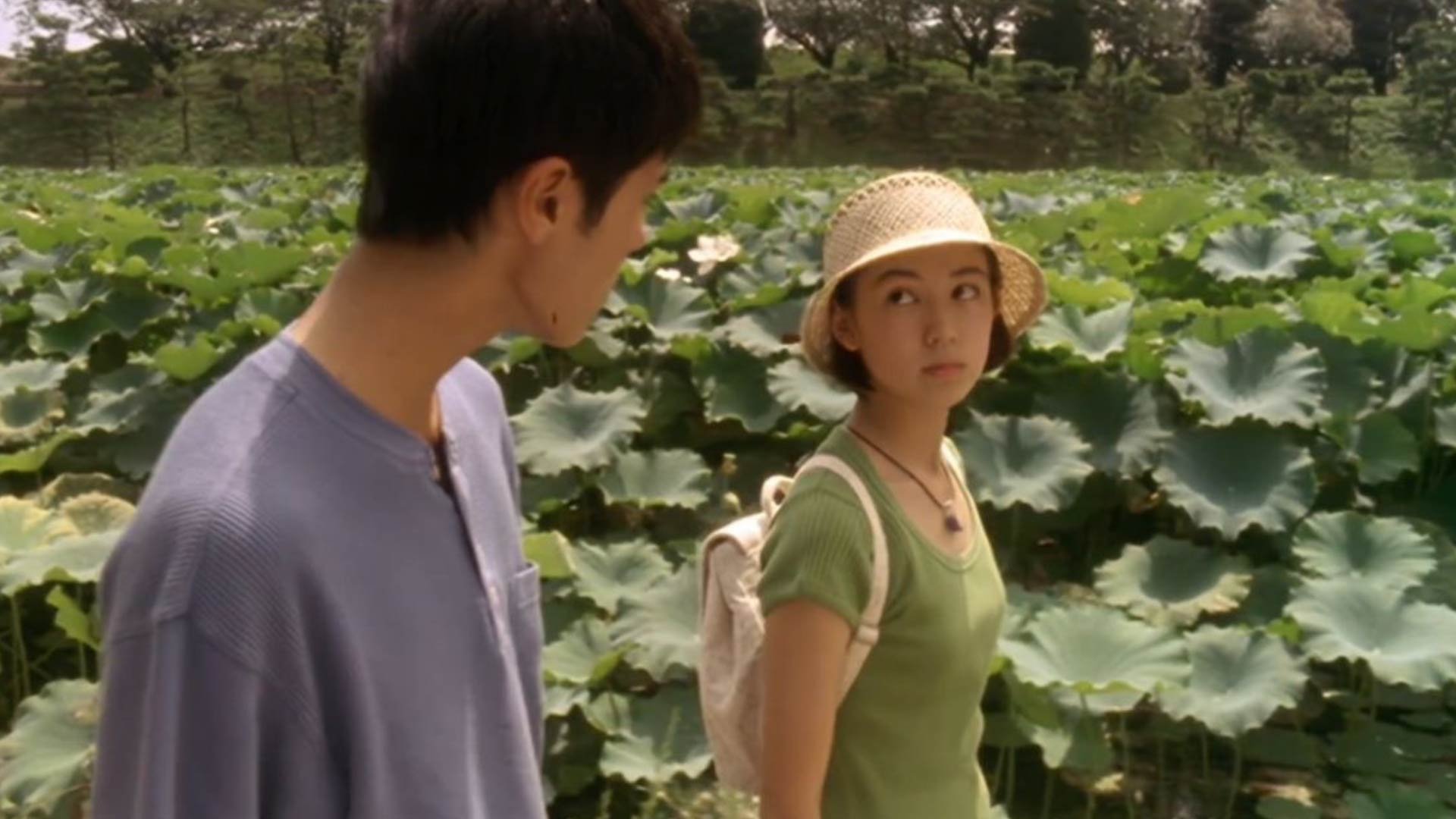
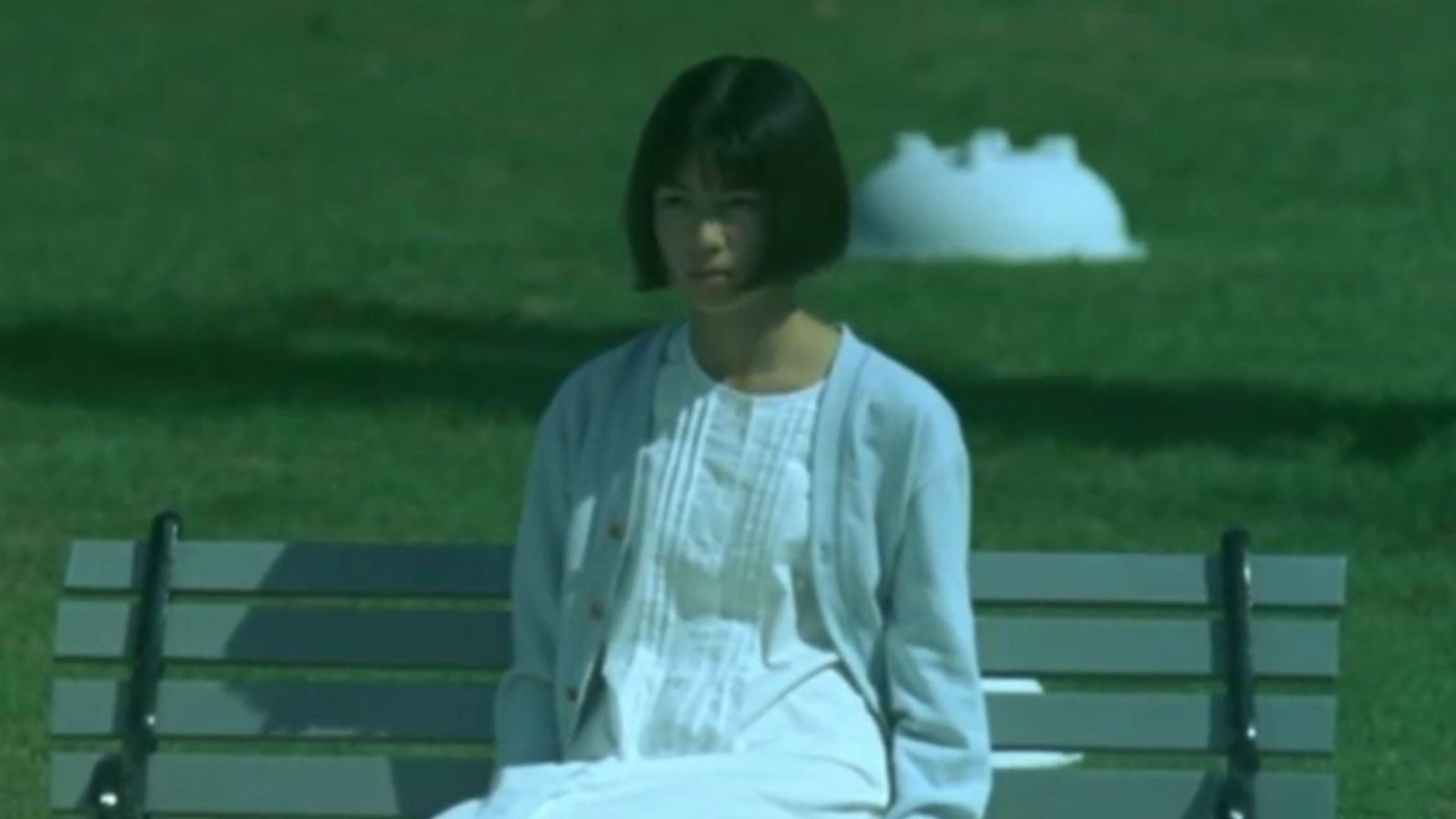
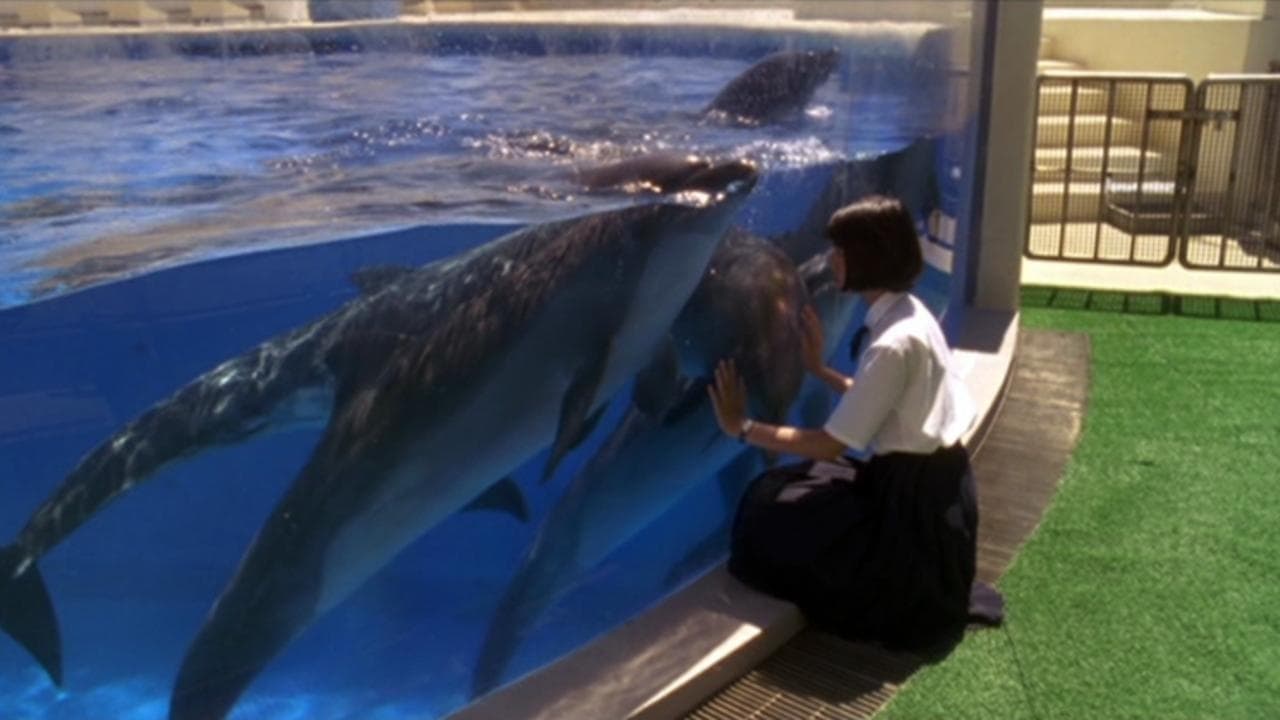
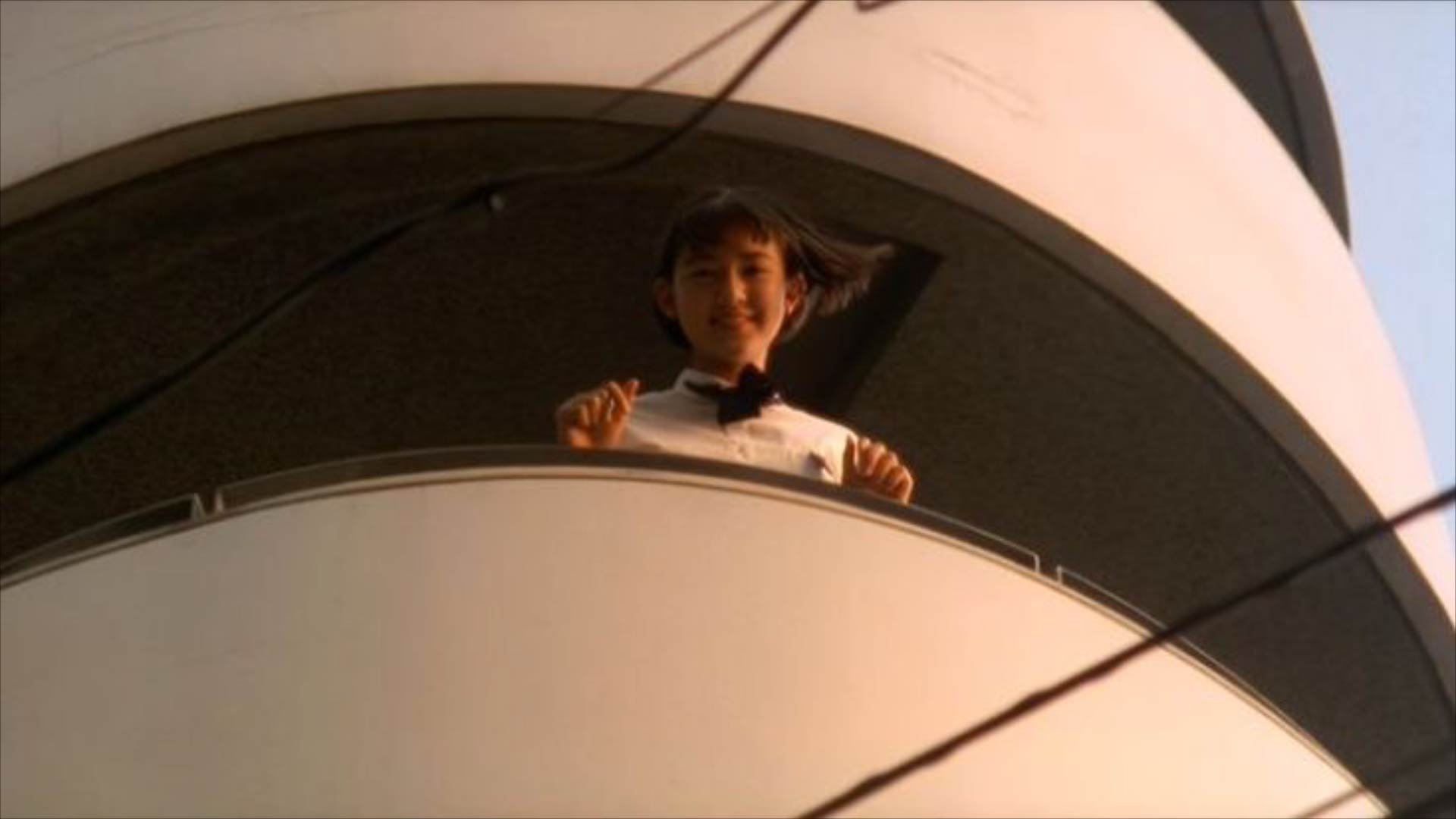
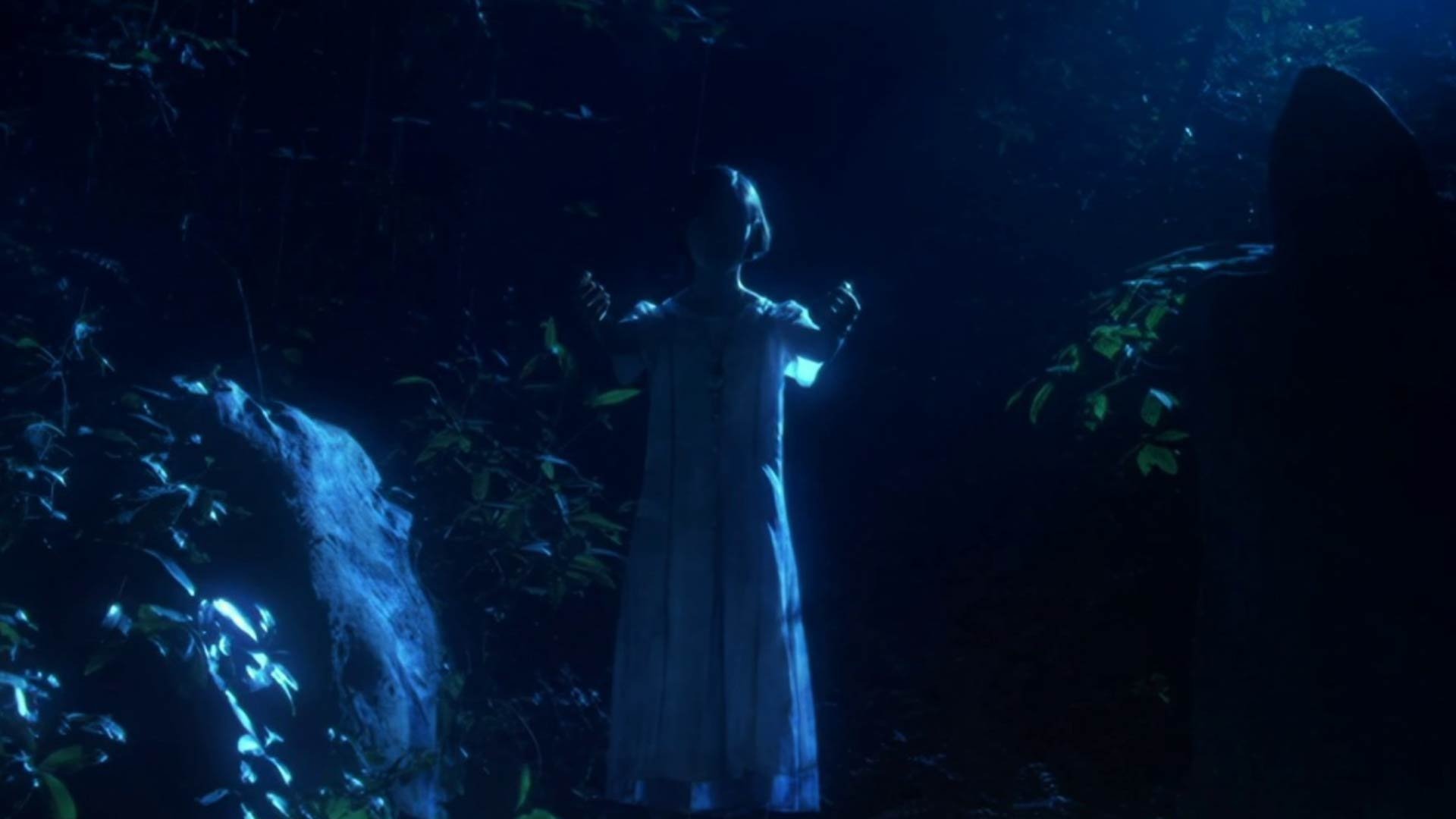
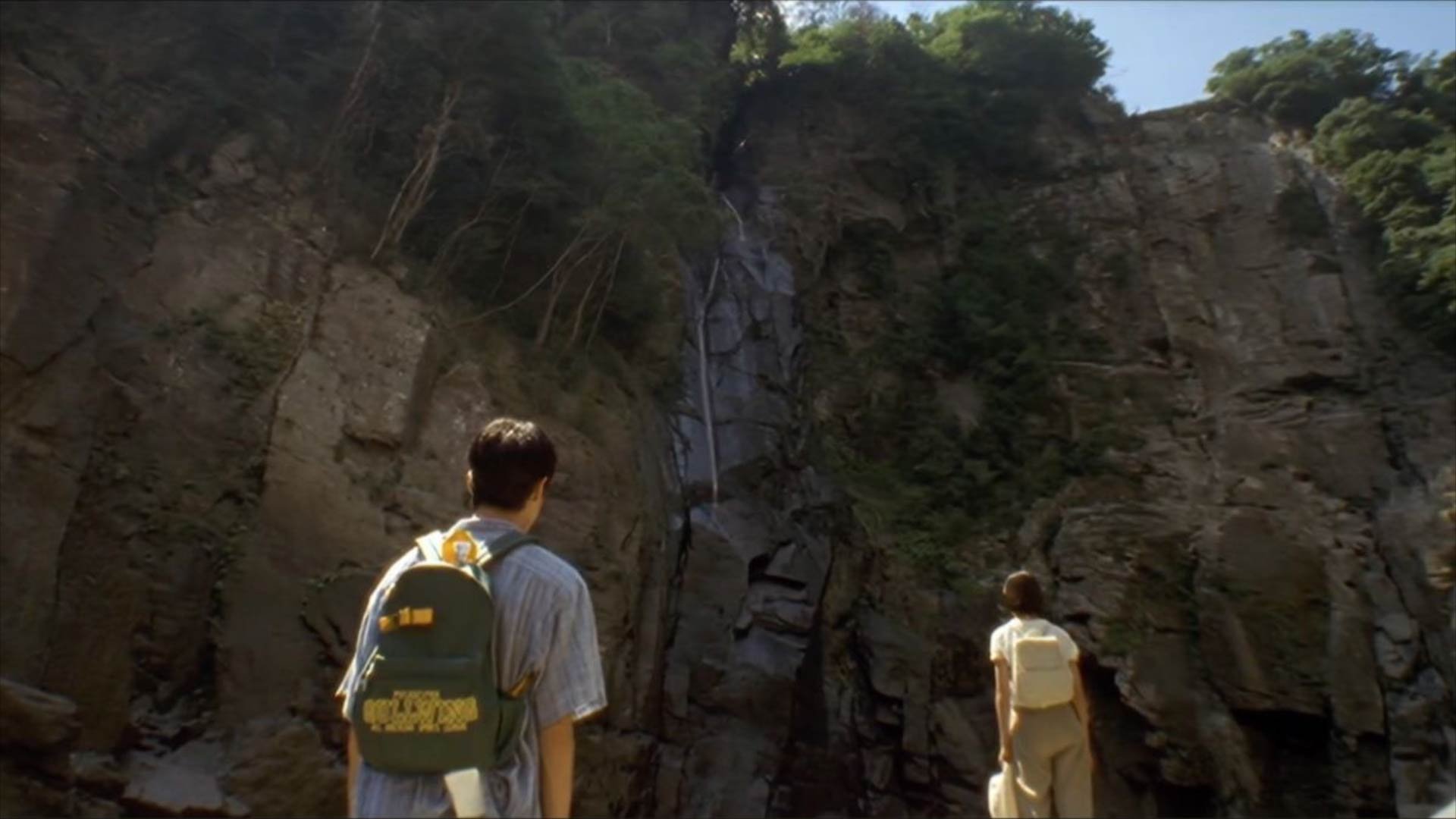
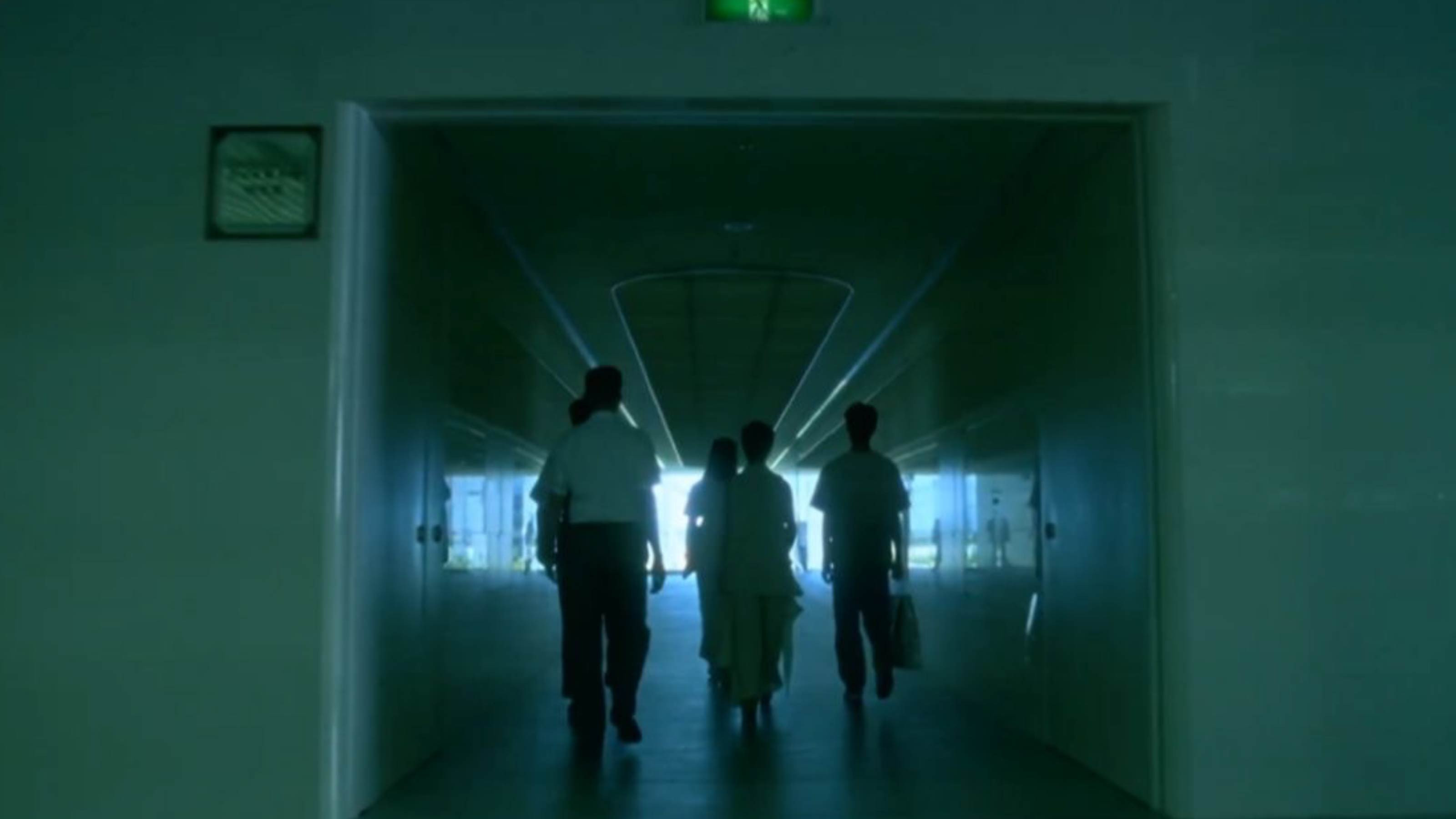
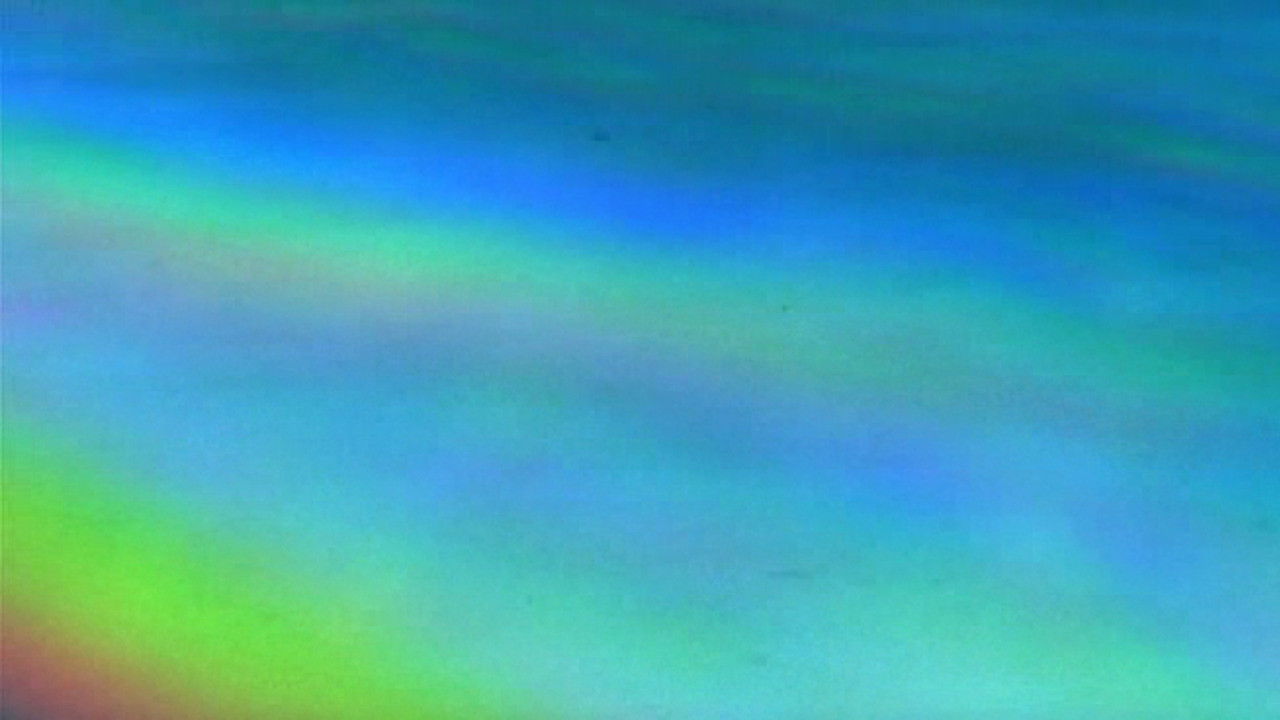
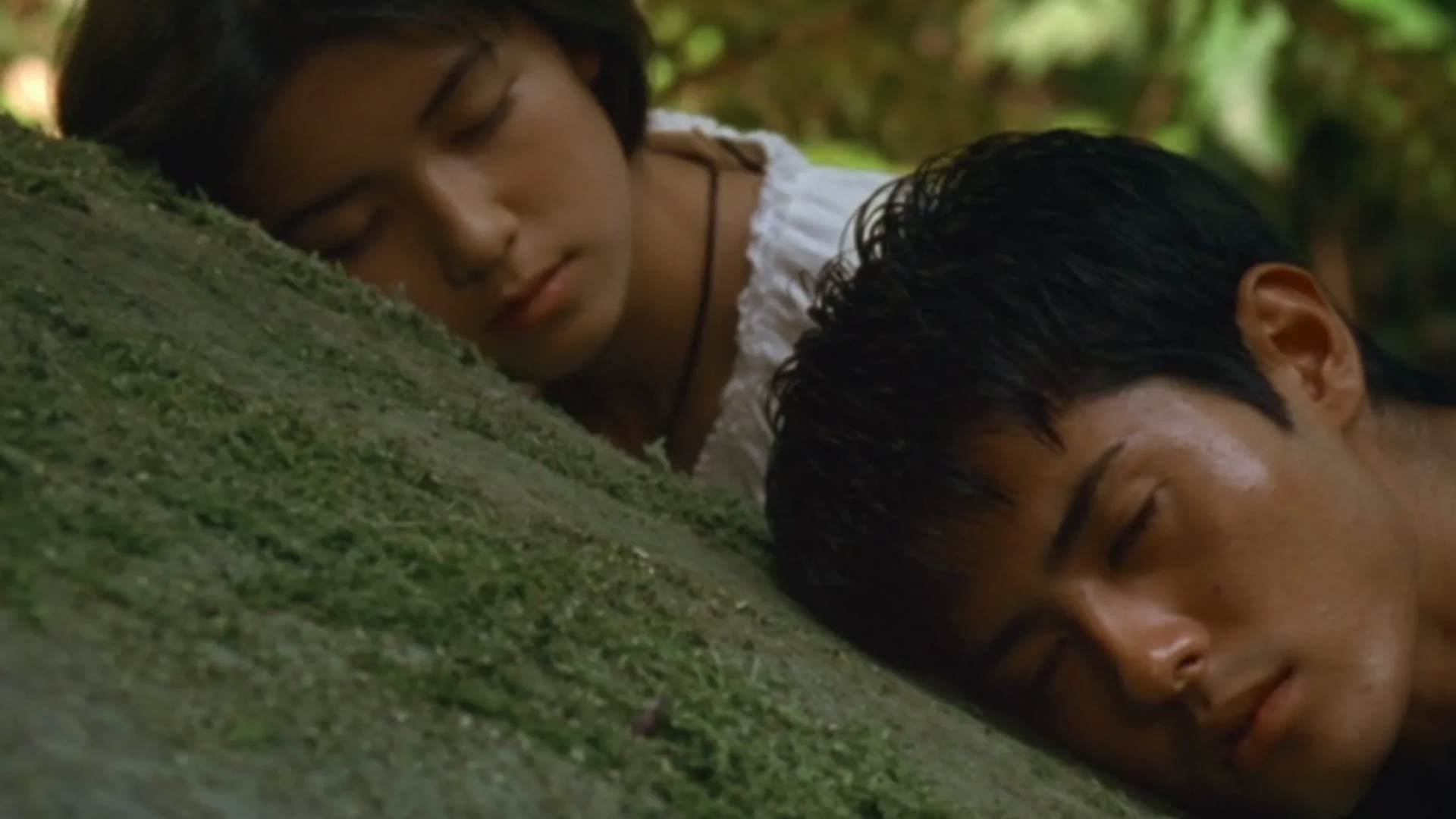
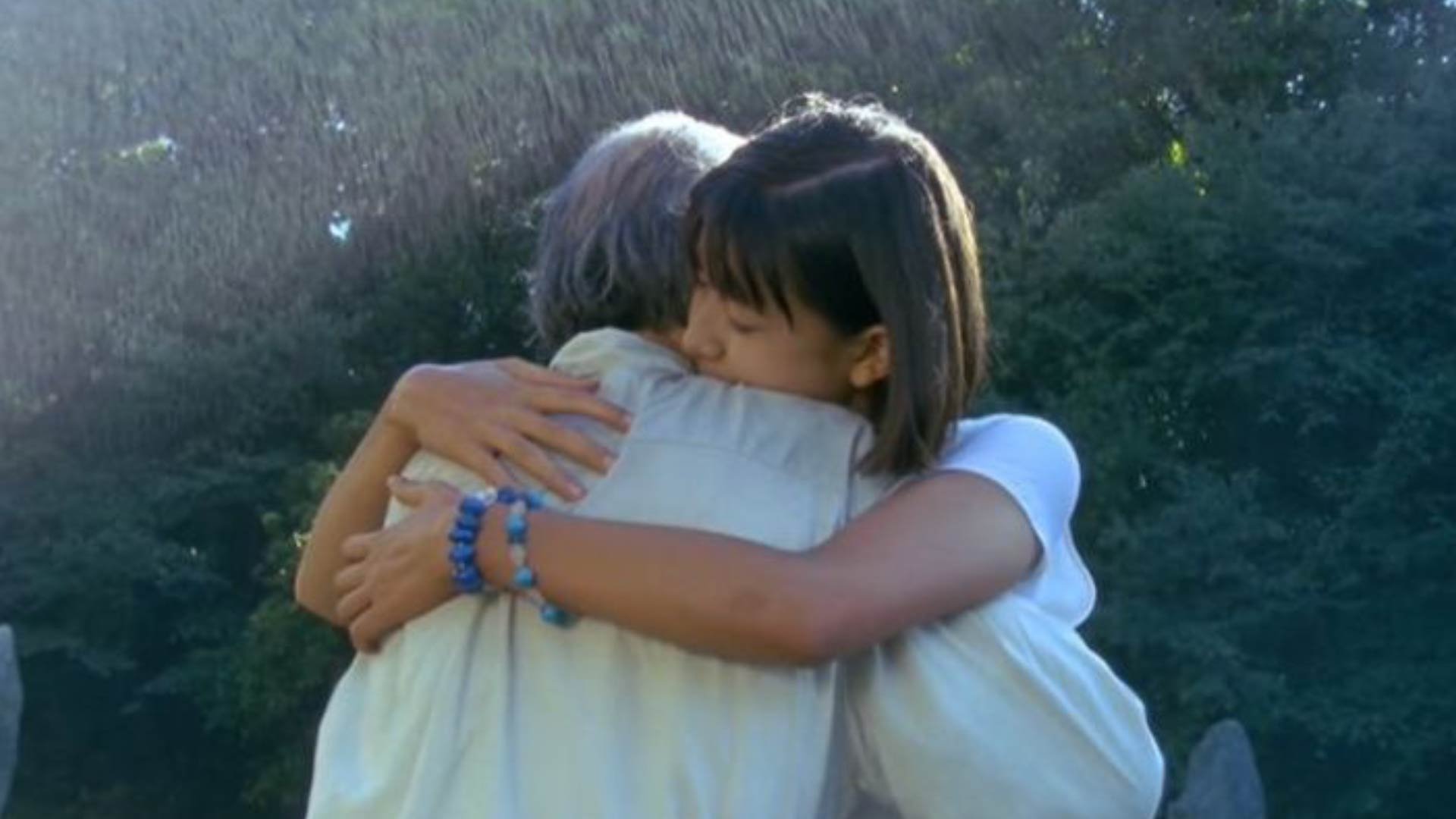
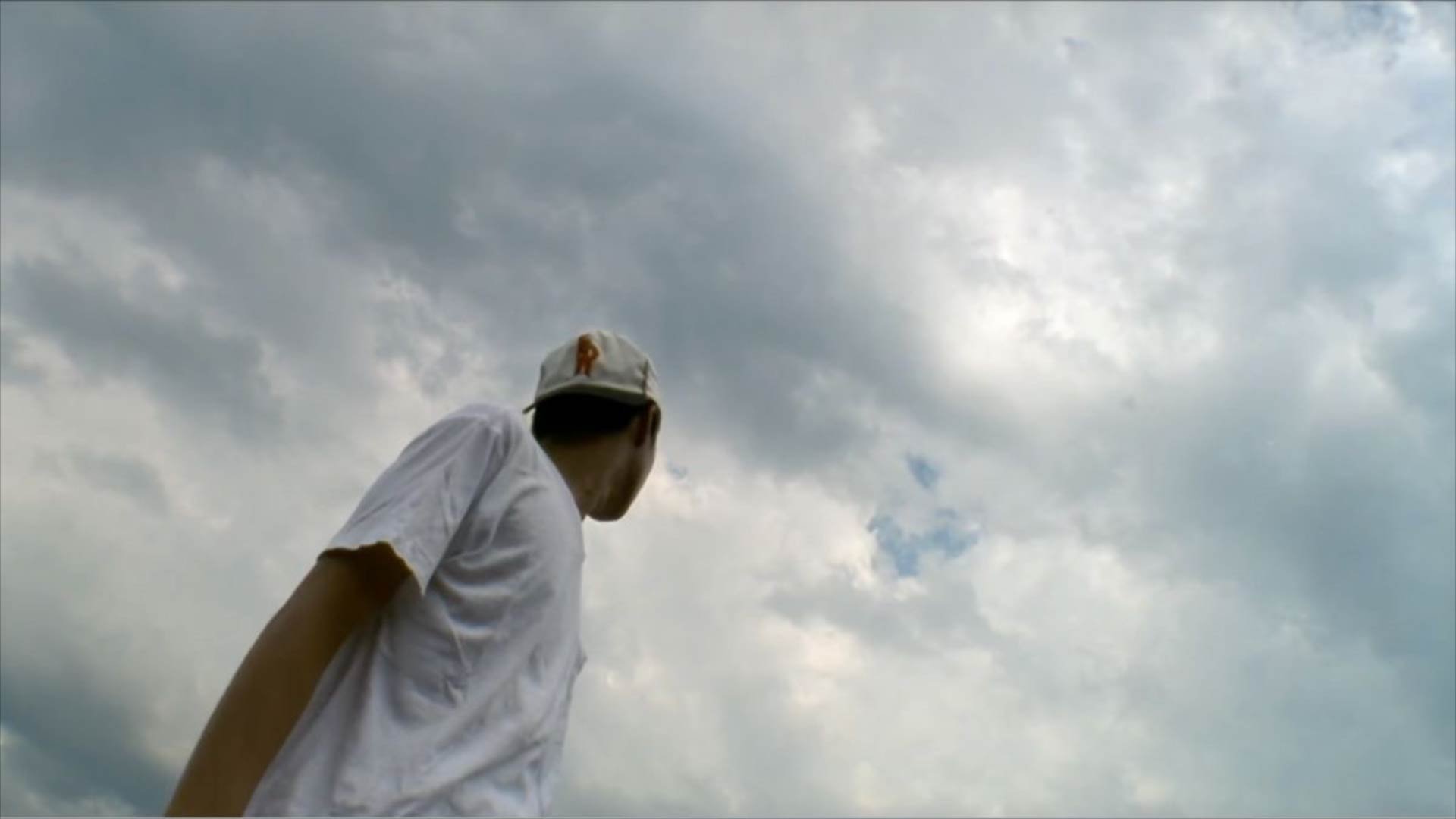
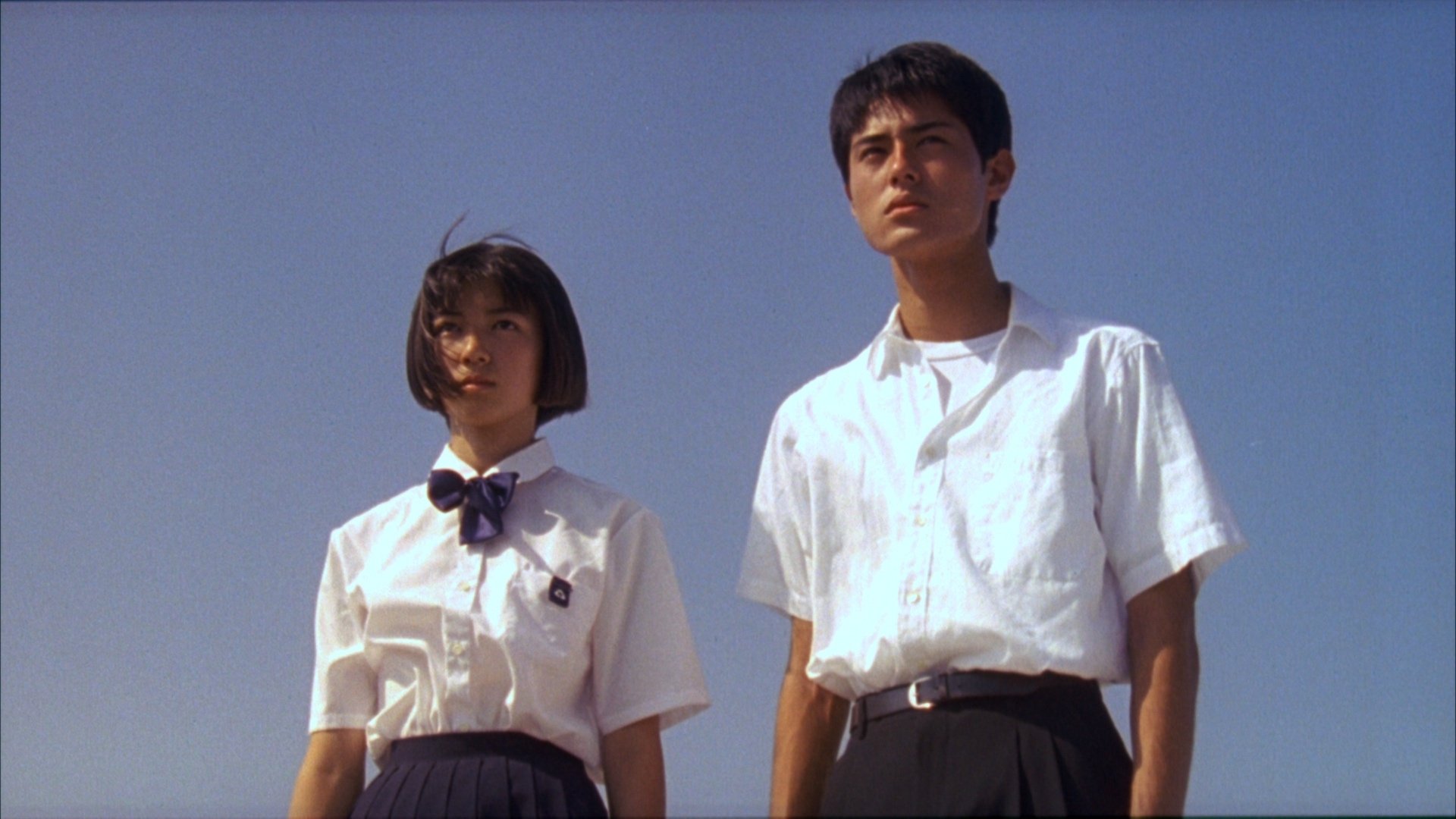
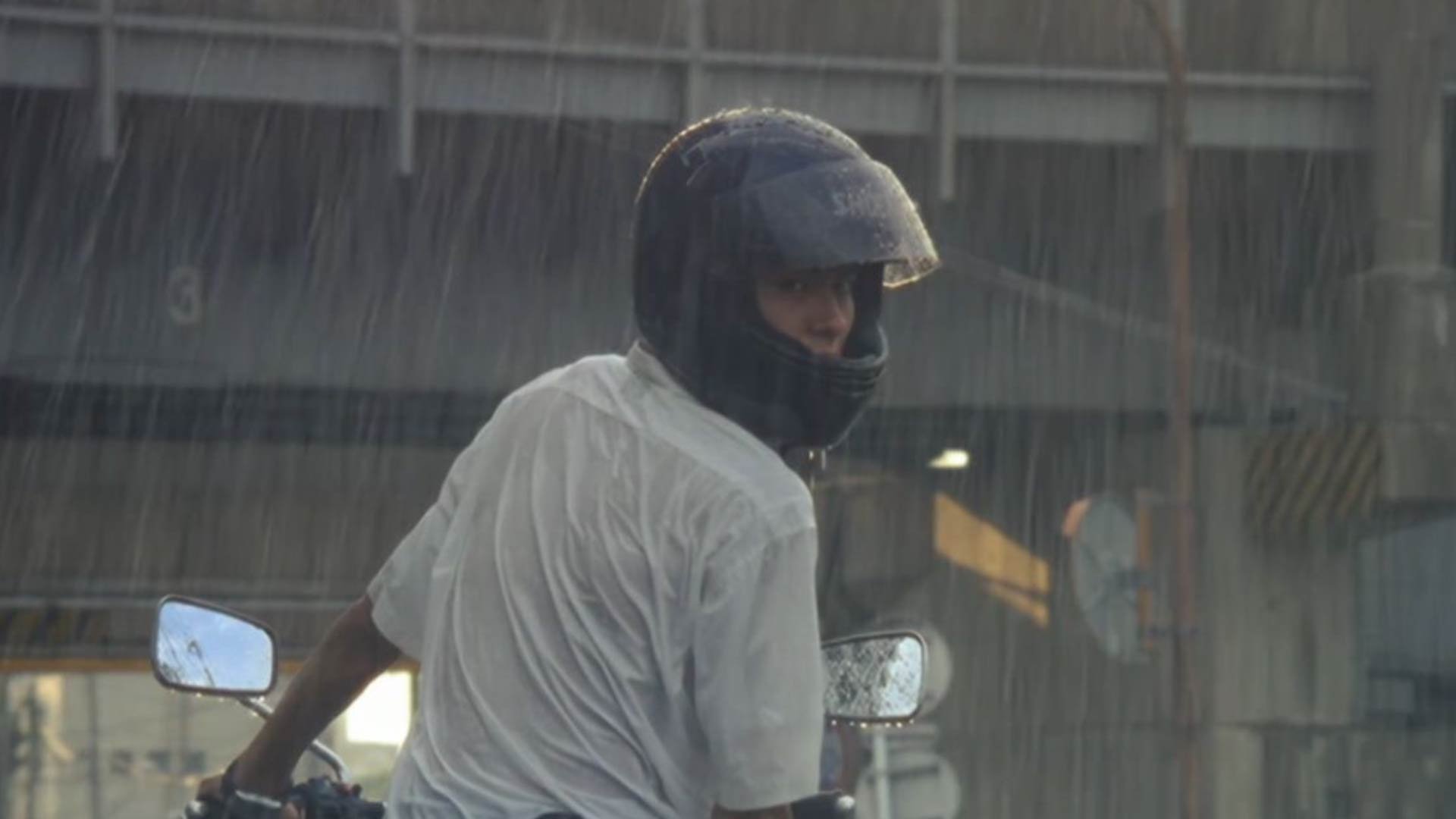
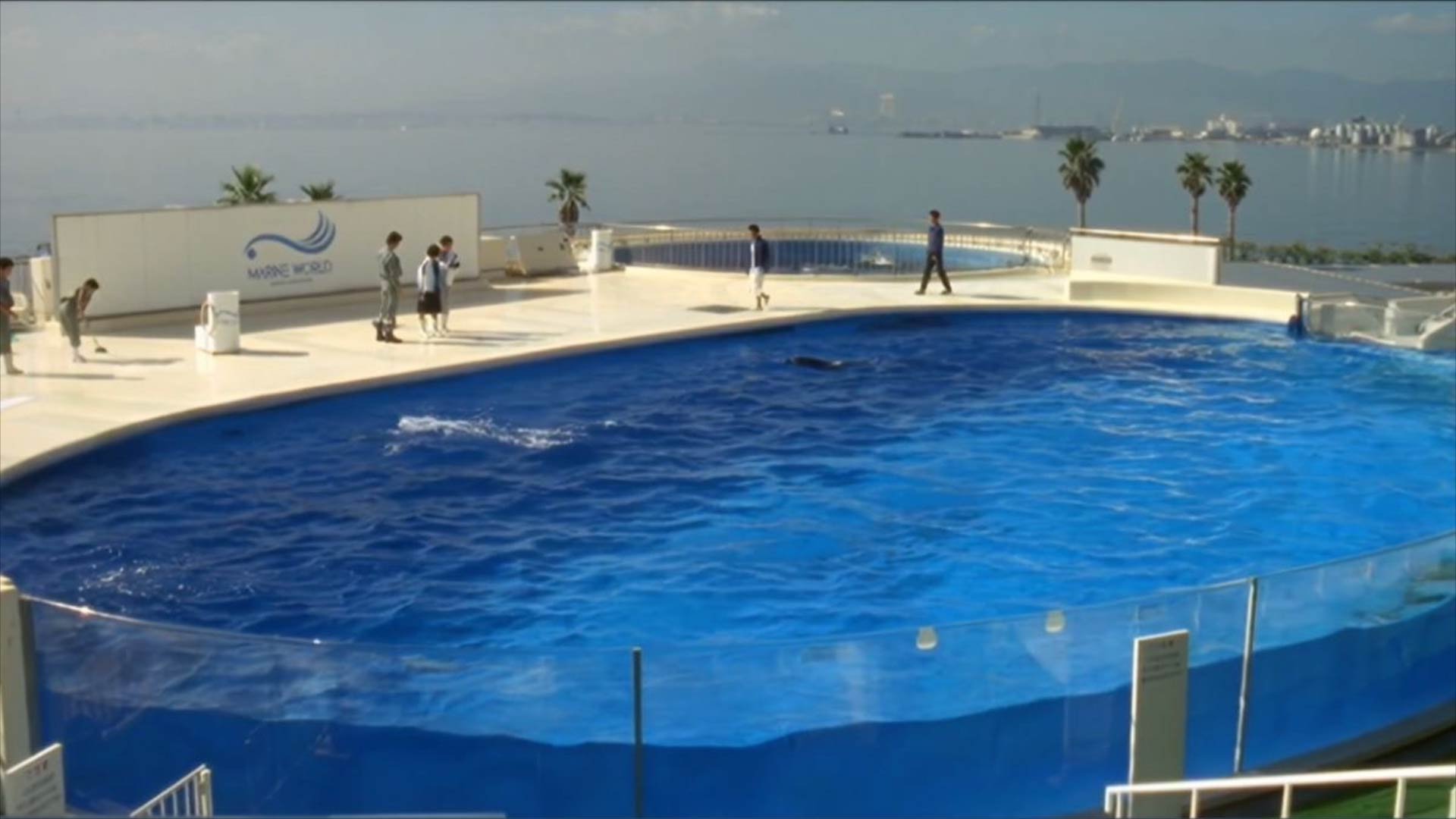
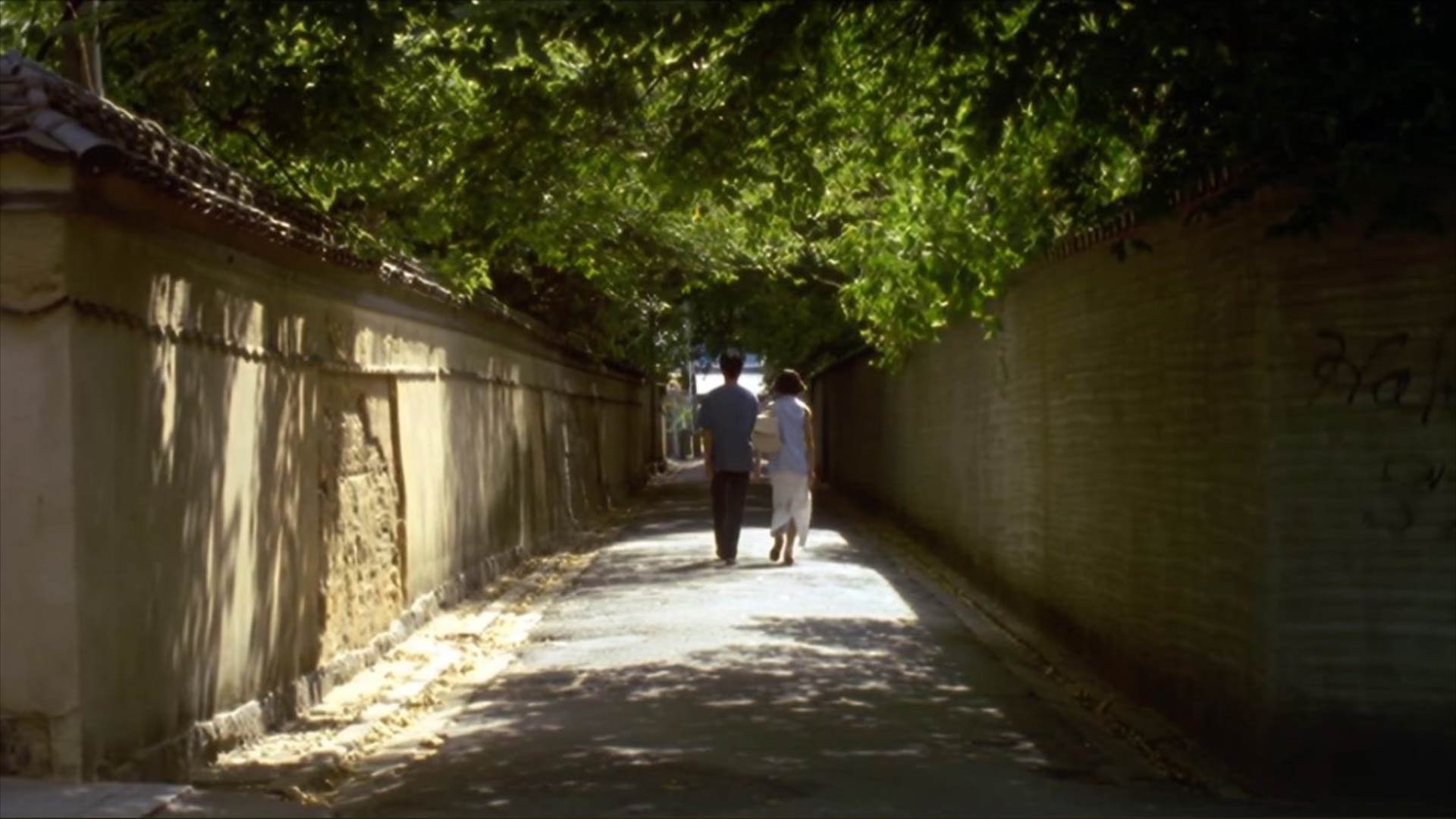
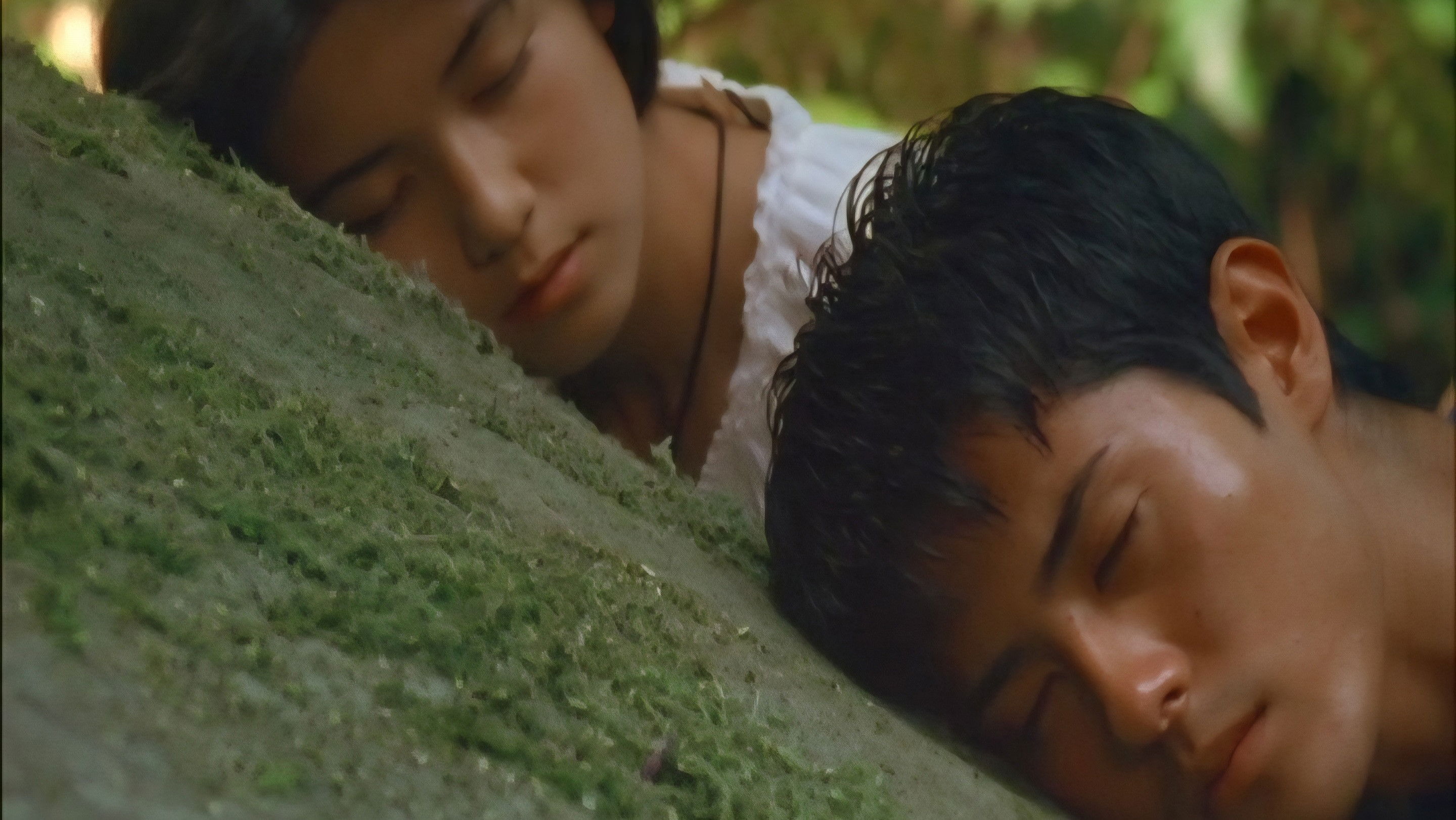
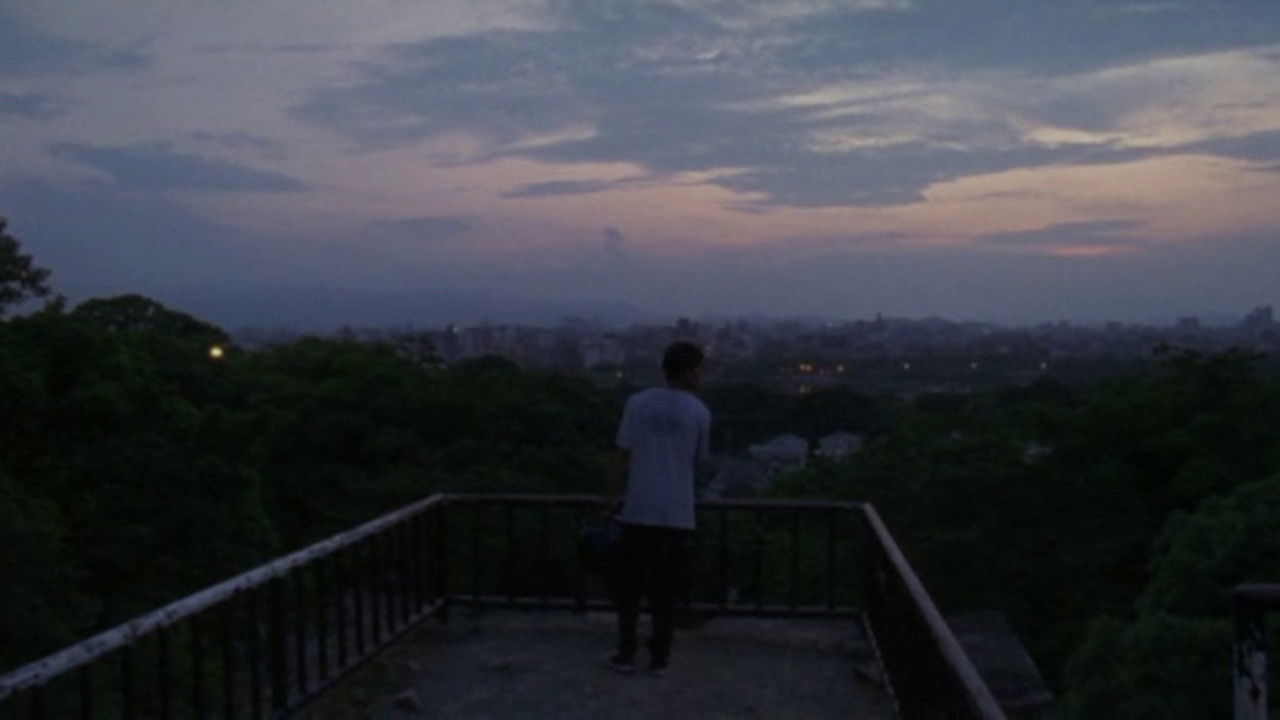
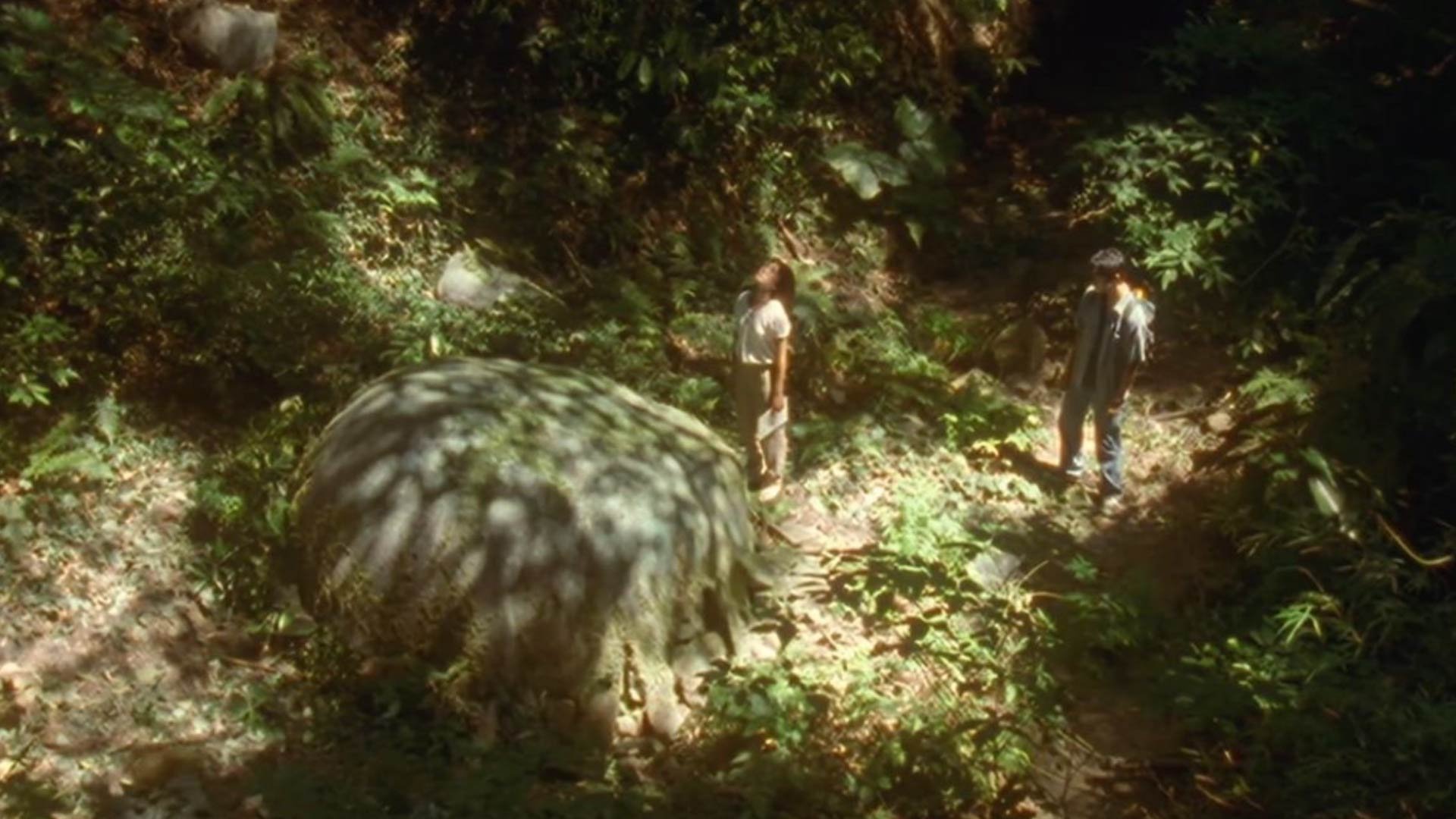
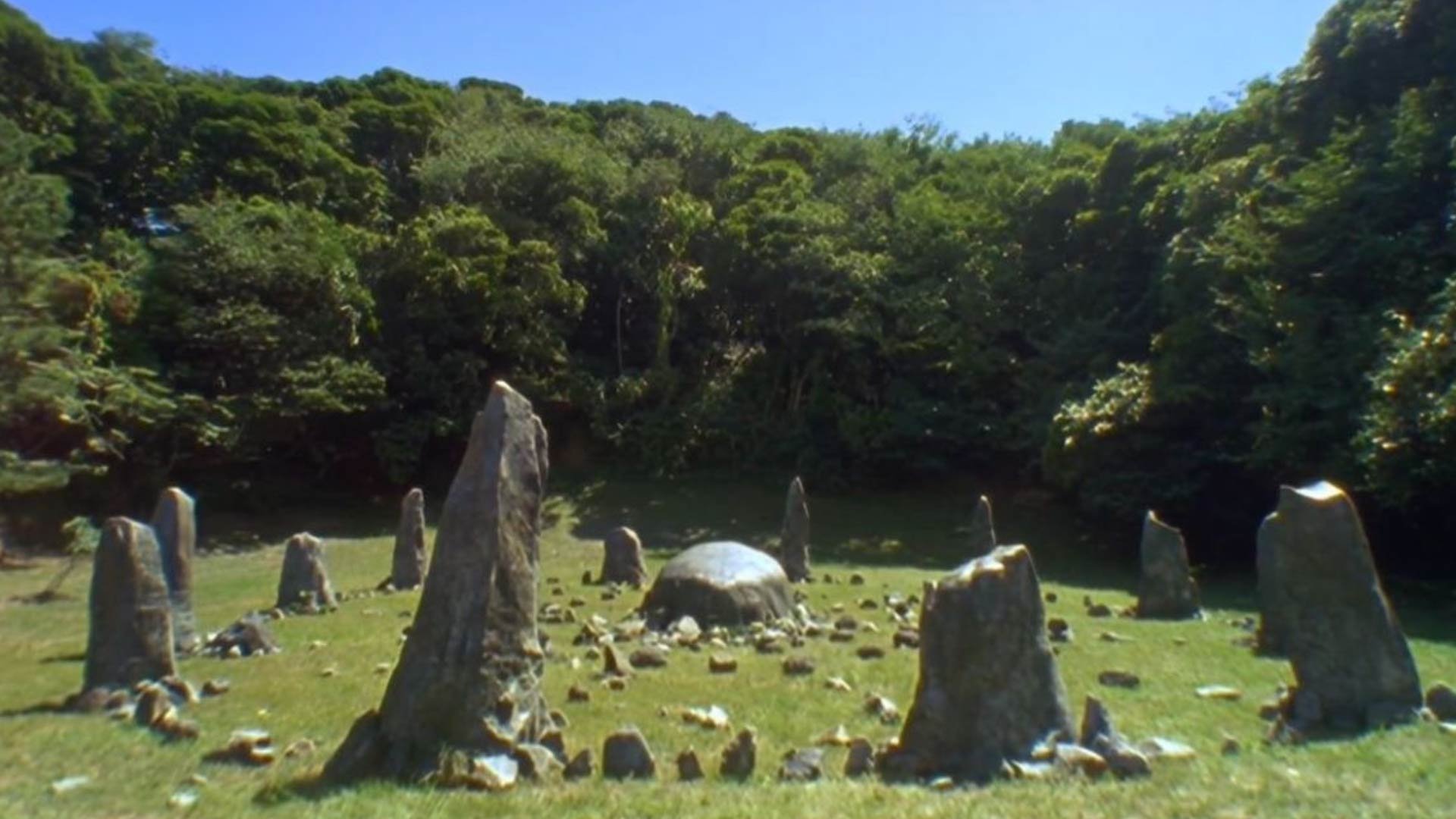
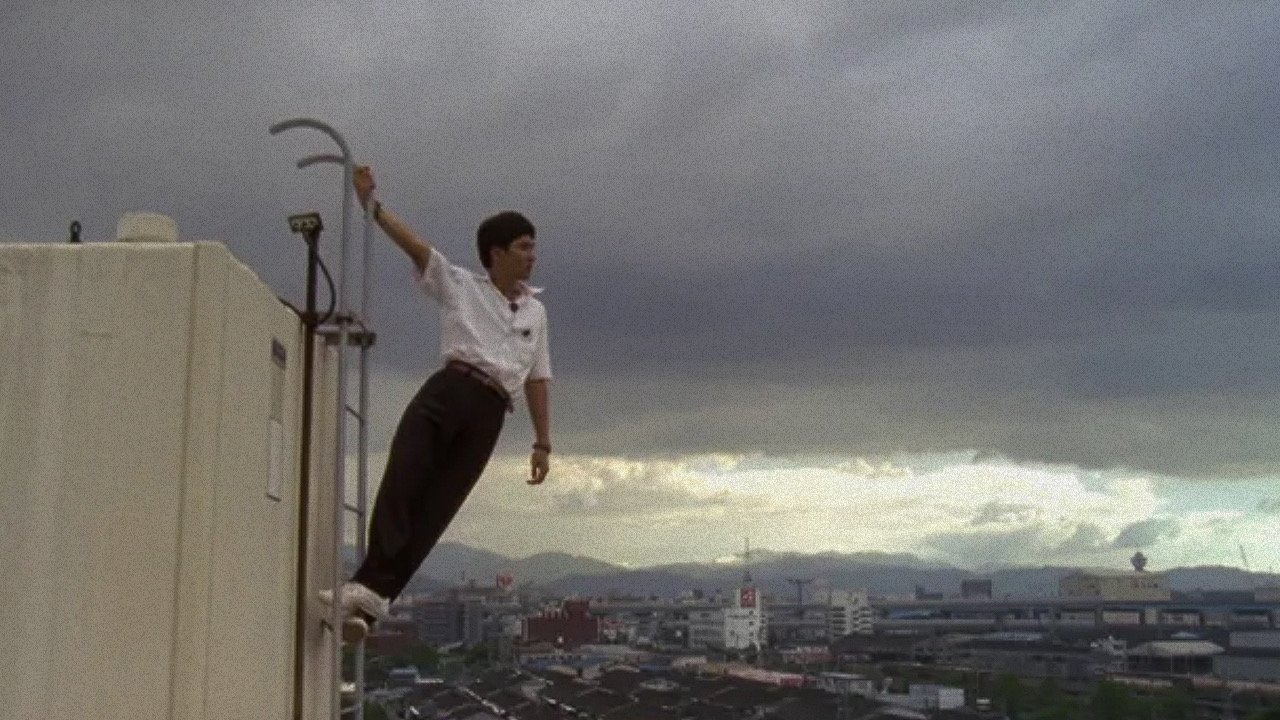
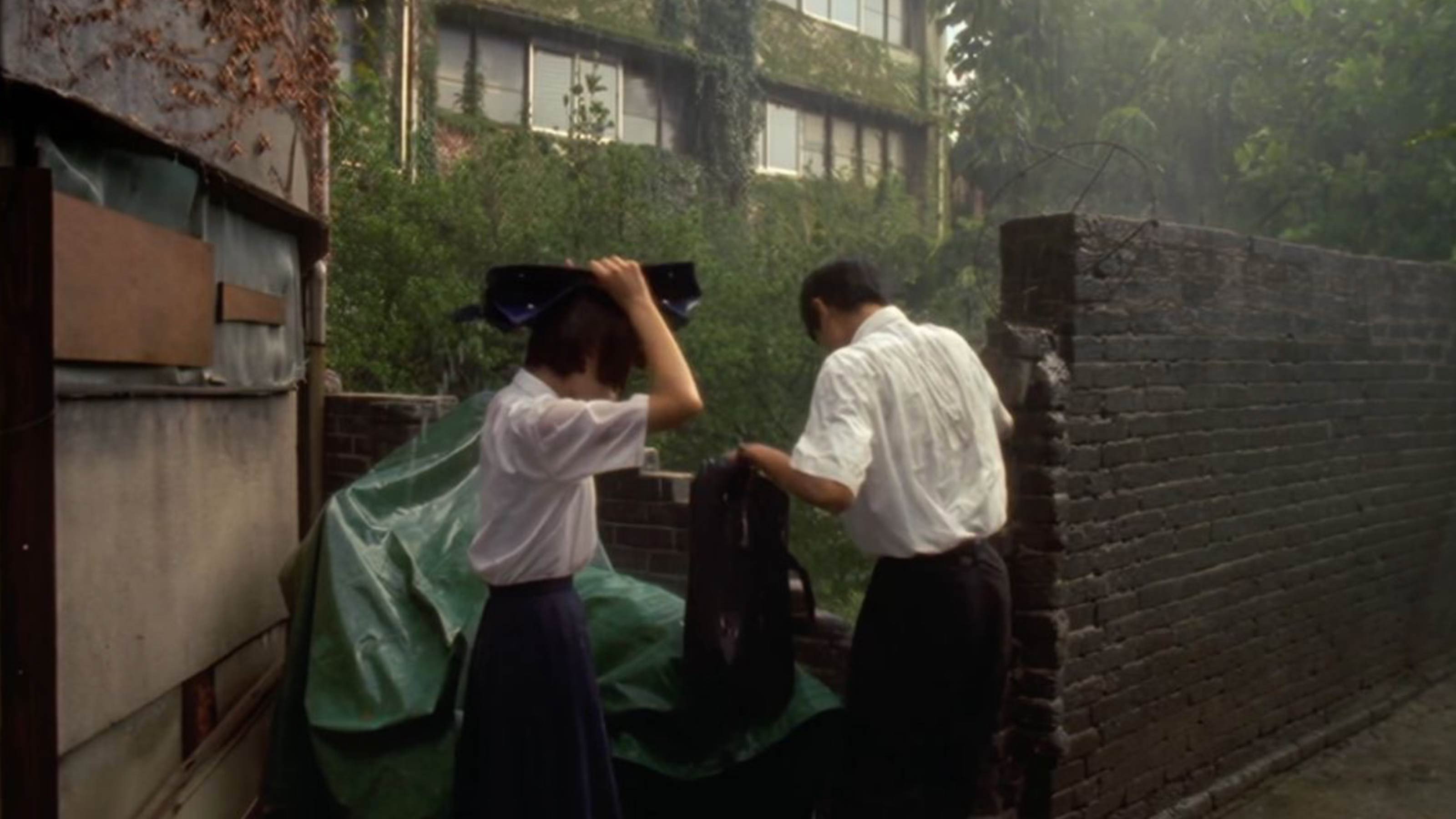
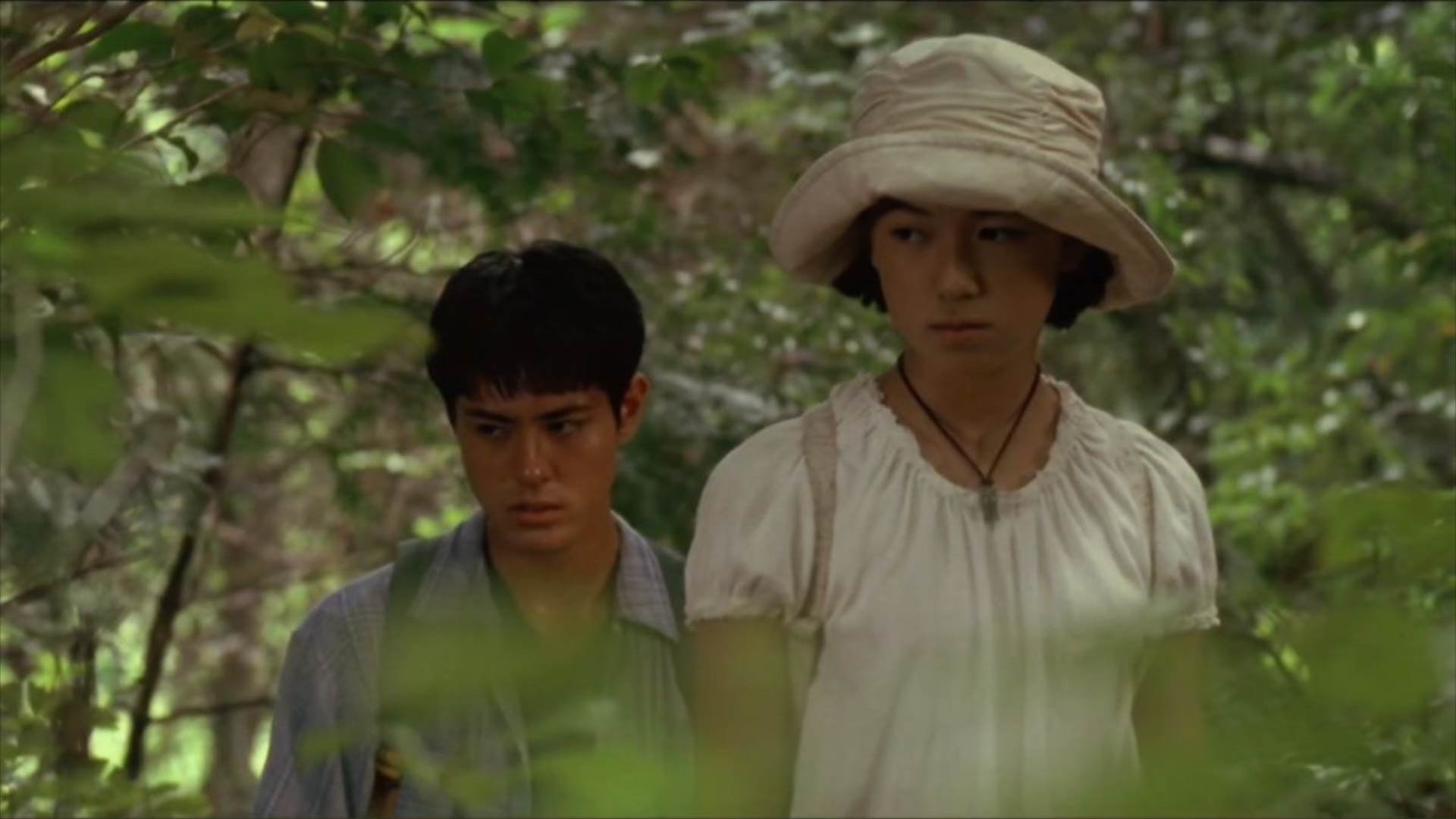
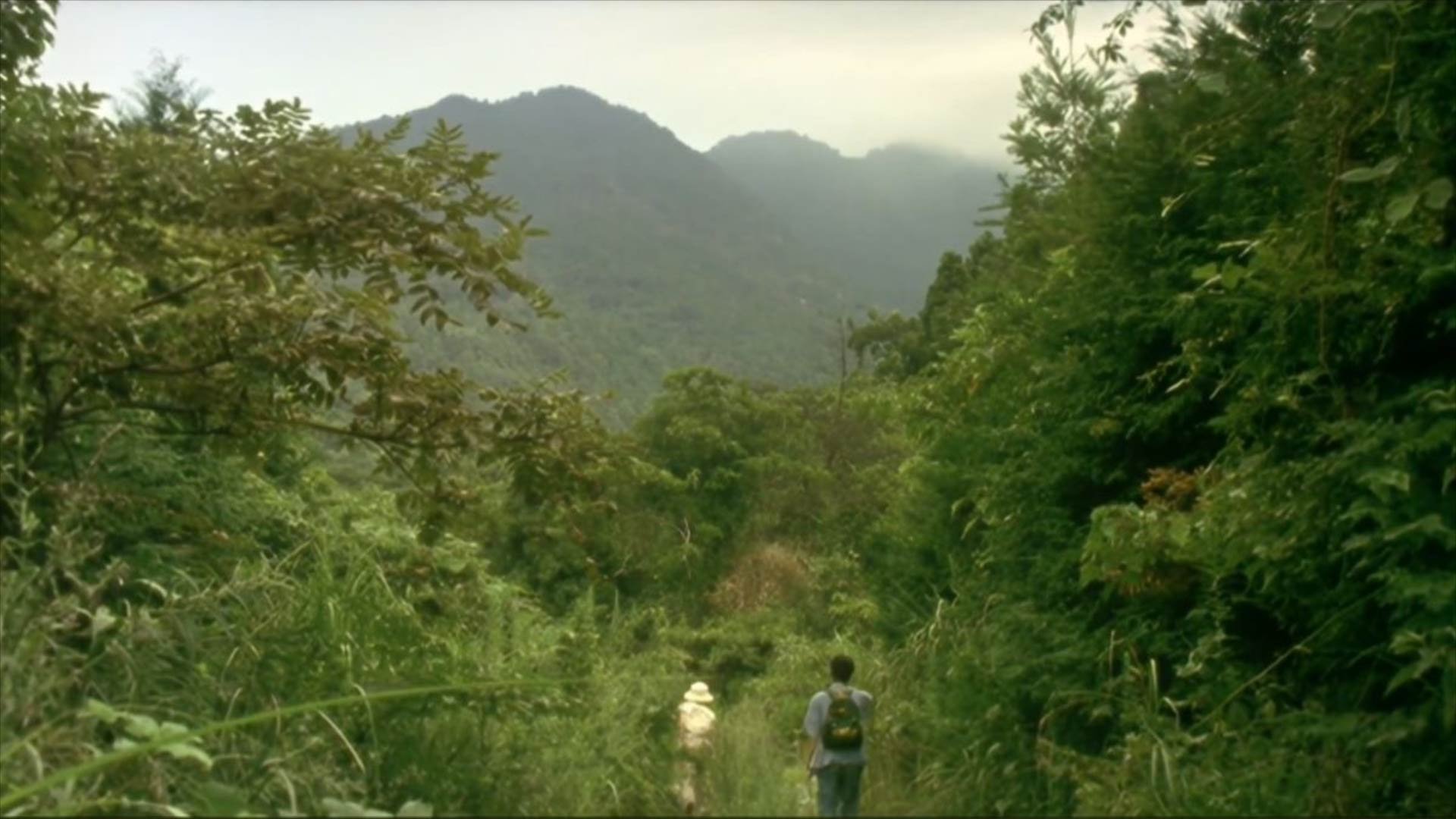
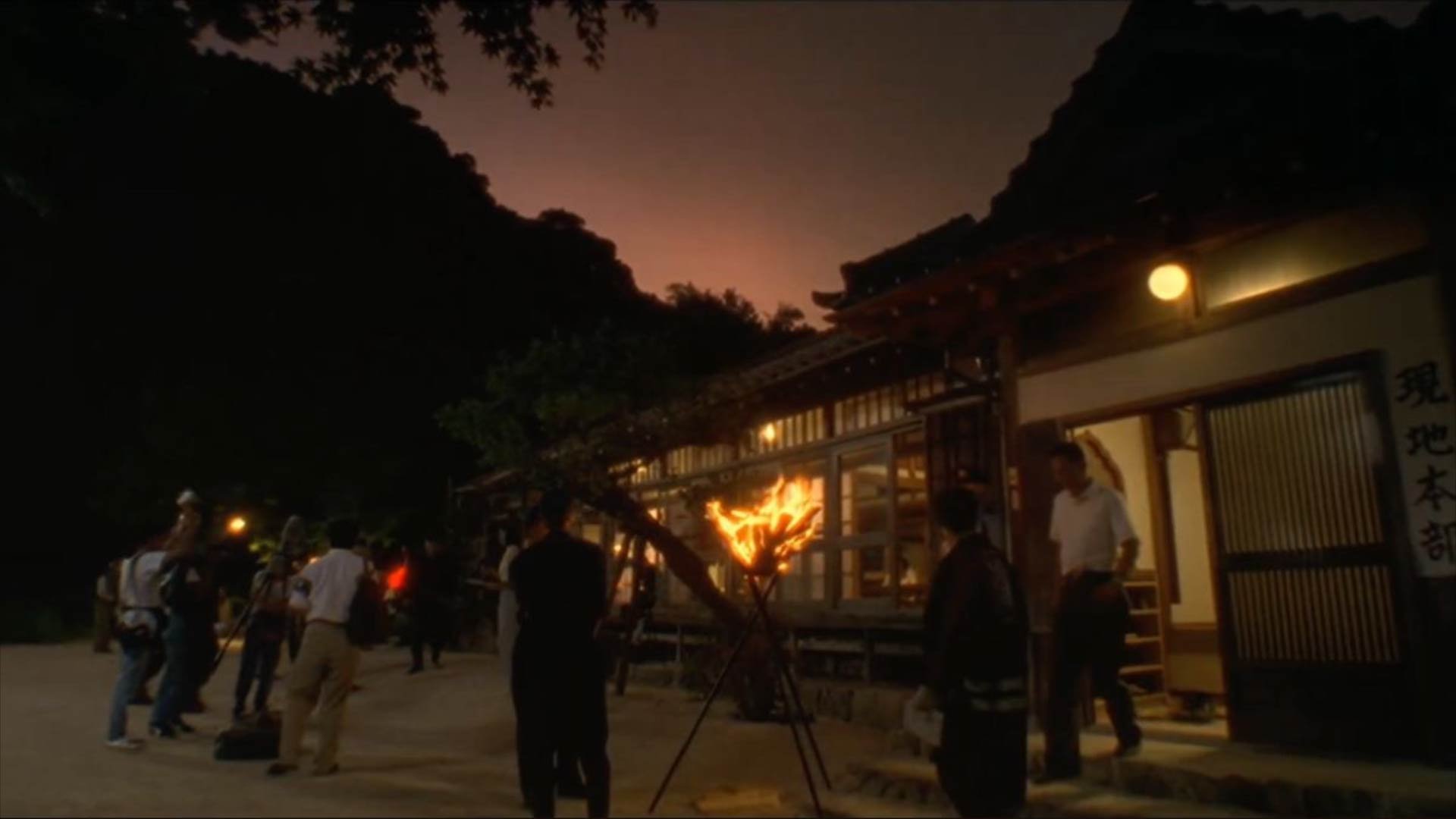
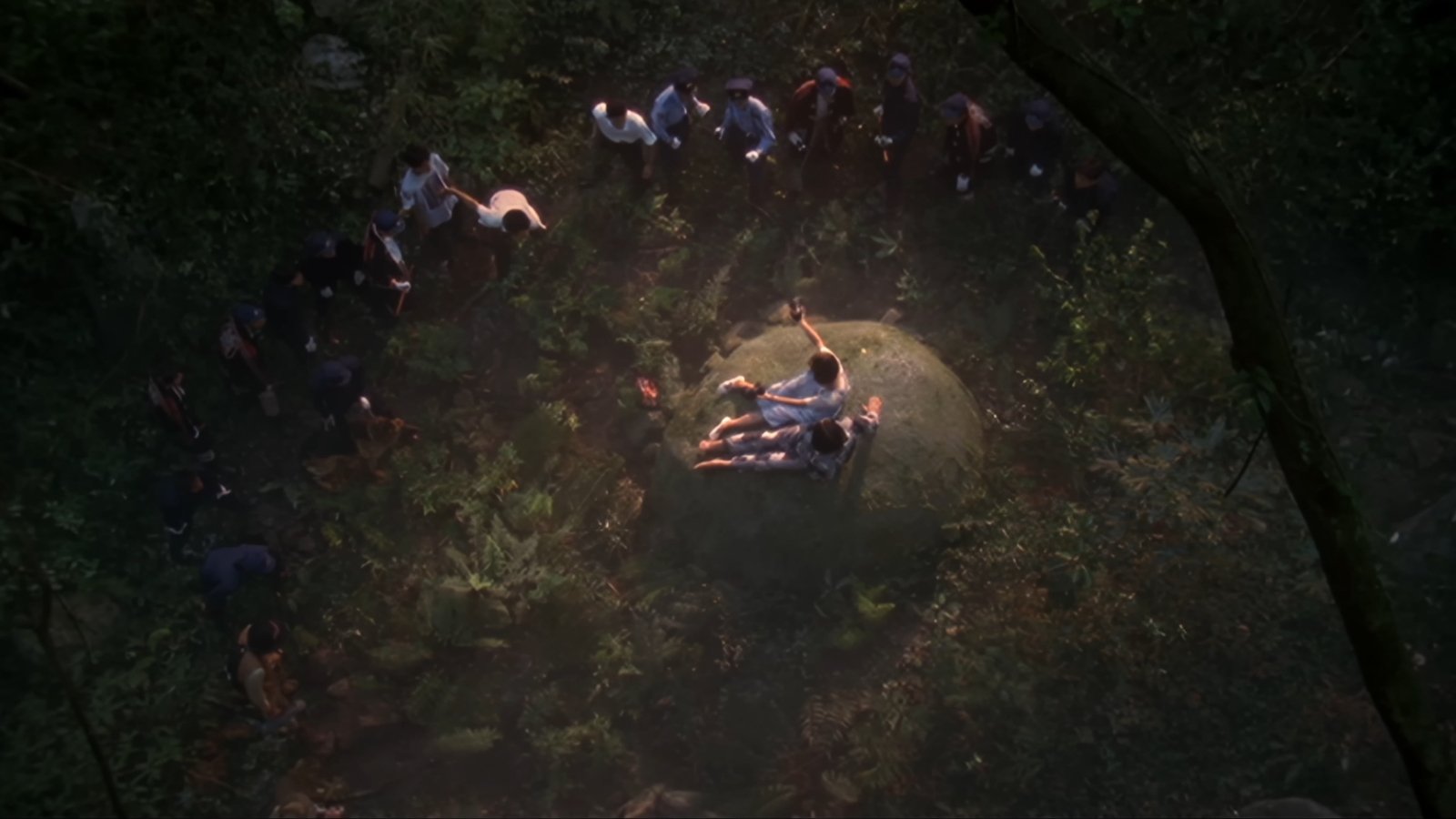
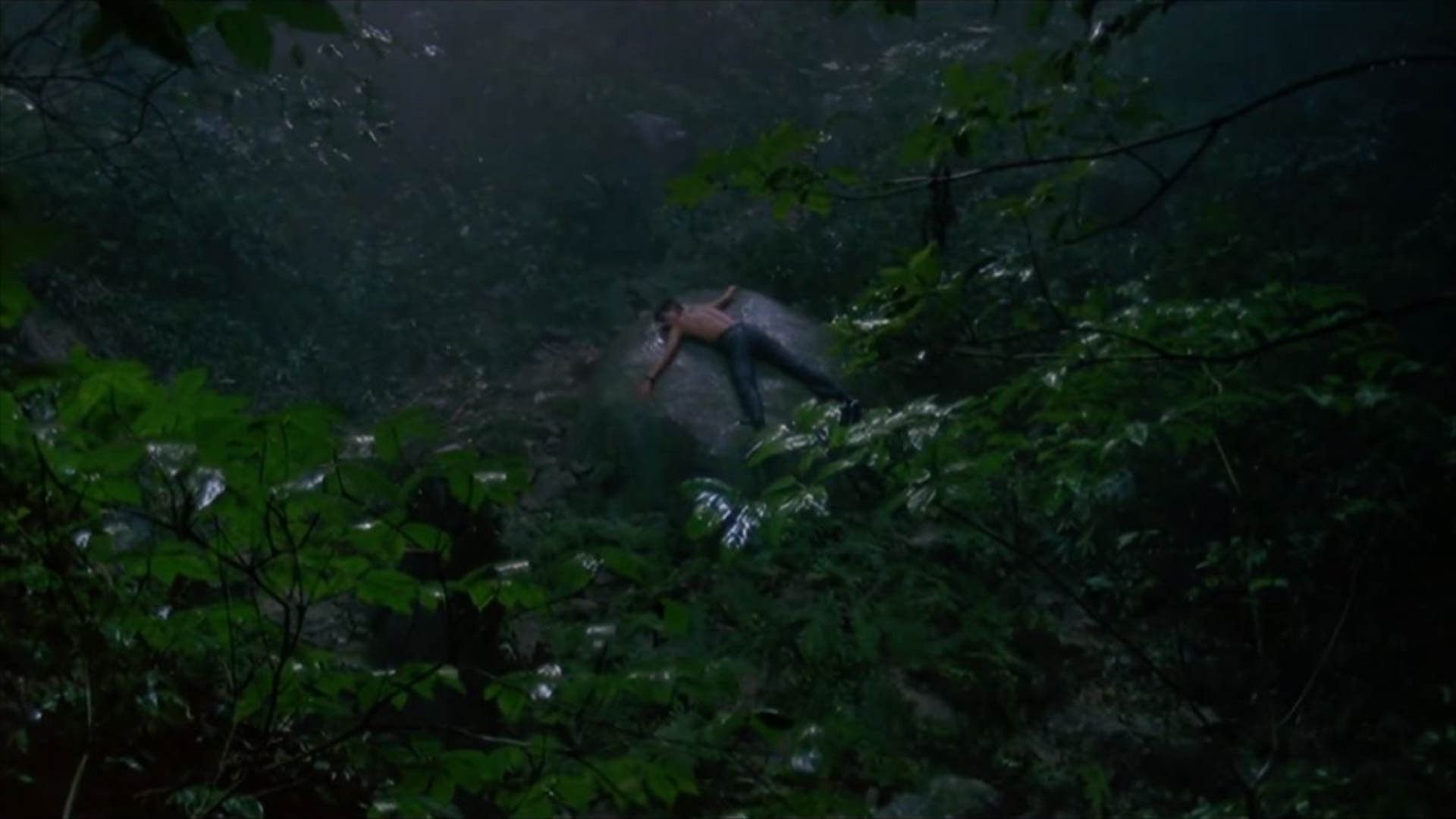
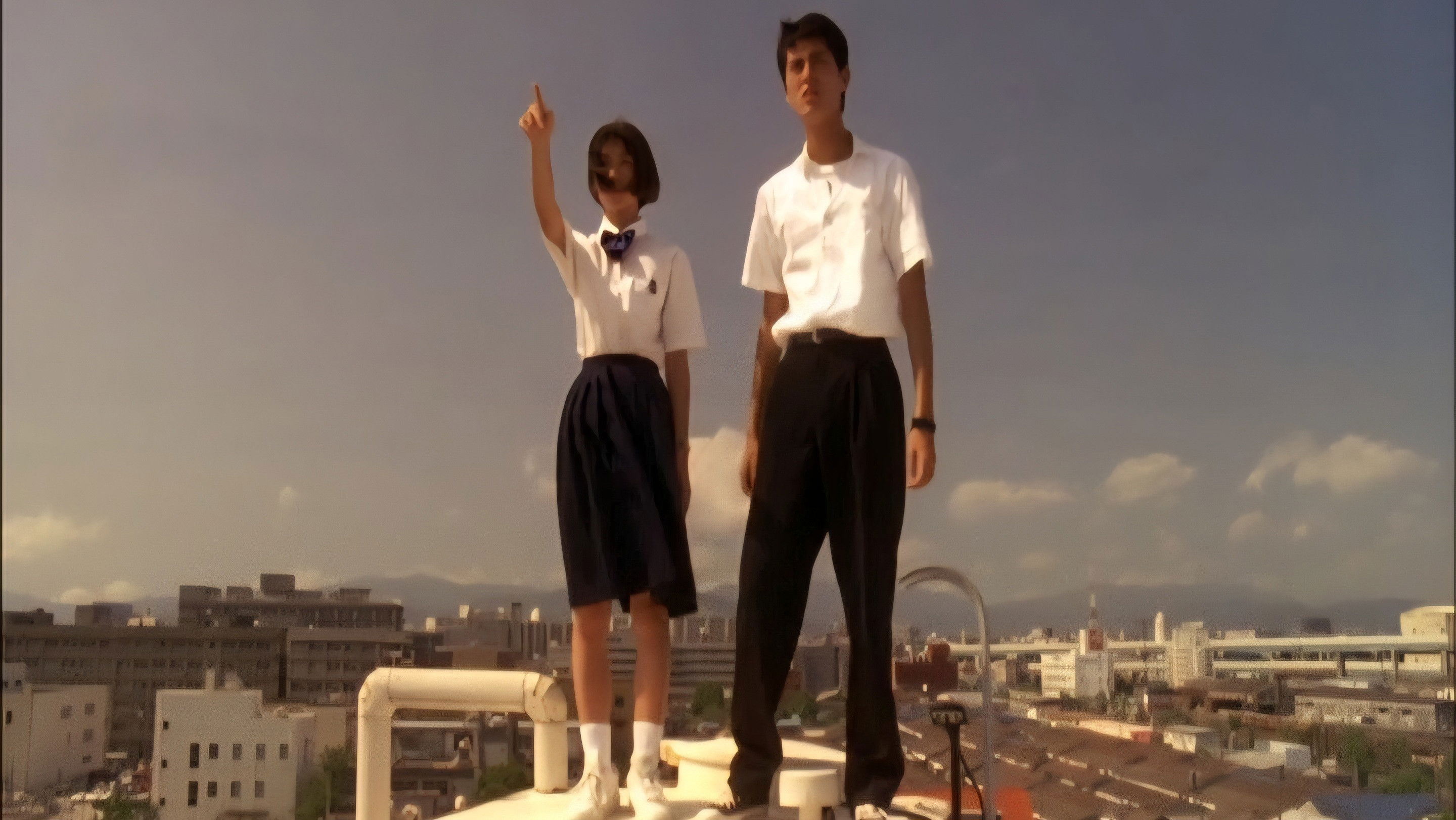
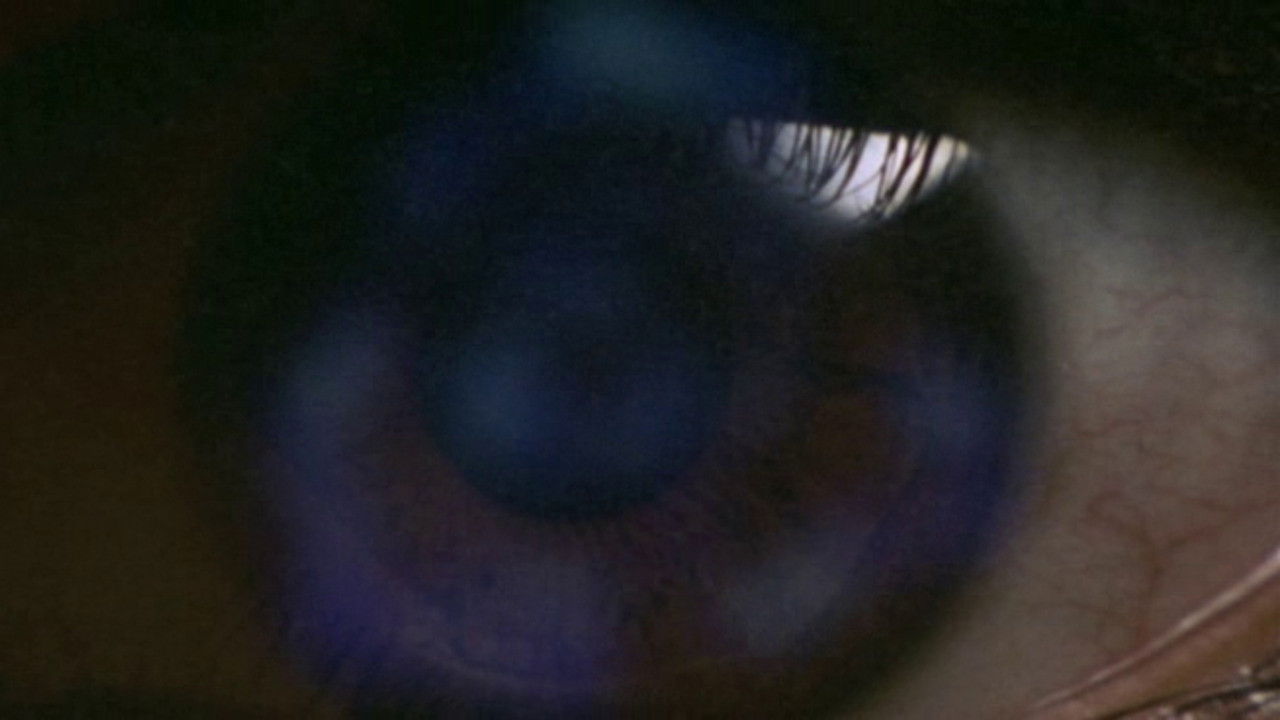
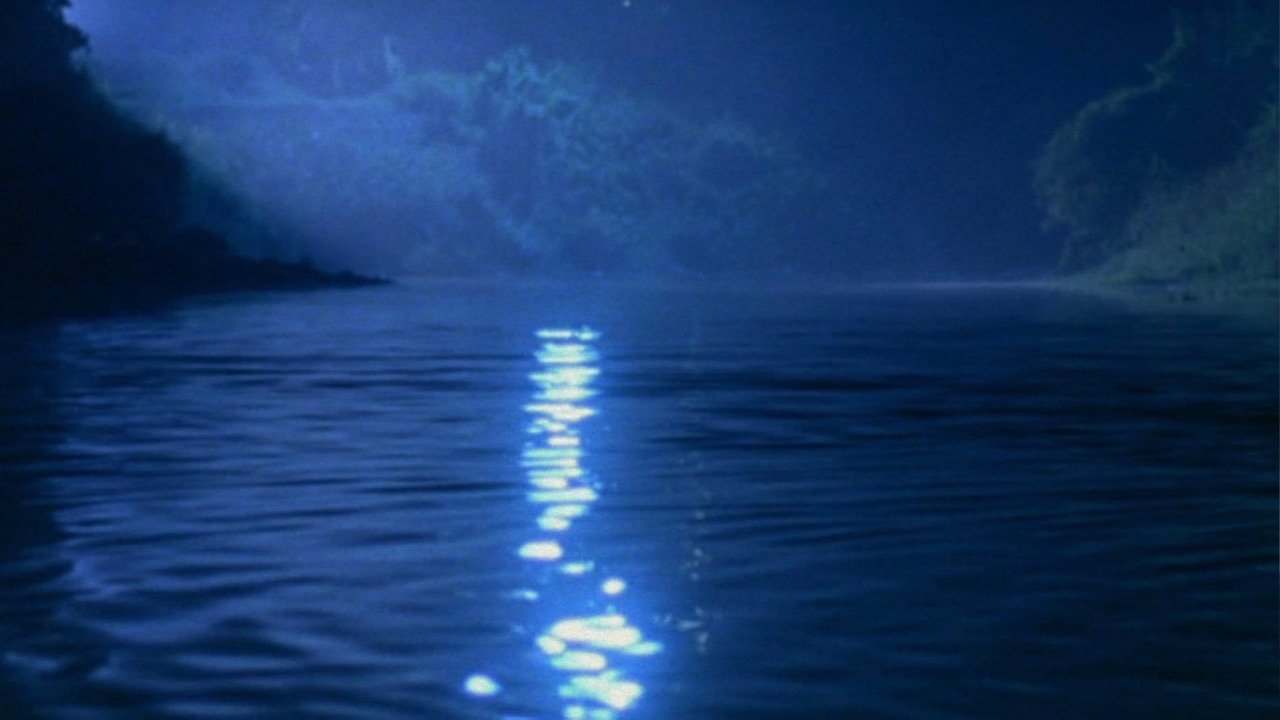
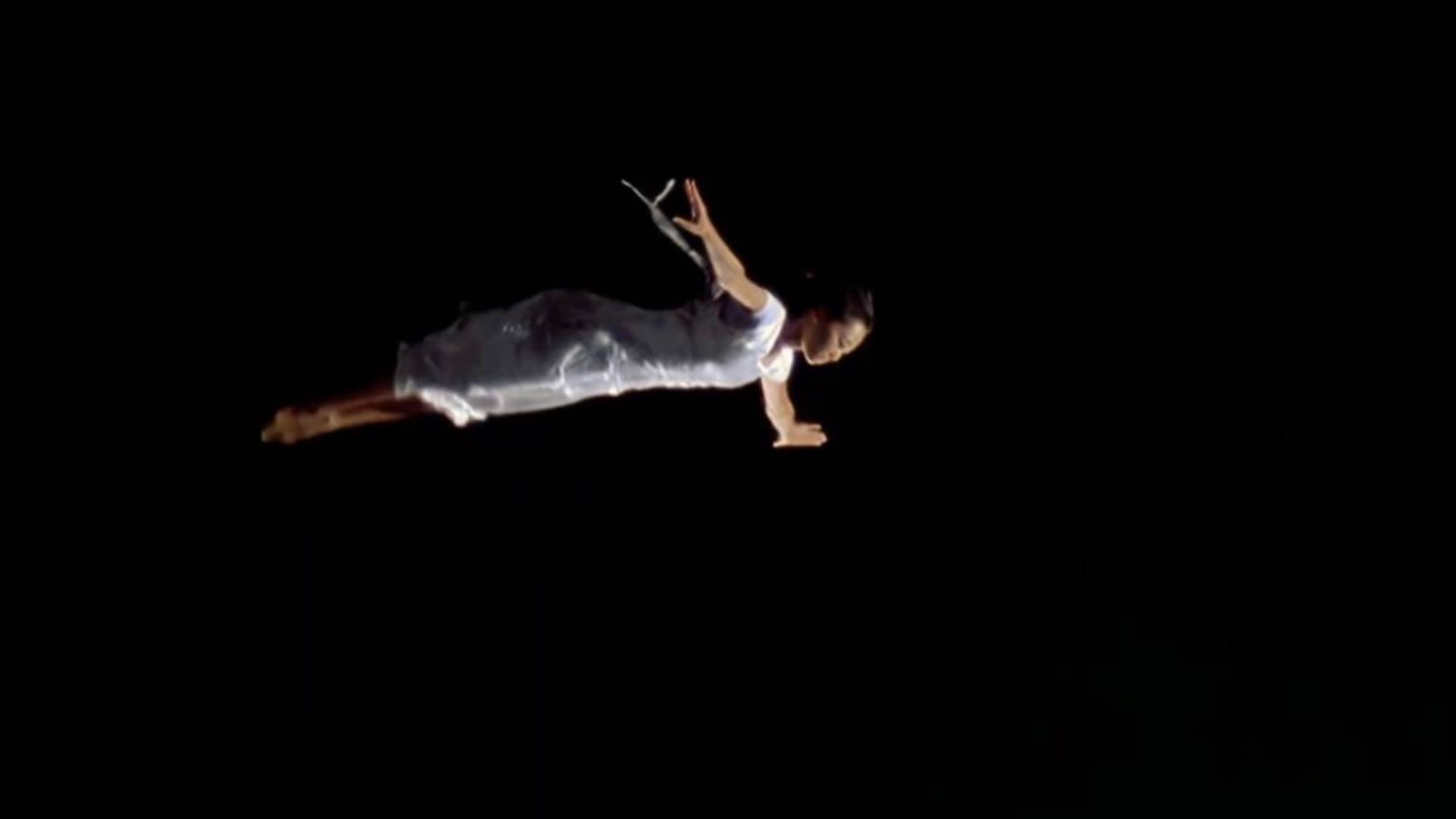
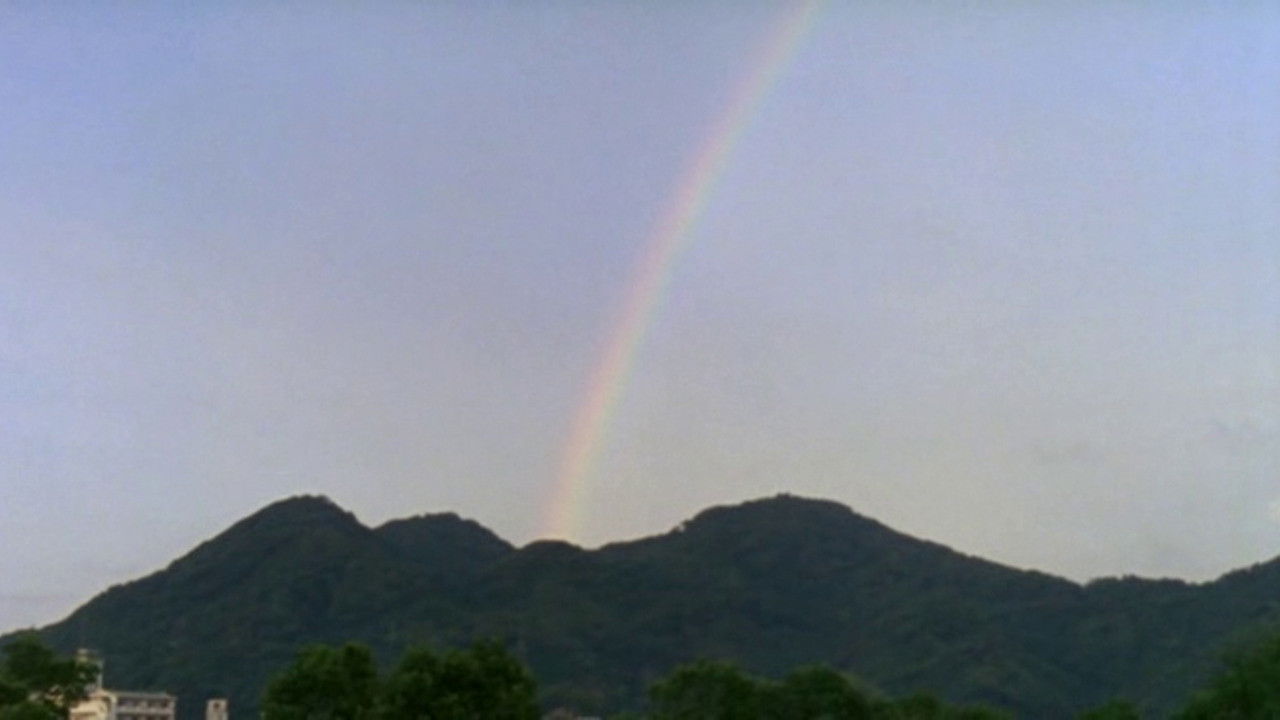
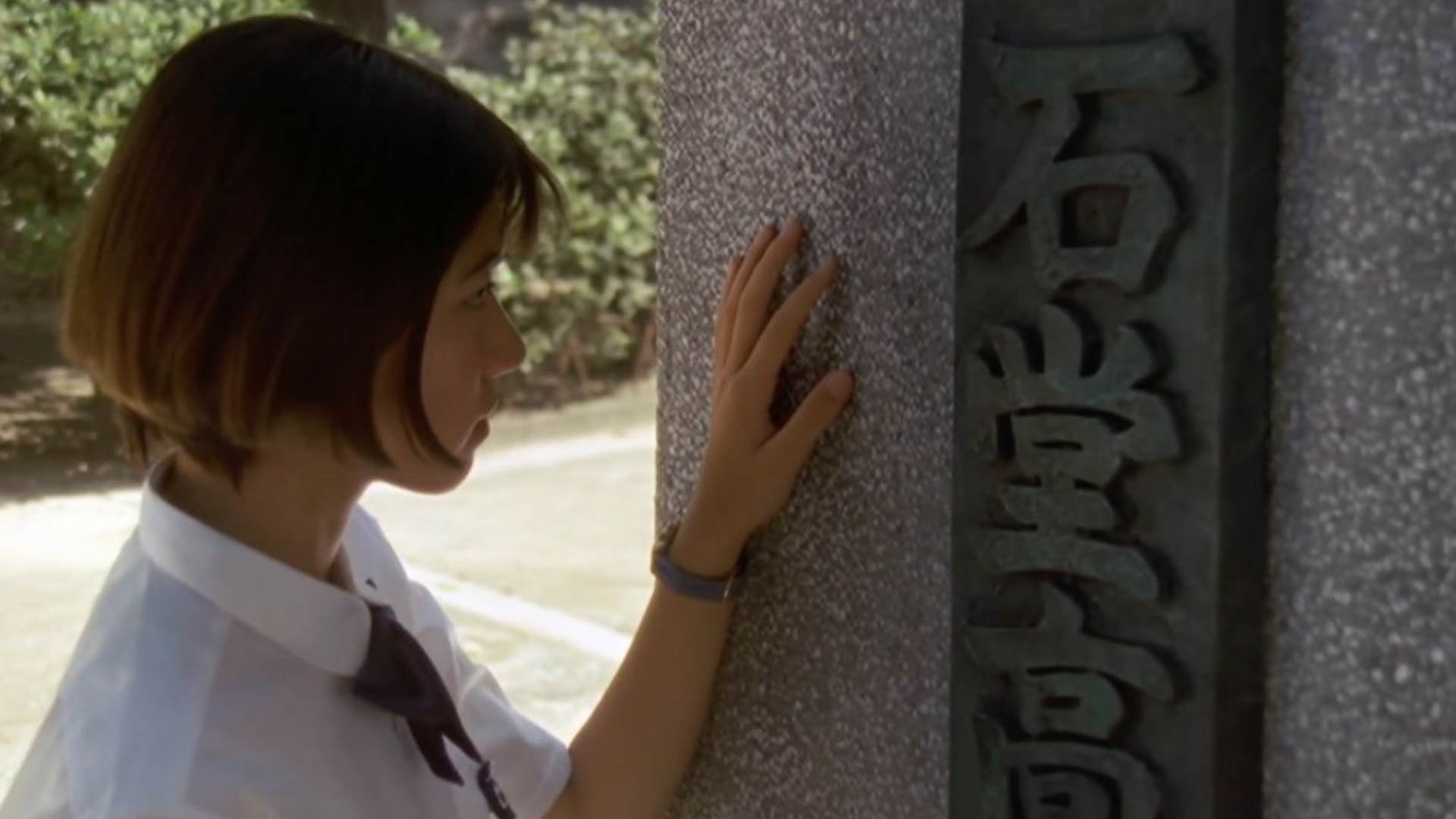
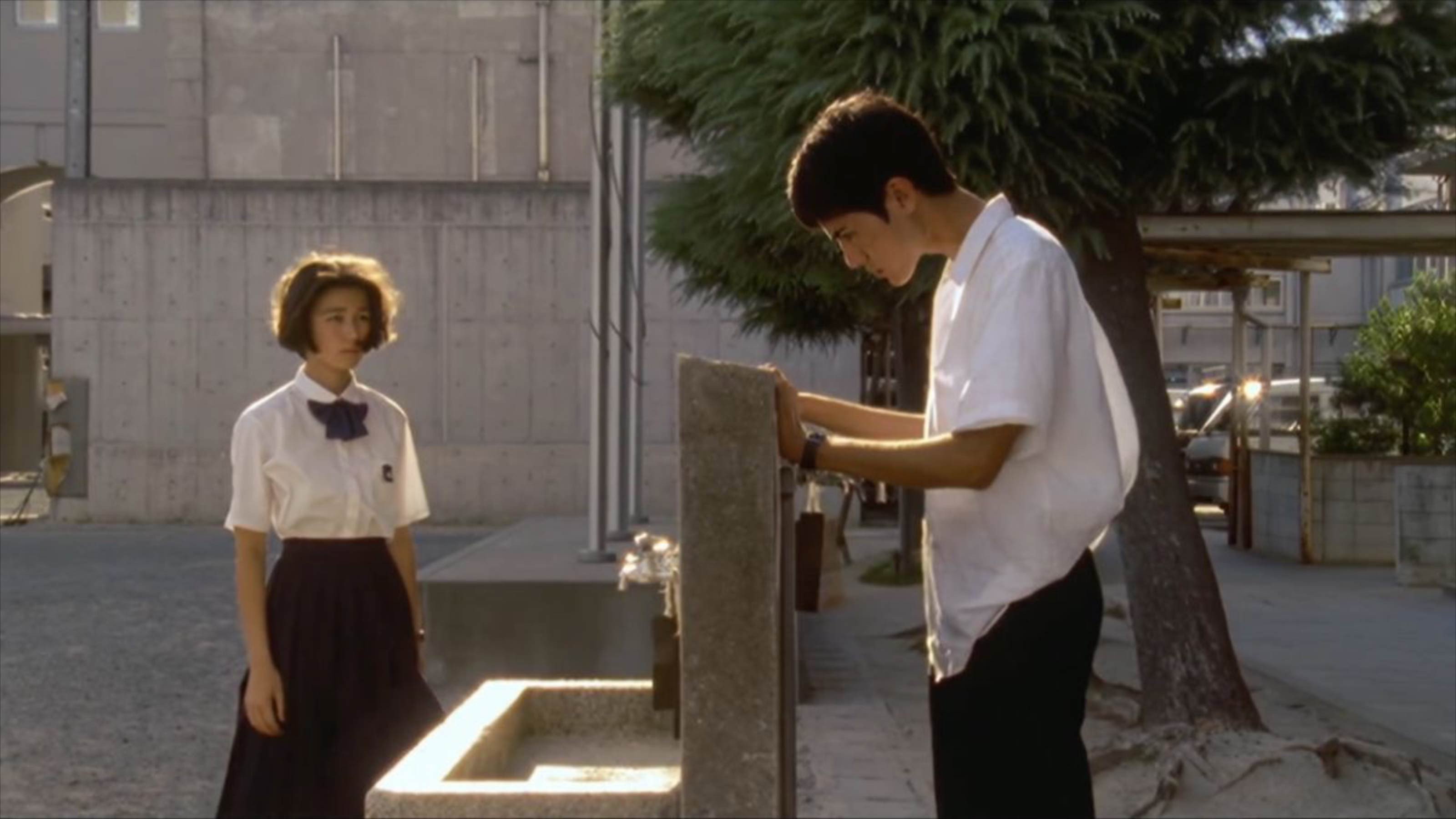
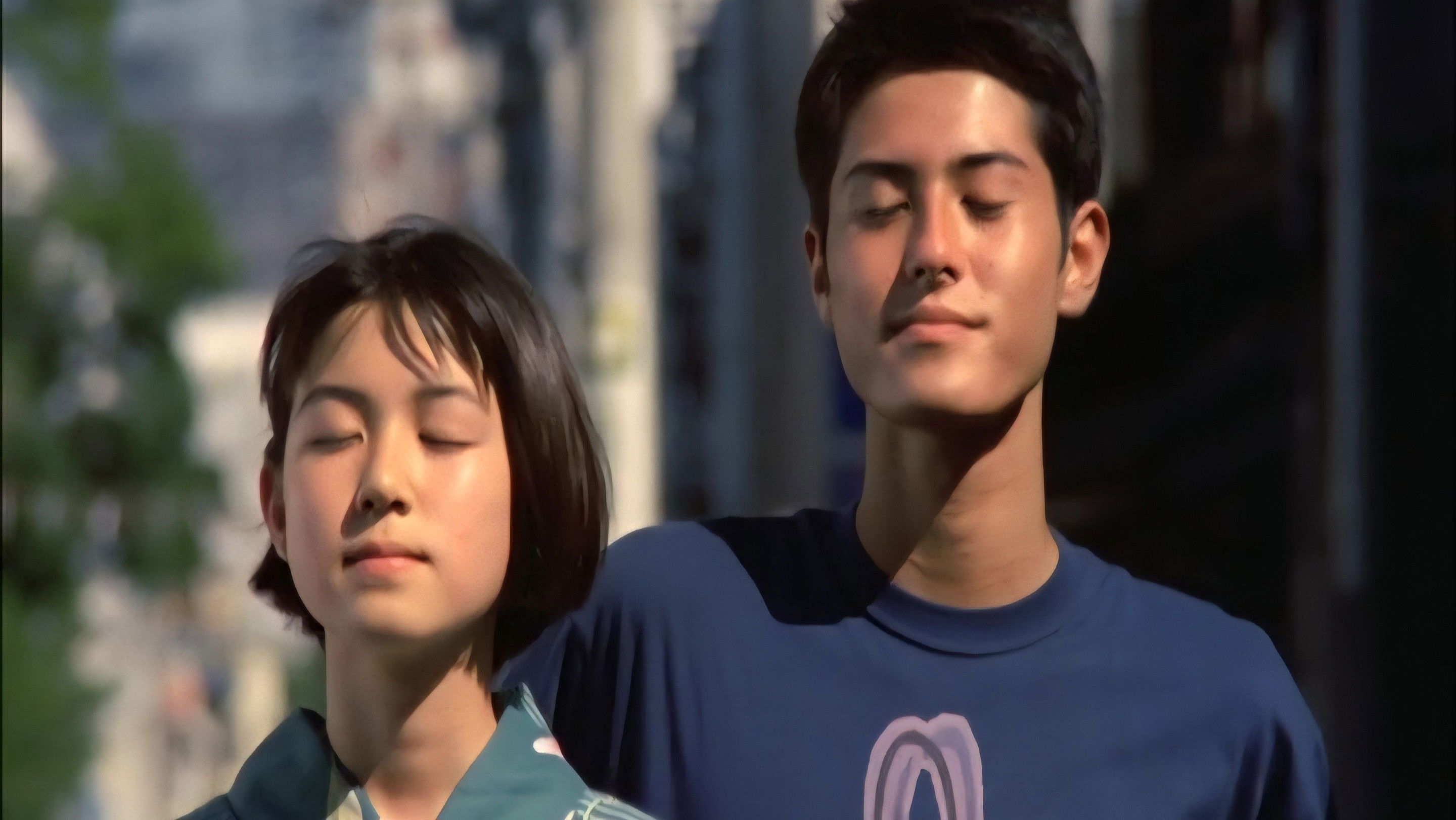
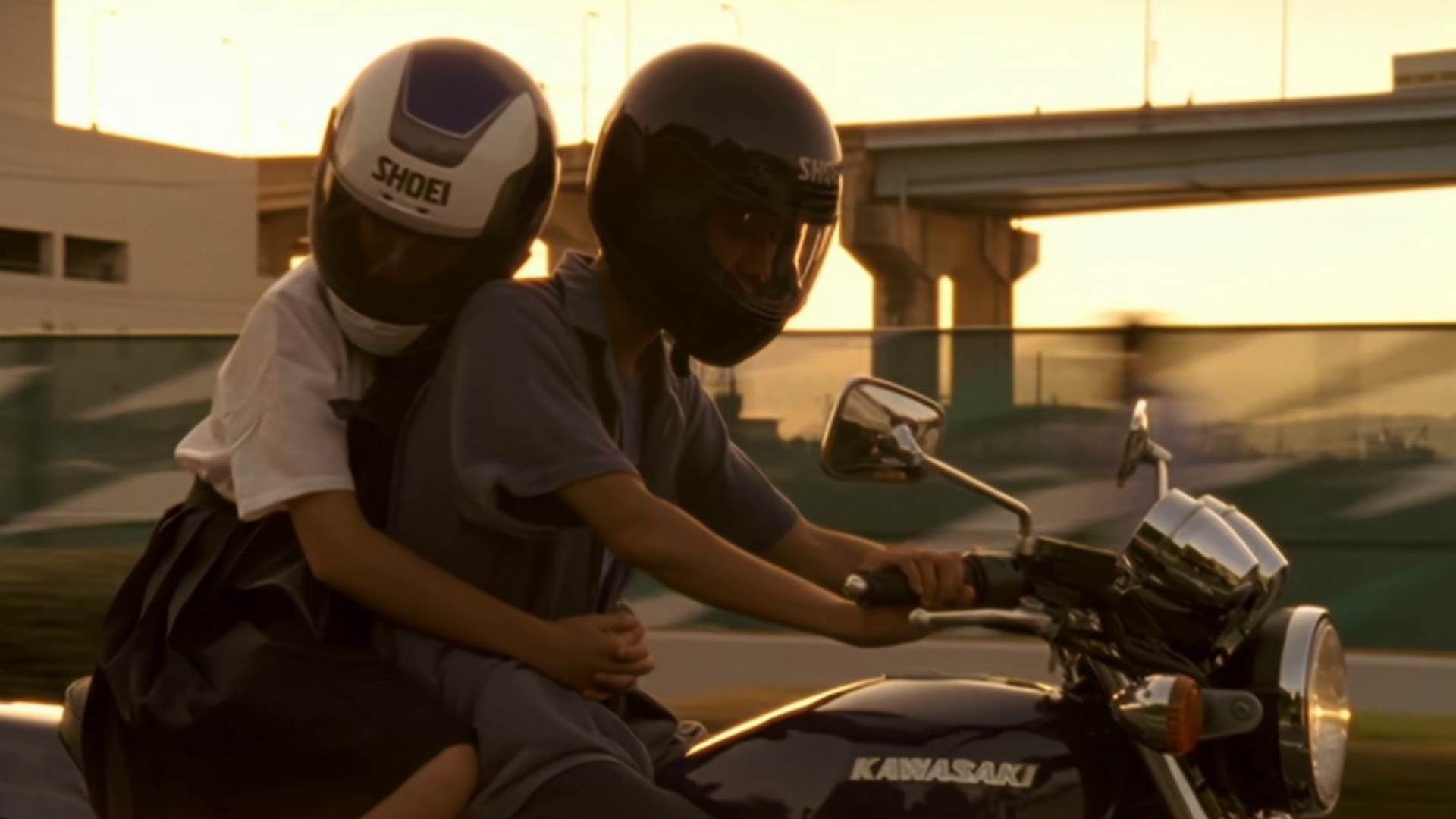
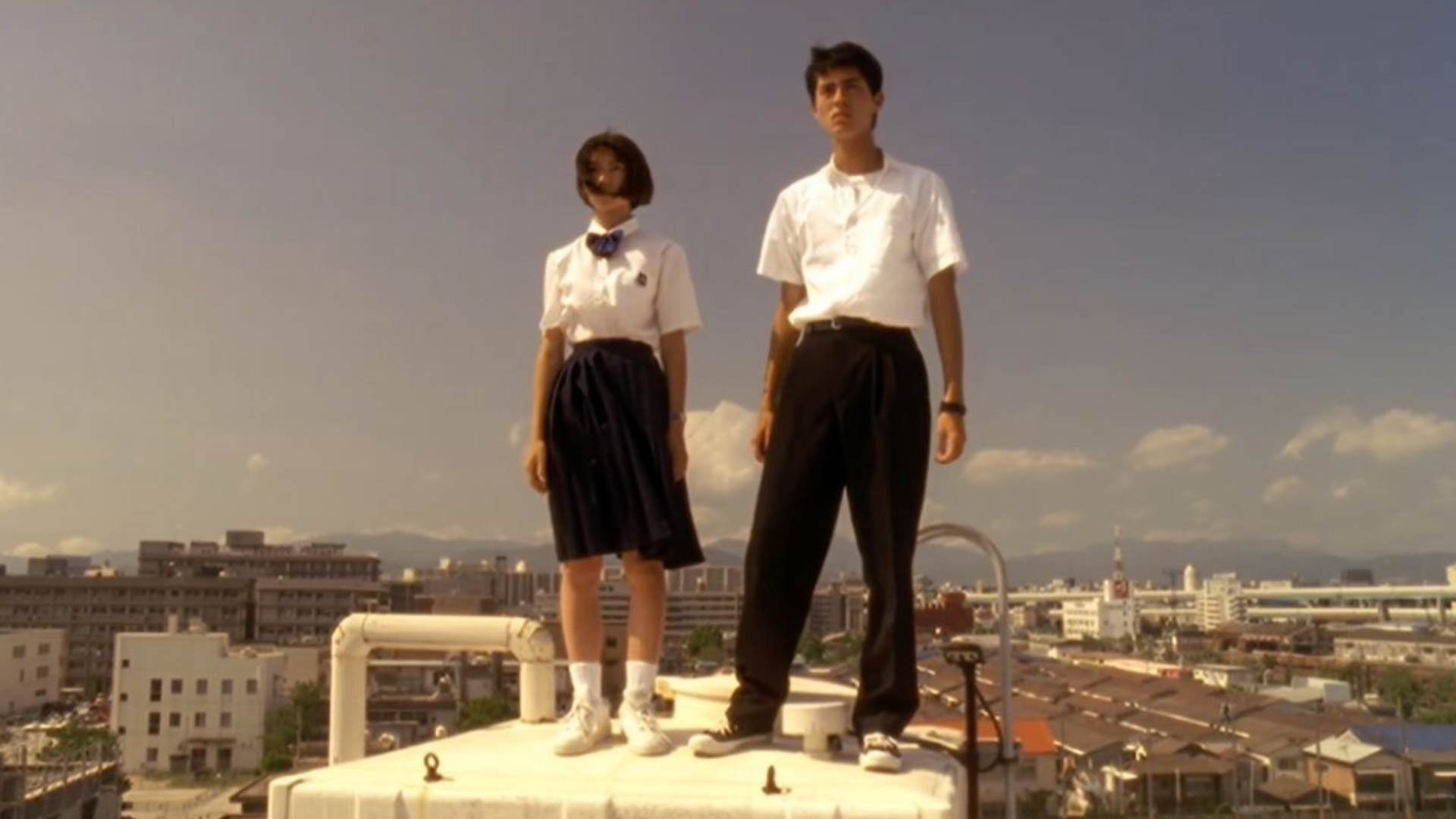
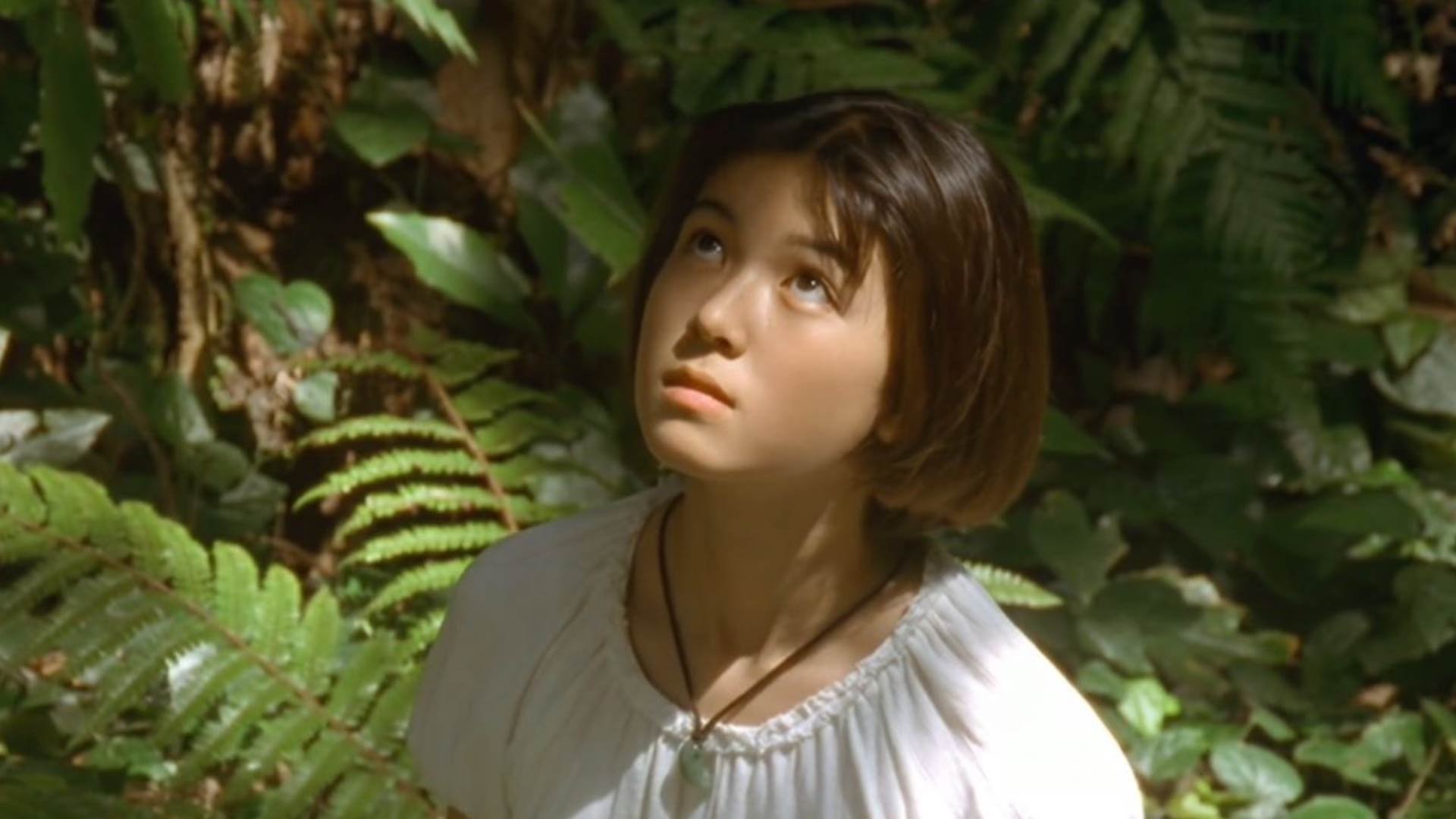
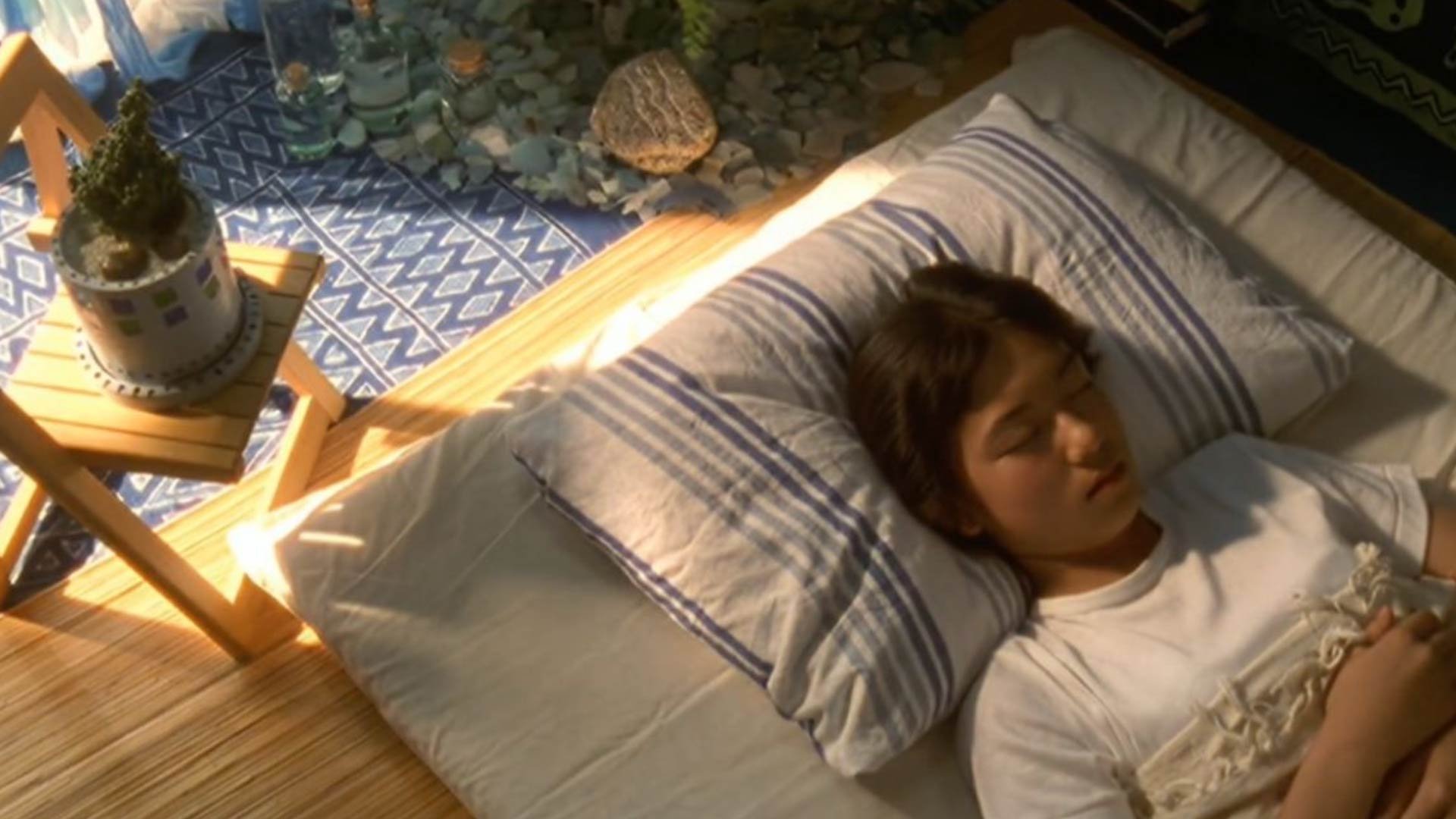
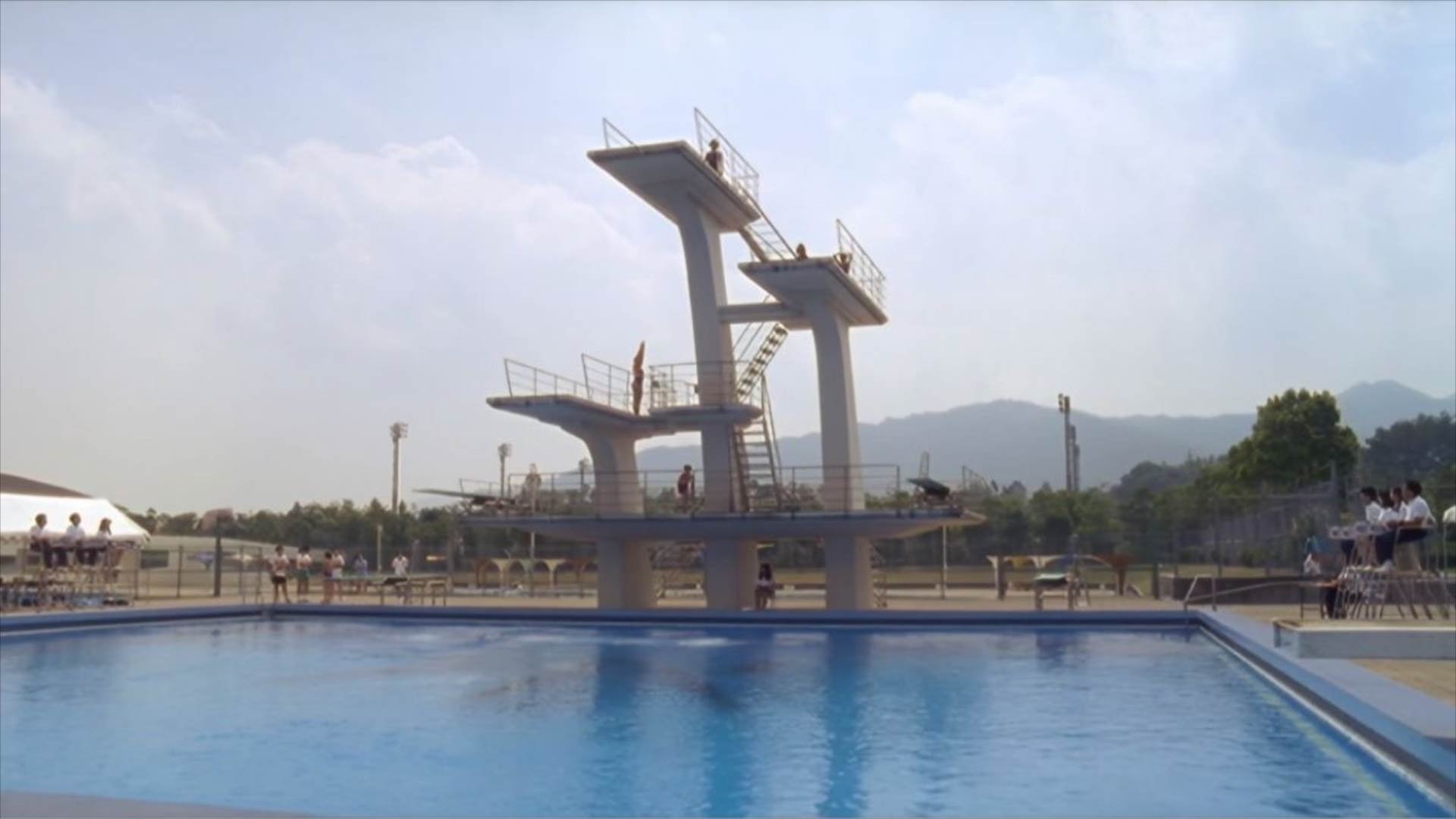
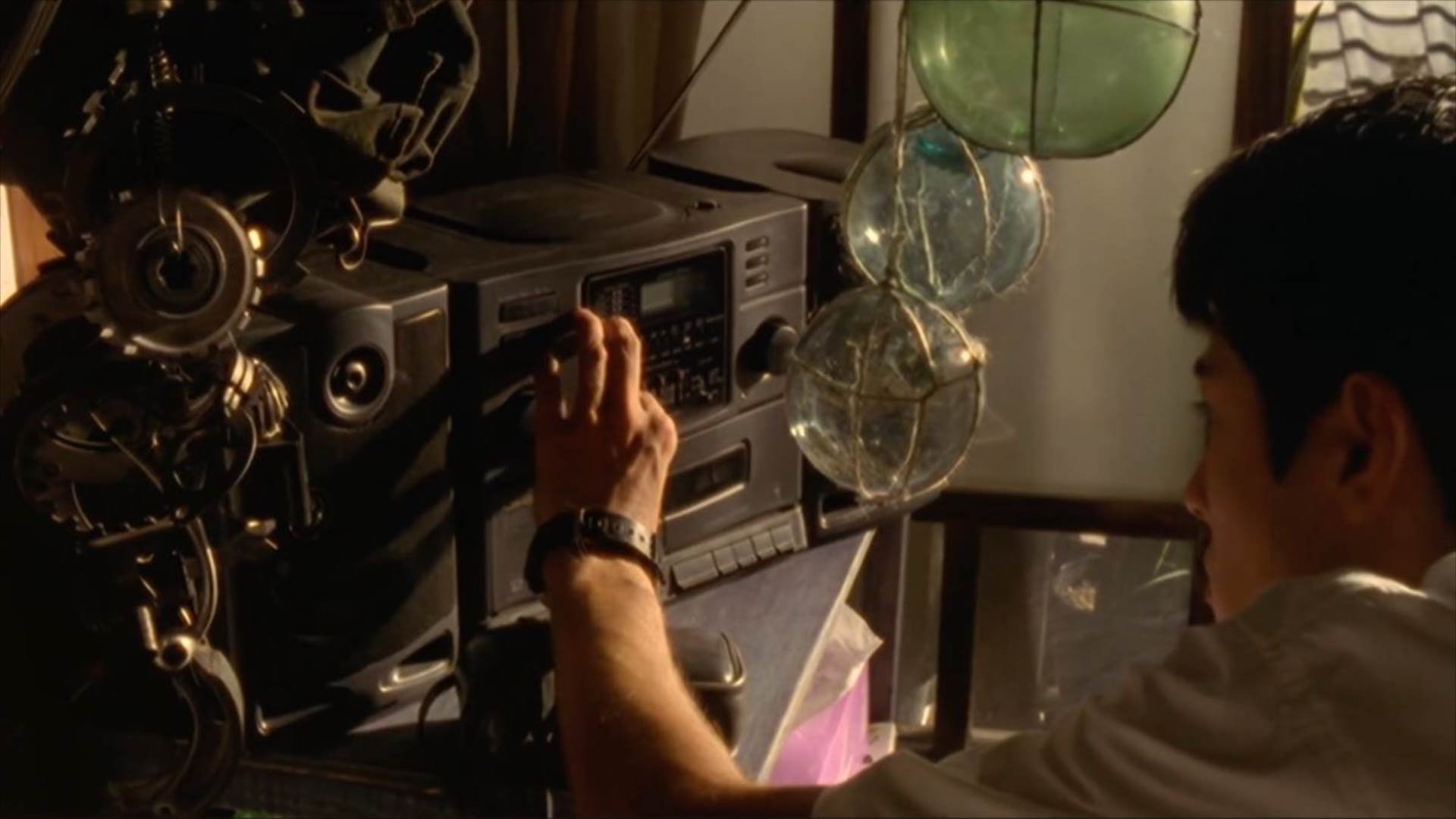
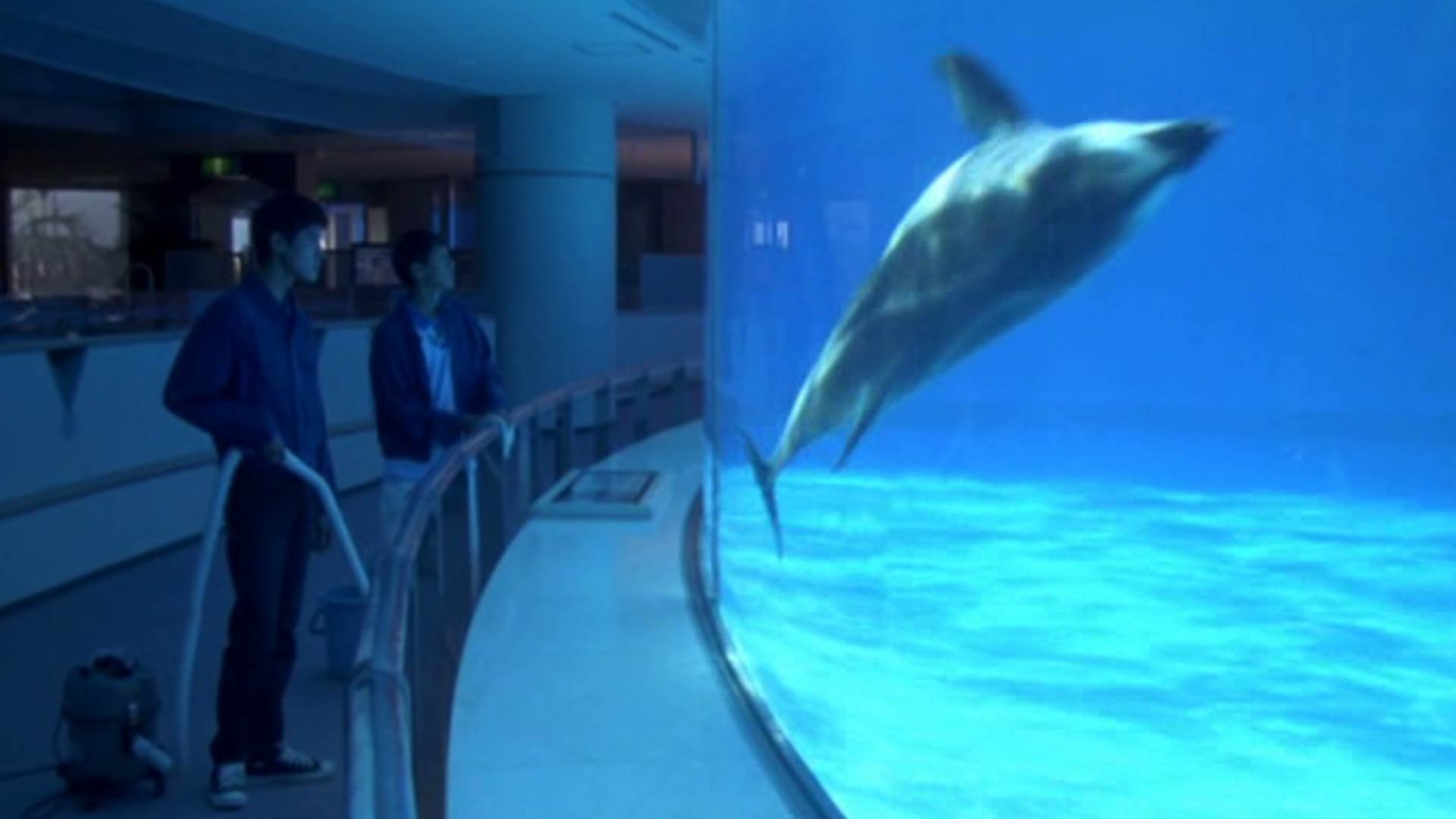
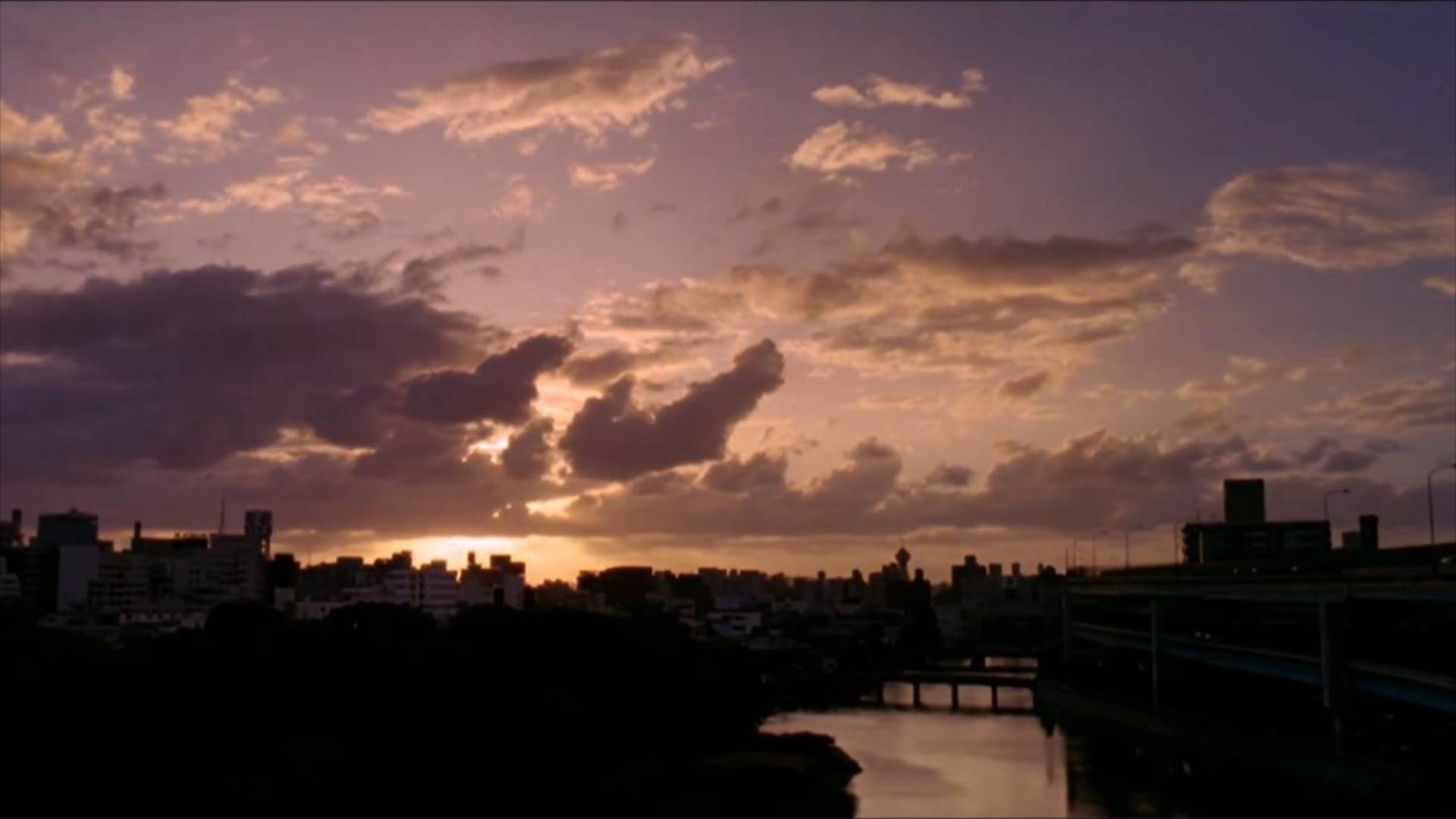
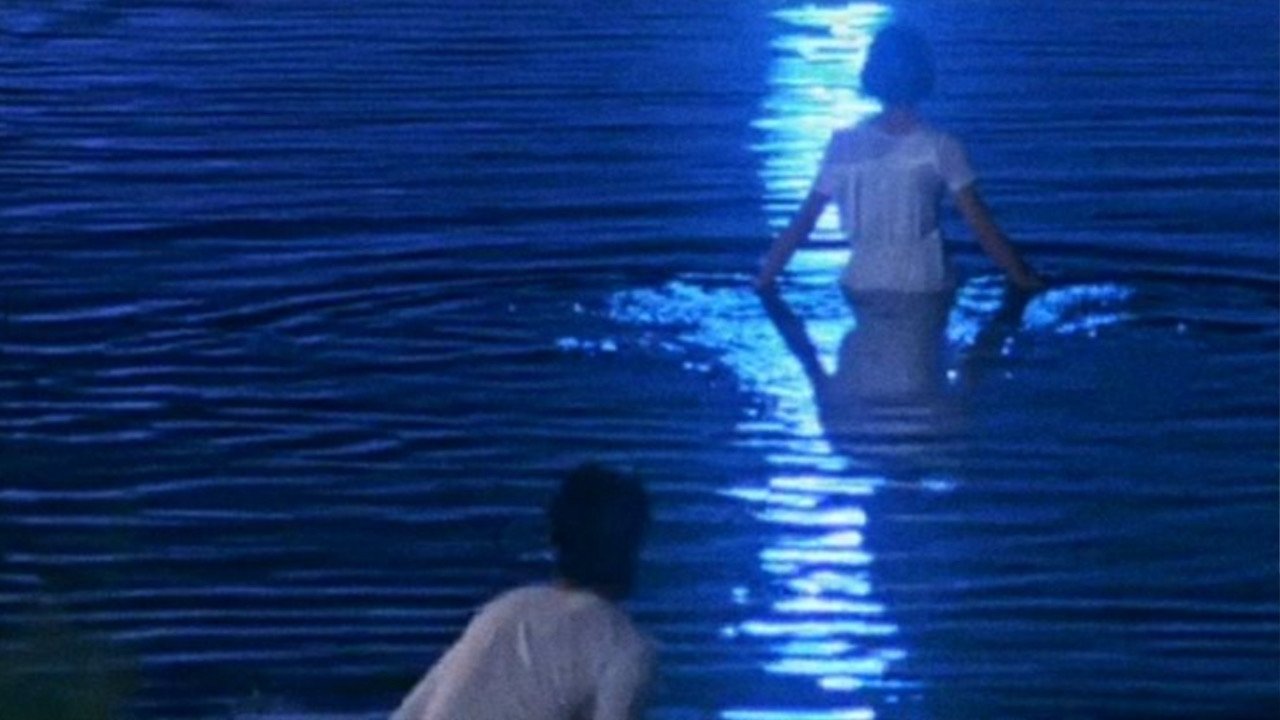
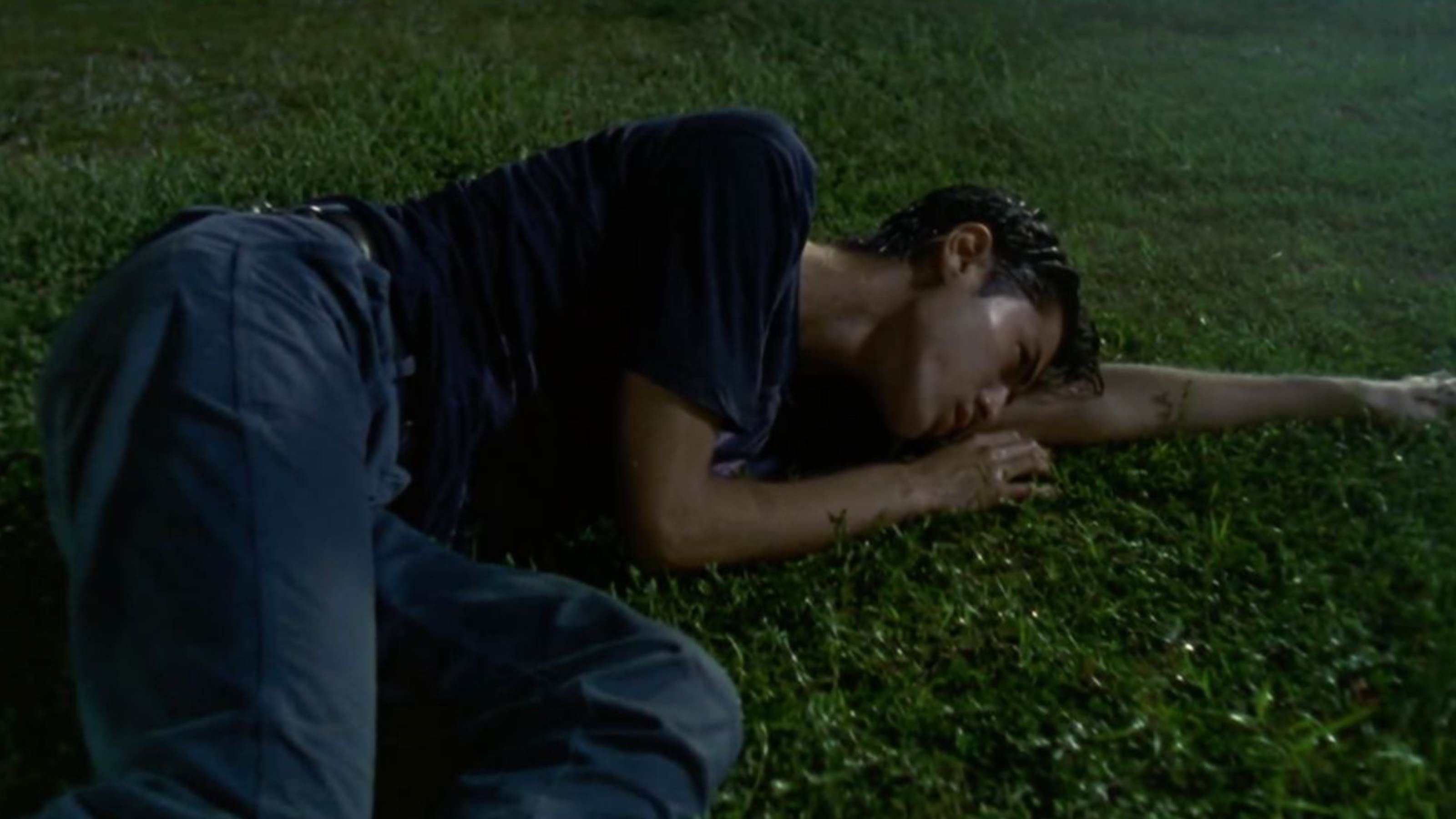
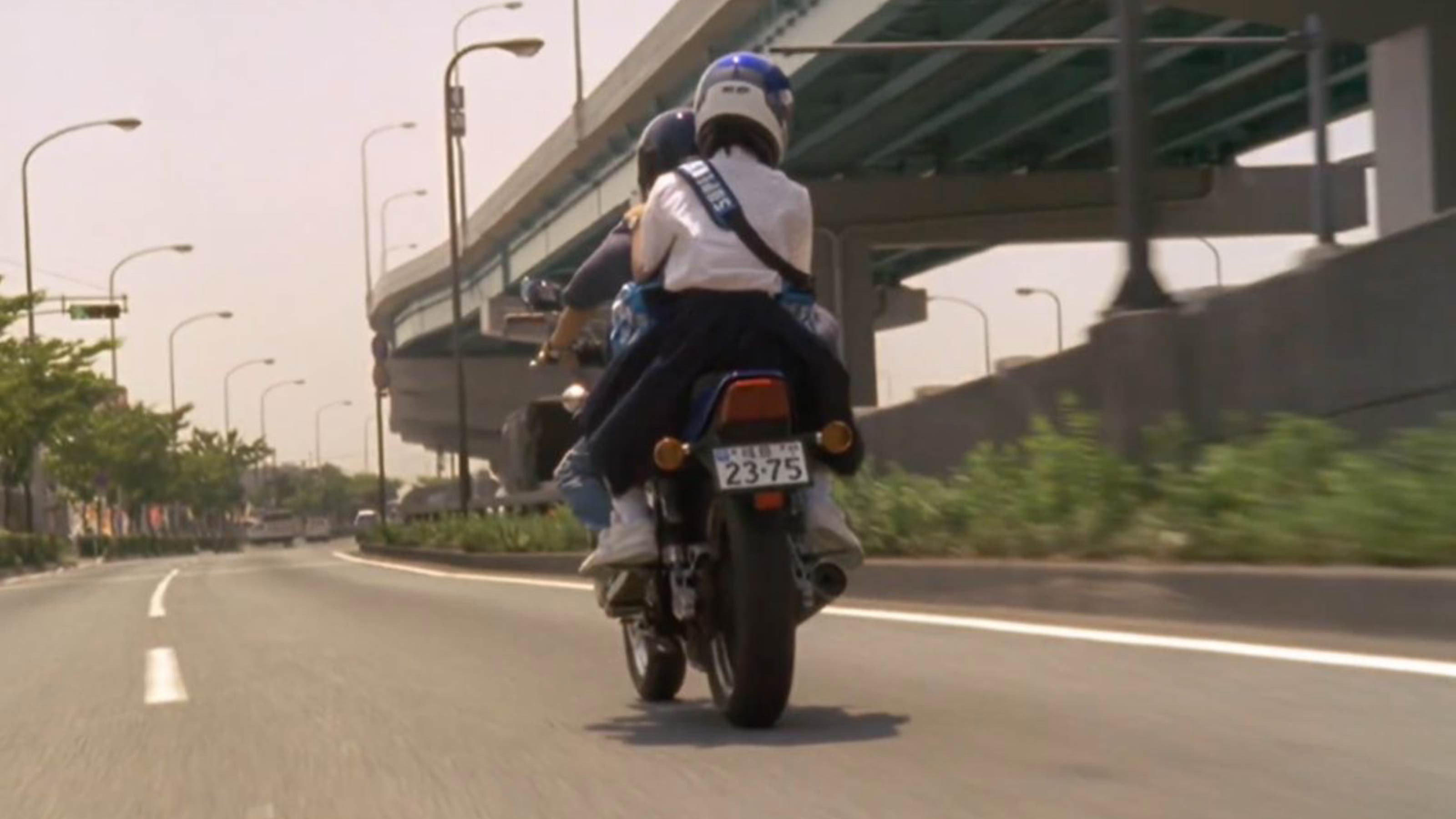
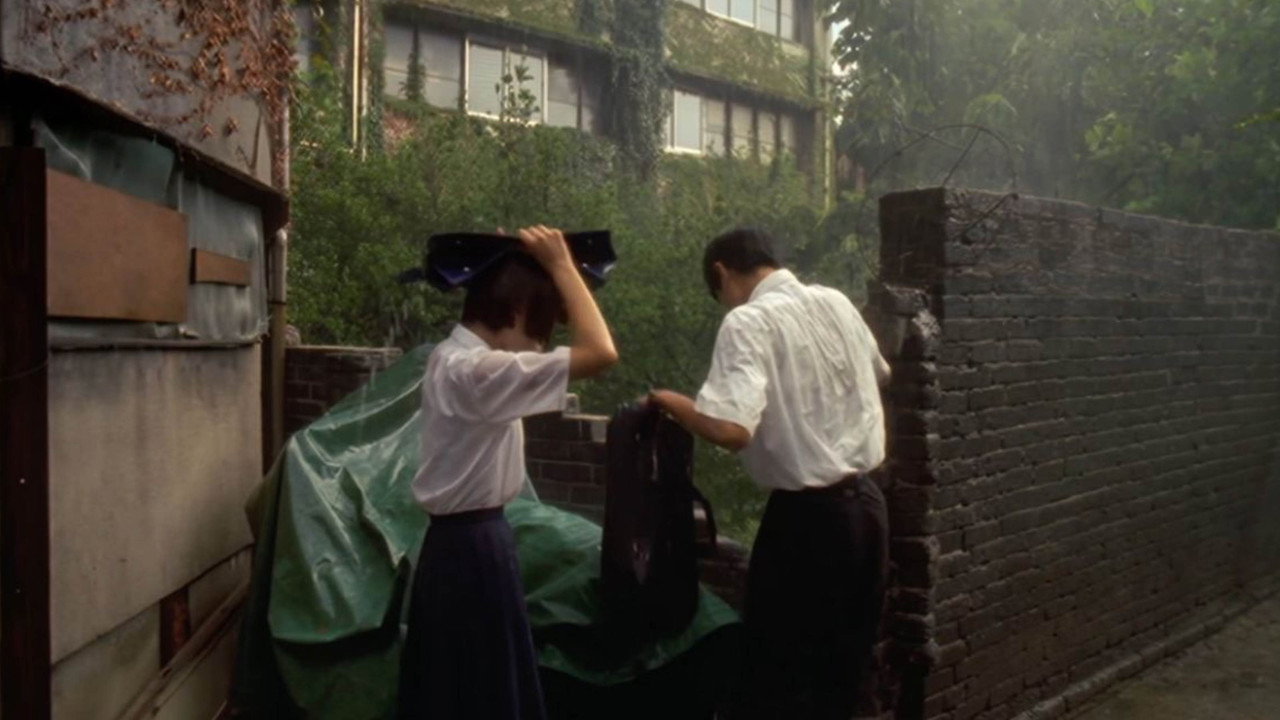
The visuals and sound design also strengthen that feeling. The lighting, stillness, reflections, and silence create a calm but slightly uncanny atmosphere, like reality is being observed from a distance. Nothing feels overly explained or grounded, which makes everything feel suspended between clarity and uncertainty.
What I appreciate most is how confident the film is in its ambiguity. It does not try to lock itself into a single meaning or interpretation. Instead, it leaves space for you to sit with it and project your own understanding onto it. That’s where the symbolism really works, it doesn’t feel forced, it feels open.
On a personal level, the film’s way of questioning reality is what makes it stick with me. It gives off this feeling that reality itself is not fully fixed—that what we experience as “real” might just be perception, memory, or something we cannot fully define. It reminded me of that uncomfortable but fascinating thought: we can never fully prove whether what we are experiencing right now is completely real, fully understood, or just something we are interpreting through our own mind.
That idea is what made it resonate with me the most. Not as a puzzle to solve, but as a feeling to sit with.
Even if not every moment is clear in a literal sense, the emotional and philosophical thread is. You do not need to fully decode it to feel its weight. It’s the kind of film that stays with you because it changes how you think about reality while you’re inside it.
August in the Water feels less like watching a movie and more like drifting through someone else’s memory. It’s one of those films where trying to explain the plot almost misses the point, because what really stays with you is the atmosphere, the feeling, and the emotional weight behind every scene.
The film moves in a quiet, dreamlike rhythm where reality, memory, nature, and spirituality all slowly blur into each other. There were moments where I couldn’t immediately explain what was happening in a literal sense, but emotionally it still felt very clear. The film doesn’t rely on exposition or structure, it relies on mood and experience.
What stood out most to me is how it uses water as a symbol for everything unstable in human experience. Identity, time, memory, even reality itself feel like they are constantly shifting and dissolving. By the end, it becomes less about “what exactly happened” and more about what it feels like to exist inside something that cannot fully be defined.
The line:
“Sometimes I become uncertain if it was real, dream, or just memories, and whether I’m alive or not.”
perfectly captures that idea. It does not just apply to the character—it feels like it reflects a broader question about perception itself. The film blurs that boundary between what is real and what is experienced so much that it starts to feel universal.
The visuals and sound design also strengthen that feeling. The lighting, stillness, reflections, and silence create a calm but slightly uncanny atmosphere, like reality is being observed from a distance. Nothing feels overly explained or grounded, which makes everything feel suspended between clarity and uncertainty.
What I appreciate most is how confident the film is in its ambiguity. It does not try to lock itself into a single meaning or interpretation. Instead, it leaves space for you to sit with it and project your own understanding onto it. That’s where the symbolism really works, it doesn’t feel forced, it feels open.
On a personal level, the film’s way of questioning reality is what makes it stick with me. It gives off this feeling that reality itself is not fully fixed—that what we experience as “real” might just be perception, memory, or something we cannot fully define. It reminded me of that uncomfortable but fascinating thought: we can never fully prove whether what we are experiencing right now is completely real, fully understood, or just something we are interpreting through our own mind.
That idea is what made it resonate with me the most. Not as a puzzle to solve, but as a feeling to sit with.
Even if not every moment is clear in a literal sense, the emotional and philosophical thread is. You do not need to fully decode it to feel its weight. It’s the kind of film that stays with you because it changes how you think about reality while you’re inside it.