
Woman of the Lake
1966·Drama·1h 42m
7.1
★
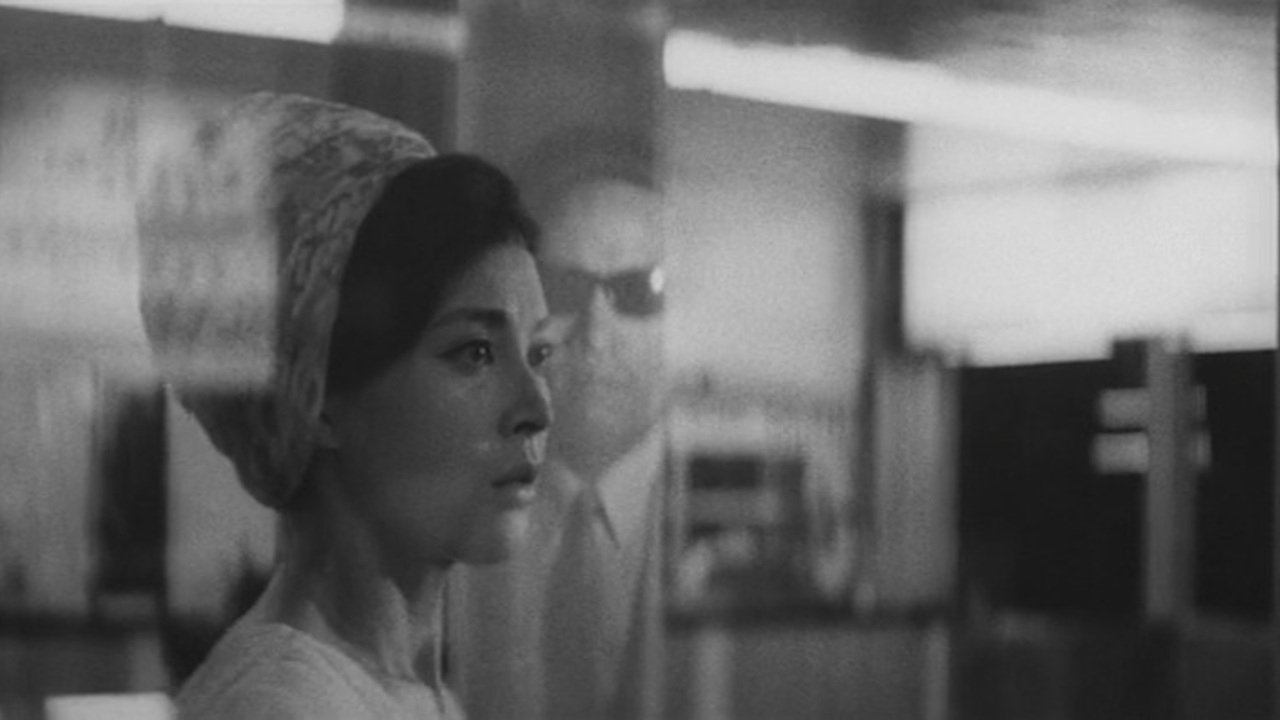
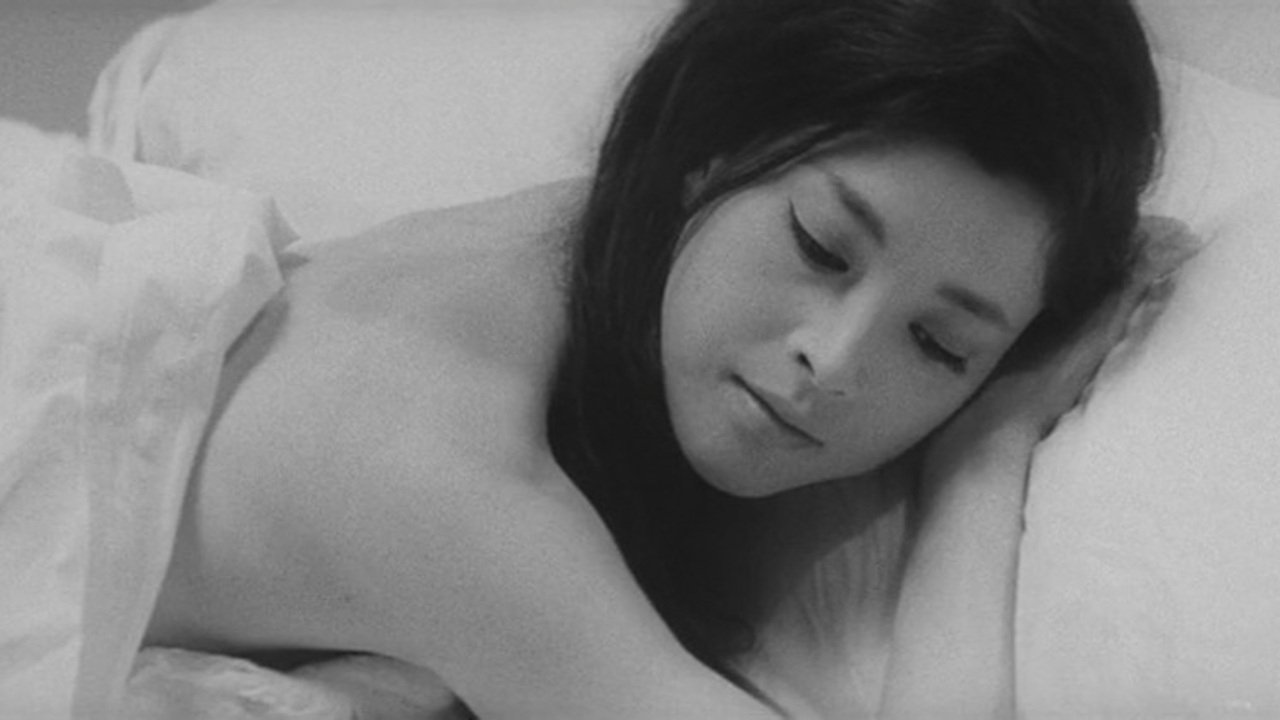

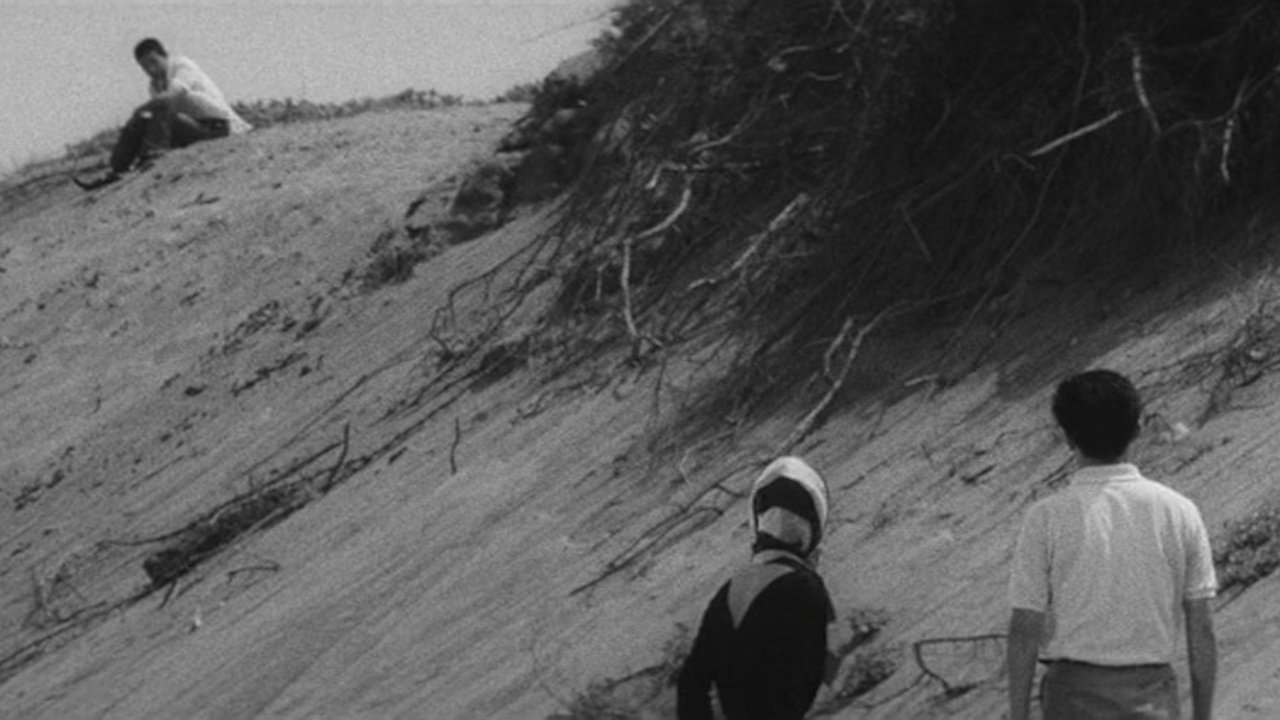
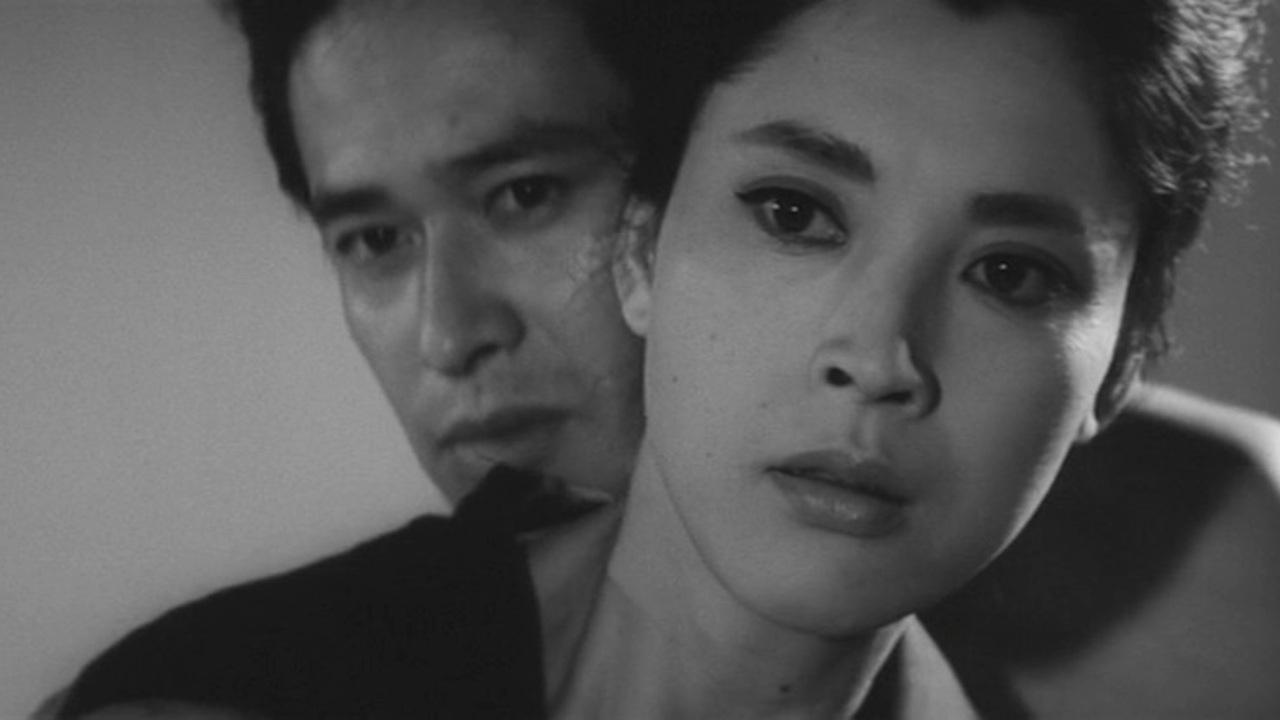
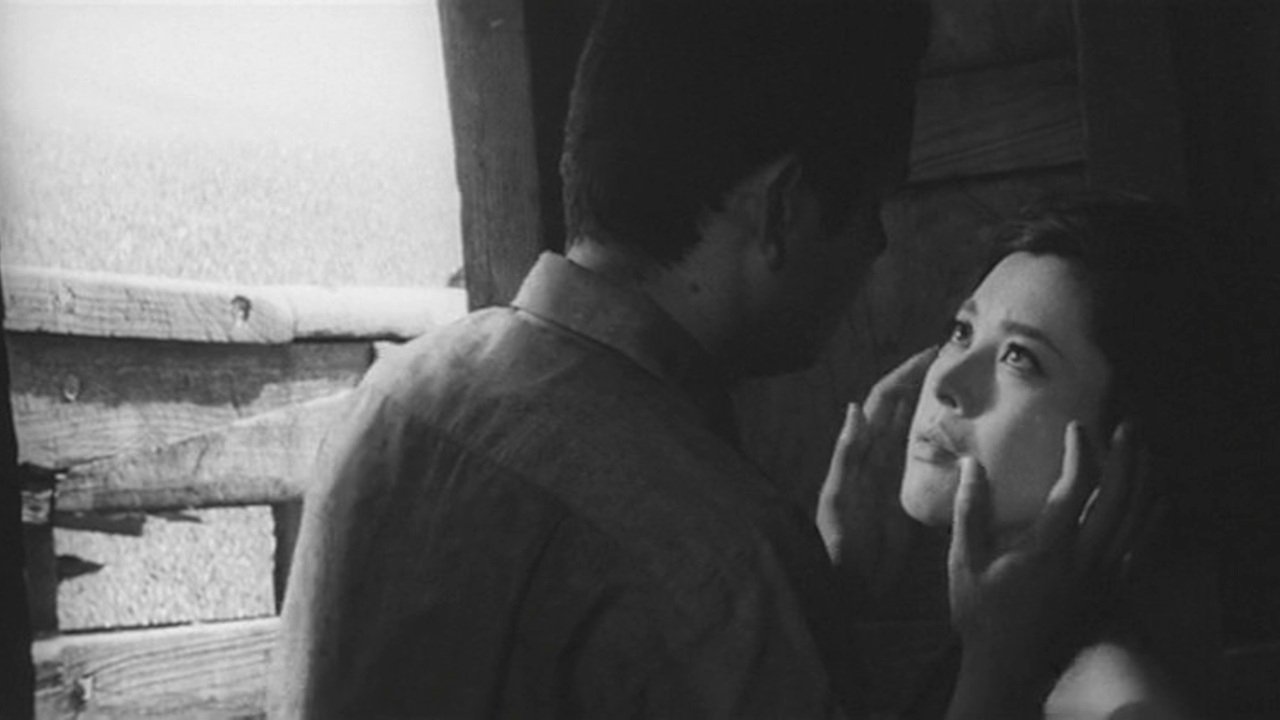
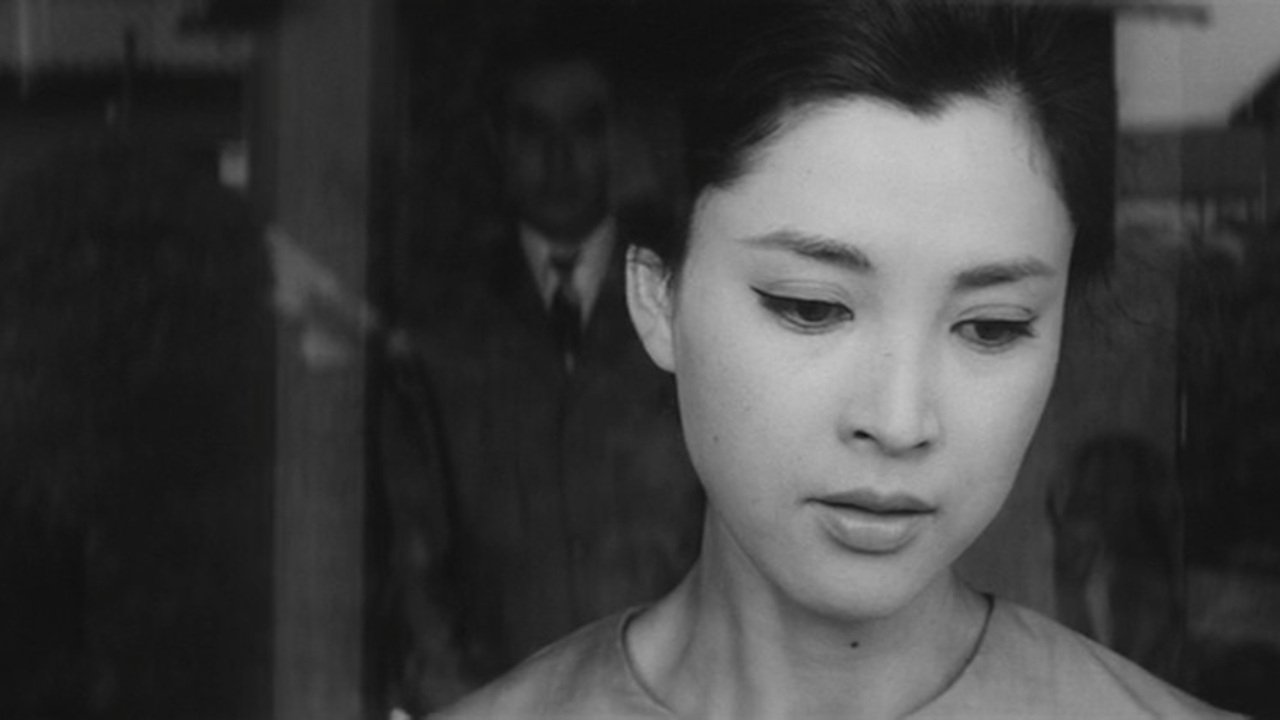
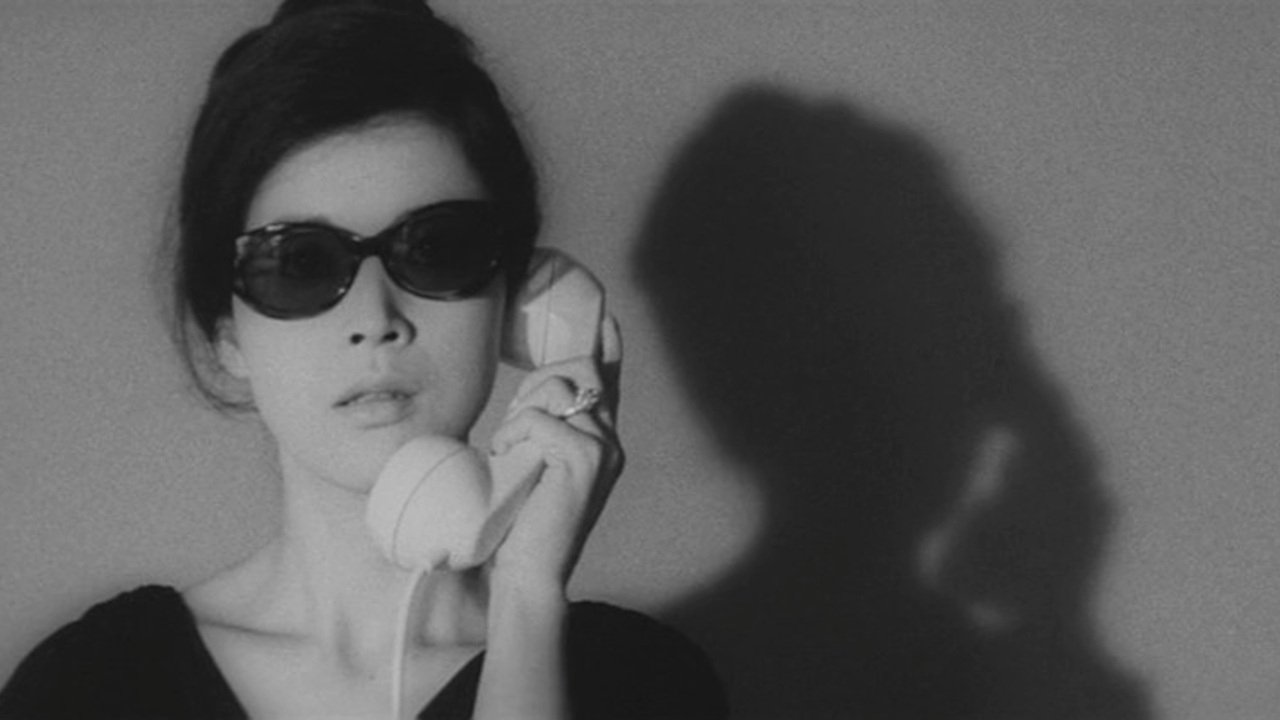
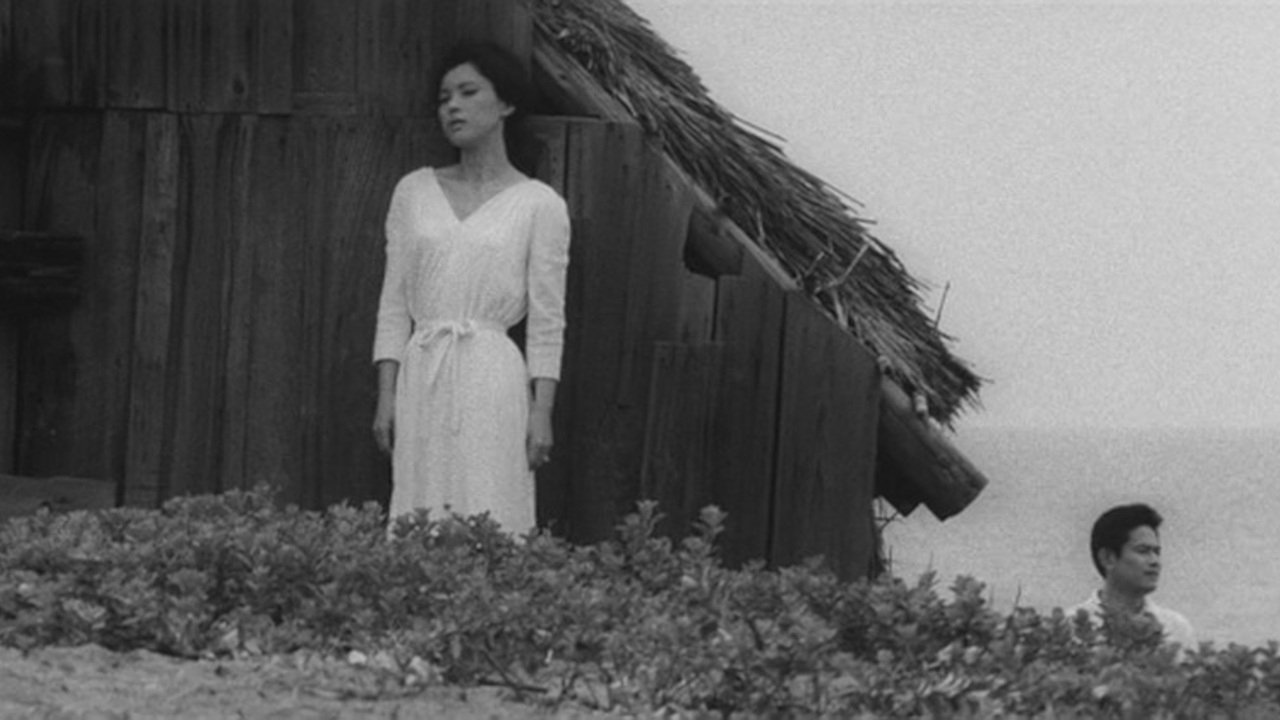
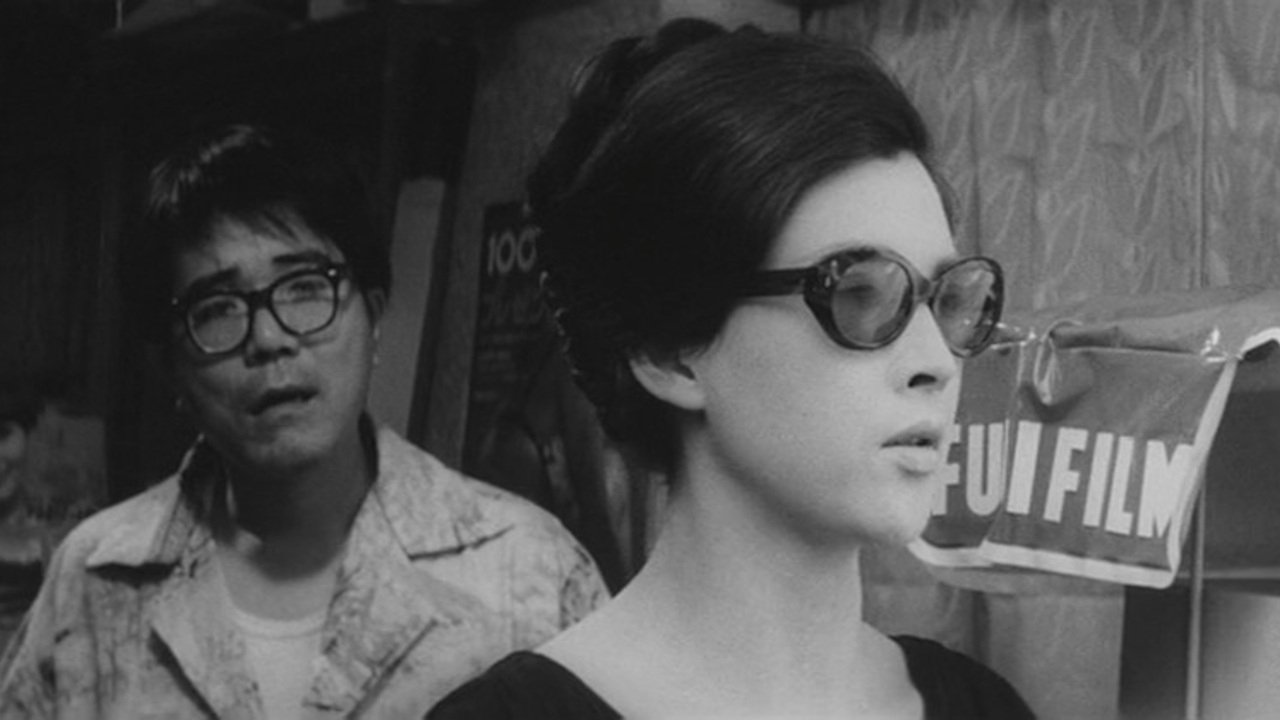
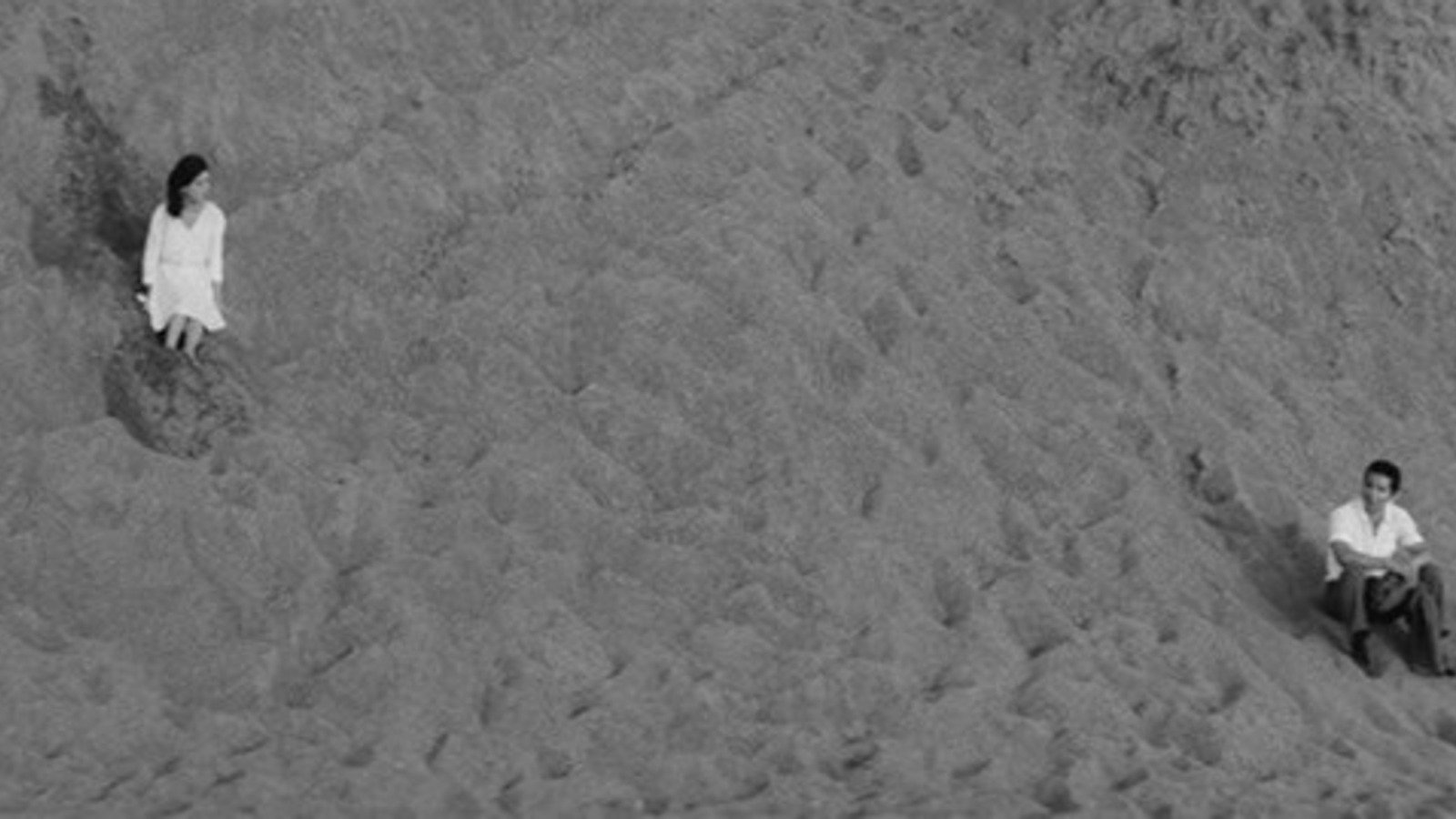
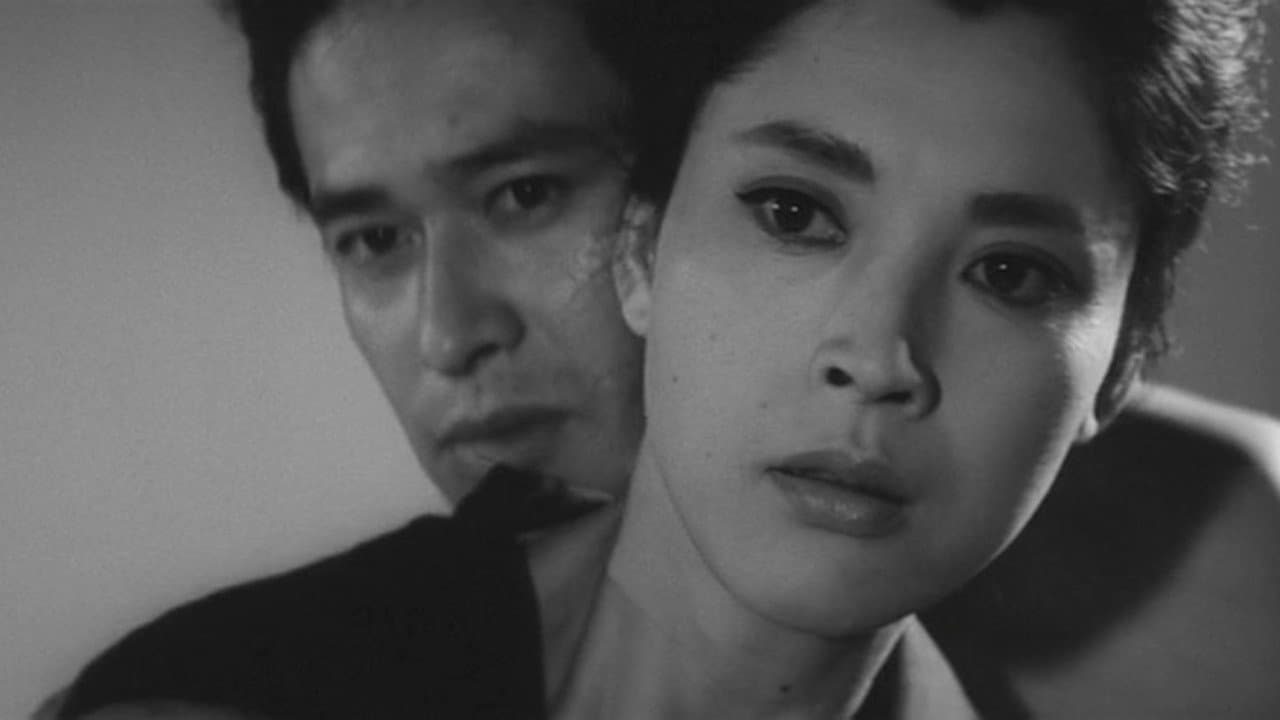
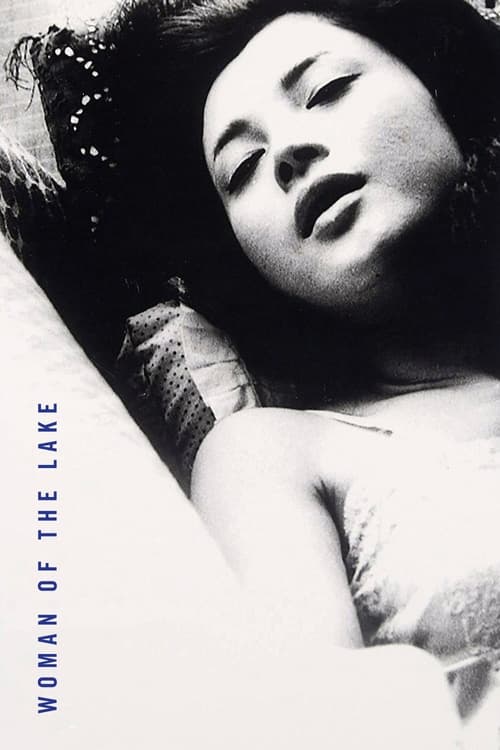
A married woman lets her lover take naked pictures of her. The photos end up in possession of a man who starts blackmailing the couple.
Directed by Yoshishige Yoshida
adultery
based on novel or book
blackmail

IMDB
N/A
Cast
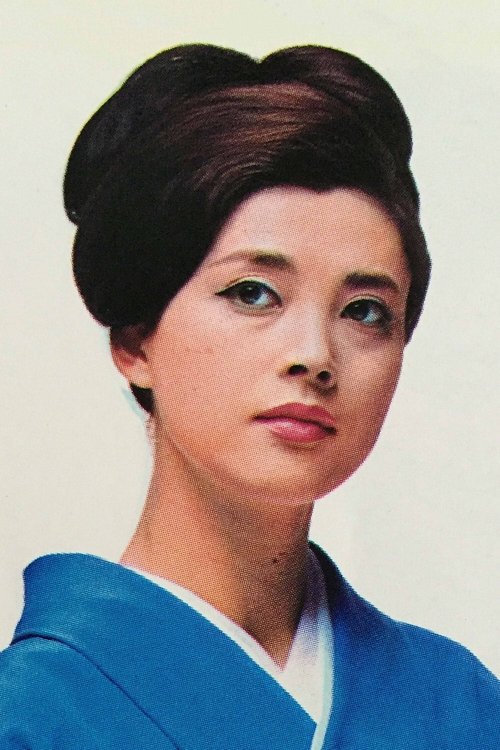
Mariko Okada
Miyako Mizuki
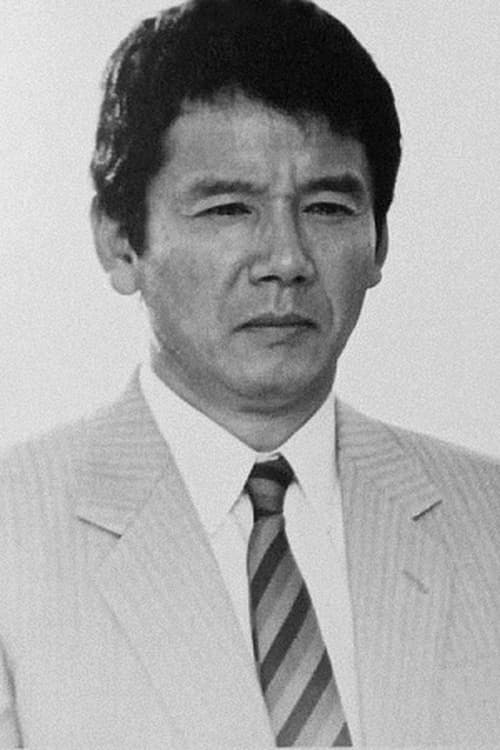
Shigeru Tsuyuguchi
Ginpei Momoi
Tamotsu Hayakawa
Kitano
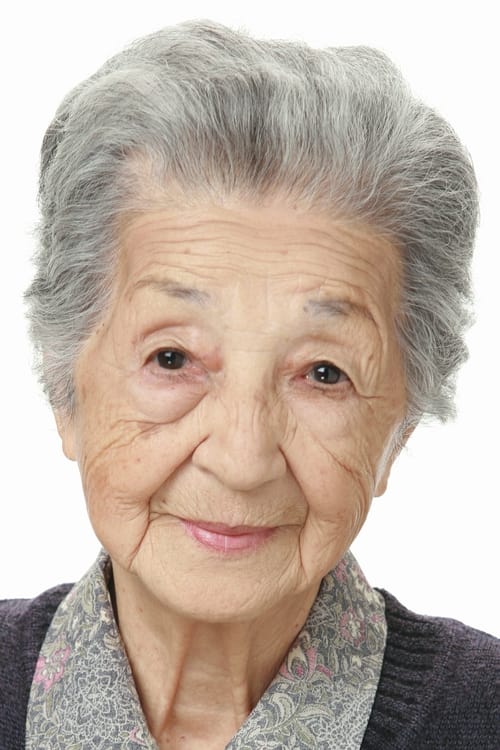
Aiko Masuda
Harumi's mother
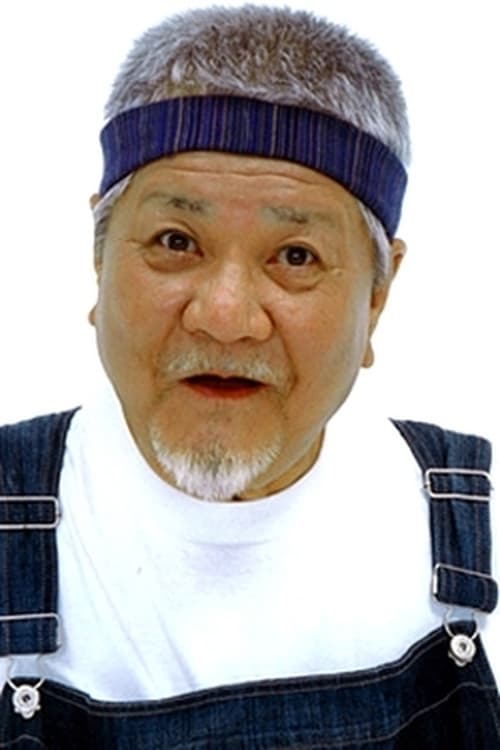
Sakae Umezu
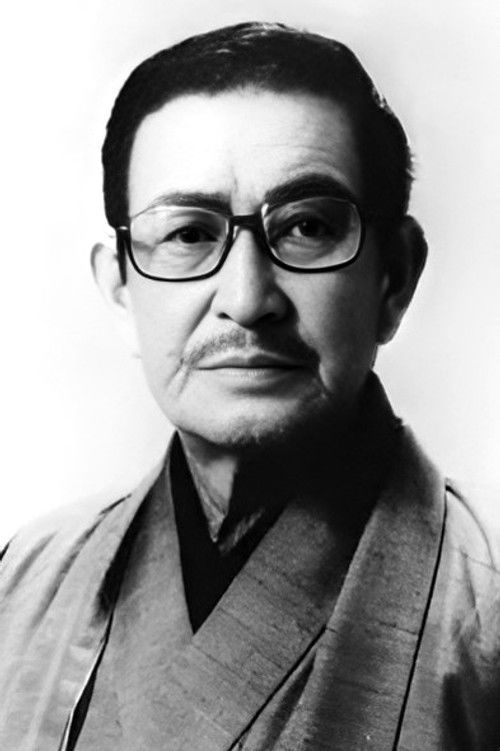
Shinsuke Ashida
Yuzo
Crew
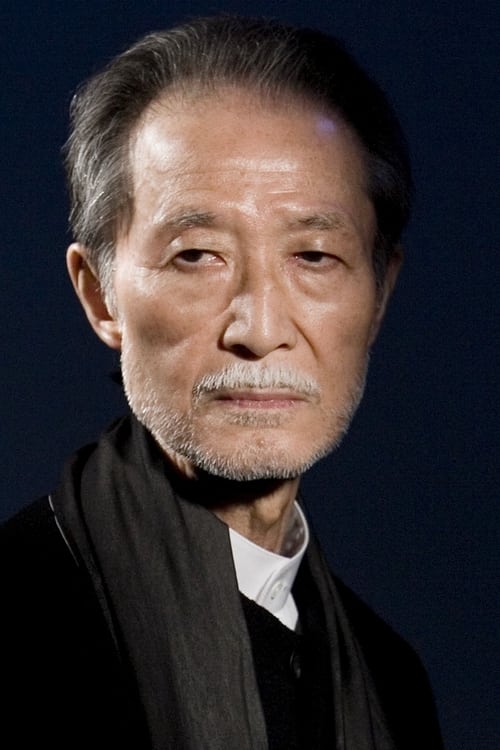
Yoshishige Yoshida
Director
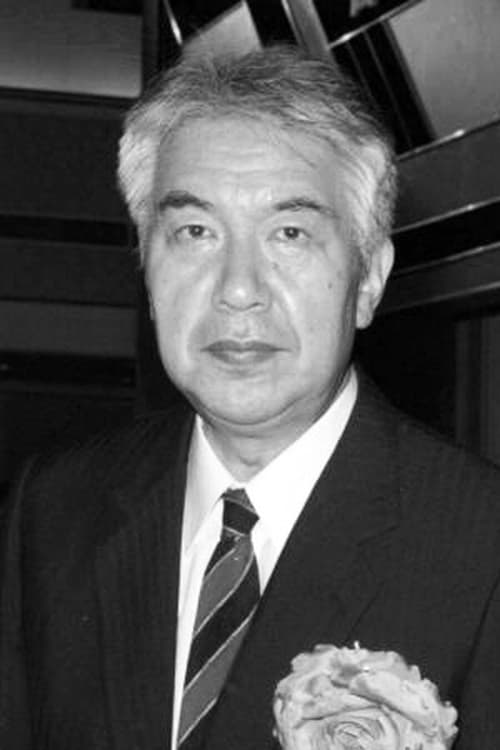
Toshirō Ishidō
Writer
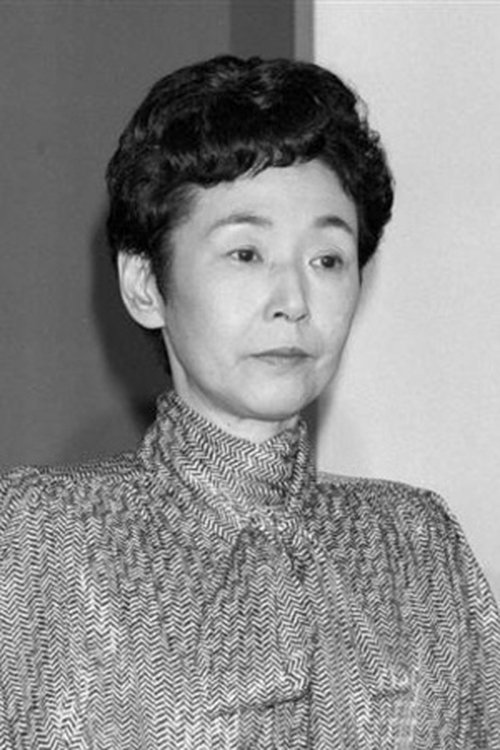
Yasuko Ōno
Writer
Yoshishige Yoshida
Writer
Sei Ikeno
Original Music Composer
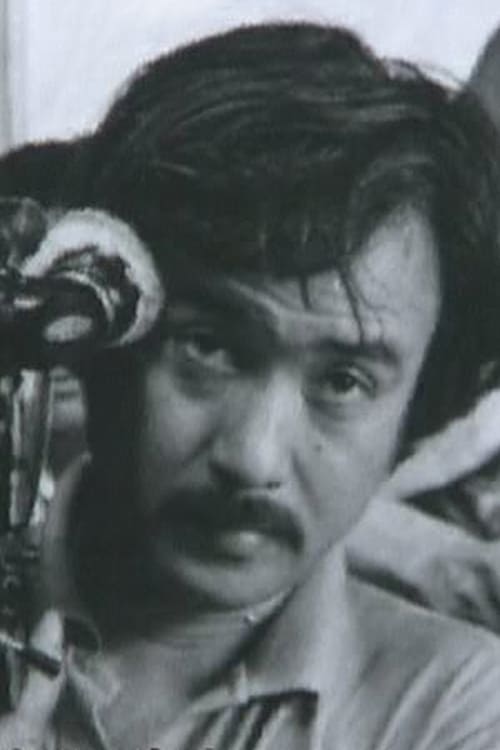
Tatsuo Suzuki
Director of Photography
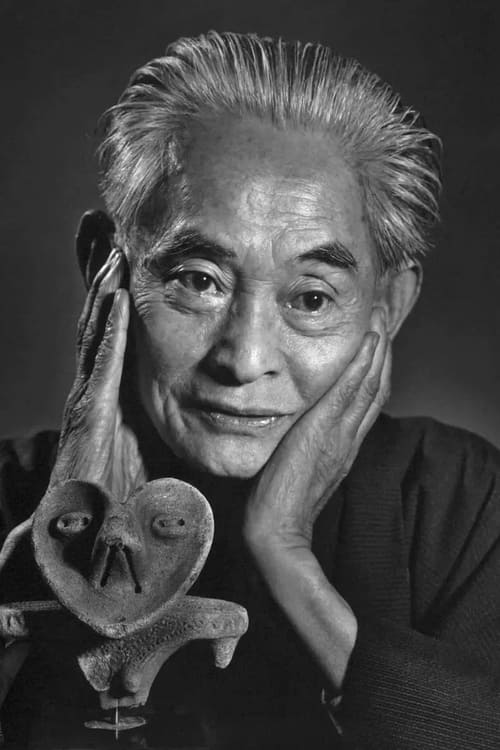
Yasunari Kawabata
Novel
Popular Reviews
10 reviews
Briannb
8.0★ · 04/28/26
it’s not that it’s heavy, it’s that it feels empty on purpose. Woman of the Lake doesn’t build anything, it just insists. the protagonist doesn’t change, doesn’t learn—she just repeats herself and slowly fades out, and at some point you stop expecting anything different.
everything is slow, contained, almost unmoving, but still uncomfortable. not because a lot happens, but because nothing does, and it still weighs on you. some scenes drag longer than they should and feel stuck, just like her.
it’s not bad, but it doesn’t try to be anything more either. it stays in its own misery and never leaves.
everything is slow, contained, almost unmoving, but still uncomfortable. not because a lot happens, but because nothing does, and it still weighs on you. some scenes drag longer than they should and feel stuck, just like her.
it’s not bad, but it doesn’t try to be anything more either. it stays in its own misery and never leaves.
it’s not that it’s heavy, it’s that it feels empty on purpose. Woman of the Lake doesn’t build anything, it just insists. the protagonist doesn’t change, doesn’t learn—she just repeats herself and slowly fades out, and at some point you stop expecting anything different.
everything is slow, contained, almost unmoving, but still uncomfortable. not because a lot happens, but because nothing does, and it still weighs on you. some scenes drag longer than they should and feel stuck, just like her.
it’s not bad, but it doesn’t try to be anything more either. it stays in its own misery and never leaves.
everything is slow, contained, almost unmoving, but still uncomfortable. not because a lot happens, but because nothing does, and it still weighs on you. some scenes drag longer than they should and feel stuck, just like her.
it’s not bad, but it doesn’t try to be anything more either. it stays in its own misery and never leaves.


Nick
8.0★ · 04/25/25
So powerful are Yoshida’s images, they have me thinking about every compositional ingredient. I do tend to look at things like framing, but one variable which uniquely stood out was positioning. More than a few times does the film bless us with a captivating onscreen geography. My favourite was the beach scene with Ginpei (Shigeru Tsuyuguchi; lol what’s up with this guy? He shows up as the most problematic character in Intentions of Murder too) and Miyako as they orbited each other and slowly came together while moving across a seemingly flat dimensional space. It’s probably worth noting Tatsuo Suzuki served as the cinematographer here as he did in the previous film. The director-cinematographer pair consistently creates transcendent images.
I believe Miyako (Mariko Okada) is written as a bold protagonist. She is forced to navigate this complex web of sexual deception and usury. Admittedly, because of Yoshida’s ambiguity, there were times I was uncertain of her motivations. However, by the end of each story beat or mini-arc, I felt a nuanced resolution to each question I asked myself. The ending “twist” took me by surprise and left a tremendous impact. I often recall the storytelling trick I heard long ago that at every opportunity, you should make the journey more difficult for your hero. Well, Yoshida really took that to heart here.
I felt like Yoshida took a saber and split the Madonna-whore complex in two with Miyako’s arc. She has to navigate the balancing act of being a “perfect wife” according to Miyako’s husband and being a “perfect lover” for Kitano. She wears two distinct faces, but importantly, this is seemingly something she wants and even has control over. This lends credibility to Miyako’s decisions, as the way she navigates these men is not straightforward. I think, symbolically, the stolen nude photos represent the potential dissolution between the worlds Miyako has successfully built for herself.
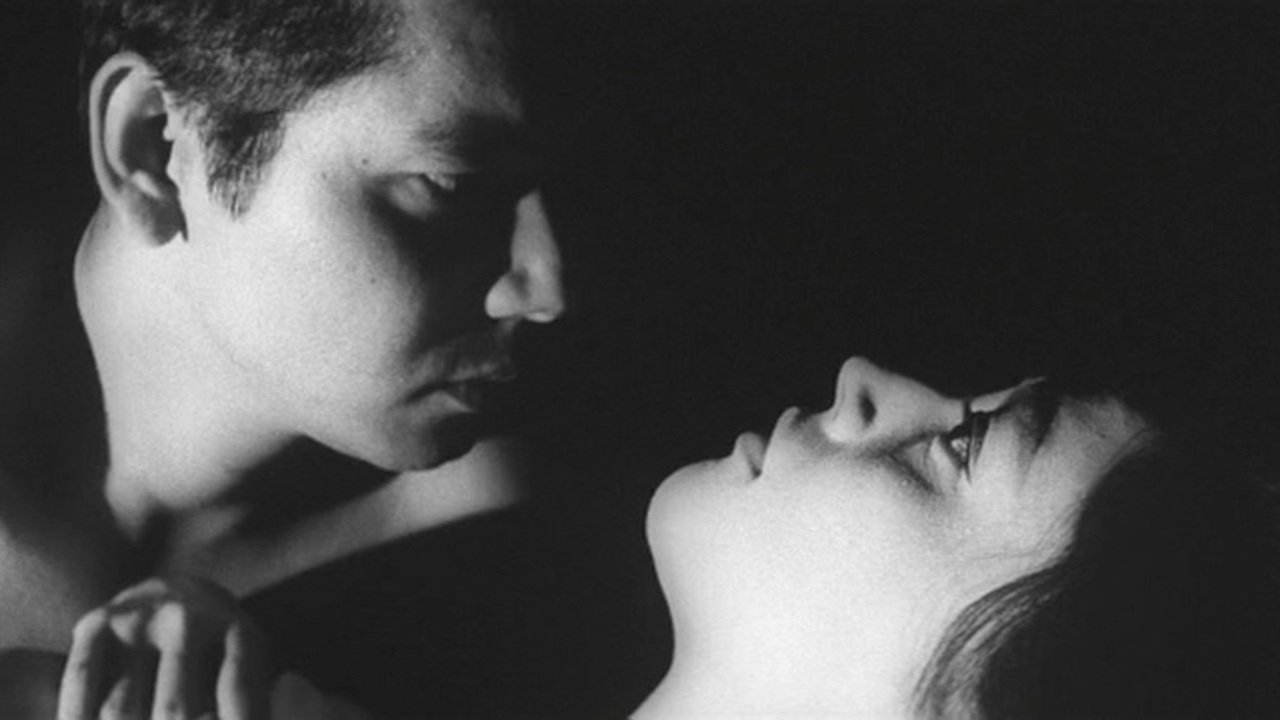
This deconstruction comes to a meta-fruition when Miyako and Ginpei come across the movie set on the beach. Aside from the obvious meta-element of movie-making, there is also a striking scene of one fully dressed actress disappearing into a wrecked ship and having a different actress appear soon after to shoot a nude part of the scene in the water. Similarly, I think Miyako’s surprising transformation at the end of the movie is a poetic symbolization of this Madonna-whore dichotomy. The setting and seemingly psychological break (especially the visual poetry of this seduction scene) reminded me of Through a Glass Darkly.
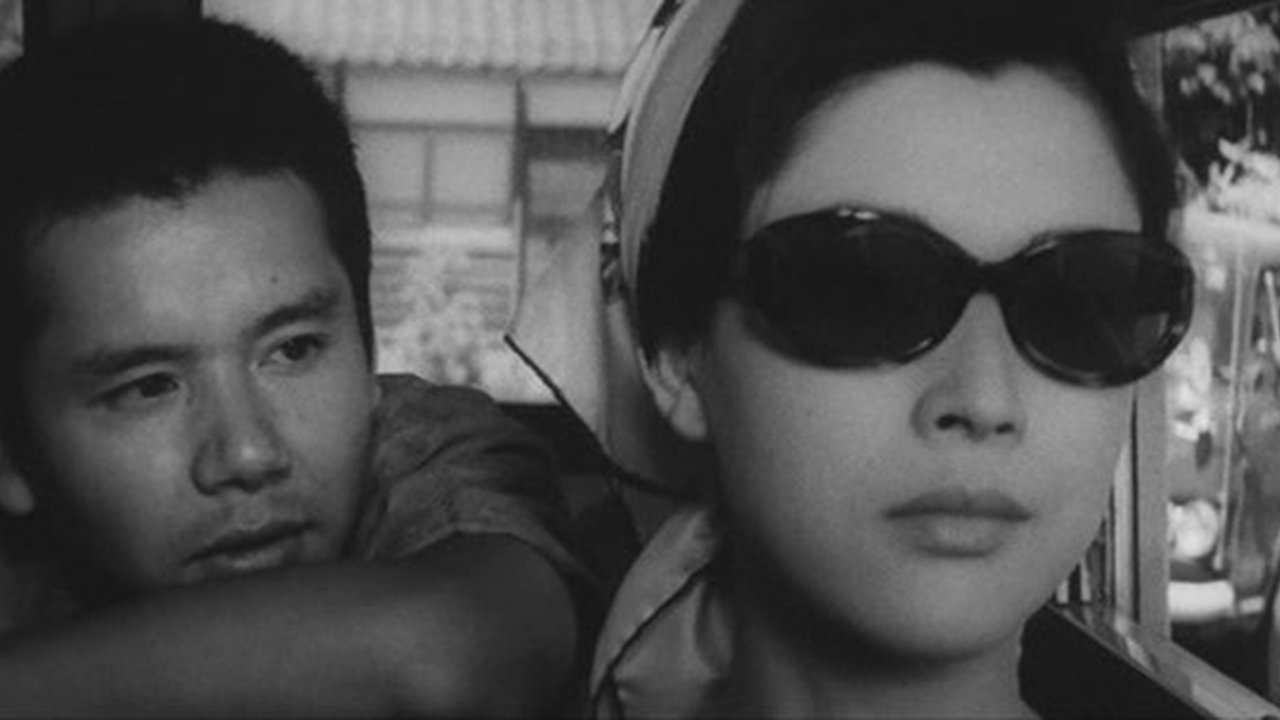
Kitano’s character still gives me some trouble. Most problematic for me is his own lover/fiancée. She seemingly understands and is ok with this complex relationship between Kitano and Miyako. I have trouble with this because of Kitano’s suggestion at marriage with Miyako. Yoshida does not neglect this concern though. In the bus ride, Miyako and Ginpei discuss Kitano’s lover. In hindsight, as much credit as I gave Miyako, I think she deserves even more. I appreciate the nuanced, albeit problematic, evolution of Miyako. But when you consider the male world around her, she feels like a torn soul between attempted control and tragic destiny.
This is only my second Yoshida, but this is also the second time I’m thinking, I think this is great, but maybe it’s even excellent. Although, I do think his movies might be a hair too long. This is a drastic synthesis of arthouse cinema. The images have me constantly saying, “wow.”
I believe Miyako (Mariko Okada) is written as a bold protagonist. She is forced to navigate this complex web of sexual deception and usury. Admittedly, because of Yoshida’s ambiguity, there were times I was uncertain of her motivations. However, by the end of each story beat or mini-arc, I felt a nuanced resolution to each question I asked myself. The ending “twist” took me by surprise and left a tremendous impact. I often recall the storytelling trick I heard long ago that at every opportunity, you should make the journey more difficult for your hero. Well, Yoshida really took that to heart here.
I felt like Yoshida took a saber and split the Madonna-whore complex in two with Miyako’s arc. She has to navigate the balancing act of being a “perfect wife” according to Miyako’s husband and being a “perfect lover” for Kitano. She wears two distinct faces, but importantly, this is seemingly something she wants and even has control over. This lends credibility to Miyako’s decisions, as the way she navigates these men is not straightforward. I think, symbolically, the stolen nude photos represent the potential dissolution between the worlds Miyako has successfully built for herself.
This deconstruction comes to a meta-fruition when Miyako and Ginpei come across the movie set on the beach. Aside from the obvious meta-element of movie-making, there is also a striking scene of one fully dressed actress disappearing into a wrecked ship and having a different actress appear soon after to shoot a nude part of the scene in the water. Similarly, I think Miyako’s surprising transformation at the end of the movie is a poetic symbolization of this Madonna-whore dichotomy. The setting and seemingly psychological break (especially the visual poetry of this seduction scene) reminded me of Through a Glass Darkly.
Kitano’s character still gives me some trouble. Most problematic for me is his own lover/fiancée. She seemingly understands and is ok with this complex relationship between Kitano and Miyako. I have trouble with this because of Kitano’s suggestion at marriage with Miyako. Yoshida does not neglect this concern though. In the bus ride, Miyako and Ginpei discuss Kitano’s lover. In hindsight, as much credit as I gave Miyako, I think she deserves even more. I appreciate the nuanced, albeit problematic, evolution of Miyako. But when you consider the male world around her, she feels like a torn soul between attempted control and tragic destiny.
This is only my second Yoshida, but this is also the second time I’m thinking, I think this is great, but maybe it’s even excellent. Although, I do think his movies might be a hair too long. This is a drastic synthesis of arthouse cinema. The images have me constantly saying, “wow.”
So powerful are Yoshida’s images, they have me thinking about every compositional ingredient. I do tend to look at things like framing, but one variable which uniquely stood out was positioning. More than a few times does the film bless us with a captivating onscreen geography. My favourite was the beach scene with Ginpei (Shigeru Tsuyuguchi; lol what’s up with this guy? He shows up as the most problematic character in Intentions of Murder too) and Miyako as they orbited each other and slowly came together while moving across a seemingly flat dimensional space. It’s probably worth noting Tatsuo Suzuki served as the cinematographer here as he did in the previous film. The director-cinematographer pair consistently creates transcendent images.
I believe Miyako (Mariko Okada) is written as a bold protagonist. She is forced to navigate this complex web of sexual deception and usury. Admittedly, because of Yoshida’s ambiguity, there were times I was uncertain of her motivations. However, by the end of each story beat or mini-arc, I felt a nuanced resolution to each question I asked myself. The ending “twist” took me by surprise and left a tremendous impact. I often recall the storytelling trick I heard long ago that at every opportunity, you should make the journey more difficult for your hero. Well, Yoshida really took that to heart here.
I felt like Yoshida took a saber and split the Madonna-whore complex in two with Miyako’s arc. She has to navigate the balancing act of being a “perfect wife” according to Miyako’s husband and being a “perfect lover” for Kitano. She wears two distinct faces, but importantly, this is seemingly something she wants and even has control over. This lends credibility to Miyako’s decisions, as the way she navigates these men is not straightforward. I think, symbolically, the stolen nude photos represent the potential dissolution between the worlds Miyako has successfully built for herself.
This deconstruction comes to a meta-fruition when Miyako and Ginpei come across the movie set on the beach. Aside from the obvious meta-element of movie-making, there is also a striking scene of one fully dressed actress disappearing into a wrecked ship and having a different actress appear soon after to shoot a nude part of the scene in the water. Similarly, I think Miyako’s surprising transformation at the end of the movie is a poetic symbolization of this Madonna-whore dichotomy. The setting and seemingly psychological break (especially the visual poetry of this seduction scene) reminded me of Through a Glass Darkly.
Kitano’s character still gives me some trouble. Most problematic for me is his own lover/fiancée. She seemingly understands and is ok with this complex relationship between Kitano and Miyako. I have trouble with this because of Kitano’s suggestion at marriage with Miyako. Yoshida does not neglect this concern though. In the bus ride, Miyako and Ginpei discuss Kitano’s lover. In hindsight, as much credit as I gave Miyako, I think she deserves even more. I appreciate the nuanced, albeit problematic, evolution of Miyako. But when you consider the male world around her, she feels like a torn soul between attempted control and tragic destiny.
This is only my second Yoshida, but this is also the second time I’m thinking, I think this is great, but maybe it’s even excellent. Although, I do think his movies might be a hair too long. This is a drastic synthesis of arthouse cinema. The images have me constantly saying, “wow.”
I believe Miyako (Mariko Okada) is written as a bold protagonist. She is forced to navigate this complex web of sexual deception and usury. Admittedly, because of Yoshida’s ambiguity, there were times I was uncertain of her motivations. However, by the end of each story beat or mini-arc, I felt a nuanced resolution to each question I asked myself. The ending “twist” took me by surprise and left a tremendous impact. I often recall the storytelling trick I heard long ago that at every opportunity, you should make the journey more difficult for your hero. Well, Yoshida really took that to heart here.
I felt like Yoshida took a saber and split the Madonna-whore complex in two with Miyako’s arc. She has to navigate the balancing act of being a “perfect wife” according to Miyako’s husband and being a “perfect lover” for Kitano. She wears two distinct faces, but importantly, this is seemingly something she wants and even has control over. This lends credibility to Miyako’s decisions, as the way she navigates these men is not straightforward. I think, symbolically, the stolen nude photos represent the potential dissolution between the worlds Miyako has successfully built for herself.
This deconstruction comes to a meta-fruition when Miyako and Ginpei come across the movie set on the beach. Aside from the obvious meta-element of movie-making, there is also a striking scene of one fully dressed actress disappearing into a wrecked ship and having a different actress appear soon after to shoot a nude part of the scene in the water. Similarly, I think Miyako’s surprising transformation at the end of the movie is a poetic symbolization of this Madonna-whore dichotomy. The setting and seemingly psychological break (especially the visual poetry of this seduction scene) reminded me of Through a Glass Darkly.
Kitano’s character still gives me some trouble. Most problematic for me is his own lover/fiancée. She seemingly understands and is ok with this complex relationship between Kitano and Miyako. I have trouble with this because of Kitano’s suggestion at marriage with Miyako. Yoshida does not neglect this concern though. In the bus ride, Miyako and Ginpei discuss Kitano’s lover. In hindsight, as much credit as I gave Miyako, I think she deserves even more. I appreciate the nuanced, albeit problematic, evolution of Miyako. But when you consider the male world around her, she feels like a torn soul between attempted control and tragic destiny.
This is only my second Yoshida, but this is also the second time I’m thinking, I think this is great, but maybe it’s even excellent. Although, I do think his movies might be a hair too long. This is a drastic synthesis of arthouse cinema. The images have me constantly saying, “wow.”
Eclectic Sorcerer
9.0★ · 05/15/26
Eclectic Sorcerer
9.0★ · 05/15/26
Moreweighttt
7.0★ · 11/14/25