✮ Lights, Camera, Action! ✮Life and death are a great, transient, and ever-changing matter
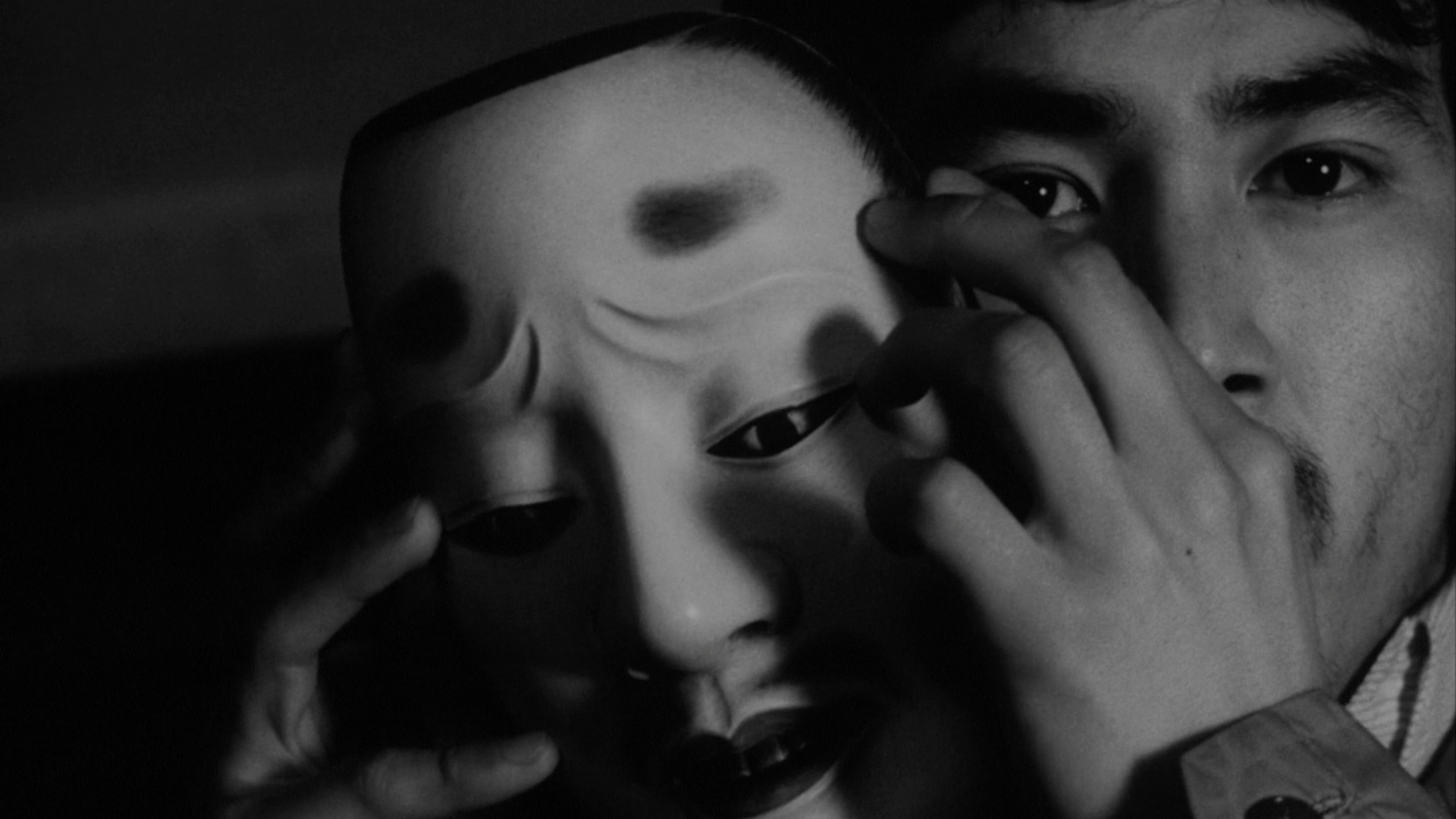
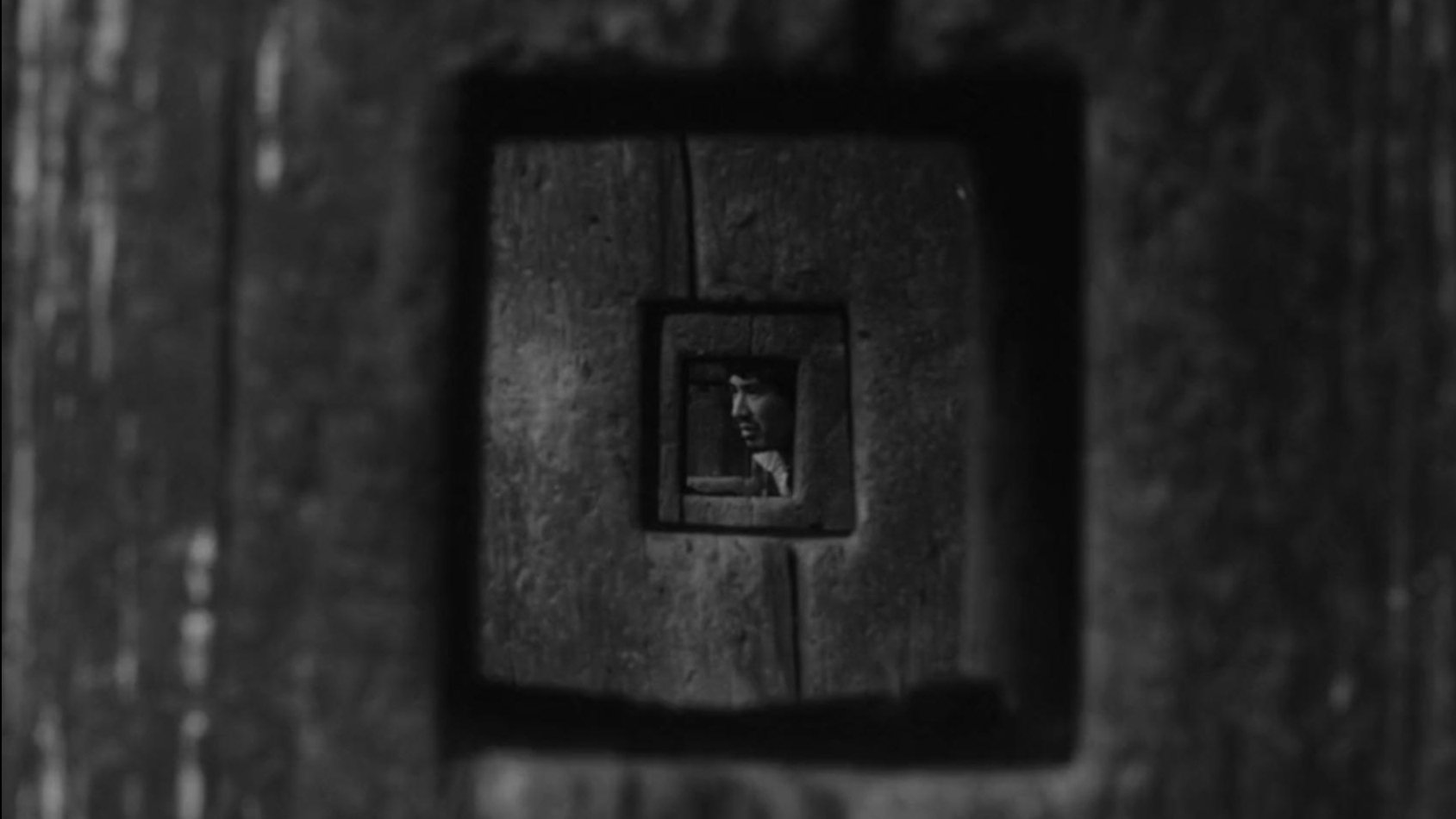
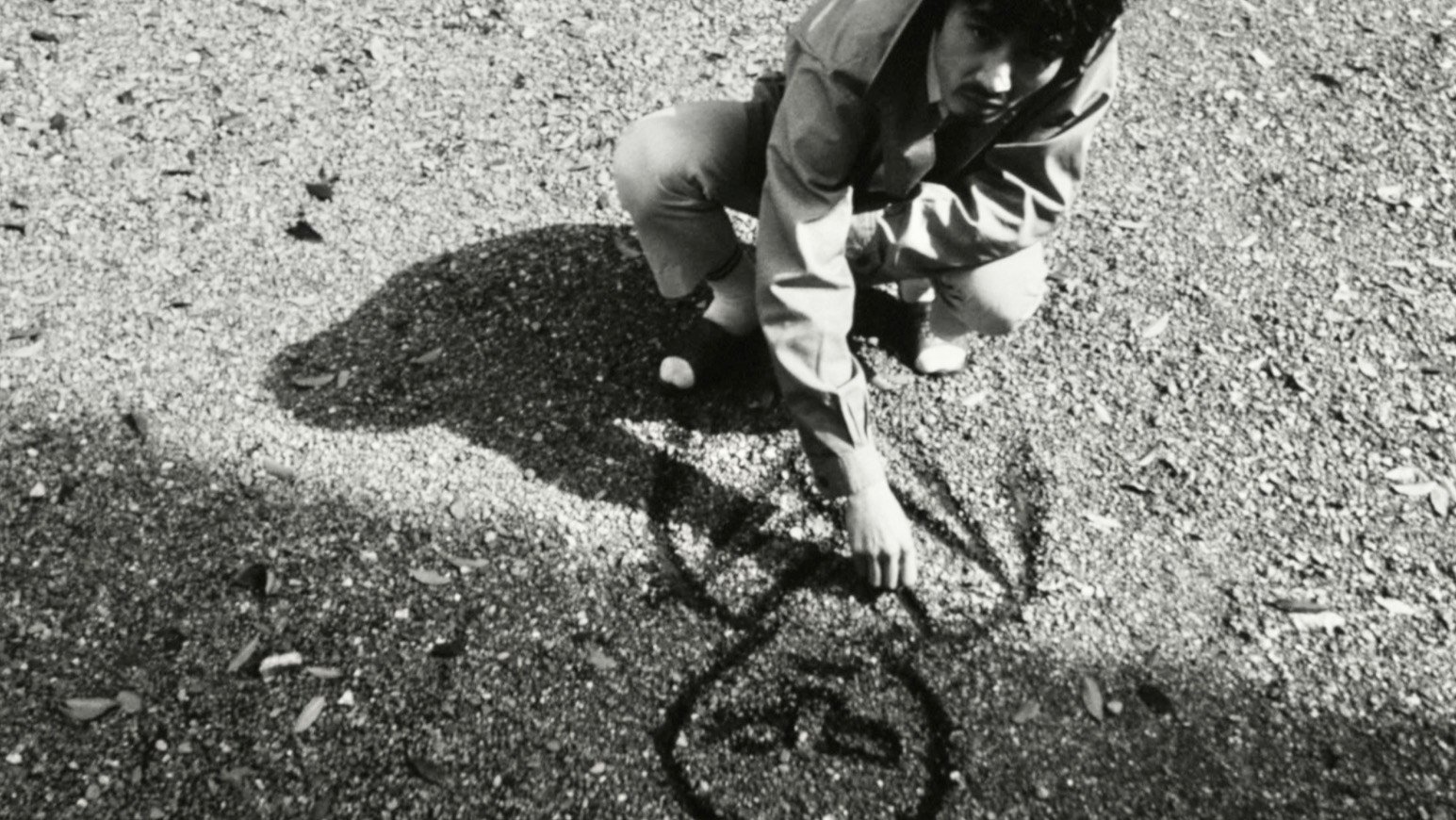
🎌 Japanuary! '26 🍡 #13This Transient Life is a masterpiece of Japanese cinema that must be viewed and analyzed from its very core, because if the audience only chooses to focus on the incestuous aspect of the film, they will miss the complexity of the work.
To analyze Akio Jissoji's work, we should consider concepts such as the body, sexual desire, religious faith, and guilt. Of course, sexual desire is normal, but the film addresses the amoral nature of the purely sexual relationship between two siblings. In the fabric of existence, the body ceases to be merely flesh and bone and becomes the scroll upon which eternity attempts to write its name. It is the point of collision between the earth's clay and the breath of the divine. There is a saying in Spanish that compares orgasm to seeing God's face.
For faith, the body has historically been a sacred oxymoron, like the temple that must be venerated and cared for, and at the same time, the prison that must be subdued and punished. It is the place where the spirit becomes visible, but also where fragility reminds us that we are stardust in the vast universe. What we experience now in a blink will be memory, and then we will sleep and it will be history.
Sexual desire is something that keeps us alive; it is the thirst for the infinite poured into a finite vessel, within the lifespan of a human being. It is a piece of music that the body sings when it recognizes its incompleteness, because it needs the other. The human body can be easily fitted together like pieces of a puzzle, the kind that create images, beautiful images. For faith, this desire is often a fire that frightens, feared not for being evil, but for being ungovernable. Sex is also an addiction (hypersexual person here).
What is sex? Is it the echo of a lost unity that we seek to recover in the embrace? Or is it the spark that reminds us we are alive, even when dogma demands silence? Faith commands restraint, and desire is capricious. When lovers meet, guilt is born.
The feeling of guilt gnaws at me often, as if I shouldn't feel this way. I'm a virgin nymphomaniac, a violated puritan. I recently learned that guilt is the defense mechanism of belief. It appears when our actions, or even our thoughts, don't align with the moral values we've internalized.
Guilt is omniscient. You don't need someone to see you to feel judged, because the "gaze of God" reaches the most private corner of the mind. This generates constant vigilance that can lead to repression and shame, the stifling of desire before it emerges, and the feeling that we haven't just done something wrong, but that we are wrong.
Guilt is a chill that settles in the bones, a veil that comes between skin and touch. It's the feeling of having profaned the altar of one's own humanity. Guilt isn't an external judgment, but a real-time autopsy of the soul. It feels like a lump in the throat that prevents us from praying, or like an invisible gaze judging us from the ceiling. It is the wound that bleeds when we try to love God and humanity with the same intensity, mistakenly believing that these loves are mutually exclusive. Sin is not desire, but the fear of acknowledging that God also dwells in the trembling of the skin.
What is "wrong" is not desire, nor the body, nor the mistake made out of weakness. What is morally dark is the obstinacy in causing harm. It is the act of knowing that our action will leave a scar on another's soul and deciding, anyway, to go ahead because our "self" weighs more than the entire world.
True morality is not about avoiding hell, but about not creating hell for others here on earth. It is not a list of prohibitions, but a commitment to integrity, ensuring that what one does, what one says, and what one affects are in harmony with the life that surrounds them.
There is no shadow denser than that cast by someone who uses their power or position to corrupt the trust of someone who cannot defend themselves. When someone who should be caring for others uses that vulnerability for their own benefit, whenever it is sexual, emotional, or physical, they not only commit an immoral act, they commit a crime against the very fabric of the soul. That wound forever alters the other person's capacity to trust the world.
If you steal money, it can be returned. If you break a rule, you can apologize. But when you destroy someone's capacity to love, when you extinguish their will to live, or when you shatter their identity, you are touching the sacred.