
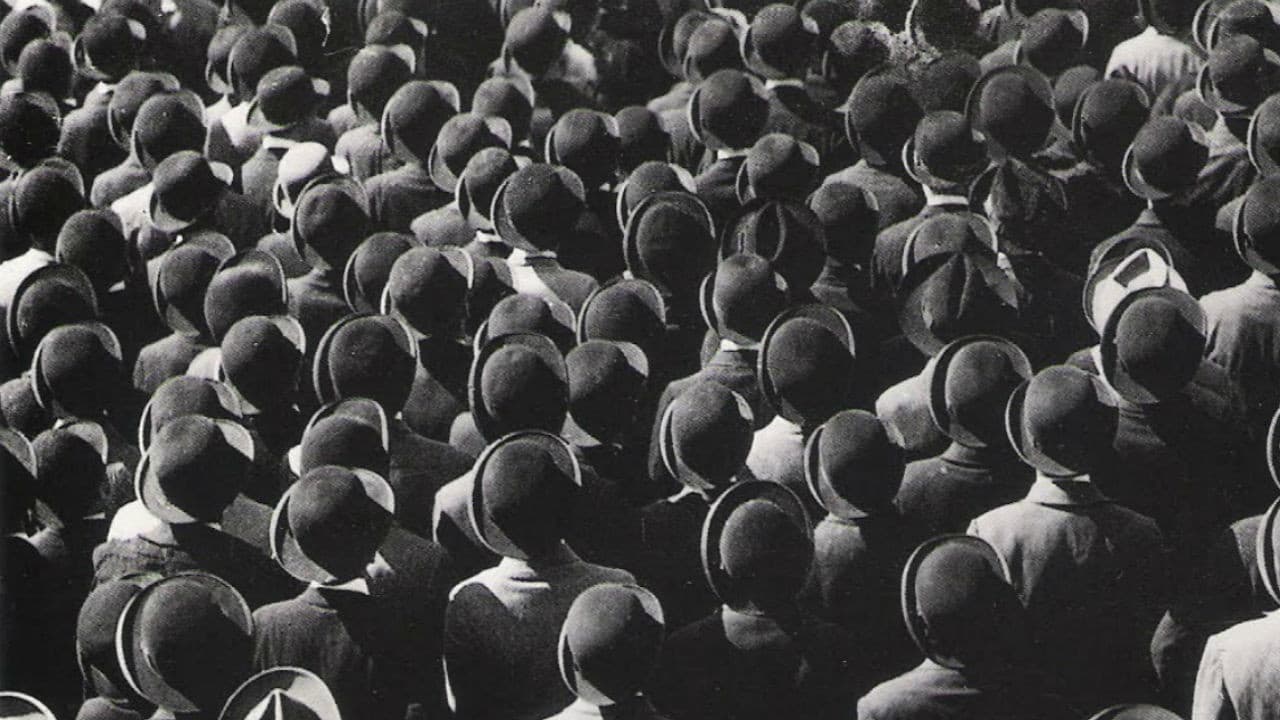
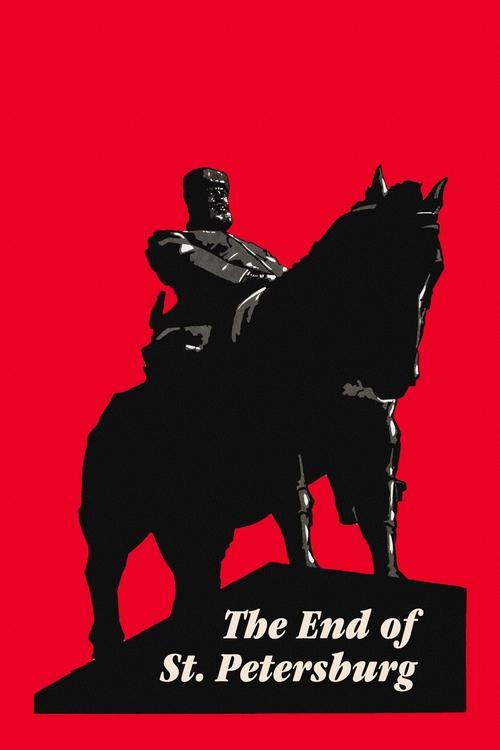
The End of St. Petersburg
1927·Drama·1h 14m
7.1
★
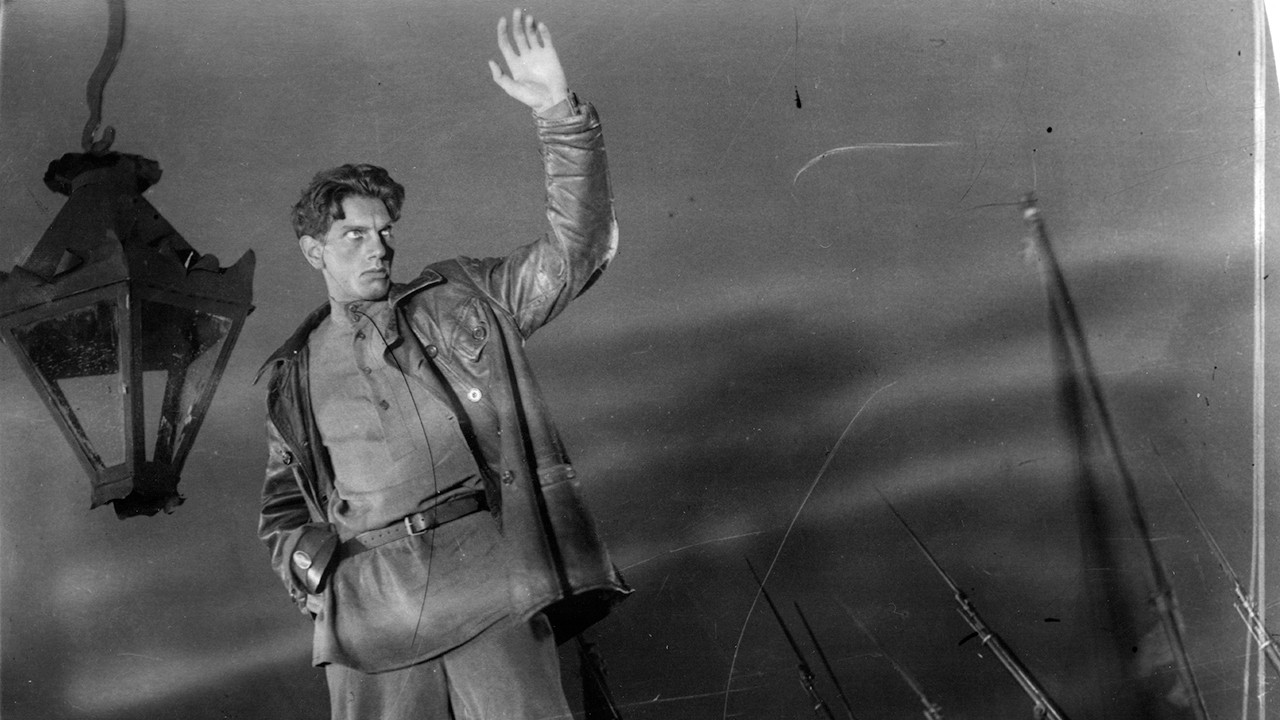
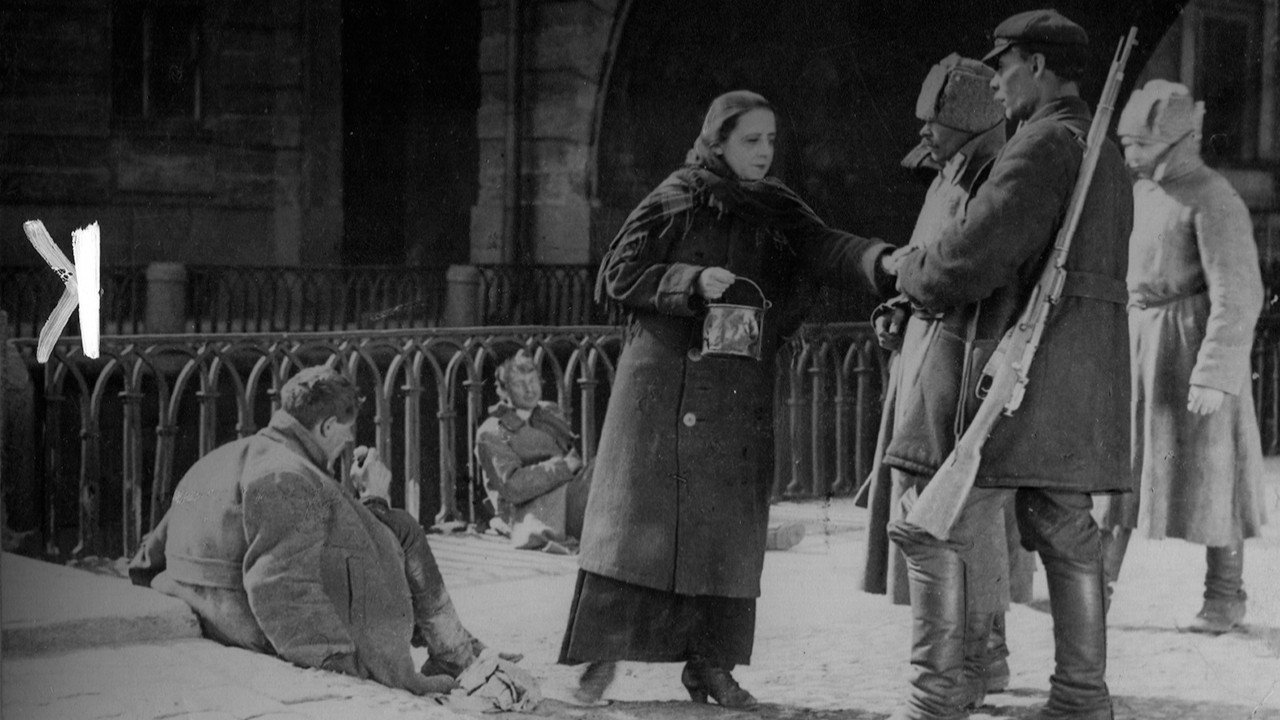
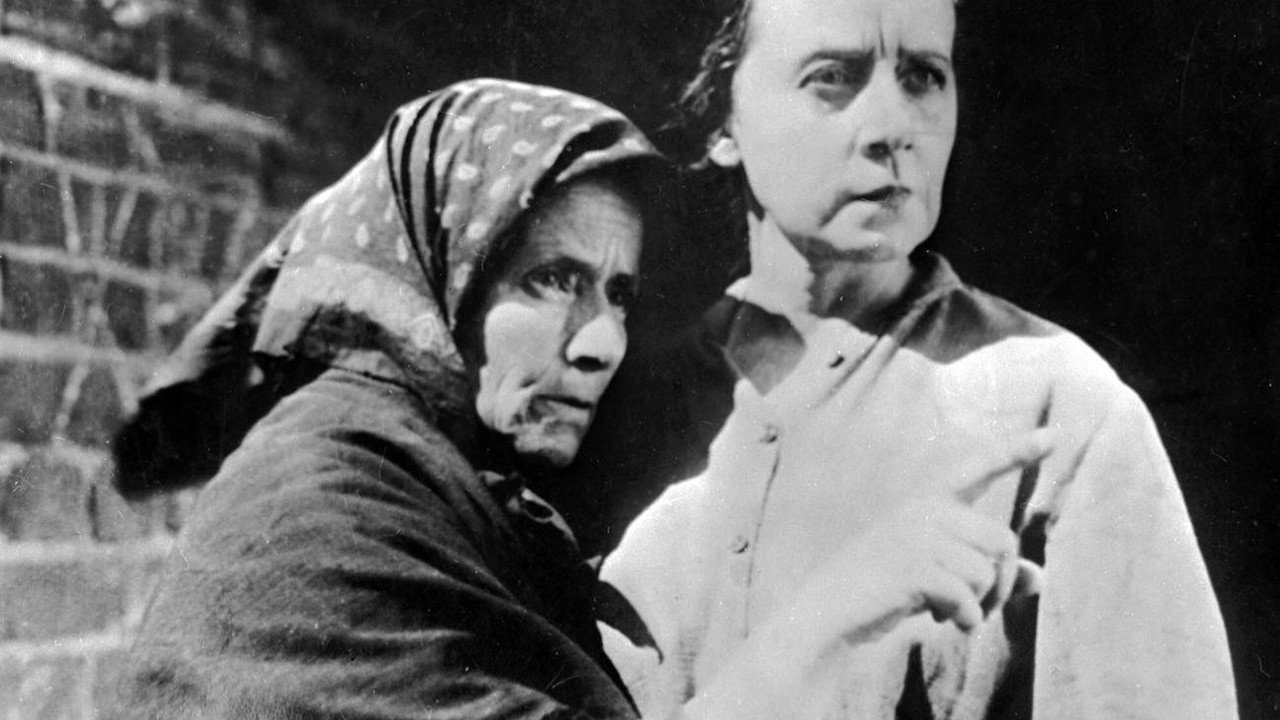
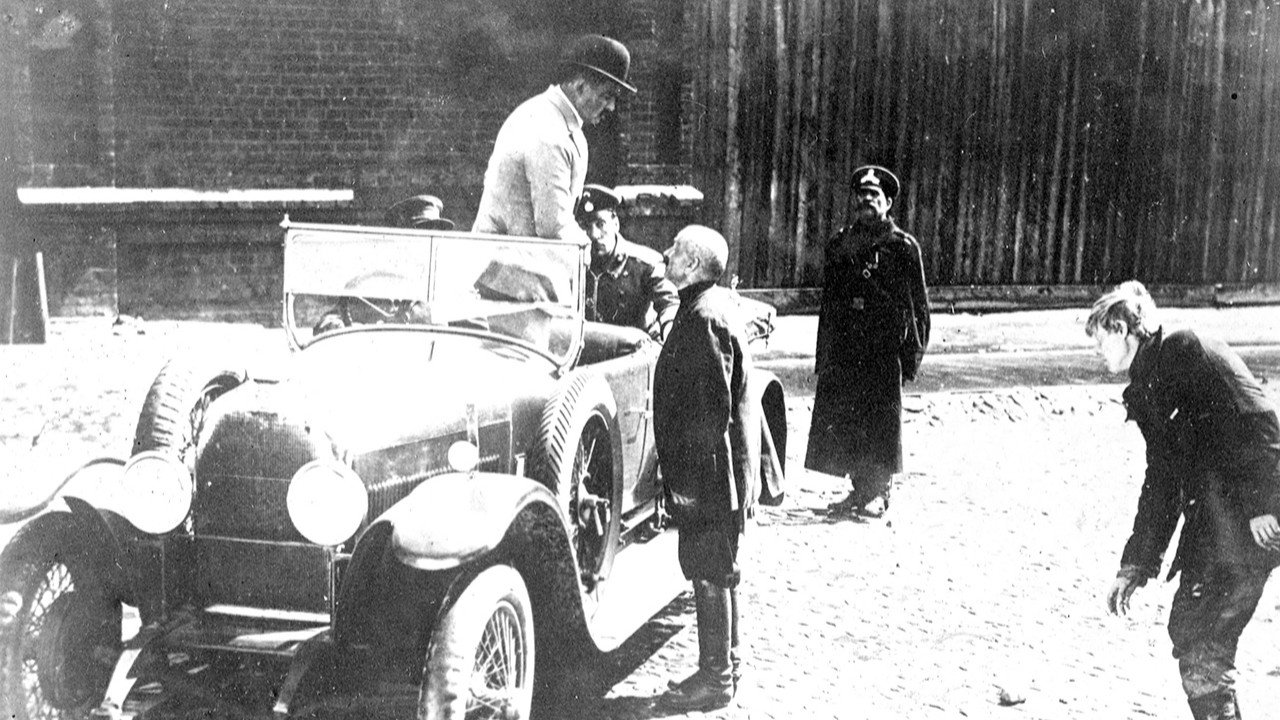
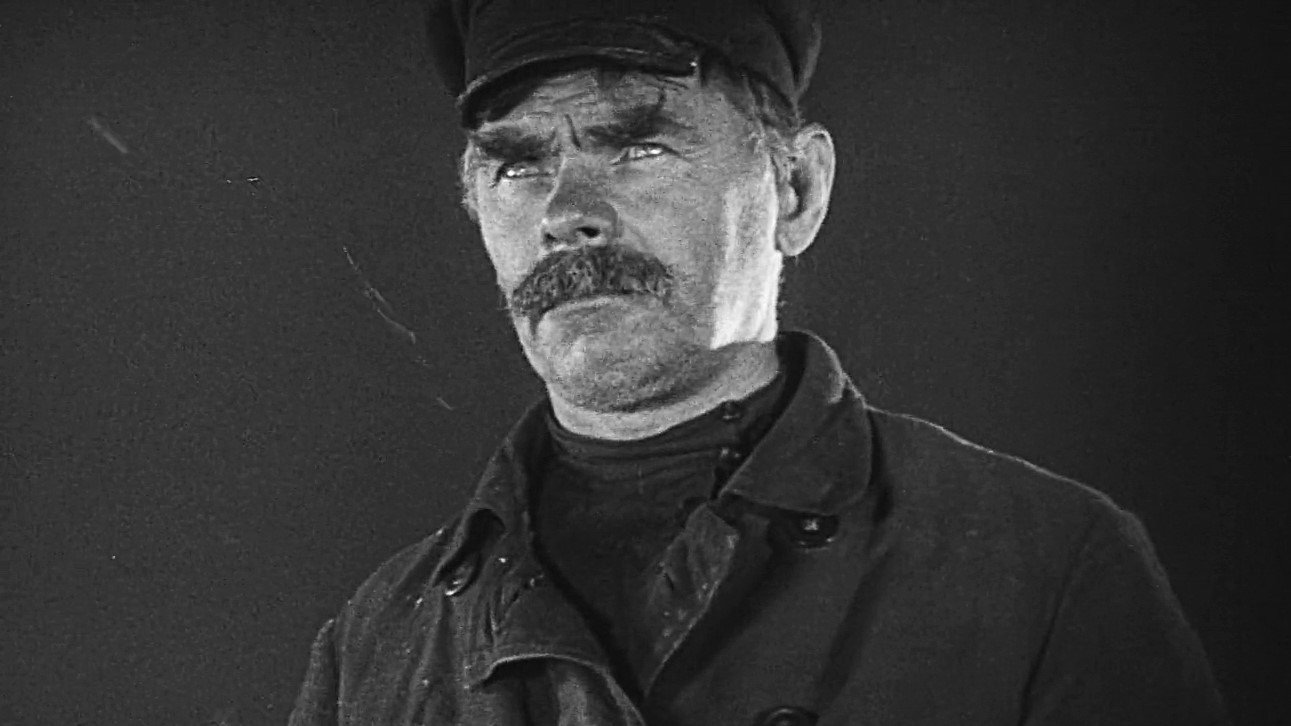
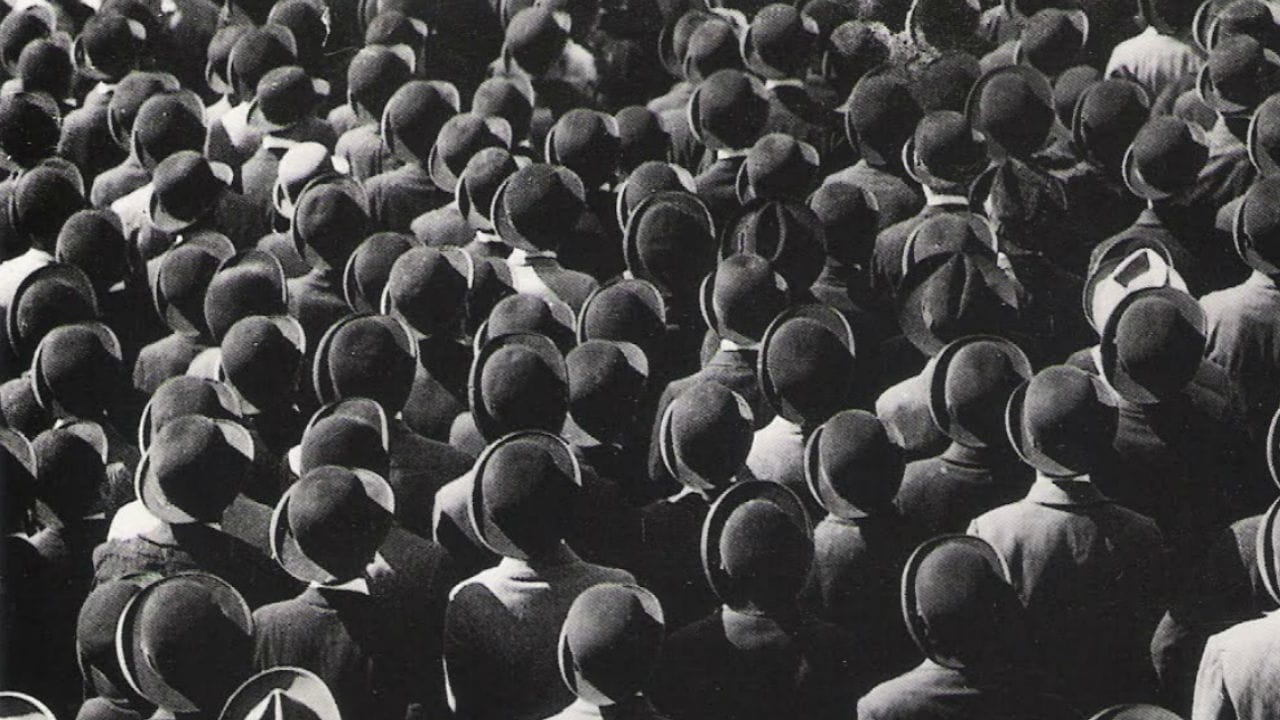
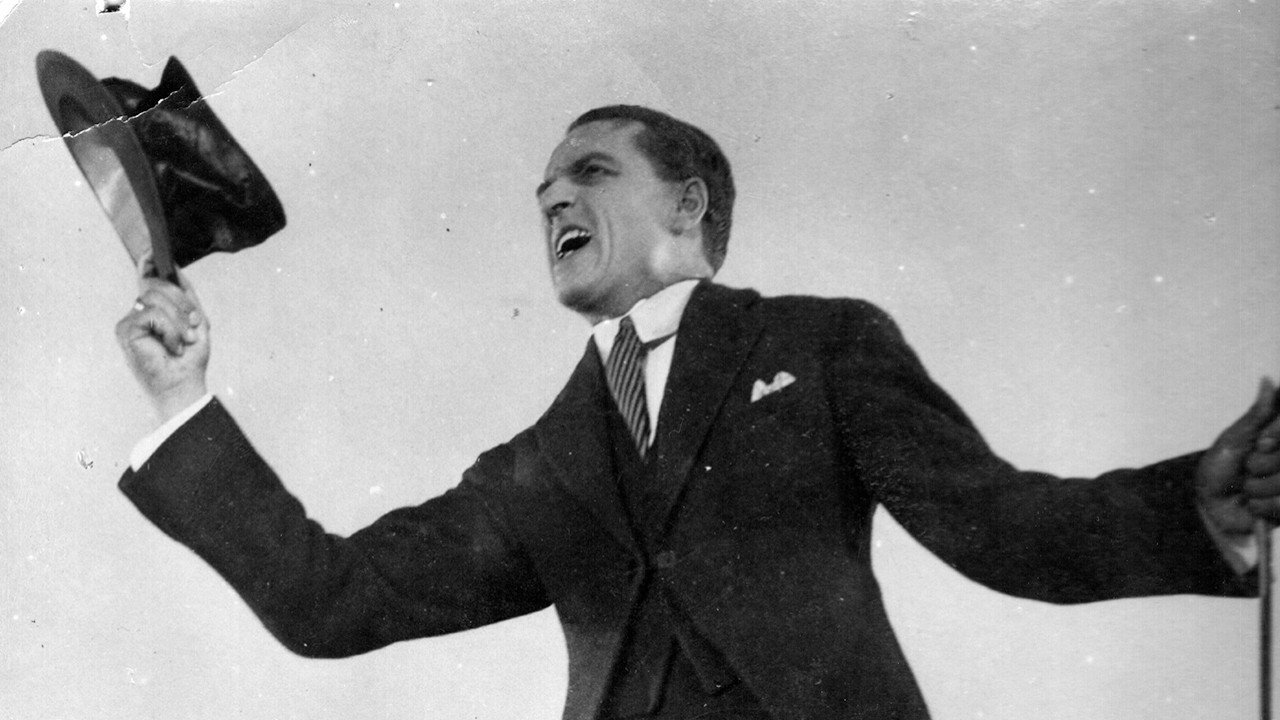
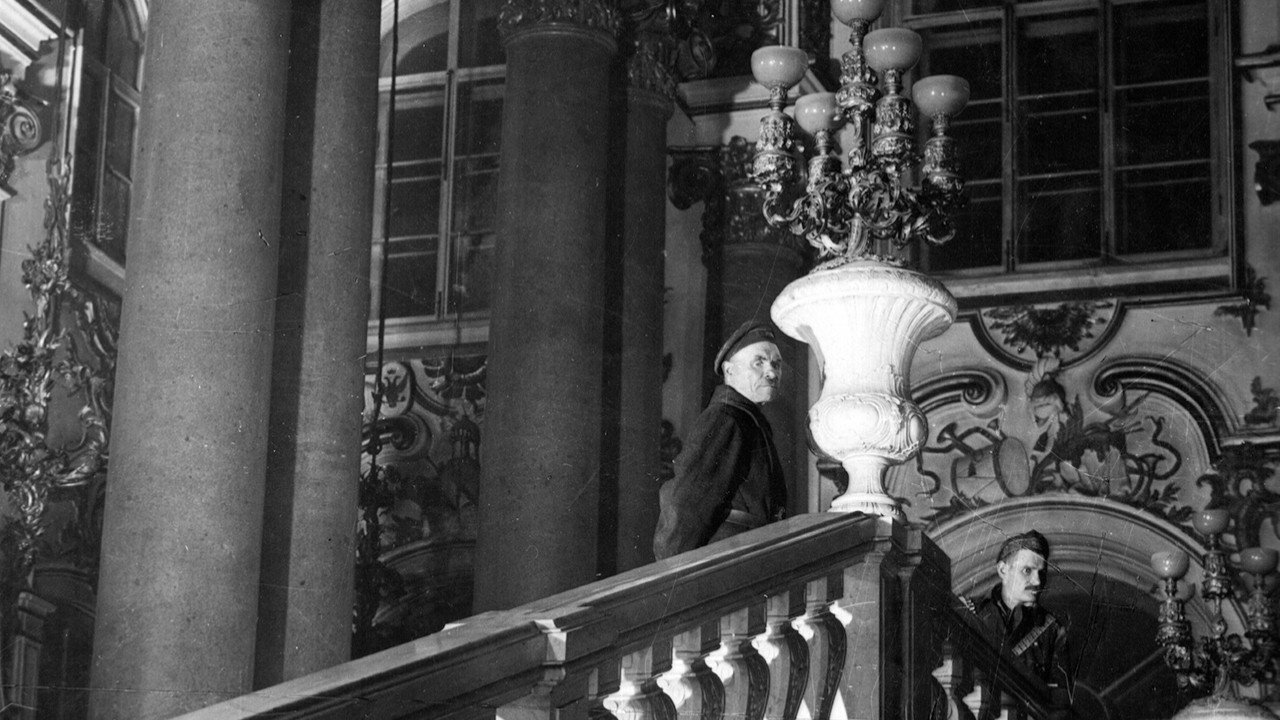
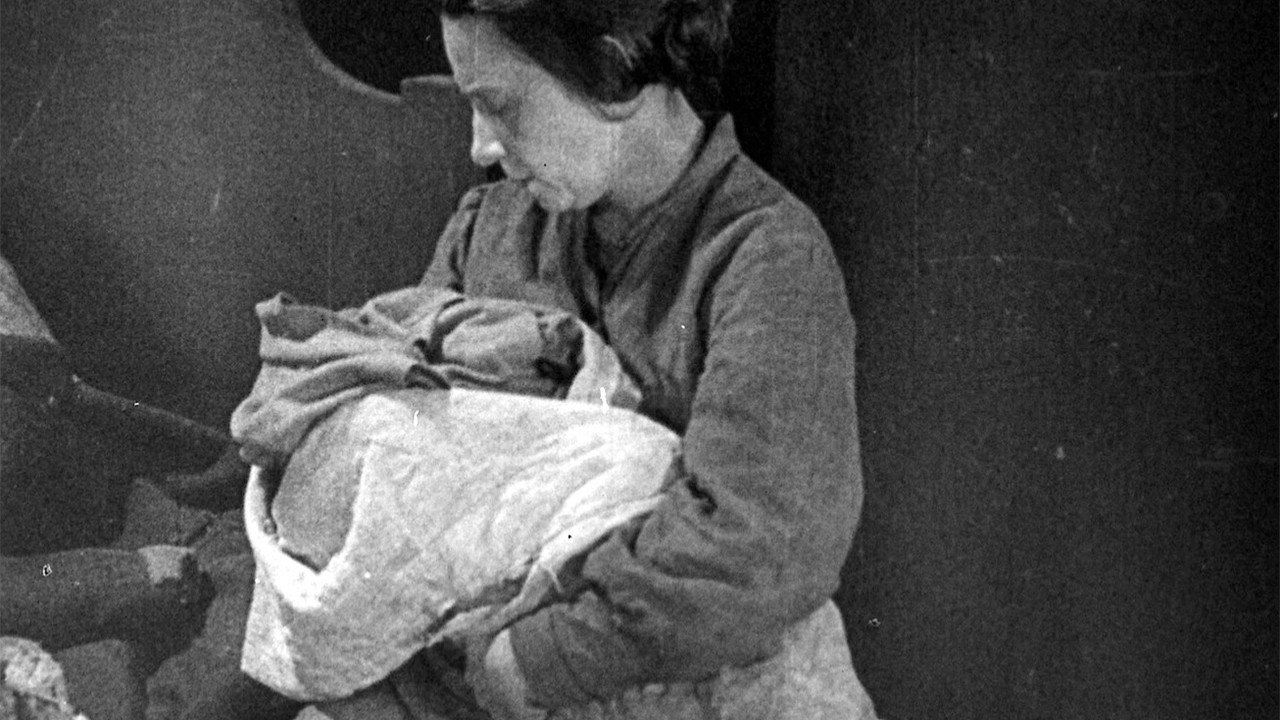
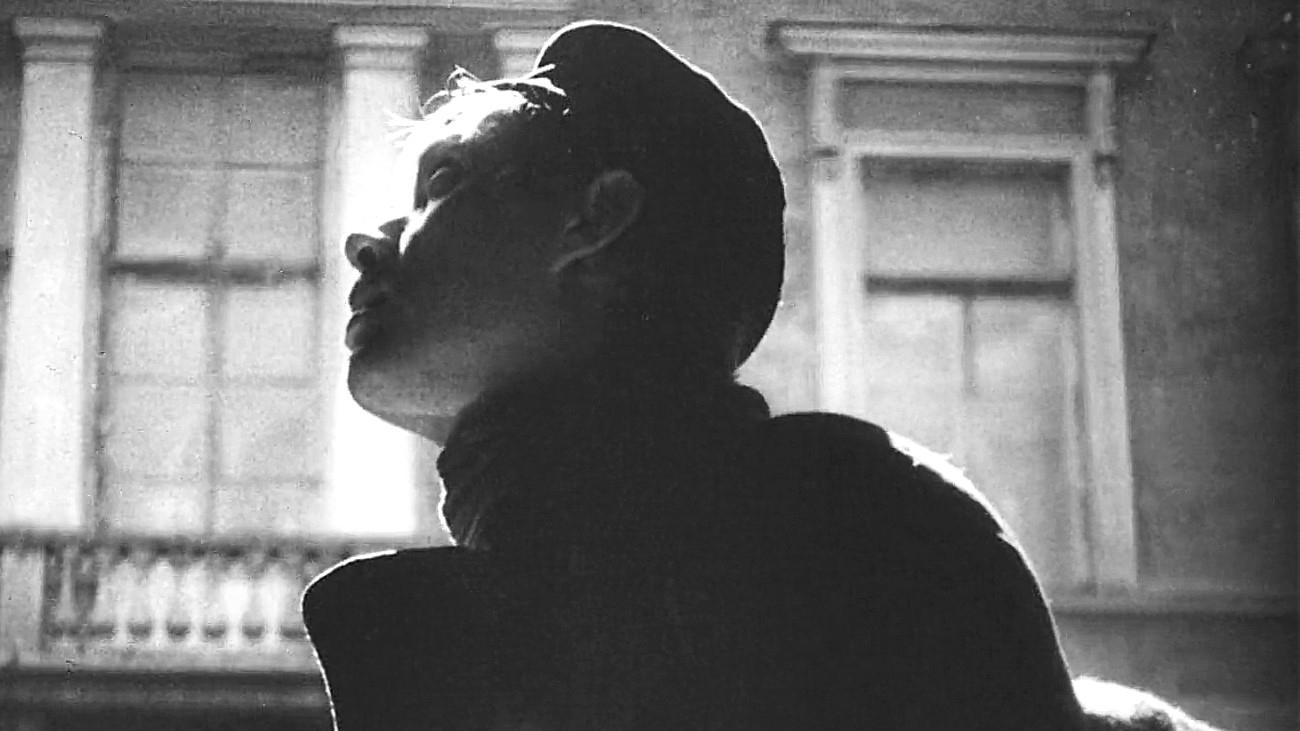
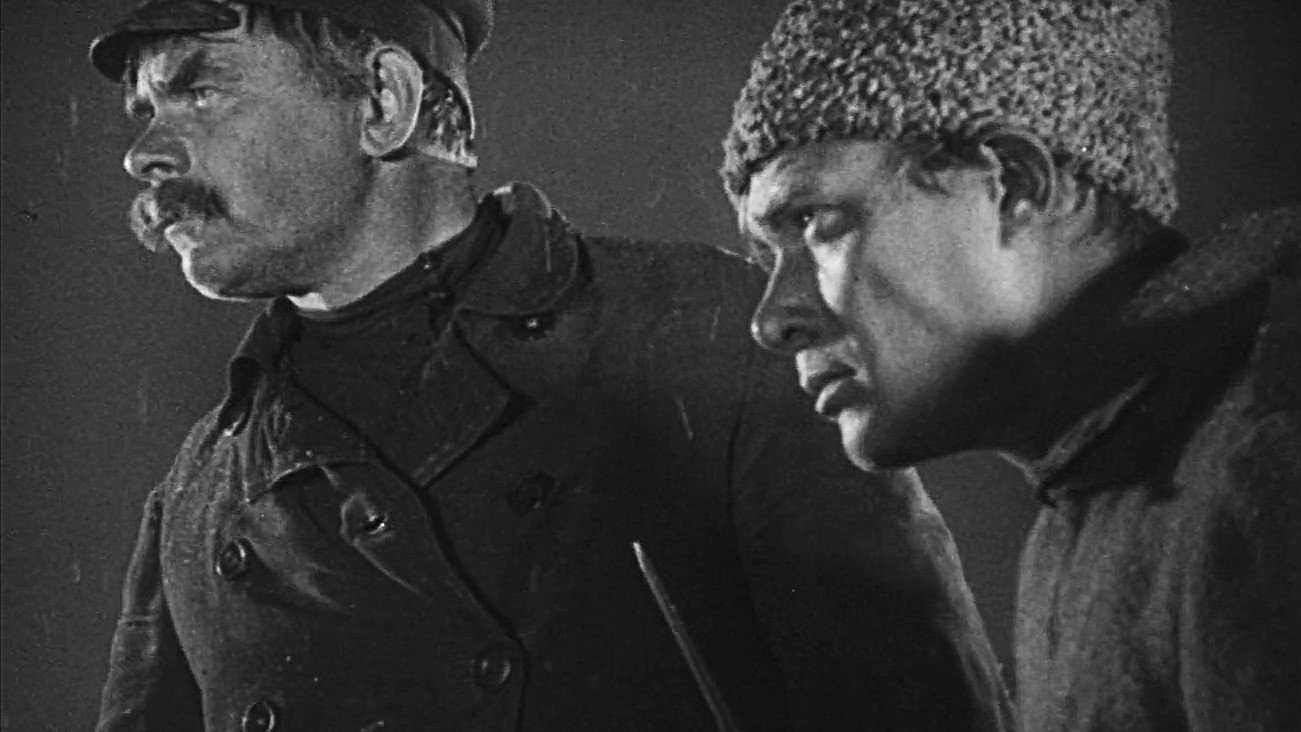
Shortly before the outbreak of WWI, a peasant from rural Russia arrives in St. Petersburg to find work.
Directed by Vsevolod Pudovkin
revolution
soviet realism

IMDB
N/A
Where to Watch

Cast
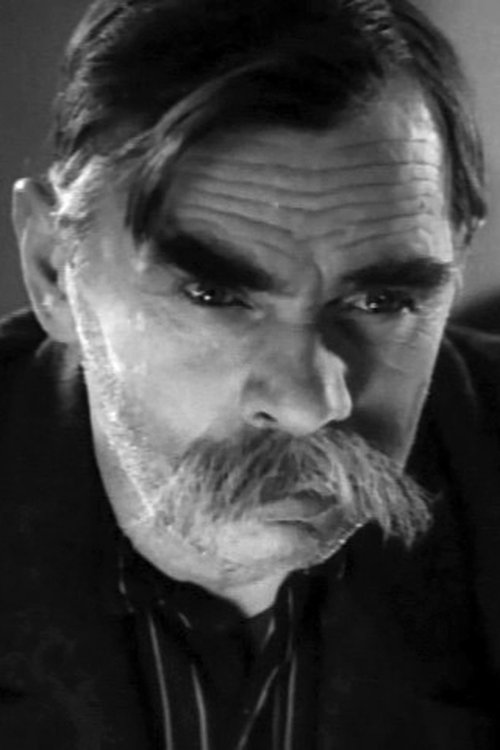
Aleksandr Chistyakov
Worker
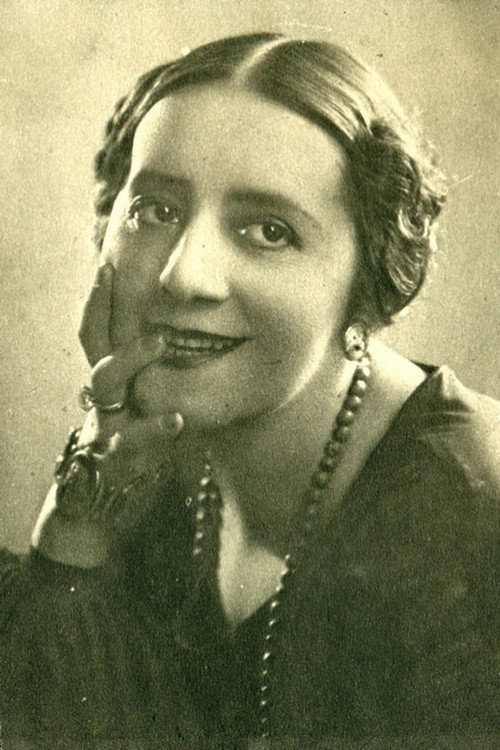
Vera Baranovskaya
Worker's wife
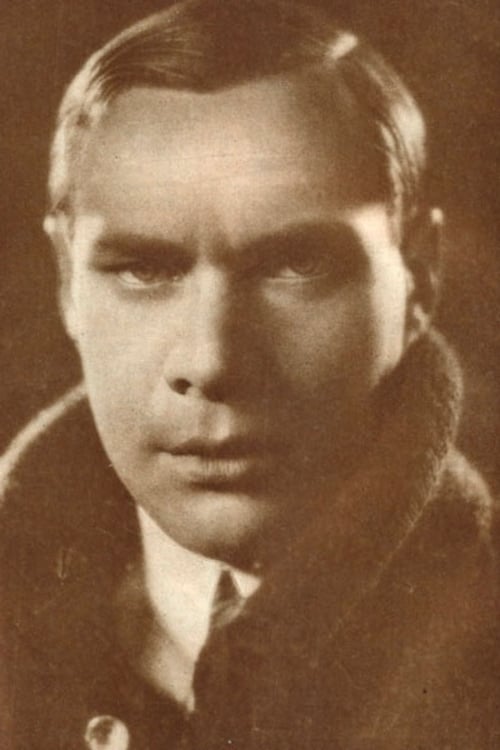
Ivan Chuvelyov
The Village Lad
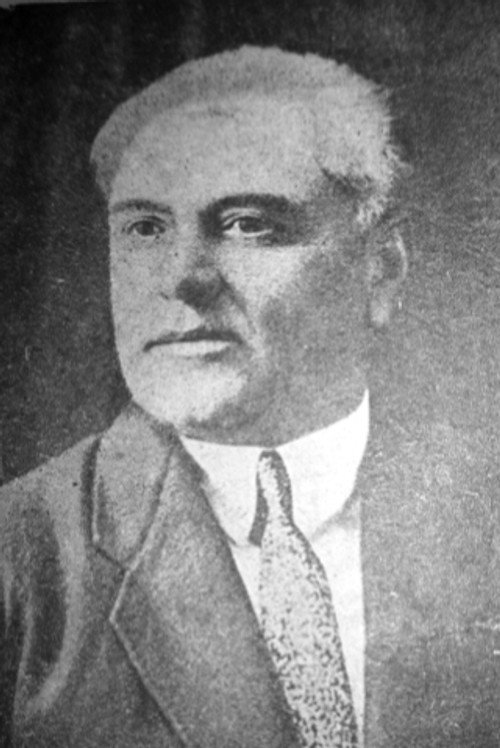
Vladimir Obolenskiy
Lebedev, the manufacturer
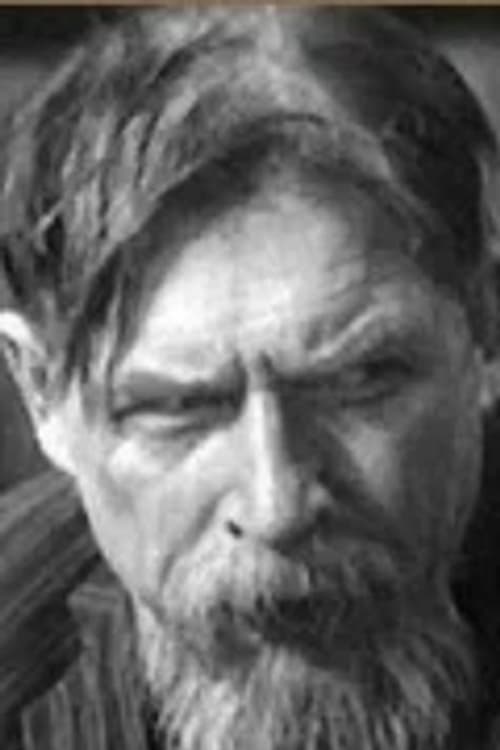
Alexandr Gromov
The Bald Revolutionary
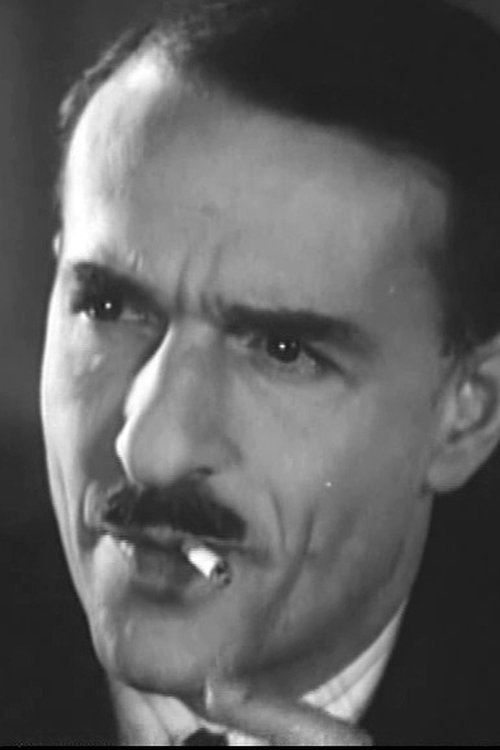
Vladimir Tsoppi
Anti-German Patriot with Top Hat
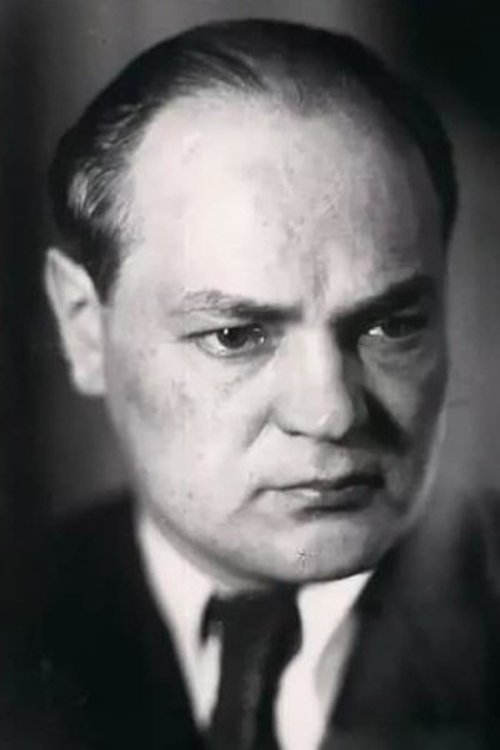
Nikolai Khmelyov
Stock Broker
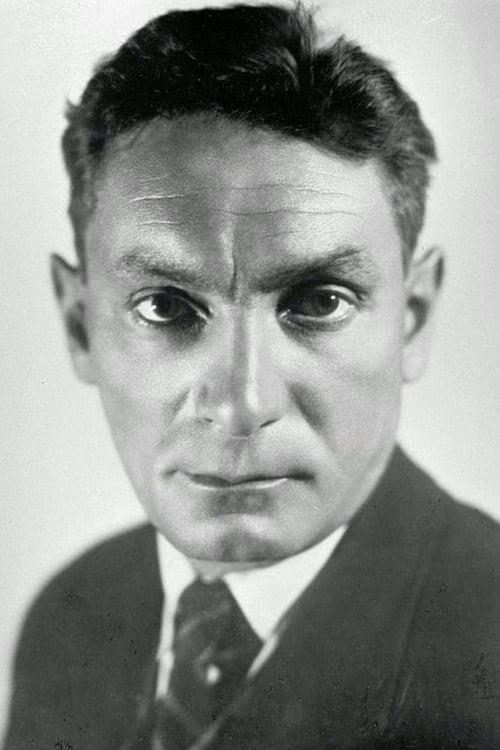
Vsevolod Pudovkin
German Officer
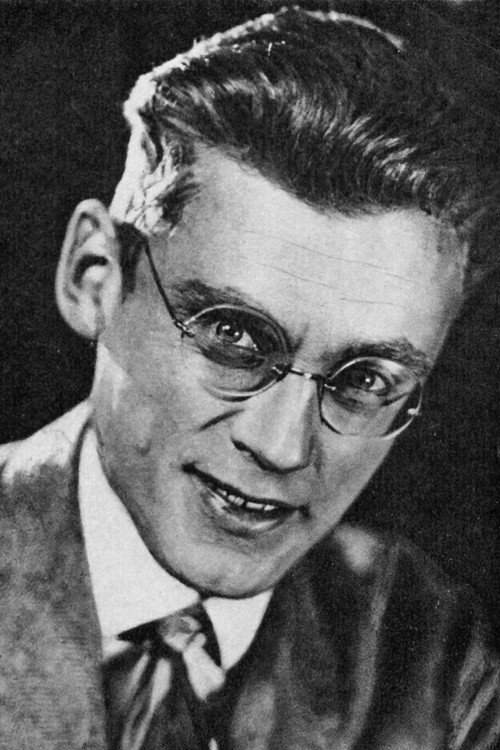
Vladimir Fogel
German Officer
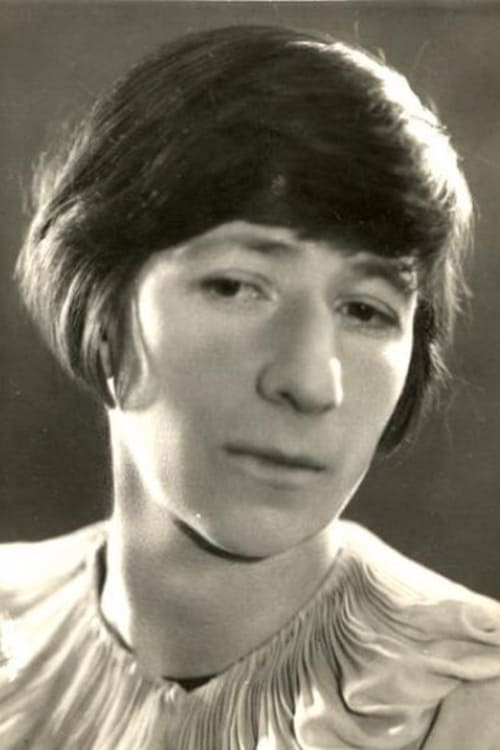
Serafima Birman
Crew
Vsevolod Pudovkin
Director
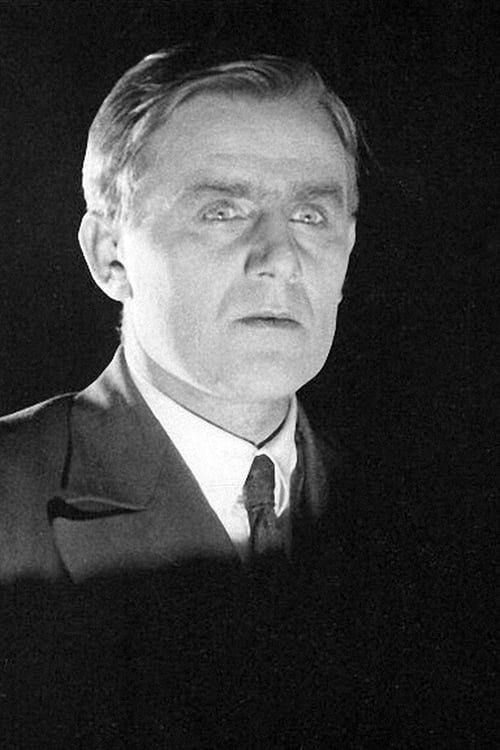
Mikhail Doller
Co-Director

Natan Zarkhi
Screenplay
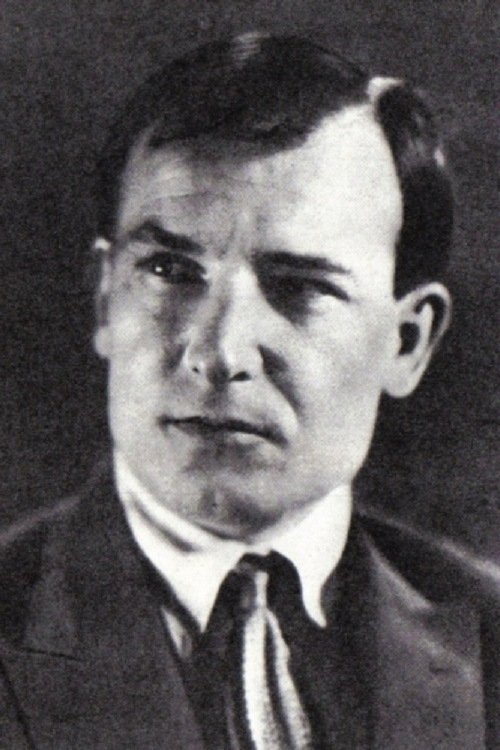
Anatoli Golovnya
Director of Photography
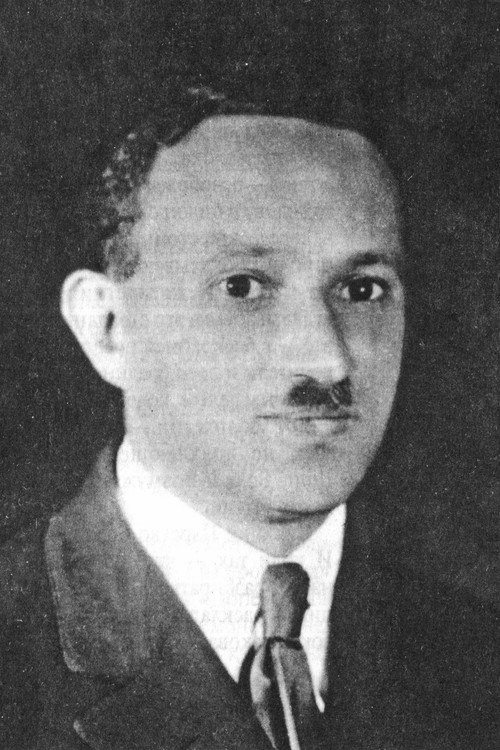
Moisey Aleynikov
Producer
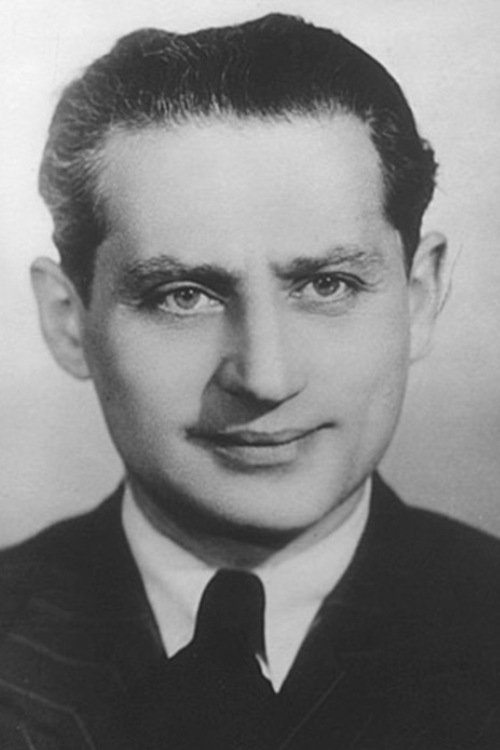
Alexandr Faintsimmer
Second Assistant Director
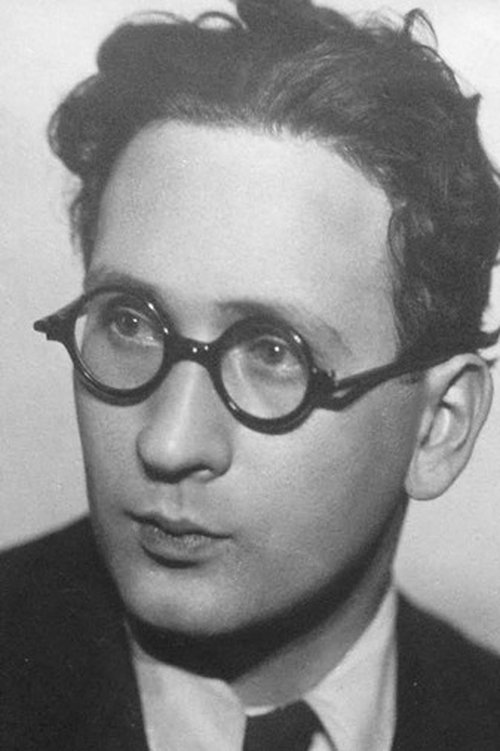
Vladimir Yourovsky
Music Arranger
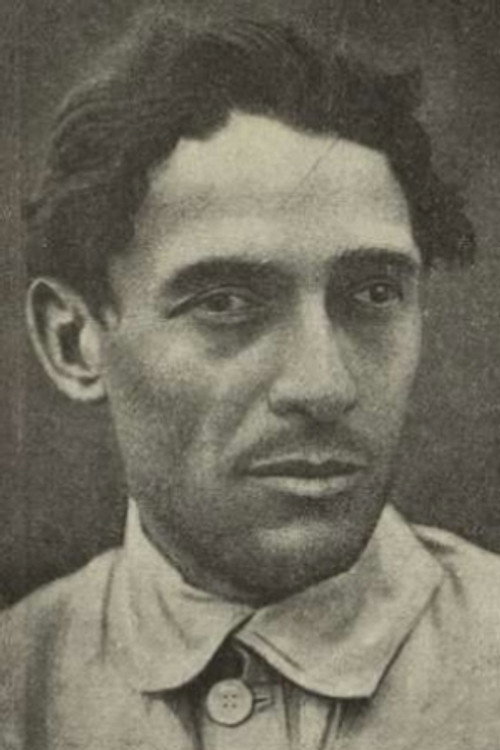
Sergei Kozlovsky
Production Design
Popular Reviews
7 reviews
adalbert
4.0★ · 06/11/26
ja wiem ,ze montazowo te filmy sa cudowne , ale tutaj poziom przeklamania zgodnosci historycznej i skali rewolucji pazdziernikowej jest juz razacy
ja wiem ,ze montazowo te filmy sa cudowne , ale tutaj poziom przeklamania zgodnosci historycznej i skali rewolucji pazdziernikowej jest juz razacy


endo
5.0★ · 10/15/25
bon bah, y’a beaucoup de très bonnes idées notamment dans la photographie et le montage mais pitié la mise en scène c’est incompréhensible parfois alors que déjà que c’est une des choses les plus importantes alors quand y’a même pas de paroles ça l’est encore plus. Ca prouve encore une fois que le vrai problème c’est le capitalisme
bon bah, y’a beaucoup de très bonnes idées notamment dans la photographie et le montage mais pitié la mise en scène c’est incompréhensible parfois alors que déjà que c’est une des choses les plus importantes alors quand y’a même pas de paroles ça l’est encore plus. Ca prouve encore une fois que le vrai problème c’est le capitalisme
Lasse Jørgensen
4.2★ · 03/26/25
The translated text placement annoyed me.
The translated text placement annoyed me.
Ghoulie
9.0★ · 07/25/24
Apparently Pudovkin and Eisenstein were close friends, and they would get drunk together and rattle off their revolutionary ideas on the montage. As both were huge and worshiped figures in their filmic movement, they shared many common ideas, but also expressed stark differences. Indeed they were polar opposites, and one must wonder what their back-and-forths looked like. Was the montage a brutal collision or a glorious canvas for musical structure?
Where Eisenstein was grounded inside more worldly, open-minded influence, Pudovkin (based on this lone critic's admittedly half-assed research) was for more of a polished academic. Because of this, his films haven't remained in the discourse of cinema the way that Eisenstein has. Having looked a tad into the essays and ideals of Pudovkin, the man was undoubtedly a genius, at a time when innovation in cinema was still ripe for malleability; his conjecture was vision as a series of cuts, one right after the other, like an eye opening and closing from one thing into another.
With the rise of sound in film, Pudovkin sadly faded away into relative obscurity. But with THE END OF ST. PETERSBURG, he's a revelation, a vital force of change necessary for the processing of cinematic language. The Soviets loved both he and Eisenstein, as they were the architects responsible for the capturing of recent, world-shaking events in the country's history. Eisenstein made OCTOBER and POTEMKIN, and Pudovkin made this far more cerebral affair.
We are shown huge, stunning battle sequences populated by fervent, marginalized proletariats, with great pride and flag-waving hegemony. Reds emerge victorious, the enemy combatants are defeated, and by the end only a scampering of disparate people are left to congregate in a grand, celebratory waving of paper. St. Peterburg has become the land of Lenin.
There is painterly beauty in every frame of this film, from the fields of hay, the windmills, the gloomy skies, the stark, empty cityscape, all of it is great, great work. Just like many films from the ISSR, especially of this era, THE END OF ST. PETERSBURG is just a different breed. They never made films like this in the West, and in a weird way I'm quite grateful for that.
Where Eisenstein was grounded inside more worldly, open-minded influence, Pudovkin (based on this lone critic's admittedly half-assed research) was for more of a polished academic. Because of this, his films haven't remained in the discourse of cinema the way that Eisenstein has. Having looked a tad into the essays and ideals of Pudovkin, the man was undoubtedly a genius, at a time when innovation in cinema was still ripe for malleability; his conjecture was vision as a series of cuts, one right after the other, like an eye opening and closing from one thing into another.
With the rise of sound in film, Pudovkin sadly faded away into relative obscurity. But with THE END OF ST. PETERSBURG, he's a revelation, a vital force of change necessary for the processing of cinematic language. The Soviets loved both he and Eisenstein, as they were the architects responsible for the capturing of recent, world-shaking events in the country's history. Eisenstein made OCTOBER and POTEMKIN, and Pudovkin made this far more cerebral affair.
We are shown huge, stunning battle sequences populated by fervent, marginalized proletariats, with great pride and flag-waving hegemony. Reds emerge victorious, the enemy combatants are defeated, and by the end only a scampering of disparate people are left to congregate in a grand, celebratory waving of paper. St. Peterburg has become the land of Lenin.
There is painterly beauty in every frame of this film, from the fields of hay, the windmills, the gloomy skies, the stark, empty cityscape, all of it is great, great work. Just like many films from the ISSR, especially of this era, THE END OF ST. PETERSBURG is just a different breed. They never made films like this in the West, and in a weird way I'm quite grateful for that.
Apparently Pudovkin and Eisenstein were close friends, and they would get drunk together and rattle off their revolutionary ideas on the montage. As both were huge and worshiped figures in their filmic movement, they shared many common ideas, but also expressed stark differences. Indeed they were polar opposites, and one must wonder what their back-and-forths looked like. Was the montage a brutal collision or a glorious canvas for musical structure?
Where Eisenstein was grounded inside more worldly, open-minded influence, Pudovkin (based on this lone critic's admittedly half-assed research) was for more of a polished academic. Because of this, his films haven't remained in the discourse of cinema the way that Eisenstein has. Having looked a tad into the essays and ideals of Pudovkin, the man was undoubtedly a genius, at a time when innovation in cinema was still ripe for malleability; his conjecture was vision as a series of cuts, one right after the other, like an eye opening and closing from one thing into another.
With the rise of sound in film, Pudovkin sadly faded away into relative obscurity. But with THE END OF ST. PETERSBURG, he's a revelation, a vital force of change necessary for the processing of cinematic language. The Soviets loved both he and Eisenstein, as they were the architects responsible for the capturing of recent, world-shaking events in the country's history. Eisenstein made OCTOBER and POTEMKIN, and Pudovkin made this far more cerebral affair.
We are shown huge, stunning battle sequences populated by fervent, marginalized proletariats, with great pride and flag-waving hegemony. Reds emerge victorious, the enemy combatants are defeated, and by the end only a scampering of disparate people are left to congregate in a grand, celebratory waving of paper. St. Peterburg has become the land of Lenin.
There is painterly beauty in every frame of this film, from the fields of hay, the windmills, the gloomy skies, the stark, empty cityscape, all of it is great, great work. Just like many films from the ISSR, especially of this era, THE END OF ST. PETERSBURG is just a different breed. They never made films like this in the West, and in a weird way I'm quite grateful for that.
Where Eisenstein was grounded inside more worldly, open-minded influence, Pudovkin (based on this lone critic's admittedly half-assed research) was for more of a polished academic. Because of this, his films haven't remained in the discourse of cinema the way that Eisenstein has. Having looked a tad into the essays and ideals of Pudovkin, the man was undoubtedly a genius, at a time when innovation in cinema was still ripe for malleability; his conjecture was vision as a series of cuts, one right after the other, like an eye opening and closing from one thing into another.
With the rise of sound in film, Pudovkin sadly faded away into relative obscurity. But with THE END OF ST. PETERSBURG, he's a revelation, a vital force of change necessary for the processing of cinematic language. The Soviets loved both he and Eisenstein, as they were the architects responsible for the capturing of recent, world-shaking events in the country's history. Eisenstein made OCTOBER and POTEMKIN, and Pudovkin made this far more cerebral affair.
We are shown huge, stunning battle sequences populated by fervent, marginalized proletariats, with great pride and flag-waving hegemony. Reds emerge victorious, the enemy combatants are defeated, and by the end only a scampering of disparate people are left to congregate in a grand, celebratory waving of paper. St. Peterburg has become the land of Lenin.
There is painterly beauty in every frame of this film, from the fields of hay, the windmills, the gloomy skies, the stark, empty cityscape, all of it is great, great work. Just like many films from the ISSR, especially of this era, THE END OF ST. PETERSBURG is just a different breed. They never made films like this in the West, and in a weird way I'm quite grateful for that.
David Poyas
9.0★ · 10/11/24