
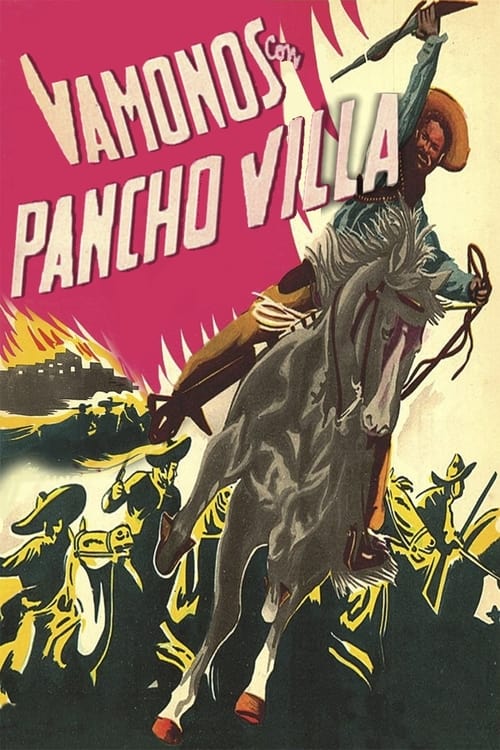
Let's Go with Pancho Villa!
1936·War·1h 32m
7.1
★
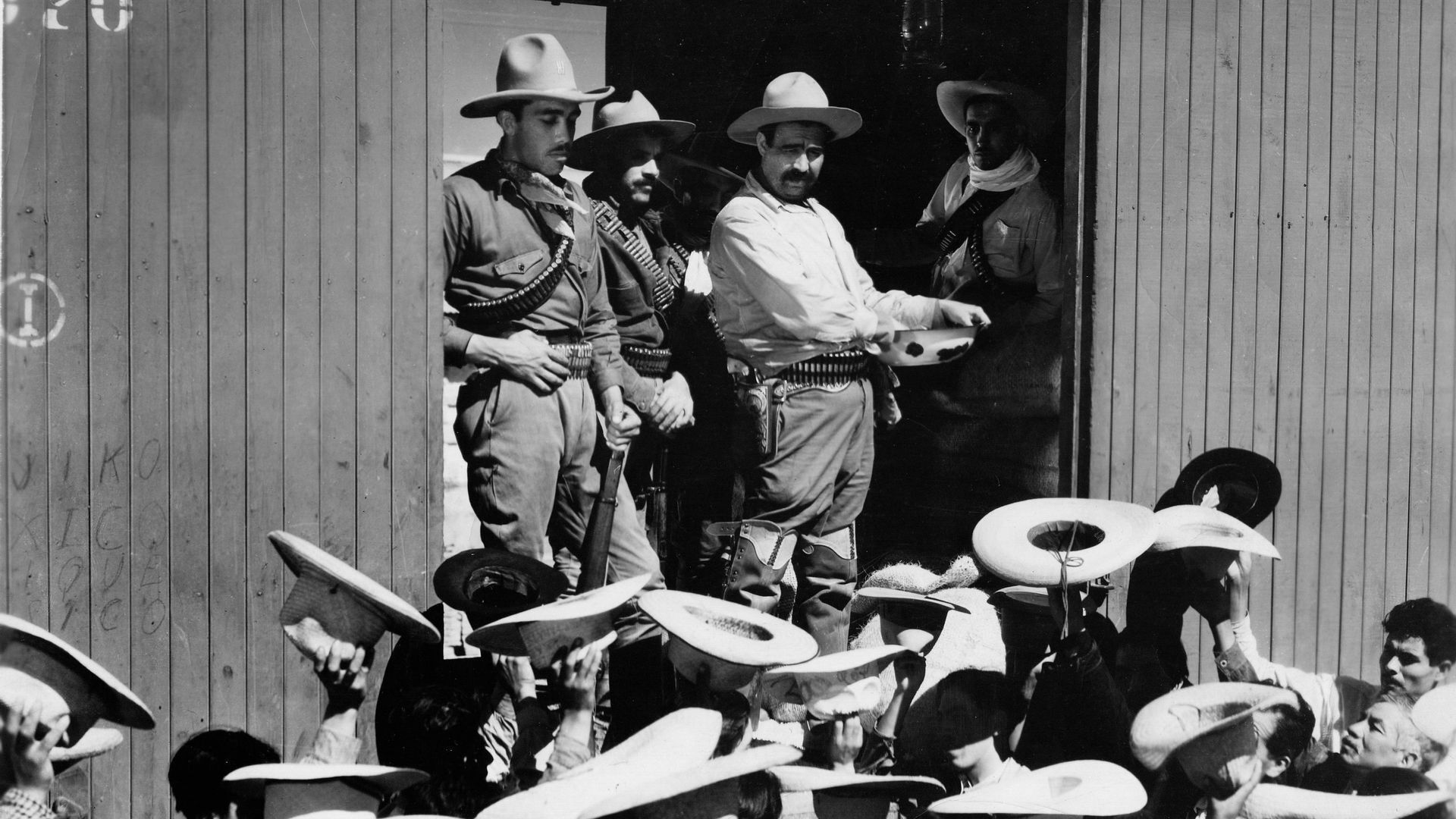
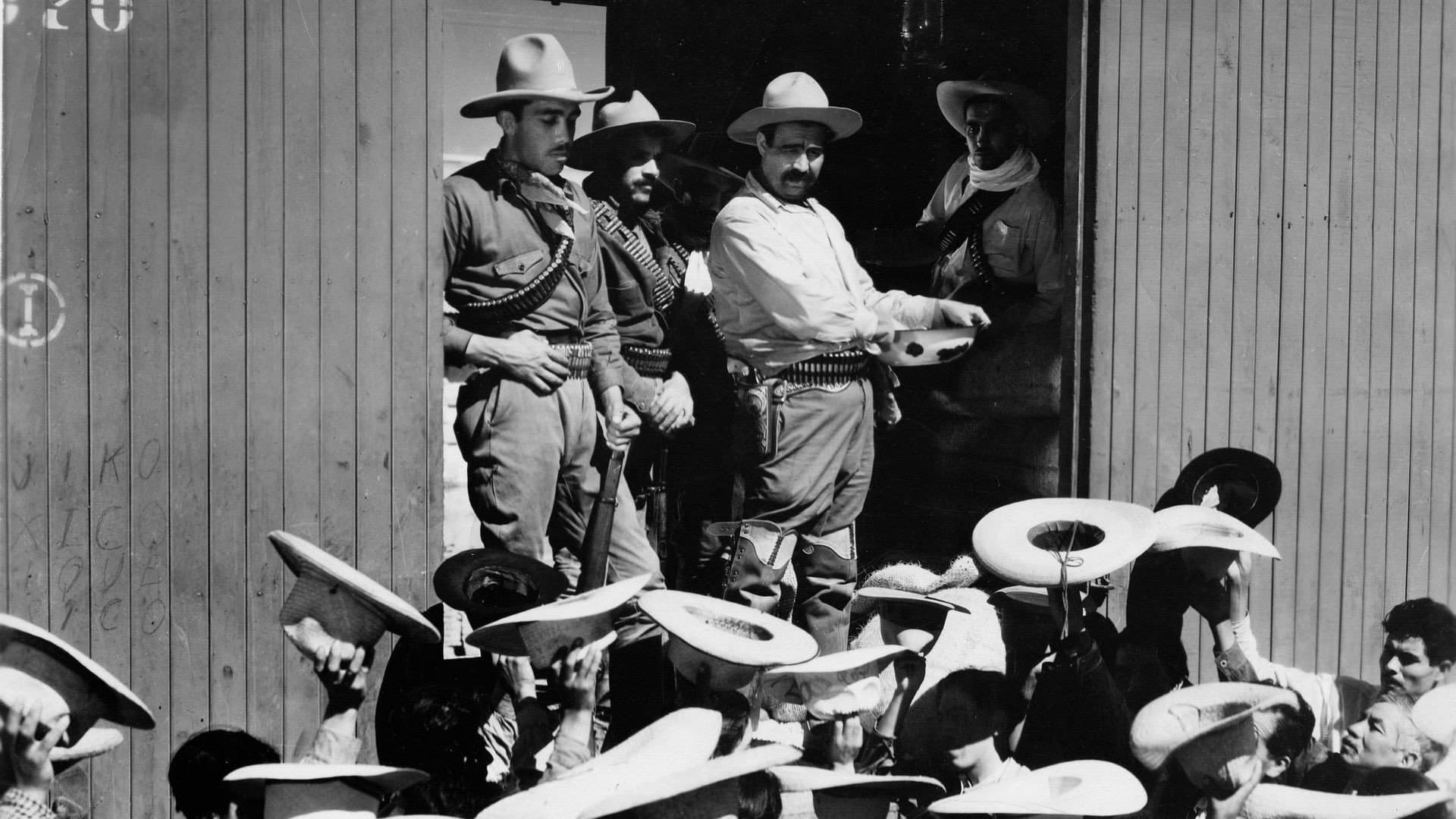
The 1910 Mexican Revolution is on its way when six brave peasants, known as "Los Leones de San Pablo", decide to join Pancho Villa's army and help end the suffering in their community by assisting in the struggle. Together, they will endure the tragedies and hardships of a civil war.
Directed by Fernando de Fuentes
based on novel or book
revolution
treason
deception
pancho villa

IMDB
N/A
Cast
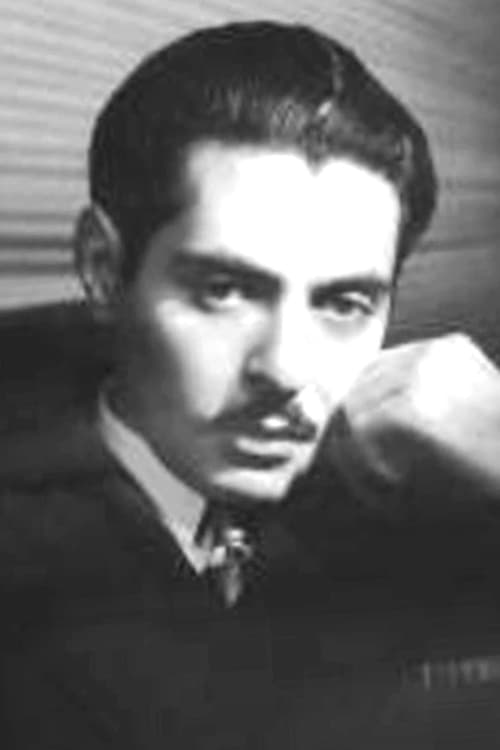
Antonio R. Frausto
Don Tiburcio Maya

Domingo Soler
Francisco 'Pancho' Villa
Manuel Tamés
Melitón Botello
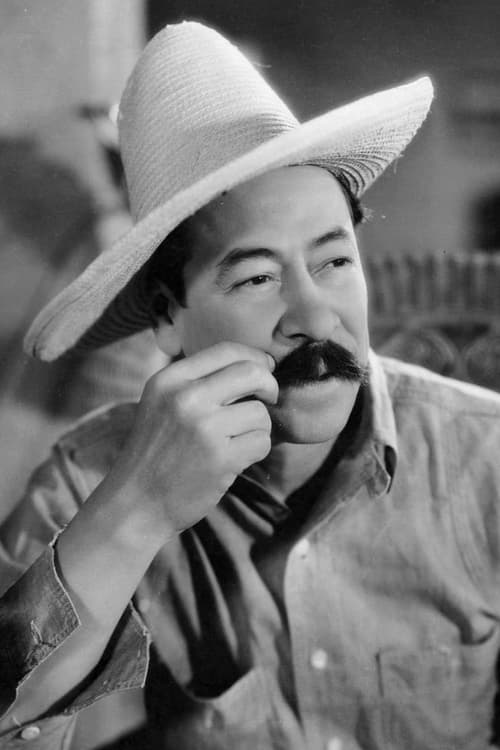
Carlos López
Rodrigo Perea
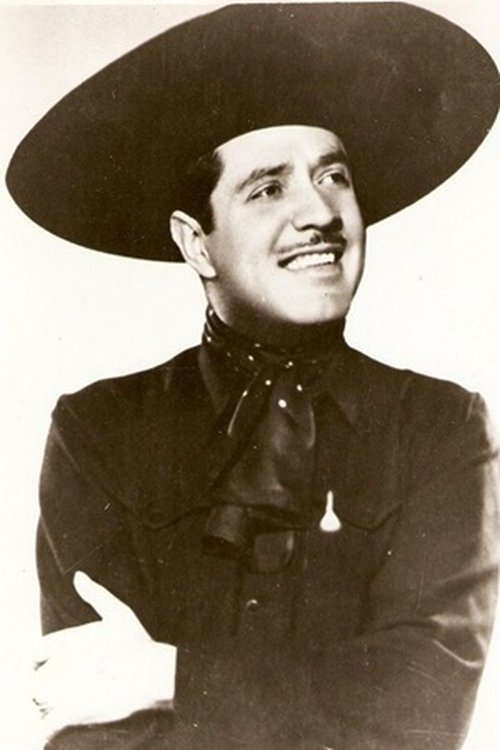
Raúl de Anda
Máximo Perea
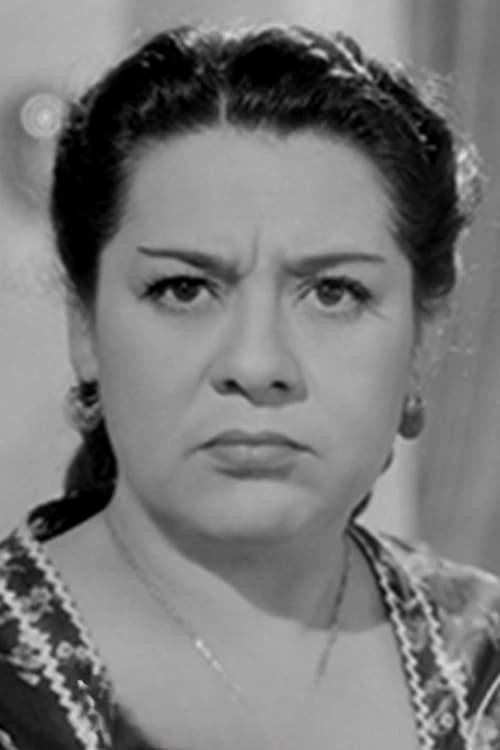
Dolores Camarillo
Dona Lupe Maya
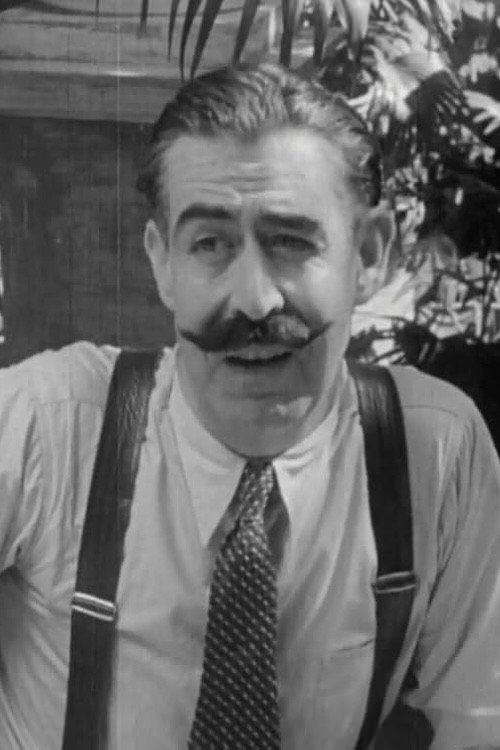
David Valle González
Chon
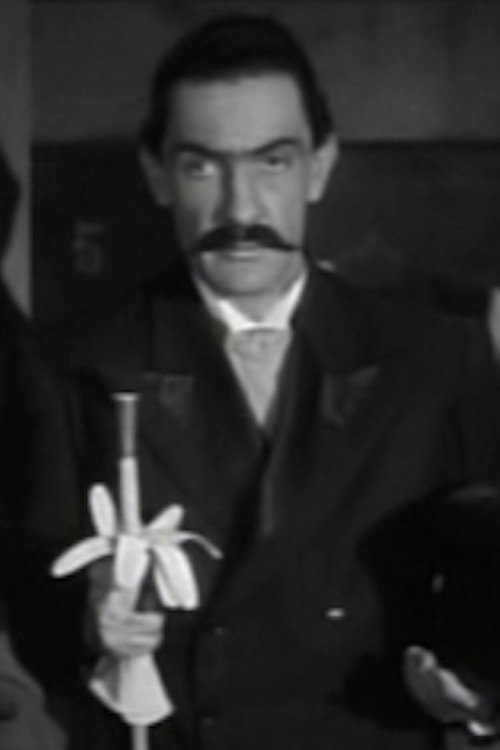
Max Langler
El Flaco
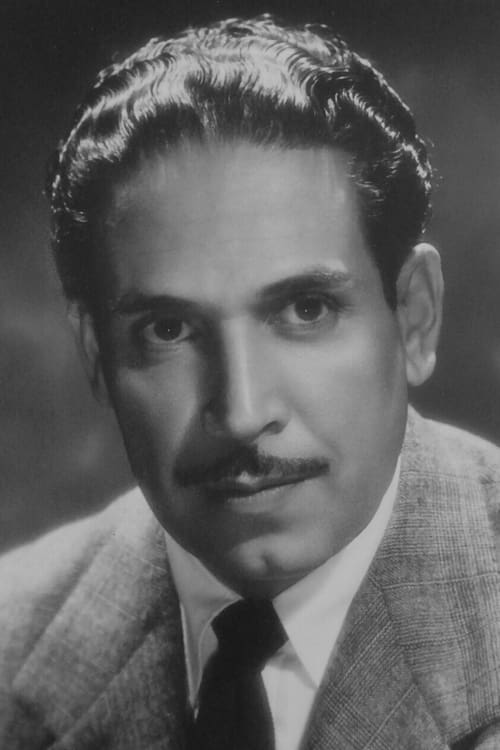
Miguel M. Delgado
Doctor
Pepe del Río
Pedrito Maya, niño
Crew
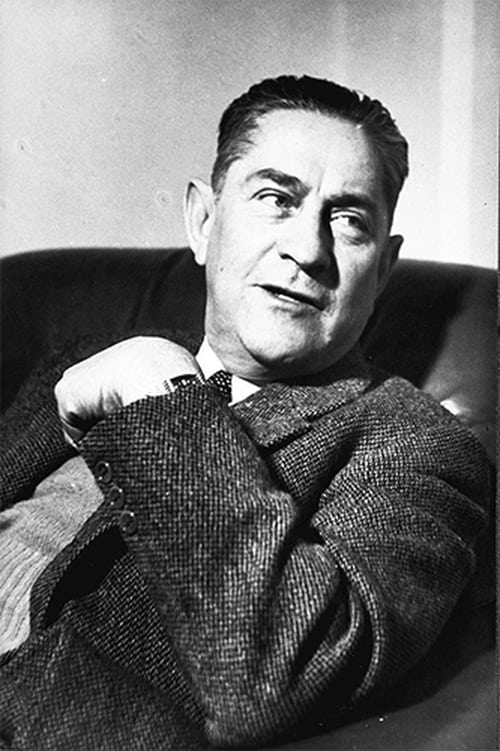
Fernando de Fuentes
Director

Xavier Villaurrutia
Writer
Fernando de Fuentes
Screenplay
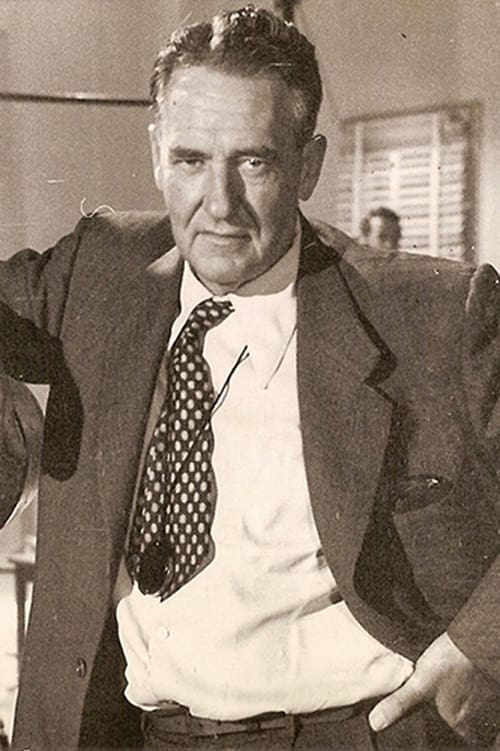
Jack Draper
Director of Photography
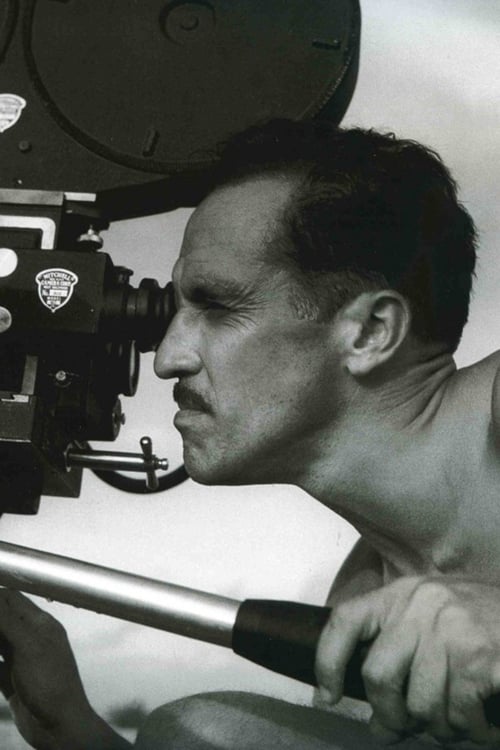
Gabriel Figueroa
Camera Operator
Fernando de Fuentes
Adaptation
Xavier Villaurrutia
Adaptation
Miguel M. Delgado
Assistant Director
Popular Reviews
15 reviews
eva callealta
5.0★ · 02/25/26
en qué momento era una buena idea hacer una ruleta rusa a oscuras Y ENCIMA tener los cojones de ponerse triste cuando se murió uno
en qué momento era una buena idea hacer una ruleta rusa a oscuras Y ENCIMA tener los cojones de ponerse triste cuando se murió uno


piolina
8.0★ · 08/21/25
fuckass pancho villa
fuckass pancho villa
Santiago Garza
10.0★ · 05/30/25
One of the best 75 films I’ve ever seen.
SPANISH REVIEW:
¡Vámonos con Pancho Villa! Es para mí el equivalente a Napoleón de Abel Gance en el cine mexicano. Una obra maestra que desde cualquier punto de vista es una ópera grandiosa y gigantesca que mezcla todo lo que se conocía del cine hasta 1936. El sonido que apenas estaba en su auge, que aunque no sea el mejor sigue siendo imprescindible y un aporte gran en cada una de esas batallas. El montaje igual es impresionante y aunque no esté al nivel de la opus magnum de Gance sigue siendo innovador para la época. Las interpretaciones actorales de cada uno de los participantes son igualmente perfectas. Gracias a las increíbles interpretaciones de Antonio R. Frausto, Domingo Soler, Ramón Vallarino, Manuel Tamés, Carlos López, Raúl De Anda, Rafael F. Muñoz entre muchos otros increíbles actores.
Mientras que Napoleón está más enfocada en la figura de un revolucionario, aquí se enfoca más en la gente que sigue al revolucionario (en este caso Los Leones De San Pablo siguiendo a Pancho Villa). Los seguimos a través de una época muy dura de la historia de México, cuando la violencia y la crueldad estaban presentes en cualquier momento. También los seguimos en sus momentos más felices y por más que sean fugaces, esos momentos son importantes. Cada personaje tiene una personalidad única, y esto se ve cuando les preguntan sobre la muerte, cada uno da un pensamiento tan único y sincero que sorprende bastante. Gracias a Xavier Villaurrutia y Fernando de Fuentes que crearon un guión tan ingenioso, con momentos de acción y lucha, pero a su vez momentos tan sinceros y pequeños como una pequeña plática.
Fernando de Fuentes. Sin duda fuiste uno de los mayores genios del cine mexicano, y un autor que debería ser más reconocido.
ENGLISH REVIEW
¡Vámonos con Pancho Villa! is, for me, the equivalent of Abel Gance’s Napoleon in Mexican cinema. A masterpiece that, from any angle, is a grand and monumental opera that blends everything known about cinema up until 1936. Sound, which was just reaching its peak, may not be the best, but it remains essential and a great contribution in every one of those battle scenes. The editing is equally impressive and, although not on the same level as Gance’s magnum opus, it was still innovative for its time. The acting performances from each of the cast members are likewise flawless. Thanks to the incredible portrayals by Antonio R. Frausto, Domingo Soler, Ramón Vallarino, Manuel Tamés, Carlos López, Raúl De Anda, Rafael F. Muñoz, among many other outstanding actors.
Whereas Napoleon focuses more on the figure of the revolutionary, here the spotlight is more on the people who follow the revolutionary—in this case, the Lions of San Pablo following Pancho Villa. We follow them through a very harsh period in Mexican history, when violence and cruelty could strike at any moment. But we also witness their happiest moments, and no matter how fleeting, those moments are meaningful. Each character has a unique personality, and this becomes especially clear when they are asked about death—each one gives such a unique and sincere thought that it’s truly surprising. Thanks to Xavier Villaurrutia and Fernando de Fuentes, who crafted such a clever script—full of action and conflict, but also filled with sincere and intimate moments, like a simple conversation.
Fernando de Fuentes, without a doubt, you were one of the greatest geniuses of Mexican cinema, and an auteur who deserves far greater recognition.
100/100
SPANISH REVIEW:
¡Vámonos con Pancho Villa! Es para mí el equivalente a Napoleón de Abel Gance en el cine mexicano. Una obra maestra que desde cualquier punto de vista es una ópera grandiosa y gigantesca que mezcla todo lo que se conocía del cine hasta 1936. El sonido que apenas estaba en su auge, que aunque no sea el mejor sigue siendo imprescindible y un aporte gran en cada una de esas batallas. El montaje igual es impresionante y aunque no esté al nivel de la opus magnum de Gance sigue siendo innovador para la época. Las interpretaciones actorales de cada uno de los participantes son igualmente perfectas. Gracias a las increíbles interpretaciones de Antonio R. Frausto, Domingo Soler, Ramón Vallarino, Manuel Tamés, Carlos López, Raúl De Anda, Rafael F. Muñoz entre muchos otros increíbles actores.
Mientras que Napoleón está más enfocada en la figura de un revolucionario, aquí se enfoca más en la gente que sigue al revolucionario (en este caso Los Leones De San Pablo siguiendo a Pancho Villa). Los seguimos a través de una época muy dura de la historia de México, cuando la violencia y la crueldad estaban presentes en cualquier momento. También los seguimos en sus momentos más felices y por más que sean fugaces, esos momentos son importantes. Cada personaje tiene una personalidad única, y esto se ve cuando les preguntan sobre la muerte, cada uno da un pensamiento tan único y sincero que sorprende bastante. Gracias a Xavier Villaurrutia y Fernando de Fuentes que crearon un guión tan ingenioso, con momentos de acción y lucha, pero a su vez momentos tan sinceros y pequeños como una pequeña plática.
Fernando de Fuentes. Sin duda fuiste uno de los mayores genios del cine mexicano, y un autor que debería ser más reconocido.
ENGLISH REVIEW
¡Vámonos con Pancho Villa! is, for me, the equivalent of Abel Gance’s Napoleon in Mexican cinema. A masterpiece that, from any angle, is a grand and monumental opera that blends everything known about cinema up until 1936. Sound, which was just reaching its peak, may not be the best, but it remains essential and a great contribution in every one of those battle scenes. The editing is equally impressive and, although not on the same level as Gance’s magnum opus, it was still innovative for its time. The acting performances from each of the cast members are likewise flawless. Thanks to the incredible portrayals by Antonio R. Frausto, Domingo Soler, Ramón Vallarino, Manuel Tamés, Carlos López, Raúl De Anda, Rafael F. Muñoz, among many other outstanding actors.
Whereas Napoleon focuses more on the figure of the revolutionary, here the spotlight is more on the people who follow the revolutionary—in this case, the Lions of San Pablo following Pancho Villa. We follow them through a very harsh period in Mexican history, when violence and cruelty could strike at any moment. But we also witness their happiest moments, and no matter how fleeting, those moments are meaningful. Each character has a unique personality, and this becomes especially clear when they are asked about death—each one gives such a unique and sincere thought that it’s truly surprising. Thanks to Xavier Villaurrutia and Fernando de Fuentes, who crafted such a clever script—full of action and conflict, but also filled with sincere and intimate moments, like a simple conversation.
Fernando de Fuentes, without a doubt, you were one of the greatest geniuses of Mexican cinema, and an auteur who deserves far greater recognition.
100/100
One of the best 75 films I’ve ever seen.
SPANISH REVIEW:
¡Vámonos con Pancho Villa! Es para mí el equivalente a Napoleón de Abel Gance en el cine mexicano. Una obra maestra que desde cualquier punto de vista es una ópera grandiosa y gigantesca que mezcla todo lo que se conocía del cine hasta 1936. El sonido que apenas estaba en su auge, que aunque no sea el mejor sigue siendo imprescindible y un aporte gran en cada una de esas batallas. El montaje igual es impresionante y aunque no esté al nivel de la opus magnum de Gance sigue siendo innovador para la época. Las interpretaciones actorales de cada uno de los participantes son igualmente perfectas. Gracias a las increíbles interpretaciones de Antonio R. Frausto, Domingo Soler, Ramón Vallarino, Manuel Tamés, Carlos López, Raúl De Anda, Rafael F. Muñoz entre muchos otros increíbles actores.
Mientras que Napoleón está más enfocada en la figura de un revolucionario, aquí se enfoca más en la gente que sigue al revolucionario (en este caso Los Leones De San Pablo siguiendo a Pancho Villa). Los seguimos a través de una época muy dura de la historia de México, cuando la violencia y la crueldad estaban presentes en cualquier momento. También los seguimos en sus momentos más felices y por más que sean fugaces, esos momentos son importantes. Cada personaje tiene una personalidad única, y esto se ve cuando les preguntan sobre la muerte, cada uno da un pensamiento tan único y sincero que sorprende bastante. Gracias a Xavier Villaurrutia y Fernando de Fuentes que crearon un guión tan ingenioso, con momentos de acción y lucha, pero a su vez momentos tan sinceros y pequeños como una pequeña plática.
Fernando de Fuentes. Sin duda fuiste uno de los mayores genios del cine mexicano, y un autor que debería ser más reconocido.
ENGLISH REVIEW
¡Vámonos con Pancho Villa! is, for me, the equivalent of Abel Gance’s Napoleon in Mexican cinema. A masterpiece that, from any angle, is a grand and monumental opera that blends everything known about cinema up until 1936. Sound, which was just reaching its peak, may not be the best, but it remains essential and a great contribution in every one of those battle scenes. The editing is equally impressive and, although not on the same level as Gance’s magnum opus, it was still innovative for its time. The acting performances from each of the cast members are likewise flawless. Thanks to the incredible portrayals by Antonio R. Frausto, Domingo Soler, Ramón Vallarino, Manuel Tamés, Carlos López, Raúl De Anda, Rafael F. Muñoz, among many other outstanding actors.
Whereas Napoleon focuses more on the figure of the revolutionary, here the spotlight is more on the people who follow the revolutionary—in this case, the Lions of San Pablo following Pancho Villa. We follow them through a very harsh period in Mexican history, when violence and cruelty could strike at any moment. But we also witness their happiest moments, and no matter how fleeting, those moments are meaningful. Each character has a unique personality, and this becomes especially clear when they are asked about death—each one gives such a unique and sincere thought that it’s truly surprising. Thanks to Xavier Villaurrutia and Fernando de Fuentes, who crafted such a clever script—full of action and conflict, but also filled with sincere and intimate moments, like a simple conversation.
Fernando de Fuentes, without a doubt, you were one of the greatest geniuses of Mexican cinema, and an auteur who deserves far greater recognition.
100/100
SPANISH REVIEW:
¡Vámonos con Pancho Villa! Es para mí el equivalente a Napoleón de Abel Gance en el cine mexicano. Una obra maestra que desde cualquier punto de vista es una ópera grandiosa y gigantesca que mezcla todo lo que se conocía del cine hasta 1936. El sonido que apenas estaba en su auge, que aunque no sea el mejor sigue siendo imprescindible y un aporte gran en cada una de esas batallas. El montaje igual es impresionante y aunque no esté al nivel de la opus magnum de Gance sigue siendo innovador para la época. Las interpretaciones actorales de cada uno de los participantes son igualmente perfectas. Gracias a las increíbles interpretaciones de Antonio R. Frausto, Domingo Soler, Ramón Vallarino, Manuel Tamés, Carlos López, Raúl De Anda, Rafael F. Muñoz entre muchos otros increíbles actores.
Mientras que Napoleón está más enfocada en la figura de un revolucionario, aquí se enfoca más en la gente que sigue al revolucionario (en este caso Los Leones De San Pablo siguiendo a Pancho Villa). Los seguimos a través de una época muy dura de la historia de México, cuando la violencia y la crueldad estaban presentes en cualquier momento. También los seguimos en sus momentos más felices y por más que sean fugaces, esos momentos son importantes. Cada personaje tiene una personalidad única, y esto se ve cuando les preguntan sobre la muerte, cada uno da un pensamiento tan único y sincero que sorprende bastante. Gracias a Xavier Villaurrutia y Fernando de Fuentes que crearon un guión tan ingenioso, con momentos de acción y lucha, pero a su vez momentos tan sinceros y pequeños como una pequeña plática.
Fernando de Fuentes. Sin duda fuiste uno de los mayores genios del cine mexicano, y un autor que debería ser más reconocido.
ENGLISH REVIEW
¡Vámonos con Pancho Villa! is, for me, the equivalent of Abel Gance’s Napoleon in Mexican cinema. A masterpiece that, from any angle, is a grand and monumental opera that blends everything known about cinema up until 1936. Sound, which was just reaching its peak, may not be the best, but it remains essential and a great contribution in every one of those battle scenes. The editing is equally impressive and, although not on the same level as Gance’s magnum opus, it was still innovative for its time. The acting performances from each of the cast members are likewise flawless. Thanks to the incredible portrayals by Antonio R. Frausto, Domingo Soler, Ramón Vallarino, Manuel Tamés, Carlos López, Raúl De Anda, Rafael F. Muñoz, among many other outstanding actors.
Whereas Napoleon focuses more on the figure of the revolutionary, here the spotlight is more on the people who follow the revolutionary—in this case, the Lions of San Pablo following Pancho Villa. We follow them through a very harsh period in Mexican history, when violence and cruelty could strike at any moment. But we also witness their happiest moments, and no matter how fleeting, those moments are meaningful. Each character has a unique personality, and this becomes especially clear when they are asked about death—each one gives such a unique and sincere thought that it’s truly surprising. Thanks to Xavier Villaurrutia and Fernando de Fuentes, who crafted such a clever script—full of action and conflict, but also filled with sincere and intimate moments, like a simple conversation.
Fernando de Fuentes, without a doubt, you were one of the greatest geniuses of Mexican cinema, and an auteur who deserves far greater recognition.
100/100
Viciouskaa
10.0★ · 01/27/25
Amo que mis tareas sean ver películas 😭🙏🏻
Fernando de Fuentes ya lo había escuchado, por algún motivo nunca me dí el tiempo de ver sus películas y que bueno que ya lo hice. Esta película para ser del 36, esta espectacular, sin duda se ve mejor producción tanto en escenarios, como en los vestuarios, guiones y especialmente en los movimientos de cámaras, que fueron basados en el estilo de John Ford. Guiones concisos y planos estáticos.Fue considerada la película más costosa y ambiciosa de su época con un total de un millón de pesos para ese tiempo.
Me gustó ver a Domingo Soler en este film que también sale en la mujer del puerto, otra película increíble. Tmb creo que era Carlos López que sale en otra película de Fuentes, más allá del rancho grande.
Algo que idk pero lo pensé , fue el aporte que Lázaro Cárdenas brindó a todo este rodaje, que igual casi coincide en el año donde se nacionalizó el petróleo y ferrocarriles , no me meteré pero está muy interesante esa parte.
La trama es muy interesante, me mantuvo demasiado atenta y la disfruté un chingo. El final alterno es bastante denso y se diría es clásico de Fuentes, puesto que no quería los típicos finales felices hollywoodenses y convertirse en la “pobre imitación”. Resultó ser mucho mejor porque tiene razón, siempre son finales felices y no damos oportunidad a lo opuesto.
Fernando de Fuentes ya lo había escuchado, por algún motivo nunca me dí el tiempo de ver sus películas y que bueno que ya lo hice. Esta película para ser del 36, esta espectacular, sin duda se ve mejor producción tanto en escenarios, como en los vestuarios, guiones y especialmente en los movimientos de cámaras, que fueron basados en el estilo de John Ford. Guiones concisos y planos estáticos.Fue considerada la película más costosa y ambiciosa de su época con un total de un millón de pesos para ese tiempo.
Me gustó ver a Domingo Soler en este film que también sale en la mujer del puerto, otra película increíble. Tmb creo que era Carlos López que sale en otra película de Fuentes, más allá del rancho grande.
Algo que idk pero lo pensé , fue el aporte que Lázaro Cárdenas brindó a todo este rodaje, que igual casi coincide en el año donde se nacionalizó el petróleo y ferrocarriles , no me meteré pero está muy interesante esa parte.
La trama es muy interesante, me mantuvo demasiado atenta y la disfruté un chingo. El final alterno es bastante denso y se diría es clásico de Fuentes, puesto que no quería los típicos finales felices hollywoodenses y convertirse en la “pobre imitación”. Resultó ser mucho mejor porque tiene razón, siempre son finales felices y no damos oportunidad a lo opuesto.
Amo que mis tareas sean ver películas 😭🙏🏻
Fernando de Fuentes ya lo había escuchado, por algún motivo nunca me dí el tiempo de ver sus películas y que bueno que ya lo hice. Esta película para ser del 36, esta espectacular, sin duda se ve mejor producción tanto en escenarios, como en los vestuarios, guiones y especialmente en los movimientos de cámaras, que fueron basados en el estilo de John Ford. Guiones concisos y planos estáticos.Fue considerada la película más costosa y ambiciosa de su época con un total de un millón de pesos para ese tiempo.
Me gustó ver a Domingo Soler en este film que también sale en la mujer del puerto, otra película increíble. Tmb creo que era Carlos López que sale en otra película de Fuentes, más allá del rancho grande.
Algo que idk pero lo pensé , fue el aporte que Lázaro Cárdenas brindó a todo este rodaje, que igual casi coincide en el año donde se nacionalizó el petróleo y ferrocarriles , no me meteré pero está muy interesante esa parte.
La trama es muy interesante, me mantuvo demasiado atenta y la disfruté un chingo. El final alterno es bastante denso y se diría es clásico de Fuentes, puesto que no quería los típicos finales felices hollywoodenses y convertirse en la “pobre imitación”. Resultó ser mucho mejor porque tiene razón, siempre son finales felices y no damos oportunidad a lo opuesto.
Fernando de Fuentes ya lo había escuchado, por algún motivo nunca me dí el tiempo de ver sus películas y que bueno que ya lo hice. Esta película para ser del 36, esta espectacular, sin duda se ve mejor producción tanto en escenarios, como en los vestuarios, guiones y especialmente en los movimientos de cámaras, que fueron basados en el estilo de John Ford. Guiones concisos y planos estáticos.Fue considerada la película más costosa y ambiciosa de su época con un total de un millón de pesos para ese tiempo.
Me gustó ver a Domingo Soler en este film que también sale en la mujer del puerto, otra película increíble. Tmb creo que era Carlos López que sale en otra película de Fuentes, más allá del rancho grande.
Algo que idk pero lo pensé , fue el aporte que Lázaro Cárdenas brindó a todo este rodaje, que igual casi coincide en el año donde se nacionalizó el petróleo y ferrocarriles , no me meteré pero está muy interesante esa parte.
La trama es muy interesante, me mantuvo demasiado atenta y la disfruté un chingo. El final alterno es bastante denso y se diría es clásico de Fuentes, puesto que no quería los típicos finales felices hollywoodenses y convertirse en la “pobre imitación”. Resultó ser mucho mejor porque tiene razón, siempre son finales felices y no damos oportunidad a lo opuesto.
glort
3.6★ · 01/25/22
didn’t care about anything at all until man got smallpox 🥺 🥺 and then only cared till the end but perhaps watching a war movie on 2x speed will do that
didn’t care about anything at all until man got smallpox 🥺 🥺 and then only cared till the end but perhaps watching a war movie on 2x speed will do that