Experimental silent surrealist short film that adapts Poe’s terrifying story into a 13 minute nightmare. A visual delirium that is difficult to follow unless one already knows the story. If not, it would practically be unintelligible. Still, as a companion piece to the original text, I find it original and hypnotic; Id recommend first reading Poe’s story (it takes no time at all), and immediately afterward watch this disturbing interpretation of it. Quite an experience.
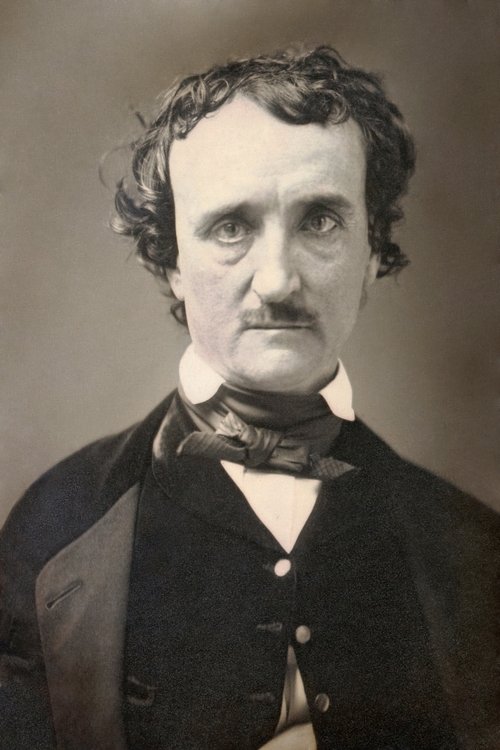
Even if it may not seem so, it is actually a very faithful adaptation. The difference lies in the point of view: while Poe narrates from the perspective of an outside observer (the friend arriving at the house), Watson and Webber tell the story from Usher’s own perspective. That is why everything becomes a disturbing surrealist fantasy: the warped reality of a madman consumed by his fears, traumas, and obsessions.
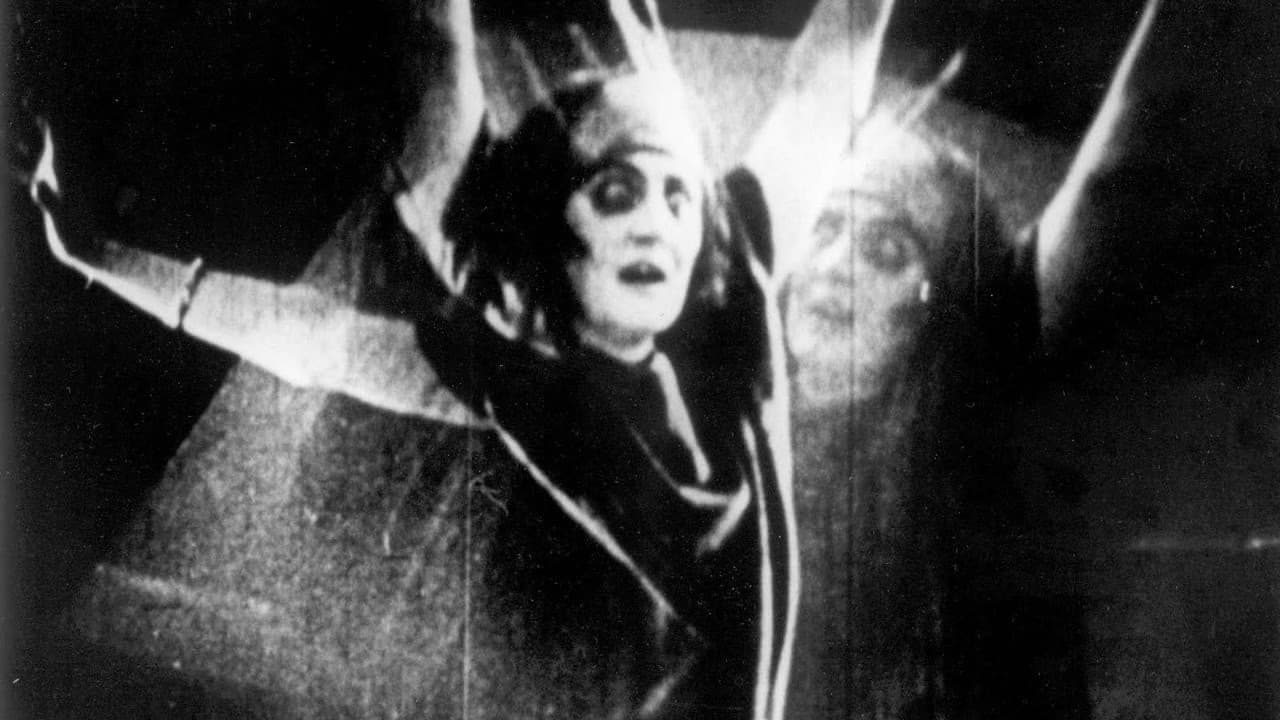
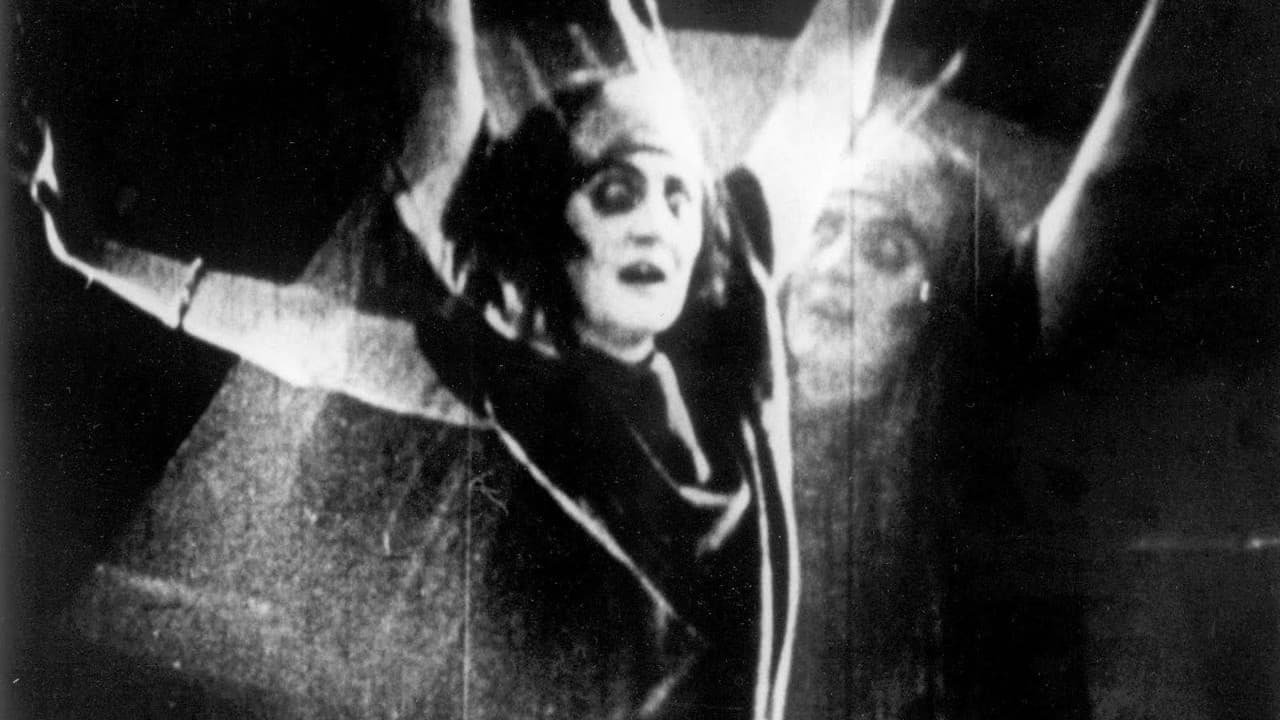
The film constantly employs impossible geometric forms, both in the set design and in the camera shots; scenes appear as though filmed through a kaleidoscope, producing distorted imagery. Constant superimpositions are also used. There are no explanatory title cards; instead, words float across the scenery, forming fragments that vaguely hint at what is happening.
Disturbing and sinister, the short film invites the viewer to dig through those old books gathering dust and mold on forgotten shelves.
Because rereading Poe is an exercise that always rewards.
Experimental silent surrealist short film that adapts Poe’s terrifying story into a 13 minute nightmare. A visual delirium that is difficult to follow unless one already knows the story. If not, it would practically be unintelligible. Still, as a companion piece to the original text, I find it original and hypnotic; Id recommend first reading Poe’s story (it takes no time at all), and immediately afterward watch this disturbing interpretation of it. Quite an experience.
Even if it may not seem so, it is actually a very faithful adaptation. The difference lies in the point of view: while Poe narrates from the perspective of an outside observer (the friend arriving at the house), Watson and Webber tell the story from Usher’s own perspective. That is why everything becomes a disturbing surrealist fantasy: the warped reality of a madman consumed by his fears, traumas, and obsessions.
The film constantly employs impossible geometric forms, both in the set design and in the camera shots; scenes appear as though filmed through a kaleidoscope, producing distorted imagery. Constant superimpositions are also used. There are no explanatory title cards; instead, words float across the scenery, forming fragments that vaguely hint at what is happening.
Disturbing and sinister, the short film invites the viewer to dig through those old books gathering dust and mold on forgotten shelves.
Because rereading Poe is an exercise that always rewards.