
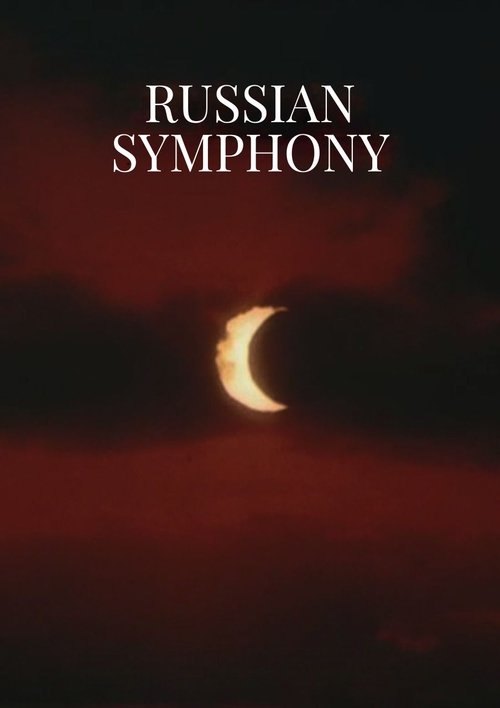
Russian Symphony
1994·Drama·1h 49m
7.1
★
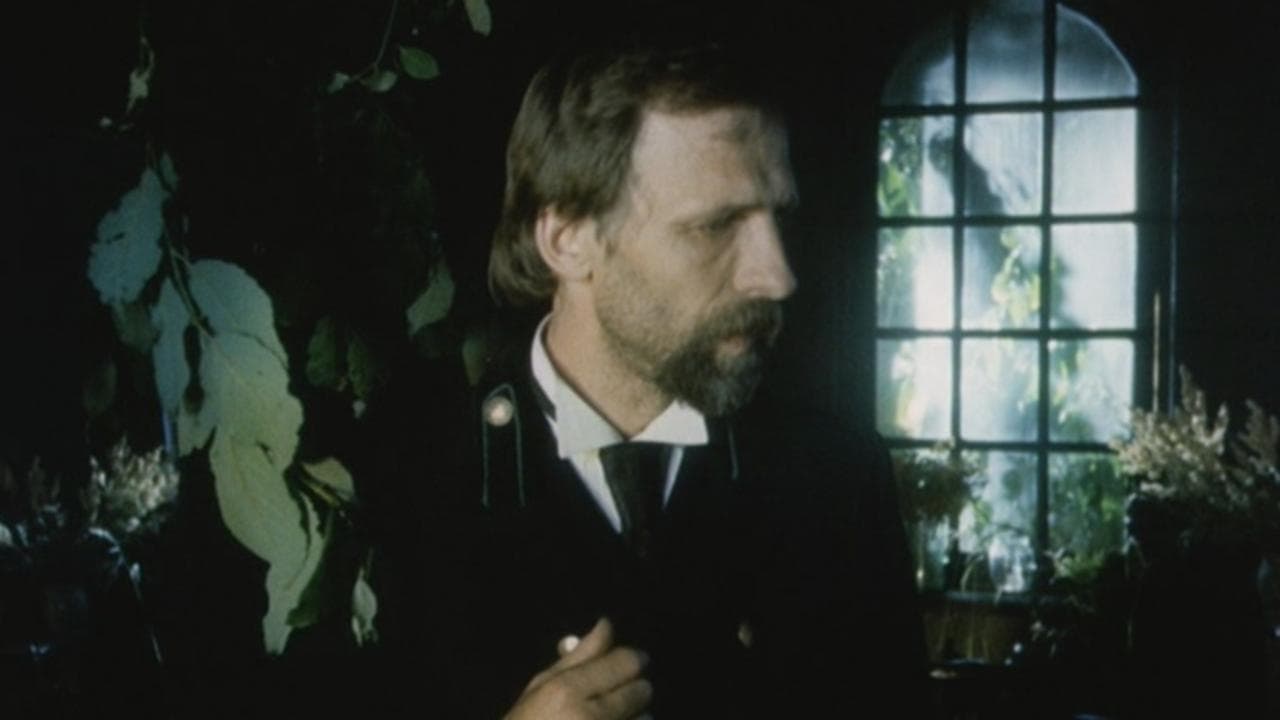
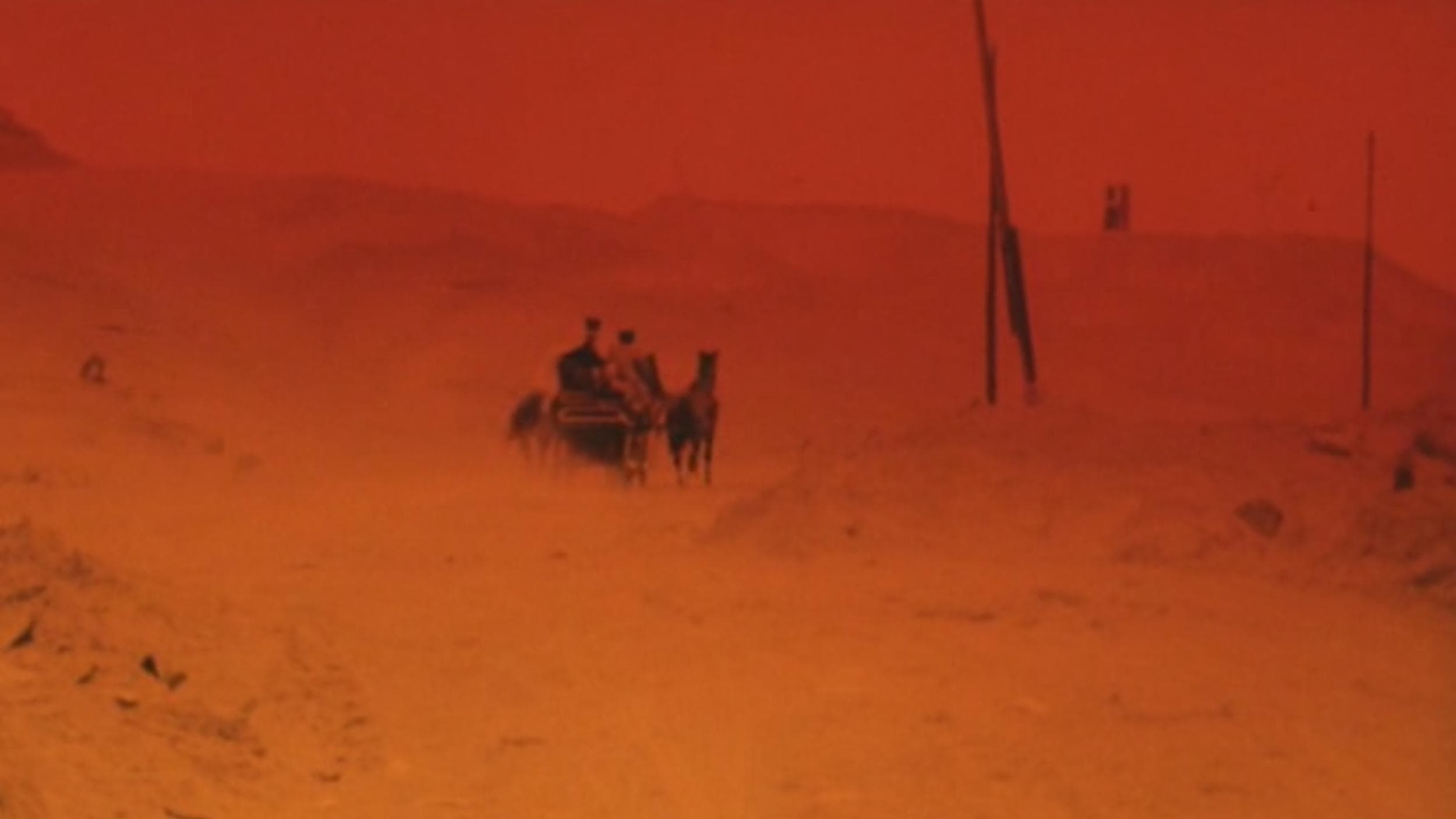
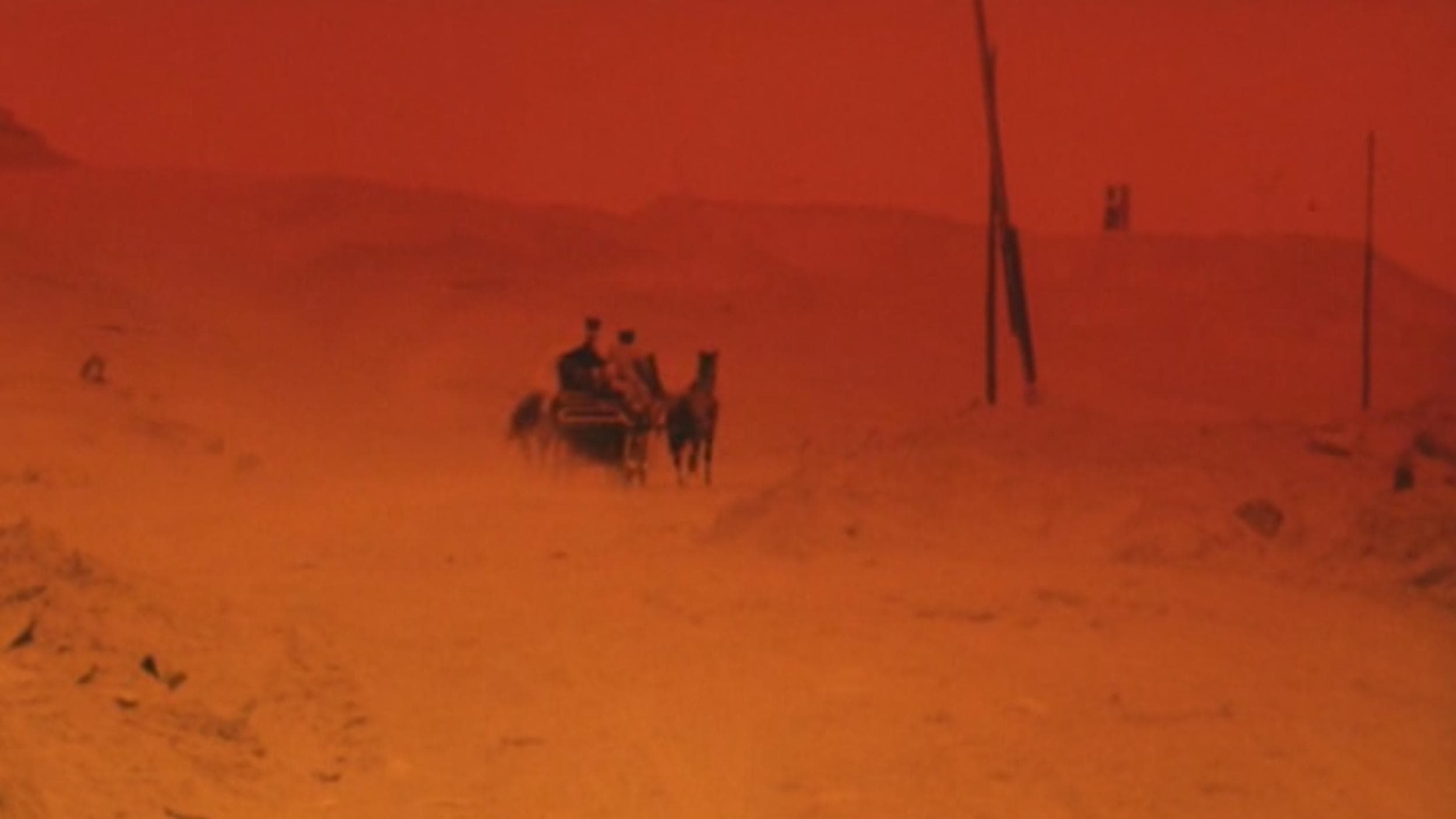
The protagonist finds out that some children were left behind in a sinking school, and is slowly driven mad as he tries to save them. A parable on the theme of the Last Judgment, numerous catastrophic events reveal a certain ambiguity in their origins, accompanied by the terrible suspicion that the things going on are some kind of a performance or theatrical production.
Directed by Konstantin Lopushansky

IMDB
N/A
Cast
Viktor Mikhaylov
Иван Сергеевич Мазаев
Anatoly Khropov

Anna Aleksakhina

Andrey Krasko
Valentina Kovel
Valeriy Garkalin
Aleksandr Ilin

Valentin Golubenko

Kira Krejlis-Petrova
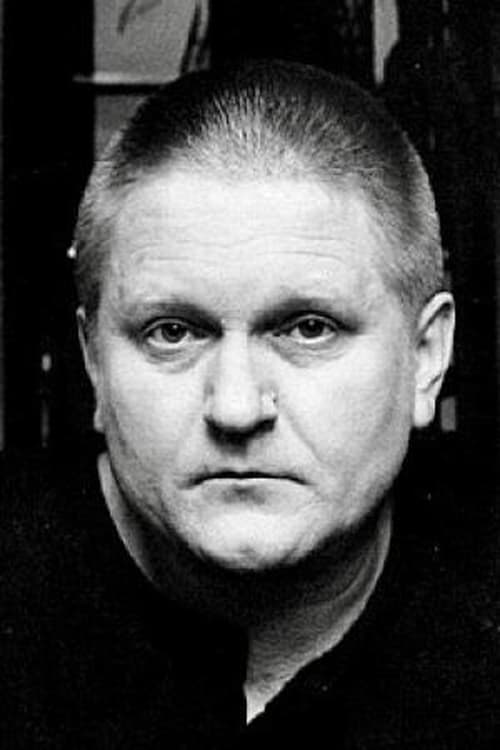
Sergey Russkin
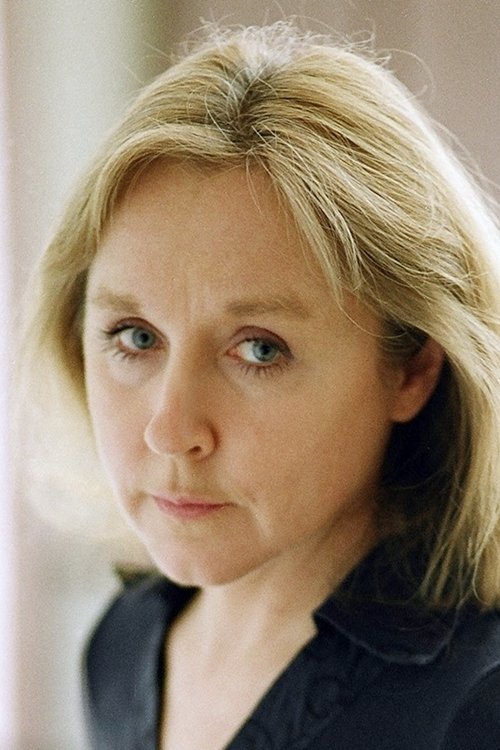
Natalya Akimova
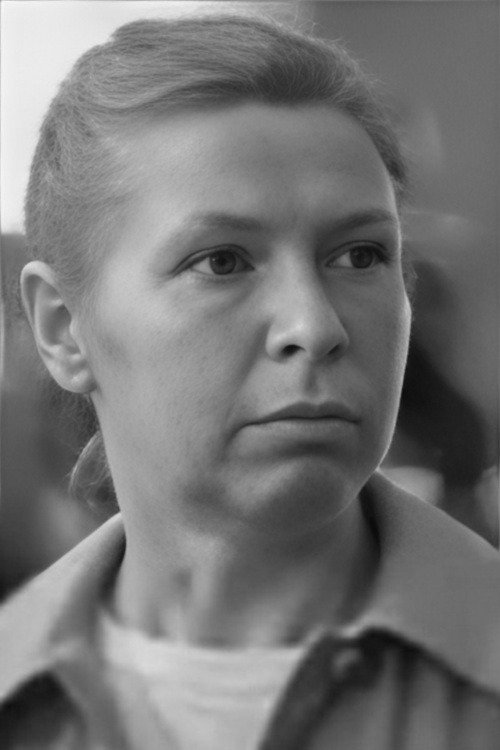
Svetlana Kireeva
Crew
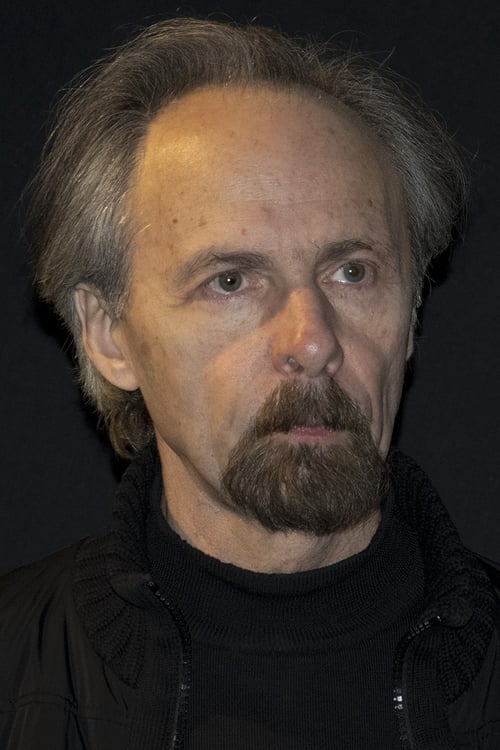
Konstantin Lopushansky
Director
Konstantin Lopushansky
Writer
Alexandr Golutva
Producer

Andrey Sigle
Music

Tatyana Patrakhaltseva
Costume Design

Iosif Krinskiy
Stunt Coordinator
Popular Reviews
9 reviews
Jack
9.0★ · 02/03/26
“im feeling ill. i am not well. there’s something wrong with my face, its not my face. i don’t understand whats wrong with me.”
this film brings Konstantin Lopushansky’s ‘Apocalypse Trilogy’ to a close in such an epic fashion. this dostoyevsky-esque post apocalyptic spiritual drama was the perfect conclusion to what is one of my favorite trilogy’s of all time. from the get go it was an exploration of absurdism and intellectual torture, it was brimming with pessimism, references to russian history/culture, and post soviet themes, almost serving as an allegory that the fall of the USSR was essentially the end of the world (among countless other themes). i will say its more than likely the “weakest” film of the trilogy, but not by a large margin, by all means its an absolutely fantastic movie, but it just wasn’t quite as impressive as the former 2 films. still, i strongly feel that every movie in this 3 film saga and Lopushansky’s filmography as a whole is grossly underrated and under appreciated.
this film brings Konstantin Lopushansky’s ‘Apocalypse Trilogy’ to a close in such an epic fashion. this dostoyevsky-esque post apocalyptic spiritual drama was the perfect conclusion to what is one of my favorite trilogy’s of all time. from the get go it was an exploration of absurdism and intellectual torture, it was brimming with pessimism, references to russian history/culture, and post soviet themes, almost serving as an allegory that the fall of the USSR was essentially the end of the world (among countless other themes). i will say its more than likely the “weakest” film of the trilogy, but not by a large margin, by all means its an absolutely fantastic movie, but it just wasn’t quite as impressive as the former 2 films. still, i strongly feel that every movie in this 3 film saga and Lopushansky’s filmography as a whole is grossly underrated and under appreciated.
“im feeling ill. i am not well. there’s something wrong with my face, its not my face. i don’t understand whats wrong with me.”
this film brings Konstantin Lopushansky’s ‘Apocalypse Trilogy’ to a close in such an epic fashion. this dostoyevsky-esque post apocalyptic spiritual drama was the perfect conclusion to what is one of my favorite trilogy’s of all time. from the get go it was an exploration of absurdism and intellectual torture, it was brimming with pessimism, references to russian history/culture, and post soviet themes, almost serving as an allegory that the fall of the USSR was essentially the end of the world (among countless other themes). i will say its more than likely the “weakest” film of the trilogy, but not by a large margin, by all means its an absolutely fantastic movie, but it just wasn’t quite as impressive as the former 2 films. still, i strongly feel that every movie in this 3 film saga and Lopushansky’s filmography as a whole is grossly underrated and under appreciated.
this film brings Konstantin Lopushansky’s ‘Apocalypse Trilogy’ to a close in such an epic fashion. this dostoyevsky-esque post apocalyptic spiritual drama was the perfect conclusion to what is one of my favorite trilogy’s of all time. from the get go it was an exploration of absurdism and intellectual torture, it was brimming with pessimism, references to russian history/culture, and post soviet themes, almost serving as an allegory that the fall of the USSR was essentially the end of the world (among countless other themes). i will say its more than likely the “weakest” film of the trilogy, but not by a large margin, by all means its an absolutely fantastic movie, but it just wasn’t quite as impressive as the former 2 films. still, i strongly feel that every movie in this 3 film saga and Lopushansky’s filmography as a whole is grossly underrated and under appreciated.


Alae
10.0★ · 12/09/25
Third Konstantin Lopushansky film I watched in the same week. Another masterpiece. I can’t say I understood all or even most of it, but its strange and wild energy kept me glued to the screen.
It is a beautiful movie. Dark. Heavy. But beautiful.
Like Dead Man’s Letters and A Visitor to a Museum, this film lives inside the same post apocalyptic world, but here the world is not dying anymore. It is already dead. Water is rising fast. Nothing can stop it. People know these are their last days, so they hide and lose they're humanity trying to save themselves only, they go mad in every direction. It feels like the end of history. The end of time.
The main protagonist is a man who is slowly losing his mind while trying to understand what is happening to the world. He learns that a group of children is trapped in a sinking school. He wants to do something good before he dies. He wants to save them, but he realizes that no one's listening to what he's saying and that everyone is preoccupied with selfish thoughts so he's seen as crazy throughout the movie, he walks from place to place. From empty streets to ruins to government buildings where officials still have cars and helicopters. He begs them to help him save the children. Nobody listens. They think he is only trying to save himself and nobody hears him.
The water keeps rising. The dead start to return. Everything feels already set. Like the world is following a plan that no one can change. The film shows how small people become at the end, and how nobody listens anymore.
In the end he does not save anyone. Not himself or the children. The last ten minutes are just him moving slowly through the snow, with nothing to solve, only the feeling that some things cannot be changed.
Russian Symphony is beautiful in a way that you feel more than you understand, as if maybe understanding was never the point of this film. :)
It is a beautiful movie. Dark. Heavy. But beautiful.
Like Dead Man’s Letters and A Visitor to a Museum, this film lives inside the same post apocalyptic world, but here the world is not dying anymore. It is already dead. Water is rising fast. Nothing can stop it. People know these are their last days, so they hide and lose they're humanity trying to save themselves only, they go mad in every direction. It feels like the end of history. The end of time.
The main protagonist is a man who is slowly losing his mind while trying to understand what is happening to the world. He learns that a group of children is trapped in a sinking school. He wants to do something good before he dies. He wants to save them, but he realizes that no one's listening to what he's saying and that everyone is preoccupied with selfish thoughts so he's seen as crazy throughout the movie, he walks from place to place. From empty streets to ruins to government buildings where officials still have cars and helicopters. He begs them to help him save the children. Nobody listens. They think he is only trying to save himself and nobody hears him.
The water keeps rising. The dead start to return. Everything feels already set. Like the world is following a plan that no one can change. The film shows how small people become at the end, and how nobody listens anymore.
In the end he does not save anyone. Not himself or the children. The last ten minutes are just him moving slowly through the snow, with nothing to solve, only the feeling that some things cannot be changed.
Russian Symphony is beautiful in a way that you feel more than you understand, as if maybe understanding was never the point of this film. :)
Third Konstantin Lopushansky film I watched in the same week. Another masterpiece. I can’t say I understood all or even most of it, but its strange and wild energy kept me glued to the screen.
It is a beautiful movie. Dark. Heavy. But beautiful.
Like Dead Man’s Letters and A Visitor to a Museum, this film lives inside the same post apocalyptic world, but here the world is not dying anymore. It is already dead. Water is rising fast. Nothing can stop it. People know these are their last days, so they hide and lose they're humanity trying to save themselves only, they go mad in every direction. It feels like the end of history. The end of time.
The main protagonist is a man who is slowly losing his mind while trying to understand what is happening to the world. He learns that a group of children is trapped in a sinking school. He wants to do something good before he dies. He wants to save them, but he realizes that no one's listening to what he's saying and that everyone is preoccupied with selfish thoughts so he's seen as crazy throughout the movie, he walks from place to place. From empty streets to ruins to government buildings where officials still have cars and helicopters. He begs them to help him save the children. Nobody listens. They think he is only trying to save himself and nobody hears him.
The water keeps rising. The dead start to return. Everything feels already set. Like the world is following a plan that no one can change. The film shows how small people become at the end, and how nobody listens anymore.
In the end he does not save anyone. Not himself or the children. The last ten minutes are just him moving slowly through the snow, with nothing to solve, only the feeling that some things cannot be changed.
Russian Symphony is beautiful in a way that you feel more than you understand, as if maybe understanding was never the point of this film. :)
It is a beautiful movie. Dark. Heavy. But beautiful.
Like Dead Man’s Letters and A Visitor to a Museum, this film lives inside the same post apocalyptic world, but here the world is not dying anymore. It is already dead. Water is rising fast. Nothing can stop it. People know these are their last days, so they hide and lose they're humanity trying to save themselves only, they go mad in every direction. It feels like the end of history. The end of time.
The main protagonist is a man who is slowly losing his mind while trying to understand what is happening to the world. He learns that a group of children is trapped in a sinking school. He wants to do something good before he dies. He wants to save them, but he realizes that no one's listening to what he's saying and that everyone is preoccupied with selfish thoughts so he's seen as crazy throughout the movie, he walks from place to place. From empty streets to ruins to government buildings where officials still have cars and helicopters. He begs them to help him save the children. Nobody listens. They think he is only trying to save himself and nobody hears him.
The water keeps rising. The dead start to return. Everything feels already set. Like the world is following a plan that no one can change. The film shows how small people become at the end, and how nobody listens anymore.
In the end he does not save anyone. Not himself or the children. The last ten minutes are just him moving slowly through the snow, with nothing to solve, only the feeling that some things cannot be changed.
Russian Symphony is beautiful in a way that you feel more than you understand, as if maybe understanding was never the point of this film. :)
Nick
6.0★ · 05/31/25
Too maximalist for my taste. Lopushansky taps into a manic frenetic energy where people are goofy, inexplicably yell and it's just crazy all the time. It doesn't help its timeline/reality is seemingly fragmented. I lost track of dream/reality. I also suspect the cultural specificity goes beyond its simple intellectual references. By the end it felt like Andrei Rublev by way of Kafka and instead of exploring the role of creator, the role of actor is deconstructed against Russia's history.
Too maximalist for my taste. Lopushansky taps into a manic frenetic energy where people are goofy, inexplicably yell and it's just crazy all the time. It doesn't help its timeline/reality is seemingly fragmented. I lost track of dream/reality. I also suspect the cultural specificity goes beyond its simple intellectual references. By the end it felt like Andrei Rublev by way of Kafka and instead of exploring the role of creator, the role of actor is deconstructed against Russia's history.
cagosage
10.0★ · 05/29/26
GIovanni Giovane
8.0★ · 01/02/25