
Natural Enemies
1979·Drama·1h 40m
7.1
★
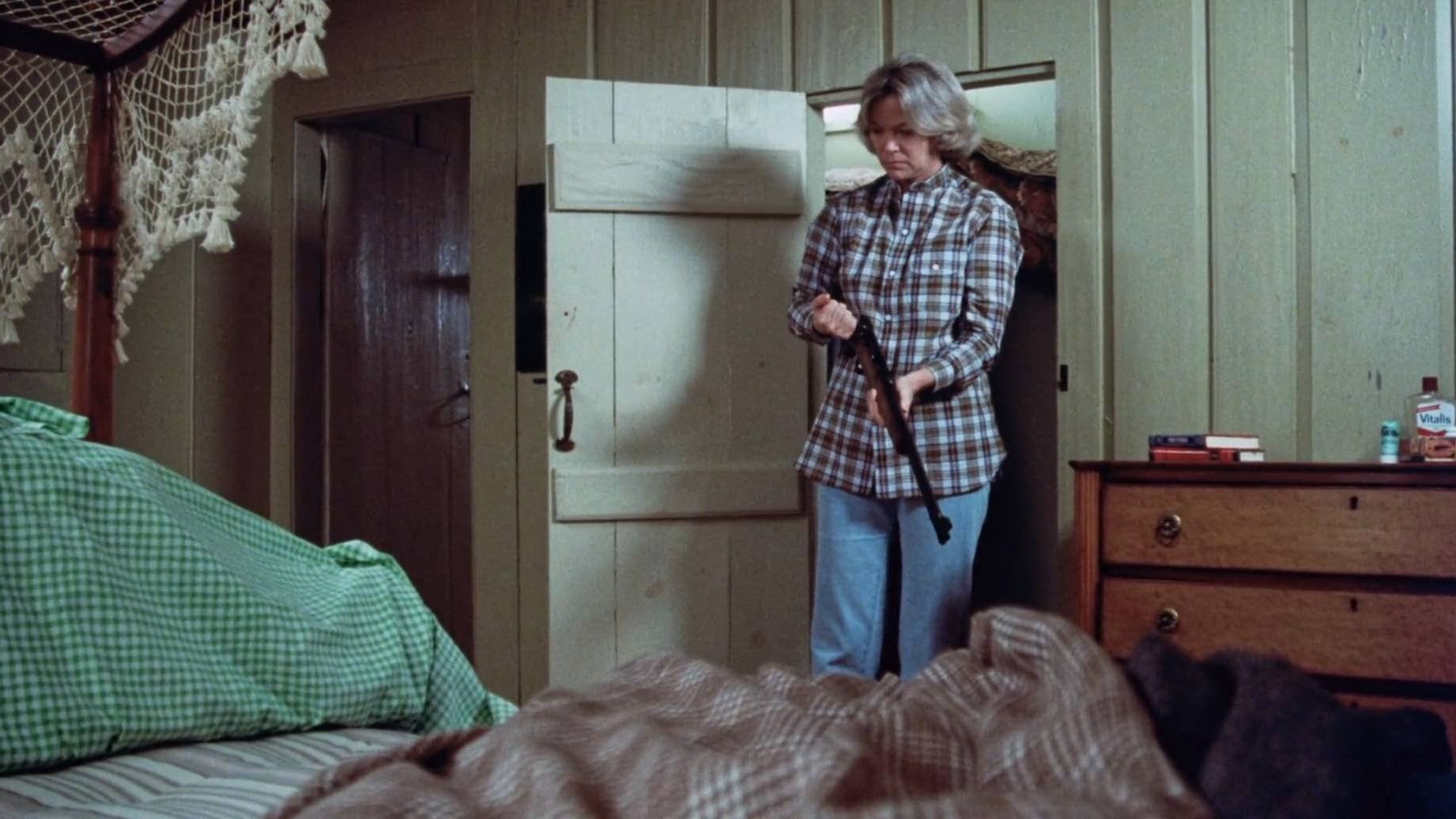
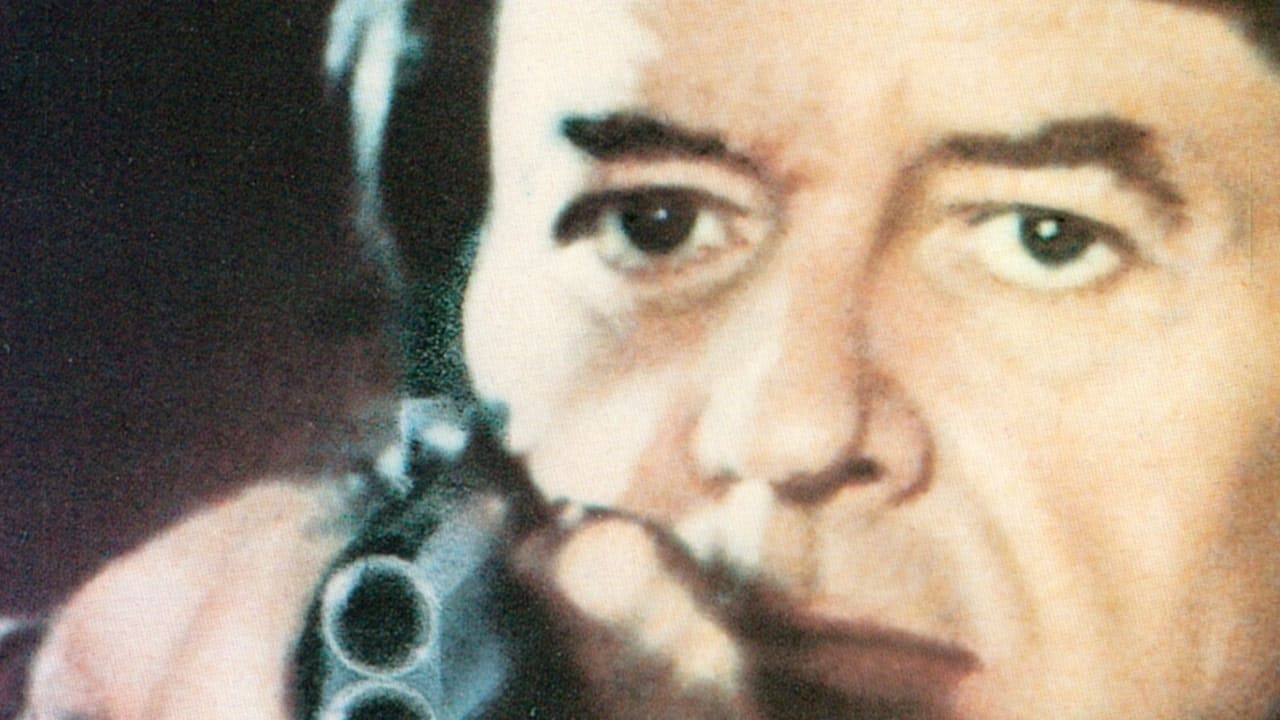
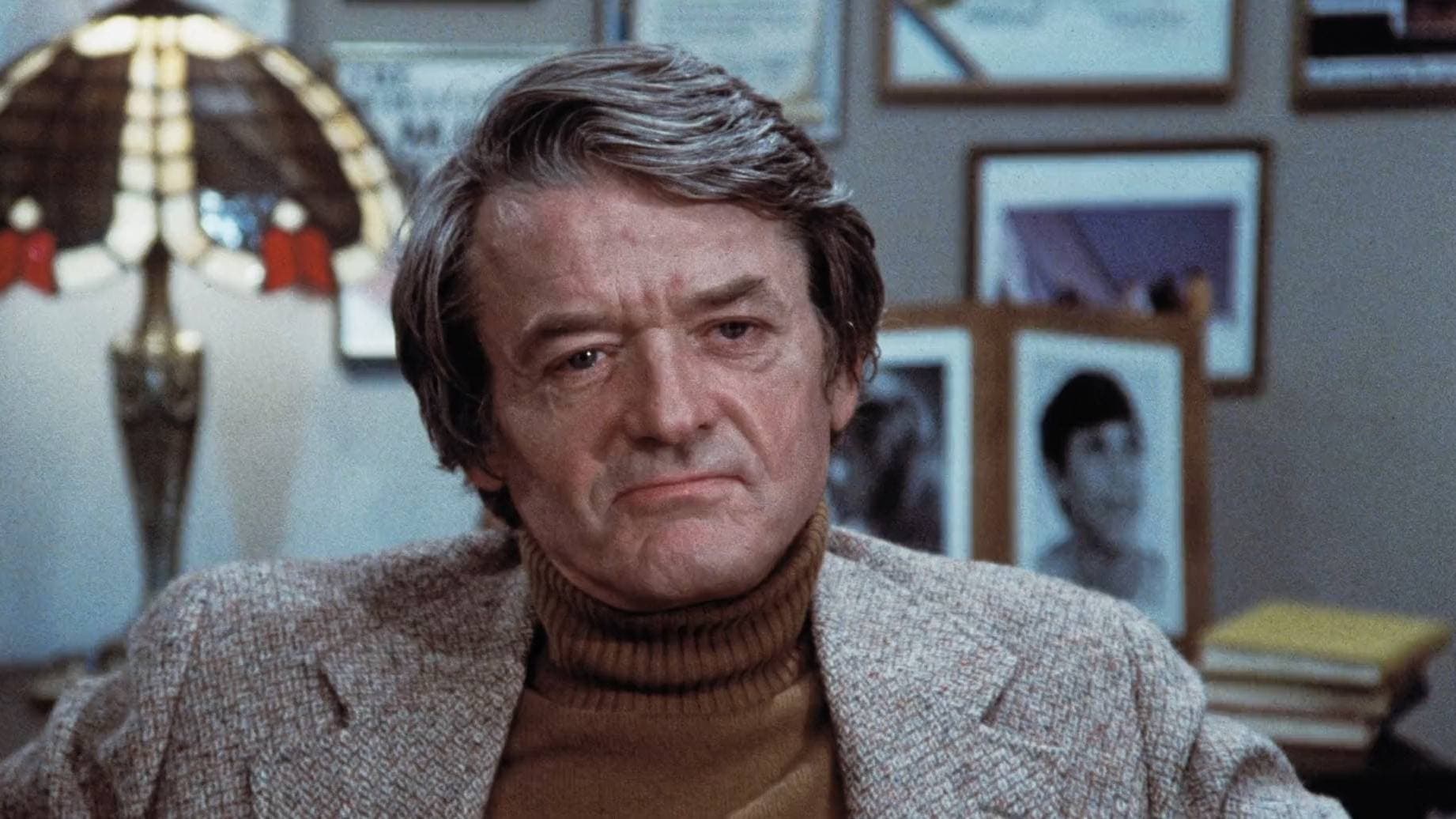
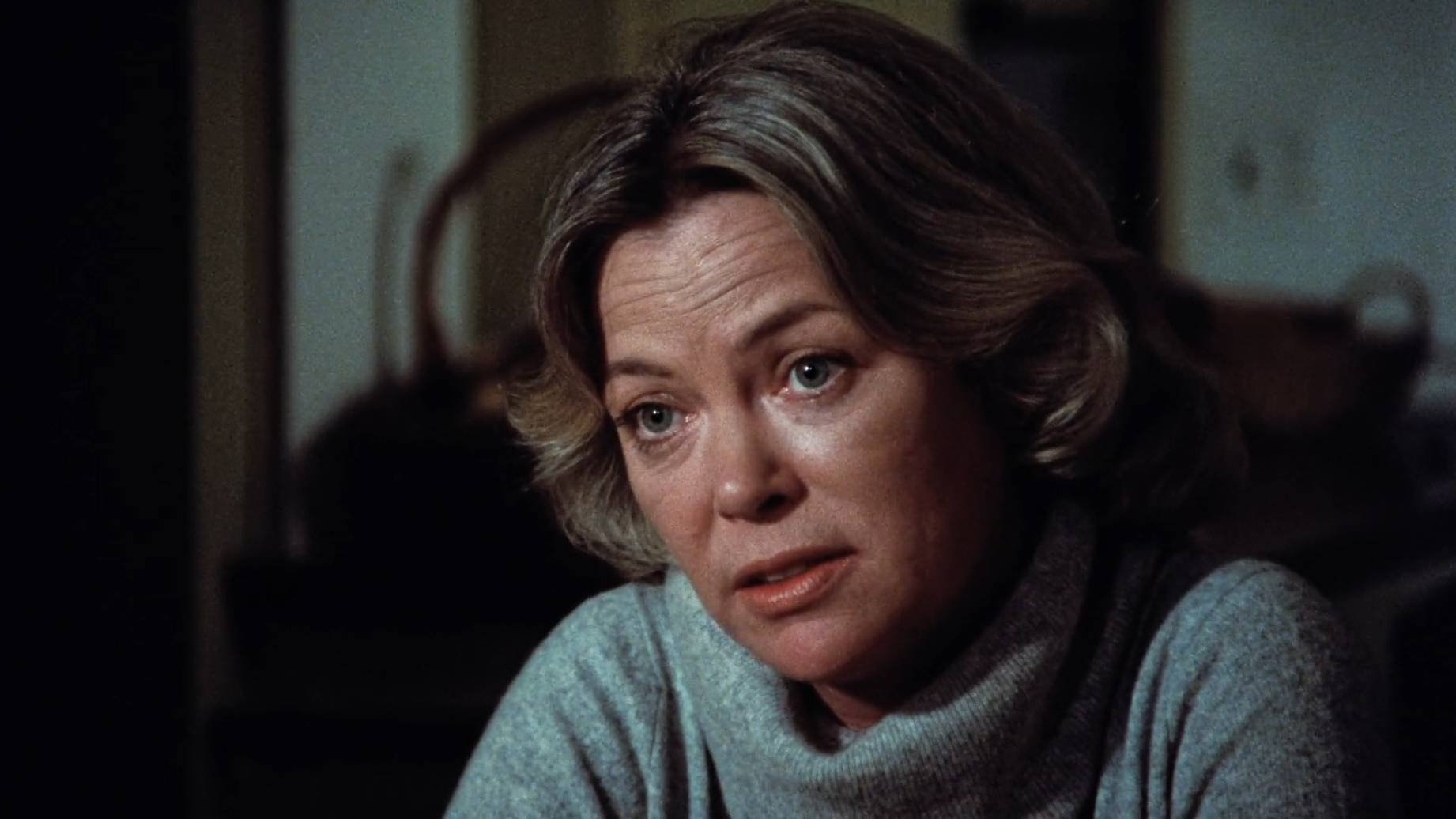
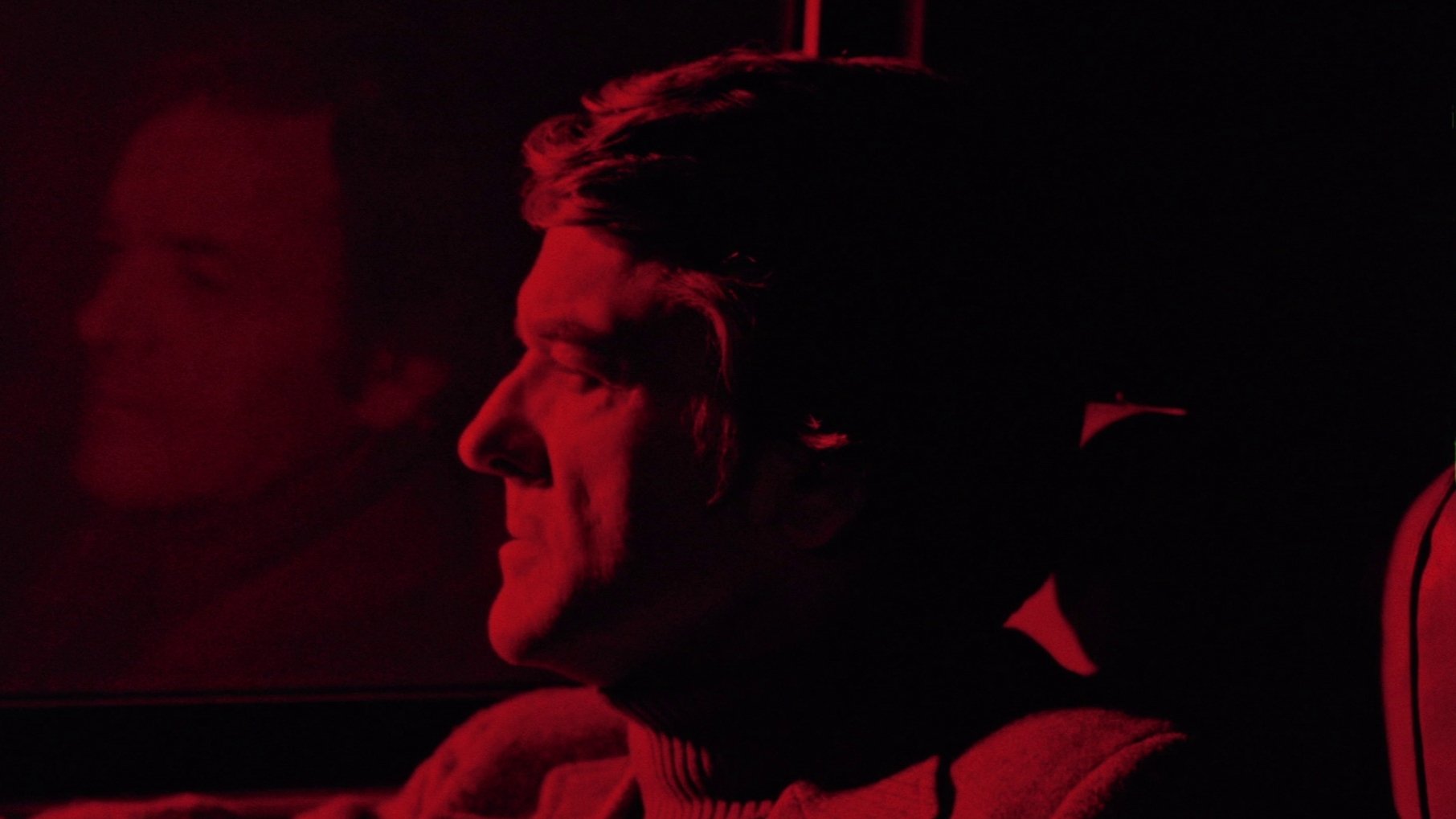
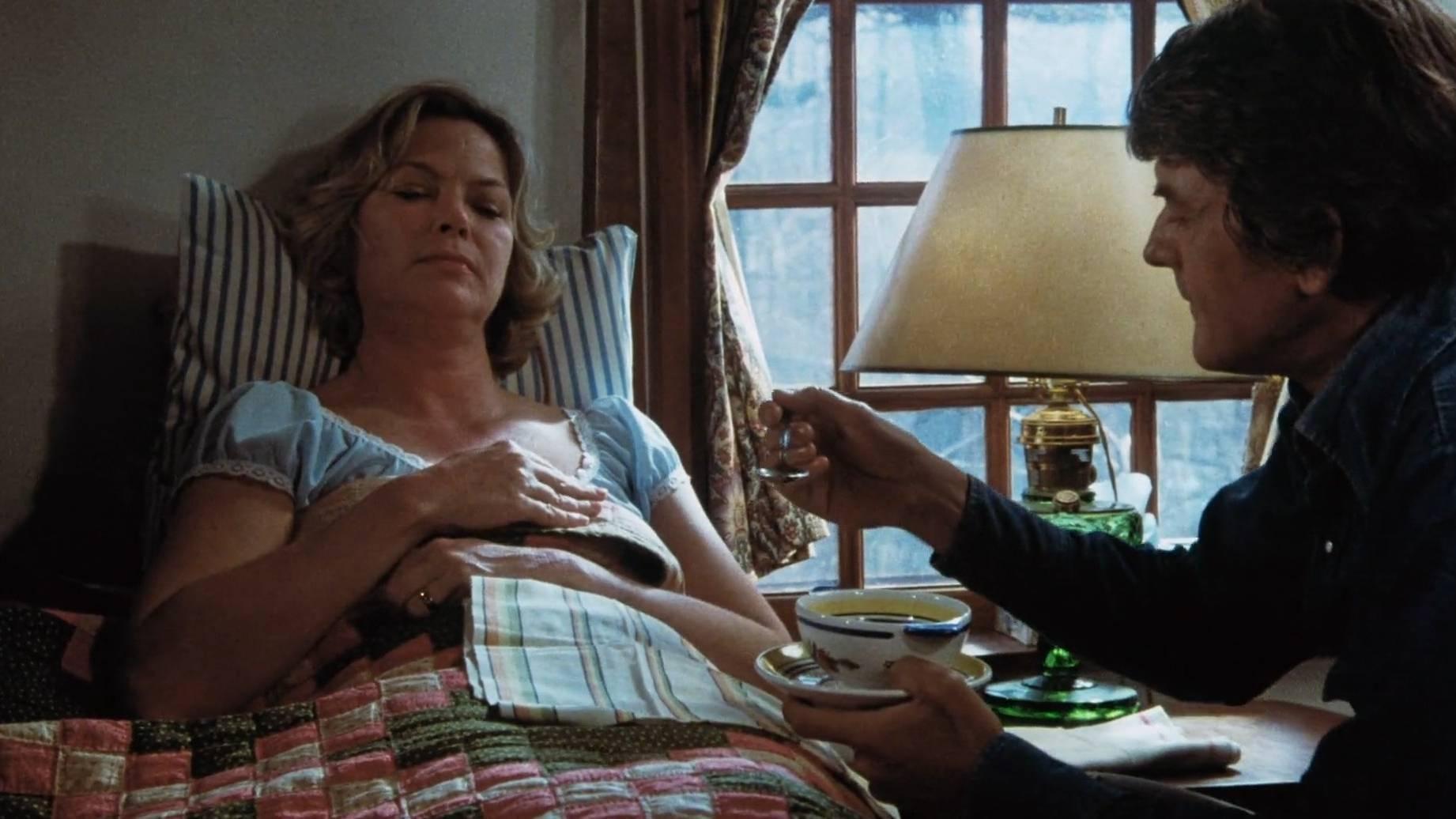
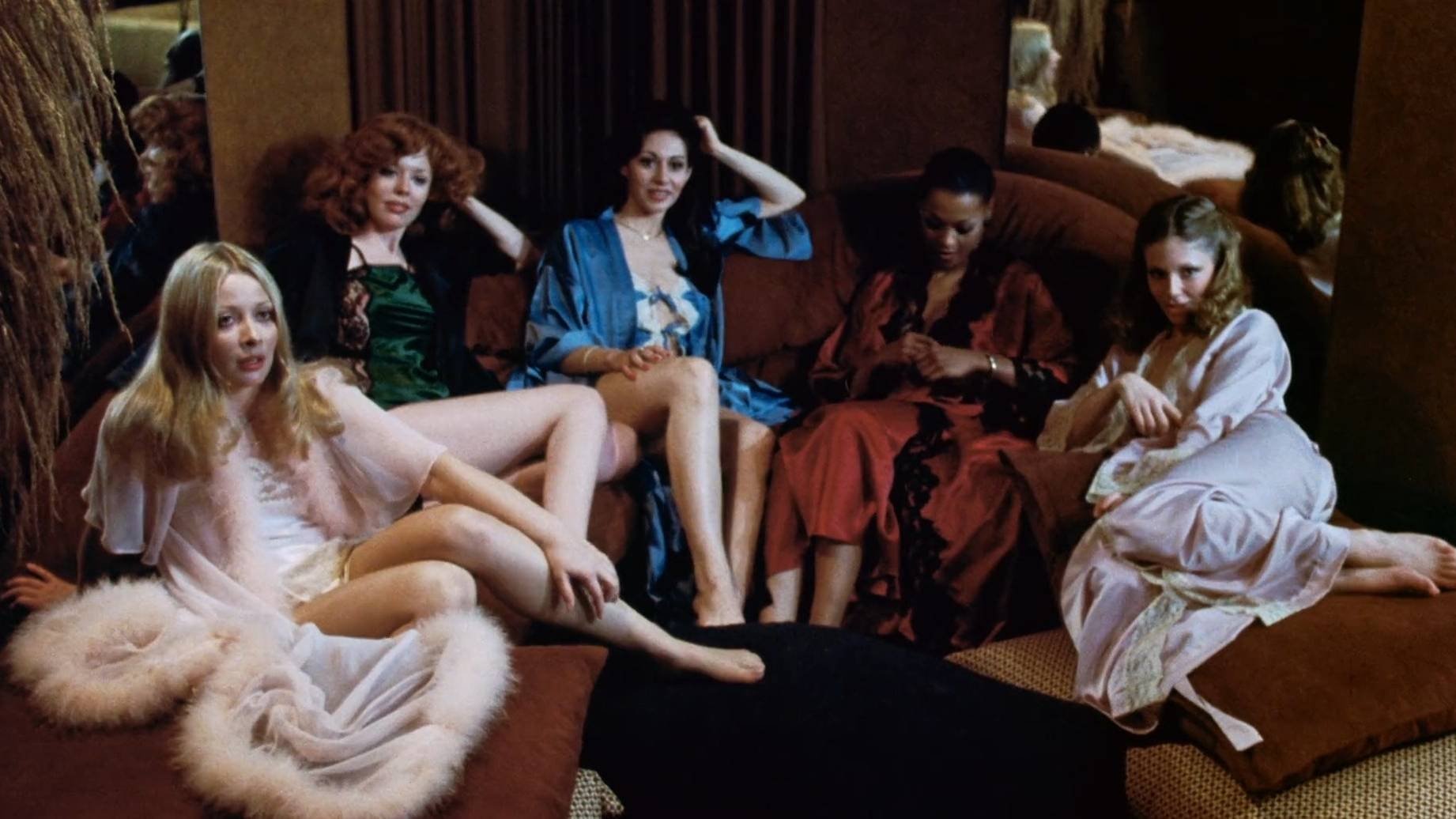
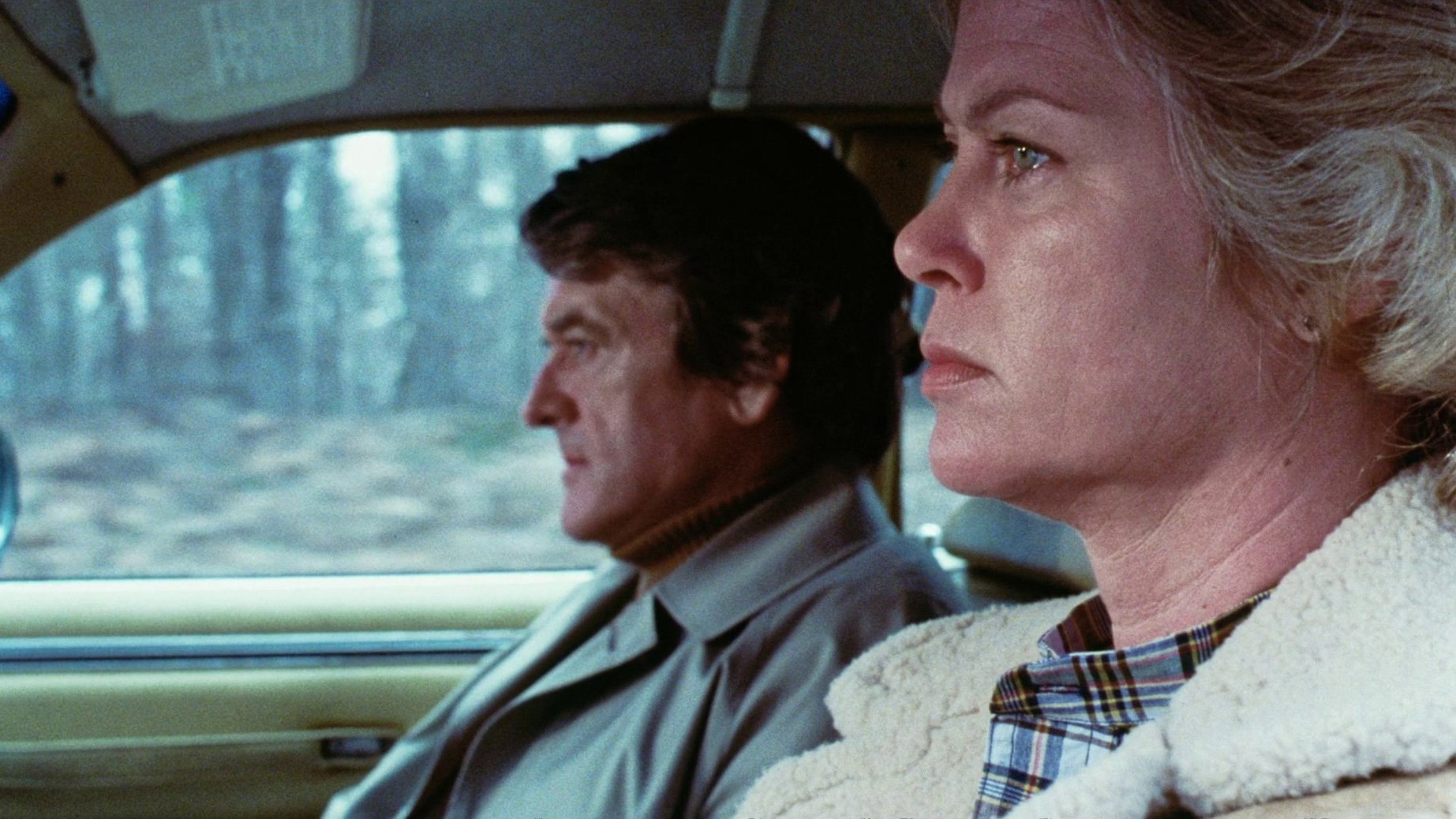
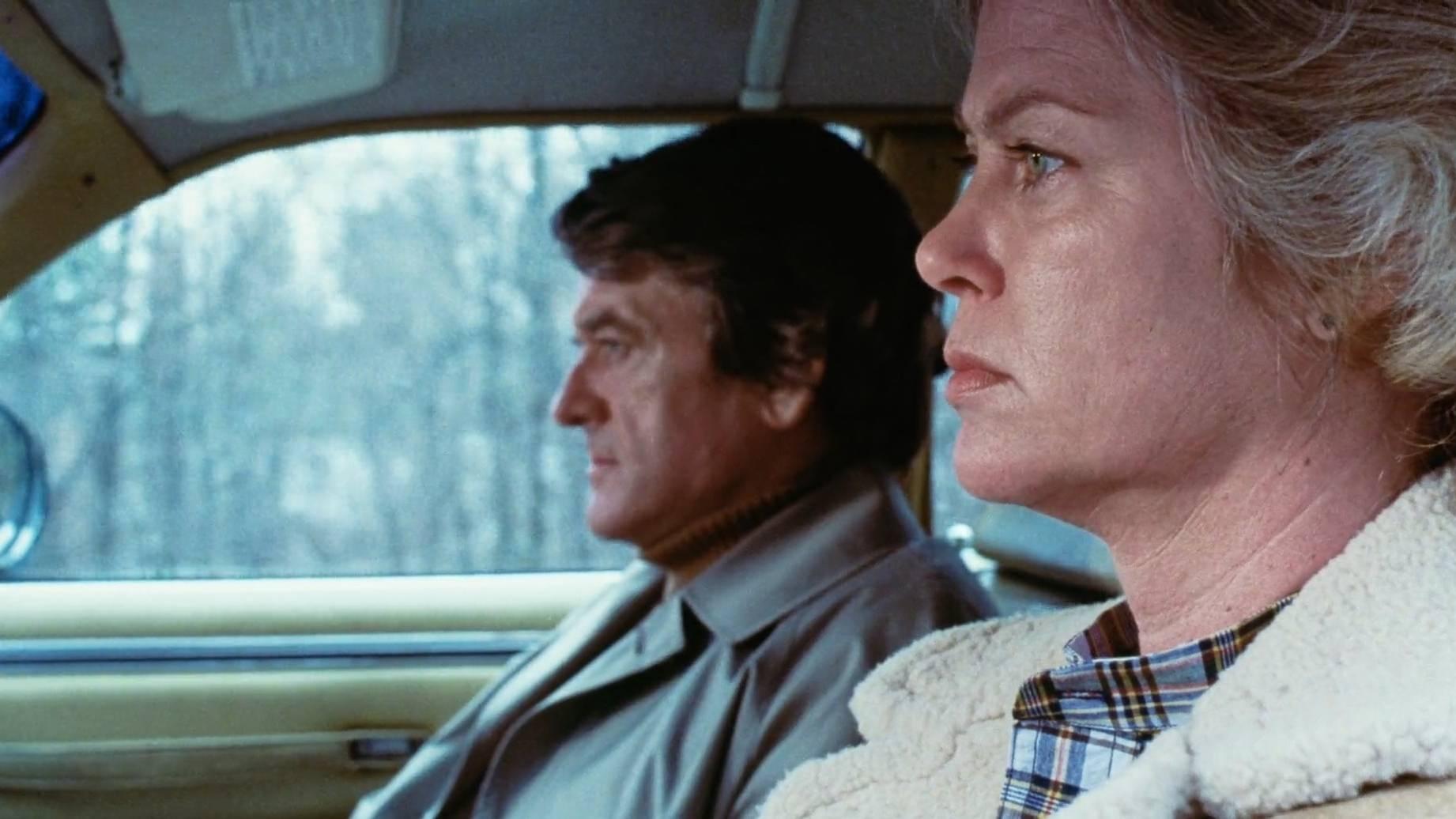
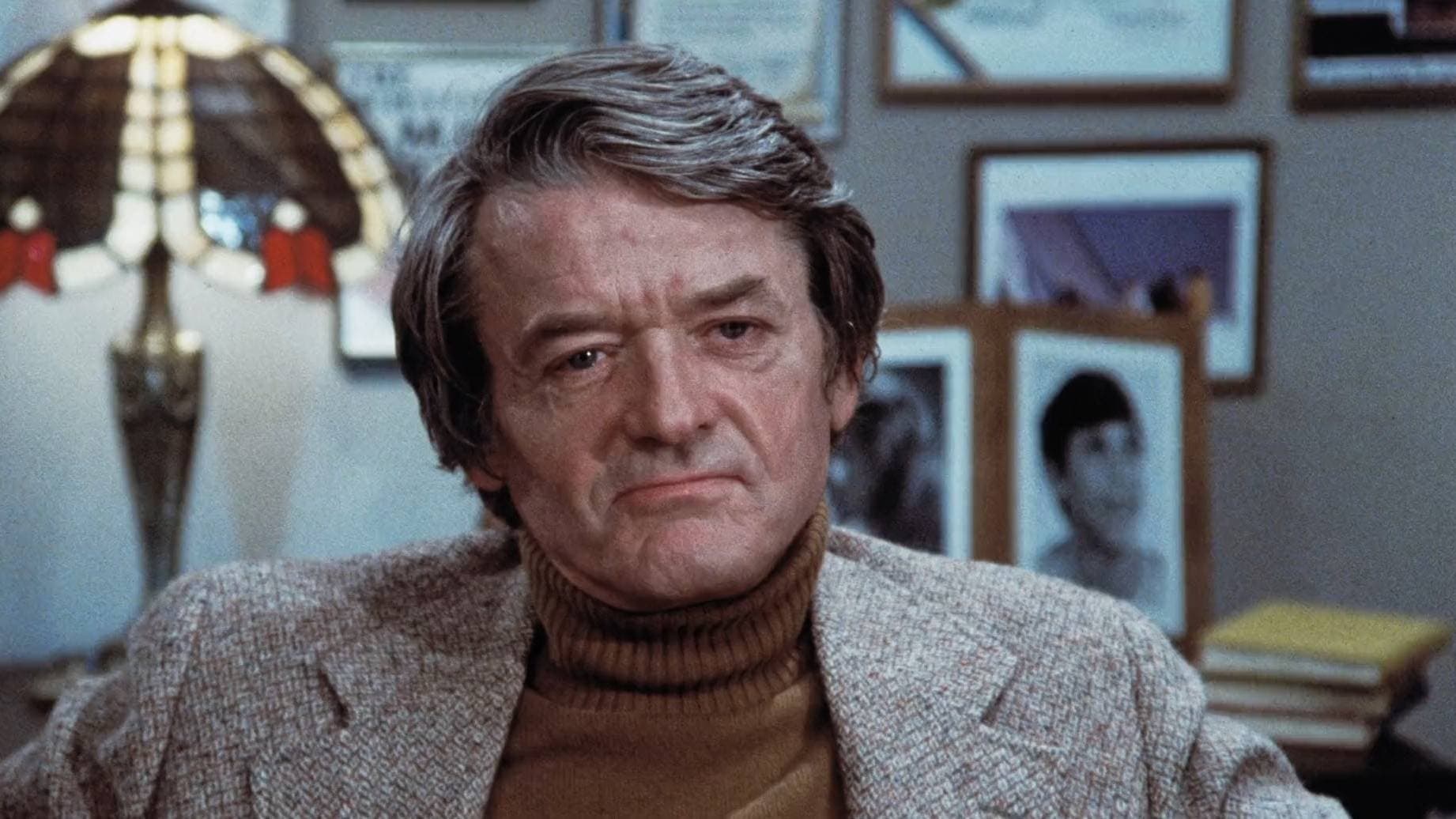
Paul Steward, editor of a scientific journal, considers his life to be an empty failure. Awake one morning after a sleepless night, he comes to a decision: this evening he will take a rifle and shoot and kill his wife, their three children and then himself.
Directed by Jeff Kanew
suicide
prostitute
cynical
magazine editor
bipolar disorder

Trailer

IMDB
N/A
Cast
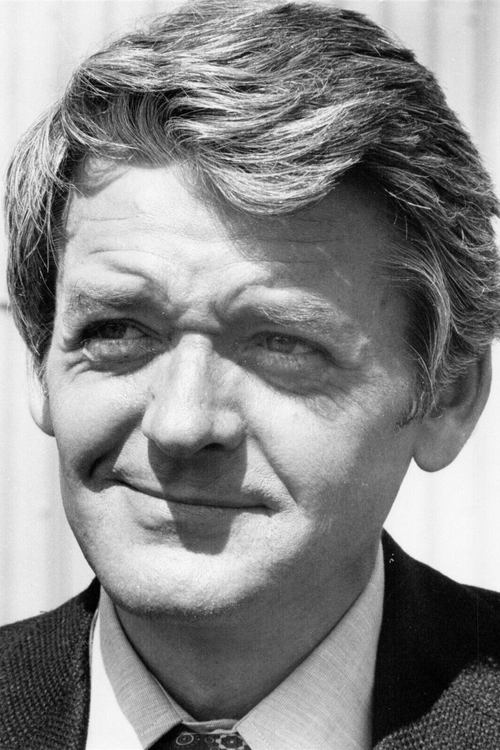
Hal Holbrook
Paul Steward

Louise Fletcher
Miriam Steward

Elizabeth Berridge
Sheila Steward
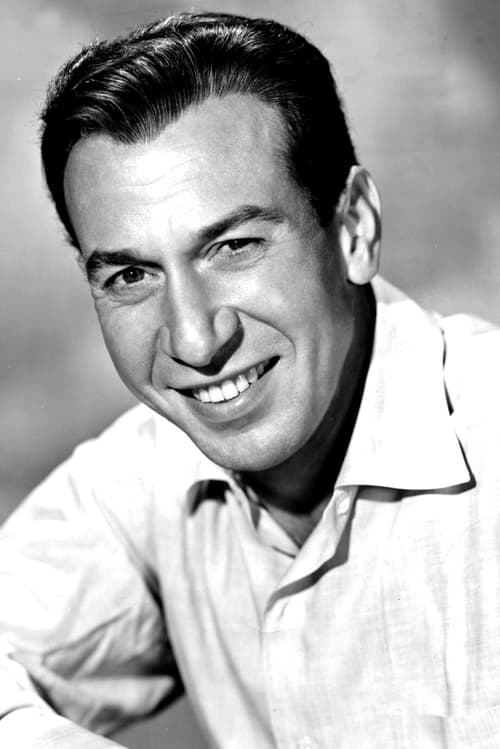
José Ferrer
Harry Rosenthal

Viveca Lindfors
Psychiatrist

Ellen Barber
Anne
Viveca Lindfors
Dr. Baker

Patricia Elliott
Woman on Train
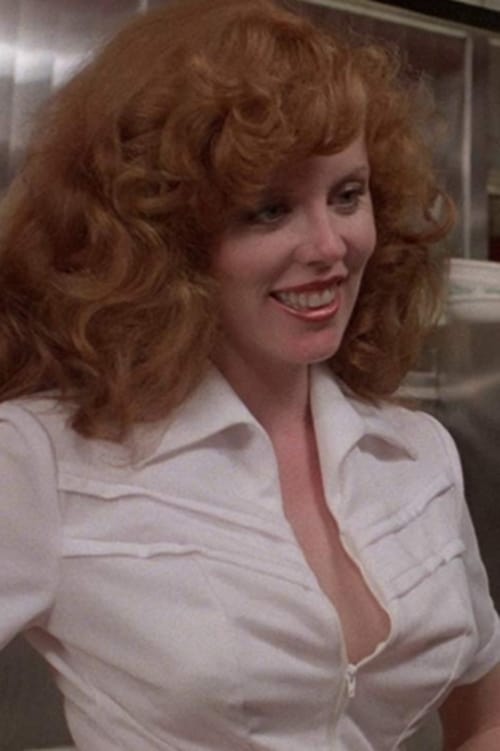
June Berry
Jan - Girl in Brothel

Patricia Mauceri
Patricia - Girl in Brothel
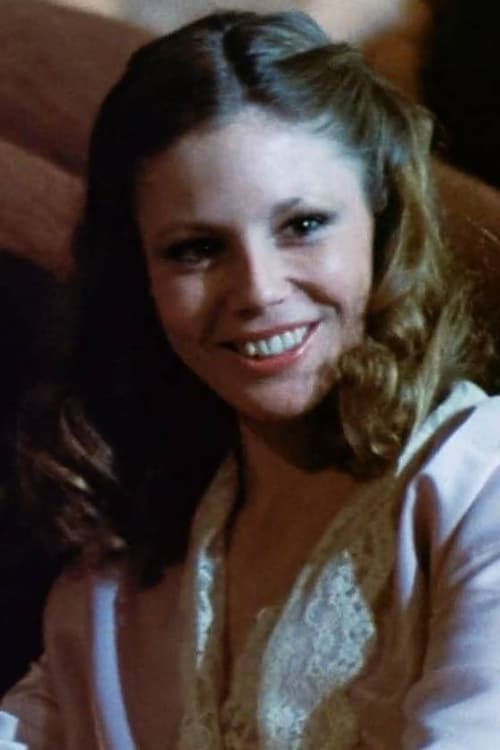
Michele O'Brien
Leslie - Girl in Brothel
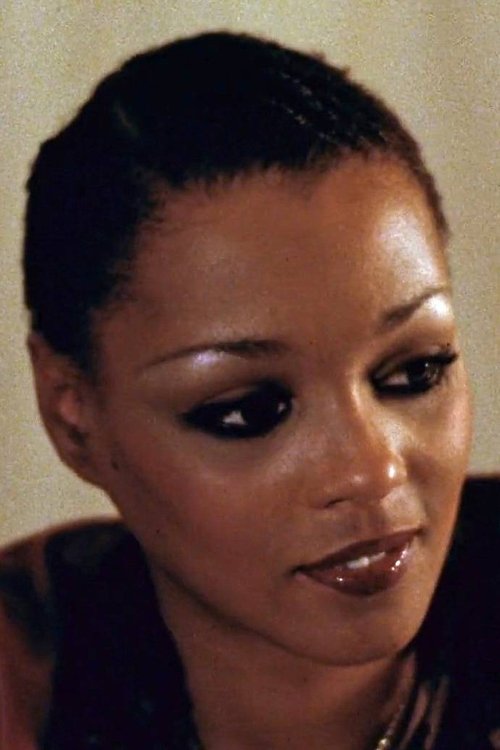
Claire Reilly
Gloria - Girl in Brothel
Crew
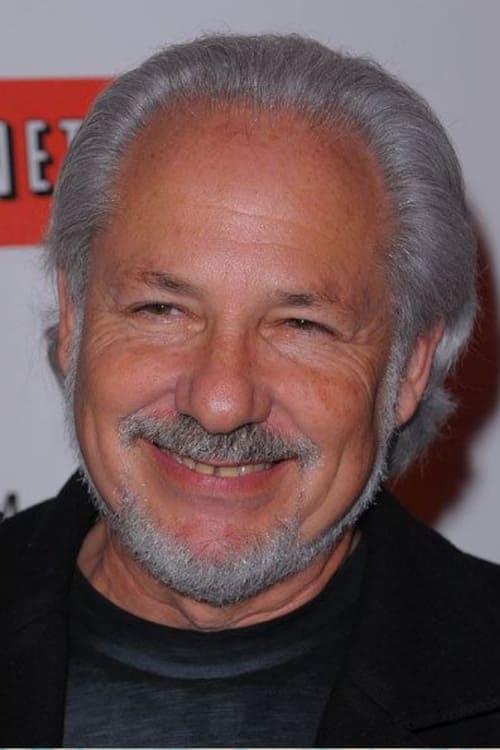
Jeff Kanew
Director
Jeff Kanew
Screenplay
Jeff Kanew
Editor

Don Ellis
Music
Popular Reviews
8 reviews
Jonathan
7.0★ · 10/26/25

cold and unsettling. it’s a tough watch because it keeps you trapped inside a crumbling mind, but that’s what makes it compelling. the performances feel raw, and the quiet tension builds until it’s almost unbearable. definitely one to think about.
cold and unsettling. it’s a tough watch because it keeps you trapped inside a crumbling mind, but that’s what makes it compelling. the performances feel raw, and the quiet tension builds until it’s almost unbearable. definitely one to think about.


Jacob Dickens
8.7★ · 05/10/25
One morning, a father wakes up with one thought in his head: that tonight, he will murder his wife, his three children, and finally himself. After loading a rifle and storing it in his closet for the evening, he walks over to his wife's bedroom (yes, a separate bedroom) where he dispassionately grinds and moans until he's finished. Thus, the last day on Earth begins for Paul Steward, editor of a semi-successful science magazine, who seems so determined with fulfilling his awful plan that he's collected news articles about other stories of fathers wiping out their families and mentions them to colleagues as a sort of research interest. Suffice to say, this is a very dark film. Pitch black even as Steward is among the more nihilistic characters committed to celluloid. At one point, he's discussing the Holocaust with a survivor and actually manages to make a tenuous comparison between the camps and domestic life. It's that kind of almost ridiculously bleak dialogue that can at times border on the parodic and for some people will make the whole film come across as too despondent for its own good. But there are plenty of good gut punches in here, great moments where we observe a man's mindset as he rationalizes that this plan isn't so much born out of hatred but a strange sense of protection. His wife, played by Louise Fletcher, has a history of institutionalization and has attempted suicide in the past; his children who we meet briefly are written off as doomed to fail; and his career gives him no great passion. It's an early entry in an incoming wave of art by its generation reflecting on the great meaninglessness of their lives and it's certainly one of the stronger examples of this kind of masculine defeatism. Be aware of what you're getting into with this and you'll enjoy a shockingly cold and misanthropic story of familicide with a great central performance from Halbrook, all from the director of checks notes Revenge of the Nerds.
One morning, a father wakes up with one thought in his head: that tonight, he will murder his wife, his three children, and finally himself. After loading a rifle and storing it in his closet for the evening, he walks over to his wife's bedroom (yes, a separate bedroom) where he dispassionately grinds and moans until he's finished. Thus, the last day on Earth begins for Paul Steward, editor of a semi-successful science magazine, who seems so determined with fulfilling his awful plan that he's collected news articles about other stories of fathers wiping out their families and mentions them to colleagues as a sort of research interest. Suffice to say, this is a very dark film. Pitch black even as Steward is among the more nihilistic characters committed to celluloid. At one point, he's discussing the Holocaust with a survivor and actually manages to make a tenuous comparison between the camps and domestic life. It's that kind of almost ridiculously bleak dialogue that can at times border on the parodic and for some people will make the whole film come across as too despondent for its own good. But there are plenty of good gut punches in here, great moments where we observe a man's mindset as he rationalizes that this plan isn't so much born out of hatred but a strange sense of protection. His wife, played by Louise Fletcher, has a history of institutionalization and has attempted suicide in the past; his children who we meet briefly are written off as doomed to fail; and his career gives him no great passion. It's an early entry in an incoming wave of art by its generation reflecting on the great meaninglessness of their lives and it's certainly one of the stronger examples of this kind of masculine defeatism. Be aware of what you're getting into with this and you'll enjoy a shockingly cold and misanthropic story of familicide with a great central performance from Halbrook, all from the director of checks notes Revenge of the Nerds.
Kris
8.0★ · 02/20/21
Kanew dissected on bourgeoise values, in a superior representation of nihilism and misanthropy, the film never missed the chance to highlight the self hating nature of humans and the Reichian theories of repressive sexuality, which are the core of Holbrook character psychological crisis, attacking capitalist values, we are left with a dark but masterful tale, with equally suffocating cinematography.
Kanew dissected on bourgeoise values, in a superior representation of nihilism and misanthropy, the film never missed the chance to highlight the self hating nature of humans and the Reichian theories of repressive sexuality, which are the core of Holbrook character psychological crisis, attacking capitalist values, we are left with a dark but masterful tale, with equally suffocating cinematography.
Kris
8.0★ · 02/20/21
Kanew dissected on bourgeoise values, in a superior representation of nihilism and misanthropy, the film never missed the chance to highlight the self hating nature of humans and the Reichian theories of repressive sexuality, which are the core of Holbrook character psychological crisis, attacking capitalist values, we are left with a dark but masterful tale, with equally suffocating cinematography.
Kanew dissected on bourgeoise values, in a superior representation of nihilism and misanthropy, the film never missed the chance to highlight the self hating nature of humans and the Reichian theories of repressive sexuality, which are the core of Holbrook character psychological crisis, attacking capitalist values, we are left with a dark but masterful tale, with equally suffocating cinematography.
Xuncha.JAz
7.0★ · 06/19/26