
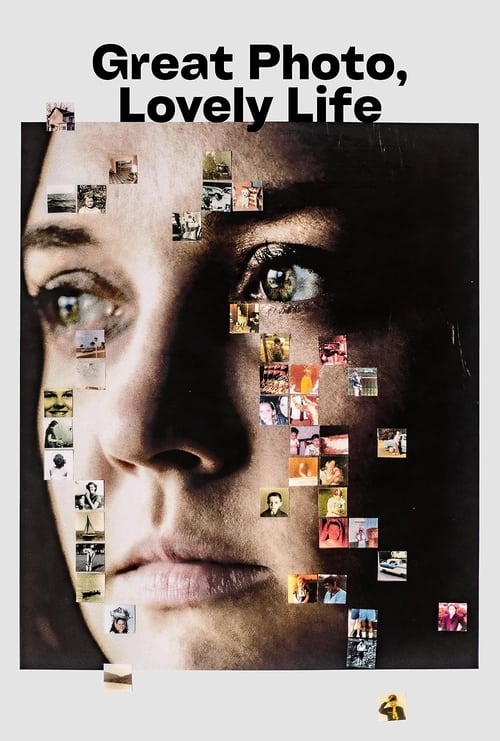
Great Photo, Lovely Life
2023·Documentary·1h 52m
7.1
★
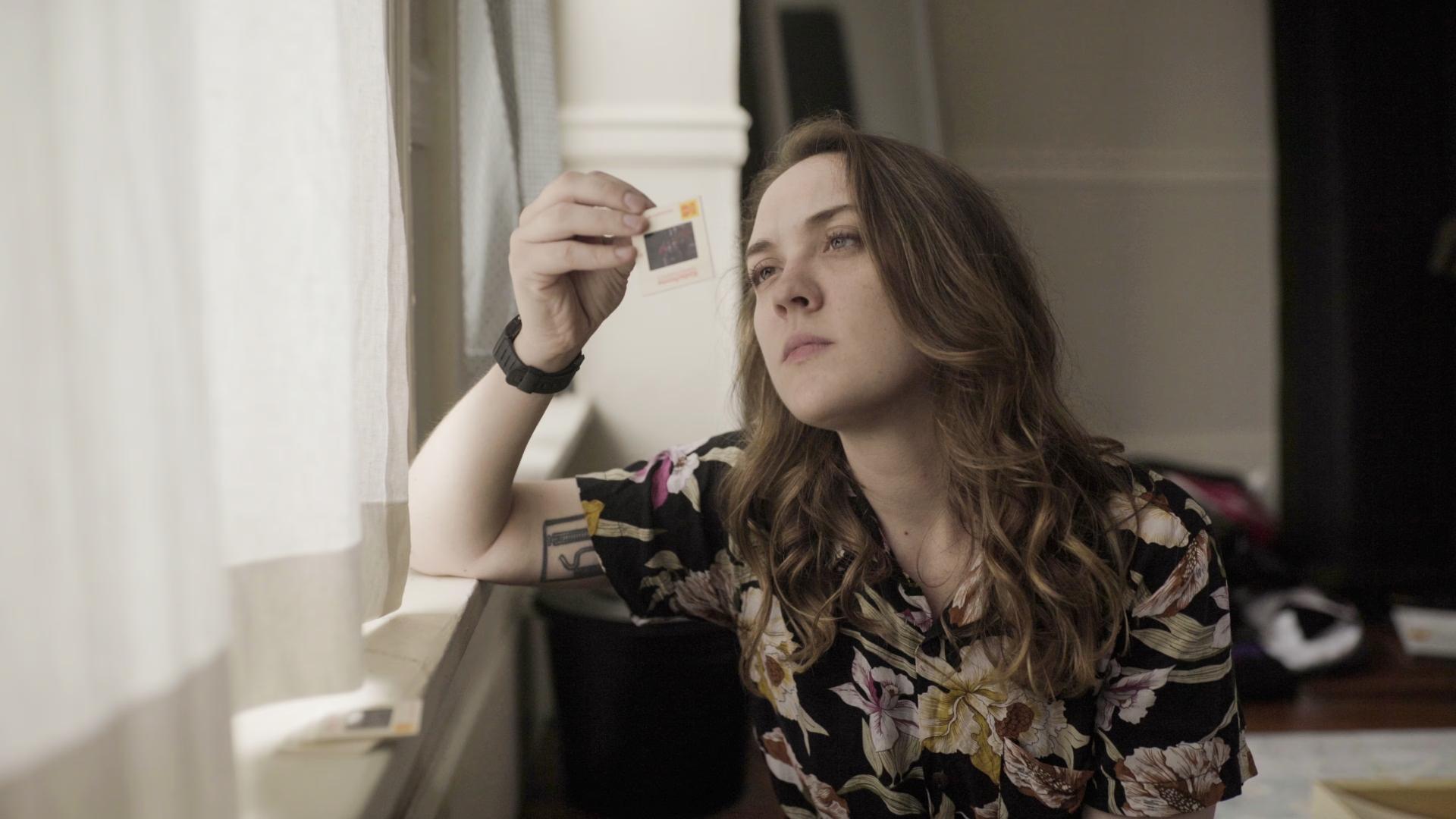
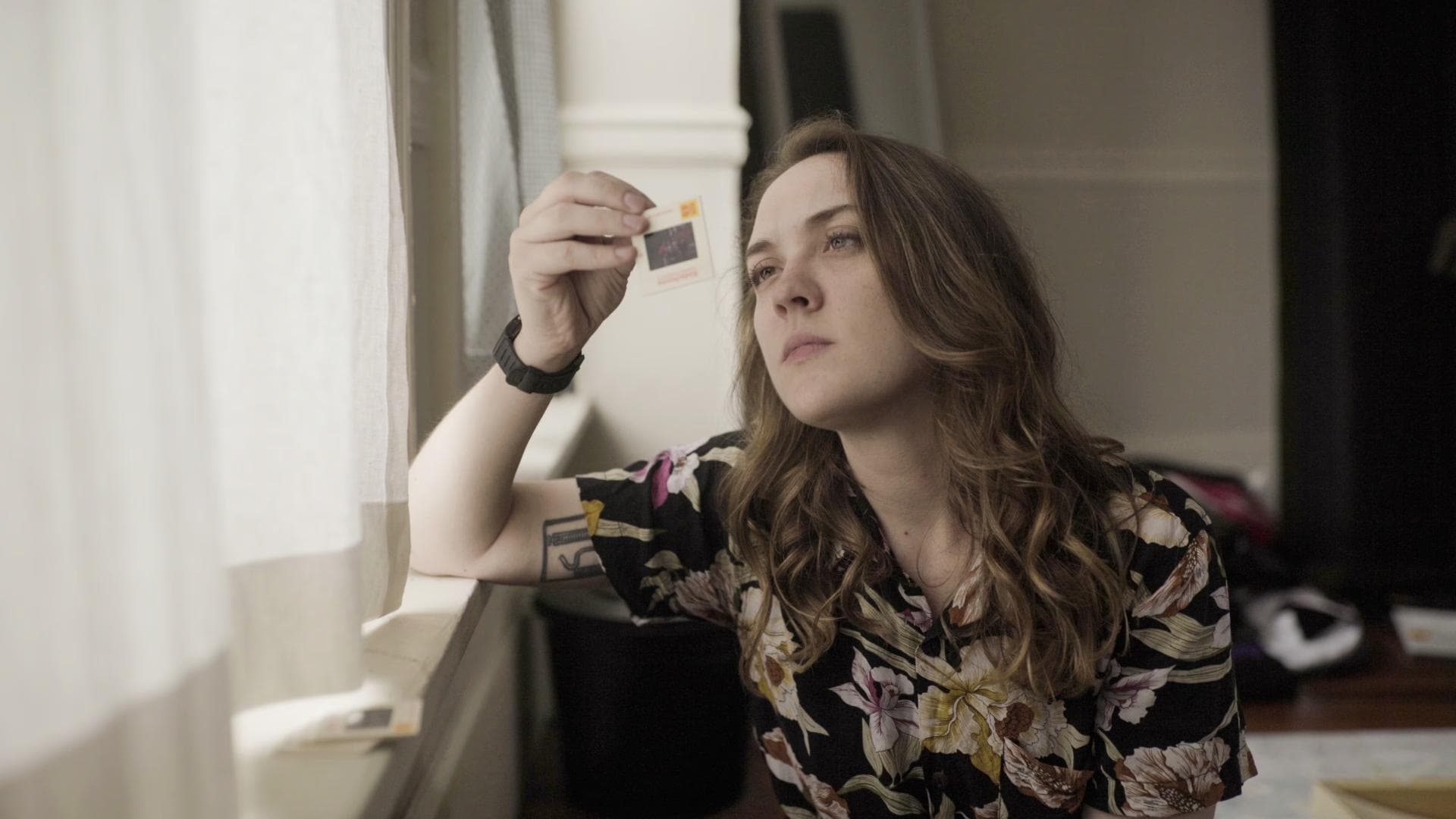
A photojournalist turns her lens on the decades of sexual abuse her family and community experienced at the hands of her grandfather in this unflinching portrait of intergenerational trauma, family secrets, and redemption.
Directed by Rachel Beth Anderson and Amanda Mustard
sexual abuse
grandparent grandchild relationship
family secrets
family relationships
docudrama
secret relationship
sexual relationship
spanning generations
complex relationship
forced sex
child sexual abuse
multi generational
grandfather granddaughter relationship
repairing family connections
family story

Trailer

IMDB
N/A
Where to Watch

Crew

Nancy Abraham
Executive Producer
Sara Rodriguez
Executive Producer
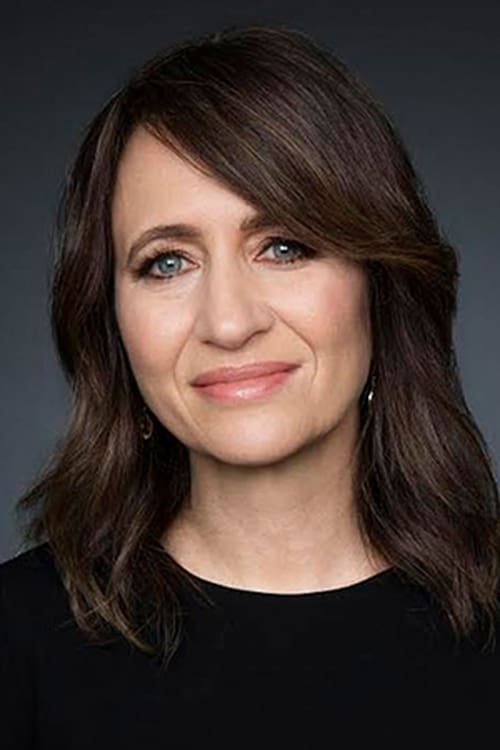
Lisa Heller
Executive Producer
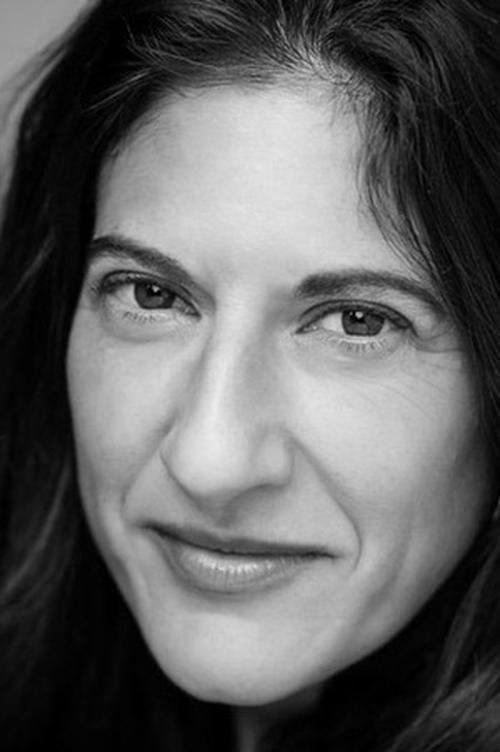
Rachel Dretzin
Executive Producer
Popular Reviews
22 reviews
Douglas Lancaster
6.1★ · 10/30/25
Gut wrenching
Gut wrenching


syd
7.0★ · 08/05/24
fuck this old fuck - they should have treated him worse
fuck this old fuck - they should have treated him worse
Erikmyxteriino
10.0★ · 05/24/24
true bravery in filmmaking
true bravery in filmmaking
thomo
Unsure what to make of this one.
The purpose here seems to be to give victims a voice and encourage the culture to stop sweeping csa under the rug, so why is so much of this movie built around the only two people featured who aren't victims; the perpetrator himself and the director?
How is hugging this man and saying 'love you grandpa' then helping him record voice messages to send along to his victims 'holding him accountable'??
Does Mustard have any real right to be making this movie and centering herself in it to this extent? Does she have a right to coerce her mother (shitty and guilty though she may be) to go along with all this filming when she clearly doesn't want to talk about it/isn't able to confront her own abuse?
I'm sorry but this (very American feeling) fixation on the nuclear family and undying loyalty to blood relatives is deranged and unhealthy. There is absolutely no reason these women shouldn't be cutting their mother, grandmother, and obviously grandfather out of their lives entirely. Maintaining relationships with any of them is both a form of self-harm and a continuation of the minimizing of the issue that allowed this man to abuse so many people for so many years. Either kill the guy or just stay away from him, tbh.
A lot of major ethical questions about the production and release of this project that are as queasy and uncomfortable as the abuse itself. Forcing everyone around you to relive their trauma for the sake of your movie is maybe not that cool🤷♀️
So many interesting questions raised here about the nature of trauma, how people heal, how people process through traumatizing others, the obligations people feel towards family, and on and on. Frustratingly, the filmmakers rarely seem aware of all these questions and the deeper implications of what they're doing with this movie.
The purpose here seems to be to give victims a voice and encourage the culture to stop sweeping csa under the rug, so why is so much of this movie built around the only two people featured who aren't victims; the perpetrator himself and the director?
How is hugging this man and saying 'love you grandpa' then helping him record voice messages to send along to his victims 'holding him accountable'??
Does Mustard have any real right to be making this movie and centering herself in it to this extent? Does she have a right to coerce her mother (shitty and guilty though she may be) to go along with all this filming when she clearly doesn't want to talk about it/isn't able to confront her own abuse?
I'm sorry but this (very American feeling) fixation on the nuclear family and undying loyalty to blood relatives is deranged and unhealthy. There is absolutely no reason these women shouldn't be cutting their mother, grandmother, and obviously grandfather out of their lives entirely. Maintaining relationships with any of them is both a form of self-harm and a continuation of the minimizing of the issue that allowed this man to abuse so many people for so many years. Either kill the guy or just stay away from him, tbh.
A lot of major ethical questions about the production and release of this project that are as queasy and uncomfortable as the abuse itself. Forcing everyone around you to relive their trauma for the sake of your movie is maybe not that cool🤷♀️
So many interesting questions raised here about the nature of trauma, how people heal, how people process through traumatizing others, the obligations people feel towards family, and on and on. Frustratingly, the filmmakers rarely seem aware of all these questions and the deeper implications of what they're doing with this movie.
Unsure what to make of this one.
The purpose here seems to be to give victims a voice and encourage the culture to stop sweeping csa under the rug, so why is so much of this movie built around the only two people featured who aren't victims; the perpetrator himself and the director?
How is hugging this man and saying 'love you grandpa' then helping him record voice messages to send along to his victims 'holding him accountable'??
Does Mustard have any real right to be making this movie and centering herself in it to this extent? Does she have a right to coerce her mother (shitty and guilty though she may be) to go along with all this filming when she clearly doesn't want to talk about it/isn't able to confront her own abuse?
I'm sorry but this (very American feeling) fixation on the nuclear family and undying loyalty to blood relatives is deranged and unhealthy. There is absolutely no reason these women shouldn't be cutting their mother, grandmother, and obviously grandfather out of their lives entirely. Maintaining relationships with any of them is both a form of self-harm and a continuation of the minimizing of the issue that allowed this man to abuse so many people for so many years. Either kill the guy or just stay away from him, tbh.
A lot of major ethical questions about the production and release of this project that are as queasy and uncomfortable as the abuse itself. Forcing everyone around you to relive their trauma for the sake of your movie is maybe not that cool🤷♀️
So many interesting questions raised here about the nature of trauma, how people heal, how people process through traumatizing others, the obligations people feel towards family, and on and on. Frustratingly, the filmmakers rarely seem aware of all these questions and the deeper implications of what they're doing with this movie.
The purpose here seems to be to give victims a voice and encourage the culture to stop sweeping csa under the rug, so why is so much of this movie built around the only two people featured who aren't victims; the perpetrator himself and the director?
How is hugging this man and saying 'love you grandpa' then helping him record voice messages to send along to his victims 'holding him accountable'??
Does Mustard have any real right to be making this movie and centering herself in it to this extent? Does she have a right to coerce her mother (shitty and guilty though she may be) to go along with all this filming when she clearly doesn't want to talk about it/isn't able to confront her own abuse?
I'm sorry but this (very American feeling) fixation on the nuclear family and undying loyalty to blood relatives is deranged and unhealthy. There is absolutely no reason these women shouldn't be cutting their mother, grandmother, and obviously grandfather out of their lives entirely. Maintaining relationships with any of them is both a form of self-harm and a continuation of the minimizing of the issue that allowed this man to abuse so many people for so many years. Either kill the guy or just stay away from him, tbh.
A lot of major ethical questions about the production and release of this project that are as queasy and uncomfortable as the abuse itself. Forcing everyone around you to relive their trauma for the sake of your movie is maybe not that cool🤷♀️
So many interesting questions raised here about the nature of trauma, how people heal, how people process through traumatizing others, the obligations people feel towards family, and on and on. Frustratingly, the filmmakers rarely seem aware of all these questions and the deeper implications of what they're doing with this movie.
Danni Chamberlin
8.0★ · 02/13/24
chilllls tbh
chilllls tbh