As strange as it may sound, L’Ange was one of the most personally relatable cinematic experiences for me. Before exploring why exactly that is the case, I do want to provide lip service to the themes outside of my subjectivities.
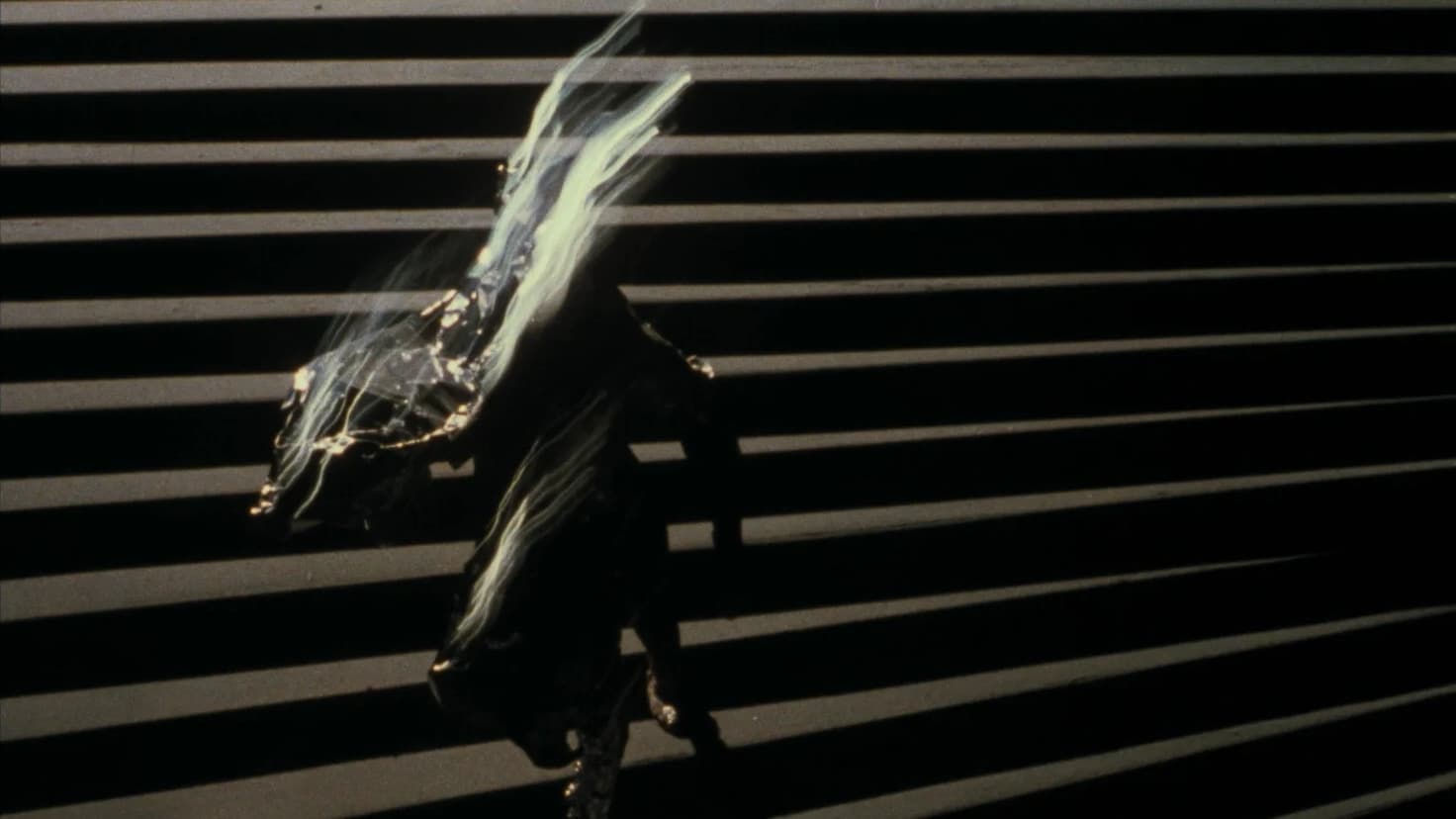
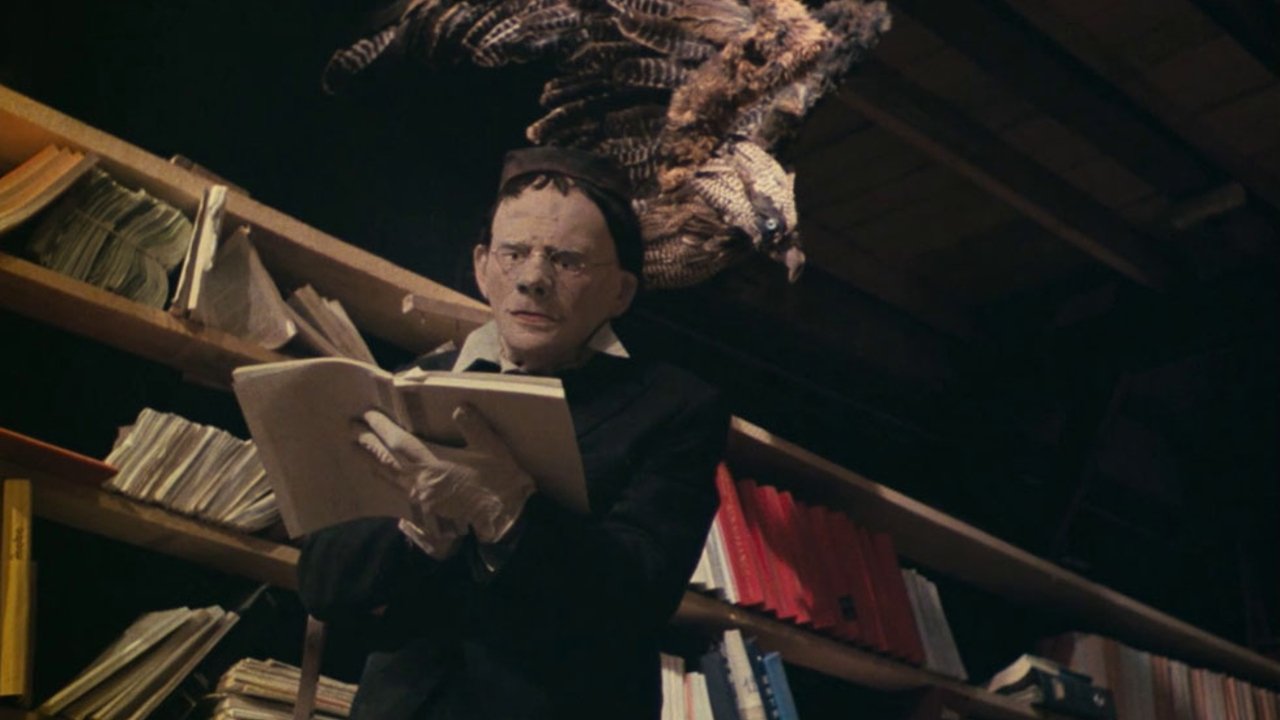
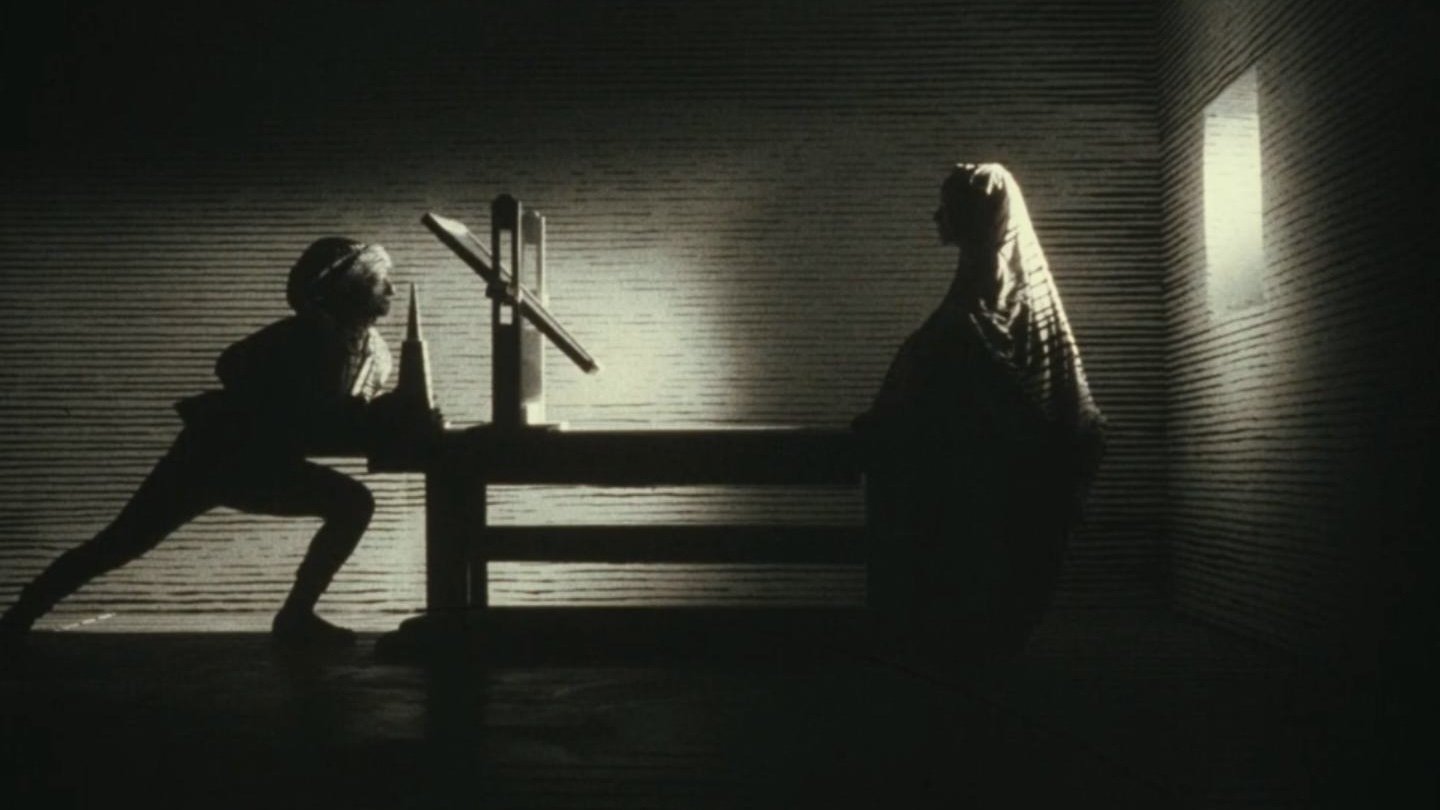
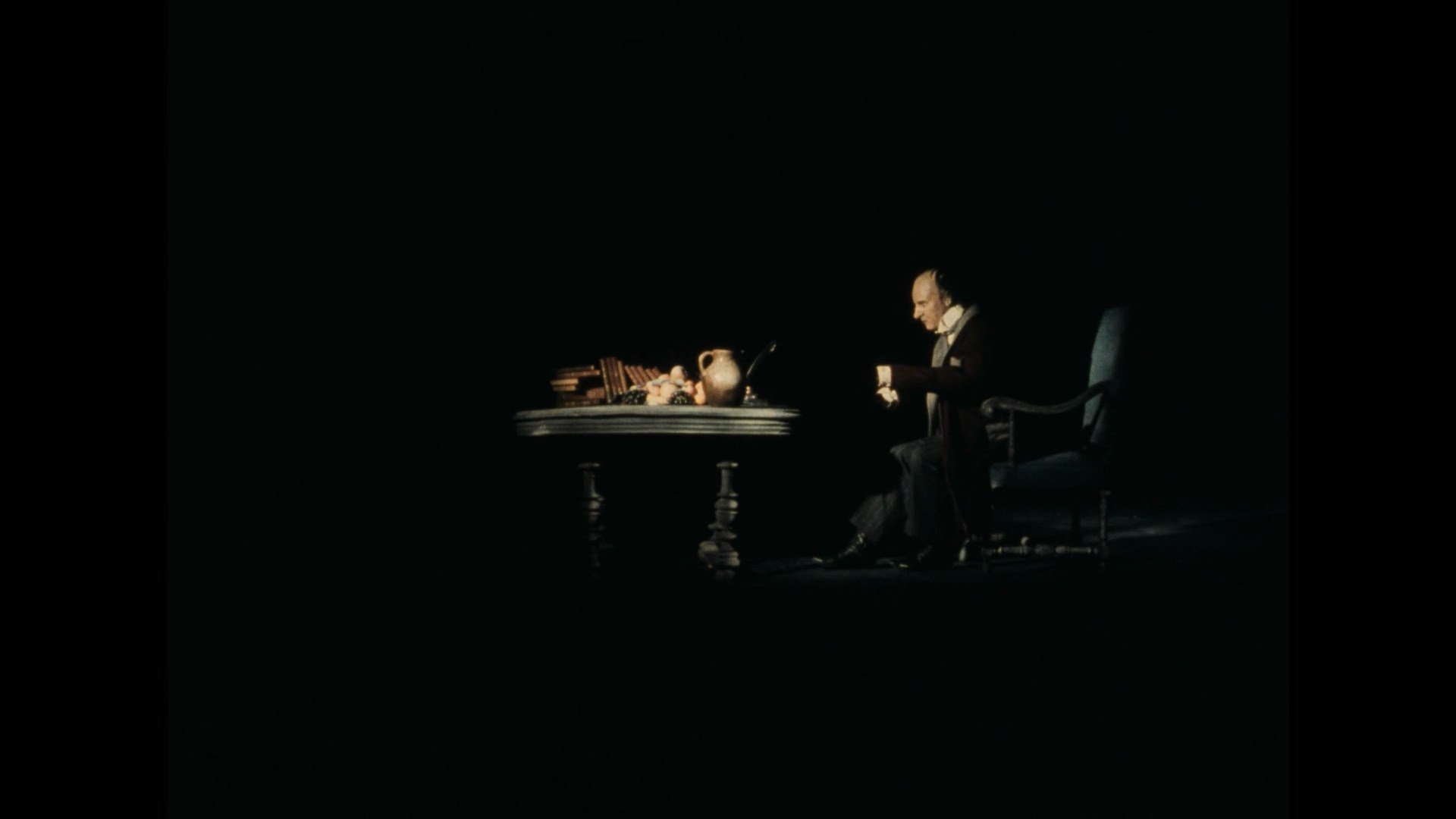
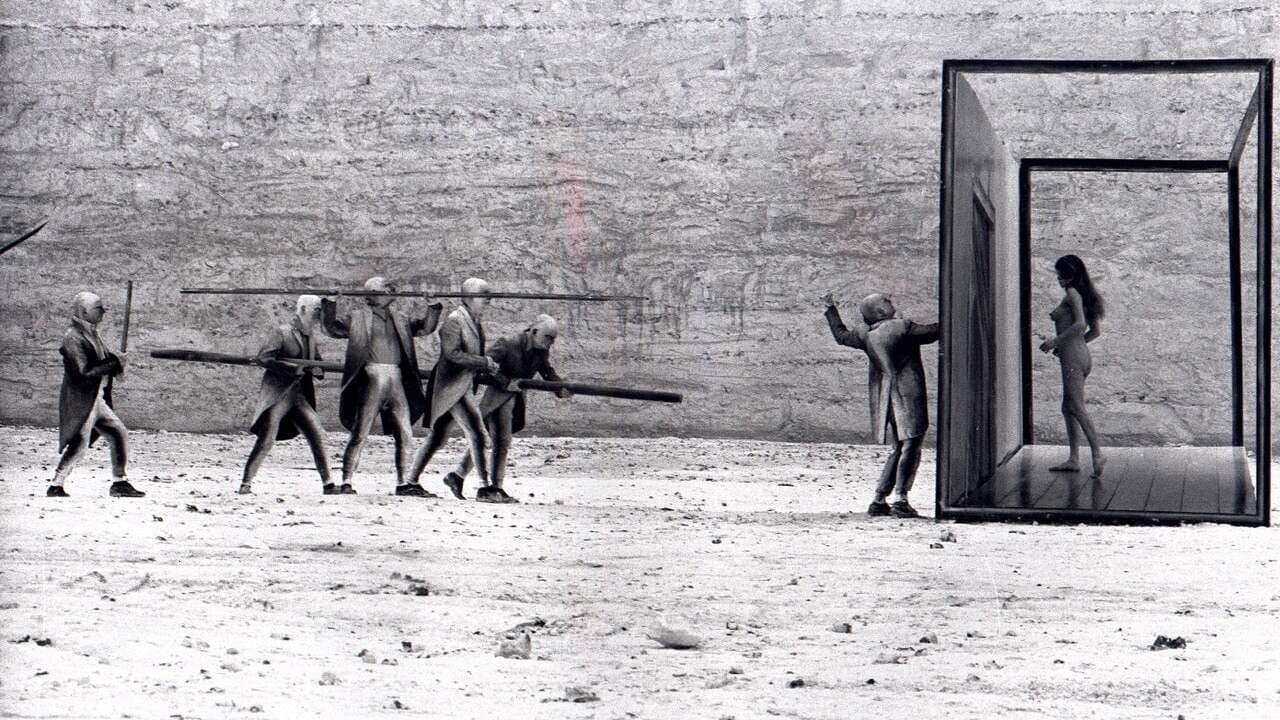
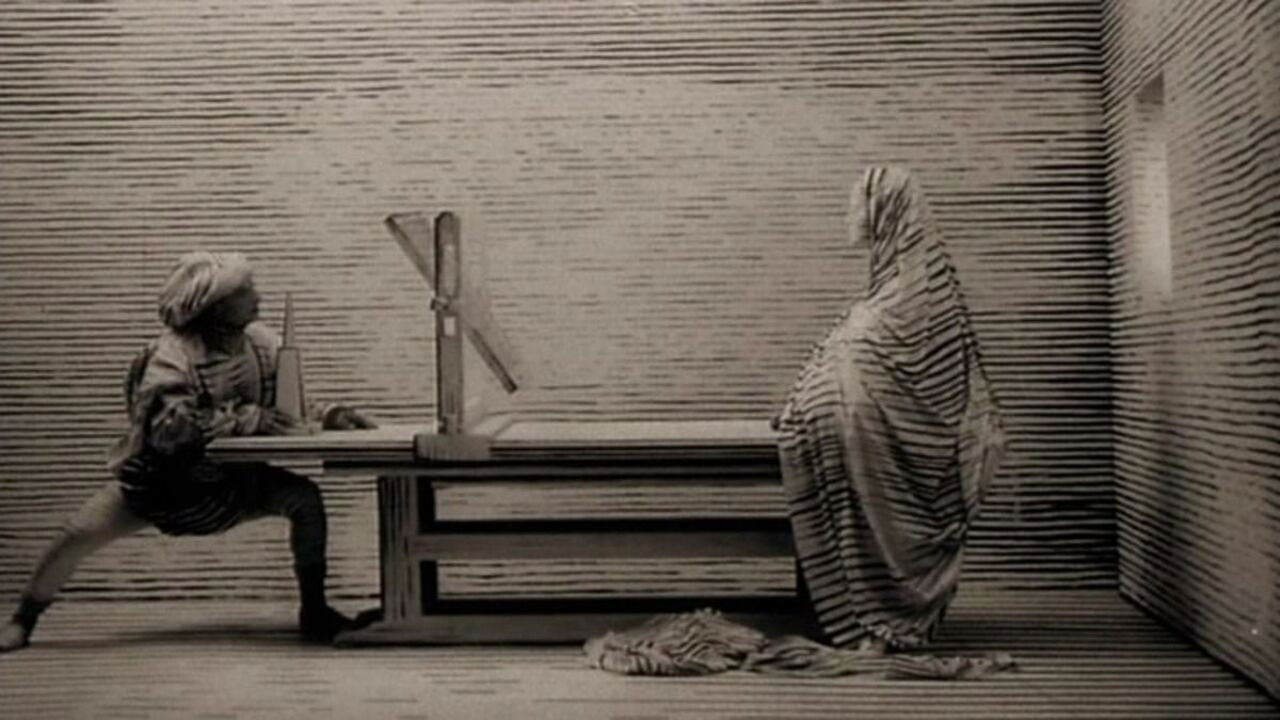
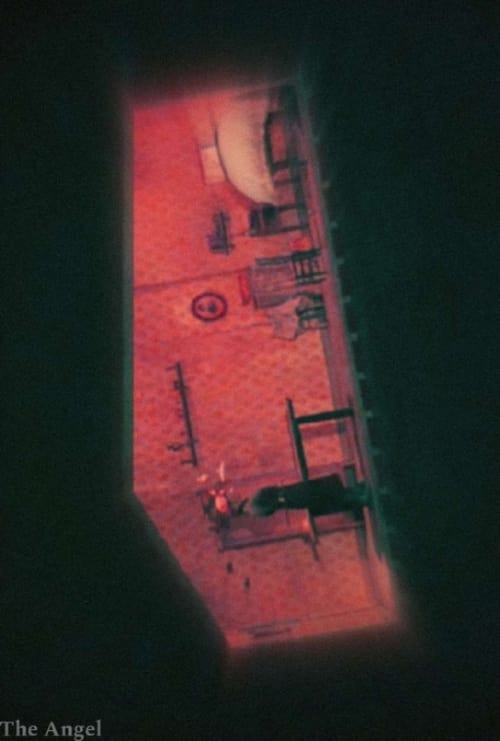
My primary reading of the film is that of image-making itself. L’Ange dismantles film down to its three primary devices—the manipulation of light, of space, and of time—through a structuralist understanding of the silent era’s formalist works and the illusionist’s definition of film. The piece finds an entire artistic medium caught in a period of introspection—film repeatedly tearing itself apart to reach aesthetic enlightenment. In this context, Bokanowski's formal construction only serves to highlight the inherent unreality of cinema, rendering his actors as dehumanized, animated puppets trapped inside these spaces dominated by light and time. Through the film’s dialogue with the formalist ethos of the silent era, Bokanowski concludes that the medium's distortion of reality holds the potential to unearth spiritual truth—this interpretive and creative process being presented through a Dante-esque ascent out of domesticity and earthly environments. Light as the path to bringing Nirvana down to Earth.
I am sure there are some philosophical or theological themes one could expand on, as well as a general technical analysis of the text, but I am not the person for either of those tasks, nor were those topics why the text impacted me so deeply.
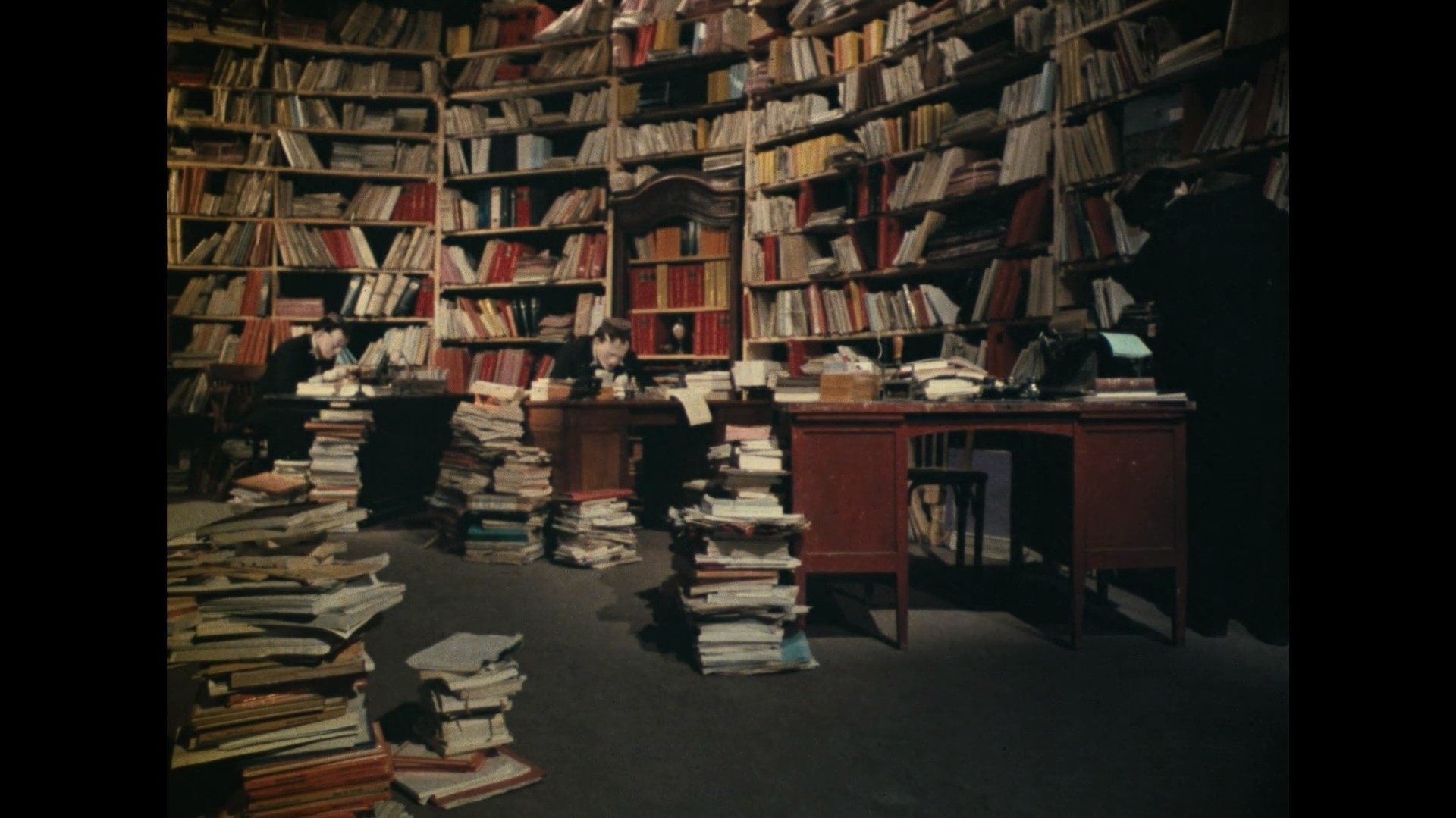
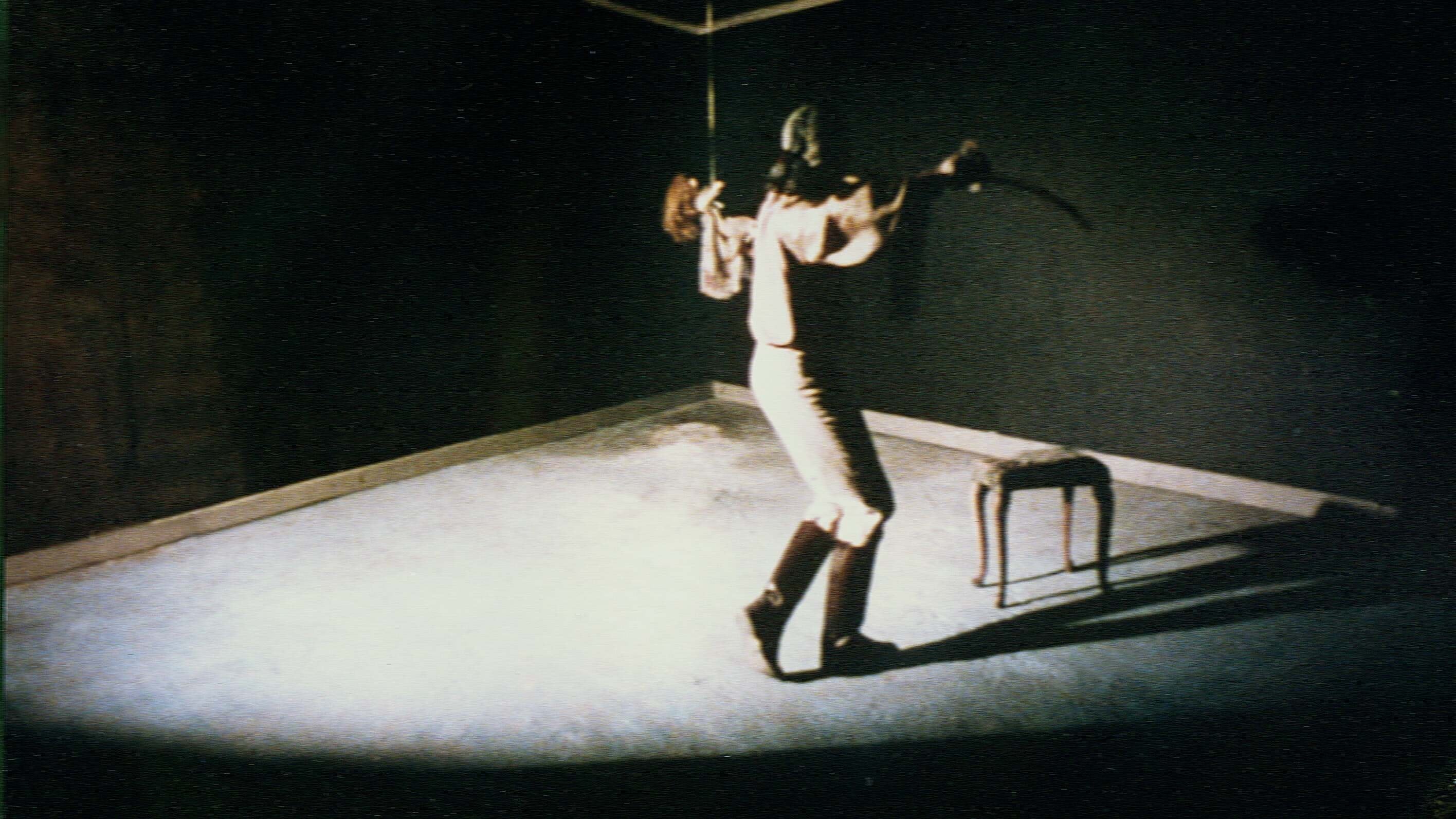
There lies a manic, obsessive quality to the repetition of L'Ange's images: thoughts, ideas, and emotions are all placed into a cerebral environment as they are repeatedly recontextualized in the film’s attempt of self-exclamation. Scenes of violence, routine, and enlightenment are all placed in dialogue with one another: perspective shifts, the space contorts, time rewinds before returning once again; yet, the image remains. It is a euphoric loop of obsession within a derealized environment. It is falling upwards into pit of endless emotions. It is that which is meaningless, trying tirelessly to gain meaning. It is an interpretation of an interpretation trapped in a loop of self-analysis and destruction. Nothing is concrete as the thoughts continue to repeat, progressively detaching themselves from reality.
I have diagnosed OCD and BPD, and this was just the emotional experience that comes with one of my episodes materialized onto the screen. I loved the joint, but this shit almost gave me a panic attack and my brain did not enjoy that experience! It did leave an impact nevertheless.
I’m probably never watching this again! Great film though! Usually with films that are heavily rooted in formalism and a defined idiosyncratic style, I don’t get personally inspired. I’m not the next David Lynch or Hayao Miyazaki. I’m a realist who recognizes the spirituality present in the human experience. I create as a service to my characters and subjects alike; thus, abstraction in my narratives lives parallel to the text’s realist framework as a necessary vehicle for individual and collective intimacy, rather than completely informing how I construct my worlds.
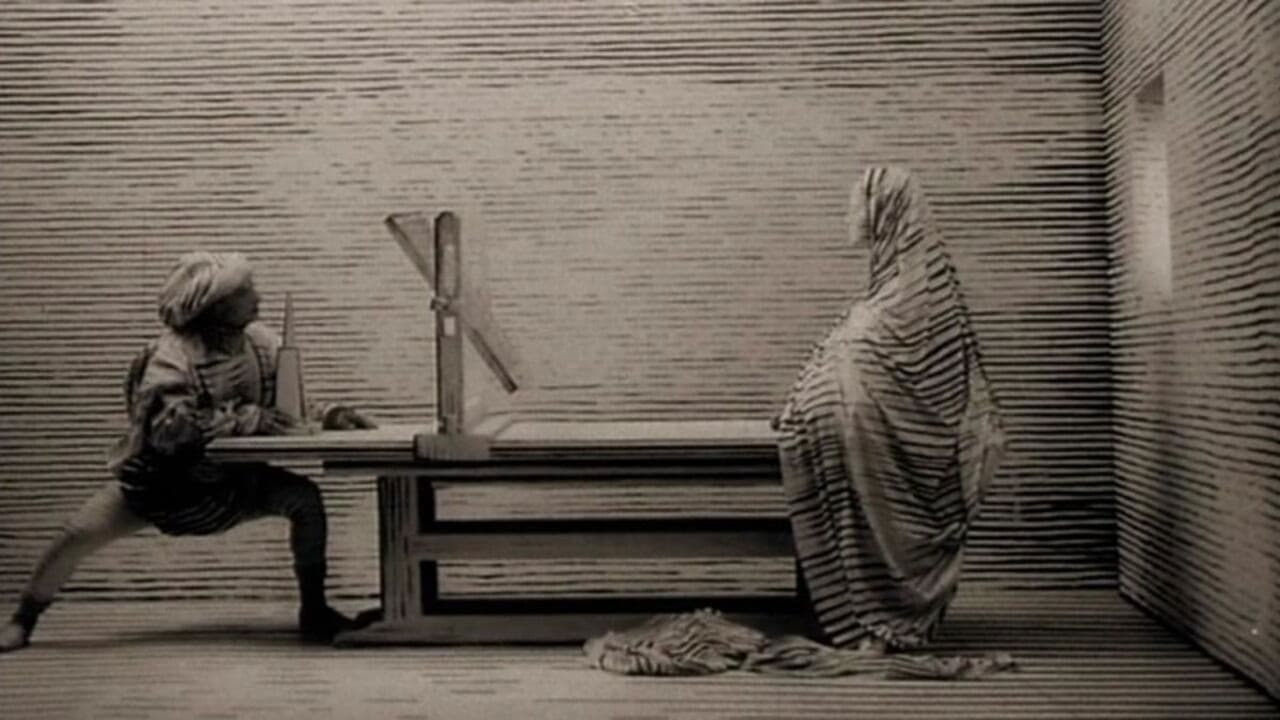
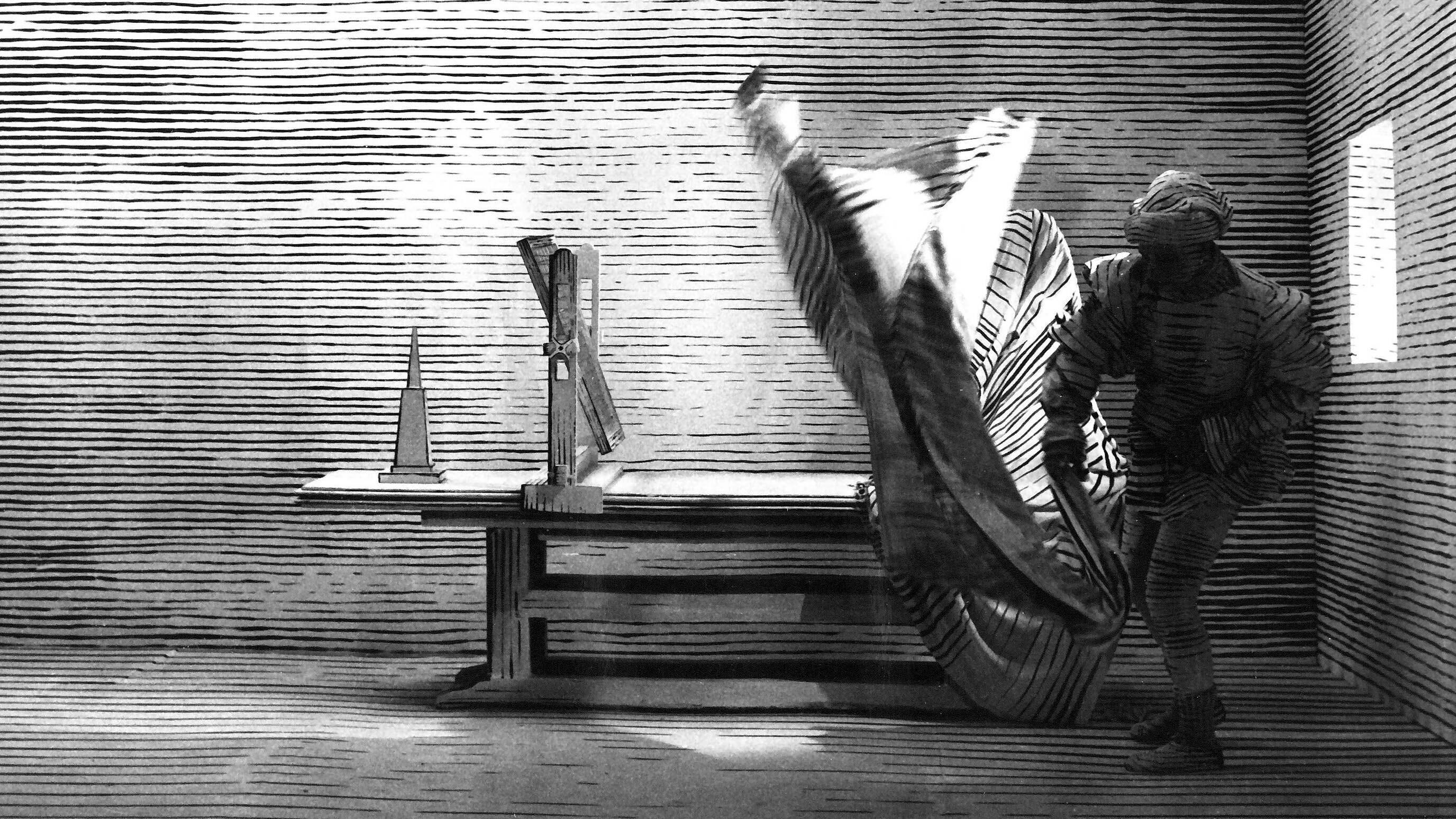
With that said, L’Ange strangely… felt inspiring in a substantial way. I don’t know how to describe that inspiration in concrete terms yet, but how the film presents spacial distortion through light—especially in the context of sections like the opening doll scene—definitely left an impact on me.
As strange as it may sound, L’Ange was one of the most personally relatable cinematic experiences for me. Before exploring why exactly that is the case, I do want to provide lip service to the themes outside of my subjectivities.
My primary reading of the film is that of image-making itself. L’Ange dismantles film down to its three primary devices—the manipulation of light, of space, and of time—through a structuralist understanding of the silent era’s formalist works and the illusionist’s definition of film. The piece finds an entire artistic medium caught in a period of introspection—film repeatedly tearing itself apart to reach aesthetic enlightenment. In this context, Bokanowski's formal construction only serves to highlight the inherent unreality of cinema, rendering his actors as dehumanized, animated puppets trapped inside these spaces dominated by light and time. Through the film’s dialogue with the formalist ethos of the silent era, Bokanowski concludes that the medium's distortion of reality holds the potential to unearth spiritual truth—this interpretive and creative process being presented through a Dante-esque ascent out of domesticity and earthly environments. Light as the path to bringing Nirvana down to Earth.
I am sure there are some philosophical or theological themes one could expand on, as well as a general technical analysis of the text, but I am not the person for either of those tasks, nor were those topics why the text impacted me so deeply.
There lies a manic, obsessive quality to the repetition of L'Ange's images: thoughts, ideas, and emotions are all placed into a cerebral environment as they are repeatedly recontextualized in the film’s attempt of self-exclamation. Scenes of violence, routine, and enlightenment are all placed in dialogue with one another: perspective shifts, the space contorts, time rewinds before returning once again; yet, the image remains. It is a euphoric loop of obsession within a derealized environment. It is falling upwards into pit of endless emotions. It is that which is meaningless, trying tirelessly to gain meaning. It is an interpretation of an interpretation trapped in a loop of self-analysis and destruction. Nothing is concrete as the thoughts continue to repeat, progressively detaching themselves from reality.
I have diagnosed OCD and BPD, and this was just the emotional experience that comes with one of my episodes materialized onto the screen. I loved the joint, but this shit almost gave me a panic attack and my brain did not enjoy that experience! It did leave an impact nevertheless.
I’m probably never watching this again! Great film though! Usually with films that are heavily rooted in formalism and a defined idiosyncratic style, I don’t get personally inspired. I’m not the next David Lynch or Hayao Miyazaki. I’m a realist who recognizes the spirituality present in the human experience. I create as a service to my characters and subjects alike; thus, abstraction in my narratives lives parallel to the text’s realist framework as a necessary vehicle for individual and collective intimacy, rather than completely informing how I construct my worlds.
With that said, L’Ange strangely… felt inspiring in a substantial way. I don’t know how to describe that inspiration in concrete terms yet, but how the film presents spacial distortion through light—especially in the context of sections like the opening doll scene—definitely left an impact on me.