Pro-tip: name your movie with a word that naturally comes up in general film discussion.
“The character is then weaponized towards the others”
“Holy shit dude”
I watched this a month ago, so it’s time to shit-or-get-off-the-pot: I liked it a lot.
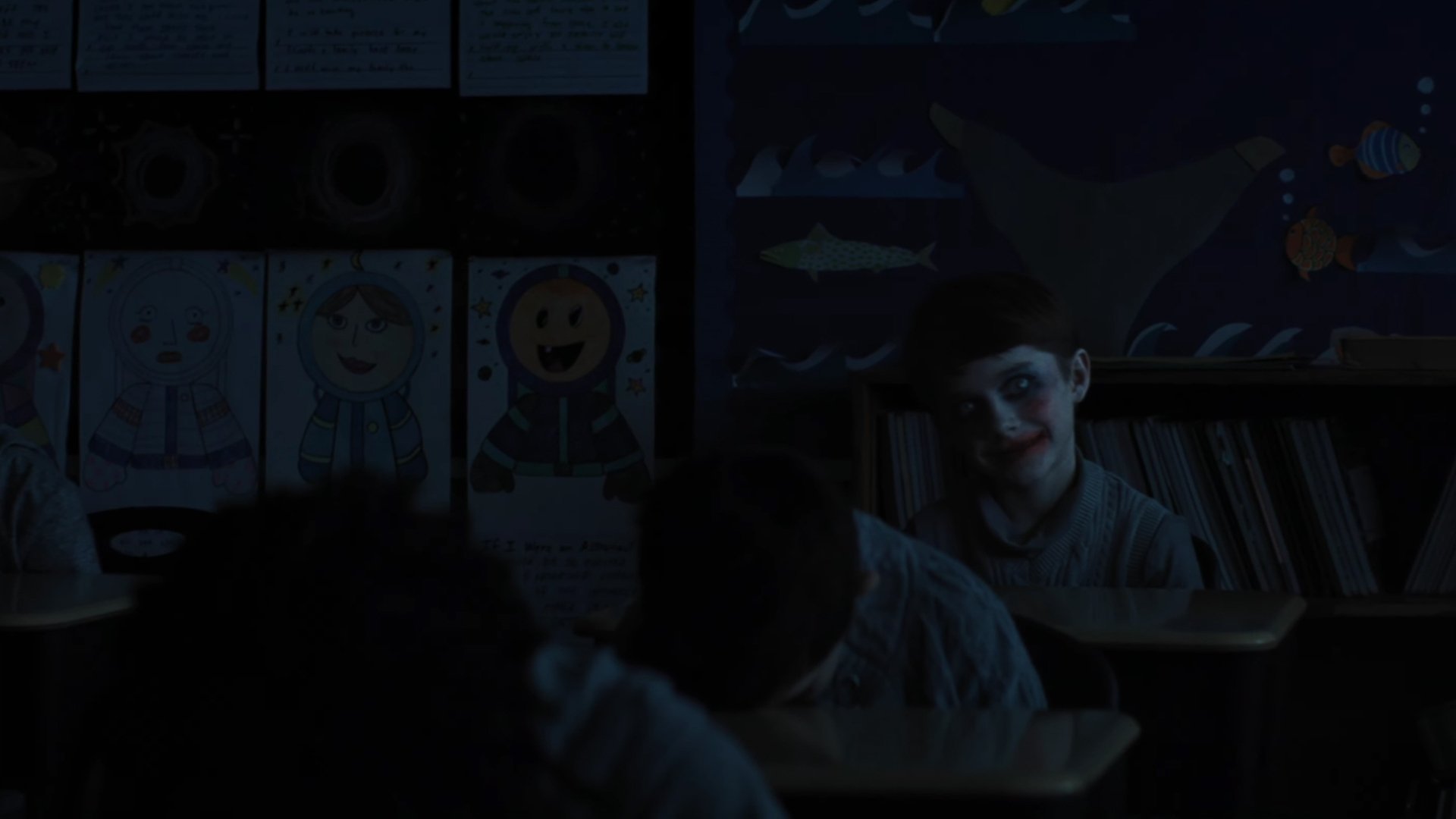
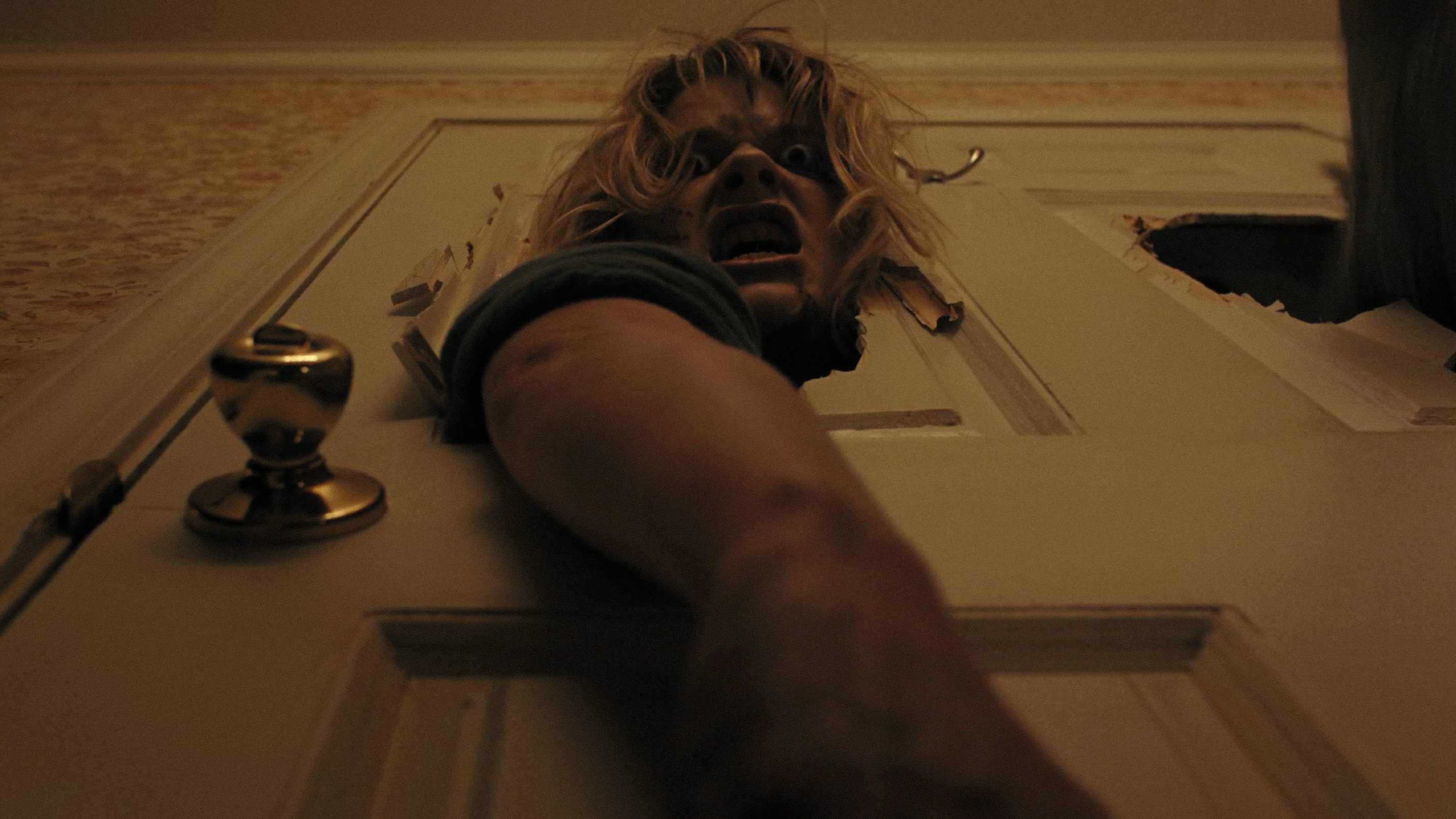
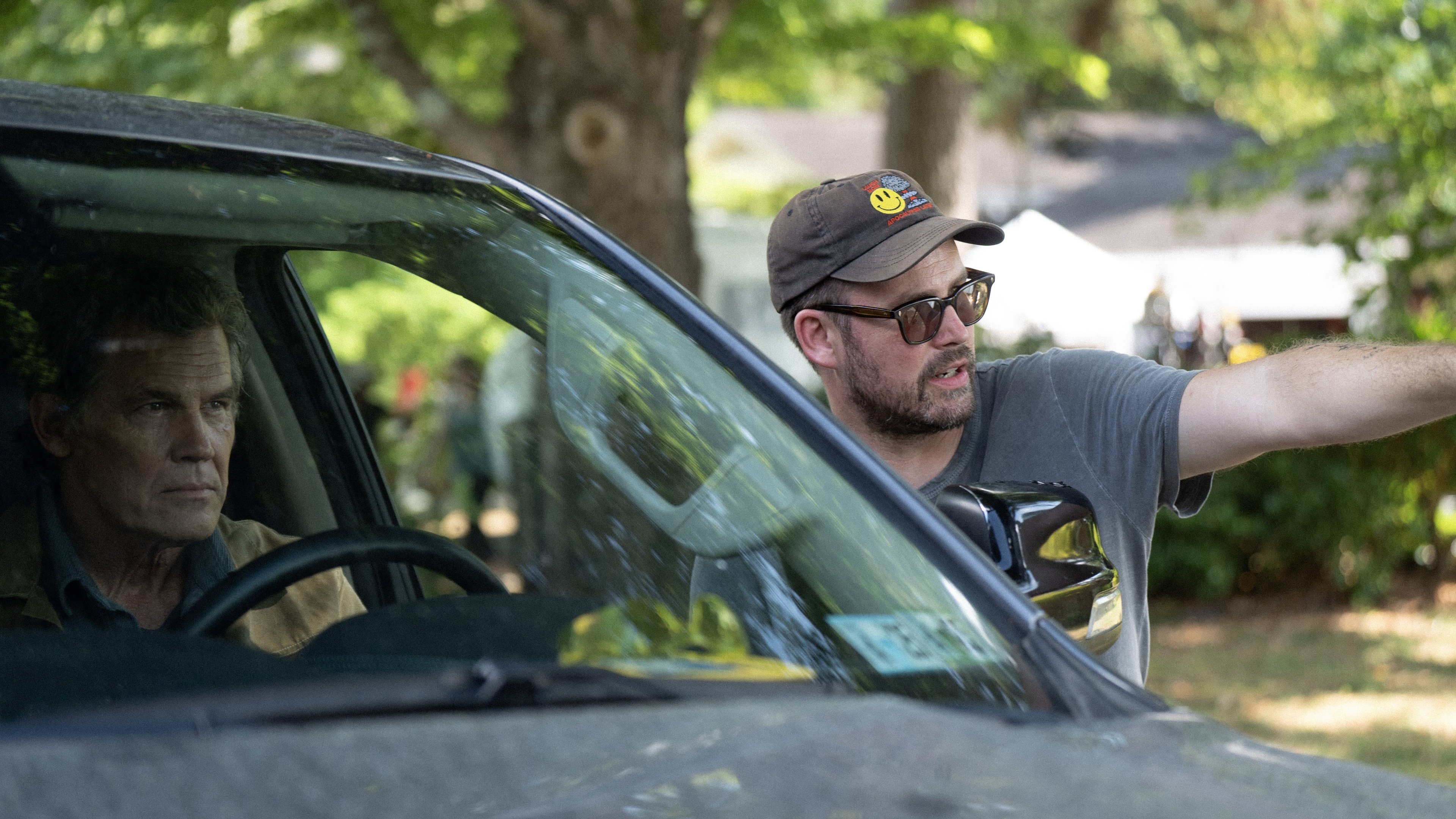
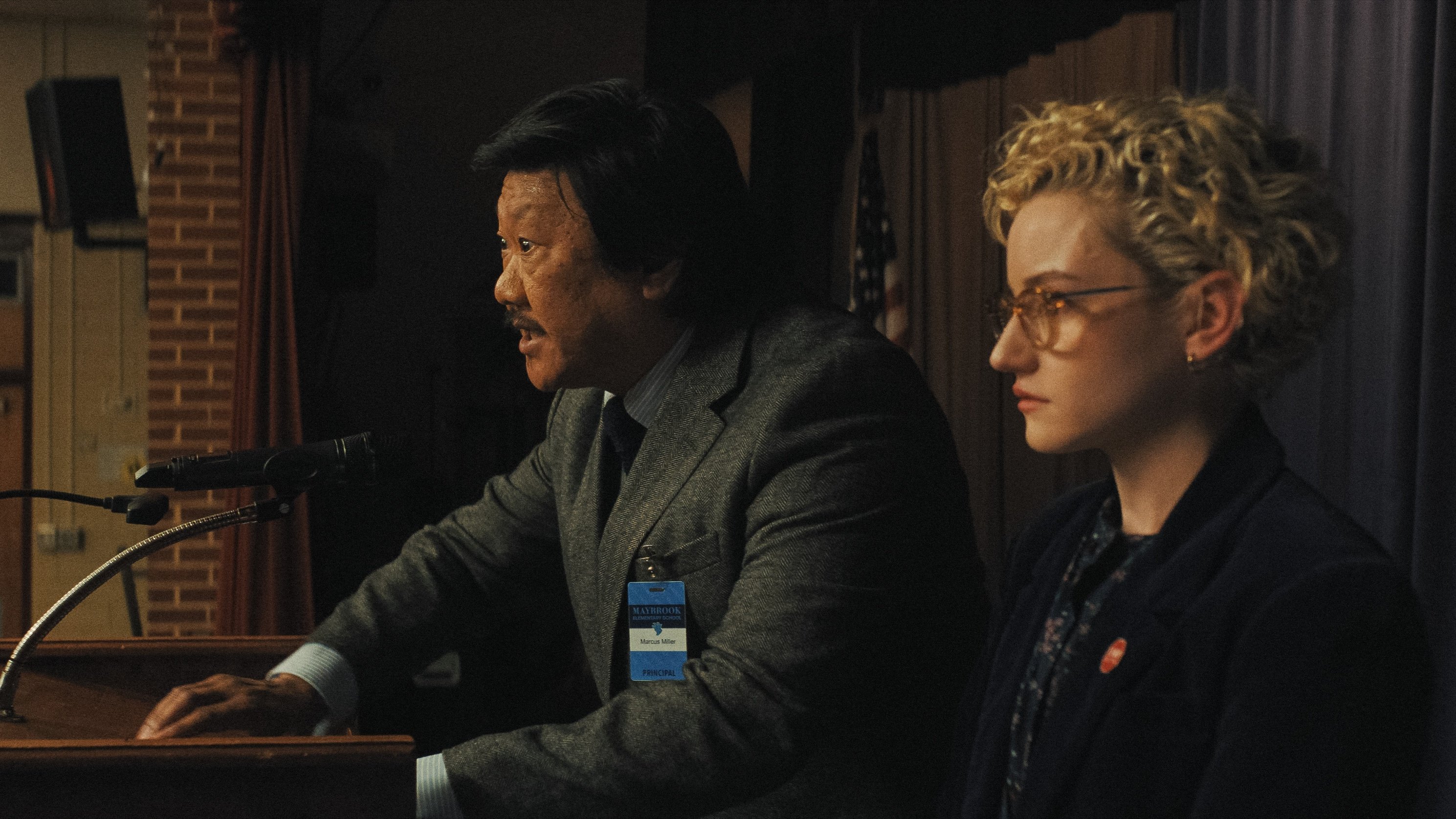
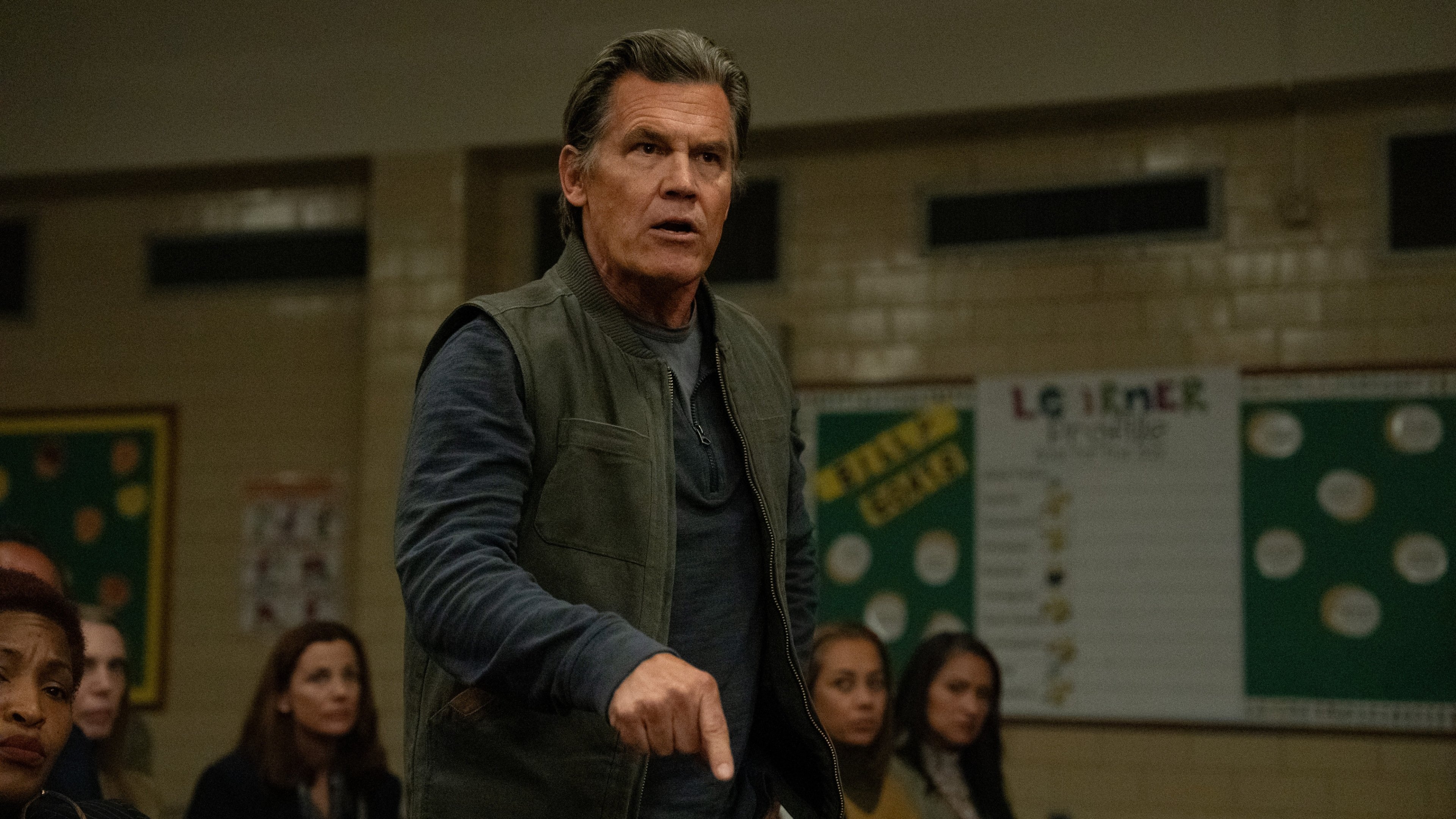
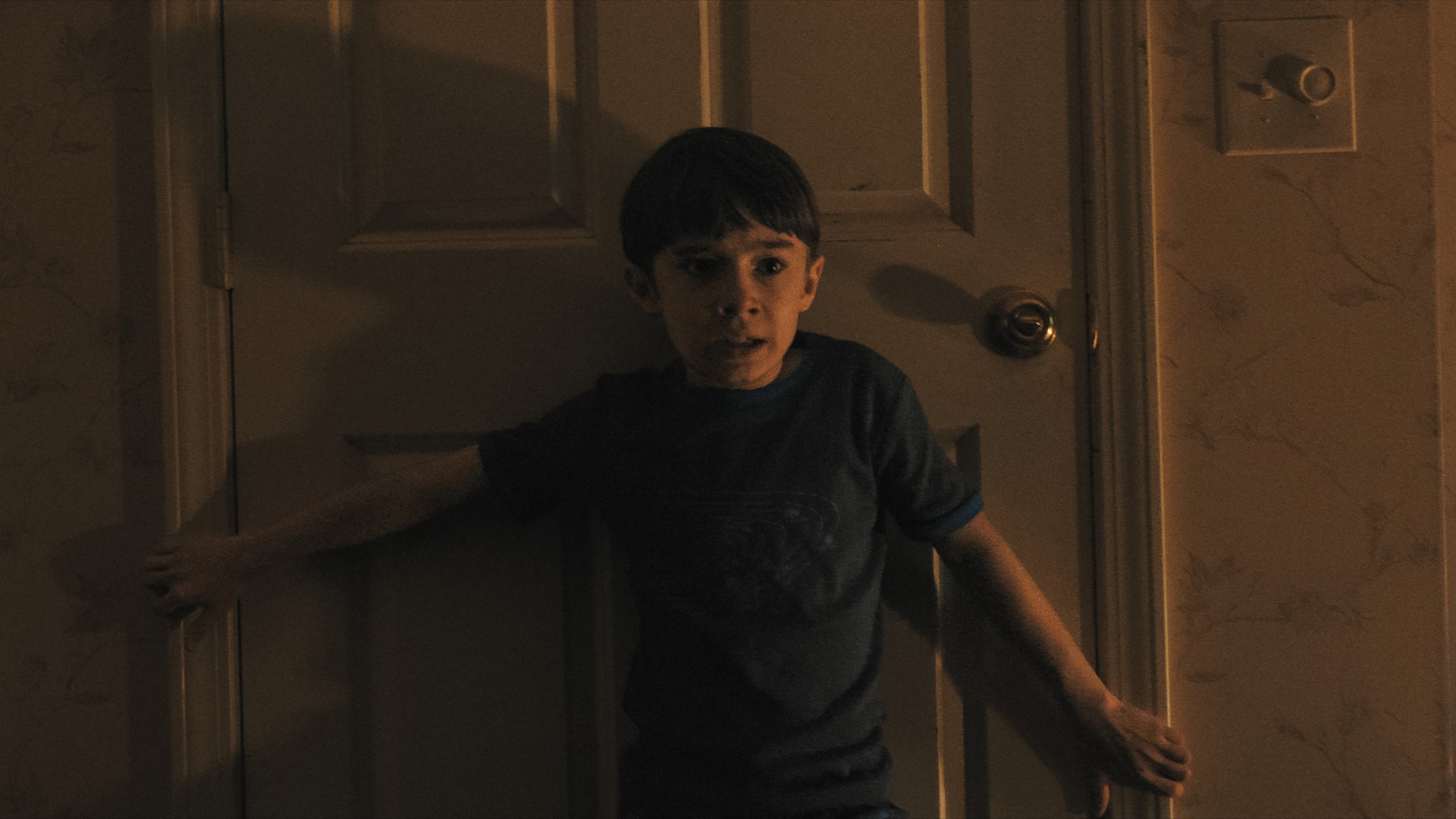
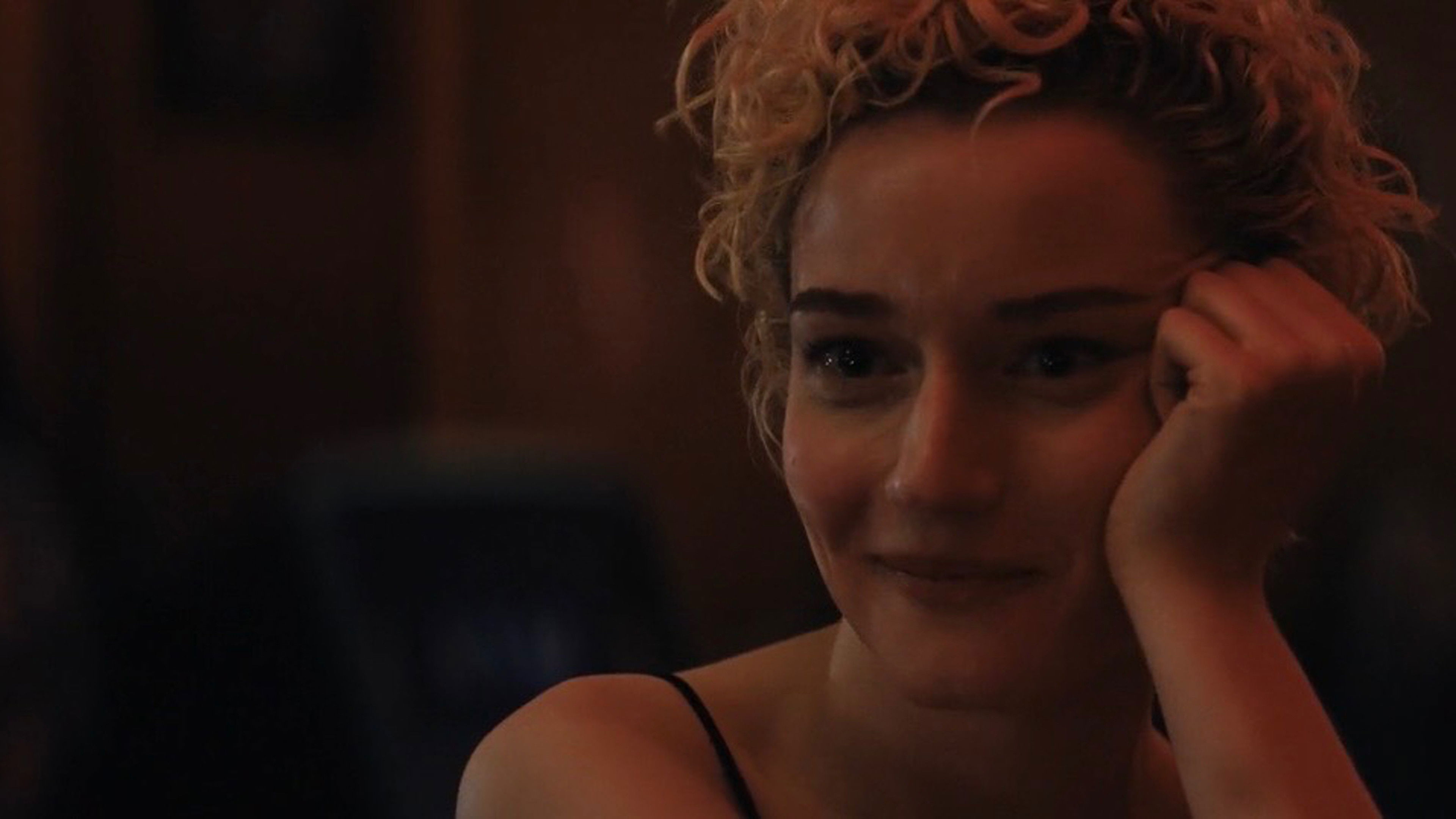
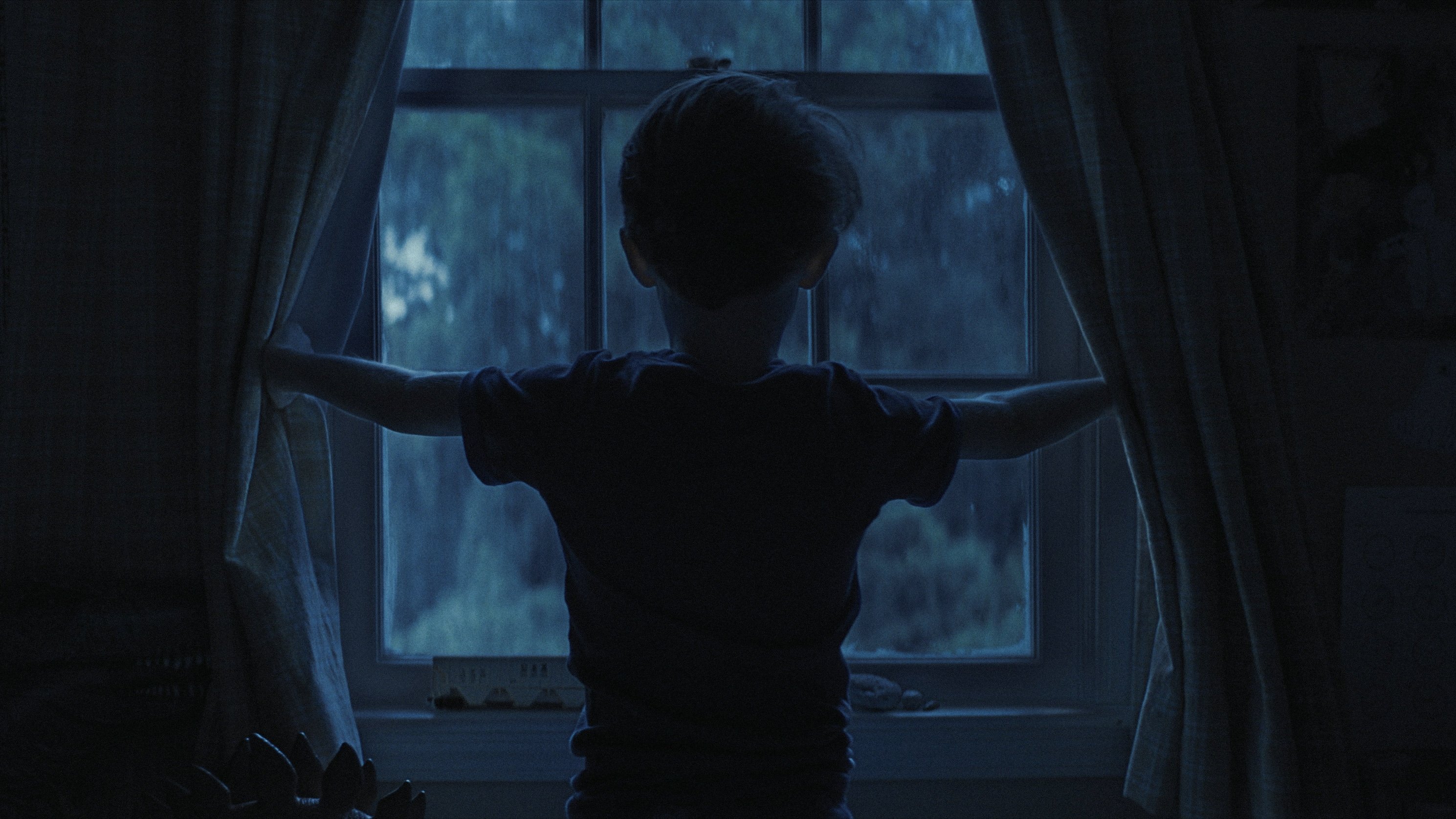
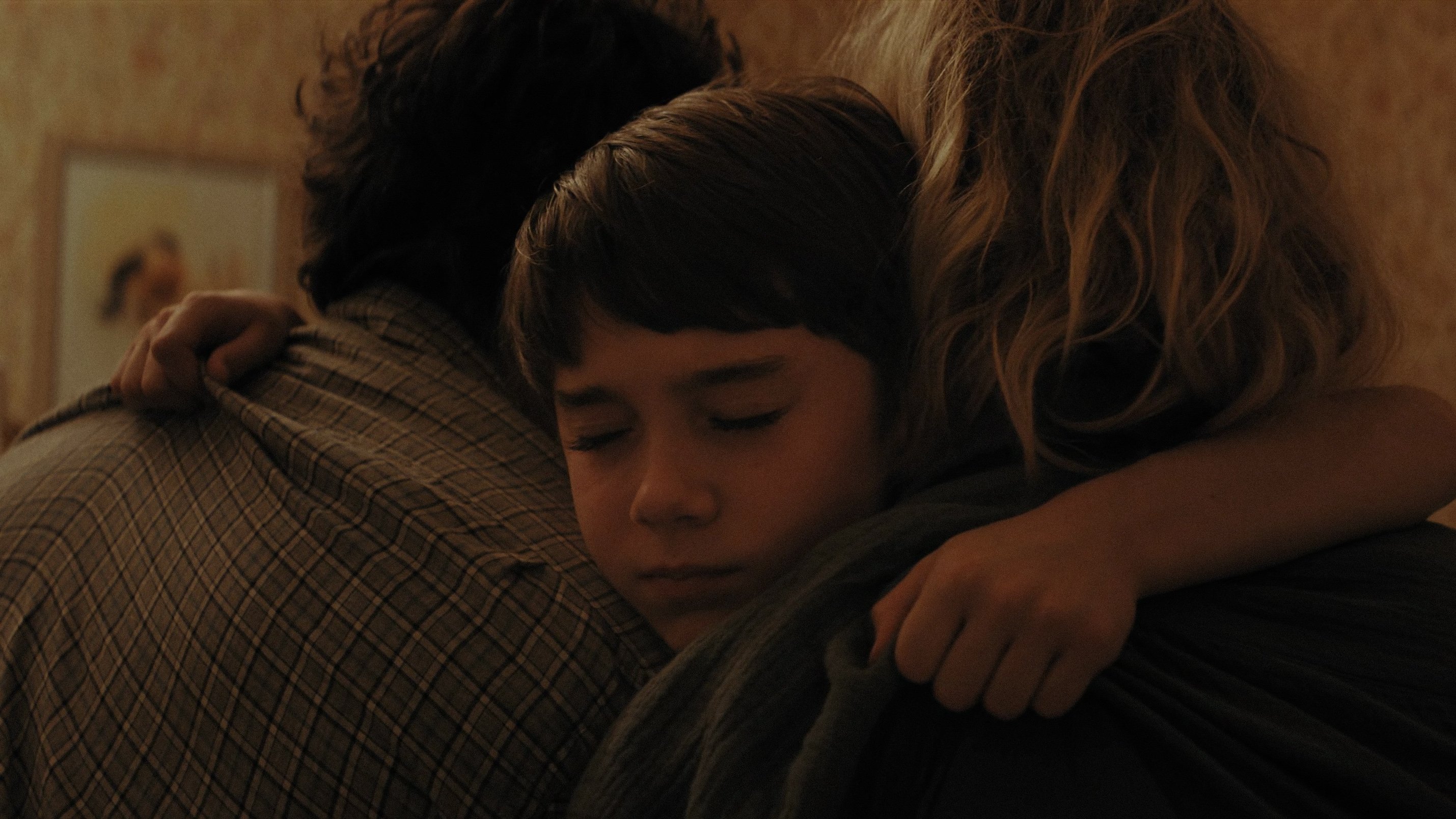
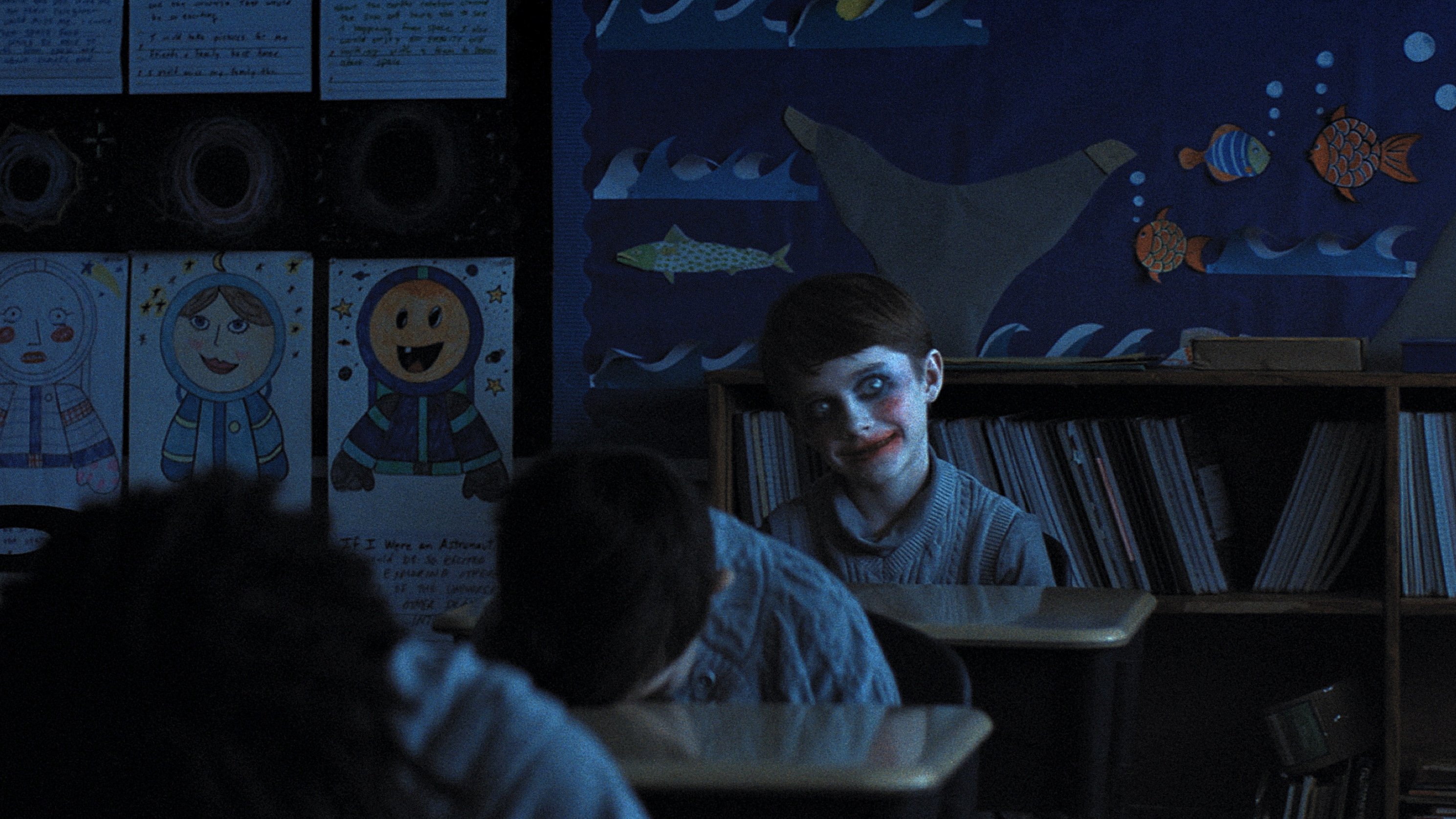
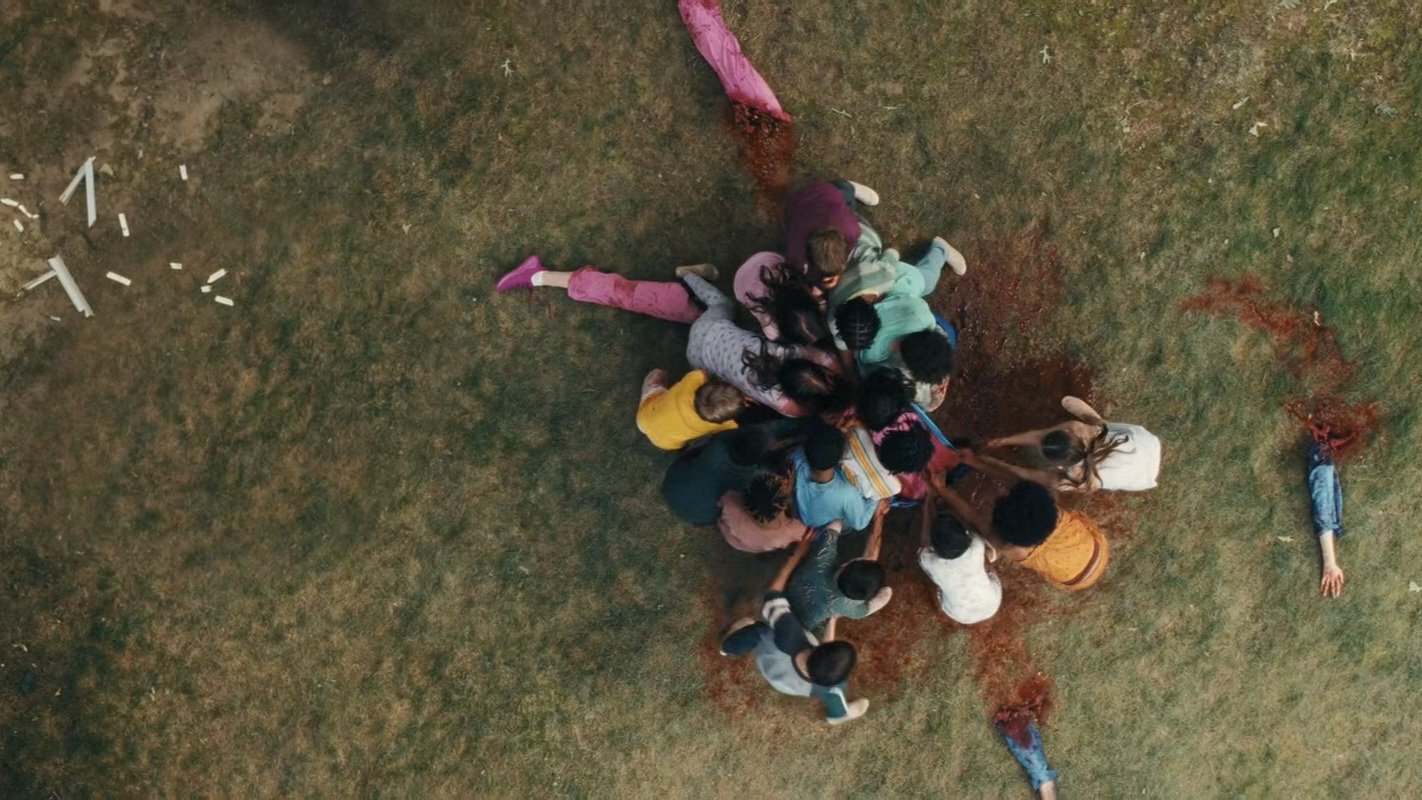
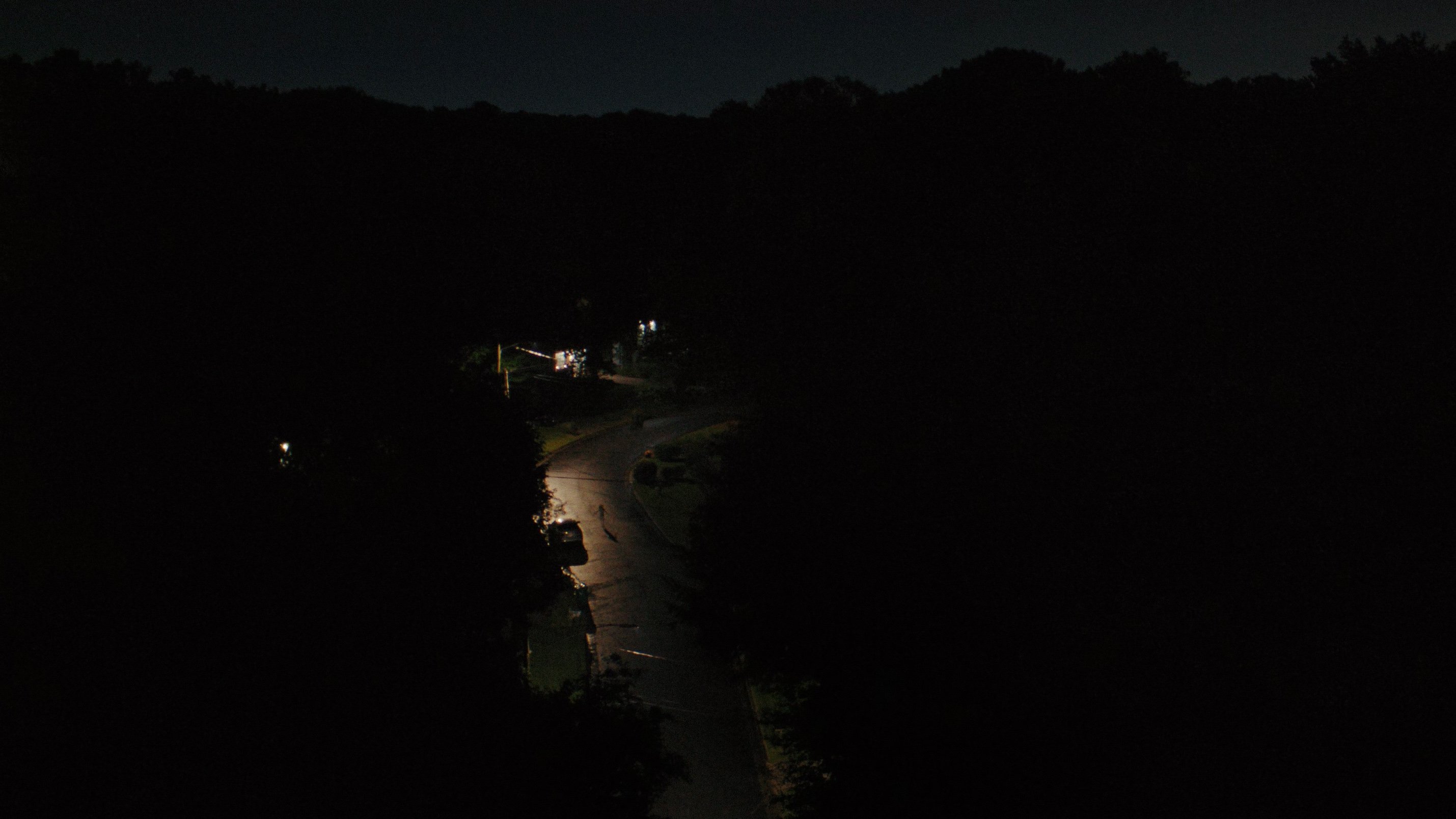
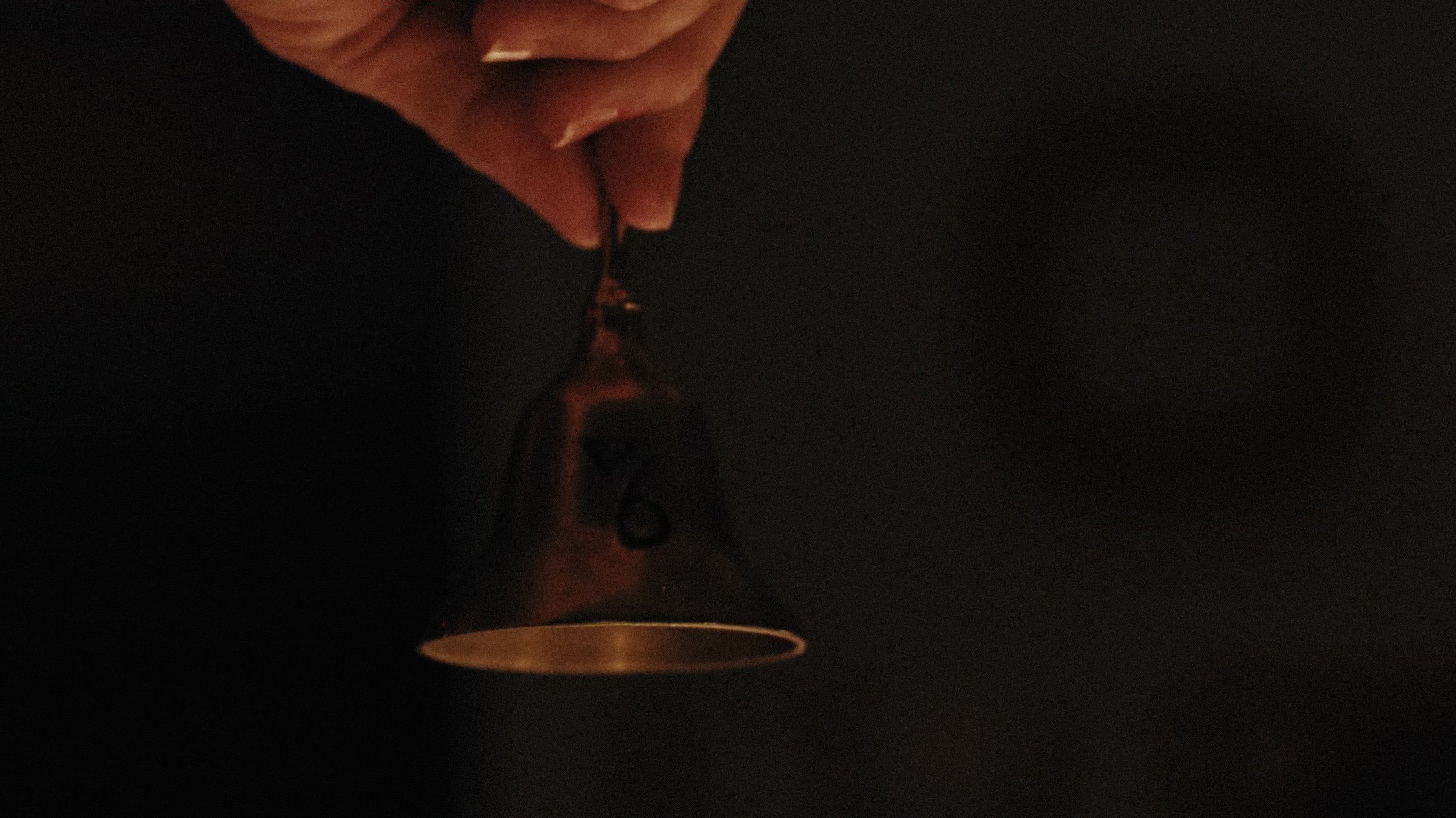
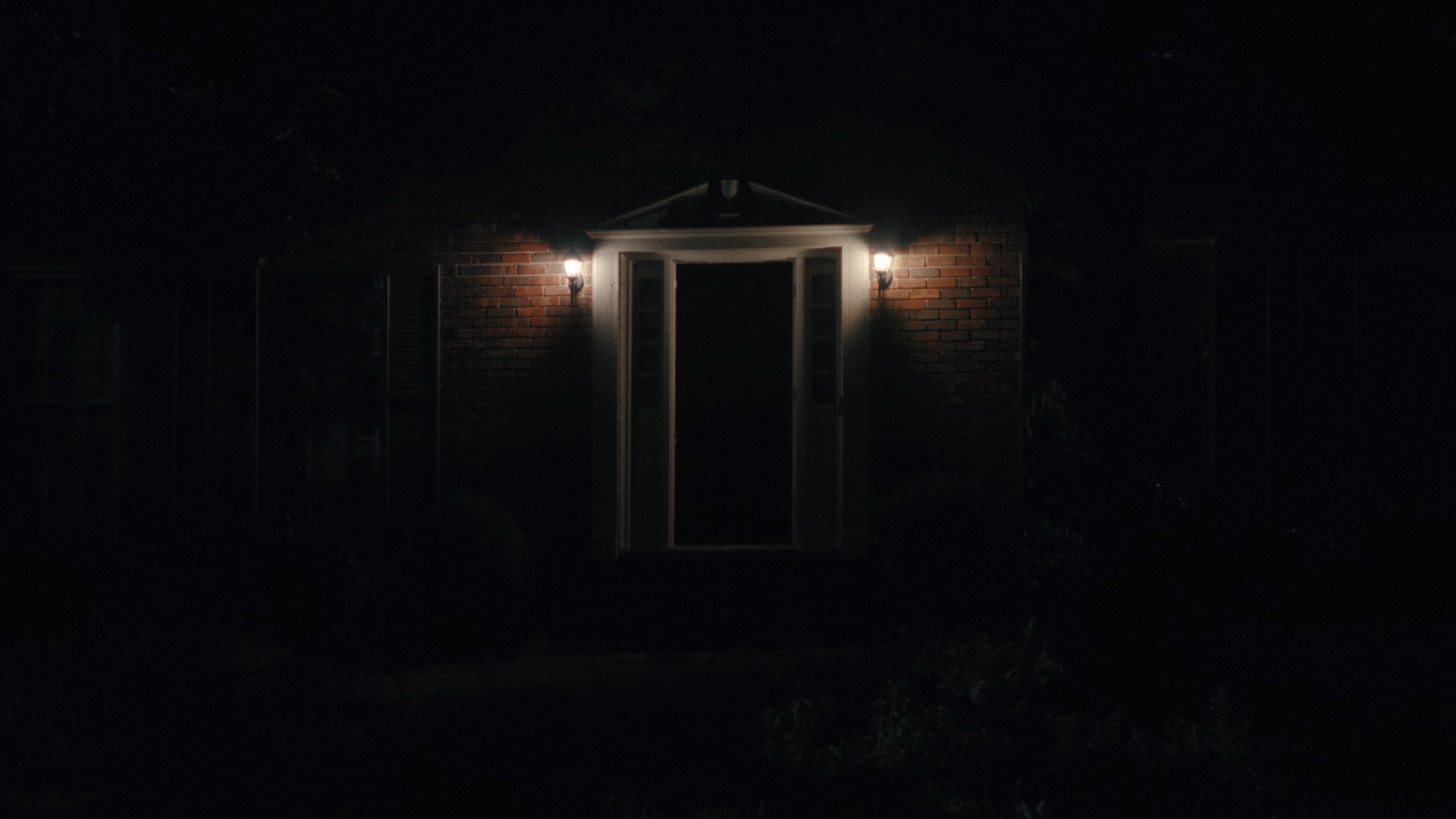
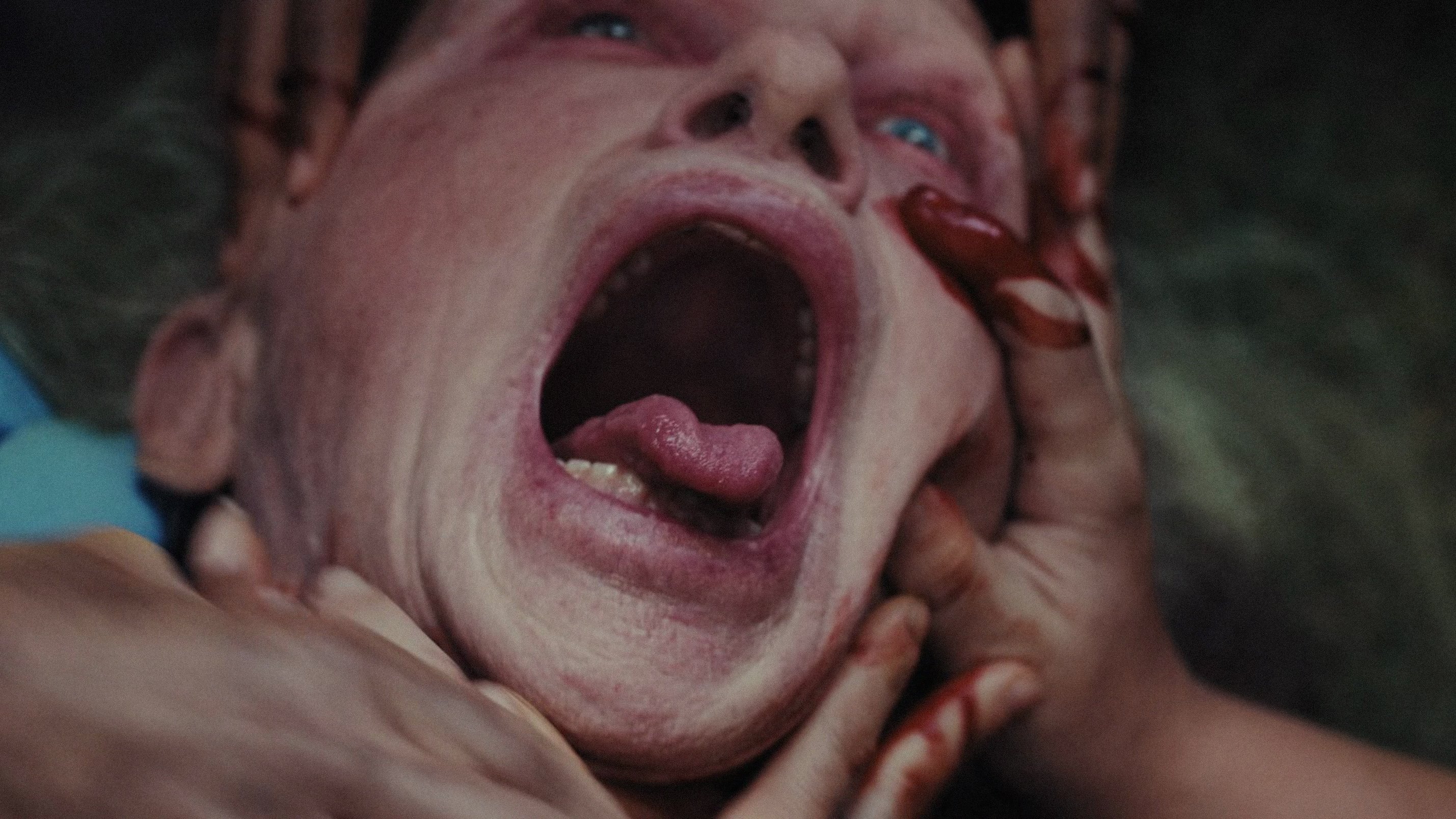
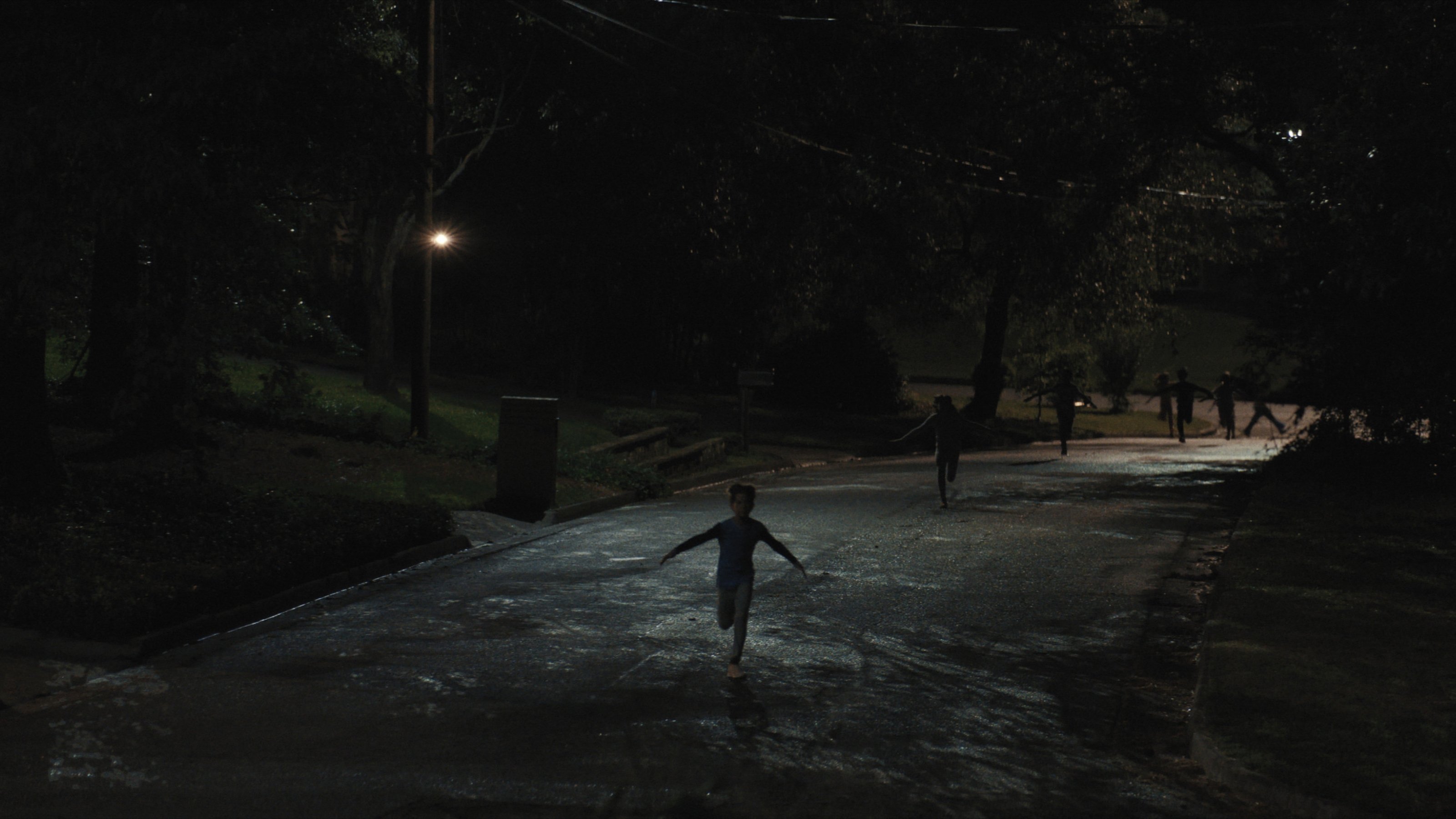
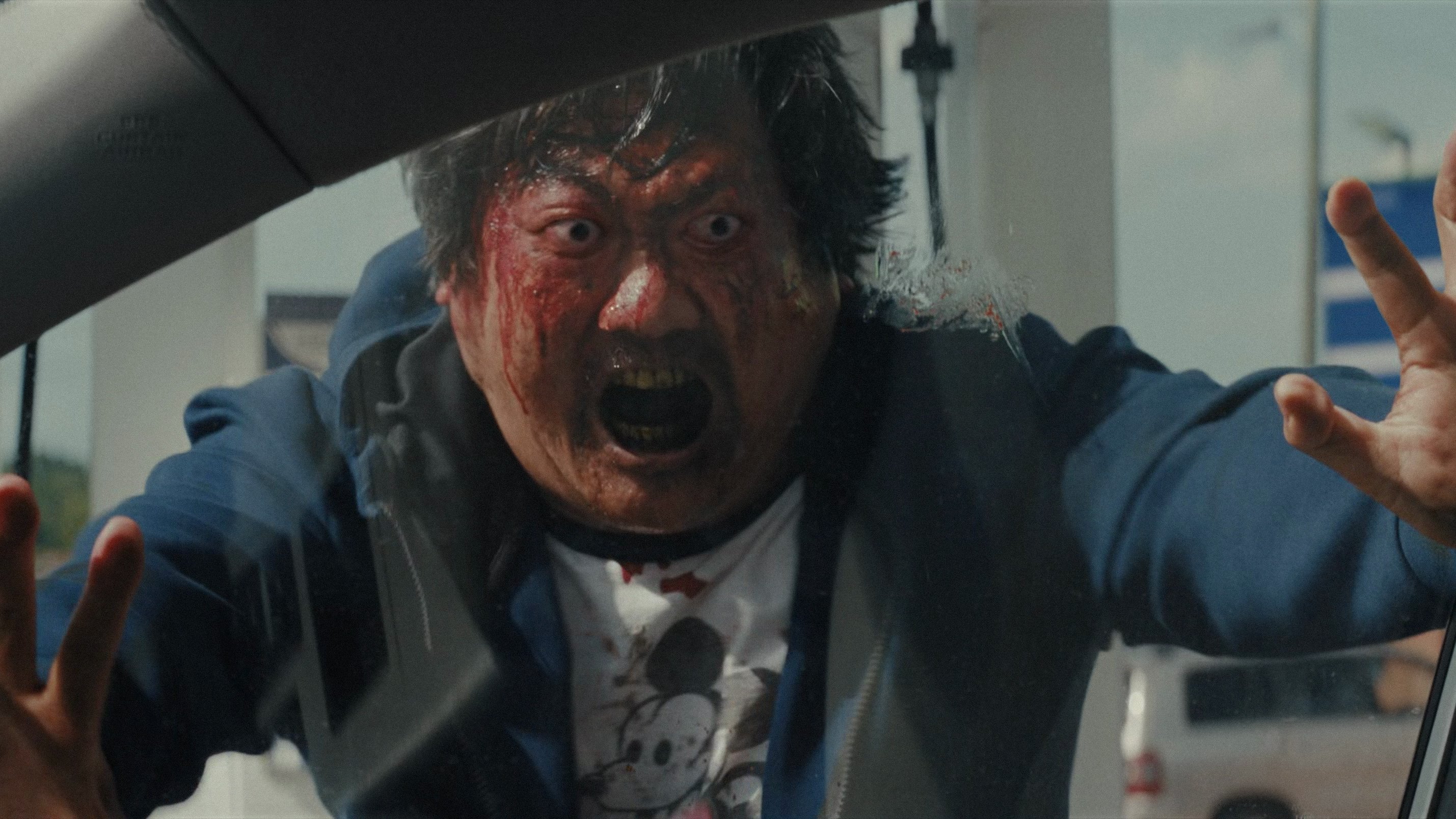
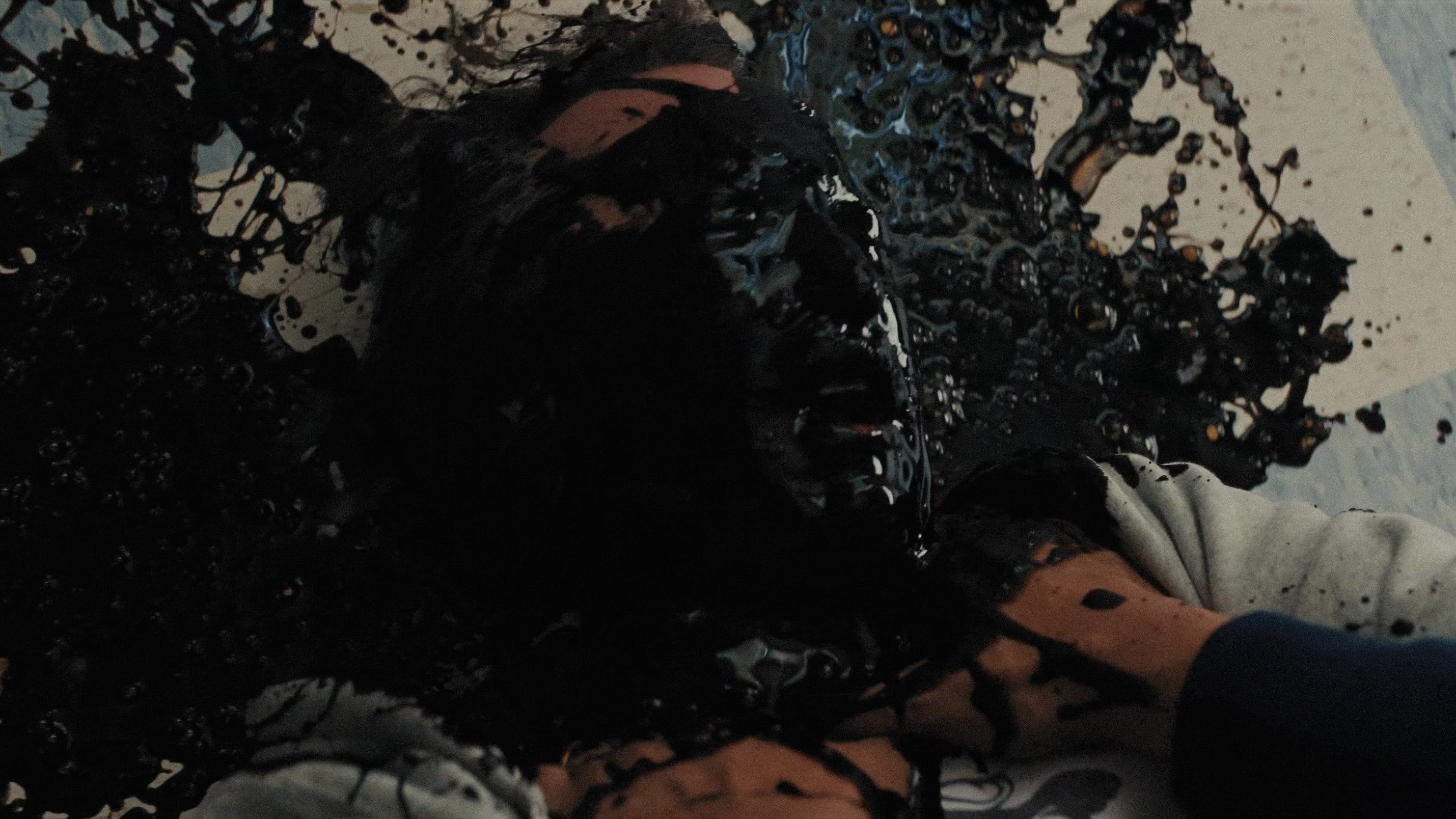
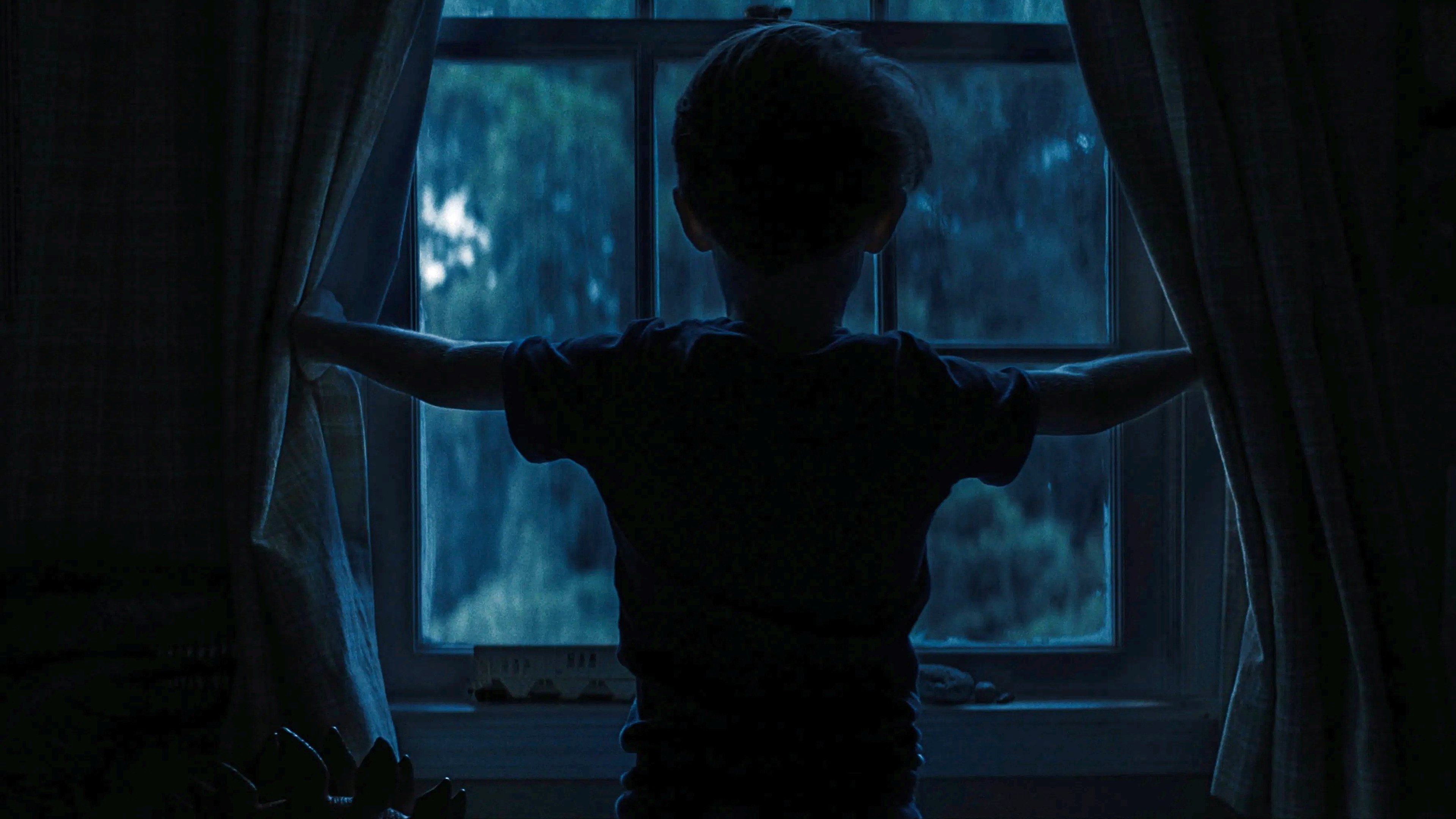
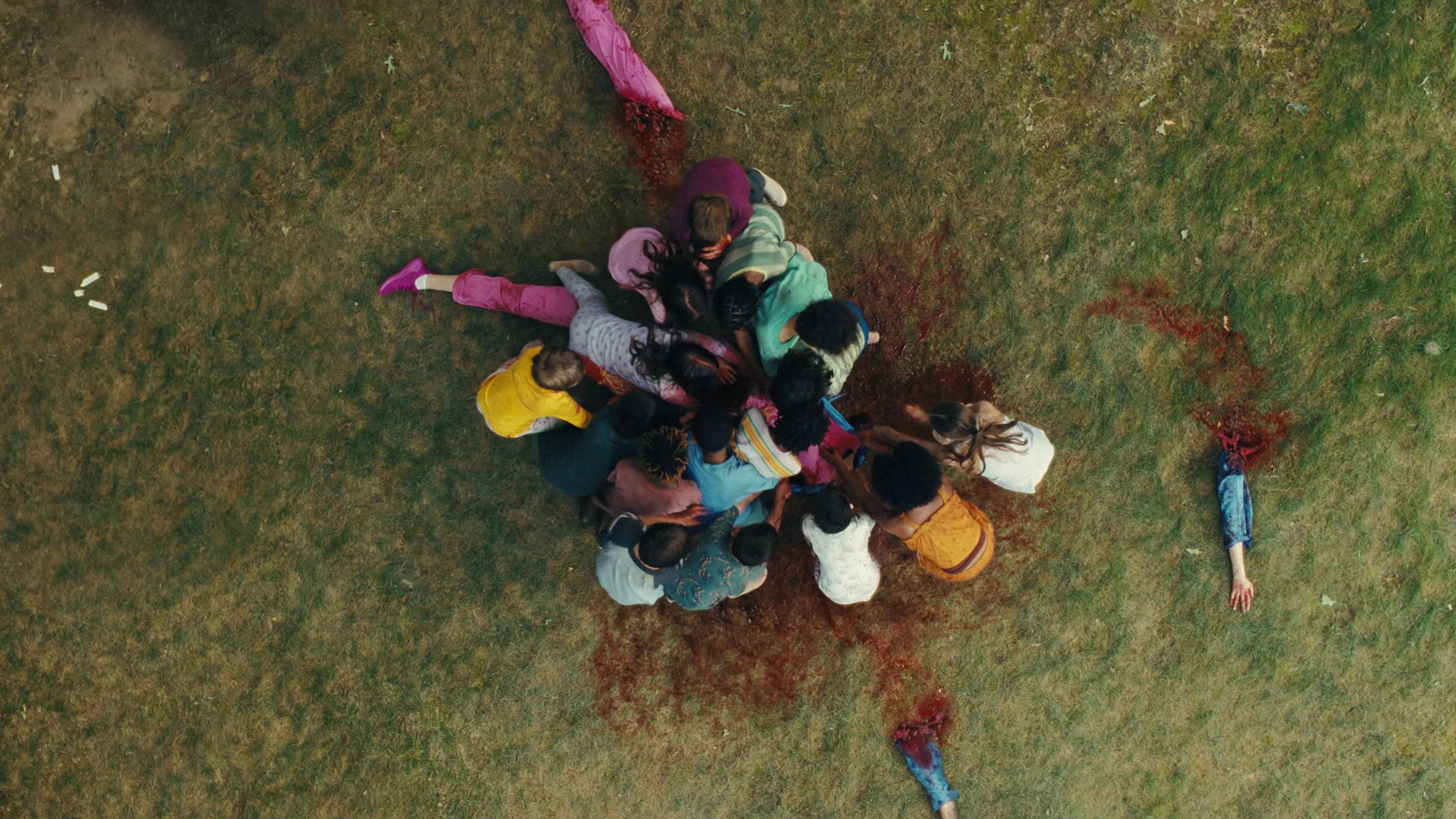
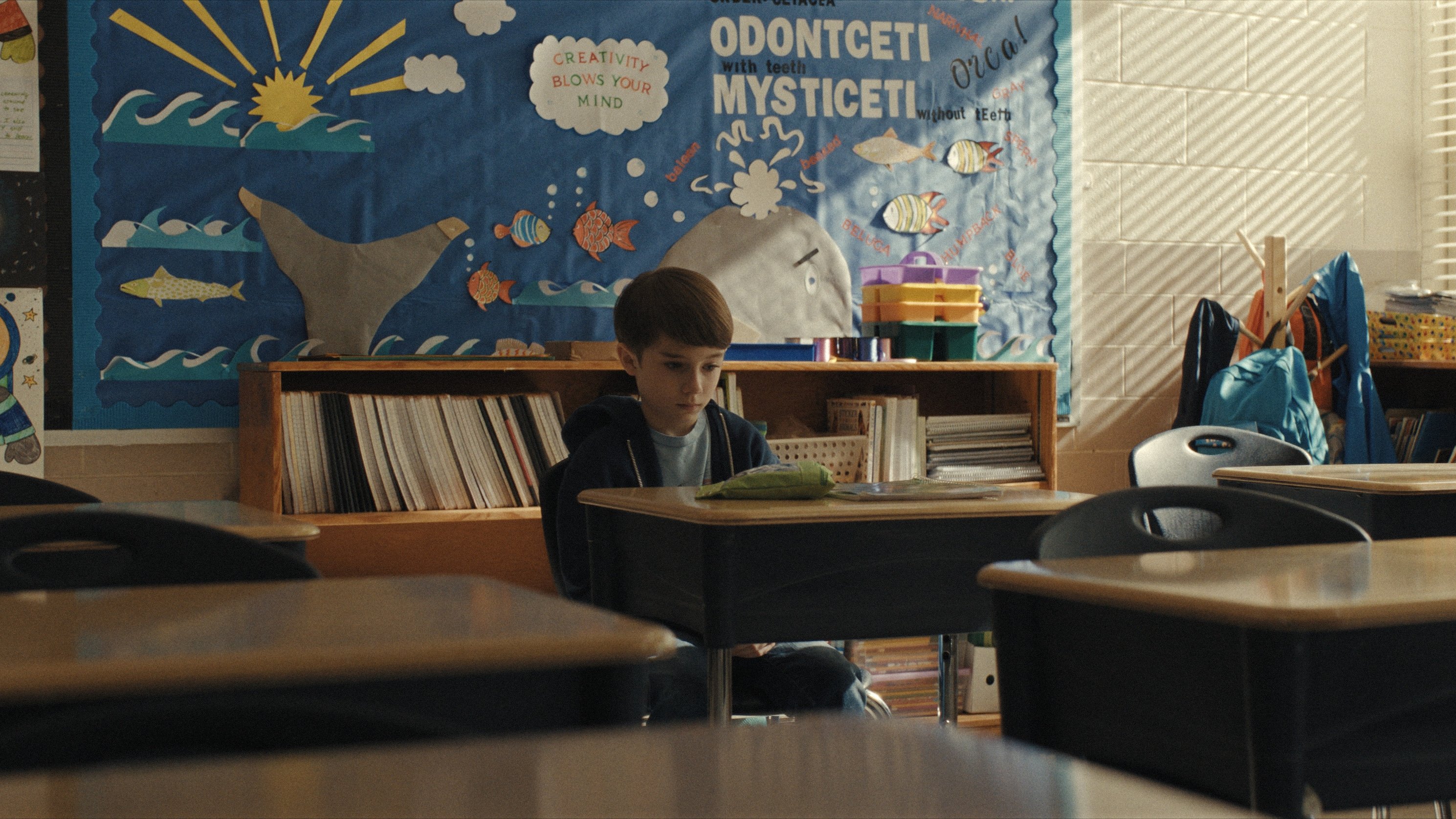
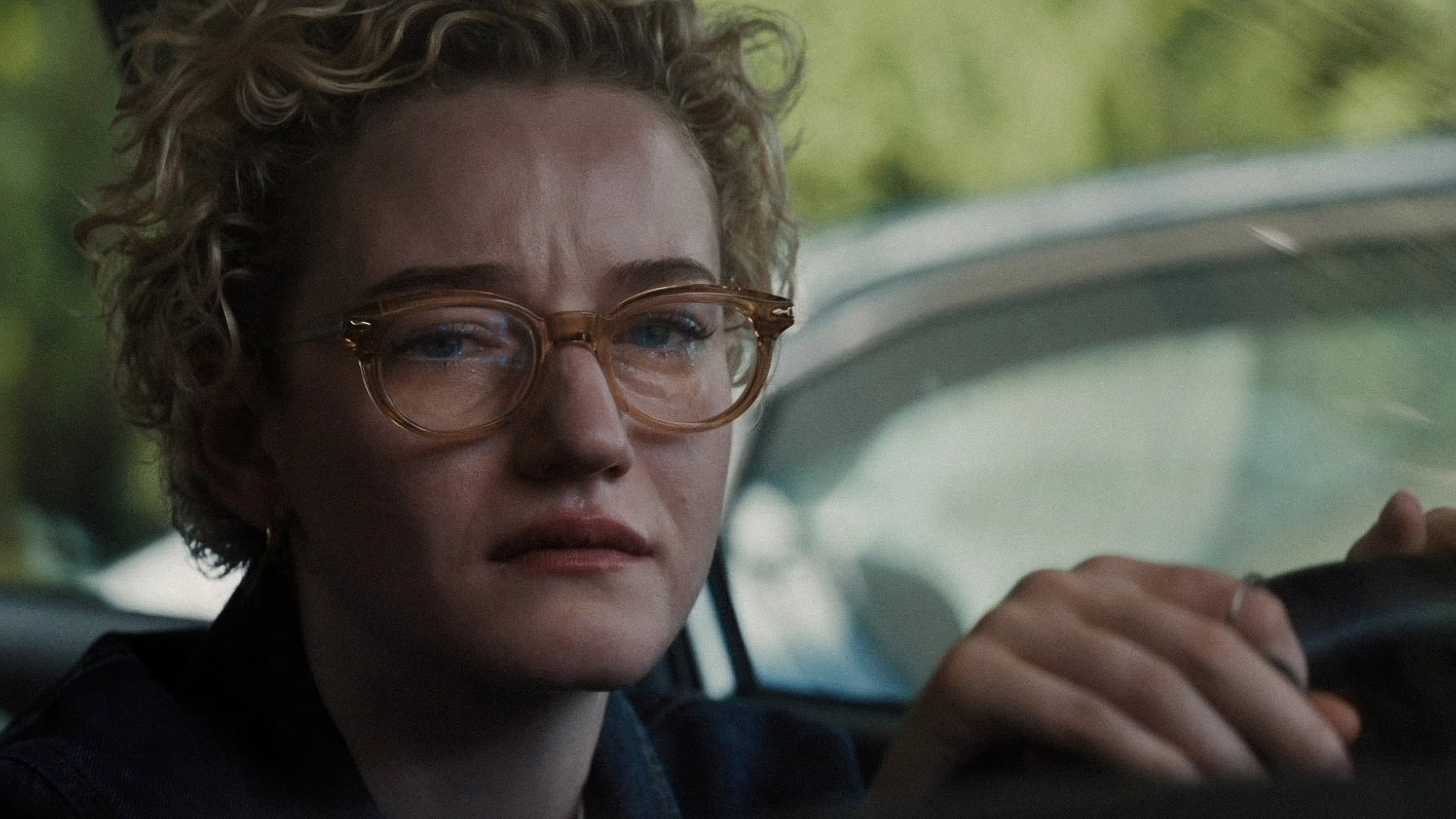
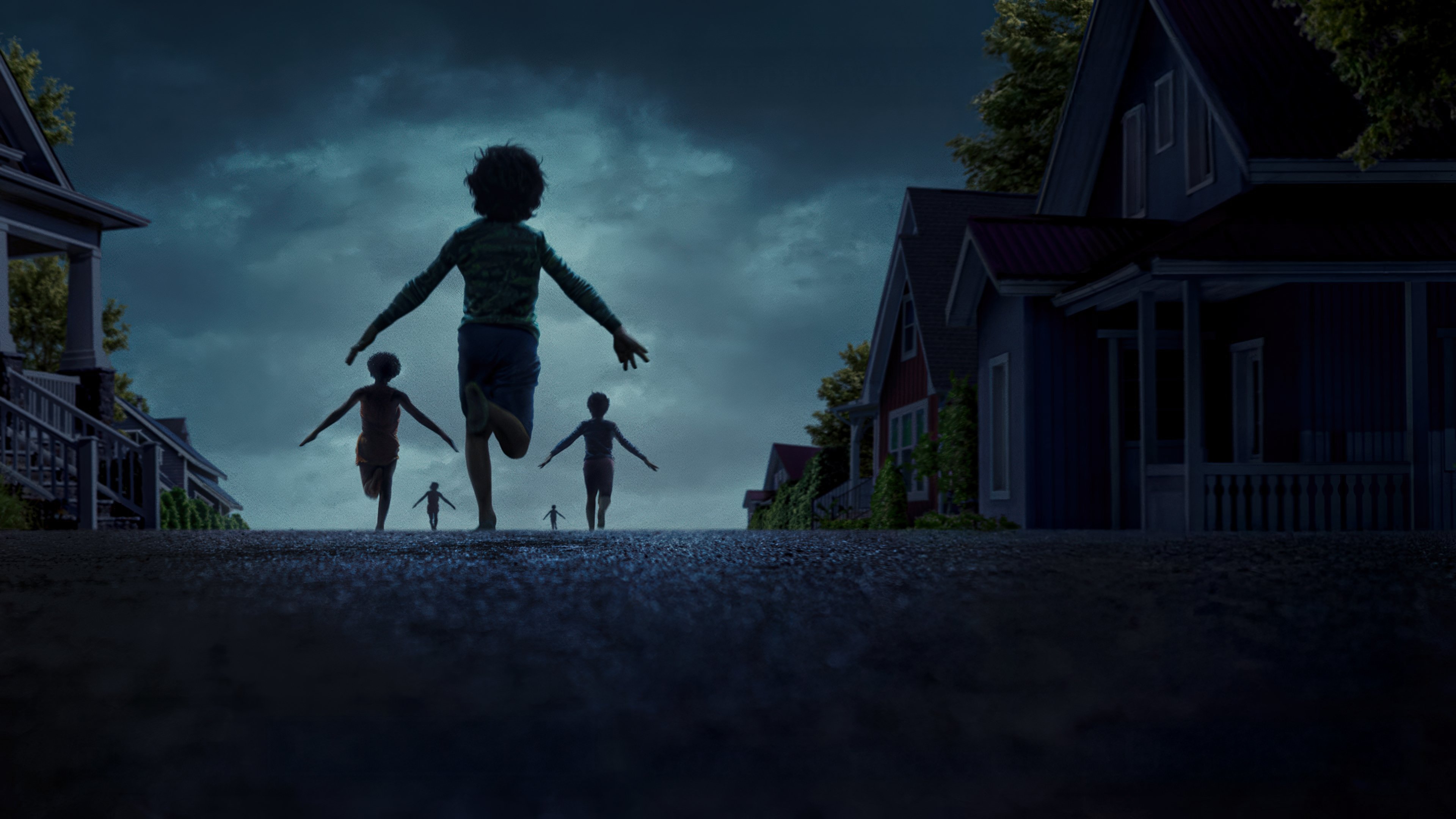
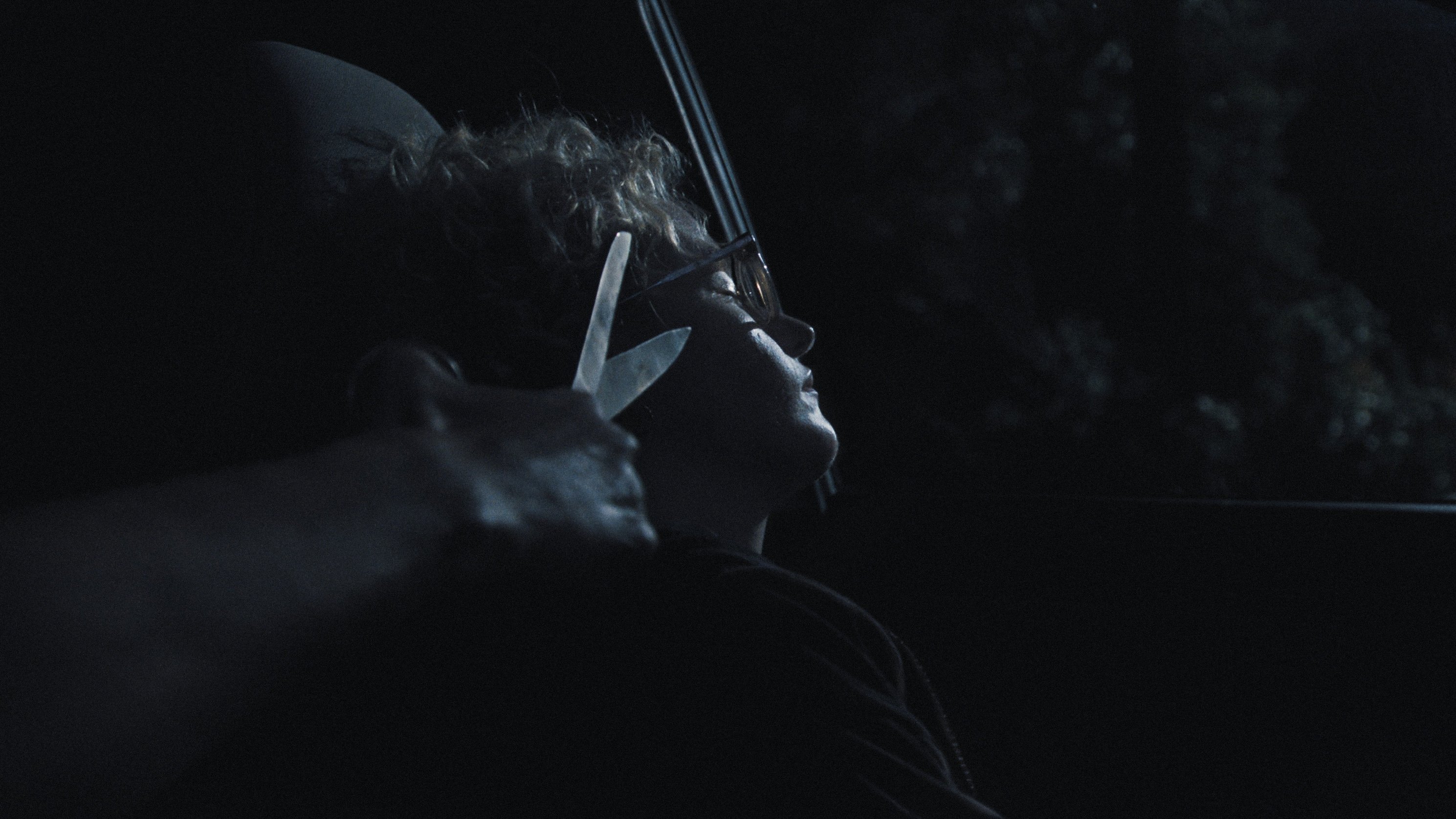
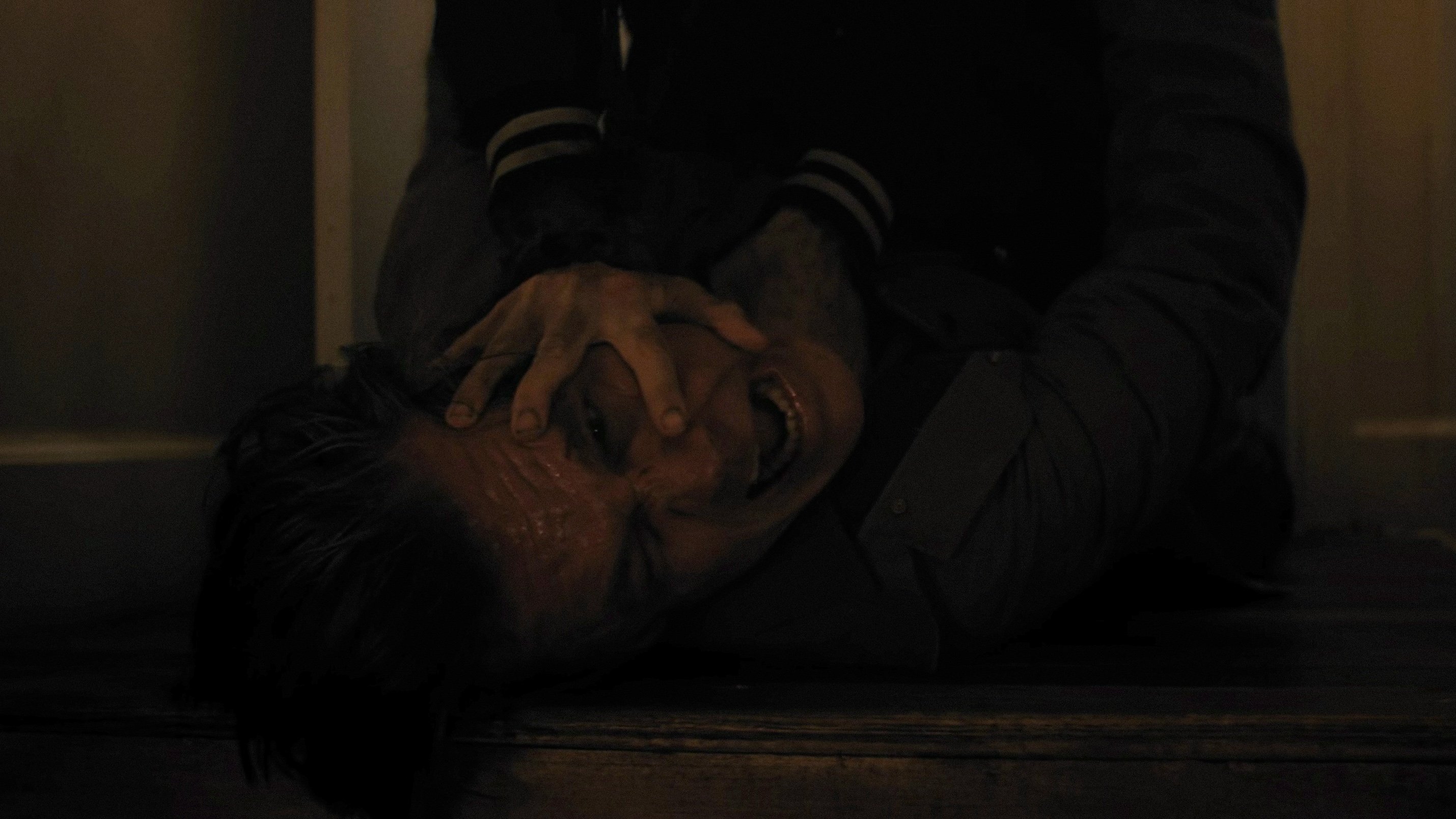
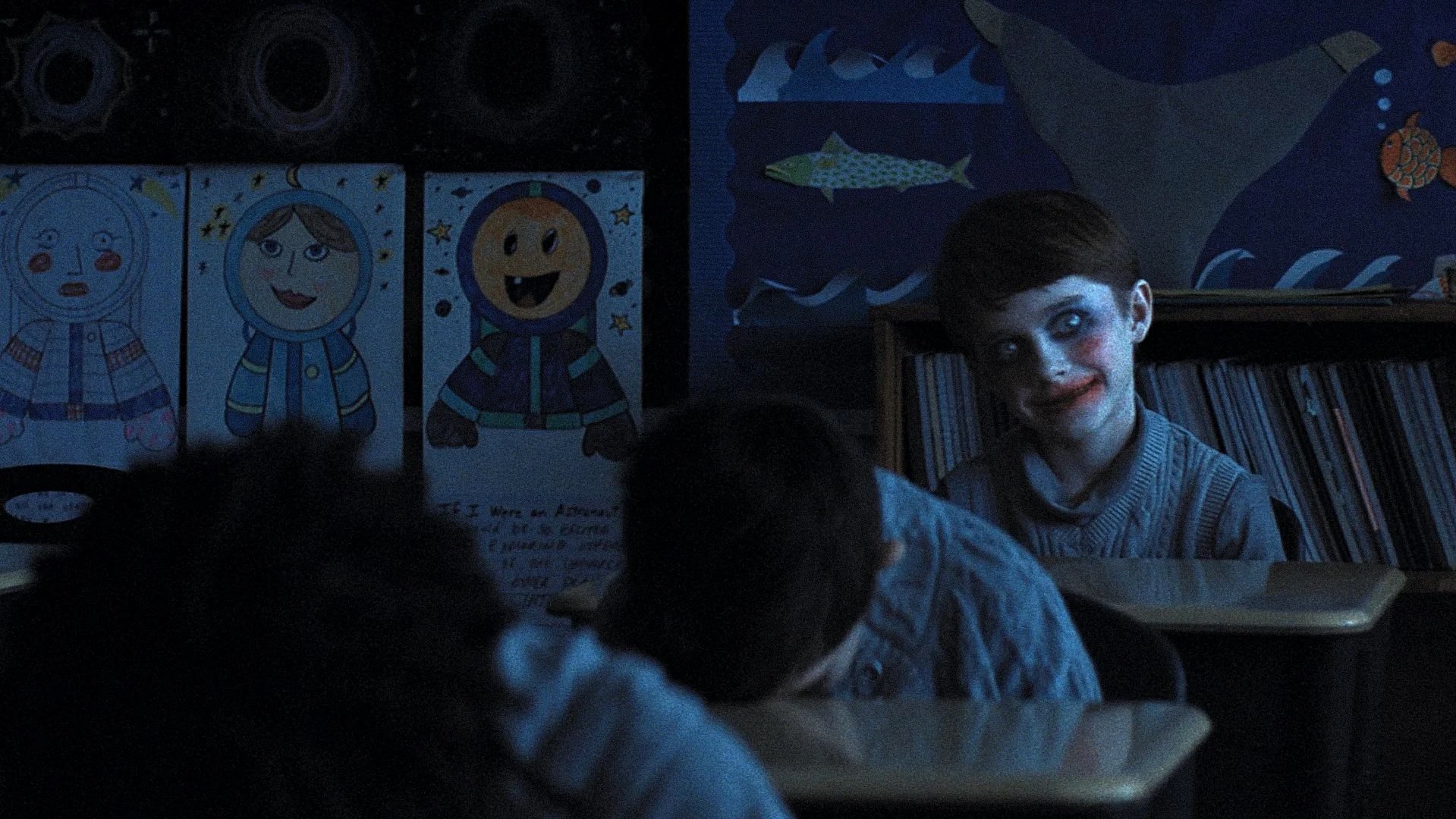
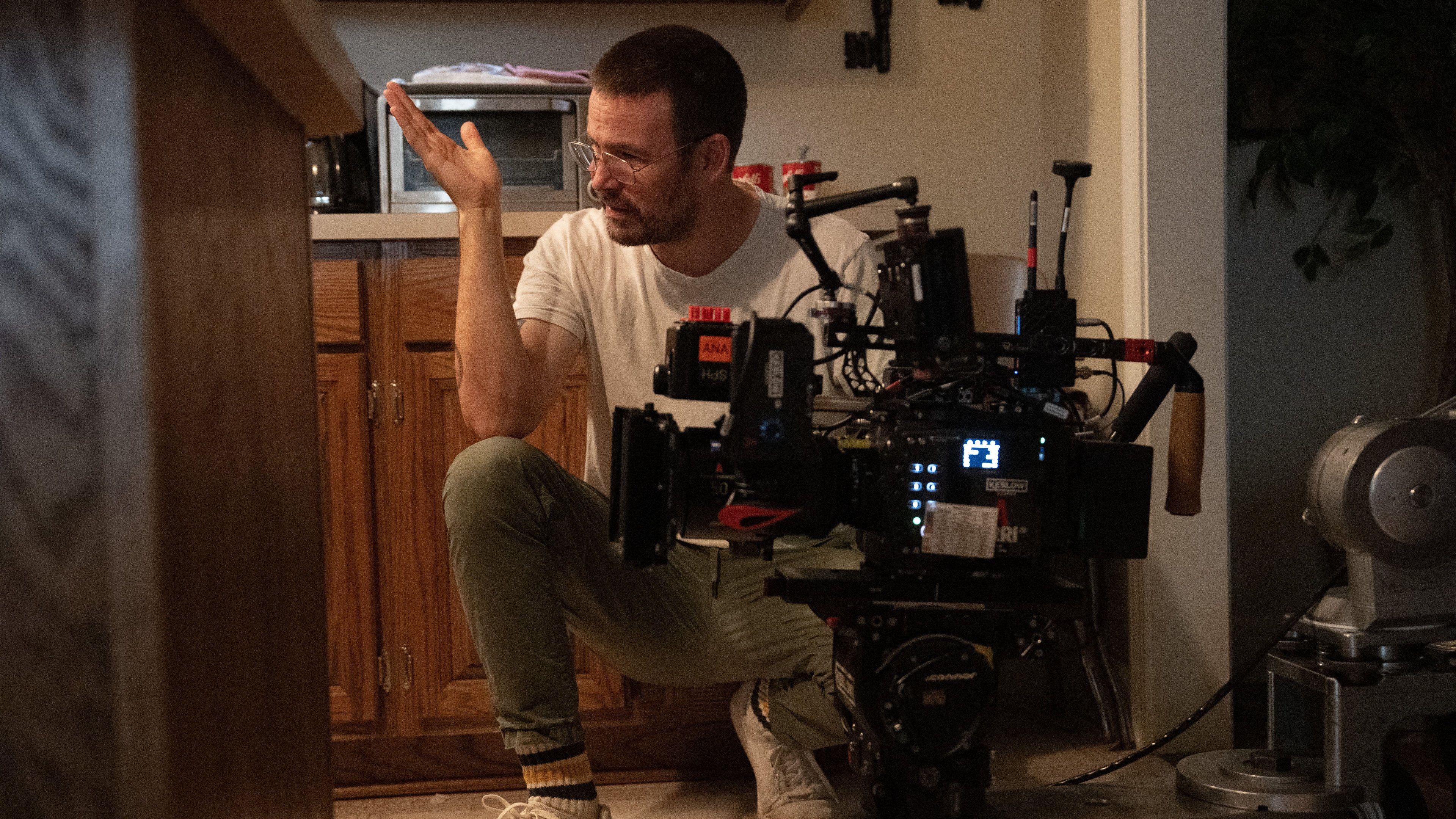
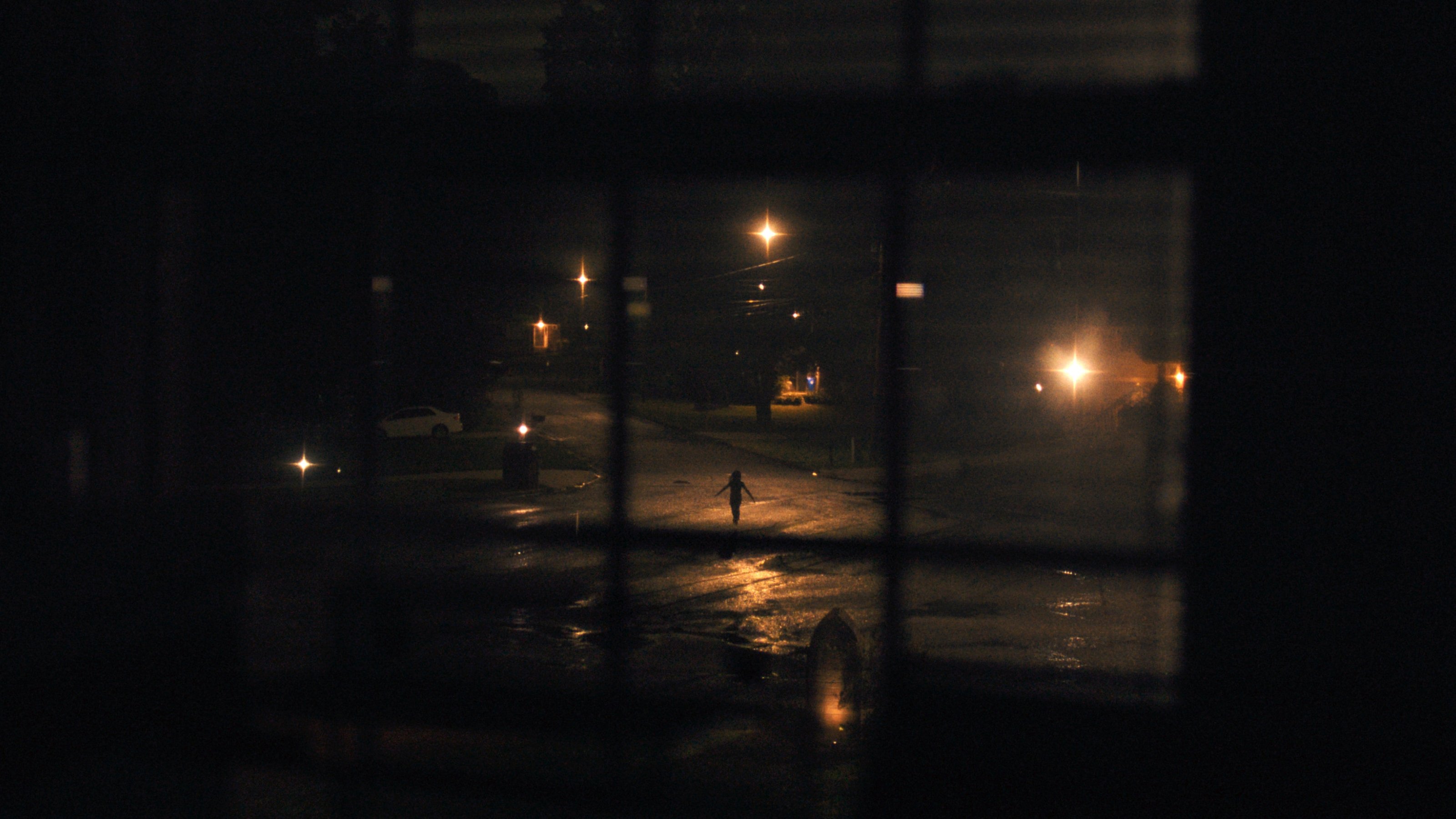
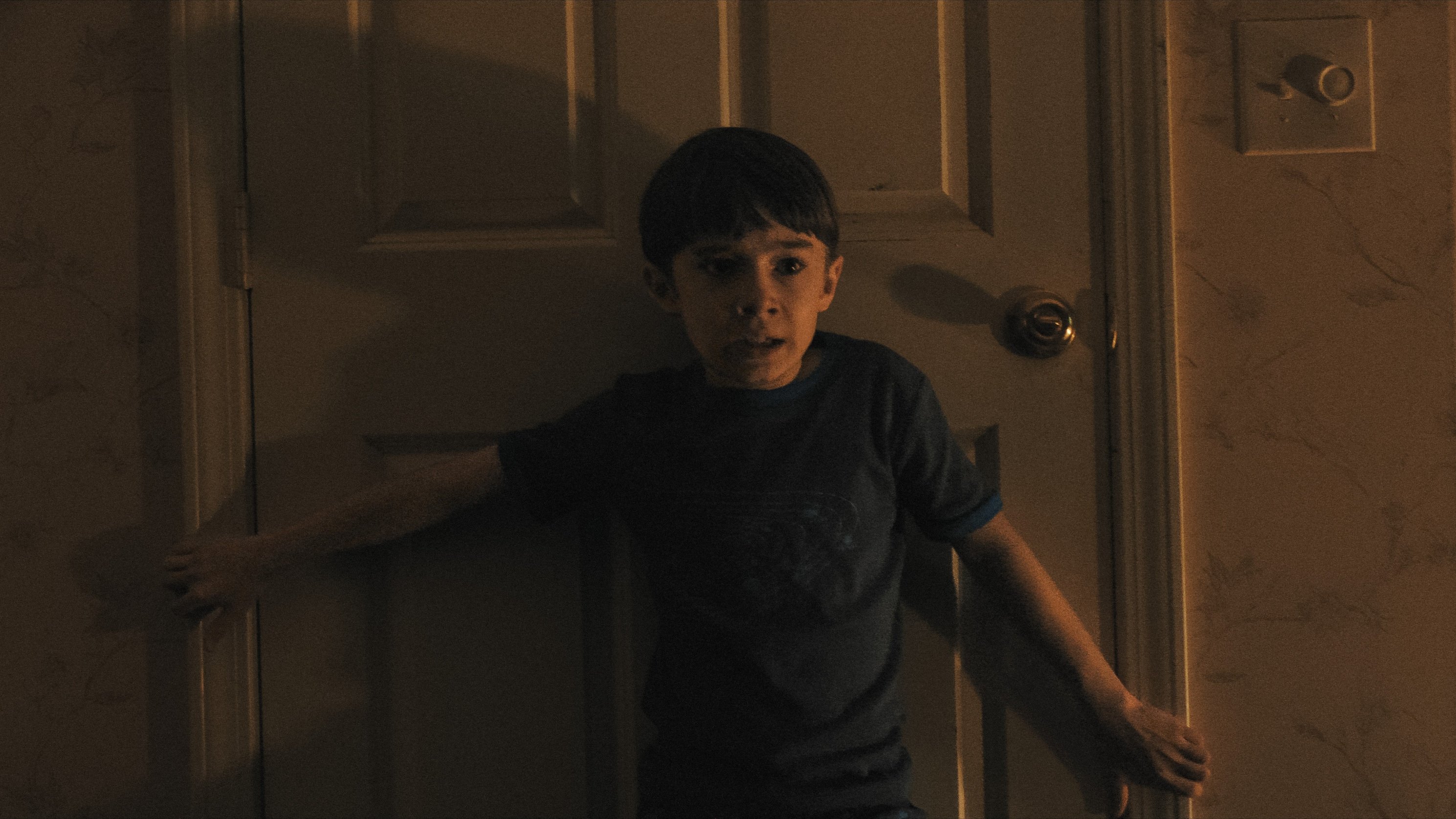
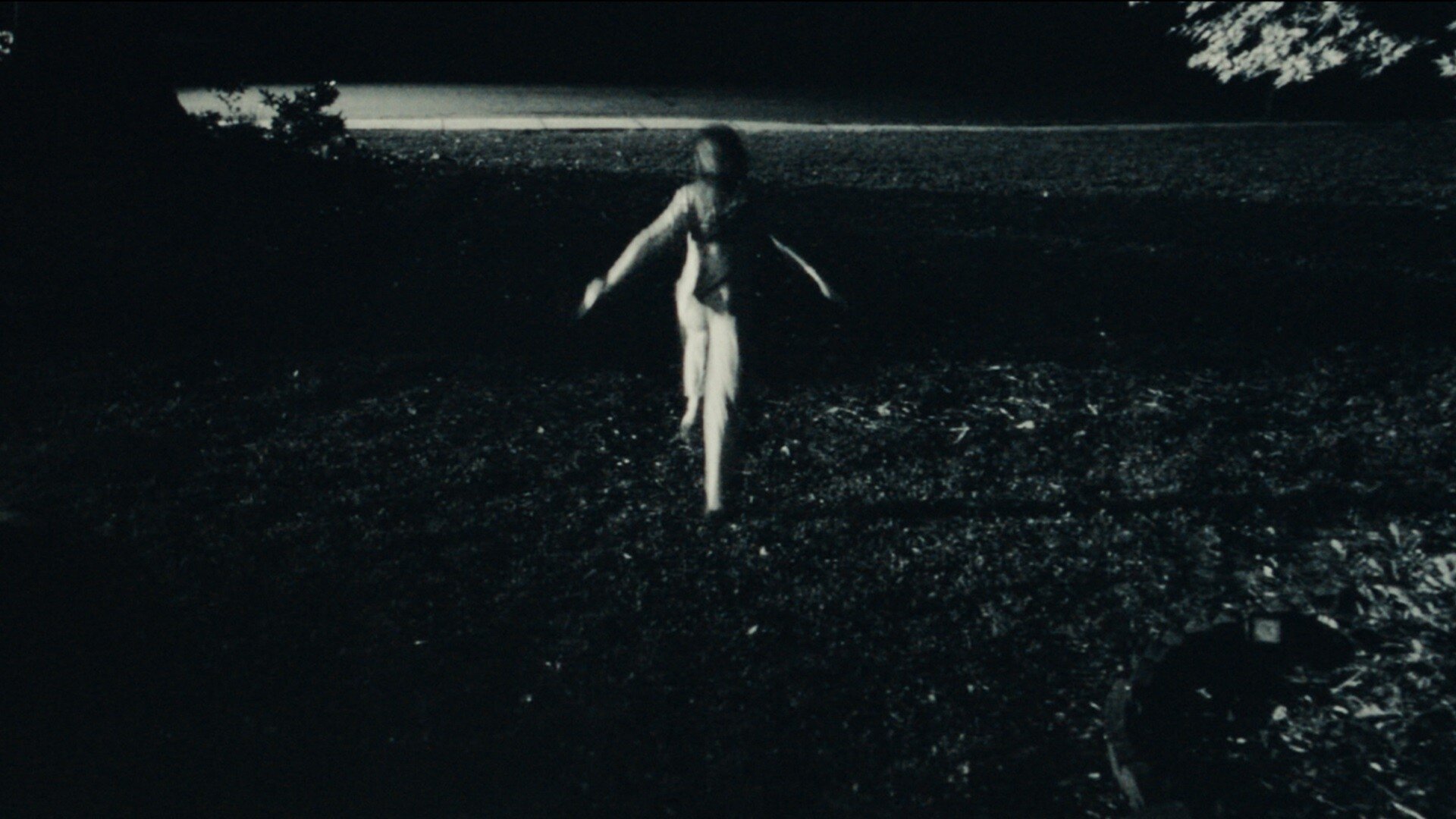
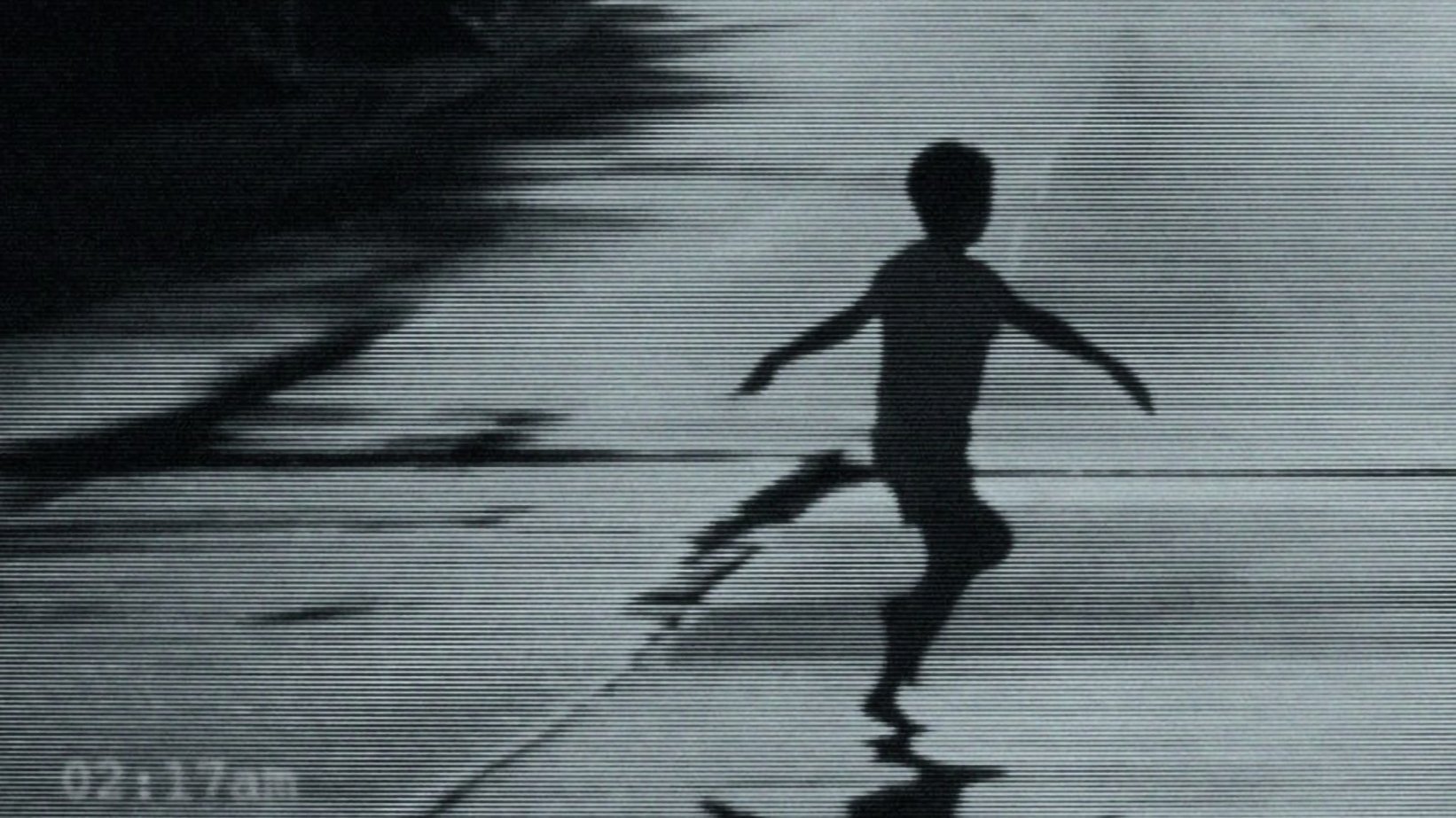
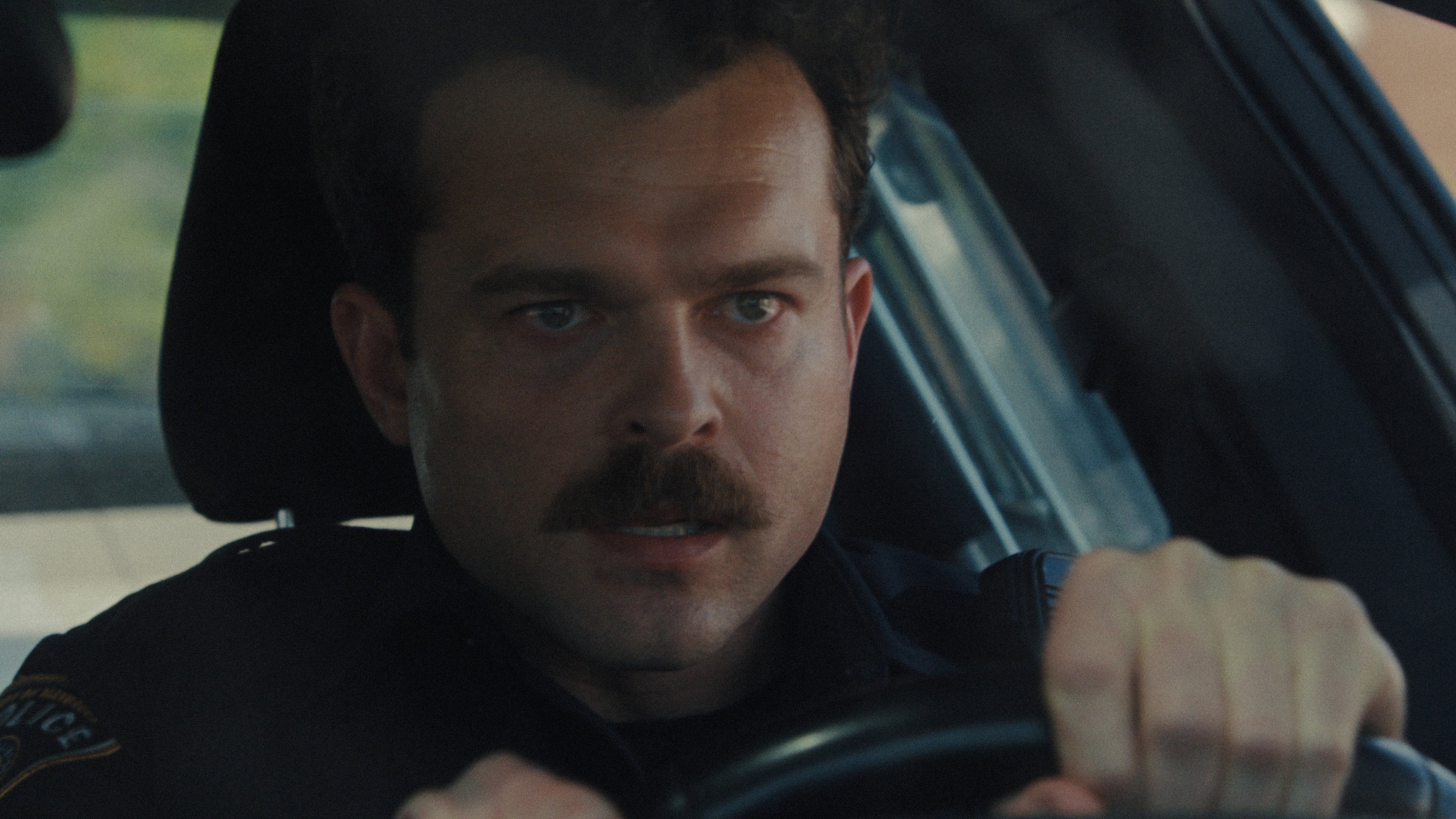
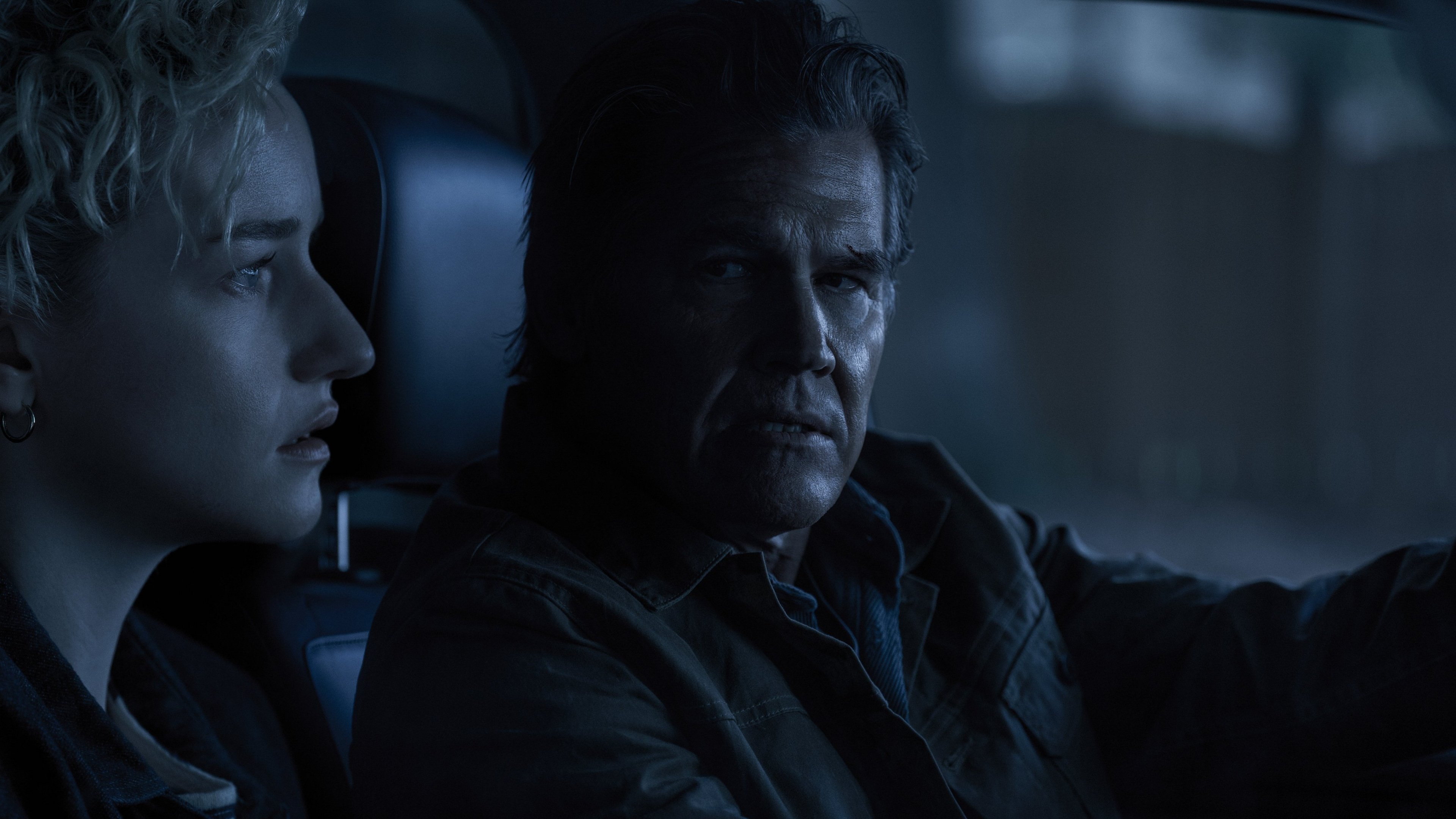
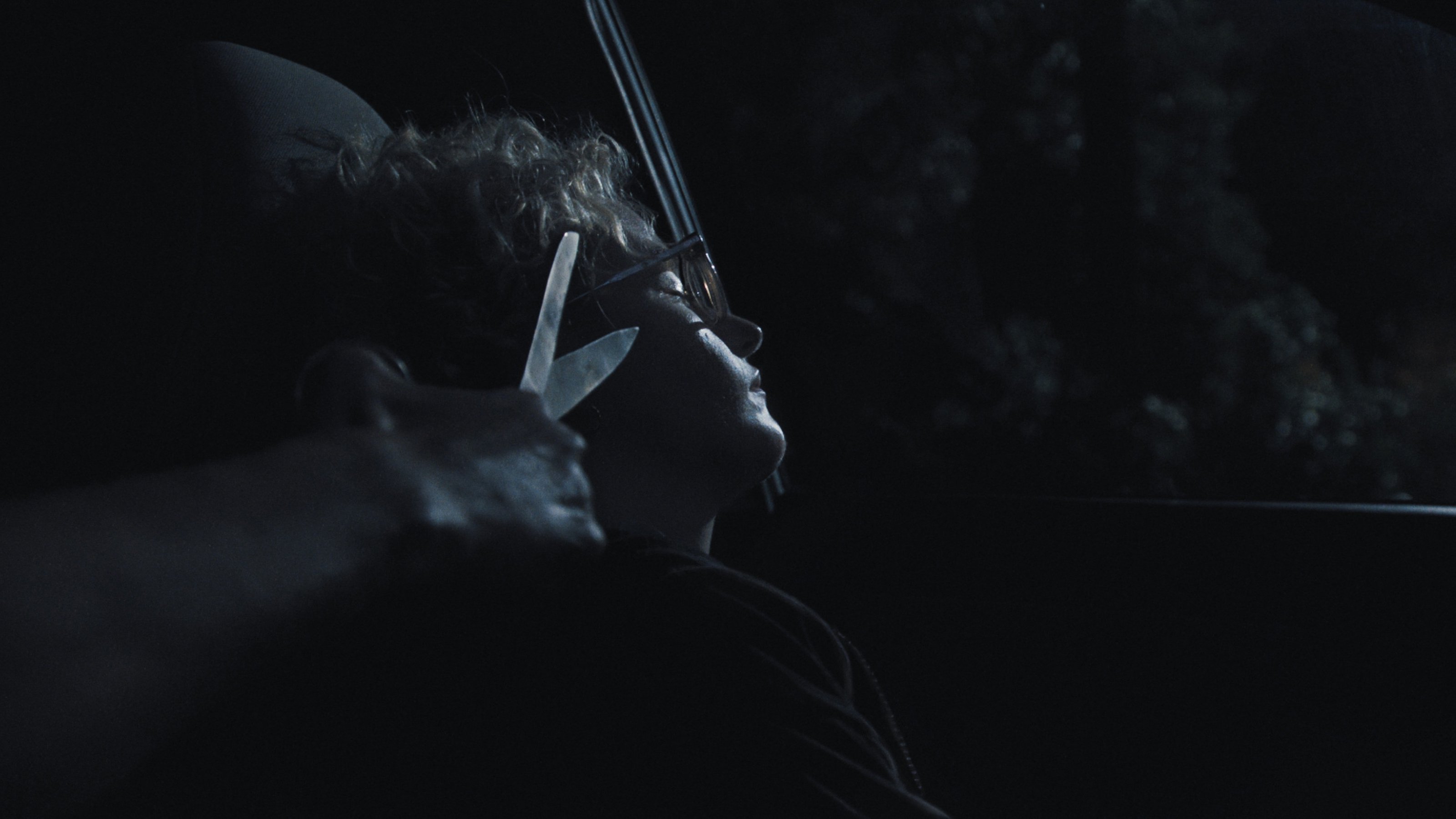
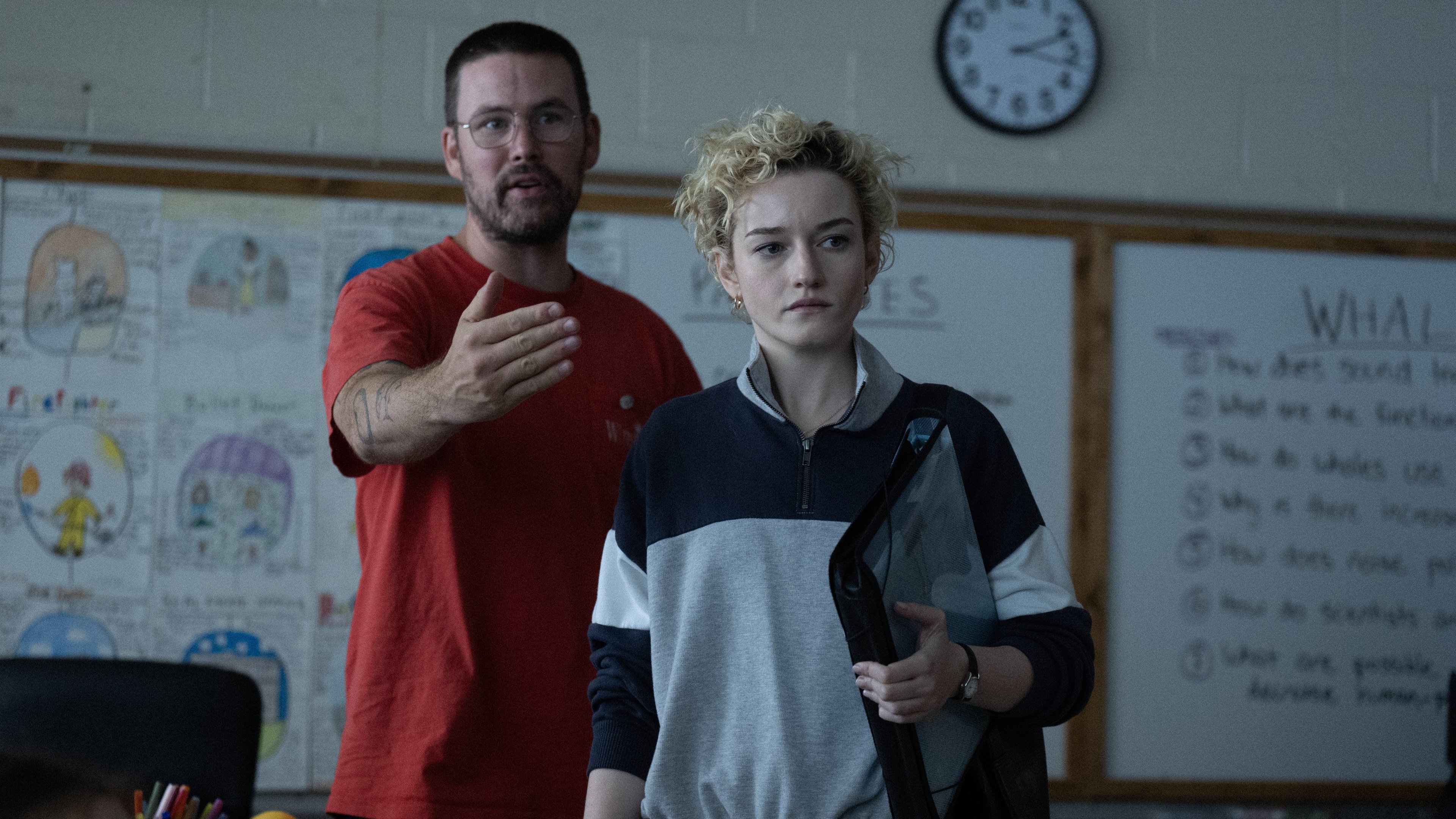
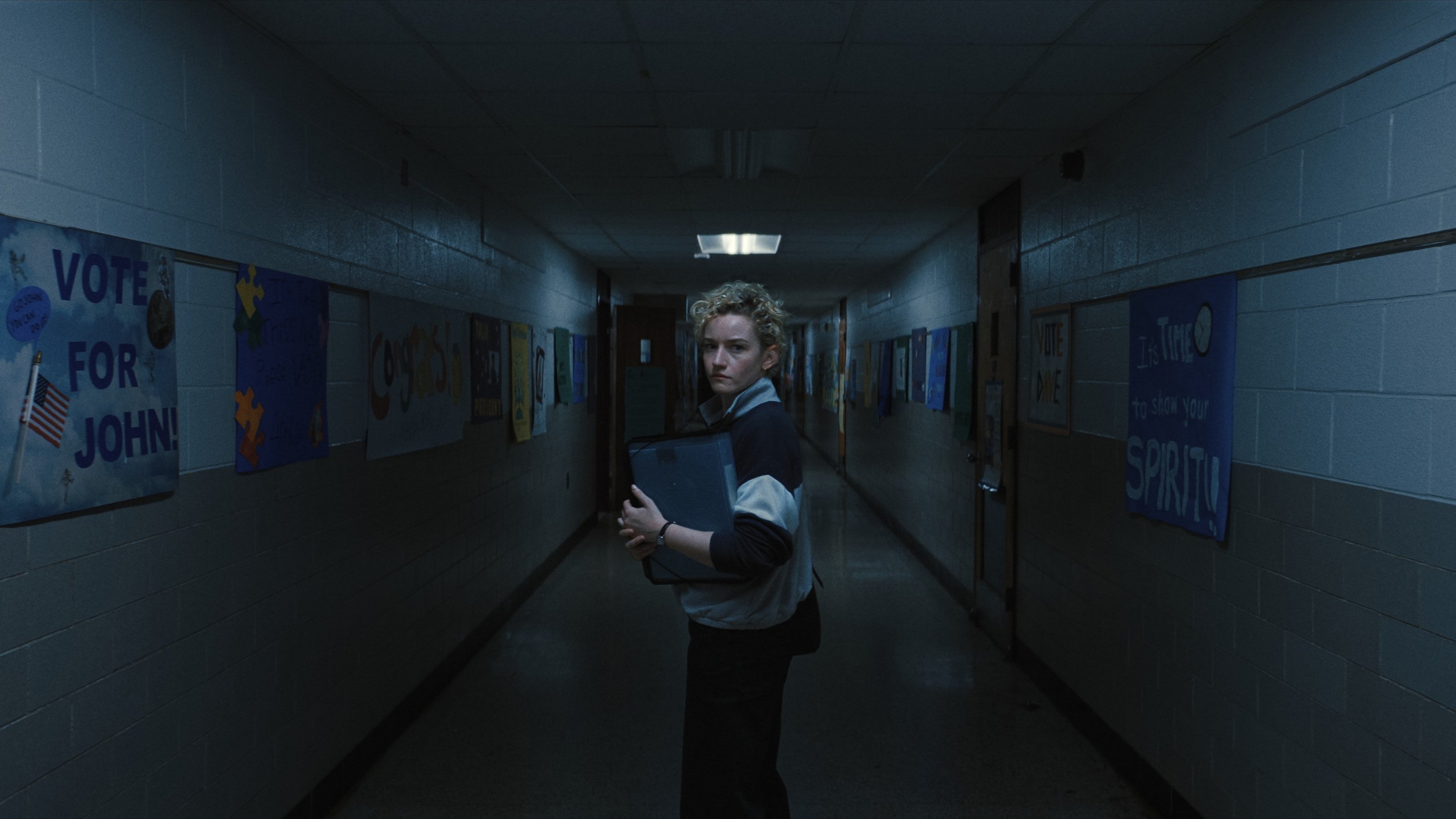
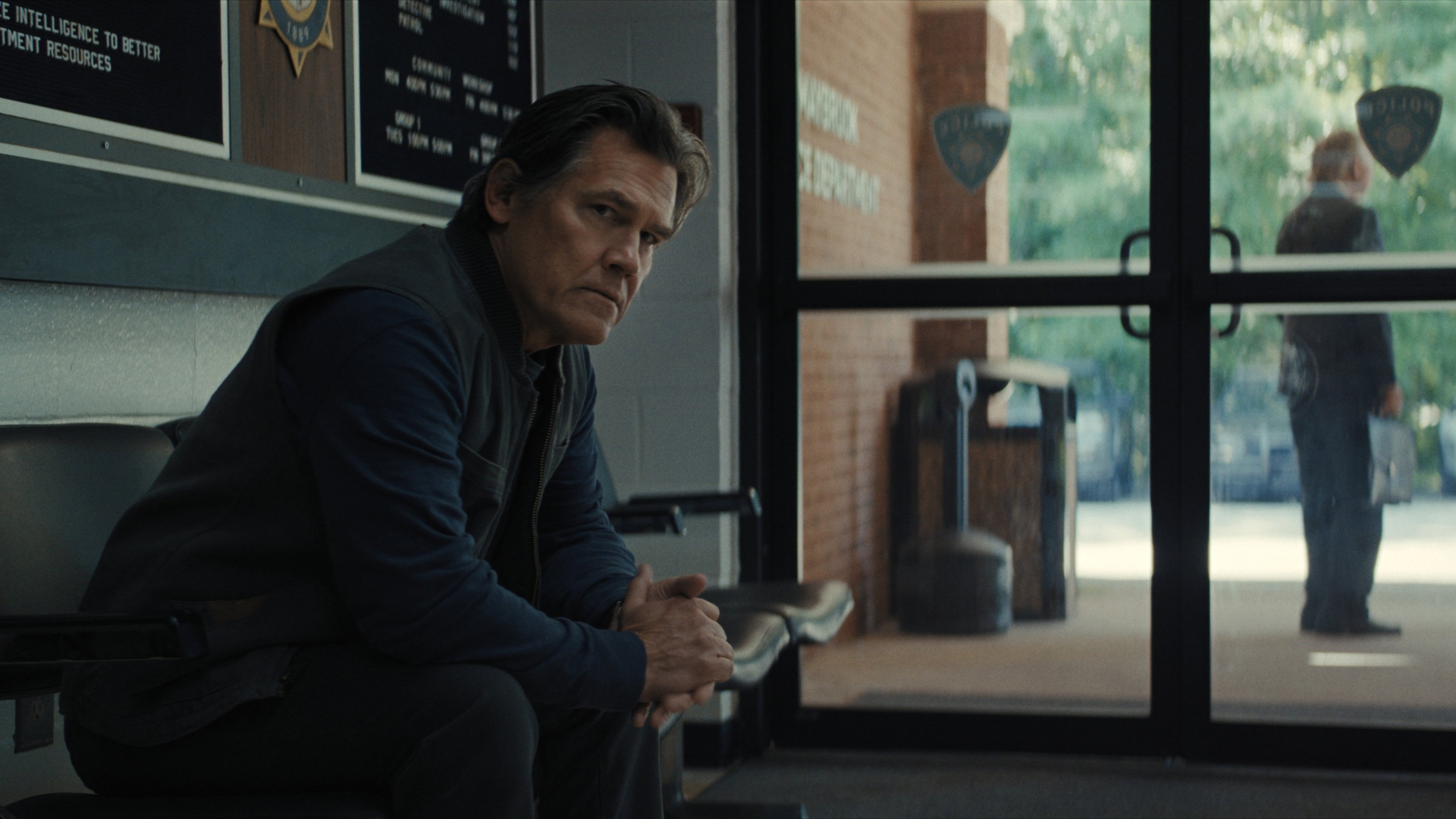
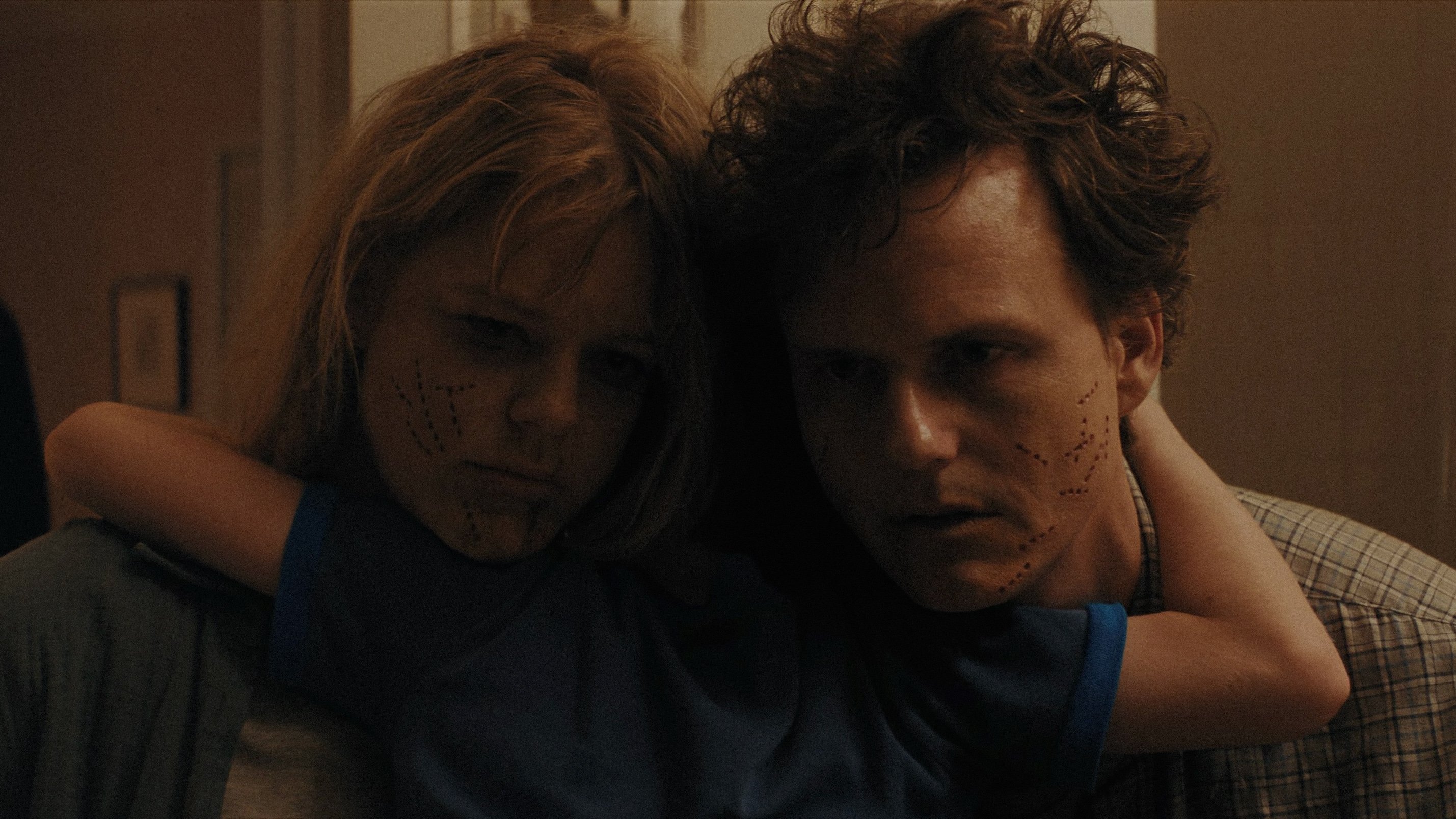
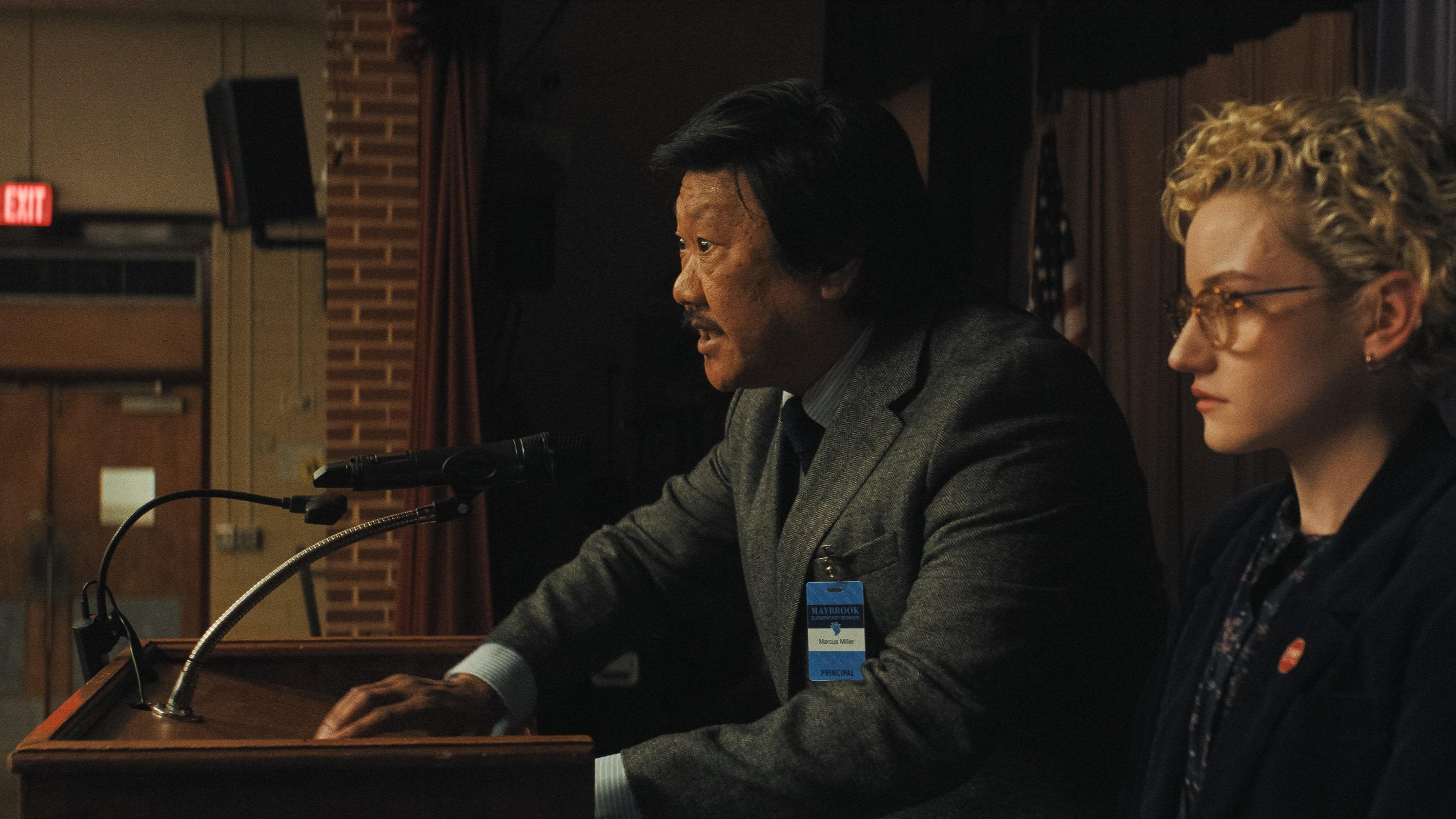
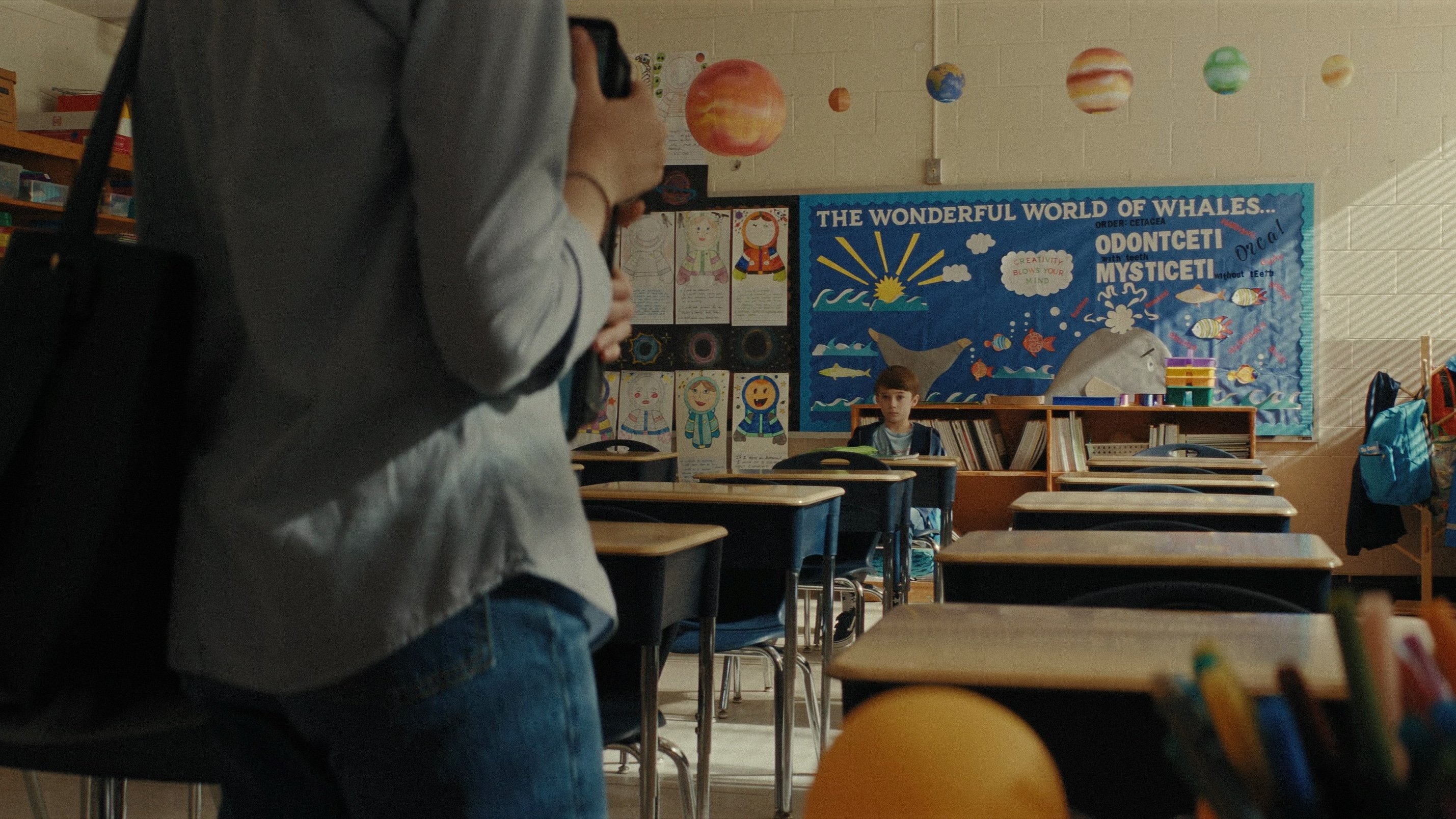
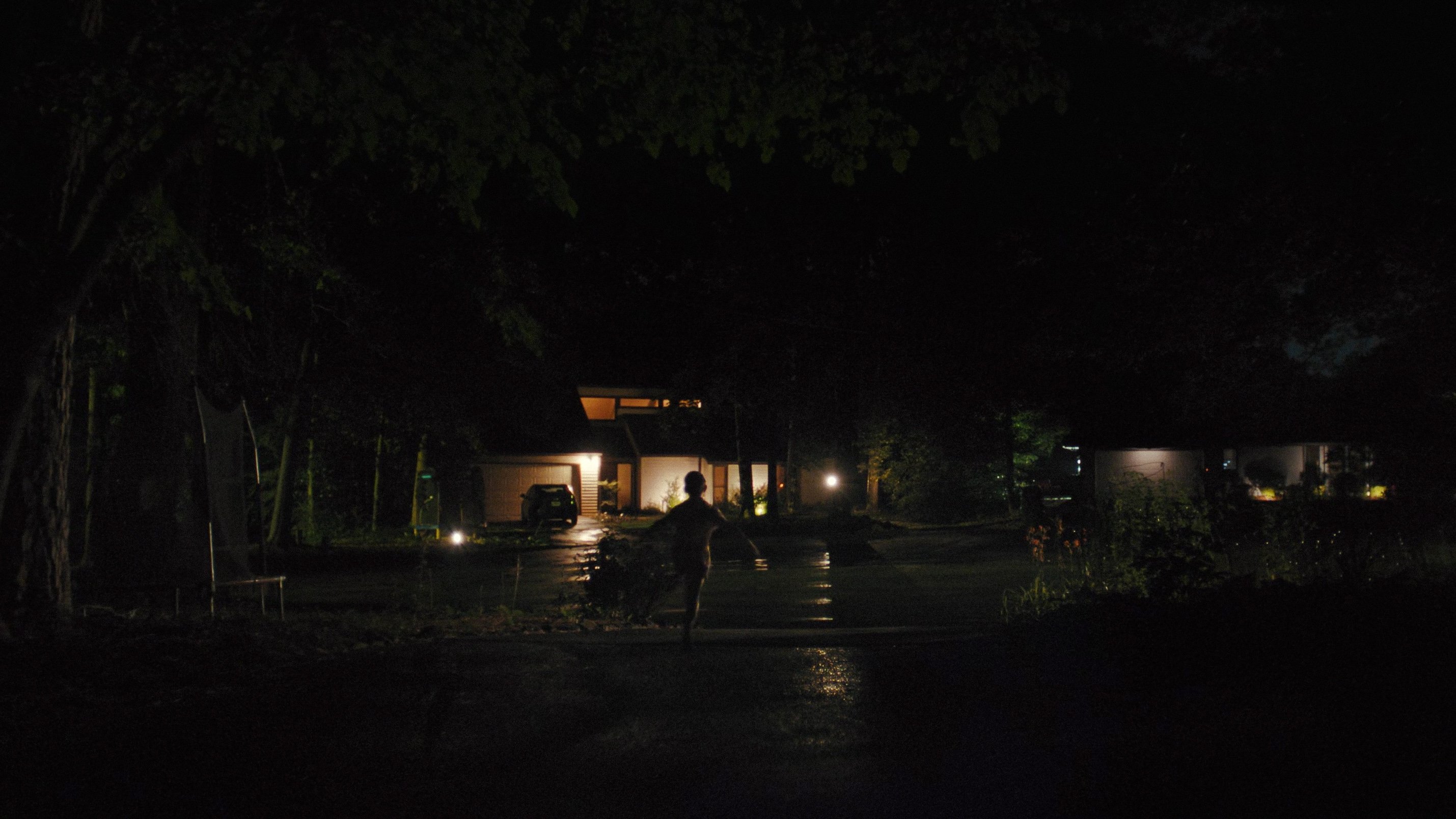
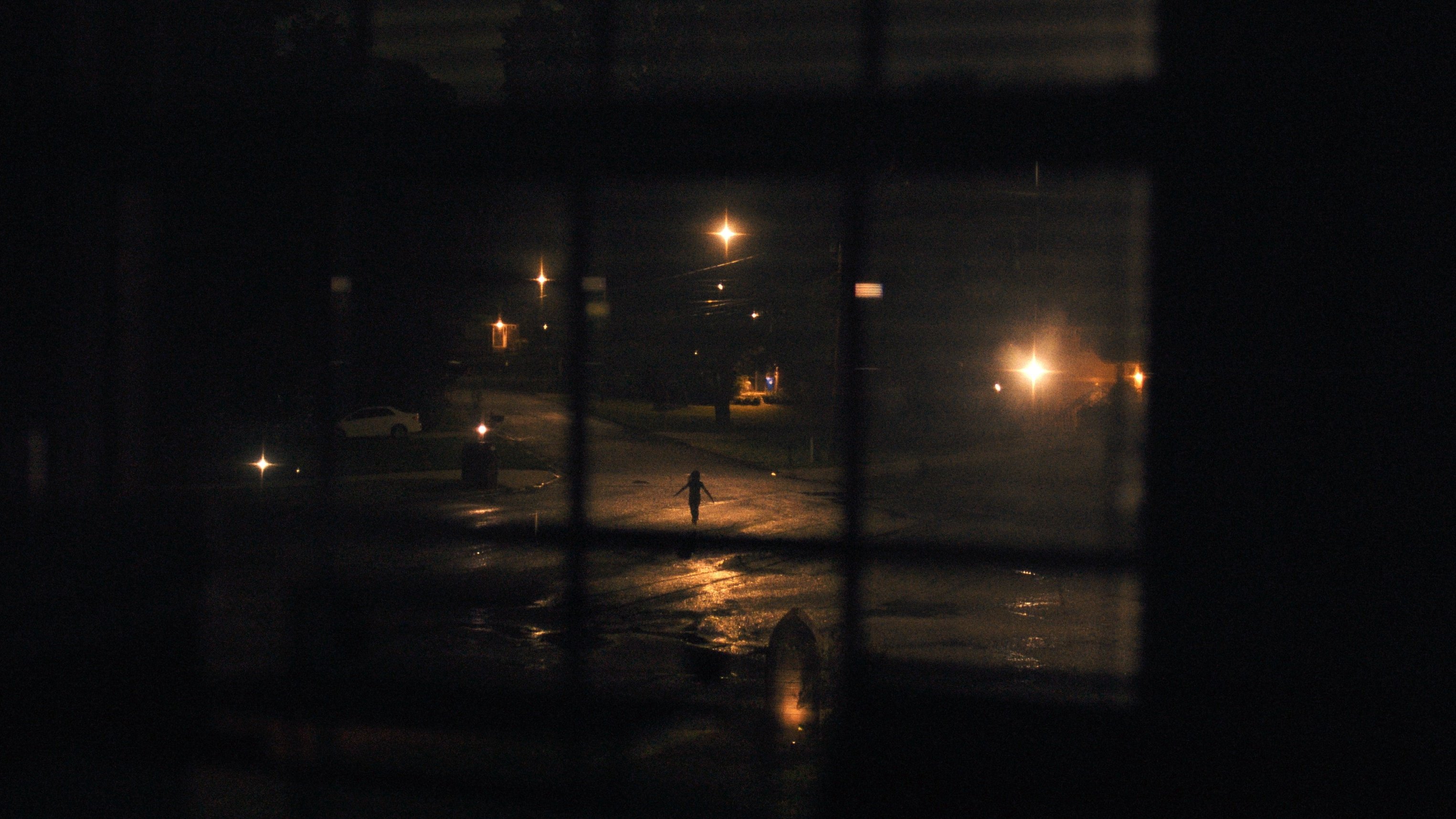
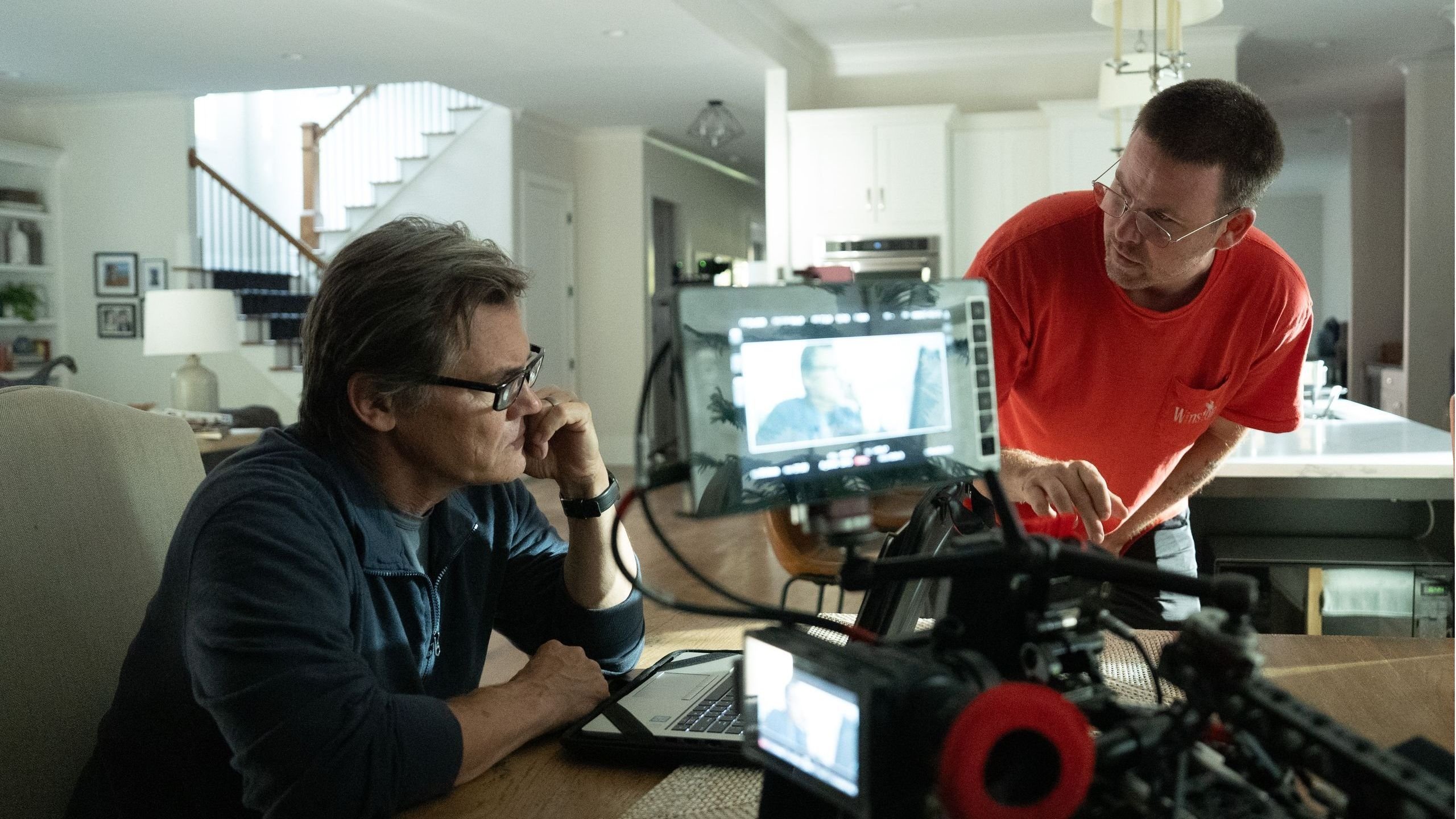
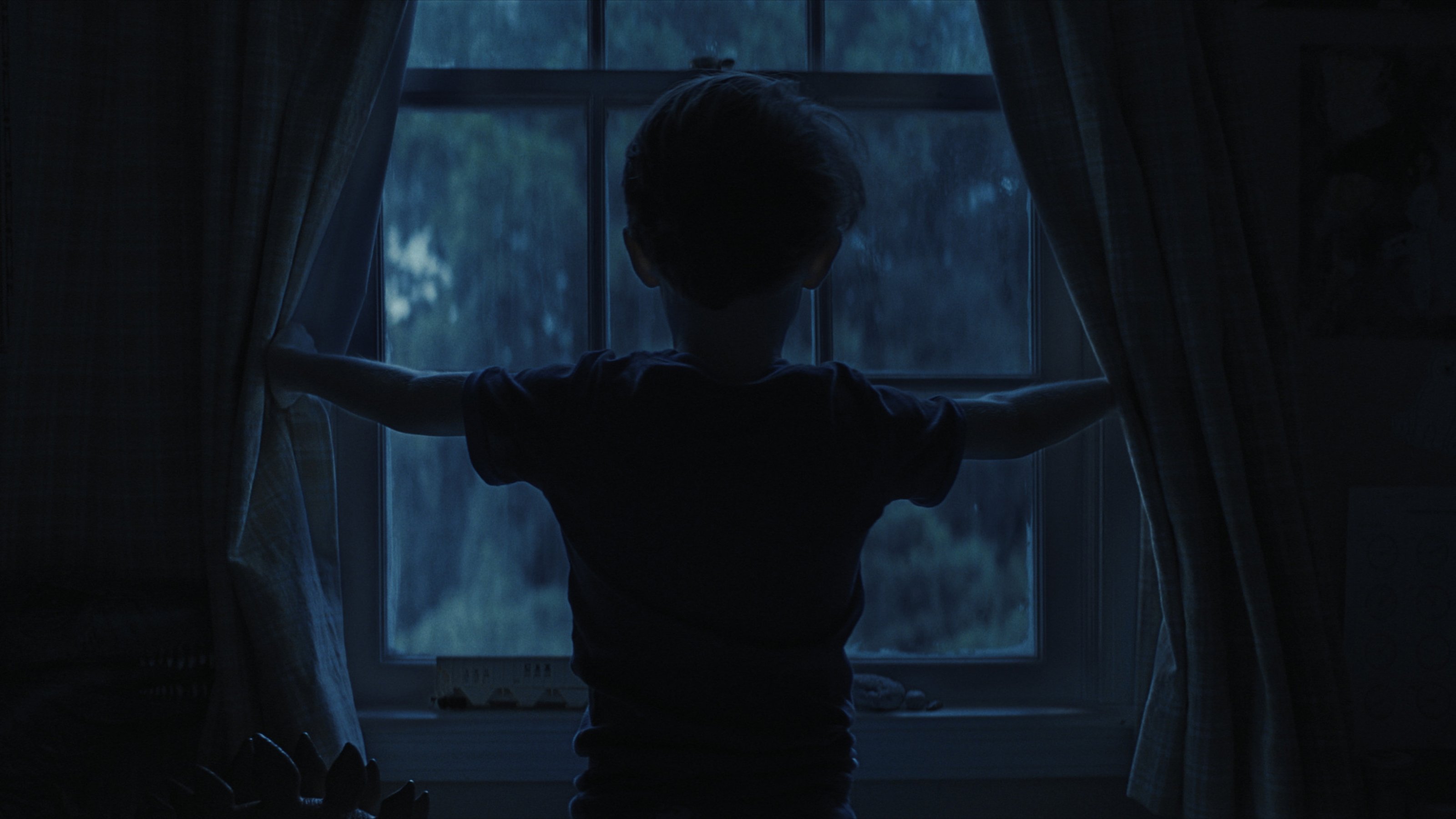
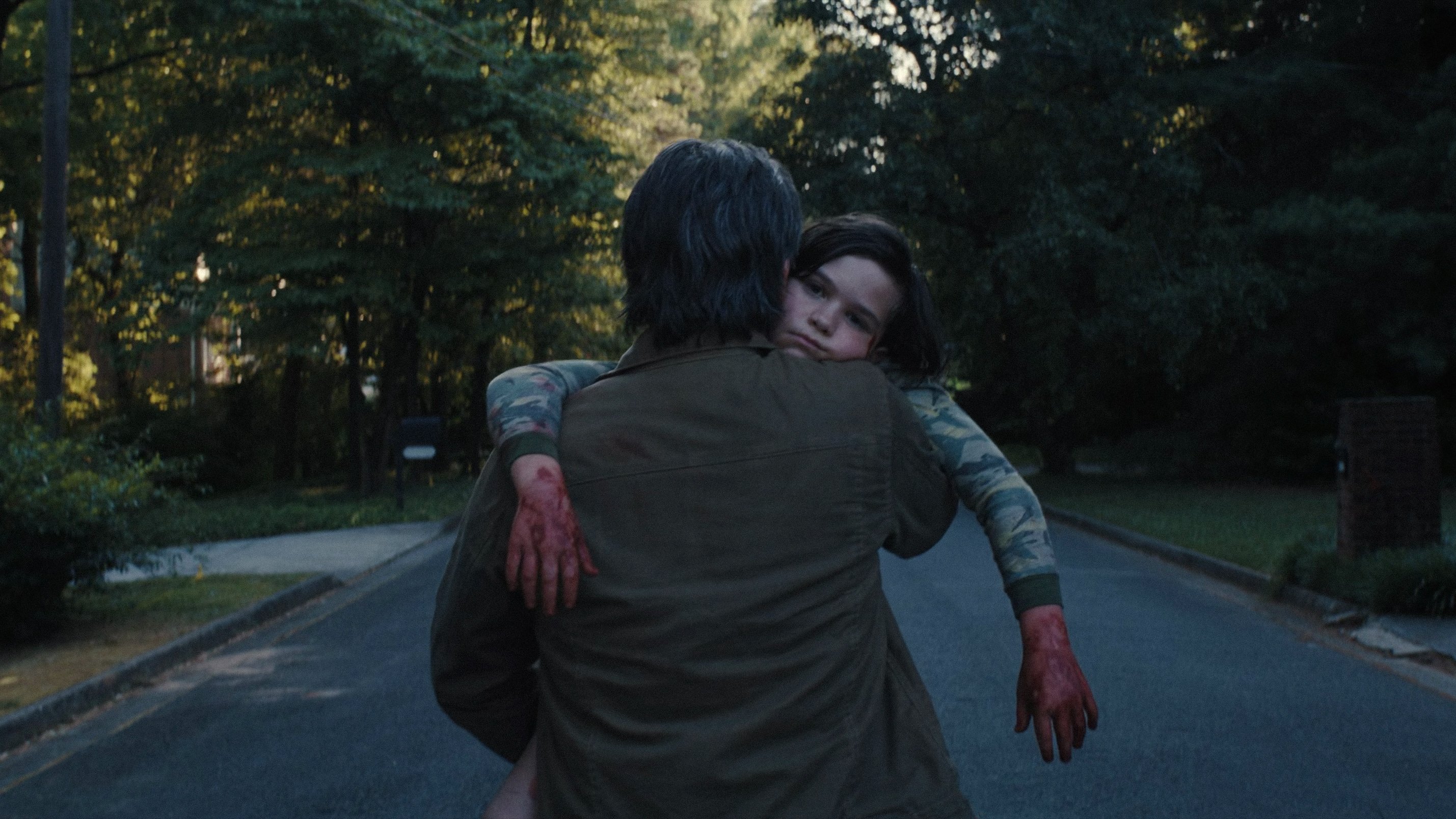
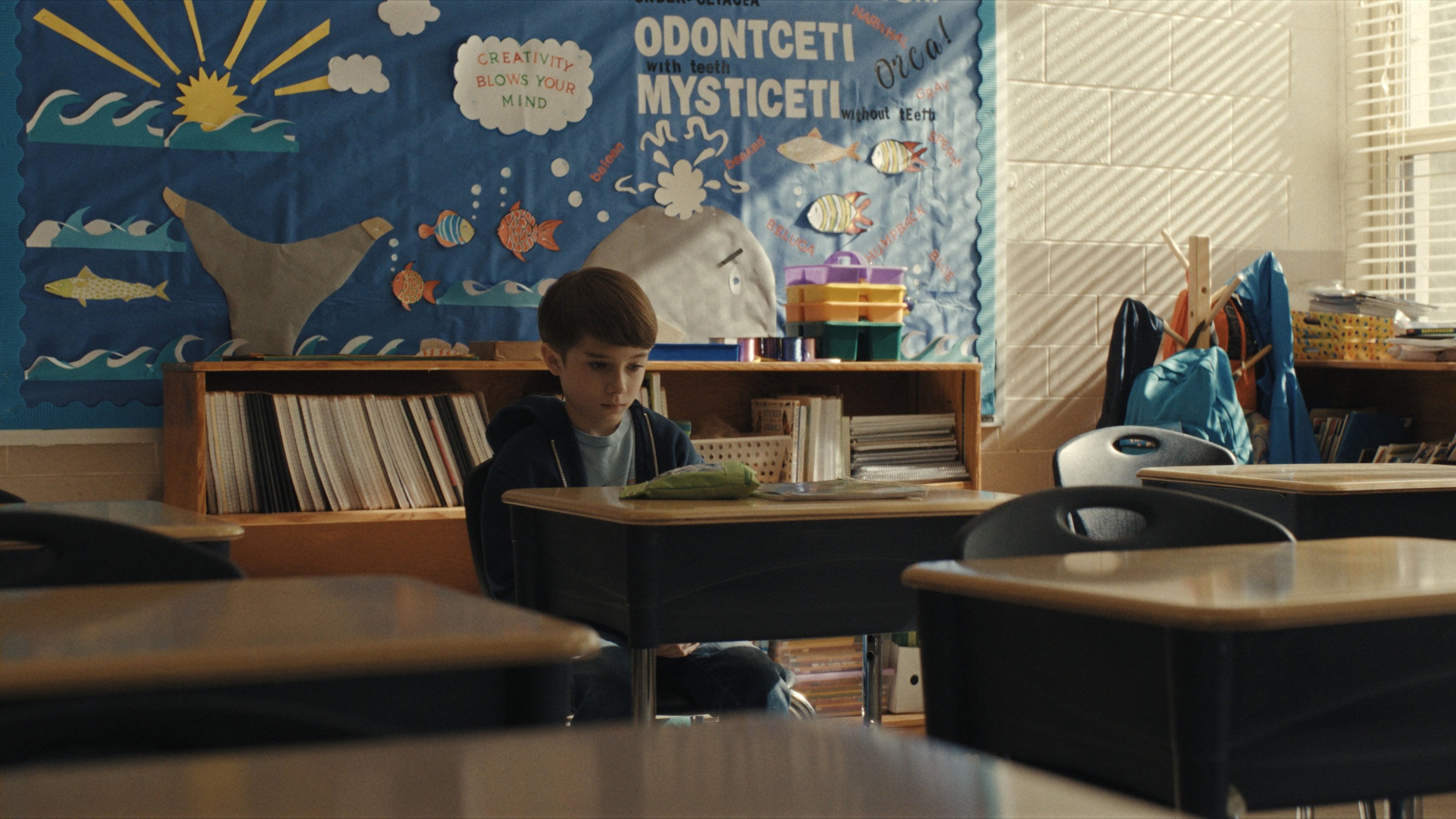
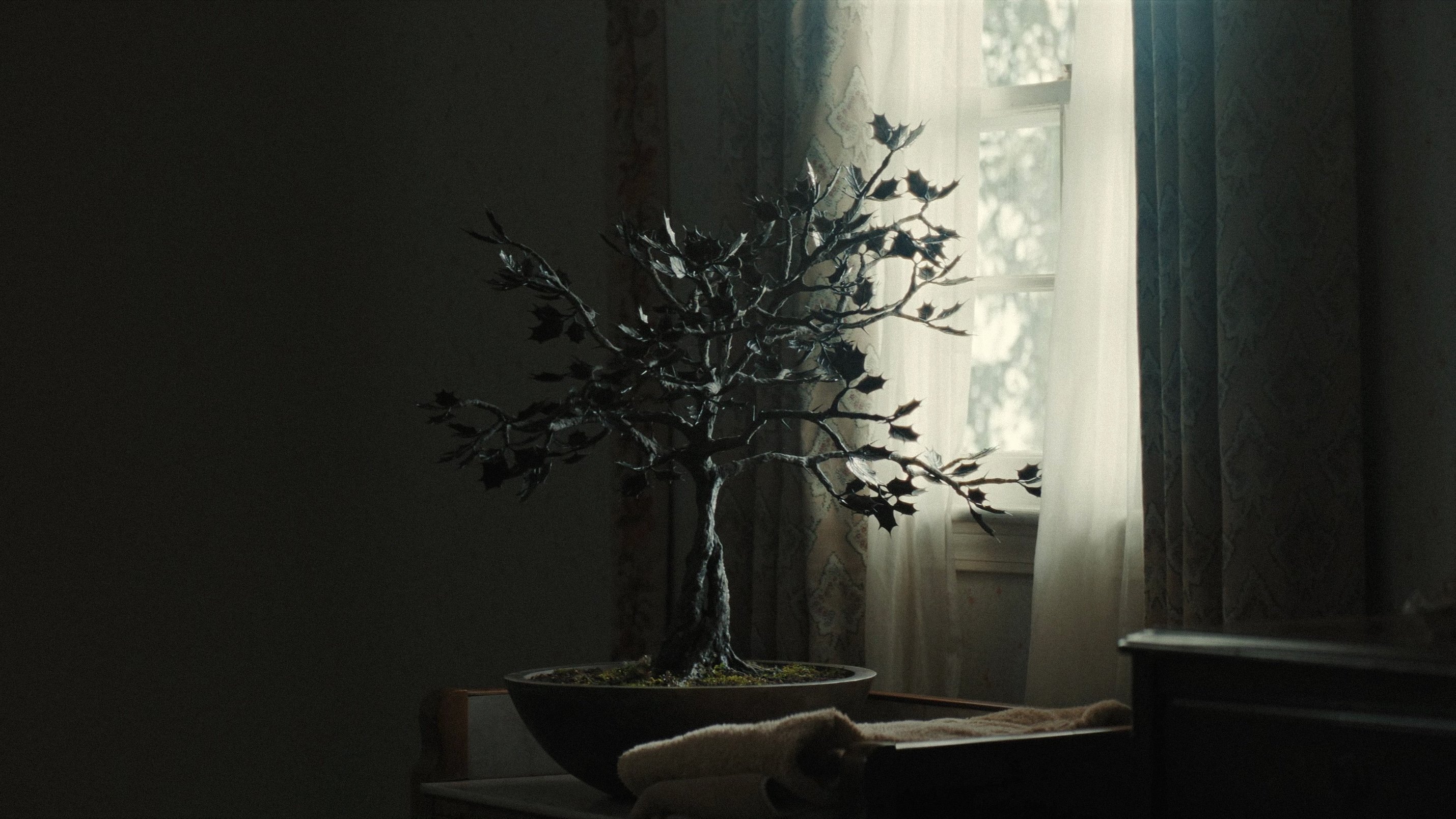
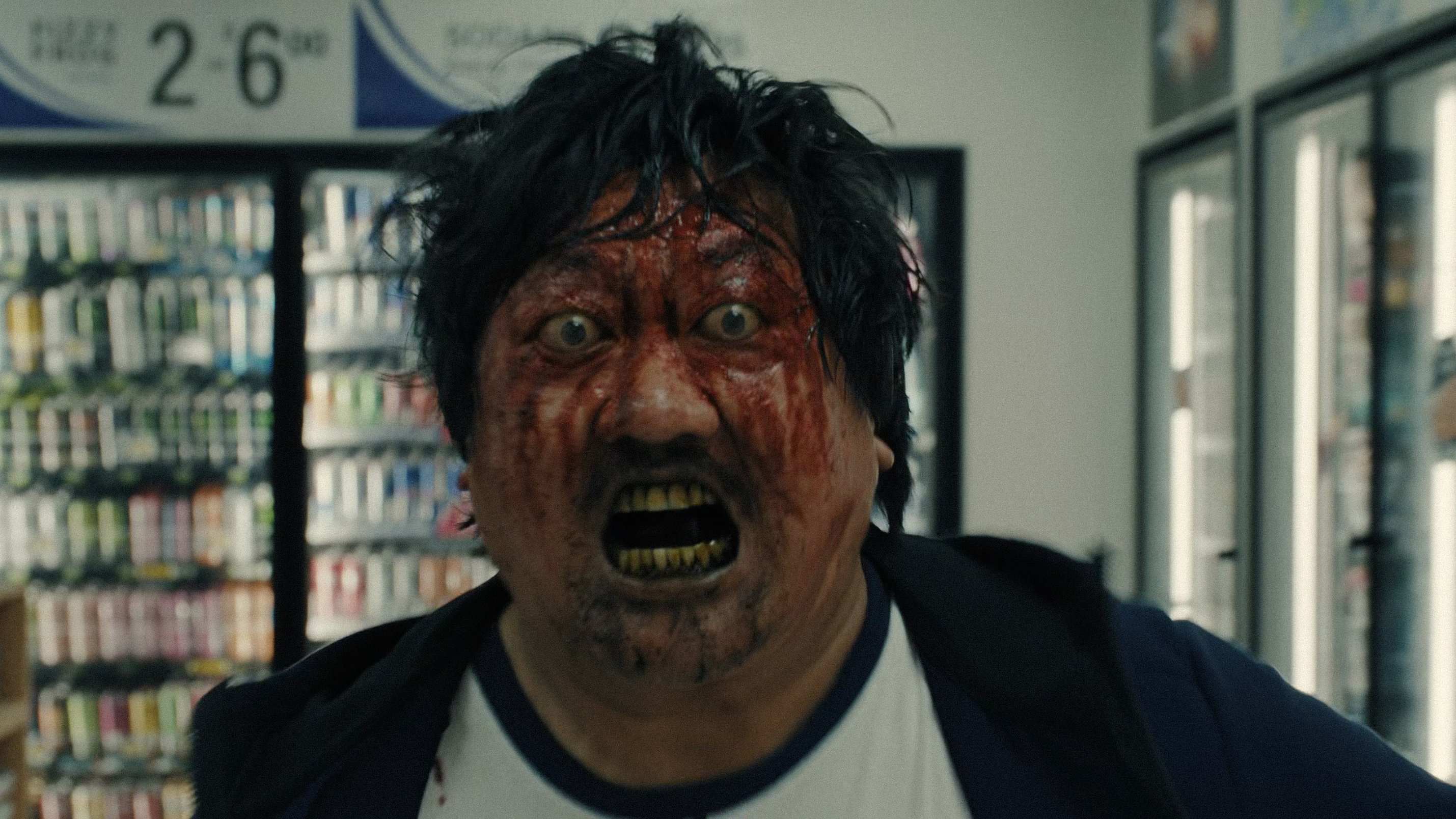
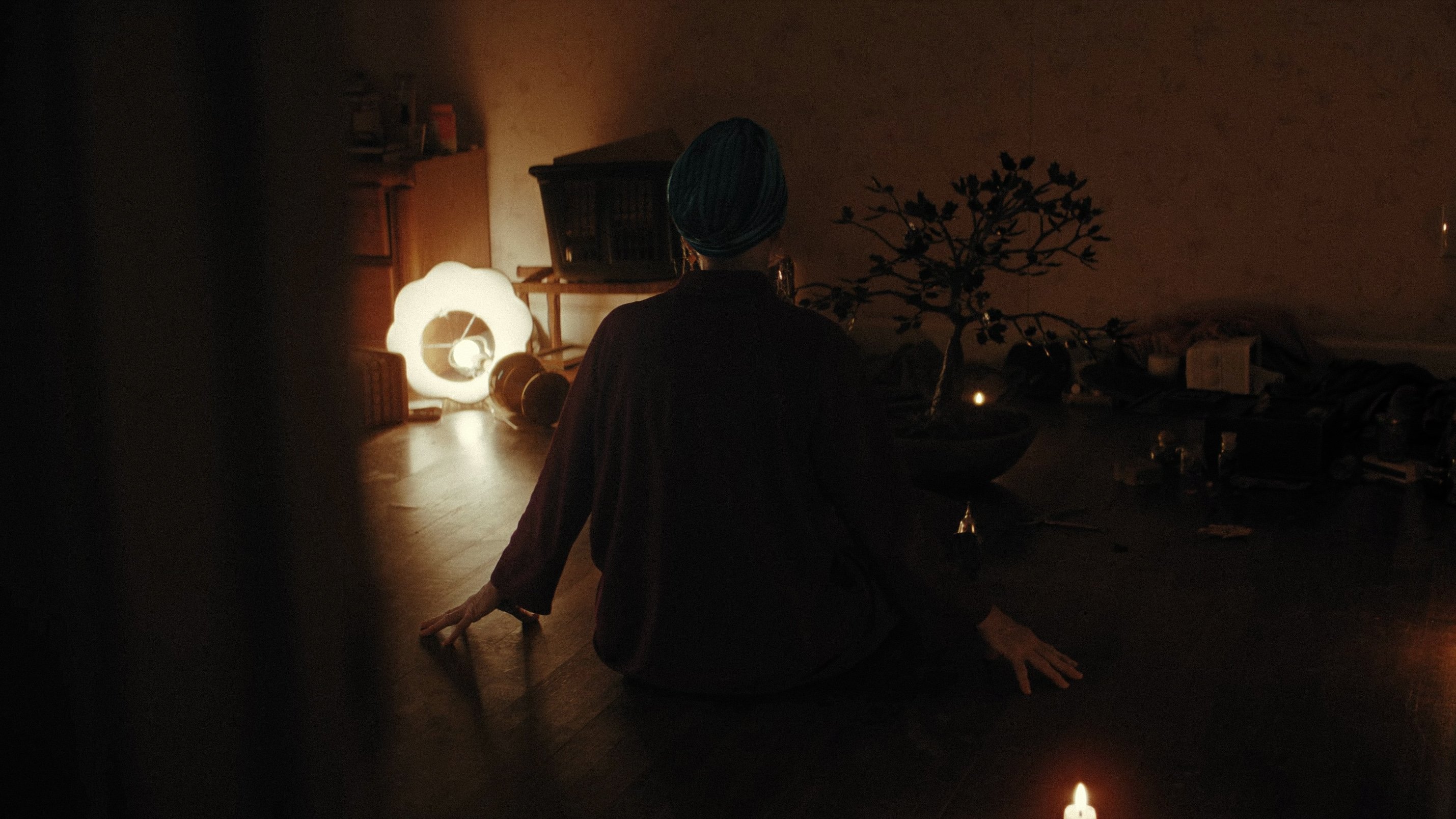
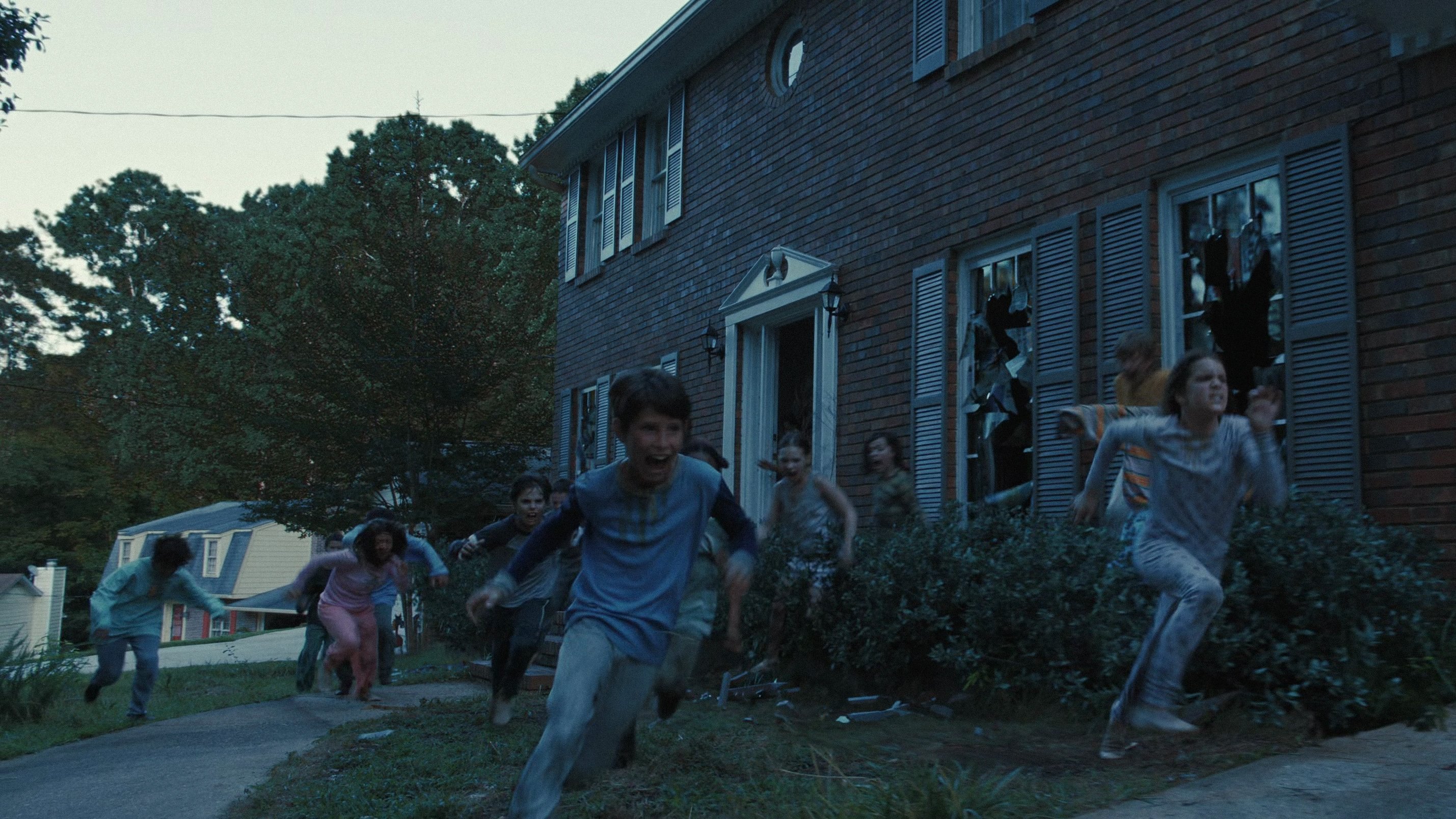
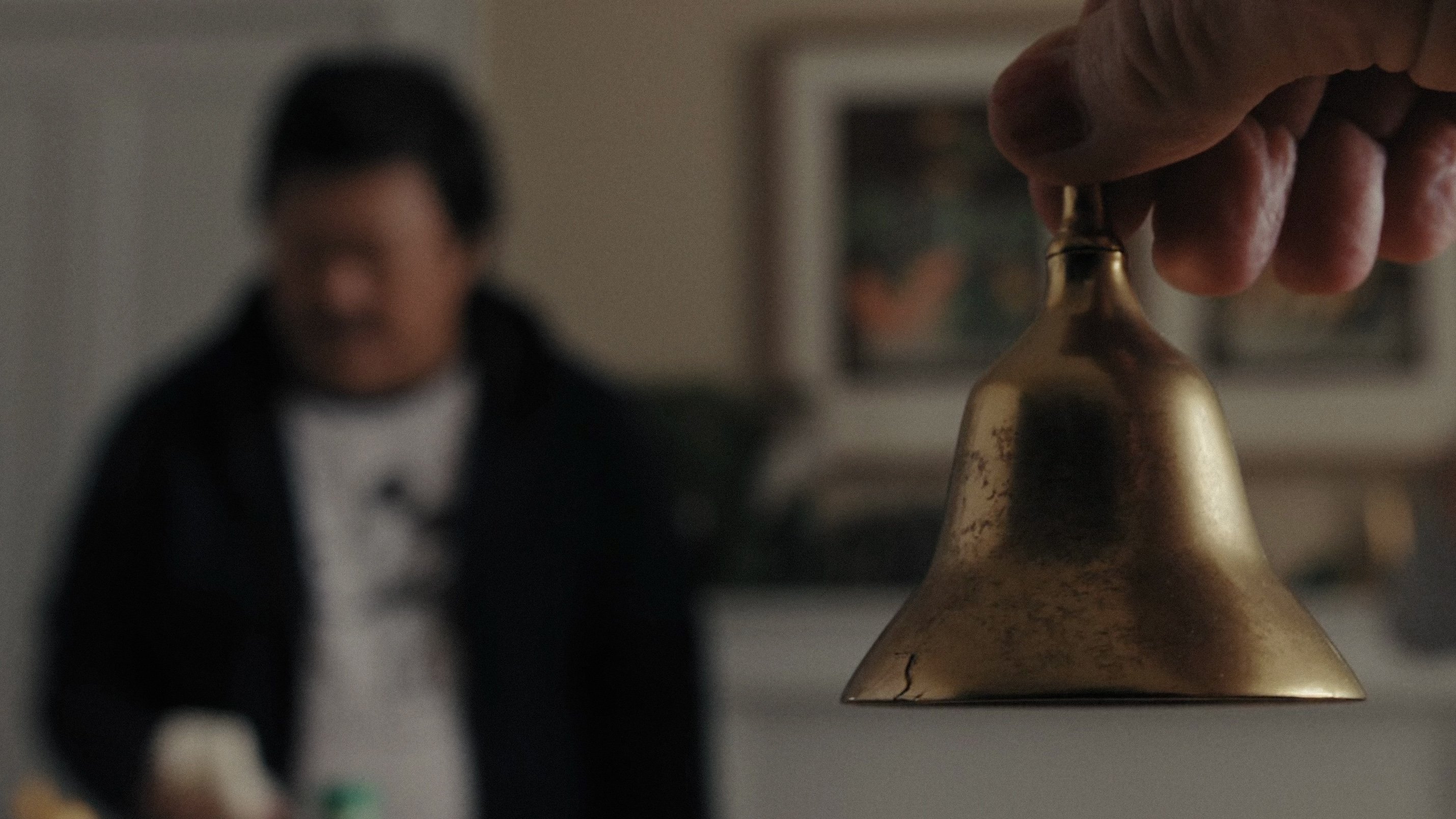
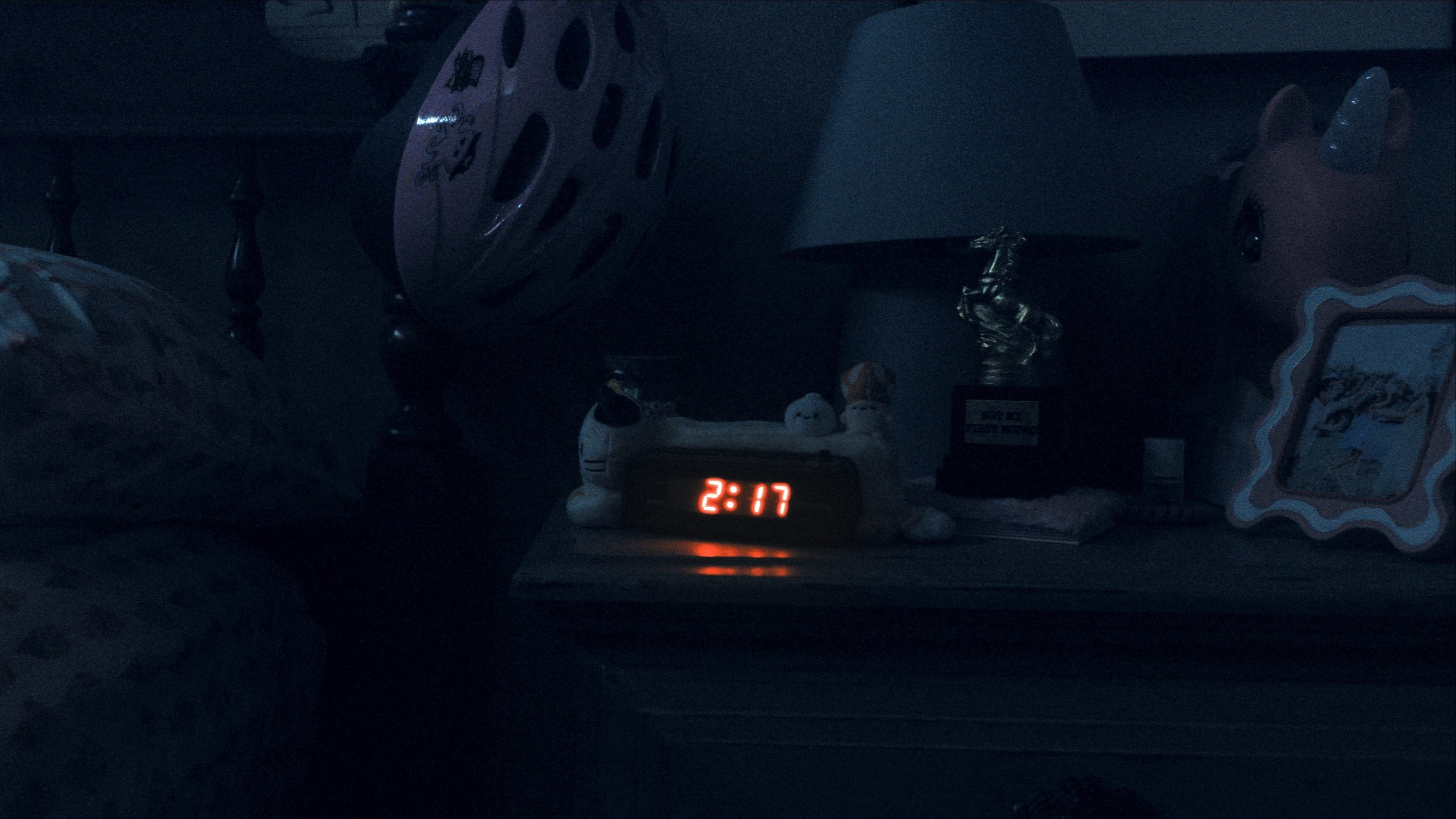
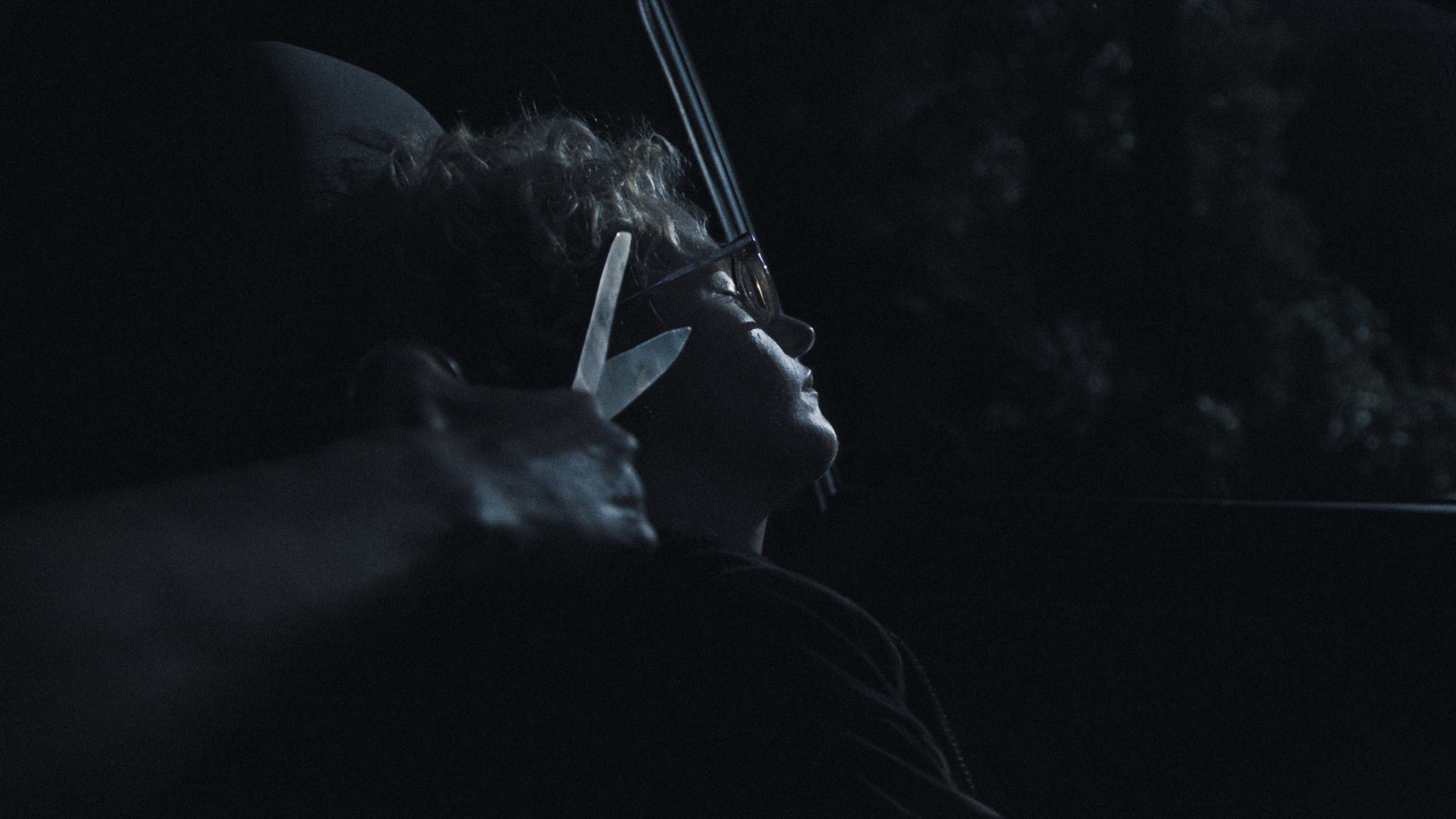
Initially, it was just the craftsmanship that held my admiration, for I too fell into the “this is just empty genre thrills” trap (or, I might argue, I was baited into). Directorially, Zach Cregger and his cinematographer Larkin Seiple are flexing with every set-up. The camera is constantly moving, the blocking is always intentional in its reveal of information, and the texture of the photography is very appealing to me. It “feels good on my eyes”, as I often say to myself, self-satisfied.
The subjective structure of the story was excitingly fresh for a horror/thriller, taking contemporary genre concepts and splicing them up in a non-linear narrative. From a structural perspective, and considering the epic heft and city-wide breadth that the film attempts, Cregger's script is a work of sharp intelligence and significant effort. It’s at its best when it’s carving new paths in the genre and creating new colors – a wildly impressive feat that single-handedly puts Cregger in the elite tier of modern horror auteurs – but it’s at its worst when it's aping tired genre tropes, which it does on occasion. The revelations and resolution ultimately left me feeling deflated, and the story severely wobbles under the gentlest of scrutiny.
The “thinkpiece” discourse that the film has attracted comes out in theses like, “the film isn’t interested in saying anything; it’s meant to be a fun roller-coaster ride at the movies”. Where I might agree with this thesis is in saying that the film does lack an emotional core, one that stretches across its entirety. The non-linearity, along with the unlikability of the characters, does prevent emotional notes from shining through. However, I disagree that the movie is theme-less, without commentary, or operating purely literally, even if I initially thought so as well.
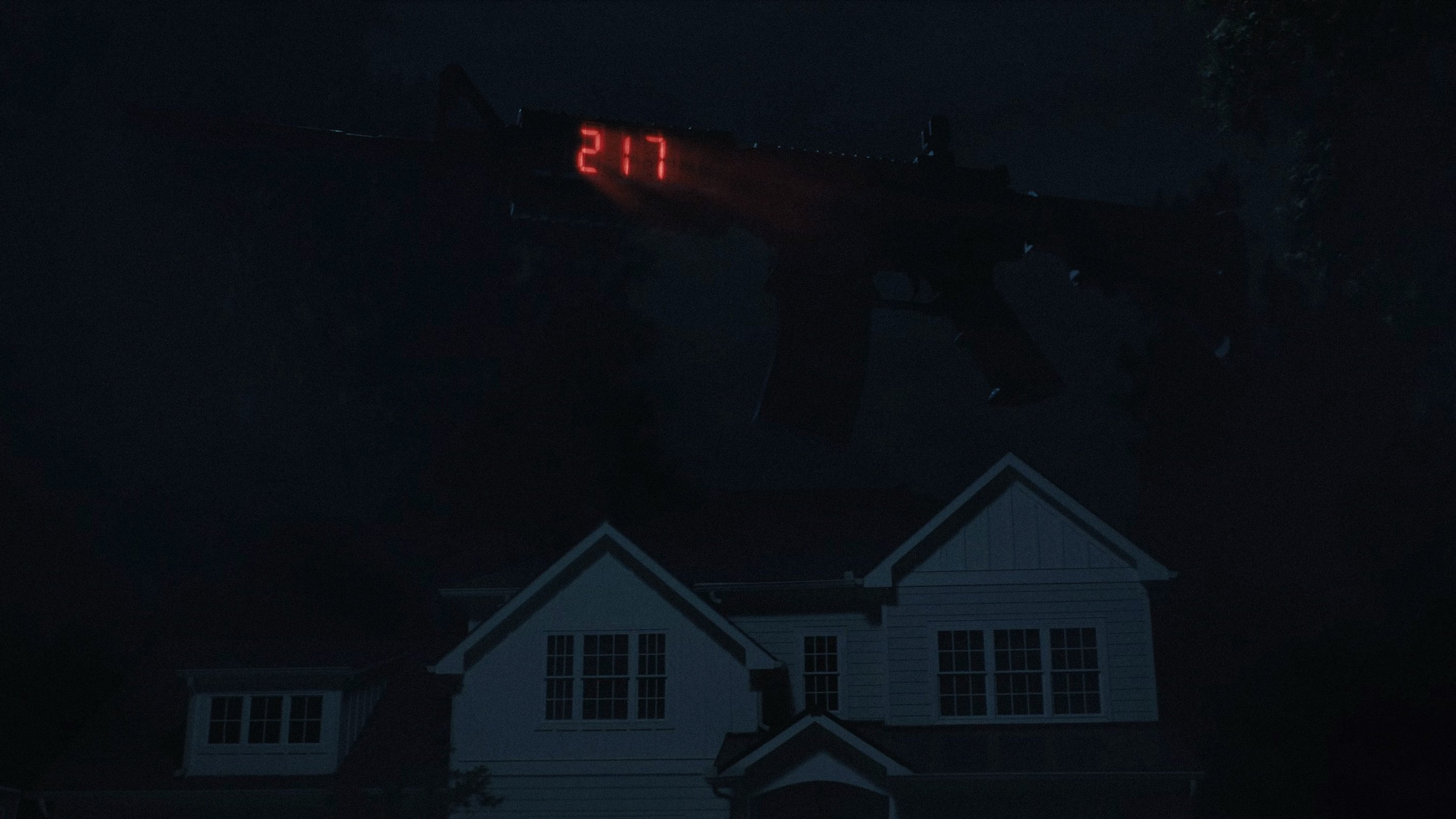
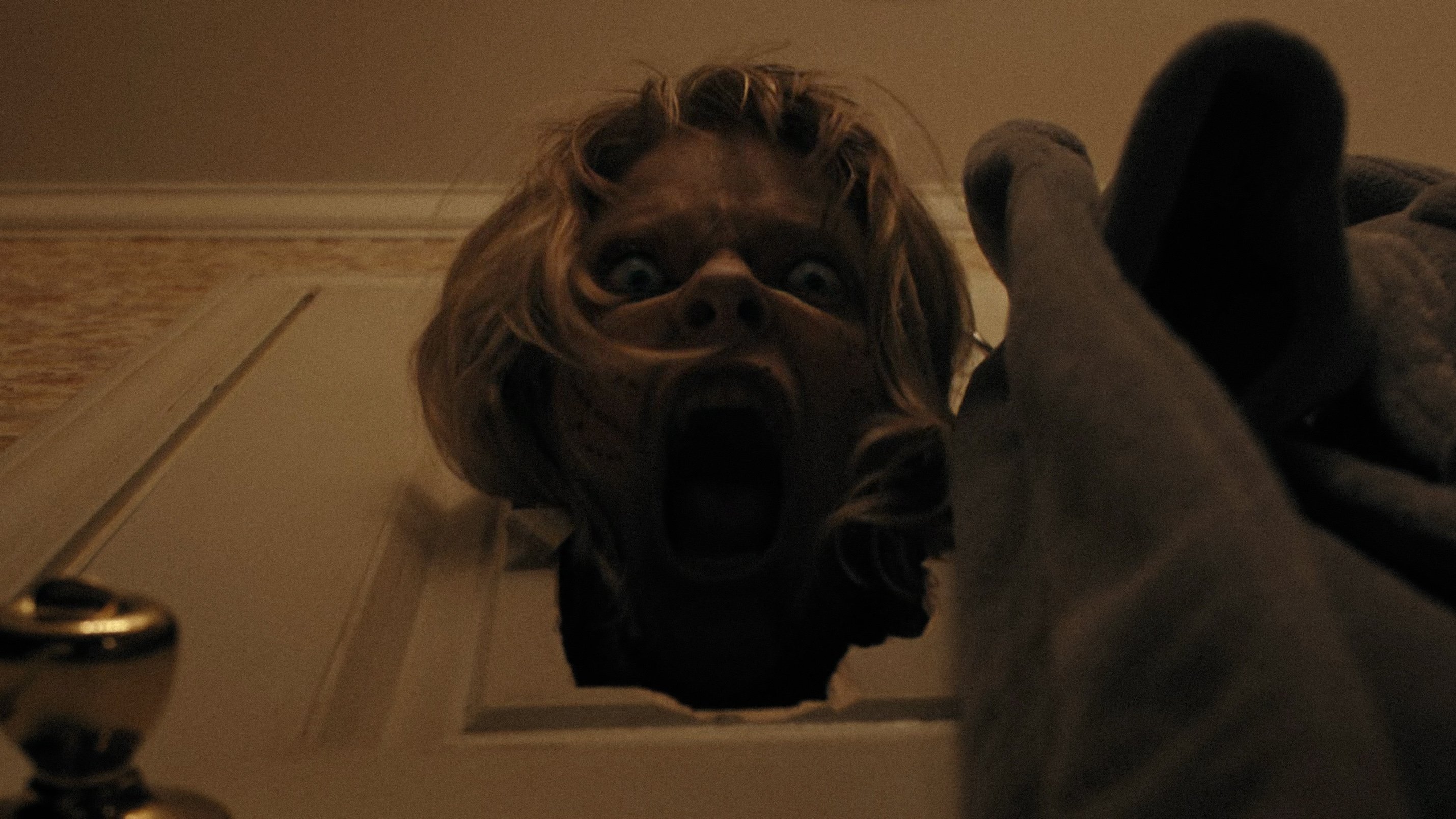
What makes Cregger’s movies feel so different (and what spawns the divisiveness, I believe) is that he layers the themes of his stories at a unique depth, one layer deeper than most “idea” films, but one layer above commonplace cinema with subtler messaging. In interviews, he admits to writing his stories instinctually, meaning he purposefully avoids intellectualizing his process, rarely interrogating why he turns left or right. He just lets it come out, trusting that there’s something “there”. It’s a respectable endeavor, but I think that’s what will continue to separate him from the other superior sketch-comedian-turned-horror-auteur. Because Cregger is openly throwing stuff at the wall and hoping enough sticks, certain narrative and symbolic elements can end up feeling more like “bait” than worthwhile substance, baiting me into analysis when it’s really just bizarreness for bizarreness’ sake. A large gun comes to mind. It doesn’t help that he seems vaguely annoyed when people ask him about his movie. You can “do” Lynch without needing to “be” Lynch.
However, reflection and reading have revealed a lot of interesting subtext, and I’ll list some thoughts below - spoilers in these bullet-points:
- “Guns don’t kill people, people kill people” crossed my mind. Don’t really feel like explaining further
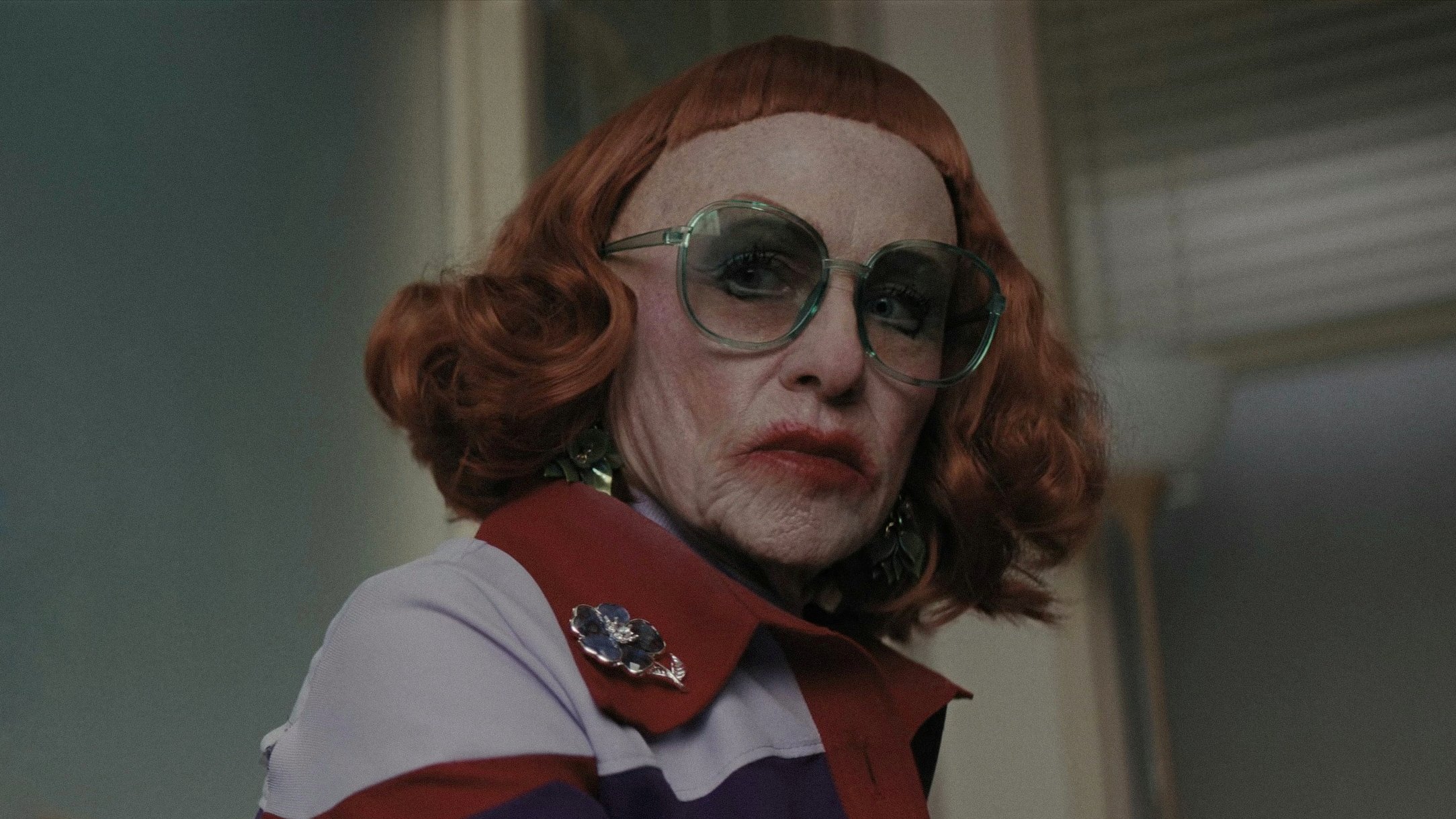
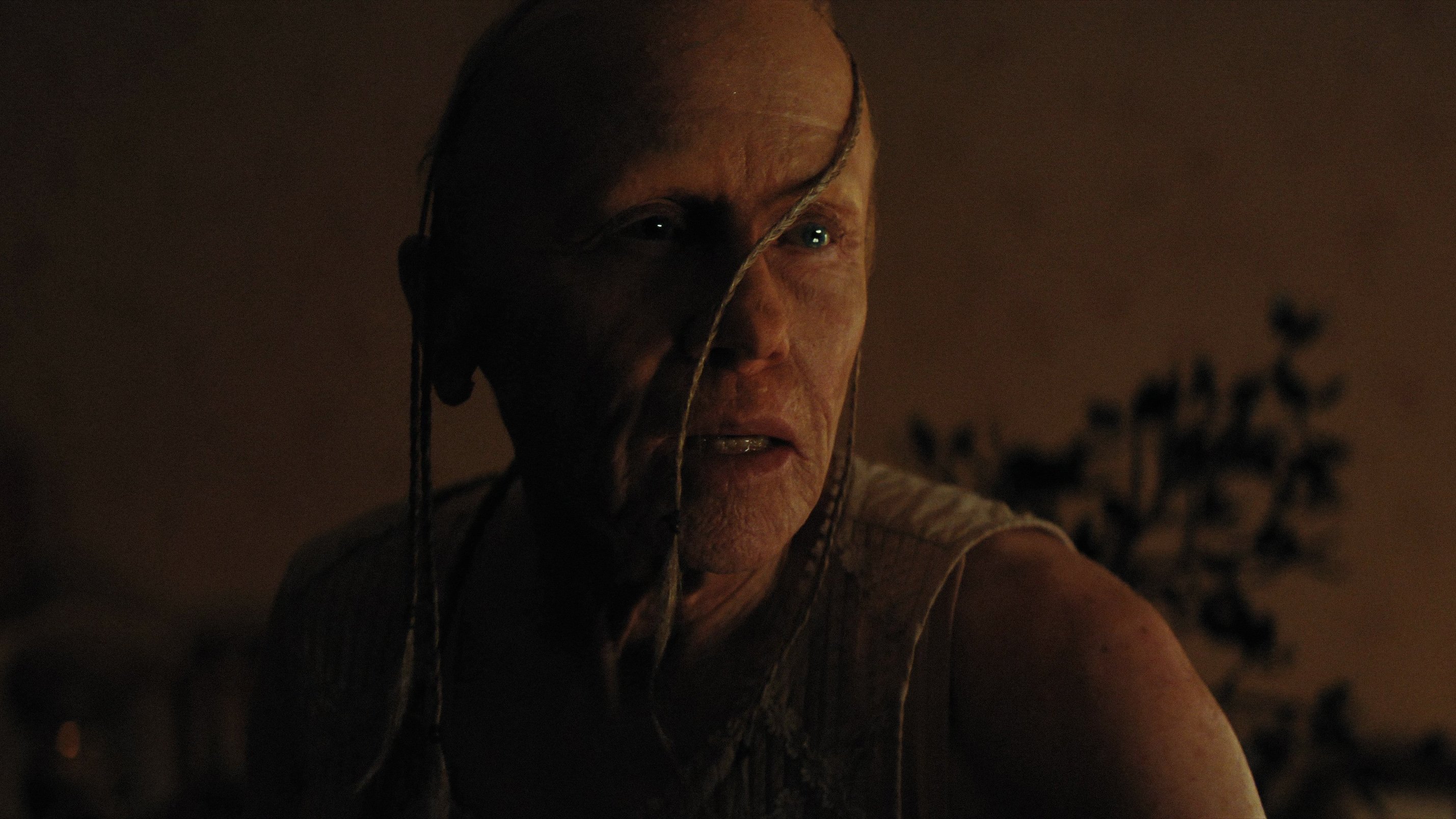
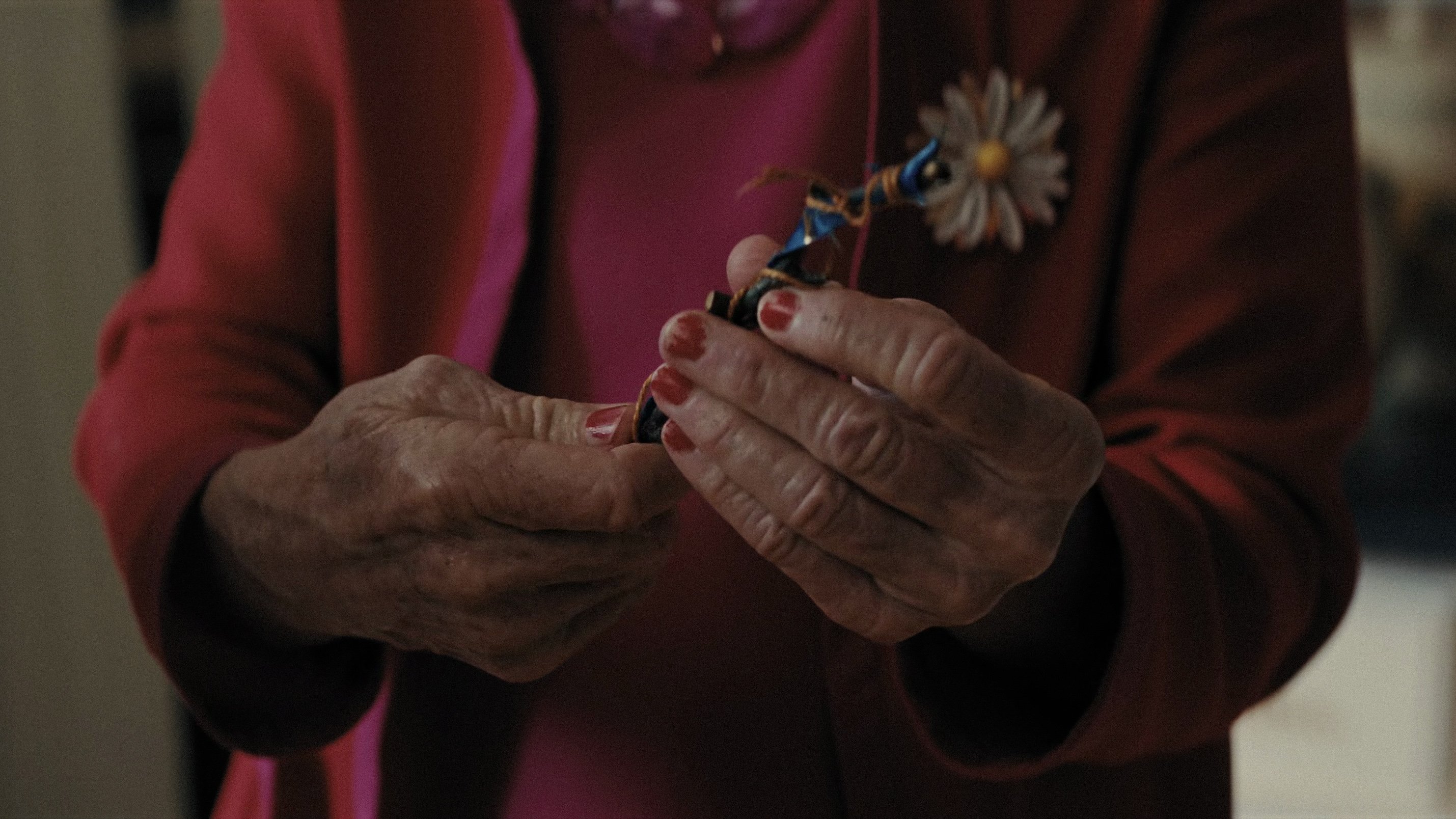
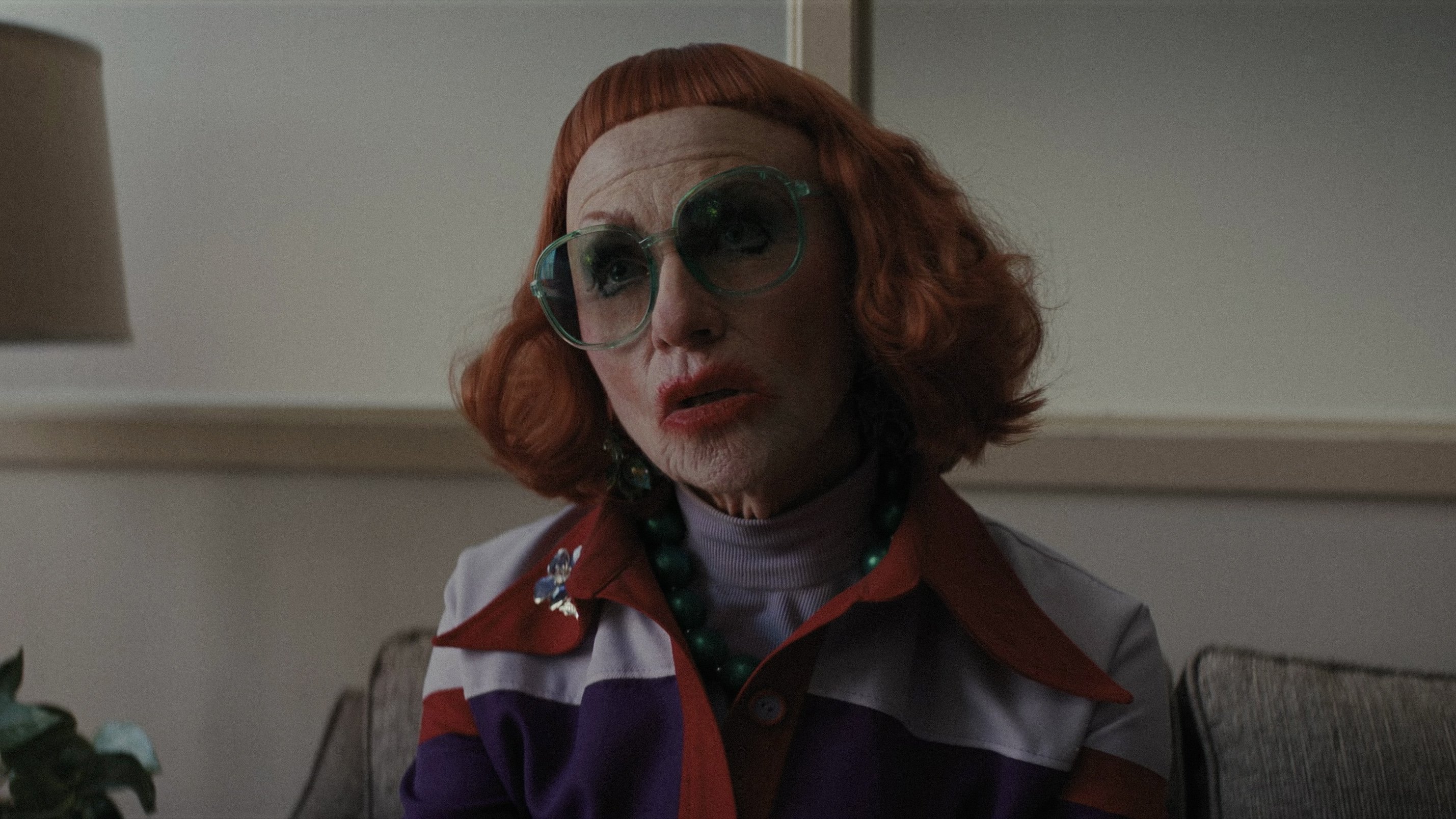
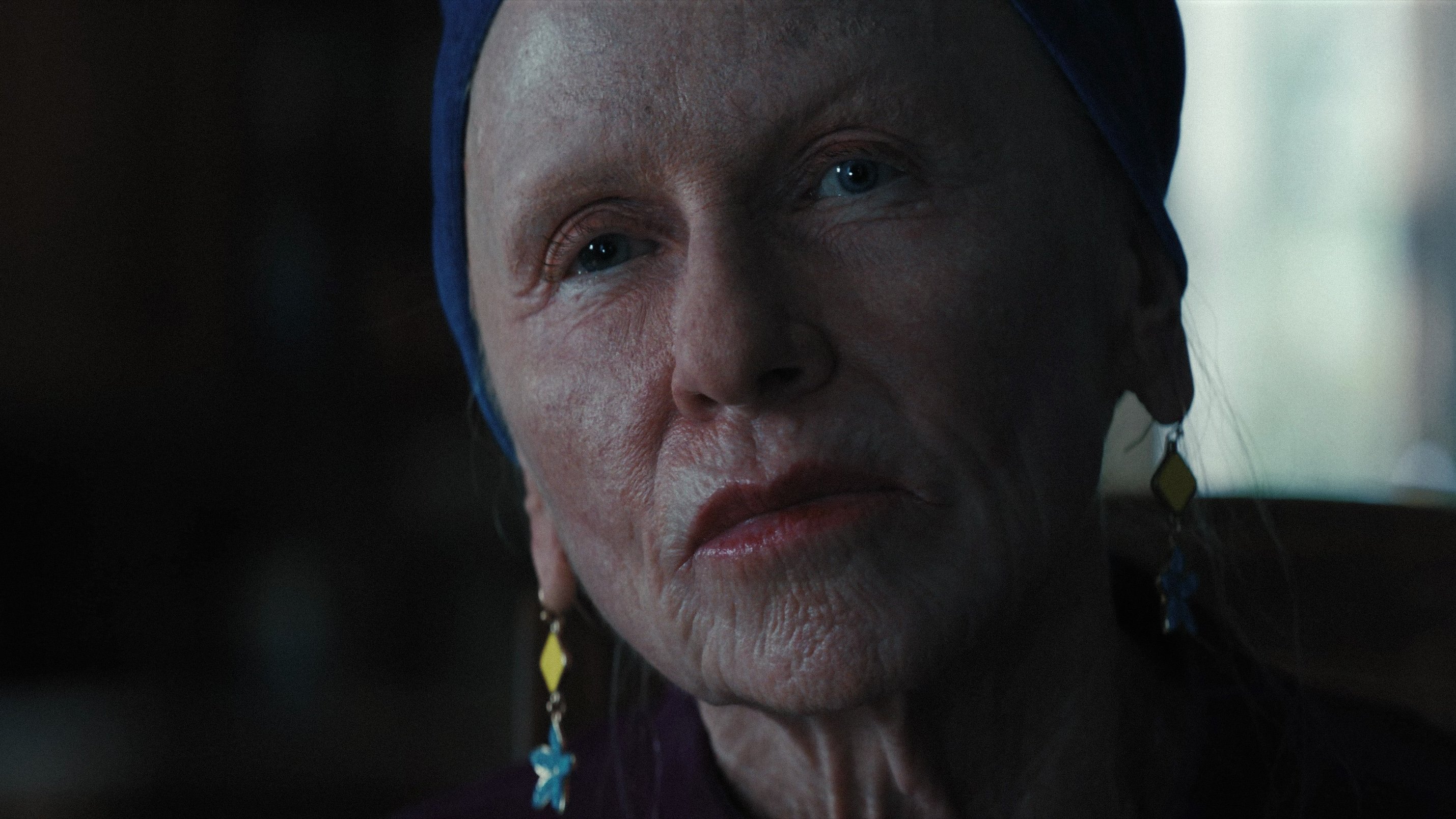
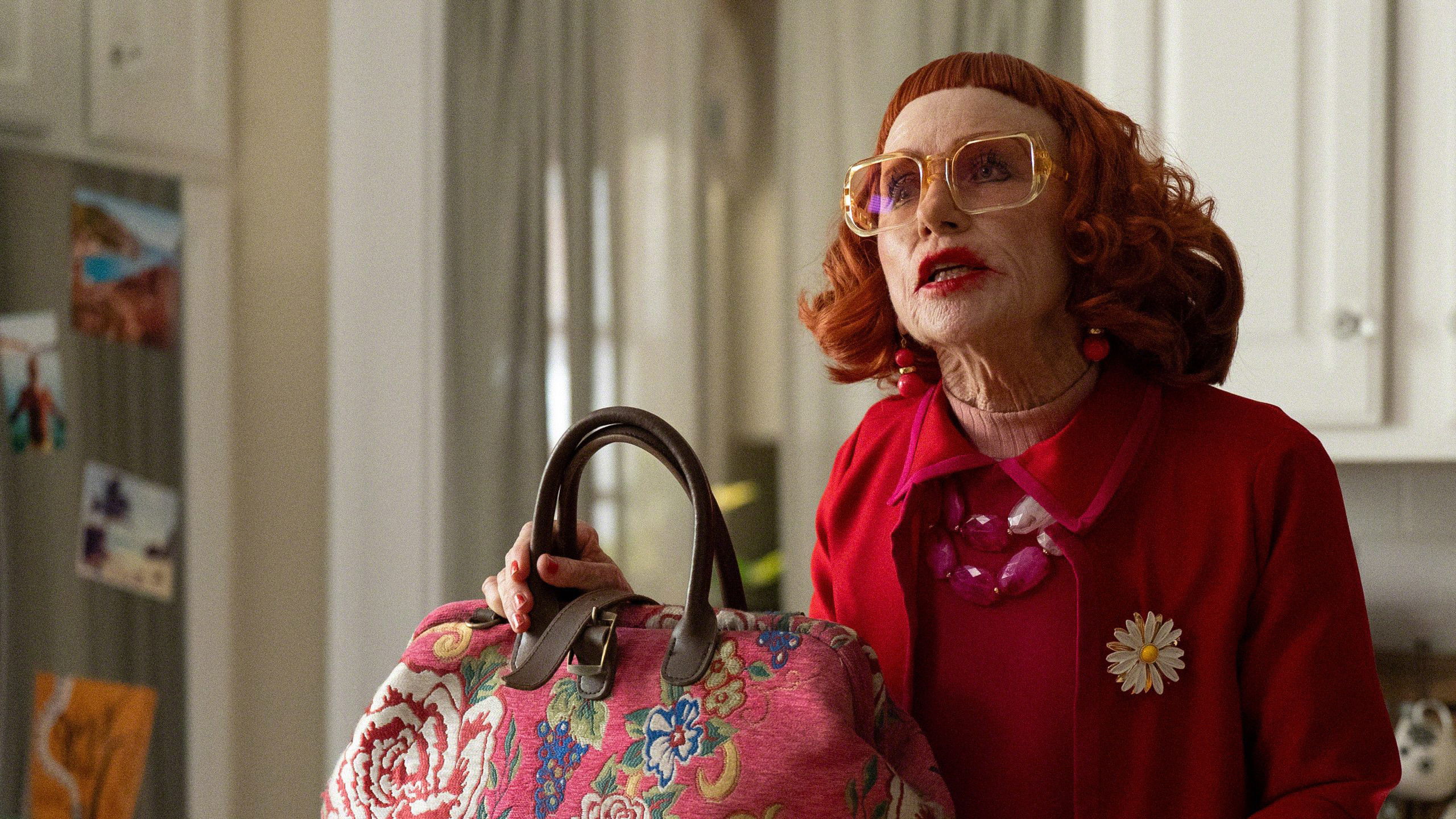
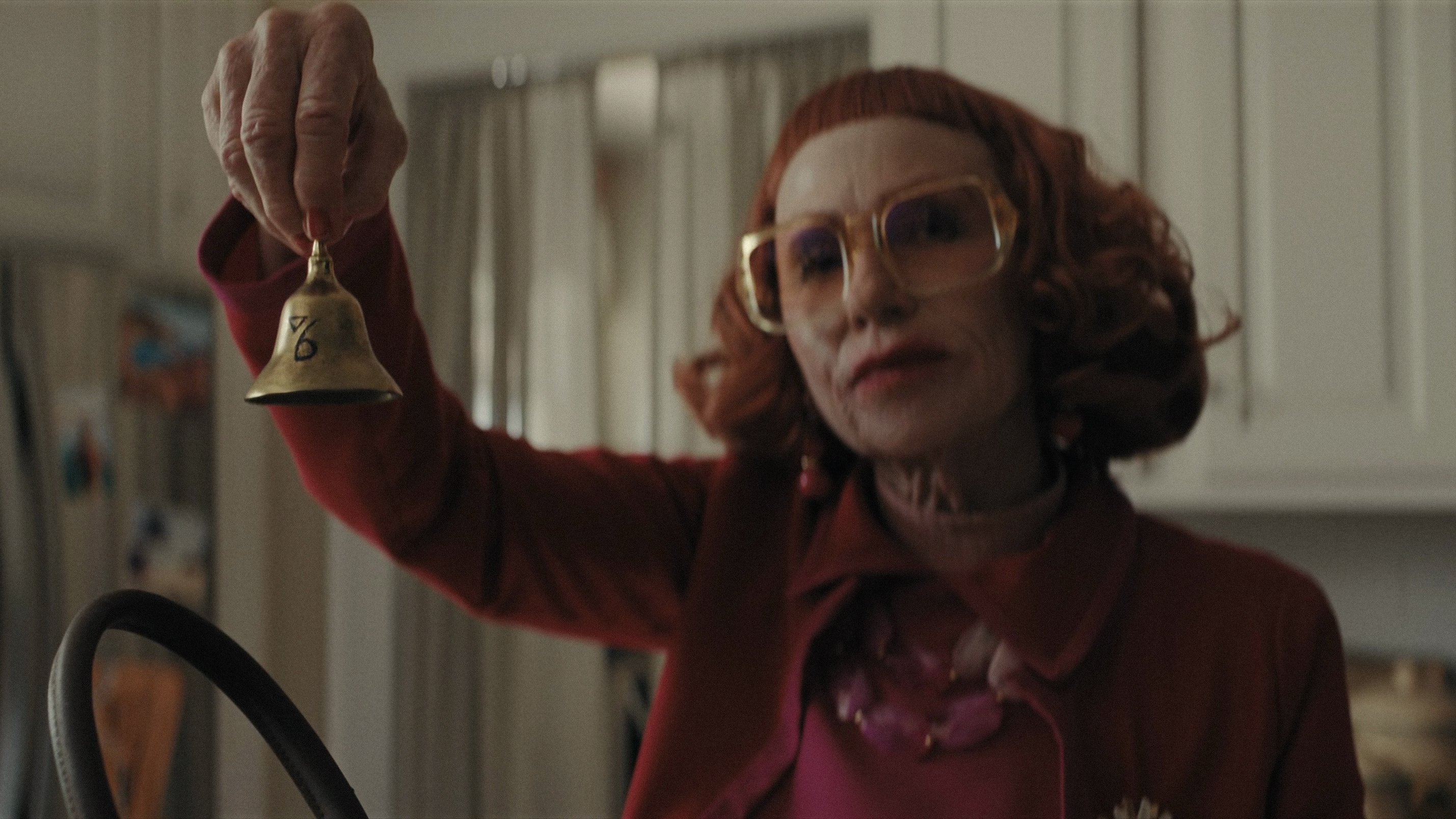
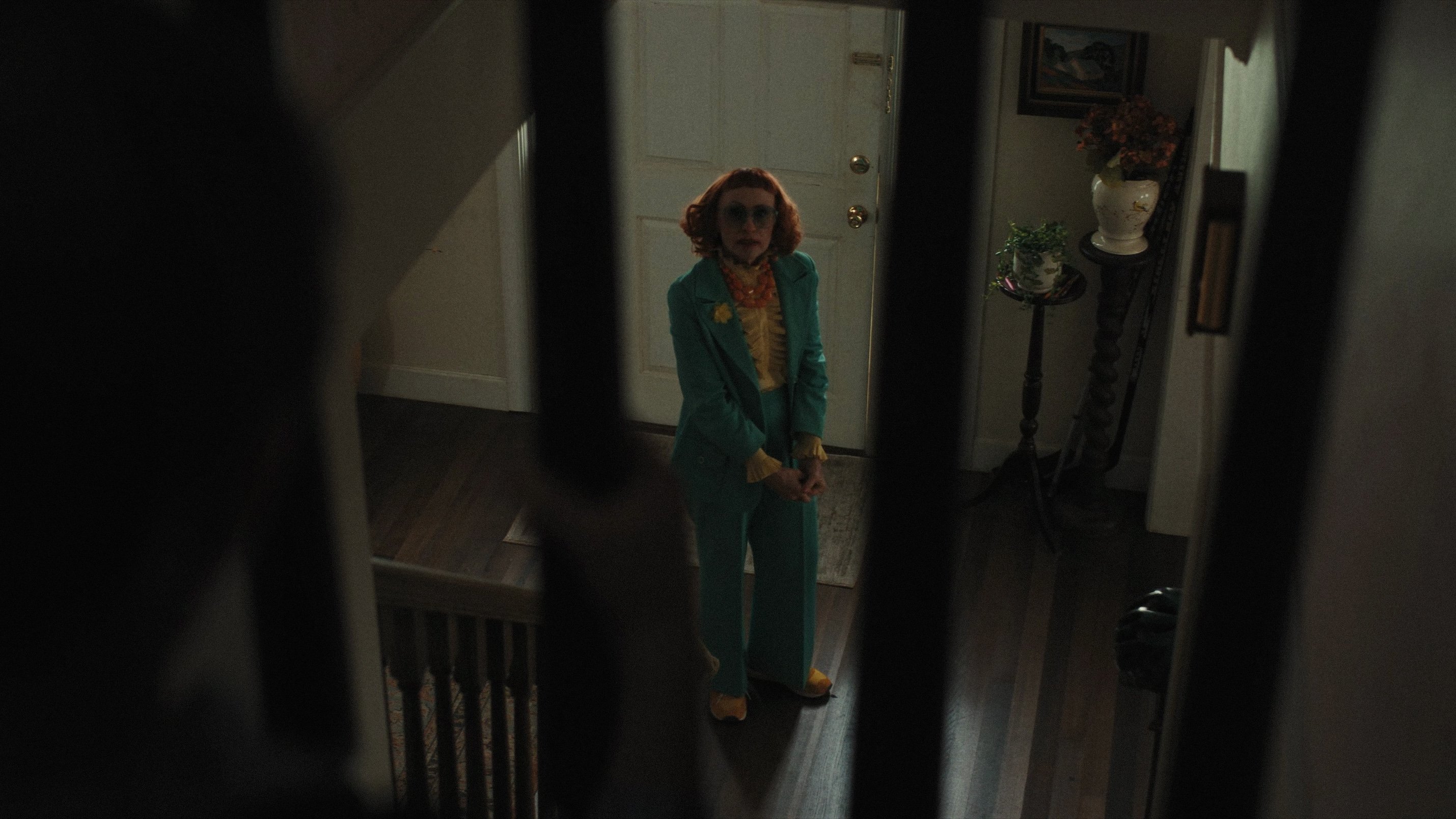
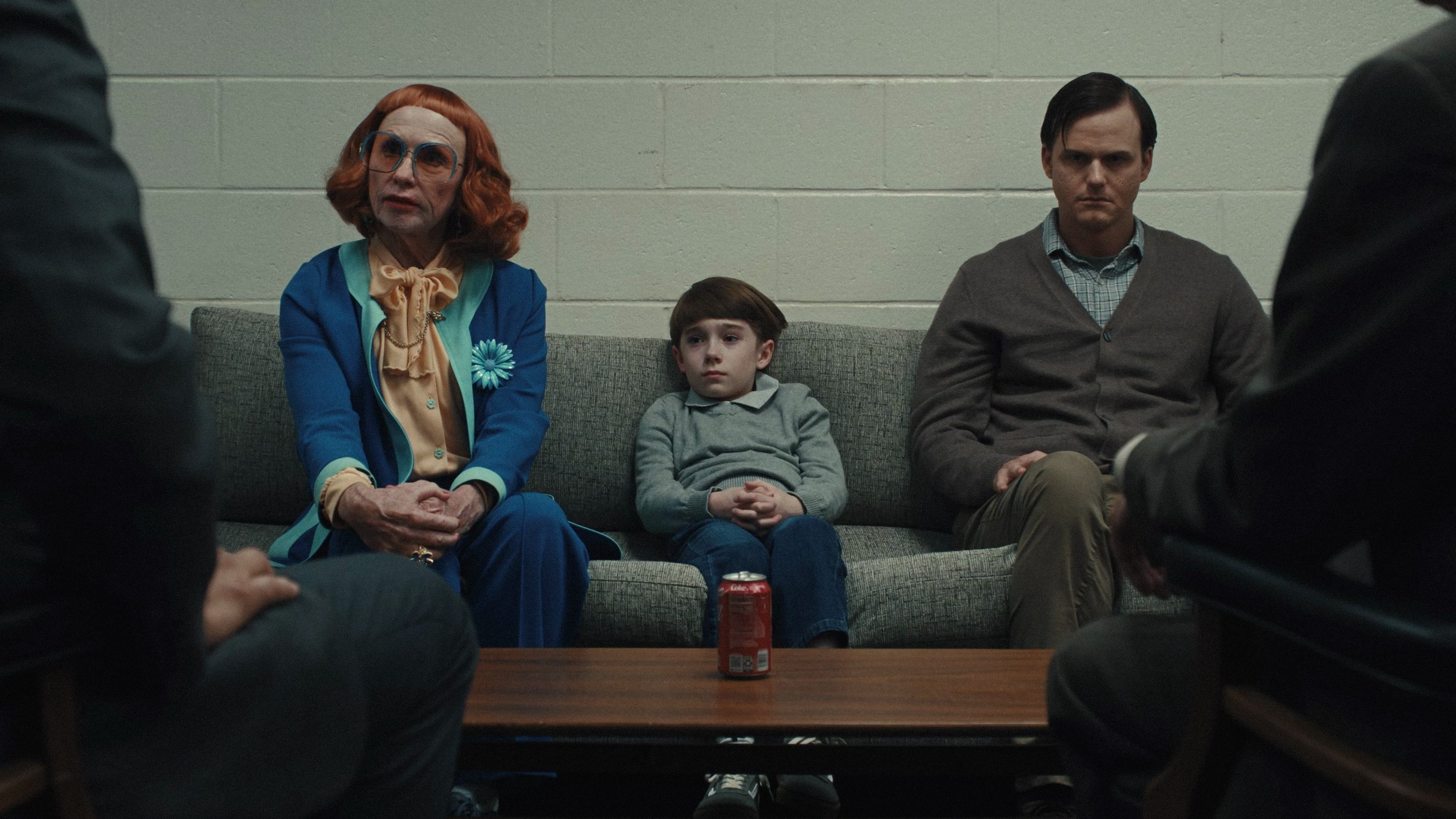
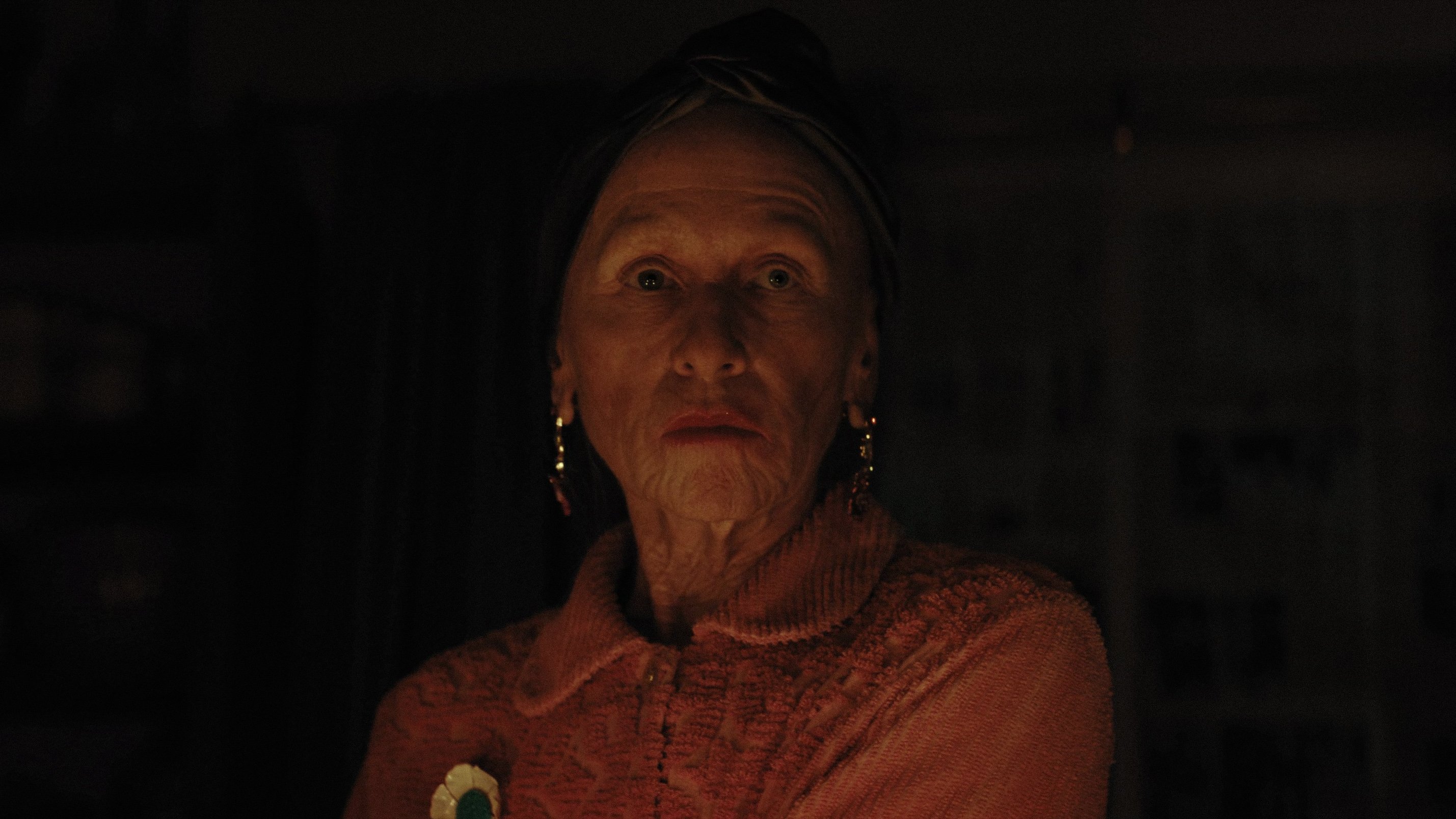
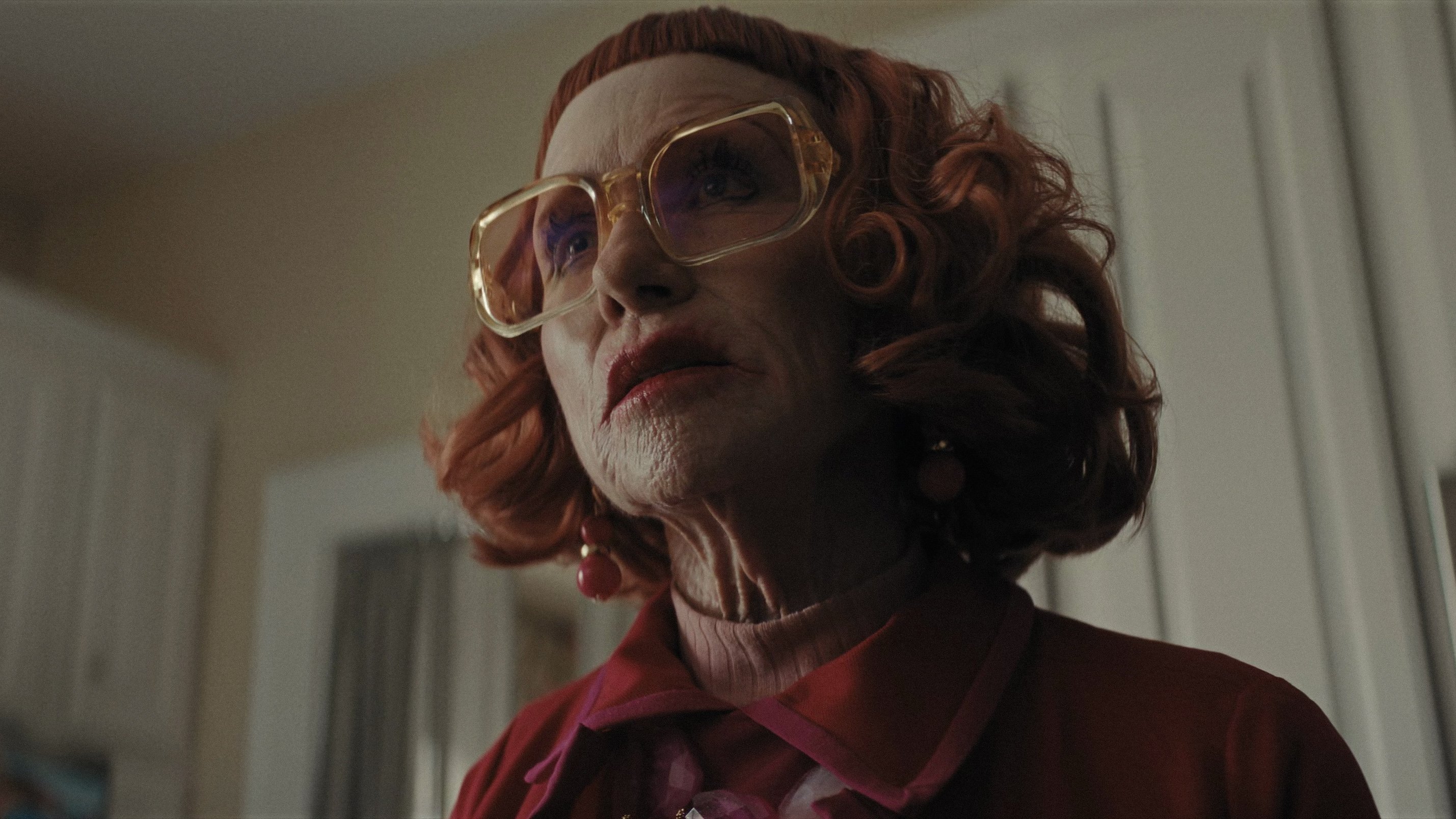
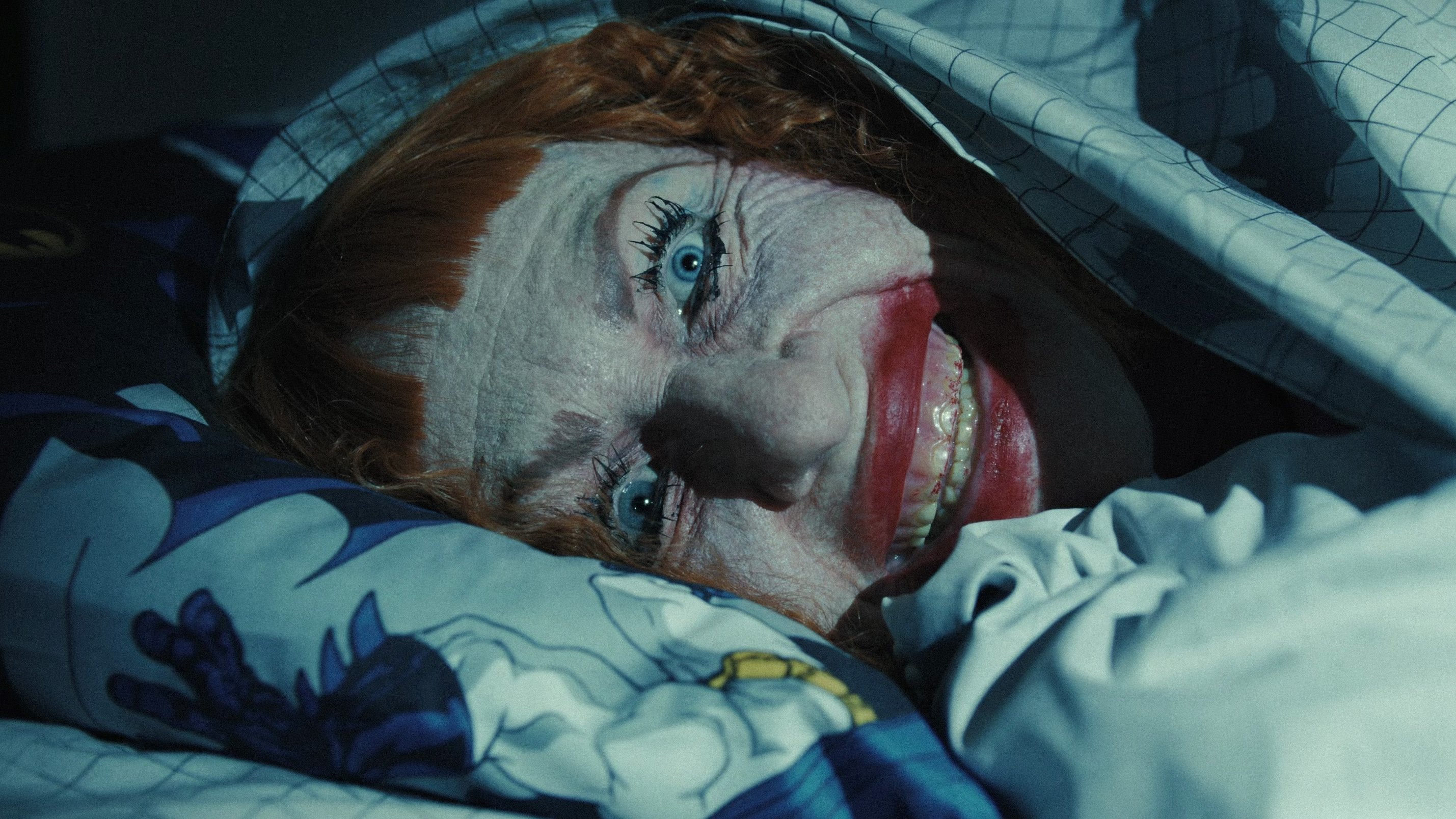
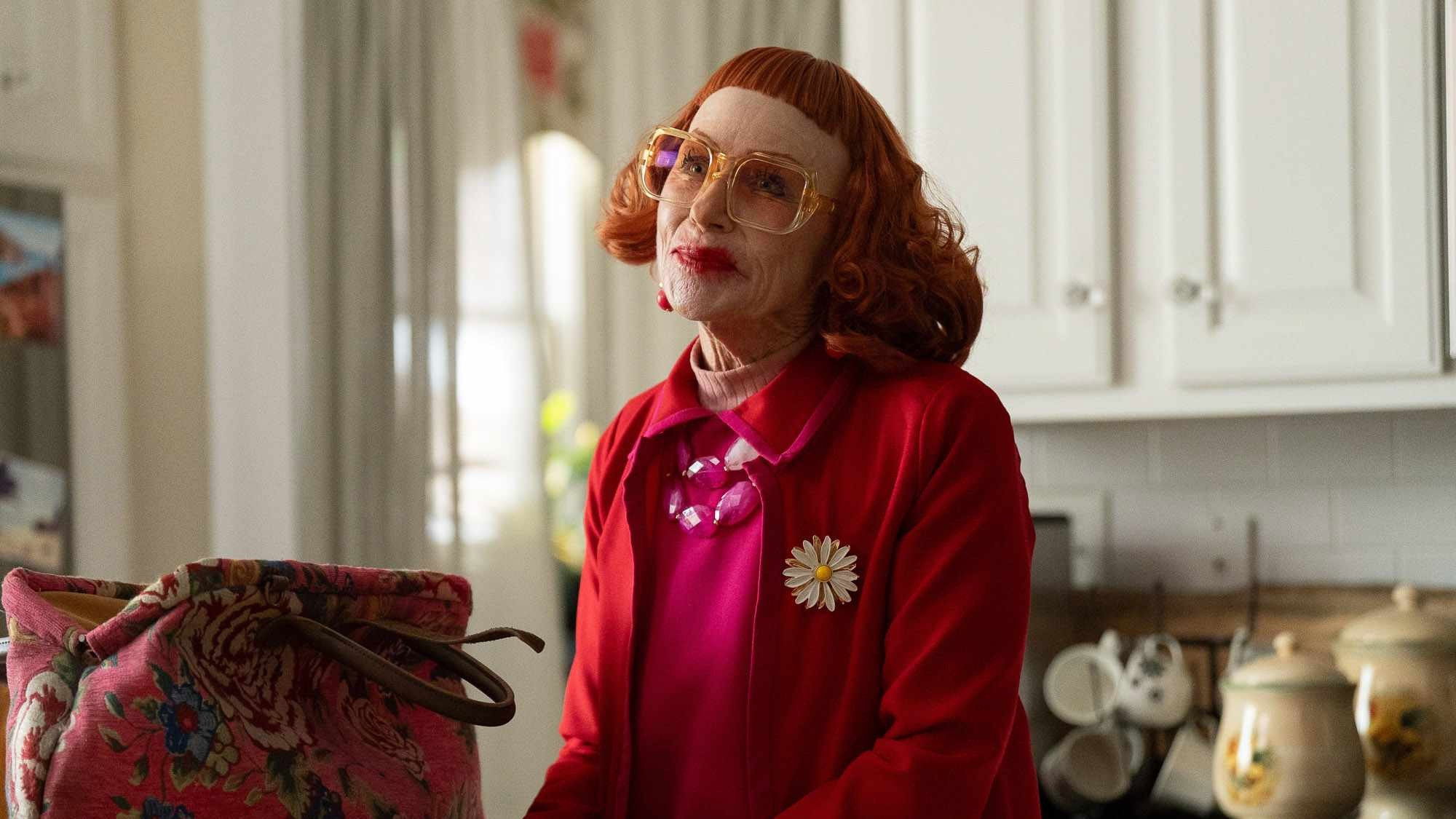
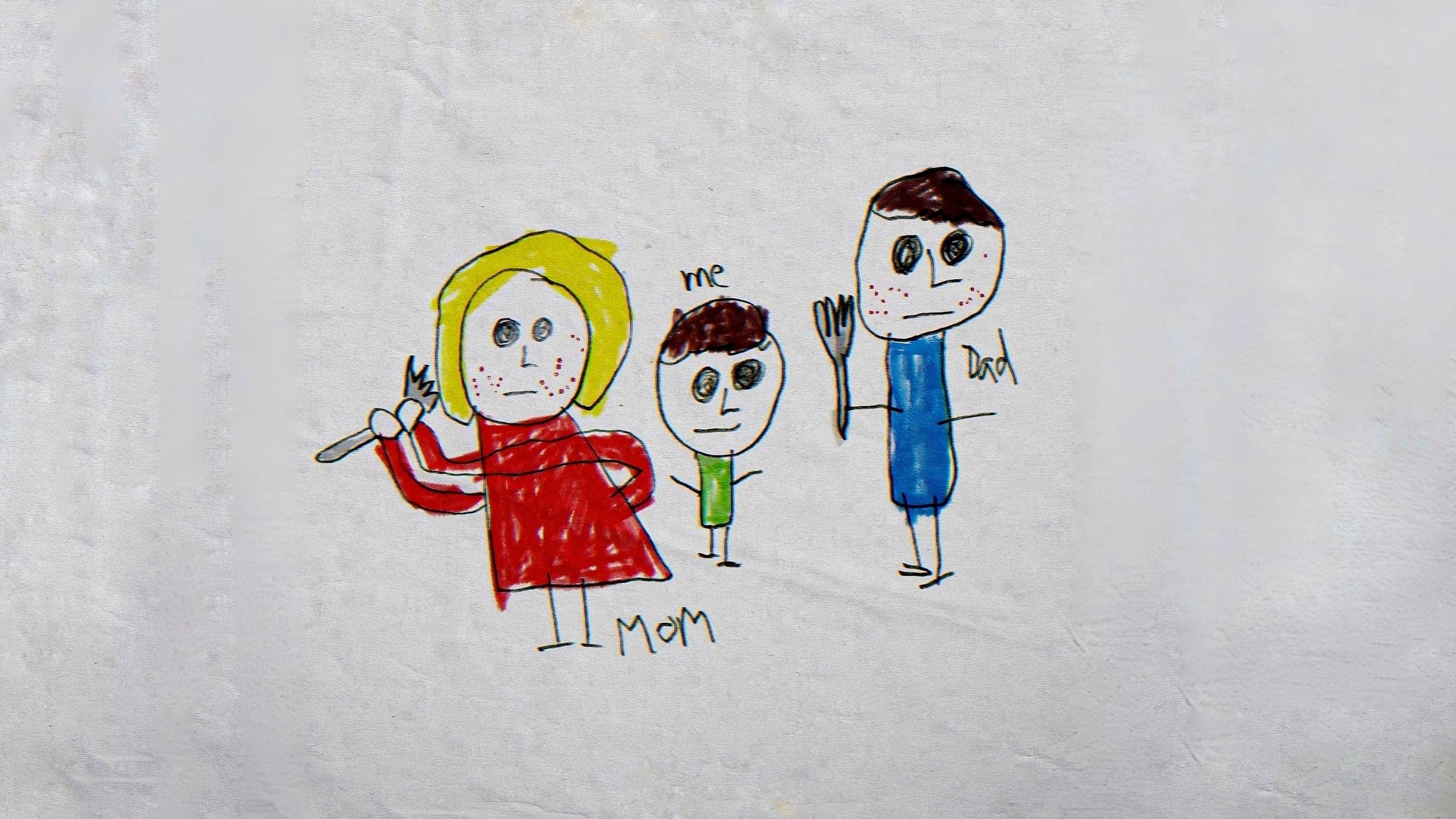
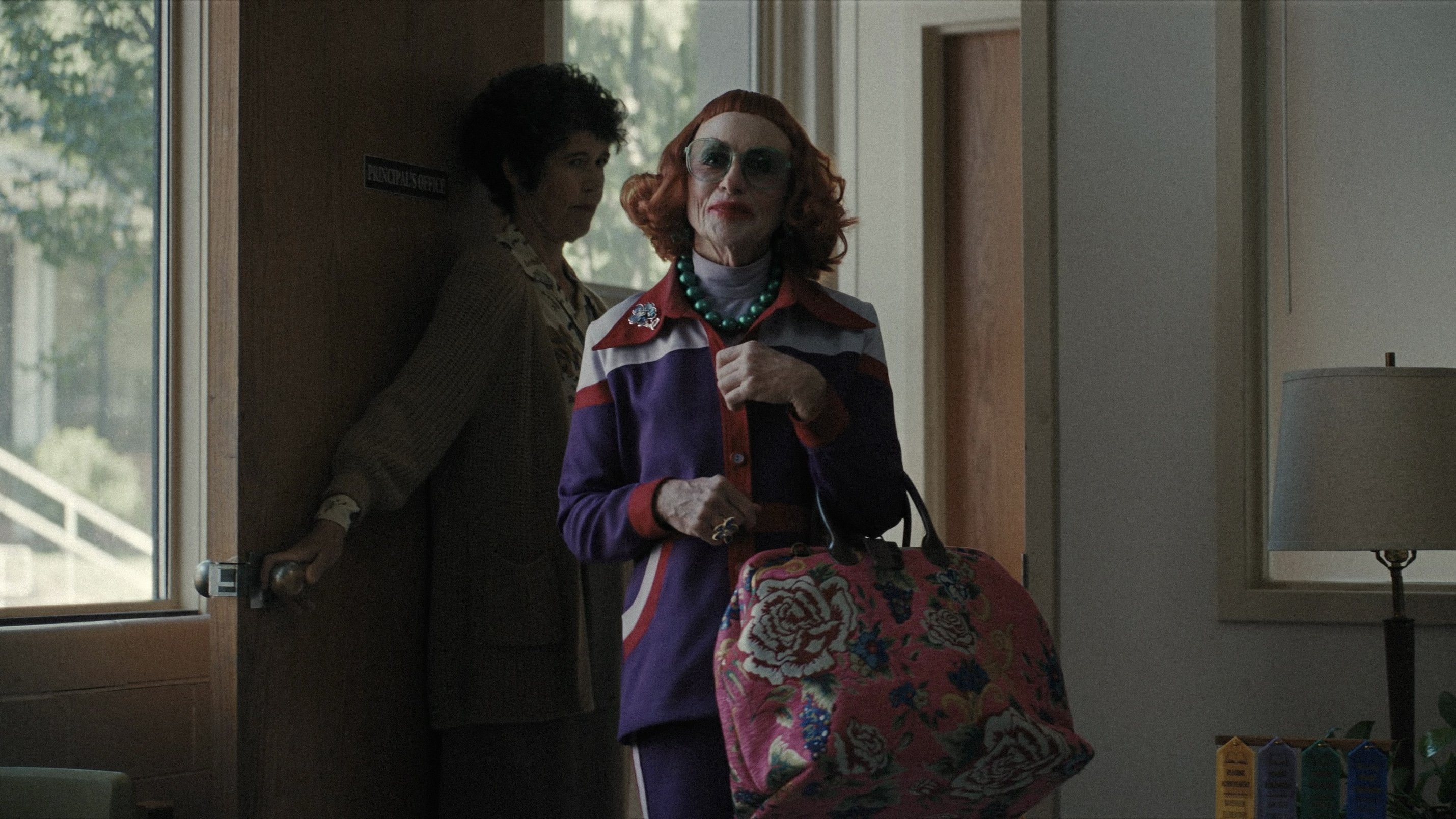
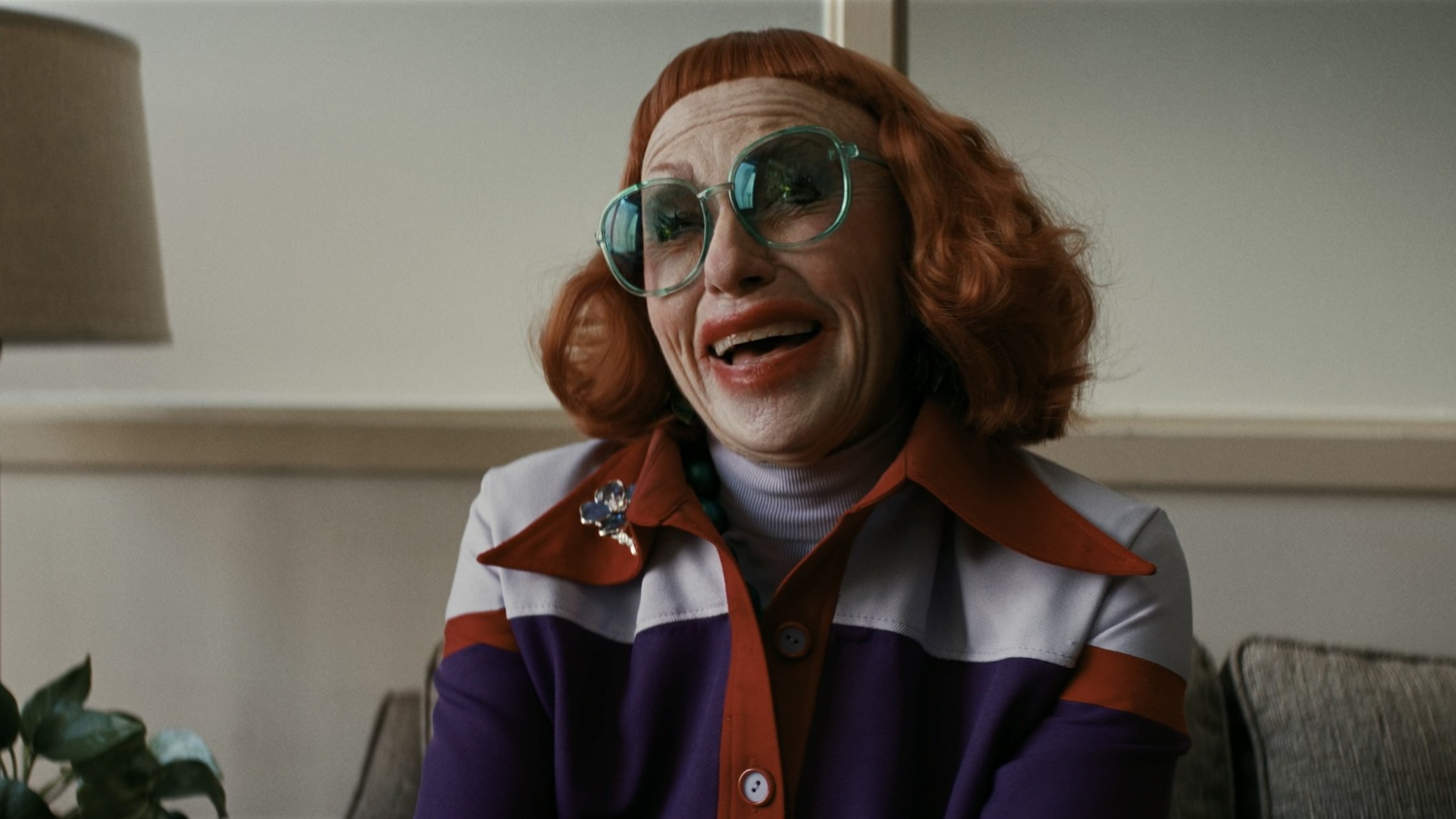
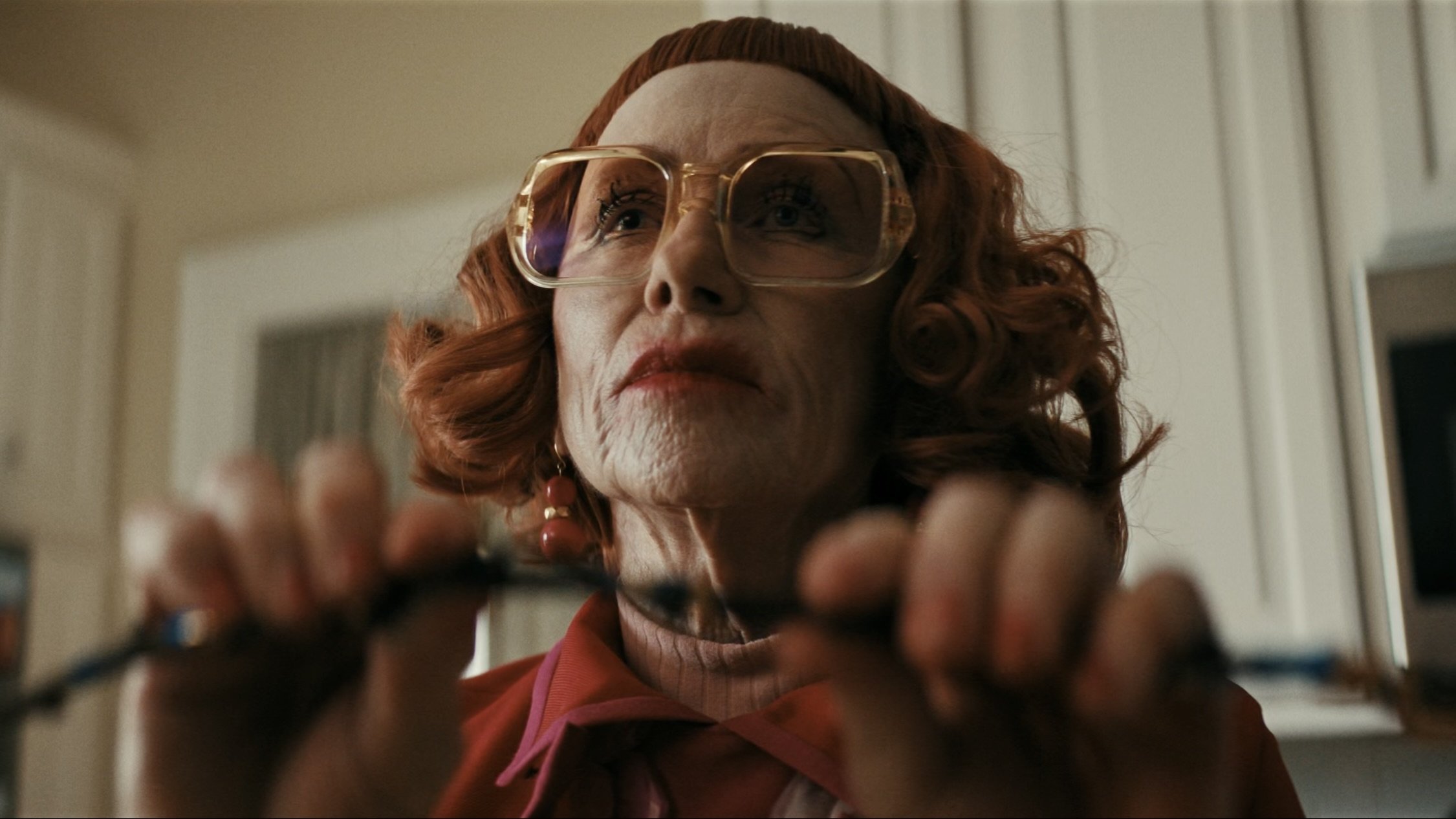
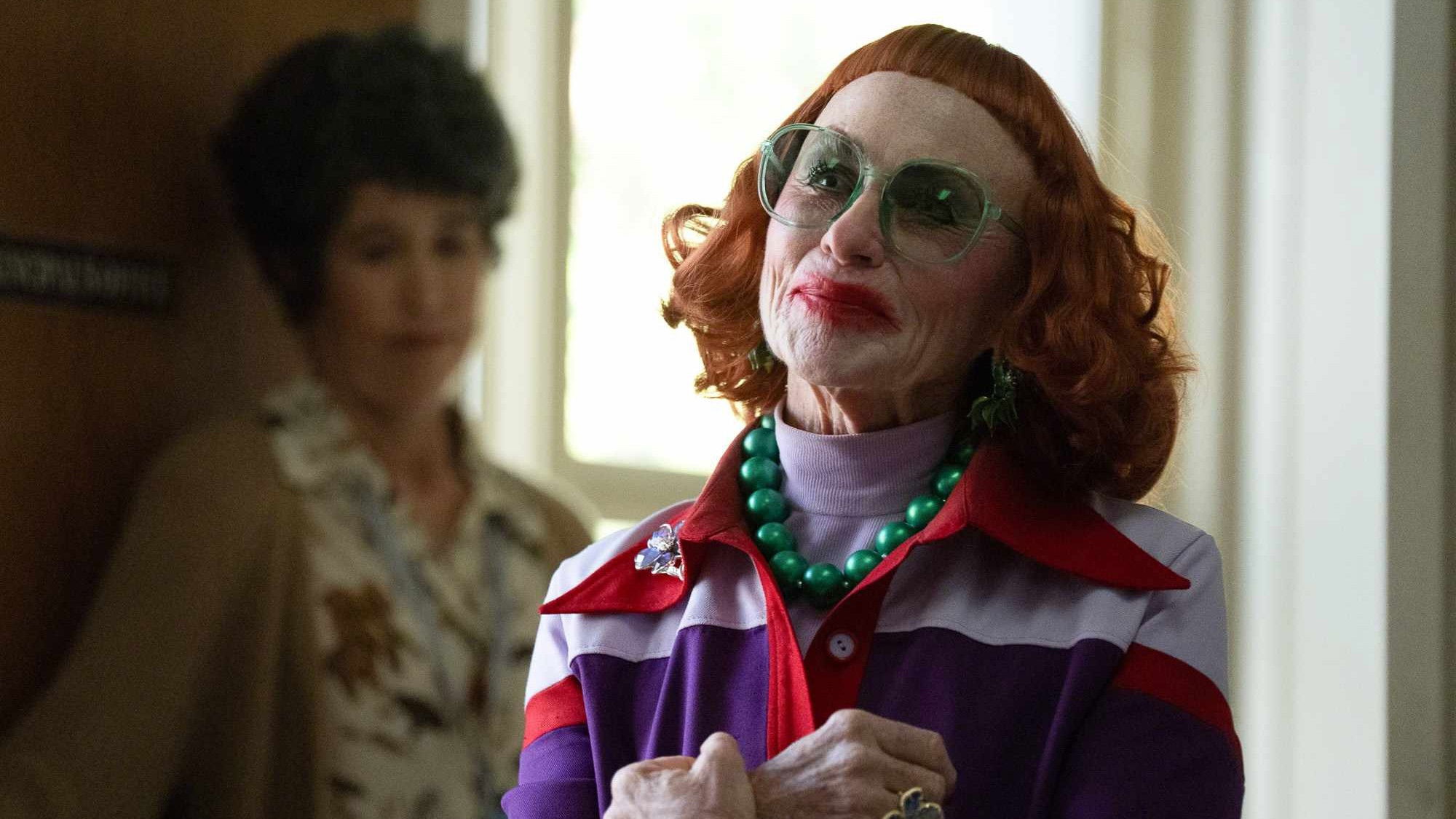
- Aunt Gladys akin to a molesting relative (“we have a secret, you and I”)
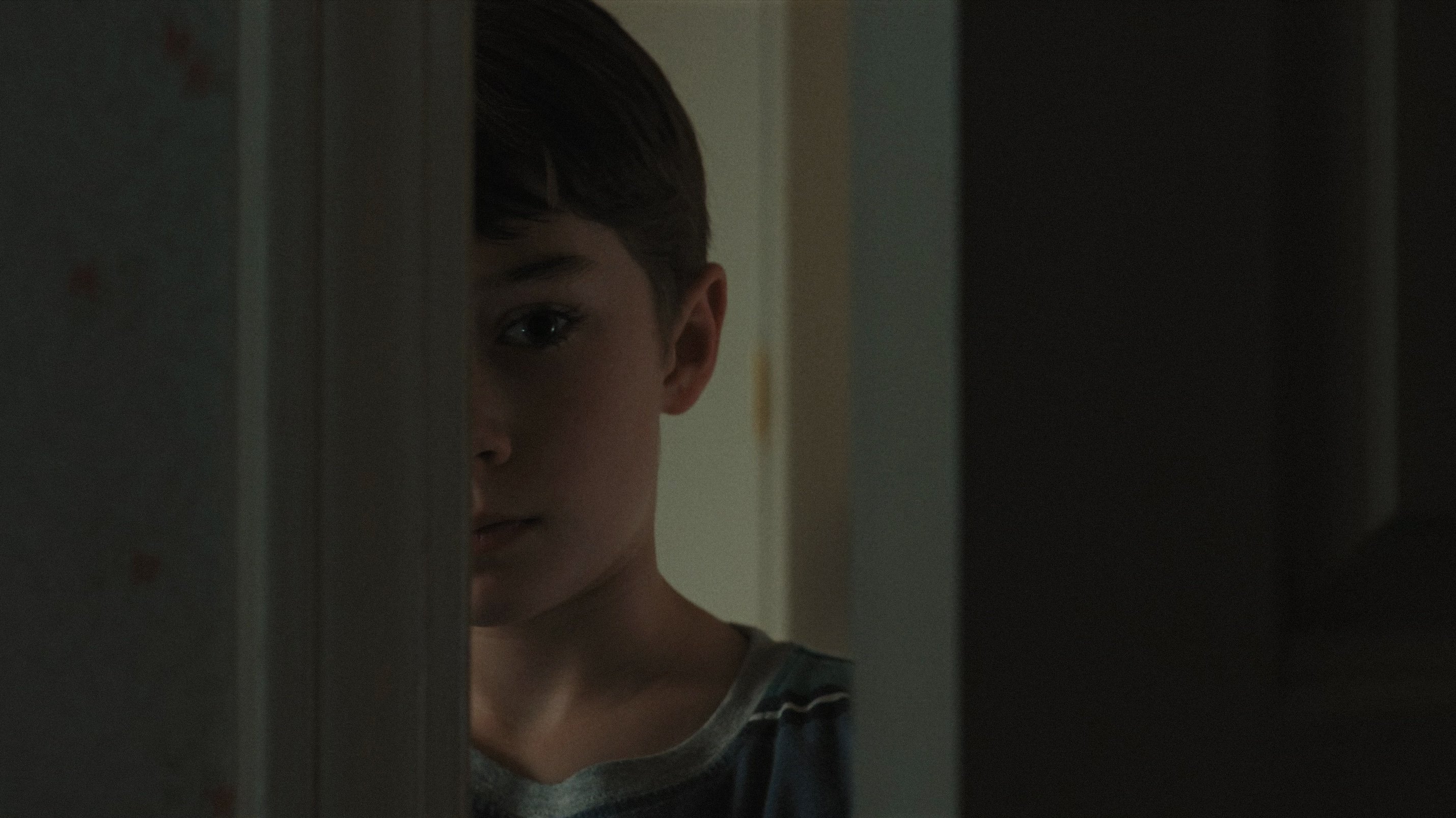
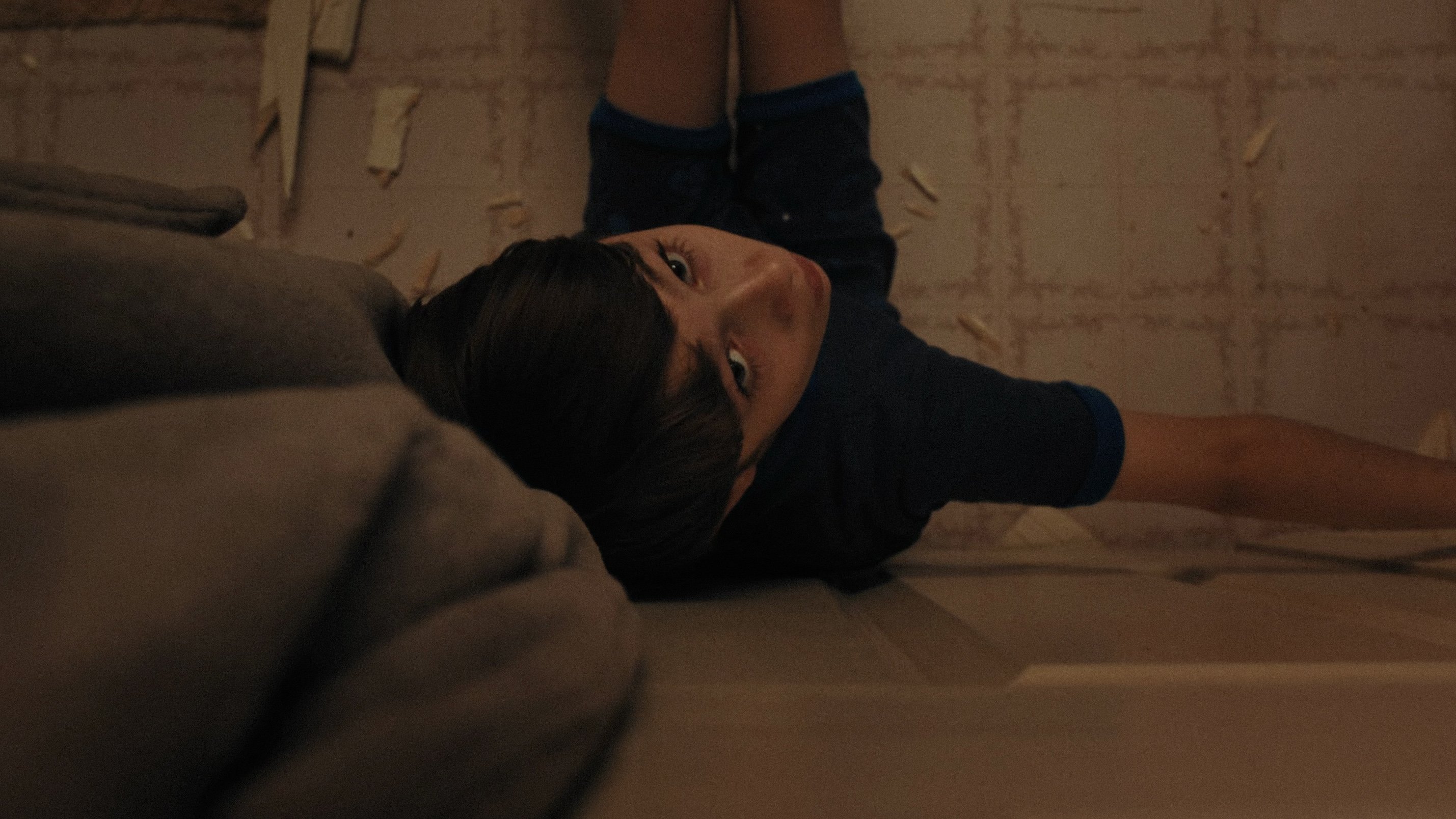
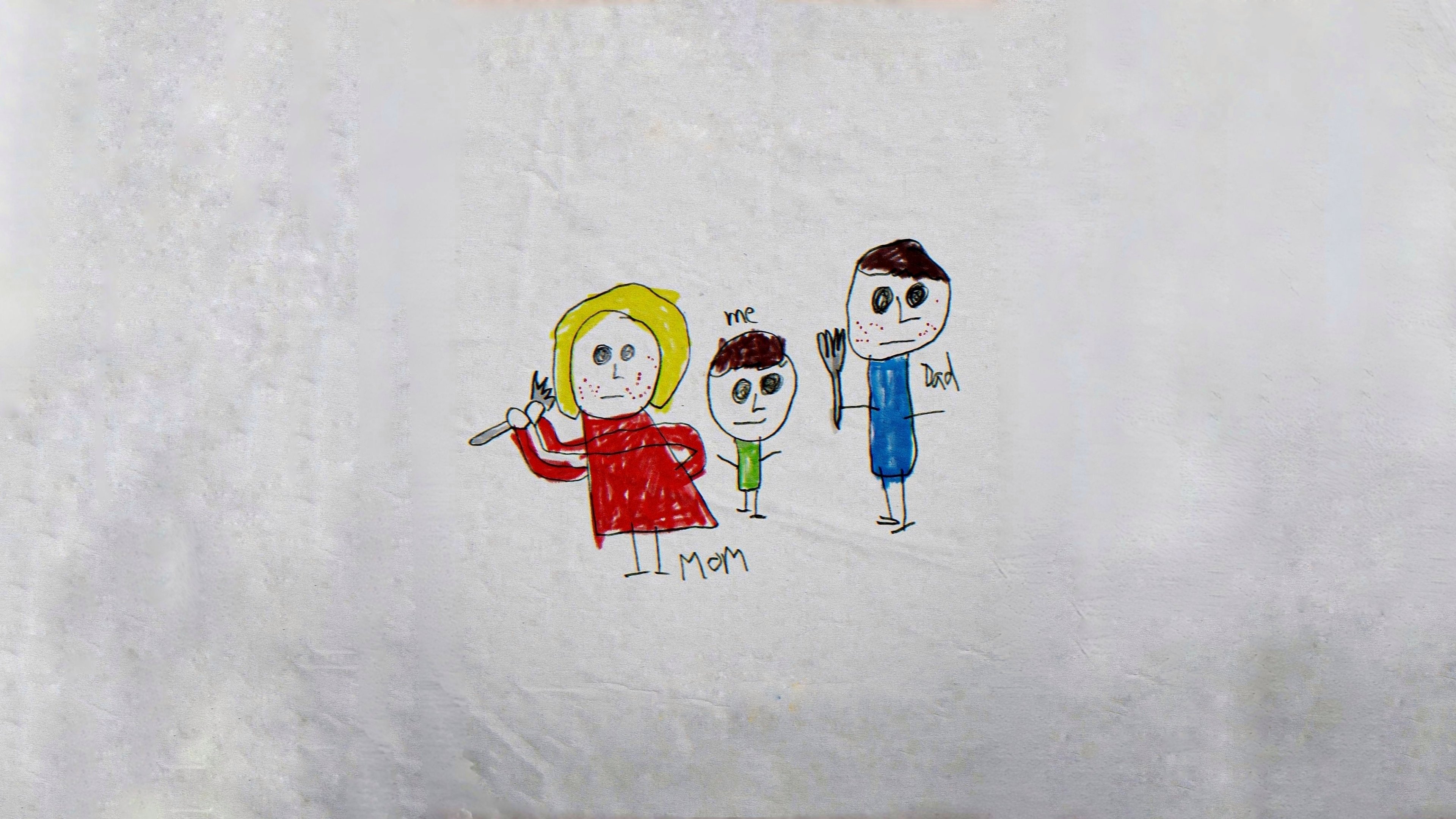
- The child experience of a joyless home
- The “satisfying genre thrills” of the climax don’t hit that perfect high for me, but they do suggest a certain outcome for our Baby Boomer overlords once they cede their power
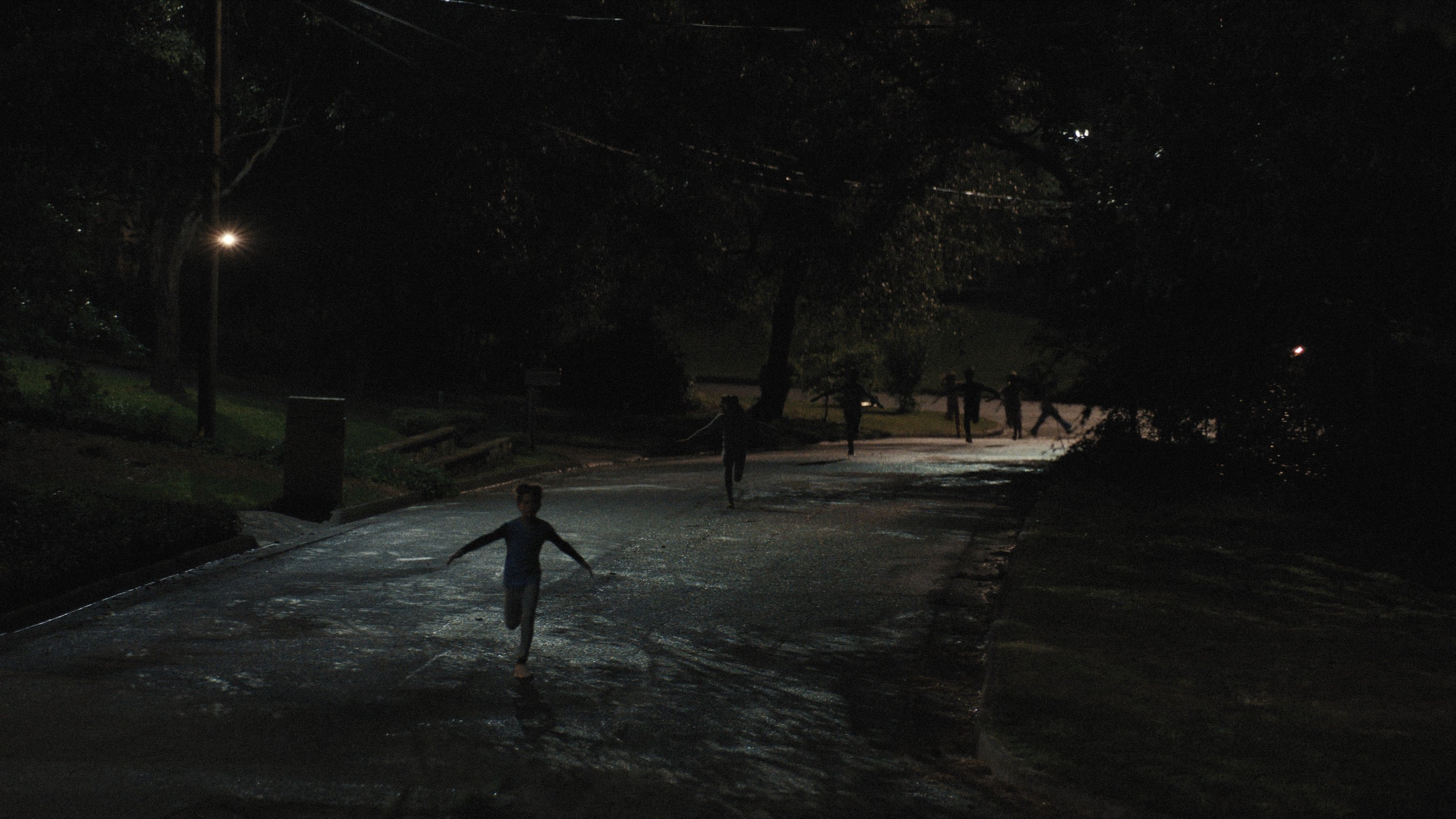
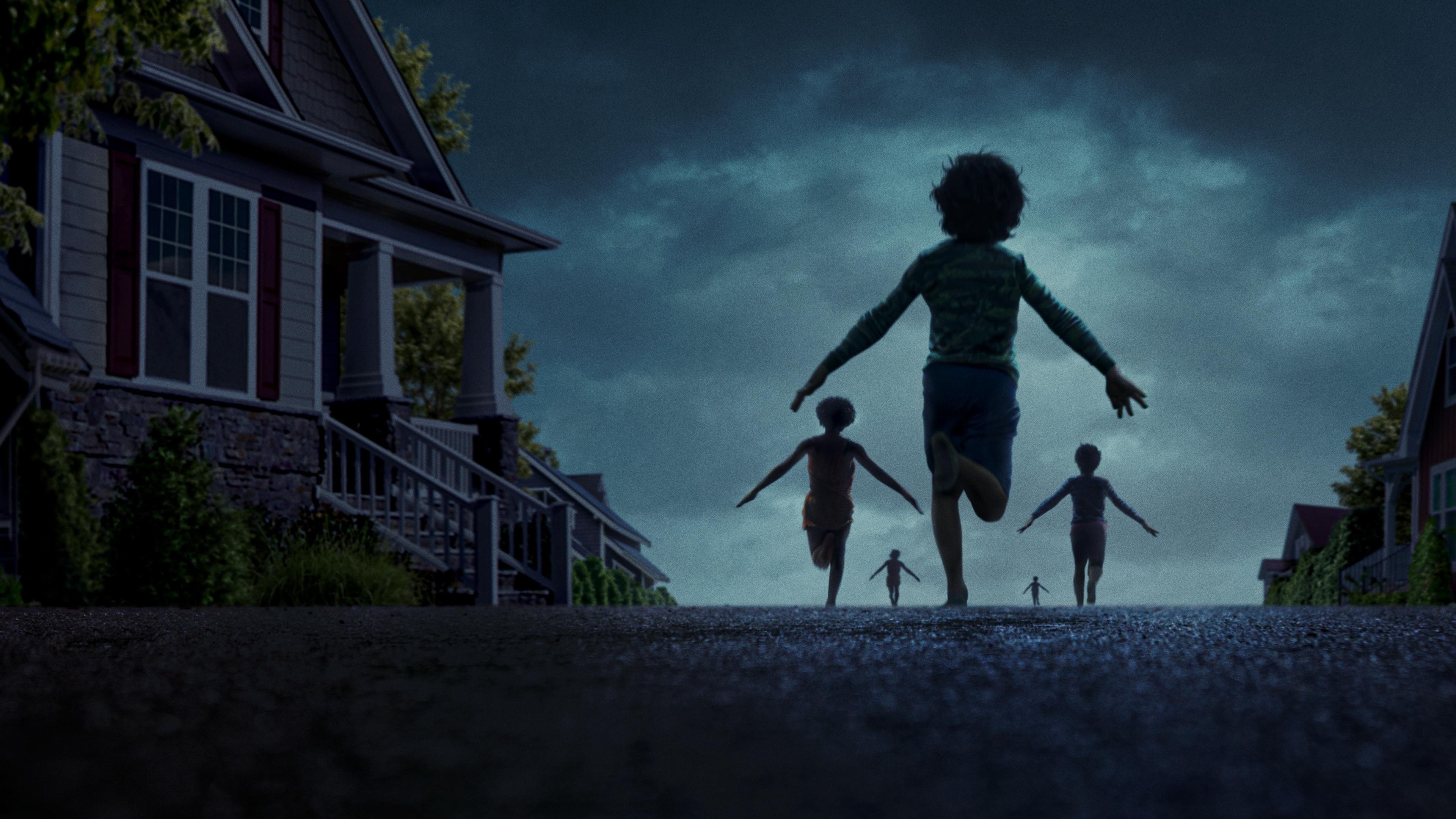
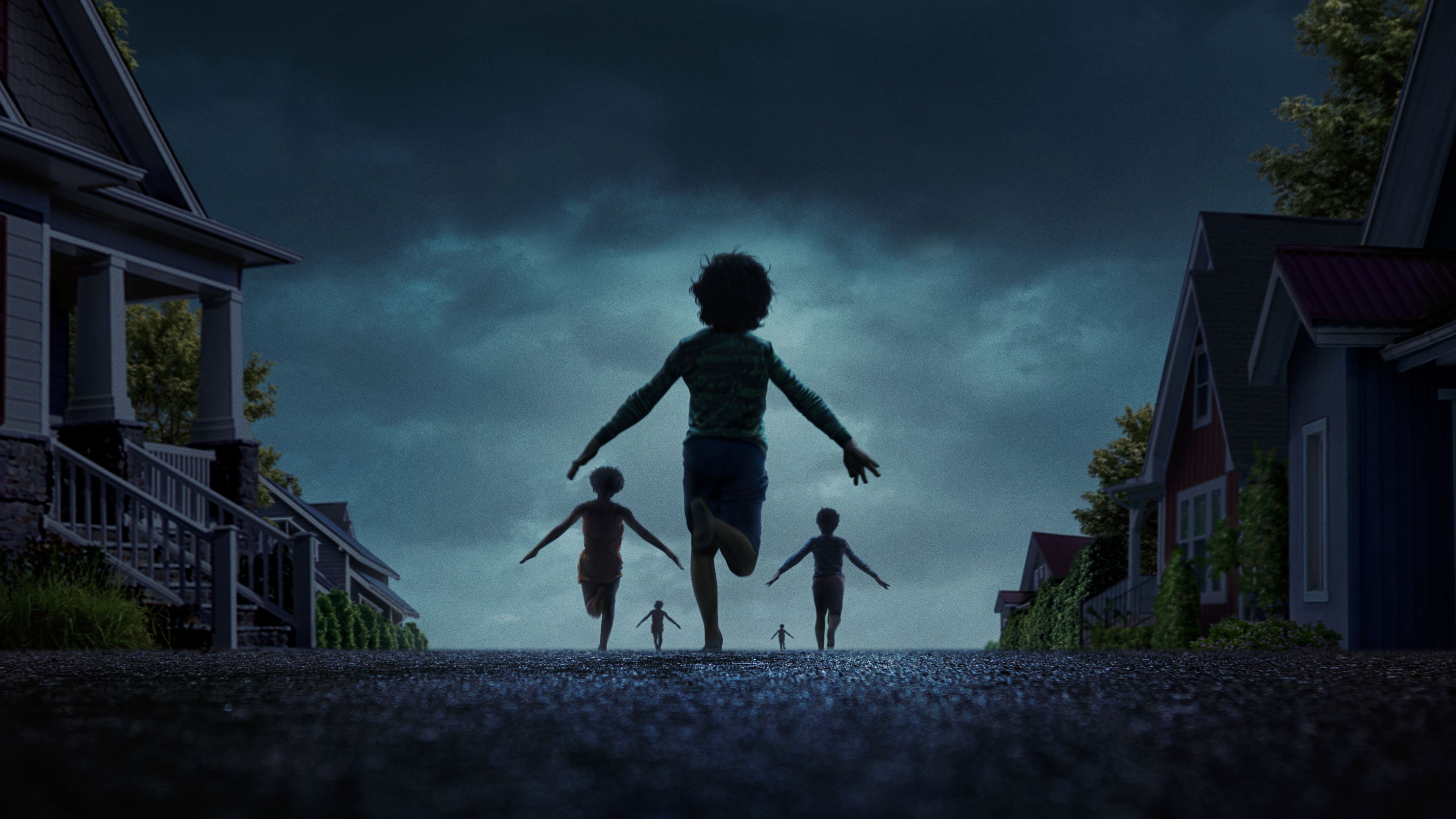
- The downer final moment suggests that the symbolic damage wrought in real life against the next generations are already done; the kids aren’t all right, and the rot runs deep
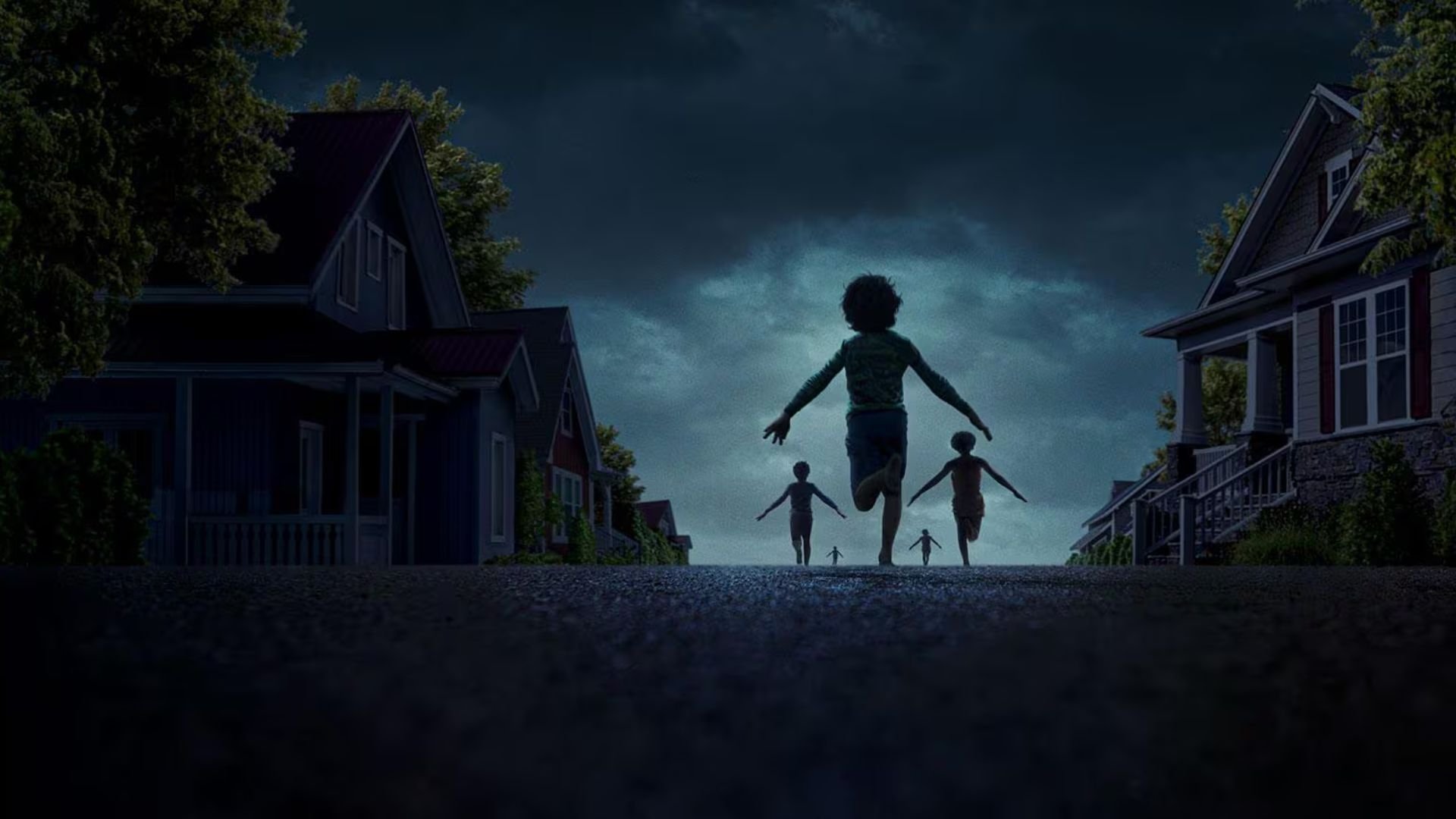
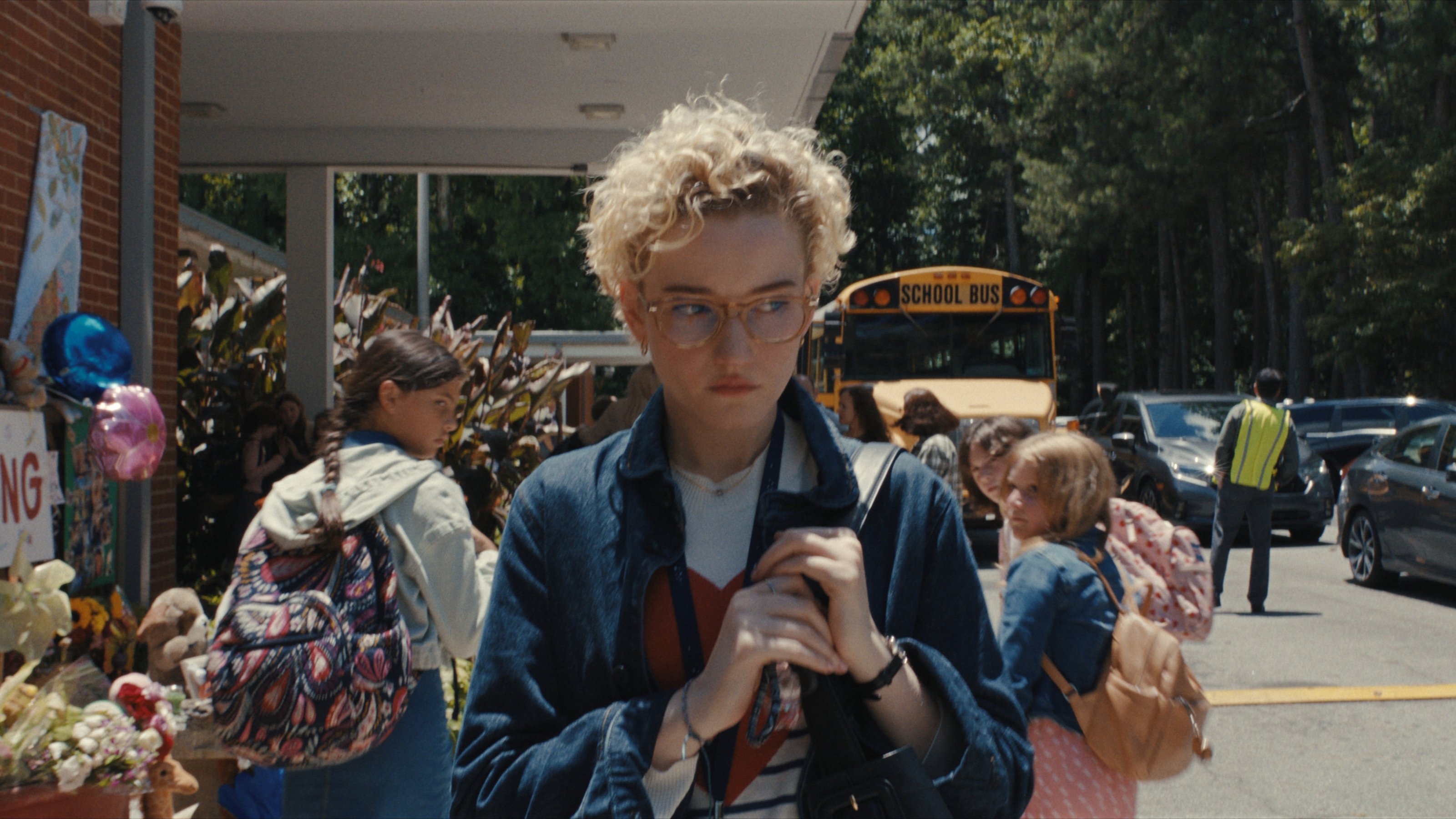
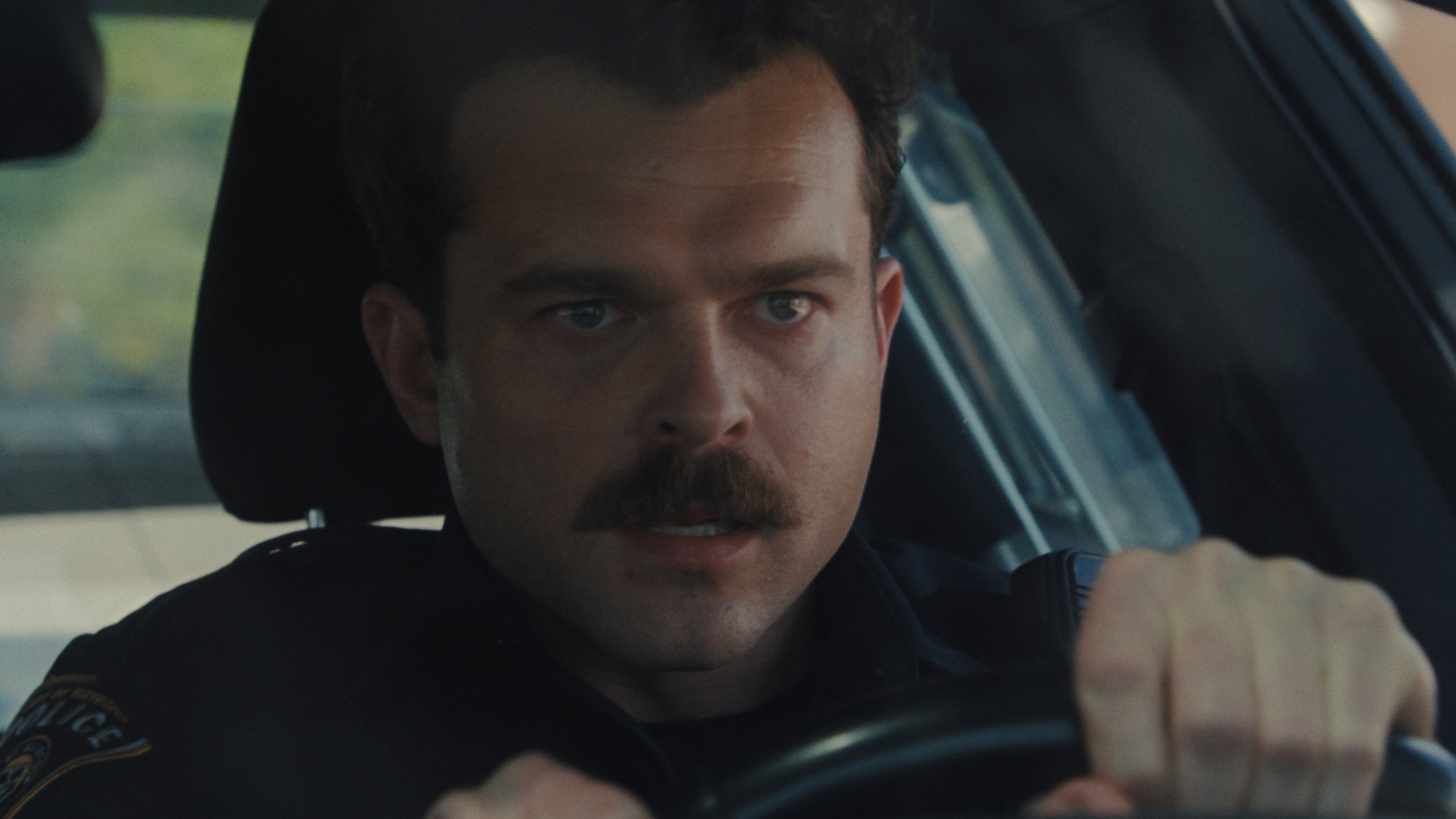
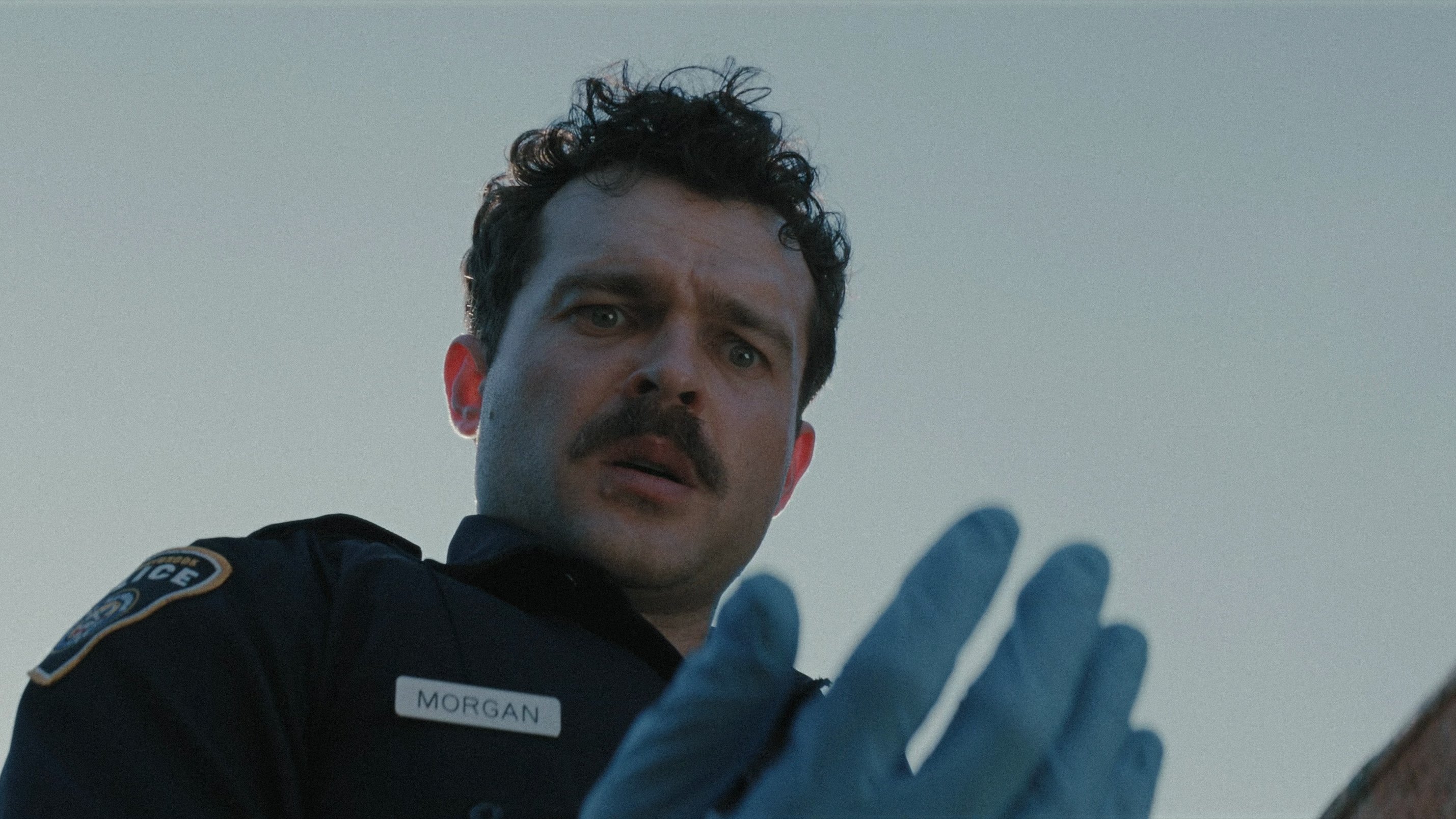
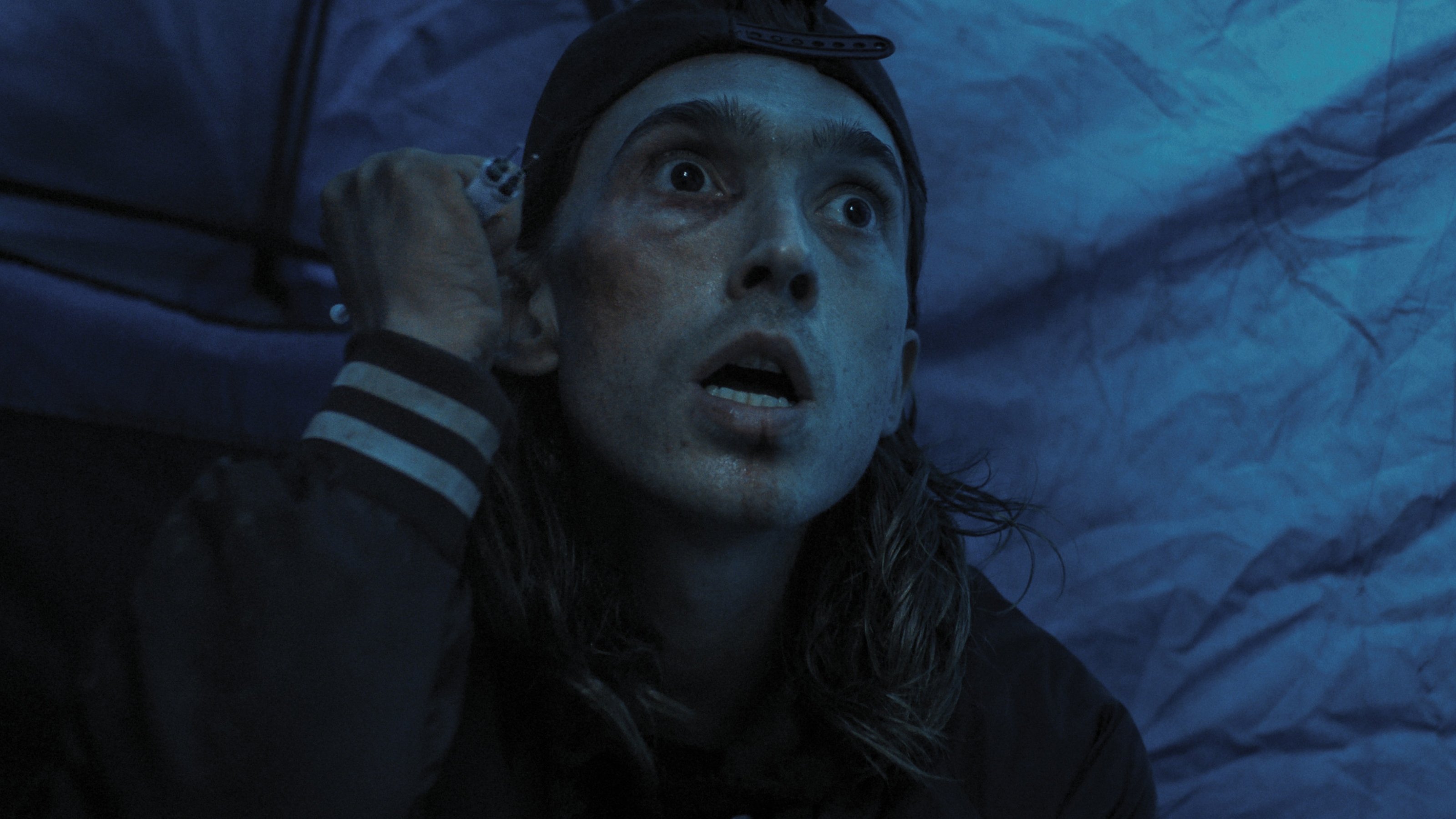
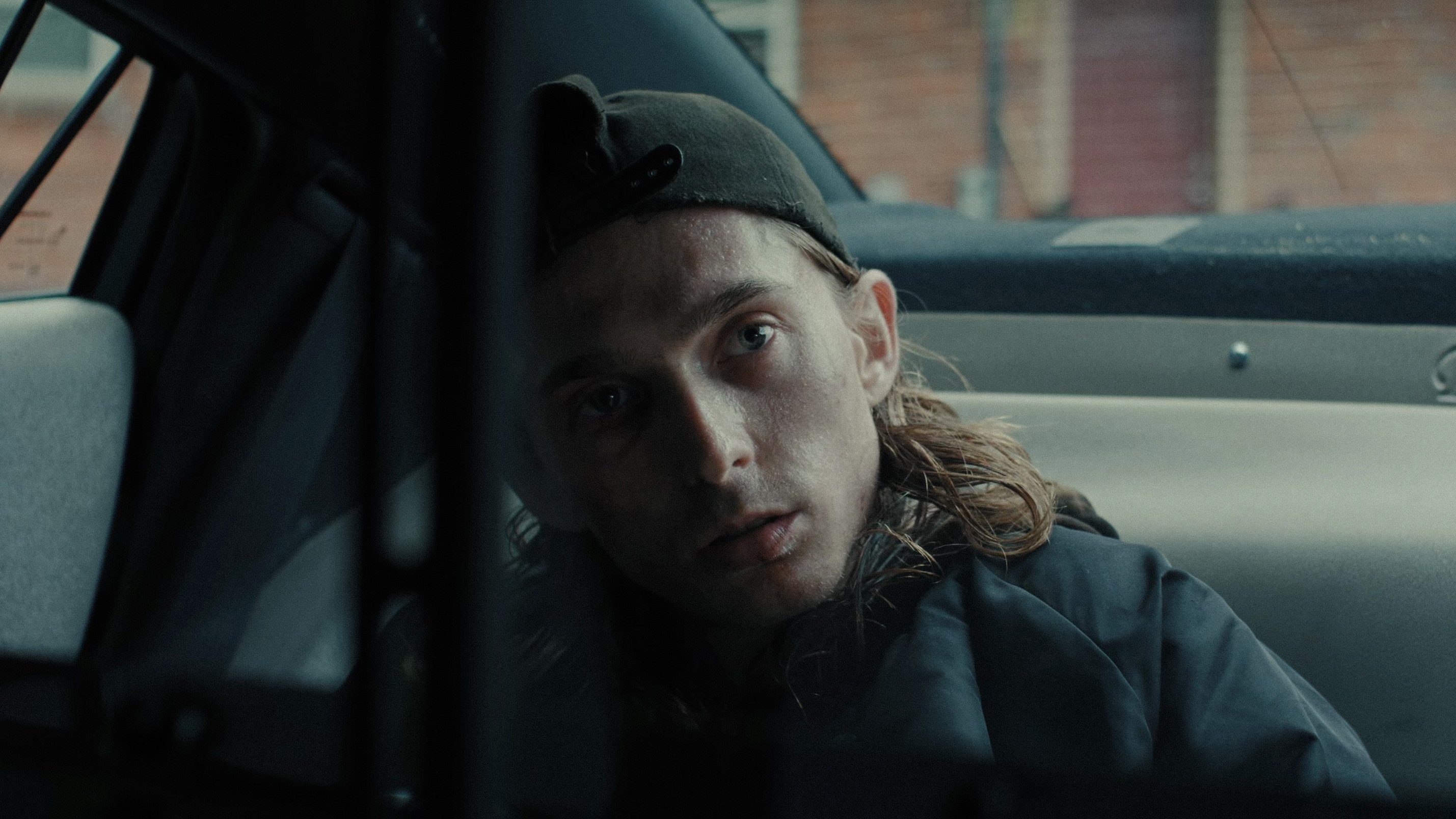
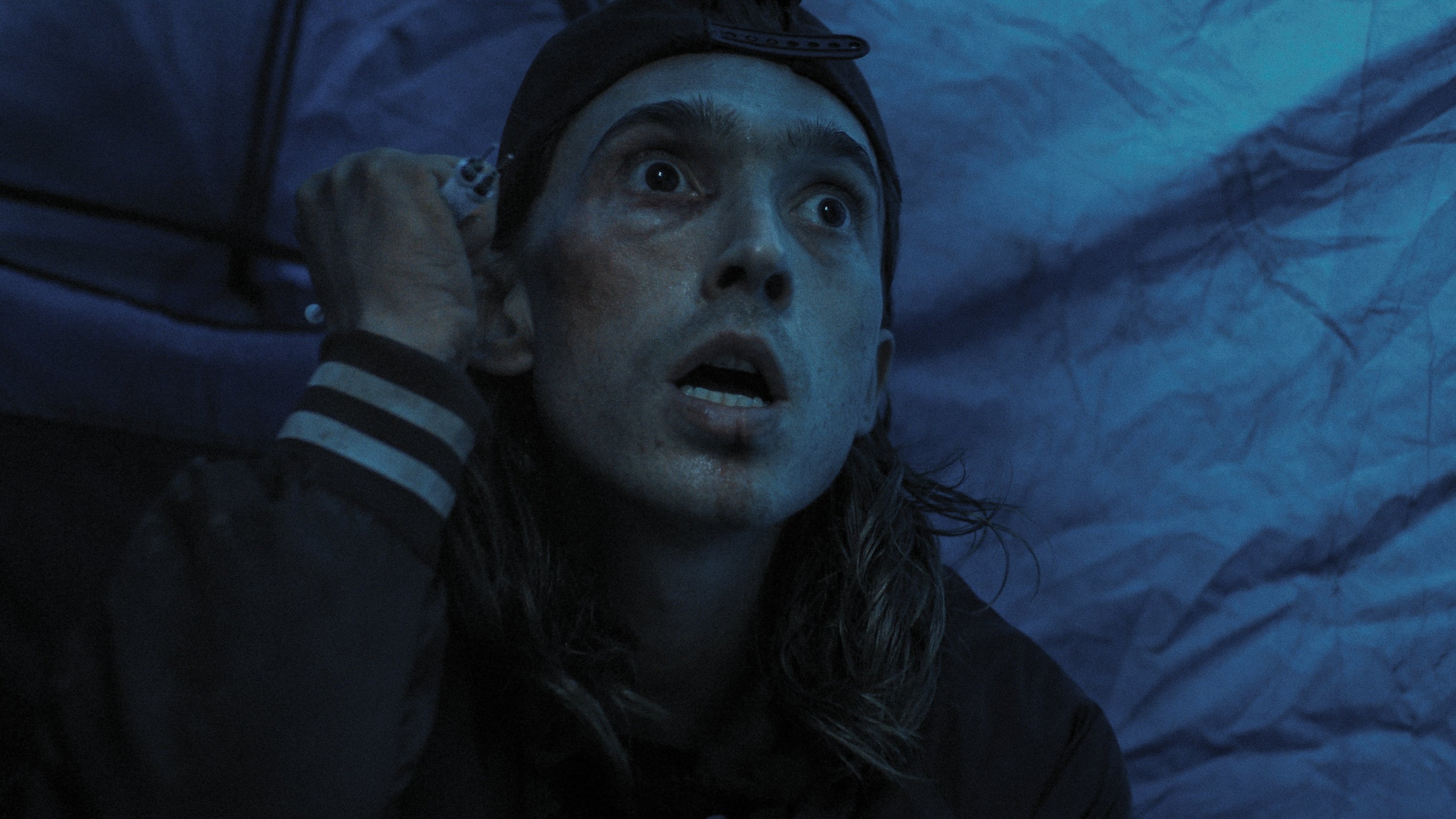
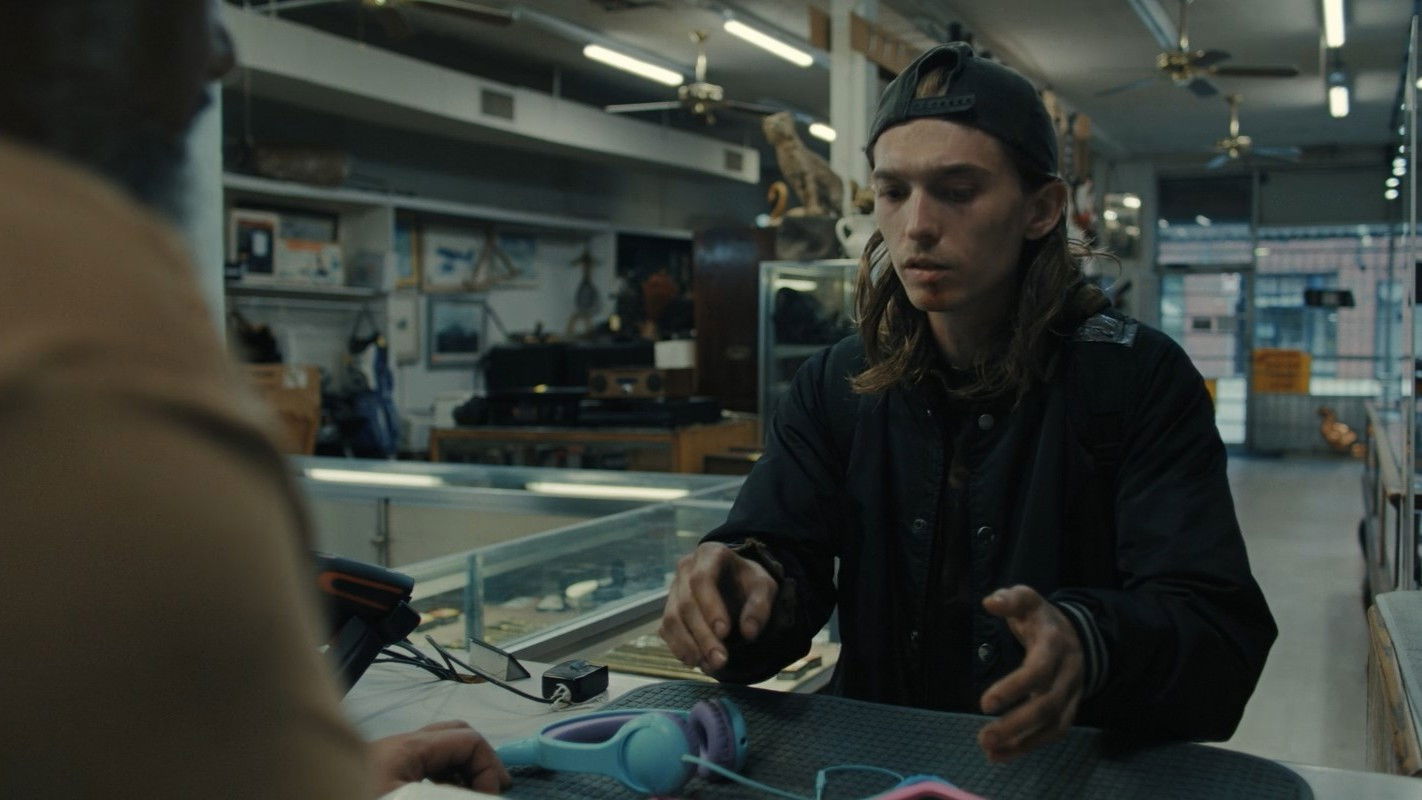
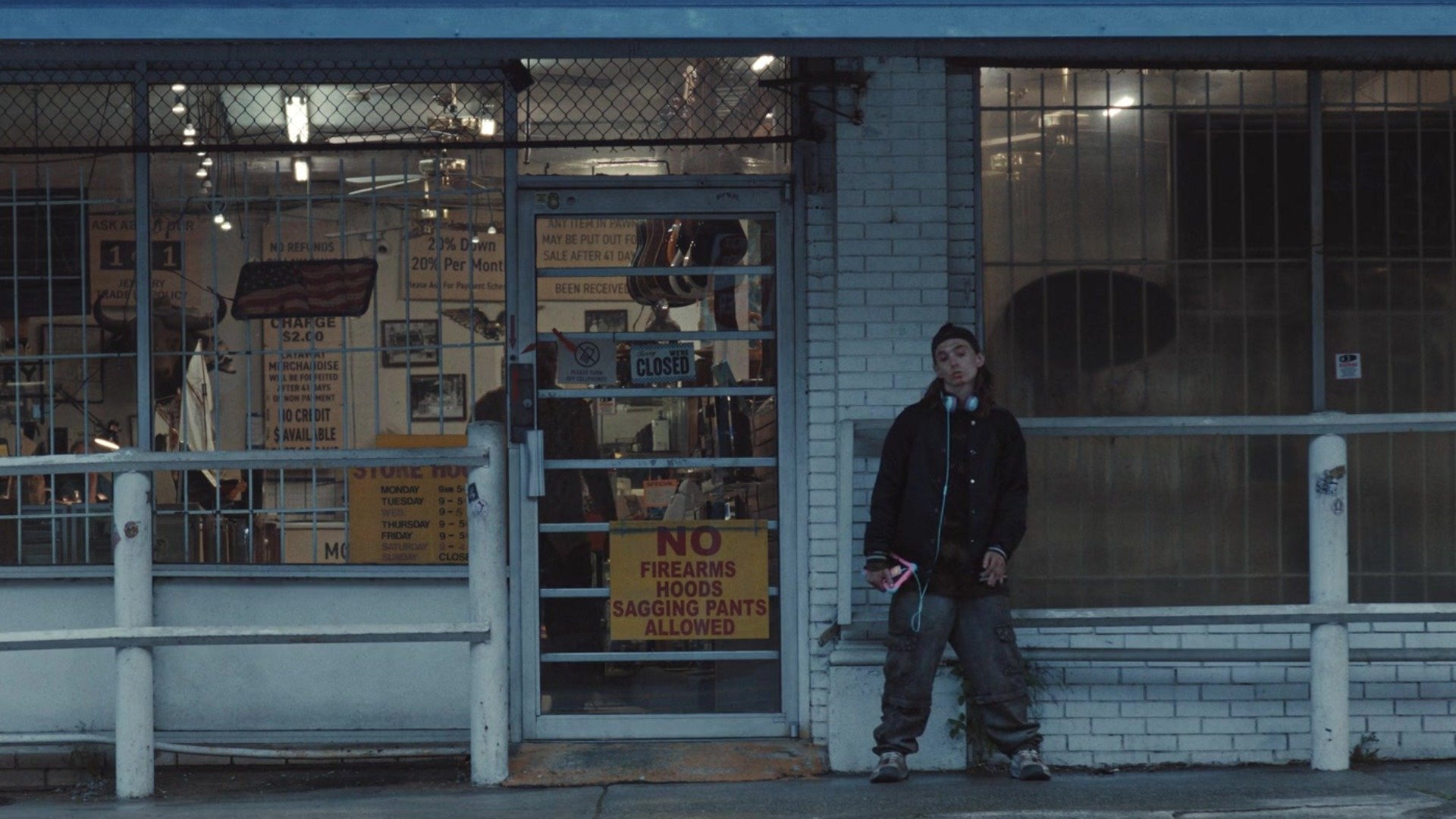
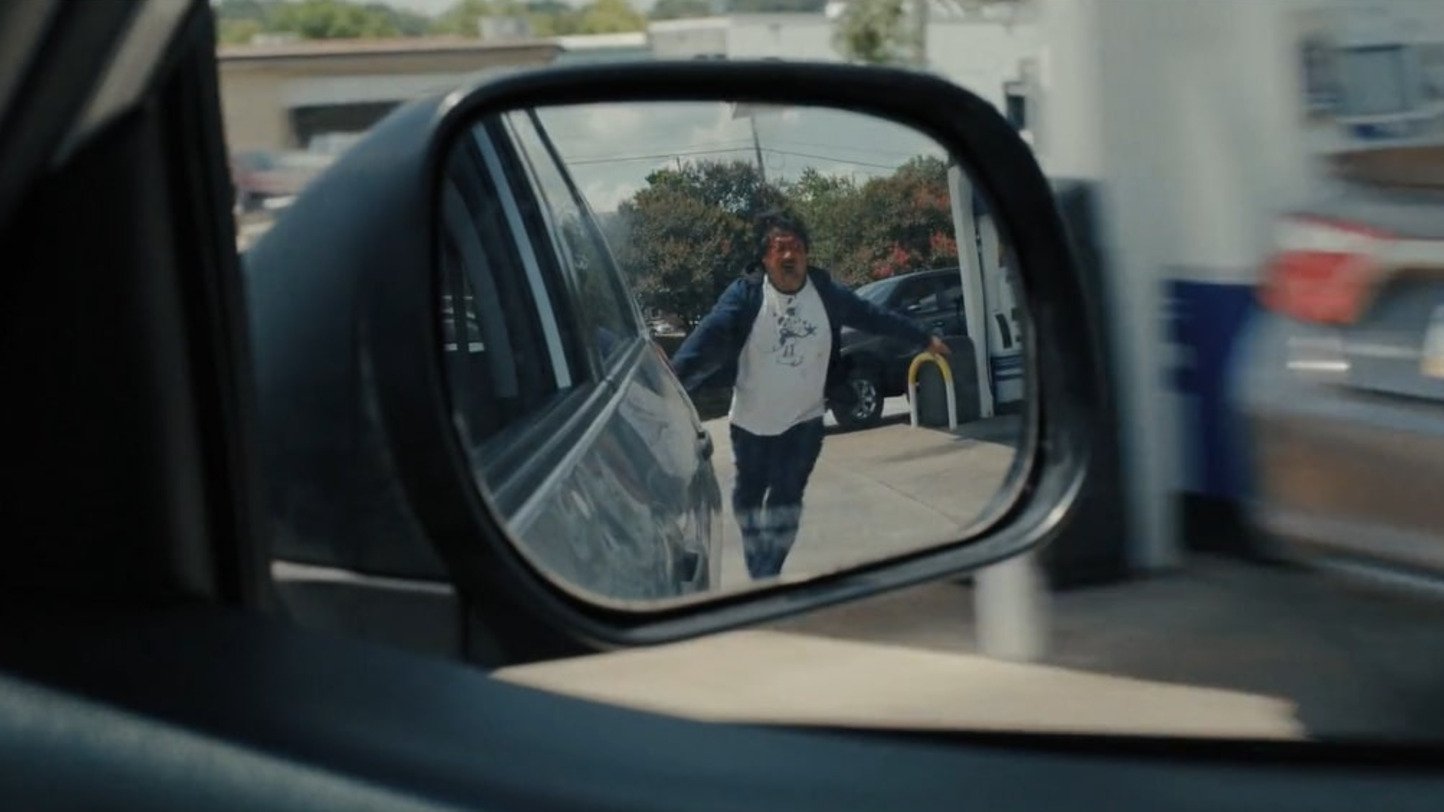
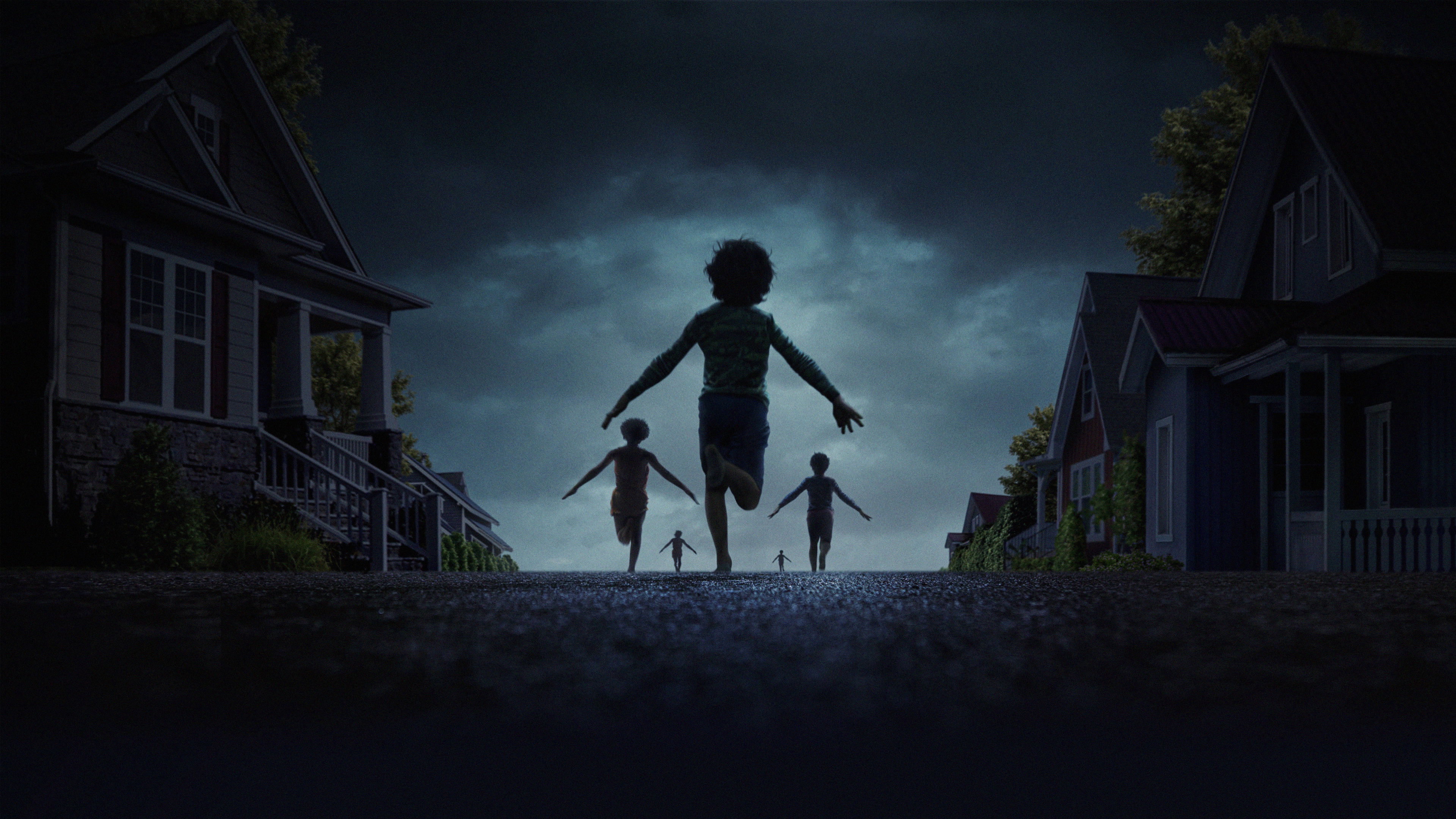
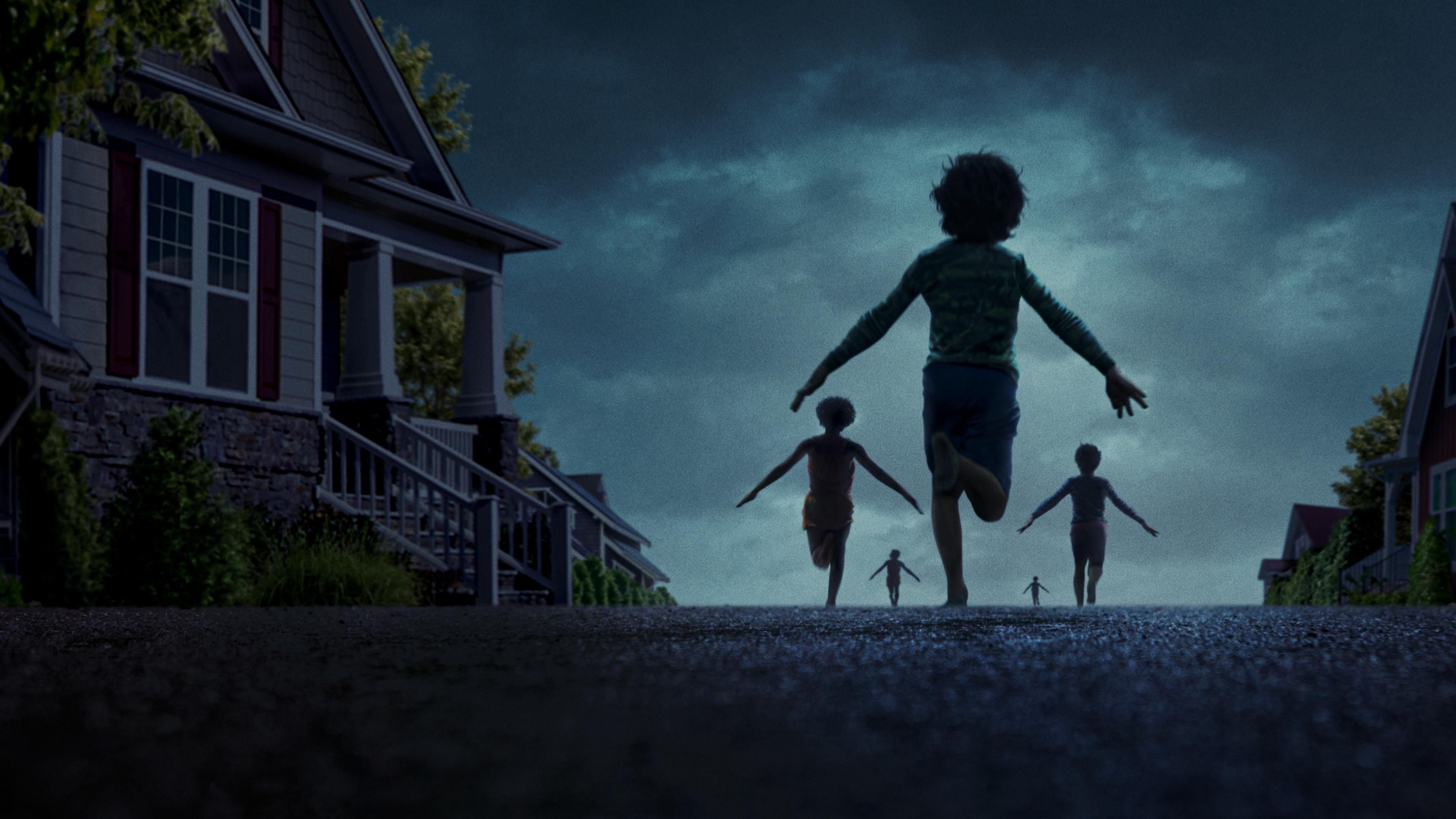
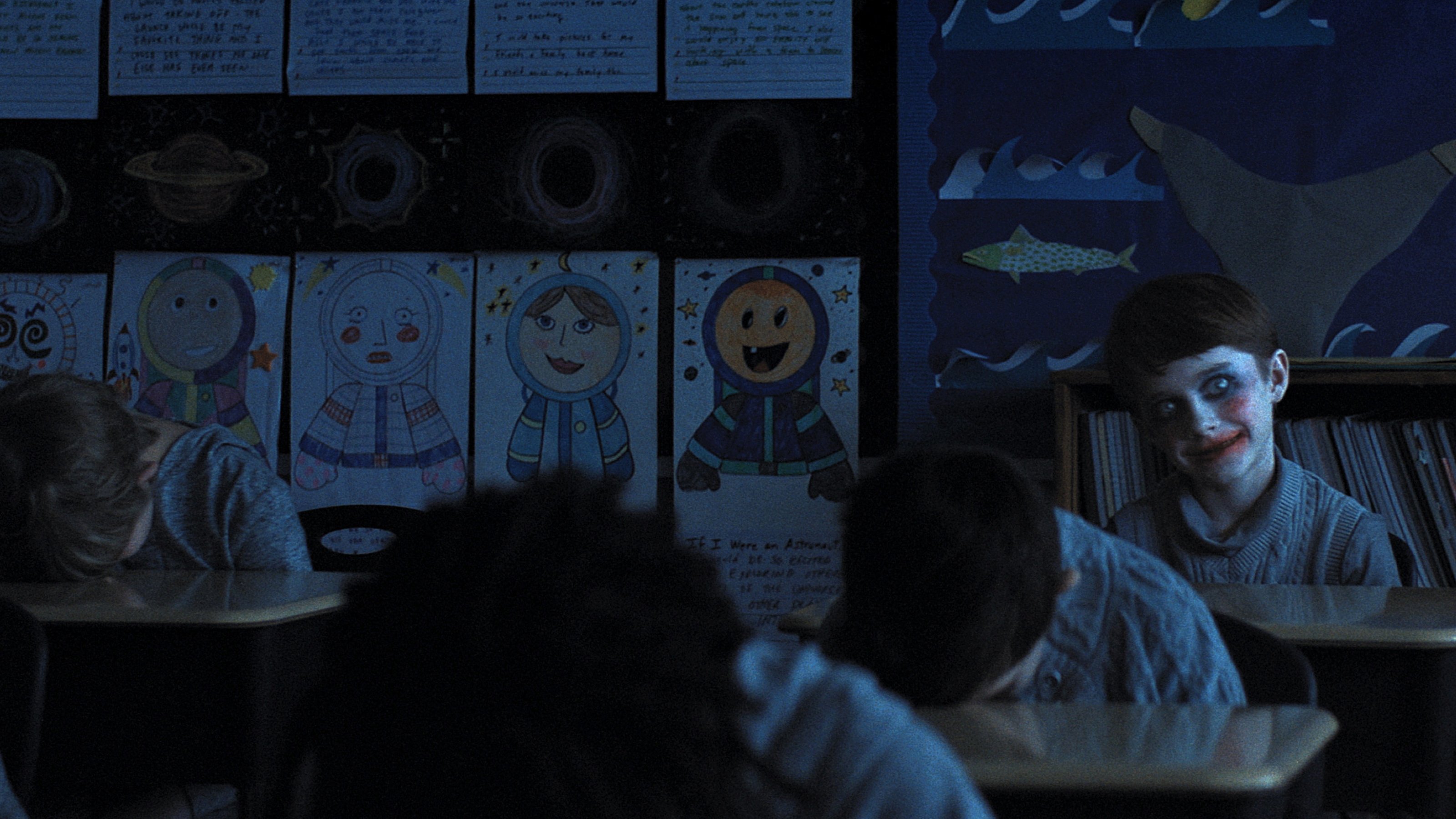
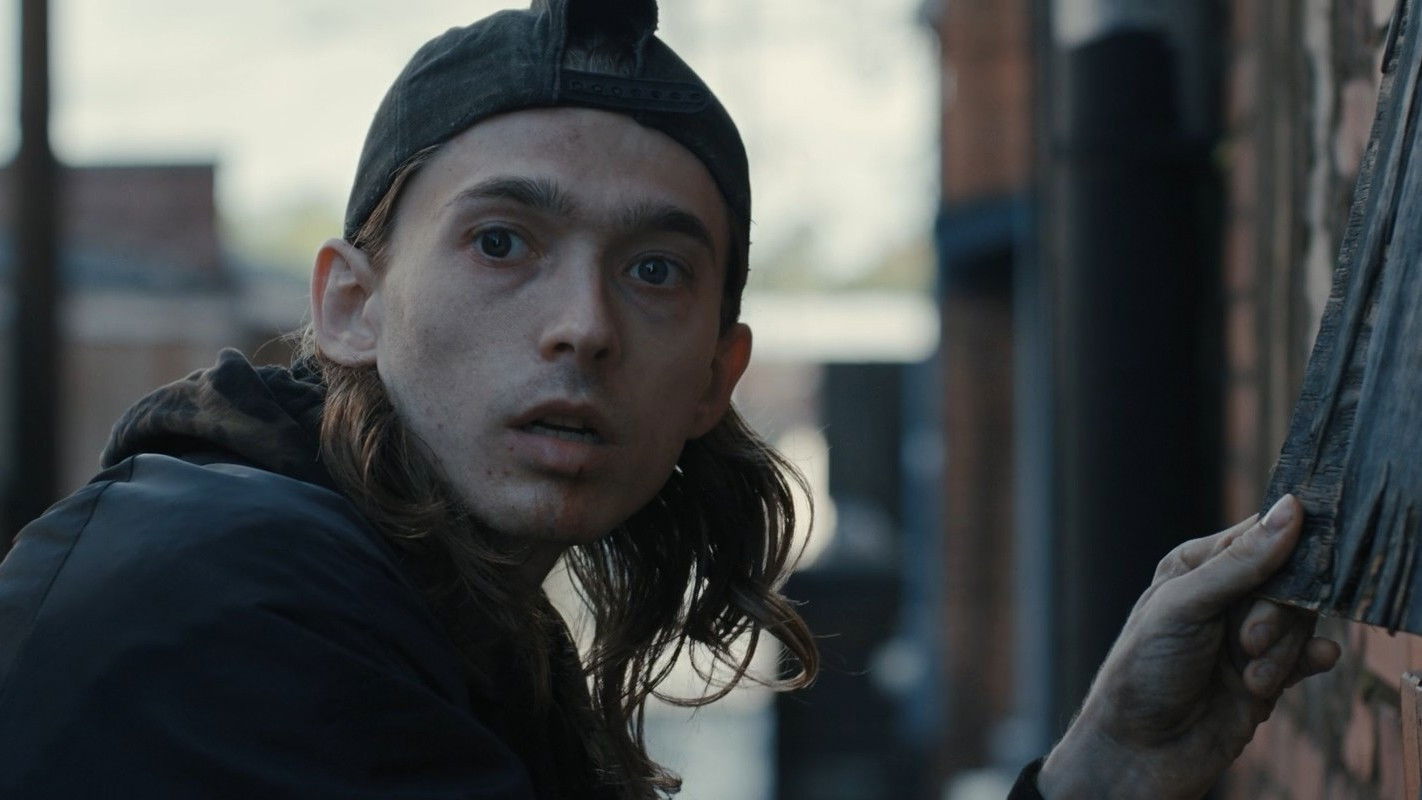
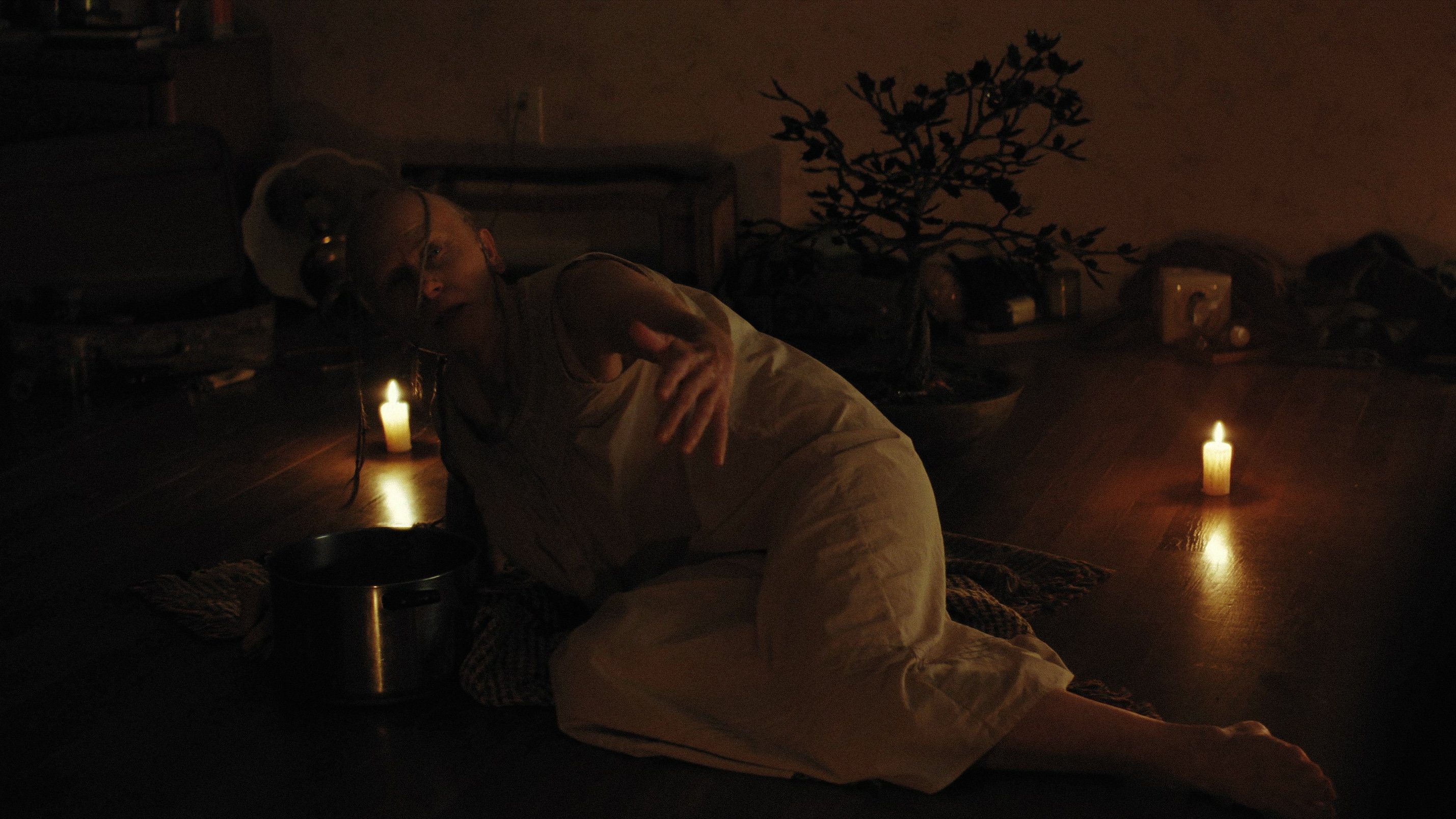
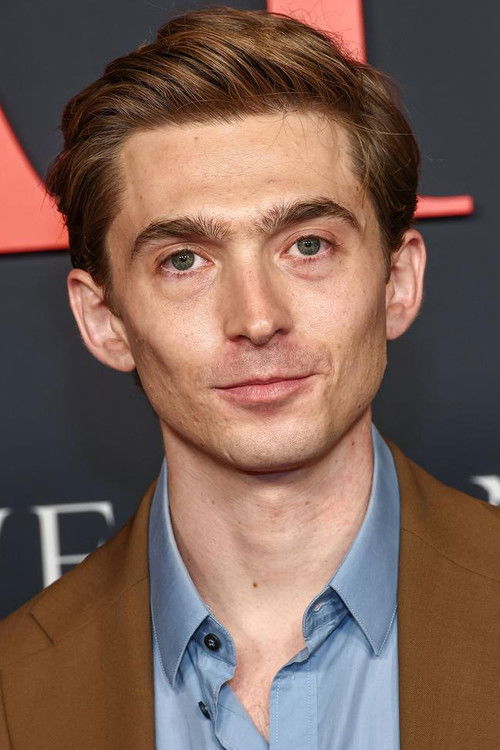
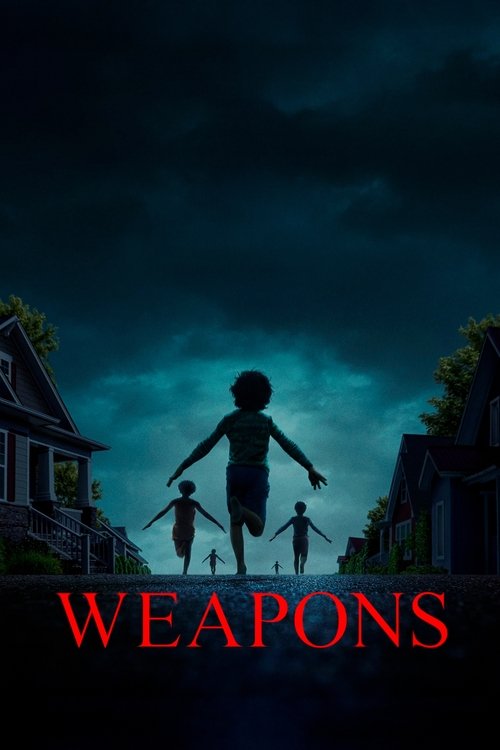
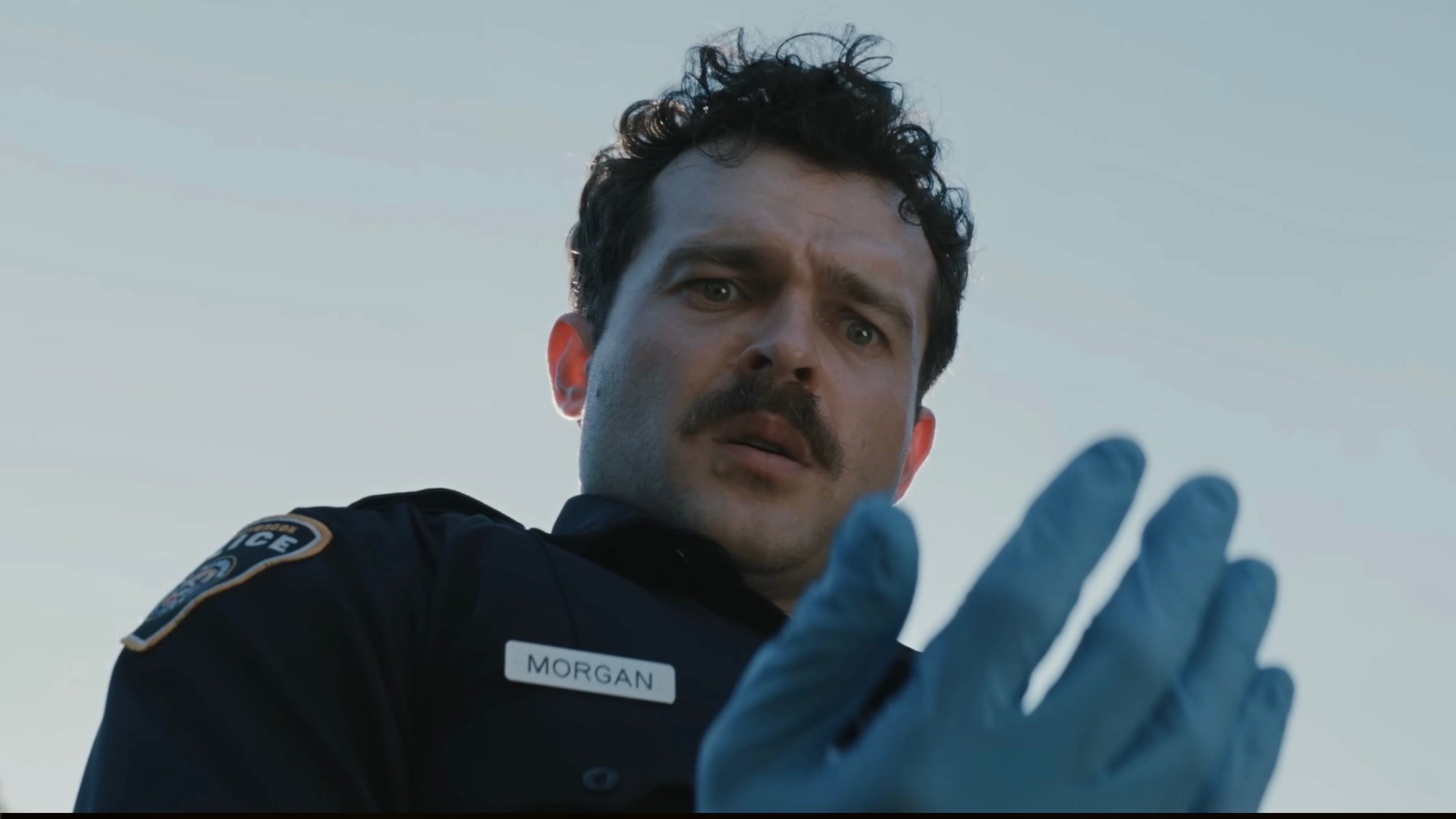
For all of the instinctual subtext layered throughout, I do wish that the simple narrative answers were given a few more passes. Barbarian was famously written in linear fashion, with its big twist stumbled upon by the writer just as it felt to the viewer. Thus the search for a satisfying narrative conclusion begins, and the viewer spends the back half of the film foraging their mind for breadcrumbs that were never there. Thankfully, Weapons is buoyed by side-stories that far outshine its central premise. Austin Abrams steals the show. And while I did not love the idea or performance of the villain, I had to tip my hat to some of their imaginative world-building. Frustratingly short of a home-run, but still packed with delicious details, Weapons shows how the children of daylit American suburbia will forever be eclipsed by adult sins.
Pro-tip: name your movie with a word that naturally comes up in general film discussion.
“The character is then weaponized towards the others”
“Holy shit dude”
I watched this a month ago, so it’s time to shit-or-get-off-the-pot: I liked it a lot.
Initially, it was just the craftsmanship that held my admiration, for I too fell into the “this is just empty genre thrills” trap (or, I might argue, I was baited into). Directorially, Zach Cregger and his cinematographer Larkin Seiple are flexing with every set-up. The camera is constantly moving, the blocking is always intentional in its reveal of information, and the texture of the photography is very appealing to me. It “feels good on my eyes”, as I often say to myself, self-satisfied.
The subjective structure of the story was excitingly fresh for a horror/thriller, taking contemporary genre concepts and splicing them up in a non-linear narrative. From a structural perspective, and considering the epic heft and city-wide breadth that the film attempts, Cregger's script is a work of sharp intelligence and significant effort. It’s at its best when it’s carving new paths in the genre and creating new colors – a wildly impressive feat that single-handedly puts Cregger in the elite tier of modern horror auteurs – but it’s at its worst when it's aping tired genre tropes, which it does on occasion. The revelations and resolution ultimately left me feeling deflated, and the story severely wobbles under the gentlest of scrutiny.
The “thinkpiece” discourse that the film has attracted comes out in theses like, “the film isn’t interested in saying anything; it’s meant to be a fun roller-coaster ride at the movies”. Where I might agree with this thesis is in saying that the film does lack an emotional core, one that stretches across its entirety. The non-linearity, along with the unlikability of the characters, does prevent emotional notes from shining through. However, I disagree that the movie is theme-less, without commentary, or operating purely literally, even if I initially thought so as well.
What makes Cregger’s movies feel so different (and what spawns the divisiveness, I believe) is that he layers the themes of his stories at a unique depth, one layer deeper than most “idea” films, but one layer above commonplace cinema with subtler messaging. In interviews, he admits to writing his stories instinctually, meaning he purposefully avoids intellectualizing his process, rarely interrogating why he turns left or right. He just lets it come out, trusting that there’s something “there”. It’s a respectable endeavor, but I think that’s what will continue to separate him from the other superior sketch-comedian-turned-horror-auteur. Because Cregger is openly throwing stuff at the wall and hoping enough sticks, certain narrative and symbolic elements can end up feeling more like “bait” than worthwhile substance, baiting me into analysis when it’s really just bizarreness for bizarreness’ sake. A large gun comes to mind. It doesn’t help that he seems vaguely annoyed when people ask him about his movie. You can “do” Lynch without needing to “be” Lynch.
However, reflection and reading have revealed a lot of interesting subtext, and I’ll list some thoughts below - spoilers in these bullet-points:
- “Guns don’t kill people, people kill people” crossed my mind. Don’t really feel like explaining further
- Aunt Gladys akin to a molesting relative (“we have a secret, you and I”)
- The child experience of a joyless home
- The “satisfying genre thrills” of the climax don’t hit that perfect high for me, but they do suggest a certain outcome for our Baby Boomer overlords once they cede their power
- The downer final moment suggests that the symbolic damage wrought in real life against the next generations are already done; the kids aren’t all right, and the rot runs deep
For all of the instinctual subtext layered throughout, I do wish that the simple narrative answers were given a few more passes. Barbarian was famously written in linear fashion, with its big twist stumbled upon by the writer just as it felt to the viewer. Thus the search for a satisfying narrative conclusion begins, and the viewer spends the back half of the film foraging their mind for breadcrumbs that were never there. Thankfully, Weapons is buoyed by side-stories that far outshine its central premise. Austin Abrams steals the show. And while I did not love the idea or performance of the villain, I had to tip my hat to some of their imaginative world-building. Frustratingly short of a home-run, but still packed with delicious details, Weapons shows how the children of daylit American suburbia will forever be eclipsed by adult sins.


































 2
2