

1917·Drama·56m
7.1
★
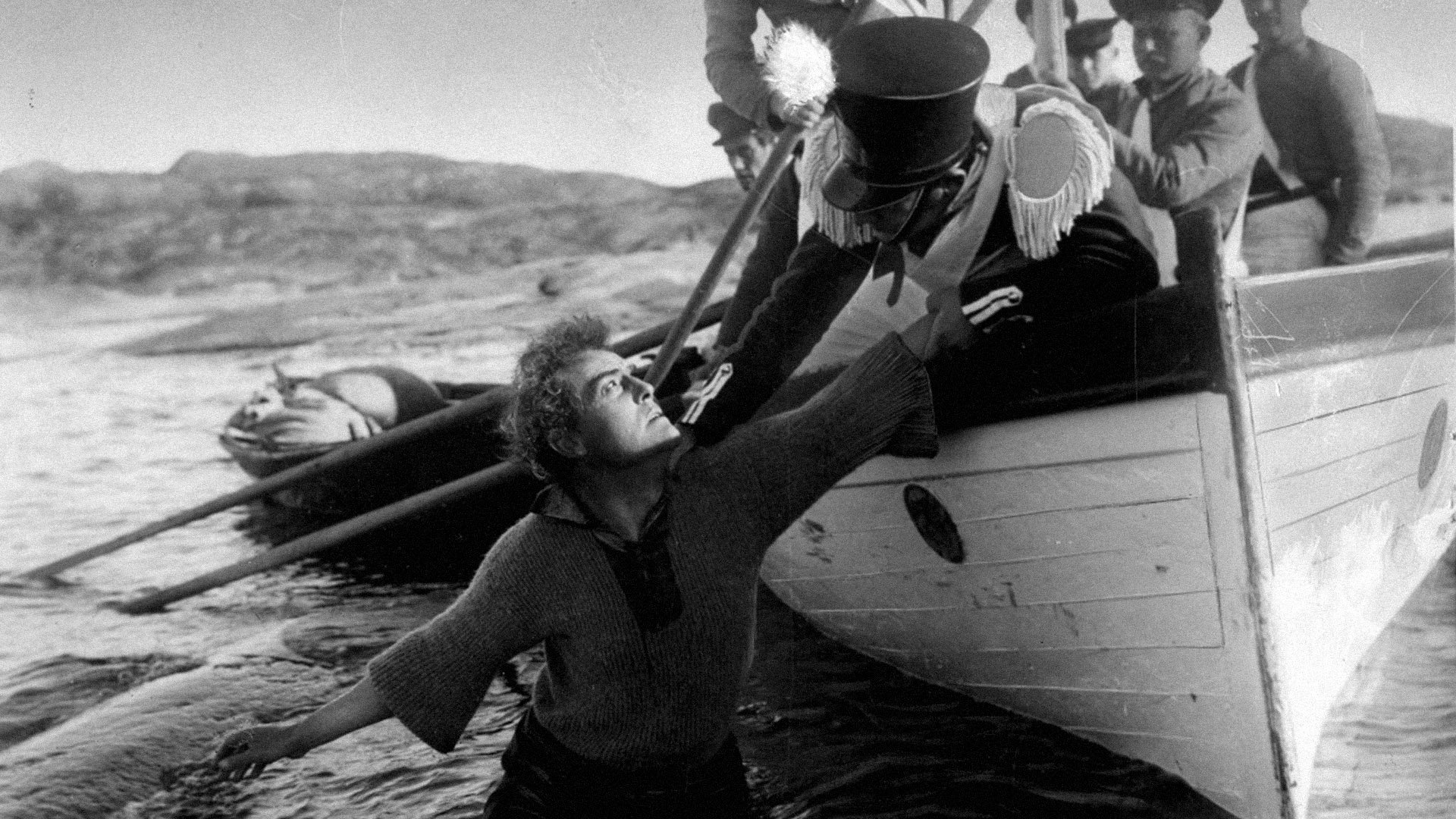
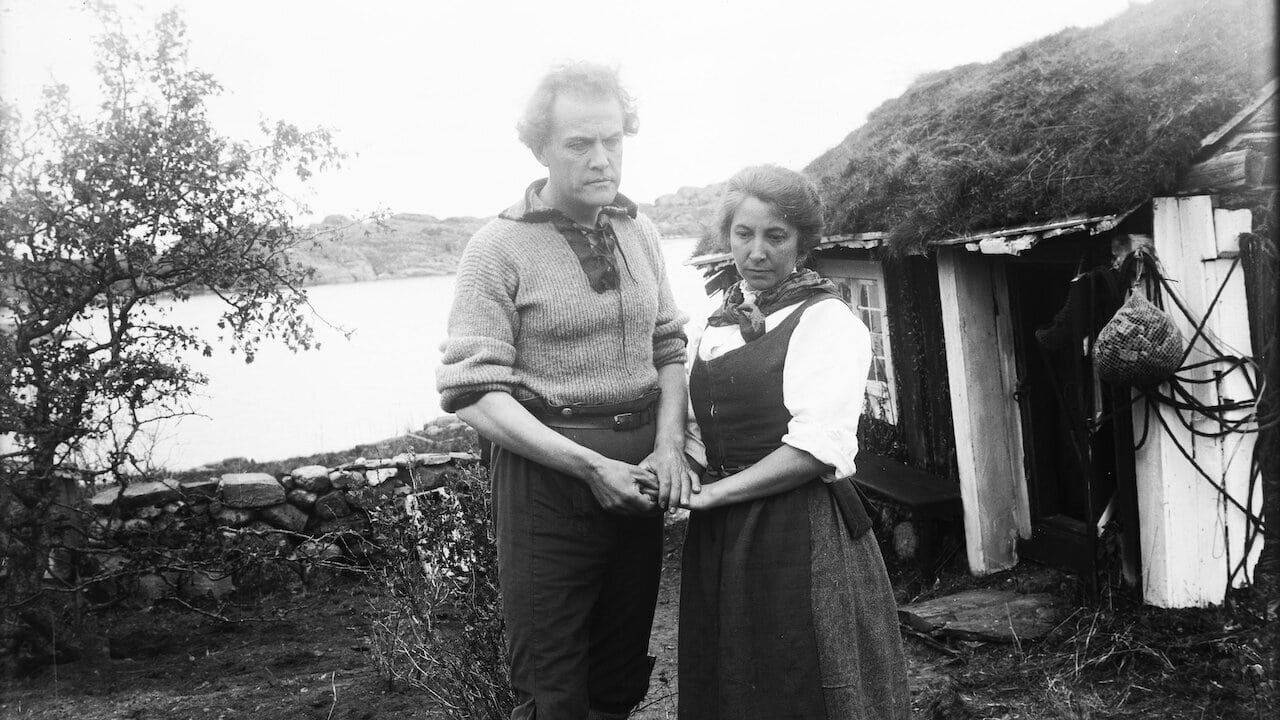
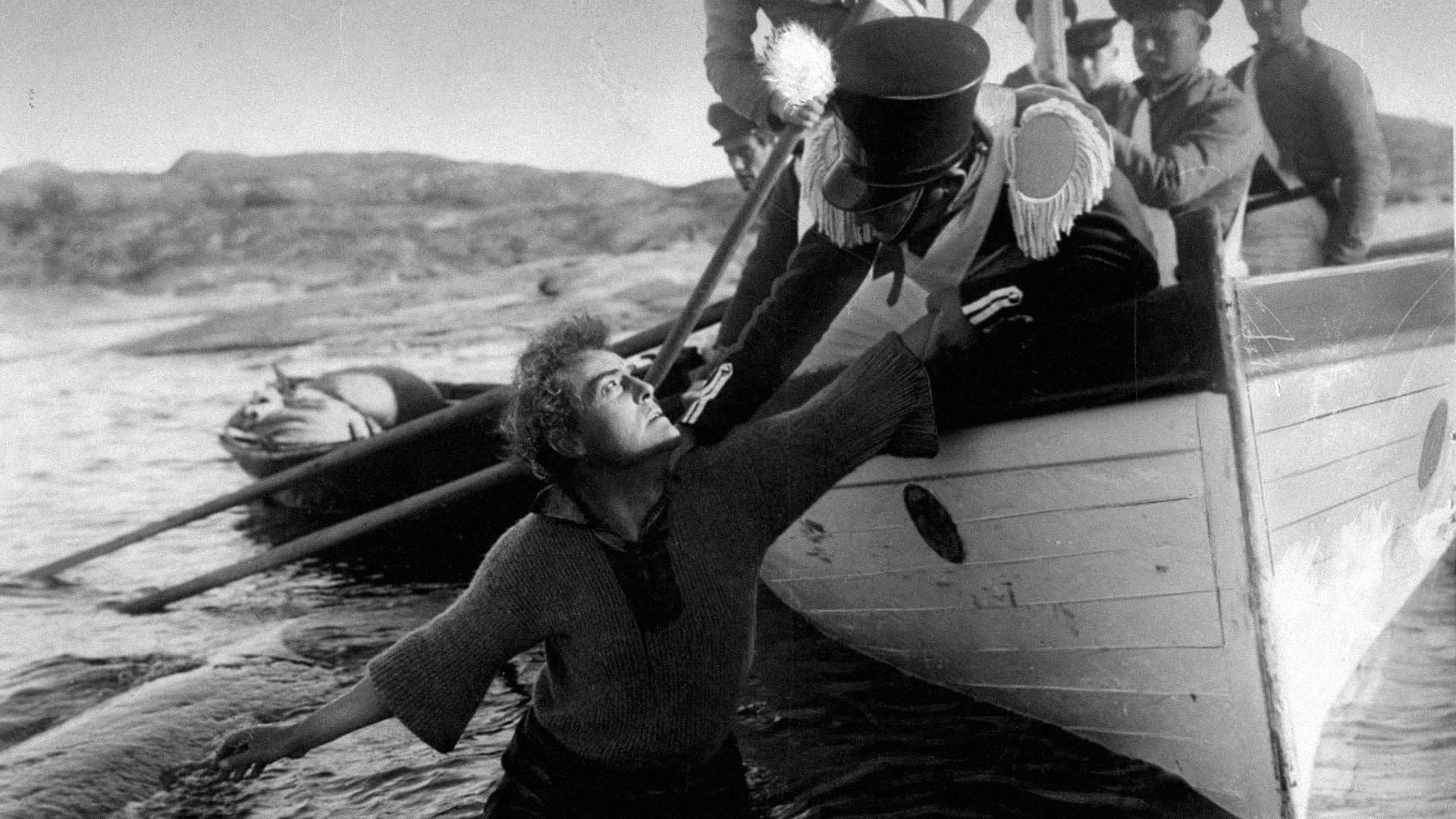
Terje Vigen, a sailor, suffers the loss of his family through the inflexibility of another man. Years later, when his enemy's family finds itself dependent on his benevolence, Terje must decide whether to avenge himself.
Directed by Victor Sjöström
imprisonment
famine
tragedy
based on song, poem or rhyme
silent film
bitterness
family man
blockade
somber
seafarer
loss of family

IMDB
N/A
Cast
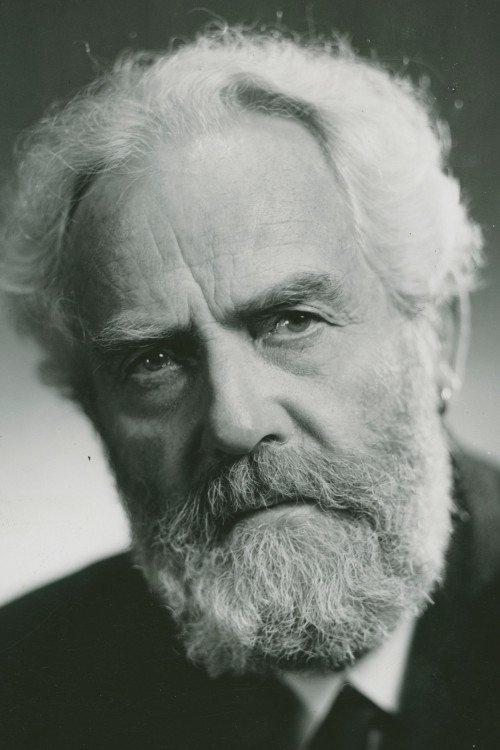
Victor Sjöström
Terje Vigen
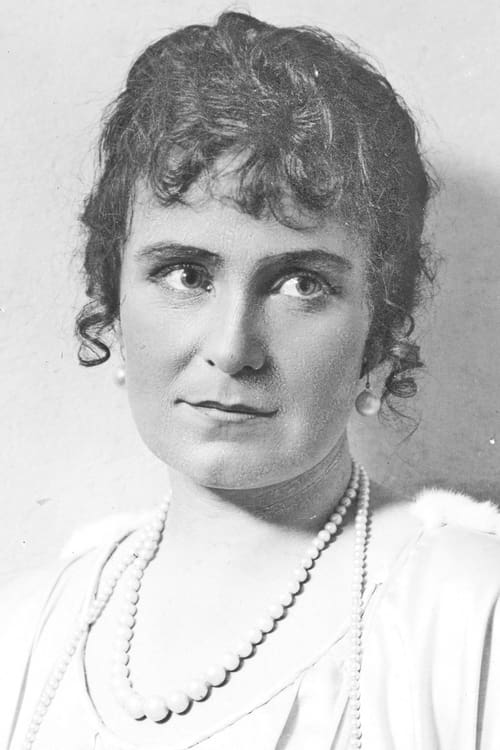
Edith Erastoff
Den engelska ladyn
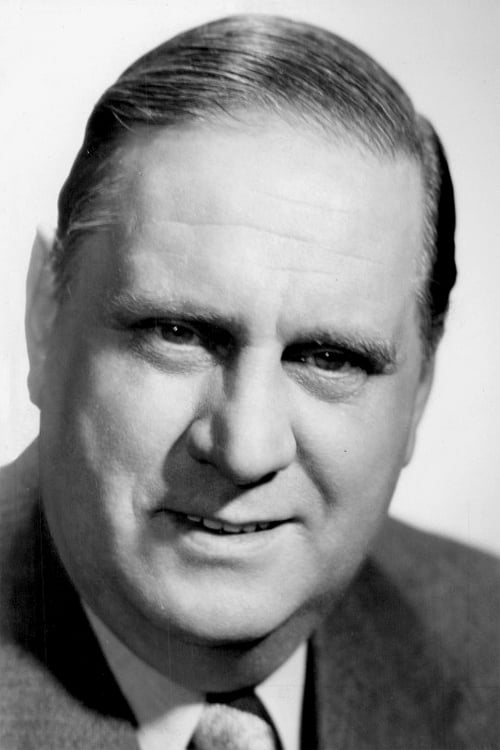
Eric Abrahamsson
En fiskare (uncredited)

Hildur Carlberg
En kvinna i byn (uncredited)
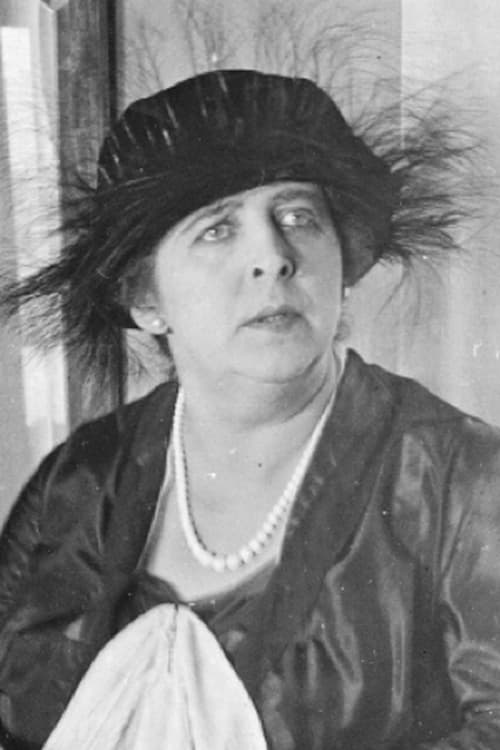
Gucken Cederborg
Den nya hustrun i Terjes stuga (uncredited)
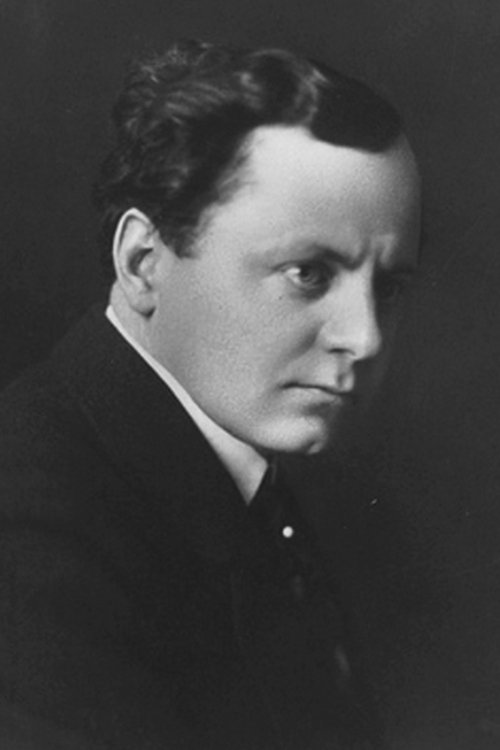
John Ekman
Norsk fånge i fängelset (uncredited)
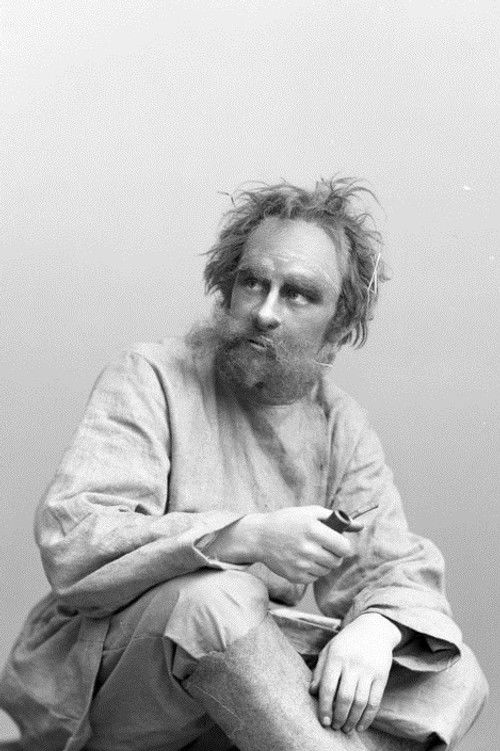
Nils Elffors
En av Terjes kamrater (uncredited)
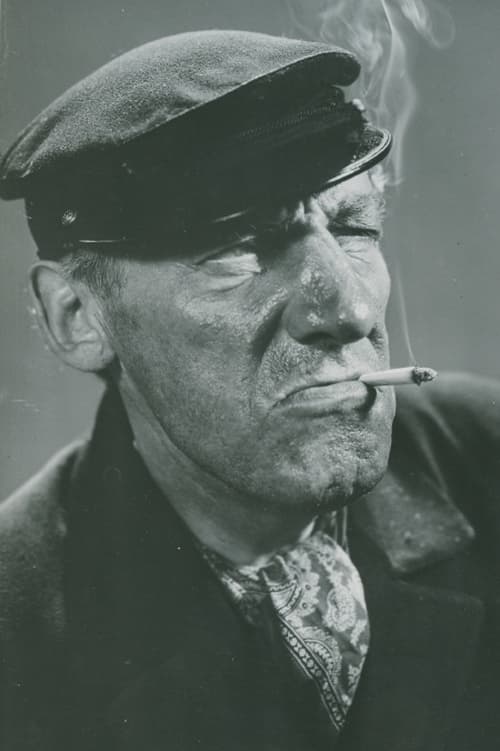
Emil Fjellström
En fiskare på stranden (uncredited)
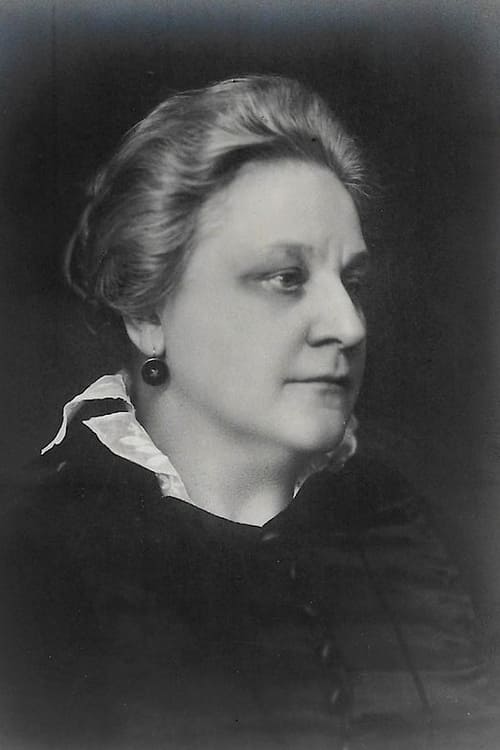
Jenny Tschernichin-Larsson
En kvinna på stranden (uncredited)

Olof Ås
Utkiken på den engelska korvetten (uncredited)
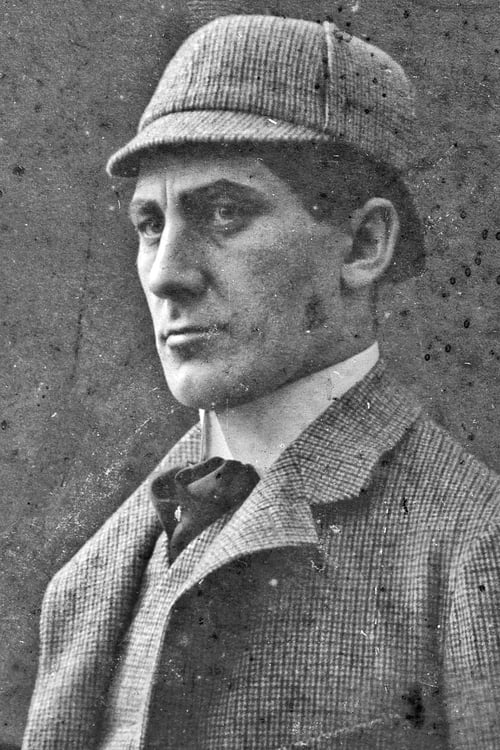
William Larsson
Den nye mannen i Terjes stuga / Officer på den engelska korvetten (uncredited)
Crew
Victor Sjöström
Director
Victor Sjöström
Screenplay
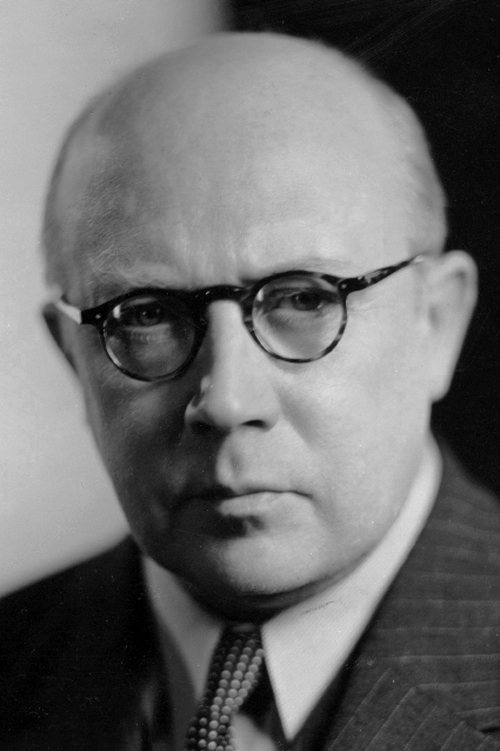
Gustaf Molander
Screenplay
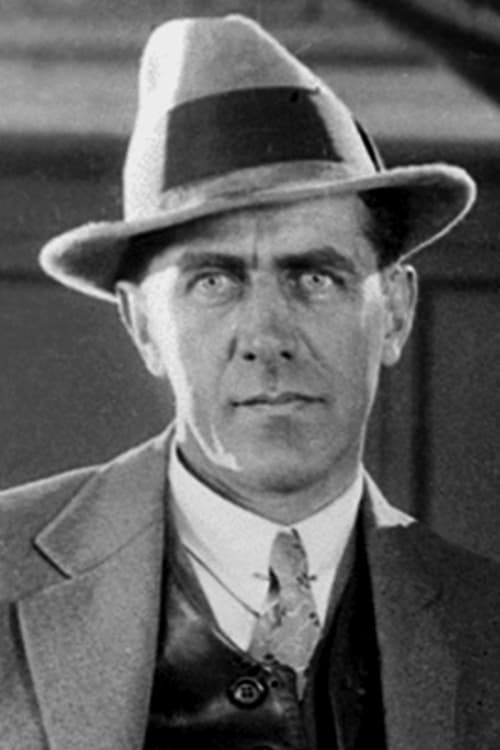
Julius Jaenzon
Director of Photography
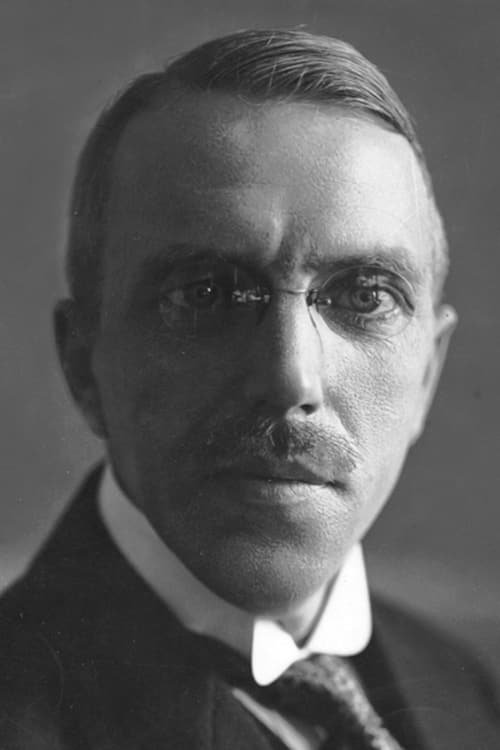
Charles Magnusson
Producer
Nils Elffors
Special Effects

Axel Esbensen
Production Design
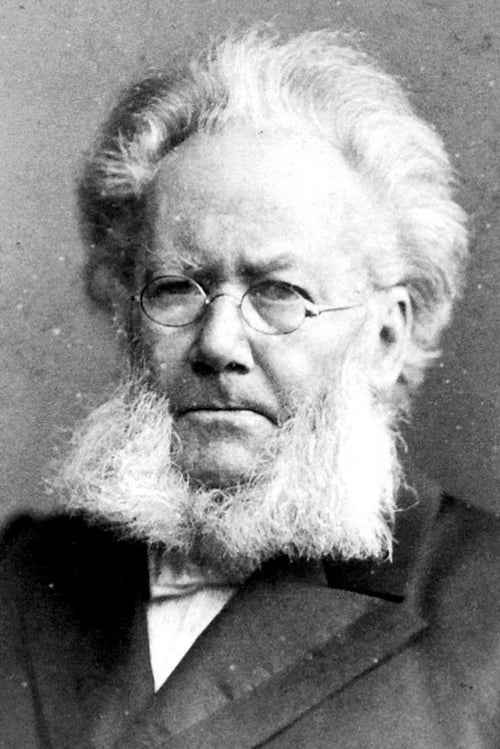
Henrik Ibsen
Story
Popular Reviews
45 reviews
Adrian
8.0★ · 05/27/26

Impeccable swedish drama directed by silent film giant Victor Sjostrom, adapting a patriotic 1862 poem by the norwegian Henrik Ibsen. At the time, it was a major cinematic achievement becoming the most expensive production in the nordic country, with a budget of 60,000 SEK. What stands out most is the filming on real coastal locations and the action scenes on boats and ships during violent waves, giving the film an impressive energy and pace, especially for its era. The editing work is also remarkable, comparable to “The Birth of a Nation”. All of this serves a moving story about grief, existential despair, revenge, and redemption. It also features an innovative flashback structure, while the intertitles are especially interesting because instead of simply explaining the plot, they use excerpts from the original poem.
In cinema’s third decade, this film marked a major step forward in photography, both in the composition of the frame and in its use of lighting and different tones, which strengthen the drama while giving each scene remarkable beauty.
A few years later, Murnau would push this even further with the cinematography of “Sunrise”, a film that also shares the use of the sea as a dramatic element.
In cinema’s third decade, this film marked a major step forward in photography, both in the composition of the frame and in its use of lighting and different tones, which strengthen the drama while giving each scene remarkable beauty.
A few years later, Murnau would push this even further with the cinematography of “Sunrise”, a film that also shares the use of the sea as a dramatic element.
Impeccable swedish drama directed by silent film giant Victor Sjostrom, adapting a patriotic 1862 poem by the norwegian Henrik Ibsen. At the time, it was a major cinematic achievement becoming the most expensive production in the nordic country, with a budget of 60,000 SEK. What stands out most is the filming on real coastal locations and the action scenes on boats and ships during violent waves, giving the film an impressive energy and pace, especially for its era. The editing work is also remarkable, comparable to “The Birth of a Nation”. All of this serves a moving story about grief, existential despair, revenge, and redemption. It also features an innovative flashback structure, while the intertitles are especially interesting because instead of simply explaining the plot, they use excerpts from the original poem.
In cinema’s third decade, this film marked a major step forward in photography, both in the composition of the frame and in its use of lighting and different tones, which strengthen the drama while giving each scene remarkable beauty.
A few years later, Murnau would push this even further with the cinematography of “Sunrise”, a film that also shares the use of the sea as a dramatic element.
In cinema’s third decade, this film marked a major step forward in photography, both in the composition of the frame and in its use of lighting and different tones, which strengthen the drama while giving each scene remarkable beauty.
A few years later, Murnau would push this even further with the cinematography of “Sunrise”, a film that also shares the use of the sea as a dramatic element.


ken
8.0★ · 05/02/26
**One Year One Film (8/116)**
This felt like watching an older version of Train Dreams. Really beautiful message, it explores the effects that grief can have on a person. Really felt for Terje and loved the film from start to finish. Being released in 1917, I feel like this film is a way to bring hope; peace will always come even during war times.
This felt like watching an older version of Train Dreams. Really beautiful message, it explores the effects that grief can have on a person. Really felt for Terje and loved the film from start to finish. Being released in 1917, I feel like this film is a way to bring hope; peace will always come even during war times.
**One Year One Film (8/116)**
This felt like watching an older version of Train Dreams. Really beautiful message, it explores the effects that grief can have on a person. Really felt for Terje and loved the film from start to finish. Being released in 1917, I feel like this film is a way to bring hope; peace will always come even during war times.
This felt like watching an older version of Train Dreams. Really beautiful message, it explores the effects that grief can have on a person. Really felt for Terje and loved the film from start to finish. Being released in 1917, I feel like this film is a way to bring hope; peace will always come even during war times.
Gracy James
9.0★ · 02/26/26
Recently, I noticed three color tones in a film: pink, when joyful emotions emerge, black, when the action determines later emotions, and blue, when the main character is sad. It's an old Norwegian film. Even though it's old and technically not very good, the film moved me and kept me in suspense for the entire 56 minutes. The plot reminds me of "Train Dreams." The story presented in the film is very poetic and conveys its meaning well. The film is quiet (I know it's a silent film); no one says a word during the screening, which leaves a bit of silence in my head. I was shocked at how good the shots were (in my opinion). Long, but interesting shots.
Recently, I noticed three color tones in a film: pink, when joyful emotions emerge, black, when the action determines later emotions, and blue, when the main character is sad. It's an old Norwegian film. Even though it's old and technically not very good, the film moved me and kept me in suspense for the entire 56 minutes. The plot reminds me of "Train Dreams." The story presented in the film is very poetic and conveys its meaning well. The film is quiet (I know it's a silent film); no one says a word during the screening, which leaves a bit of silence in my head. I was shocked at how good the shots were (in my opinion). Long, but interesting shots.
saoirse
7.0★ · 02/26/26
SLUT
SLUT
Wong Kar Wai
8.0★ · 01/24/26
Ptn je m'attendais pas a ça de base ct juste pour faire le prouveur mais la fin et le développement du personnage en seulement 1h c une folie pour l'époque
Ptn je m'attendais pas a ça de base ct juste pour faire le prouveur mais la fin et le développement du personnage en seulement 1h c une folie pour l'époque