❝We are scientists engaged in the creation of memory... but our memory will neither blur nor fade.❞
•❅──────✧❅✦❅✧──────❅•
This was a very intriguing story about the creation of a classic, with a cool twist.
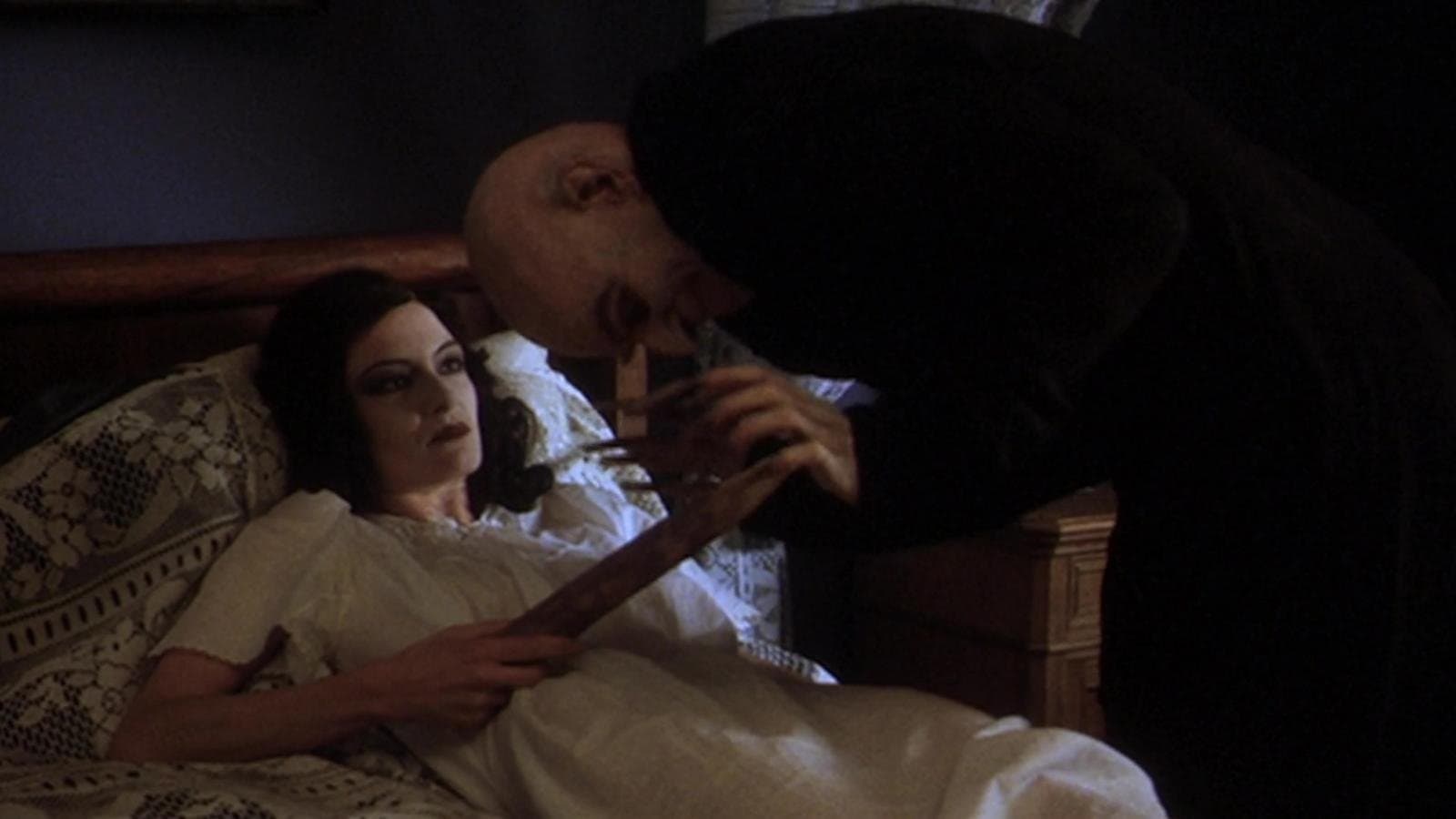
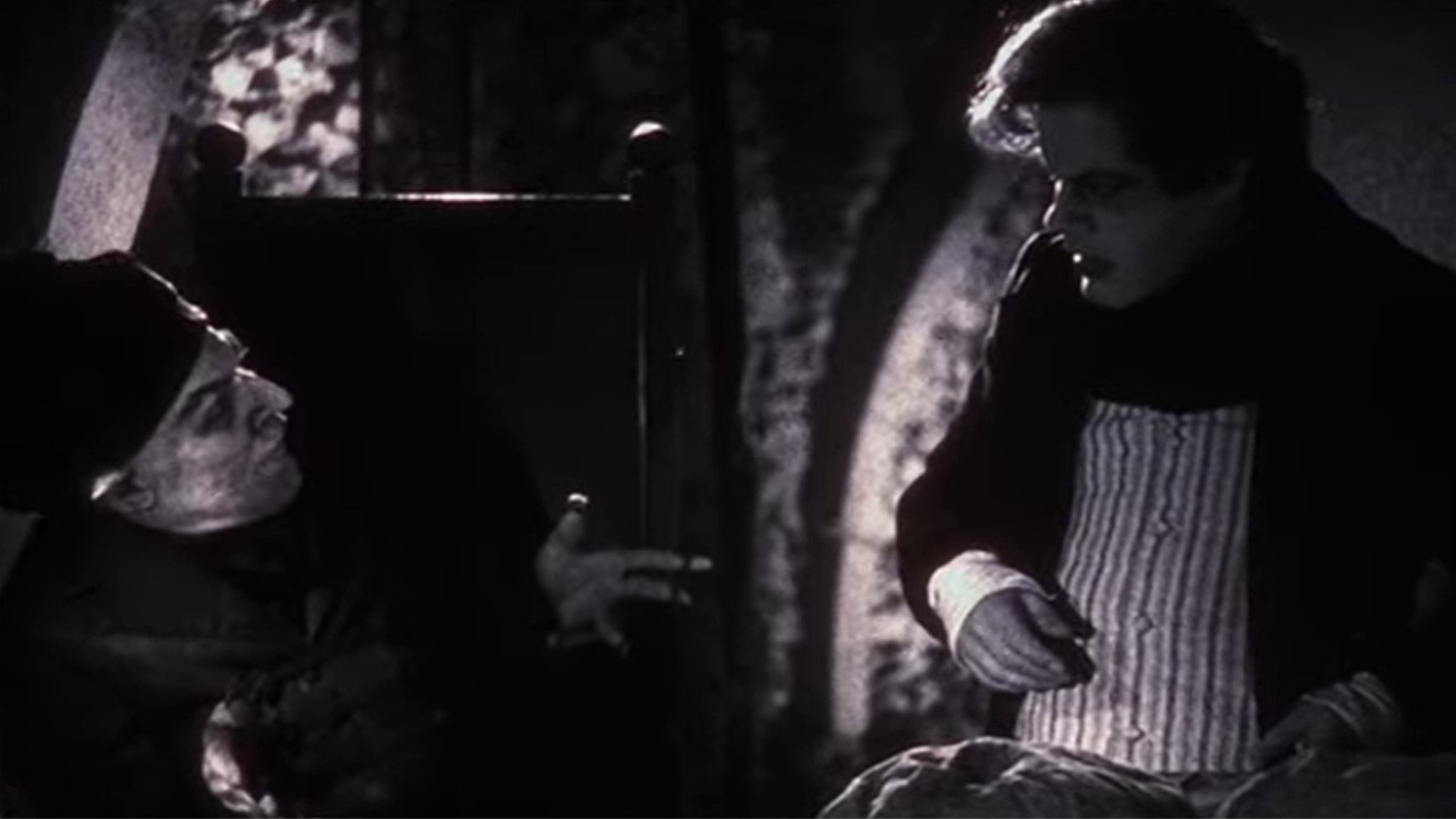
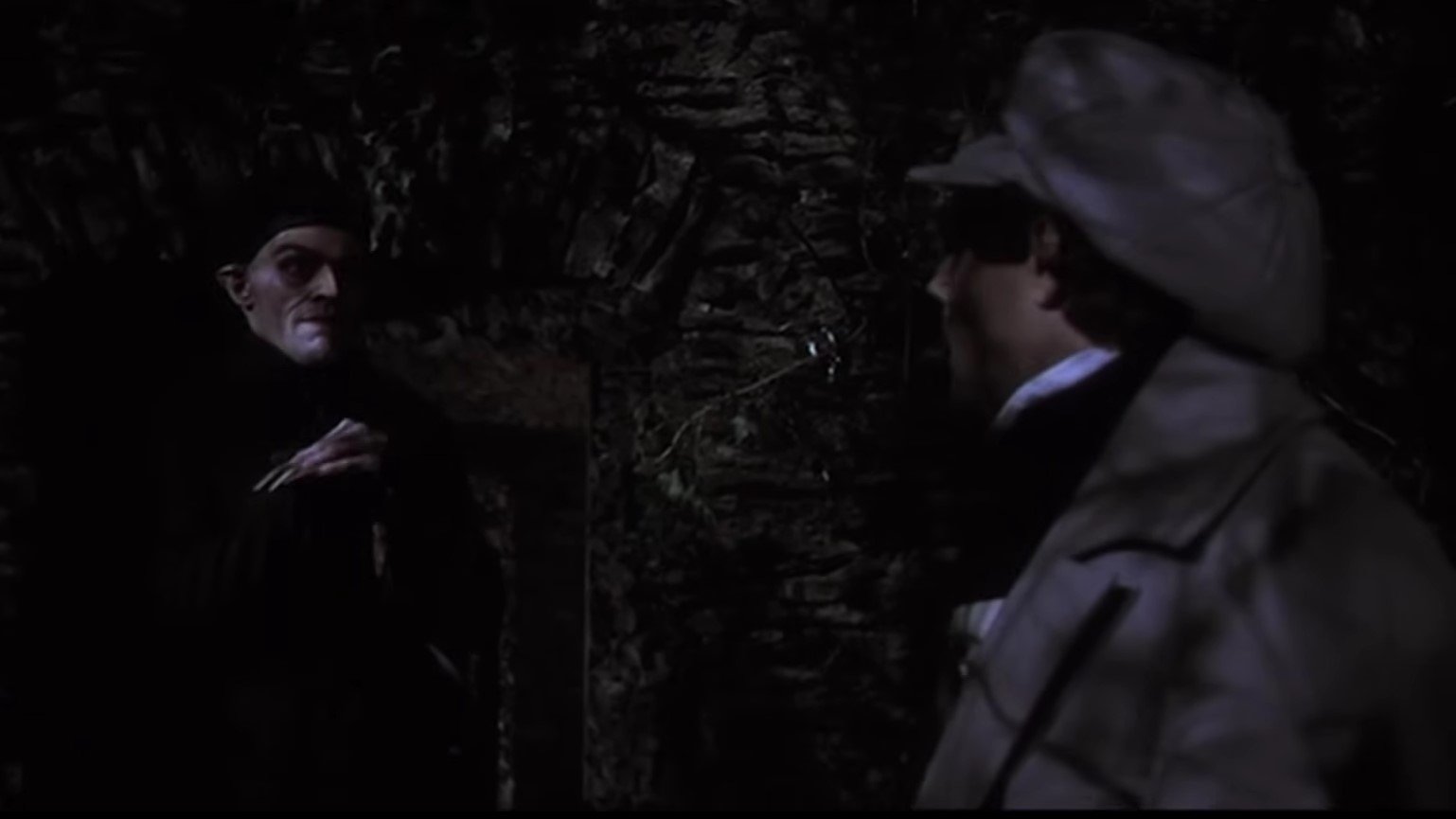
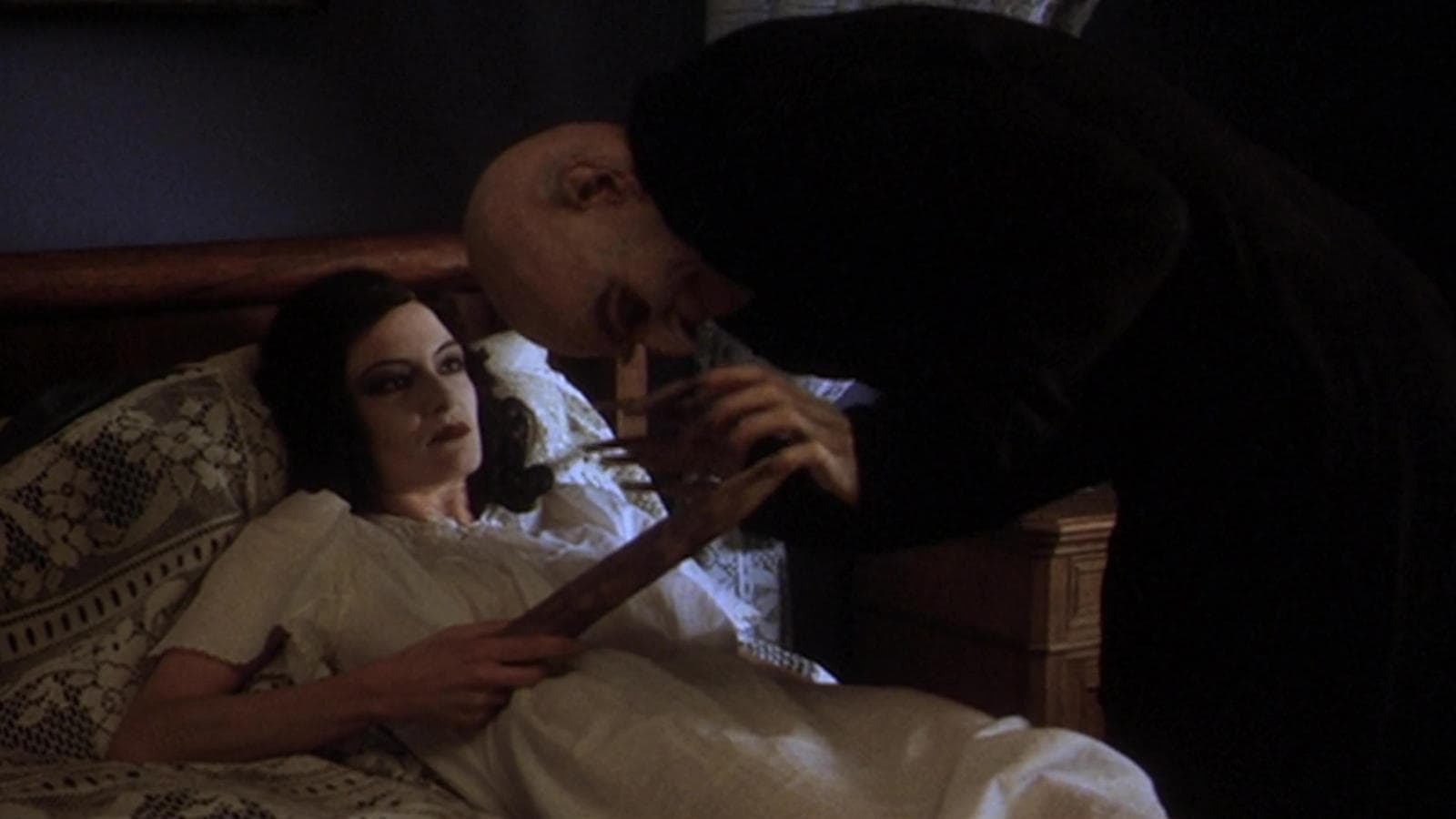
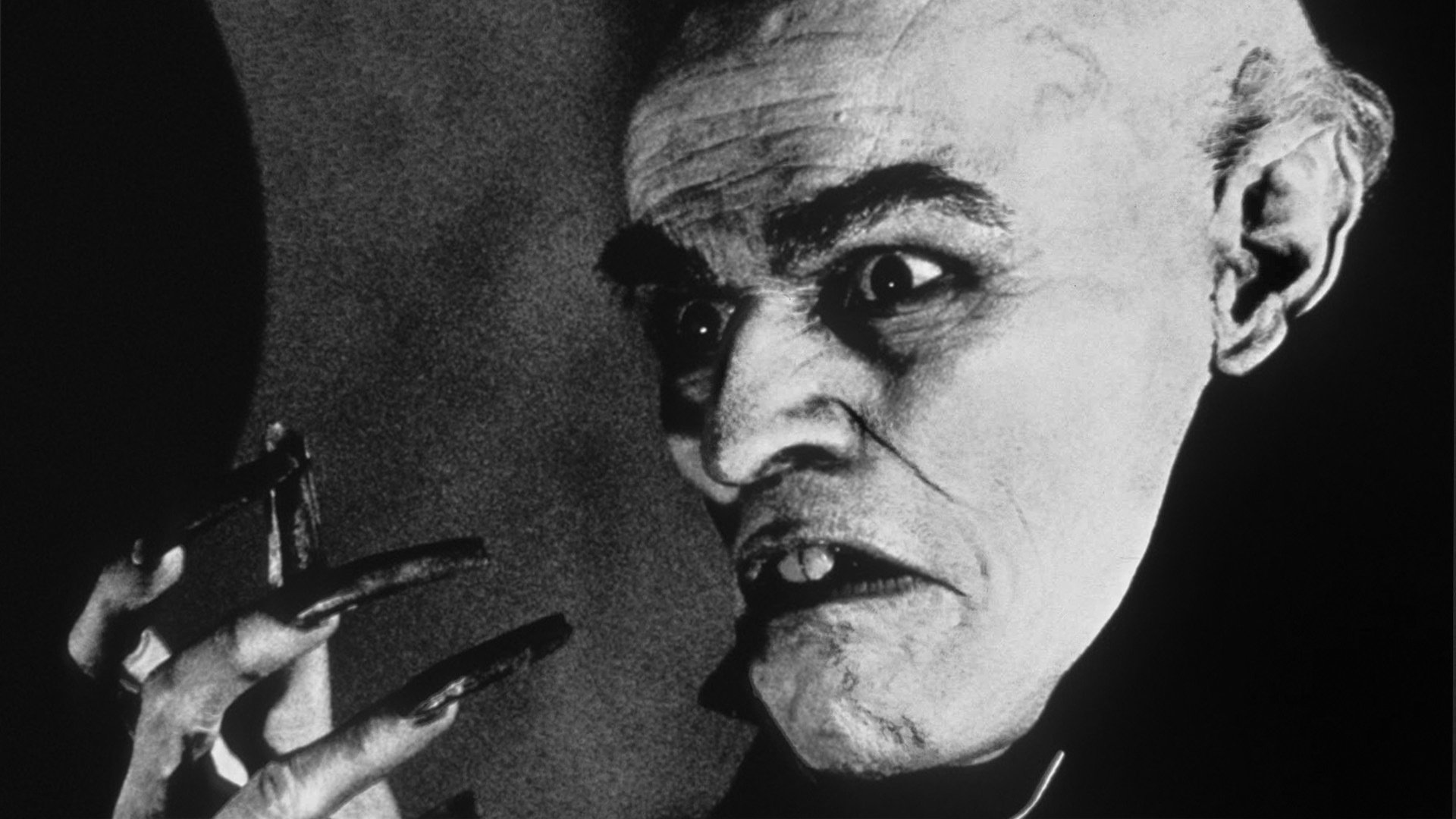
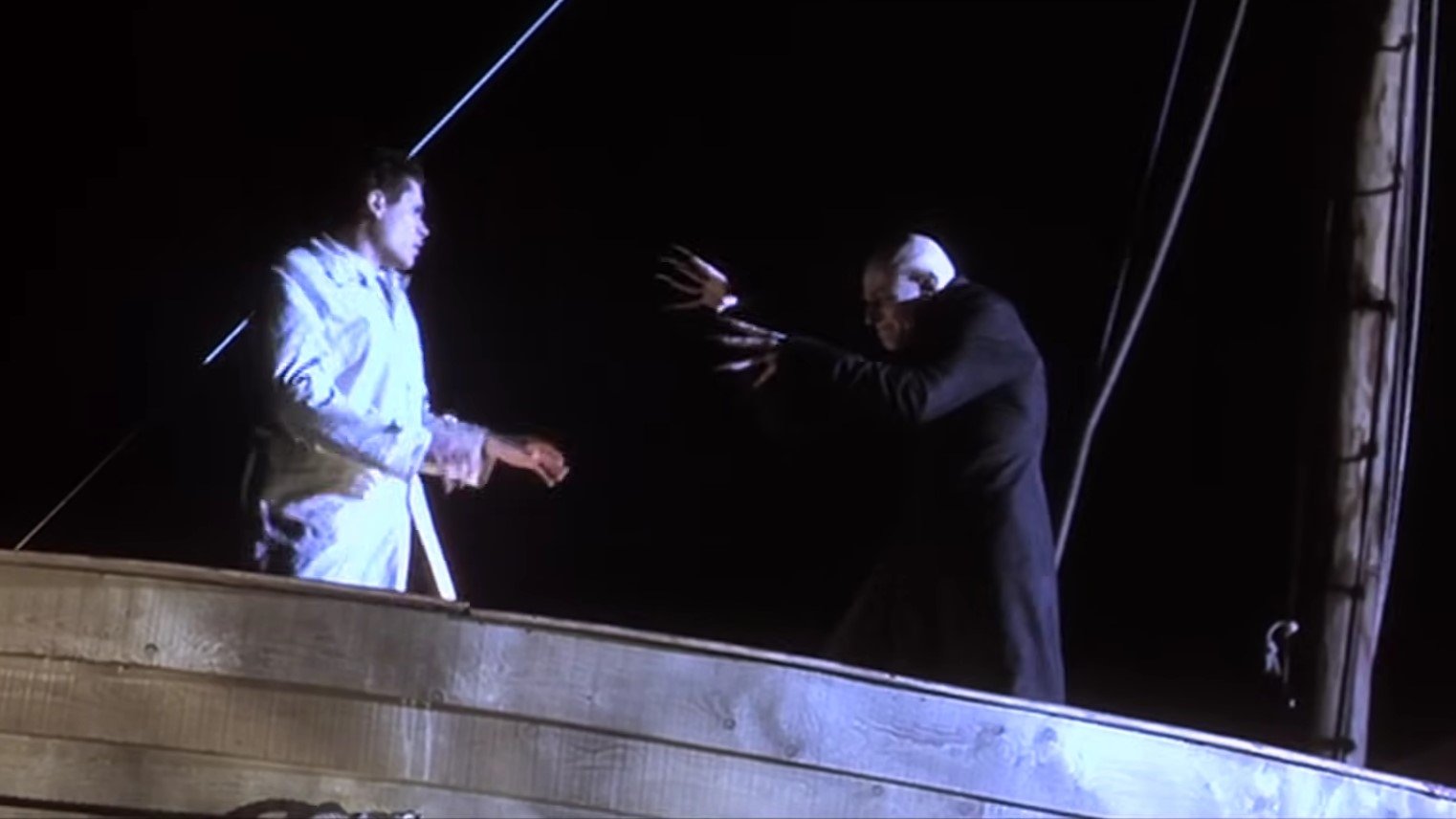
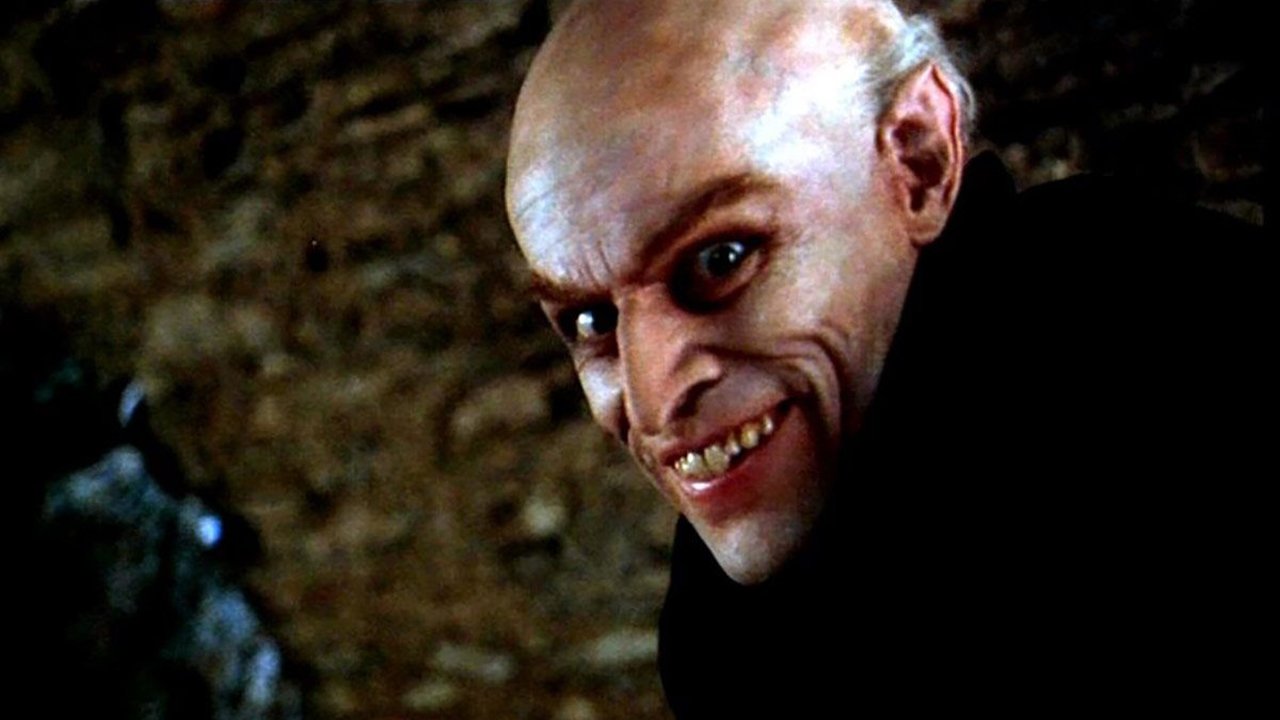
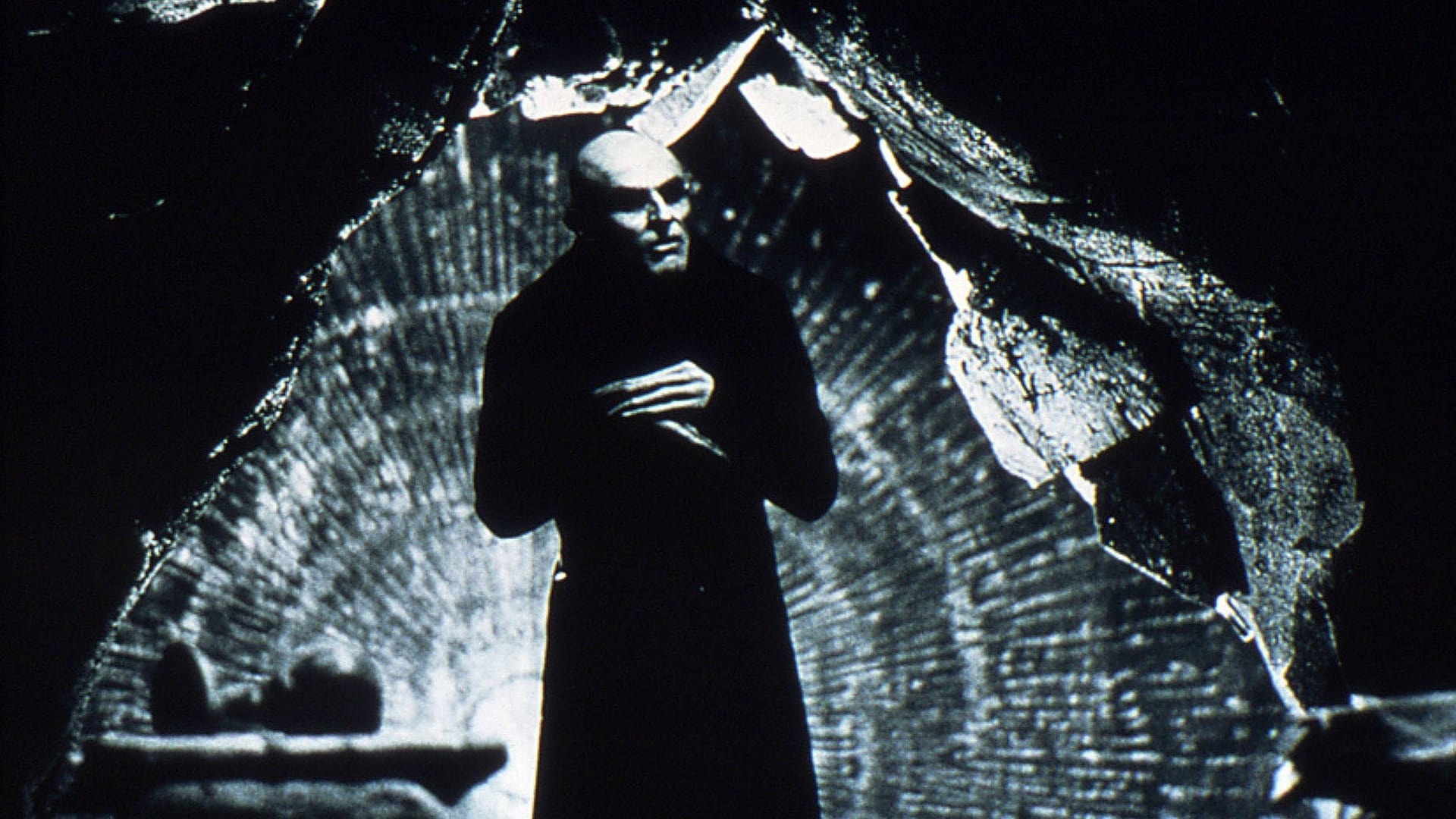
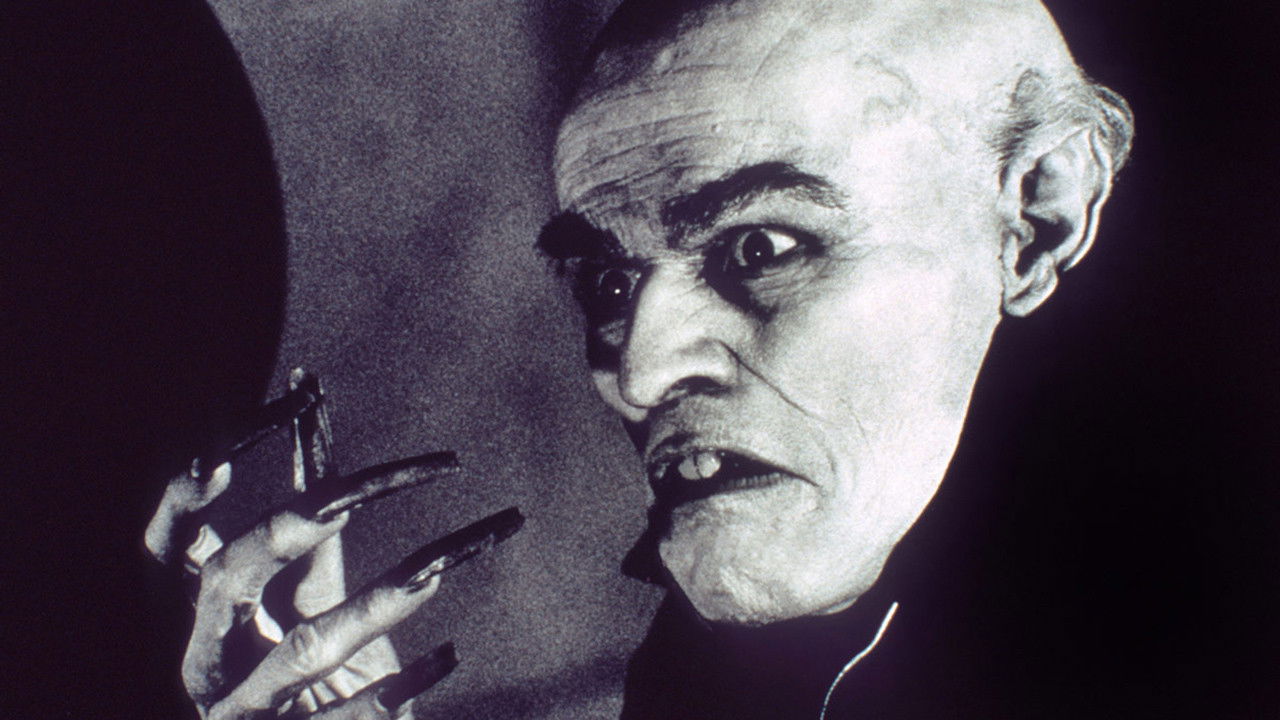
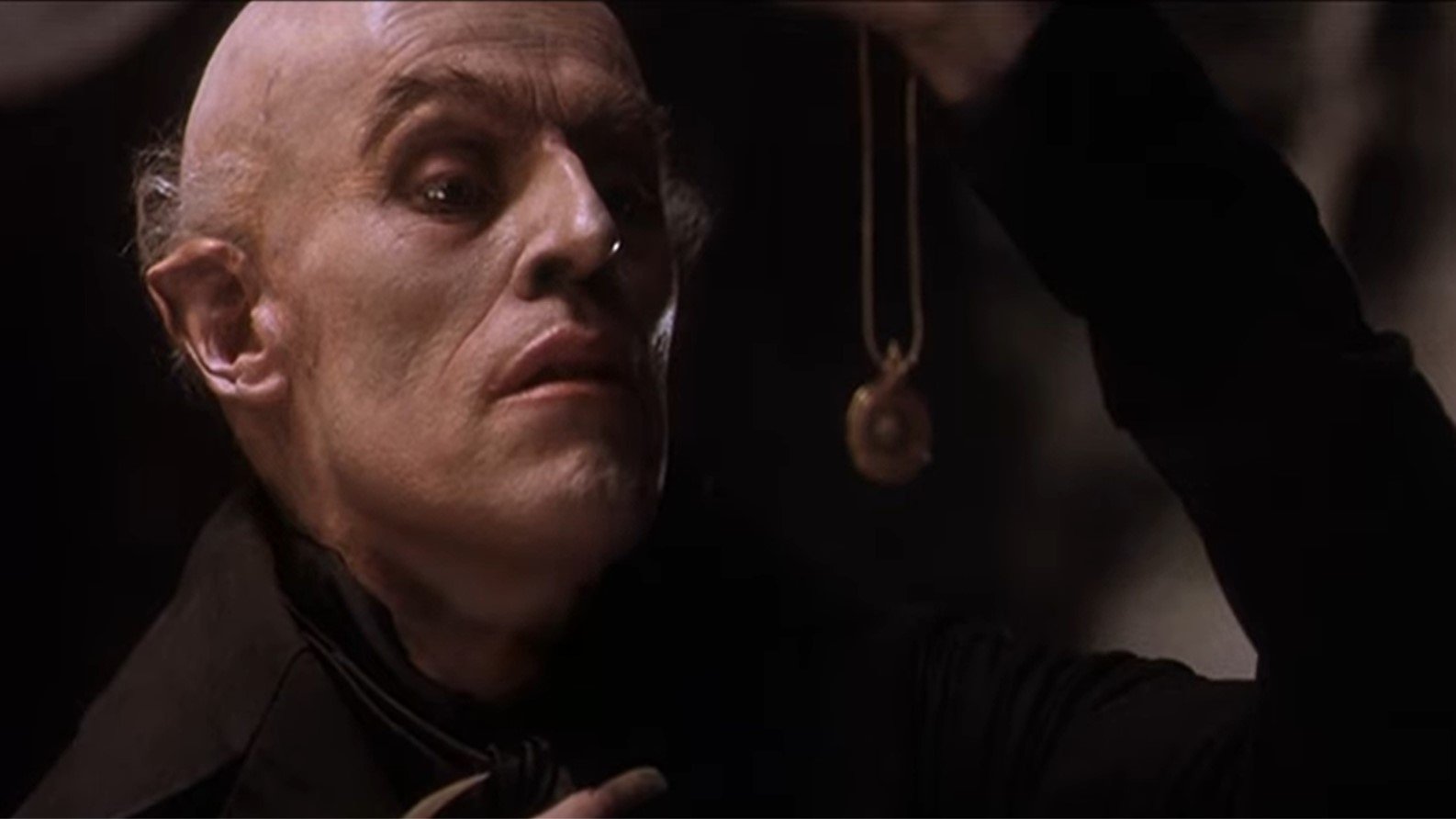
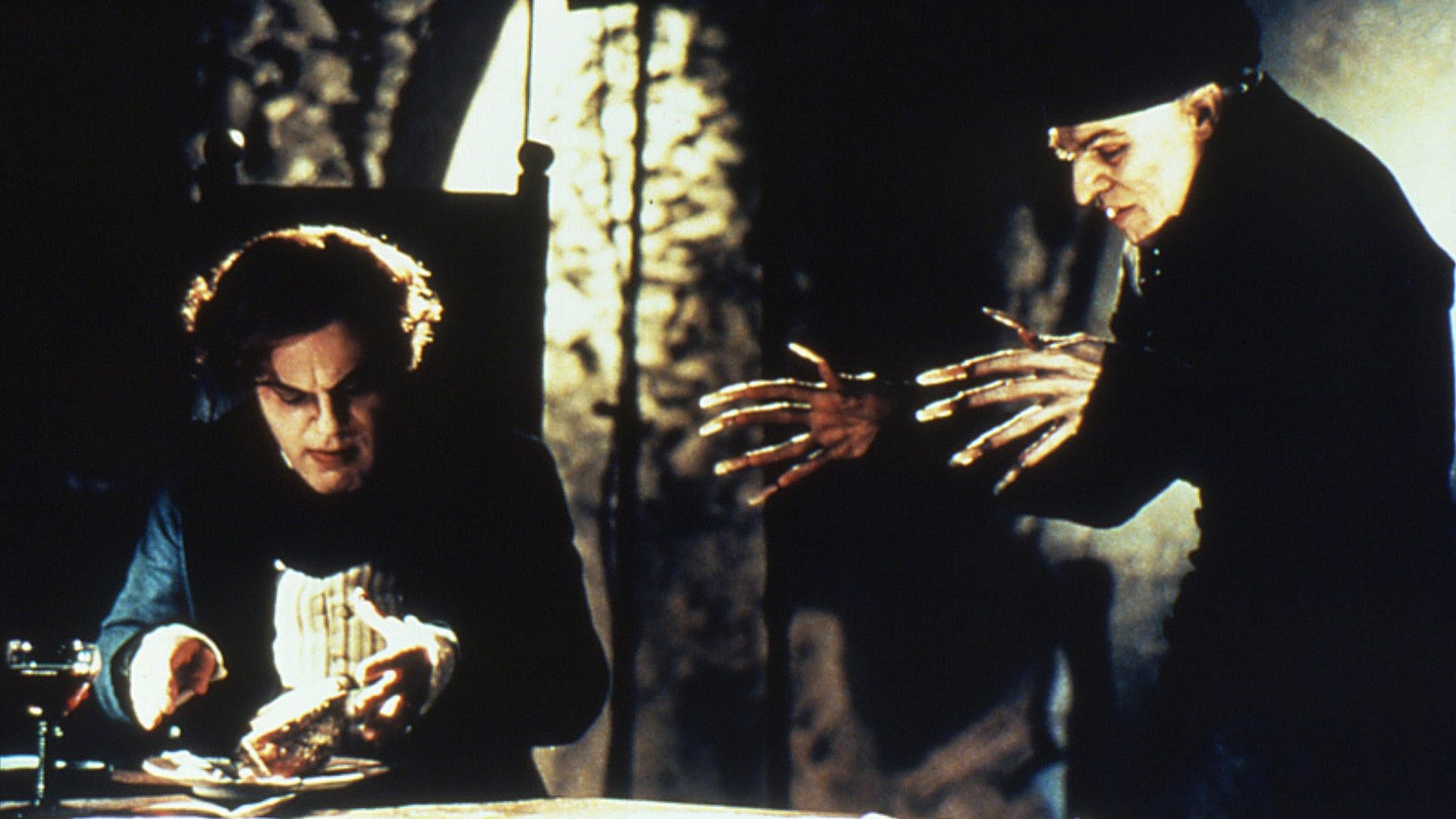
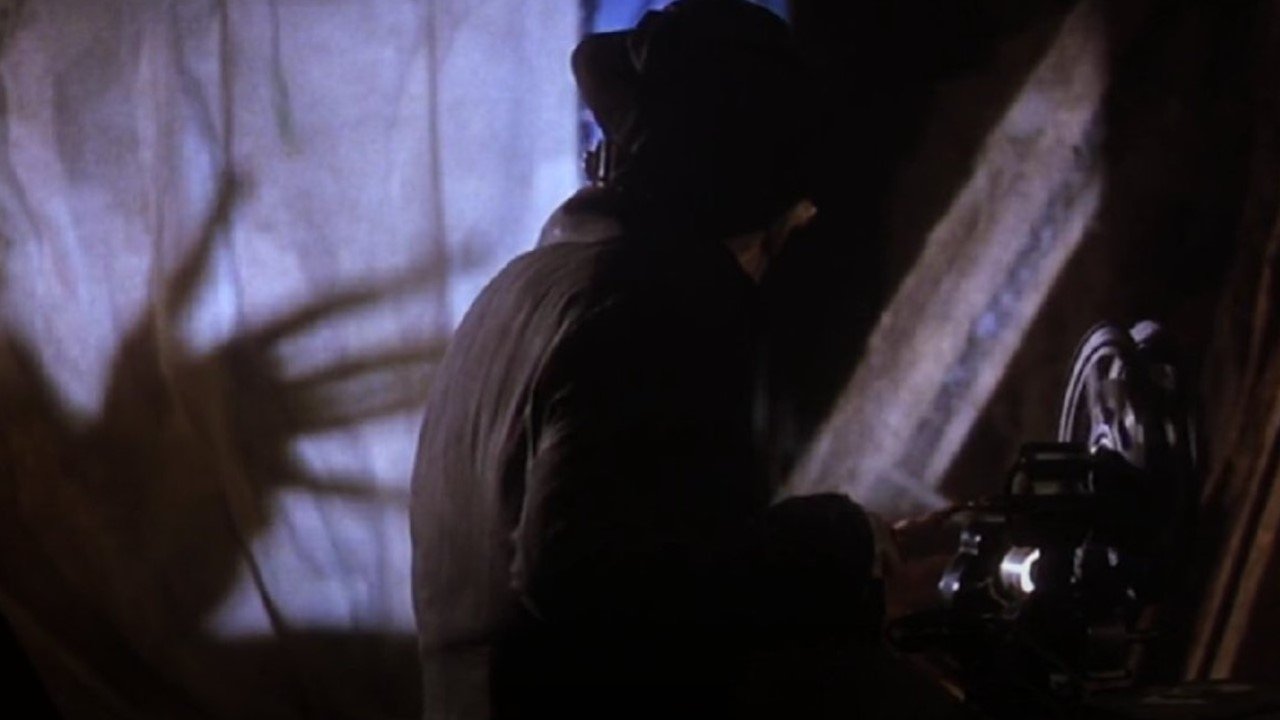
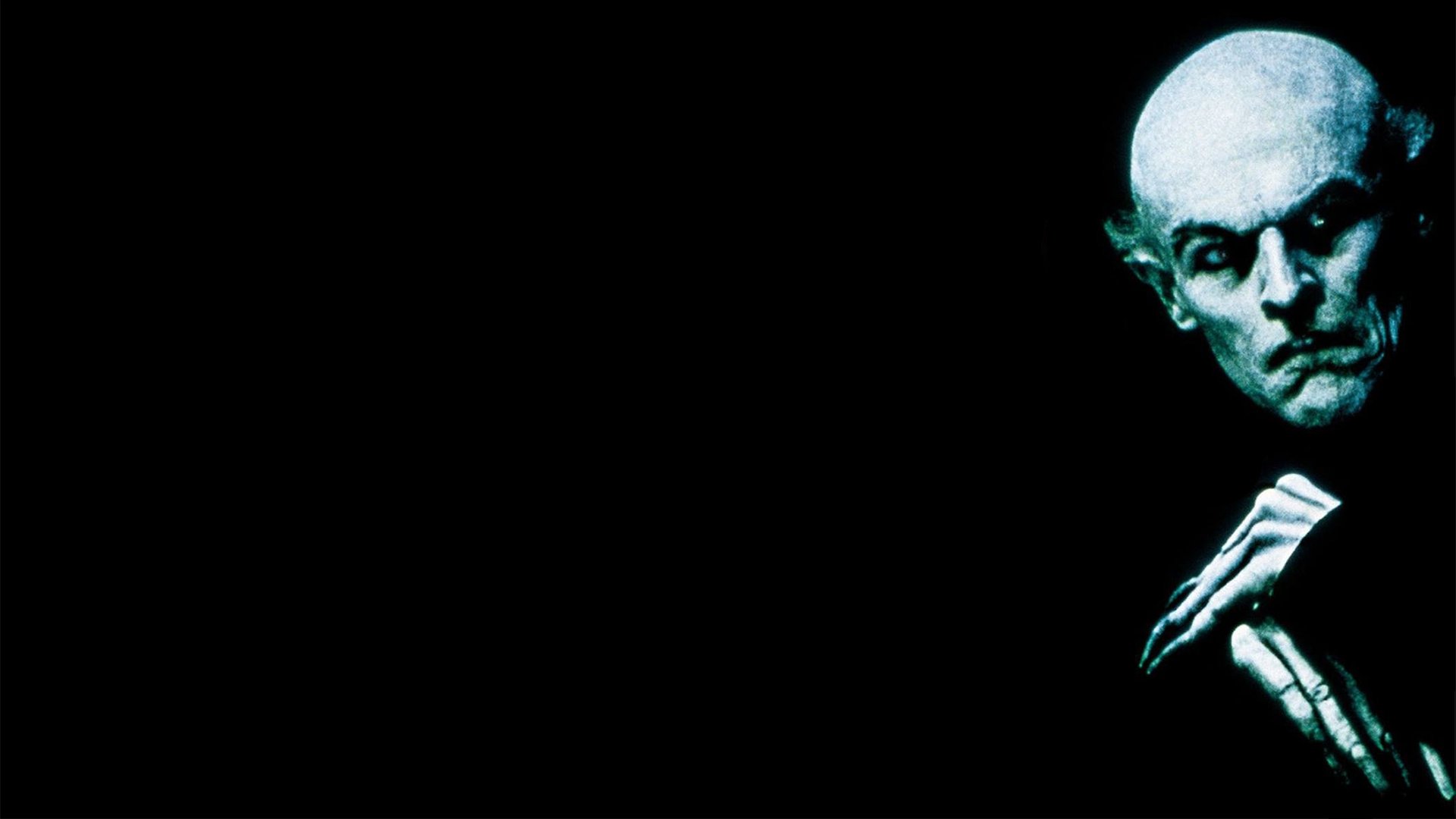
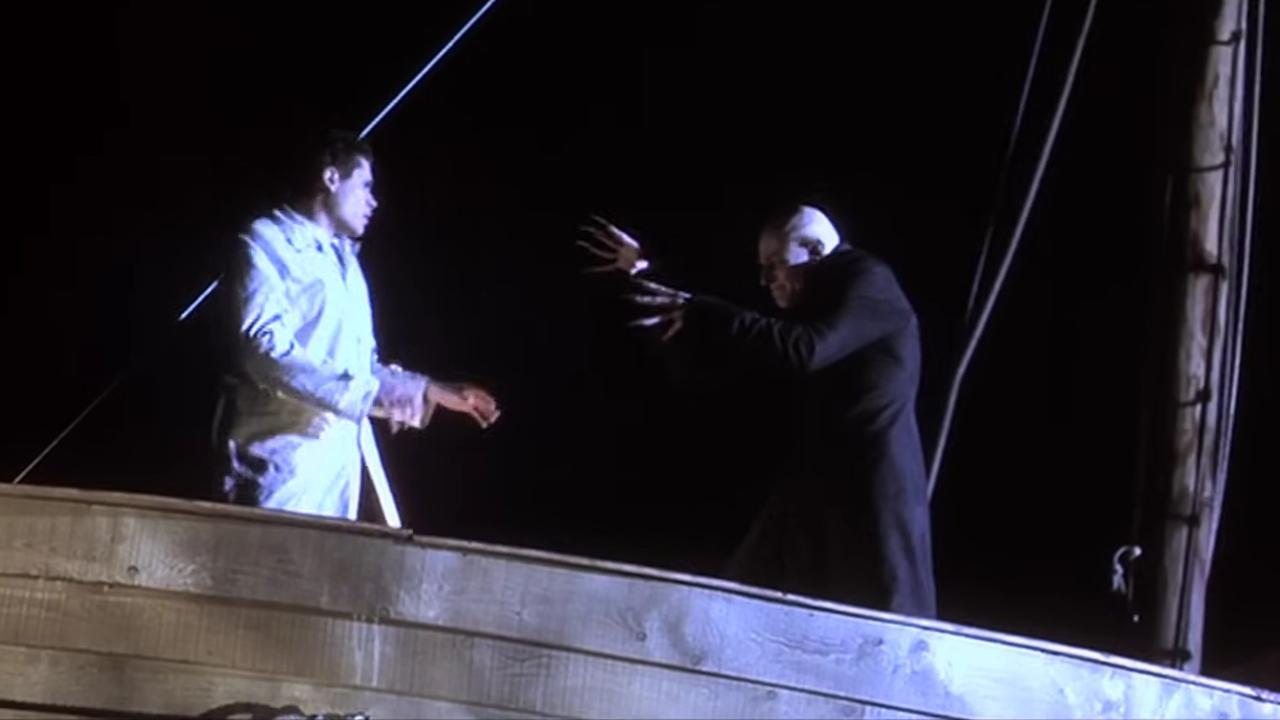
The film started off a tad slow, and it took a little bit of time for me to fully get involved. Once Schreck was introduced, though, the pace picked up gradually until it felt like the end came too soon. It was so cool to see how the scenes for Nosferatu were filmed and the camerawork that went into it. John Malkovich was incredibly captivating from the beginning, and to watch Murnau slowly lose his mind trying to finish his film was fascinating. Willem Dafoe absolutely knocked it out of the park as Schreck; the special effects weren't overpowering, so it was easy to see his minute facial expressions, and he was genuinely creepy. The rest of the cast were also good, but the two leads really overshadowed them, so in comparison no-one really stood out.
Shadow of the Vampire was definitely an underrated watch, and I'd recommend it to fans of the original film.
❝We are scientists engaged in the creation of memory... but our memory will neither blur nor fade.❞
•❅──────✧❅✦❅✧──────❅•
This was a very intriguing story about the creation of a classic, with a cool twist.
The film started off a tad slow, and it took a little bit of time for me to fully get involved. Once Schreck was introduced, though, the pace picked up gradually until it felt like the end came too soon. It was so cool to see how the scenes for Nosferatu were filmed and the camerawork that went into it. John Malkovich was incredibly captivating from the beginning, and to watch Murnau slowly lose his mind trying to finish his film was fascinating. Willem Dafoe absolutely knocked it out of the park as Schreck; the special effects weren't overpowering, so it was easy to see his minute facial expressions, and he was genuinely creepy. The rest of the cast were also good, but the two leads really overshadowed them, so in comparison no-one really stood out.
Shadow of the Vampire was definitely an underrated watch, and I'd recommend it to fans of the original film.