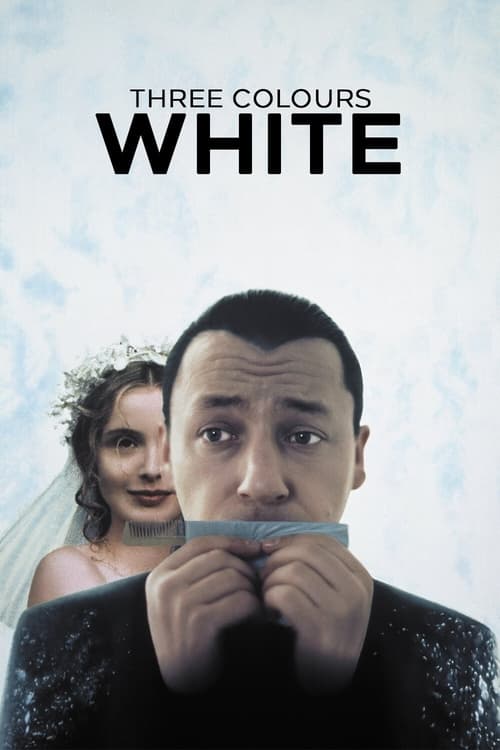
The
anti-comedy.
French 'Father of Europe' Jean Monnet once said, "We are here to accomplish a common work, not to negotiate advantages, but to seek our advantage in the common advantage." Fairness and equality, the most controversial concepts we face in our modern-day world, which is only a testament to how timeless the Three Colours Trilogy's second installment,
White, is.
When I first read what people thought of this movie I was nothing short of shocked.
White holds more layers to its storyline than the other two, exploring characters so complex that they represent nations and whole political factions. It explores the equality issues in post-Cold War Europe, originally the purpose of this trilogy, while still maintaining both a uniquely humorous plot, and a very compelling romance.
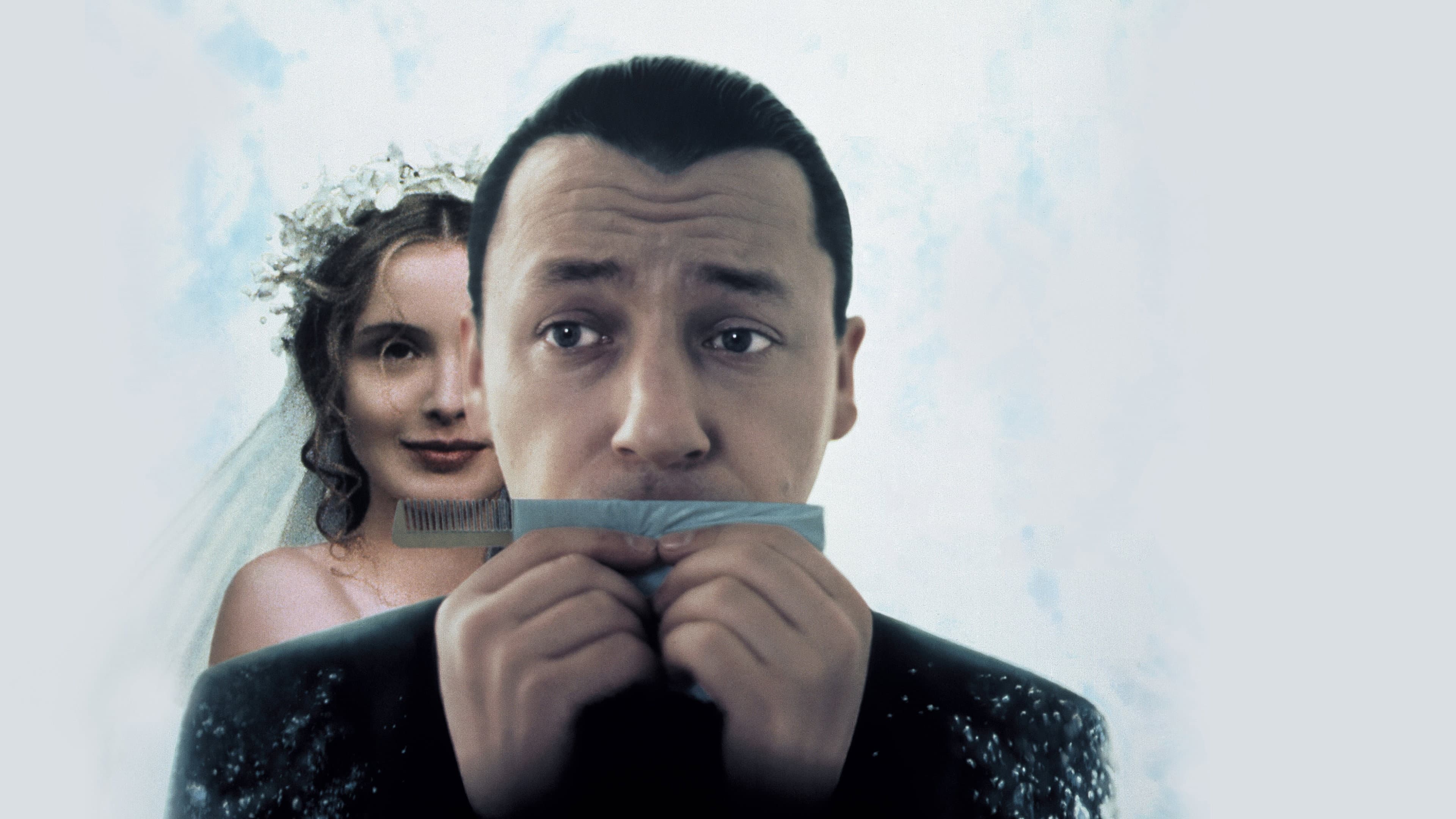
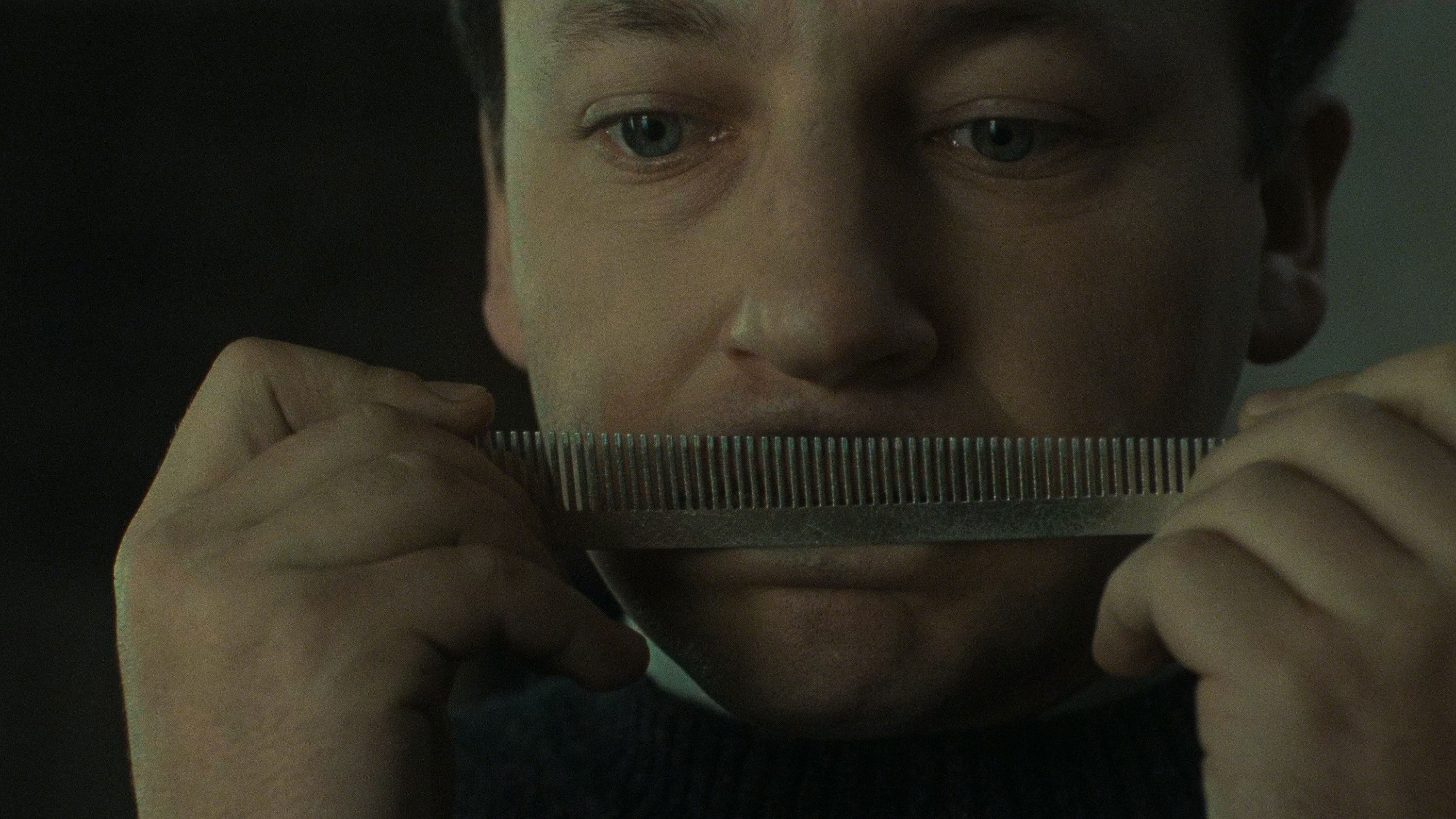
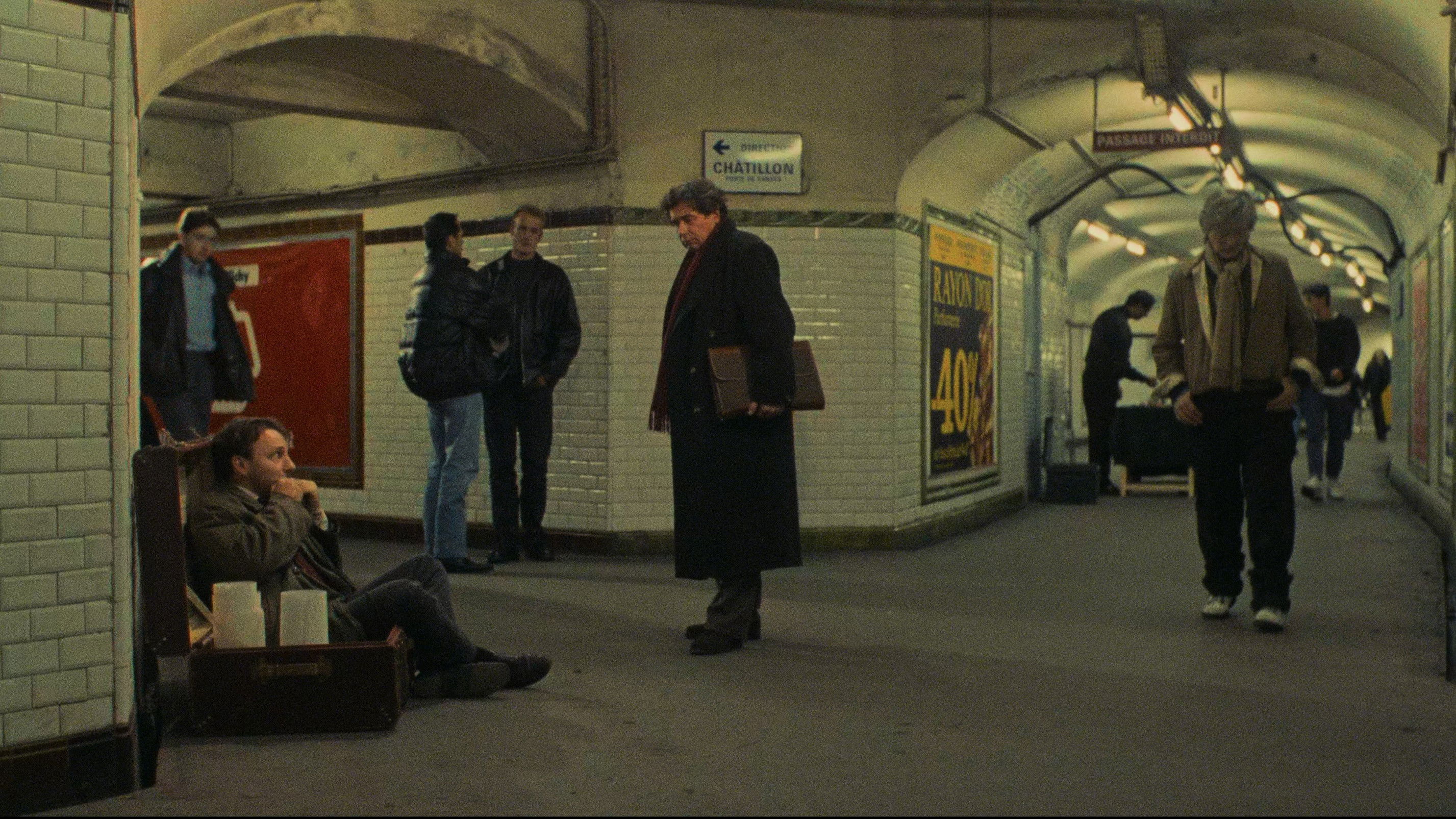
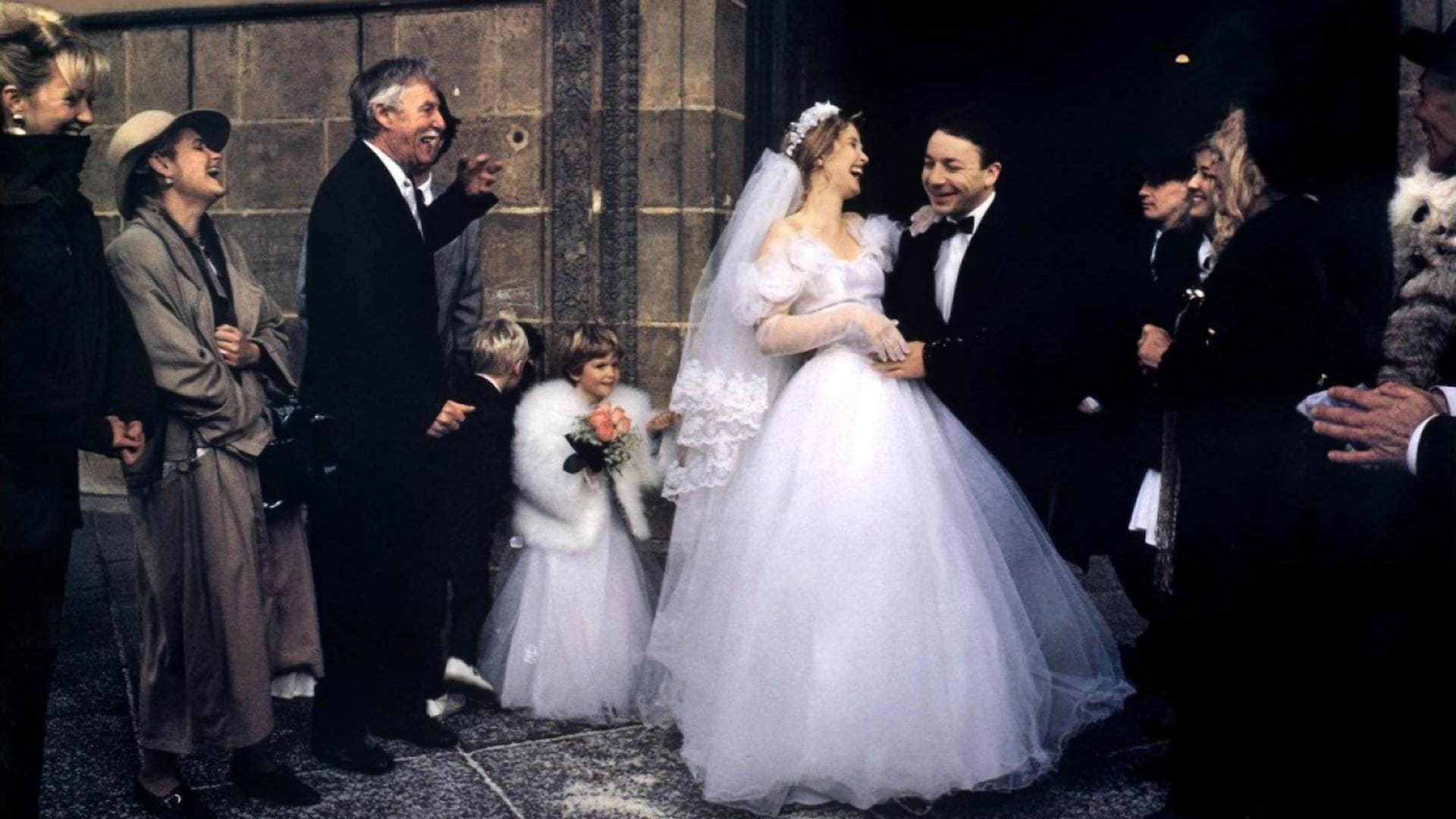
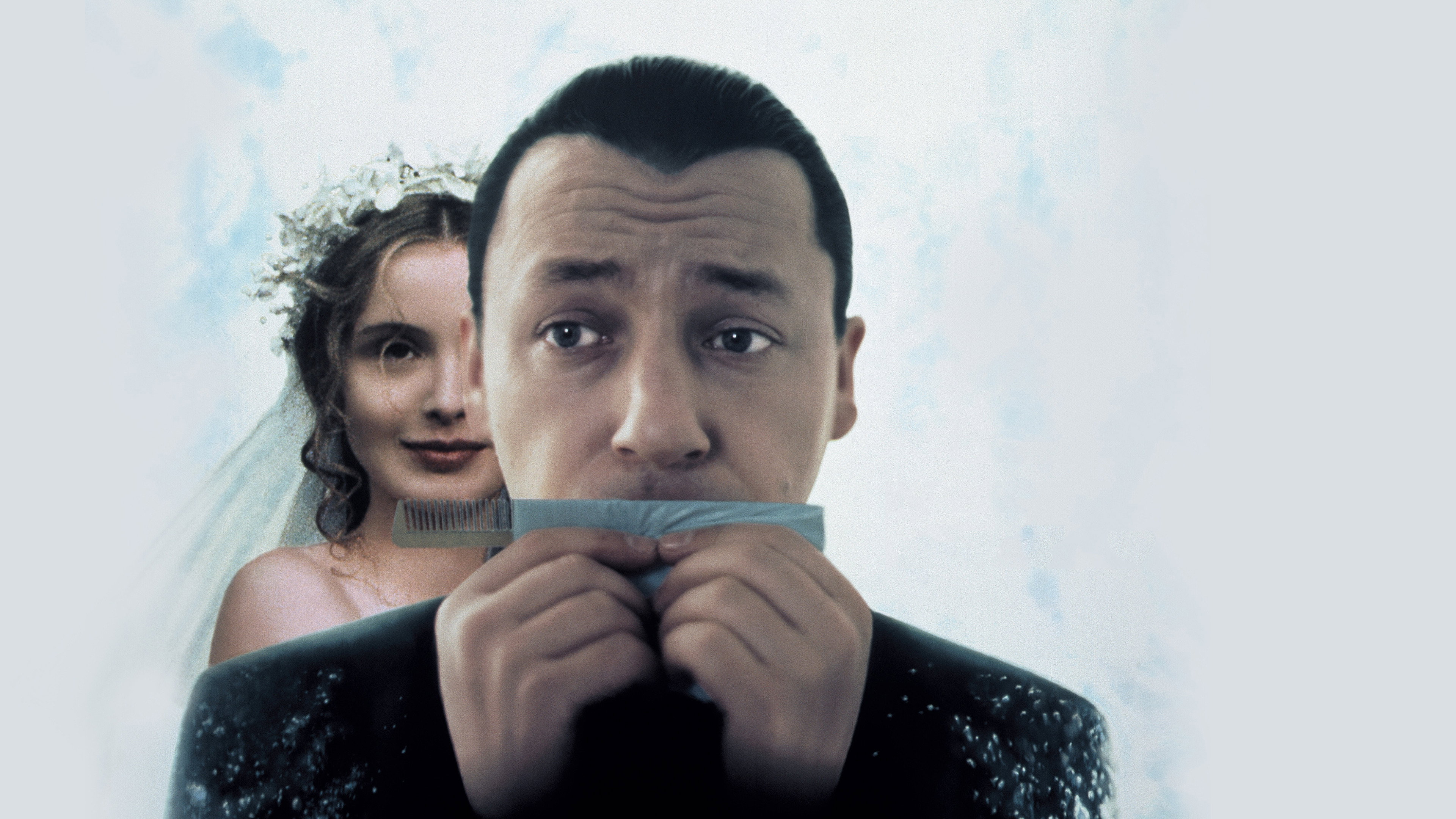
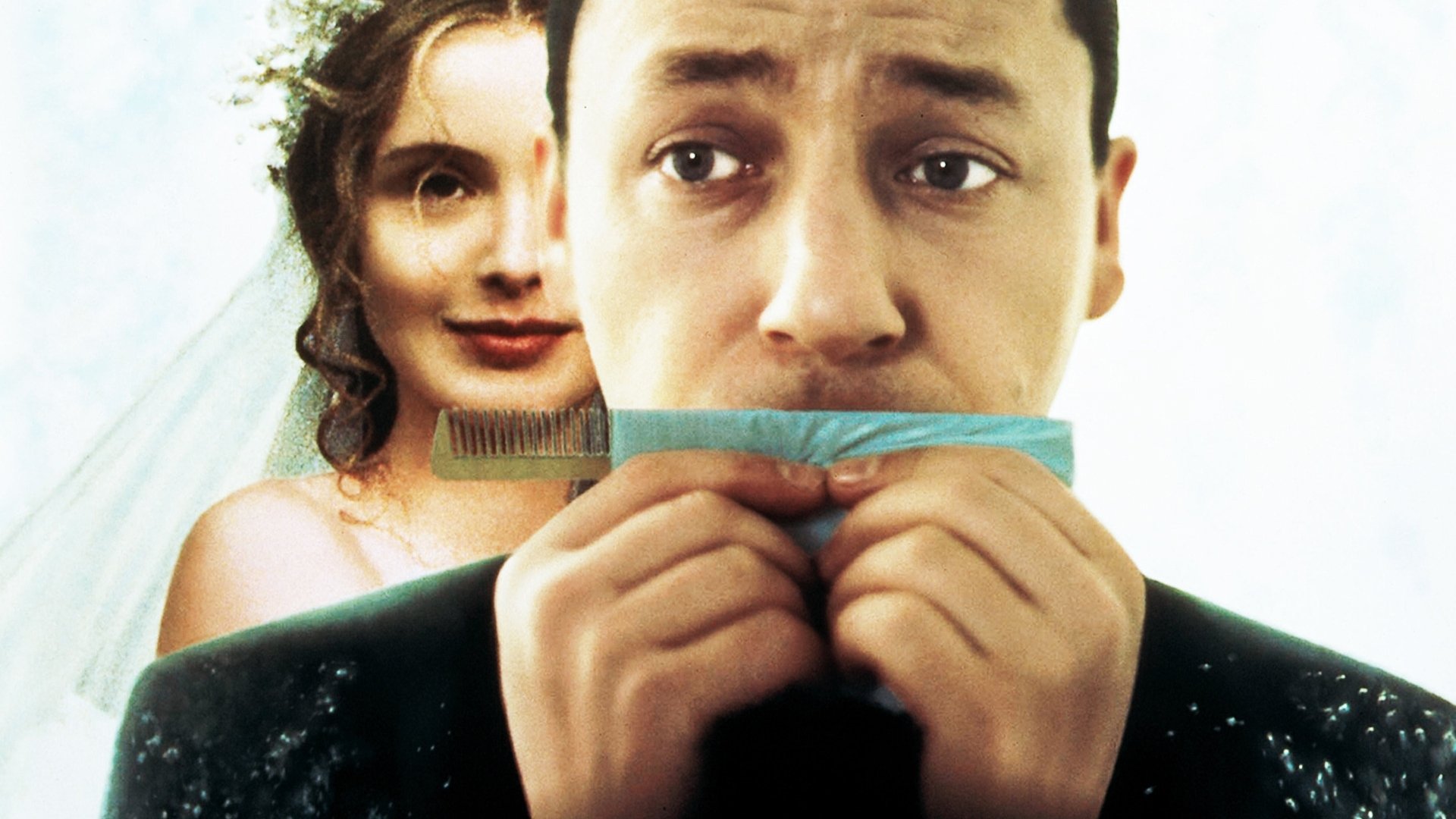
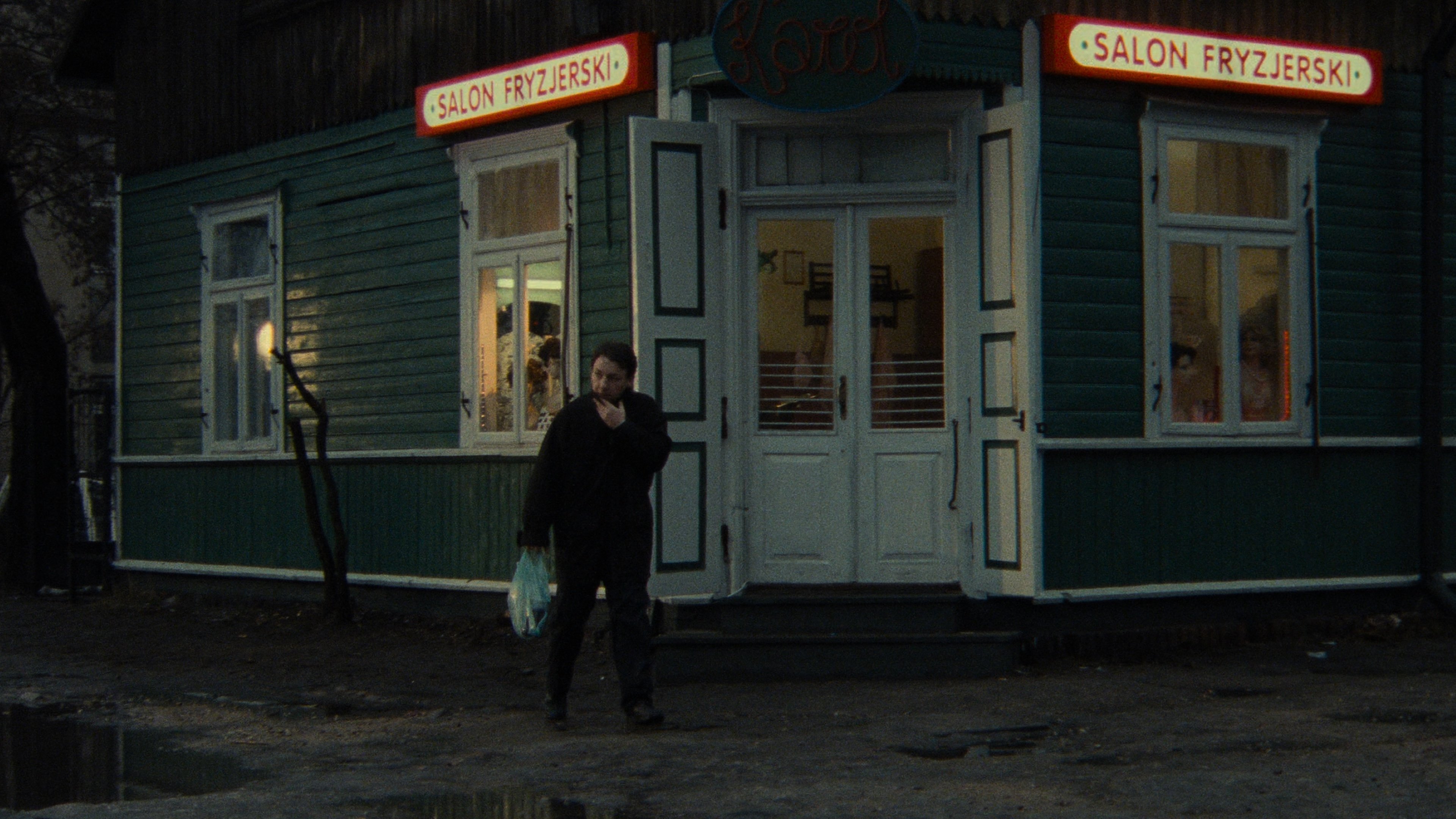
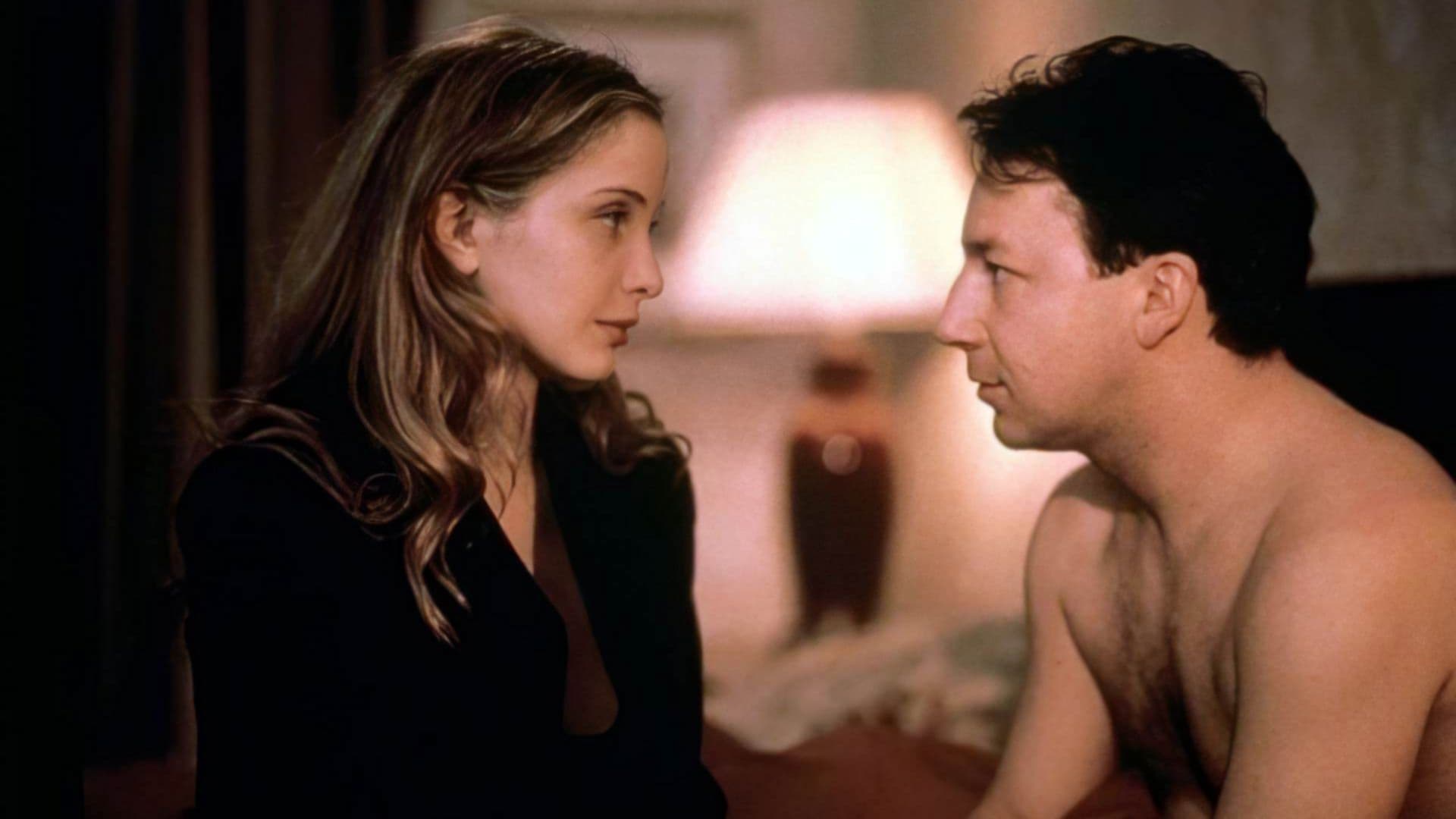
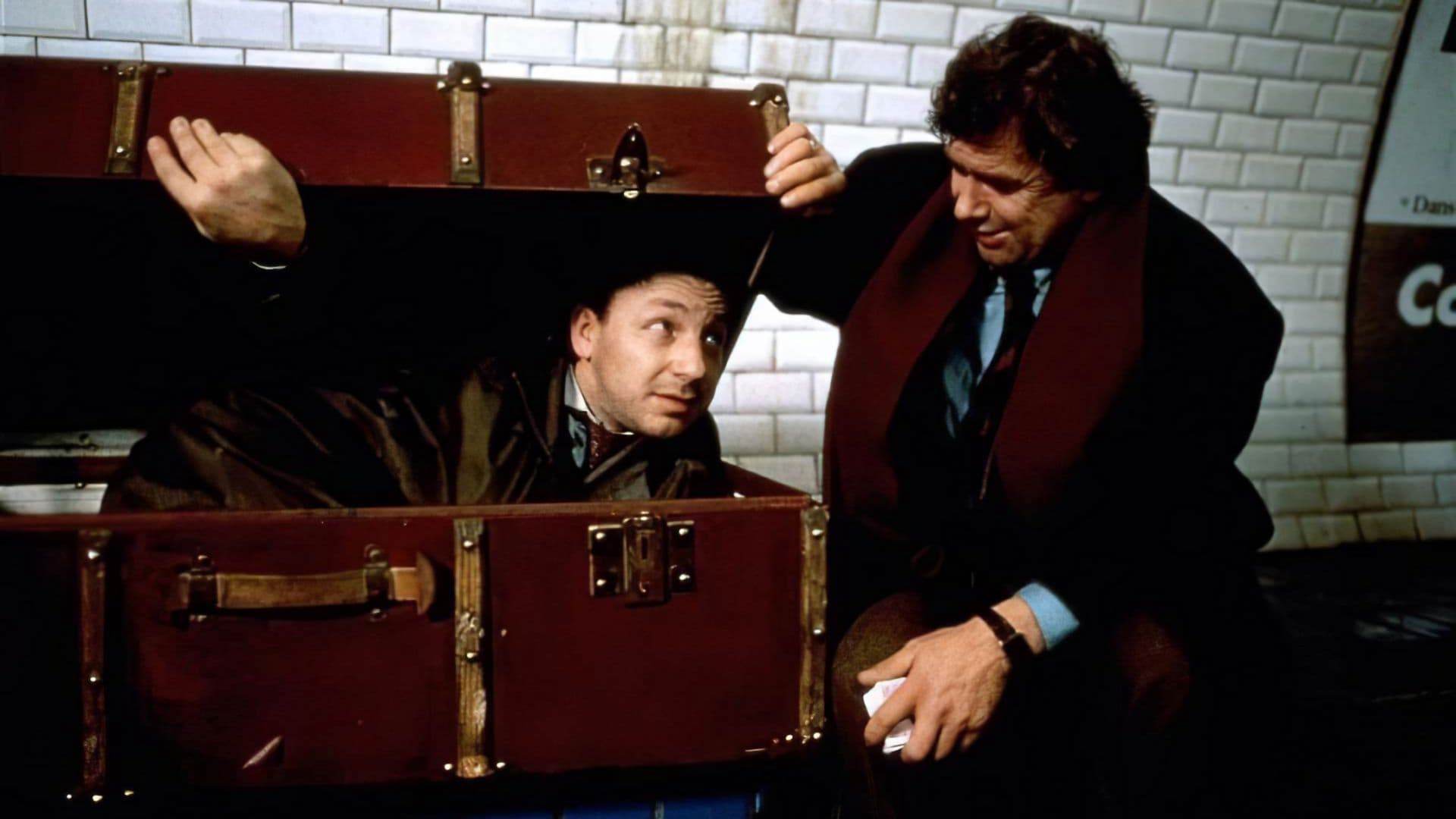
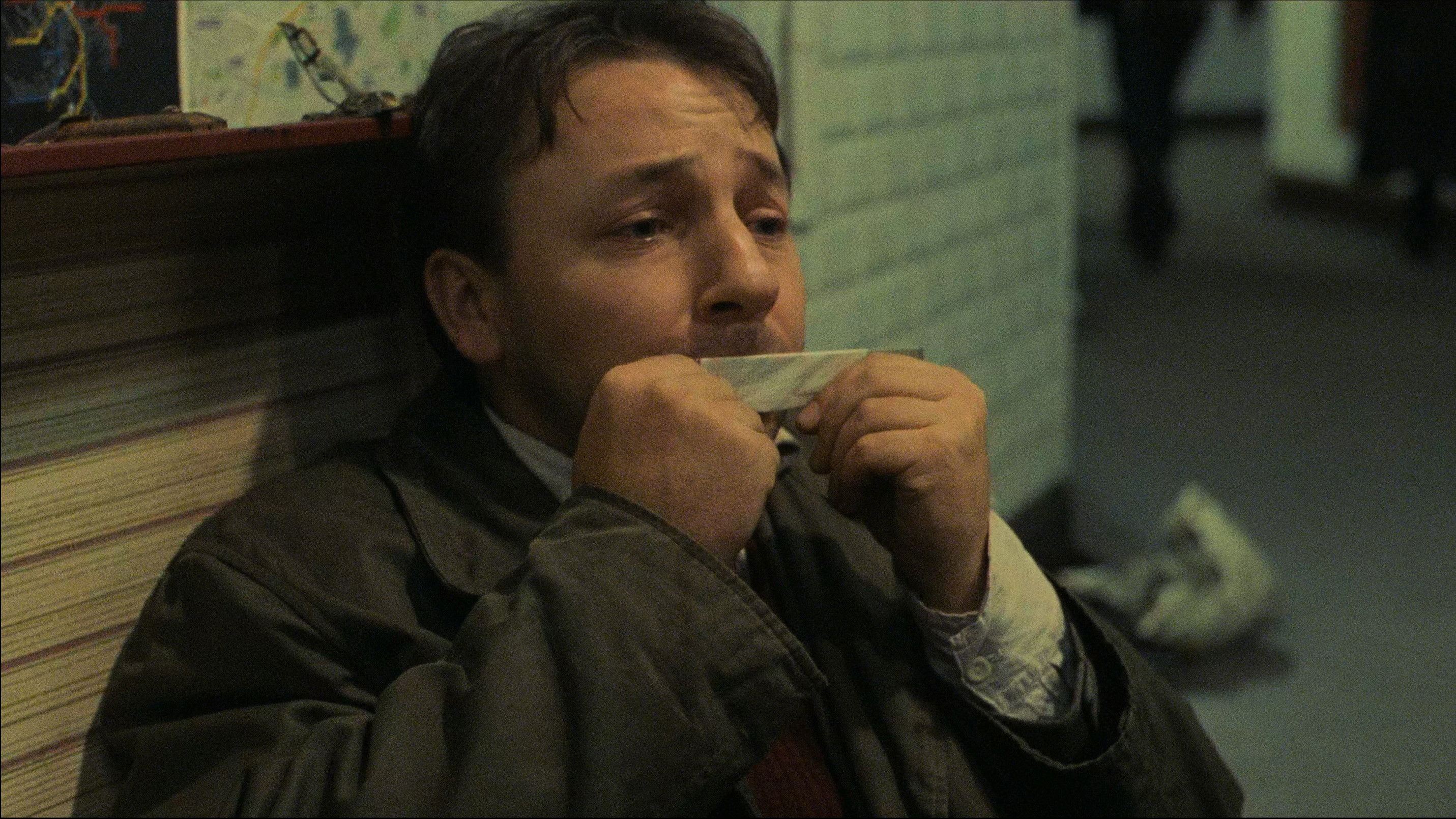
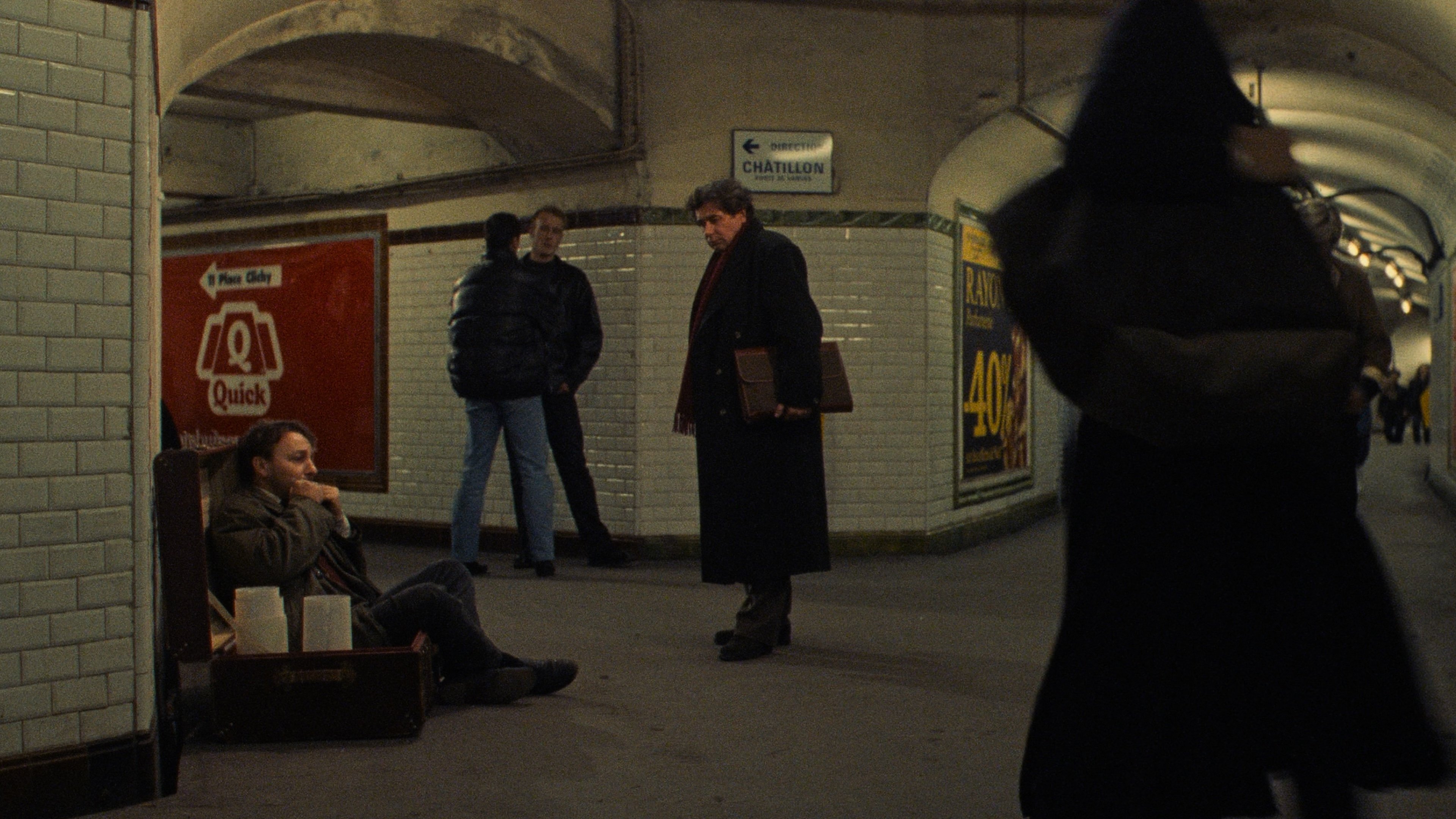
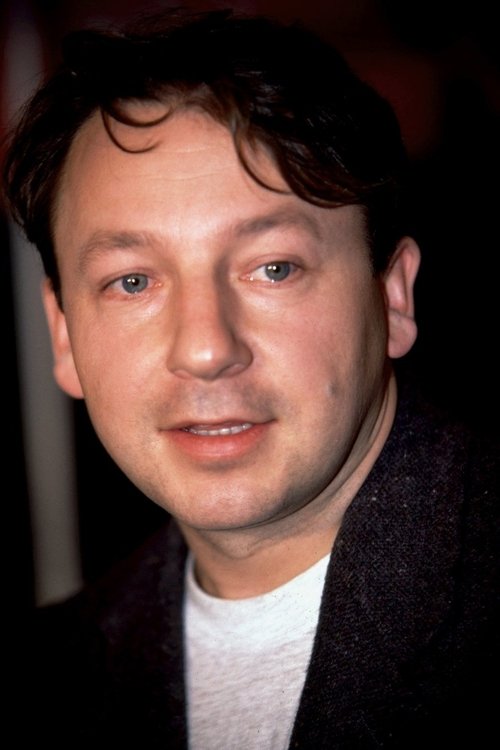
Zbigniew Zamachowski's Karol Karol, in this context Poland and Eastern Europe, finds himself alienated in France, trying to find his way to the courtroom facing a divorce filed by his wife. Shat on and unable to speak the language, the film immediately tackles serious problems with the integration of Eastern Europe into the Western world. Throughout his time in France, Karol finds himself humiliated and demeaned, playing music in metro stations with a comb while his diplomas lie useless next to him. As he faces his wife, the wonderful
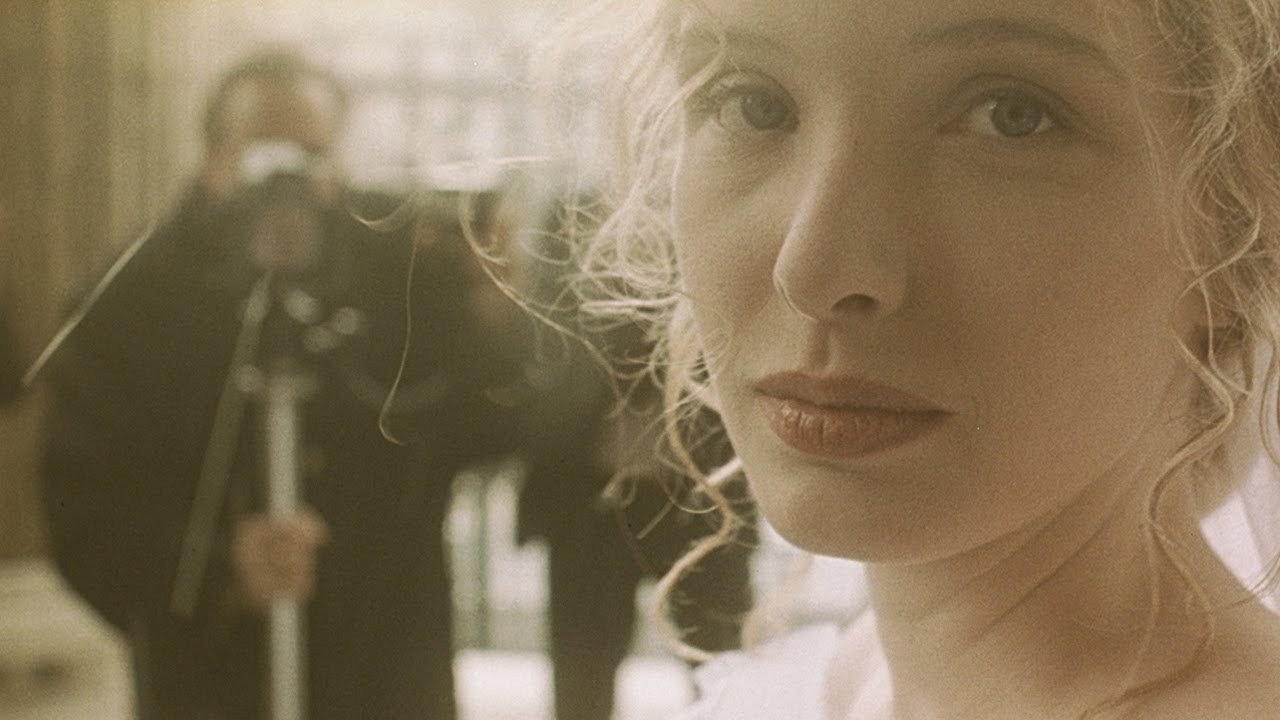
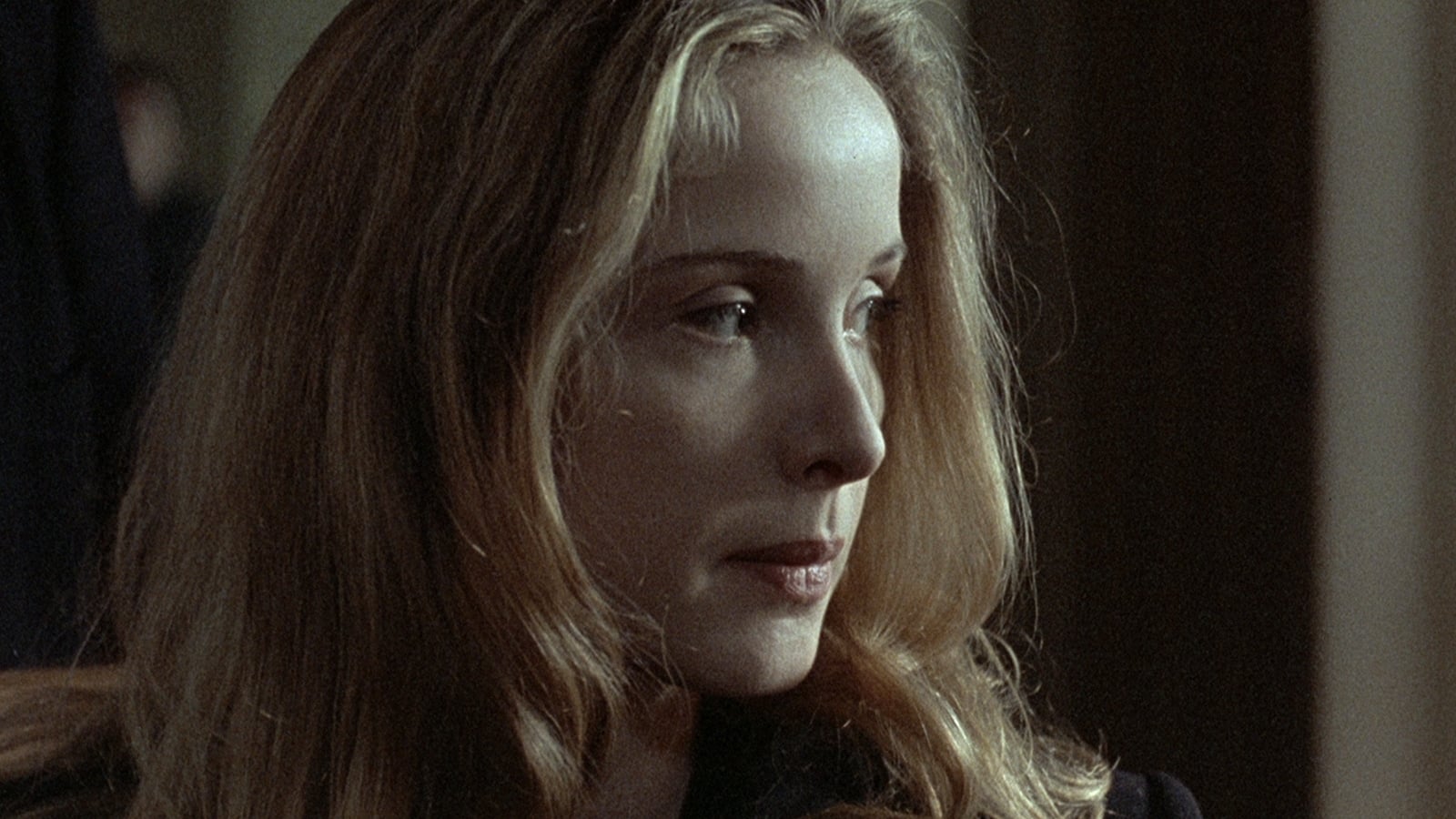
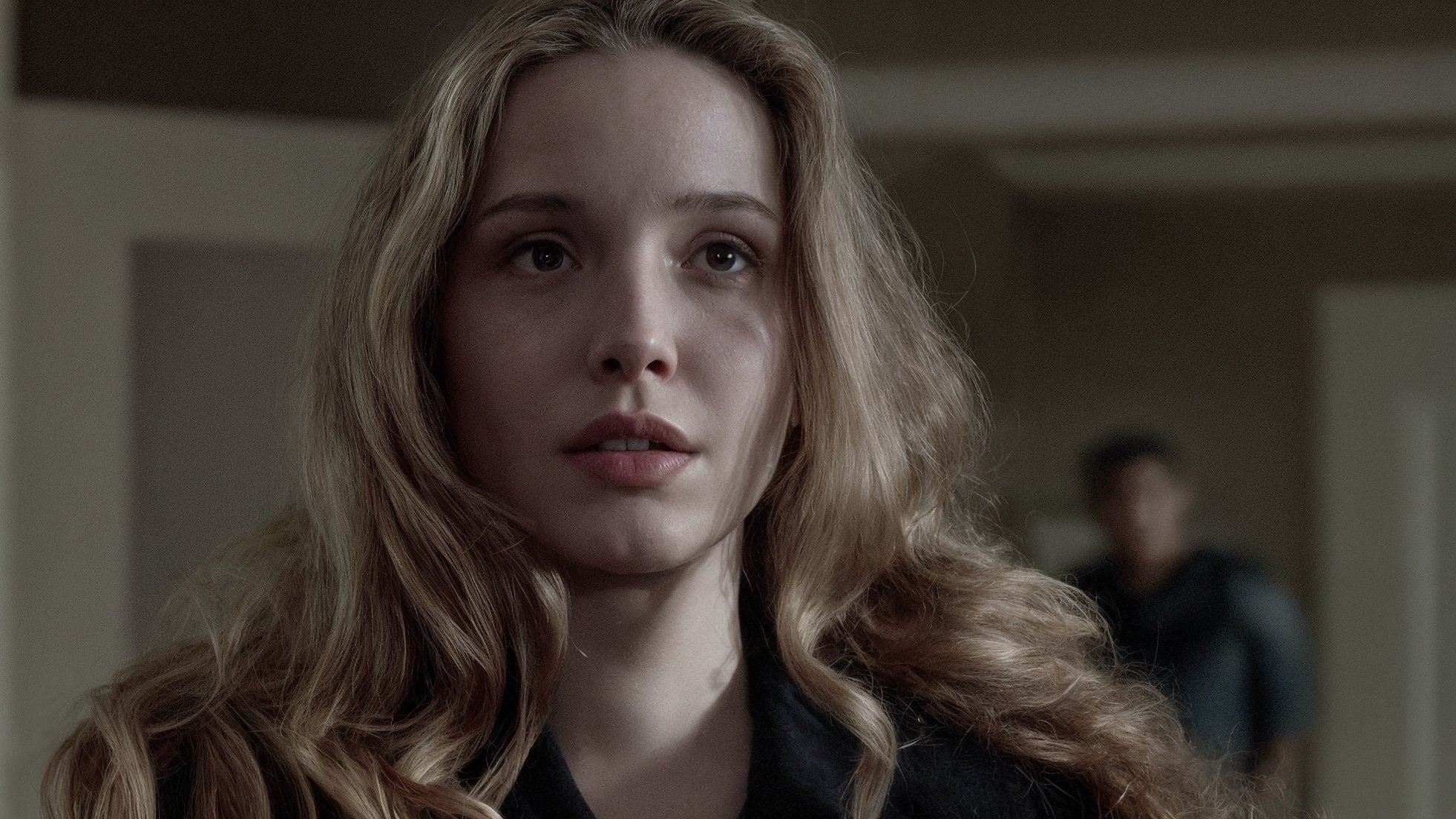
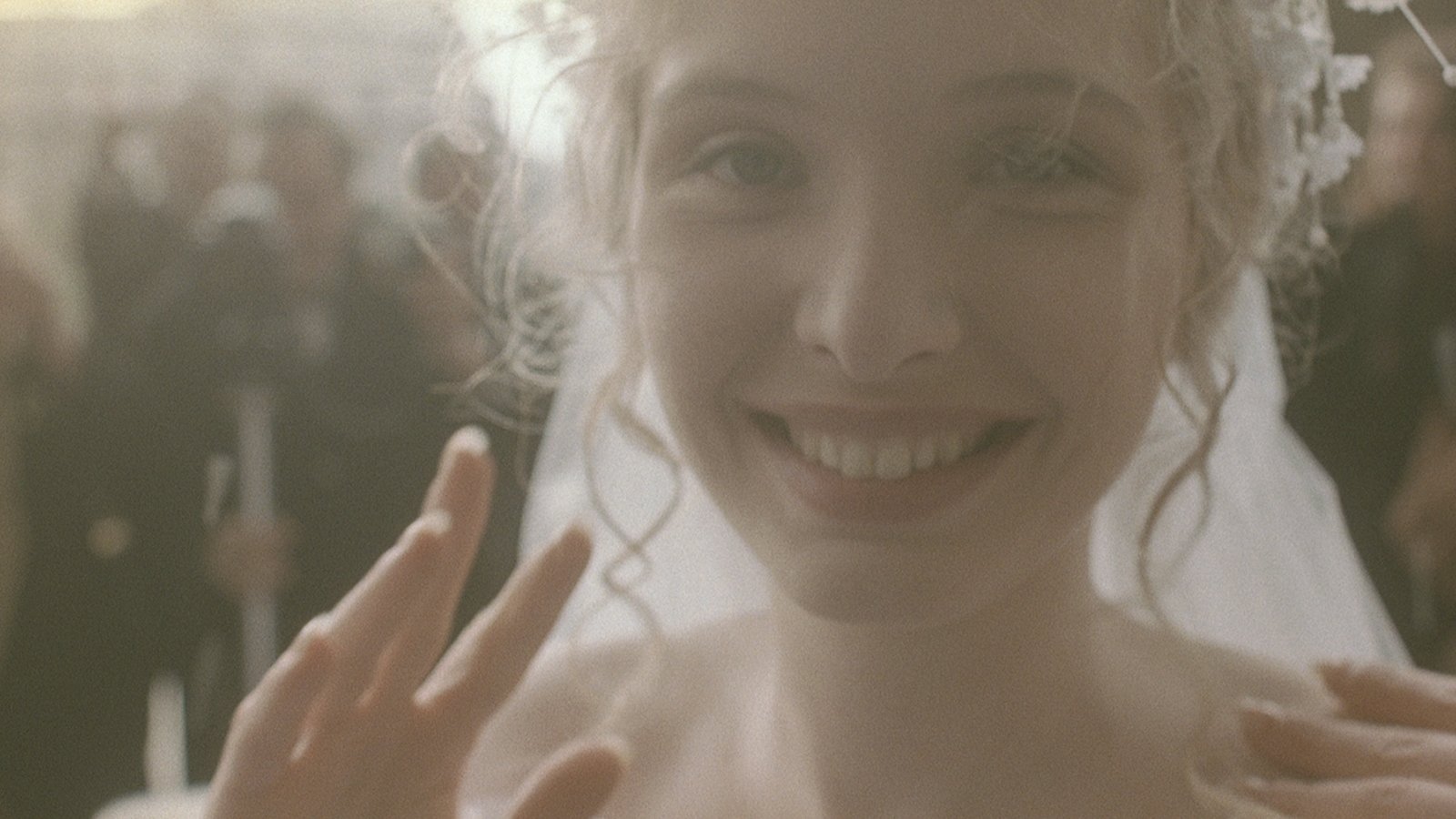
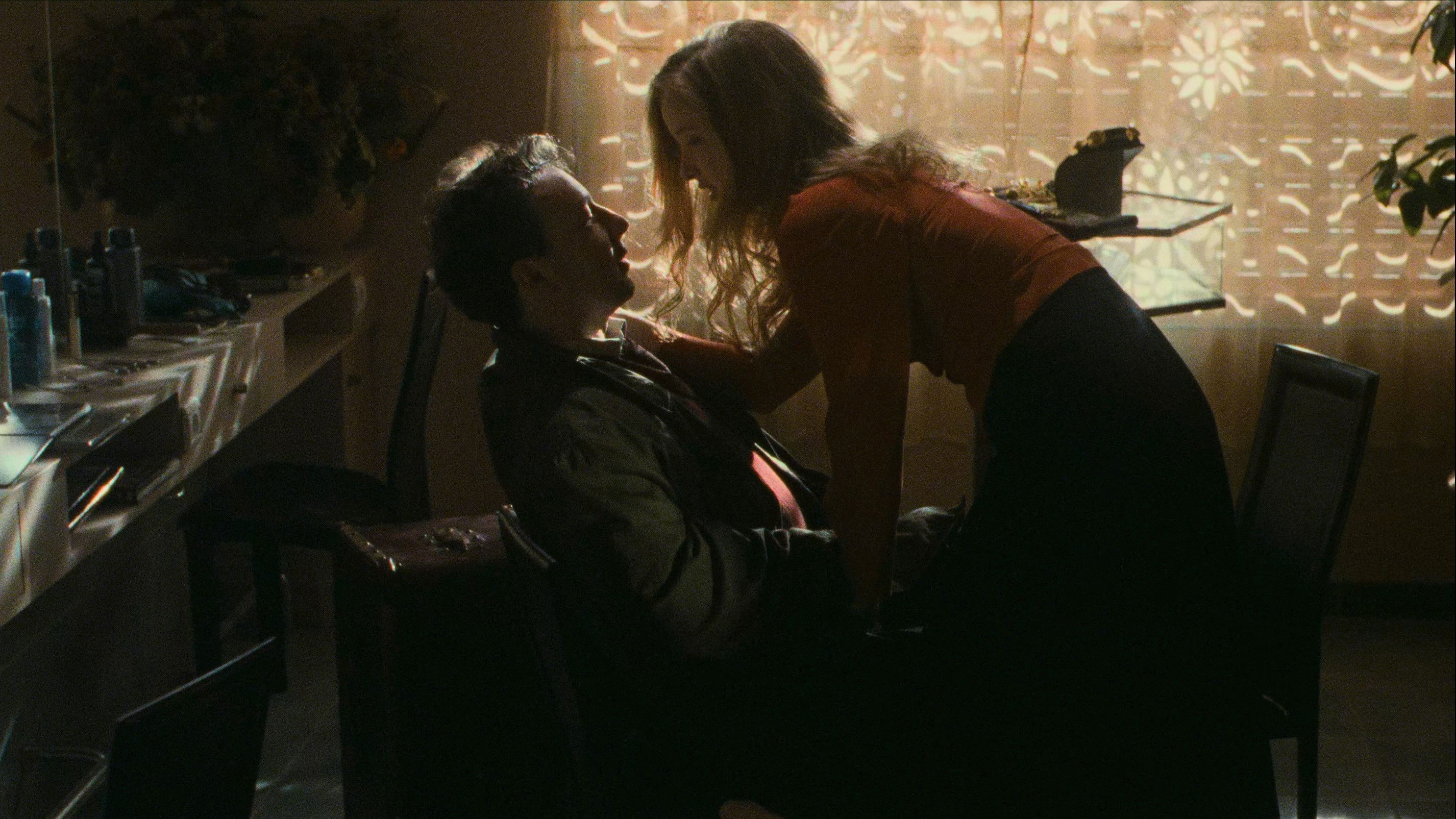
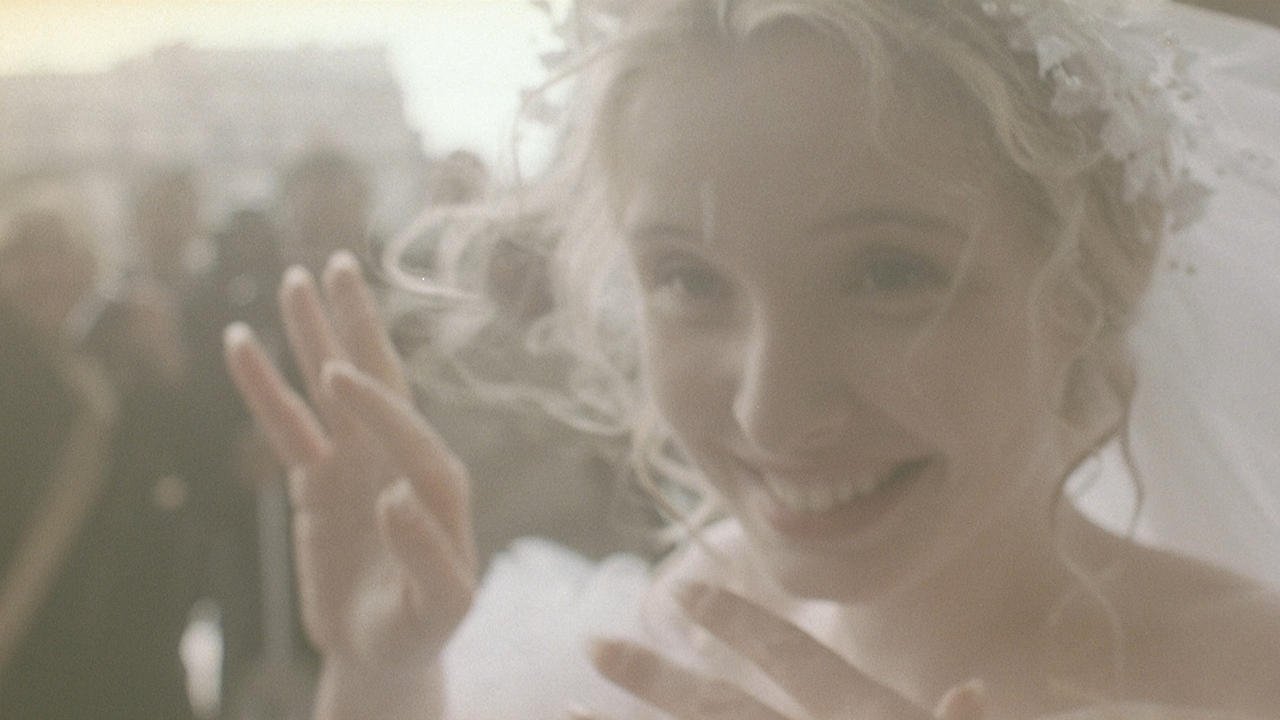
Julie Delpy's Dominique, we see Karol constantly fighting for her approval, trying not to be equal to her, but merely to be enough. As Karol moves to his homeland, we see his ambitions grow and he finds himself within reach of fitting in. As he learns French and tries to contact Dominique, she rejects him, and we see a shift in what equality means to him. Equality is not being as good as everyone else, but rather just as bad.

Taking a linear approach, unlike
Red and
Blue,
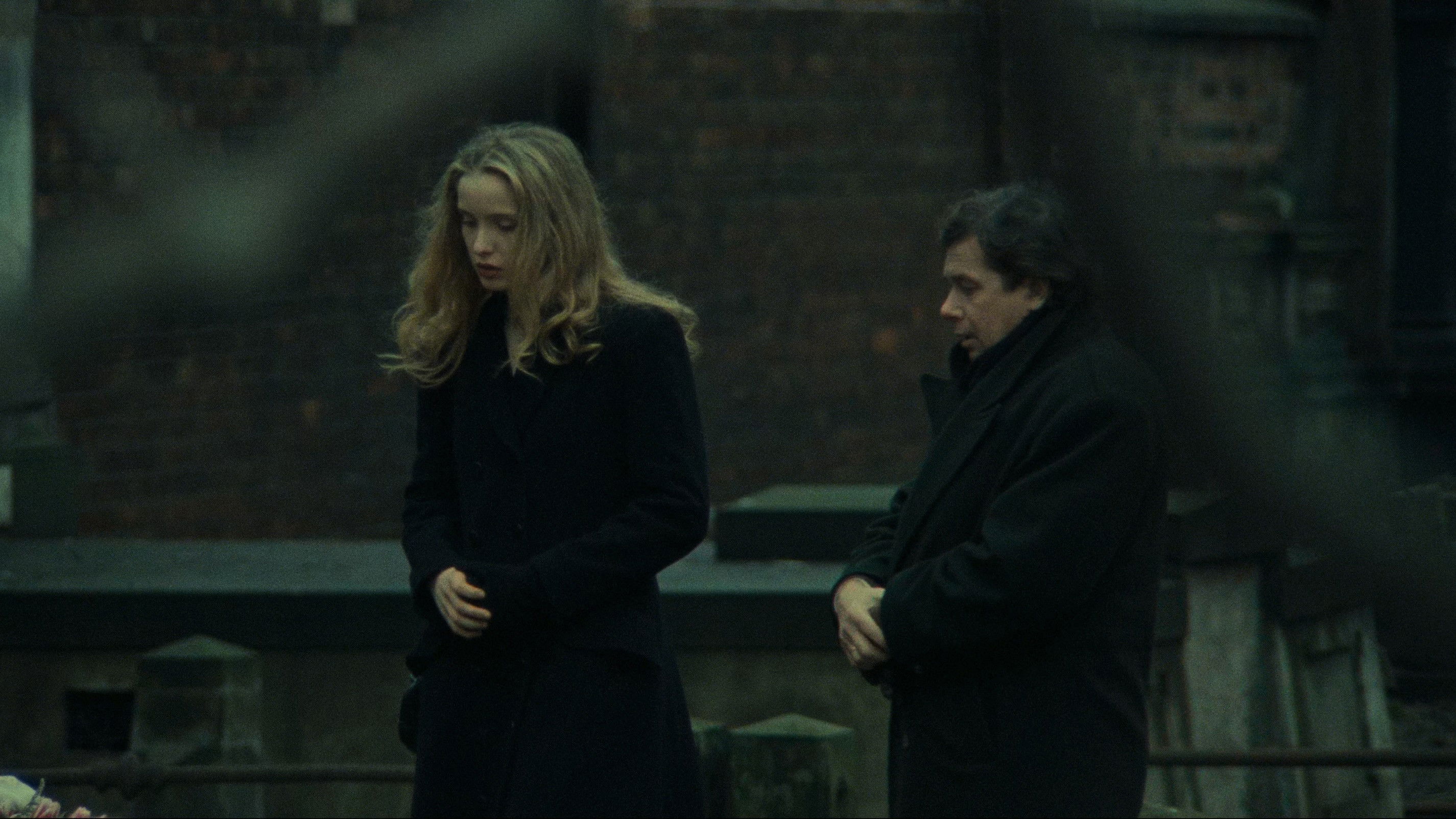
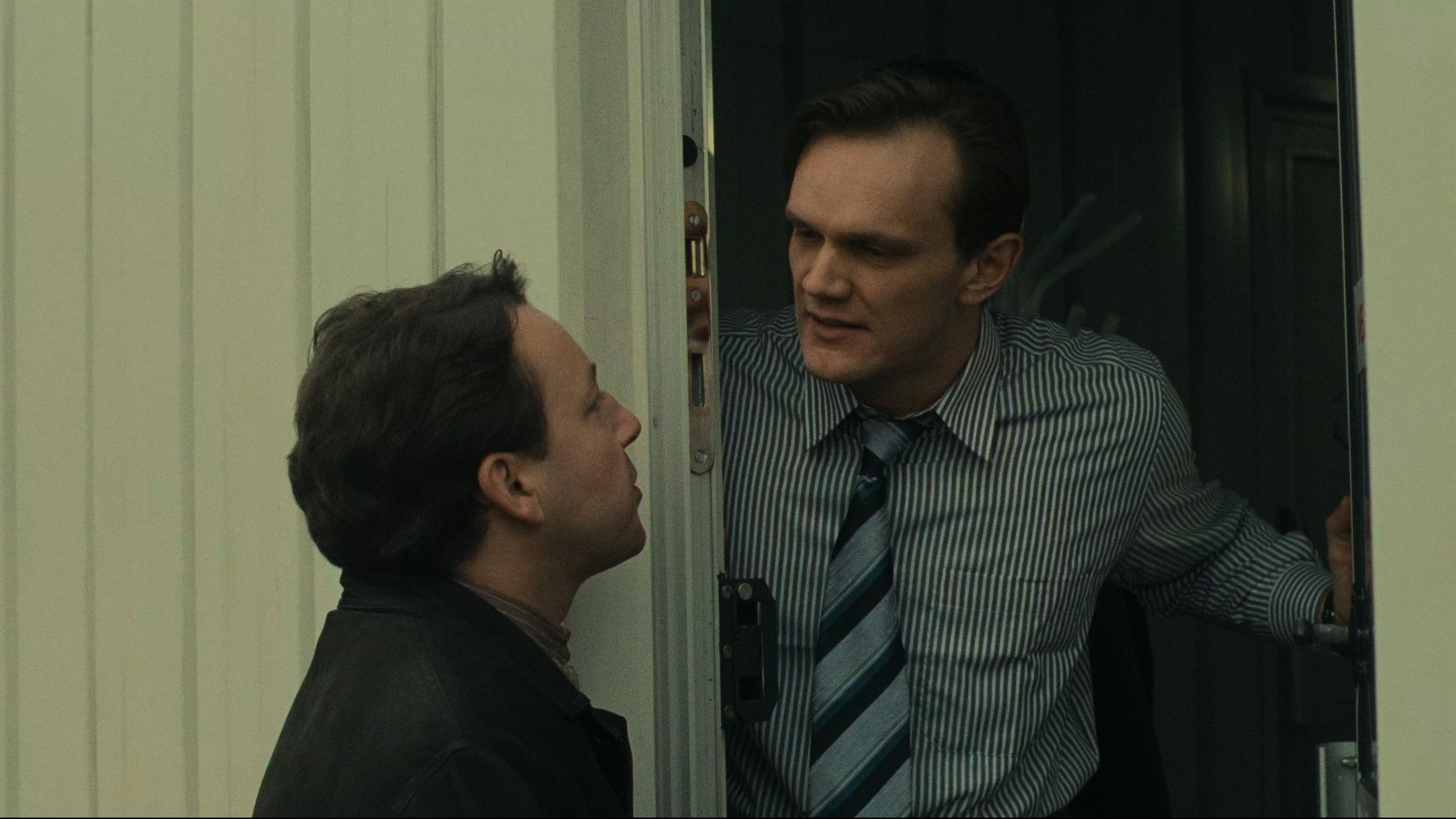
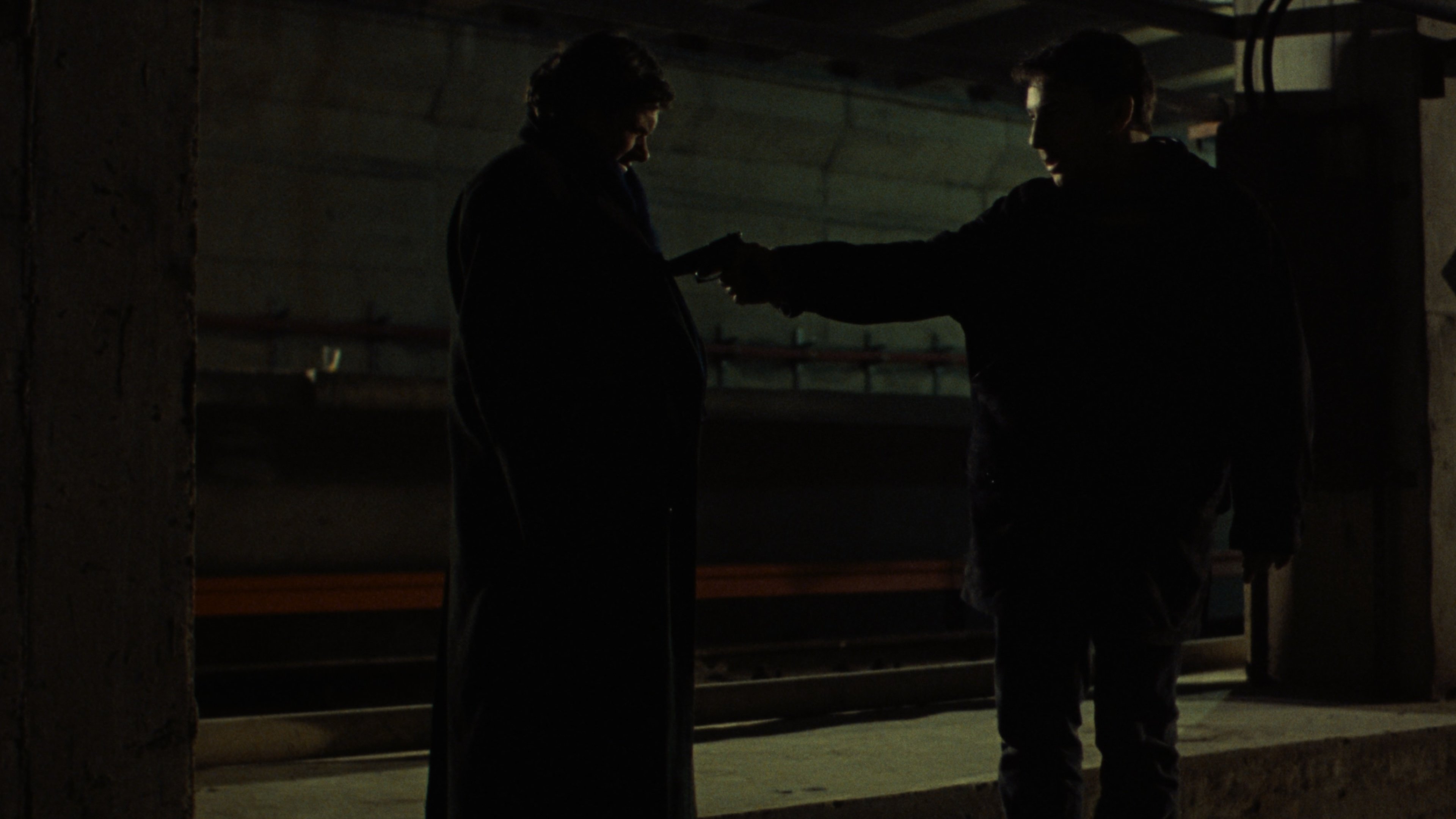
White leads up to an ultimate moment, showcasing what kind of equal footing Karol is chasing with Dominique. Despite showcasing power later on and shifting the narrative where he is the abuser and Dominique is the abused, Karol still yields to her by the end. I'd like to believe Dominique didn't resist her arrest because she knew Karol would never have power over her. It is their nature, similar to how the West will always have power over the East. Because you're born with that kind of privilege and power, you don't buy it.
Every actor in this film delivered a performance that filled in a gap in the story perfectly. Every line, stare, and sigh was purposeful and meaningful. I understand why some were frustrated with
Delpy's lack of screen time. I, too, would've loved to see more of Dominique, because you simply don't reach such a state without history, but I also liked how much is left for interpretation.
With the other two films being so personal, it makes sense why anyone going into this one after those would be disappointed, or at least off-put. One of the beautiful things about this trilogy is that
Krzysztof had something for everyone. Instead of pleasing one audience, he made three movies, each serving a certain demographic. As a fan of linear plotlines, storytelling, and politics I found myself gravitating toward this more than the other two. Some of the best humor I've seen, not because it is outwardly funny, but just so incredibly unique and baffling that you end up laughing in confusion. Definitely an acquired taste, one of the films that would take thought and research to find what you love in it, but once you find it you'll see why this is one of the most underappreciated films of our time. So much more to say about this, a dozen rewatches are needed.
My review of BlueMy review of RedFarouq's Favourite Children