
A Warning to the Curious
1972·TV Movie·50m
7.1
★
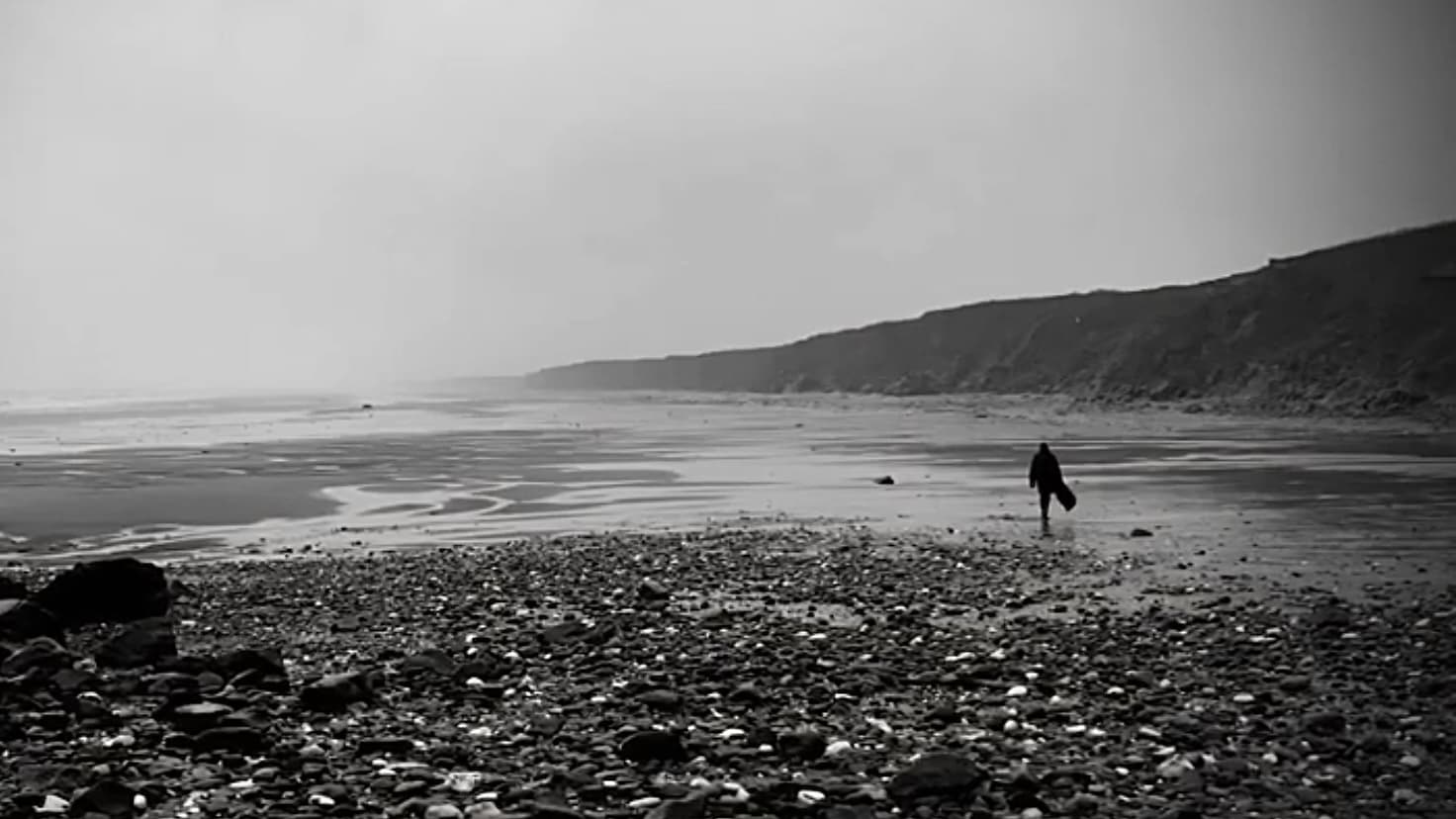
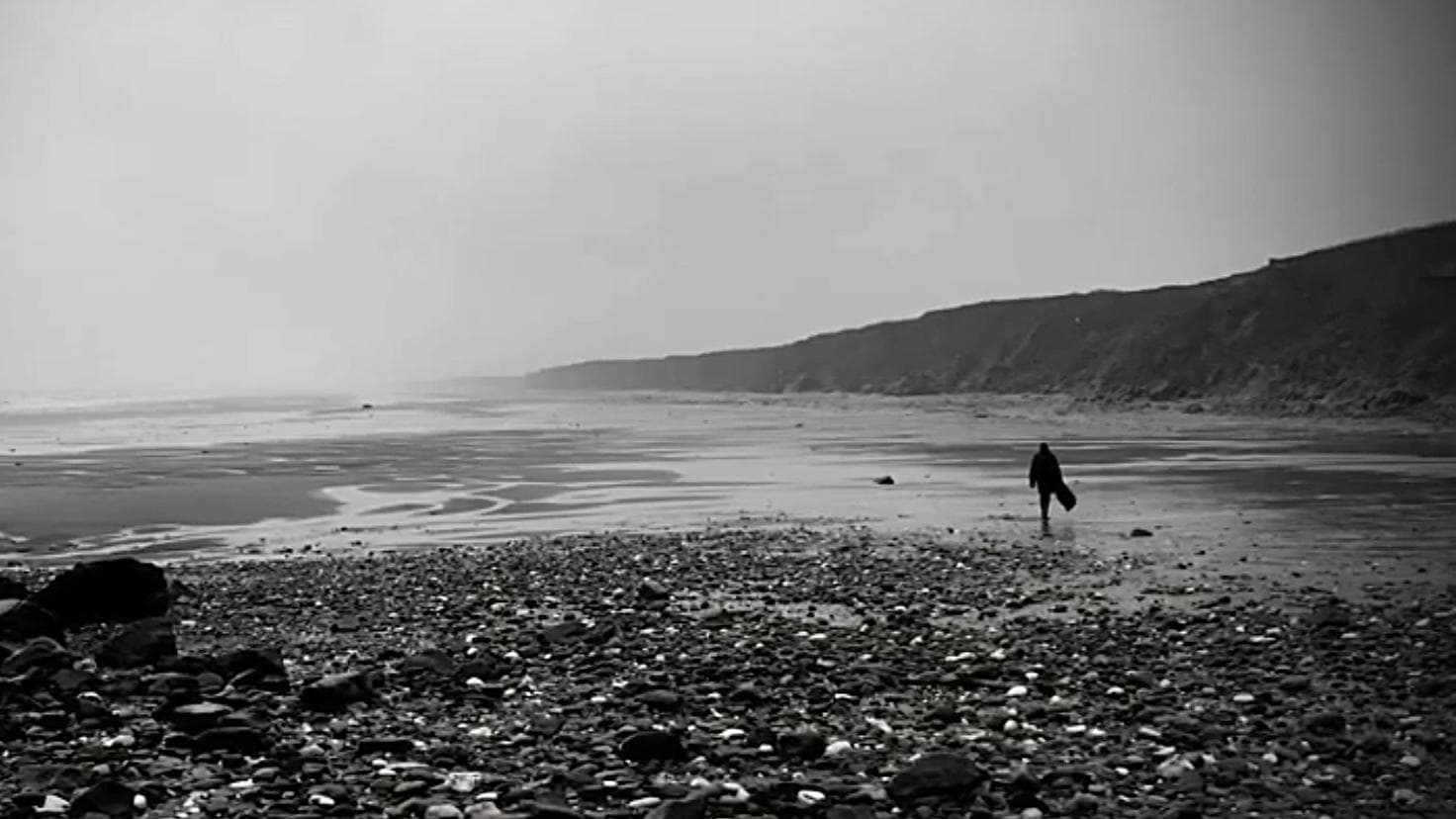
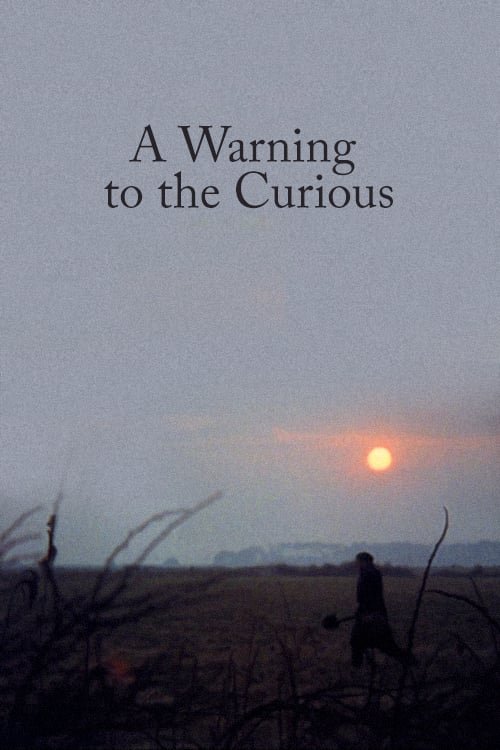
Paxton, an amateur archeologist, travels to the town of Seaburgh and inadvertently stumbles across one of the lost crowns of Anglia, which, according to legend, protect the county from invasion. On digging the crown up, Paxton is stalked by its supernatural guardian.
Directed by Lawrence Gordon Clark

IMDB
N/A
Cast

Peter Vaughan
Mr Paxton
Clive Swift
Dr. Black

George Benson
Vicar

Roger Milner
Antique Shop Owner

David Pugh
Porter
Crew
Lawrence Gordon Clark
Director
Lawrence Gordon Clark
Writer
Lawrence Gordon Clark
Producer
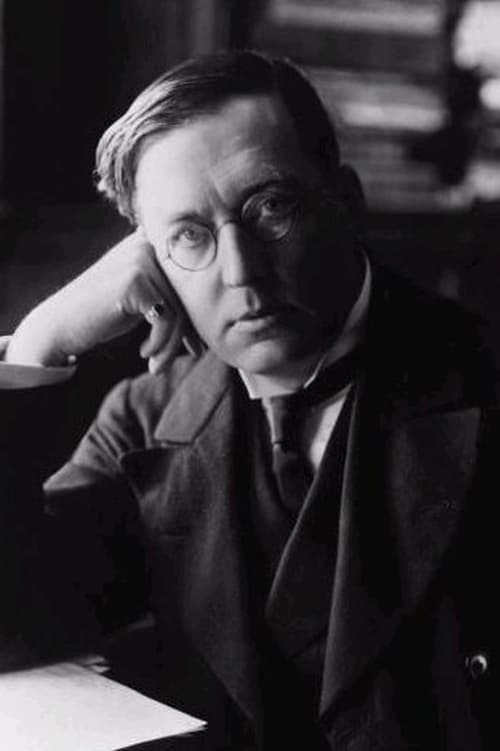
M.R. James
Short Story
Popular Reviews
15 reviews
Kieran
10.0★ · 12/24/25
What cosmic horror means to you depends on a fair few things. For me, it’s when the whole universe feels like it’s working actively against you. As if things are set in motion beyond comprehension that ride the grain of reality. You’re the knot in the wood, the one place where the chisel can’t carve smoothly. M. R. James didn’t trade in typical cosmic horror but the multitude of works that spin off his wind-that-cuts-as-it-blows-by aesthetic mean the archetypes he helped to embed in the ghost story are now imbedded within cosmic horror. A Warning to the Curious has the most of these signifiers and LGC spins them into a singularly creepy piece.
Most works budgeted under television constraints look very akin to that aforementioned moniker. It’s tricky to hide the sometimes less than credible acting and the hastily photographed shots. LGC is the only person who uses these limitations in his favour. His style- the static shots that awake to swing to another point of interest, characters walking into established frames and wandering aimlessly back out of them, the action caught by intimacy over scale- is born from TV impediments. It’s remarkable what he creates from barely anything, the power he wrings from the most parched of cloths.
A Warning to the Curious, beyond all the masterful themes and honest-to-goodness ghostliness of it all, is a complete and utter technical marvel. One of the most fastidiously curated and idiosyncratically milled works ever. It’s completely spellbinding watching the atmosphere chiselled from hunks of shot-blocking marble. I’ve mentioned it before but take the scenes from when Ager invades Paxton’s room up to the subsequent day, post-restoration of the crown. There are moments so utterly perfect that they can bring you tears: Paxton’s body illuminated by torchlight, hunched over as if purged of life; the slow circular pan across the trees, Ager stood behind one, infernal amongst the darkness; the mistaken coat writhing to reveal Ager inspecting his wears, lit impossibly by sunken moonlight behind the knoll.
It’s all so fucking special. It’s genuinely electric stuff; each moment painstakingly shaved from the block of cosmic horror wood. Paxton’s our knot, Paxton’s the thing that brings the evil machinations of the universe into the world and also the one who continues its legacy.
It’s so obviously five stars. If The Signalman is LGC’s emotional masterpiece then this is his technical one. Masterful.
(It was Christmas Eve and I was very drunk writing this in my notes. I’m keeping it as is, for posterity)
Most works budgeted under television constraints look very akin to that aforementioned moniker. It’s tricky to hide the sometimes less than credible acting and the hastily photographed shots. LGC is the only person who uses these limitations in his favour. His style- the static shots that awake to swing to another point of interest, characters walking into established frames and wandering aimlessly back out of them, the action caught by intimacy over scale- is born from TV impediments. It’s remarkable what he creates from barely anything, the power he wrings from the most parched of cloths.
A Warning to the Curious, beyond all the masterful themes and honest-to-goodness ghostliness of it all, is a complete and utter technical marvel. One of the most fastidiously curated and idiosyncratically milled works ever. It’s completely spellbinding watching the atmosphere chiselled from hunks of shot-blocking marble. I’ve mentioned it before but take the scenes from when Ager invades Paxton’s room up to the subsequent day, post-restoration of the crown. There are moments so utterly perfect that they can bring you tears: Paxton’s body illuminated by torchlight, hunched over as if purged of life; the slow circular pan across the trees, Ager stood behind one, infernal amongst the darkness; the mistaken coat writhing to reveal Ager inspecting his wears, lit impossibly by sunken moonlight behind the knoll.
It’s all so fucking special. It’s genuinely electric stuff; each moment painstakingly shaved from the block of cosmic horror wood. Paxton’s our knot, Paxton’s the thing that brings the evil machinations of the universe into the world and also the one who continues its legacy.
It’s so obviously five stars. If The Signalman is LGC’s emotional masterpiece then this is his technical one. Masterful.
(It was Christmas Eve and I was very drunk writing this in my notes. I’m keeping it as is, for posterity)
What cosmic horror means to you depends on a fair few things. For me, it’s when the whole universe feels like it’s working actively against you. As if things are set in motion beyond comprehension that ride the grain of reality. You’re the knot in the wood, the one place where the chisel can’t carve smoothly. M. R. James didn’t trade in typical cosmic horror but the multitude of works that spin off his wind-that-cuts-as-it-blows-by aesthetic mean the archetypes he helped to embed in the ghost story are now imbedded within cosmic horror. A Warning to the Curious has the most of these signifiers and LGC spins them into a singularly creepy piece.
Most works budgeted under television constraints look very akin to that aforementioned moniker. It’s tricky to hide the sometimes less than credible acting and the hastily photographed shots. LGC is the only person who uses these limitations in his favour. His style- the static shots that awake to swing to another point of interest, characters walking into established frames and wandering aimlessly back out of them, the action caught by intimacy over scale- is born from TV impediments. It’s remarkable what he creates from barely anything, the power he wrings from the most parched of cloths.
A Warning to the Curious, beyond all the masterful themes and honest-to-goodness ghostliness of it all, is a complete and utter technical marvel. One of the most fastidiously curated and idiosyncratically milled works ever. It’s completely spellbinding watching the atmosphere chiselled from hunks of shot-blocking marble. I’ve mentioned it before but take the scenes from when Ager invades Paxton’s room up to the subsequent day, post-restoration of the crown. There are moments so utterly perfect that they can bring you tears: Paxton’s body illuminated by torchlight, hunched over as if purged of life; the slow circular pan across the trees, Ager stood behind one, infernal amongst the darkness; the mistaken coat writhing to reveal Ager inspecting his wears, lit impossibly by sunken moonlight behind the knoll.
It’s all so fucking special. It’s genuinely electric stuff; each moment painstakingly shaved from the block of cosmic horror wood. Paxton’s our knot, Paxton’s the thing that brings the evil machinations of the universe into the world and also the one who continues its legacy.
It’s so obviously five stars. If The Signalman is LGC’s emotional masterpiece then this is his technical one. Masterful.
(It was Christmas Eve and I was very drunk writing this in my notes. I’m keeping it as is, for posterity)
Most works budgeted under television constraints look very akin to that aforementioned moniker. It’s tricky to hide the sometimes less than credible acting and the hastily photographed shots. LGC is the only person who uses these limitations in his favour. His style- the static shots that awake to swing to another point of interest, characters walking into established frames and wandering aimlessly back out of them, the action caught by intimacy over scale- is born from TV impediments. It’s remarkable what he creates from barely anything, the power he wrings from the most parched of cloths.
A Warning to the Curious, beyond all the masterful themes and honest-to-goodness ghostliness of it all, is a complete and utter technical marvel. One of the most fastidiously curated and idiosyncratically milled works ever. It’s completely spellbinding watching the atmosphere chiselled from hunks of shot-blocking marble. I’ve mentioned it before but take the scenes from when Ager invades Paxton’s room up to the subsequent day, post-restoration of the crown. There are moments so utterly perfect that they can bring you tears: Paxton’s body illuminated by torchlight, hunched over as if purged of life; the slow circular pan across the trees, Ager stood behind one, infernal amongst the darkness; the mistaken coat writhing to reveal Ager inspecting his wears, lit impossibly by sunken moonlight behind the knoll.
It’s all so fucking special. It’s genuinely electric stuff; each moment painstakingly shaved from the block of cosmic horror wood. Paxton’s our knot, Paxton’s the thing that brings the evil machinations of the universe into the world and also the one who continues its legacy.
It’s so obviously five stars. If The Signalman is LGC’s emotional masterpiece then this is his technical one. Masterful.
(It was Christmas Eve and I was very drunk writing this in my notes. I’m keeping it as is, for posterity)


Kieran
9.0★ · 02/02/25
On my first watch through, one idea kept springing into my head: Lawrence Gordon Clarke is the greatest director ever to work in 4:3. That suspicion has been confirmed.
Just marvel at the way some of this is shot. Ager, backlit beautifully, hacking away at our main character. Ager once again, momentarily lit up by a probing torch. Paxton haunched over in his room, at the mercy of a now-fled Ager.
This is technical perfection in almost every way. The scariest of Clarke’s Ghost Stories and one of the most fastidiously creative pieces of film ever.
Just marvel at the way some of this is shot. Ager, backlit beautifully, hacking away at our main character. Ager once again, momentarily lit up by a probing torch. Paxton haunched over in his room, at the mercy of a now-fled Ager.
This is technical perfection in almost every way. The scariest of Clarke’s Ghost Stories and one of the most fastidiously creative pieces of film ever.
On my first watch through, one idea kept springing into my head: Lawrence Gordon Clarke is the greatest director ever to work in 4:3. That suspicion has been confirmed.
Just marvel at the way some of this is shot. Ager, backlit beautifully, hacking away at our main character. Ager once again, momentarily lit up by a probing torch. Paxton haunched over in his room, at the mercy of a now-fled Ager.
This is technical perfection in almost every way. The scariest of Clarke’s Ghost Stories and one of the most fastidiously creative pieces of film ever.
Just marvel at the way some of this is shot. Ager, backlit beautifully, hacking away at our main character. Ager once again, momentarily lit up by a probing torch. Paxton haunched over in his room, at the mercy of a now-fled Ager.
This is technical perfection in almost every way. The scariest of Clarke’s Ghost Stories and one of the most fastidiously creative pieces of film ever.
Koudelka
6.0★ · 01/31/25
I guess Anglia can be invaded now.
I guess Anglia can be invaded now.
Kieran
9.0★ · 01/25/25
A Ghost Story for Christmas: 2
Masterful. Absolutely masterful.
This is one of James’ more conventional narratives- his others stories go to some weirder places that inspired Lovecraft- but that doesn’t dampen its potency when Clark shoots it.
Coastal settings are always perfect for horror. During the off-season they’re deserted, lonely, liminal in their unfulfilled potential and sparseness. Messiah of Evil utilised this in a much crazier way than Clarke does here but that sense of permanent unease is lying like fog from the start of A Warning to the Curious.
Yes, certain elements can be slightly goofy (it’s a BBC Christmas production) but when Clarke locks the fuck in, your sense of aloofness to the goofiness comes crashing down. Take the scene in Paxton’s bedroom, in all its sinister dread- glass shattering on a reveal; a torchlight casting a sickly ellipse onto a sunken figure, the darkness threatening to swallow him; the pan to the briefcase- it’s remarkable. In the final act there’s a moment of pure terror when Dr. Black moves his torch onto Ager. You’re questioning what you’ve seen, you’re complicit in Dr. Black’s ignorance during this scene. The intimacy of Clarke’s camera in these moments is astonishing. He films in a never-ending triptych, however paradoxical that statement may be.
The craft on display is remarkable too. All of this wouldn’t be effective if the sound design weren’t perfect (Richard Manton take a bow) and the impossible, unrealistic lighting weren’t illuminating the scene to devastatingly gorgeous effect. The wide-open cinematography, making you fear the expanse rather than the cramped halls, also impresses.
When I started this watch through, this was the sort of thing I was expecting. It’s damn near perfect. I’ve only watched two of Clarke’s films so far and they’ve impressed me to no end. I wanted that scariness. Not manufactured scares like modern horror, the sort of analogue scare that comes from atmosphere and serious work on behalf of the team. Clarke has thus far given it to me.
Masterful. Absolutely masterful.
This is one of James’ more conventional narratives- his others stories go to some weirder places that inspired Lovecraft- but that doesn’t dampen its potency when Clark shoots it.
Coastal settings are always perfect for horror. During the off-season they’re deserted, lonely, liminal in their unfulfilled potential and sparseness. Messiah of Evil utilised this in a much crazier way than Clarke does here but that sense of permanent unease is lying like fog from the start of A Warning to the Curious.
Yes, certain elements can be slightly goofy (it’s a BBC Christmas production) but when Clarke locks the fuck in, your sense of aloofness to the goofiness comes crashing down. Take the scene in Paxton’s bedroom, in all its sinister dread- glass shattering on a reveal; a torchlight casting a sickly ellipse onto a sunken figure, the darkness threatening to swallow him; the pan to the briefcase- it’s remarkable. In the final act there’s a moment of pure terror when Dr. Black moves his torch onto Ager. You’re questioning what you’ve seen, you’re complicit in Dr. Black’s ignorance during this scene. The intimacy of Clarke’s camera in these moments is astonishing. He films in a never-ending triptych, however paradoxical that statement may be.
The craft on display is remarkable too. All of this wouldn’t be effective if the sound design weren’t perfect (Richard Manton take a bow) and the impossible, unrealistic lighting weren’t illuminating the scene to devastatingly gorgeous effect. The wide-open cinematography, making you fear the expanse rather than the cramped halls, also impresses.
When I started this watch through, this was the sort of thing I was expecting. It’s damn near perfect. I’ve only watched two of Clarke’s films so far and they’ve impressed me to no end. I wanted that scariness. Not manufactured scares like modern horror, the sort of analogue scare that comes from atmosphere and serious work on behalf of the team. Clarke has thus far given it to me.
A Ghost Story for Christmas: 2
Masterful. Absolutely masterful.
This is one of James’ more conventional narratives- his others stories go to some weirder places that inspired Lovecraft- but that doesn’t dampen its potency when Clark shoots it.
Coastal settings are always perfect for horror. During the off-season they’re deserted, lonely, liminal in their unfulfilled potential and sparseness. Messiah of Evil utilised this in a much crazier way than Clarke does here but that sense of permanent unease is lying like fog from the start of A Warning to the Curious.
Yes, certain elements can be slightly goofy (it’s a BBC Christmas production) but when Clarke locks the fuck in, your sense of aloofness to the goofiness comes crashing down. Take the scene in Paxton’s bedroom, in all its sinister dread- glass shattering on a reveal; a torchlight casting a sickly ellipse onto a sunken figure, the darkness threatening to swallow him; the pan to the briefcase- it’s remarkable. In the final act there’s a moment of pure terror when Dr. Black moves his torch onto Ager. You’re questioning what you’ve seen, you’re complicit in Dr. Black’s ignorance during this scene. The intimacy of Clarke’s camera in these moments is astonishing. He films in a never-ending triptych, however paradoxical that statement may be.
The craft on display is remarkable too. All of this wouldn’t be effective if the sound design weren’t perfect (Richard Manton take a bow) and the impossible, unrealistic lighting weren’t illuminating the scene to devastatingly gorgeous effect. The wide-open cinematography, making you fear the expanse rather than the cramped halls, also impresses.
When I started this watch through, this was the sort of thing I was expecting. It’s damn near perfect. I’ve only watched two of Clarke’s films so far and they’ve impressed me to no end. I wanted that scariness. Not manufactured scares like modern horror, the sort of analogue scare that comes from atmosphere and serious work on behalf of the team. Clarke has thus far given it to me.
Masterful. Absolutely masterful.
This is one of James’ more conventional narratives- his others stories go to some weirder places that inspired Lovecraft- but that doesn’t dampen its potency when Clark shoots it.
Coastal settings are always perfect for horror. During the off-season they’re deserted, lonely, liminal in their unfulfilled potential and sparseness. Messiah of Evil utilised this in a much crazier way than Clarke does here but that sense of permanent unease is lying like fog from the start of A Warning to the Curious.
Yes, certain elements can be slightly goofy (it’s a BBC Christmas production) but when Clarke locks the fuck in, your sense of aloofness to the goofiness comes crashing down. Take the scene in Paxton’s bedroom, in all its sinister dread- glass shattering on a reveal; a torchlight casting a sickly ellipse onto a sunken figure, the darkness threatening to swallow him; the pan to the briefcase- it’s remarkable. In the final act there’s a moment of pure terror when Dr. Black moves his torch onto Ager. You’re questioning what you’ve seen, you’re complicit in Dr. Black’s ignorance during this scene. The intimacy of Clarke’s camera in these moments is astonishing. He films in a never-ending triptych, however paradoxical that statement may be.
The craft on display is remarkable too. All of this wouldn’t be effective if the sound design weren’t perfect (Richard Manton take a bow) and the impossible, unrealistic lighting weren’t illuminating the scene to devastatingly gorgeous effect. The wide-open cinematography, making you fear the expanse rather than the cramped halls, also impresses.
When I started this watch through, this was the sort of thing I was expecting. It’s damn near perfect. I’ve only watched two of Clarke’s films so far and they’ve impressed me to no end. I wanted that scariness. Not manufactured scares like modern horror, the sort of analogue scare that comes from atmosphere and serious work on behalf of the team. Clarke has thus far given it to me.
SamEssss
8.0★ · 12/31/22
“You can’t see where the beach ends and the sky begins. It’s a real night for walking on the water.”
Compared to The Signalman, LGC is able to emphasise and elevate the palpable dread and forboding this time by using the East Anglian coast and vast rolling countryside as a character in itself; bleak, unforgiving and unending, steeped in the evocation of ancient Albion.
No cheap jump scares here, instead a slow creep, like every shovel full of dirt, no good is found if you keep digging.
Compared to The Signalman, LGC is able to emphasise and elevate the palpable dread and forboding this time by using the East Anglian coast and vast rolling countryside as a character in itself; bleak, unforgiving and unending, steeped in the evocation of ancient Albion.
No cheap jump scares here, instead a slow creep, like every shovel full of dirt, no good is found if you keep digging.
“You can’t see where the beach ends and the sky begins. It’s a real night for walking on the water.”
Compared to The Signalman, LGC is able to emphasise and elevate the palpable dread and forboding this time by using the East Anglian coast and vast rolling countryside as a character in itself; bleak, unforgiving and unending, steeped in the evocation of ancient Albion.
No cheap jump scares here, instead a slow creep, like every shovel full of dirt, no good is found if you keep digging.
Compared to The Signalman, LGC is able to emphasise and elevate the palpable dread and forboding this time by using the East Anglian coast and vast rolling countryside as a character in itself; bleak, unforgiving and unending, steeped in the evocation of ancient Albion.
No cheap jump scares here, instead a slow creep, like every shovel full of dirt, no good is found if you keep digging.