

1960·Drama·1h 43m
7.1
★
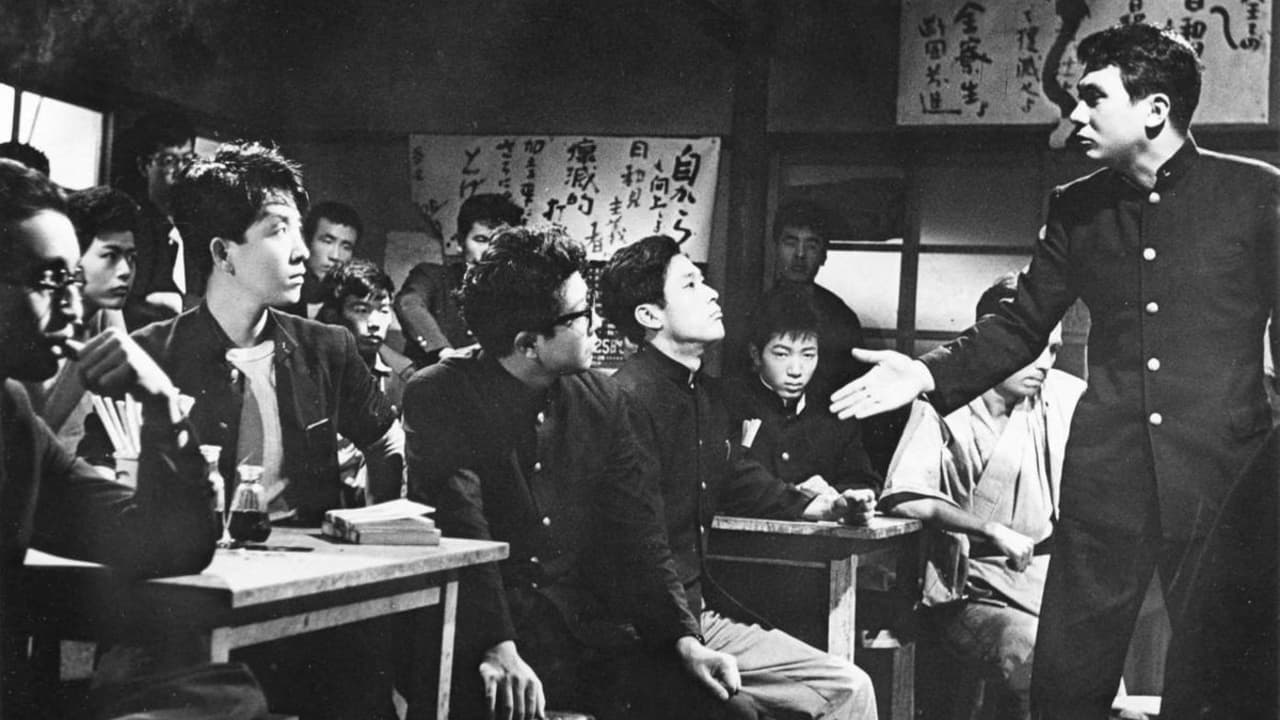
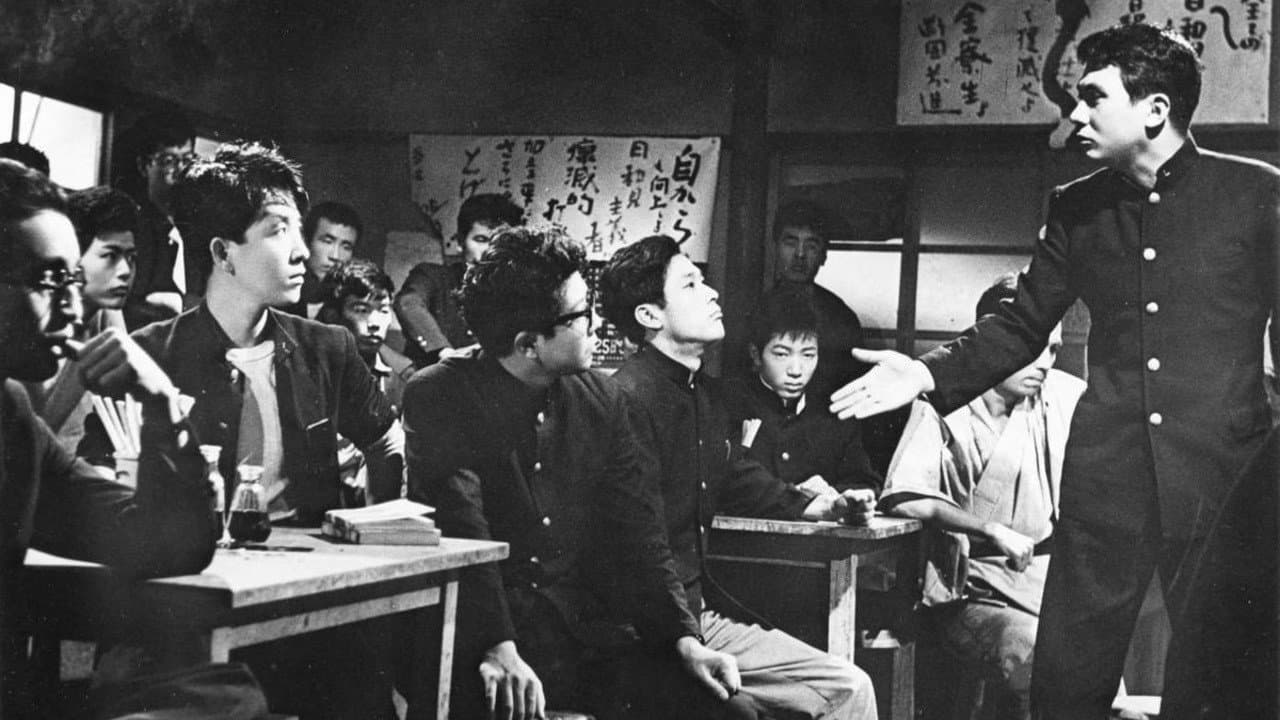
Long takes and a highly theatrical visual approach combine to form a tense and confrontational look at the decline of a socialist student activists' movement in Japan.
Directed by Nagisa Ōshima
japanese new wave
shōwa era (1926-89)
sceptical

Trailer

IMDB
N/A
Cast
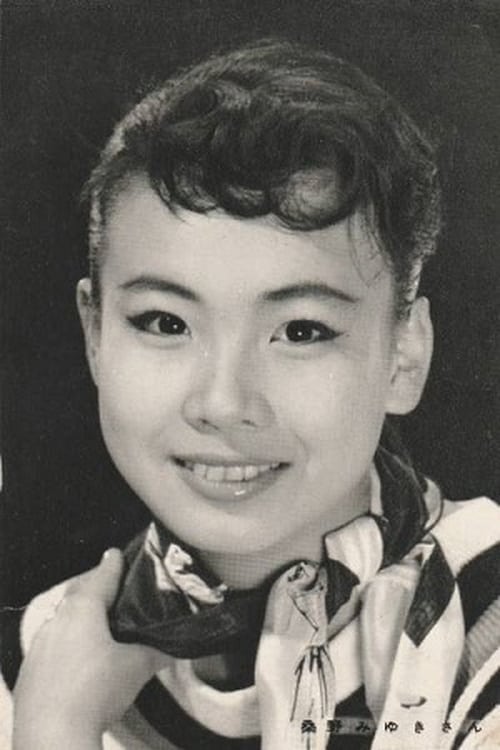
Miyuki Kuwano
Reiko Harada

Fumio Watanabe
Haruaki Nozawa
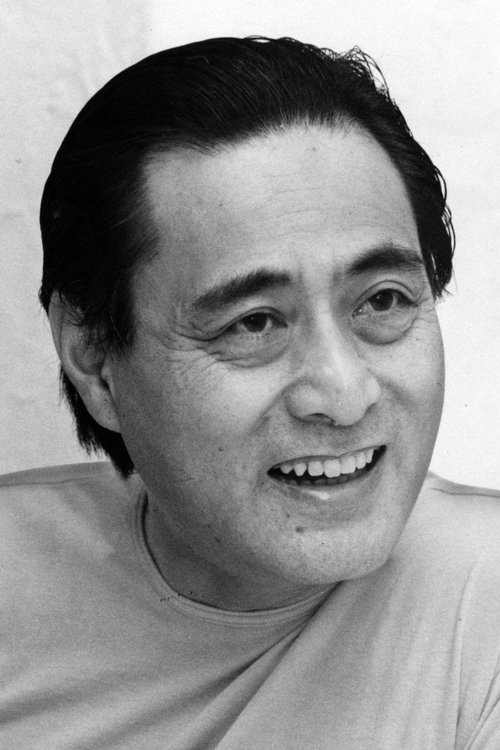
Masahiko Tsugawa
Ôta
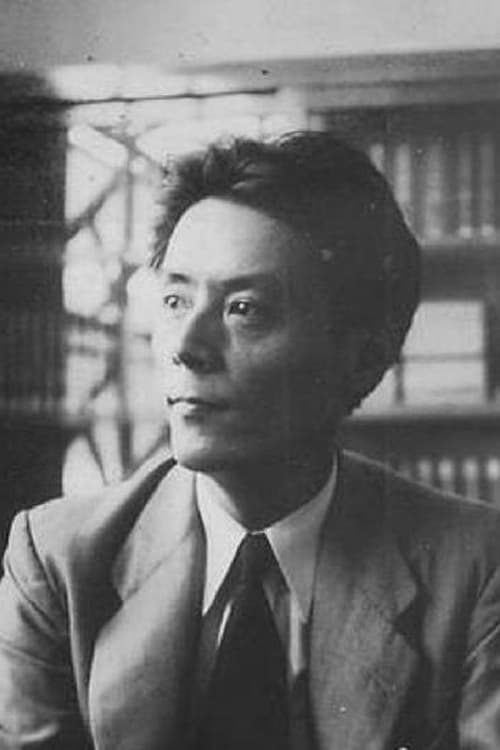
Hiroshi Akutagawa
Prof. Udagawa
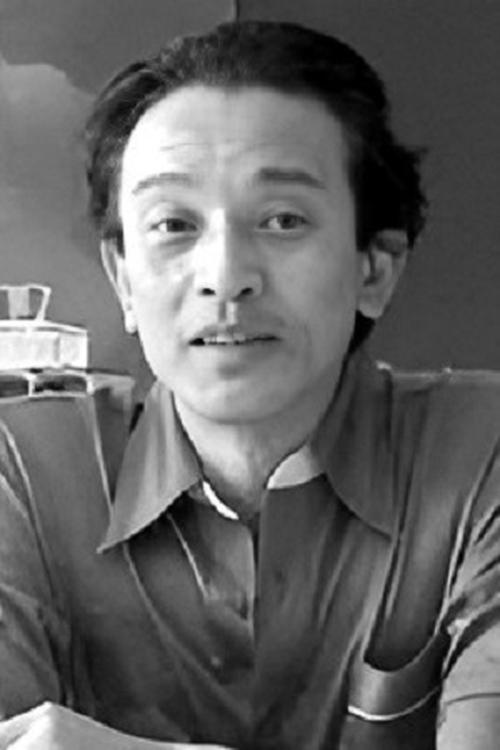
Kei Satō
Sakamaki
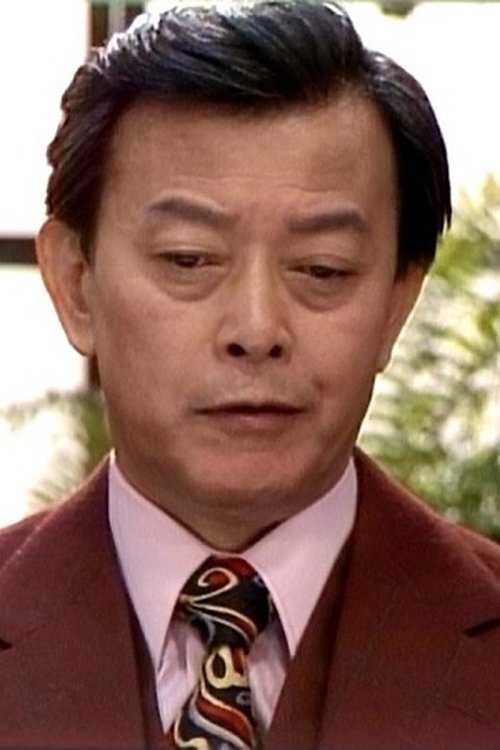
Rokkō Toura
Higashiura Toura
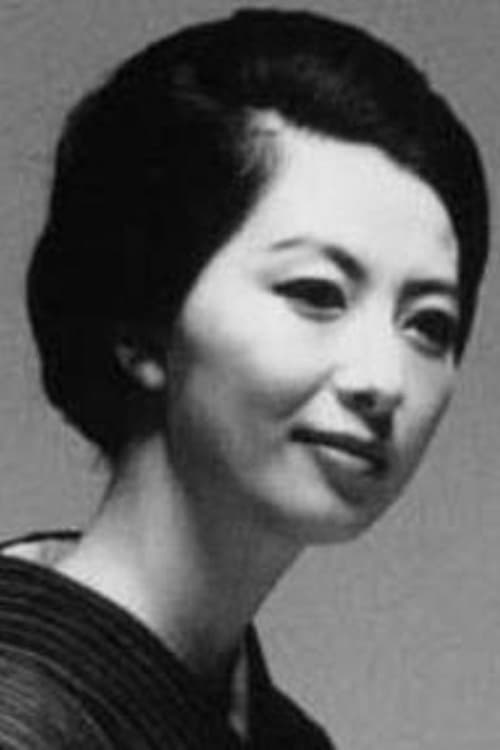
Akiko Koyama
Misako Nakagawa
Crew
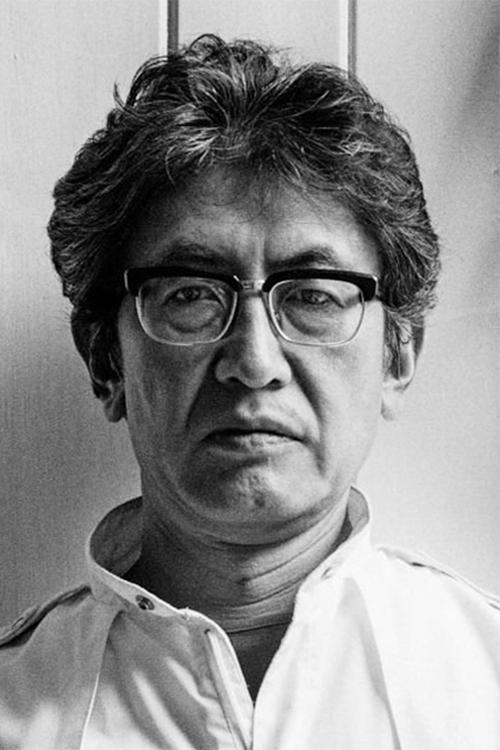
Nagisa Ōshima
Director
Nagisa Ōshima
Writer
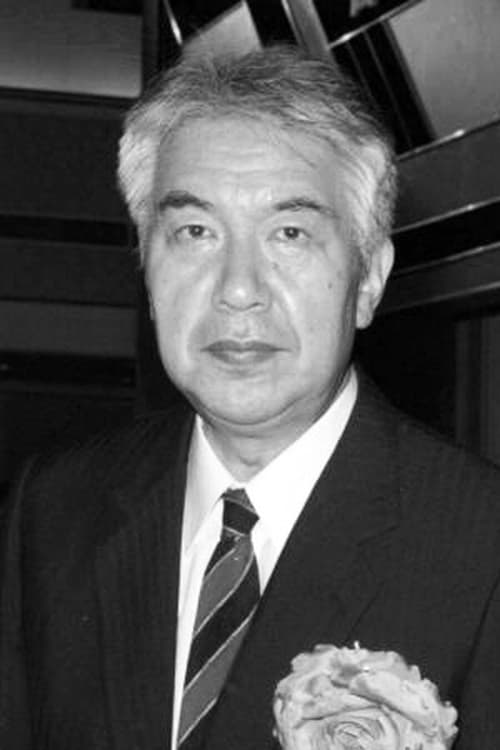
Toshirō Ishidō
Writer
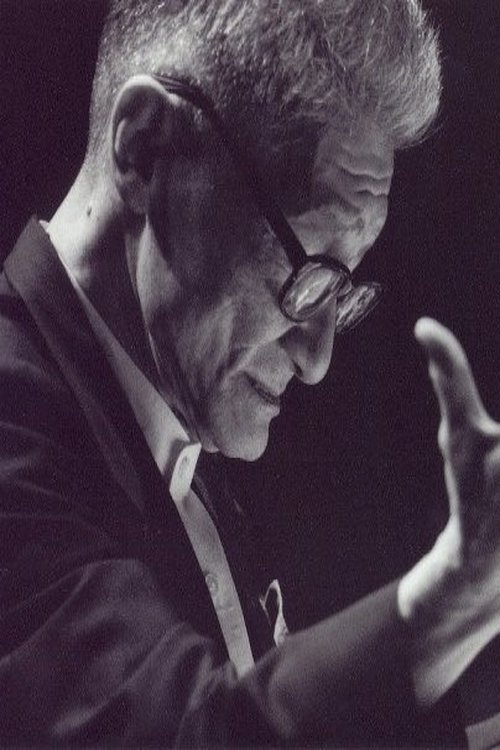
Riichirō Manabe
Original Music Composer
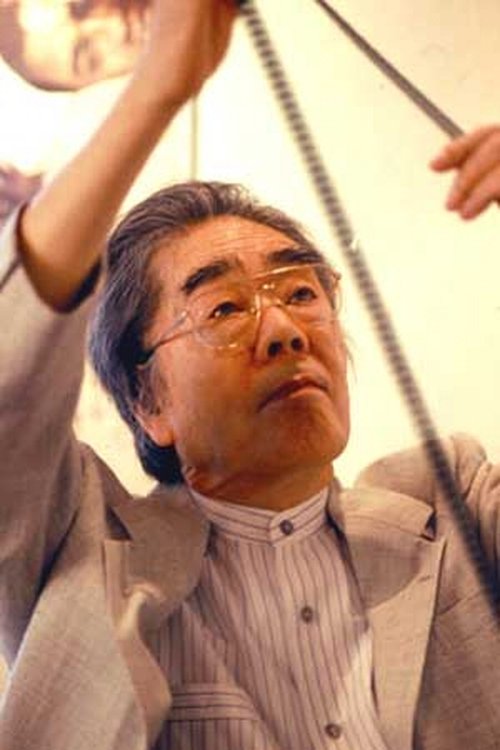
Keiichi Uraoka
Editor
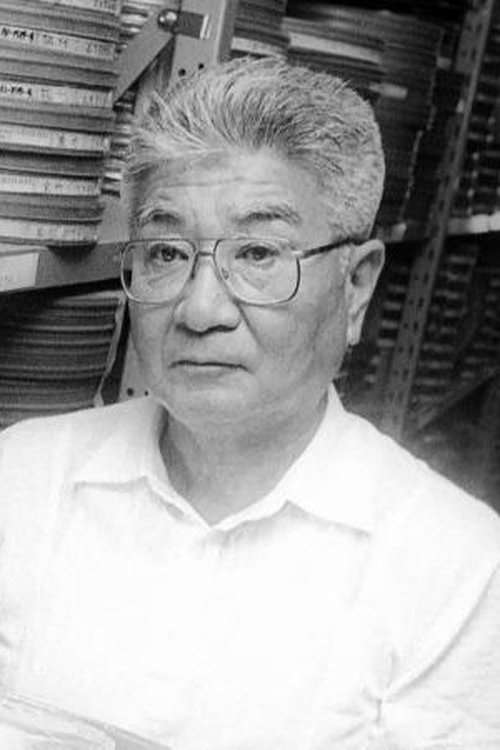
Takashi Kawamata
Director of Photography
Popular Reviews
13 reviews
Nick
7.0★ · 09/12/25
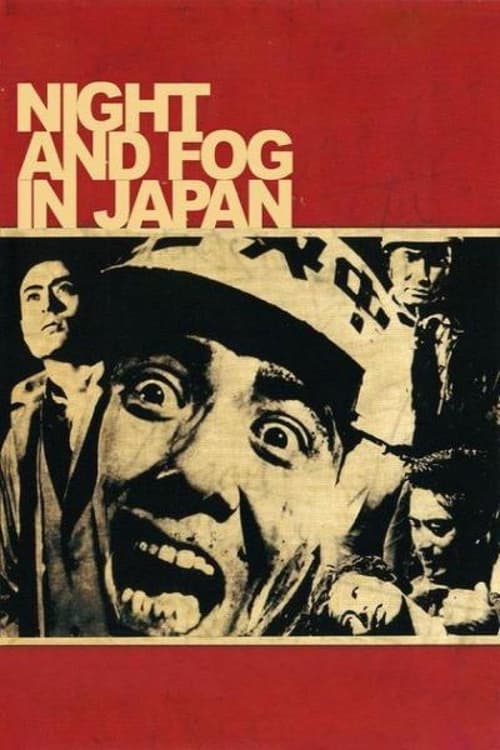
There is a ton to unpack here. The whole film unfolds over the course of one night, a wedding, but it includes a plethora of flashbacks. There are quite a few characters and names to keep track of which makes it difficult. The wedding is almost immediately crashed and then a series of debates and accusations unfold. It takes a minute to understand who cares about what, so there is some background information surrounding events like The Security Pact of 1960 which might be helpful to know. The first chunk of debate is entirely political. It keeps its politics throughout but eventually expands narratively to include other speedbumps like discovered affairs, party loyalty, and suicide.
I’m guessing this plays more pornographic than insulting to leftists, but there’s a huge strain of, maybe pessimistic, self-criticism. What struck me from the moment I heard of this film is its title, Night and Fog in Japan. Perusing the few reviews here, people seem to be, sort of, erroneously associating the title with Resnais’ film, literally titled, Night and Fog. But I guess what’s not obvious to most is that the phrase “Night and Fog,” or Nacht und Nebel, is primarily rooted in a Nazi disappearing operation. You can read about it here, in detail. I’m confident Oshima would be aware of this and it bespeaks the shrewd commentary baked into the film. While the philosophy of the narrative is obviously Marxist and co, by the end, he feels nihilistic at best. I’m of the opinion Oshima implied the title to go beyond the literal ending. Not only cinematically beautiful, the final shots paint an intellectual limbo replete with the perils of what the featured characters would deem as “bourgeois.”
This film is essential to the Nuberu Bagu in its spirit of anger and rebellion. Oshima, like his New Wave peers, audaciously break down cinema in outbursts of passion. In terms of enjoyment, though, I think this movie is mixed. If you’re a leftist, you’ll probably really like this. But it’s also a bit dry and academic. I love the formalism of it all, but it didn’t exactly resonate with me.
I’m guessing this plays more pornographic than insulting to leftists, but there’s a huge strain of, maybe pessimistic, self-criticism. What struck me from the moment I heard of this film is its title, Night and Fog in Japan. Perusing the few reviews here, people seem to be, sort of, erroneously associating the title with Resnais’ film, literally titled, Night and Fog. But I guess what’s not obvious to most is that the phrase “Night and Fog,” or Nacht und Nebel, is primarily rooted in a Nazi disappearing operation. You can read about it here, in detail. I’m confident Oshima would be aware of this and it bespeaks the shrewd commentary baked into the film. While the philosophy of the narrative is obviously Marxist and co, by the end, he feels nihilistic at best. I’m of the opinion Oshima implied the title to go beyond the literal ending. Not only cinematically beautiful, the final shots paint an intellectual limbo replete with the perils of what the featured characters would deem as “bourgeois.”
This film is essential to the Nuberu Bagu in its spirit of anger and rebellion. Oshima, like his New Wave peers, audaciously break down cinema in outbursts of passion. In terms of enjoyment, though, I think this movie is mixed. If you’re a leftist, you’ll probably really like this. But it’s also a bit dry and academic. I love the formalism of it all, but it didn’t exactly resonate with me.
There is a ton to unpack here. The whole film unfolds over the course of one night, a wedding, but it includes a plethora of flashbacks. There are quite a few characters and names to keep track of which makes it difficult. The wedding is almost immediately crashed and then a series of debates and accusations unfold. It takes a minute to understand who cares about what, so there is some background information surrounding events like The Security Pact of 1960 which might be helpful to know. The first chunk of debate is entirely political. It keeps its politics throughout but eventually expands narratively to include other speedbumps like discovered affairs, party loyalty, and suicide.
I’m guessing this plays more pornographic than insulting to leftists, but there’s a huge strain of, maybe pessimistic, self-criticism. What struck me from the moment I heard of this film is its title, Night and Fog in Japan. Perusing the few reviews here, people seem to be, sort of, erroneously associating the title with Resnais’ film, literally titled, Night and Fog. But I guess what’s not obvious to most is that the phrase “Night and Fog,” or Nacht und Nebel, is primarily rooted in a Nazi disappearing operation. You can read about it here, in detail. I’m confident Oshima would be aware of this and it bespeaks the shrewd commentary baked into the film. While the philosophy of the narrative is obviously Marxist and co, by the end, he feels nihilistic at best. I’m of the opinion Oshima implied the title to go beyond the literal ending. Not only cinematically beautiful, the final shots paint an intellectual limbo replete with the perils of what the featured characters would deem as “bourgeois.”
This film is essential to the Nuberu Bagu in its spirit of anger and rebellion. Oshima, like his New Wave peers, audaciously break down cinema in outbursts of passion. In terms of enjoyment, though, I think this movie is mixed. If you’re a leftist, you’ll probably really like this. But it’s also a bit dry and academic. I love the formalism of it all, but it didn’t exactly resonate with me.
I’m guessing this plays more pornographic than insulting to leftists, but there’s a huge strain of, maybe pessimistic, self-criticism. What struck me from the moment I heard of this film is its title, Night and Fog in Japan. Perusing the few reviews here, people seem to be, sort of, erroneously associating the title with Resnais’ film, literally titled, Night and Fog. But I guess what’s not obvious to most is that the phrase “Night and Fog,” or Nacht und Nebel, is primarily rooted in a Nazi disappearing operation. You can read about it here, in detail. I’m confident Oshima would be aware of this and it bespeaks the shrewd commentary baked into the film. While the philosophy of the narrative is obviously Marxist and co, by the end, he feels nihilistic at best. I’m of the opinion Oshima implied the title to go beyond the literal ending. Not only cinematically beautiful, the final shots paint an intellectual limbo replete with the perils of what the featured characters would deem as “bourgeois.”
This film is essential to the Nuberu Bagu in its spirit of anger and rebellion. Oshima, like his New Wave peers, audaciously break down cinema in outbursts of passion. In terms of enjoyment, though, I think this movie is mixed. If you’re a leftist, you’ll probably really like this. But it’s also a bit dry and academic. I love the formalism of it all, but it didn’t exactly resonate with me.


LueC
8.7★ · 06/27/25
If this happened at my wedding I would be so pissed
If this happened at my wedding I would be so pissed
Medhansh
9.9★ · 04/09/25
Director Oshima Nagisa.This is the second time I have seen this film this year, after reading Eros Plus Massacre by David Desser.I had previously thought the marriage to be about betrayal by the youth politics supporters by venturing into materialism, but Desser showed me a new perspective.He showed me the perspective of the marriage being between the two lefts of Japan. Namely, the student communists of the 1950s and the student protestors of the 1960s. The whole discourse during the wedding is just the thesis and antithesis of ideas, which will lead to synthesis in the end. Thus, the marriage is not only between two people but also between two ideologies.The film was produced by Shochiku, who wanted to market it as a melodrama, but it failed. The film was pulled from the theaters after running for four days, citing poor reception. It could be a political reason too, such as the death of JSP Leader Asamuna Inejiro by right-wing fanatic Yamaguchi Otoya, who was the son of an officer of the special defense forces.Oshima is dealing with repetition in the film. He is showing us how history is repeating itself and juxtaposing the past of the 50s with the present of the 60s to show us how they failed.Two groups of student radicals are shown facing a crisis: In 1952, the Old Left Communists must deal with an alleged spy; in 1960, the New Leftists must deal with the Security Pact renewal. There are also two weddings shown: the present wedding of Nozawa and Reiko, and the 1952 wedding of Kawayama and Misako. Two students in the respective groups face serious consequences: Takao, who in 1952 killed himself over the spy incident and Kitama, who was injured in the Ampo demonstrations. Two people confront Kawayama, the Stalinist Old Leftist: first, Ota, a New Leftist, then Toura, who poses as the ghost of Takao. Two times in which Sensei (the teacher of the Old Leftists) failed to exert his leadership, each time in his role as best man at the respective weddings; and two times in which Kawayama held sway with his Stalinist rhetoric, in the past and the present at the wedding in the present is an attempt by Nozawa, the former communist activist turned journalist, 10 expunge the past by merging with the present. Oshima disallows this effort of the constant interruptions by the various guests and the frequent intrusions of the past and the present. Ota first interrupts the wedding on political grounds. He has been disillusioned by the violence and disillusioned by the betrayal of the cause by the Old Left. Ota acts as the conscience of the new generation as he confronts Nozawa and, especially, Kawayama for their part in the betrayal. Not only does Cia accuse Kawayama of betraying the new generation, but the flashbacks gradually reveal that Kawayama betrayed his generation, the '50s radicals. Toura, posing as the ghost of Takao, brings forward Ka wayama's part in the spy case in which Takao was accused of allowing the spy to escape and so was hounded into suicide. Nozawa's wedding to Reiko is also interrupted by the vision of Kawayama's wedding to Misako, itself a function of Kawayama's betrayal of Nozawa, for we learn that Nozawa was in love with Misako until she was seduced away from him by Kawayama.
Rewatching the film made me more curious about the background of the student political group. I found out that each college has its separate student self-government association (jichikai) to which every enrolled student automatically belongs. The university acknowledges the jichikai by incorporating its dues into the tuition payment system. All students are entitled to vote for delegates to the self-government association, who in turn elect a smaller committee to run it.An organization with close ties to the Japan Communist Party united all the jichikai into an All-Japan Federation of Student Self-Governing Associations (Zen Nihon Gakusei Jichikai Sorengo (abbreviated to Zengakuren)Overall, it was a great rewatch.
Rewatching the film made me more curious about the background of the student political group. I found out that each college has its separate student self-government association (jichikai) to which every enrolled student automatically belongs. The university acknowledges the jichikai by incorporating its dues into the tuition payment system. All students are entitled to vote for delegates to the self-government association, who in turn elect a smaller committee to run it.An organization with close ties to the Japan Communist Party united all the jichikai into an All-Japan Federation of Student Self-Governing Associations (Zen Nihon Gakusei Jichikai Sorengo (abbreviated to Zengakuren)Overall, it was a great rewatch.
Director Oshima Nagisa.This is the second time I have seen this film this year, after reading Eros Plus Massacre by David Desser.I had previously thought the marriage to be about betrayal by the youth politics supporters by venturing into materialism, but Desser showed me a new perspective.He showed me the perspective of the marriage being between the two lefts of Japan. Namely, the student communists of the 1950s and the student protestors of the 1960s. The whole discourse during the wedding is just the thesis and antithesis of ideas, which will lead to synthesis in the end. Thus, the marriage is not only between two people but also between two ideologies.The film was produced by Shochiku, who wanted to market it as a melodrama, but it failed. The film was pulled from the theaters after running for four days, citing poor reception. It could be a political reason too, such as the death of JSP Leader Asamuna Inejiro by right-wing fanatic Yamaguchi Otoya, who was the son of an officer of the special defense forces.Oshima is dealing with repetition in the film. He is showing us how history is repeating itself and juxtaposing the past of the 50s with the present of the 60s to show us how they failed.Two groups of student radicals are shown facing a crisis: In 1952, the Old Left Communists must deal with an alleged spy; in 1960, the New Leftists must deal with the Security Pact renewal. There are also two weddings shown: the present wedding of Nozawa and Reiko, and the 1952 wedding of Kawayama and Misako. Two students in the respective groups face serious consequences: Takao, who in 1952 killed himself over the spy incident and Kitama, who was injured in the Ampo demonstrations. Two people confront Kawayama, the Stalinist Old Leftist: first, Ota, a New Leftist, then Toura, who poses as the ghost of Takao. Two times in which Sensei (the teacher of the Old Leftists) failed to exert his leadership, each time in his role as best man at the respective weddings; and two times in which Kawayama held sway with his Stalinist rhetoric, in the past and the present at the wedding in the present is an attempt by Nozawa, the former communist activist turned journalist, 10 expunge the past by merging with the present. Oshima disallows this effort of the constant interruptions by the various guests and the frequent intrusions of the past and the present. Ota first interrupts the wedding on political grounds. He has been disillusioned by the violence and disillusioned by the betrayal of the cause by the Old Left. Ota acts as the conscience of the new generation as he confronts Nozawa and, especially, Kawayama for their part in the betrayal. Not only does Cia accuse Kawayama of betraying the new generation, but the flashbacks gradually reveal that Kawayama betrayed his generation, the '50s radicals. Toura, posing as the ghost of Takao, brings forward Ka wayama's part in the spy case in which Takao was accused of allowing the spy to escape and so was hounded into suicide. Nozawa's wedding to Reiko is also interrupted by the vision of Kawayama's wedding to Misako, itself a function of Kawayama's betrayal of Nozawa, for we learn that Nozawa was in love with Misako until she was seduced away from him by Kawayama.
Rewatching the film made me more curious about the background of the student political group. I found out that each college has its separate student self-government association (jichikai) to which every enrolled student automatically belongs. The university acknowledges the jichikai by incorporating its dues into the tuition payment system. All students are entitled to vote for delegates to the self-government association, who in turn elect a smaller committee to run it.An organization with close ties to the Japan Communist Party united all the jichikai into an All-Japan Federation of Student Self-Governing Associations (Zen Nihon Gakusei Jichikai Sorengo (abbreviated to Zengakuren)Overall, it was a great rewatch.
Rewatching the film made me more curious about the background of the student political group. I found out that each college has its separate student self-government association (jichikai) to which every enrolled student automatically belongs. The university acknowledges the jichikai by incorporating its dues into the tuition payment system. All students are entitled to vote for delegates to the self-government association, who in turn elect a smaller committee to run it.An organization with close ties to the Japan Communist Party united all the jichikai into an All-Japan Federation of Student Self-Governing Associations (Zen Nihon Gakusei Jichikai Sorengo (abbreviated to Zengakuren)Overall, it was a great rewatch.
Medhansh
8.0★ · 03/24/25
Director- Oshima Nagisa.This is the sixth film I have seen of his.This film is quite experimental, with its non-linear approach combining past and present. It reminded me of his film Death by Hanging, though this time around, the experimental style doesn't work.The past is set around the aftermath of the Anpo Protests against the US-Japan Security Treaty in the 1950s. The original treaty stated that the United States was permitted to use forces based in Japan throughout East Asia without prior consultation with Japan, made no explicit promise to defend Japan if Japan were attacked, and even contained a clause allowing U.S. troops to intervene in Japanese domestic disputes. These were removed from the revised treaty made in the 1960s.The present is set in the 1960s and features the backdrop of a marriage. It is used as a symbol of their waning youth and entering adulthood. Marriage is used as a sign that they are now becoming adults and aren't the radically driven quick to join the frontlines kids they once were.The kids were part of the Zengakuren, also known as the All-Japan Federation of Student Self-Government Association, in the 1950s. They were known for organizing protests and marches.The film is a criticism of selling one's morals in return for getting a chance to join the rest of the world and be shackled with meaningless responsibilities and materialism. It critiques how one will only take a stand till one benefits from it. This speaks about the shallowness and greed of the people.The film also critiques popularization and running after the new fad rather than staying true to oneself. It critiques how one uses the reason for a thing being public consensus when they are doing it just to get more fame.It also critiques how one changes oneself just to get more reach, even if they have to leave their past friends behind for it. They latch onto the next person they see and use them till they don't get enough reach, then they move on to the next person who is higher up the ladder.The film also critiques following weak and flawed leadership. It critiques how one can follow a weak-minded, biased and egoistic, thereby flawed leader to the frontlines and how one can get stranded there in the line of fire due to blind faith. It also speaks on the herd mentality and how contradictory opinions get squashed with not logic but numbers.The film could also be interpreted as leaving one's glory days behind and moving on with one's life. It could be that the film is about moving beyond youth politics and towards living a fulfilling life even if one is shackled with materialism. It is about shutting one's eyes and ears regarding the world, as the saying goes, the more we know, the sadder we are.The character exploration through showing the past is unsatisfactory and random as well. Many of the characters don't have any character-defining traits. Many of the characters are mostly duplicates of another character, and even if they aren't, they don't get any scenes of just them to help us understand their psyche.The film does little to set up the background, as it was made right after the movement, which makes this a bit tough to fully understand as a standalone. With more information, we can appreciate it more. Though the events do not play a huge role beyond setting up the conflicts hence one could appreciate it the same without any information too.At this point, the film doesn't evoke anything from within the viewers. Thus, it is dated and could have benefited from being able to evoke emotions from within us. The way the stationary shots are used is interesting, and panning shots are used well, too.Oshima doesn't take a stand throughout the film, showing us both sides of the argument. The lack of an antagonist doesn't hurt the film, but the ending monologue leaves the film unfinished. The film mirrors life in that it is easy, but a definite or conclusive ending could have been much better.Overall, I had higher expectations from this, which it couldn't completely fulfil, though this is an awesome idea filled with a great deal of depth on paper.
Director- Oshima Nagisa.This is the sixth film I have seen of his.This film is quite experimental, with its non-linear approach combining past and present. It reminded me of his film Death by Hanging, though this time around, the experimental style doesn't work.The past is set around the aftermath of the Anpo Protests against the US-Japan Security Treaty in the 1950s. The original treaty stated that the United States was permitted to use forces based in Japan throughout East Asia without prior consultation with Japan, made no explicit promise to defend Japan if Japan were attacked, and even contained a clause allowing U.S. troops to intervene in Japanese domestic disputes. These were removed from the revised treaty made in the 1960s.The present is set in the 1960s and features the backdrop of a marriage. It is used as a symbol of their waning youth and entering adulthood. Marriage is used as a sign that they are now becoming adults and aren't the radically driven quick to join the frontlines kids they once were.The kids were part of the Zengakuren, also known as the All-Japan Federation of Student Self-Government Association, in the 1950s. They were known for organizing protests and marches.The film is a criticism of selling one's morals in return for getting a chance to join the rest of the world and be shackled with meaningless responsibilities and materialism. It critiques how one will only take a stand till one benefits from it. This speaks about the shallowness and greed of the people.The film also critiques popularization and running after the new fad rather than staying true to oneself. It critiques how one uses the reason for a thing being public consensus when they are doing it just to get more fame.It also critiques how one changes oneself just to get more reach, even if they have to leave their past friends behind for it. They latch onto the next person they see and use them till they don't get enough reach, then they move on to the next person who is higher up the ladder.The film also critiques following weak and flawed leadership. It critiques how one can follow a weak-minded, biased and egoistic, thereby flawed leader to the frontlines and how one can get stranded there in the line of fire due to blind faith. It also speaks on the herd mentality and how contradictory opinions get squashed with not logic but numbers.The film could also be interpreted as leaving one's glory days behind and moving on with one's life. It could be that the film is about moving beyond youth politics and towards living a fulfilling life even if one is shackled with materialism. It is about shutting one's eyes and ears regarding the world, as the saying goes, the more we know, the sadder we are.The character exploration through showing the past is unsatisfactory and random as well. Many of the characters don't have any character-defining traits. Many of the characters are mostly duplicates of another character, and even if they aren't, they don't get any scenes of just them to help us understand their psyche.The film does little to set up the background, as it was made right after the movement, which makes this a bit tough to fully understand as a standalone. With more information, we can appreciate it more. Though the events do not play a huge role beyond setting up the conflicts hence one could appreciate it the same without any information too.At this point, the film doesn't evoke anything from within the viewers. Thus, it is dated and could have benefited from being able to evoke emotions from within us. The way the stationary shots are used is interesting, and panning shots are used well, too.Oshima doesn't take a stand throughout the film, showing us both sides of the argument. The lack of an antagonist doesn't hurt the film, but the ending monologue leaves the film unfinished. The film mirrors life in that it is easy, but a definite or conclusive ending could have been much better.Overall, I had higher expectations from this, which it couldn't completely fulfil, though this is an awesome idea filled with a great deal of depth on paper.
Medhansh
9.9★ · 03/24/25
Director- Oshima Nagisa.This is the sixth film I have seen of his.This film is quite experimental, with its non-linear approach combining past and present. It reminded me of his film Death by Hanging, though this time around, the experimental style doesn't work.The past is set around the aftermath of the Anpo Protests against the US-Japan Security Treaty in the 1950s. The original treaty stated that the United States was permitted to use forces based in Japan throughout East Asia without prior consultation with Japan, made no explicit promise to defend Japan if Japan were attacked, and even contained a clause allowing U.S. troops to intervene in Japanese domestic disputes. These were removed from the revised treaty made in the 1960s.The present is set in the 1960s and features the backdrop of a marriage. It is used as a symbol of their waning youth and entering adulthood. Marriage is used as a sign that they are now becoming adults and aren't the radically driven quick to join the frontlines kids they once were.The kids were part of the Zengakuren, also known as the All-Japan Federation of Student Self-Government Association, in the 1950s. They were known for organizing protests and marches.The film is a criticism of selling one's morals in return for getting a chance to join the rest of the world and be shackled with meaningless responsibilities and materialism. It critiques how one will only take a stand till one benefits from it. This speaks about the shallowness and greed of the people.The film also critiques popularization and running after the new fad rather than staying true to oneself. It critiques how one uses the reason for a thing being public consensus when they are doing it just to get more fame.It also critiques how one changes oneself just to get more reach, even if they have to leave their past friends behind for it. They latch onto the next person they see and use them till they don't get enough reach, then they move on to the next person who is higher up the ladder.The film also critiques following weak and flawed leadership. It critiques how one can follow a weak-minded, biased and egoistic, thereby flawed leader to the frontlines and how one can get stranded there in the line of fire due to blind faith. It also speaks on the herd mentality and how contradictory opinions get squashed with not logic but numbers.The film could also be interpreted as leaving one's glory days behind and moving on with one's life. It could be that the film is about moving beyond youth politics and towards living a fulfilling life even if one is shackled with materialism. It is about shutting one's eyes and ears regarding the world, as the saying goes, the more we know, the sadder we are.The character exploration through showing the past is unsatisfactory and random as well. Many of the characters don't have any character-defining traits. Many of the characters are mostly duplicates of another character, and even if they aren't, they don't get any scenes of just them to help us understand their psyche.The film does little to set up the background, as it was made right after the movement, which makes this a bit tough to fully understand as a standalone. With more information, we can appreciate it more. Though the events do not play a huge role beyond setting up the conflicts hence one could appreciate it the same without any information too.At this point, the film doesn't evoke anything from within the viewers. Thus, it is dated and could have benefited from being able to evoke emotions from within us. The way the stationary shots are used is interesting, and panning shots are used well, too.Oshima doesn't take a stand throughout the film, showing us both sides of the argument. The lack of an antagonist doesn't hurt the film, but the ending monologue leaves the film unfinished. The film mirrors life in that it is easy, but a definite or conclusive ending could have been much better.Overall, I had higher expectations from this, which it couldn't completely fulfil, though this is an awesome idea filled with a great deal of depth on paper.
Director- Oshima Nagisa.This is the sixth film I have seen of his.This film is quite experimental, with its non-linear approach combining past and present. It reminded me of his film Death by Hanging, though this time around, the experimental style doesn't work.The past is set around the aftermath of the Anpo Protests against the US-Japan Security Treaty in the 1950s. The original treaty stated that the United States was permitted to use forces based in Japan throughout East Asia without prior consultation with Japan, made no explicit promise to defend Japan if Japan were attacked, and even contained a clause allowing U.S. troops to intervene in Japanese domestic disputes. These were removed from the revised treaty made in the 1960s.The present is set in the 1960s and features the backdrop of a marriage. It is used as a symbol of their waning youth and entering adulthood. Marriage is used as a sign that they are now becoming adults and aren't the radically driven quick to join the frontlines kids they once were.The kids were part of the Zengakuren, also known as the All-Japan Federation of Student Self-Government Association, in the 1950s. They were known for organizing protests and marches.The film is a criticism of selling one's morals in return for getting a chance to join the rest of the world and be shackled with meaningless responsibilities and materialism. It critiques how one will only take a stand till one benefits from it. This speaks about the shallowness and greed of the people.The film also critiques popularization and running after the new fad rather than staying true to oneself. It critiques how one uses the reason for a thing being public consensus when they are doing it just to get more fame.It also critiques how one changes oneself just to get more reach, even if they have to leave their past friends behind for it. They latch onto the next person they see and use them till they don't get enough reach, then they move on to the next person who is higher up the ladder.The film also critiques following weak and flawed leadership. It critiques how one can follow a weak-minded, biased and egoistic, thereby flawed leader to the frontlines and how one can get stranded there in the line of fire due to blind faith. It also speaks on the herd mentality and how contradictory opinions get squashed with not logic but numbers.The film could also be interpreted as leaving one's glory days behind and moving on with one's life. It could be that the film is about moving beyond youth politics and towards living a fulfilling life even if one is shackled with materialism. It is about shutting one's eyes and ears regarding the world, as the saying goes, the more we know, the sadder we are.The character exploration through showing the past is unsatisfactory and random as well. Many of the characters don't have any character-defining traits. Many of the characters are mostly duplicates of another character, and even if they aren't, they don't get any scenes of just them to help us understand their psyche.The film does little to set up the background, as it was made right after the movement, which makes this a bit tough to fully understand as a standalone. With more information, we can appreciate it more. Though the events do not play a huge role beyond setting up the conflicts hence one could appreciate it the same without any information too.At this point, the film doesn't evoke anything from within the viewers. Thus, it is dated and could have benefited from being able to evoke emotions from within us. The way the stationary shots are used is interesting, and panning shots are used well, too.Oshima doesn't take a stand throughout the film, showing us both sides of the argument. The lack of an antagonist doesn't hurt the film, but the ending monologue leaves the film unfinished. The film mirrors life in that it is easy, but a definite or conclusive ending could have been much better.Overall, I had higher expectations from this, which it couldn't completely fulfil, though this is an awesome idea filled with a great deal of depth on paper.