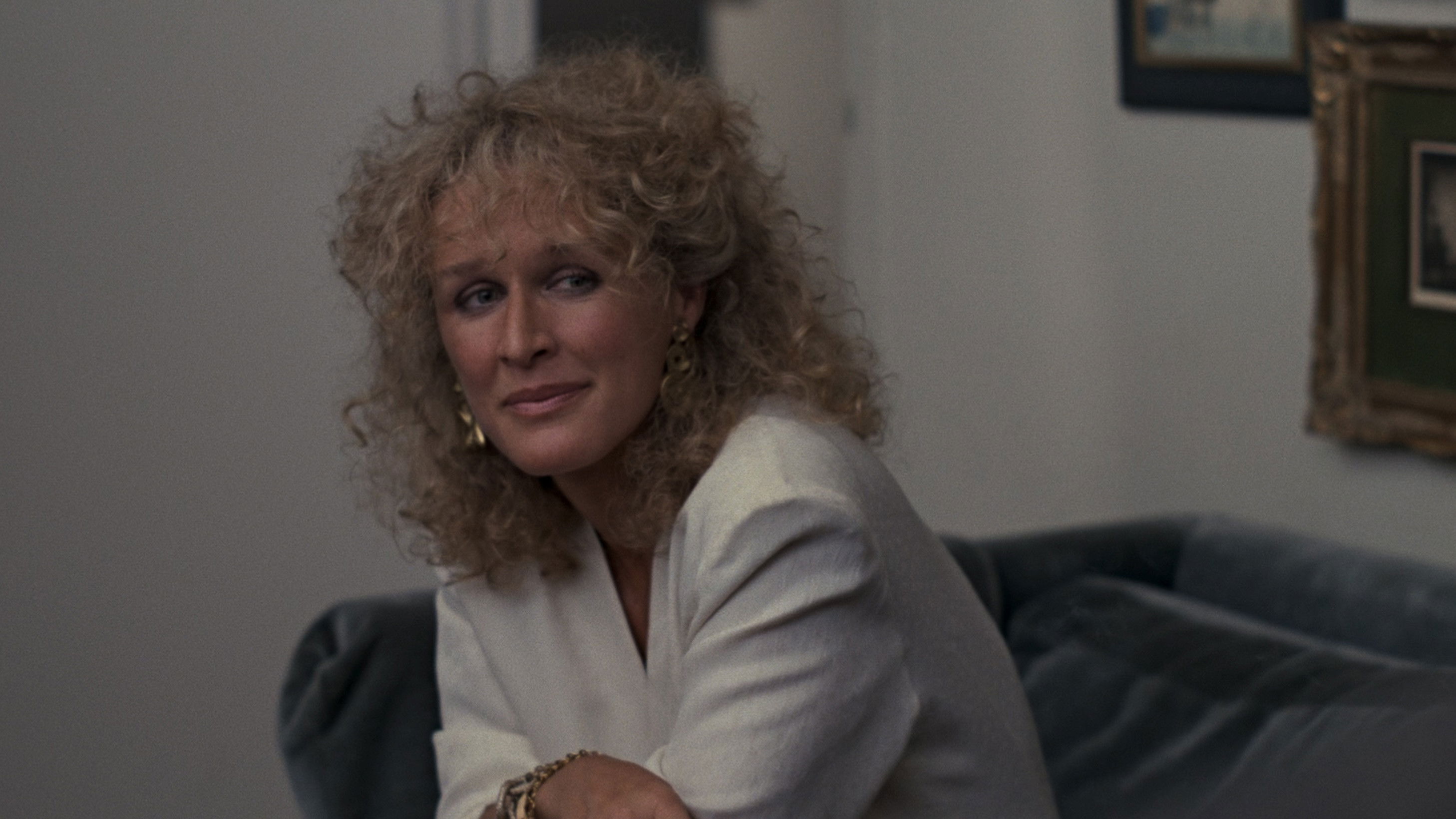
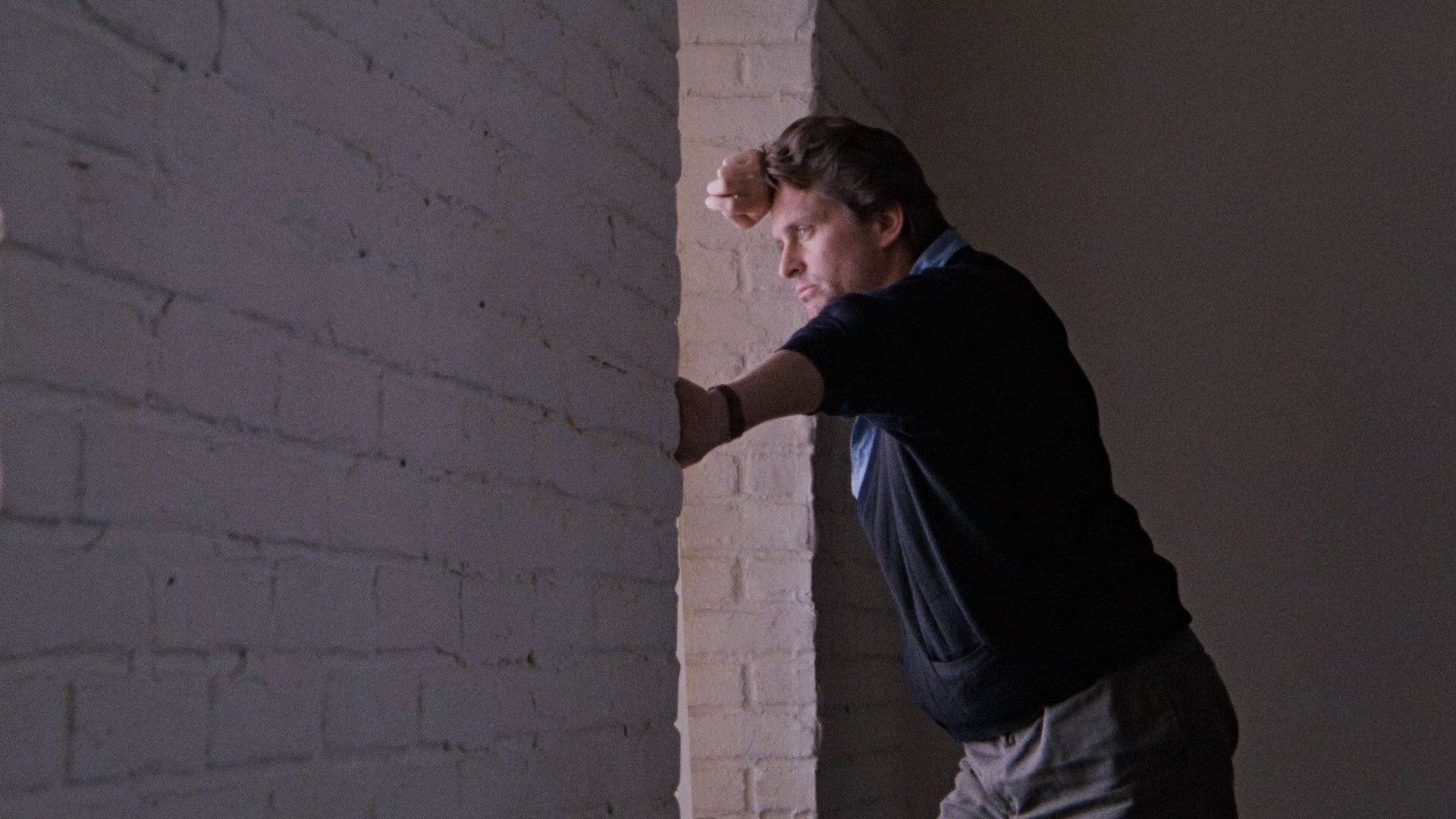
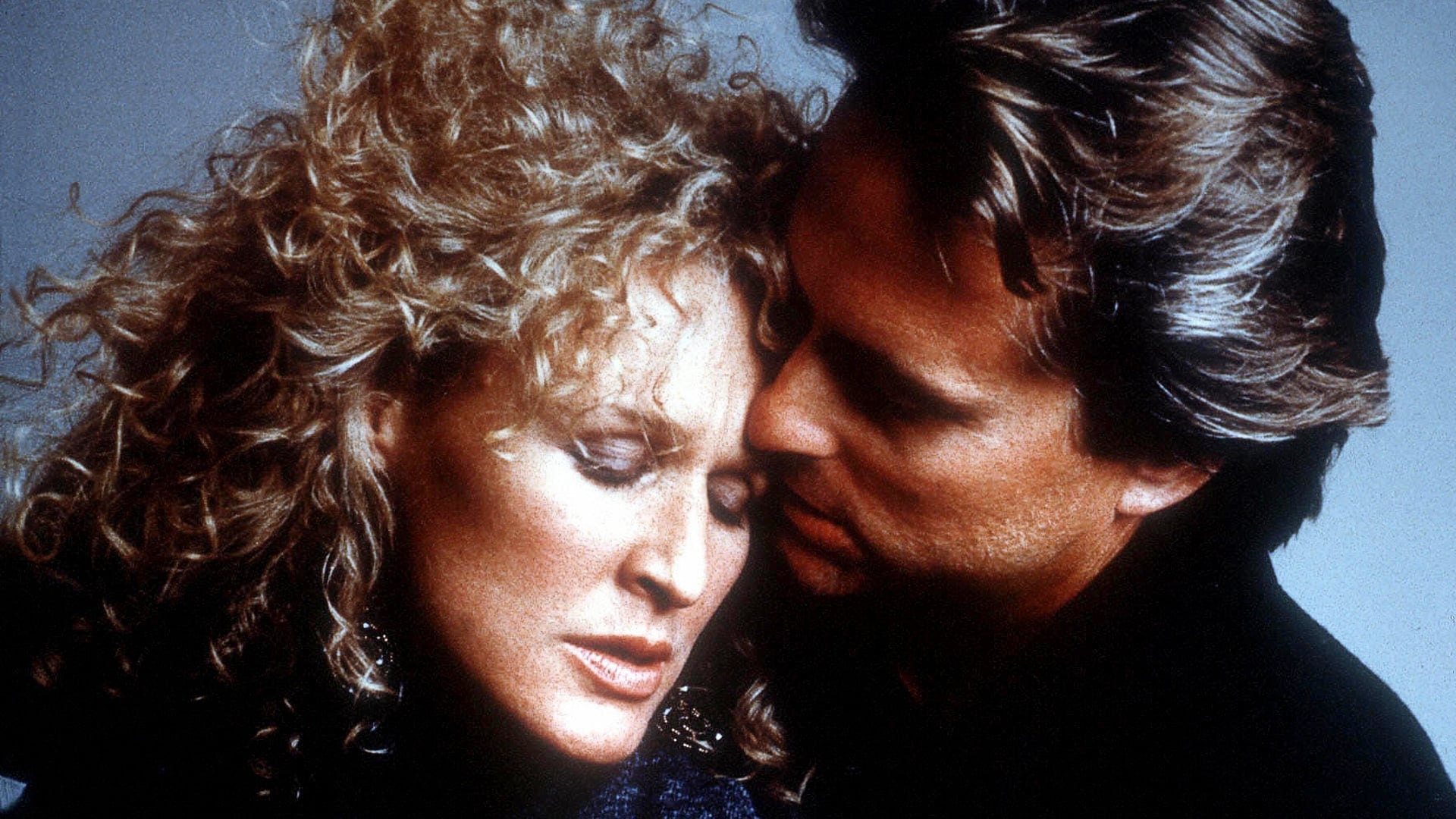
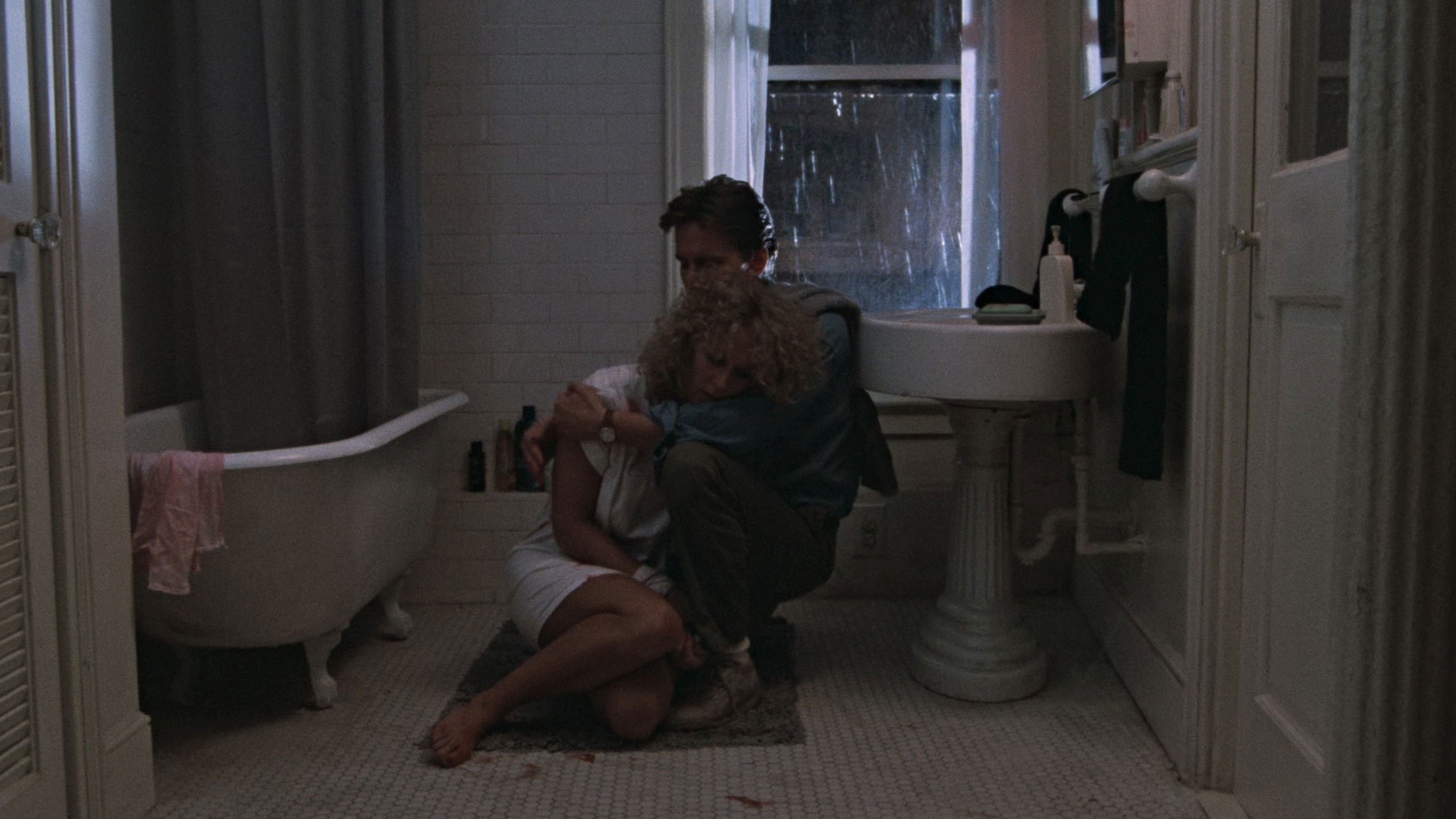
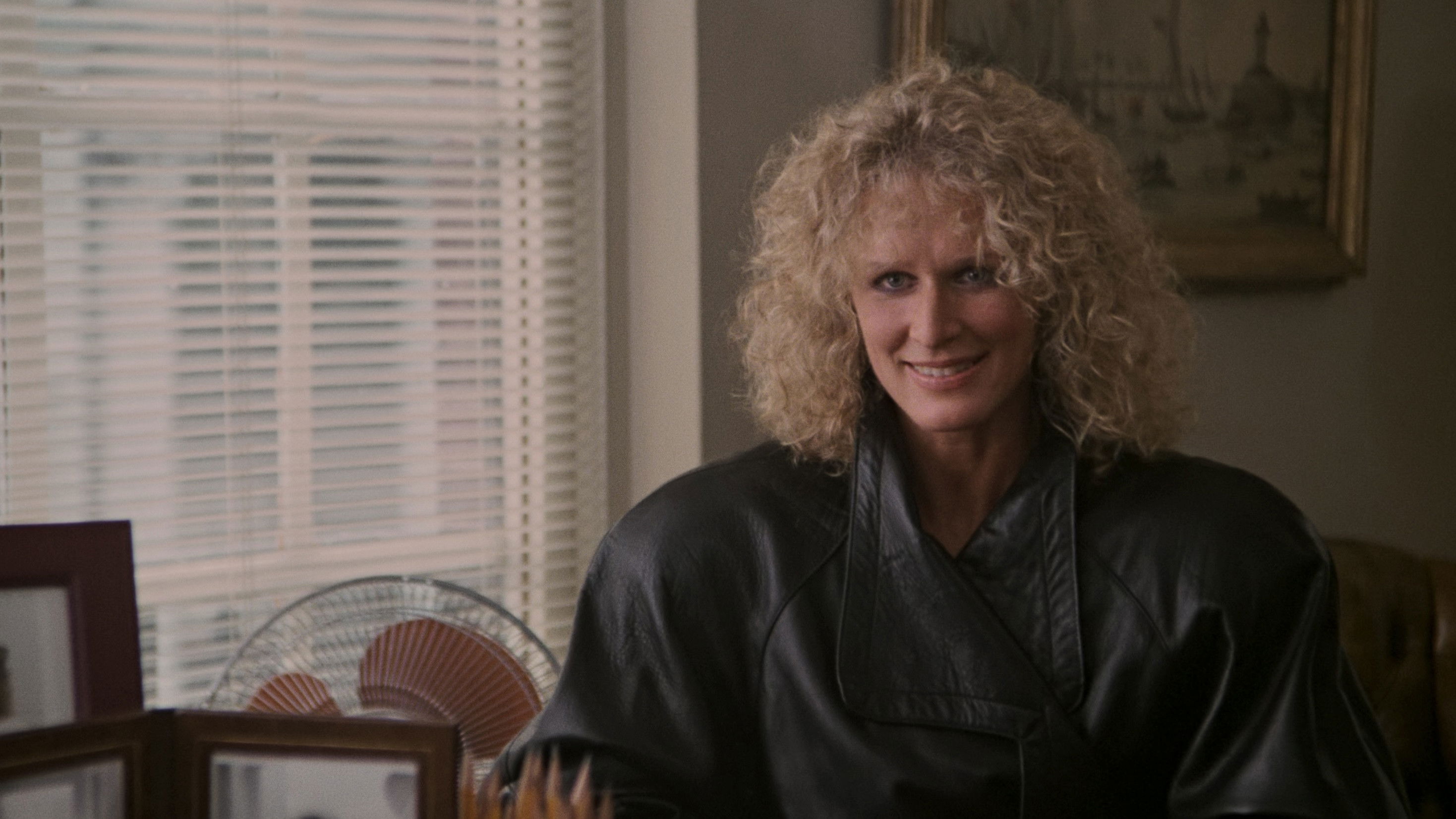
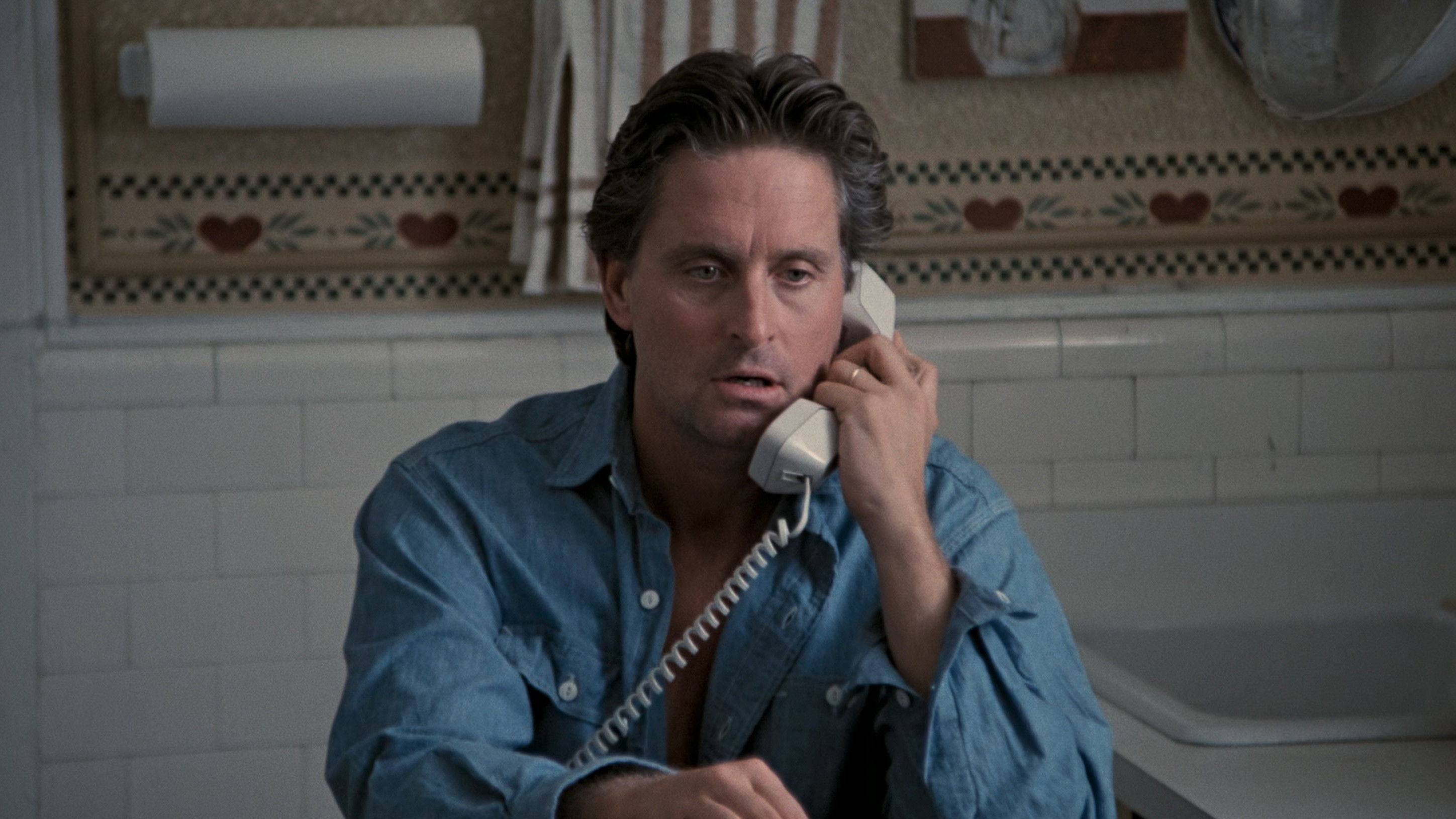
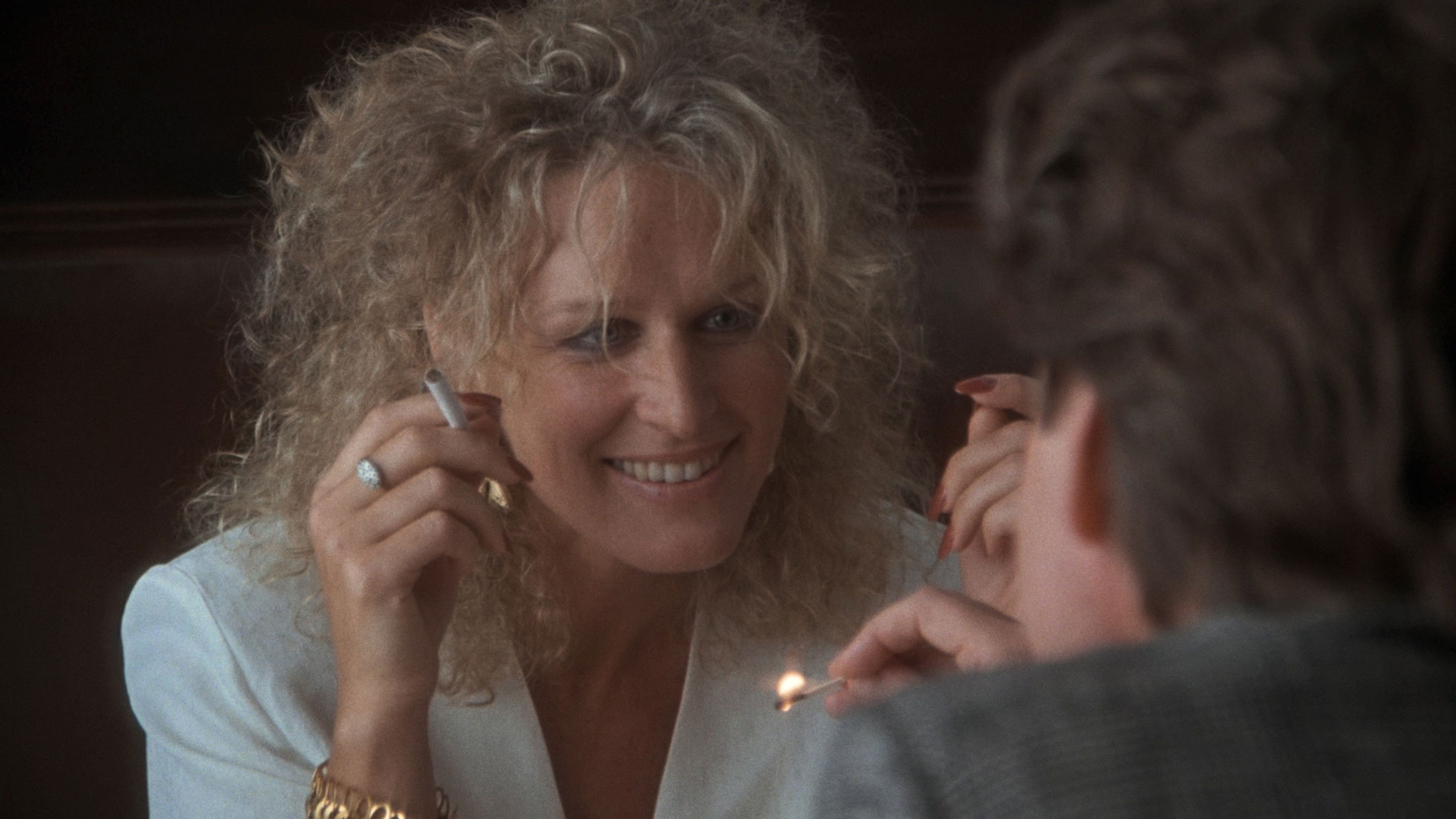
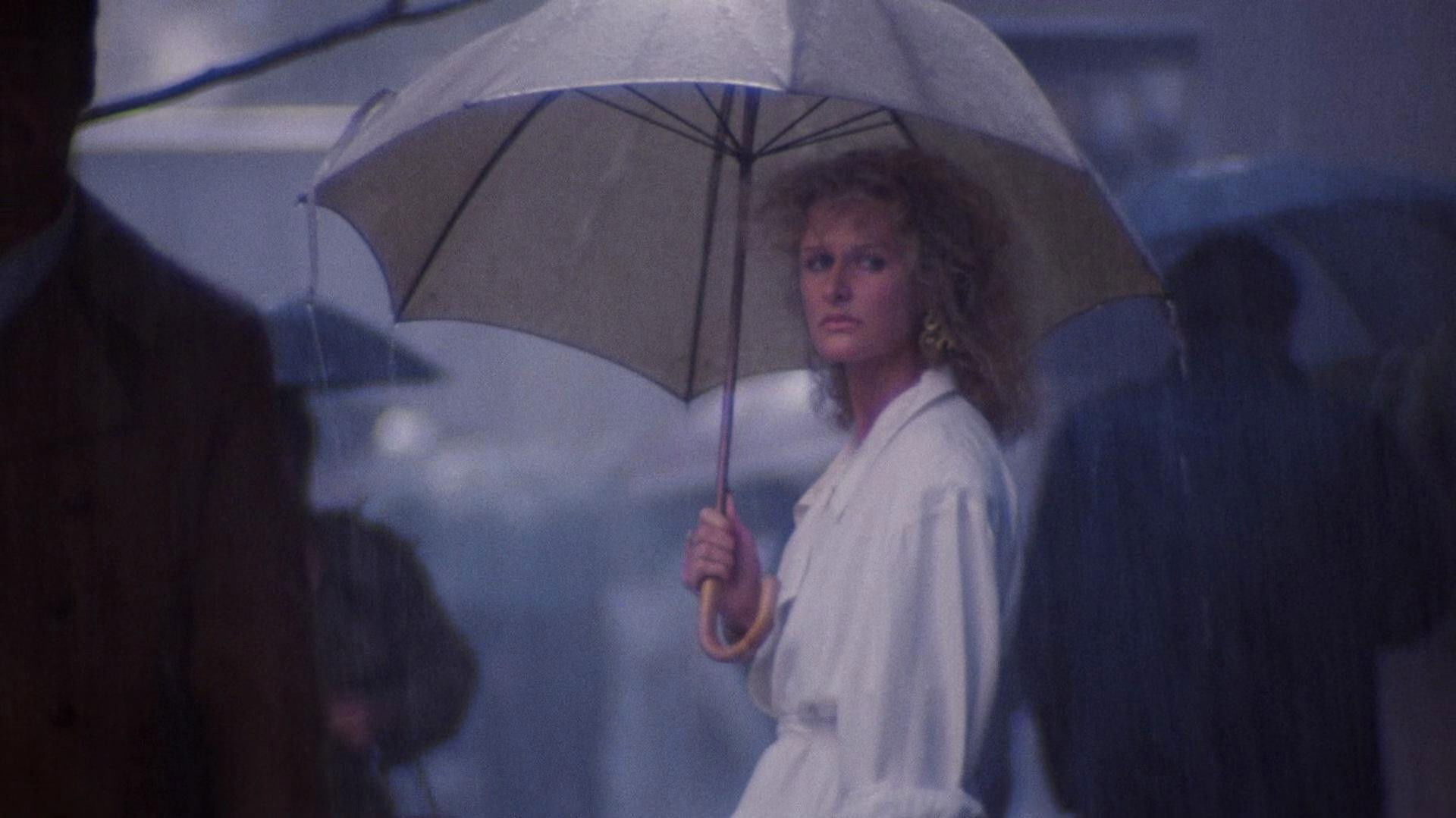
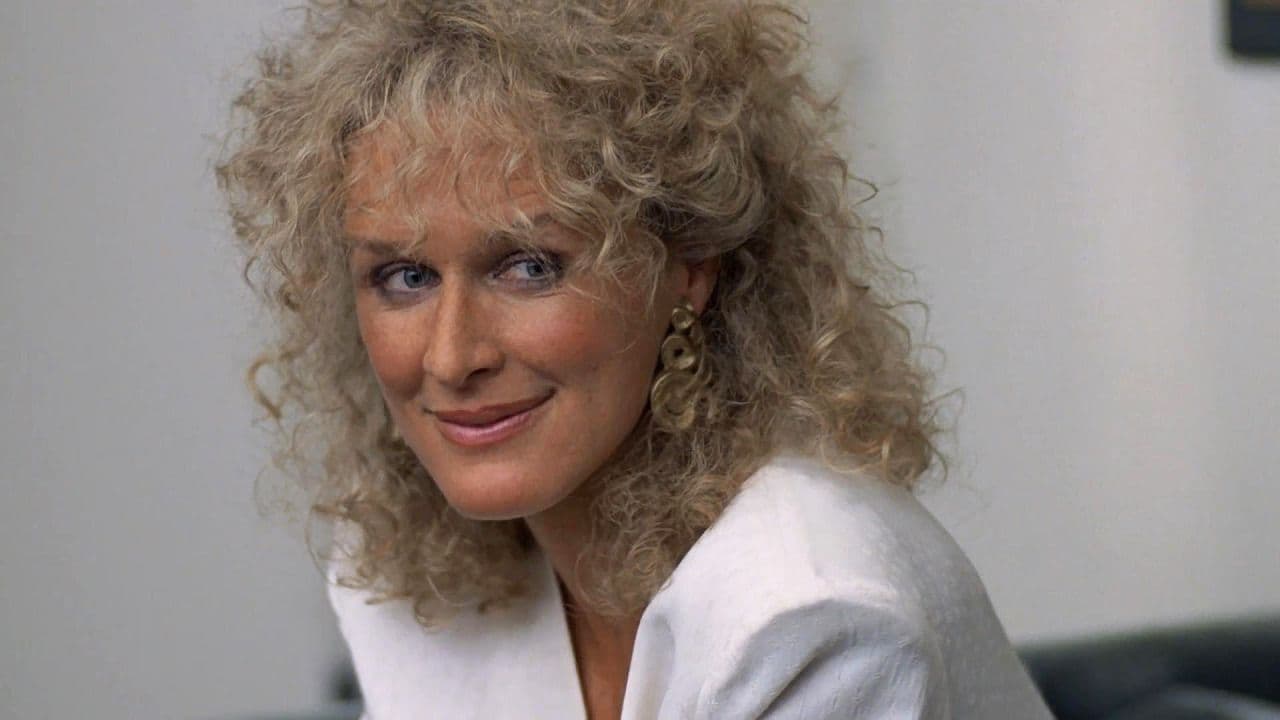
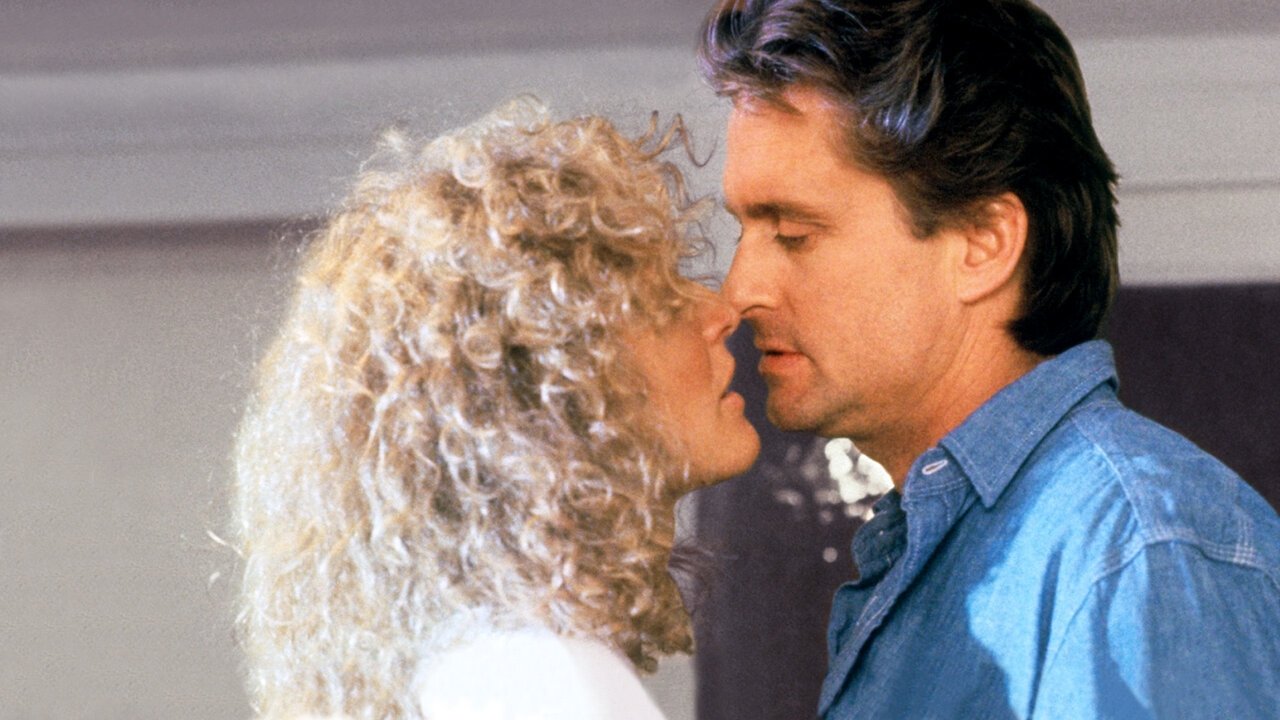
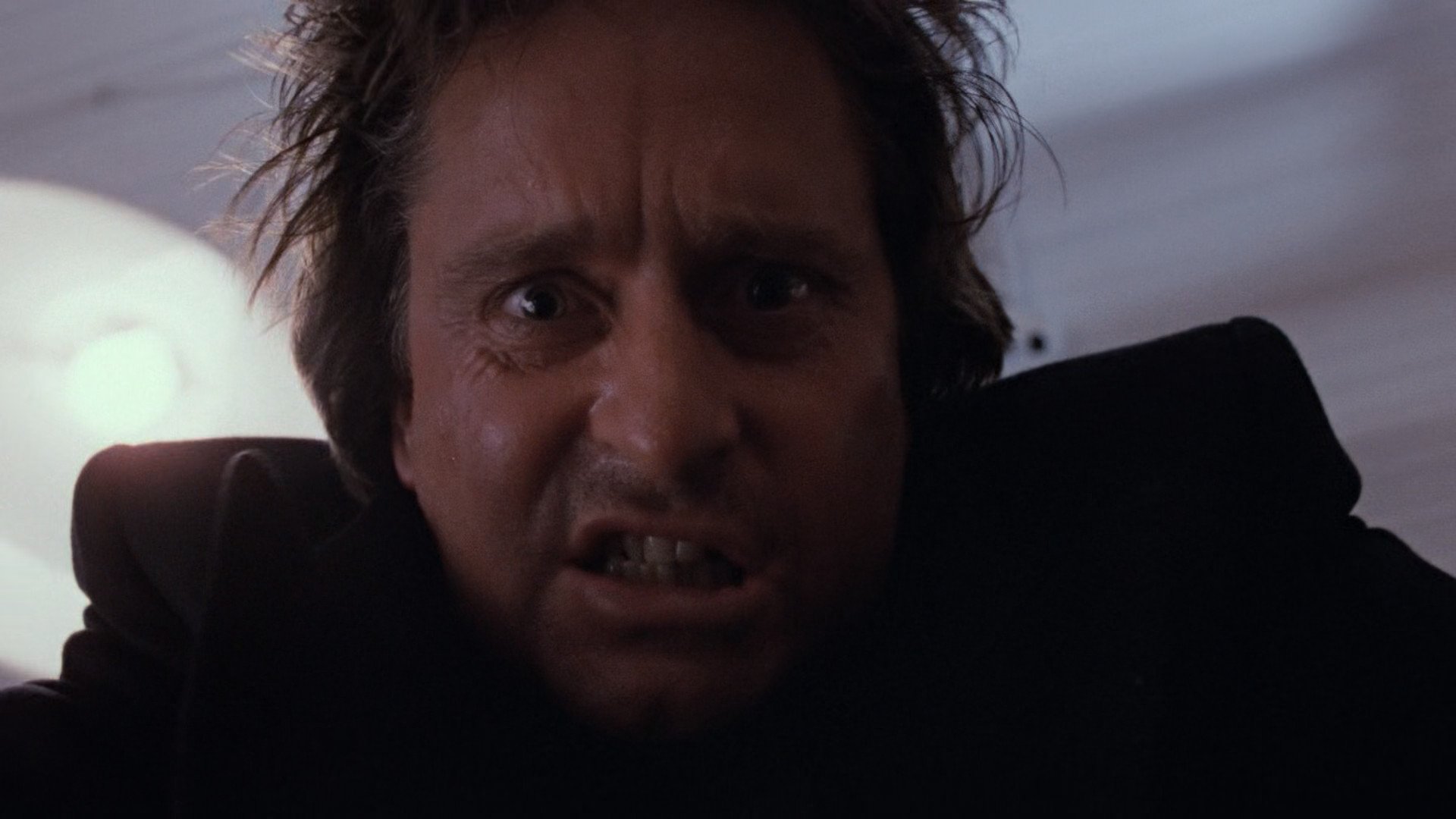
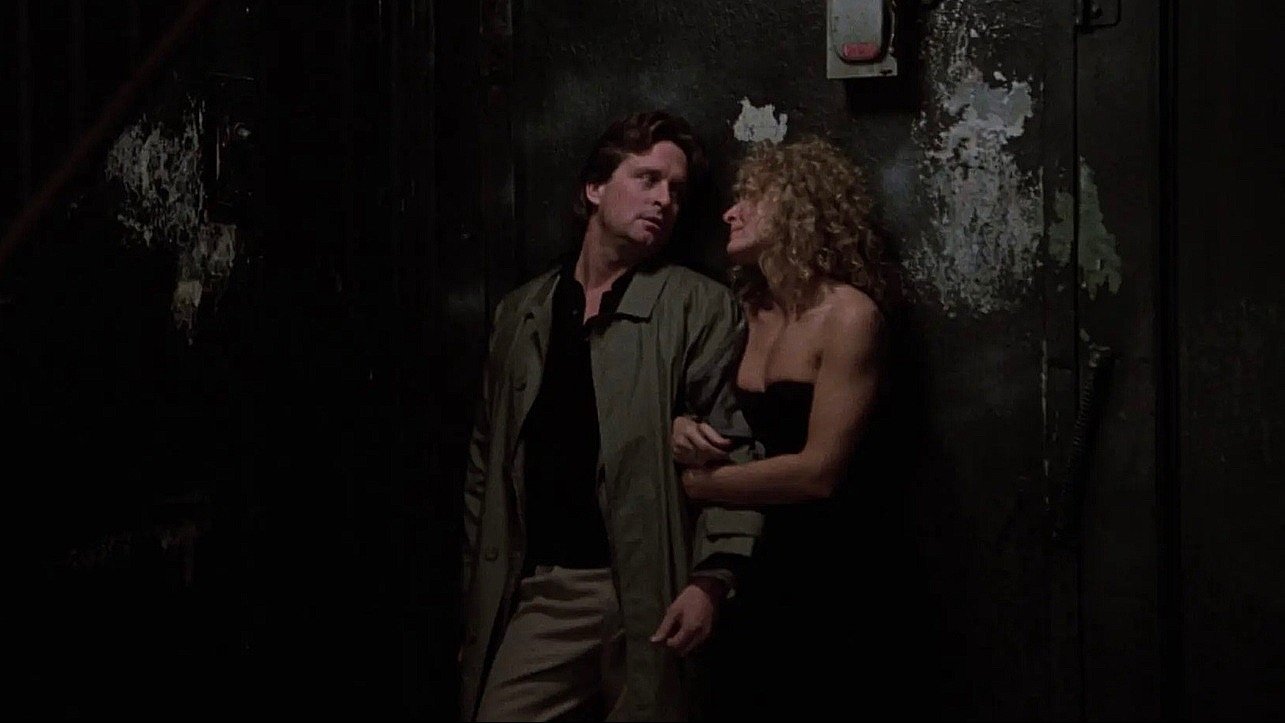
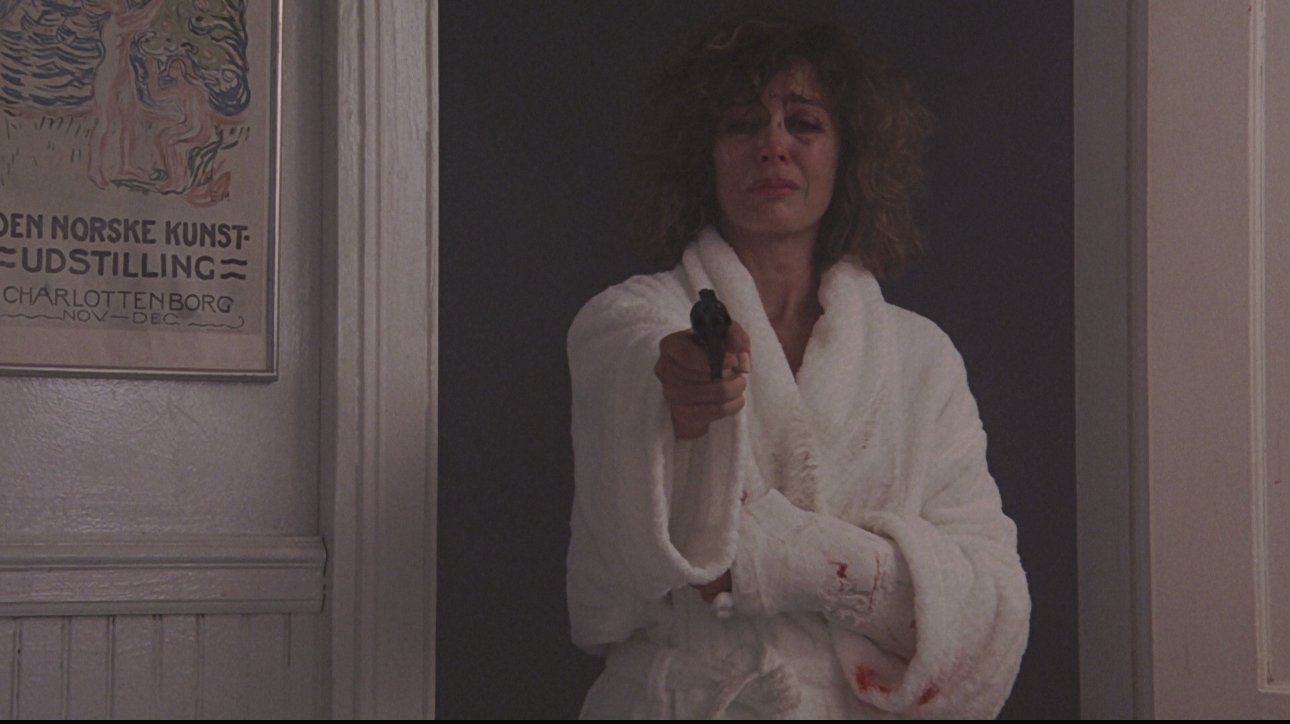
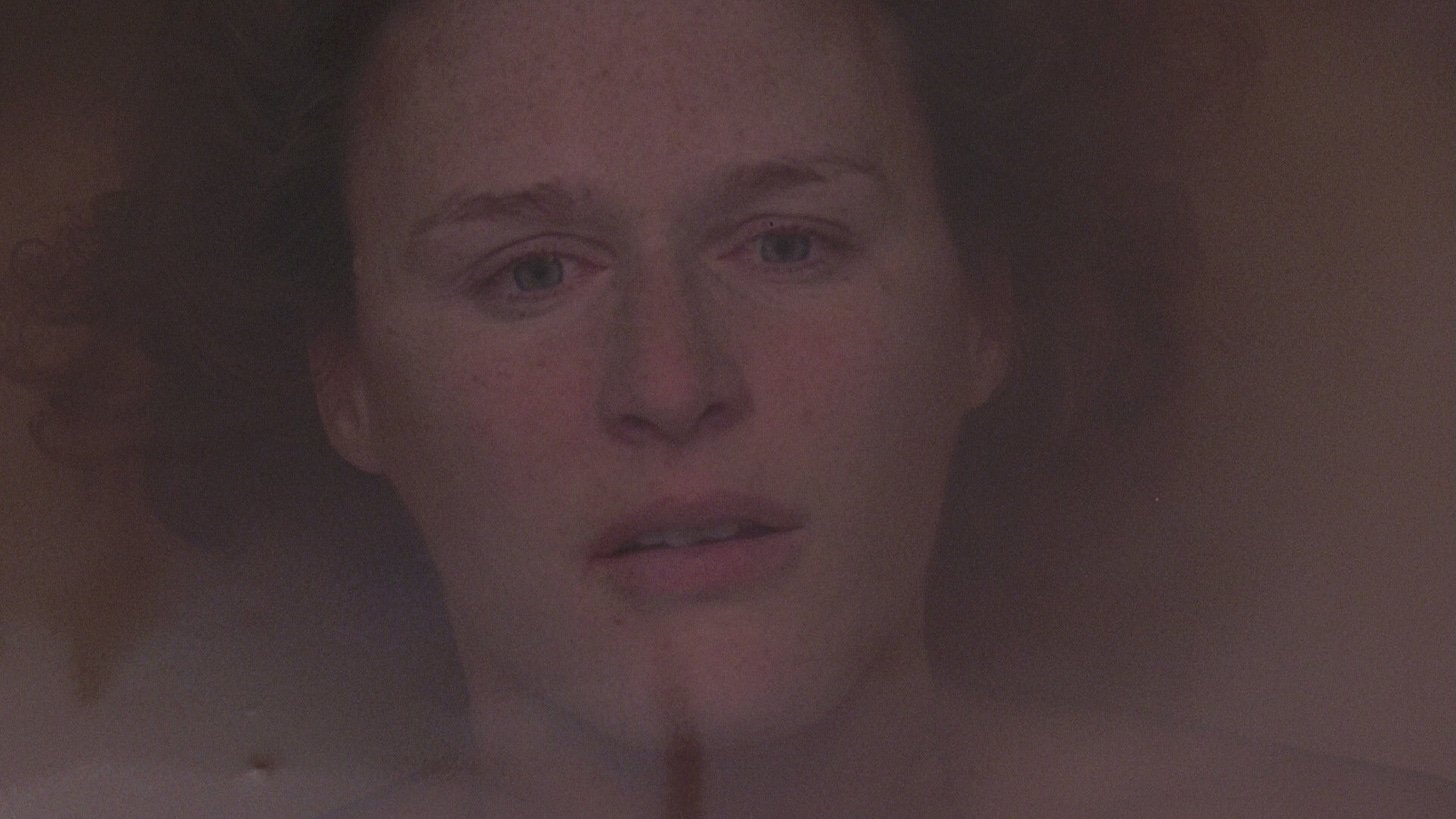
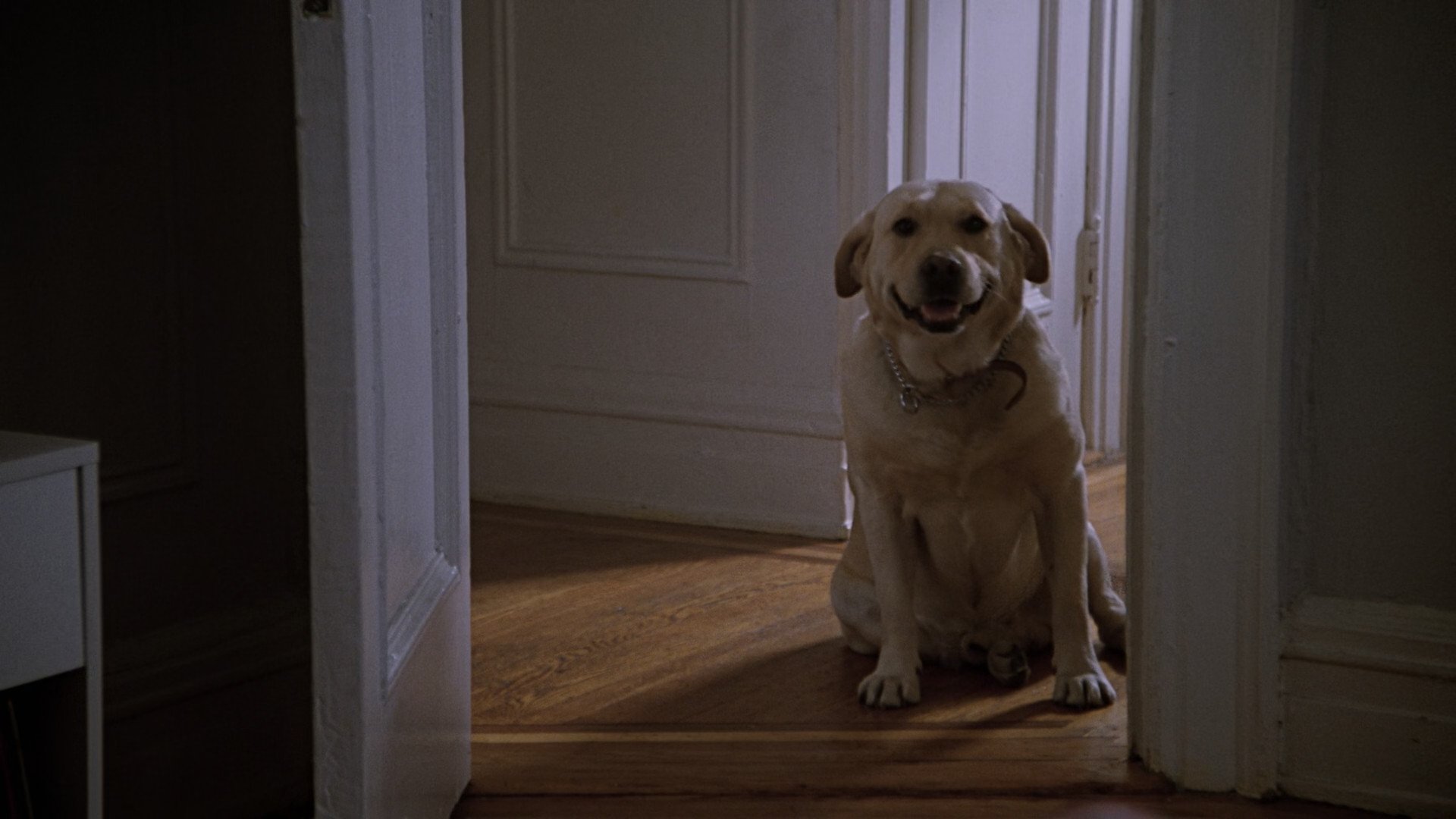
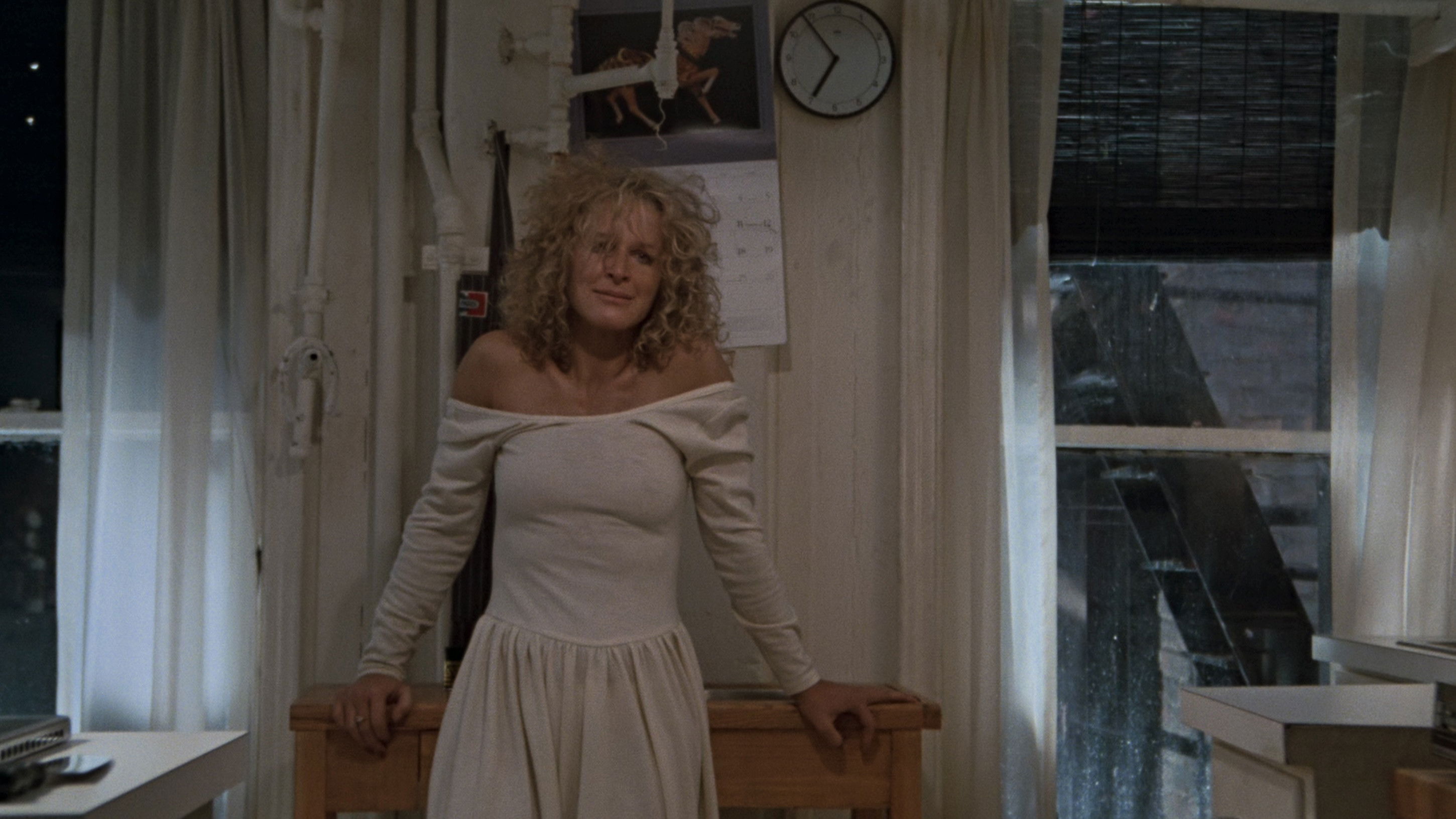
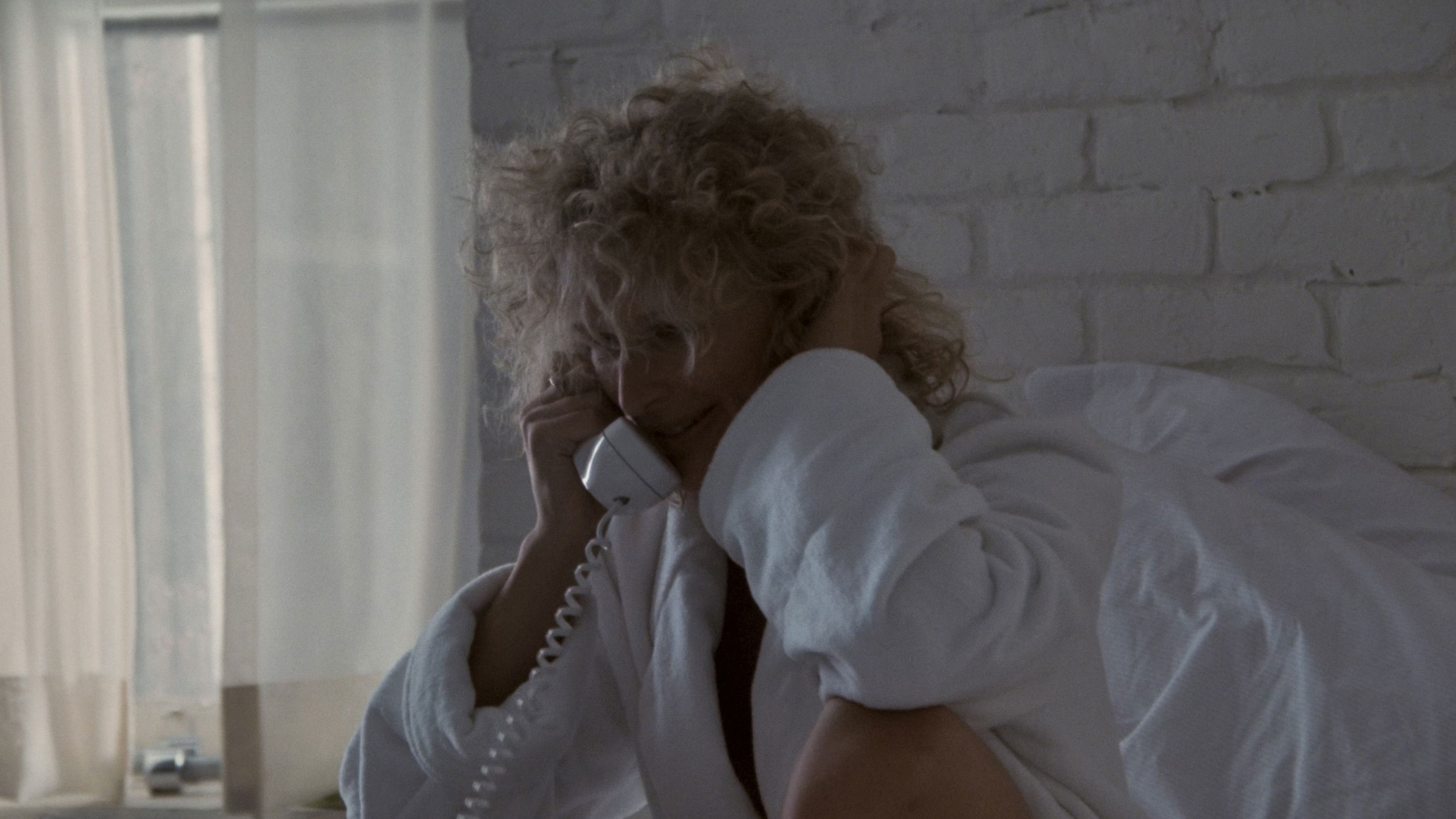
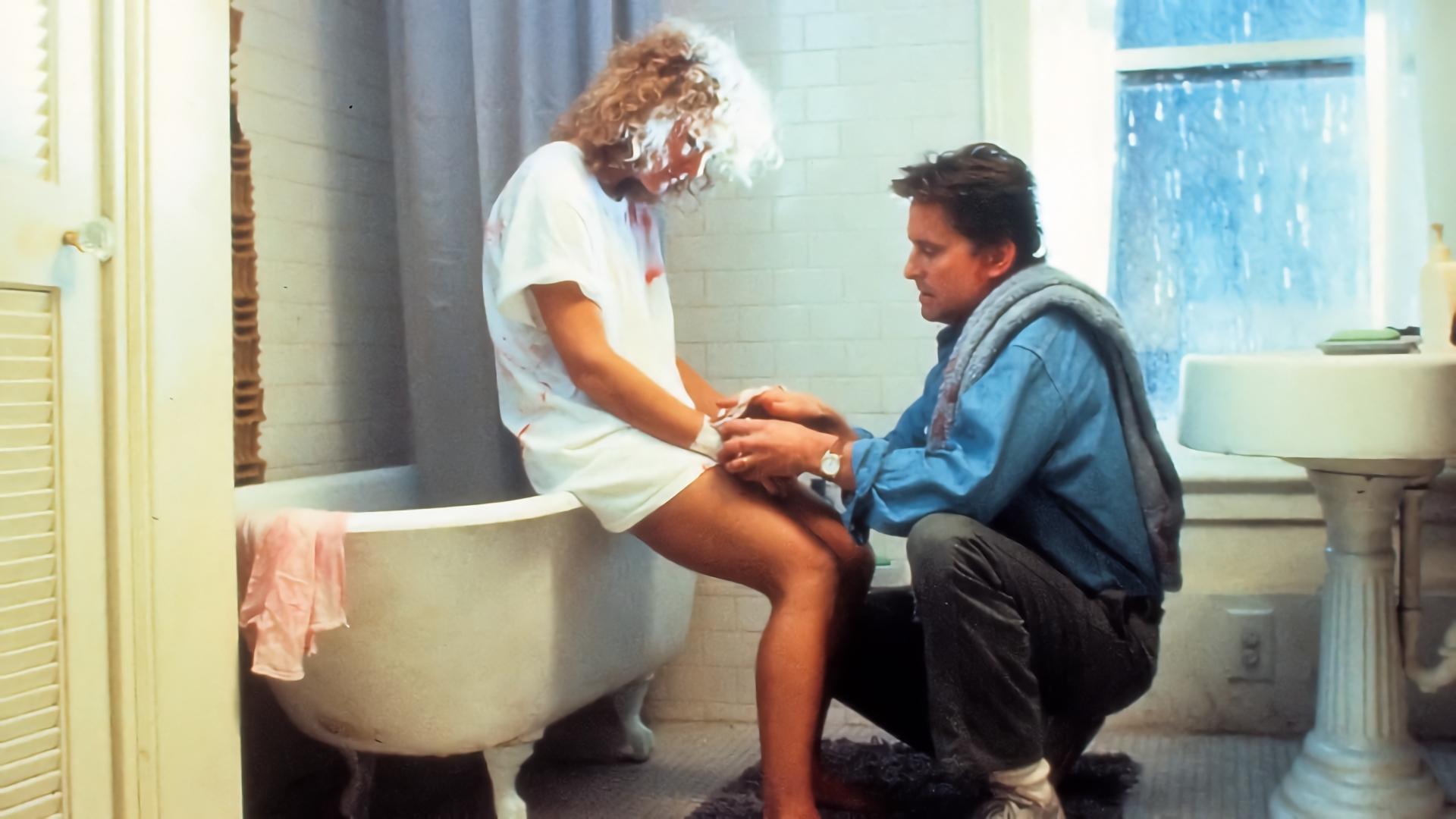
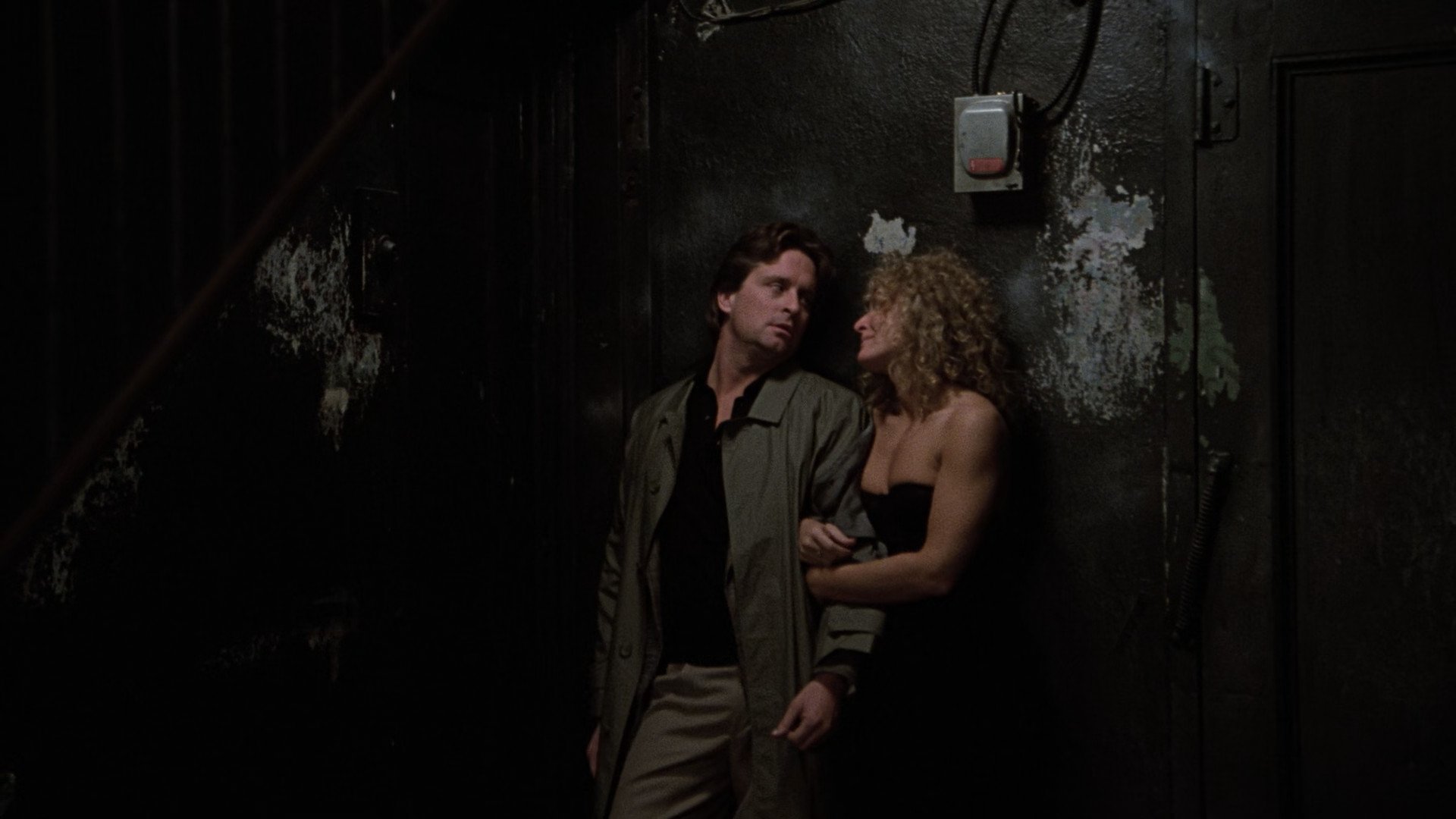
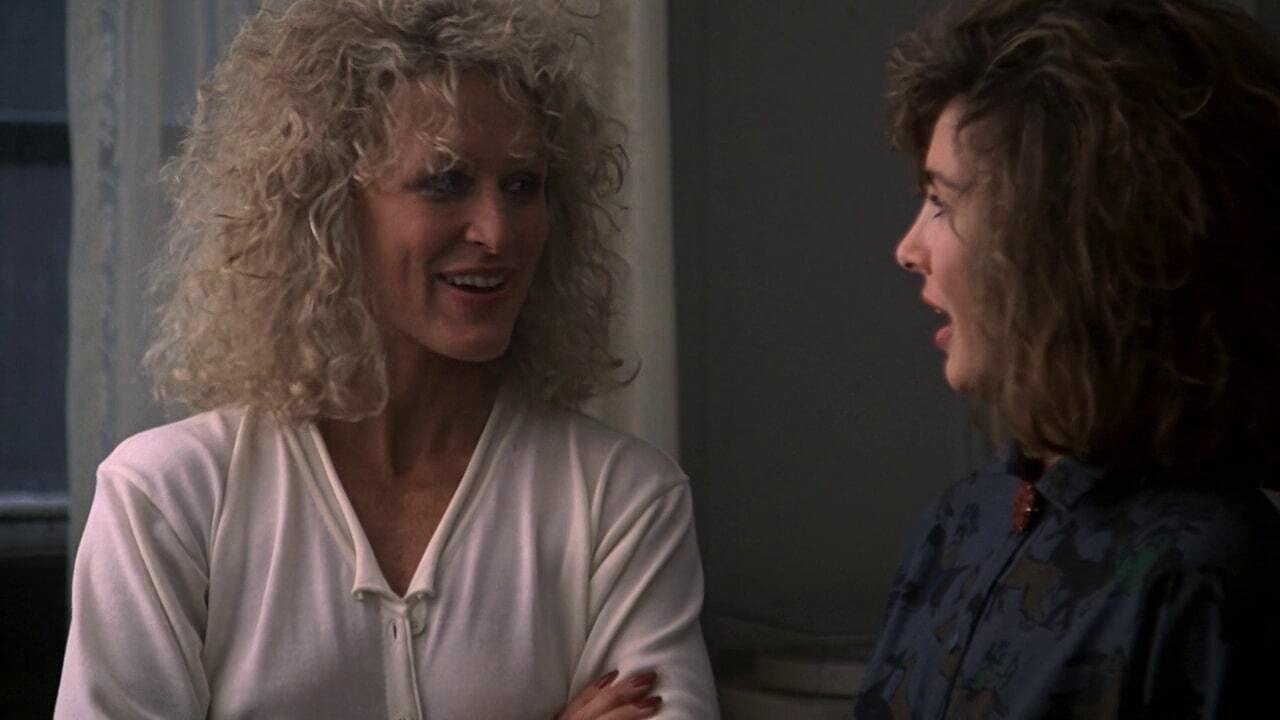
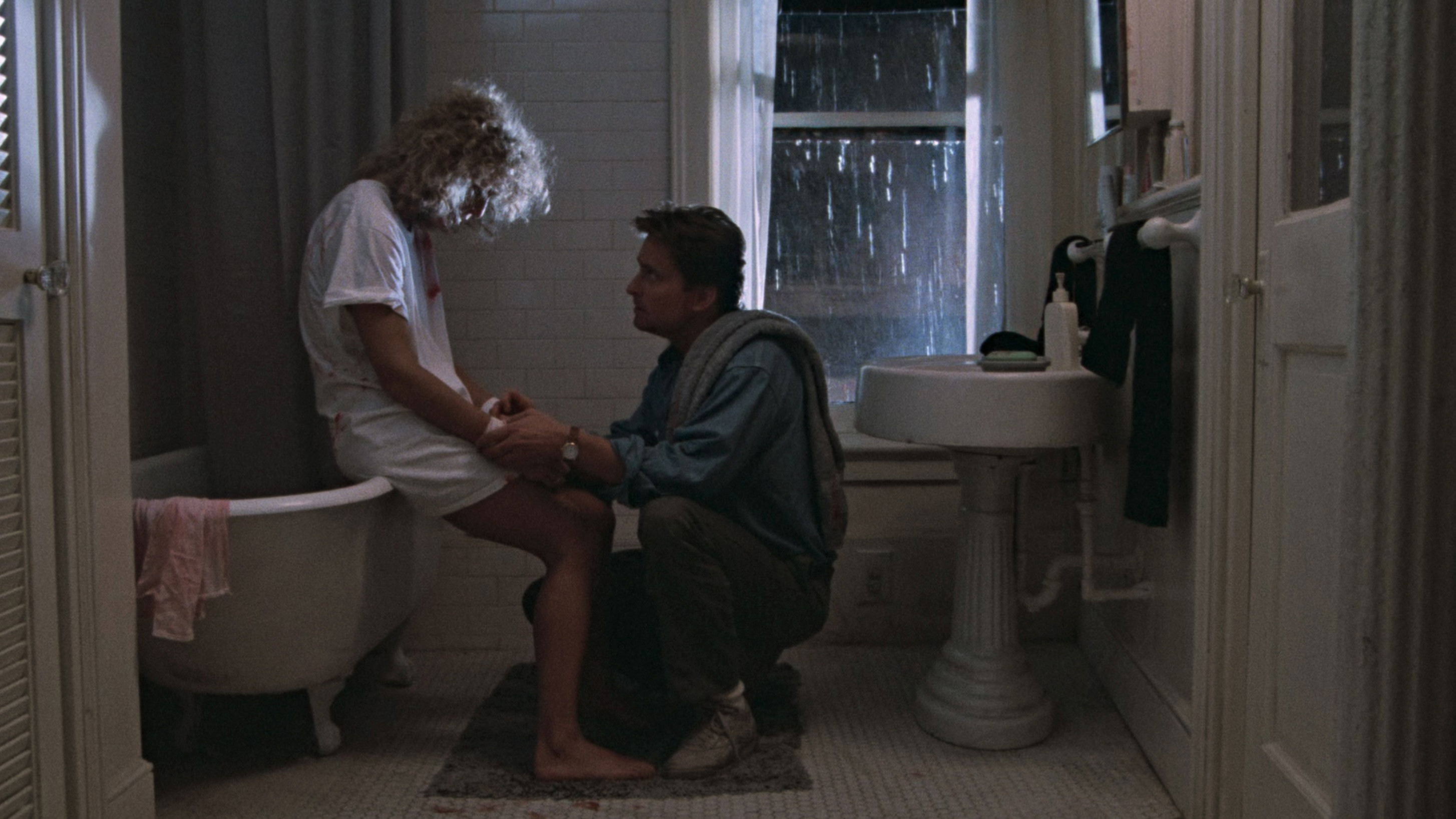
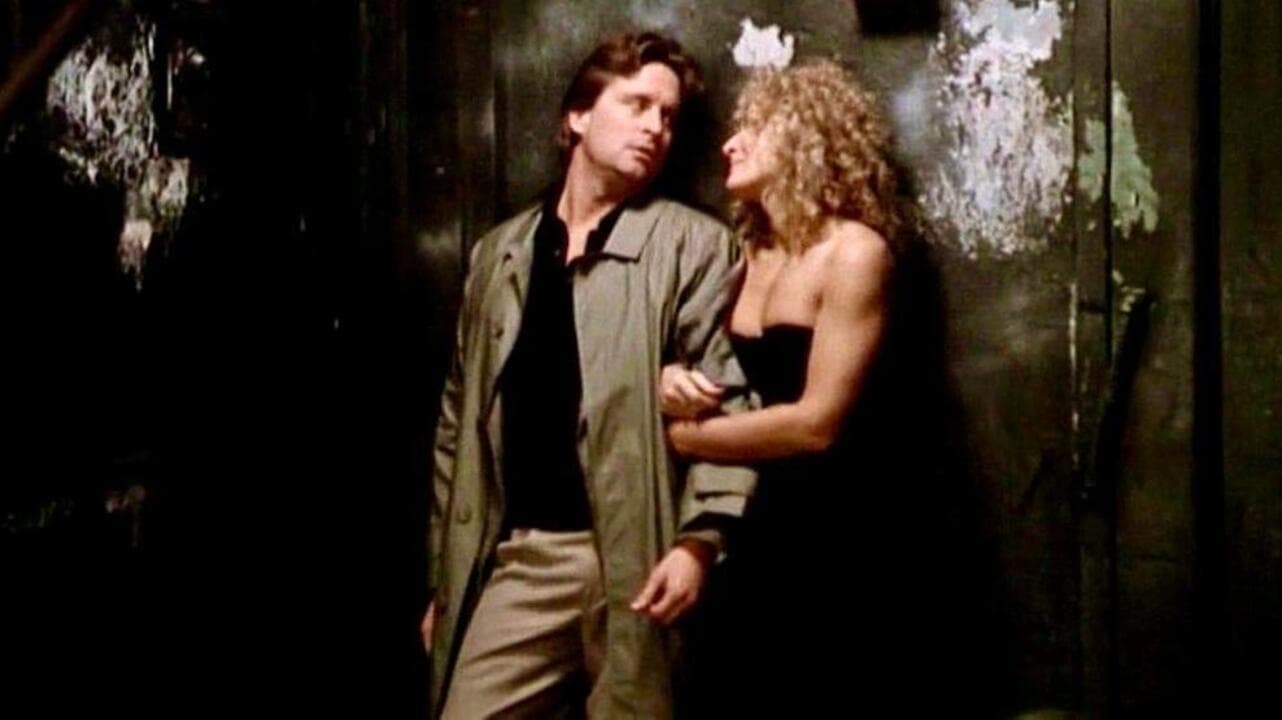
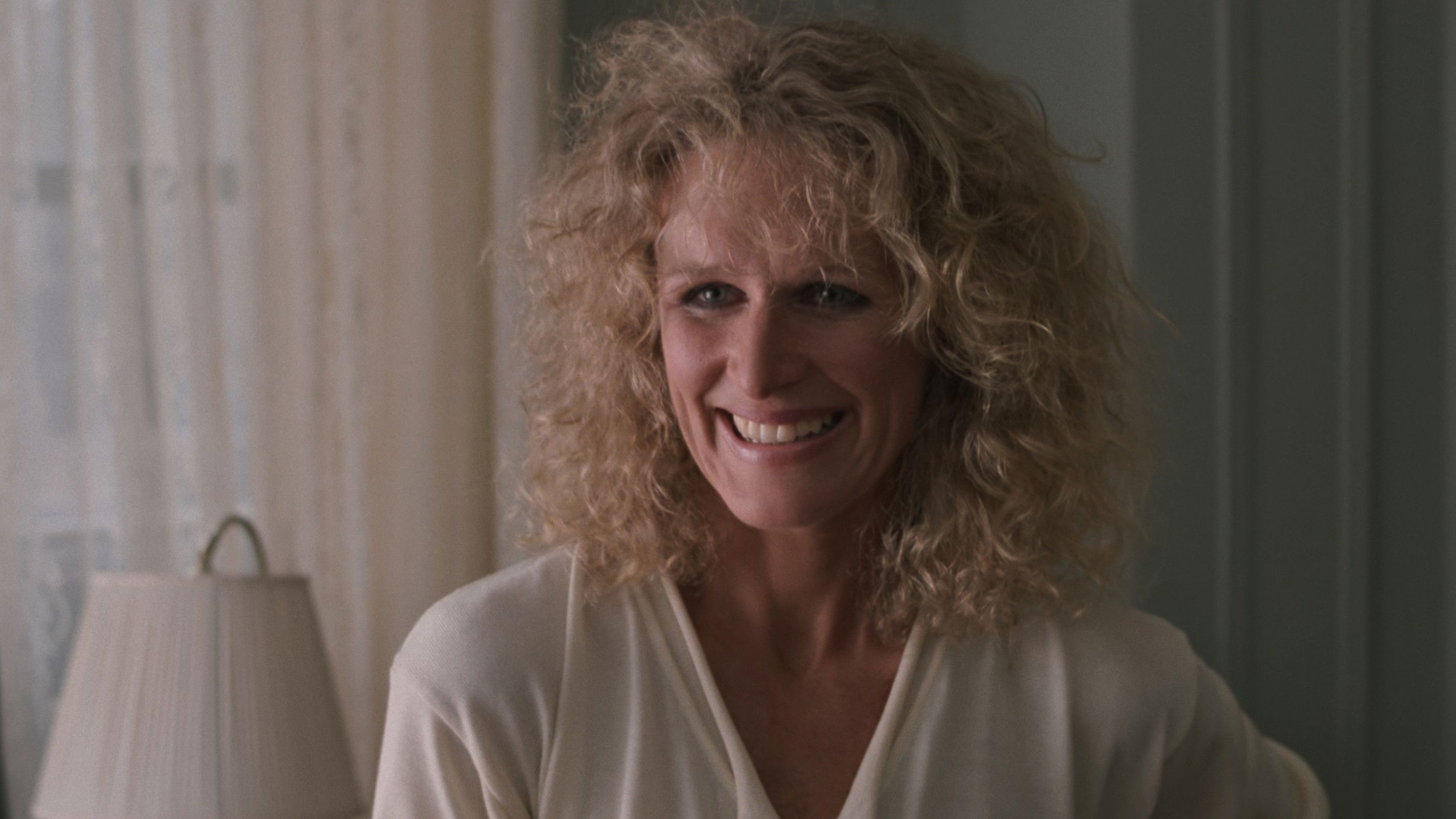
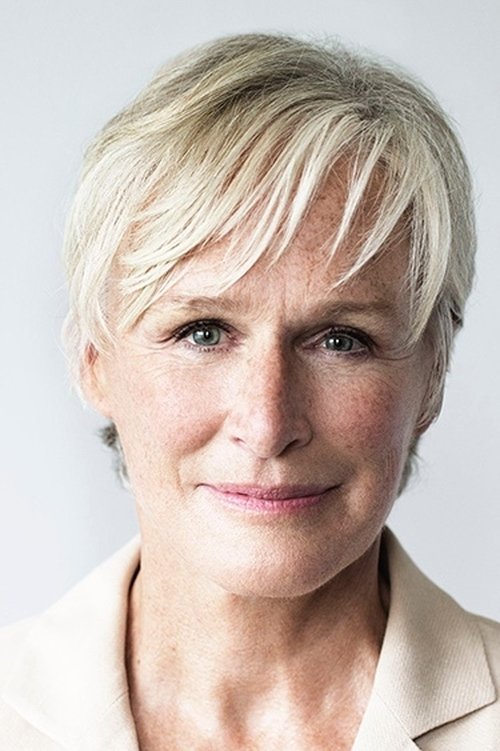
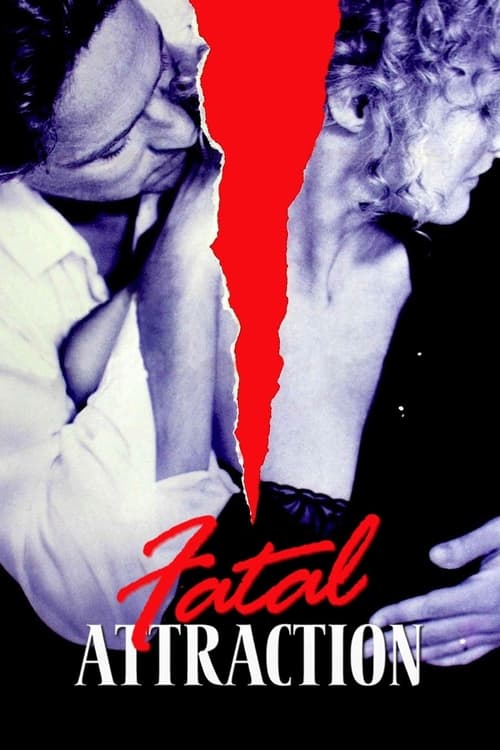
A classic that has been on my radar for decades, ever since I was a little kid, mostly due to my parents and other adults in my life discussing it—a teacher of mine couldn’t watch it because of that horrific scene. Fatal Attraction has always had a “forbidden” mystique akin to Silence of the Lambs as one of those movies only your parents were allowed to watch, but you heard about constantly. The movie itself could have been great, or at least as great as its box office success and multiple Oscar nominations would indicate—to this day, this is one of the few horror-adjacent films to get a Best Picture nod. Most of it lives up to the hype: Glenn Close is phenomenal, menacing yet tragic and worthy of the Oscar nod. So many moments are incredibly effective, beautifully shot and edited in a very Kuleshov-like manner, and by Spielberg’s collaborator Michael Kahn—that infamous moment and the search for the child are effectively juxtaposed moments, likely the reason for the Best Editing Oscar nod. The photography is so glowy and purely 1980s—elevator shafts are not that full of steam and smoke, but it looks cool and sexy, and that’s all that matters.
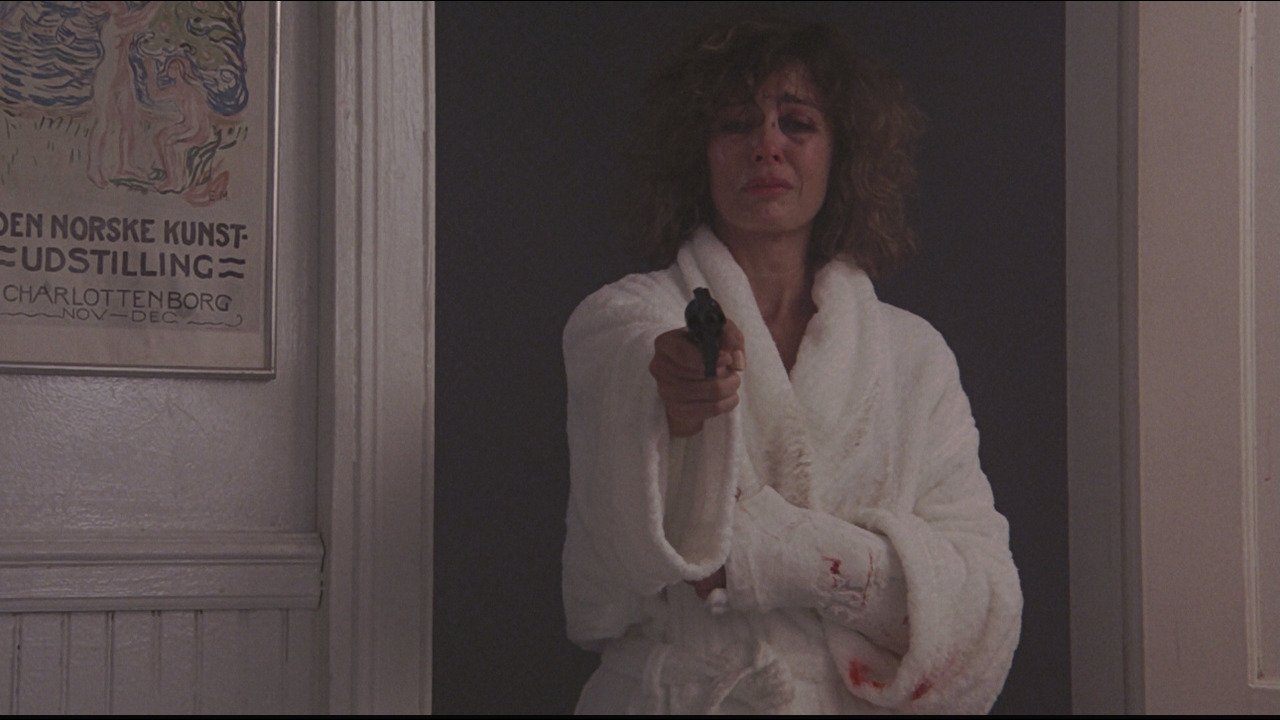
But then the unbelievable, convenient, chauvinistic, studio-mandated last 10 minutes come and undo everything that makes the story interesting. A lot of moments lean into the mental illness and ultimate tragedy of Alex as a character—her listening to M. Butterfly while flickering the lights, as well as her mood swings between whole scenes are good examples—which makes the way the ending was changed disappointing. It’s clear throughout that instead of being purely malicious and having little other motivation, Alex is mentally unstable—although the script delves a bit too little into her backstory for her to be an even more effective antagonist. The change to the ending also absolves Michael Douglas of accountability for infidelity, and generally makes the film less interesting and more cliched. This all happened because test audiences were fucking stupid. The more recent film Obsession portrays this codependent relationship in a much more interesting, nuanced way that holds its protagonist much more accountable and is more willing to portray Nikki as a tragic figure than this is willing to portray Alex. But it gets so close and that’s why the film is infuriating. The entire film gets so much more simple and blunt and less interesting with the new ending. The original ending is also so effective, haunting and beyond tragic. If the film had any self-awareness akin to Funny Games or Murnau’s The Last Laugh, it would have retracted that cliched finale and mocked the audience for wanting it. But unfortunately, test audiences in the 80s were stupid, and Paramount executives were too ignorant of thoughtful filmmaking to not listen to test audiences—I hope there won’t be a repeat or worsening of this studio interference now that Paramount is essentially the Trump state slop studio under Ellison. If the film came out in 1977, the original ending would have stayed.
A classic that has been on my radar for decades, ever since I was a little kid, mostly due to my parents and other adults in my life discussing it—a teacher of mine couldn’t watch it because of that horrific scene. Fatal Attraction has always had a “forbidden” mystique akin to Silence of the Lambs as one of those movies only your parents were allowed to watch, but you heard about constantly. The movie itself could have been great, or at least as great as its box office success and multiple Oscar nominations would indicate—to this day, this is one of the few horror-adjacent films to get a Best Picture nod. Most of it lives up to the hype: Glenn Close is phenomenal, menacing yet tragic and worthy of the Oscar nod. So many moments are incredibly effective, beautifully shot and edited in a very Kuleshov-like manner, and by Spielberg’s collaborator Michael Kahn—that infamous moment and the search for the child are effectively juxtaposed moments, likely the reason for the Best Editing Oscar nod. The photography is so glowy and purely 1980s—elevator shafts are not that full of steam and smoke, but it looks cool and sexy, and that’s all that matters.
But then the unbelievable, convenient, chauvinistic, studio-mandated last 10 minutes come and undo everything that makes the story interesting. A lot of moments lean into the mental illness and ultimate tragedy of Alex as a character—her listening to M. Butterfly while flickering the lights, as well as her mood swings between whole scenes are good examples—which makes the way the ending was changed disappointing. It’s clear throughout that instead of being purely malicious and having little other motivation, Alex is mentally unstable—although the script delves a bit too little into her backstory for her to be an even more effective antagonist. The change to the ending also absolves Michael Douglas of accountability for infidelity, and generally makes the film less interesting and more cliched. This all happened because test audiences were fucking stupid. The more recent film Obsession portrays this codependent relationship in a much more interesting, nuanced way that holds its protagonist much more accountable and is more willing to portray Nikki as a tragic figure than this is willing to portray Alex. But it gets so close and that’s why the film is infuriating. The entire film gets so much more simple and blunt and less interesting with the new ending. The original ending is also so effective, haunting and beyond tragic. If the film had any self-awareness akin to Funny Games or Murnau’s The Last Laugh, it would have retracted that cliched finale and mocked the audience for wanting it. But unfortunately, test audiences in the 80s were stupid, and Paramount executives were too ignorant of thoughtful filmmaking to not listen to test audiences—I hope there won’t be a repeat or worsening of this studio interference now that Paramount is essentially the Trump state slop studio under Ellison. If the film came out in 1977, the original ending would have stayed.