Watch my video essay about Juzo Itami
here!
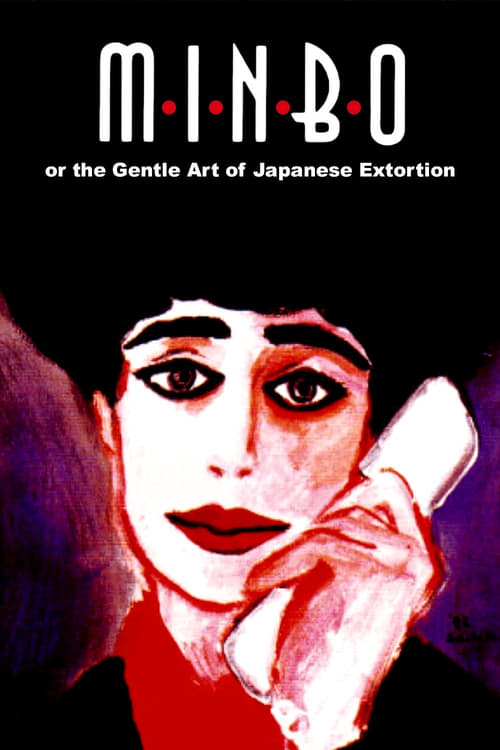
At times, it felt dangerous just for me to be watching this film over thirty years later. This film got Juzo Itami in some hot water with the yakuza for its depiction of said yakuza--some speculating its involvement in Itami's untimely death.
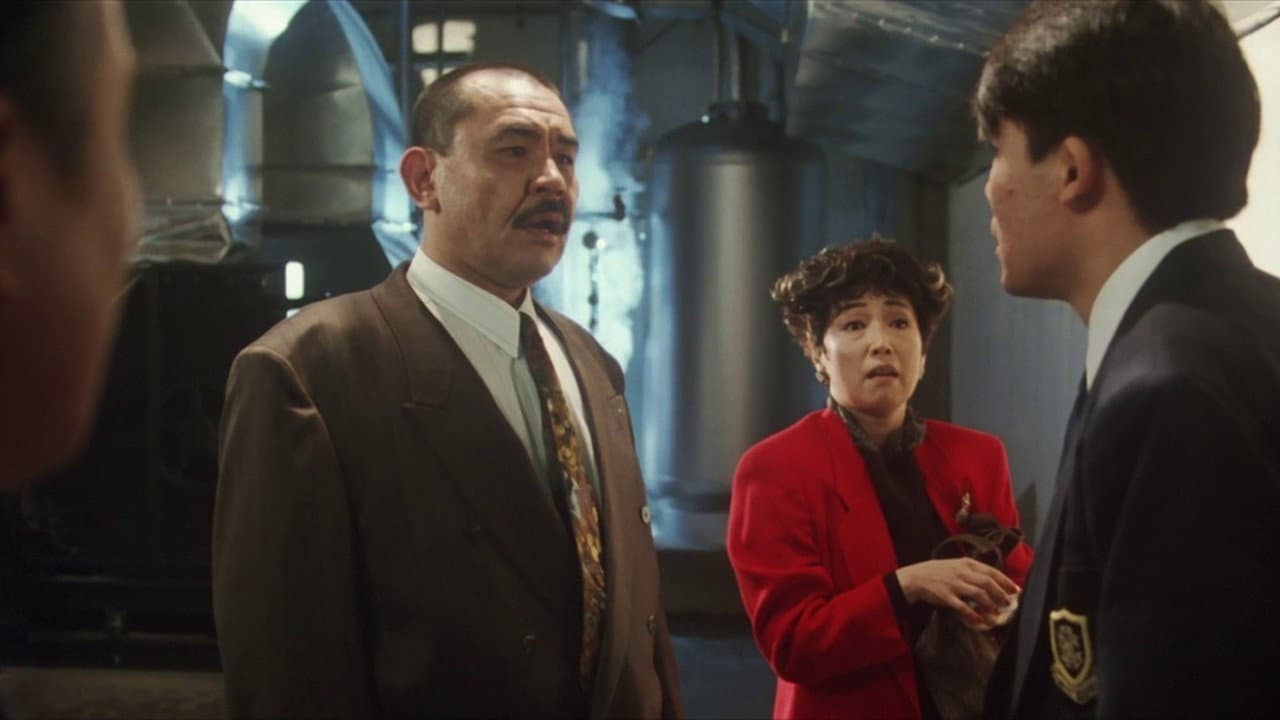
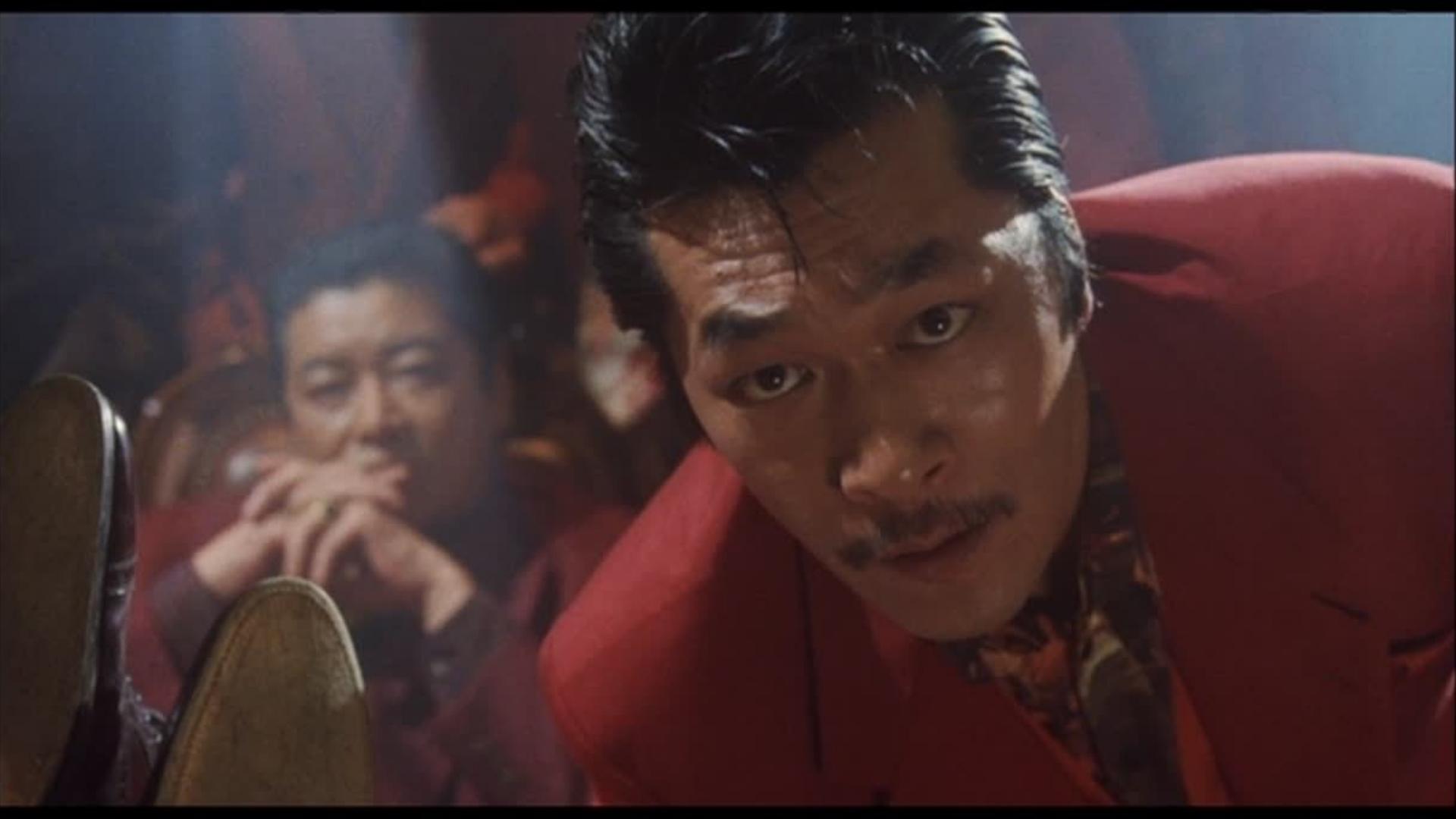
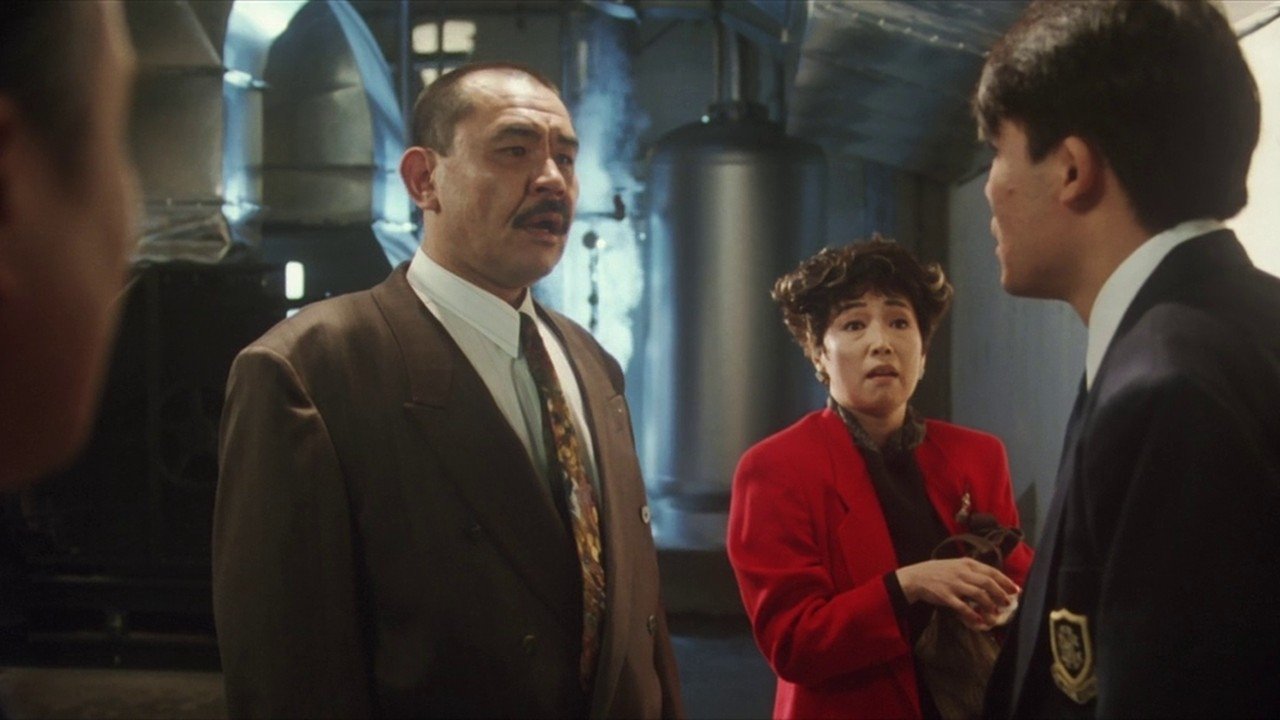
For as dangerous as this film feels, it's brimming with life and that classic Itami "good vs. evil" thematic thread that he's been pulling on since Tampopo. Nobuko Miyamoto brings to life another fantastic character in Mahiru, a lawyer tasked with ridding a high-end hotel of yakuza members hell-bent on extorting the hotel and its employees of large sums of money.
The stakes rise naturally, but Itami never forgets to inject the script with a healthy dose of humor/silliness; i.e., the hotel chase sequence and the leaning wedding cake.
What I keep coming back to in his films is Itami’s moral clarity, his almost stubborn insistence on right vs. wrong. With this, Tampopo, Supermarket Woman, and both Taxing Woman films, he loves showing off a niche, hyper-specific process that, in theory, is for the betterment of mankind. Hospitality, food, commerce—there’s always a set of rules meant to keep the public sane, satisfied, and protected from harm. In some ways, Itami's films can be viewed as an embodiment of the George Costanza "we live in a society" meme.
And I think that's why I gravitate to his work. This microscopic look at the pillars that hold a society together (egg prices, taxes, eliminating the specter of gang violence, artisanal hand-made ramen) and how if we don't work to maintain these things as a community of people, we all suffer the consequences.
The final showdown in this film--the hotel staff standing arm in arm in protest of the new yakuza gang storming in--was so touching it could have brought a tear to my eye. Not because of the specific context, but because it distilled Itami’s ethos in its purest form: together, we overcome this injustice.
If ever there was a moment in (American) history that this sentiment rings true, it's now. The world has become so insular and isolated that it can be incredibly easy to forget that we're all in this shit together, and maybe what's best for society is for a Nobuko Miyamoto character to swoop in and save the day.
I'm struck by how Itami and Miyamoto have essentially crafted a little pocket universe where she can come floating in, always a little different (her hairstyle in this is another iconic touch), but always with the intention of helping those in need (and by proxy, us). The way that Wes Anderson has been able to craft such a distinct world in his own films, I see Itami's films as existing in their own realm, where these little parables of right and wrong exist not merely as totally farcical fantasy, but as real mirrors for us to reflect on, take comfort in, and learn from.
7.8/10