

2001·Drama·1h 35m
6.8
★
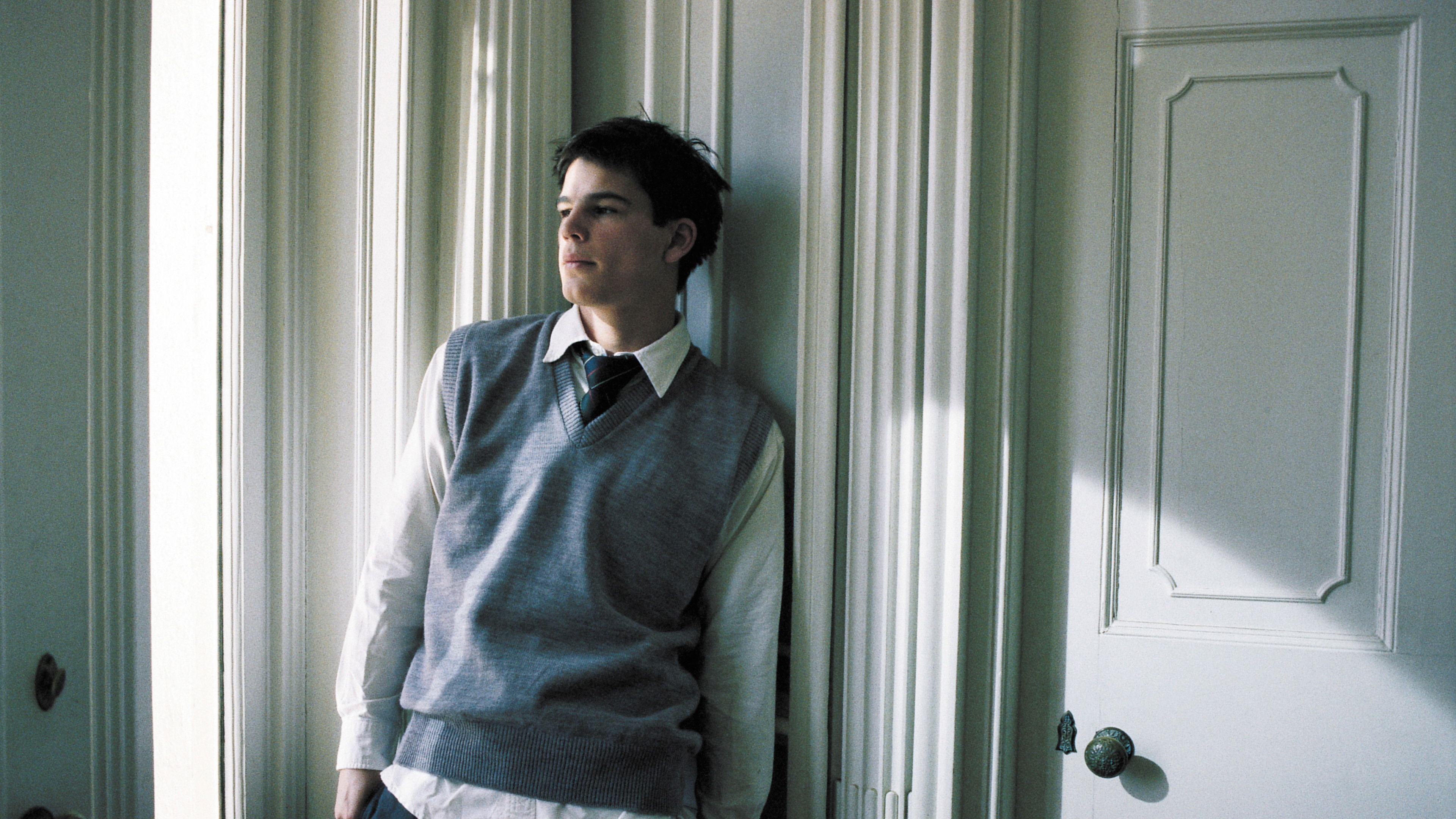
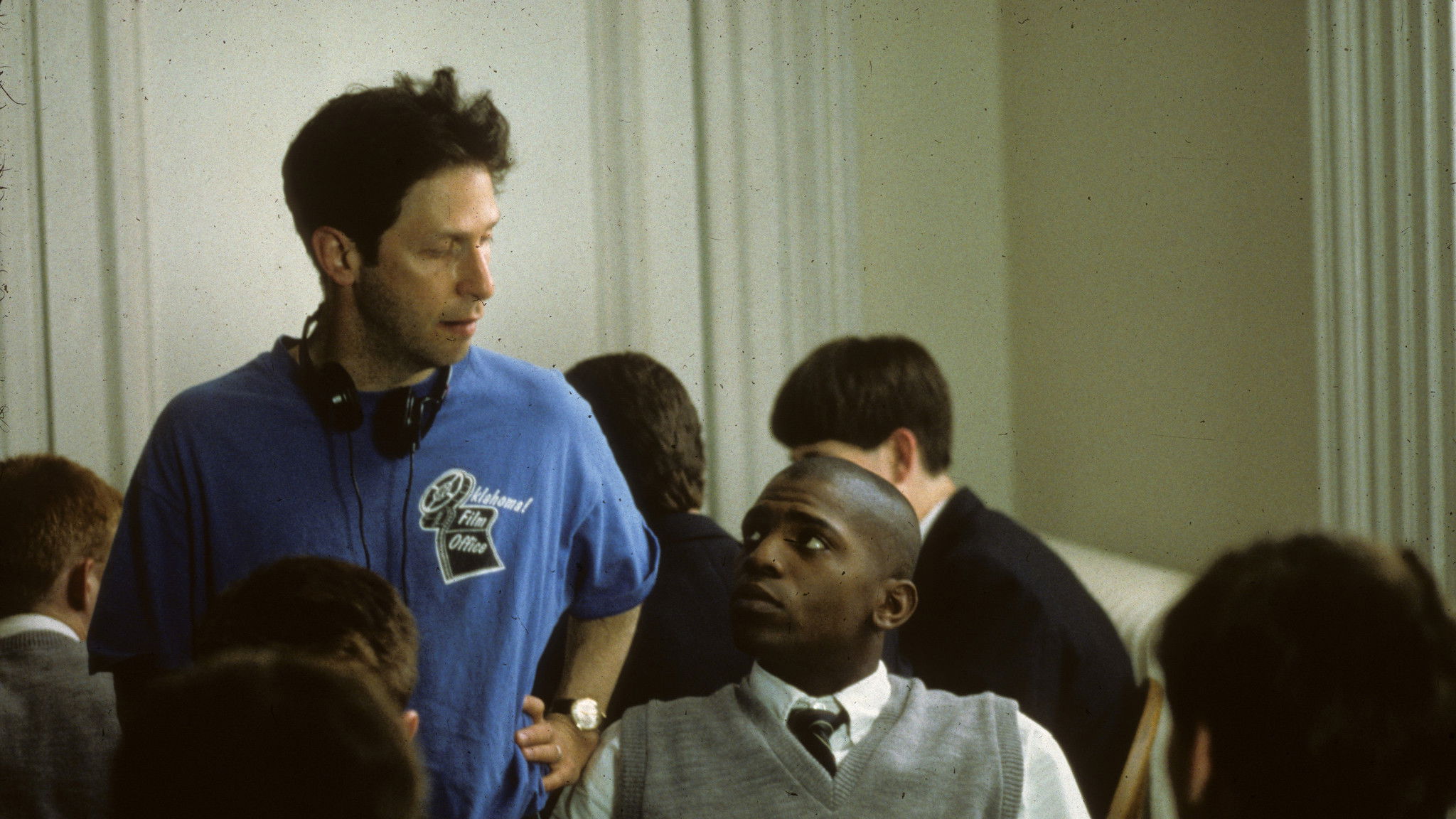
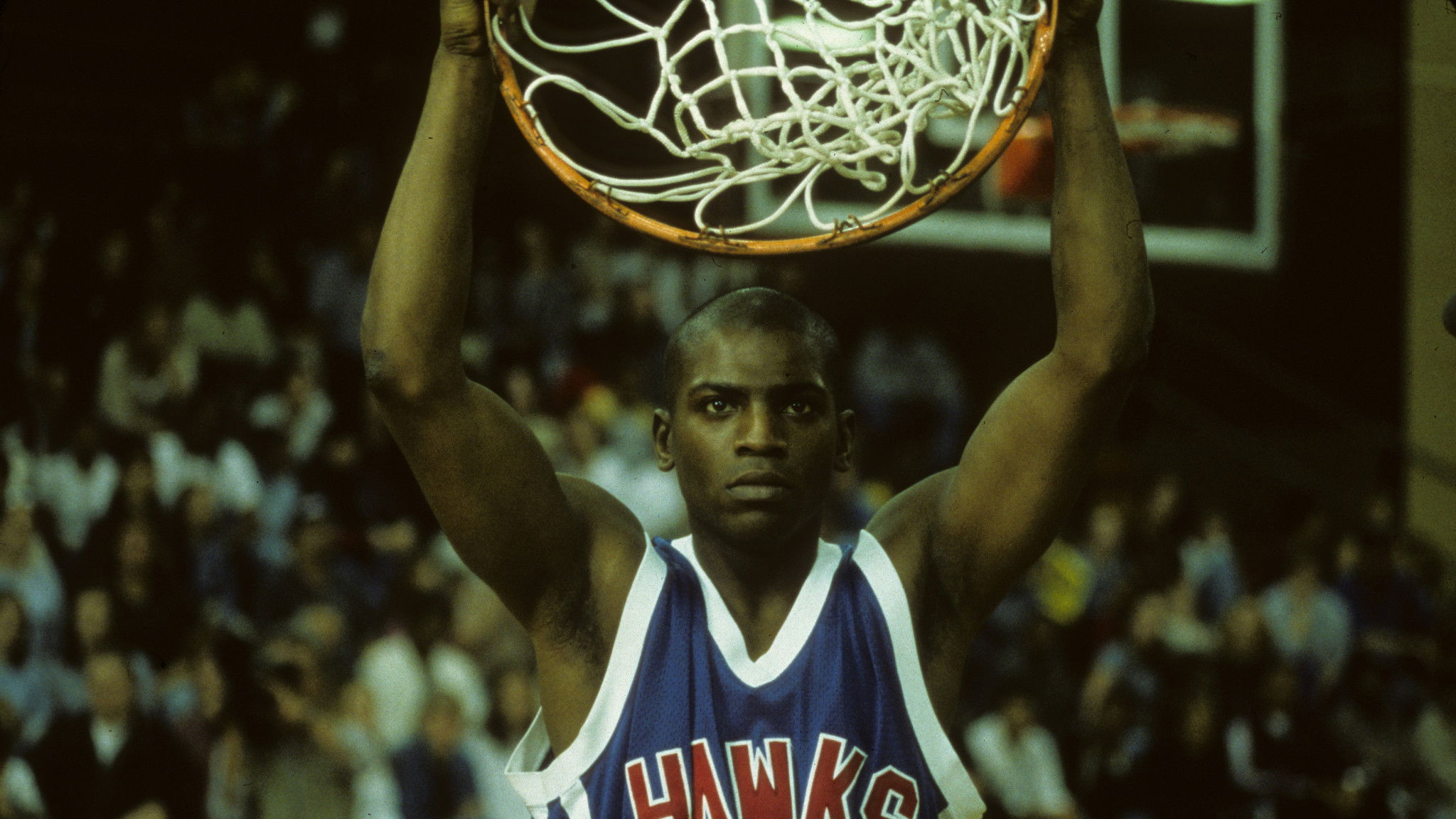
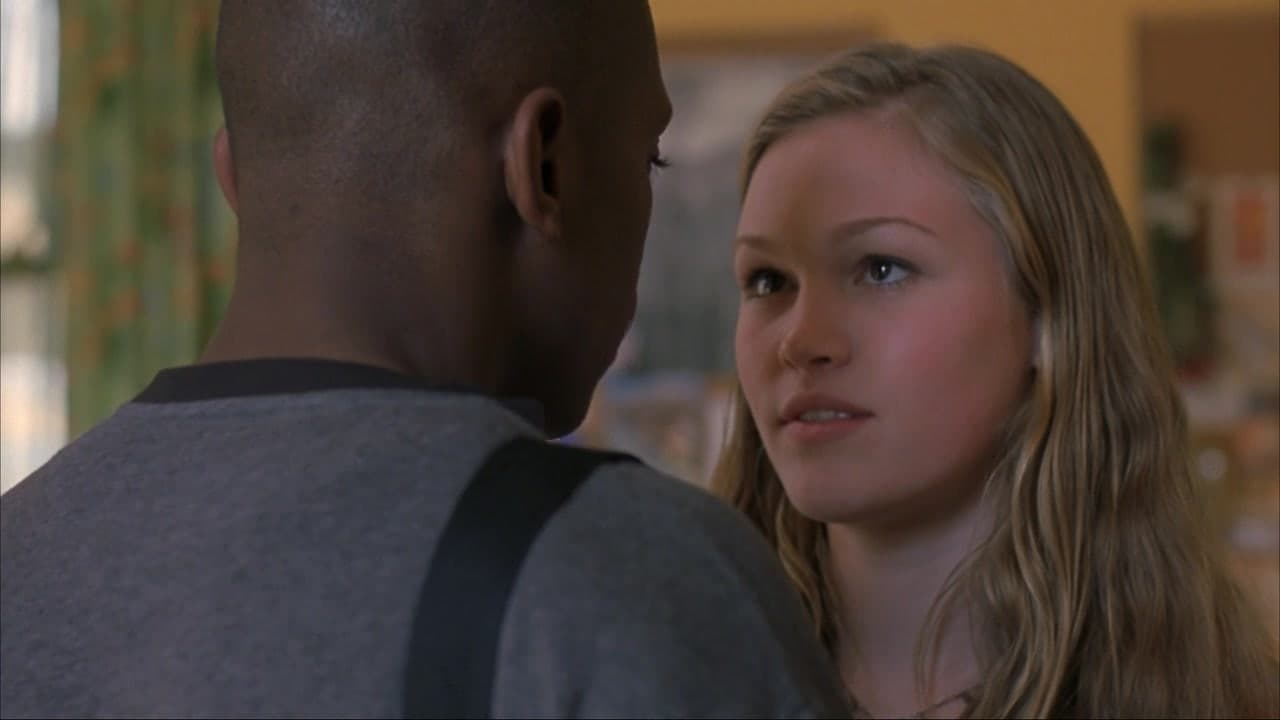
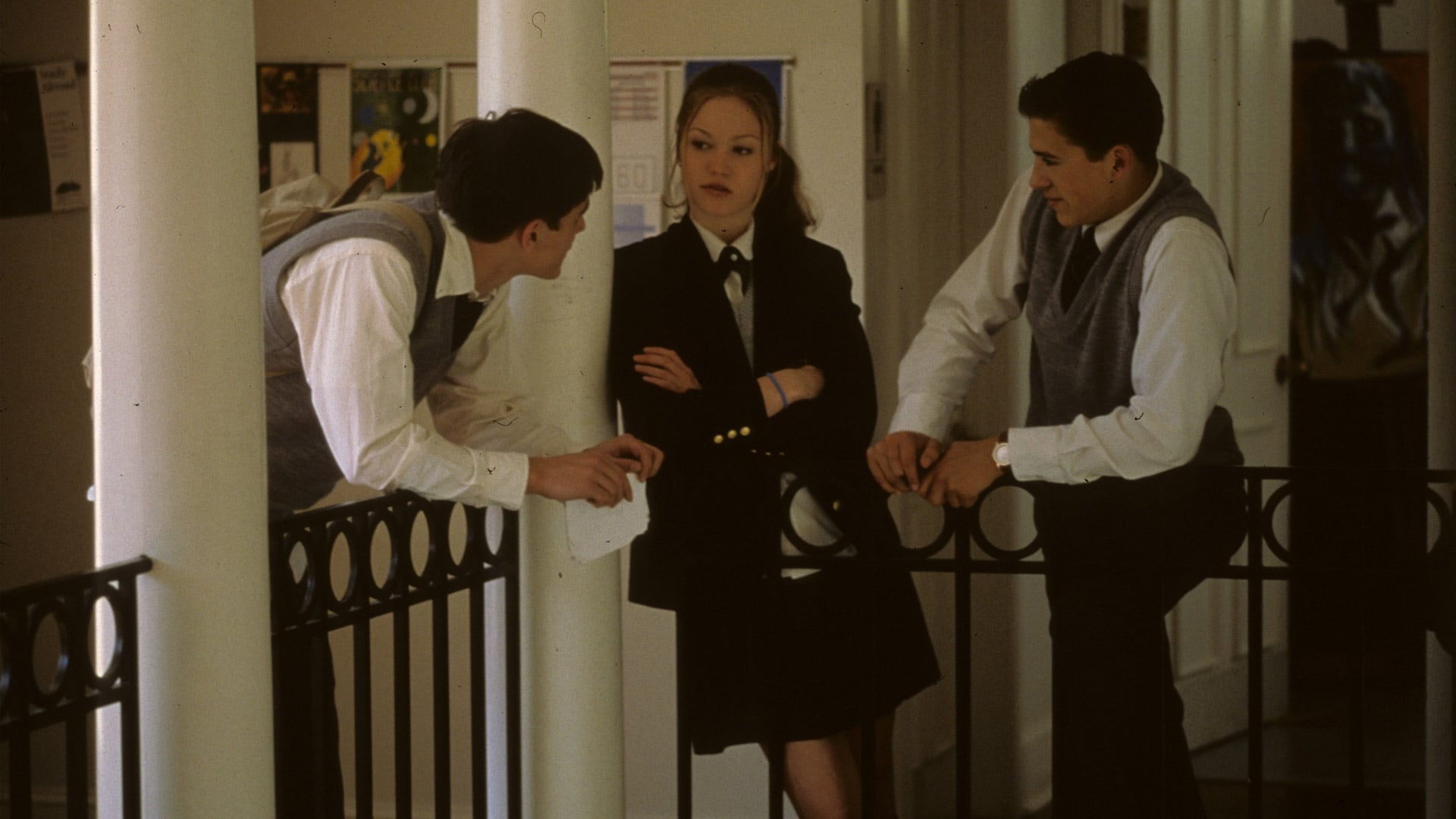
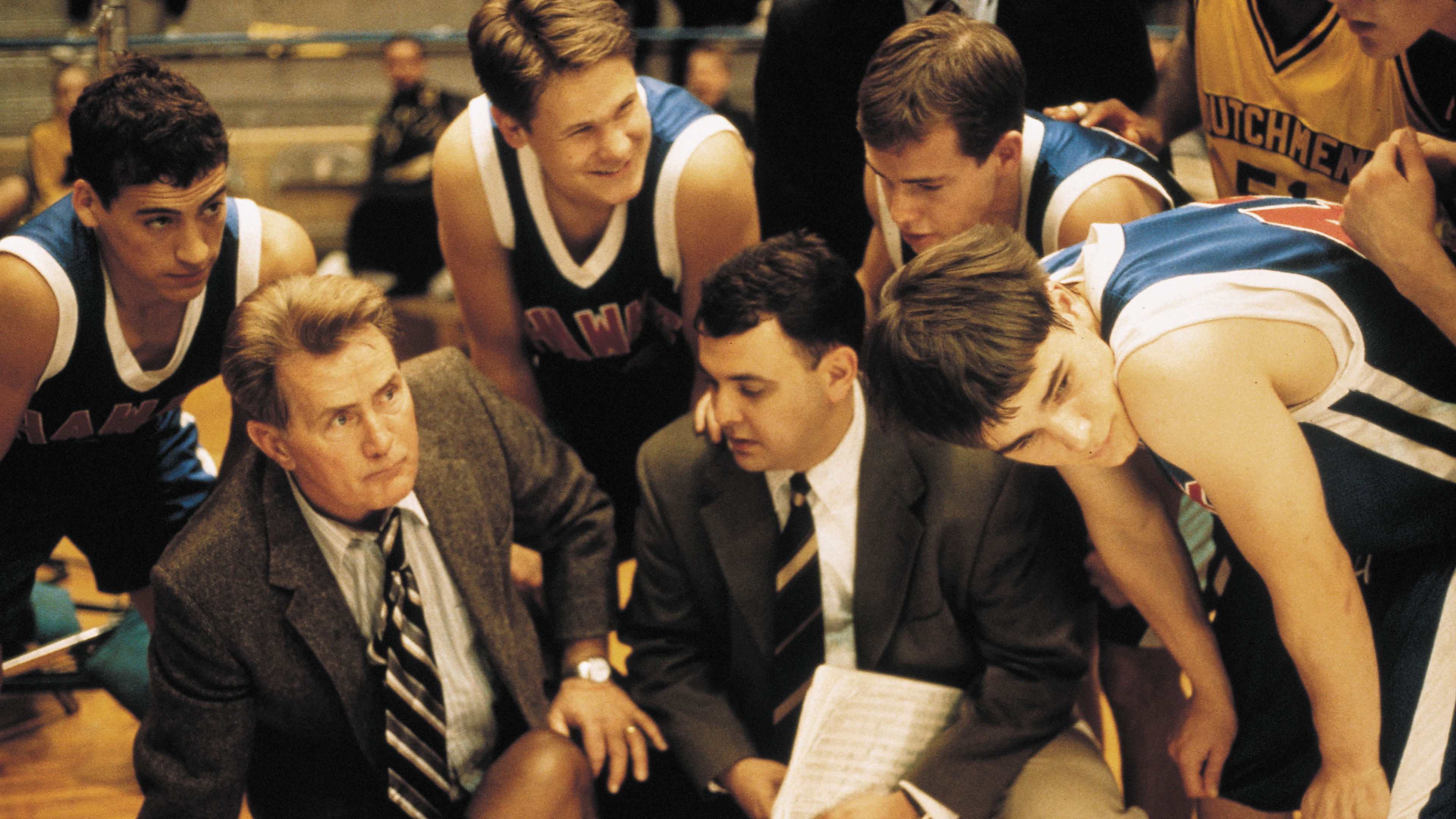
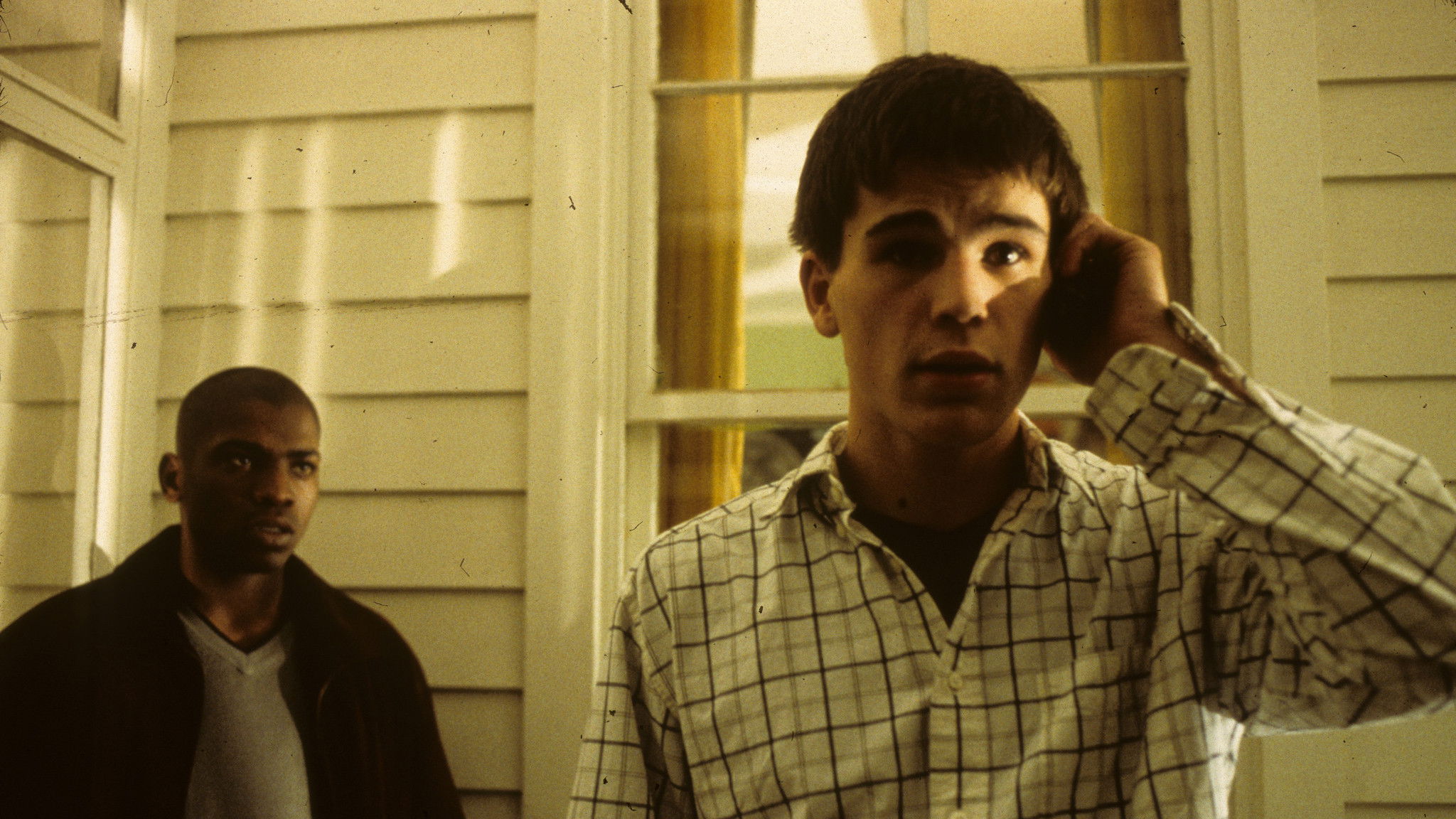
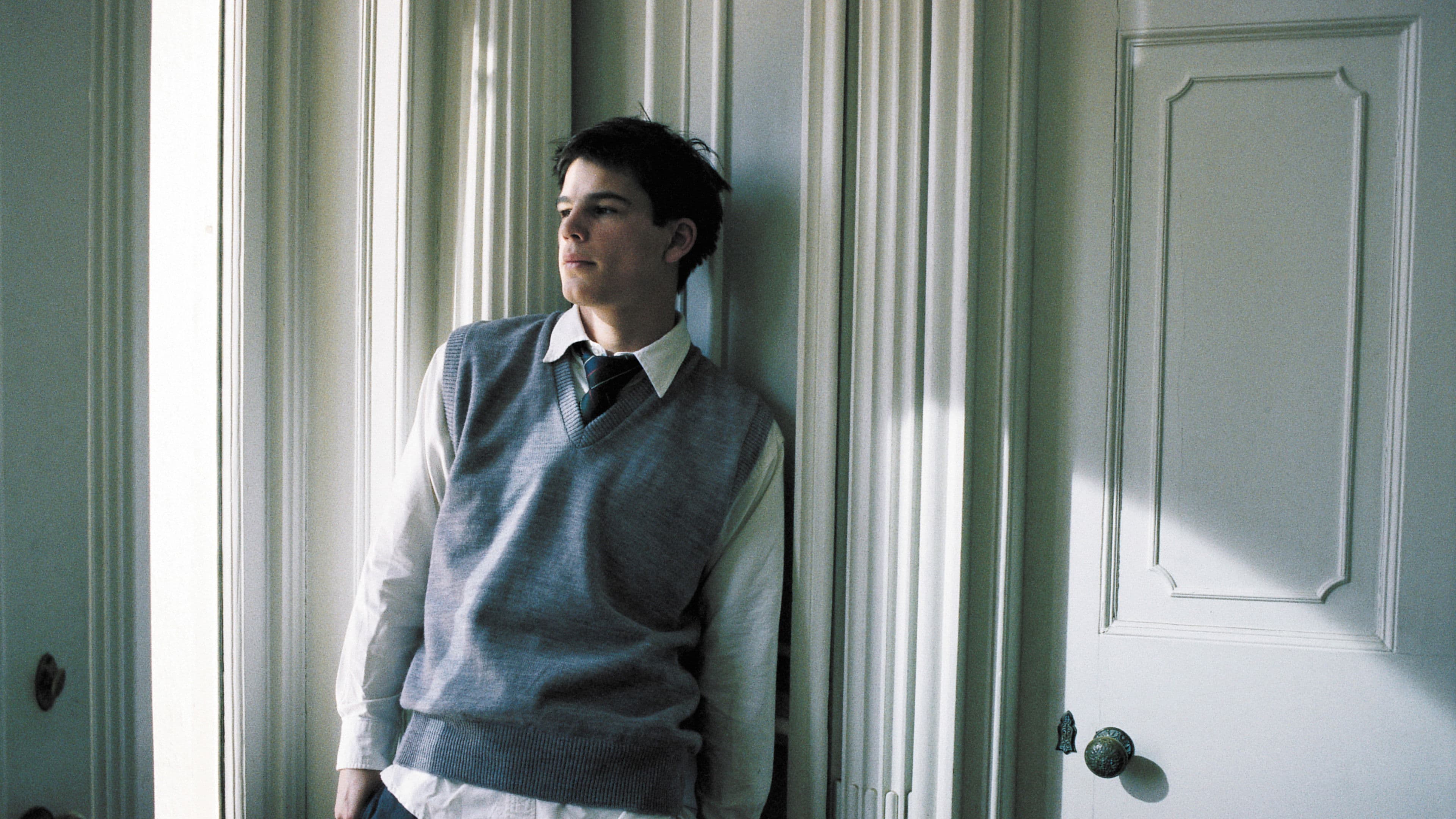
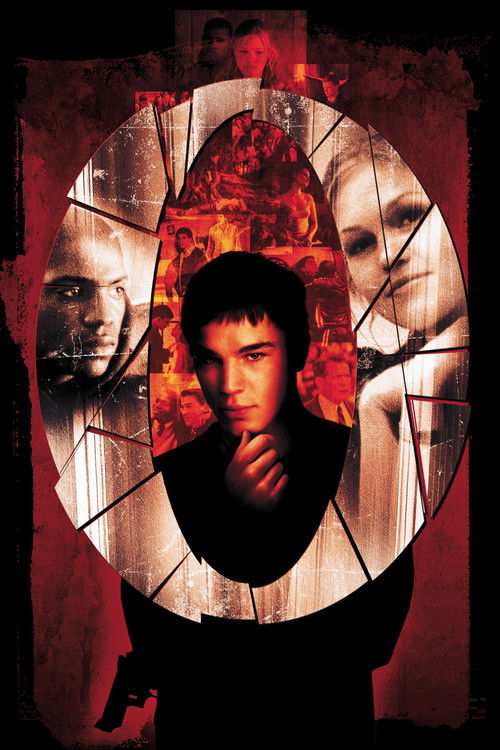
Even though he's the only black student at the elite Palmetto Grove Academy, star basketball player Odin James has the adoration of all, including the team's coach and the Dean's beautiful daughter Desi. Odin's troubled friend Hugo, the coach's son, deeply resentful of his father's preference of Odin on and off the court, plots a diabolical scheme to sow the seed of mistrust between O and Desi, setting in motion a disturbing chain of events which erupts into a firestorm of breathtaking intensity.
Directed by Tim Blake Nelson
high school
jealousy
manipulation
girlfriend
basketball
high school sports
friends
drugs
xenophobia
basketball player
preparatory school
basketball coach
father son relationship

Trailer

IMDB
N/A
Where to Watch

Cast
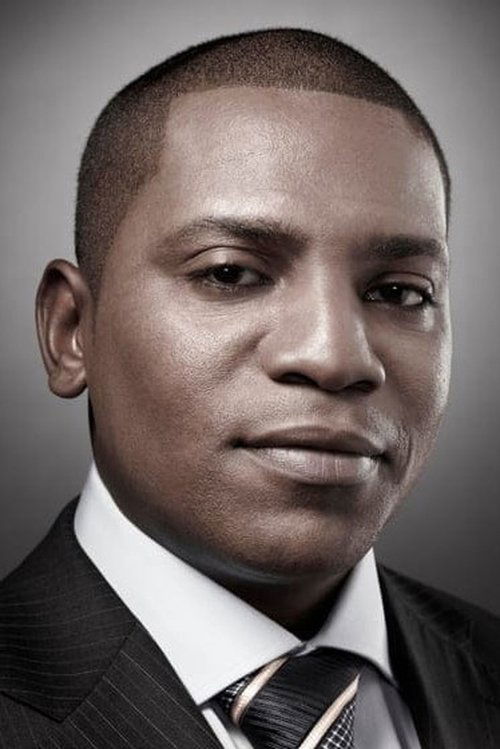
Mekhi Phifer
Odin James
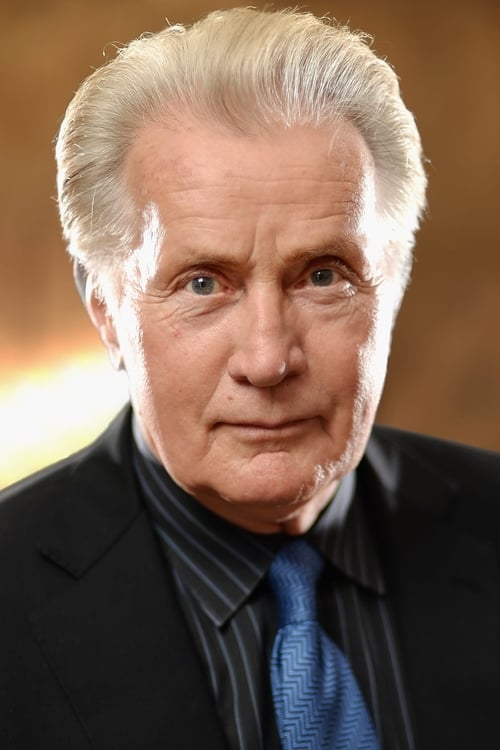
Martin Sheen
Coach Duke Goulding

Josh Hartnett
Hugo Goulding

Andrew Keegan
Michael Cassio
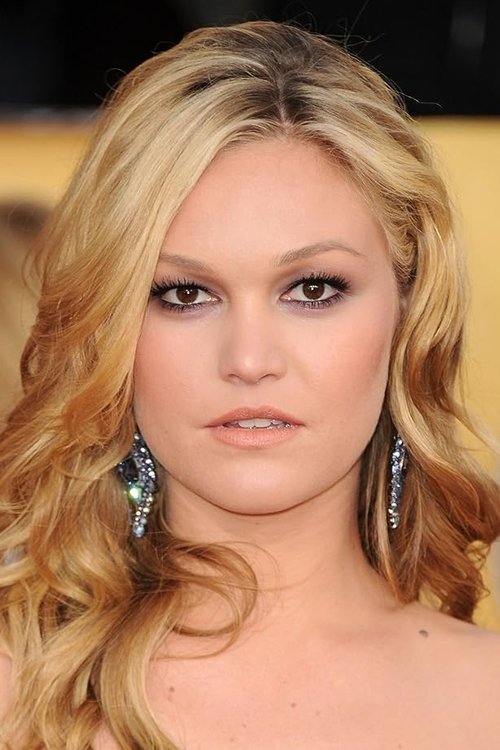
Julia Stiles
Desi Brable

Rain Phoenix
Emily

Chris Freihofer
Assistant Coach

Elden Henson
Roger Calhoun
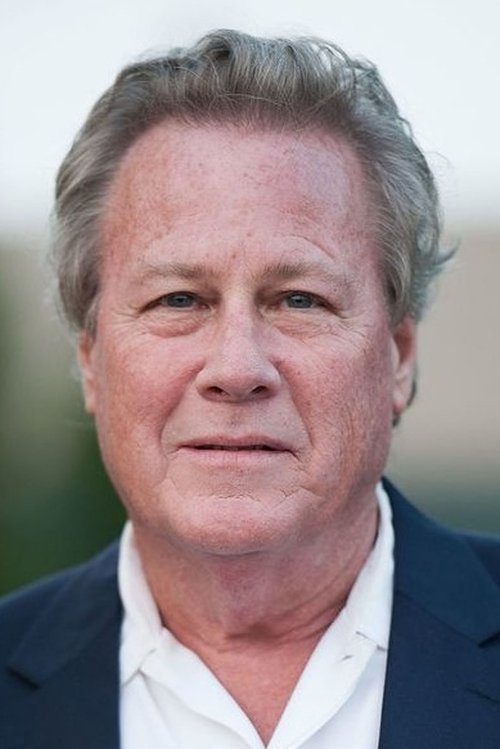
John Heard
Dean Brable
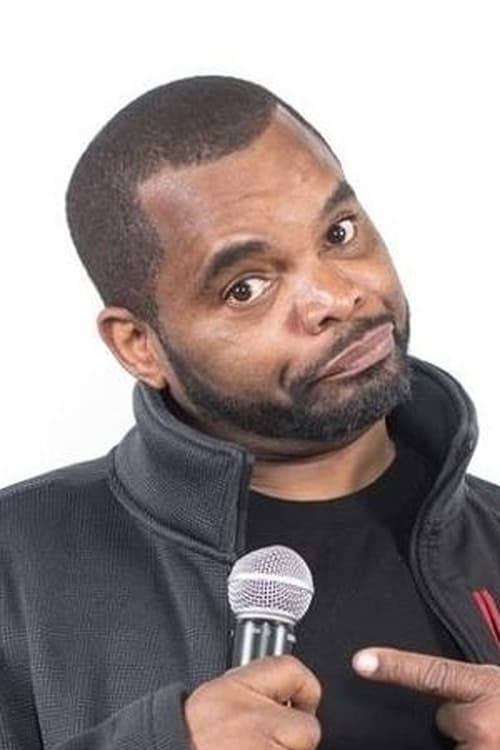
Anthony Johnson
Dell

Rachel Shumate
Brandy

Christopher Jones
Jason
Crew
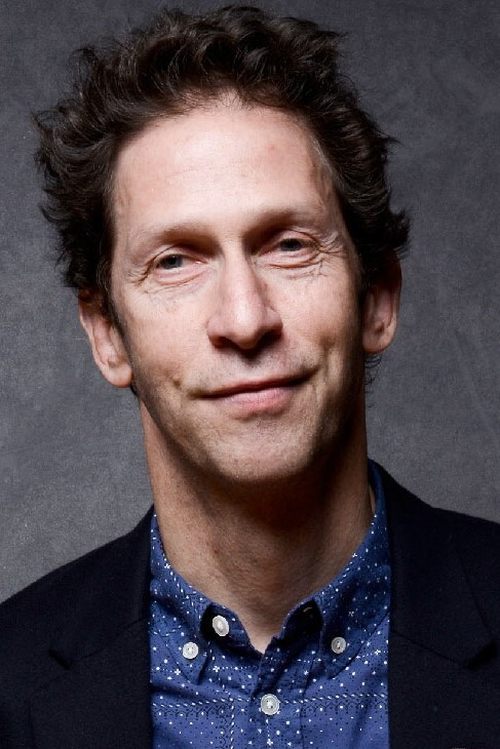
Tim Blake Nelson
Director
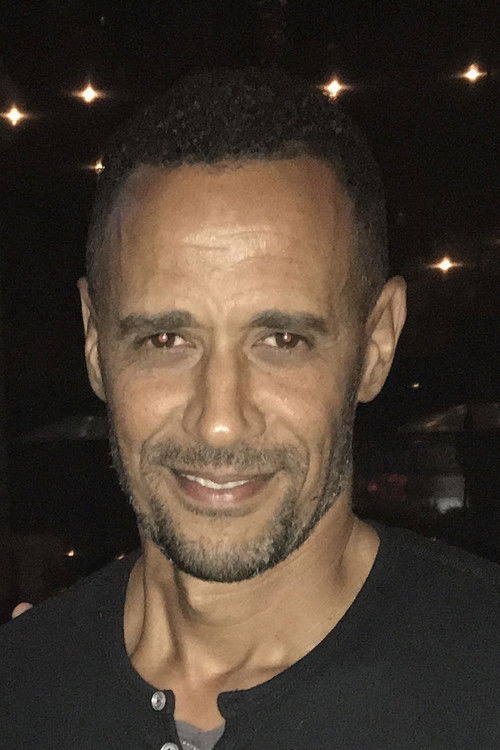
Brad Kaaya
Screenplay

Jeff Danna
Original Music Composer
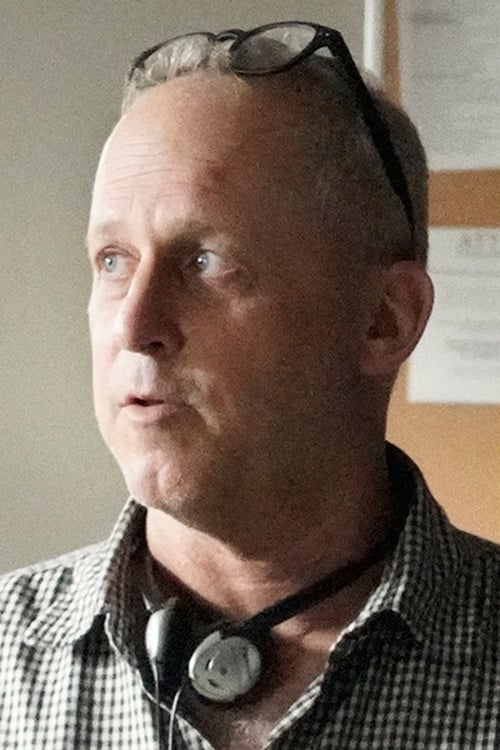
Russell Lee Fine
Director of Photography

Tom Myers
Sound Designer

Avy Kaufman
Casting

Tina McKissick
Stunts

Cal Johnson
Stunt Coordinator
Gary Rizzo
Sound Re-Recording Mixer

Lora Hirschberg
Sound Re-Recording Mixer
Brad Kaaya
Associate Producer

Robert Maxfield
Sound Mixer
Popular Reviews
92 reviews
phil
Shakespeare's Othello toes the line between a social critique miles ahead of its time and a typical Jacobean depiction of race. Somehow, this adaptation from the 2000s crosses that line into purely derivative racism.
To begin with, the set up is completely distant from the original Othello. Odin swears, unlike Othello's poetic language, he and Desi have a sexual and physical relationship, unlike the idealistic intellectual relationship portrayed in the first Act, and the choice to adapt Othello's military prowess as Odin's basketball skills not only undercuts Shakespeare's original positioning of Othello in stereotypically white spheres to highlight his isolation, but relies on stereotypes of today that depict Black people, especially Black men, as hyper-masculine basketball players. For some reason, after Roderigo and Iago (Roger and Hugo) accuse Odin of raping Desi, him and 'Big Mike' attack Roger - unlike the reasonable, level-headed Othello Shakespeare introduce us to, who appears honestly unaware of Roderigo the entire play. Repeatedly, the movie establishes an Othello constructed around modern day stereotypes of Black Americans, while initially Shakespeare's Othello exists in juxtaposition with Jacobean stereotypes of 'Moors'. Not only does this undercut and undermine Othello's tragic fall, the premise of the entire play, but it manages to double down on the racist elements present in Shakespeare's original work.
Aside from the racial stereotypes, it is bizarre to portray Iago in such a sympathetic light. Iago lays out his motivations for his manipulation of Othello as a hatred driven by him choosing Cassio over Iago himself, and a unfounded rumour that Othello slept with Emilia. In this movie, Hugo is being neglected and publicly humiliated by his dad, who claims Odin as his son. Before Hugo drives Odin to kill Michael and Desi, we are shown a scene where Hugo's Dad invites Hugo over for dinner, only to talk about Odin. Iago's purposefully disturbing sexual motivations are cut out. Furthermore, the movie removes the blame for the racial abuse Othello faces from Iago's shoulders, when Michael, unprompted, calls Odin racial slurs and mocks him to Hugo. The tragedy of Othello believing that Cassio and Desdemona would do this to him despite their loyalty and love is undercut by the fact Michael, at the very least, is incredibly racist. Similarly, the movie attempts to portray a flirty scene of Odin and Desi lying together in bed, where Odin says he's allowed to call himself the N-word, and Desi asks why she shouldn't be able to say it when her people invented the word. THIS IS NOT A CUTE OR COMPELLING RELATIONSHIP?? Othello's public striking of Desdemona and attempts to bend her to his will in front of Lodovico are cut, and replaced by a rape scene, that Desi attempts to justify by arguing that Emily wouldn't be calling it rape if Othello was white. That's actually not how rape works, and escalates Othello's already stereotypical domestic violence to an incredibly racist portrayal of the violent, hypersexual Black man.
Multiple casting choices also undercut Othello's isolation. While a Black teenager in 2000s America is not as isolated as a Black man in 1600s Venice, casting figures like the policeman at the end of the movie as Black undercuts the message of institutional oppression - they arrive to enforce the justice that disproportionately impacts Othello, and while Black police officers do uphold the racist police institution, it doesn't have the same visual power. Furthermore, the casting of the opposing basketball teams as Black characters could've been really interesting, in the context of Othello's association with the Ottoman invaders in the play, however, this goes completely unmentioned, and makes it feel like once again, the people behind the movie are stereotyping Black athletes as basketball players.
Overall, the movie waters down a lot of the original messages. It even cuts out Emilia's proto-feminist speech, which would've been interesting alongside Emily's nuanced take on 'marital' rape, which was legal at the time of the movie. However, the reliance on stereotypes even more than Shakespeare with a lot less excuses than a pre-colonial playwright ultimately makes the movie suffer.
To begin with, the set up is completely distant from the original Othello. Odin swears, unlike Othello's poetic language, he and Desi have a sexual and physical relationship, unlike the idealistic intellectual relationship portrayed in the first Act, and the choice to adapt Othello's military prowess as Odin's basketball skills not only undercuts Shakespeare's original positioning of Othello in stereotypically white spheres to highlight his isolation, but relies on stereotypes of today that depict Black people, especially Black men, as hyper-masculine basketball players. For some reason, after Roderigo and Iago (Roger and Hugo) accuse Odin of raping Desi, him and 'Big Mike' attack Roger - unlike the reasonable, level-headed Othello Shakespeare introduce us to, who appears honestly unaware of Roderigo the entire play. Repeatedly, the movie establishes an Othello constructed around modern day stereotypes of Black Americans, while initially Shakespeare's Othello exists in juxtaposition with Jacobean stereotypes of 'Moors'. Not only does this undercut and undermine Othello's tragic fall, the premise of the entire play, but it manages to double down on the racist elements present in Shakespeare's original work.
Aside from the racial stereotypes, it is bizarre to portray Iago in such a sympathetic light. Iago lays out his motivations for his manipulation of Othello as a hatred driven by him choosing Cassio over Iago himself, and a unfounded rumour that Othello slept with Emilia. In this movie, Hugo is being neglected and publicly humiliated by his dad, who claims Odin as his son. Before Hugo drives Odin to kill Michael and Desi, we are shown a scene where Hugo's Dad invites Hugo over for dinner, only to talk about Odin. Iago's purposefully disturbing sexual motivations are cut out. Furthermore, the movie removes the blame for the racial abuse Othello faces from Iago's shoulders, when Michael, unprompted, calls Odin racial slurs and mocks him to Hugo. The tragedy of Othello believing that Cassio and Desdemona would do this to him despite their loyalty and love is undercut by the fact Michael, at the very least, is incredibly racist. Similarly, the movie attempts to portray a flirty scene of Odin and Desi lying together in bed, where Odin says he's allowed to call himself the N-word, and Desi asks why she shouldn't be able to say it when her people invented the word. THIS IS NOT A CUTE OR COMPELLING RELATIONSHIP?? Othello's public striking of Desdemona and attempts to bend her to his will in front of Lodovico are cut, and replaced by a rape scene, that Desi attempts to justify by arguing that Emily wouldn't be calling it rape if Othello was white. That's actually not how rape works, and escalates Othello's already stereotypical domestic violence to an incredibly racist portrayal of the violent, hypersexual Black man.
Multiple casting choices also undercut Othello's isolation. While a Black teenager in 2000s America is not as isolated as a Black man in 1600s Venice, casting figures like the policeman at the end of the movie as Black undercuts the message of institutional oppression - they arrive to enforce the justice that disproportionately impacts Othello, and while Black police officers do uphold the racist police institution, it doesn't have the same visual power. Furthermore, the casting of the opposing basketball teams as Black characters could've been really interesting, in the context of Othello's association with the Ottoman invaders in the play, however, this goes completely unmentioned, and makes it feel like once again, the people behind the movie are stereotyping Black athletes as basketball players.
Overall, the movie waters down a lot of the original messages. It even cuts out Emilia's proto-feminist speech, which would've been interesting alongside Emily's nuanced take on 'marital' rape, which was legal at the time of the movie. However, the reliance on stereotypes even more than Shakespeare with a lot less excuses than a pre-colonial playwright ultimately makes the movie suffer.
Shakespeare's Othello toes the line between a social critique miles ahead of its time and a typical Jacobean depiction of race. Somehow, this adaptation from the 2000s crosses that line into purely derivative racism.
To begin with, the set up is completely distant from the original Othello. Odin swears, unlike Othello's poetic language, he and Desi have a sexual and physical relationship, unlike the idealistic intellectual relationship portrayed in the first Act, and the choice to adapt Othello's military prowess as Odin's basketball skills not only undercuts Shakespeare's original positioning of Othello in stereotypically white spheres to highlight his isolation, but relies on stereotypes of today that depict Black people, especially Black men, as hyper-masculine basketball players. For some reason, after Roderigo and Iago (Roger and Hugo) accuse Odin of raping Desi, him and 'Big Mike' attack Roger - unlike the reasonable, level-headed Othello Shakespeare introduce us to, who appears honestly unaware of Roderigo the entire play. Repeatedly, the movie establishes an Othello constructed around modern day stereotypes of Black Americans, while initially Shakespeare's Othello exists in juxtaposition with Jacobean stereotypes of 'Moors'. Not only does this undercut and undermine Othello's tragic fall, the premise of the entire play, but it manages to double down on the racist elements present in Shakespeare's original work.
Aside from the racial stereotypes, it is bizarre to portray Iago in such a sympathetic light. Iago lays out his motivations for his manipulation of Othello as a hatred driven by him choosing Cassio over Iago himself, and a unfounded rumour that Othello slept with Emilia. In this movie, Hugo is being neglected and publicly humiliated by his dad, who claims Odin as his son. Before Hugo drives Odin to kill Michael and Desi, we are shown a scene where Hugo's Dad invites Hugo over for dinner, only to talk about Odin. Iago's purposefully disturbing sexual motivations are cut out. Furthermore, the movie removes the blame for the racial abuse Othello faces from Iago's shoulders, when Michael, unprompted, calls Odin racial slurs and mocks him to Hugo. The tragedy of Othello believing that Cassio and Desdemona would do this to him despite their loyalty and love is undercut by the fact Michael, at the very least, is incredibly racist. Similarly, the movie attempts to portray a flirty scene of Odin and Desi lying together in bed, where Odin says he's allowed to call himself the N-word, and Desi asks why she shouldn't be able to say it when her people invented the word. THIS IS NOT A CUTE OR COMPELLING RELATIONSHIP?? Othello's public striking of Desdemona and attempts to bend her to his will in front of Lodovico are cut, and replaced by a rape scene, that Desi attempts to justify by arguing that Emily wouldn't be calling it rape if Othello was white. That's actually not how rape works, and escalates Othello's already stereotypical domestic violence to an incredibly racist portrayal of the violent, hypersexual Black man.
Multiple casting choices also undercut Othello's isolation. While a Black teenager in 2000s America is not as isolated as a Black man in 1600s Venice, casting figures like the policeman at the end of the movie as Black undercuts the message of institutional oppression - they arrive to enforce the justice that disproportionately impacts Othello, and while Black police officers do uphold the racist police institution, it doesn't have the same visual power. Furthermore, the casting of the opposing basketball teams as Black characters could've been really interesting, in the context of Othello's association with the Ottoman invaders in the play, however, this goes completely unmentioned, and makes it feel like once again, the people behind the movie are stereotyping Black athletes as basketball players.
Overall, the movie waters down a lot of the original messages. It even cuts out Emilia's proto-feminist speech, which would've been interesting alongside Emily's nuanced take on 'marital' rape, which was legal at the time of the movie. However, the reliance on stereotypes even more than Shakespeare with a lot less excuses than a pre-colonial playwright ultimately makes the movie suffer.
To begin with, the set up is completely distant from the original Othello. Odin swears, unlike Othello's poetic language, he and Desi have a sexual and physical relationship, unlike the idealistic intellectual relationship portrayed in the first Act, and the choice to adapt Othello's military prowess as Odin's basketball skills not only undercuts Shakespeare's original positioning of Othello in stereotypically white spheres to highlight his isolation, but relies on stereotypes of today that depict Black people, especially Black men, as hyper-masculine basketball players. For some reason, after Roderigo and Iago (Roger and Hugo) accuse Odin of raping Desi, him and 'Big Mike' attack Roger - unlike the reasonable, level-headed Othello Shakespeare introduce us to, who appears honestly unaware of Roderigo the entire play. Repeatedly, the movie establishes an Othello constructed around modern day stereotypes of Black Americans, while initially Shakespeare's Othello exists in juxtaposition with Jacobean stereotypes of 'Moors'. Not only does this undercut and undermine Othello's tragic fall, the premise of the entire play, but it manages to double down on the racist elements present in Shakespeare's original work.
Aside from the racial stereotypes, it is bizarre to portray Iago in such a sympathetic light. Iago lays out his motivations for his manipulation of Othello as a hatred driven by him choosing Cassio over Iago himself, and a unfounded rumour that Othello slept with Emilia. In this movie, Hugo is being neglected and publicly humiliated by his dad, who claims Odin as his son. Before Hugo drives Odin to kill Michael and Desi, we are shown a scene where Hugo's Dad invites Hugo over for dinner, only to talk about Odin. Iago's purposefully disturbing sexual motivations are cut out. Furthermore, the movie removes the blame for the racial abuse Othello faces from Iago's shoulders, when Michael, unprompted, calls Odin racial slurs and mocks him to Hugo. The tragedy of Othello believing that Cassio and Desdemona would do this to him despite their loyalty and love is undercut by the fact Michael, at the very least, is incredibly racist. Similarly, the movie attempts to portray a flirty scene of Odin and Desi lying together in bed, where Odin says he's allowed to call himself the N-word, and Desi asks why she shouldn't be able to say it when her people invented the word. THIS IS NOT A CUTE OR COMPELLING RELATIONSHIP?? Othello's public striking of Desdemona and attempts to bend her to his will in front of Lodovico are cut, and replaced by a rape scene, that Desi attempts to justify by arguing that Emily wouldn't be calling it rape if Othello was white. That's actually not how rape works, and escalates Othello's already stereotypical domestic violence to an incredibly racist portrayal of the violent, hypersexual Black man.
Multiple casting choices also undercut Othello's isolation. While a Black teenager in 2000s America is not as isolated as a Black man in 1600s Venice, casting figures like the policeman at the end of the movie as Black undercuts the message of institutional oppression - they arrive to enforce the justice that disproportionately impacts Othello, and while Black police officers do uphold the racist police institution, it doesn't have the same visual power. Furthermore, the casting of the opposing basketball teams as Black characters could've been really interesting, in the context of Othello's association with the Ottoman invaders in the play, however, this goes completely unmentioned, and makes it feel like once again, the people behind the movie are stereotyping Black athletes as basketball players.
Overall, the movie waters down a lot of the original messages. It even cuts out Emilia's proto-feminist speech, which would've been interesting alongside Emily's nuanced take on 'marital' rape, which was legal at the time of the movie. However, the reliance on stereotypes even more than Shakespeare with a lot less excuses than a pre-colonial playwright ultimately makes the movie suffer.

1

ceoPRO
8.0★ · 06/03/26
mannnnn what lmao? again, stop playing in that snow
mannnnn what lmao? again, stop playing in that snow
Isabella Marianne
5.0★ · 05/04/26
I heard a lot of talk about this film in the agora during frees so was curious to see it
The clear themes of Othello are there, and it does keep the story but translated to a 2000s film pretty well
But there is just something about this film, I don’t know what it is, but it just feels weird- maybe it’s the inevitable consequence of putting a Jacobean revenge tragedy in a 2000s basketball world
The clear themes of Othello are there, and it does keep the story but translated to a 2000s film pretty well
But there is just something about this film, I don’t know what it is, but it just feels weird- maybe it’s the inevitable consequence of putting a Jacobean revenge tragedy in a 2000s basketball world
I heard a lot of talk about this film in the agora during frees so was curious to see it
The clear themes of Othello are there, and it does keep the story but translated to a 2000s film pretty well
But there is just something about this film, I don’t know what it is, but it just feels weird- maybe it’s the inevitable consequence of putting a Jacobean revenge tragedy in a 2000s basketball world
The clear themes of Othello are there, and it does keep the story but translated to a 2000s film pretty well
But there is just something about this film, I don’t know what it is, but it just feels weird- maybe it’s the inevitable consequence of putting a Jacobean revenge tragedy in a 2000s basketball world
tristyn lucas
6.0★ · 04/06/26
underrated movie. but hugo sucks at lying idk why O believed him
underrated movie. but hugo sucks at lying idk why O believed him
jocelyn mallory
8.0★ · 03/31/26
only josh hartnet could pull off a cut that fucked up
only josh hartnet could pull off a cut that fucked up