

1991·Drama·2h 8m
7.1
★
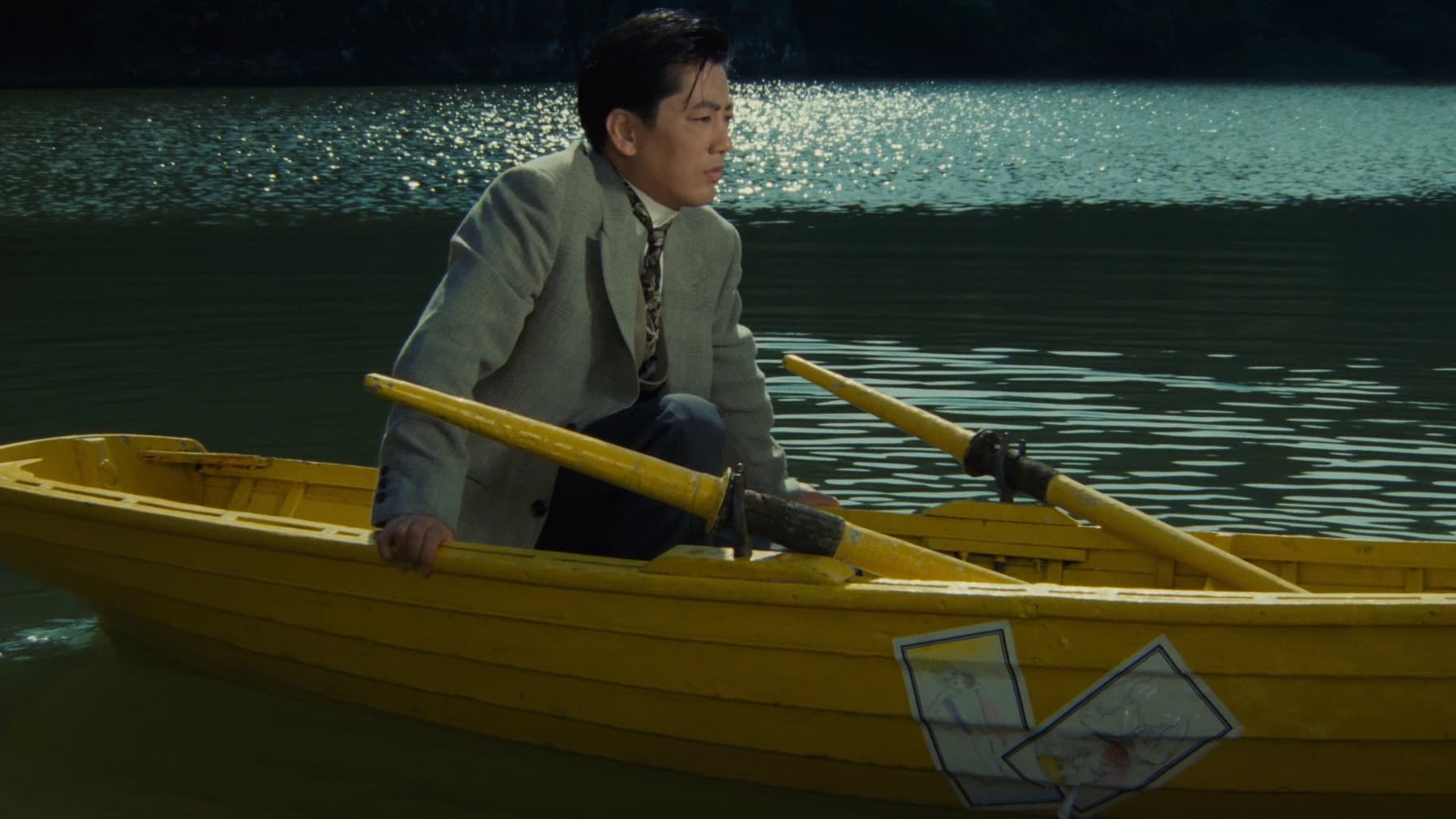
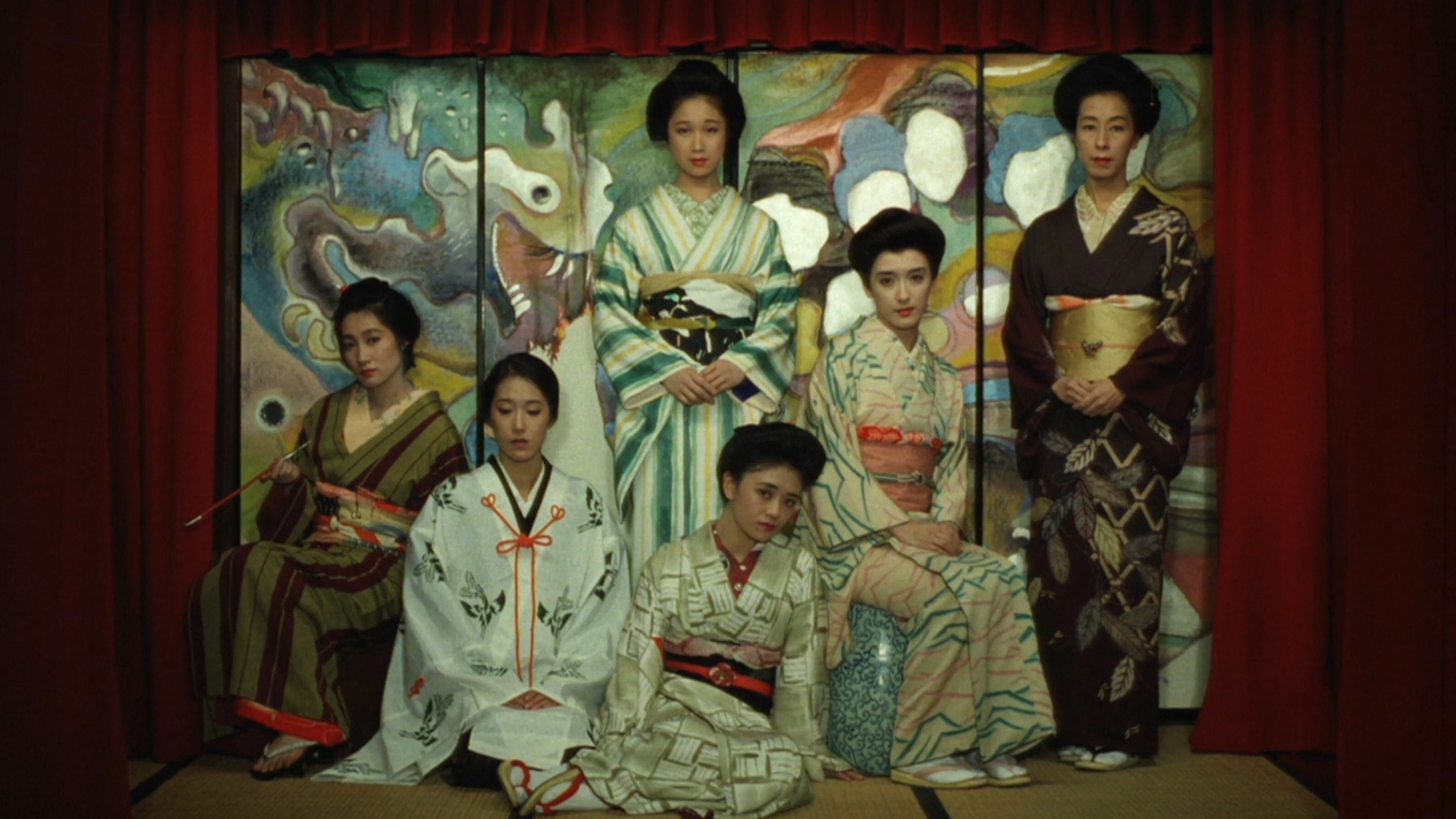
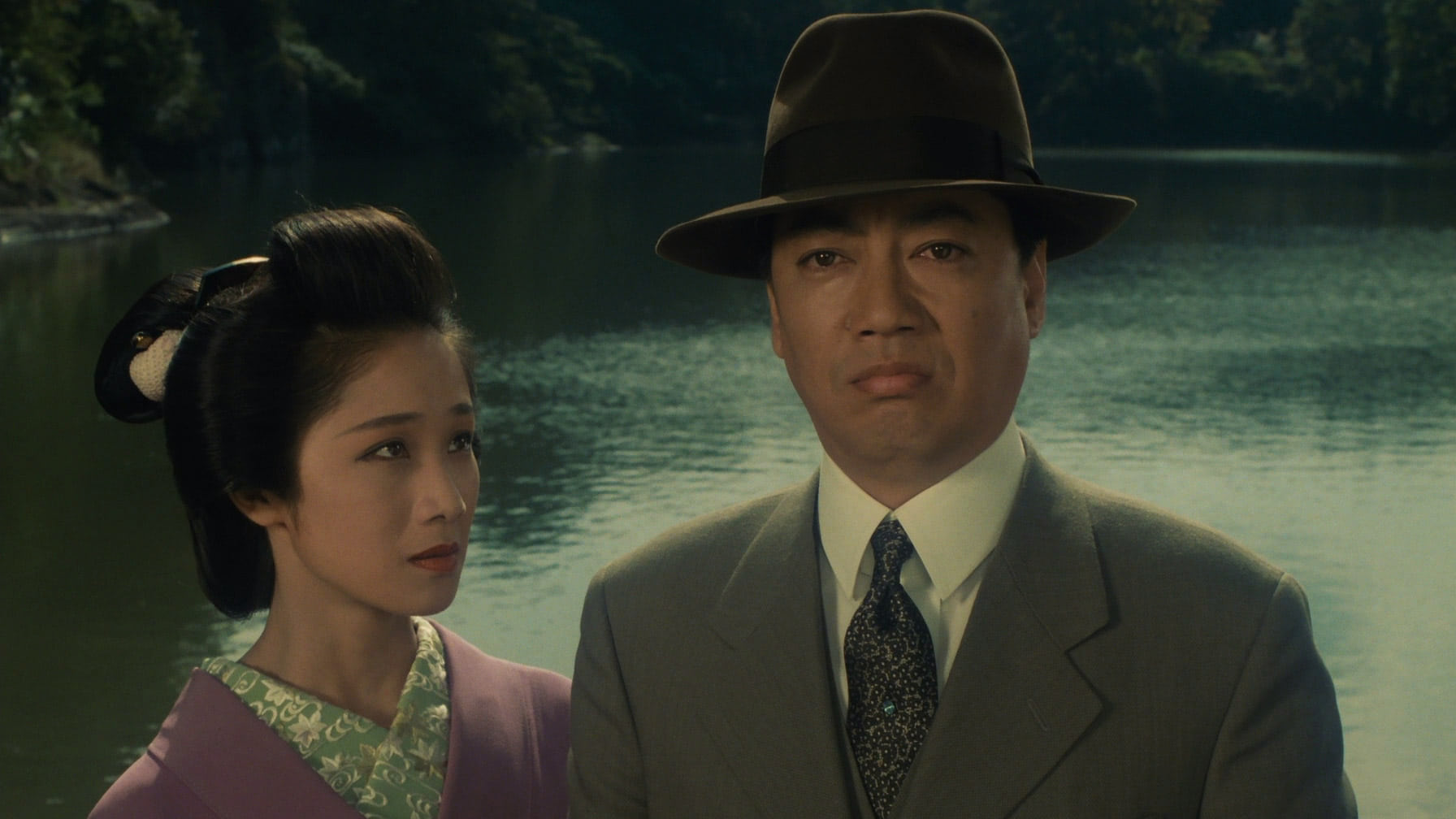
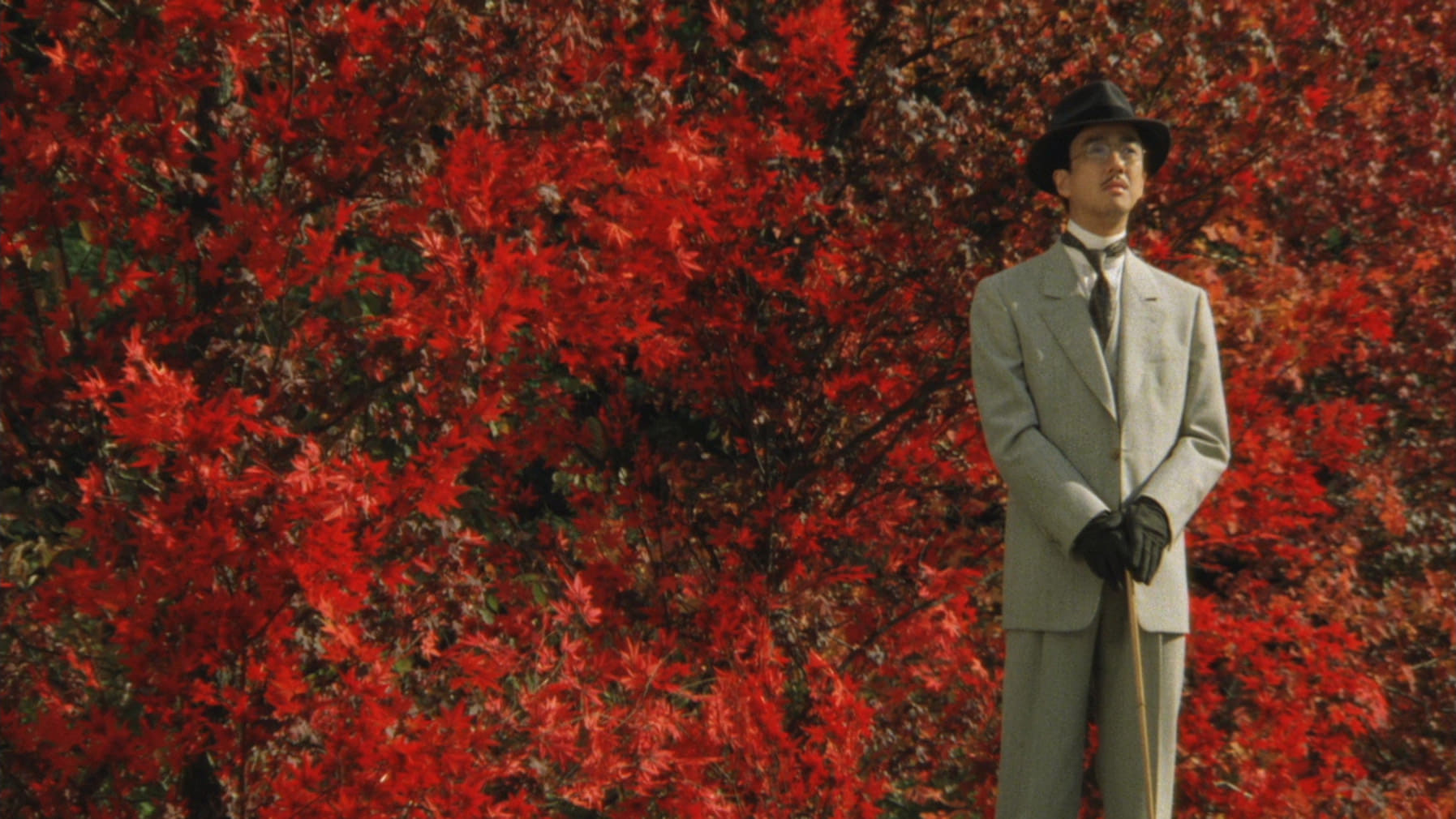
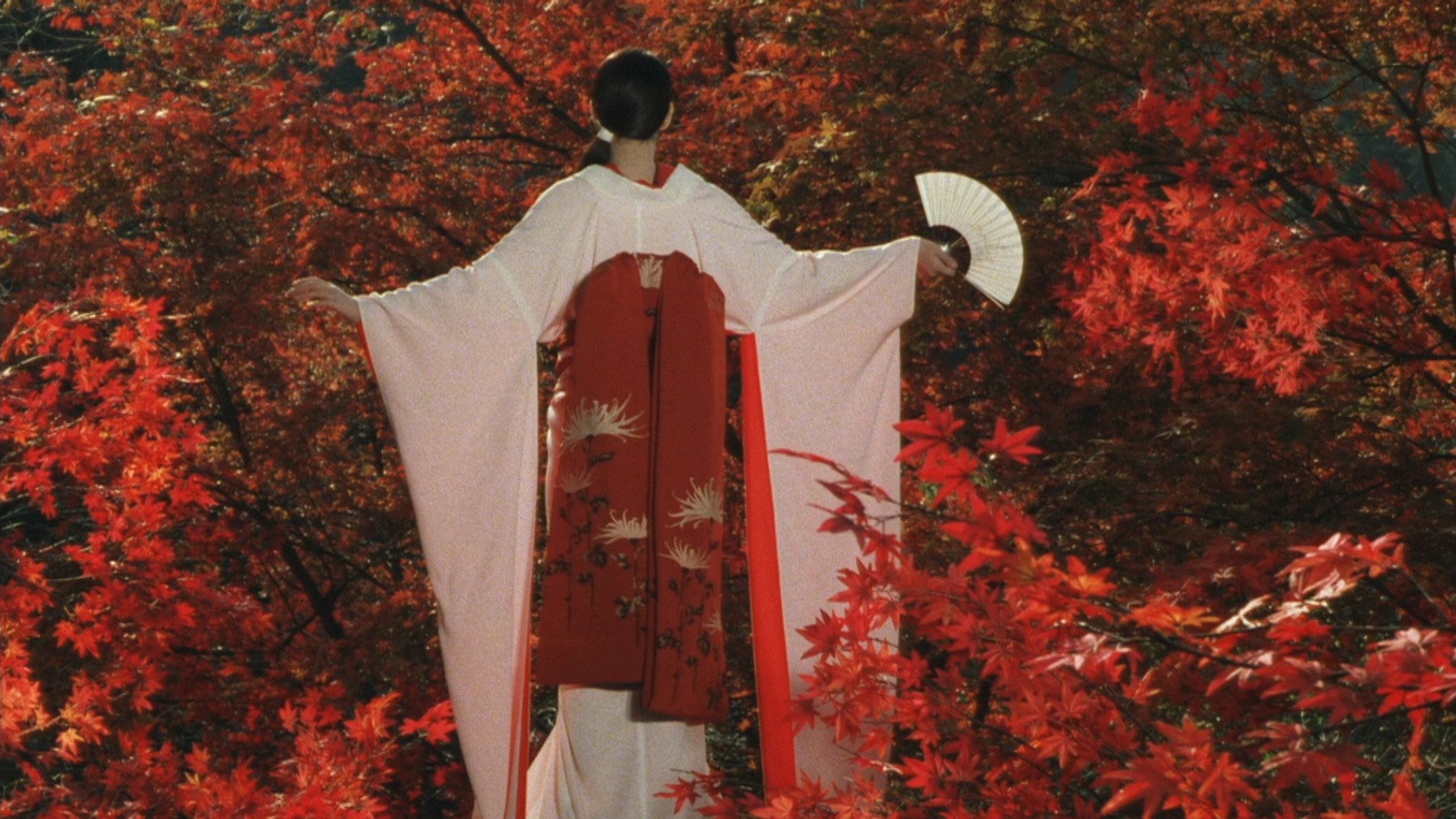
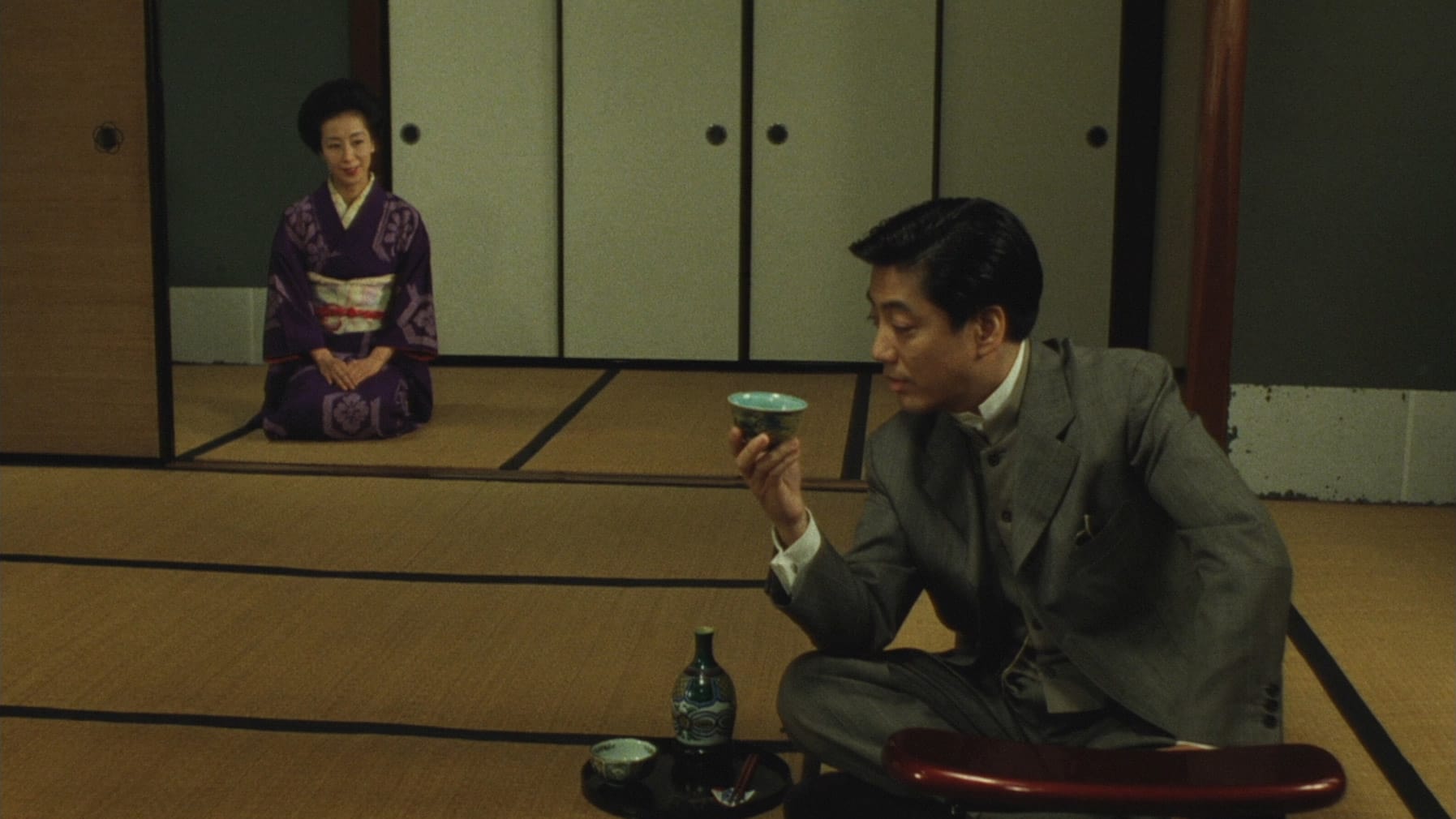
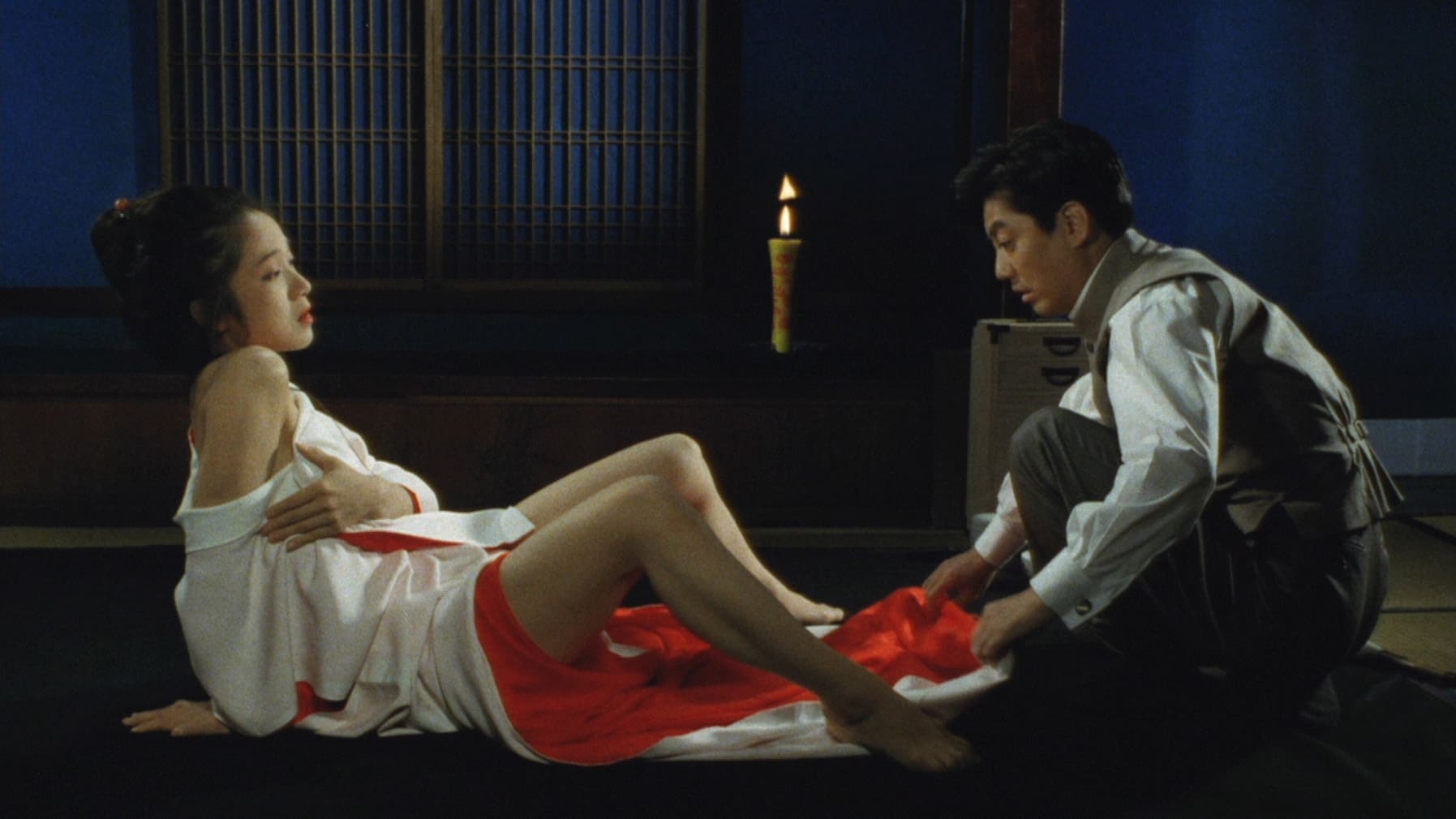
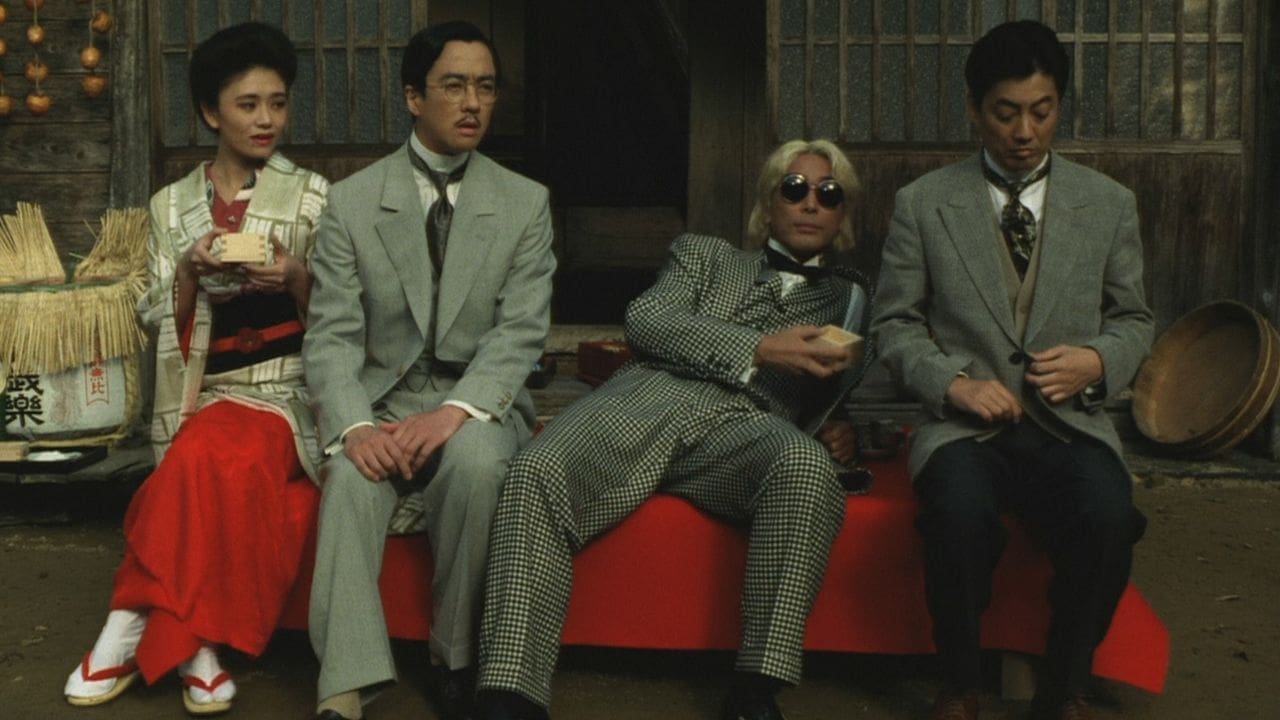
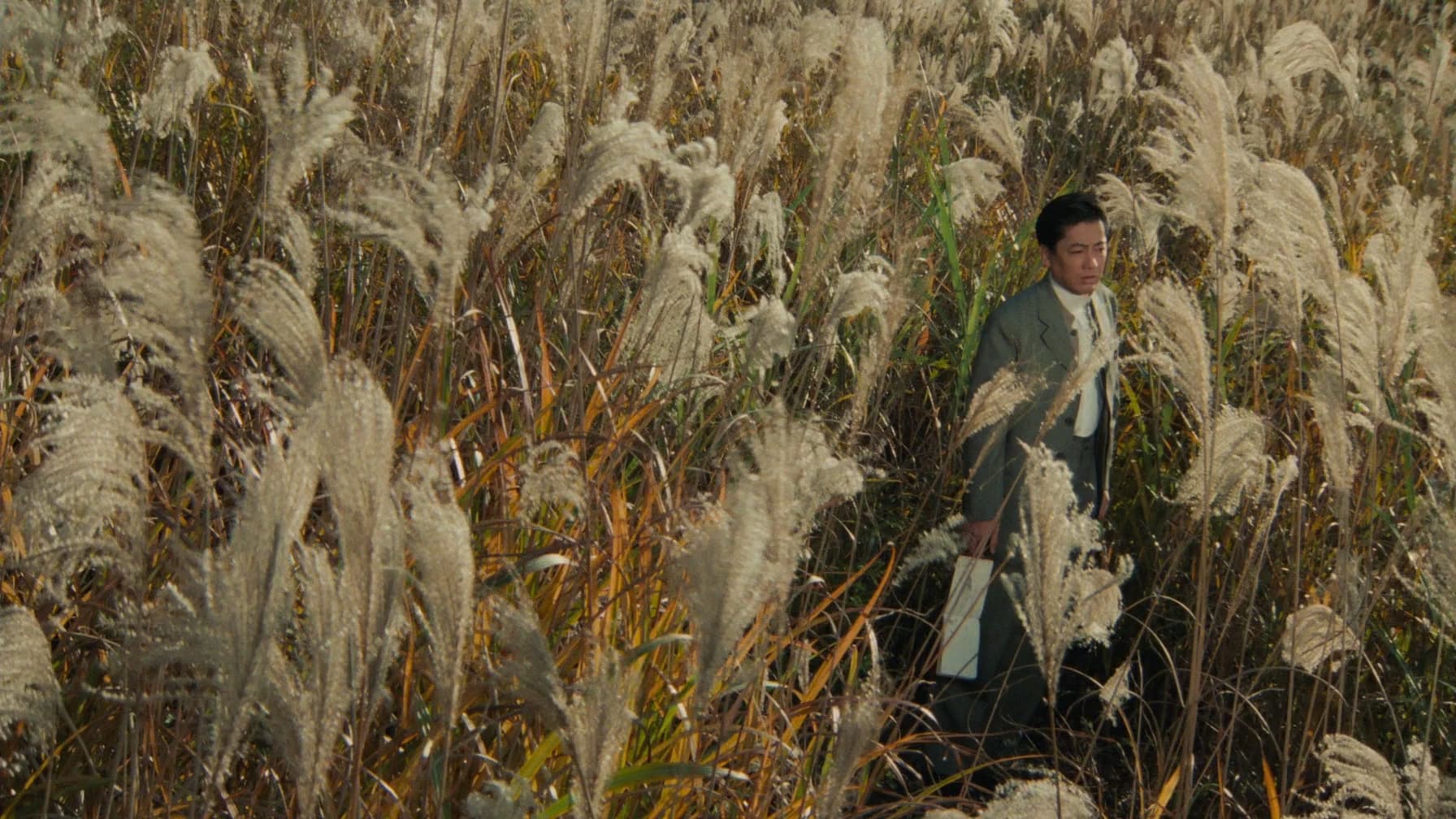
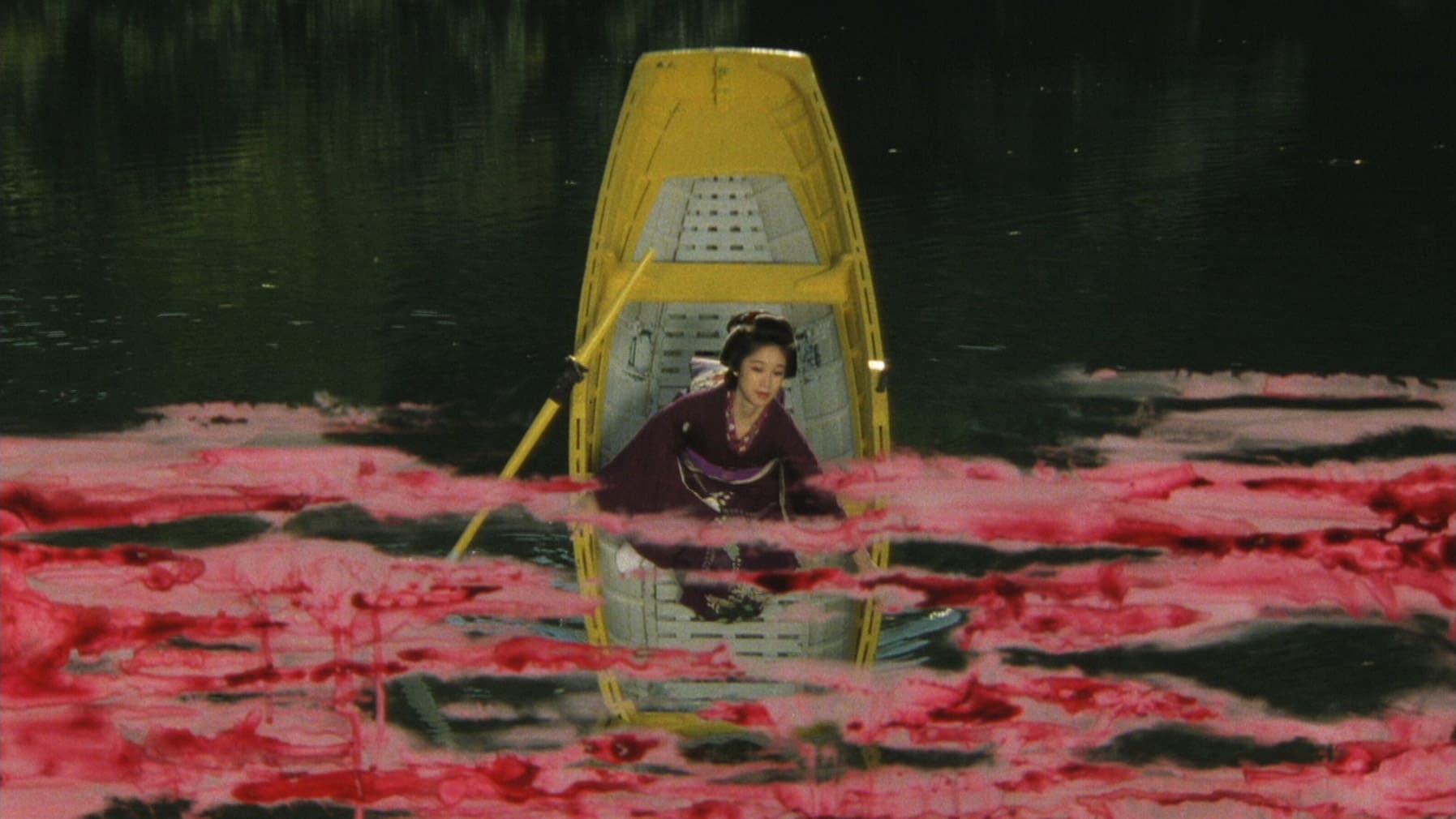
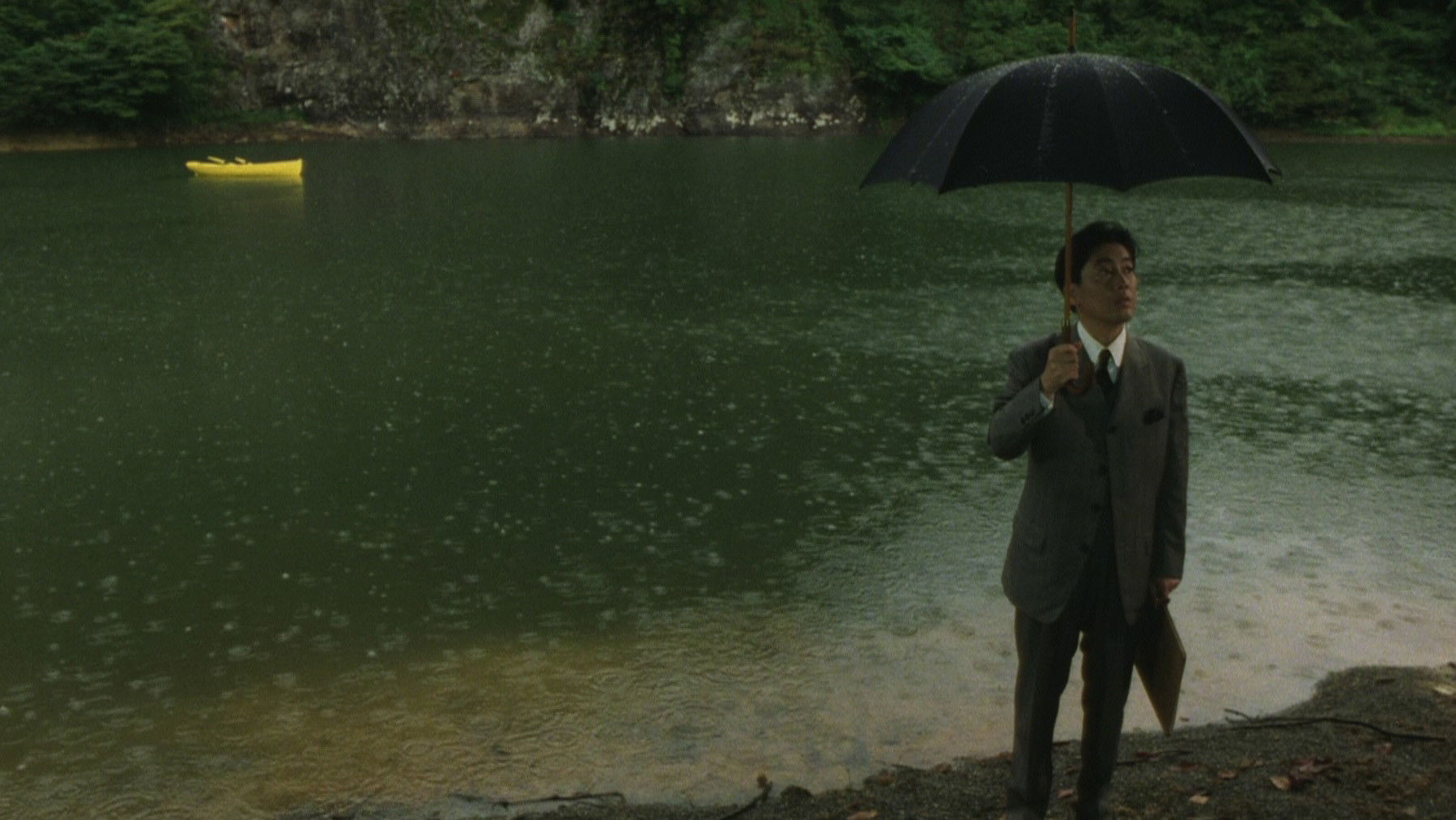
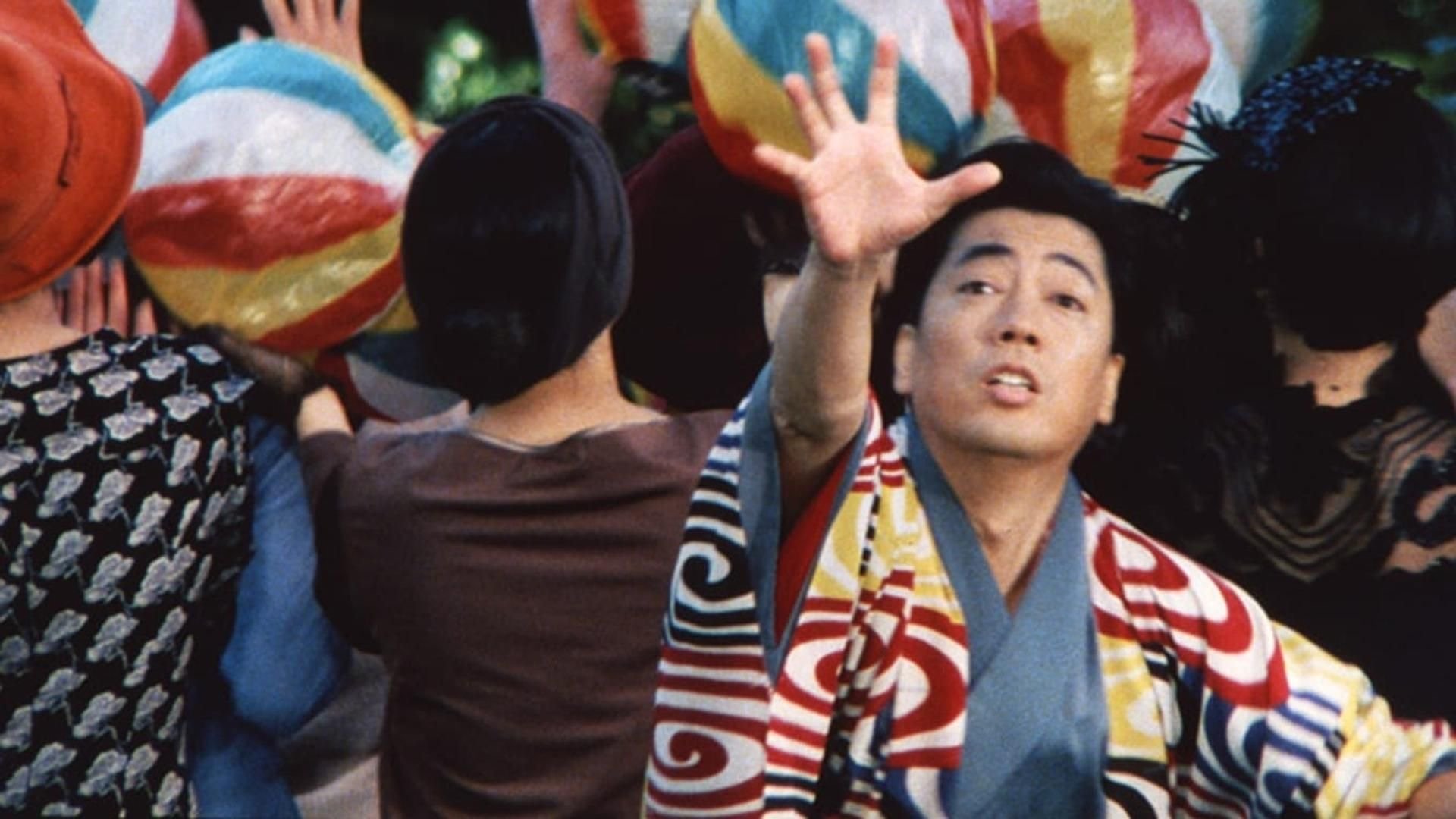
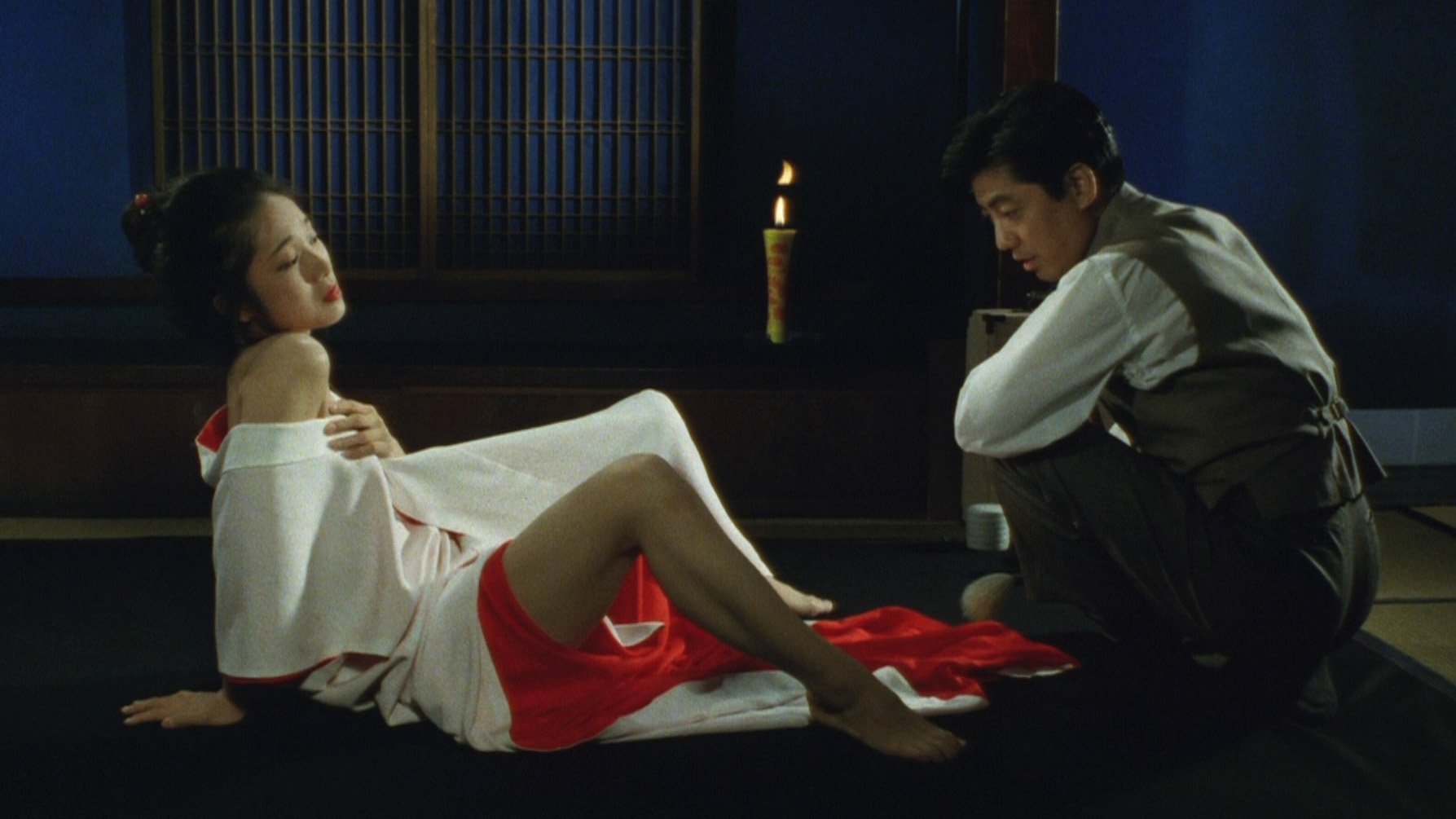
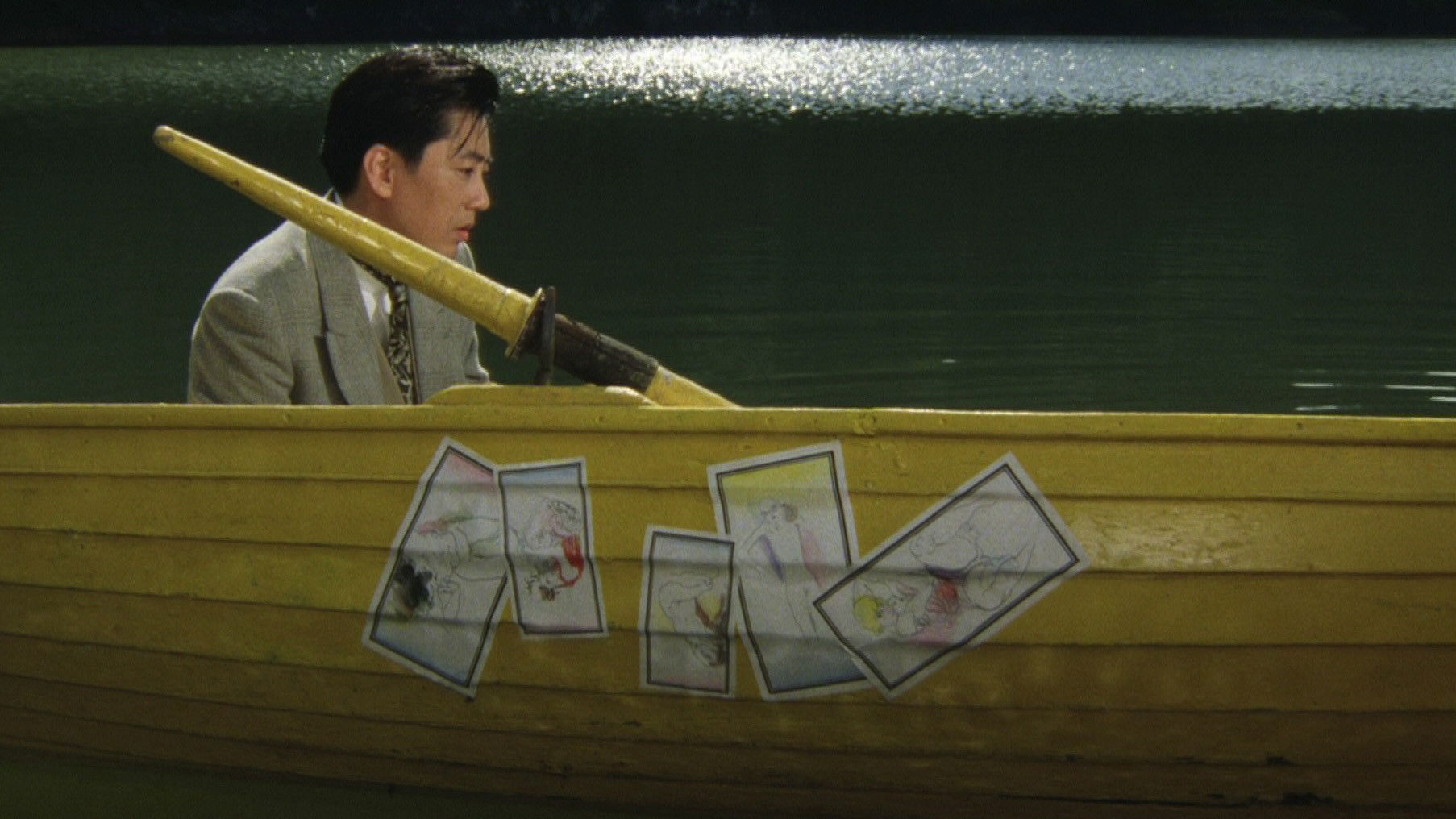
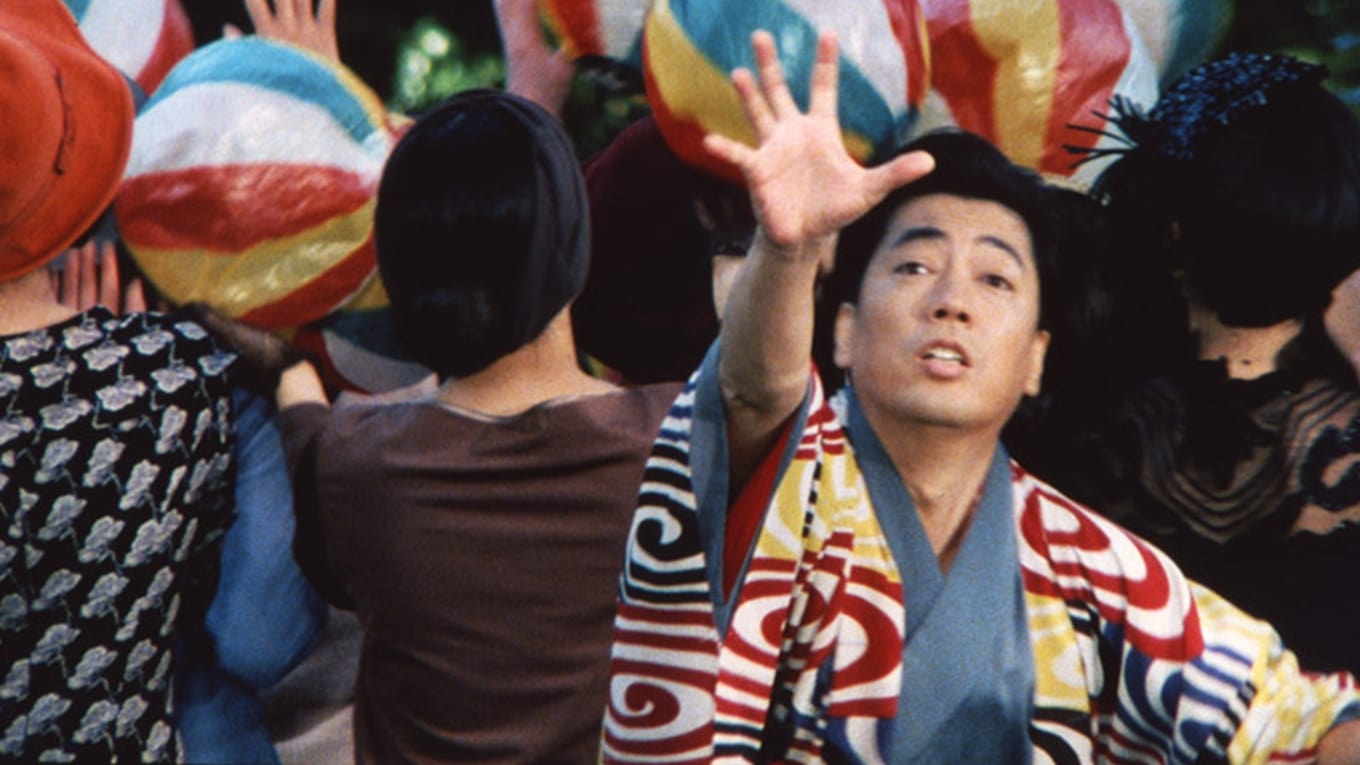
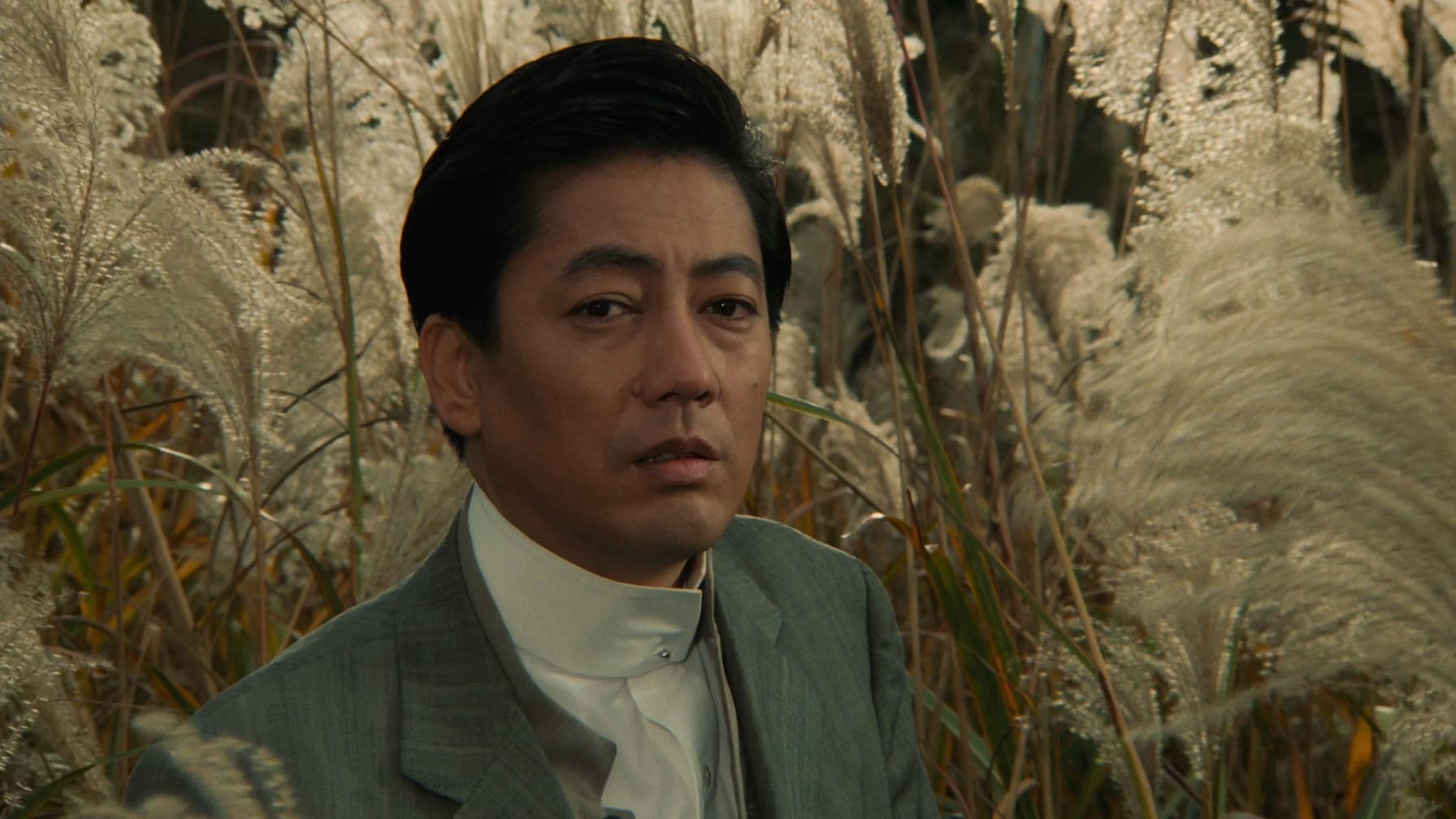
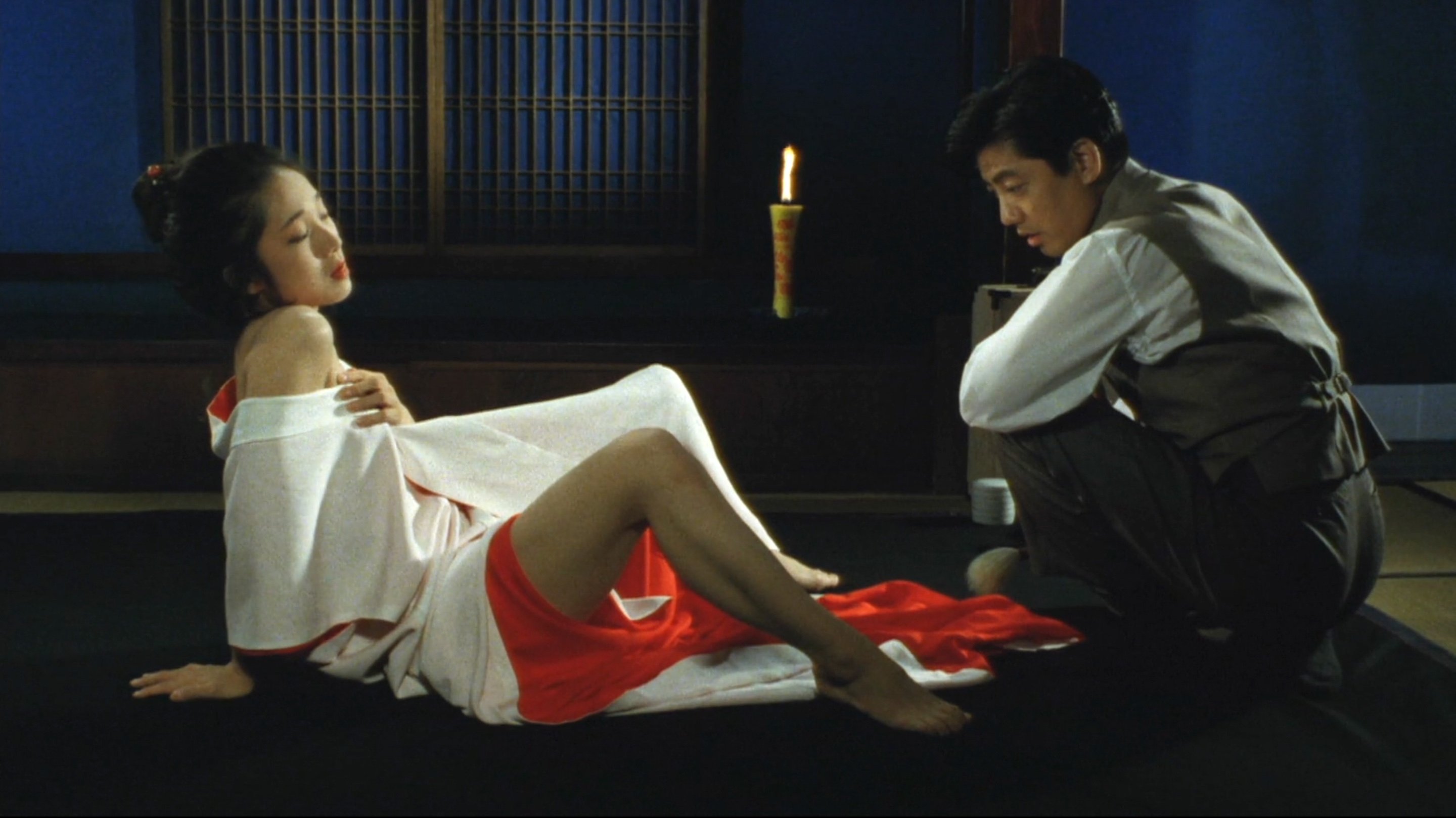
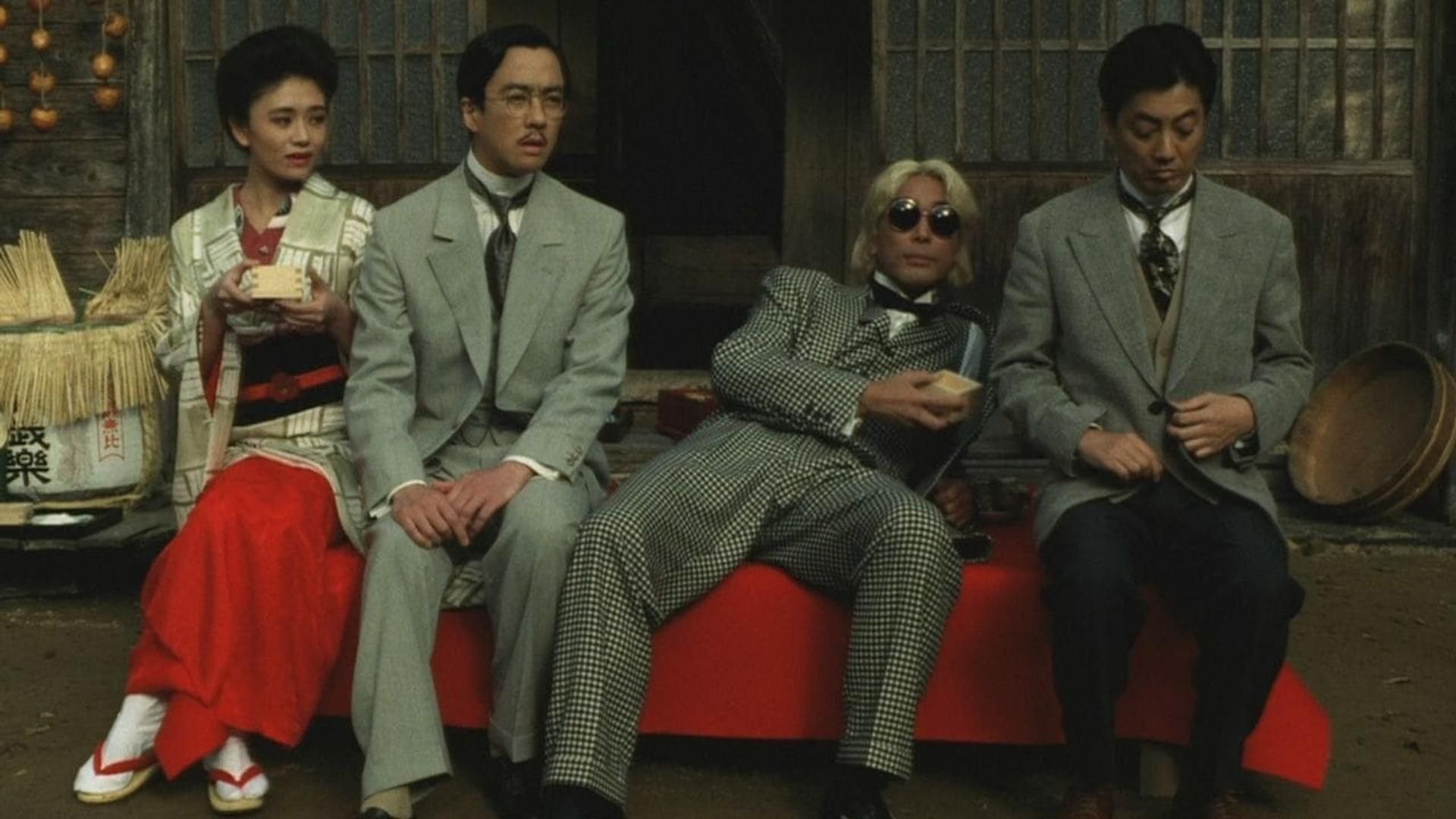
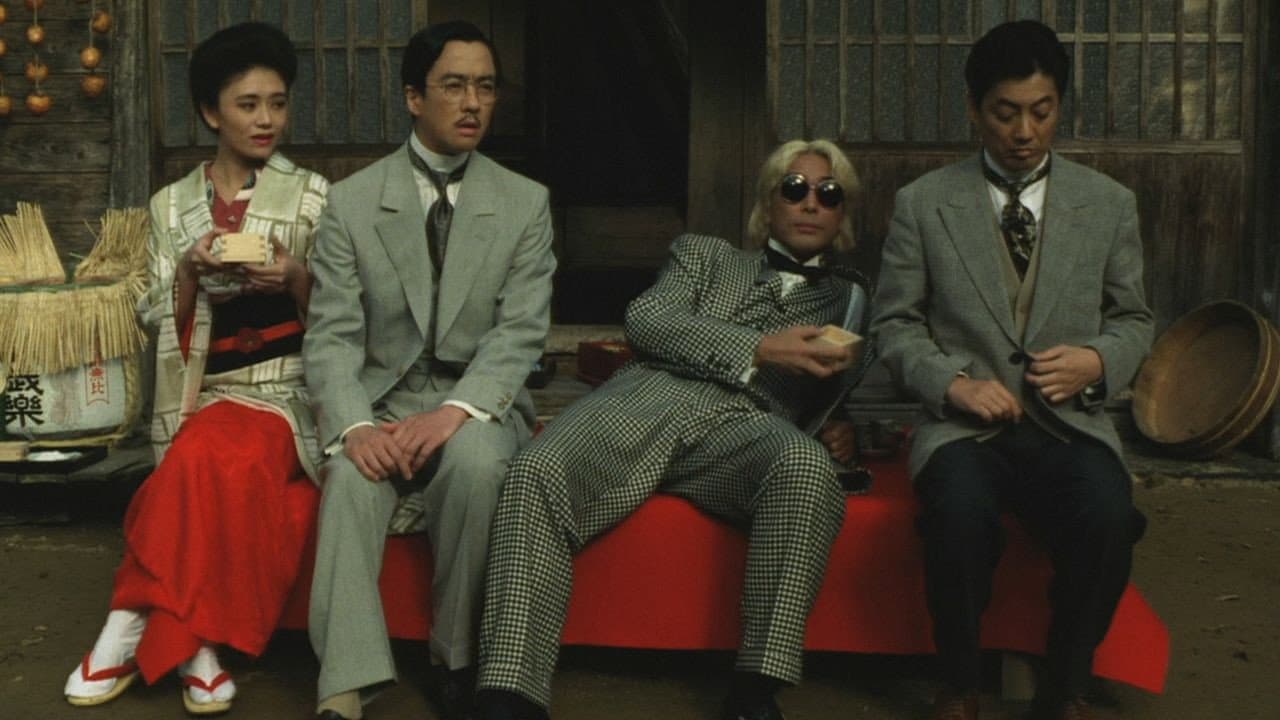
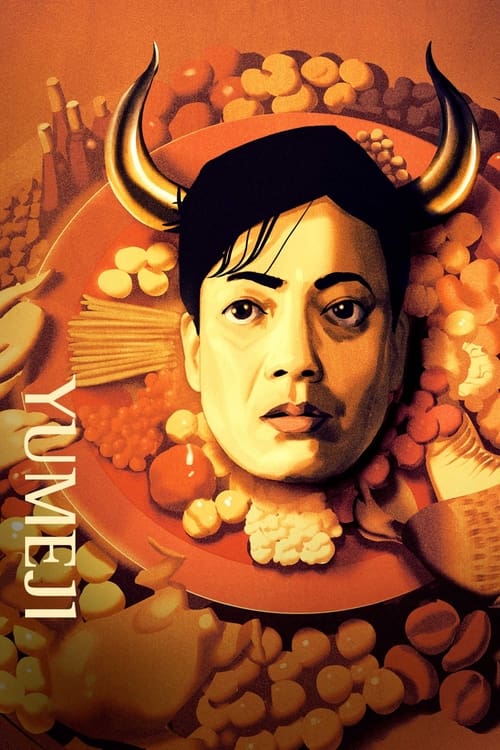
Following the life of Japanese artist and poet Yumeji Takehisa through the imagining of an encounter with a beautiful widow with a dark past.
Directed by Seijun Suzuki
taisho period

Trailer

IMDB
N/A
Where to Watch

Cast
Kenji Sawada
Yumeji Takehisa

Yoshio Harada
Wakiya

Tomoko Mariya
Tomoyo Wakiya

Masumi Miyazaki
Hikono
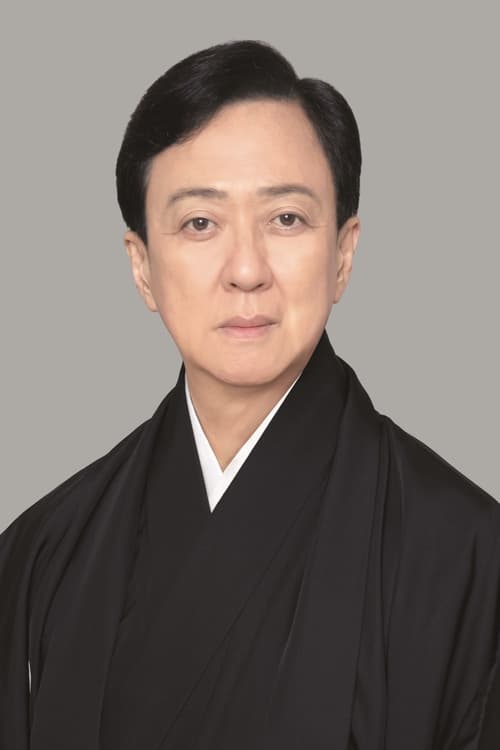
Tamasaburō Bandō V
Onshu Inamura
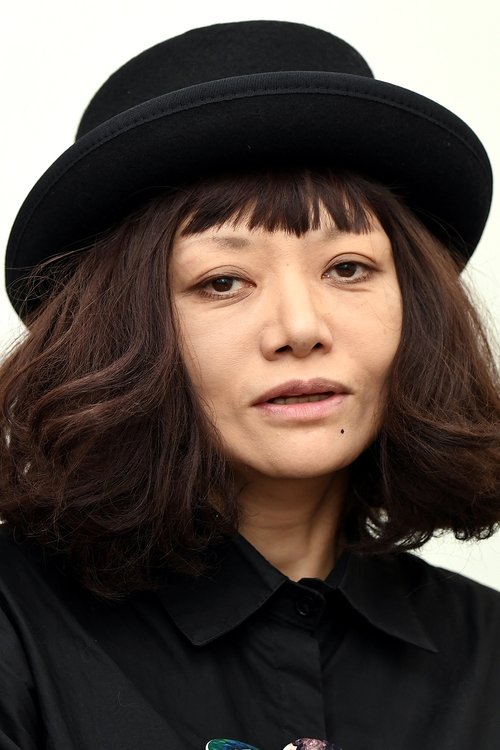
Léona Hirota
Oyo

Akaji Maro
Criminal

Kimiko Yo
Jiro

Chikako Miyagi
Nanny
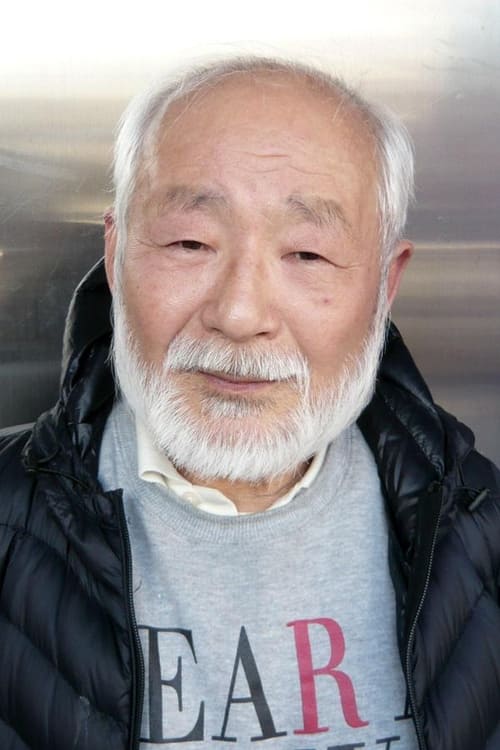
Motomi Makiguchi
Caretaker

Michiyo Yasuda
Owner of a Hotel
Crew
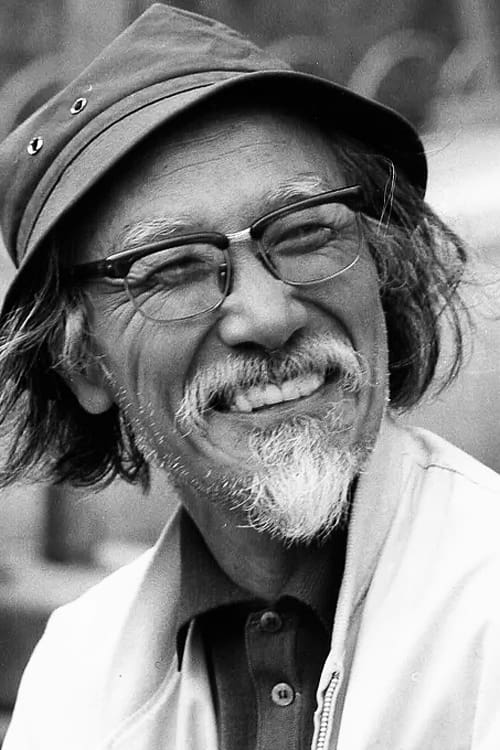
Seijun Suzuki
Director
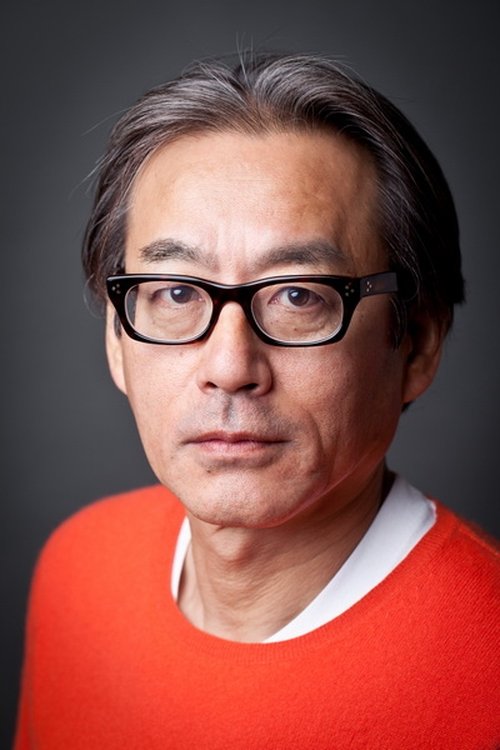
Shigeru Umebayashi
Original Music Composer
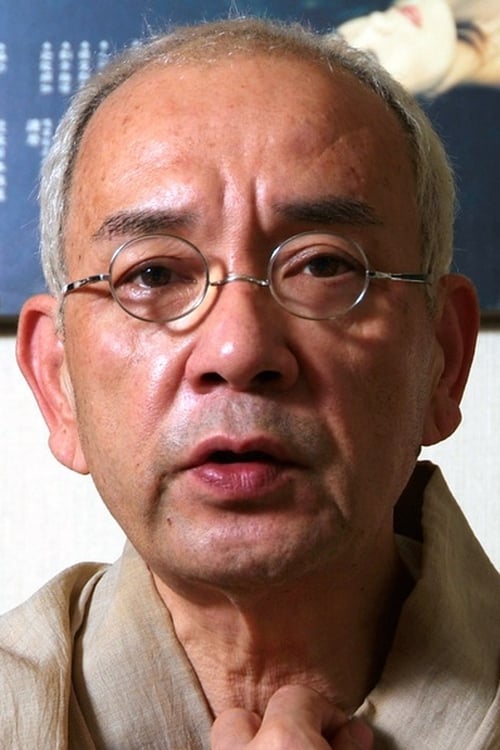
Genjiro Arato
Executive Producer

Noriyoshi Ikeya
Production Design
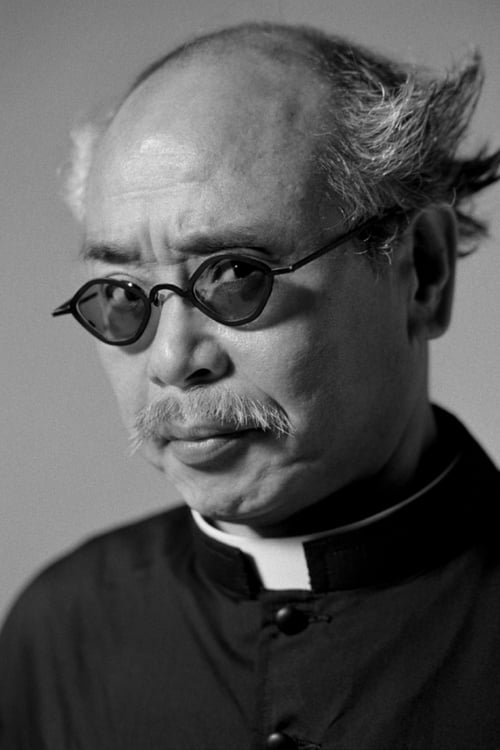
Nobuyoshi Araki
Still Photographer
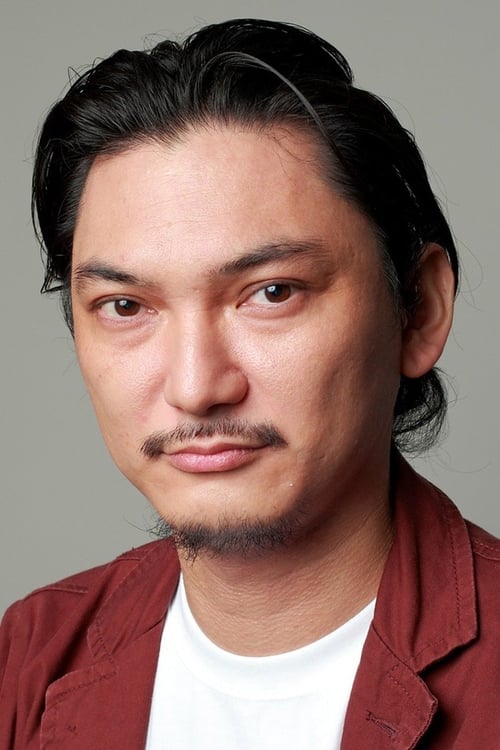
Kensaku Watanabe
Assistant Director
Popular Reviews
10 reviews
Logan OConnor
9.8★ · 01/13/25
It happened again lmao
The first time I watched this, I remember feeling like I liked the movie a lot until the ending, where something about it made me LOVE it instead. I had the exact same reaction this time. Something about the ending is so beautiful and hypnotizing that it makes the rest of the movie make sense.
My only problem with this is that there is a lot of strange empty space, in a way that isn’t a problem in Zigeunerweisen, because of that films atmosphere. Because this doesn’t have that atmosphere, it really suffers when there isn't much actually going on.
In the end tho, this trilogy is made up of three near perfect movies and in rewatching, it has further solidified Seijun Suzuki as my favorite director. I don’t understand every theme or meaning that’s hidden in these movies, but I love almost every second of them.
The first time I watched this, I remember feeling like I liked the movie a lot until the ending, where something about it made me LOVE it instead. I had the exact same reaction this time. Something about the ending is so beautiful and hypnotizing that it makes the rest of the movie make sense.
My only problem with this is that there is a lot of strange empty space, in a way that isn’t a problem in Zigeunerweisen, because of that films atmosphere. Because this doesn’t have that atmosphere, it really suffers when there isn't much actually going on.
In the end tho, this trilogy is made up of three near perfect movies and in rewatching, it has further solidified Seijun Suzuki as my favorite director. I don’t understand every theme or meaning that’s hidden in these movies, but I love almost every second of them.
It happened again lmao
The first time I watched this, I remember feeling like I liked the movie a lot until the ending, where something about it made me LOVE it instead. I had the exact same reaction this time. Something about the ending is so beautiful and hypnotizing that it makes the rest of the movie make sense.
My only problem with this is that there is a lot of strange empty space, in a way that isn’t a problem in Zigeunerweisen, because of that films atmosphere. Because this doesn’t have that atmosphere, it really suffers when there isn't much actually going on.
In the end tho, this trilogy is made up of three near perfect movies and in rewatching, it has further solidified Seijun Suzuki as my favorite director. I don’t understand every theme or meaning that’s hidden in these movies, but I love almost every second of them.
The first time I watched this, I remember feeling like I liked the movie a lot until the ending, where something about it made me LOVE it instead. I had the exact same reaction this time. Something about the ending is so beautiful and hypnotizing that it makes the rest of the movie make sense.
My only problem with this is that there is a lot of strange empty space, in a way that isn’t a problem in Zigeunerweisen, because of that films atmosphere. Because this doesn’t have that atmosphere, it really suffers when there isn't much actually going on.
In the end tho, this trilogy is made up of three near perfect movies and in rewatching, it has further solidified Seijun Suzuki as my favorite director. I don’t understand every theme or meaning that’s hidden in these movies, but I love almost every second of them.


Medhansh
9.9★ · 12/22/24
Director- Suzuki Seijun.This is the second film I have seen of his.Suzuki, one of the most prominent filmmakers of the Japanese New Wave with his crime films, made three films dubbed the Taisho trilogy (set between 1912 and 1926) when he was nearing the end of his career. The trilogy is similar only in the broader strokes. The three films feature a protagonist, a male being drawn into an erotic web by a female who may or may not be a supernatural entity. The works are surreal and quite cryptic.Suzuki was at such a point in his career that his creativity was unfettered by mass consensus and thus he managed to make films so far from his norm that these could be considered works of an entirely different filmmaker.The film is meditative and unhurried which allows us to absorb the whole film in a way better manner.The visuals in the film were a huge highlight for me as they were beyond anything I had ever seen.The film's surreal nature was superb. The characters were fleshed out the right amount too. Suzuki managed to develop multiple major characters in a great way.The seductive nature of the muses of Yumeji was awesome as they somehow led to introspection while Yumeji grew in front of us. This film makes use of its provocative nature to broaden one's horizons and thus sticks with us.I know nothing of the man, Takehisa Yumeji's existence beyond this film and thus can't comment on its accuracy as well as the way he is portrayed. I derived this about him from the film, Yumeji is a painter, a perverted one at that who is narcissistic as well as a responsibility shirker. He tries to flee into the unknown from his comfort zone any chance he gets and tries to overpower his muses any chance he gets. We can see this from the sequence where he tries to forcefully undress a lady who though wants to be painted, doesn't want to sacrifice her integrity for it. We can also see his nature as such from the sequence where he signs I am Yumeji on the kimono of a lady.Yumeji has combined his love for art and sensuality and considers them to be a sign of power above the rest. The film also manages to question the viewers, can true beauty be confined within a canvas or can it be truly beheld in person? Though in Yumeji's case, it shows us that she loses grace after he obtains it as he is a greedy person at his core. Nothing is perfect in his grasp but it lies outside forever.The film also explores themes of death being vital. It is a part of the natural order going against which only results in worse situations. Yumeji towards the end explores the concept of death and believes that it could be the missing piece in his art. The imagery of the woman in the kimono at the end could mean that he is still greedy for the ones not within his grasp. So he may very well escape with the first woman but still get on with his usual ways. Or it could mean that he is finally letting go of the woman thus succumbing to his death.
Director- Suzuki Seijun.This is the second film I have seen of his.Suzuki, one of the most prominent filmmakers of the Japanese New Wave with his crime films, made three films dubbed the Taisho trilogy (set between 1912 and 1926) when he was nearing the end of his career. The trilogy is similar only in the broader strokes. The three films feature a protagonist, a male being drawn into an erotic web by a female who may or may not be a supernatural entity. The works are surreal and quite cryptic.Suzuki was at such a point in his career that his creativity was unfettered by mass consensus and thus he managed to make films so far from his norm that these could be considered works of an entirely different filmmaker.The film is meditative and unhurried which allows us to absorb the whole film in a way better manner.The visuals in the film were a huge highlight for me as they were beyond anything I had ever seen.The film's surreal nature was superb. The characters were fleshed out the right amount too. Suzuki managed to develop multiple major characters in a great way.The seductive nature of the muses of Yumeji was awesome as they somehow led to introspection while Yumeji grew in front of us. This film makes use of its provocative nature to broaden one's horizons and thus sticks with us.I know nothing of the man, Takehisa Yumeji's existence beyond this film and thus can't comment on its accuracy as well as the way he is portrayed. I derived this about him from the film, Yumeji is a painter, a perverted one at that who is narcissistic as well as a responsibility shirker. He tries to flee into the unknown from his comfort zone any chance he gets and tries to overpower his muses any chance he gets. We can see this from the sequence where he tries to forcefully undress a lady who though wants to be painted, doesn't want to sacrifice her integrity for it. We can also see his nature as such from the sequence where he signs I am Yumeji on the kimono of a lady.Yumeji has combined his love for art and sensuality and considers them to be a sign of power above the rest. The film also manages to question the viewers, can true beauty be confined within a canvas or can it be truly beheld in person? Though in Yumeji's case, it shows us that she loses grace after he obtains it as he is a greedy person at his core. Nothing is perfect in his grasp but it lies outside forever.The film also explores themes of death being vital. It is a part of the natural order going against which only results in worse situations. Yumeji towards the end explores the concept of death and believes that it could be the missing piece in his art. The imagery of the woman in the kimono at the end could mean that he is still greedy for the ones not within his grasp. So he may very well escape with the first woman but still get on with his usual ways. Or it could mean that he is finally letting go of the woman thus succumbing to his death.
Logan OConnor
9.8★ · 10/30/24
This was pretty amazing. One of those movies that you don’t really feel until the end, but then the end hits hard and makes you wonder if you just watched a masterpiece without even realizing it. I’ll rate it after a bit because I need to think about it lol.
I will say tho right off the bat, this has a few of the best sequences Suzuki ever filmed. The ending especially.
Edit: 5 stars. Why not, it’s so good.
I will say tho right off the bat, this has a few of the best sequences Suzuki ever filmed. The ending especially.
Edit: 5 stars. Why not, it’s so good.
This was pretty amazing. One of those movies that you don’t really feel until the end, but then the end hits hard and makes you wonder if you just watched a masterpiece without even realizing it. I’ll rate it after a bit because I need to think about it lol.
I will say tho right off the bat, this has a few of the best sequences Suzuki ever filmed. The ending especially.
Edit: 5 stars. Why not, it’s so good.
I will say tho right off the bat, this has a few of the best sequences Suzuki ever filmed. The ending especially.
Edit: 5 stars. Why not, it’s so good.
Dog Man
9.0★ · 01/03/21
Probably the best biopic ever in that director Seijun Suzuki makes it take place in dreamlike world haunted by a devil wielding a scythe.
Some really great theatrical imagery in this one and the narrative’s driving force being Takehisa Yumeji’s horniness is strangely compelling when cast in this surrealistic world.
Some really great theatrical imagery in this one and the narrative’s driving force being Takehisa Yumeji’s horniness is strangely compelling when cast in this surrealistic world.
Probably the best biopic ever in that director Seijun Suzuki makes it take place in dreamlike world haunted by a devil wielding a scythe.
Some really great theatrical imagery in this one and the narrative’s driving force being Takehisa Yumeji’s horniness is strangely compelling when cast in this surrealistic world.
Some really great theatrical imagery in this one and the narrative’s driving force being Takehisa Yumeji’s horniness is strangely compelling when cast in this surrealistic world.
Josh Cooley
8.6★ · 07/27/25