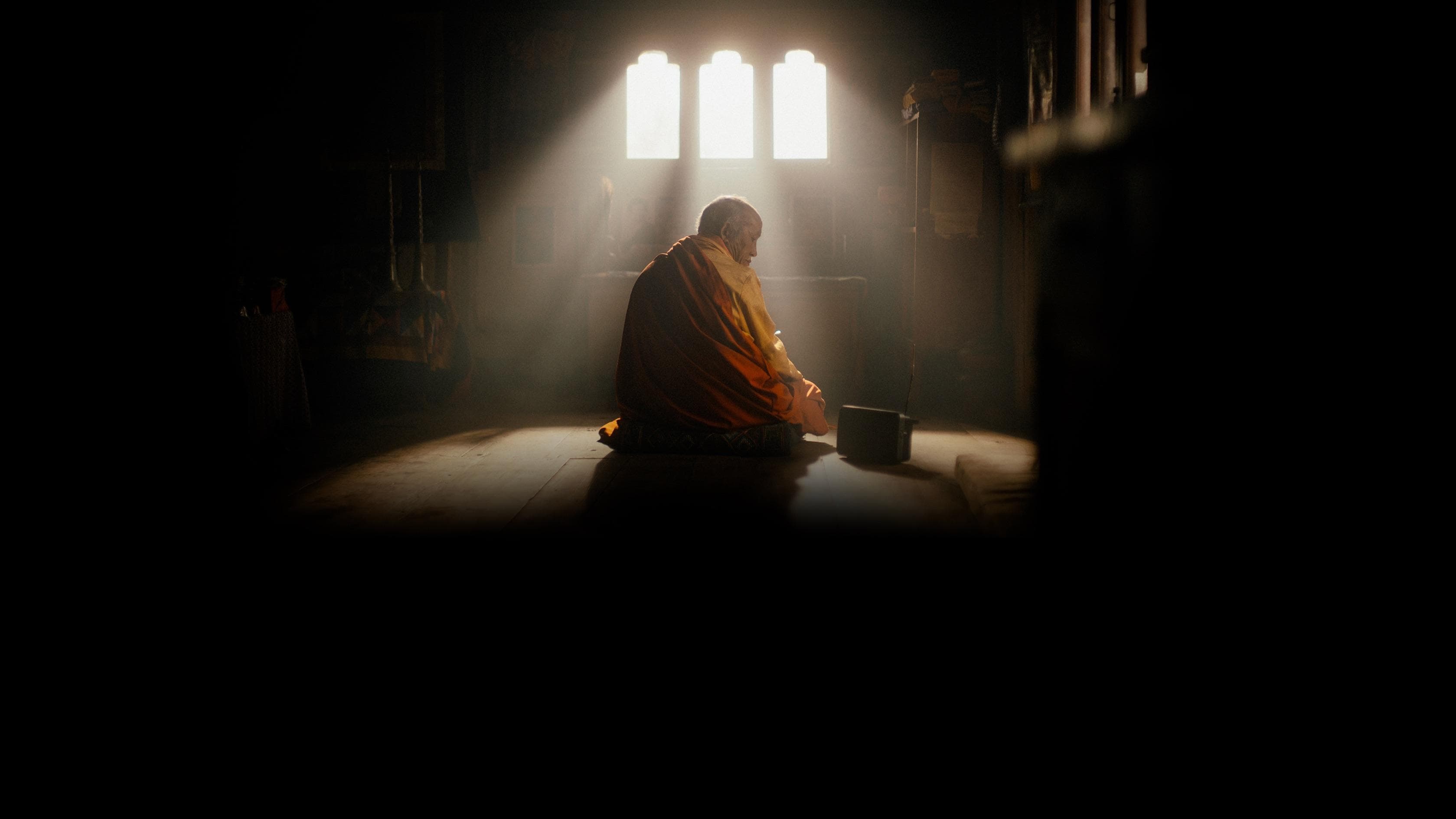
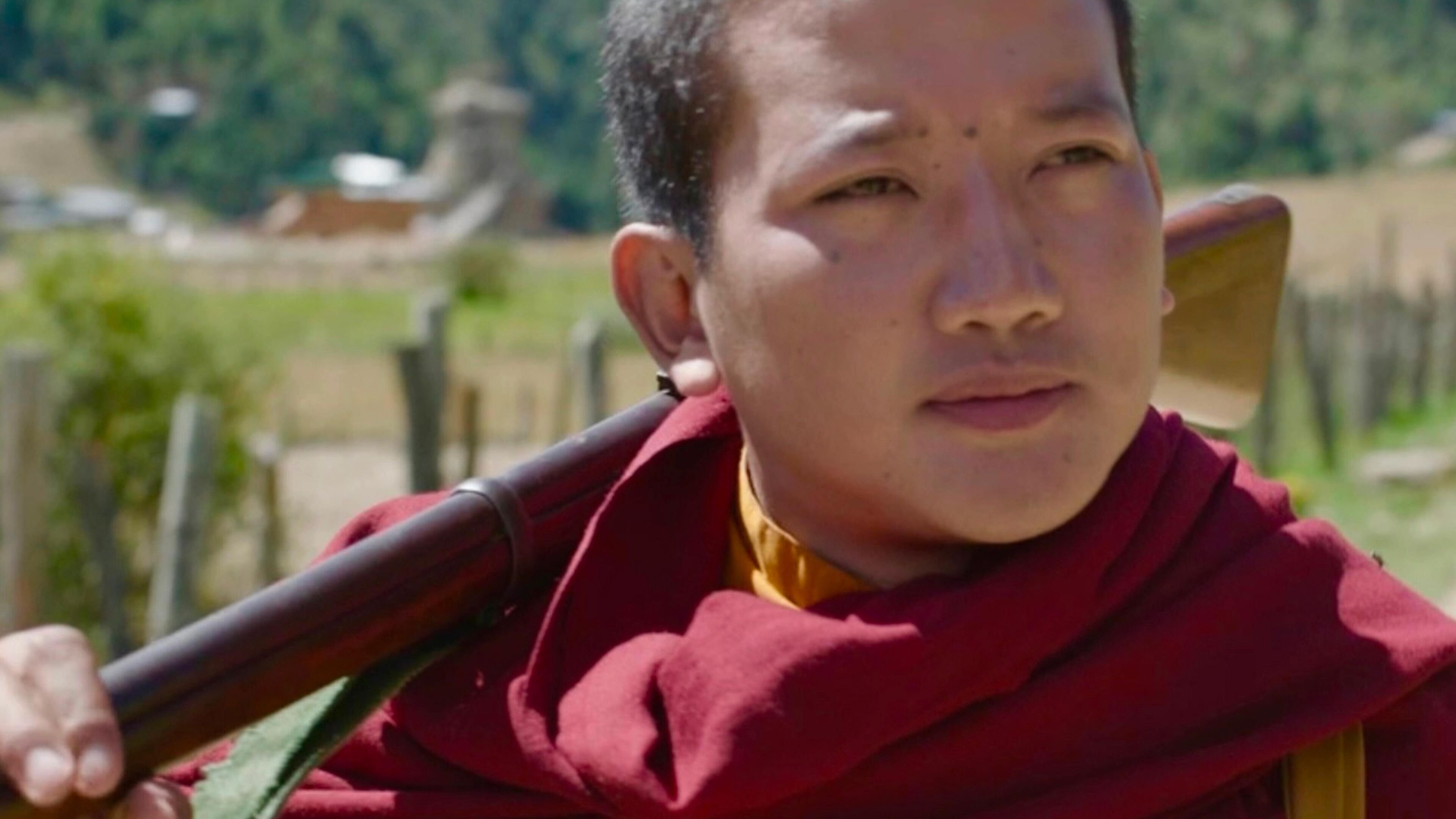
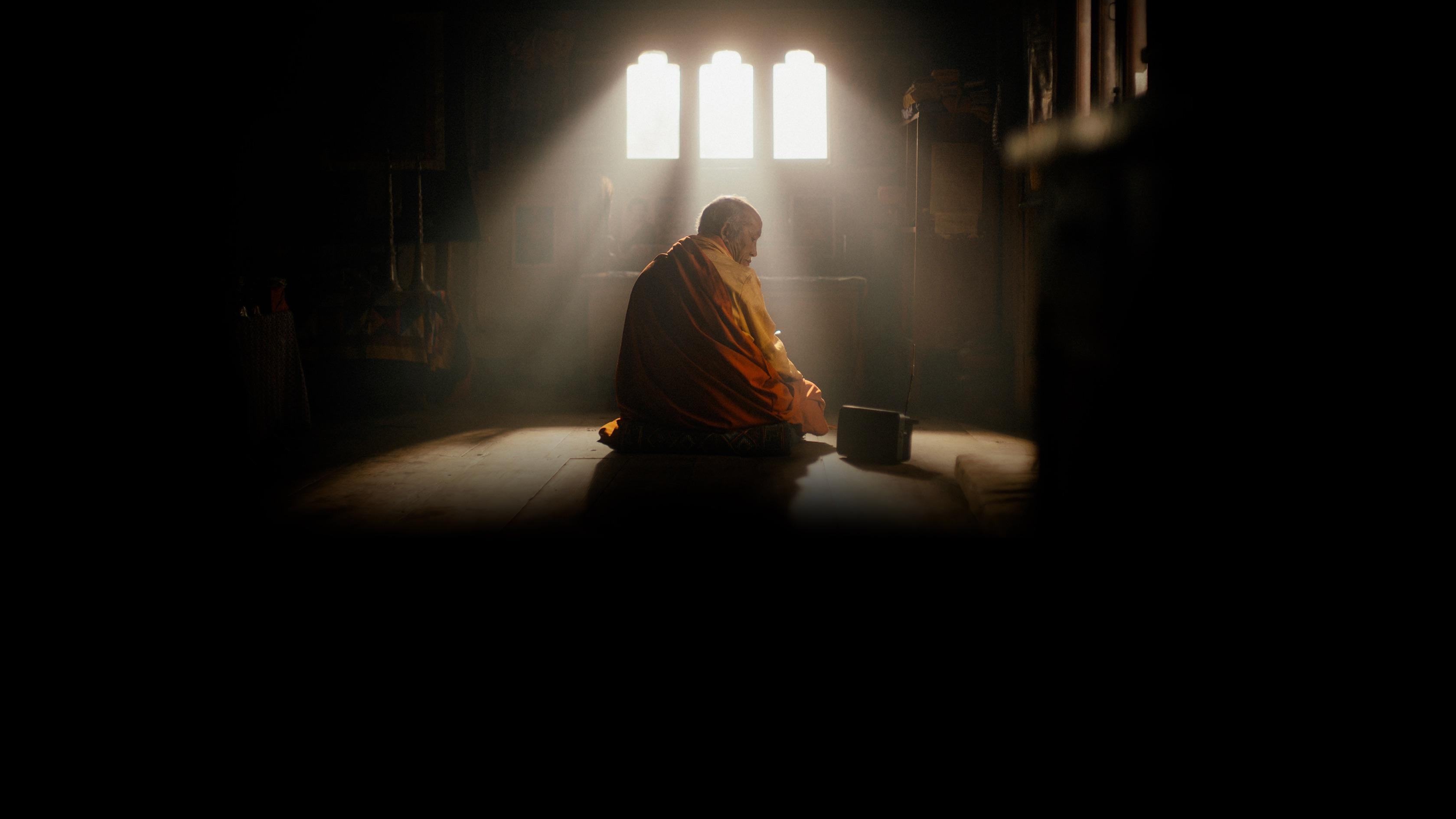
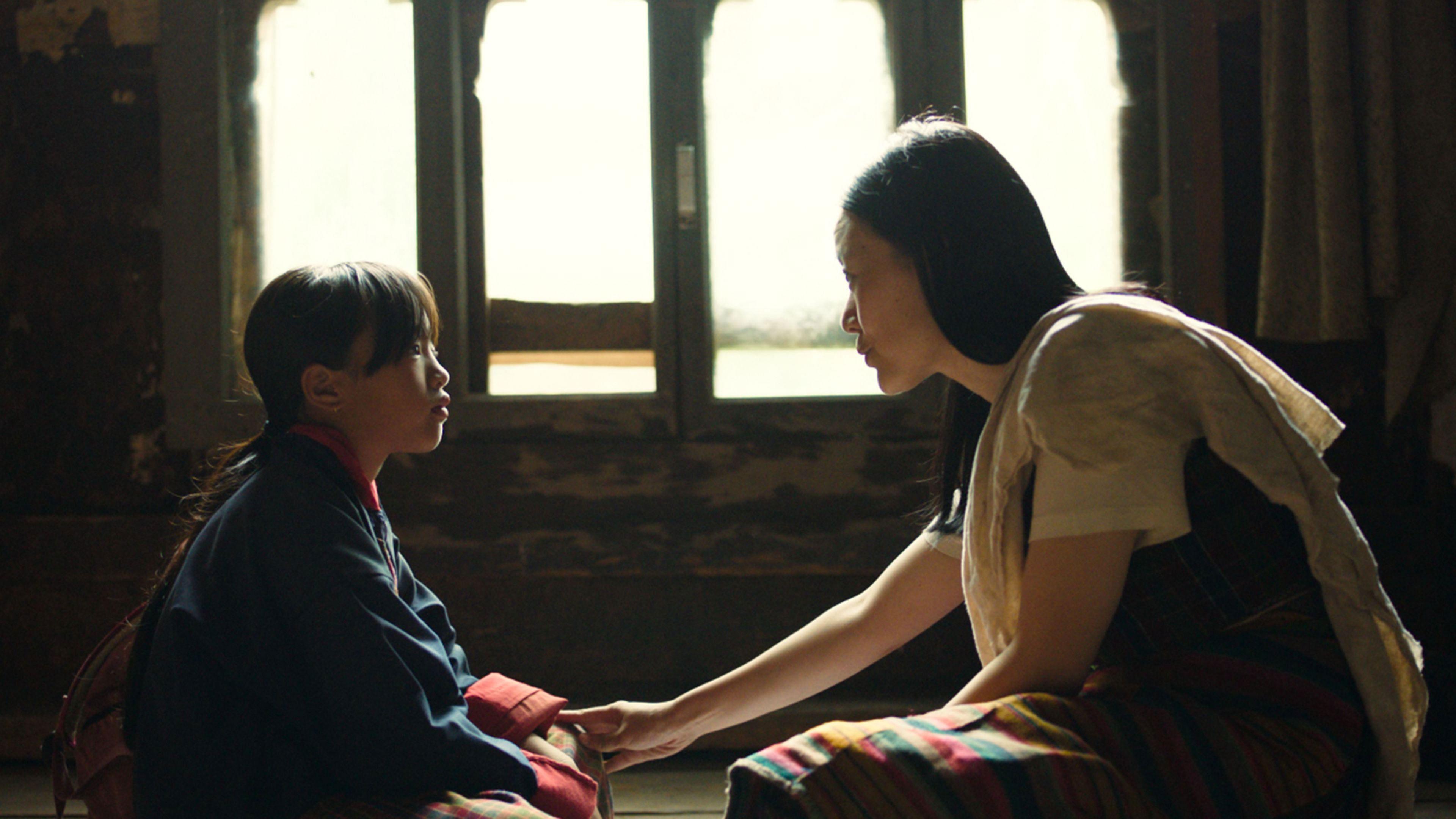
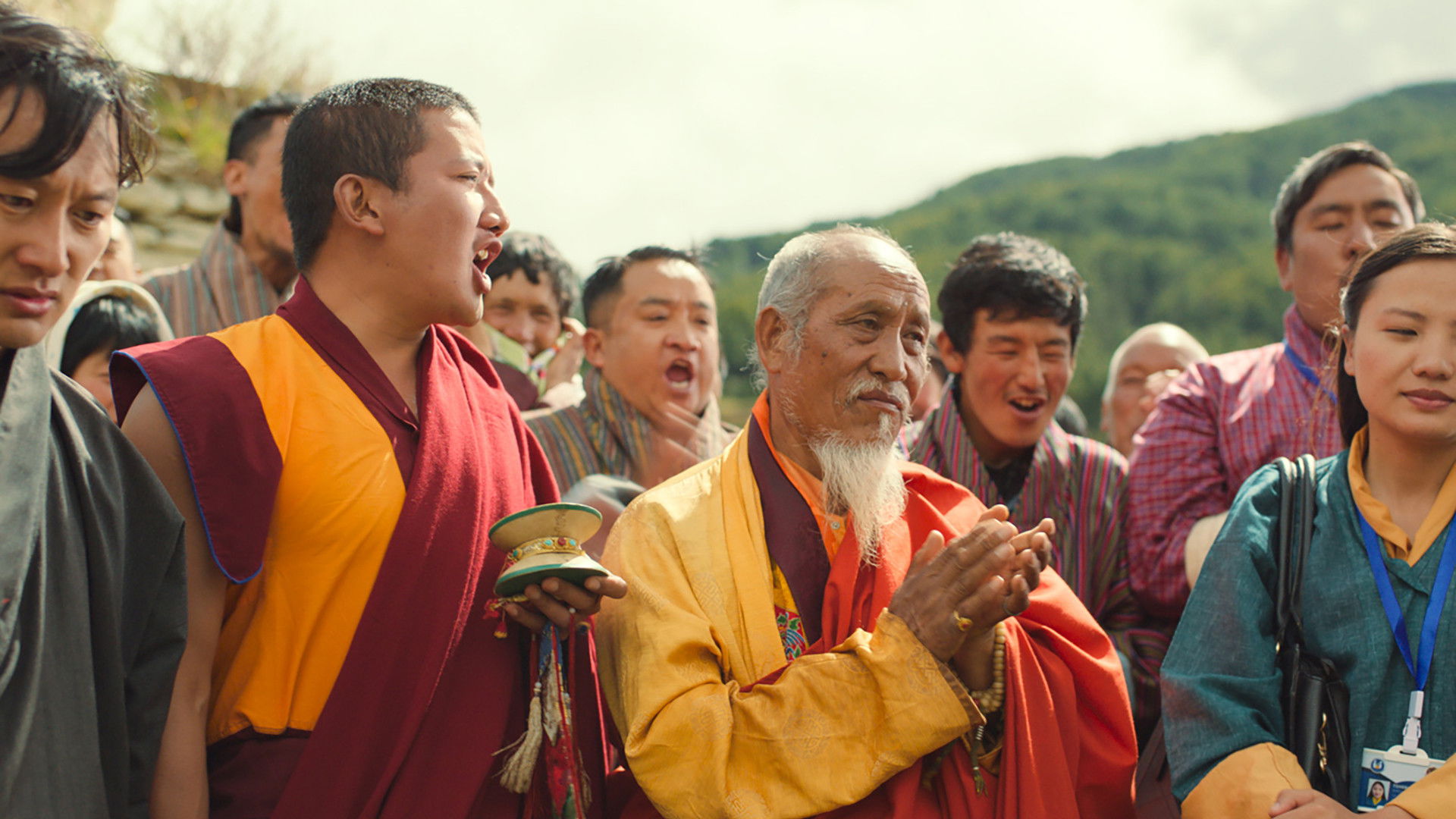
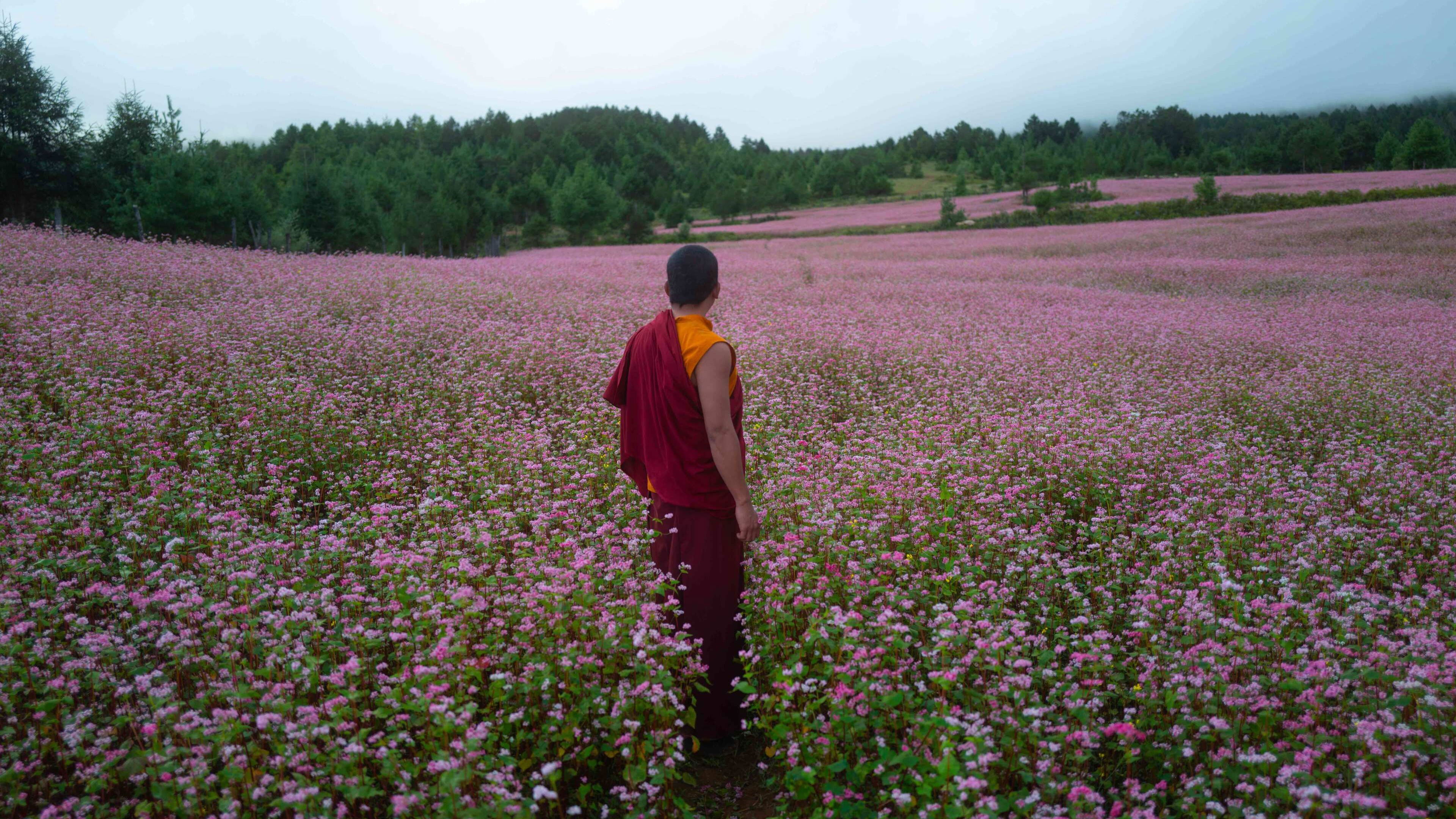
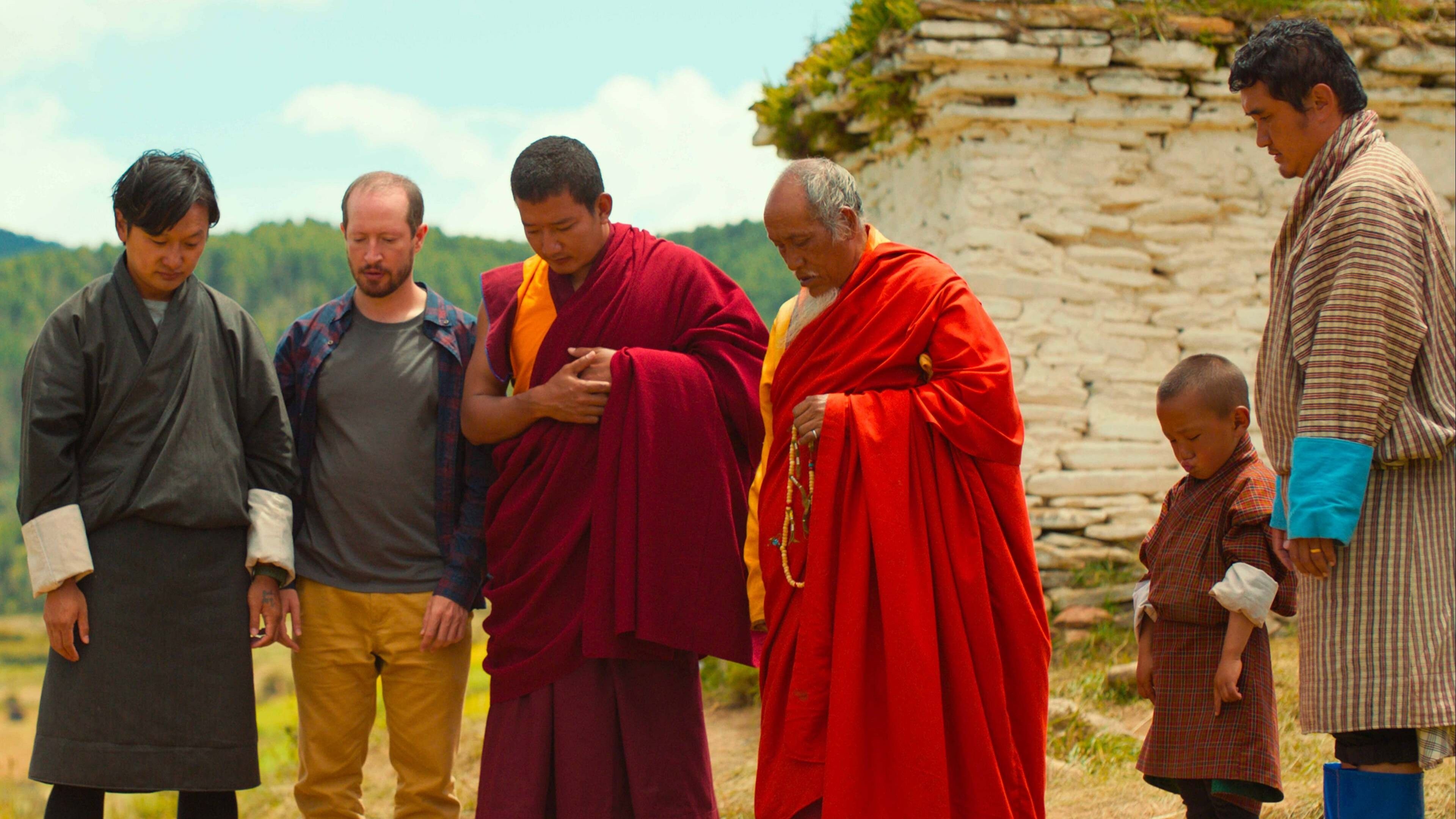
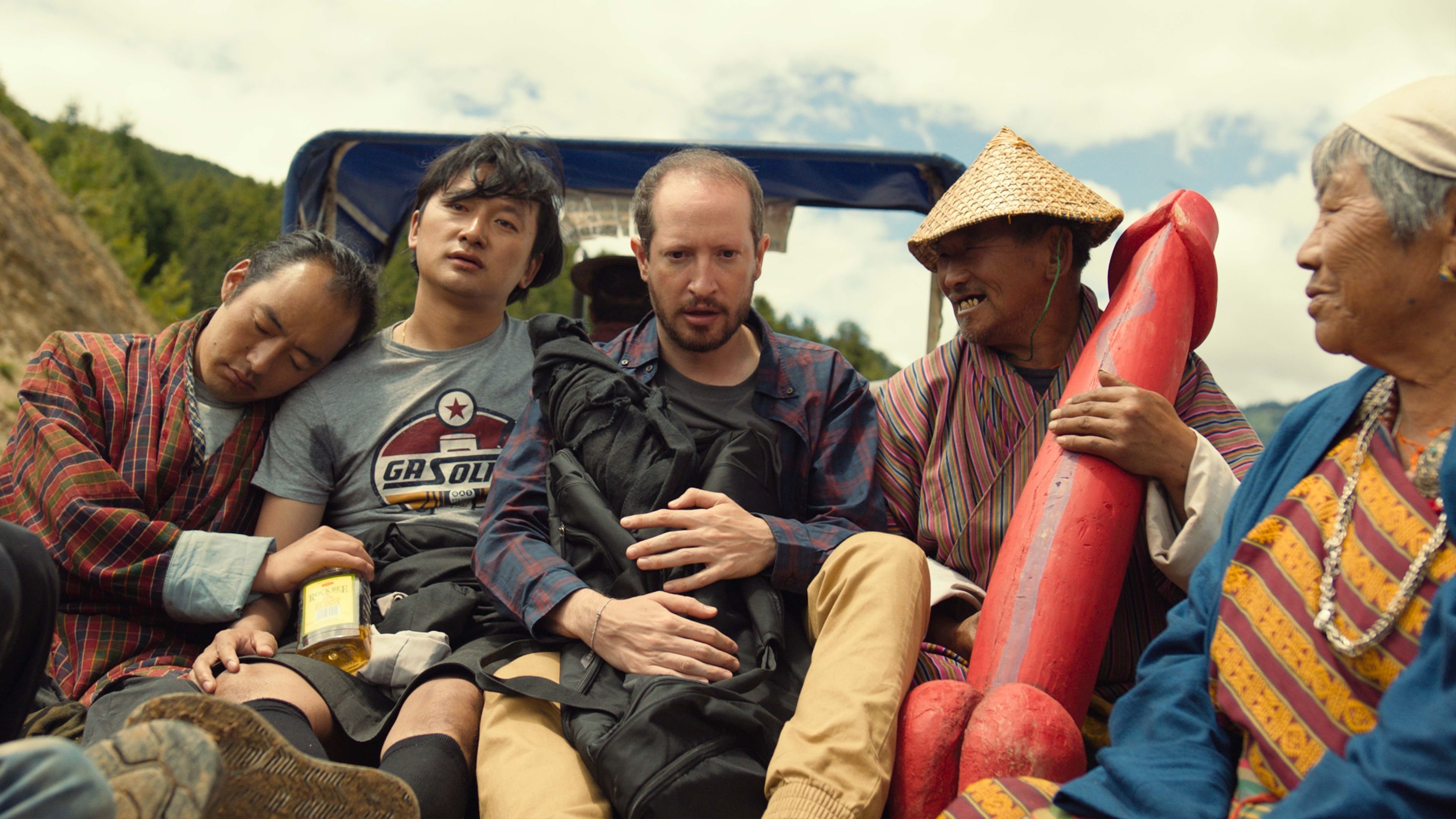
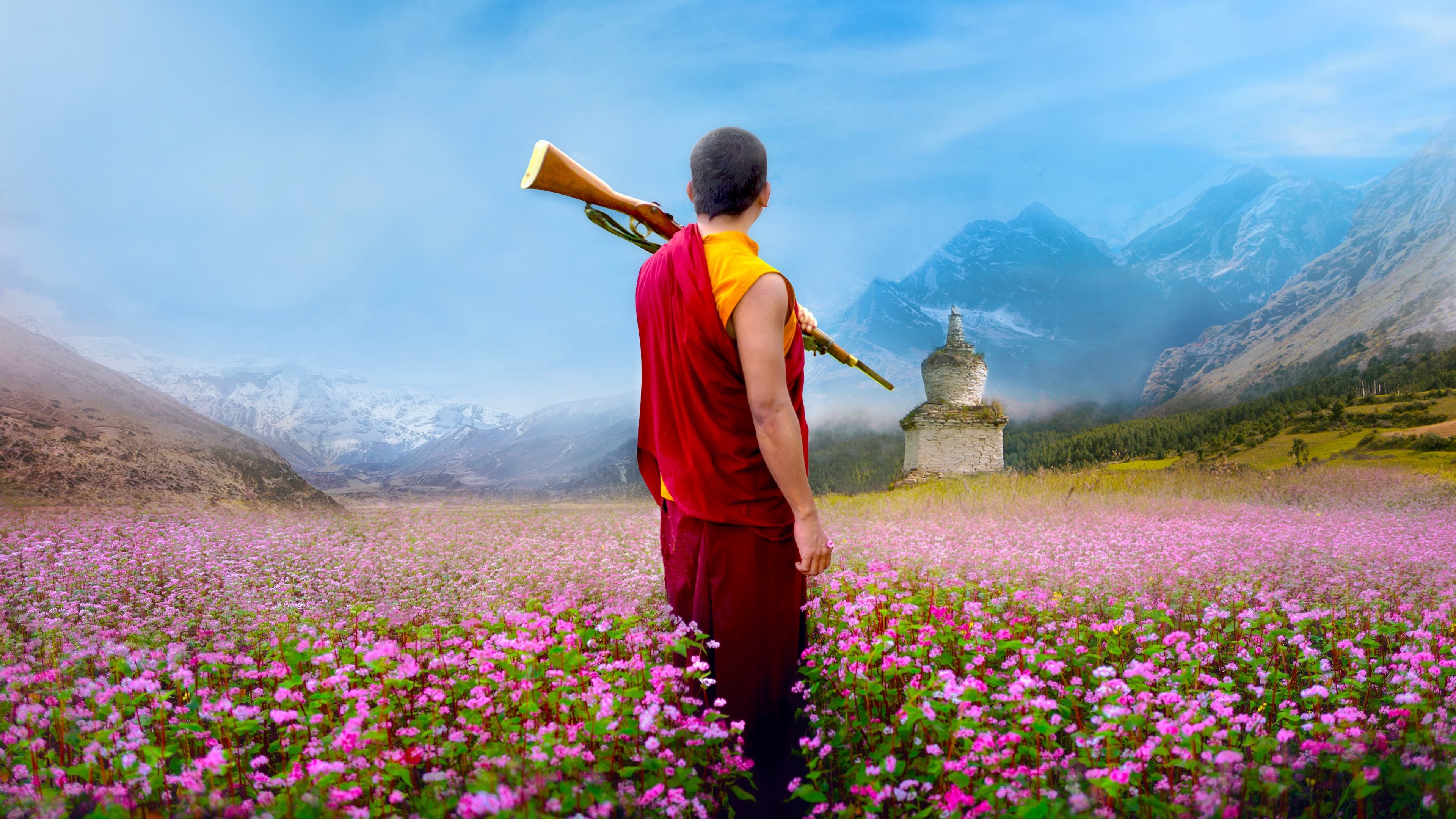
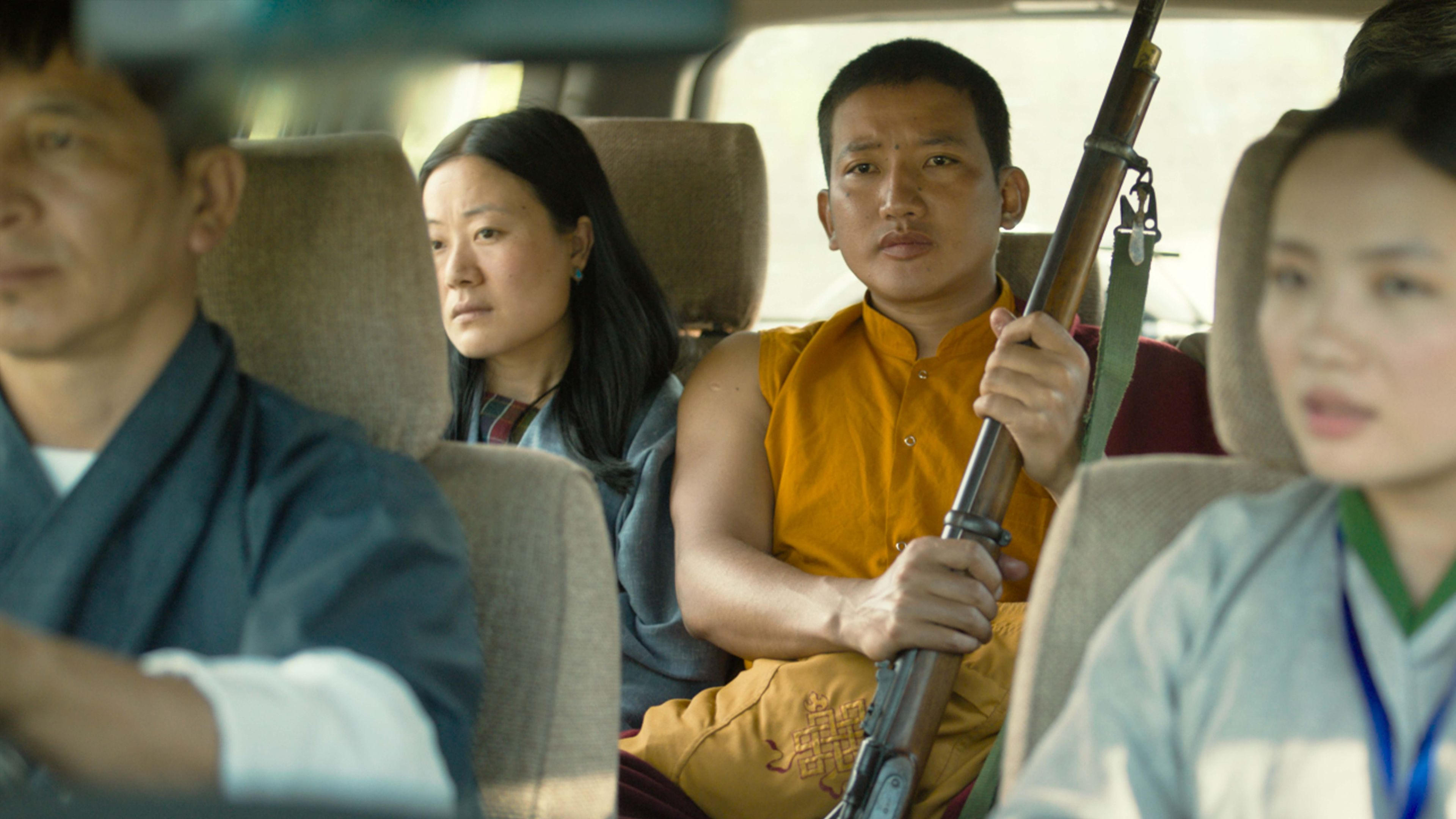
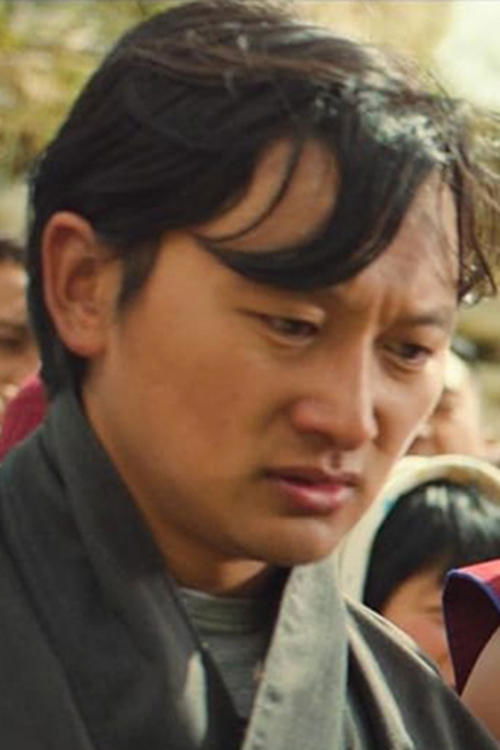
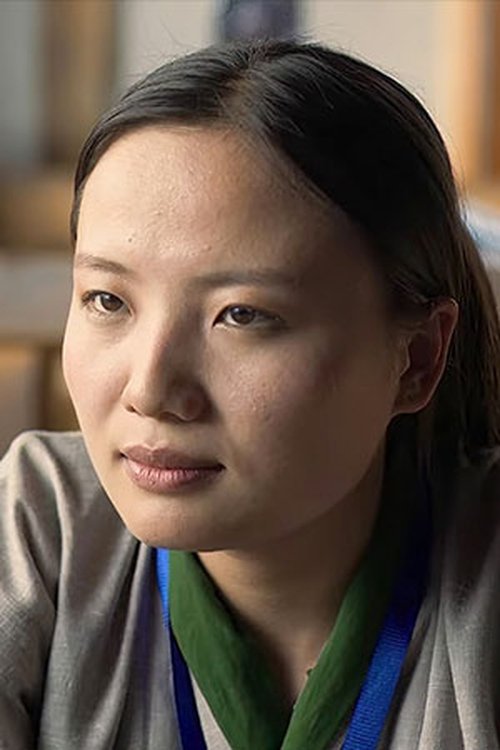
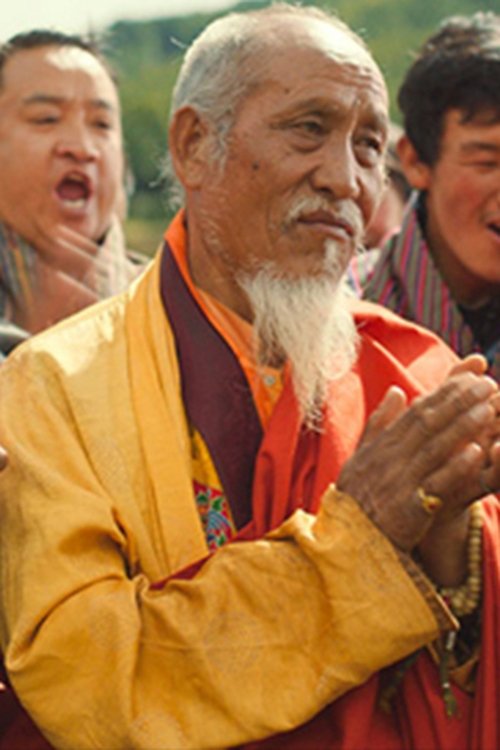
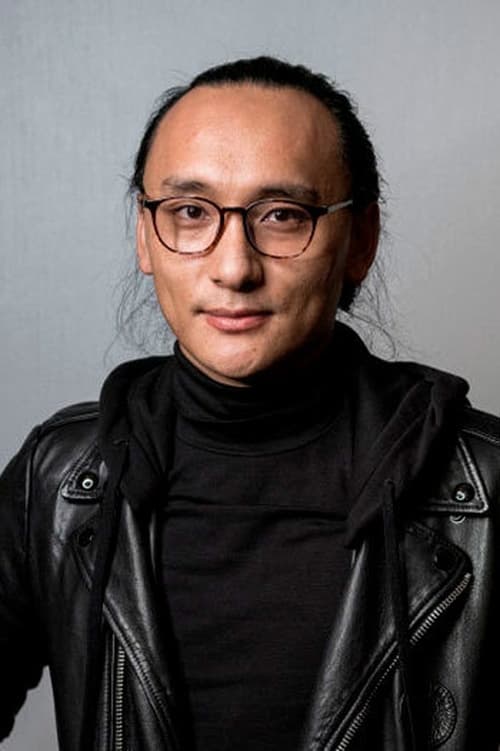
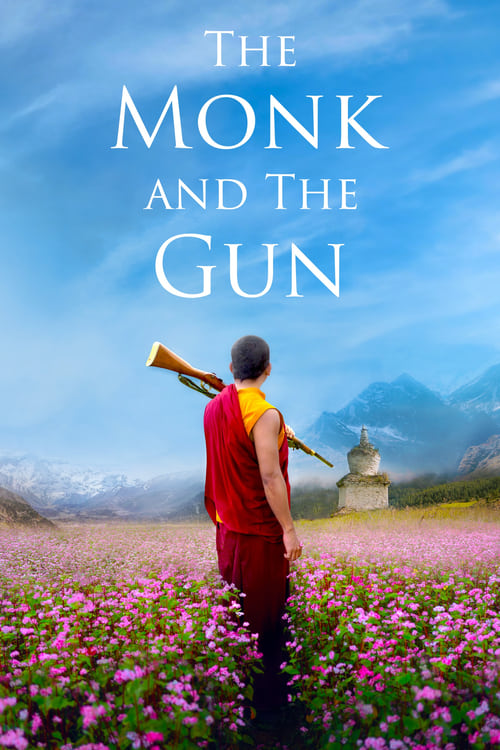
Director- Pawo Choyning Dorji.In terms of visuals, the film is one of the best I have seen. It is shot so well that this could very well function as a great advertisement for tourism. It made me want to visit the country and experience its beauty as soon as possible.This film is set in 2006, at the cusp of Bhutan embracing modernity and democracy. Thus, they are still deeply rooted within their traditions and cultures.The characters of the film are quite simplistic and down-to-earth. Concepts such as materialism and freedom through democracy are still much foreign to them.Throughout the film, we could actually see how the newfound democracy they got pushed into is doing more harm than good, how the people who were once together got separated on the basis of which political party they support. We can also see the concept of handouts as well, which is a much-used way of buying votes in today's political climate.One could also see how the seeds of envy were blooming within the people due to their fellow villagers buying newer, more expensive television sets.The major part of the film revolves around the Lama asking a fellow monk to get him two guns so he can make things right. The way it is framed is ominous for a reason, as it sets our expectations for a violent finale with the Lama going on a spree.The Buddhist monks are even more behind the times due to living outside the bounds of luxuries brought forth by modernisation. For example, the monk asks for a Coca-Cola at the general store by calling it black water, as he doesn't know its name.Through the relationship between the Lama and the monk, we can view the concept of blind faith caused by reverence. The monk is a simple-minded person who believes that the Lama must have his own reasons for wanting to acquire the guns and doesn't entertain any doubts about it, such as being for an ulterior motive.Through the advent of the idiot boxes, children and younger folks have started living a sedentary life. At the same time, we can see older folks still passing their time by doing older hobbies such as sculpting or using prayer wheels.The film also has an interesting subplot going on with a person acting as a tour guide for a foreigner who wants to buy an old gun from the time of the American Civil War, from a monk. What he was trying to do is considered illegal by the police, who are trying to apprehend him. The reason for this could be that they consider his intentions to be dubious. For a country about to enter democracy, any threats caused by gun violence, a concept they are entirely foreign to, will cause them to reject the entire idea of it and wish to go back to the way things were because of their scalding milk experience.The country lacks sufficient security to allow the export of such an unregistered gun. It is incredibly old, but they can't take the chance of it still being functional and being used for activities about spreading terror.Throughout the sequence with the foreigner and the other monk, we can see how little the people value money, even while being in debt. A reason for his apprehension could also be because of the amount he got offered was too high for him. He was unable to comprehend the fact that someone would pay them so much for just an old heirloom. He believed that there must be some ulterior motives, as he wouldn't get the money no strings attached.The journey of the duo to acquire the gun back from the monk who got it from the other monk to give to the Lama was great. It gave us a glimpse into the criminal underbelly of Bhutan, which was quite interesting.The character of the election official is one such character who starts out as believing that democracy must be forced upon the people even if they don't want it, and that they will learn to appreciate it. She had to take a step back when, during a mock election, everyone voted for preservation over industrialisation.The character of the foreigner starts as one who undermines the natives as they act in a way he couldn't understand, but as the film goes on, he spends more time with them and starts to understand their psyche better.The film also gives us a great perspective of a child through the daughter of a staunch supporter of the Blue Party, as he got a TV from them. His experience at school, being bullied for her father's opinions and how it strains his friendships, offers a great look into how one's actions affect those who surround one, too. Her desire for an eraser shows us how basic their wants are and still remain unfulfilled due to the adults focusing too much on the bigger picture. It could also be considered as another example of modernisation, as people used to write using slates and chalk before using pencils and erasers.The ending with the guns being used for a stupa instead was a great subversion of expectations. I enjoyed how the tour guide decided to ditch the guns into the foundation of the stupa as well, as it was the only way to save themselves from the police.The dance around the fire is quite well shot at the end and works as a great note to end a very colourful film.Overall, this is an excellent light slice of life film, which one could recommend to any person looking to explore foreign cinema.
Director- Pawo Choyning Dorji.In terms of visuals, the film is one of the best I have seen. It is shot so well that this could very well function as a great advertisement for tourism. It made me want to visit the country and experience its beauty as soon as possible.This film is set in 2006, at the cusp of Bhutan embracing modernity and democracy. Thus, they are still deeply rooted within their traditions and cultures.The characters of the film are quite simplistic and down-to-earth. Concepts such as materialism and freedom through democracy are still much foreign to them.Throughout the film, we could actually see how the newfound democracy they got pushed into is doing more harm than good, how the people who were once together got separated on the basis of which political party they support. We can also see the concept of handouts as well, which is a much-used way of buying votes in today's political climate.One could also see how the seeds of envy were blooming within the people due to their fellow villagers buying newer, more expensive television sets.The major part of the film revolves around the Lama asking a fellow monk to get him two guns so he can make things right. The way it is framed is ominous for a reason, as it sets our expectations for a violent finale with the Lama going on a spree.The Buddhist monks are even more behind the times due to living outside the bounds of luxuries brought forth by modernisation. For example, the monk asks for a Coca-Cola at the general store by calling it black water, as he doesn't know its name.Through the relationship between the Lama and the monk, we can view the concept of blind faith caused by reverence. The monk is a simple-minded person who believes that the Lama must have his own reasons for wanting to acquire the guns and doesn't entertain any doubts about it, such as being for an ulterior motive.Through the advent of the idiot boxes, children and younger folks have started living a sedentary life. At the same time, we can see older folks still passing their time by doing older hobbies such as sculpting or using prayer wheels.The film also has an interesting subplot going on with a person acting as a tour guide for a foreigner who wants to buy an old gun from the time of the American Civil War, from a monk. What he was trying to do is considered illegal by the police, who are trying to apprehend him. The reason for this could be that they consider his intentions to be dubious. For a country about to enter democracy, any threats caused by gun violence, a concept they are entirely foreign to, will cause them to reject the entire idea of it and wish to go back to the way things were because of their scalding milk experience.The country lacks sufficient security to allow the export of such an unregistered gun. It is incredibly old, but they can't take the chance of it still being functional and being used for activities about spreading terror.Throughout the sequence with the foreigner and the other monk, we can see how little the people value money, even while being in debt. A reason for his apprehension could also be because of the amount he got offered was too high for him. He was unable to comprehend the fact that someone would pay them so much for just an old heirloom. He believed that there must be some ulterior motives, as he wouldn't get the money no strings attached.The journey of the duo to acquire the gun back from the monk who got it from the other monk to give to the Lama was great. It gave us a glimpse into the criminal underbelly of Bhutan, which was quite interesting.The character of the election official is one such character who starts out as believing that democracy must be forced upon the people even if they don't want it, and that they will learn to appreciate it. She had to take a step back when, during a mock election, everyone voted for preservation over industrialisation.The character of the foreigner starts as one who undermines the natives as they act in a way he couldn't understand, but as the film goes on, he spends more time with them and starts to understand their psyche better.The film also gives us a great perspective of a child through the daughter of a staunch supporter of the Blue Party, as he got a TV from them. His experience at school, being bullied for her father's opinions and how it strains his friendships, offers a great look into how one's actions affect those who surround one, too. Her desire for an eraser shows us how basic their wants are and still remain unfulfilled due to the adults focusing too much on the bigger picture. It could also be considered as another example of modernisation, as people used to write using slates and chalk before using pencils and erasers.The ending with the guns being used for a stupa instead was a great subversion of expectations. I enjoyed how the tour guide decided to ditch the guns into the foundation of the stupa as well, as it was the only way to save themselves from the police.The dance around the fire is quite well shot at the end and works as a great note to end a very colourful film.Overall, this is an excellent light slice of life film, which one could recommend to any person looking to explore foreign cinema.