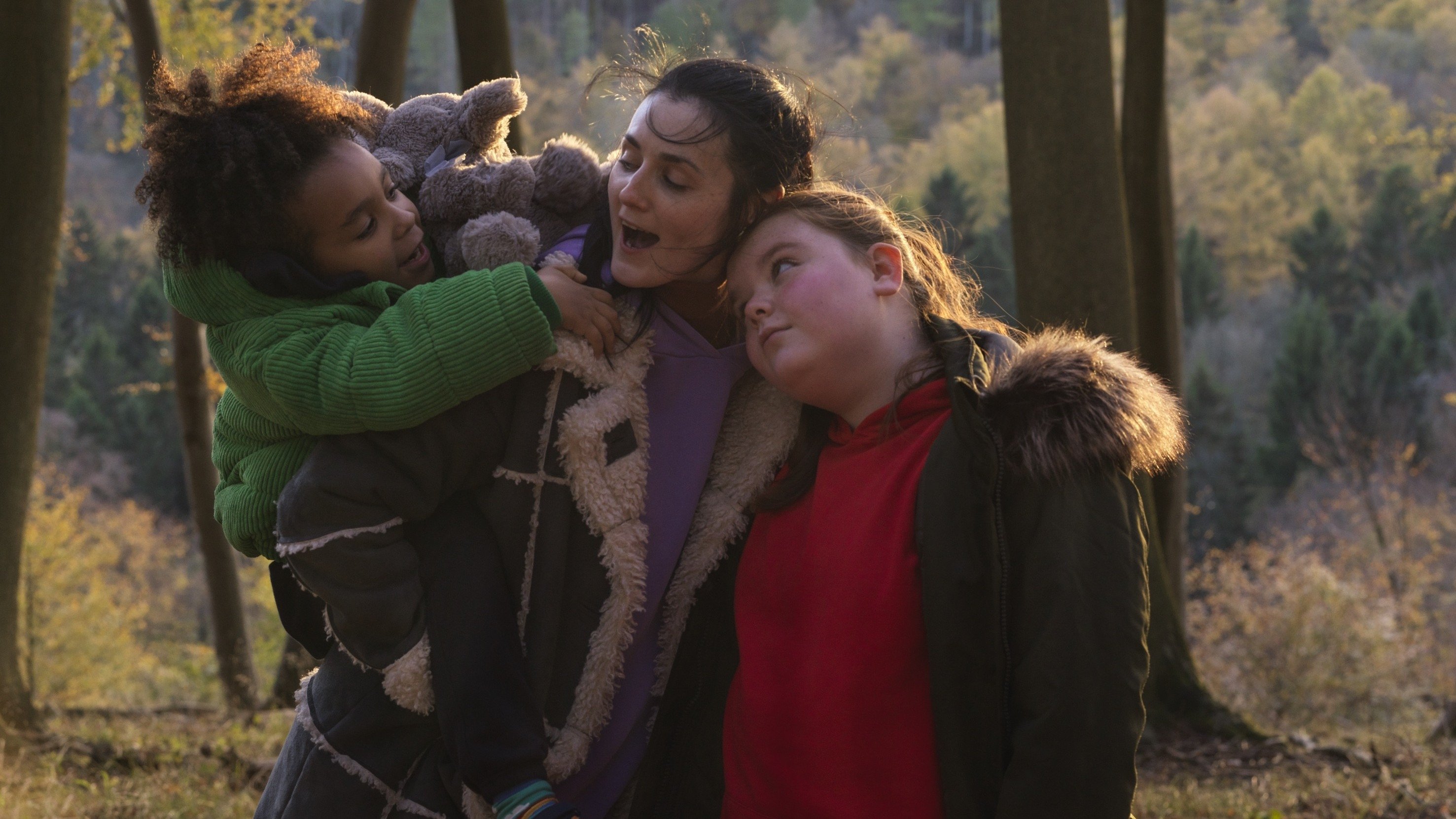
Raw British social realism that begins where Cathy Come Home left off. First-time director Daisy-May Hudson casts mostly non-actors and it shows in the best way, performances feel lived-in rather than performed, every moment stripped of polish or safety. Posy Sterling is outstanding, shifting between girlish hope and exhausted fury, often within the same scene. The film never tells you why she went to prison and doesn't need to, it's more interested in the Kafkaesque bureaucracy that punishes her long after her sentence ends. The friendship between two mothers on the margins carries real warmth without ever tipping into sentimentality, and the kids are shockingly good, naturalistic in ways that child actors rarely are. It's heartbreaking by design but refuses to wallo, it's compassionate, and unflinching. The kind of film Ken Loach would be proud of.
Raw British social realism that begins where Cathy Come Home left off. First-time director Daisy-May Hudson casts mostly non-actors and it shows in the best way, performances feel lived-in rather than performed, every moment stripped of polish or safety. Posy Sterling is outstanding, shifting between girlish hope and exhausted fury, often within the same scene. The film never tells you why she went to prison and doesn't need to, it's more interested in the Kafkaesque bureaucracy that punishes her long after her sentence ends. The friendship between two mothers on the margins carries real warmth without ever tipping into sentimentality, and the kids are shockingly good, naturalistic in ways that child actors rarely are. It's heartbreaking by design but refuses to wallo, it's compassionate, and unflinching. The kind of film Ken Loach would be proud of.