✮ Lights, Camera, Action! ✮"My child, fare thee well! 'Cause you're born with the spell of roaming your life away..."
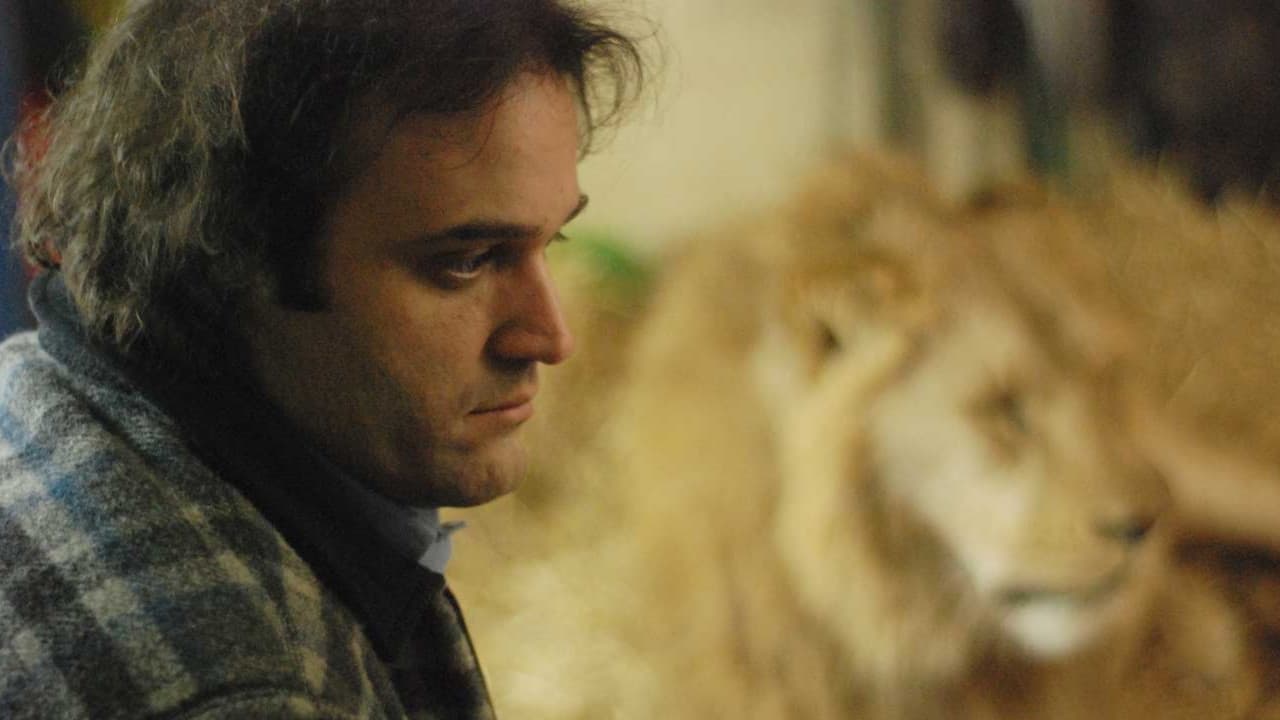
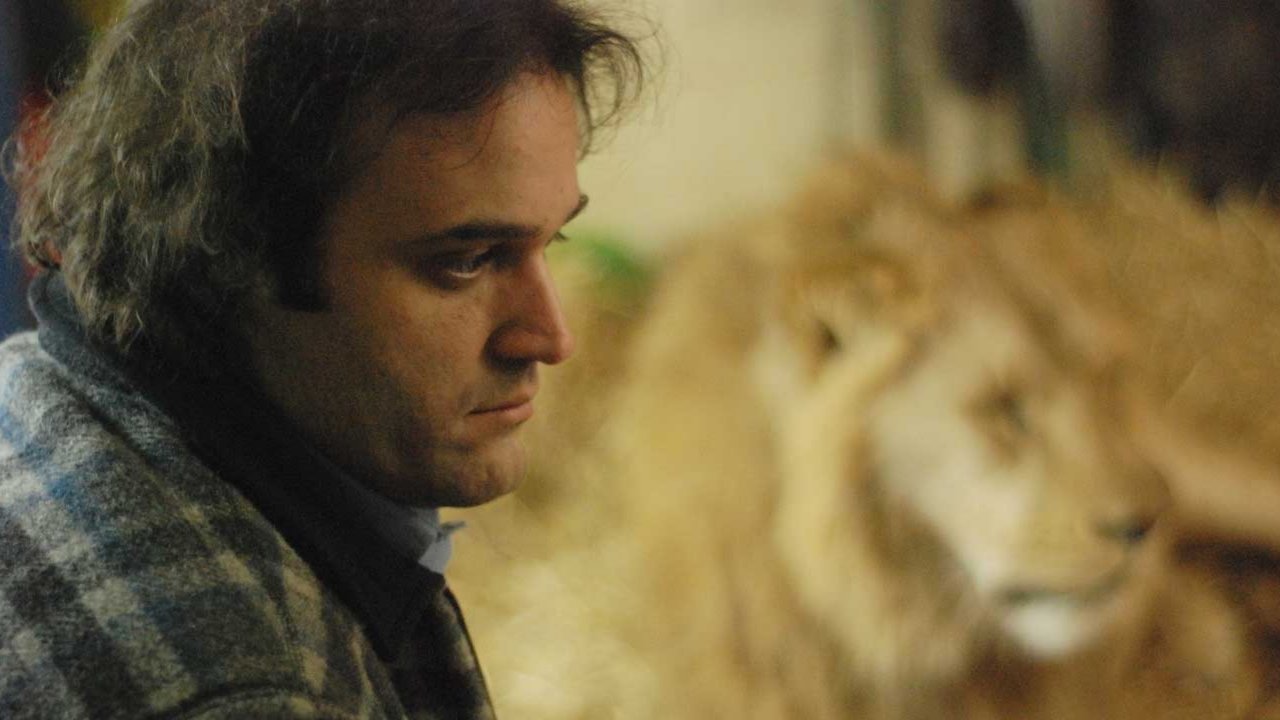
SPAVolví, osea nunca me fui, pero tenia ganas de hacer una reseña para éste filme que me conmovió de una manera muy particular. Siempre voy a recordar una escena de La Flor que me hace llorar de solo volver a verla, Llinás acá también me toco en el alma de una manera tan delicada, si la viste, entenderás a que me refiero con "la escena del león".
Llinás es tal vez mi mayor inspiración cuando se habla de artistas argentinos, su estética y manera de narrar me fascinan, esta reseña es, en parte, en su honor. Antes de empezar quisera comentar un poco sobre mi experiencia de vivir esta enorme película en el cine.
Creo que el estilo de esta ola de cineastas independientes argentinos no es apta para todo público, sobre todo por el humor que manejan, si hay algo que tiene Historias Extraordinarias es la ironía. Todo el tiempo suceden cosas irónicas, pero esto nunca funciona de todo en todos los públicos. Presencie mucha gente quejandose de la película o incluso yéndose, yo la disfrute de principio a fin, reí, me sorprendió y hasta lloré. No quiero spoilear pero hay un momento con una subtrama con tintes telenovelescos que hizo que una anciana en el público diga que era innecesaria.
Volviendo a mi fanatismo por Mariano Llinás, cuando veia esta película sentia que el es como un niño y un anciano al mismo tiempo. Hay veces que los nenes quieren contarte una historia, pero se desvían todo el tiempo, y su anécdota se convierte en un árbol lleno de ramas que todo el tiempo se desvia de lo que sucedio original, ademas de la creatividad inmensa que maneja. Pero también es un viejo, su forma de hablar (a pesar de que en este film no habla) es desde la madurez y el hartazgo, para mi es un narrador que realmente quiere contarte sus historias pero esta cansado. En este filme no narra el, pero se siente tan profundamente por el guión. El poder que tiene Mariano Llinás en su manera de hablar es de los mas auténticos que he visto en el cine actual.
Y es que narrar es, quizás, el acto más humano que existe. Pienso que es el hilo invisible que cose el presente con el ayer y proyecta el mañana sobre el tapiz del tiempo. No hay una sola forma de contar una historia, de la misma manera que no hay una sola forma en que el viento acaricia la copa de los árboles. Contar es un arte, uno multiforme, un río que se adapta al cauce de la experiencia, tomando la forma de la memoria, el sueño o la pura invención. Puede ser pintura, obra de teatro, filme, escritura, el arte se basa en contar, o mejor dicho, en comunicar.
¿Como definir al arte? En estos tiempos donde la inteligencia artificial nos domina tanto, recordemos que las primeras pinturas eran manos en las paredes de cuevas, las manos, lo que la ia le cuesta tanto hacer. Para mi el arte es comunicarse, entregar un mensaje o una historia, no importa si es bello o no, la perfección es lo menos importante, porque el ser humano no lo es. Si no hay comunicación, es solo ruido.
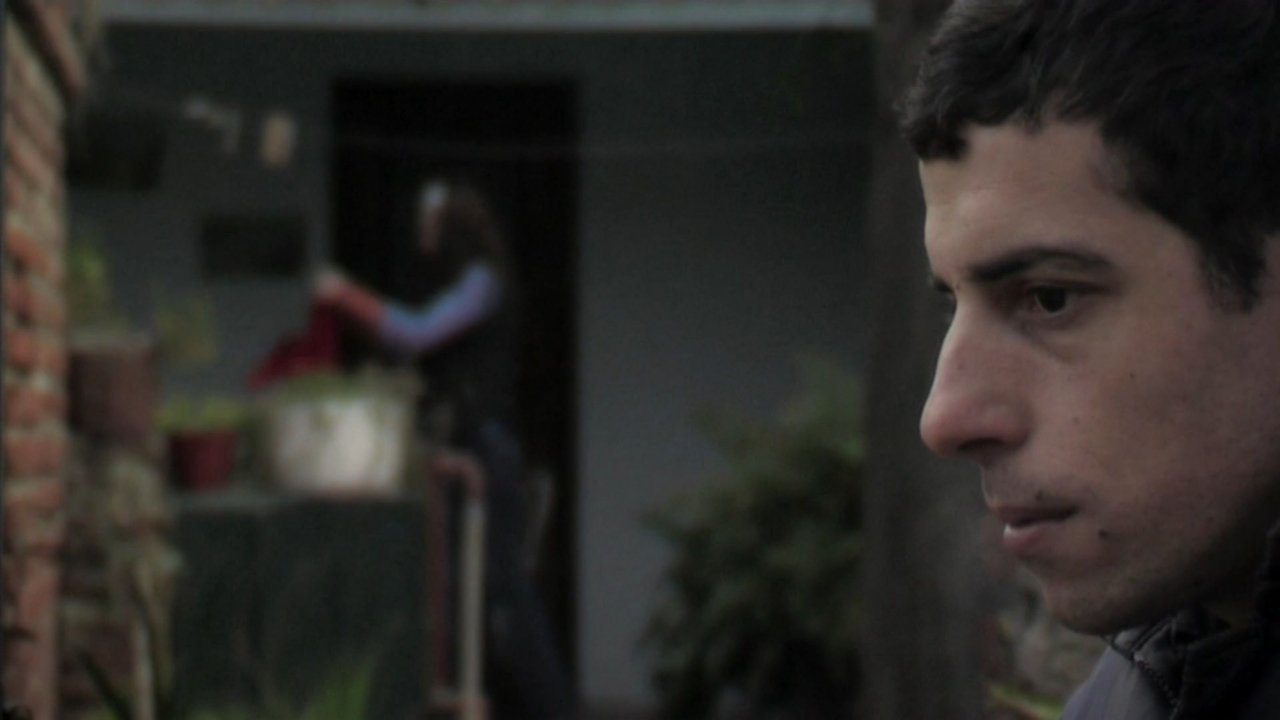
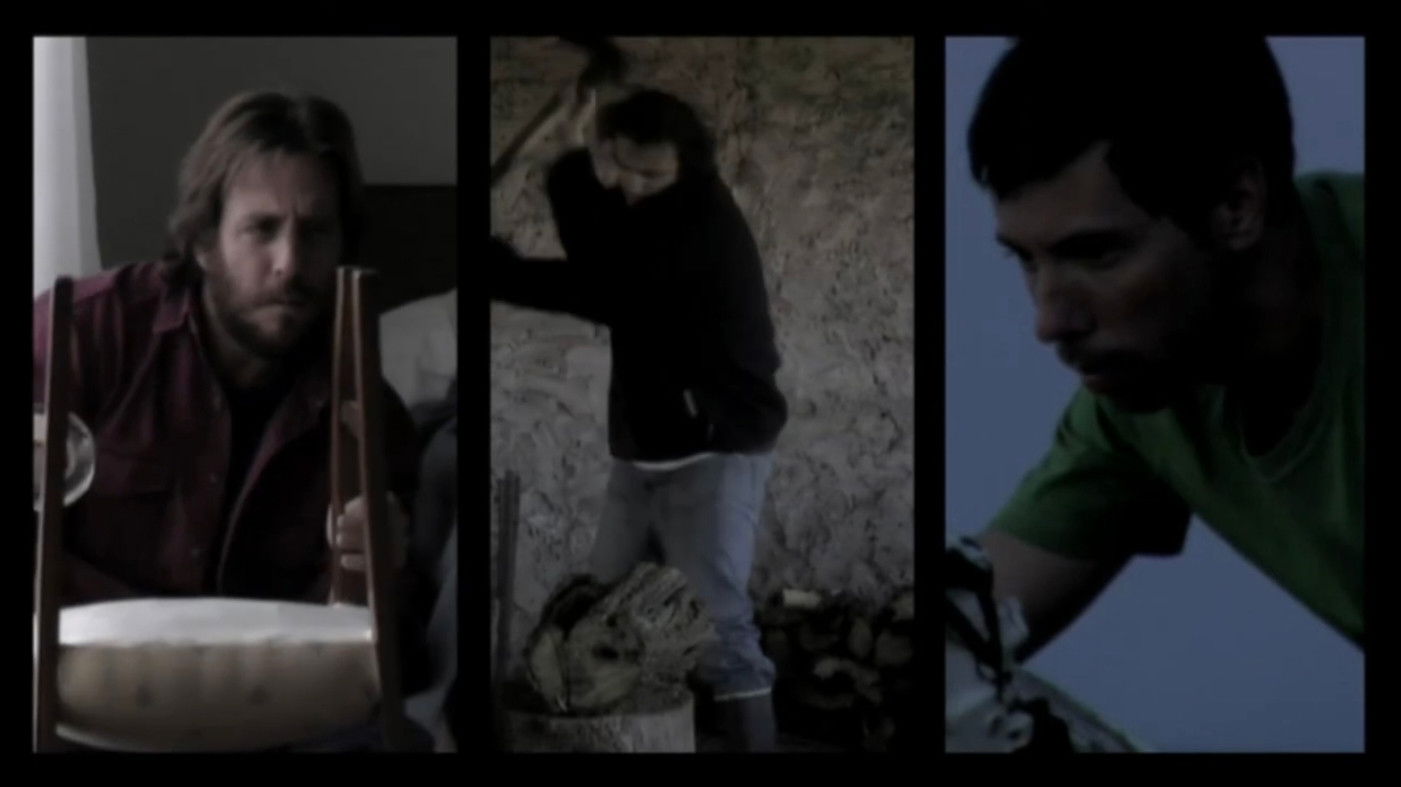
La narrativa vive en el lugar desde donde se mira. La historia no es lo que sucede, sino cómo se siente lo que sucede. Pero es curioso, los protagonistas no hablan, es más, nisiquiera tienen nombre: X esta aislado; Z se la pasa viajando pero, si no está solo, los que lo rodean hablan por el; Y H solo obedece, no objeta.
El narrador es omnisciente flota sobre la trama, conociendo los pensamientos ocultos de cada personaje y el desenlace final. Es la forma de la certeza y la fatalidad, donde la trama avanza y se entrelaza. Podría compararse con Pulp Fiction, pero Historias Extraordinarias es lineal y no al mismo tiempo, cronológicamente esta bien, pero las historias se entrelazan en la narrativa, PERO TAMPOCO, porque los protagonistas nunca se llegan a conocer y cada uno esta viviendo su propia realidad.
Es un poco como la vida real, ¿no? Porque al tiempo de escribir esta reseña tal vez alguien este tomando mate con un felino, y vive en la misma realidad que yo pero no lo conozco.
Bueno, pensando en una conclusión medio poética, narrar es, por tanto, un acto de escultura. El bloque bruto de la experiencia y, mediante la estructura, la perspectiva y el ritmo, esculpimos una forma que otros puedan tocar, sentir y habitar. Historias Extraordinarias es esto, porque esta cerca de cumplir 20 años de estreno, pero se sigue sintiendo tan fresca, ni había nacido, pero la puedo sentir, ese es el poder que tiene un buen guión y un gran sentido del humor.
ENGI'm back—well, I never really left—but I wanted to write a review for this film that moved me in a very particular way. I'll always remember a scene from
La Flor that makes me cry just watching it again. Llinás also touched my soul here in such a delicate way; if you've seen it, you'll understand what I mean by "the lion scene."
Llinás is perhaps my greatest inspiration when it comes to Argentine artists. His aesthetic and narrative style fascinate me, and this review is, in part, in his honor. Before I begin, I'd like to share a bit about my experience of seeing this amazing film in the theater.
I think the style of this wave of Argentine independent filmmakers isn't for everyone, especially because of the humor they use. If there's one thing
Historias Extraordinarias has, it's irony. Ironic things happen all the time, but this never works for everyone. I saw many people complaining about the film or even leaving, but I enjoyed it from beginning to end. I laughed, was surprised, and even cried. I don't want to spoil anything, but there's a subplot with a soap opera feel that made an elderly woman in the audience say it was unnecessary.
Returning to my admiration for Mariano Llinás, while watching this film, I felt he was like a child and an old man at the same time. Sometimes children want to tell you a story, but they keep getting sidetracked, and their anecdote becomes a tree full of branches that constantly veer away from the original event, despite his immense creativity. But he's also an old man; his way of speaking (even though he doesn't speak in this film) comes from a place of maturity and weariness. To me, he's a storyteller who truly wants to tell his stories but is tired. He doesn't narrate in this film, but his presence is felt so deeply through the script. The power that Mariano Llinás possesses in his way of speaking is among the most authentic I've seen in contemporary cinema.
And indeed, storytelling is perhaps the most human act there is. I think it's the invisible thread that stitches the present to the past and projects the future onto the tapestry of time. There isn't just one way to tell a story, just as there isn't just one way the wind caresses the treetops. Storytelling is an art, a multifaceted one, a river that adapts to the course of experience, taking the form of memory, dreams, or pure invention. It can be painting, theater, film, writing; art is based on telling, or rather, on communicating.
How do we define art? In these times where artificial intelligence dominates us so much, let's remember that the first paintings were hands on cave walls—hands, something AI struggles so much to replicate. For me, art is about communication, delivering a message or a story. It doesn't matter if it's beautiful or not; perfection is the least important thing, because human beings aren't perfect. If there's no communication, it's just noise.
Narrative lives in the place from which it's viewed. The story isn't what happens, but how what happens is felt. But it's curious: the protagonists don't speak; in fact, they don't even have names: X is isolated; Z is constantly traveling, but if he's not alone, those around him speak for him; and H simply obeys, never objecting.
The narrator is omniscient, hovering above the plot, knowing the hidden thoughts of each character and the final outcome. It's a form of certainty and fatality, where the plot advances and intertwines. It could be compared to Pulp Fiction, but Extraordinary Stories is linear and not at the same time. Chronologically, it's fine, but the stories intertwine within the narrative, BUT NOT ALSO, because the protagonists never actually meet, and each is living their own reality.
It's a bit like real life, isn't it? Because as I write this review, someone might be sharing mate with a cat, living in the same reality as me, but I don't know them.
Well, to draw a somewhat poetic conclusion, storytelling is, therefore, an act of sculpture. We take the raw block of experience and, through structure, perspective, and rhythm, sculpt a form that others can touch, feel, and inhabit. Extraordinary Stories is this, because it's nearing its 20th anniversary, but it still feels so fresh. I wasn't even born yet, but I can still feel it; that's the power of a good script and a great sense of humor.