
A Wife Confesses
1961·Drama·1h 31m
7.1
★
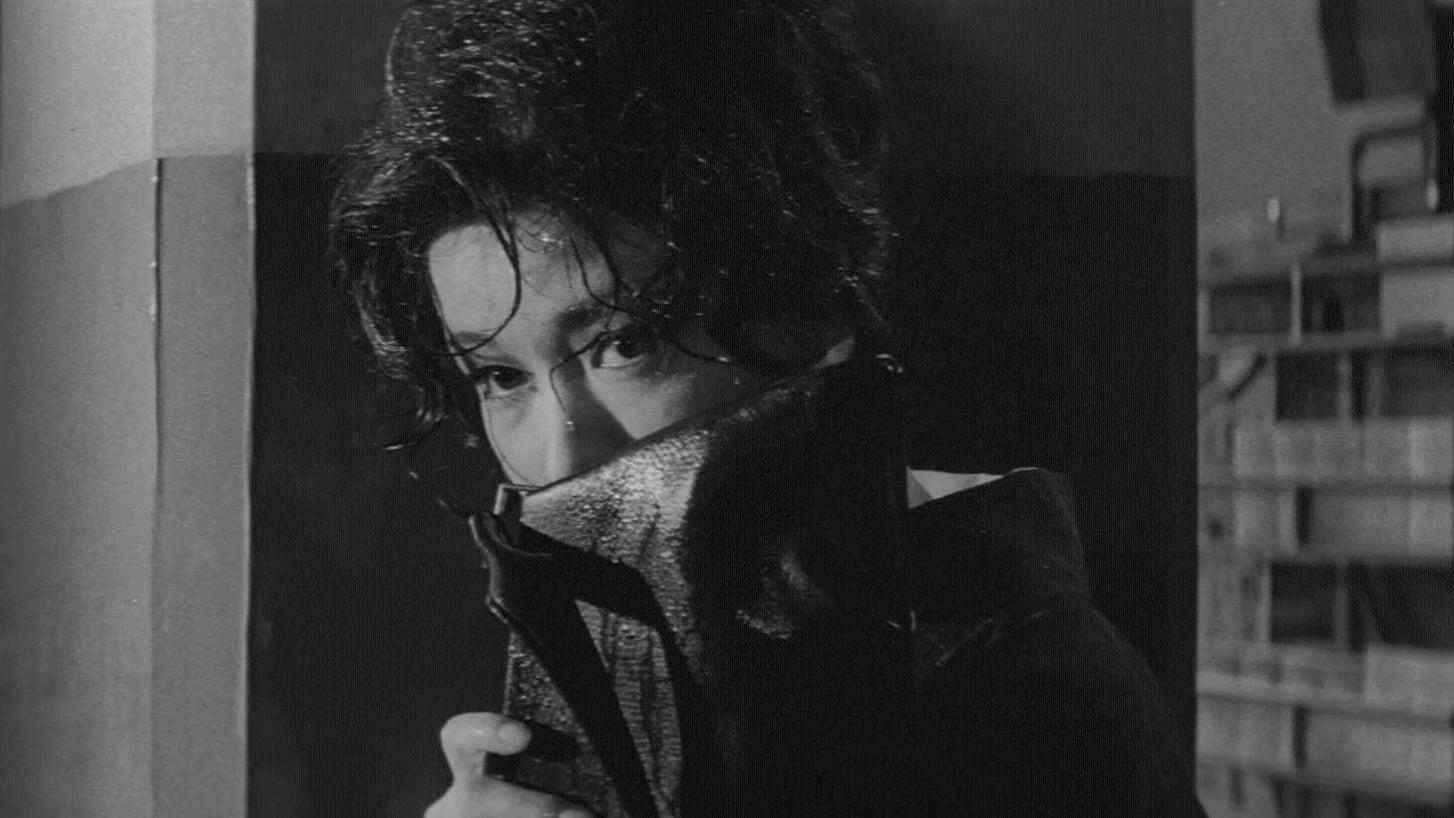
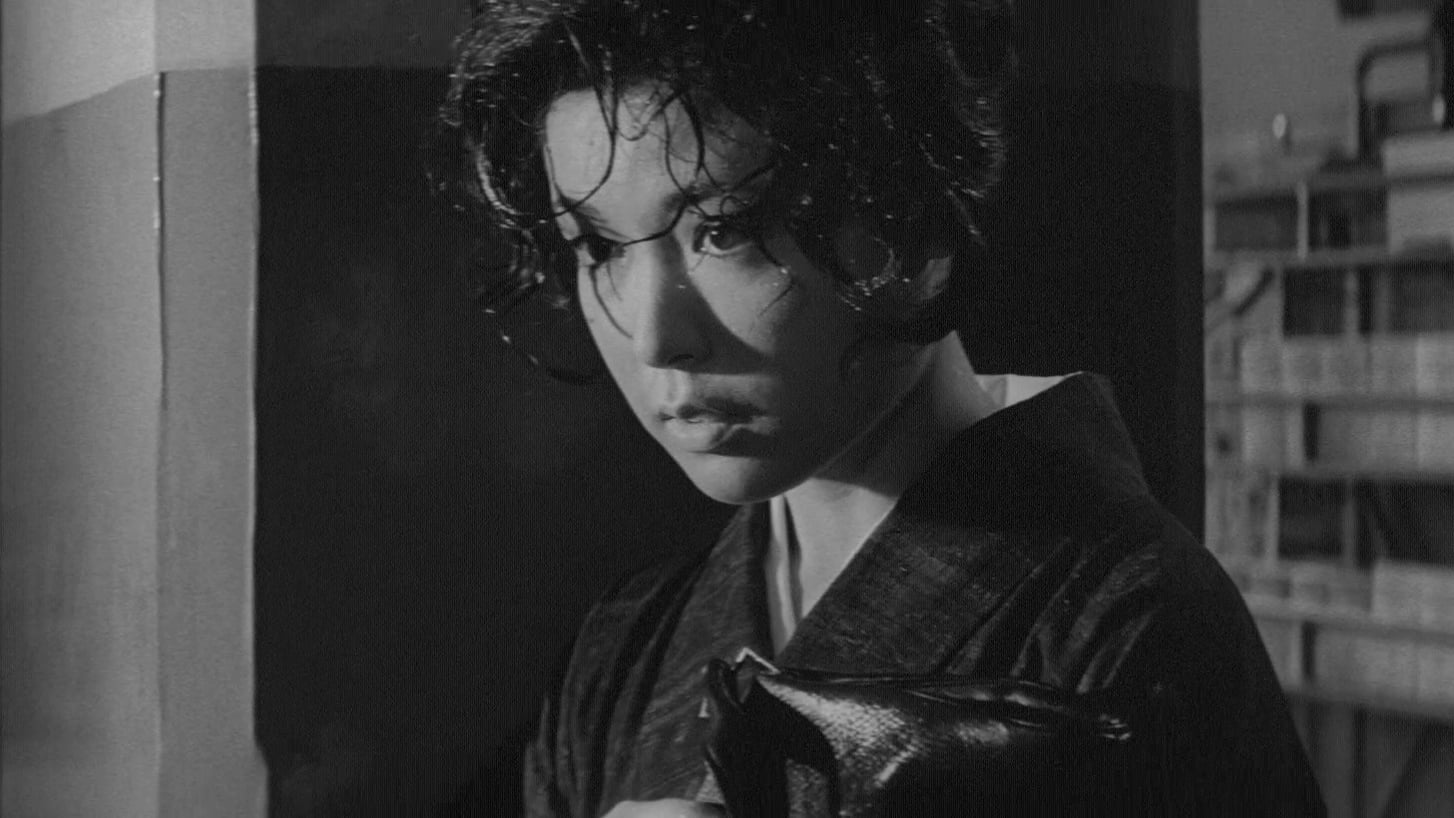
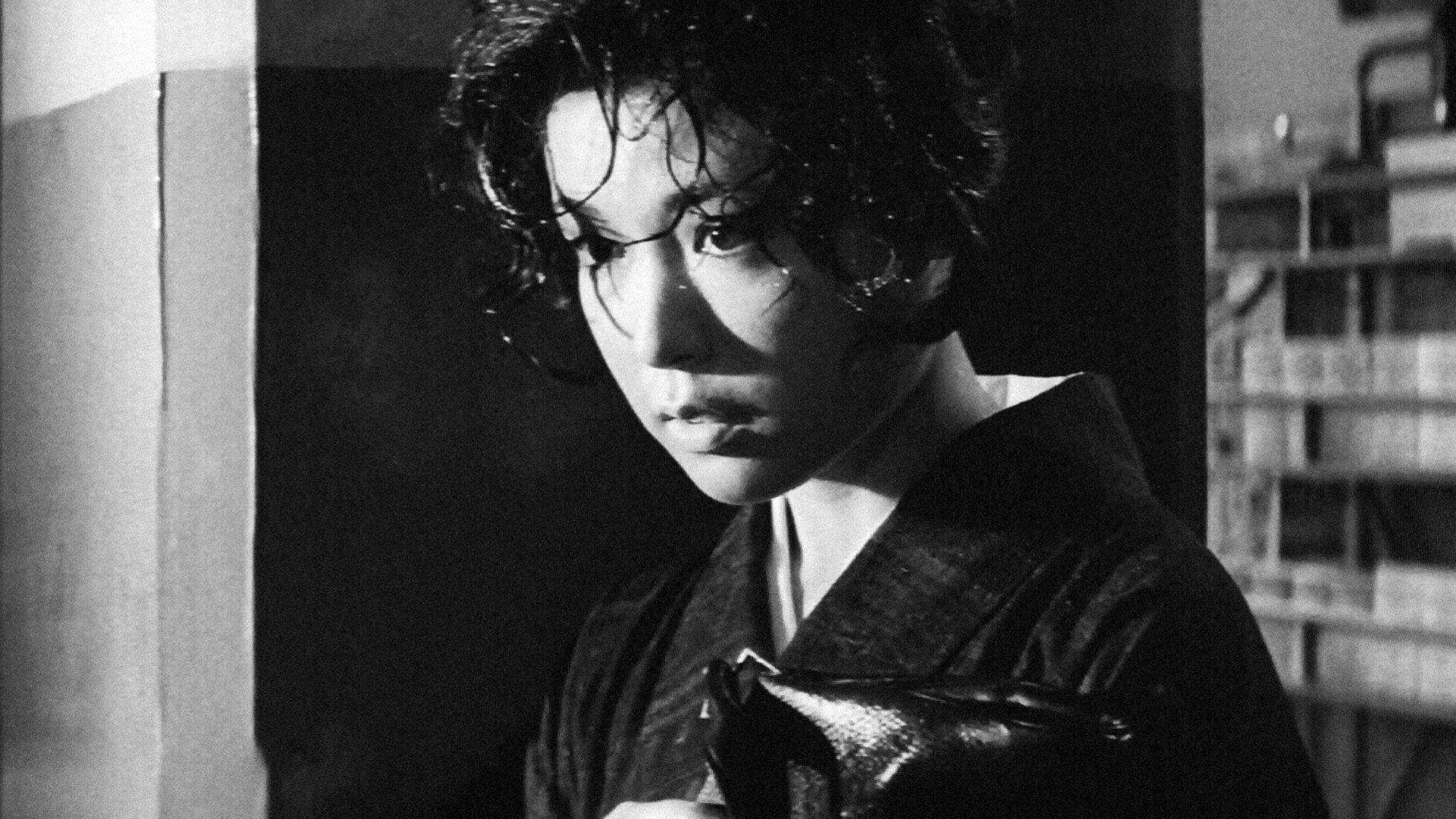
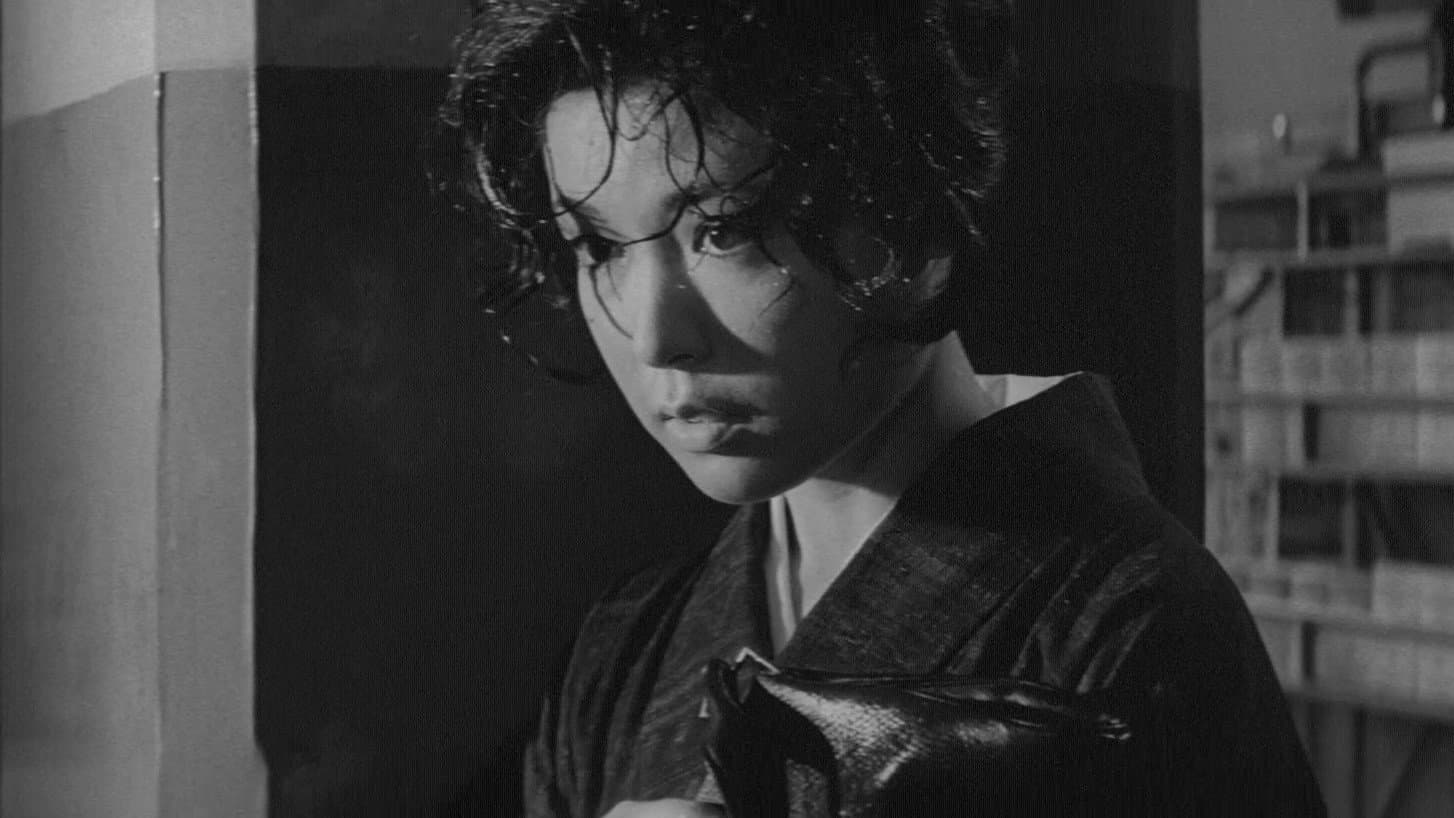
Tied to a mountain between her brutalizing spouse and her secret lover, disaster strikes; the authorities accuse her of murder and prompt a confession.
Directed by Yasuzō Masumura
based on novel or book
love triangle
life insurance
mountain climbing
murder trial
courtroom drama

IMDB
N/A
Cast

Ayako Wakao
Ayako Takigawa
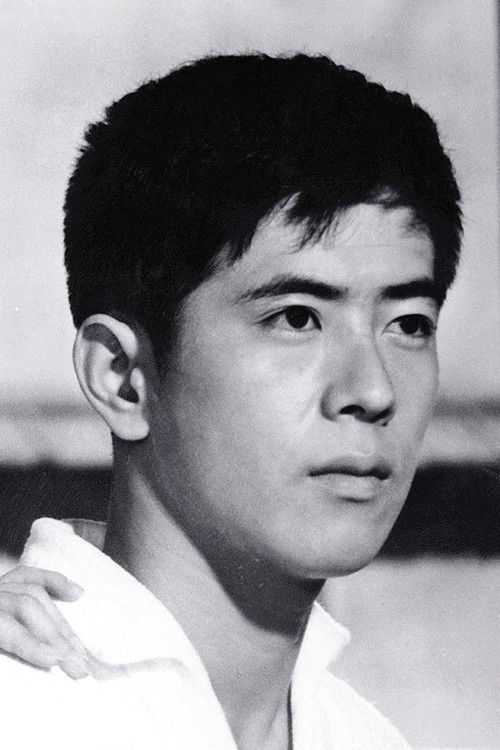
Hiroshi Kawaguchi
Osamu Kôda
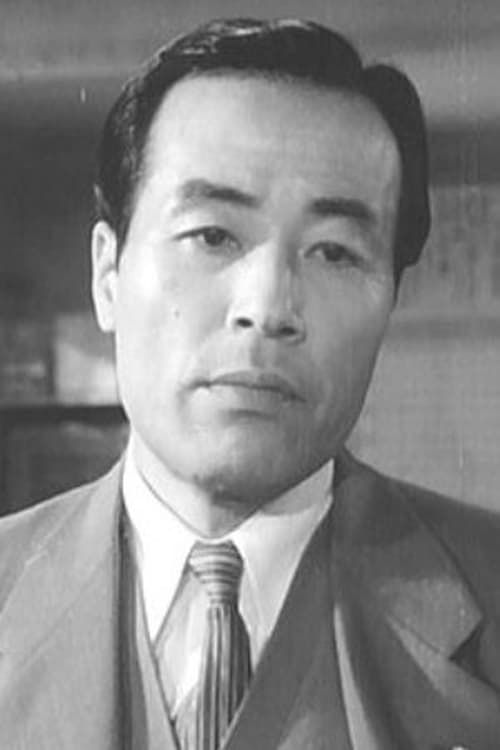
Eitarō Ozawa
Ryôkichi Takigawa
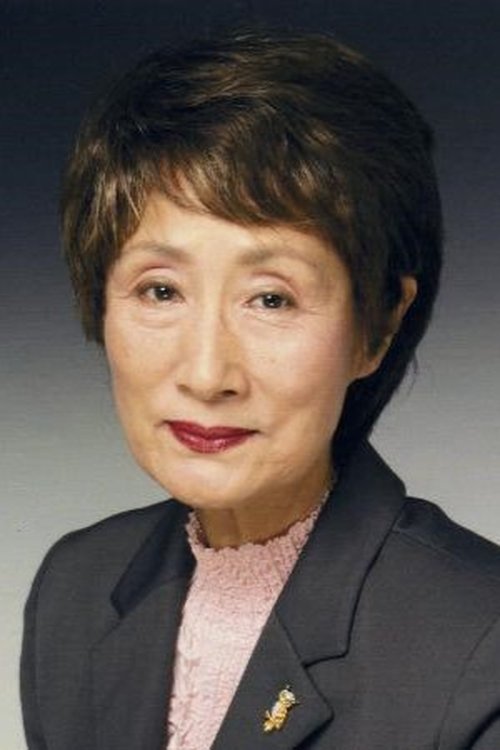
Haruko Mabuchi
Rie Munakata
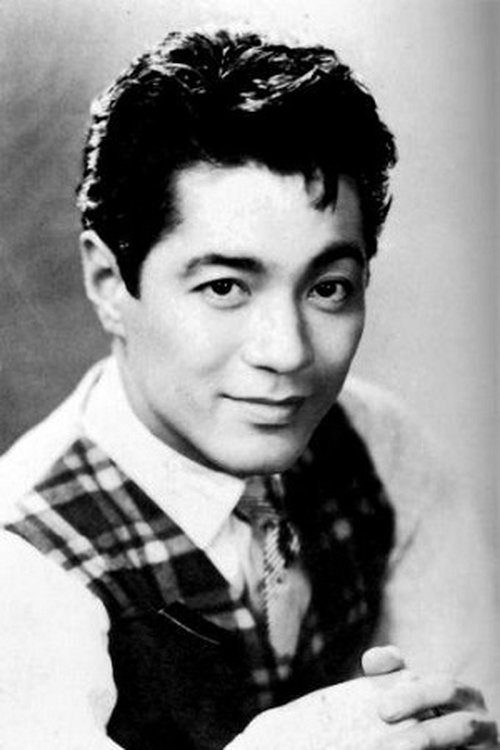
Jun Negami
Lawyer Sugiyama

Hideo Takamatsu
Public Prosecutor Kasai
Fumiko Murata
Shō Natsuki
Jun Osanai
Chōtarō Tōgin

Kazuo Mori
Takashi Nakamura
Crew
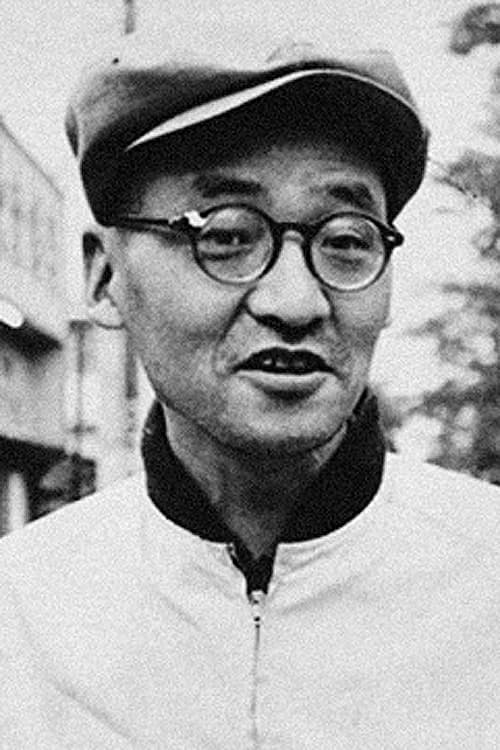
Yasuzō Masumura
Director

Riichirō Manabe
Original Music Composer
Popular Reviews
7 reviews
Nana
8.0★ · 11/28/25
At first I sympathized with ayako. Felt like everybody is condemning her on the ground that she hates her husband, therefore she’s already guilty.
Then I came to dislike her when Rie’s intuition came true, about ayako and koda, up until the truth of the murder was revealed. Felt like I was starting to look at her the way koda did. (He is not as he seems)
Then during the end I finally felt like she really did do all that for love, despite everything, she had endured a lot and deserved to be loved too. Up until the very end, I still thought that she’s manipulating Koda.
Ayako is so complex that it’s hard for me to be unbiased with her, but she is real, she’s human.
The courtroom shot and the one in the bedroom were amazing, but not with the mountain shot, it feels like an amateur camera work the way they moved so fast, giving me a headache
Then I came to dislike her when Rie’s intuition came true, about ayako and koda, up until the truth of the murder was revealed. Felt like I was starting to look at her the way koda did. (He is not as he seems)
Then during the end I finally felt like she really did do all that for love, despite everything, she had endured a lot and deserved to be loved too. Up until the very end, I still thought that she’s manipulating Koda.
Ayako is so complex that it’s hard for me to be unbiased with her, but she is real, she’s human.
The courtroom shot and the one in the bedroom were amazing, but not with the mountain shot, it feels like an amateur camera work the way they moved so fast, giving me a headache
At first I sympathized with ayako. Felt like everybody is condemning her on the ground that she hates her husband, therefore she’s already guilty.
Then I came to dislike her when Rie’s intuition came true, about ayako and koda, up until the truth of the murder was revealed. Felt like I was starting to look at her the way koda did. (He is not as he seems)
Then during the end I finally felt like she really did do all that for love, despite everything, she had endured a lot and deserved to be loved too. Up until the very end, I still thought that she’s manipulating Koda.
Ayako is so complex that it’s hard for me to be unbiased with her, but she is real, she’s human.
The courtroom shot and the one in the bedroom were amazing, but not with the mountain shot, it feels like an amateur camera work the way they moved so fast, giving me a headache
Then I came to dislike her when Rie’s intuition came true, about ayako and koda, up until the truth of the murder was revealed. Felt like I was starting to look at her the way koda did. (He is not as he seems)
Then during the end I finally felt like she really did do all that for love, despite everything, she had endured a lot and deserved to be loved too. Up until the very end, I still thought that she’s manipulating Koda.
Ayako is so complex that it’s hard for me to be unbiased with her, but she is real, she’s human.
The courtroom shot and the one in the bedroom were amazing, but not with the mountain shot, it feels like an amateur camera work the way they moved so fast, giving me a headache


Medhansh
4.2★ · 08/22/25
Director- Masumura Yasuzo.This is the first film I have seen of his.For a film of the sixties, it has an incredibly dated feel reminiscent of the films of the forties, especially Mizoguchi's works, like Women of the Night 1948. The reason I decided to watch it was because one of my group members recommended it to me, citing that it is what inspired Decision to Leave, one of my favourite films, ranked second in my top 100.The concept of the film is quite interesting, but the execution falls short for me due to the runtime being shorter than what was required. The start of the film, with a court setting, was interesting as it could allow a discourse surrounding what was the correct action at the time. It could be a great conundrum shedding light on the patriarchal society of the then Japan, but instead it was squandered in the latter half. Masumura just decided what the right choice is and then turned it into an out-and-out romance.The treatment Ayako got borders on exploitation and reminded me of Intention of Murder by Imamura Shohei, a film I very much enjoyed. What A Wife Confesses lacks is allowing Ayako enough time to show us a variety of emotions, rather than crying the whole time due to the situations she has to go through. Her moments of joy are incredibly short-lived.Throughout the case, Ayako's lawyer was practically begging her to grow a brain and stop trying to destroy her life by meeting Koda repeatedly. She, though, got deaf during such scenes as she tries her level best to destroy her and Koda's life by meeting him.The storyline surrounding her failing marriage and abusive husband, unwilling to give a divorce, was interesting enough to watch for the whole runtime, but then the second half adds another plot point nonsensically.The lead character, Takigawa Ayako, played by Wakao Ayako, is meant to be viewed as a martyr, but due to her taking the brunt of the issues unilaterally, she instead appeared incredibly emotion-driven, compulsive and overall dumb throughout the film. Yasumura is critiquing such characters and is using her as an example of how not to behave.Her being dumb is due to her not thinking things through and her trustworthy nature to a fault. When she told Koda that she killed her husband, which, if the viewer paid attention throughout the film, she is telling repeatedly, citing fear for her own life by falling from the cliff, he responds angrily and feels betrayed. Was Osamu Koda, played by Kawaguchi Hiroshi, mentally asleep throughout the court case? Does he dream with his eyes open?Ayako is shown to be a doormat of an individual who can't for the life of her be alone. She is shown to be a people pleaser to a fault, which makes her be used by others. She in the end got five million yen, which roughly translates to thirty million yen in today's time. She still isn't willing to run off with her money and instead tries repeatedly to get back with Oda. Her love made a fool who, after a point, couldn't even be pitied.At the end, she decides to commit suicide and guess what, leaves all her money to Koda, who is now five million yen richer, free from a court case and can now finally be free to marry whoever he chooses. The ending made me view Koda as a mastermind who exploited both Ayako and her husband for his own gain. He also didn't want to marry his fiancée, who left him at the end, so an even better outcome for him.The true protagonist of the film is Koda, who is showing us how to exploit weak-minded individuals and how to come out on top through playing the long game.Overall, this was a pretty bad film. I hope his other works are better written than this. I will either watch FLIC or Kagemusha next.
Director- Masumura Yasuzo.This is the first film I have seen of his.For a film of the sixties, it has an incredibly dated feel reminiscent of the films of the forties, especially Mizoguchi's works, like Women of the Night 1948. The reason I decided to watch it was because one of my group members recommended it to me, citing that it is what inspired Decision to Leave, one of my favourite films, ranked second in my top 100.The concept of the film is quite interesting, but the execution falls short for me due to the runtime being shorter than what was required. The start of the film, with a court setting, was interesting as it could allow a discourse surrounding what was the correct action at the time. It could be a great conundrum shedding light on the patriarchal society of the then Japan, but instead it was squandered in the latter half. Masumura just decided what the right choice is and then turned it into an out-and-out romance.The treatment Ayako got borders on exploitation and reminded me of Intention of Murder by Imamura Shohei, a film I very much enjoyed. What A Wife Confesses lacks is allowing Ayako enough time to show us a variety of emotions, rather than crying the whole time due to the situations she has to go through. Her moments of joy are incredibly short-lived.Throughout the case, Ayako's lawyer was practically begging her to grow a brain and stop trying to destroy her life by meeting Koda repeatedly. She, though, got deaf during such scenes as she tries her level best to destroy her and Koda's life by meeting him.The storyline surrounding her failing marriage and abusive husband, unwilling to give a divorce, was interesting enough to watch for the whole runtime, but then the second half adds another plot point nonsensically.The lead character, Takigawa Ayako, played by Wakao Ayako, is meant to be viewed as a martyr, but due to her taking the brunt of the issues unilaterally, she instead appeared incredibly emotion-driven, compulsive and overall dumb throughout the film. Yasumura is critiquing such characters and is using her as an example of how not to behave.Her being dumb is due to her not thinking things through and her trustworthy nature to a fault. When she told Koda that she killed her husband, which, if the viewer paid attention throughout the film, she is telling repeatedly, citing fear for her own life by falling from the cliff, he responds angrily and feels betrayed. Was Osamu Koda, played by Kawaguchi Hiroshi, mentally asleep throughout the court case? Does he dream with his eyes open?Ayako is shown to be a doormat of an individual who can't for the life of her be alone. She is shown to be a people pleaser to a fault, which makes her be used by others. She in the end got five million yen, which roughly translates to thirty million yen in today's time. She still isn't willing to run off with her money and instead tries repeatedly to get back with Oda. Her love made a fool who, after a point, couldn't even be pitied.At the end, she decides to commit suicide and guess what, leaves all her money to Koda, who is now five million yen richer, free from a court case and can now finally be free to marry whoever he chooses. The ending made me view Koda as a mastermind who exploited both Ayako and her husband for his own gain. He also didn't want to marry his fiancée, who left him at the end, so an even better outcome for him.The true protagonist of the film is Koda, who is showing us how to exploit weak-minded individuals and how to come out on top through playing the long game.Overall, this was a pretty bad film. I hope his other works are better written than this. I will either watch FLIC or Kagemusha next.
Space_Cowboy909
8.0★ · 02/24/23
Park Chan-Wook saw this and say: "I can do this, but better".
Who knew that Japan was a shitty place for women.
Who knew that Japan was a shitty place for women.
Park Chan-Wook saw this and say: "I can do this, but better".
Who knew that Japan was a shitty place for women.
Who knew that Japan was a shitty place for women.
Adnan
7.0★ · 07/27/25
abbie miaow
8.0★ · 01/23/25