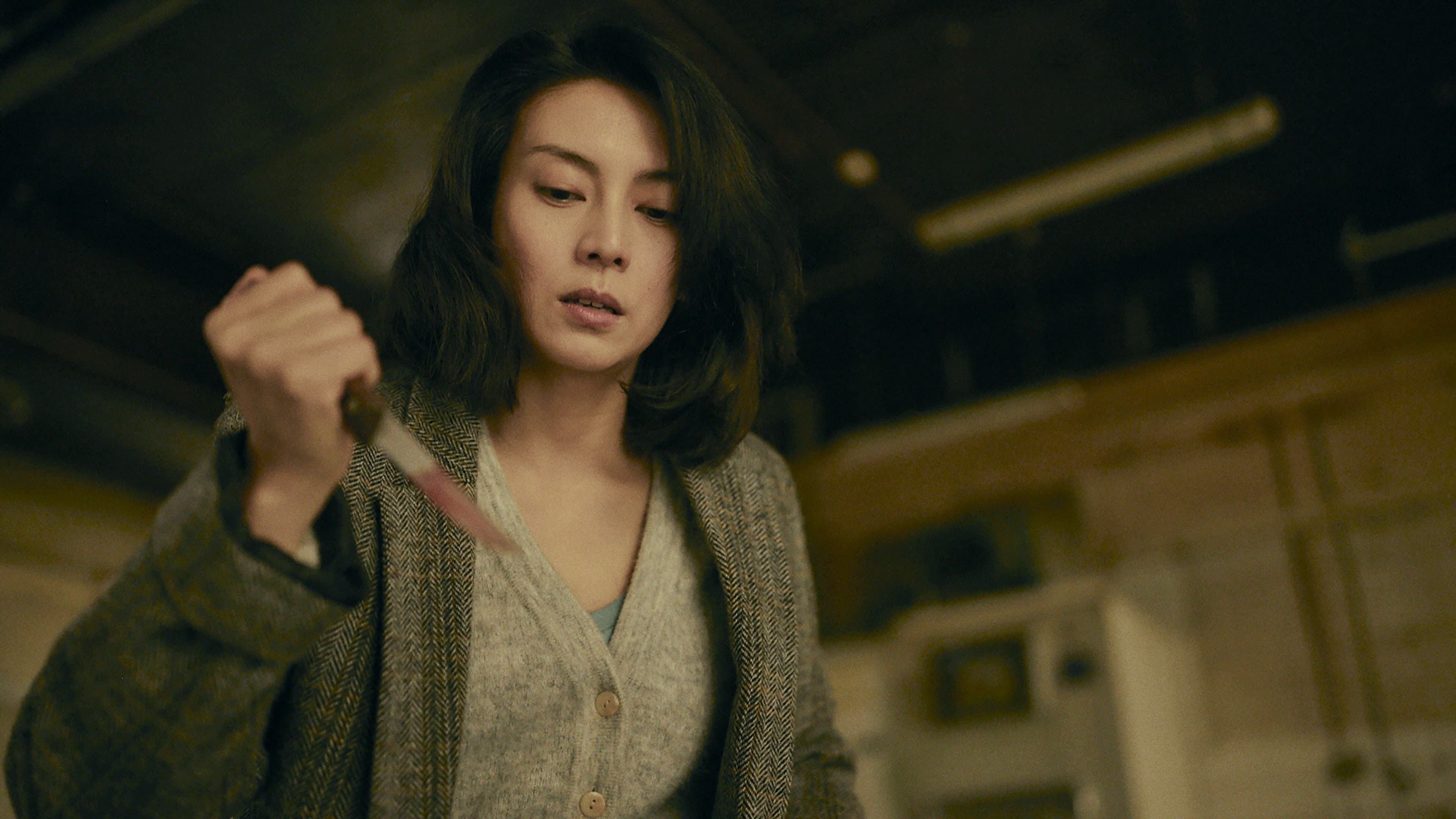
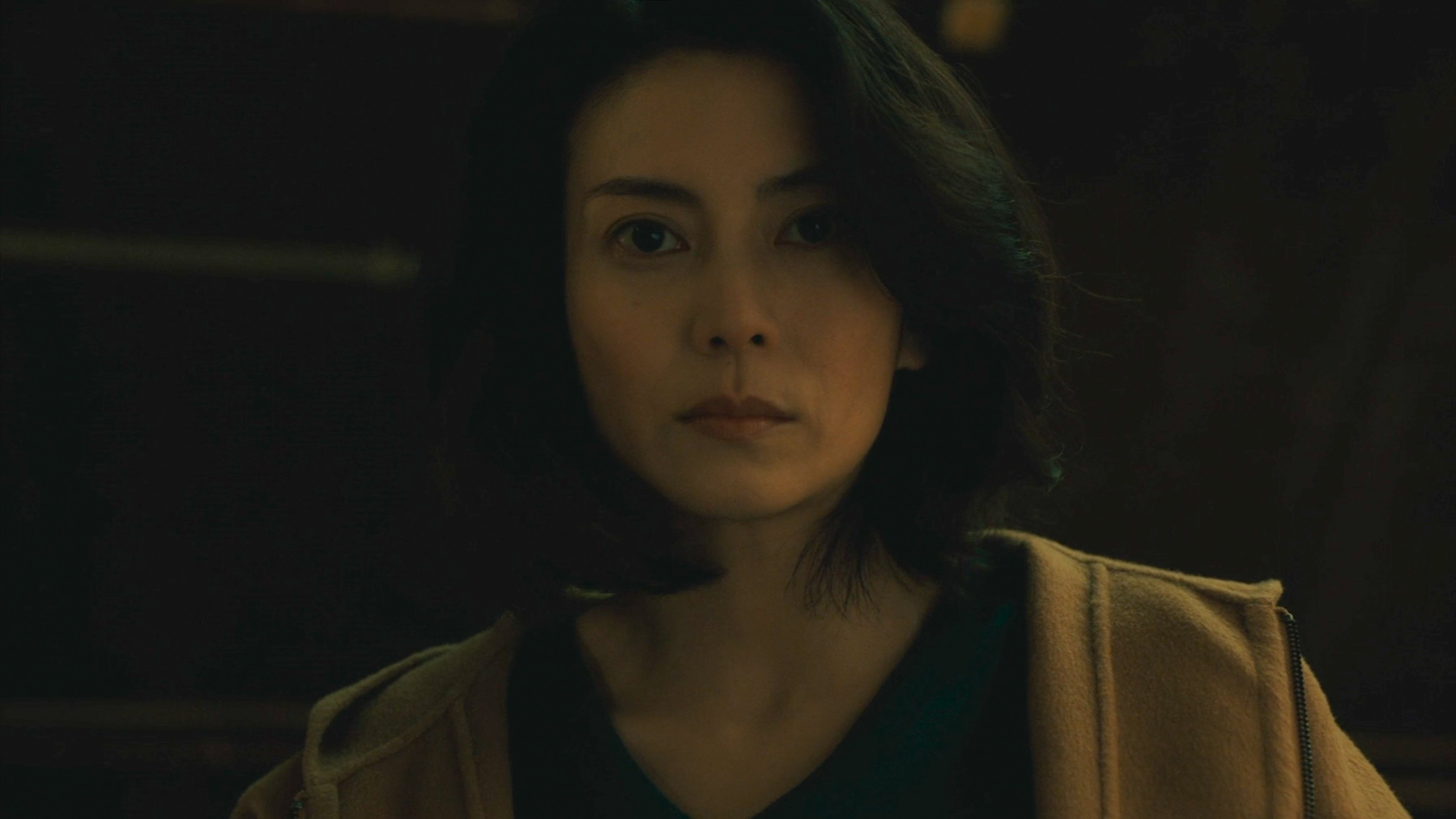
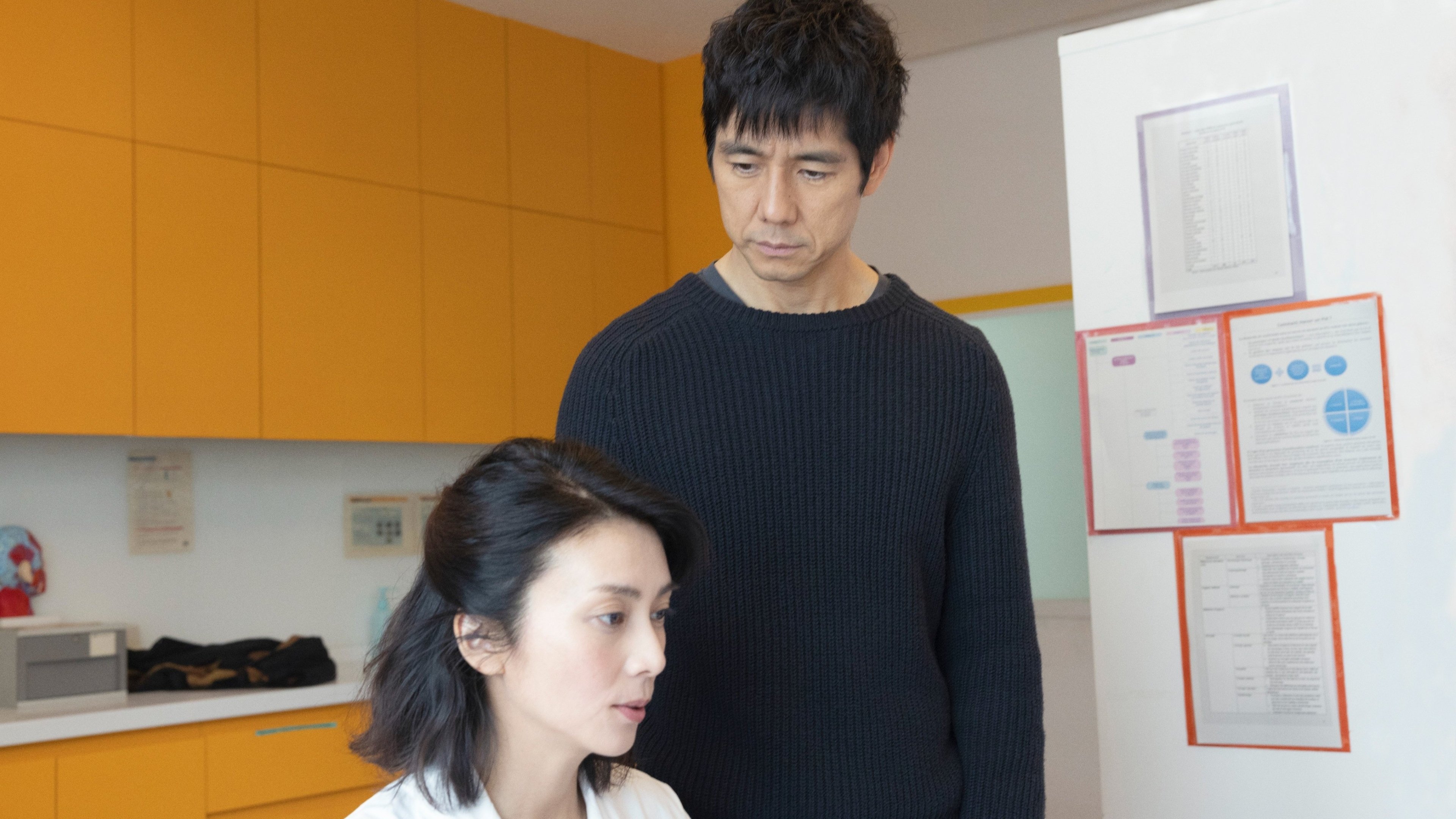
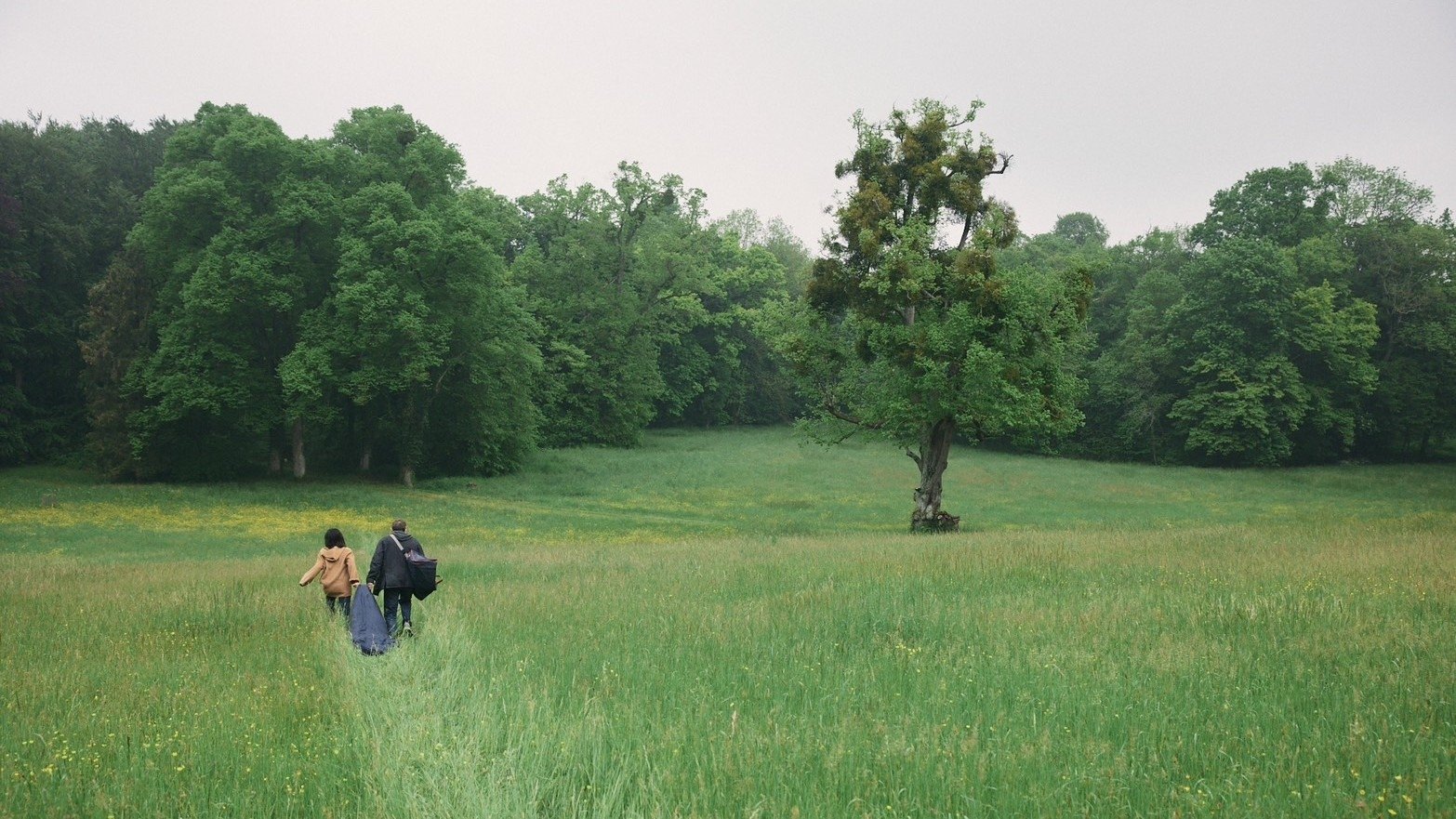
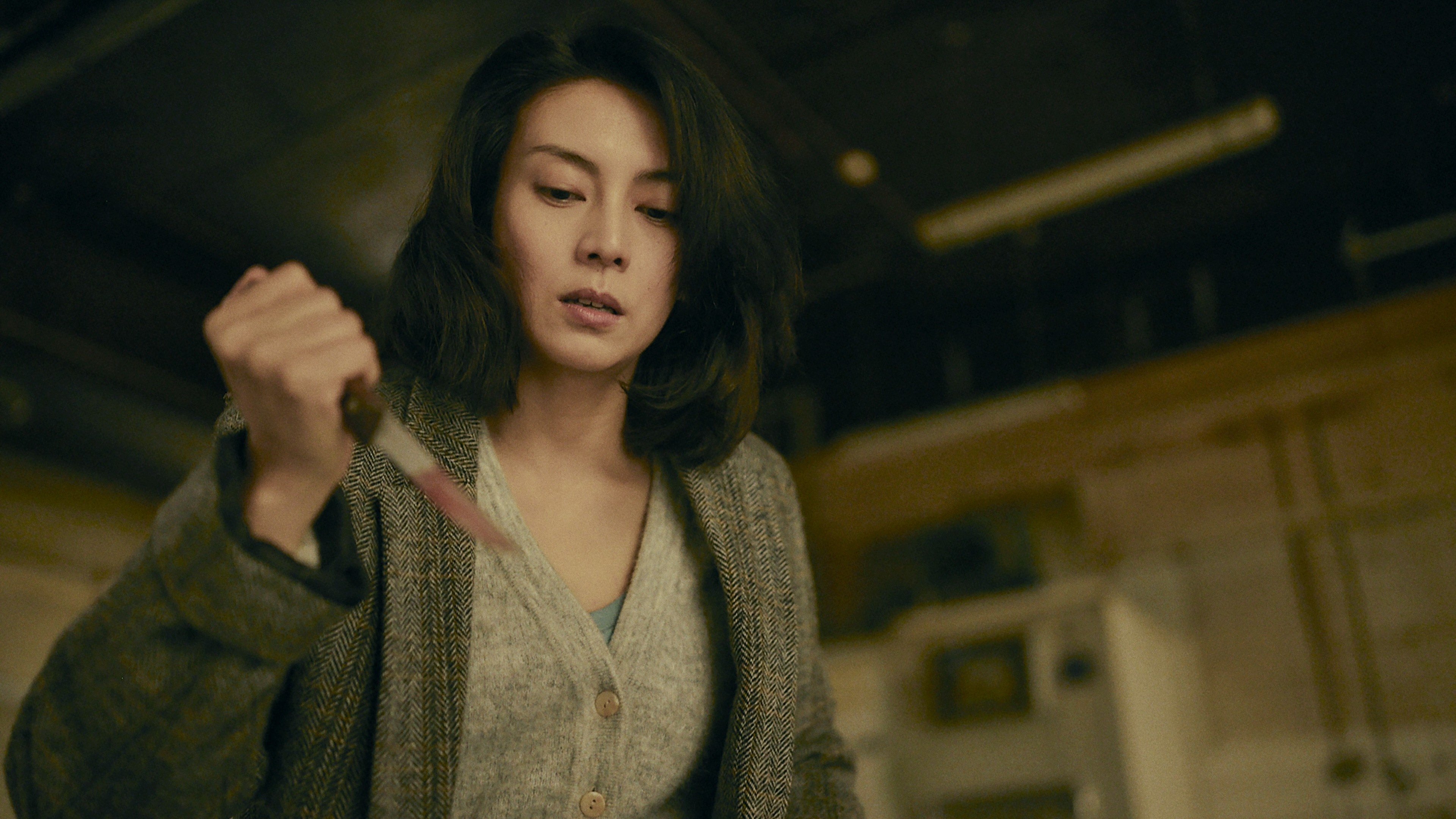
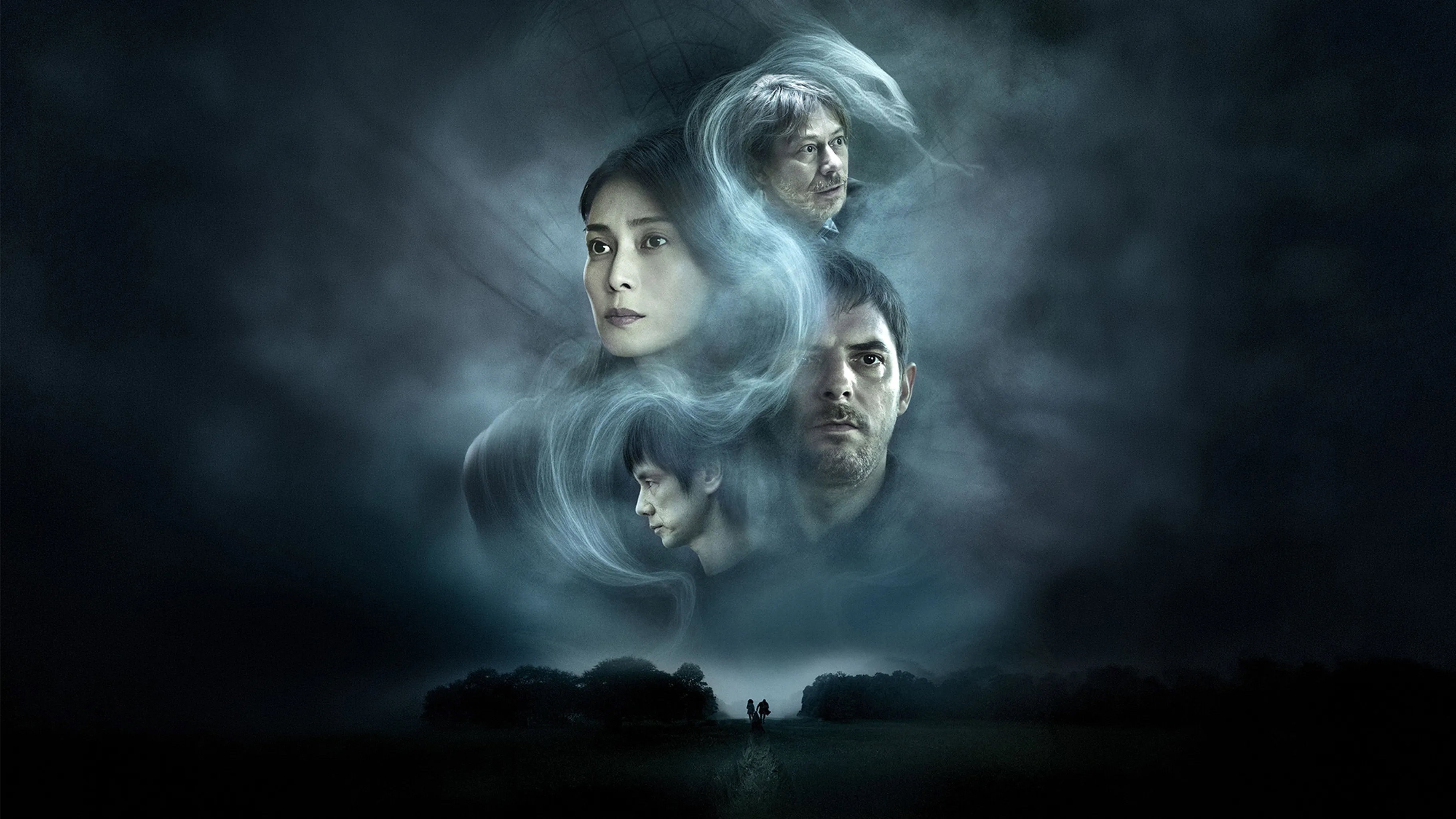
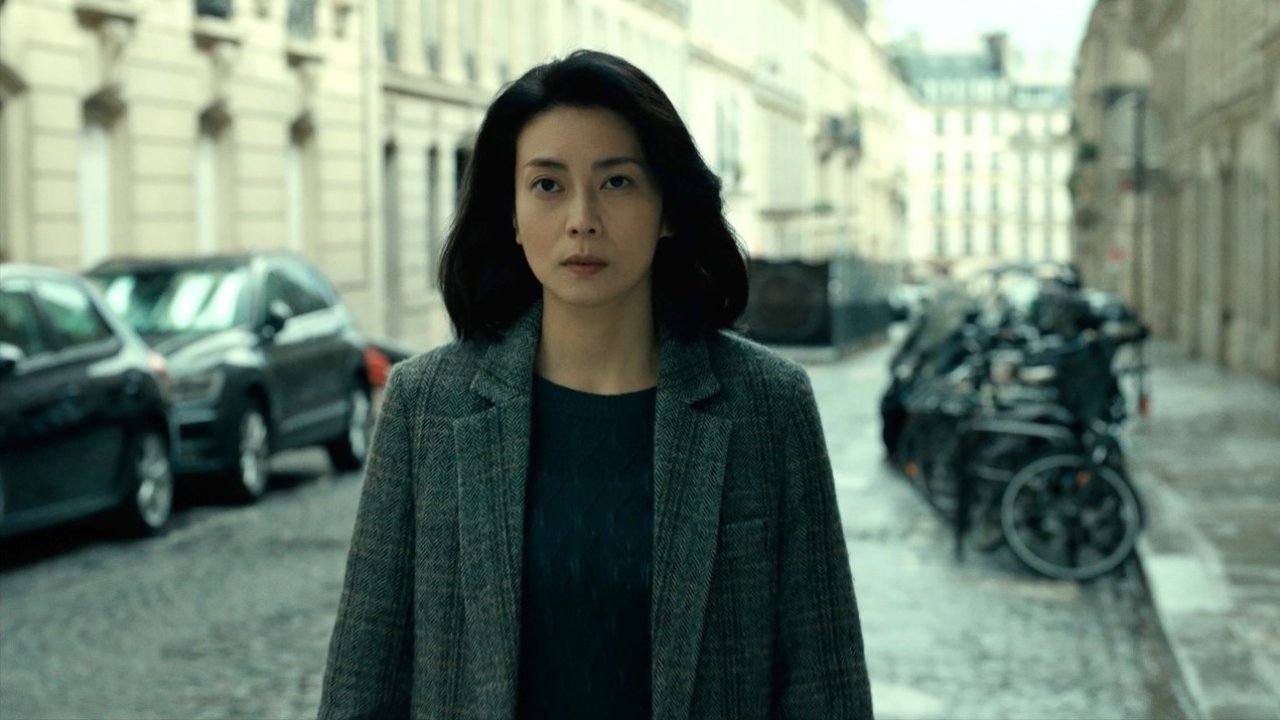
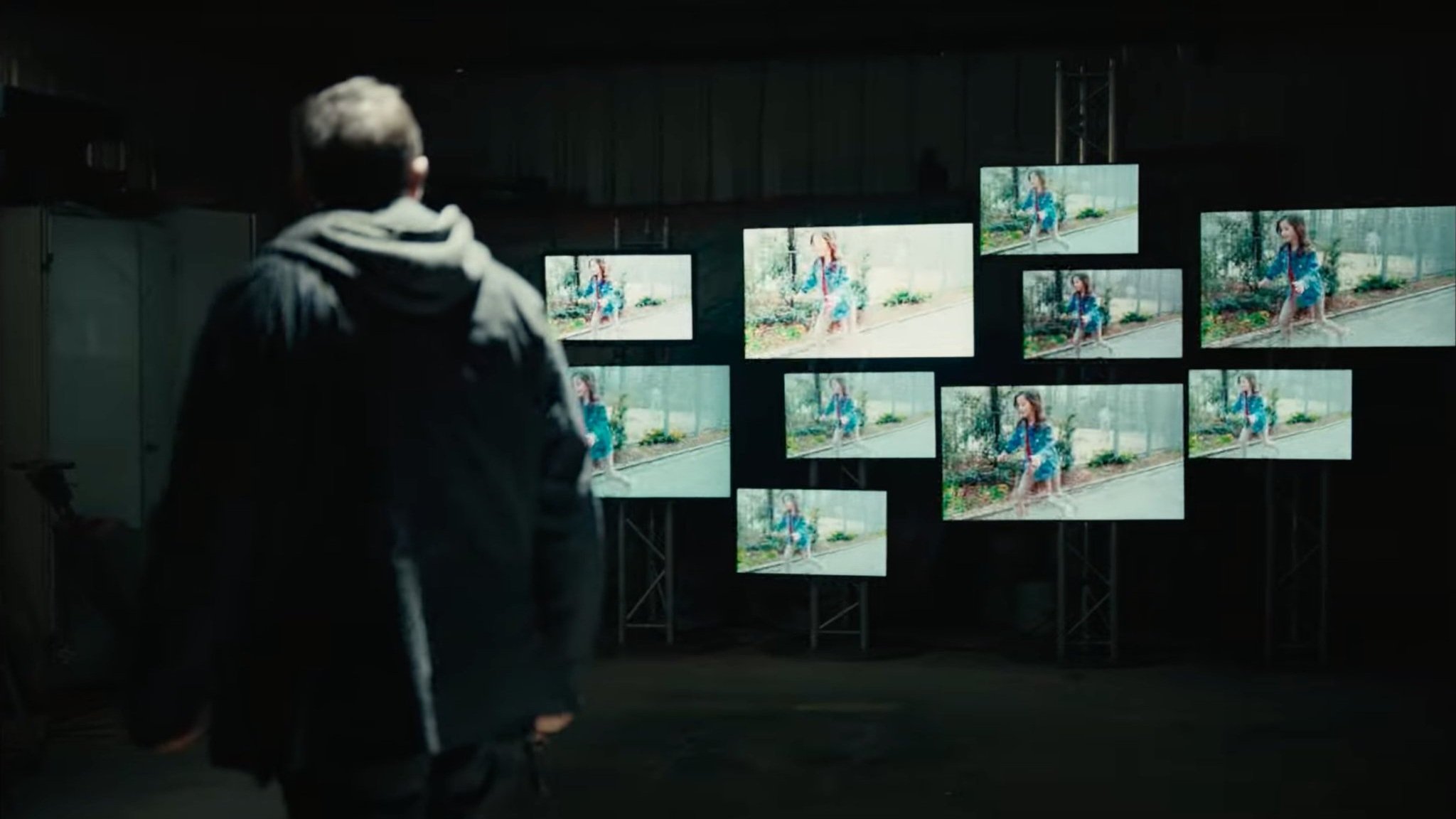
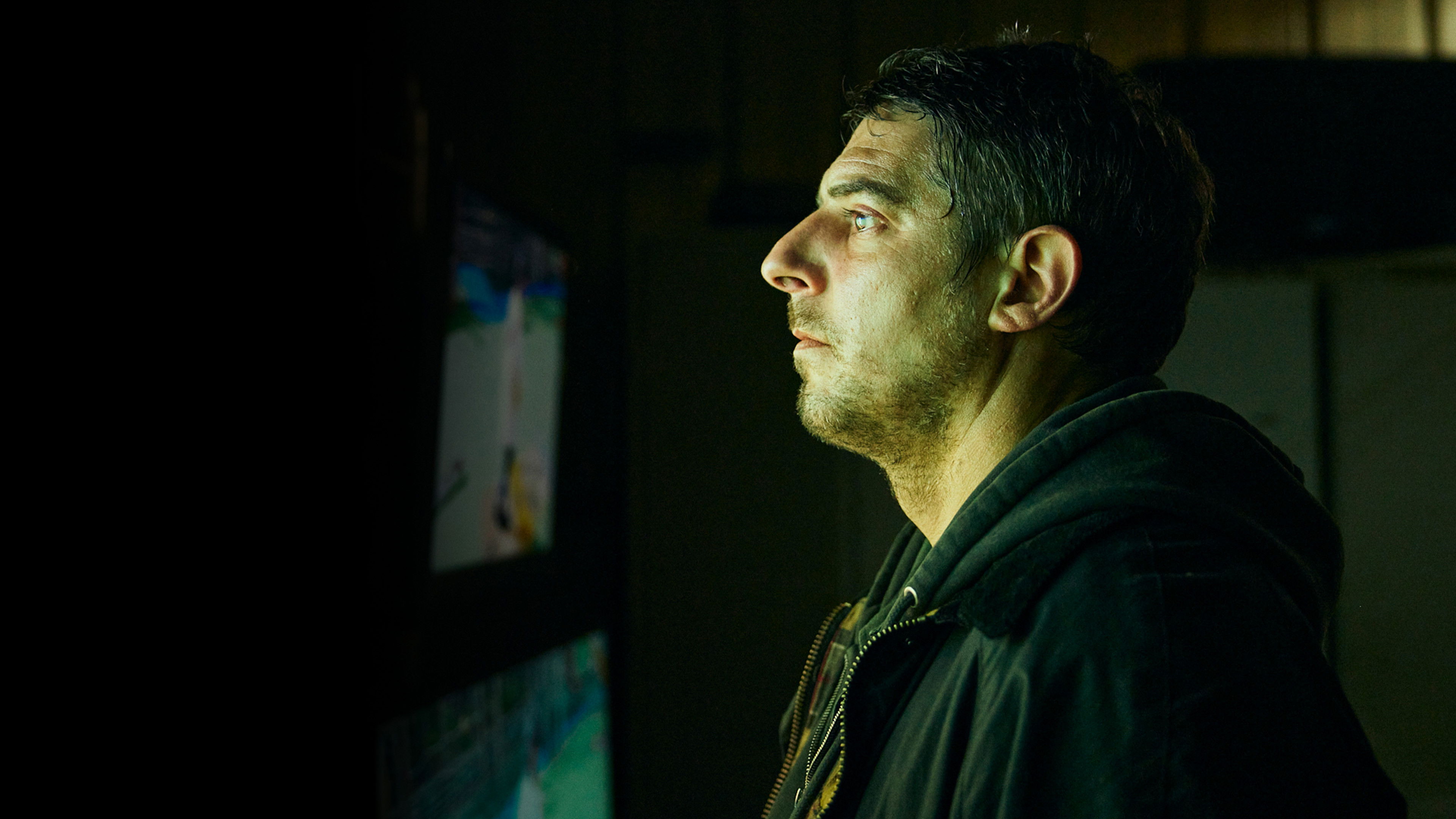
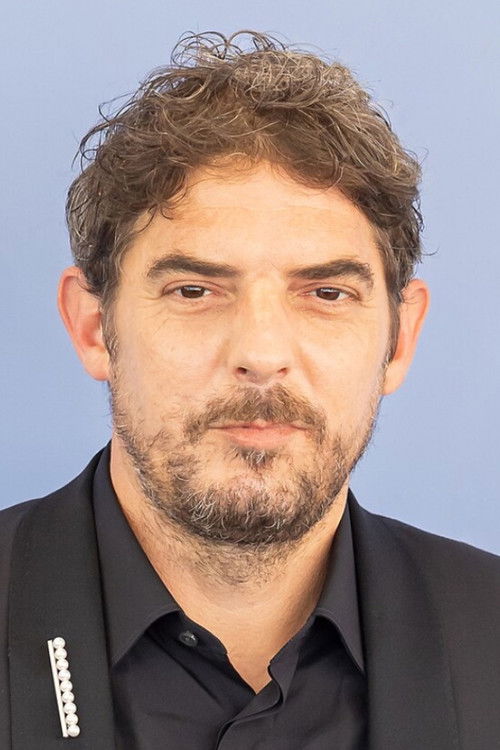
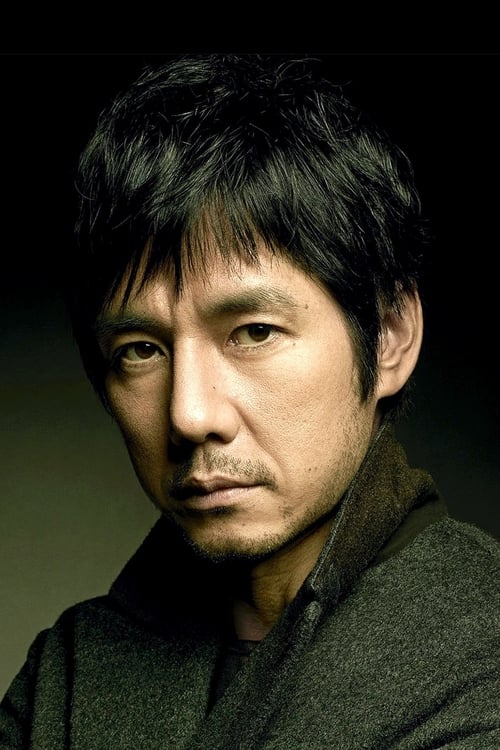
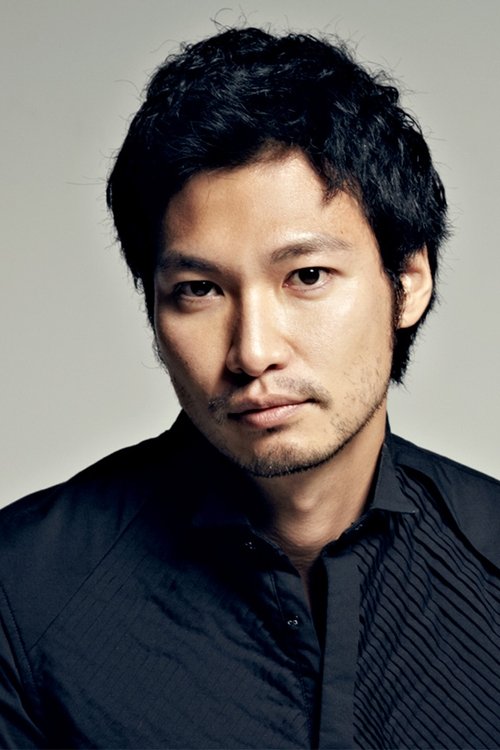
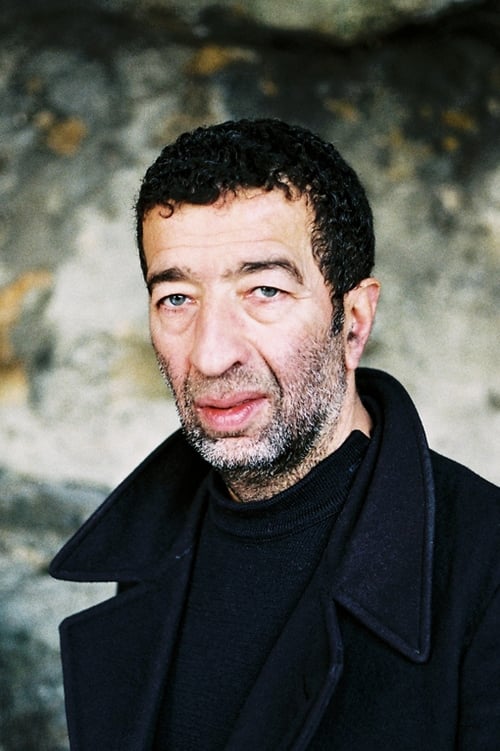
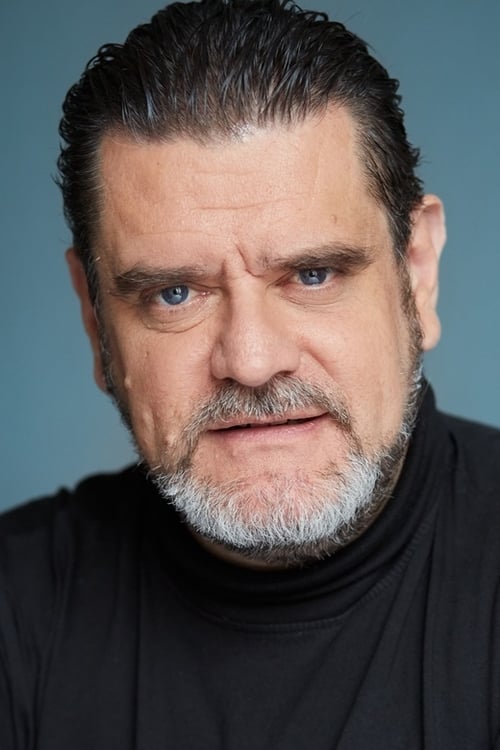
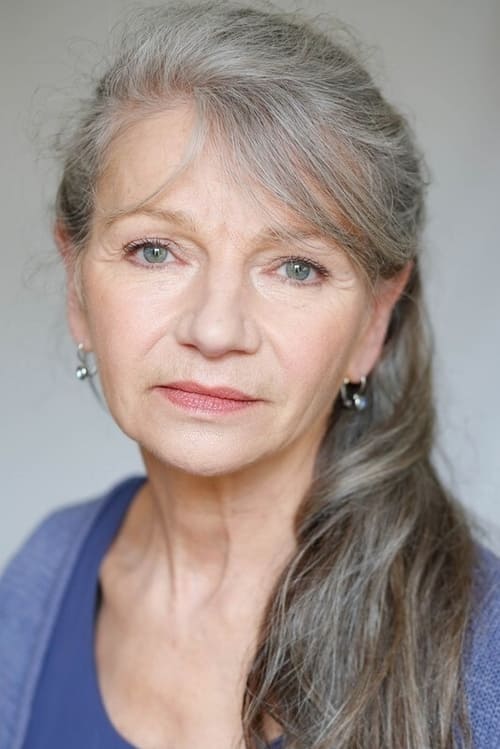
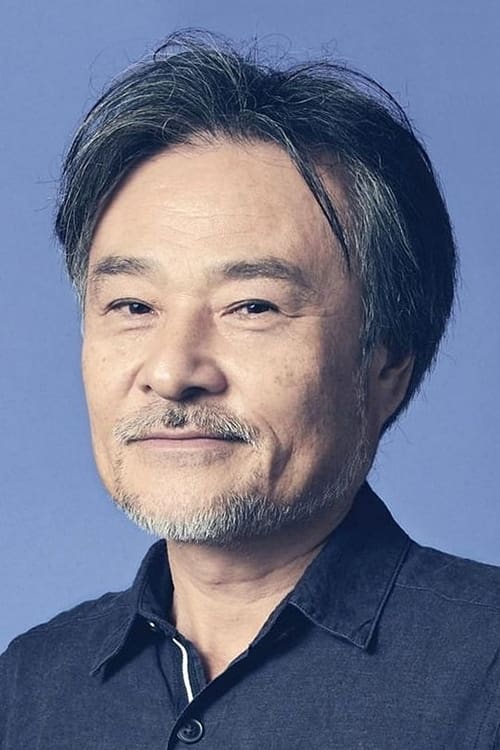
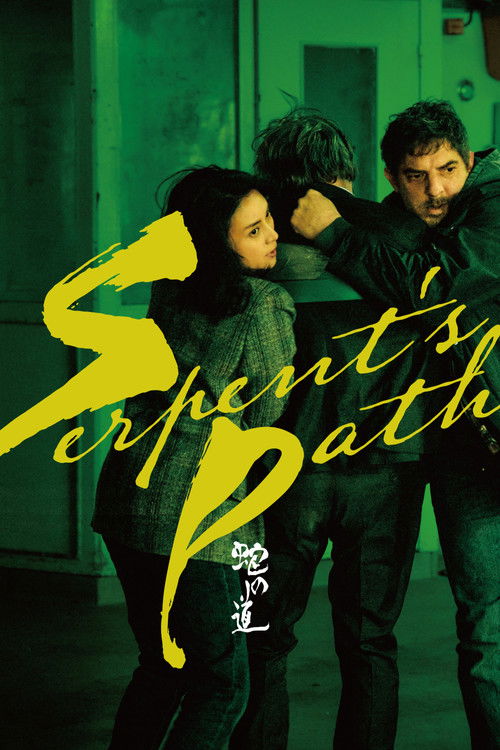
Director- Kurosawa Kiyoshi.This is the seventeenth film I have seen of his, eighteenth counting his short film in modern love tokyo. To prepare for watching this, I rewatched the original as well. Now, if we solely compare it to the original, this work fails in every regard, as to why I love the original. The script expands the setting significantly, losing its crispness. The changes made to the characters and the setting do not surpass the original. The original's low-budget feel worked towards the charm of it, which this film lacks as well.But luckily for us, Kurosawa separates it to such a degree that it can be considered as a separate entity rather than a remake. The setting, which was a decrepit warehouse in Japan in the original, has been altered to Paris and its suburbs. The film also blends in visuals of a forest and a hospital, thus making the visuals more expansive.The original film had Nijima, a maths teacher helping the protagonist, while here we got Sayoko, a psychiatrist. This time around, it is a person named Albert who loses his child.The way the duo kidnaps the culprits is similar to the original as well as the video recording of the child playing while Albert narrates. The film also reuses the hosing down scene where Saykoko (Nijima) uses a water hose to clean up one of the culprits, while Albert (Miyashita) laughs watching it.The film's storyline involving the culprits and the duo is exactly the same, but the film adds a shootout scene towards the end, similar to that of Cloud 2024. I didn't really like it much, as it only pushes on the inevitable ending towards which every plot point is leading, the capture of Albert by Sayoko as she reveals how her daughter was killed due to Albert and the rest of the culprits. This time around, Kurosawa shows us more of the clip of the daughter's death. We don't see any explicit images, but we can make out from the setting of the room that it wasn't a pretty sight.The transparent jars filled with organs in the background were a great stylistic choice. It shows us how vile the people were and made their fate as clear as the jars.The absence of the blind woman whose character I was looking forward to viewing isn't felt as other new characters are introduced instead.The inclusion of Albert's wife's character is somewhat interesting, as though she adds nothing to the plot directly, her character shows us what cultism leads to. The fleshing out of Sayoko's character separates this film from its original quite well. Her conversations with Yoshimura's character shed good light on her loneliness as well as dealing with living in a place far from the people she knows. Her husband lives in Japan, and they talk on video call. The note the film ended on, with her spilling the beans about her husband playing a part in the daughter's death, too, made me cheer. Yoshimura is played by Nishijima Hidetoshi. I didn't know that he acted in this film, which made me cheer when he came on the screen. I loved his performance in this film as well as in Drive My Car by Hamaguchi Ryusuke. I am anticipating the release of his project, Dear Stranger, by Mariko Tetsuya.Overall, this is one good film by Kurosawa, which, though it doesn't hold a candle to the original, is much better than I thought it would be. This is another work of Kurosawa that I enjoyed watching.
Director- Kurosawa Kiyoshi.This is the seventeenth film I have seen of his, eighteenth counting his short film in modern love tokyo. To prepare for watching this, I rewatched the original as well. Now, if we solely compare it to the original, this work fails in every regard, as to why I love the original. The script expands the setting significantly, losing its crispness. The changes made to the characters and the setting do not surpass the original. The original's low-budget feel worked towards the charm of it, which this film lacks as well.But luckily for us, Kurosawa separates it to such a degree that it can be considered as a separate entity rather than a remake. The setting, which was a decrepit warehouse in Japan in the original, has been altered to Paris and its suburbs. The film also blends in visuals of a forest and a hospital, thus making the visuals more expansive.The original film had Nijima, a maths teacher helping the protagonist, while here we got Sayoko, a psychiatrist. This time around, it is a person named Albert who loses his child.The way the duo kidnaps the culprits is similar to the original as well as the video recording of the child playing while Albert narrates. The film also reuses the hosing down scene where Saykoko (Nijima) uses a water hose to clean up one of the culprits, while Albert (Miyashita) laughs watching it.The film's storyline involving the culprits and the duo is exactly the same, but the film adds a shootout scene towards the end, similar to that of Cloud 2024. I didn't really like it much, as it only pushes on the inevitable ending towards which every plot point is leading, the capture of Albert by Sayoko as she reveals how her daughter was killed due to Albert and the rest of the culprits. This time around, Kurosawa shows us more of the clip of the daughter's death. We don't see any explicit images, but we can make out from the setting of the room that it wasn't a pretty sight.The transparent jars filled with organs in the background were a great stylistic choice. It shows us how vile the people were and made their fate as clear as the jars.The absence of the blind woman whose character I was looking forward to viewing isn't felt as other new characters are introduced instead.The inclusion of Albert's wife's character is somewhat interesting, as though she adds nothing to the plot directly, her character shows us what cultism leads to. The fleshing out of Sayoko's character separates this film from its original quite well. Her conversations with Yoshimura's character shed good light on her loneliness as well as dealing with living in a place far from the people she knows. Her husband lives in Japan, and they talk on video call. The note the film ended on, with her spilling the beans about her husband playing a part in the daughter's death, too, made me cheer. Yoshimura is played by Nishijima Hidetoshi. I didn't know that he acted in this film, which made me cheer when he came on the screen. I loved his performance in this film as well as in Drive My Car by Hamaguchi Ryusuke. I am anticipating the release of his project, Dear Stranger, by Mariko Tetsuya.Overall, this is one good film by Kurosawa, which, though it doesn't hold a candle to the original, is much better than I thought it would be. This is another work of Kurosawa that I enjoyed watching.