

1960·Drama·1h 28m
7.1
★
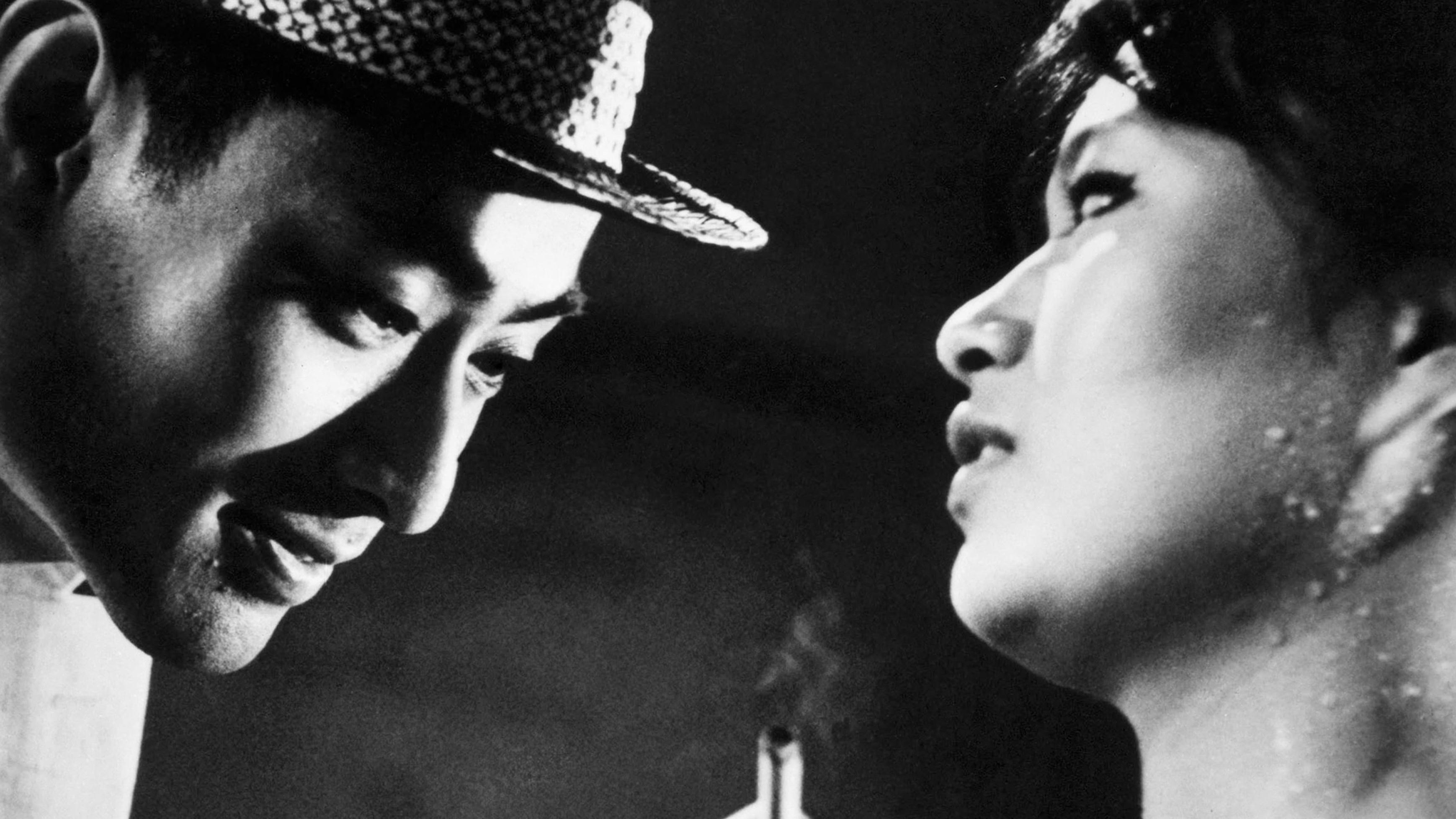
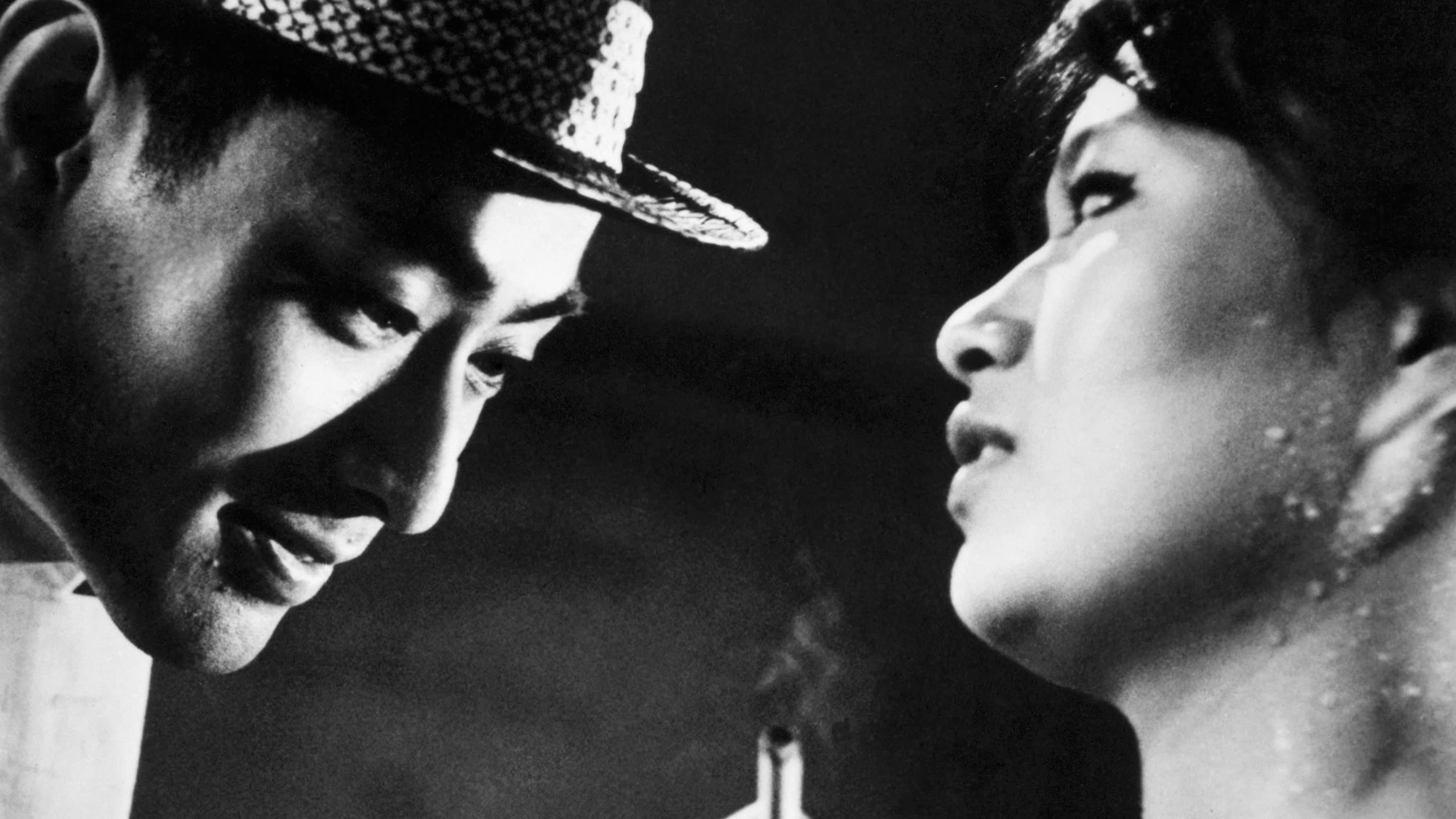
In Osaka's slum, capricious folks without futures engage in pilfering, assault and robbery, prostitution, and the trading of ID cards and blood.
Directed by Nagisa Ōshima
youth gang
osaka, japan
poverty
prostitution
post war japan
japanese new wave
slum dwellers
blood

IMDB
N/A
Cast
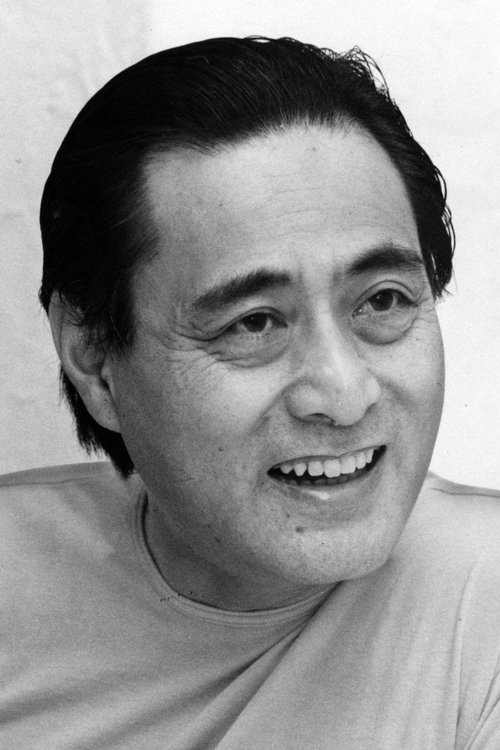
Masahiko Tsugawa
Shin

Kayoko Honoo
Hanako

Isao Sasaki
Takeshi

Fumio Watanabe
Yosehei
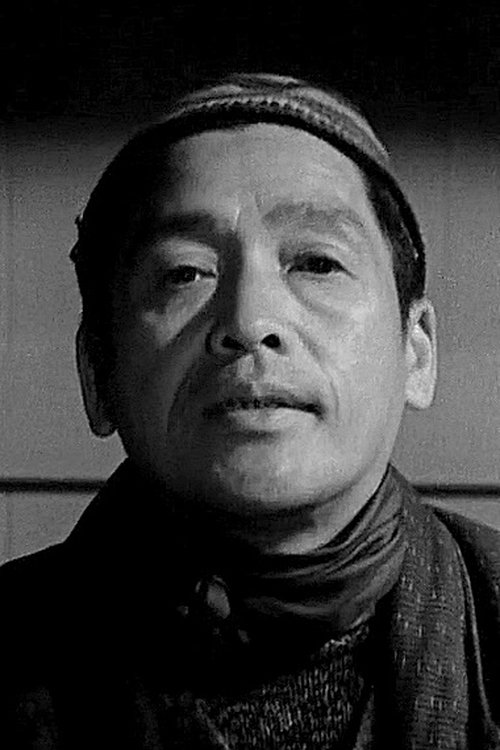
Kamatari Fujiwara
Batasuke

Tanie Kitabayashi
Chika
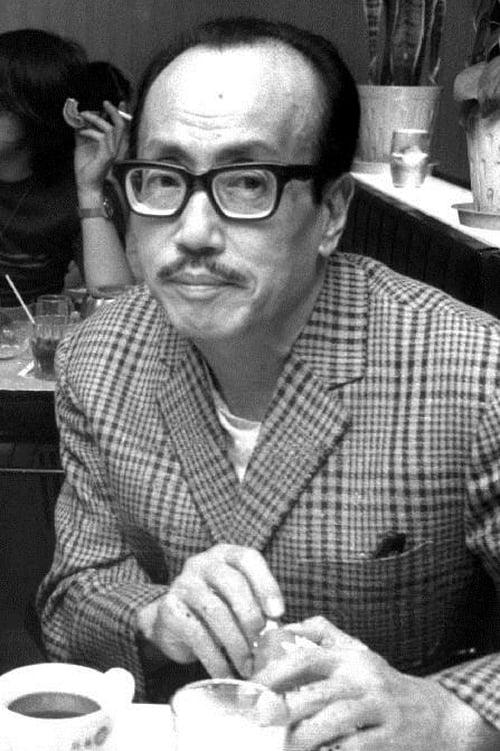
Junzaburō Ban
Yotsematsu

Yūsuke Kawazu
Yasu

Kei Satō
Sakaguchi

Rokkō Toura
Masa

Kunie Tanaka
Thief
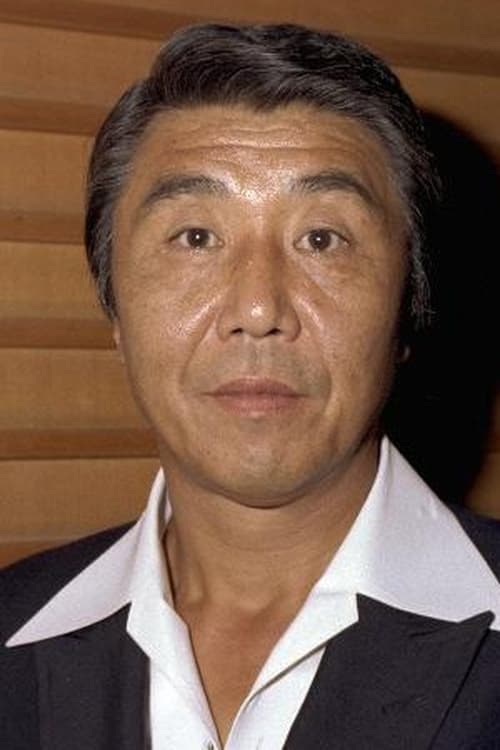
Asao Koike
Black Glasses
Crew
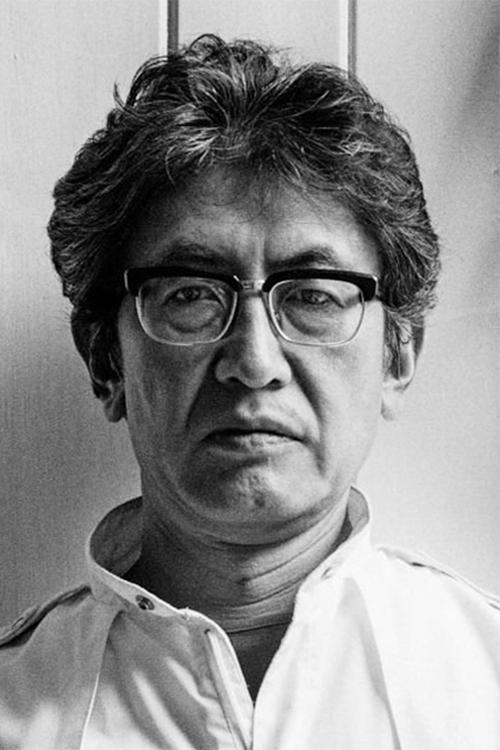
Nagisa Ōshima
Director
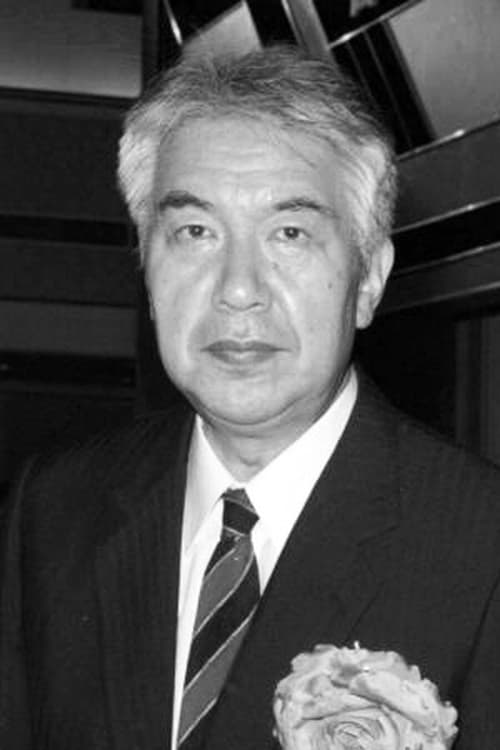
Toshirō Ishidō
Screenplay
Nagisa Ōshima
Screenplay
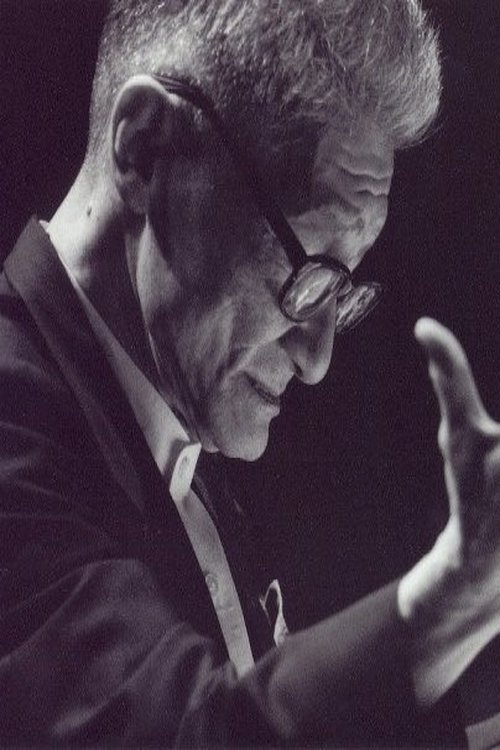
Riichirō Manabe
Original Music Composer
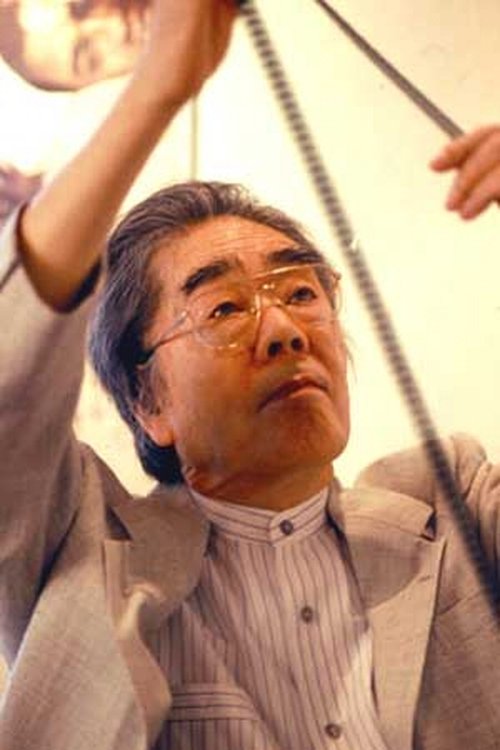
Keiichi Uraoka
Editor
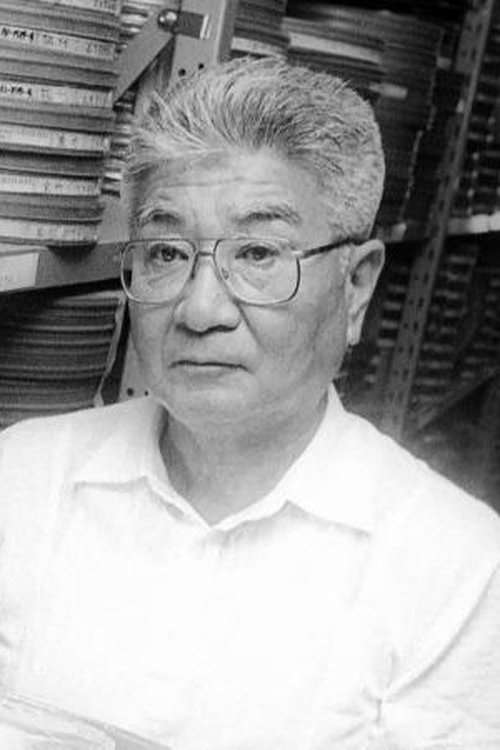
Takashi Kawamata
Director of Photography
Popular Reviews
5 reviews
Medhansh
9.7★ · 05/10/25

Director- Oshima Nagisa.This is the eighth film I have seen of his. I have a good chance of going on the Oshima retrospective, having watched the Cruel Story of Youth of his recently.I watched this film because either I misread or the book Eros plus Massacre by David Desser wrote that this film is more optimistic than the Cruel Story of the Youth. The Sun's burial is not as bleak as the Cruel Story of Youth, instead, it is much bleaker, with the darkness of humanity having a more prominent appearance in this. One can also interpret the film to be about resilience and karma punishing the evildoers, but I see it as the weak just getting exploited with no chance of a better life.The Sun in the film's title refers to the Sun generation, which refers to the disillusioned youth or people in general in the aftermath of World War two. It refers to the generation of youth ravaged by the commercial-materialistic society, which is reducing them to mere flesh and blood who can't do anything to change the times for the better.This film does succeed in having a more optimistic protagonist. At the start, he is a hopeful person, but as the film goes on, he falls deeper into a life of crime. His morality is stranded on a grassy field, and he has to move forward in an aimless society without what was his main driving force.His friend is the nihilistic one this time around, driven by selfish desires of money and lust. He resembles the protagonist of the Cruel Story of Youth.The film features several gangs that are fighting over the same minuscule turf as a means to live a better life and to survive these desperate times. No matter how poor the quality of one's clothes may be, when they die, the others will ravage the corpse just to get those clothes. The blood smugglers are using clinics to drain them of their blood for a measly amount, which is quite gloomy. But at the same time, the scenes of different characters robbing different dead bodies of the people they actually knew and fraternised with are even gloomier. The bodies left to the vultures in the slums make it even more gut-wrenching.The location is told to us to be the slums under the sun, and is utterly grim. It makes us uncomfortable because we see the plight of the slum dwellers up close. Oshima doesn't shy in showing us the brutality and the backstabbing nature of the people who are trying everything they can to survive for another day.The location may very well have been an inescapable hell, as one can never run away from it. The place breaks the hope of the people, leading them to lead aimless lives.The location is the Kamagaasaki slums, which are used as a metaphor for all of Japan. The slums were created under a Meiji emperor who didn't wish to see slums throughout his journey from Hiroshima to Russia. Thus, it was clustered and moved away from the people's eyes.The film shows us how unsuspecting poor people are taken advantage of by others and shows us a human trafficking ring's inner workings excellently. The film also shows us the misogyny of the people excellently as well, with the people making use of the female lead's acumen in running a blood smuggling ring, but they aren't ready to pay her well enough for her efforts.The film also shows us people who say they will leave this place and go to cities like Tokyo, but still do nothing to follow through with it.The more films I see of early Oshima, the more it feels like he is not leaving anything he wants to say unsaid. He isn't allowing vultures to take his films and add or subtract anything to and from them.The ending with the whole slum being ablaze felt like a last hurrah, and at the same time, felt like Oshima is telling us how the people inside could never dream outside of the confines till they stayed inside. Thus, the fire is forcing them to leave the safety of their slums towards an uncertain better future.Overall, this was another great film by Oshima, which makes me look forward to watching more of his films. I hope they will be as good as this as well.
The inclusion of a gang in Oshima's works refers to the Japanese condemnation of individuality and the favouring of herd mentality. In all cases our protagonist, the individual, is squashed down by the herd for wanting to move ahead and leave the rest behind. In this film's case it is a metaphor for the army of the nation that is causing the decline of the country with their codes of loyalty and obeisance.Oshima also shows us that the gang demands absolute loyalty from the people, but it can betray a single member at any point in the name of the collective good in the same way a state does. It also shows us the economic-materialist basis of the modern state, with the gang's finding the trading of blood to be the most lucrative activity acting as an allegory for the state trading on the life's lifeblood of the people.Unlike Yakuza films, which ritualised the concept of girii or obligation by showing an insurmountable object and acting as an allegory for the working man, Oshima politicised the concept to mirror the state as a means to criticise it.
The inclusion of a gang in Oshima's works refers to the Japanese condemnation of individuality and the favouring of herd mentality. In all cases our protagonist, the individual, is squashed down by the herd for wanting to move ahead and leave the rest behind. In this film's case it is a metaphor for the army of the nation that is causing the decline of the country with their codes of loyalty and obeisance.Oshima also shows us that the gang demands absolute loyalty from the people, but it can betray a single member at any point in the name of the collective good in the same way a state does. It also shows us the economic-materialist basis of the modern state, with the gang's finding the trading of blood to be the most lucrative activity acting as an allegory for the state trading on the life's lifeblood of the people.Unlike Yakuza films, which ritualised the concept of girii or obligation by showing an insurmountable object and acting as an allegory for the working man, Oshima politicised the concept to mirror the state as a means to criticise it.
Director- Oshima Nagisa.This is the eighth film I have seen of his. I have a good chance of going on the Oshima retrospective, having watched the Cruel Story of Youth of his recently.I watched this film because either I misread or the book Eros plus Massacre by David Desser wrote that this film is more optimistic than the Cruel Story of the Youth. The Sun's burial is not as bleak as the Cruel Story of Youth, instead, it is much bleaker, with the darkness of humanity having a more prominent appearance in this. One can also interpret the film to be about resilience and karma punishing the evildoers, but I see it as the weak just getting exploited with no chance of a better life.The Sun in the film's title refers to the Sun generation, which refers to the disillusioned youth or people in general in the aftermath of World War two. It refers to the generation of youth ravaged by the commercial-materialistic society, which is reducing them to mere flesh and blood who can't do anything to change the times for the better.This film does succeed in having a more optimistic protagonist. At the start, he is a hopeful person, but as the film goes on, he falls deeper into a life of crime. His morality is stranded on a grassy field, and he has to move forward in an aimless society without what was his main driving force.His friend is the nihilistic one this time around, driven by selfish desires of money and lust. He resembles the protagonist of the Cruel Story of Youth.The film features several gangs that are fighting over the same minuscule turf as a means to live a better life and to survive these desperate times. No matter how poor the quality of one's clothes may be, when they die, the others will ravage the corpse just to get those clothes. The blood smugglers are using clinics to drain them of their blood for a measly amount, which is quite gloomy. But at the same time, the scenes of different characters robbing different dead bodies of the people they actually knew and fraternised with are even gloomier. The bodies left to the vultures in the slums make it even more gut-wrenching.The location is told to us to be the slums under the sun, and is utterly grim. It makes us uncomfortable because we see the plight of the slum dwellers up close. Oshima doesn't shy in showing us the brutality and the backstabbing nature of the people who are trying everything they can to survive for another day.The location may very well have been an inescapable hell, as one can never run away from it. The place breaks the hope of the people, leading them to lead aimless lives.The location is the Kamagaasaki slums, which are used as a metaphor for all of Japan. The slums were created under a Meiji emperor who didn't wish to see slums throughout his journey from Hiroshima to Russia. Thus, it was clustered and moved away from the people's eyes.The film shows us how unsuspecting poor people are taken advantage of by others and shows us a human trafficking ring's inner workings excellently. The film also shows us the misogyny of the people excellently as well, with the people making use of the female lead's acumen in running a blood smuggling ring, but they aren't ready to pay her well enough for her efforts.The film also shows us people who say they will leave this place and go to cities like Tokyo, but still do nothing to follow through with it.The more films I see of early Oshima, the more it feels like he is not leaving anything he wants to say unsaid. He isn't allowing vultures to take his films and add or subtract anything to and from them.The ending with the whole slum being ablaze felt like a last hurrah, and at the same time, felt like Oshima is telling us how the people inside could never dream outside of the confines till they stayed inside. Thus, the fire is forcing them to leave the safety of their slums towards an uncertain better future.Overall, this was another great film by Oshima, which makes me look forward to watching more of his films. I hope they will be as good as this as well.
The inclusion of a gang in Oshima's works refers to the Japanese condemnation of individuality and the favouring of herd mentality. In all cases our protagonist, the individual, is squashed down by the herd for wanting to move ahead and leave the rest behind. In this film's case it is a metaphor for the army of the nation that is causing the decline of the country with their codes of loyalty and obeisance.Oshima also shows us that the gang demands absolute loyalty from the people, but it can betray a single member at any point in the name of the collective good in the same way a state does. It also shows us the economic-materialist basis of the modern state, with the gang's finding the trading of blood to be the most lucrative activity acting as an allegory for the state trading on the life's lifeblood of the people.Unlike Yakuza films, which ritualised the concept of girii or obligation by showing an insurmountable object and acting as an allegory for the working man, Oshima politicised the concept to mirror the state as a means to criticise it.
The inclusion of a gang in Oshima's works refers to the Japanese condemnation of individuality and the favouring of herd mentality. In all cases our protagonist, the individual, is squashed down by the herd for wanting to move ahead and leave the rest behind. In this film's case it is a metaphor for the army of the nation that is causing the decline of the country with their codes of loyalty and obeisance.Oshima also shows us that the gang demands absolute loyalty from the people, but it can betray a single member at any point in the name of the collective good in the same way a state does. It also shows us the economic-materialist basis of the modern state, with the gang's finding the trading of blood to be the most lucrative activity acting as an allegory for the state trading on the life's lifeblood of the people.Unlike Yakuza films, which ritualised the concept of girii or obligation by showing an insurmountable object and acting as an allegory for the working man, Oshima politicised the concept to mirror the state as a means to criticise it.


Nick
7.0★ · 04/17/25
Wasteland of human dust. A conduit of fury and indignation chained to the equilibrium of chaos. Such youthful hopelessness stuck in perpetual tumult. Dead or alive somehow feels the same when even your identity is for sale. Where once the sun was known to rise, now falls to cast an eternally damning shadow of exile.
Wasteland of human dust. A conduit of fury and indignation chained to the equilibrium of chaos. Such youthful hopelessness stuck in perpetual tumult. Dead or alive somehow feels the same when even your identity is for sale. Where once the sun was known to rise, now falls to cast an eternally damning shadow of exile.
Enrico
8.0★ · 03/31/20
A impossibilidade de se reconstruir a partir das ruínas.
A impossibilidade de se reconstruir a partir das ruínas.
GgggPRO
4.0★ · 11/02/24
Kris
8.0★ · 07/25/21