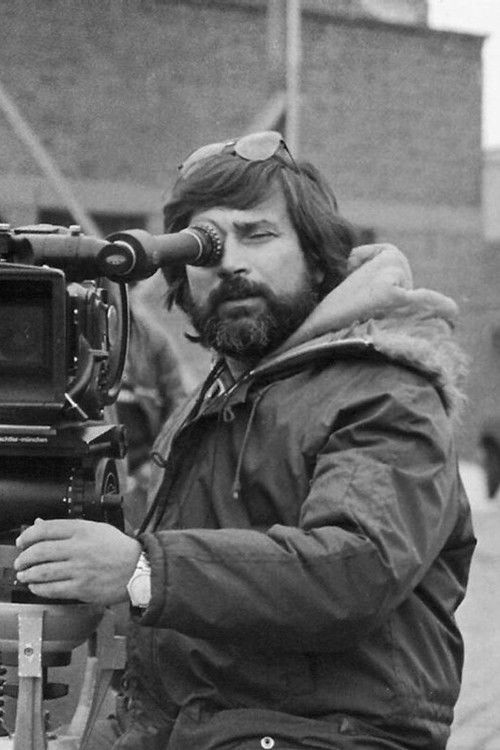
✮ Lights, Camera, Action! ✮Yesterday marked 50 years since the beginning of the last Argentine civic-ecclesiastical-military dictatorship. I usually watch a film around this time, but I couldn't. I think this film is appropriate for discussing authoritarian regimes: never again. Memory, truth, and justice.
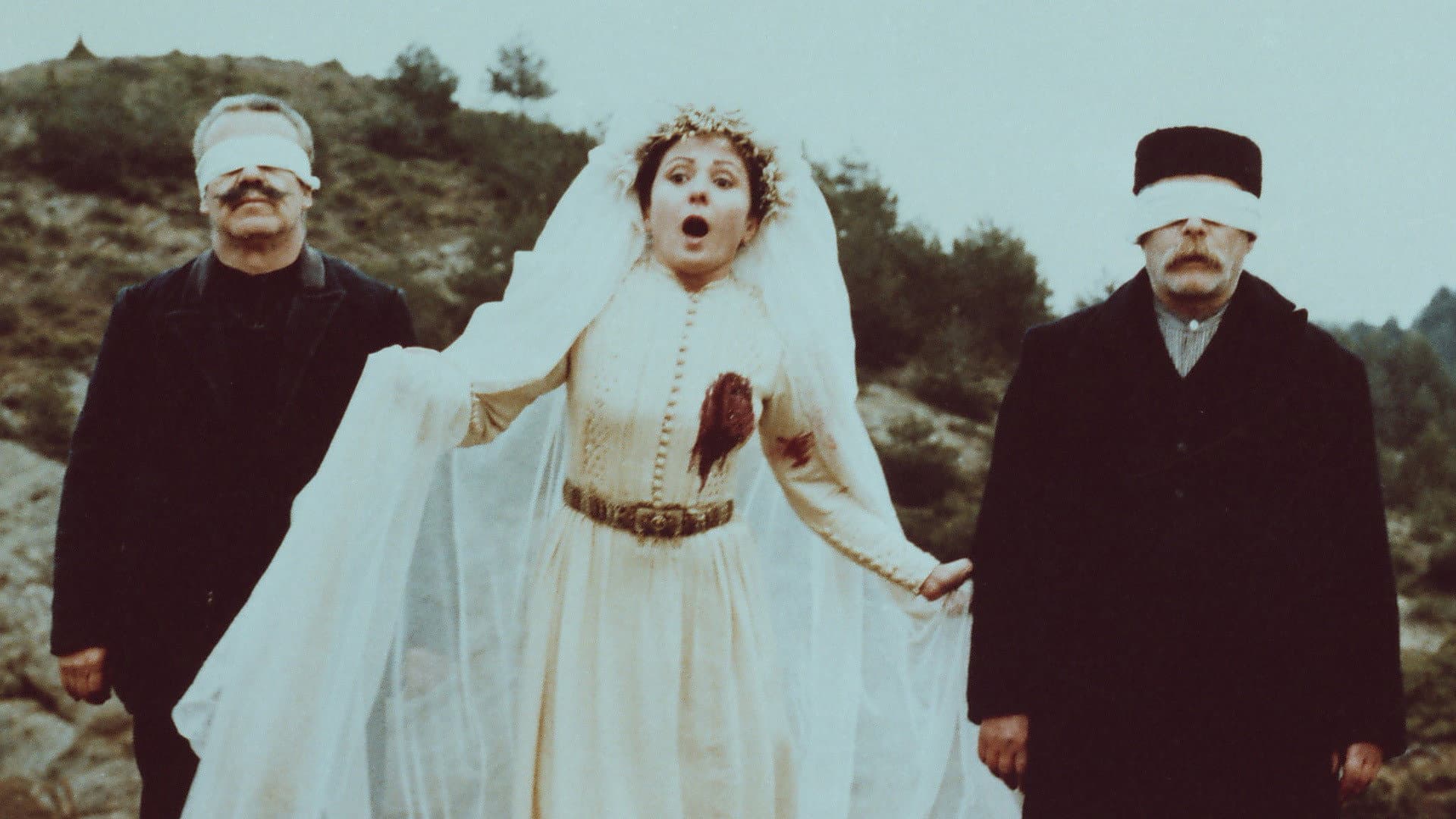
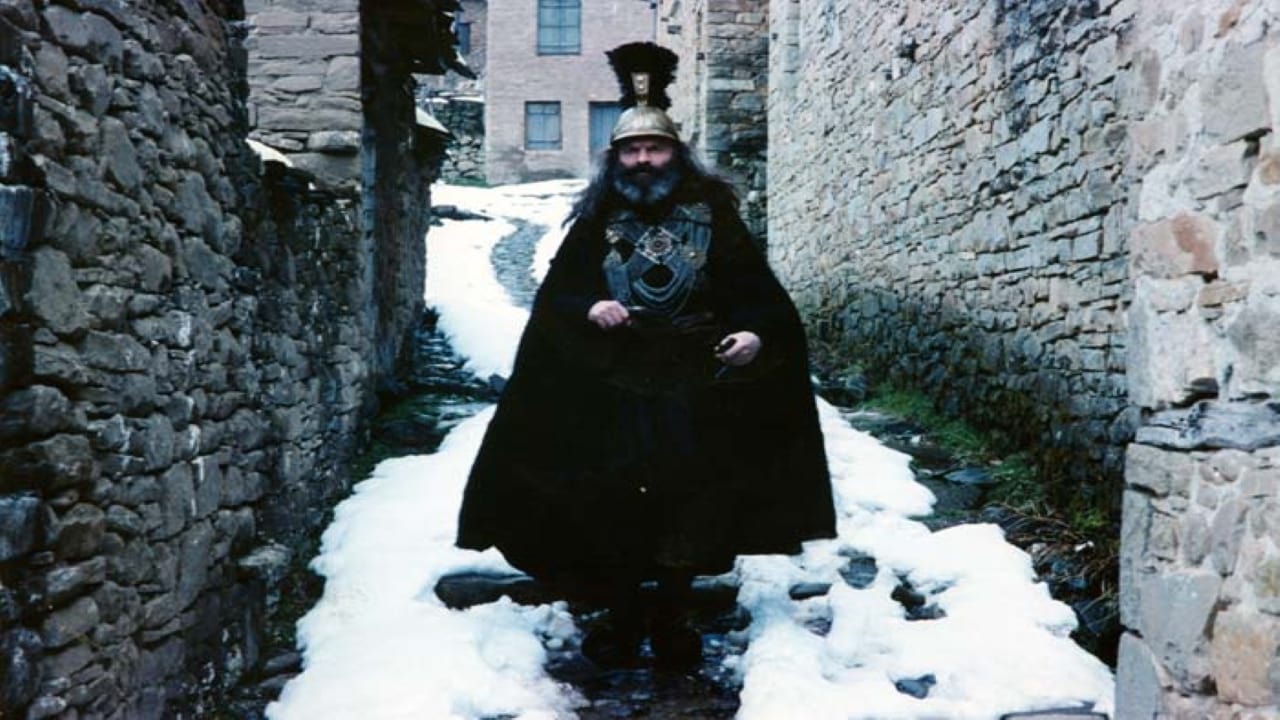
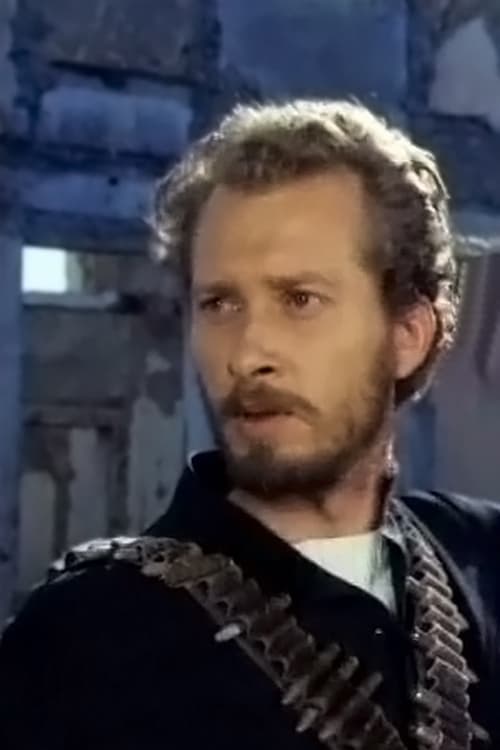
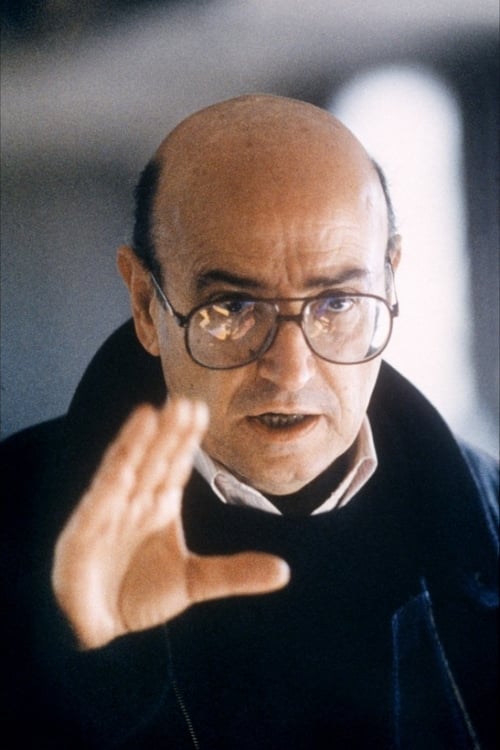
Megalexandros is an autopsy of authoritarianism. Angelopoulos uses his characteristic long, circular, almost hypnotic shots to show us that absolute power doesn't advance, but rather stagnates. But most importantly, it will always end. Evil will always come to an end, no matter what.
In the community that Alexander tries to found, hope fades under the weight of his own paranoia. The rule of one man, however heroic its origins, always ends in a macabre dance of shadows. The faces of the peasants, once full of faith, become masks of desolation. The evil of authoritarian governments doesn't always manifest as an outburst of violence, but as a cold emptiness that slowly devours the will of men, leaving them like pillars of salt in the middle of a snowy landscape.
Tyranny is a disease that carries its own collapse in its DNA. Authoritarianism is an attempt to stop time, to fix the world under a single will. And time, like the water of the Greek rivers that Angelopoulos so loved to film, always ends up eroding even the hardest stone.
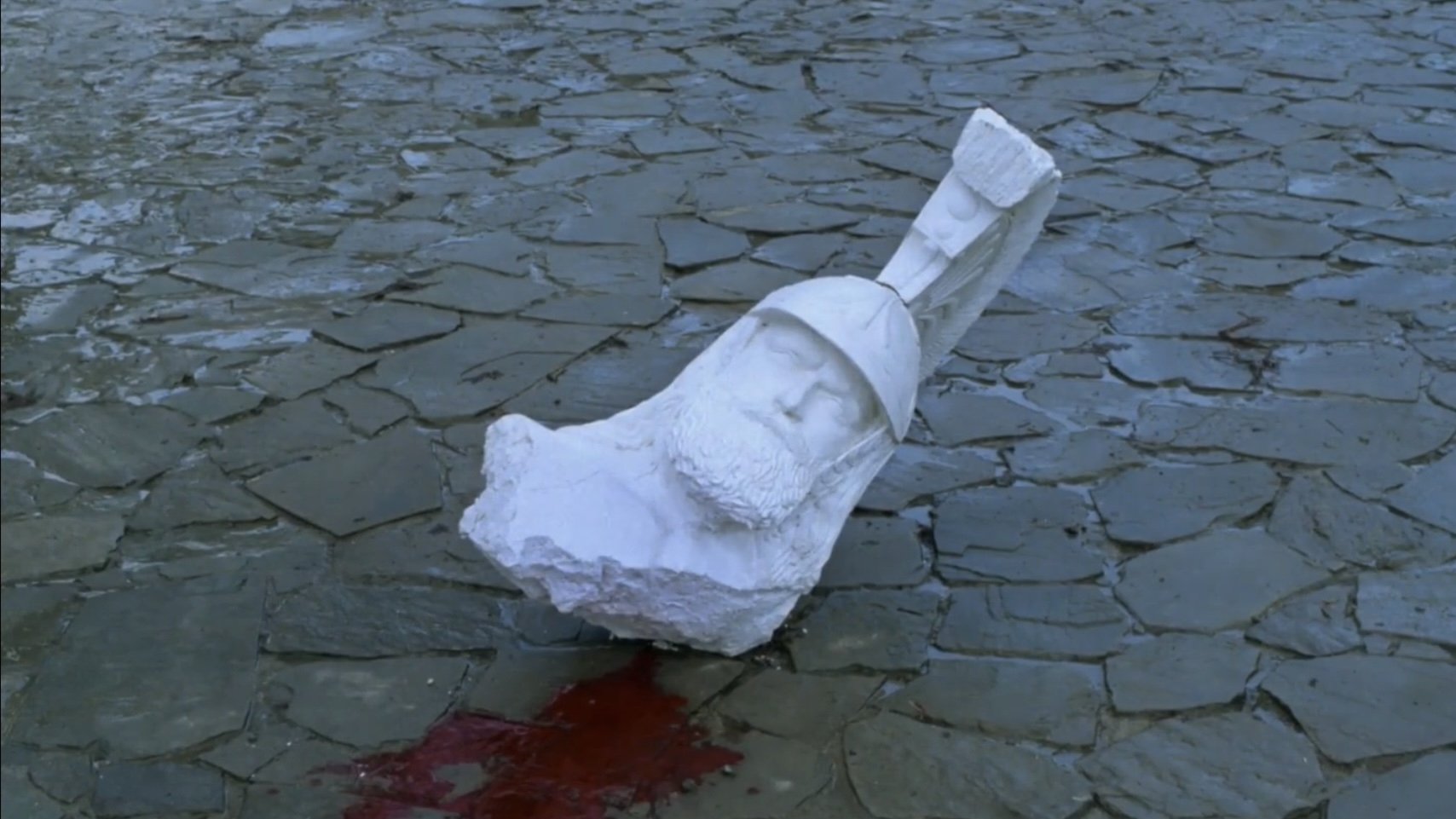
True freedom isn't handed over to a man on horseback, but is built in daily resistance against the temptation of dogma. In the end, empires fall, walls crumble, and tyrants are lost in the dust of cinema. Only the landscape remains, eternal and patient, awaiting the next awakening of a humanity that, hopefully, will no longer need heroes, but brothers and sisters.