✮ Lights, Camera, Action! ✮*
*
There's nothing to fear but fear itself. I know less and less about who I am, or who anybody else is.
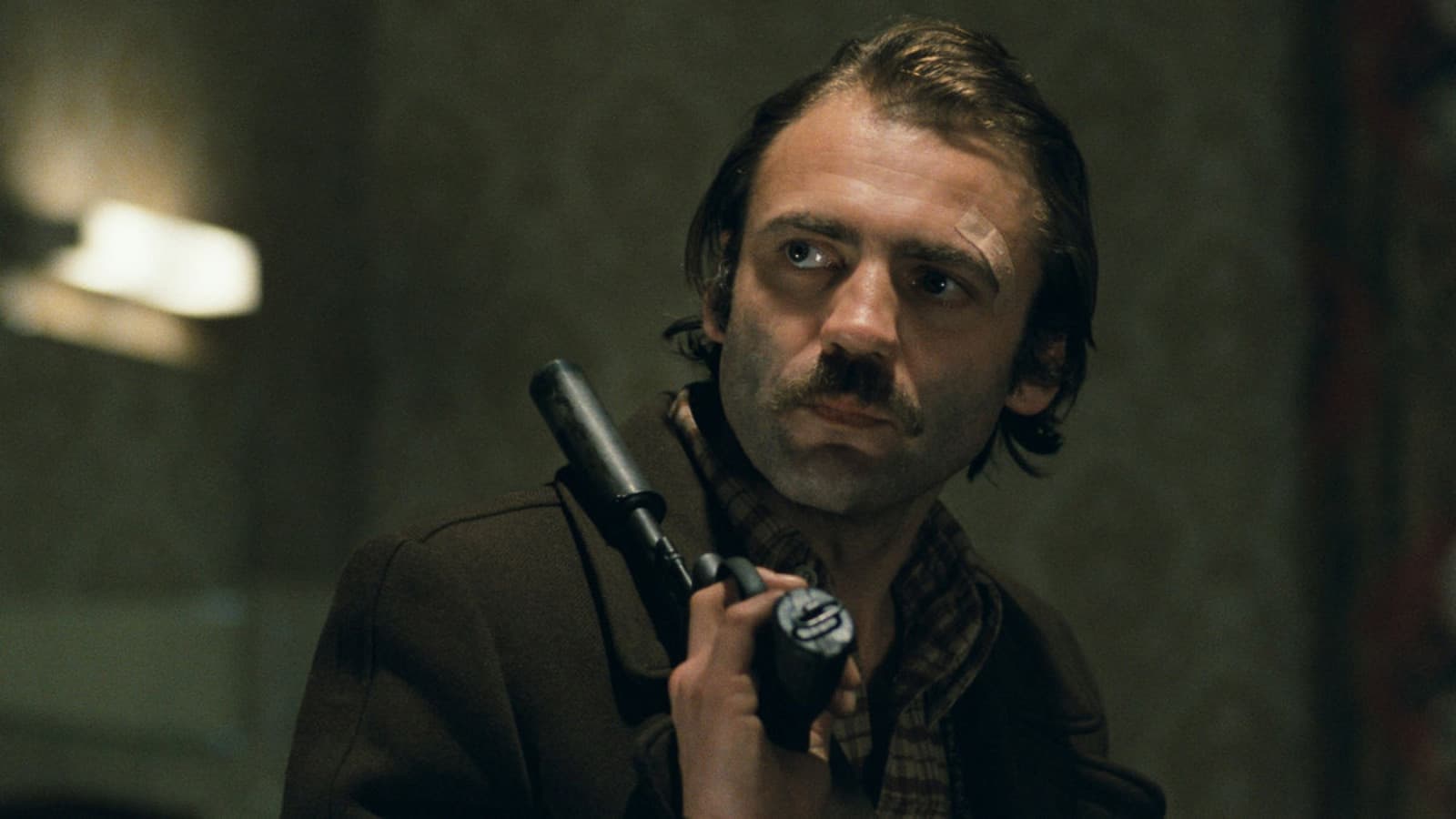
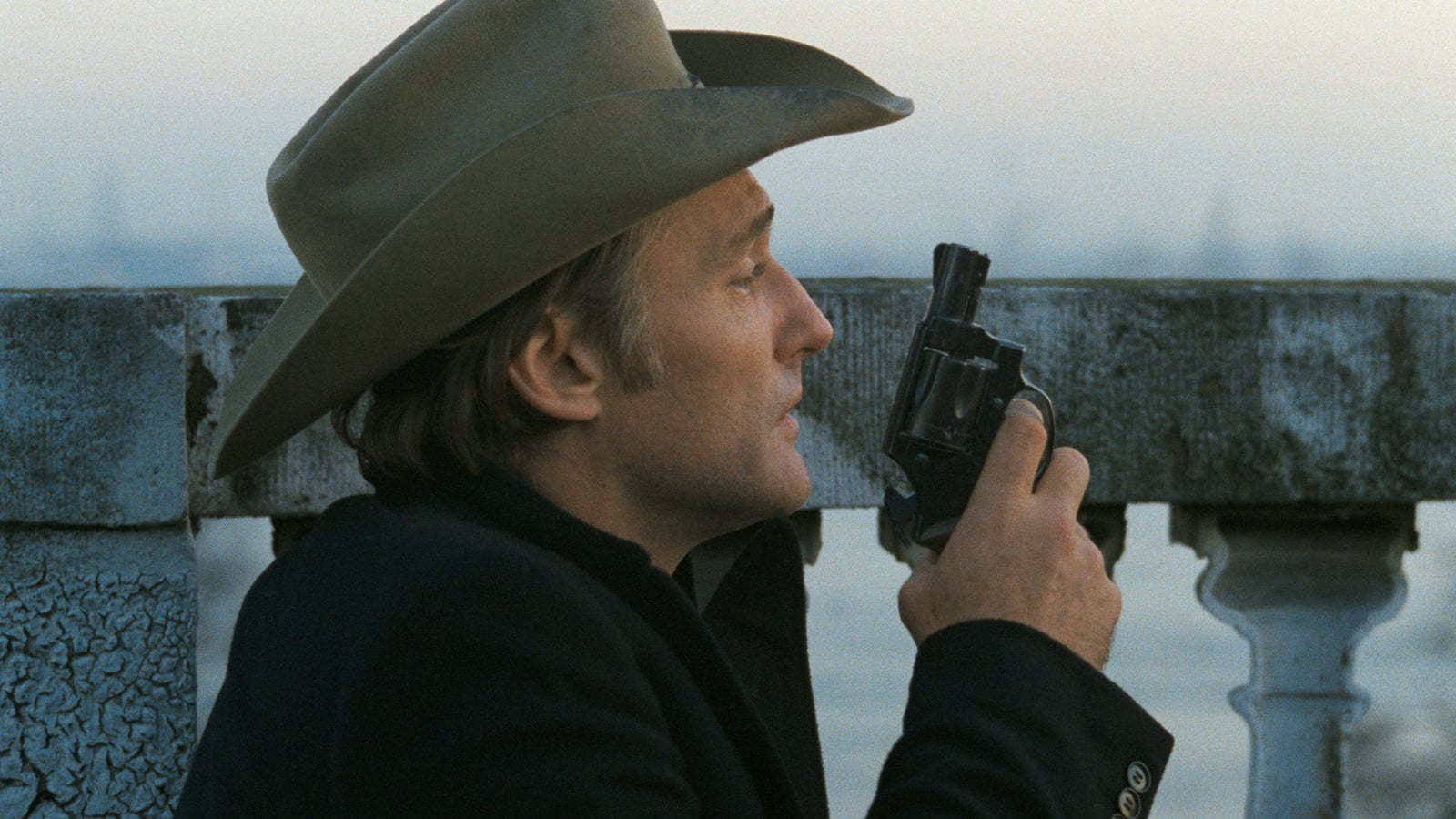
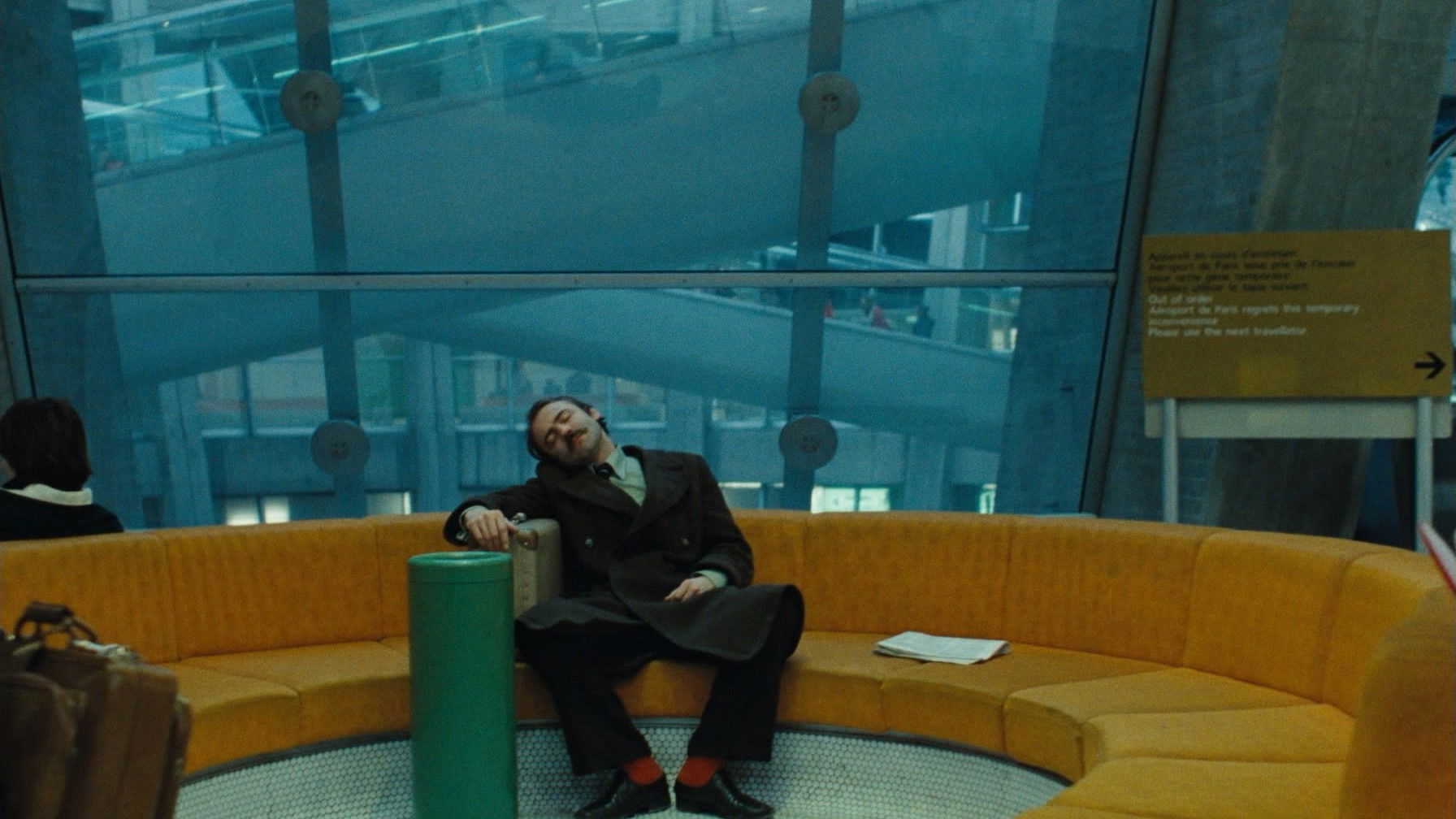
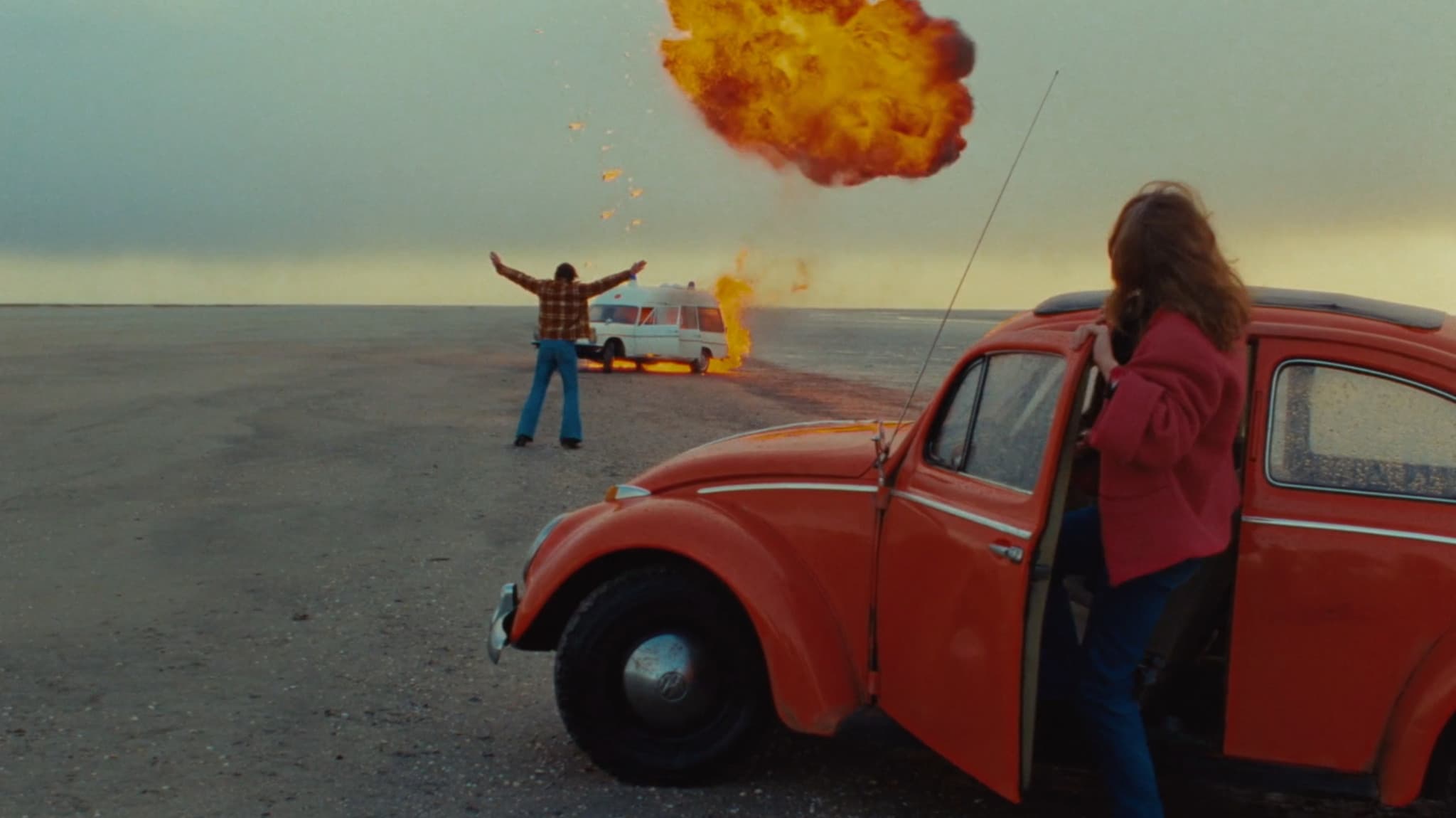
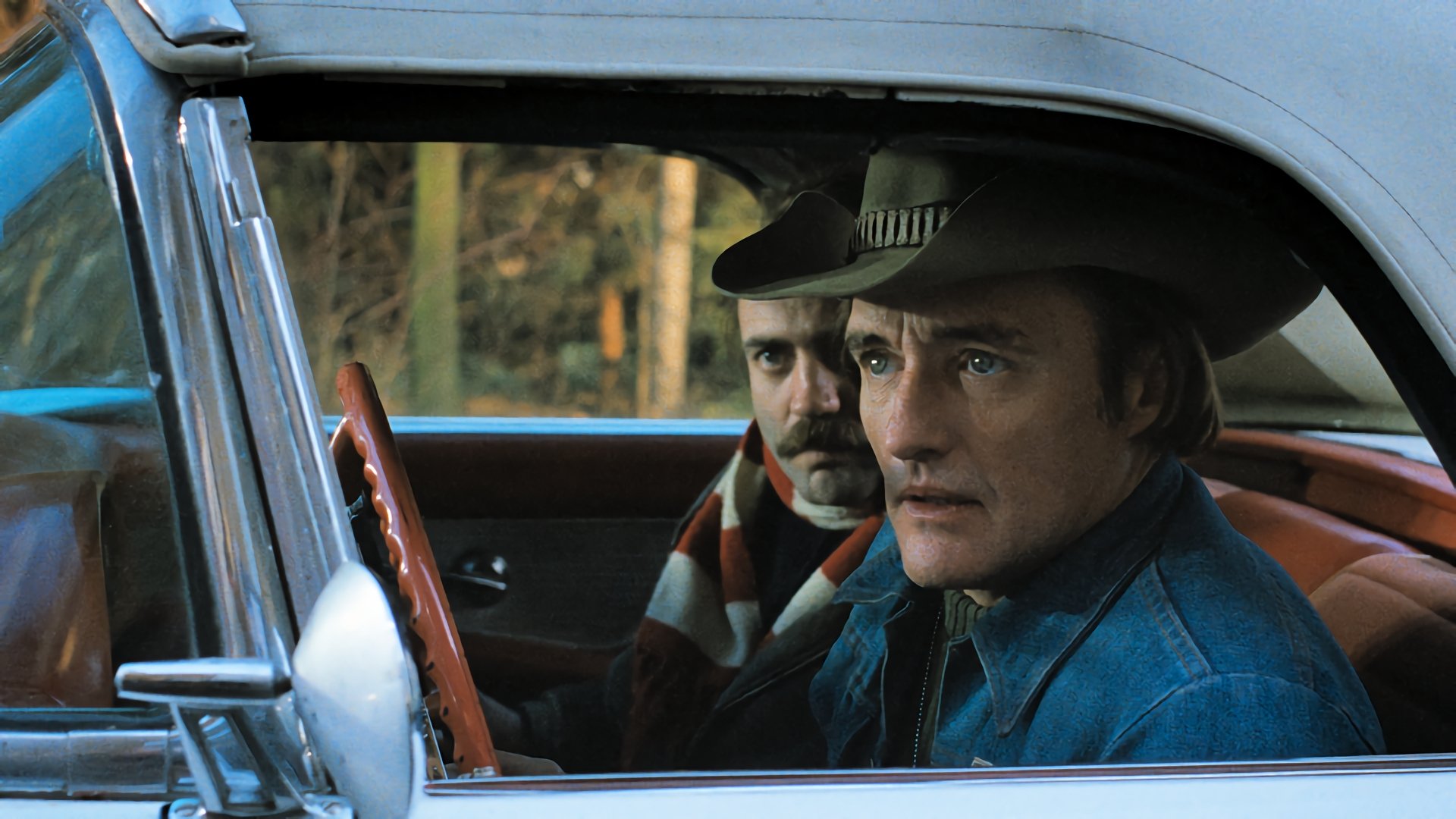
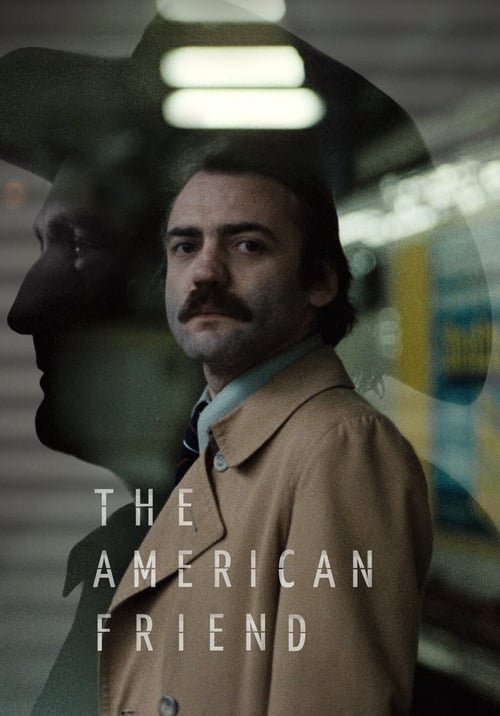
The American Friend is a practically abstract thriller, gradually entangled, in an intangible, stylized and exciting development, self-convinced of its own particularity. Plagued by concerns of all kinds, from the anthropological to the purely philosophical, passing through the sociological and even the metaphysical and the cinephile, it is an admirable film, and one of my favorites of Wenders so far
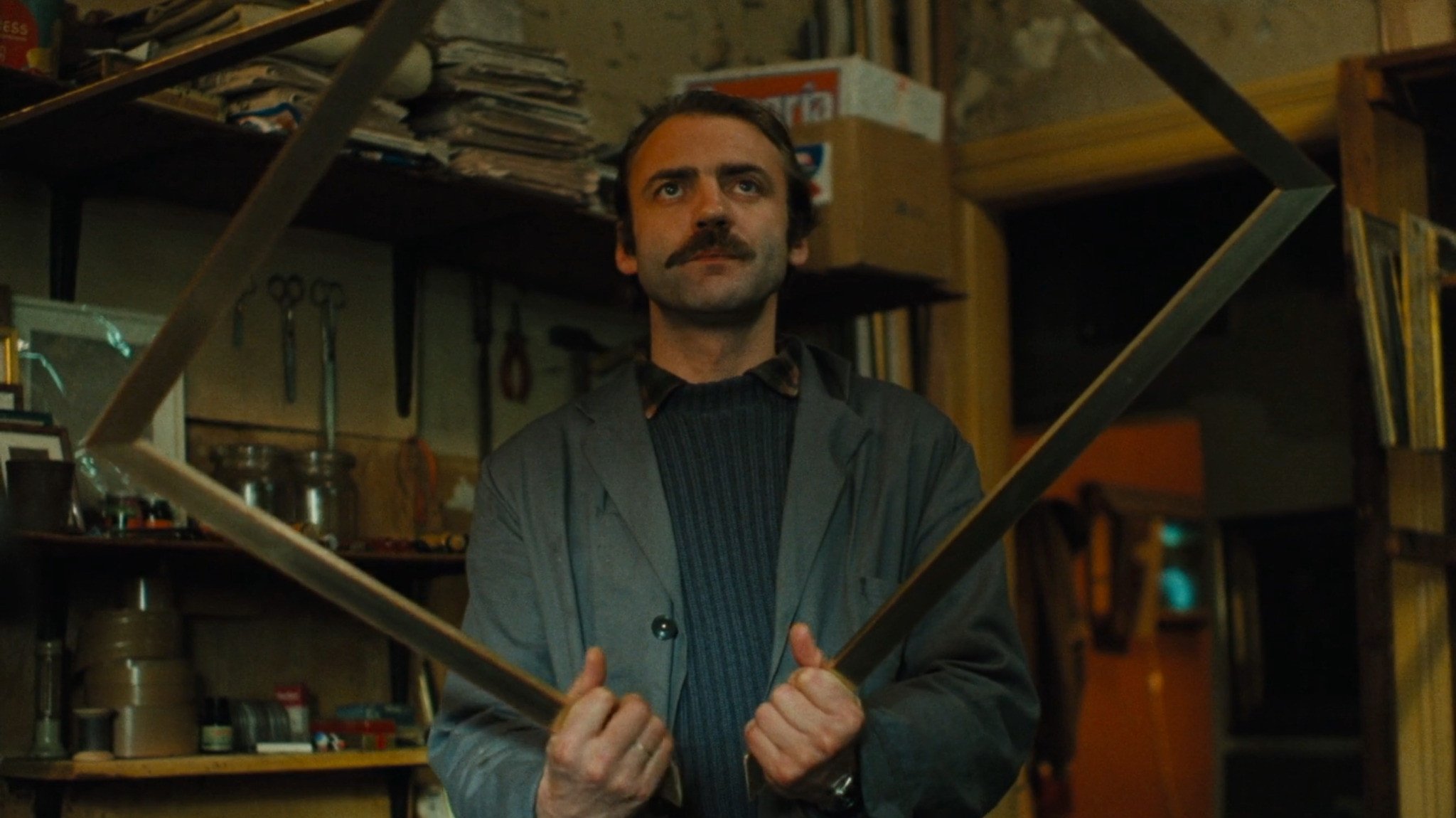
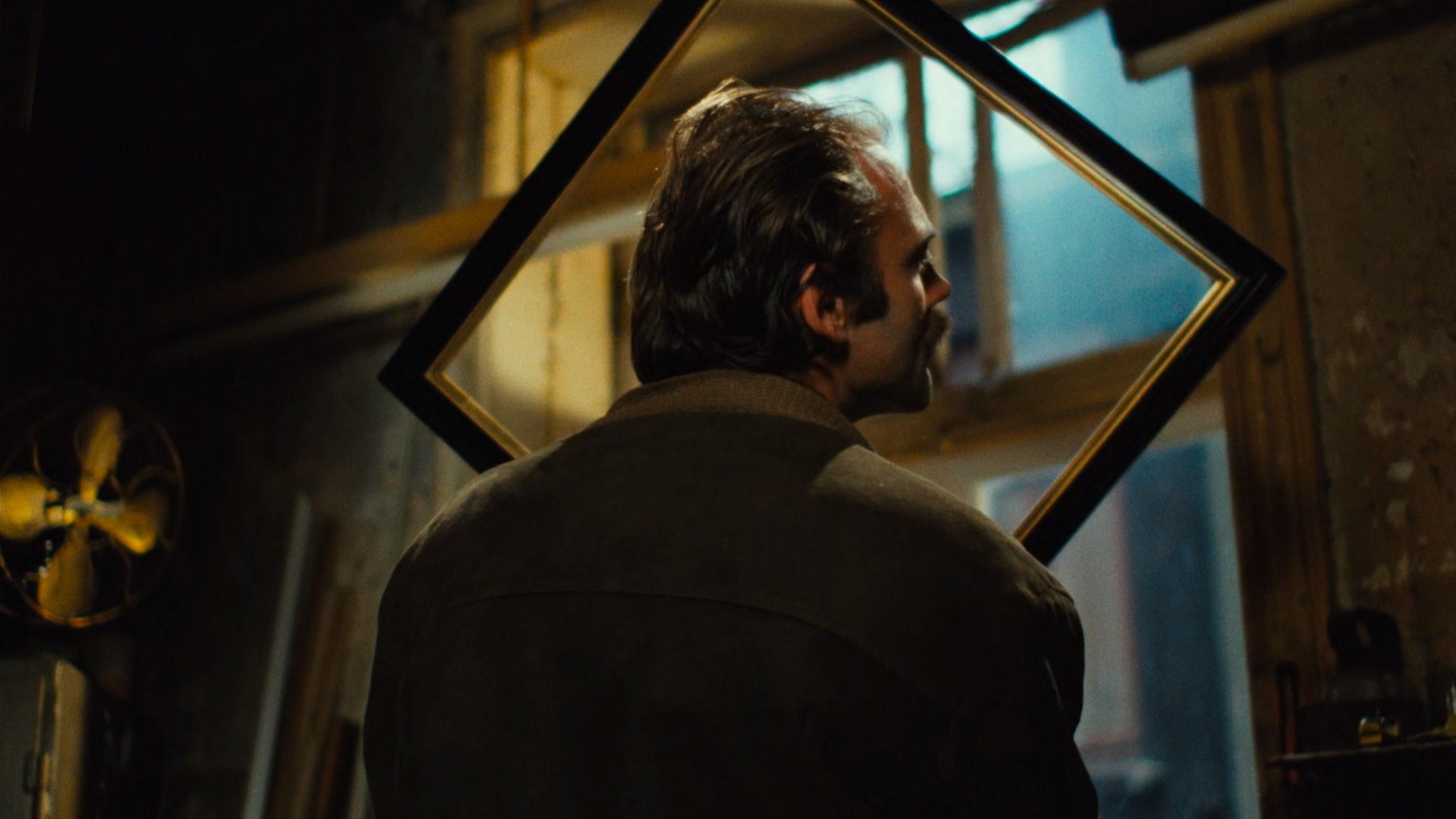
The film could be described as a modern film noir or neo-noir, with a markedly European style, which gives it a very particular atmosphere. Wim Wenders has never been afraid to experiment and in this case he pulls off a perfect move, creating one of his most successful films. The story is unusual not only for the plot but for how it is constructed. Although the series is based on Ripley's character, in this work he takes a backseat, leaving the viewer to follow the story of Jonatham Zimmermann, a craftsman who makes picture frames in his modest workshop, and whose life is marked by the belief that he suffers from a terminal illness.
His concern is for what may become of his wife and son once he is gone, something that may remind us of the plot of Breaking Bad. I honestly wouldn't be surprised if he had taken inspiration from Highsmith's novel or from the film itself for the famous series.
Like Walter White, Zimmerman plans to do some dishonest jobs in order to earn money to leave to his family after his death. But despite these parallels, The American Friend follows a markedly different path, mainly due to the atmosphere and the world that Wenders creates through careful staging. The work is a hybrid between a commercial crime film and an artistic film, which is what fundamentally makes it such a unique work.
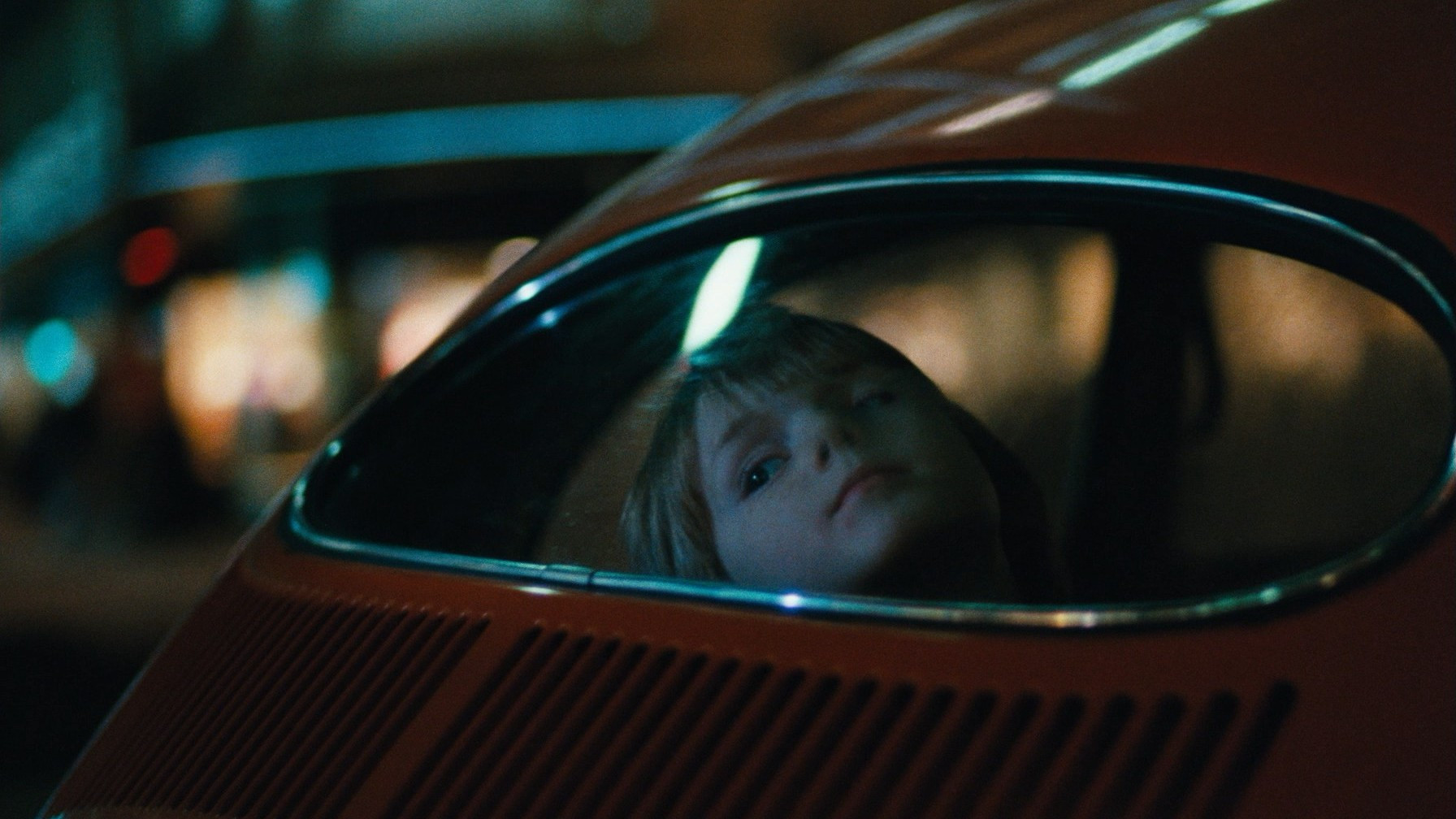
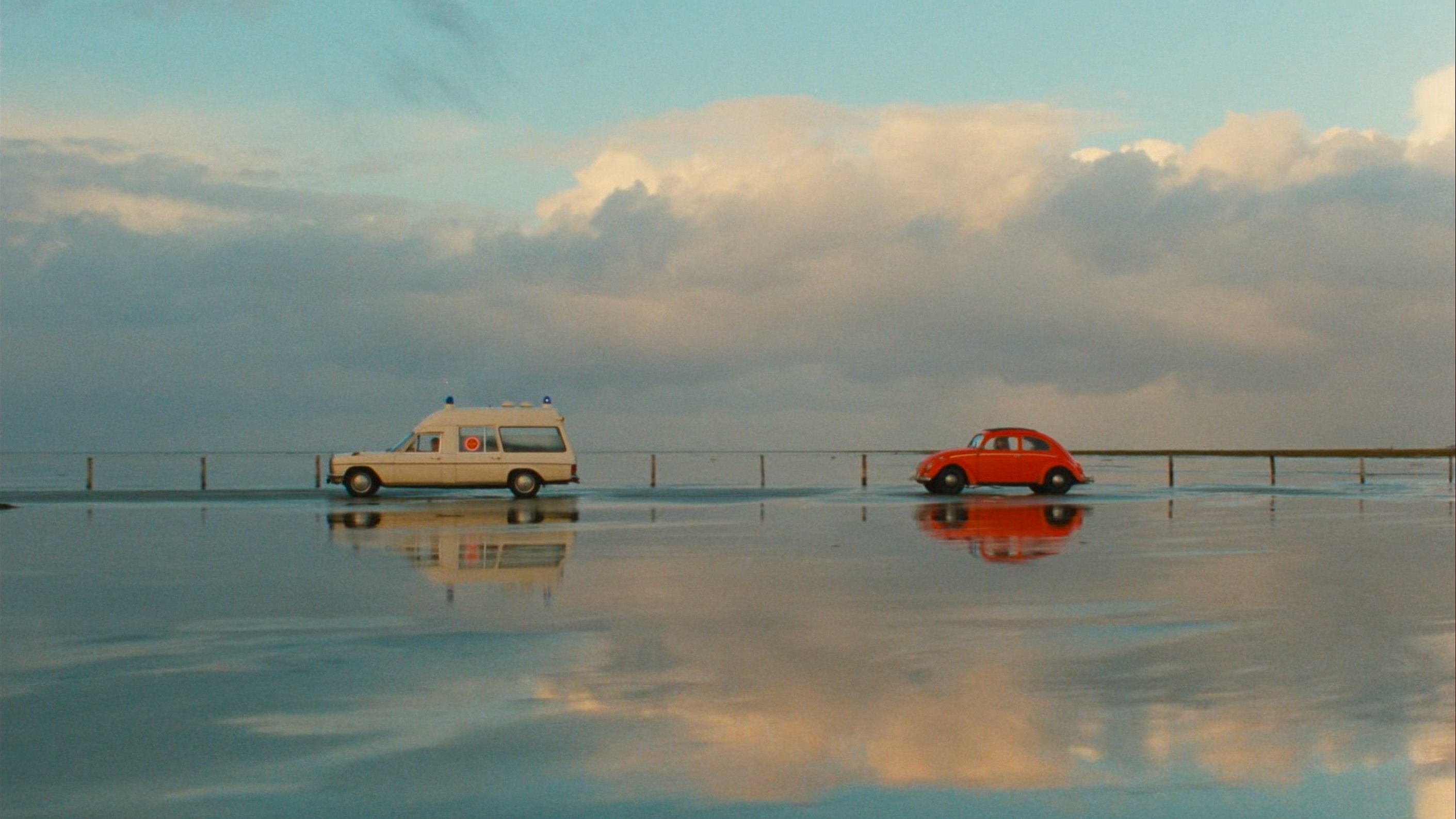
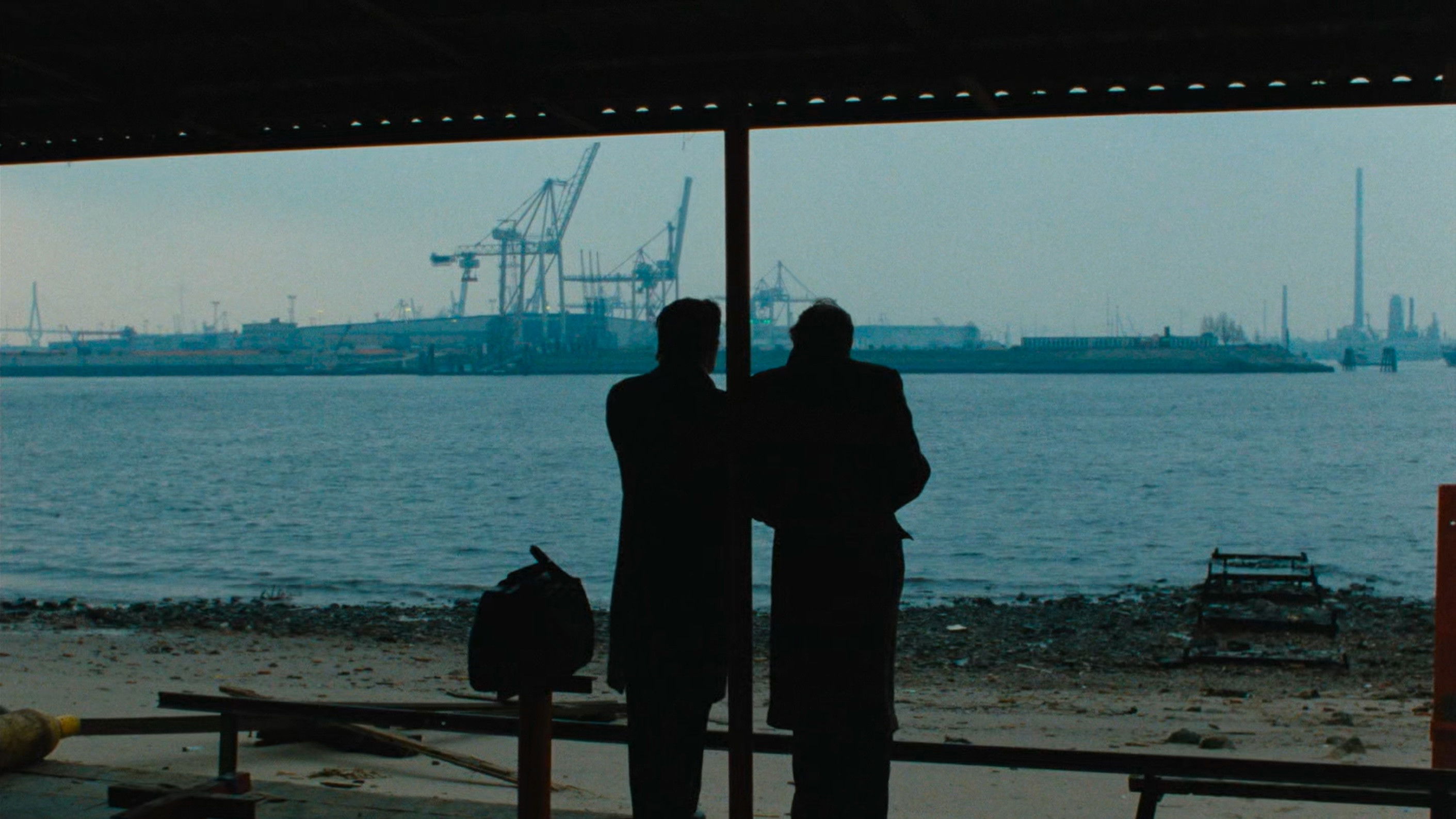
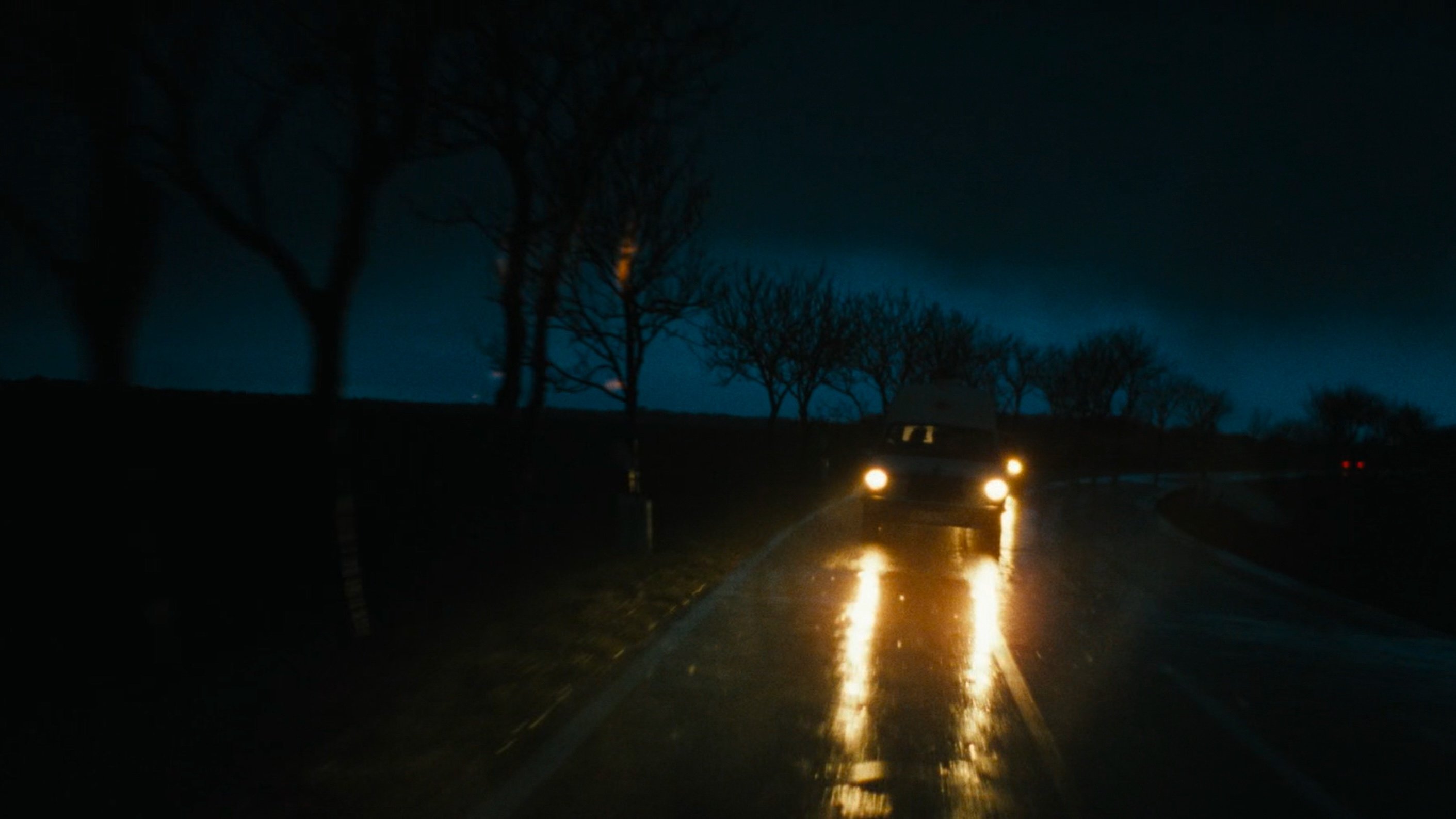
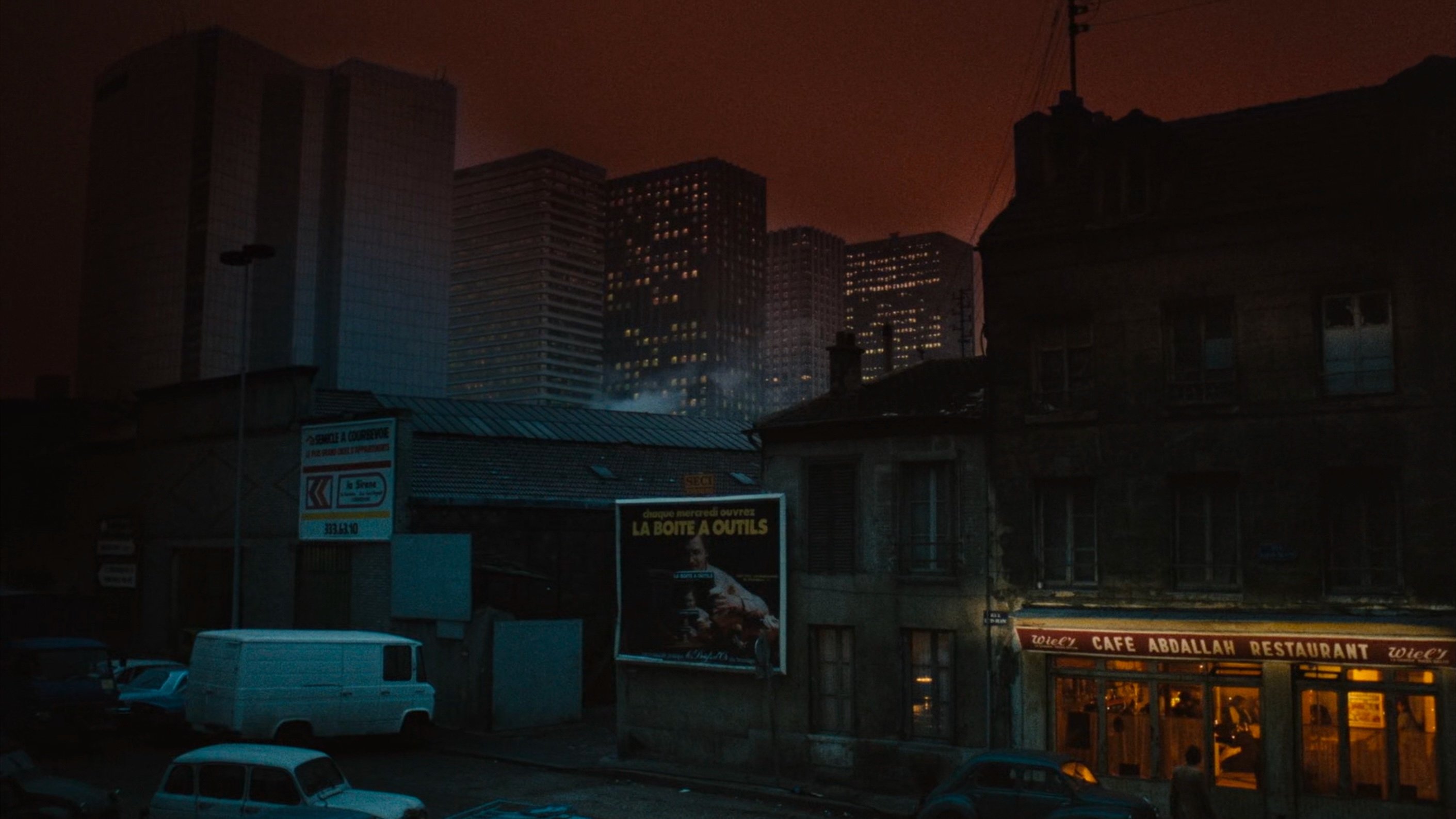
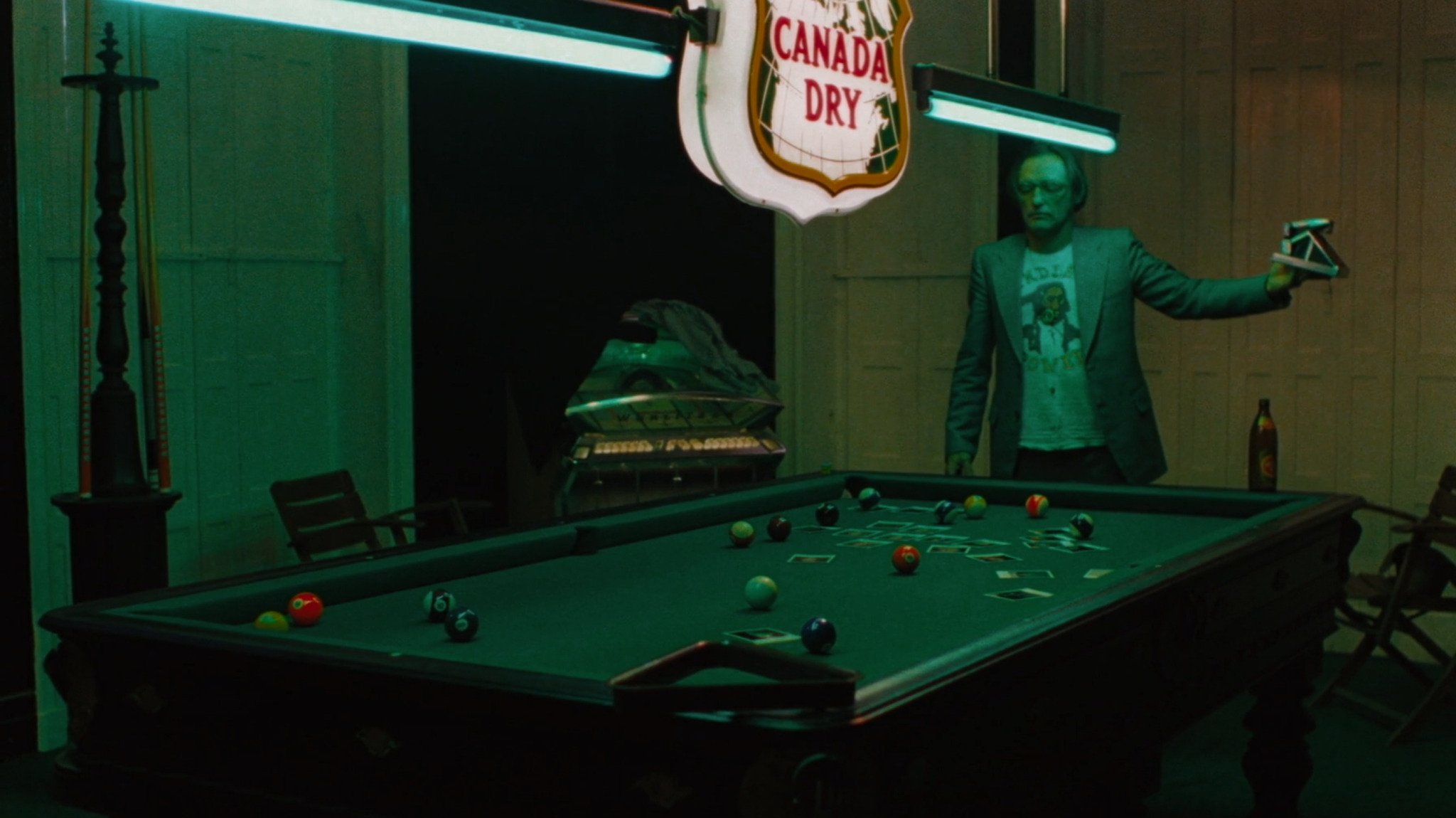
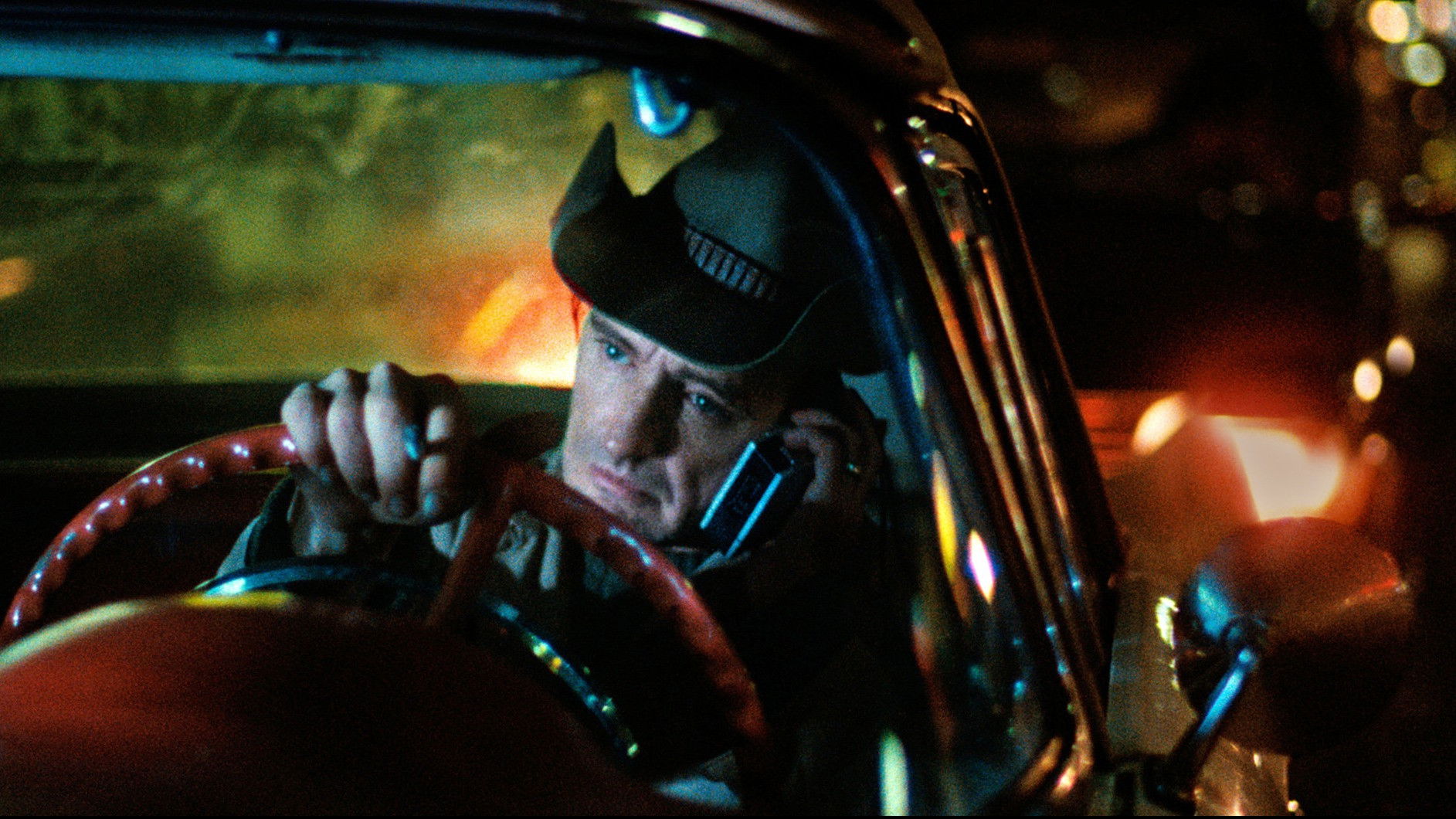
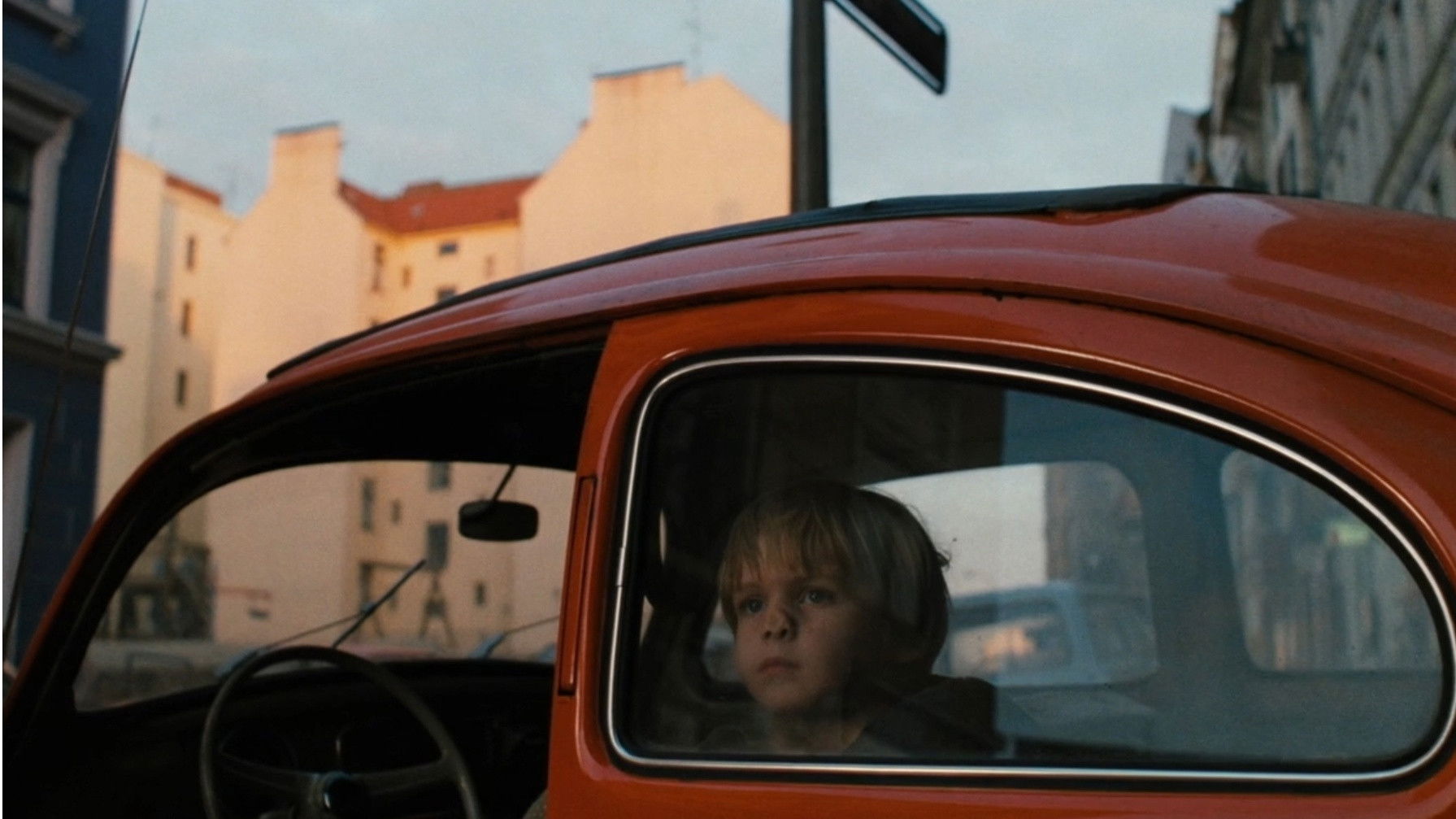
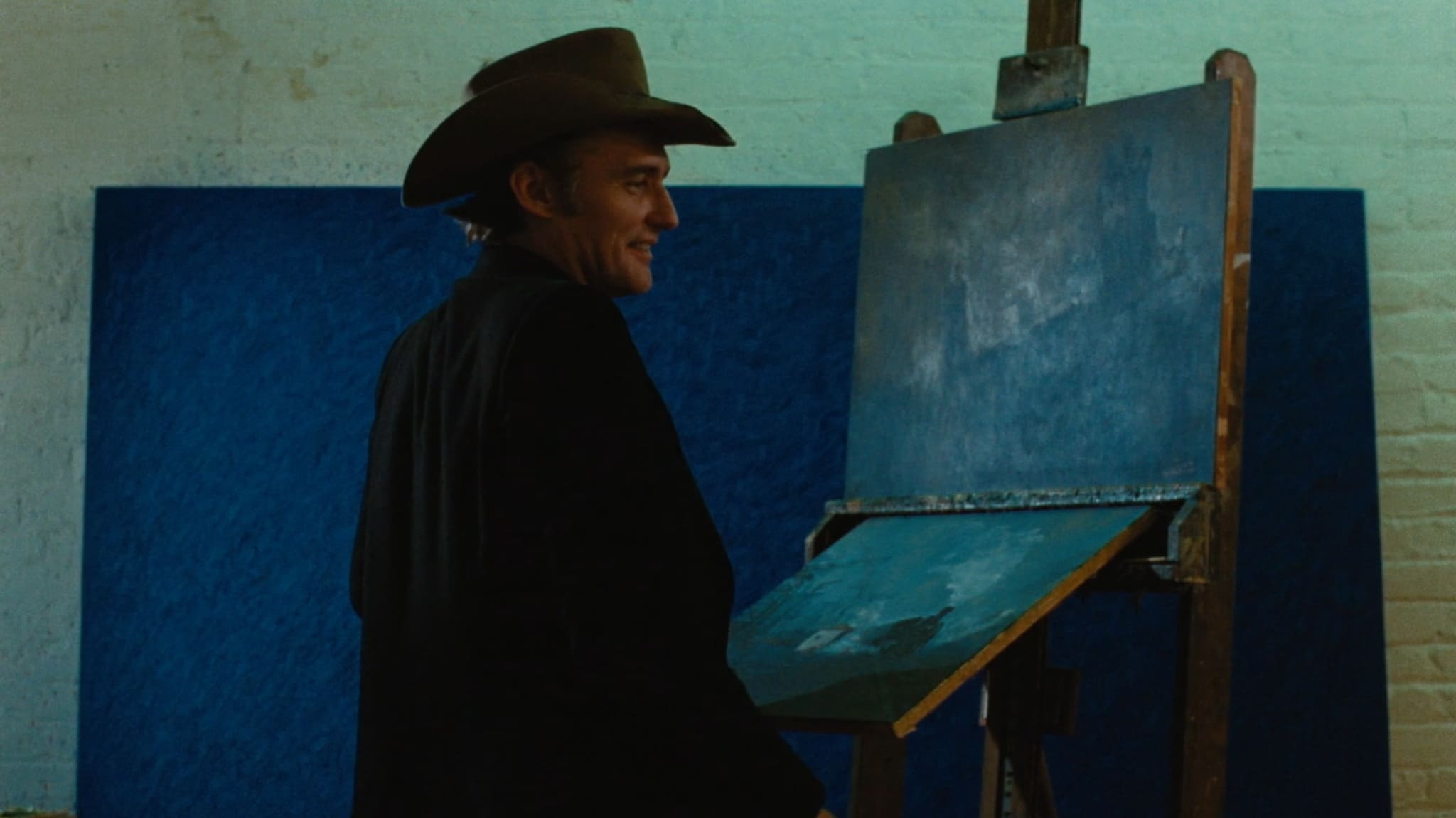
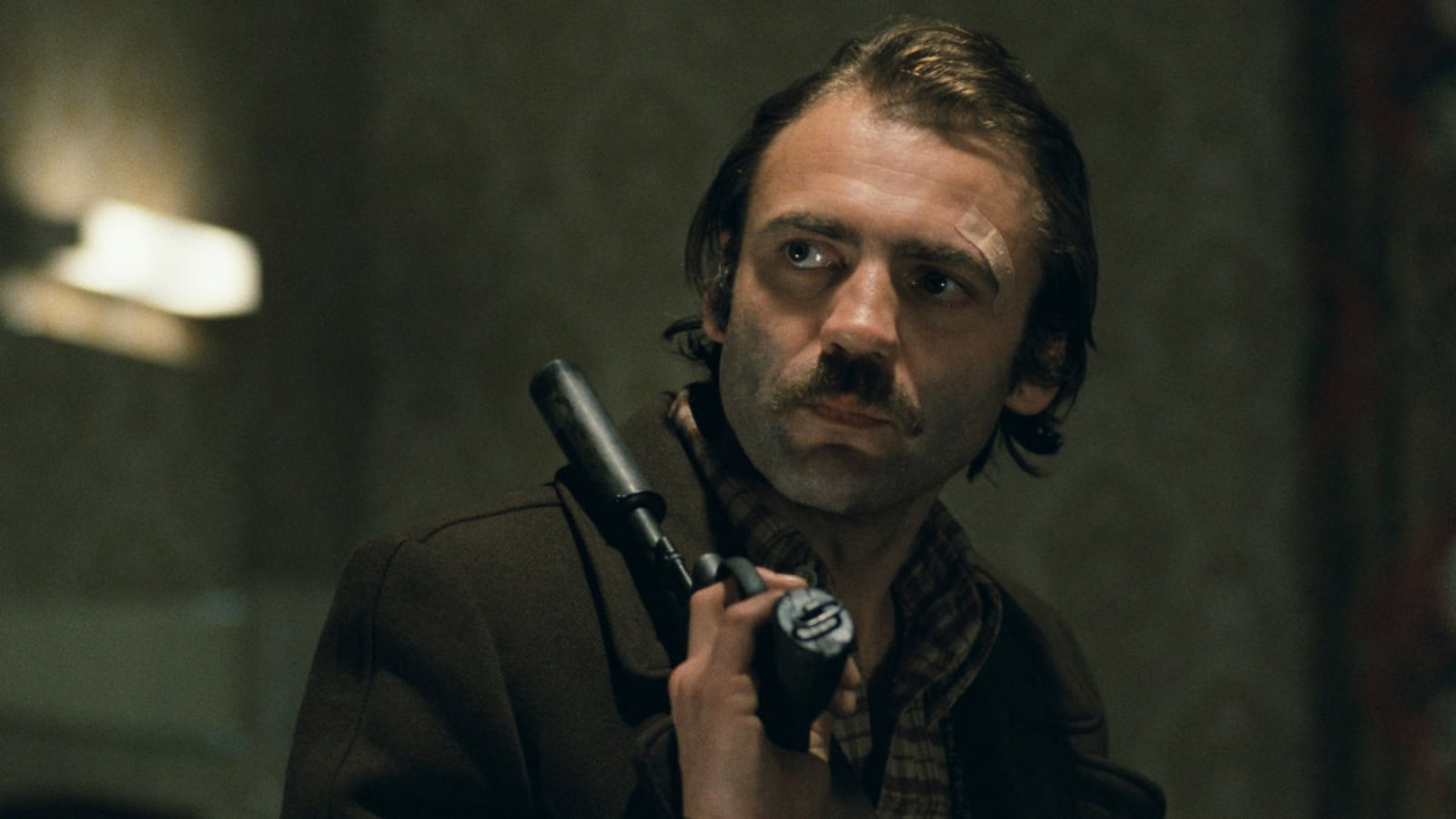
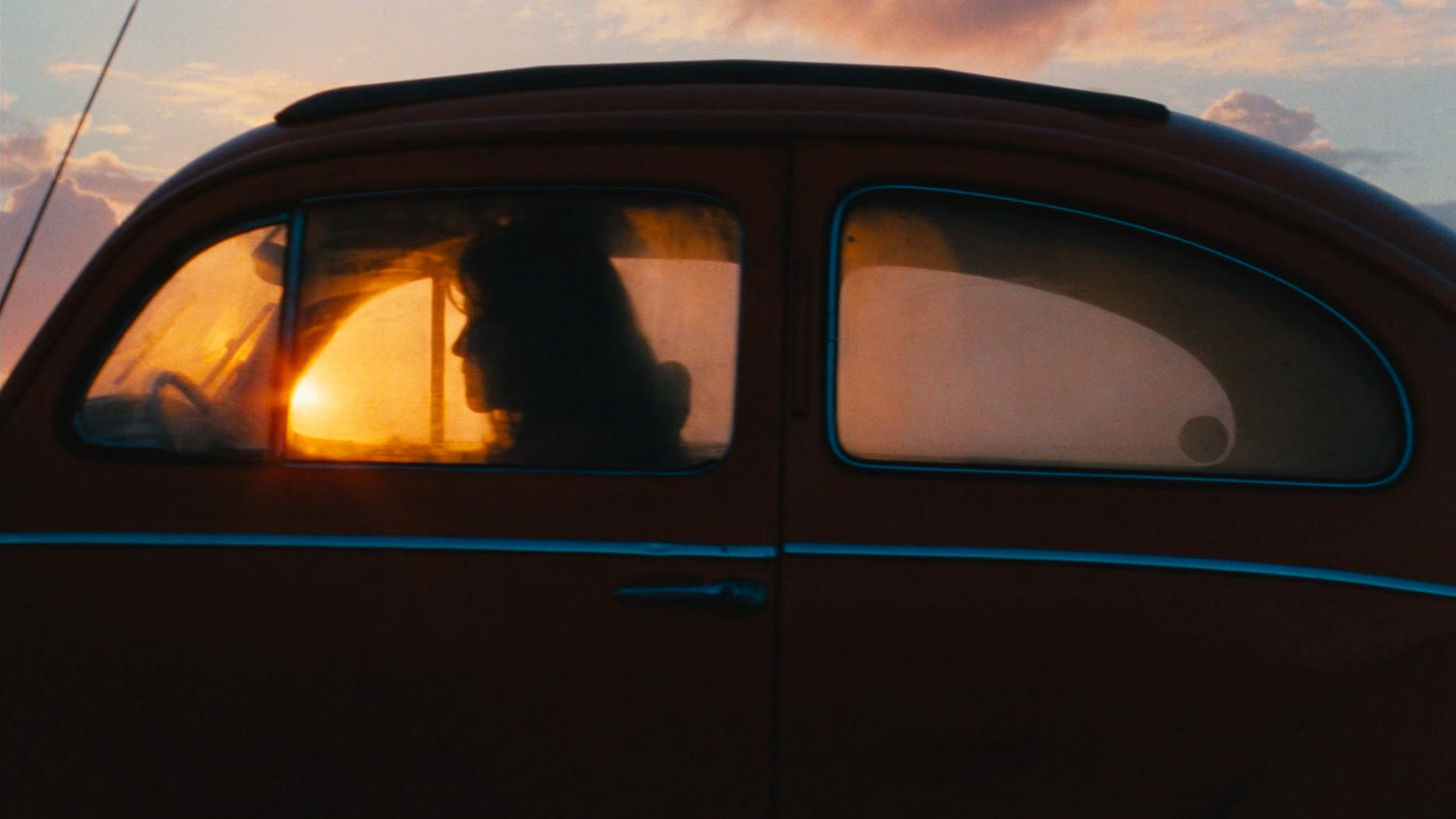
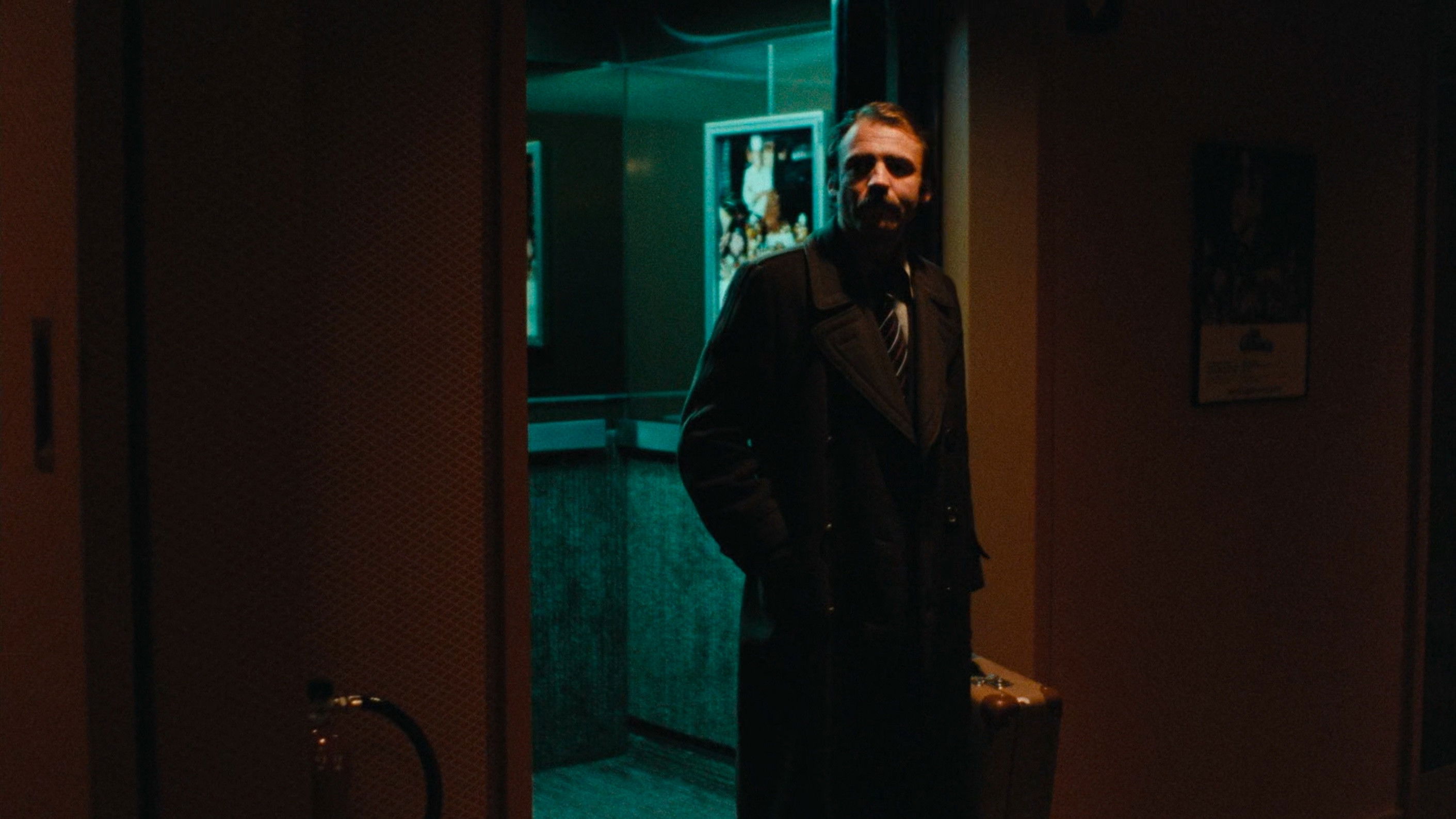
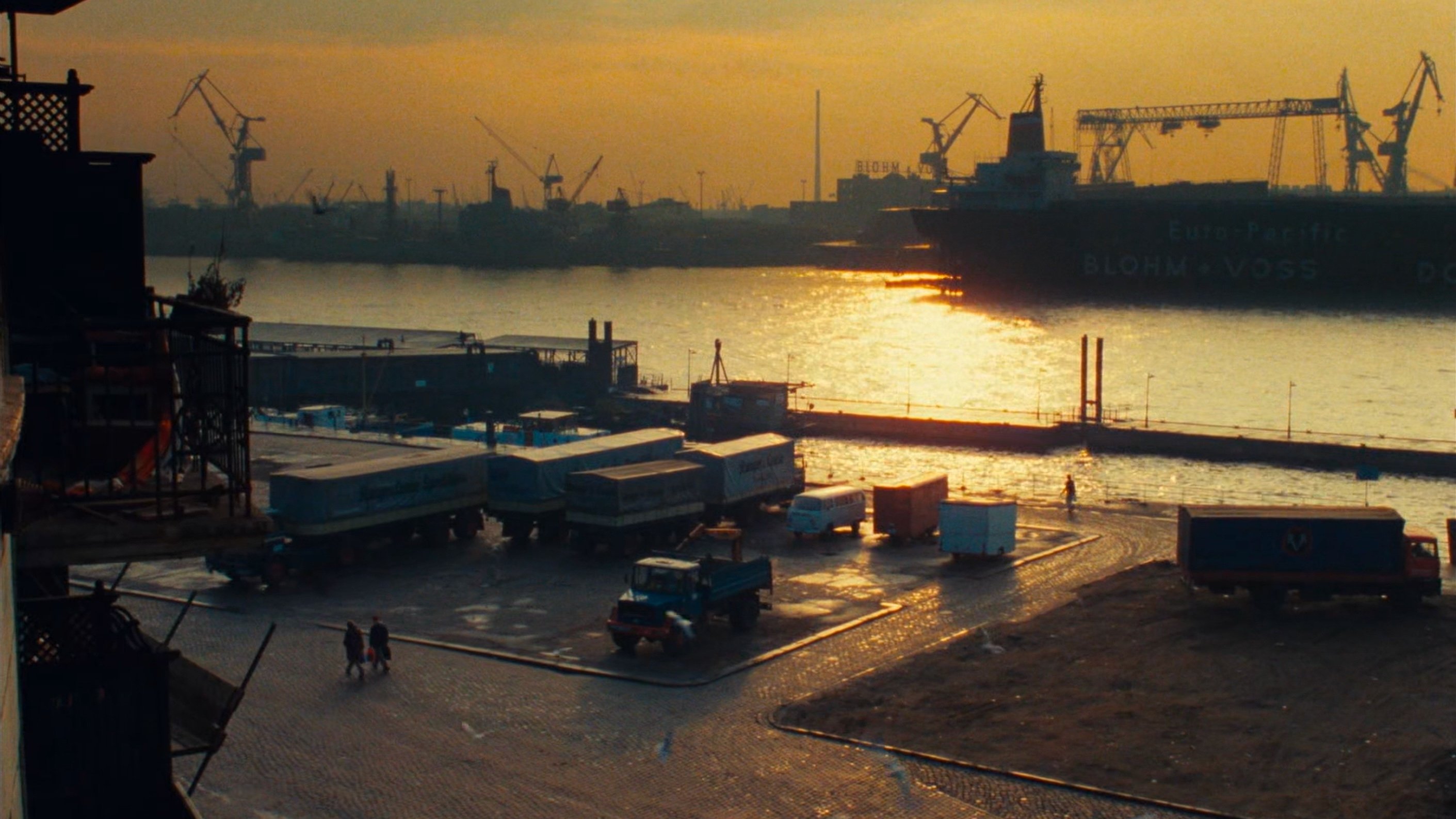
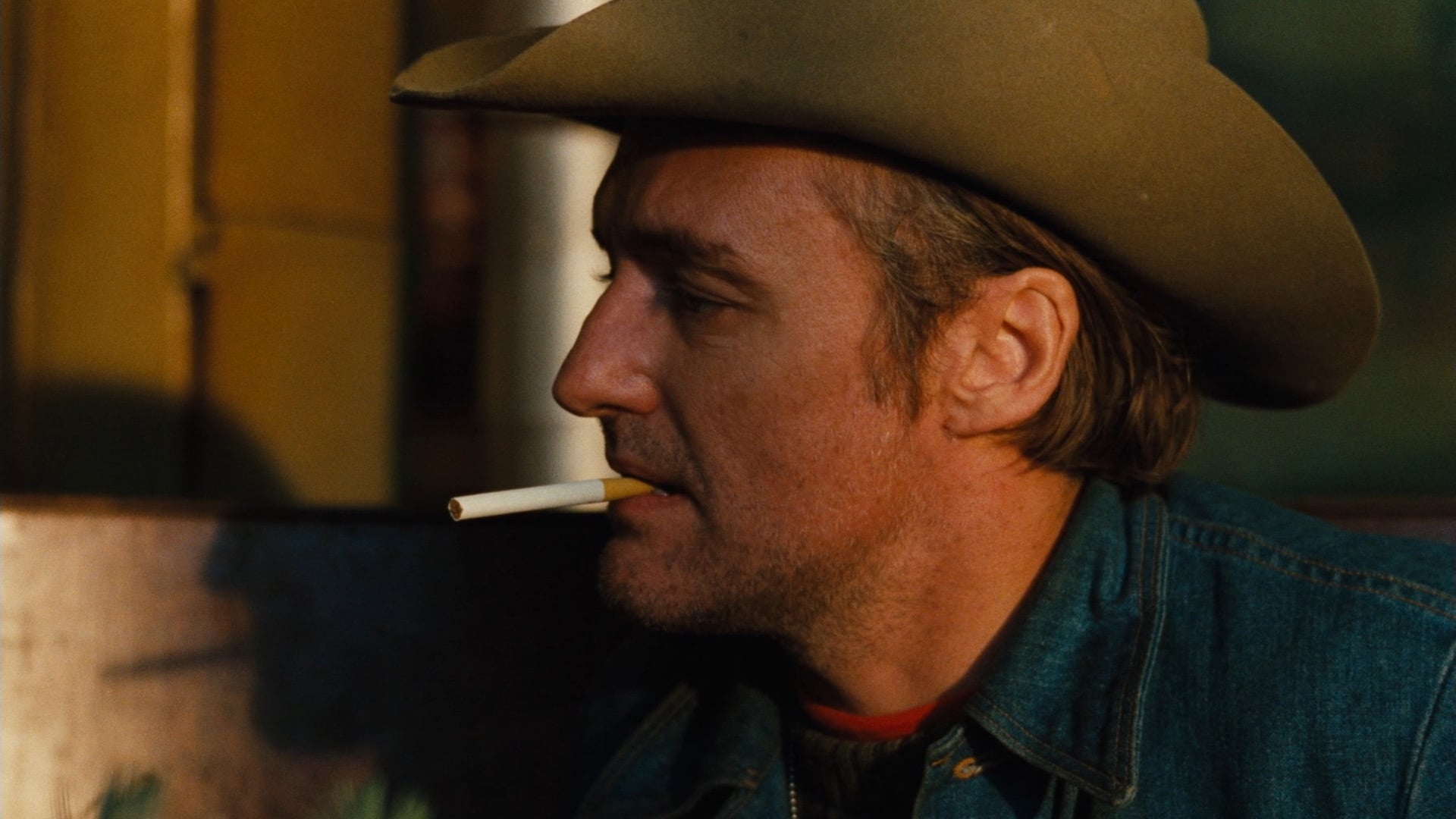
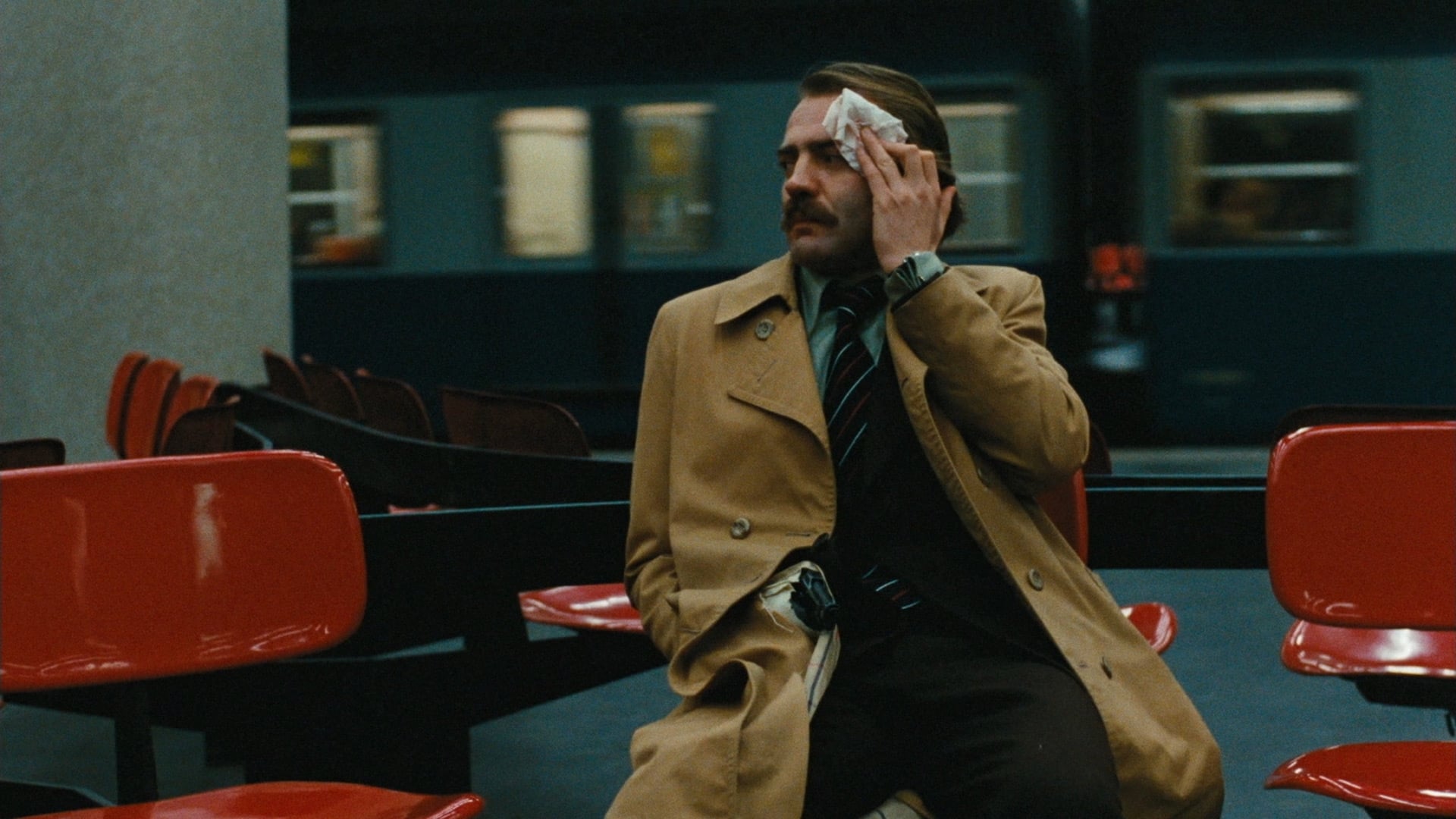
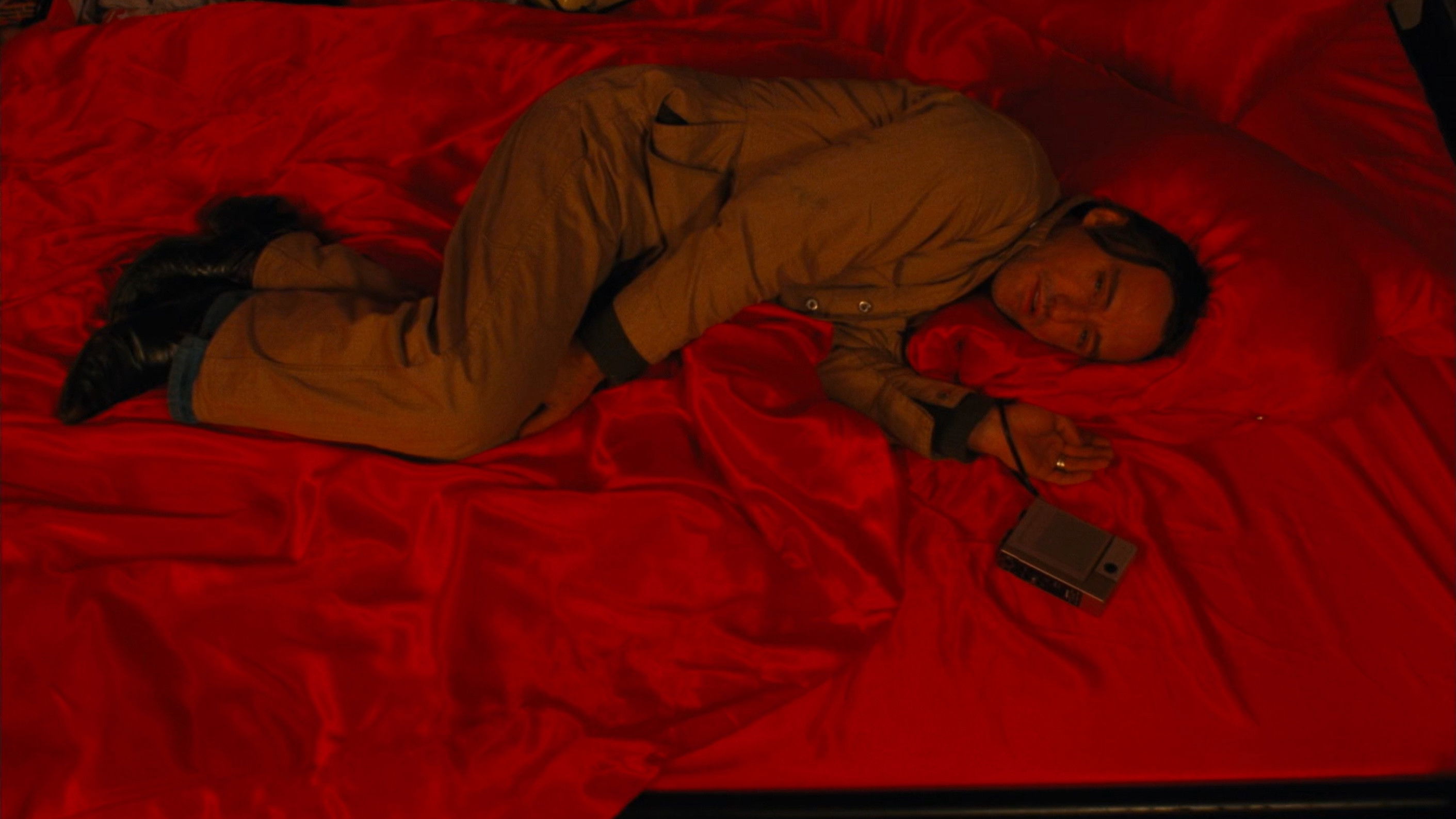
The best thing about the film is undoubtedly its atmosphere, unsettling and cold despite the warm colours. The city of Hamburg and in particular its enormous port, which at that time was more run-down and full of brothels and rot, help a lot. Fuck, you can almost smell tar and stagnant water. Jürgen Knieper's music is another asset, increasing the feeling of bewilderment and uncertainty. Then the main characters are generally sick, and not just physically, and the silences and glances that say everything are frequent. Some scenes are a marvel of tension and intensity and the photography makes you want to stay and live in it.