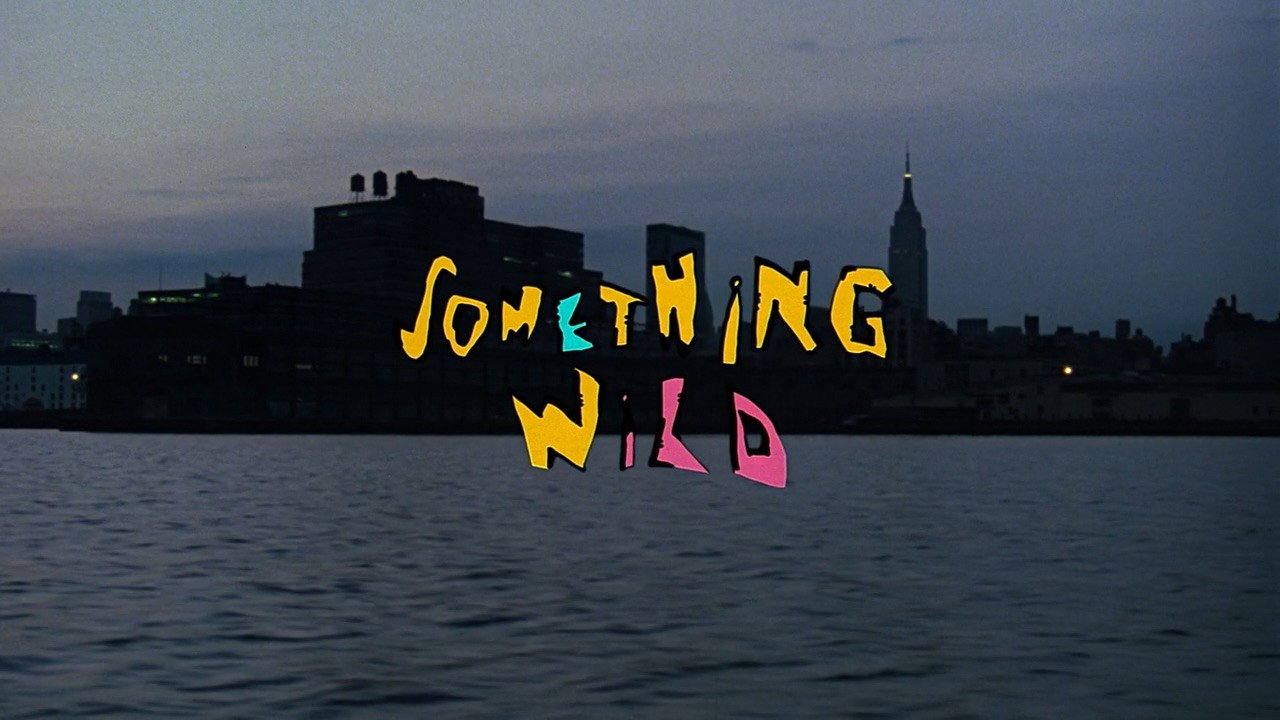
My dad has been trying to get me to see this for MONTHS! He would ask me all the time if I’d seen Something Wild yet. I finally caved. I can’t remember seeing him smile so hard as when I asked him if he wanted to watch it tonight, he may have shed a tear.
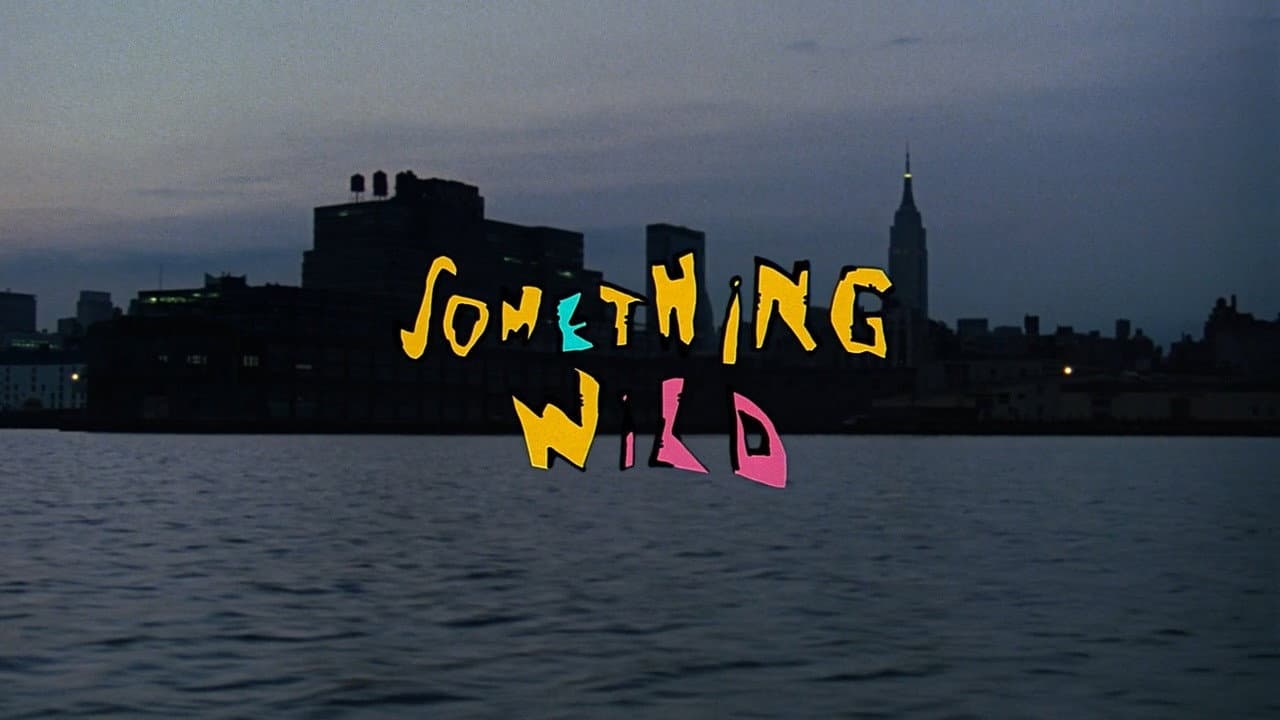
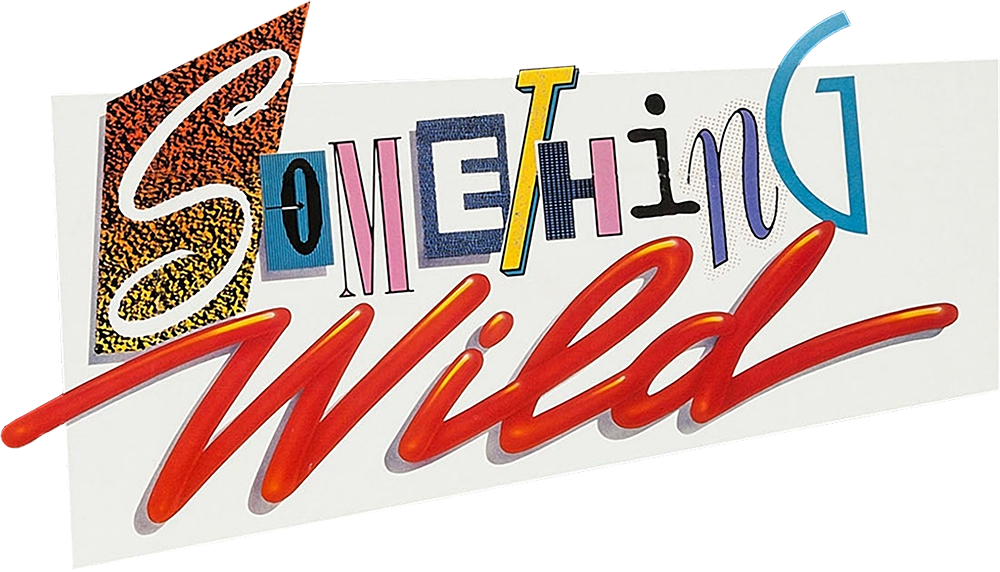
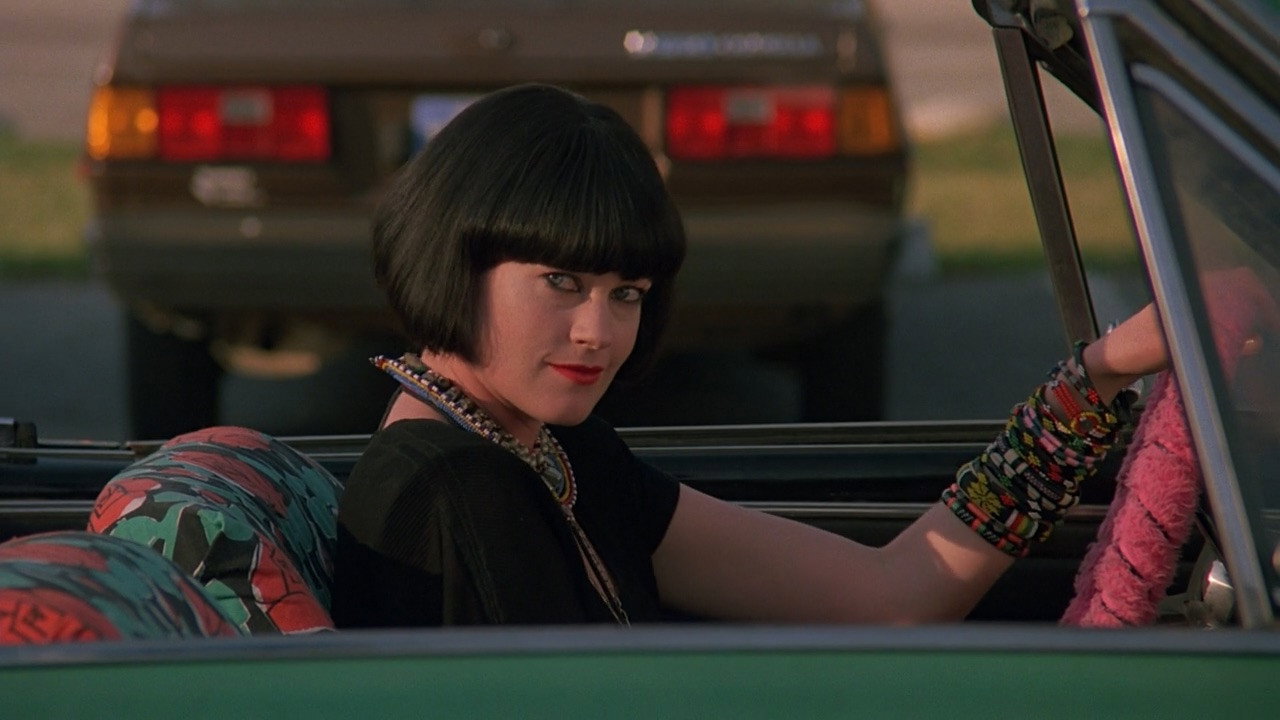
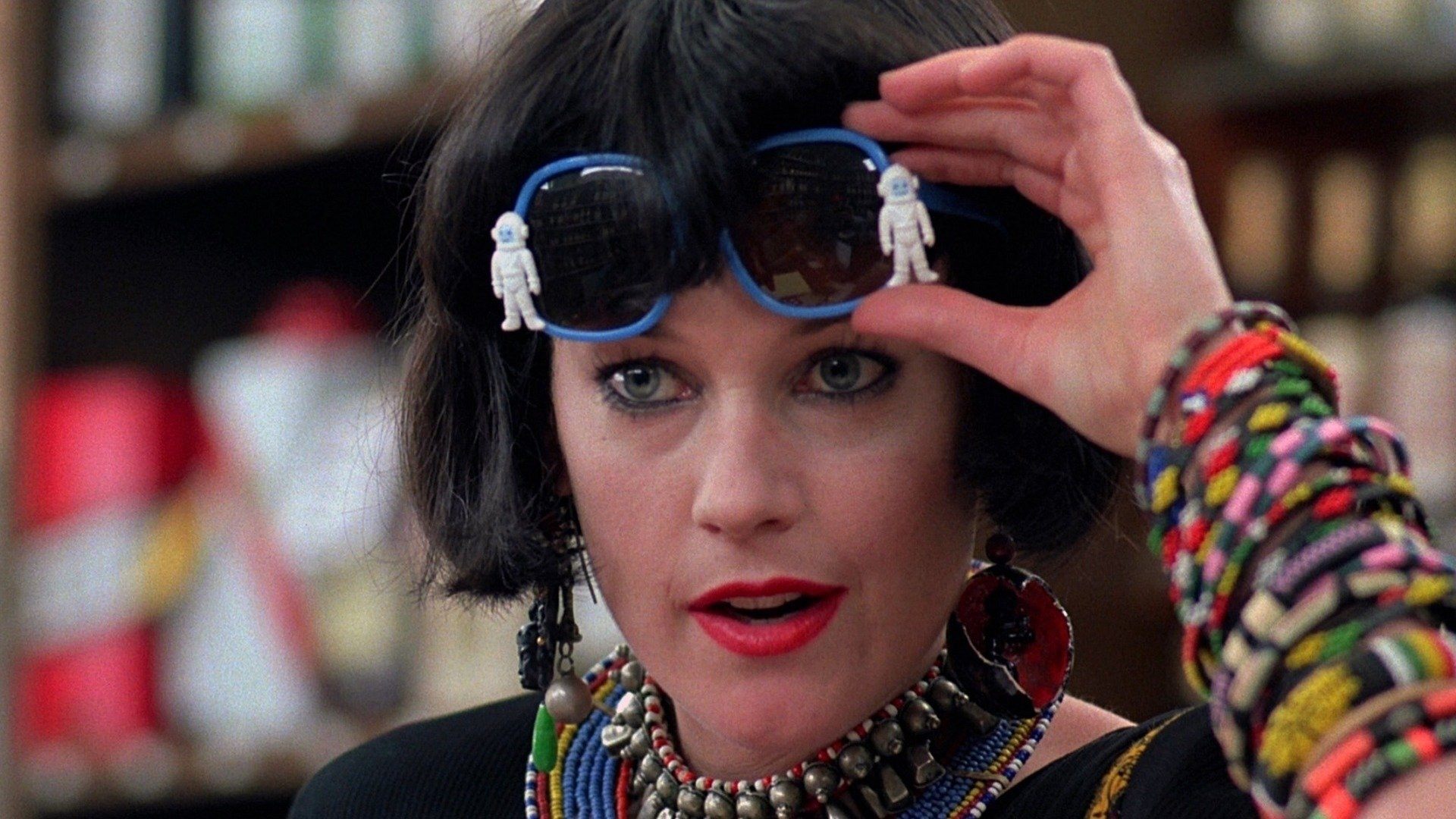
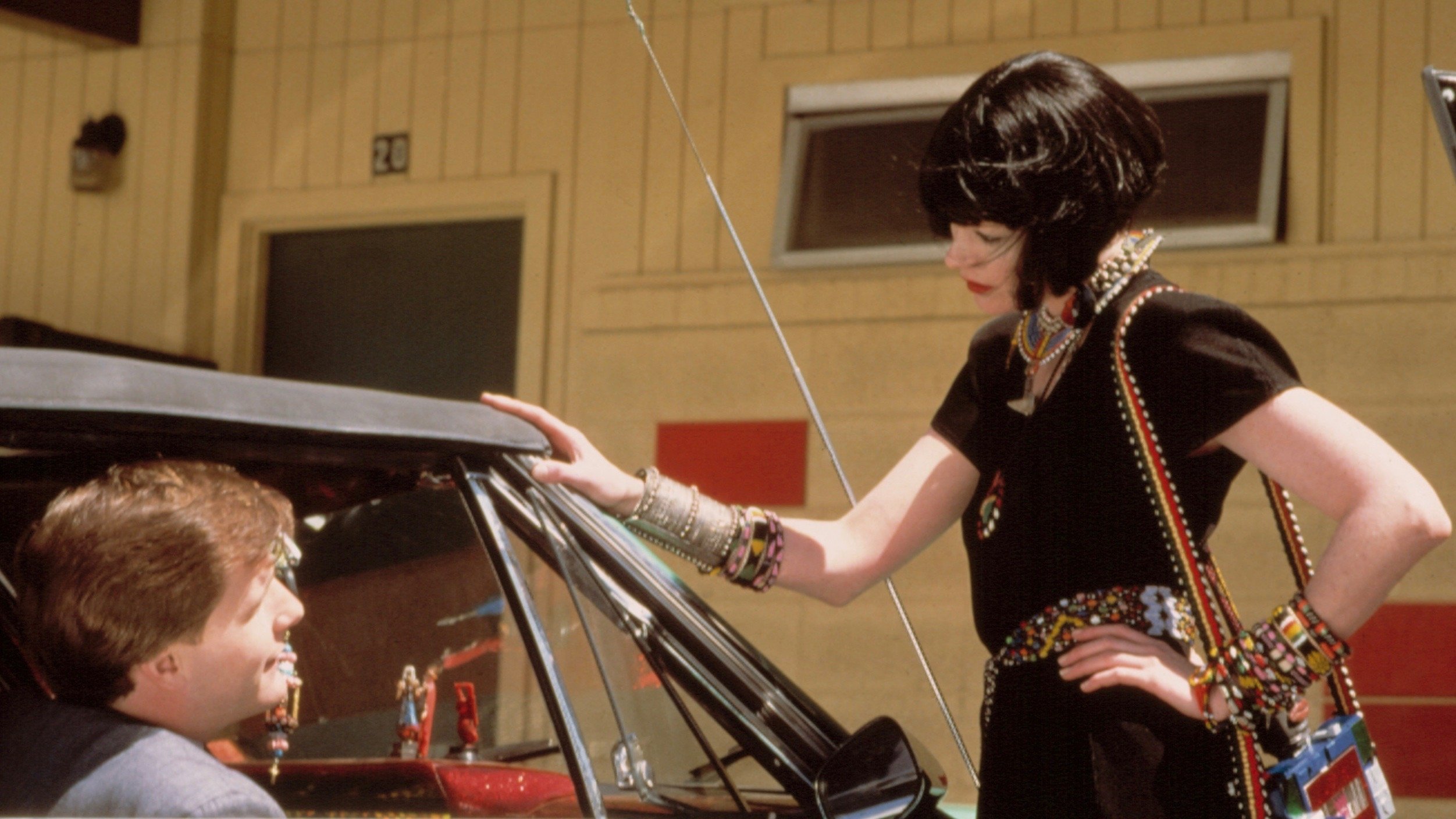
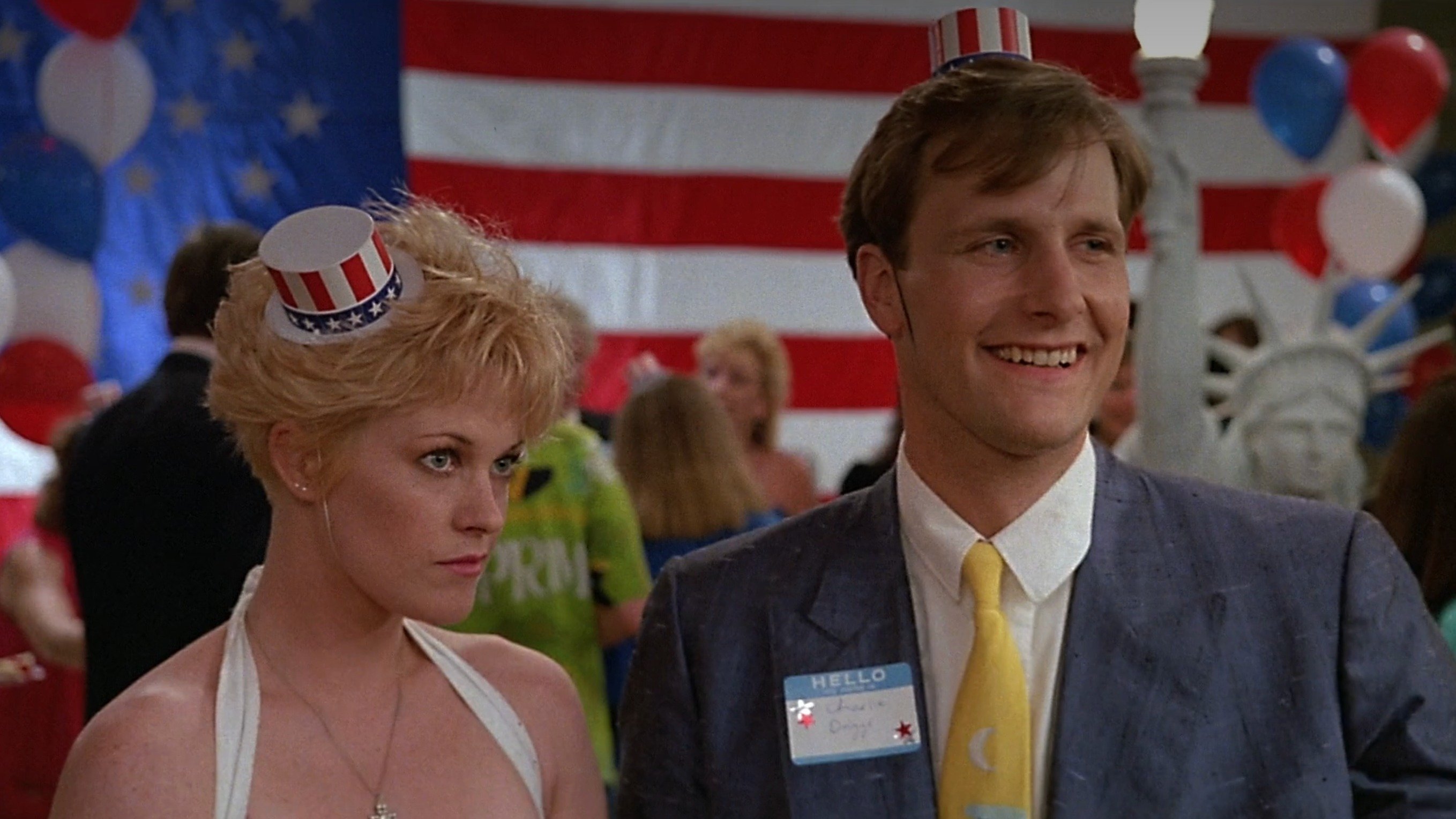
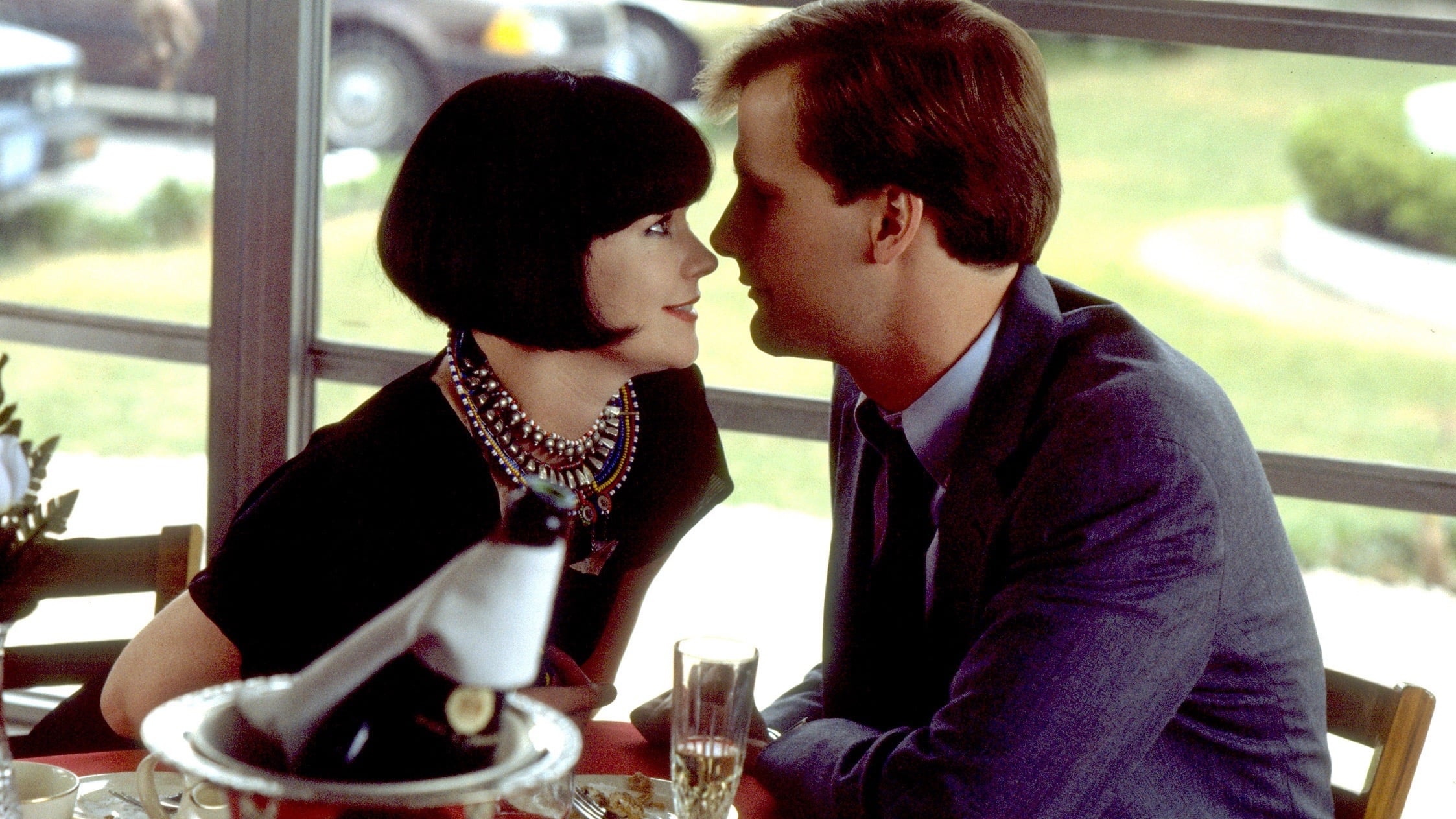
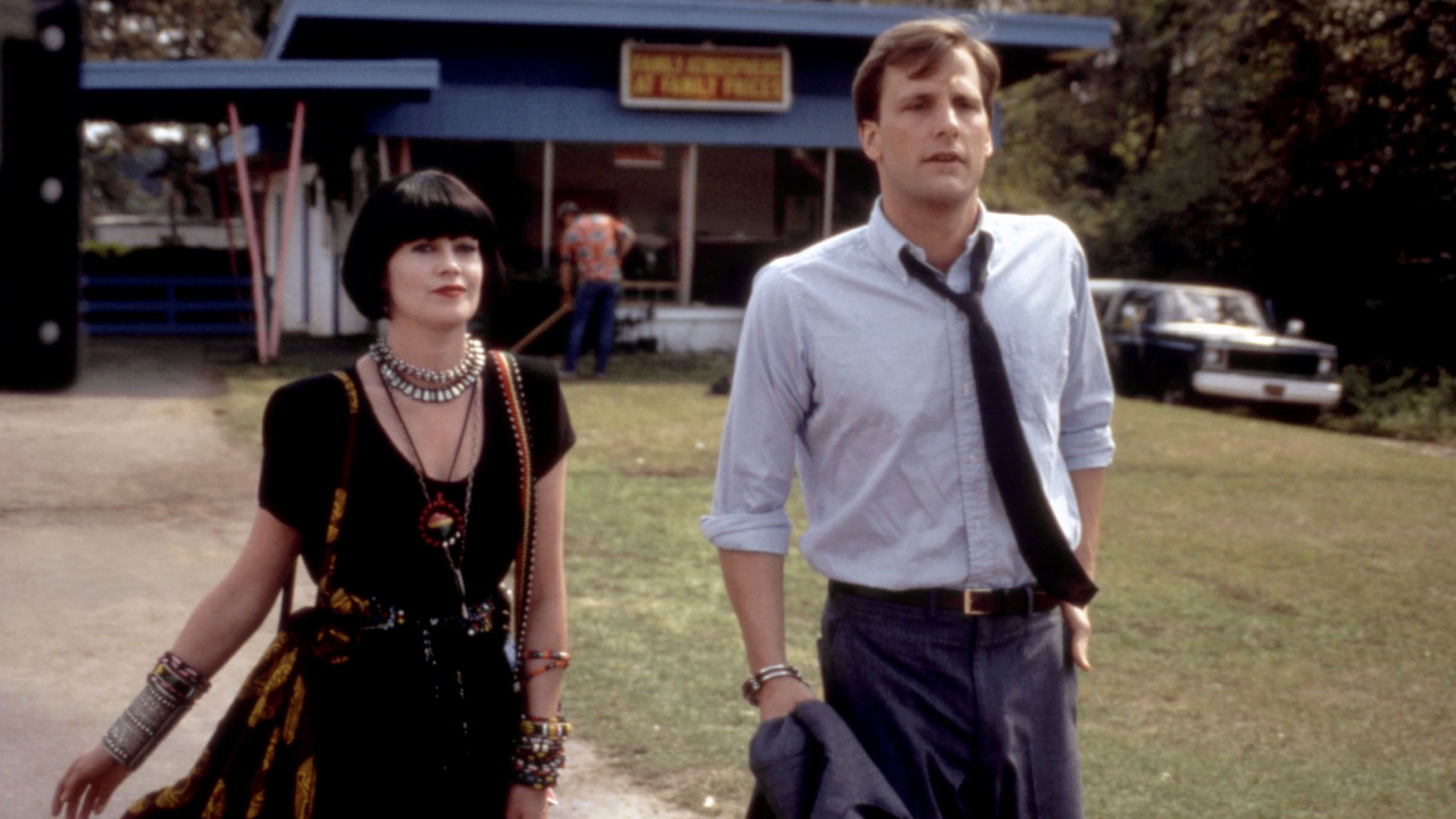
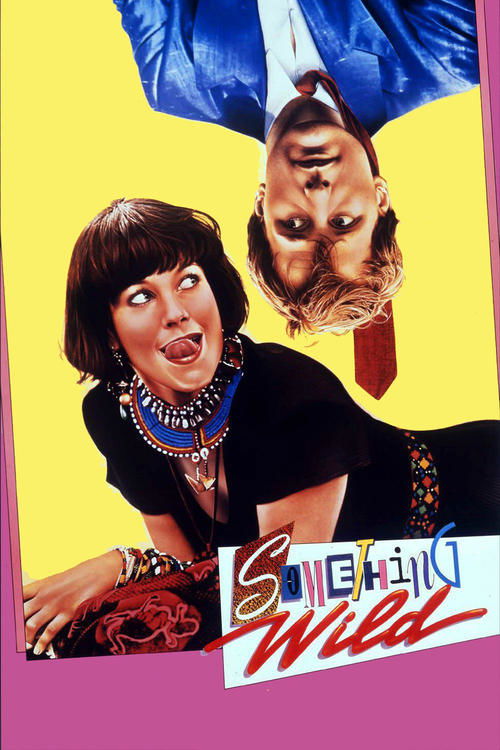
Not at all what I was expecting! The poster makes it look like a screwball comedy, which is where act I feels like it’s going, but as time goes by, the movie gets dark, and real. You really get to know Lulu and her insecurities.
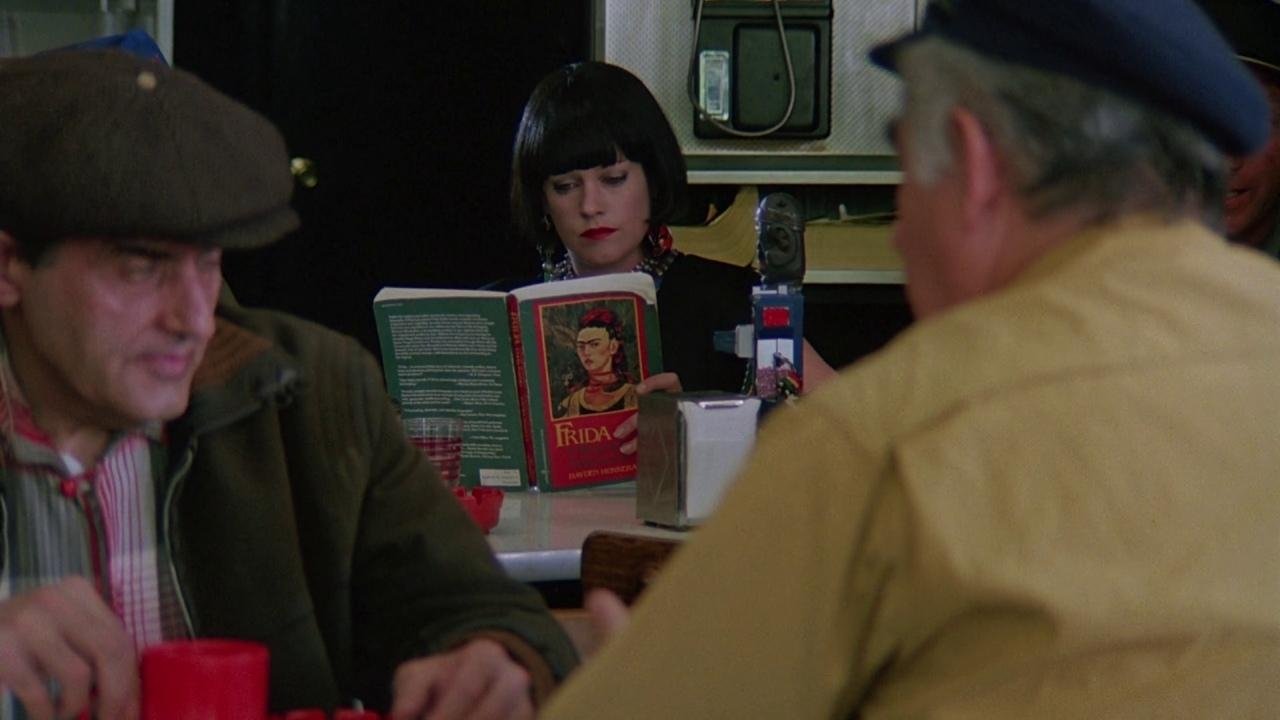
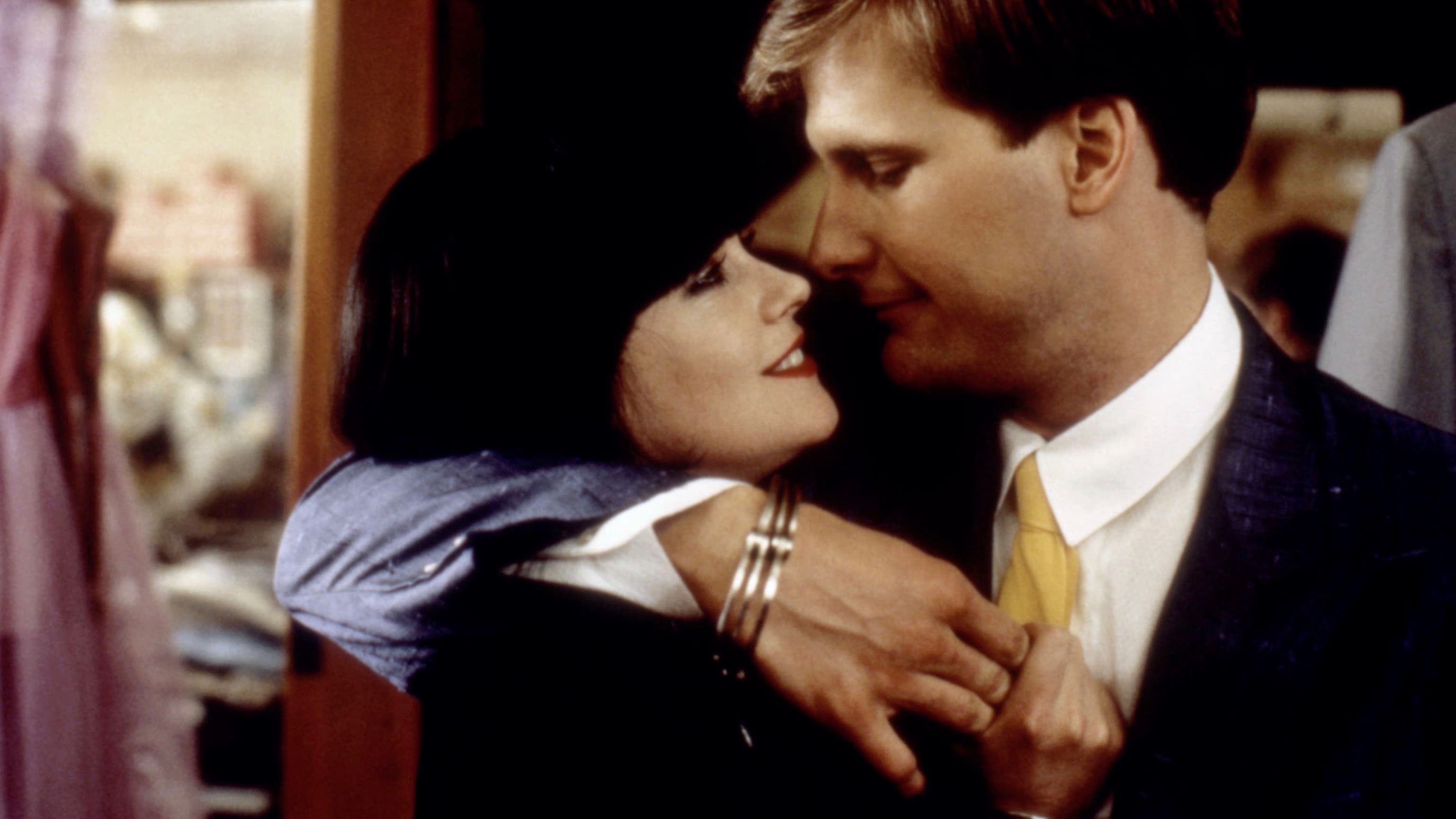
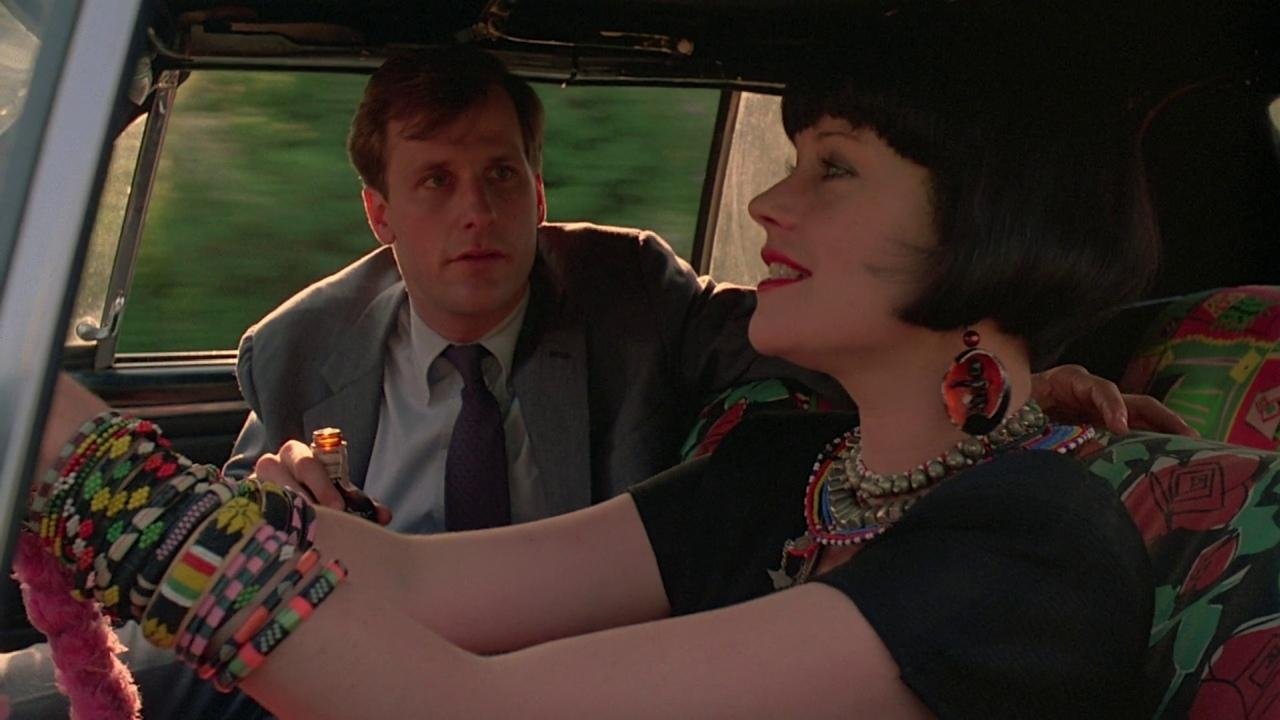
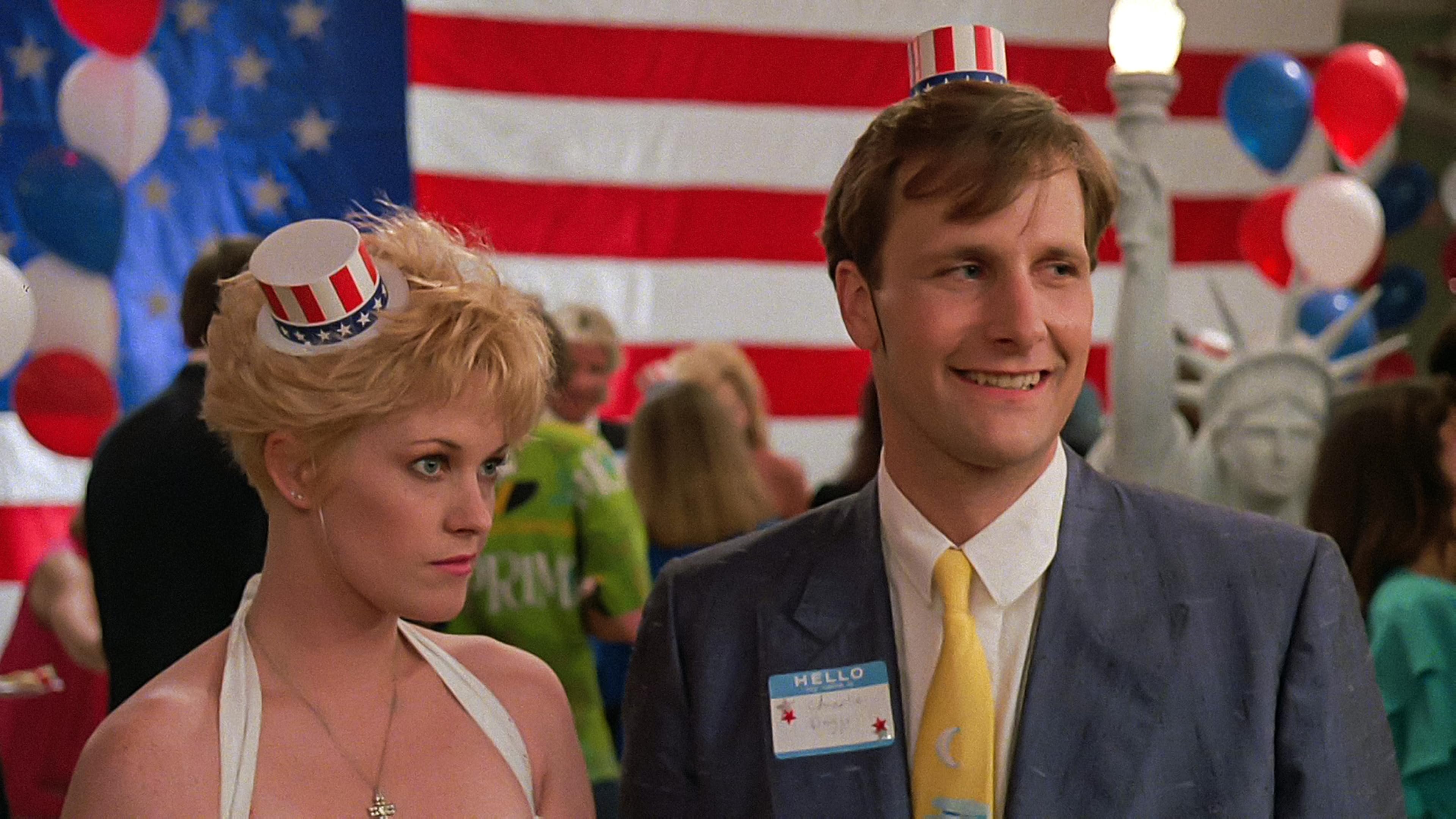
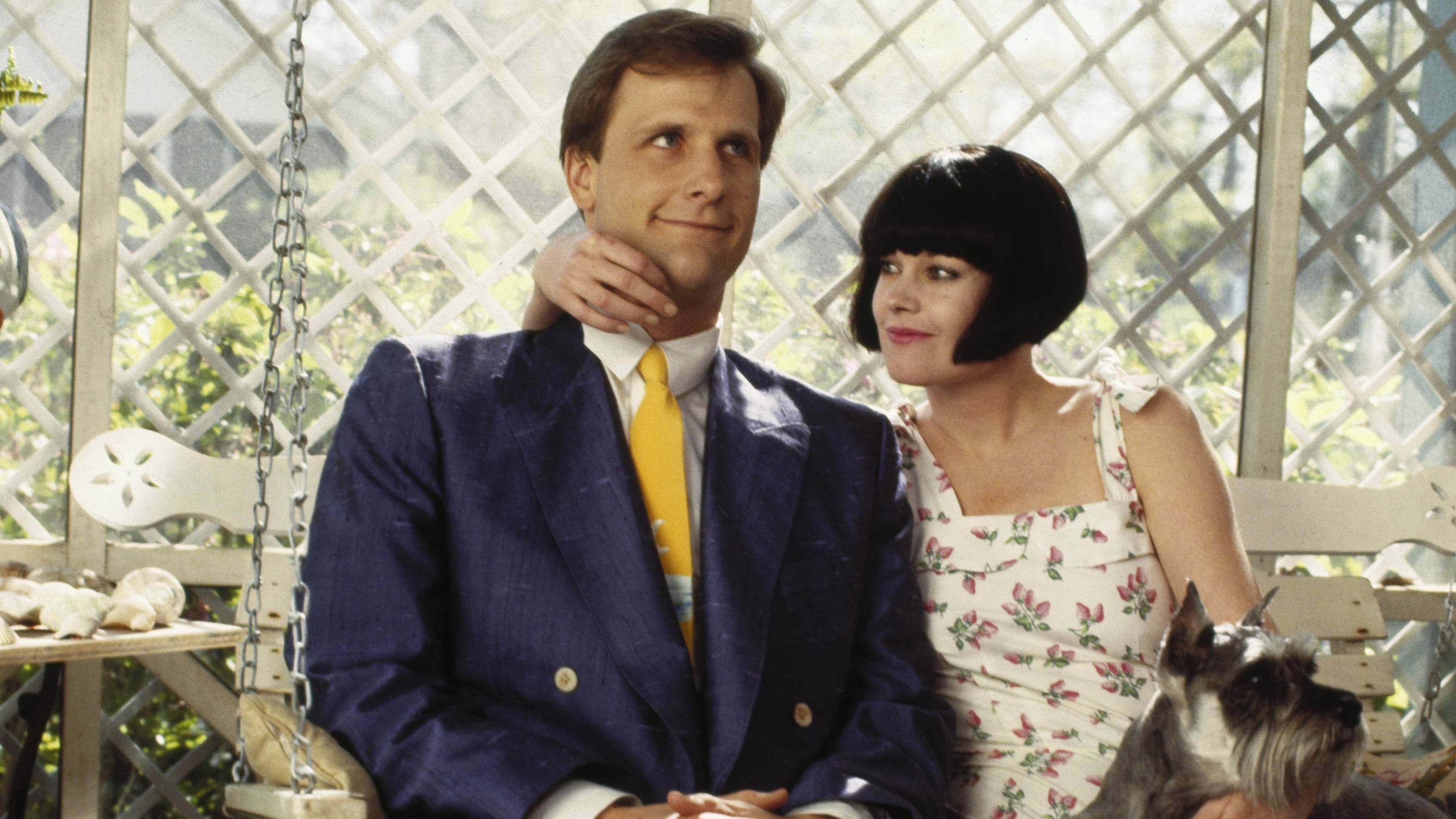
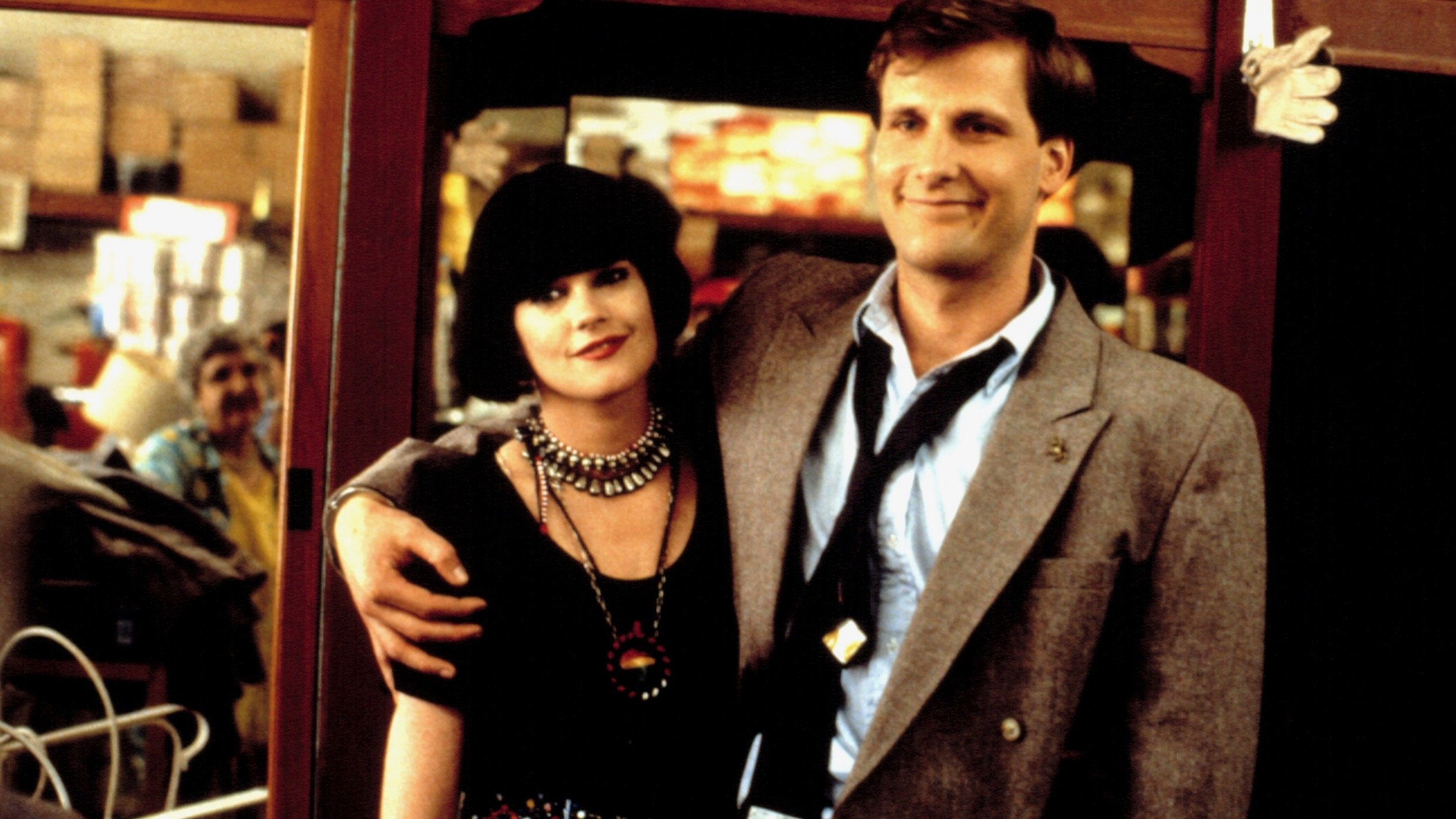
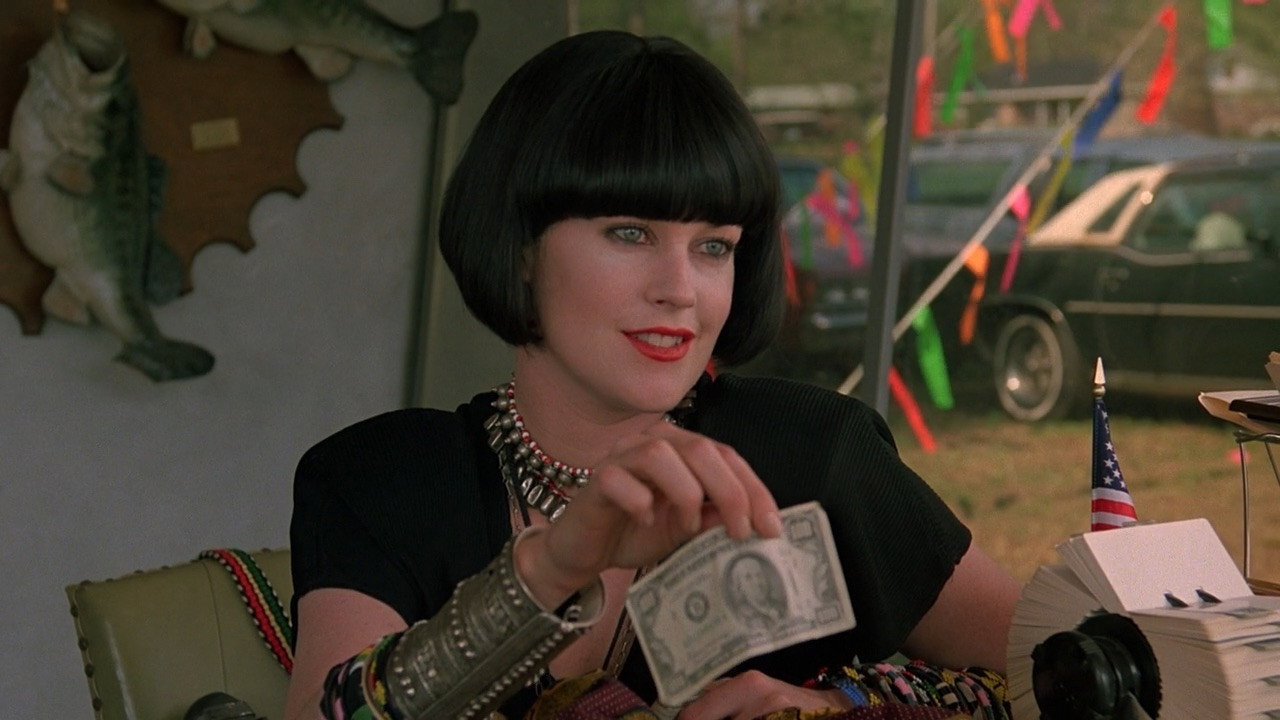
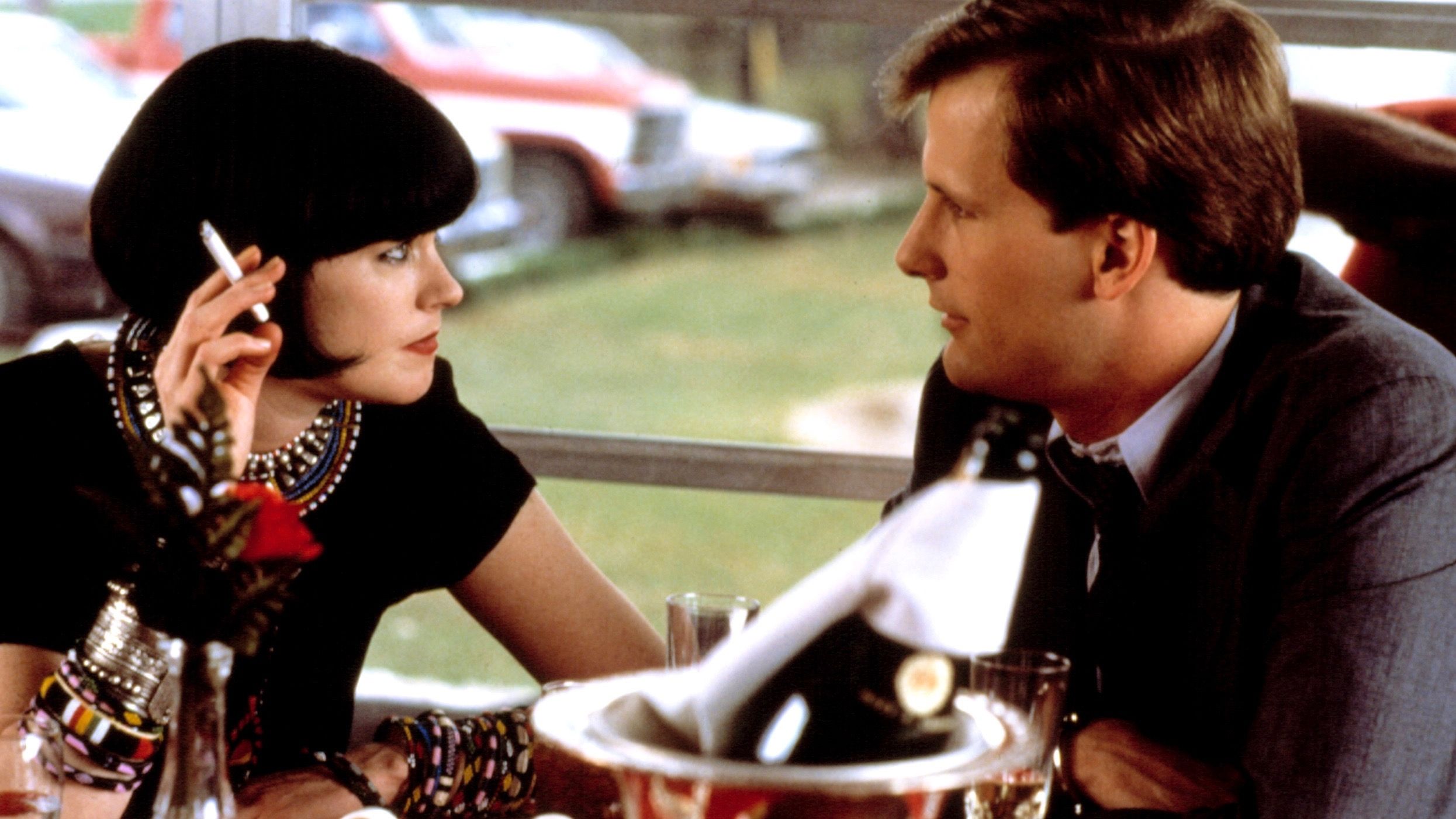
Jeff Daniels absolutely blew me away. I’ve always enjoyed him in Dumb and Dumber and his various Aaron Sorkin projects, but I’d never seen him as a romantic lead. He’s charming, goofy, serious, endearing, absolutely charismatic. Melanie Griffith is also great in this film. I didn’t love her in Working Girl, I think this is her better performance.
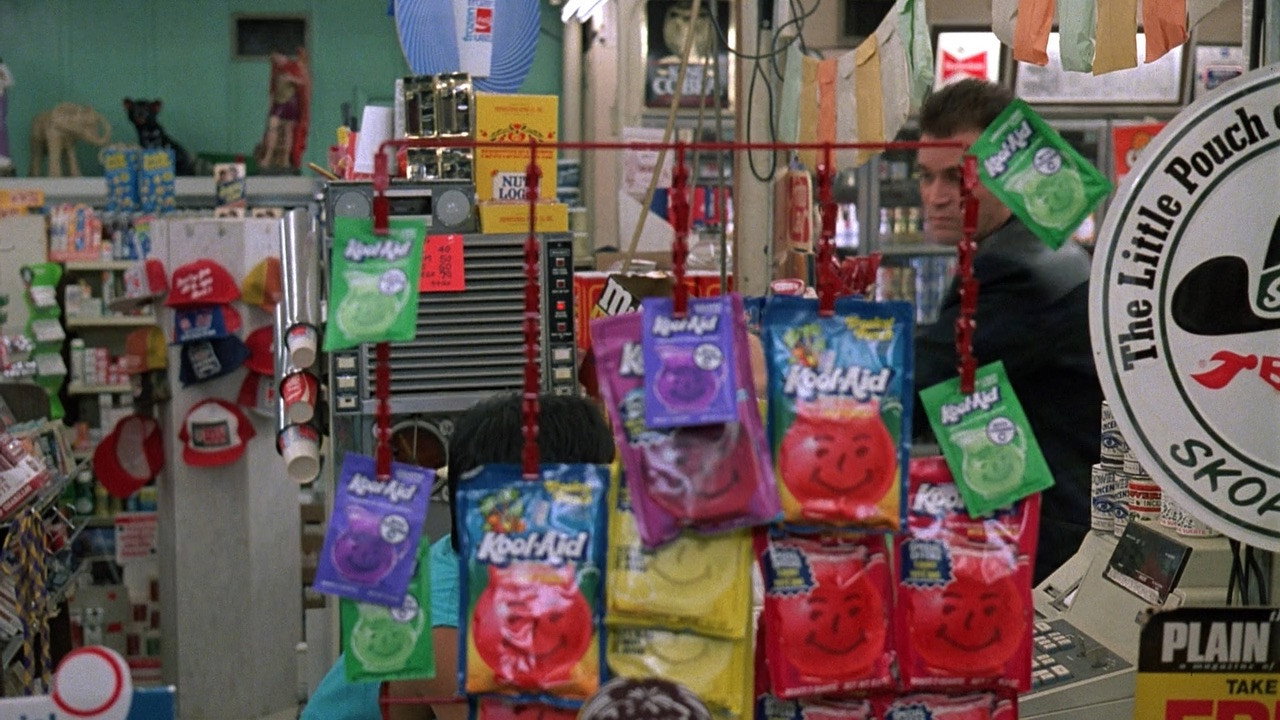
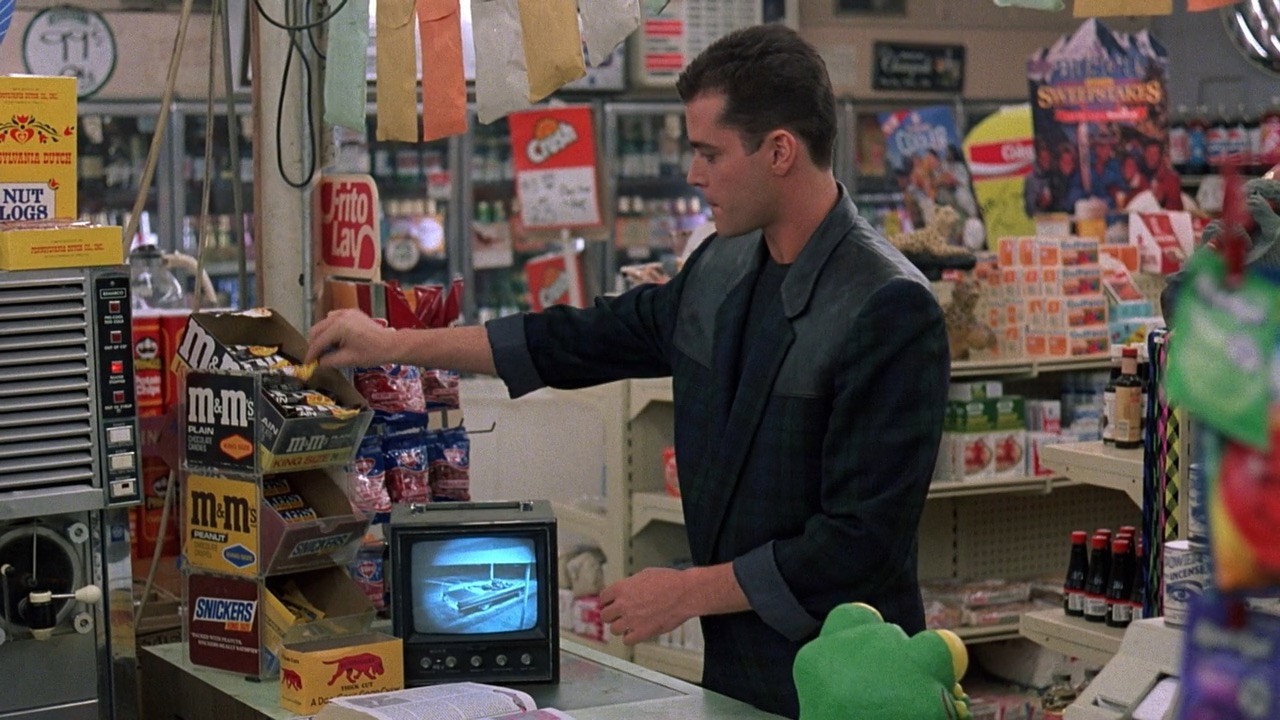
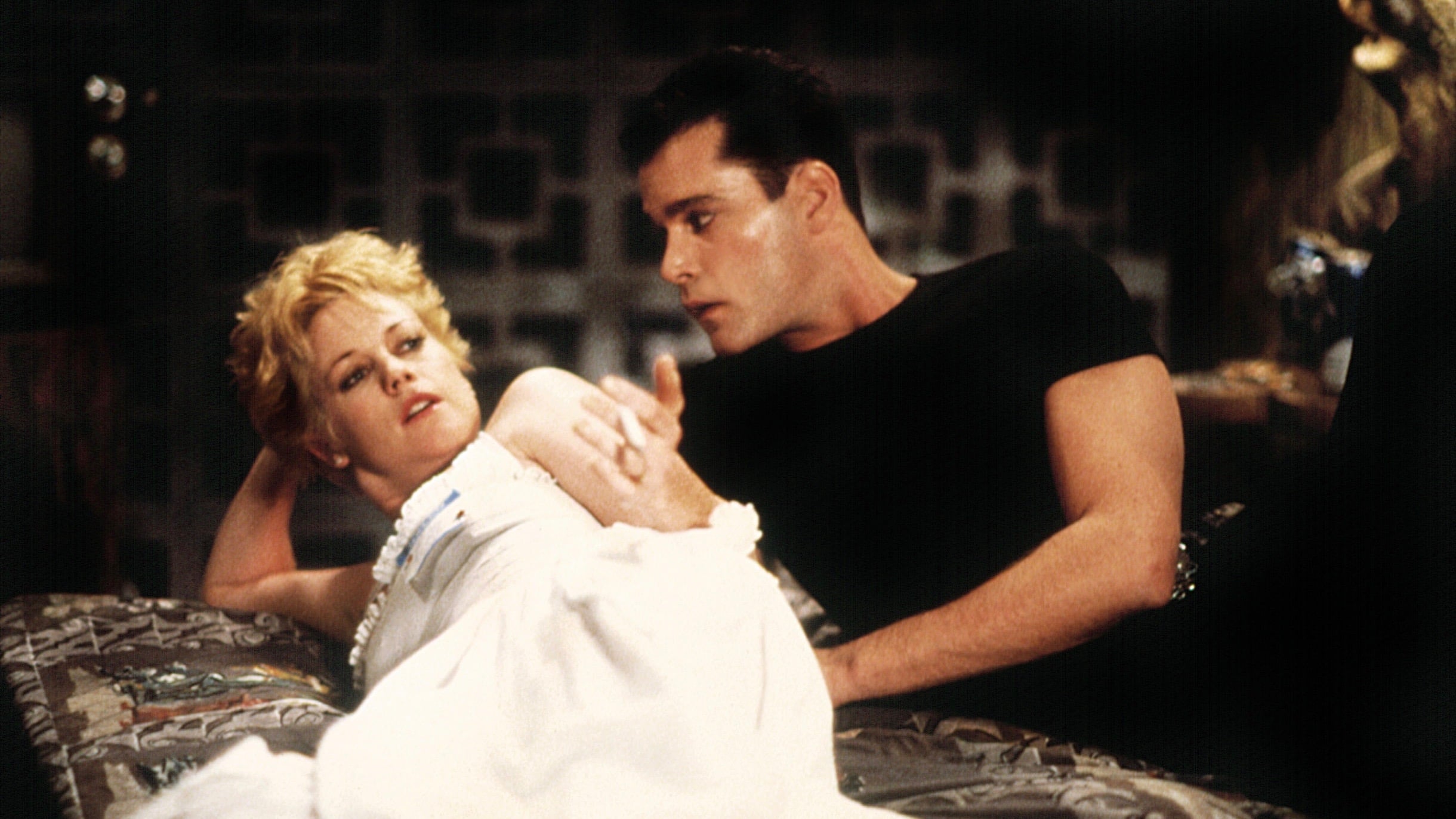
On the other hand, while I enjoyed Ray Liotta, he can be over acting at times.
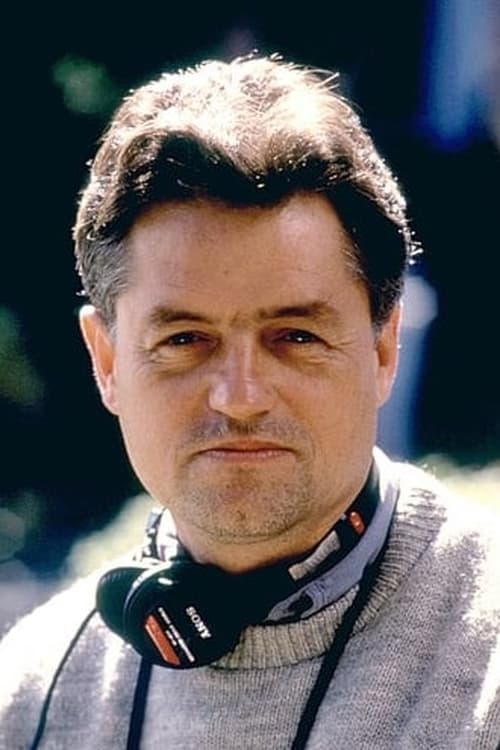
This is quite a weird point in Jonathan Demme’s career, between a Talking Heads concert movie and his masterpiece Silence of the Lambs. His interest in music really shines through here with a great soundtrack and plenty of diegetic music happening around the characters.
Very entertaining movie that desperately needs a better poster.
My dad has been trying to get me to see this for MONTHS! He would ask me all the time if I’d seen Something Wild yet. I finally caved. I can’t remember seeing him smile so hard as when I asked him if he wanted to watch it tonight, he may have shed a tear.
Not at all what I was expecting! The poster makes it look like a screwball comedy, which is where act I feels like it’s going, but as time goes by, the movie gets dark, and real. You really get to know Lulu and her insecurities.
Jeff Daniels absolutely blew me away. I’ve always enjoyed him in Dumb and Dumber and his various Aaron Sorkin projects, but I’d never seen him as a romantic lead. He’s charming, goofy, serious, endearing, absolutely charismatic. Melanie Griffith is also great in this film. I didn’t love her in Working Girl, I think this is her better performance.
On the other hand, while I enjoyed Ray Liotta, he can be over acting at times.
This is quite a weird point in Jonathan Demme’s career, between a Talking Heads concert movie and his masterpiece Silence of the Lambs. His interest in music really shines through here with a great soundtrack and plenty of diegetic music happening around the characters.
Very entertaining movie that desperately needs a better poster.