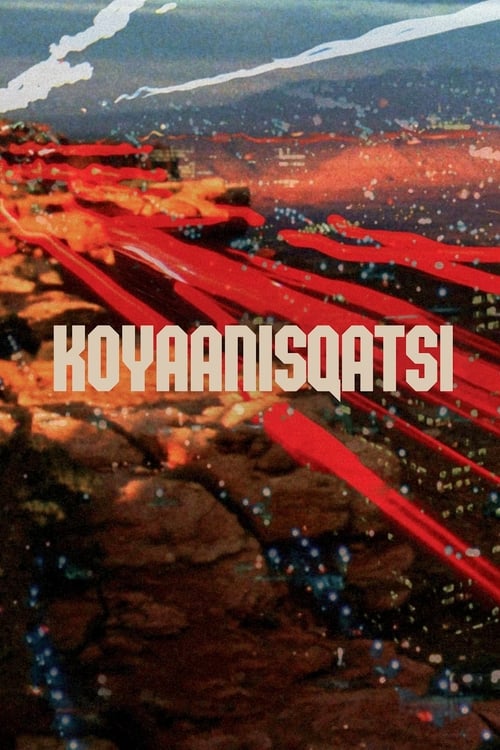
Koyaanisqatsi is a non narrative documentary, with no story, no voiceover. We as viewers are left to discern our own meaning from it. You can put 100 people in a cinema and get 100 different meanings of Koyaanisqatsi. I can't think of any other movie that would have that outcome. To be able to interpret a movie from start to finish in your own way and be guaranteed to stay relevant no matter how you choose to express it is completely and utterly remarkable and something we need more of in cinema.
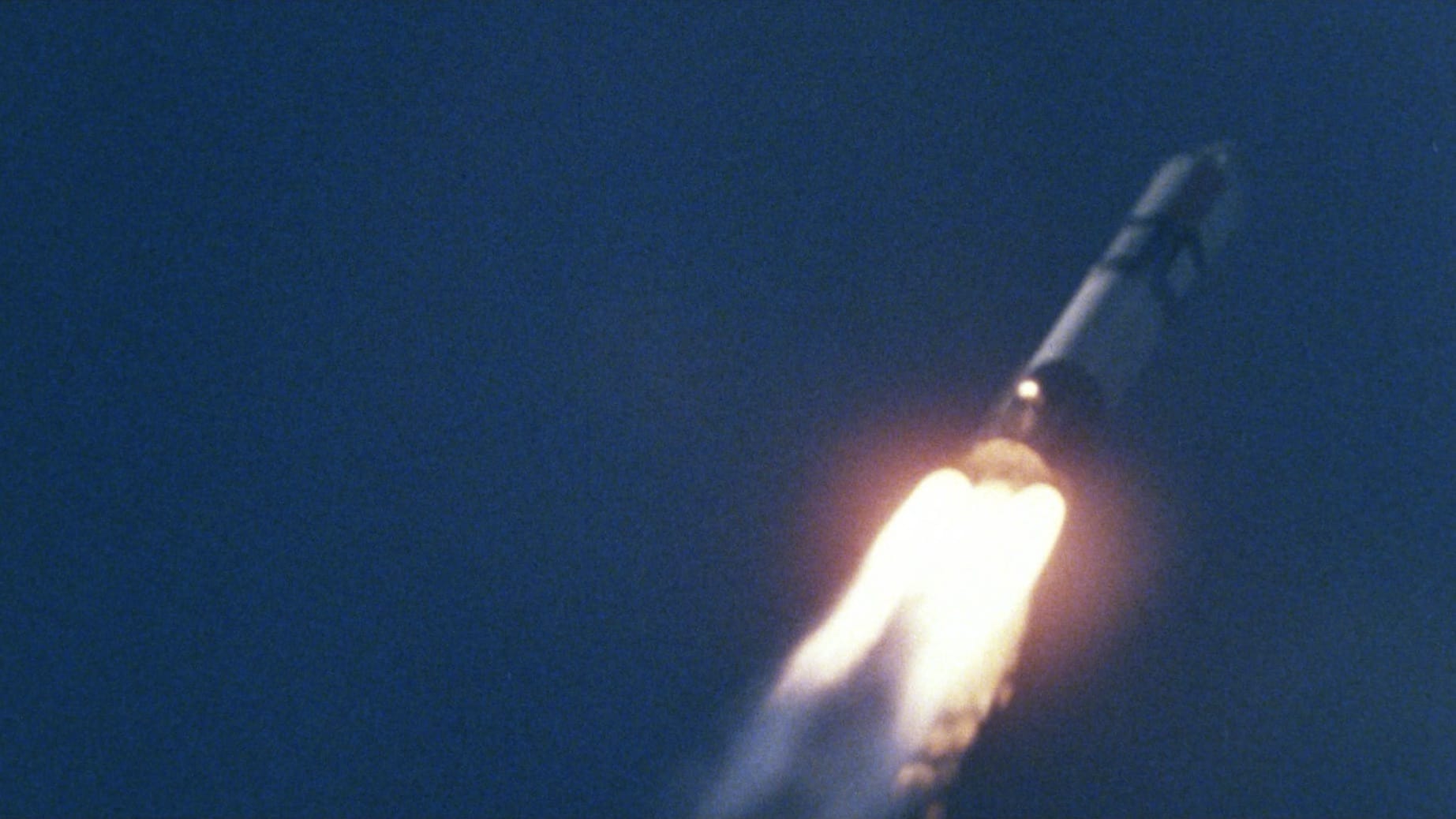
So you might understand by now where I'm getting with this review. To try and express my own understanding and translation of Koyaanisqatsi. It is for me - an experience, a visual marvel. An out of body experience precisely. There is a point in this 86 minute documentary that I want to highlight the most. The climax, which is one of the most perfect and possibly overwhelming moments I've seen in cinema so far in my life. Reggio grasps our current society together as a whole in this moment. It all briefly comes together as a conclusion. That life, human life to be specific, is uneven, aka unbalanced, aka life out of balance, aka Koyaanisqatsi.
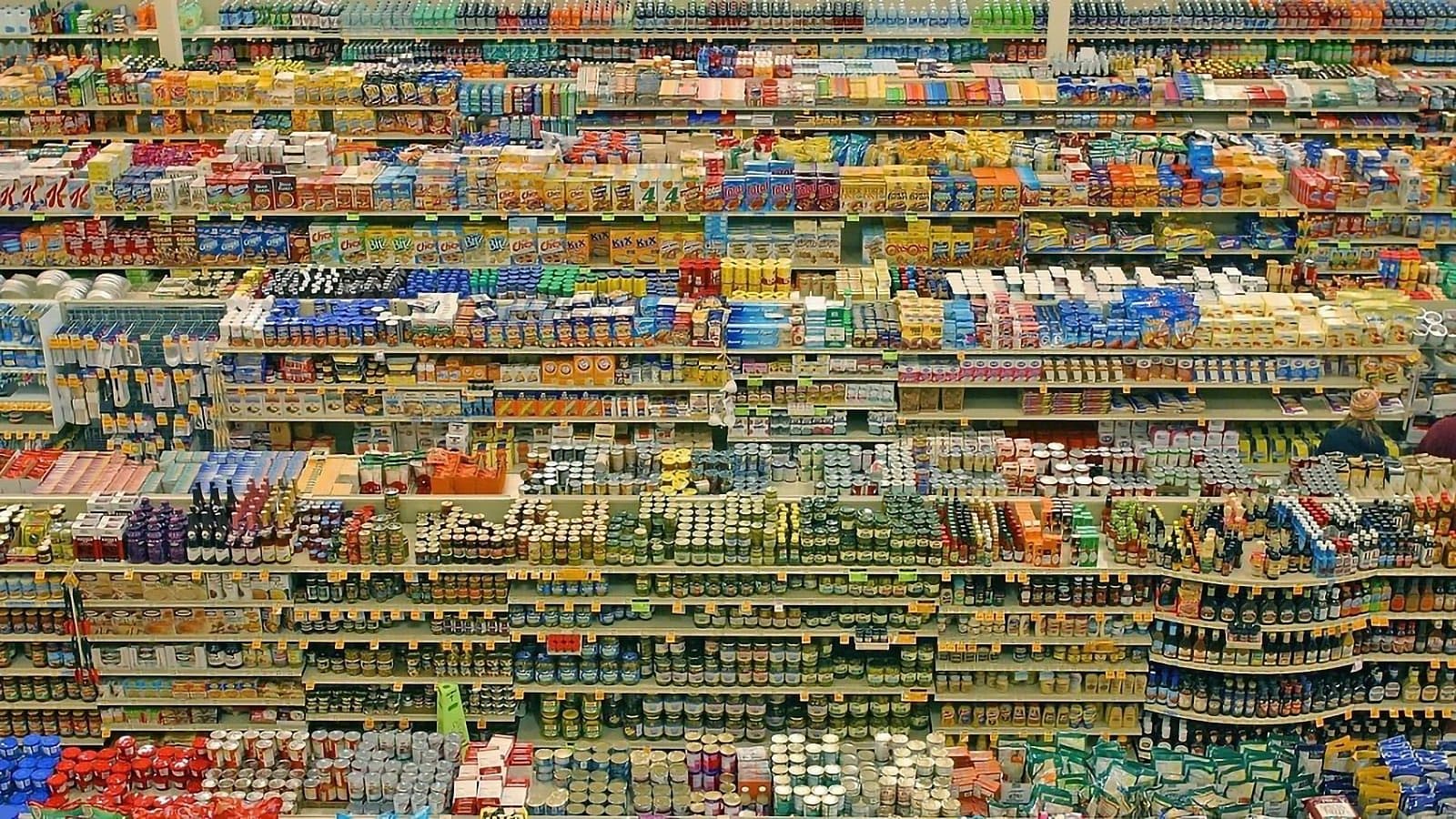
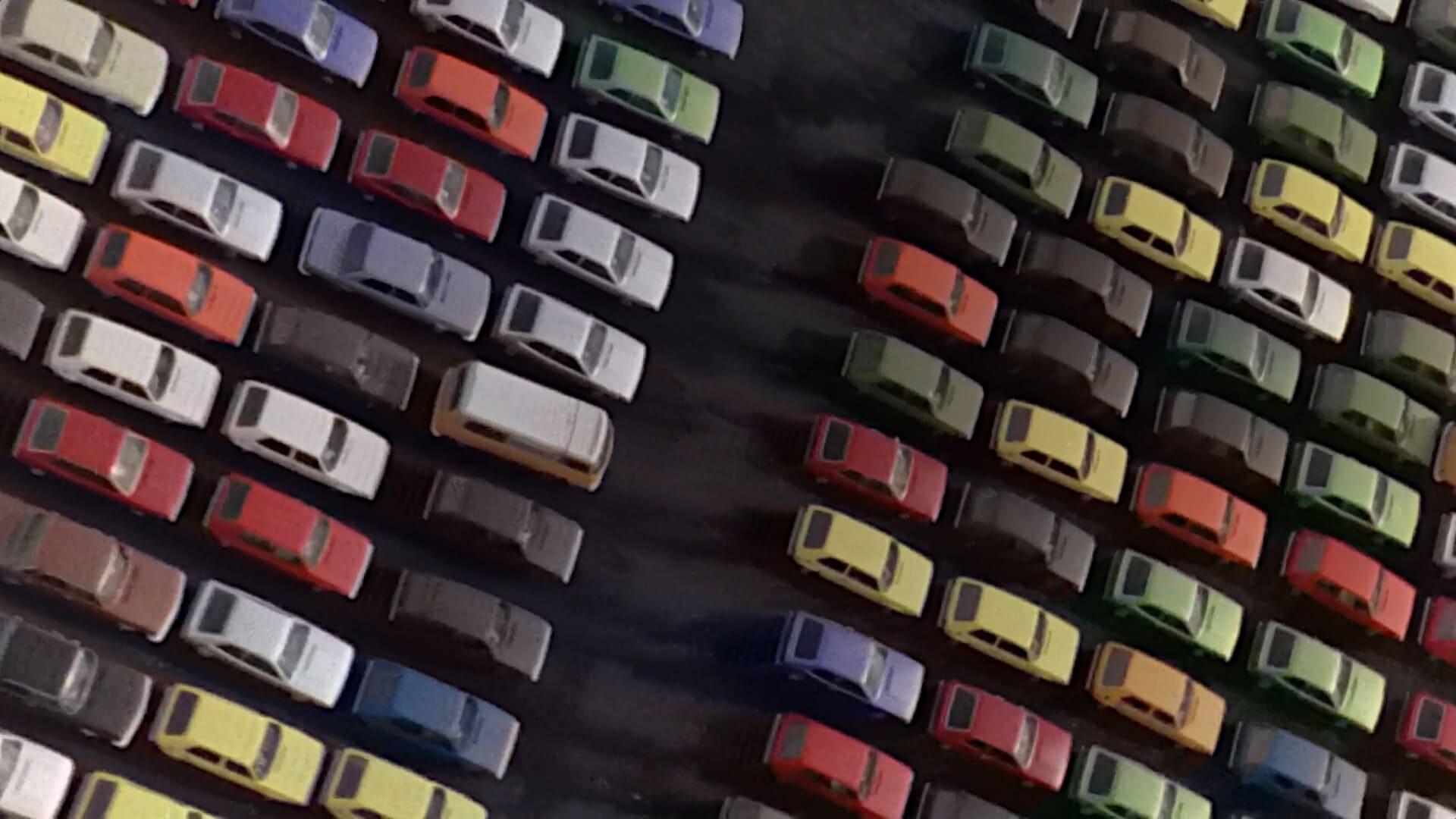
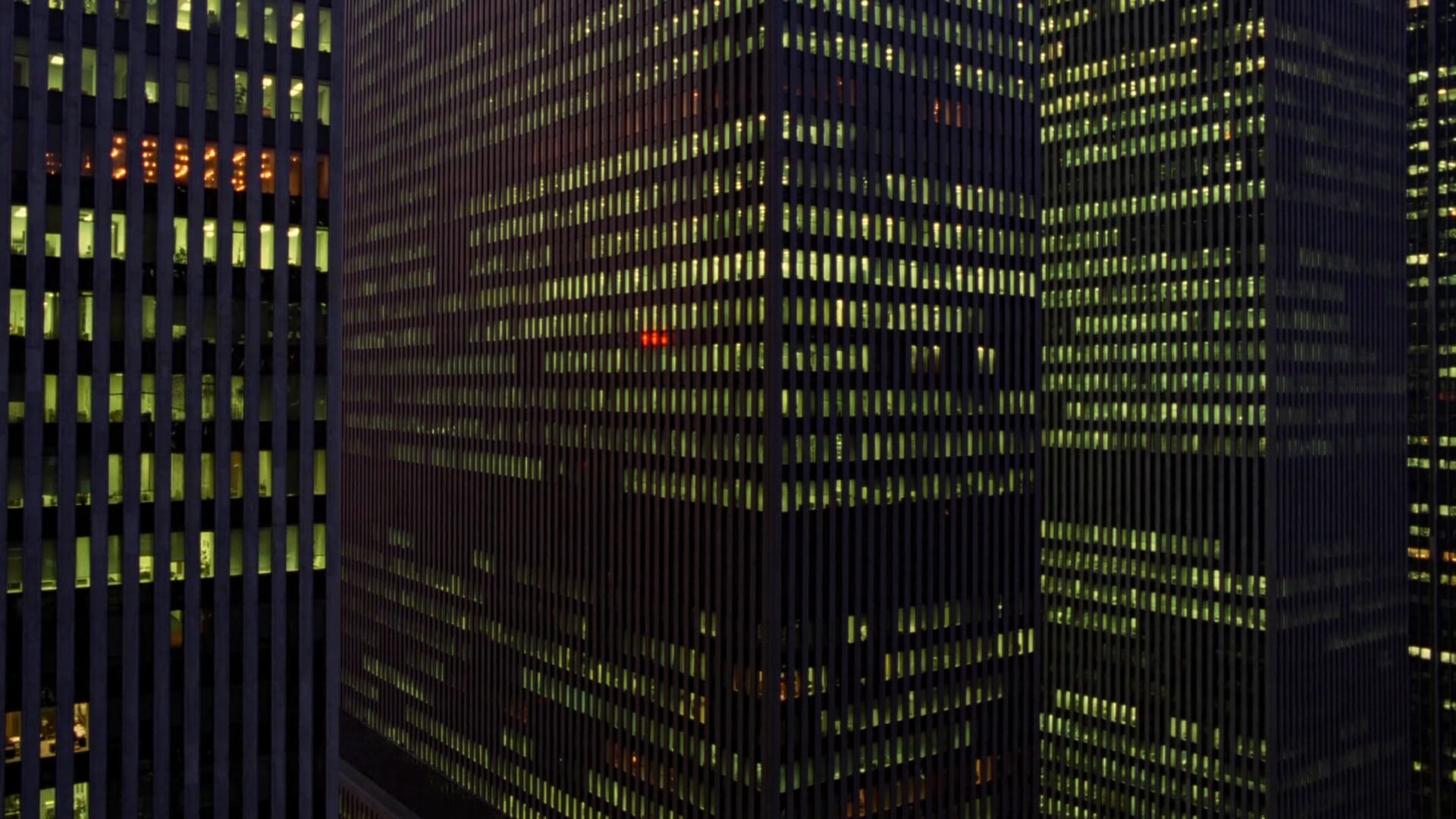
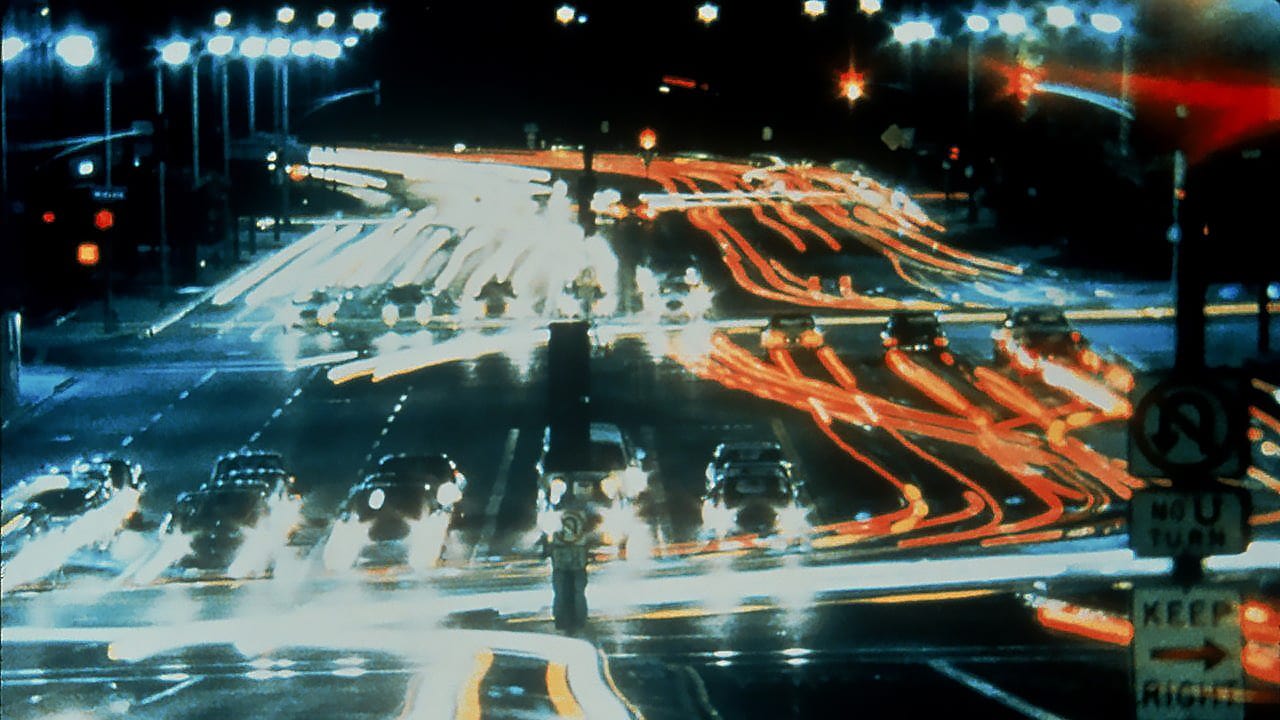
At this point the climax has been reached, the film and its conclusion becomes too much to bear and the music cuts. We are left in an aerial shot across a city. We have been inflated, like a balloon, but expanded too much to the point of explosion. So here we are, floating across the city. I see this as the greatest scene in the entire film. For me to explain what purpose this scene serves or what it means would be ridiculous, as there's no story that follows before it. Like I said at the start, we are to discern our own meaning from the documentary. But I'm more than convinced that the emotions felt before and after the scene make it reasonable and clear for everyone on why it was placed there. I don't want to get in the depths of what I see it as. So as to not put thoughts in your head and make you think of it differently. But I can say that it is a monumental moment in cinema history. The placement in and on itself is spectacular, so much that the first time I saw that part I felt as if I was in existential awe (my favourite emotion when watching movies by the way. On The Silver Globe as a whole comes second in presenting me with that feeling, Koyaanisqatsi on the other hand does it with a single scene).
Koyaanisqatsi is a non narrative documentary, with no story, no voiceover. We as viewers are left to discern our own meaning from it. You can put 100 people in a cinema and get 100 different meanings of Koyaanisqatsi. I can't think of any other movie that would have that outcome. To be able to interpret a movie from start to finish in your own way and be guaranteed to stay relevant no matter how you choose to express it is completely and utterly remarkable and something we need more of in cinema.
So you might understand by now where I'm getting with this review. To try and express my own understanding and translation of Koyaanisqatsi. It is for me - an experience, a visual marvel. An out of body experience precisely. There is a point in this 86 minute documentary that I want to highlight the most. The climax, which is one of the most perfect and possibly overwhelming moments I've seen in cinema so far in my life. Reggio grasps our current society together as a whole in this moment. It all briefly comes together as a conclusion. That life, human life to be specific, is uneven, aka unbalanced, aka life out of balance, aka Koyaanisqatsi.
At this point the climax has been reached, the film and its conclusion becomes too much to bear and the music cuts. We are left in an aerial shot across a city. We have been inflated, like a balloon, but expanded too much to the point of explosion. So here we are, floating across the city. I see this as the greatest scene in the entire film. For me to explain what purpose this scene serves or what it means would be ridiculous, as there's no story that follows before it. Like I said at the start, we are to discern our own meaning from the documentary. But I'm more than convinced that the emotions felt before and after the scene make it reasonable and clear for everyone on why it was placed there. I don't want to get in the depths of what I see it as. So as to not put thoughts in your head and make you think of it differently. But I can say that it is a monumental moment in cinema history. The placement in and on itself is spectacular, so much that the first time I saw that part I felt as if I was in existential awe (my favourite emotion when watching movies by the way. On The Silver Globe as a whole comes second in presenting me with that feeling, Koyaanisqatsi on the other hand does it with a single scene).