
Eskimo
1933·Drama·1h 57m
7.1
★
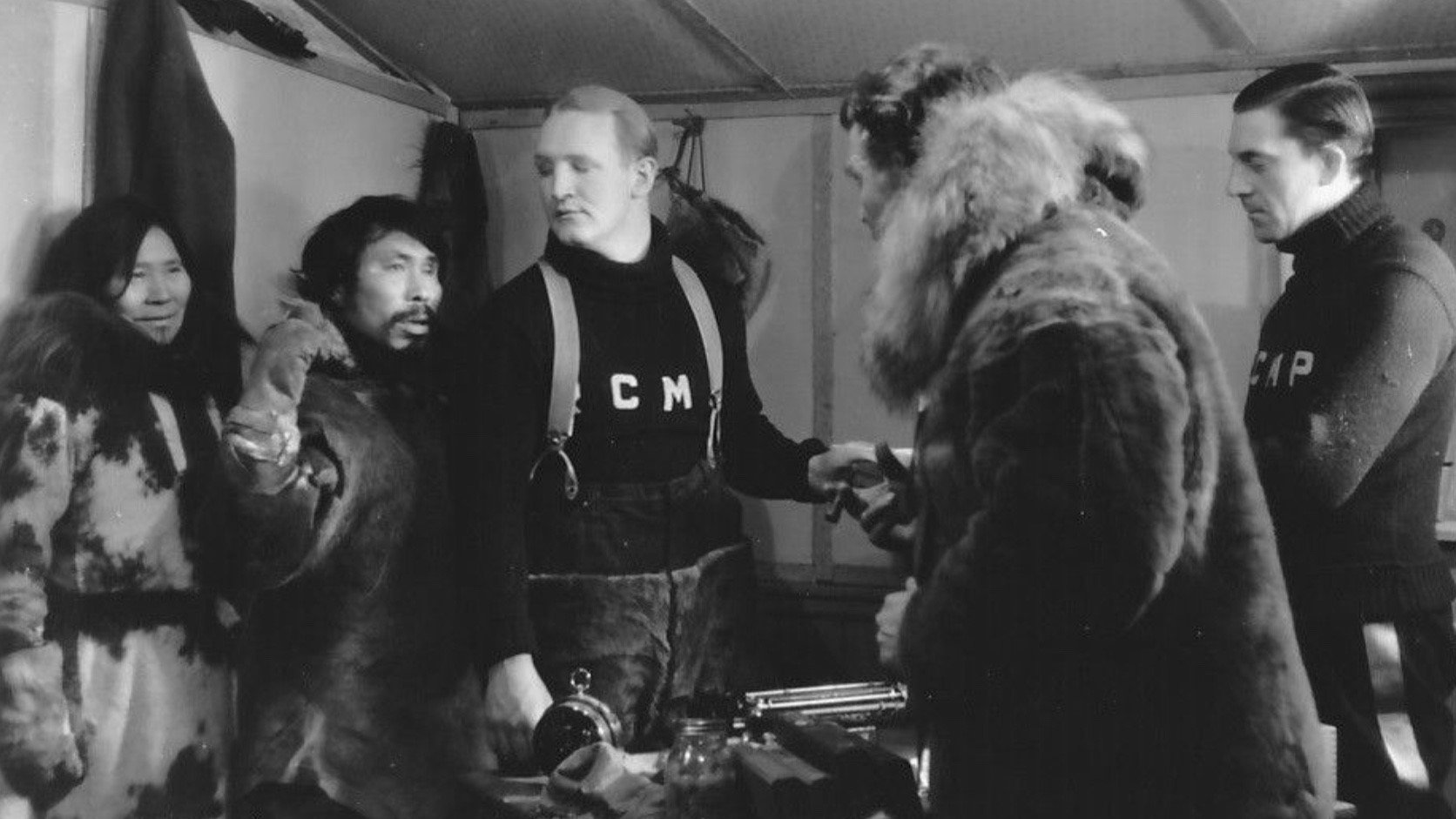
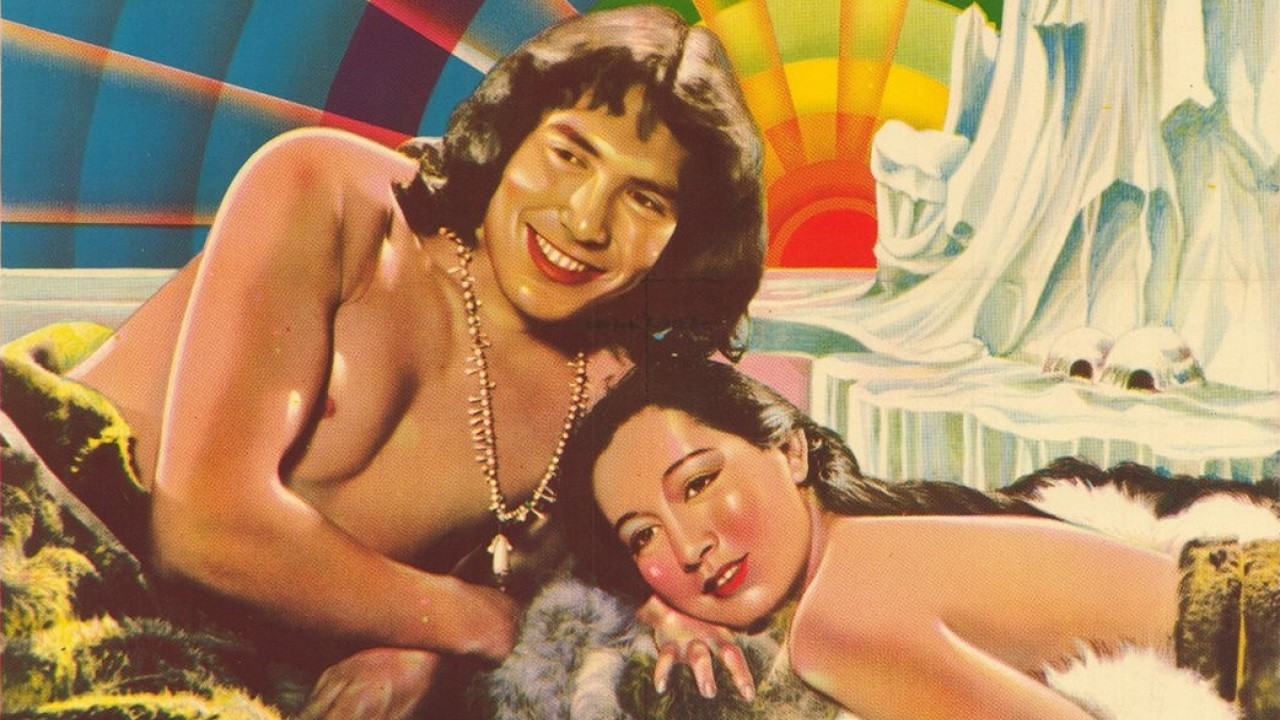
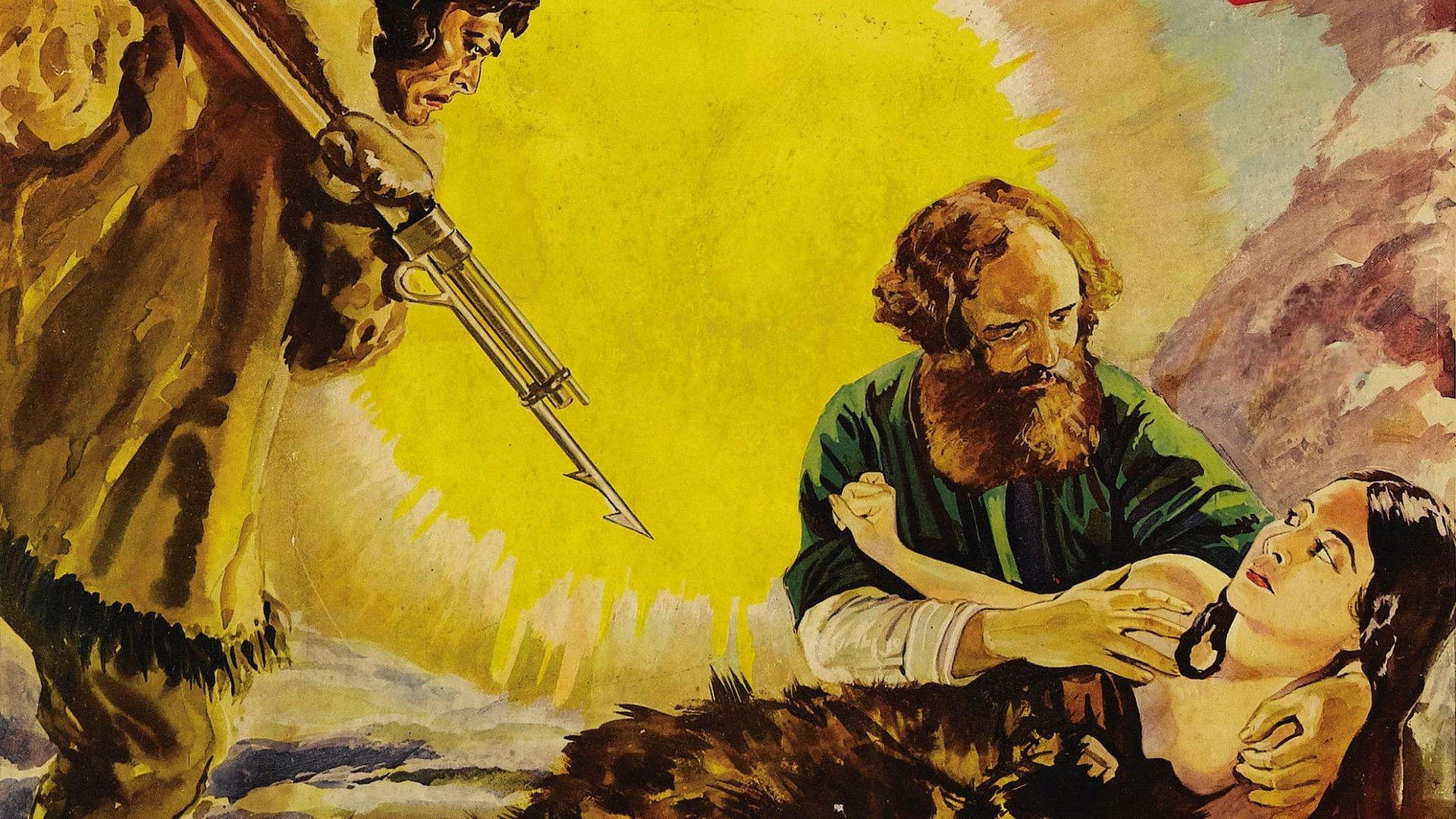
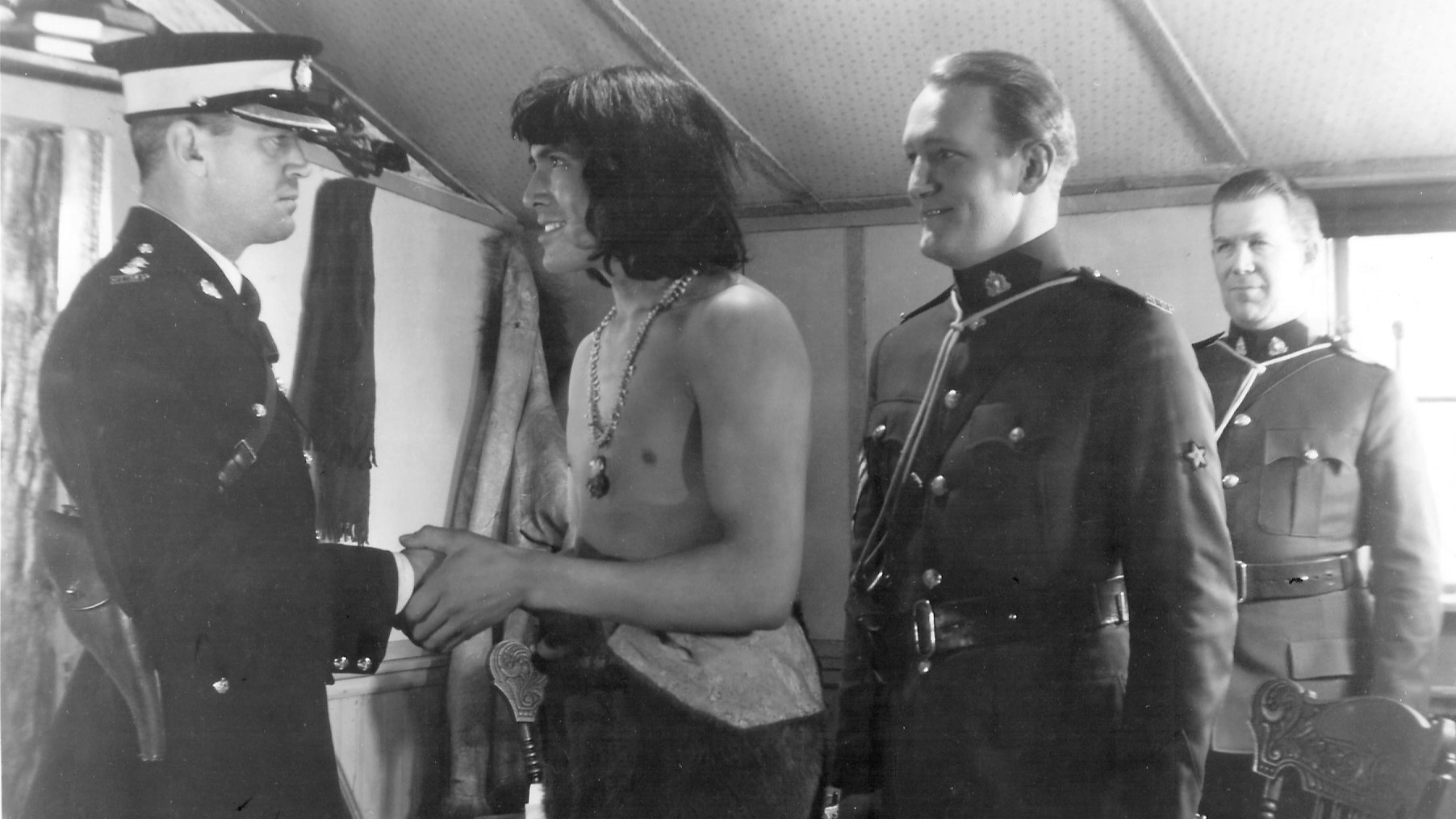
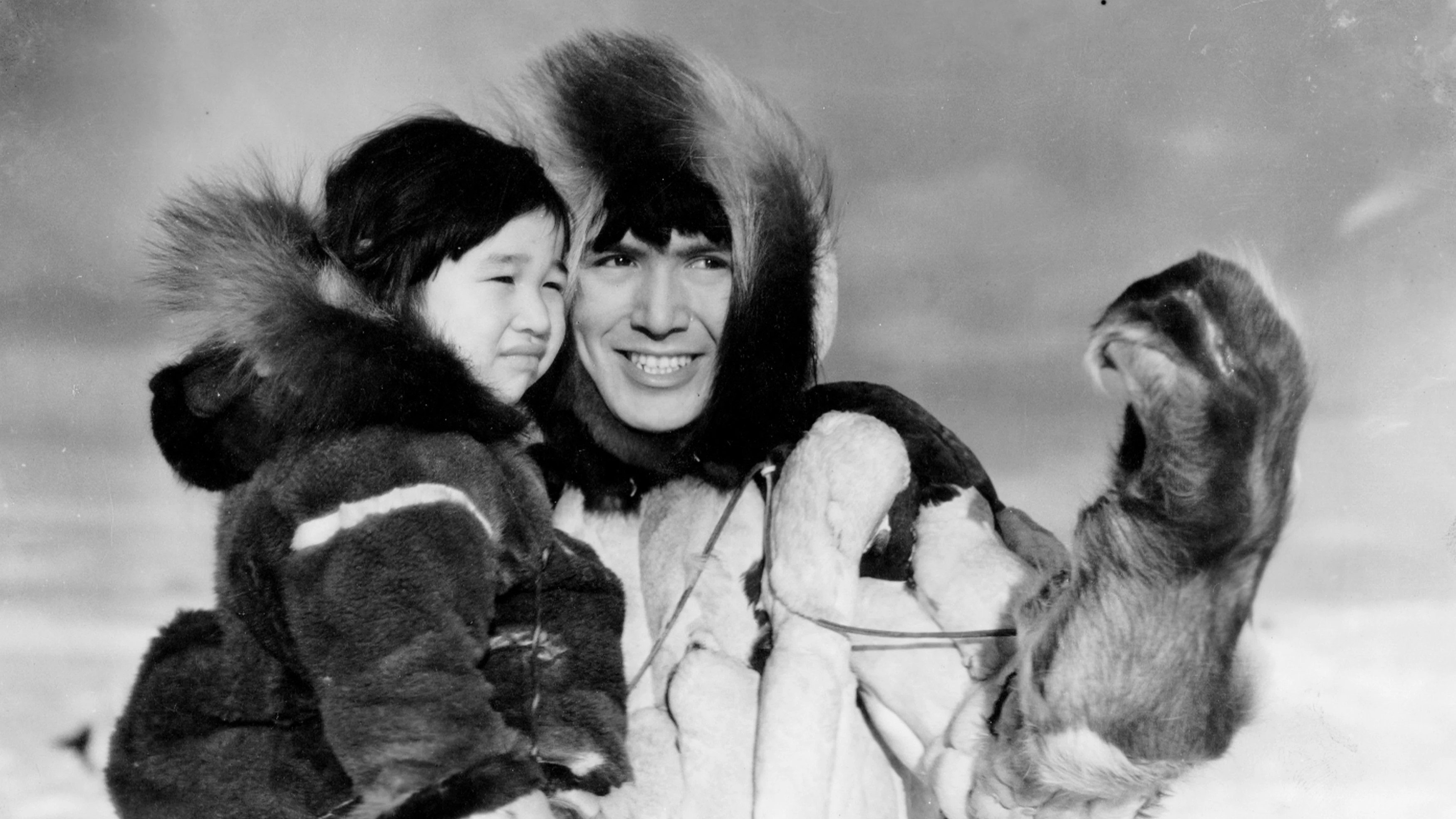
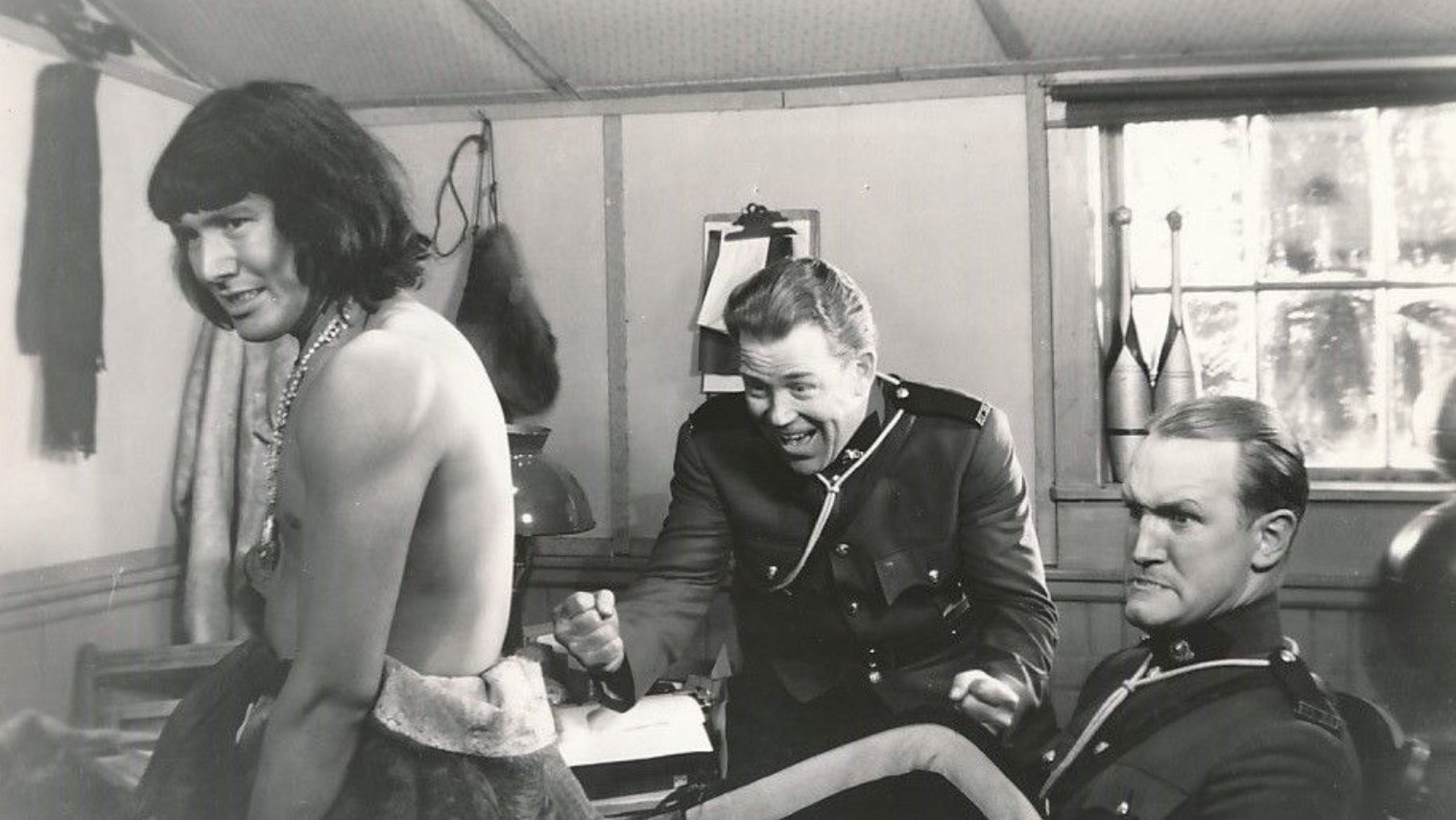
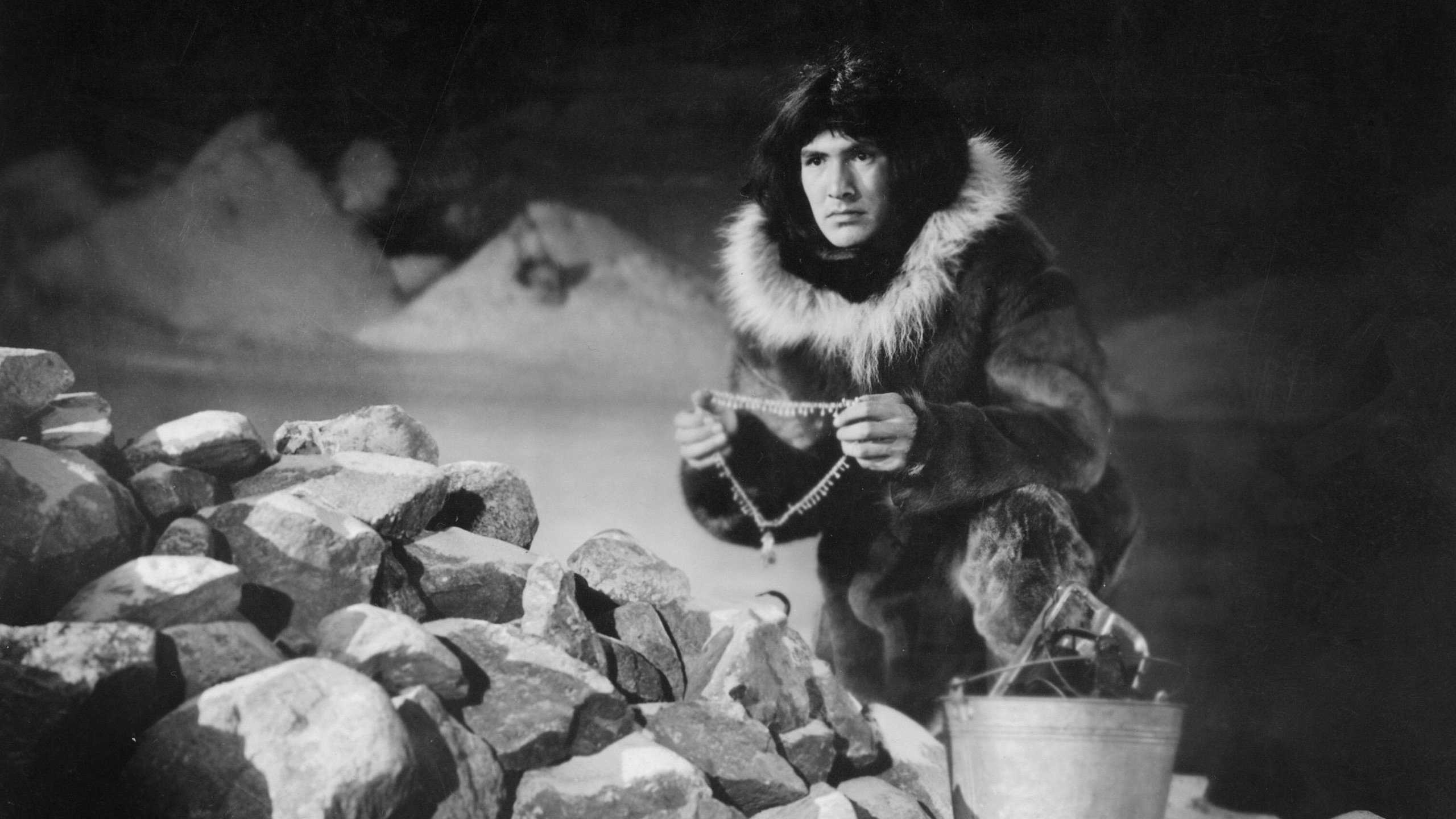
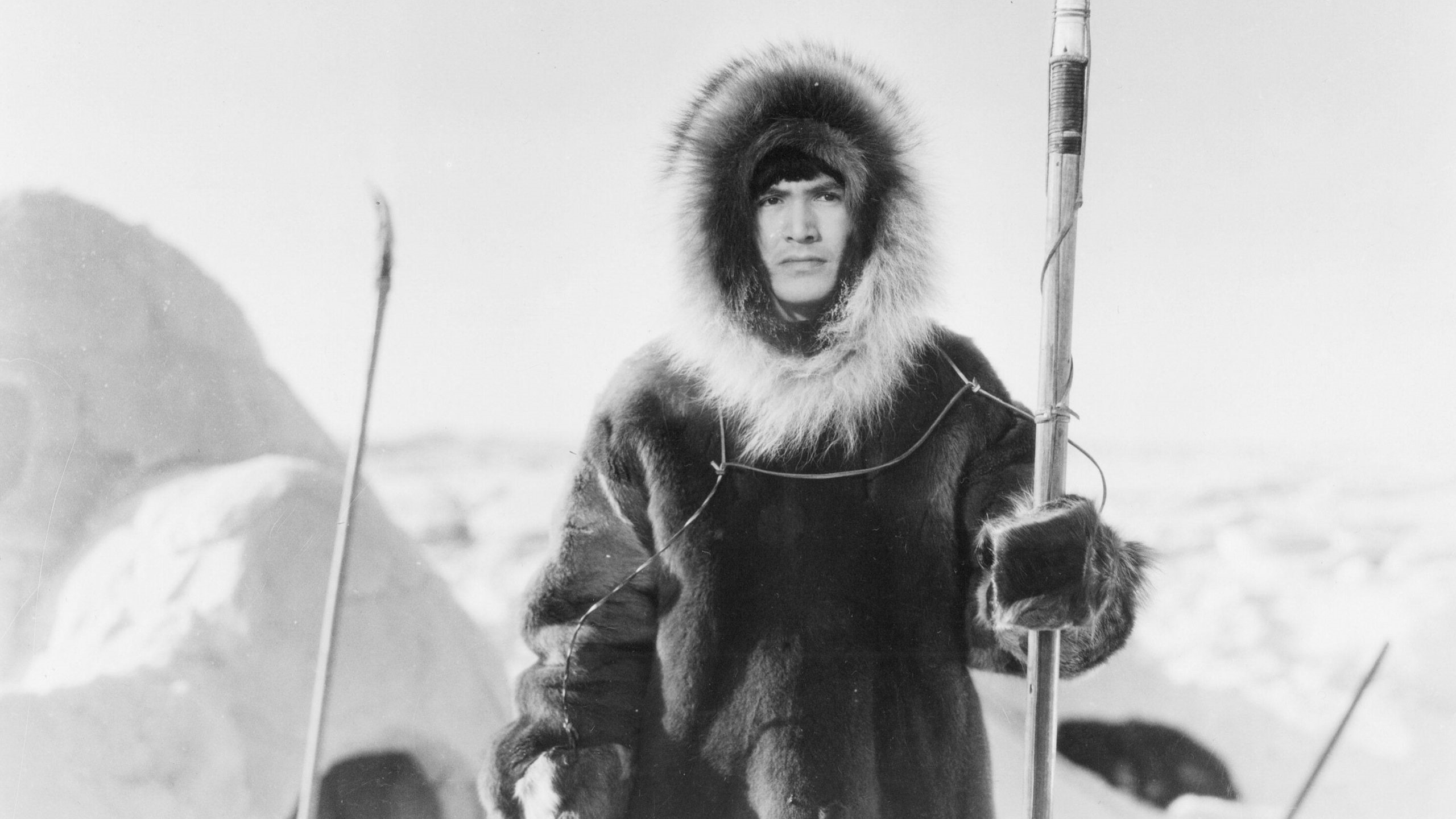
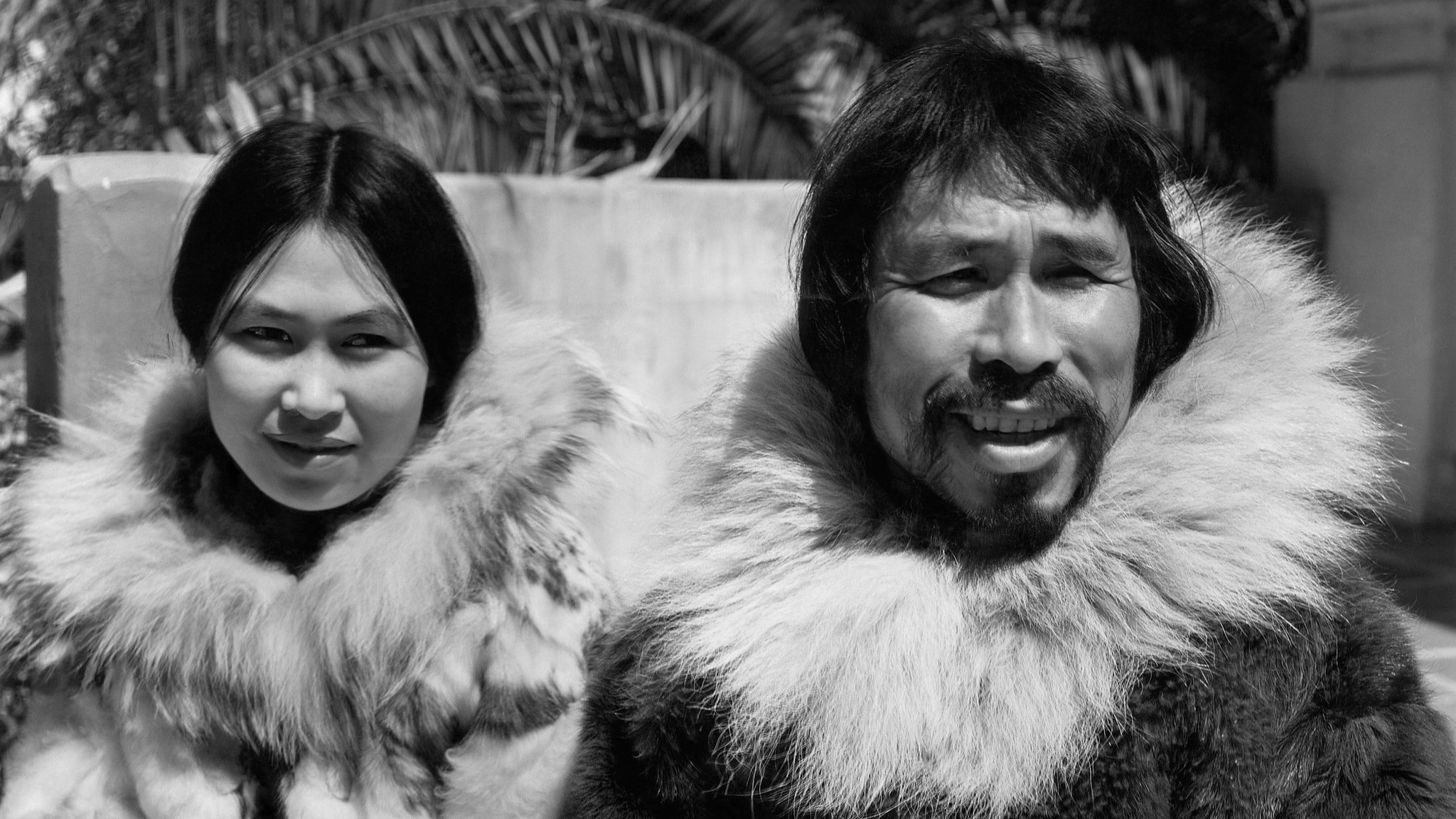
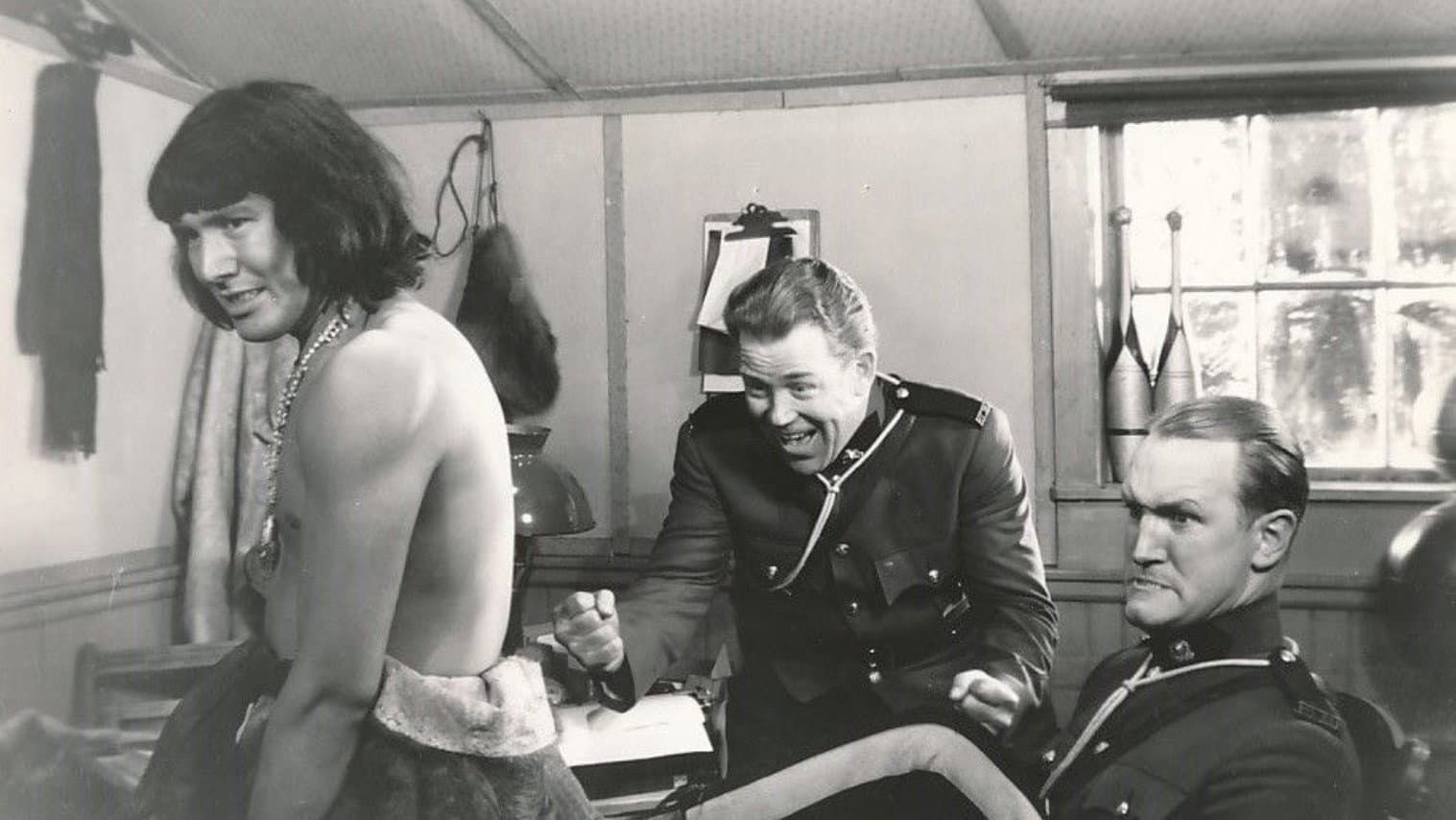
The happy life of an Eskimo is disastrously changed when he mingles with an unscrupulous white trader.
Directed by W.S. Van Dyke
rape
snowstorm
inuit
walrus
alaska
fugitive
hunting
dog sled
igloo
royal canadian mounted police (mountie)
death of wife
clash of cultures
caribou
loyal wife
eskimo
wife swapping
seal hunting
alaska native

IMDB
N/A
Cast
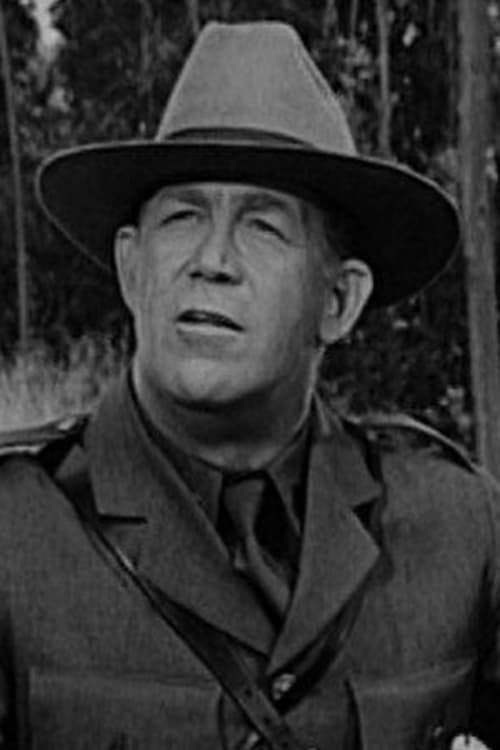
Edgar Dearing
Constable Balk (uncredited)
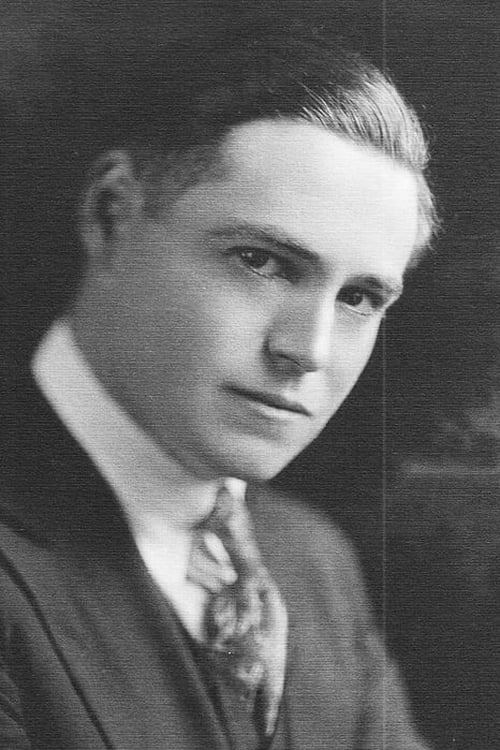
Edward Hearn
Captain's Mate (uncredited)

Lotus Long
Iva (uncredited)
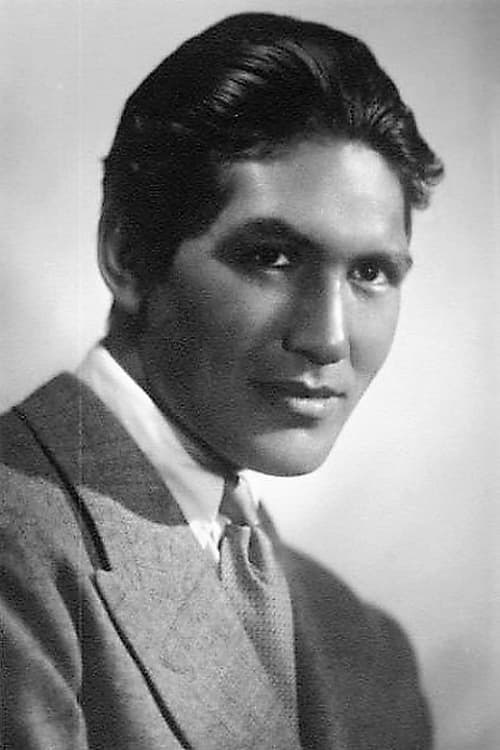
Mala
Mala, aka Kripik (uncredited)
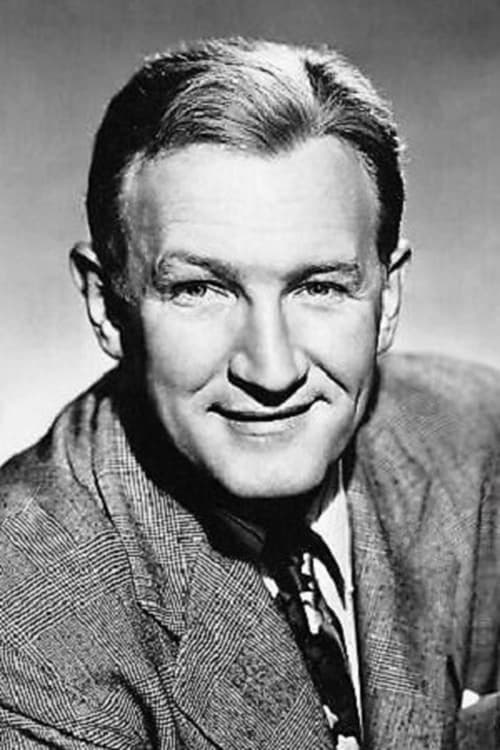
Joe Sawyer
Sergeant Hunt (uncredited)
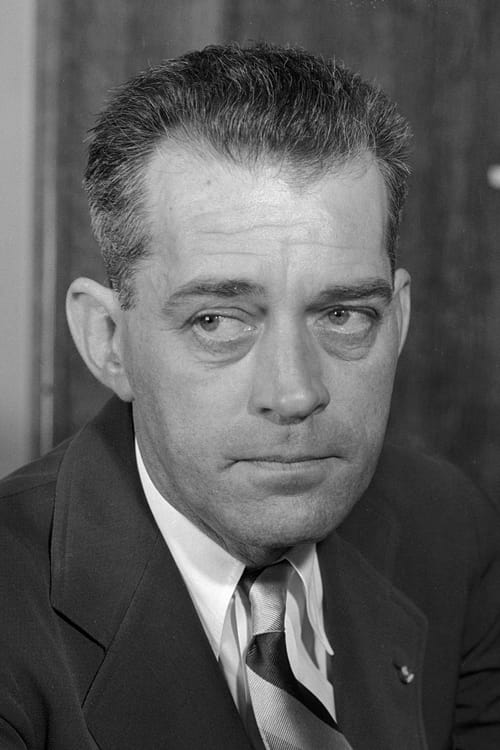
W.S. Van Dyke
Inspector White (uncredited)
Crew
W.S. Van Dyke
Director
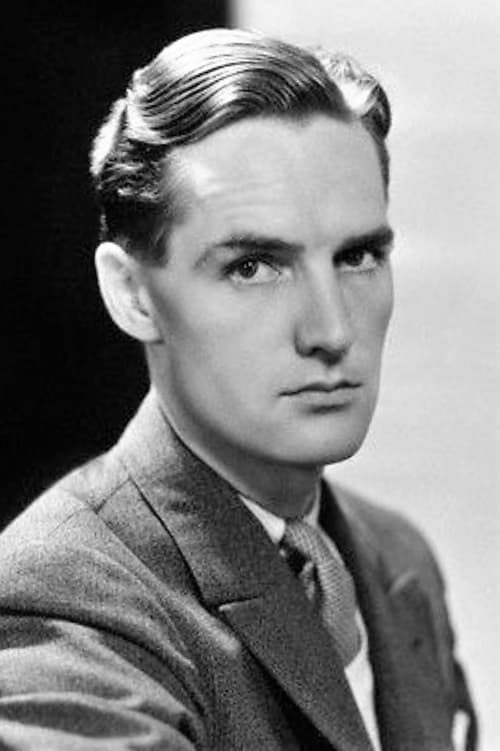
John Lee Mahin
Writer
W.S. Van Dyke
Producer
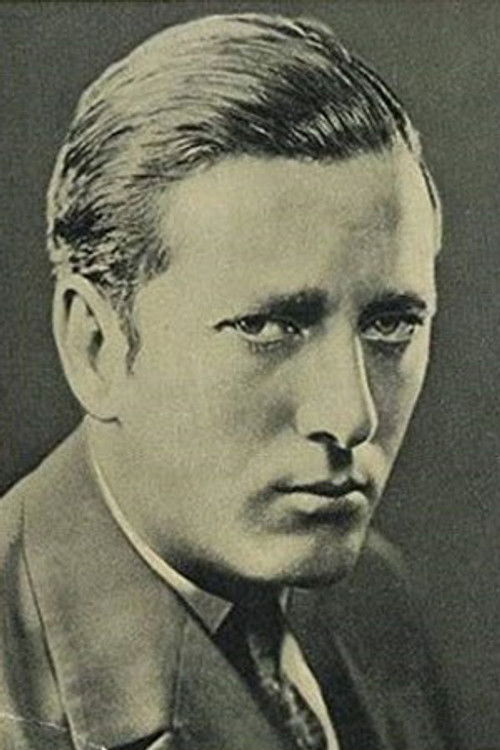
Hunt Stromberg
Producer
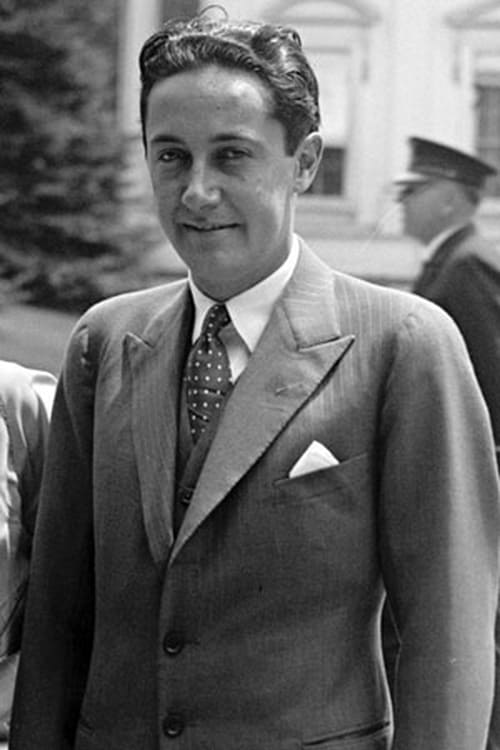
Irving Thalberg
Producer
Edward Hearn
Assistant Director
Popular Reviews
1 review
Hedonisticmystic
5.0★ · 10/01/23
I feel incredibly lucky to have seen this pre-code film. There was a lot that was fascinating about it. For instance, seeing the captioning being similar to the silent movies and the art of keeping the dialogue translations to the bare minimum even if the actors were speaking for longer. I am very interested in captioning in any film particularly when we consider where something is released and what audience it is expected to have. I would be fascinated to sit with someone who knows the language and could talk me through how accurate all the translations were. I couldn't always tell what were artistic choices trying to capture what they wanted the Eskimo characters to sound like and what was actually just quirks about the Inupiat language. It was also interesting to see actors playing with non-actors because the loud distinct pronunciation versus the mumbling and often difficult to hear non-actors was very distinct. The other thing that struck me was how incredible it was to see all the nature film they had. They had shots on the water and filming on water is difficult to do now! The wildlife footage was just incredible. The story was very interesting for a lot of reasons, primarily because while it definitely fed into stereotypes and tropes about Native American culture, it also framed Mala as the hero and the one with moral high ground. This was I think the first pre-code film that I've watched and it really is so jarring to see how sex and other aspects of normal human life were discussed much more openly in these early films. I do think that this film is very much a product of its time in that it is not the most accurate portrayal of Eskimos but I am grateful to have gotten this insight into the past.
I feel incredibly lucky to have seen this pre-code film. There was a lot that was fascinating about it. For instance, seeing the captioning being similar to the silent movies and the art of keeping the dialogue translations to the bare minimum even if the actors were speaking for longer. I am very interested in captioning in any film particularly when we consider where something is released and what audience it is expected to have. I would be fascinated to sit with someone who knows the language and could talk me through how accurate all the translations were. I couldn't always tell what were artistic choices trying to capture what they wanted the Eskimo characters to sound like and what was actually just quirks about the Inupiat language. It was also interesting to see actors playing with non-actors because the loud distinct pronunciation versus the mumbling and often difficult to hear non-actors was very distinct. The other thing that struck me was how incredible it was to see all the nature film they had. They had shots on the water and filming on water is difficult to do now! The wildlife footage was just incredible. The story was very interesting for a lot of reasons, primarily because while it definitely fed into stereotypes and tropes about Native American culture, it also framed Mala as the hero and the one with moral high ground. This was I think the first pre-code film that I've watched and it really is so jarring to see how sex and other aspects of normal human life were discussed much more openly in these early films. I do think that this film is very much a product of its time in that it is not the most accurate portrayal of Eskimos but I am grateful to have gotten this insight into the past.

