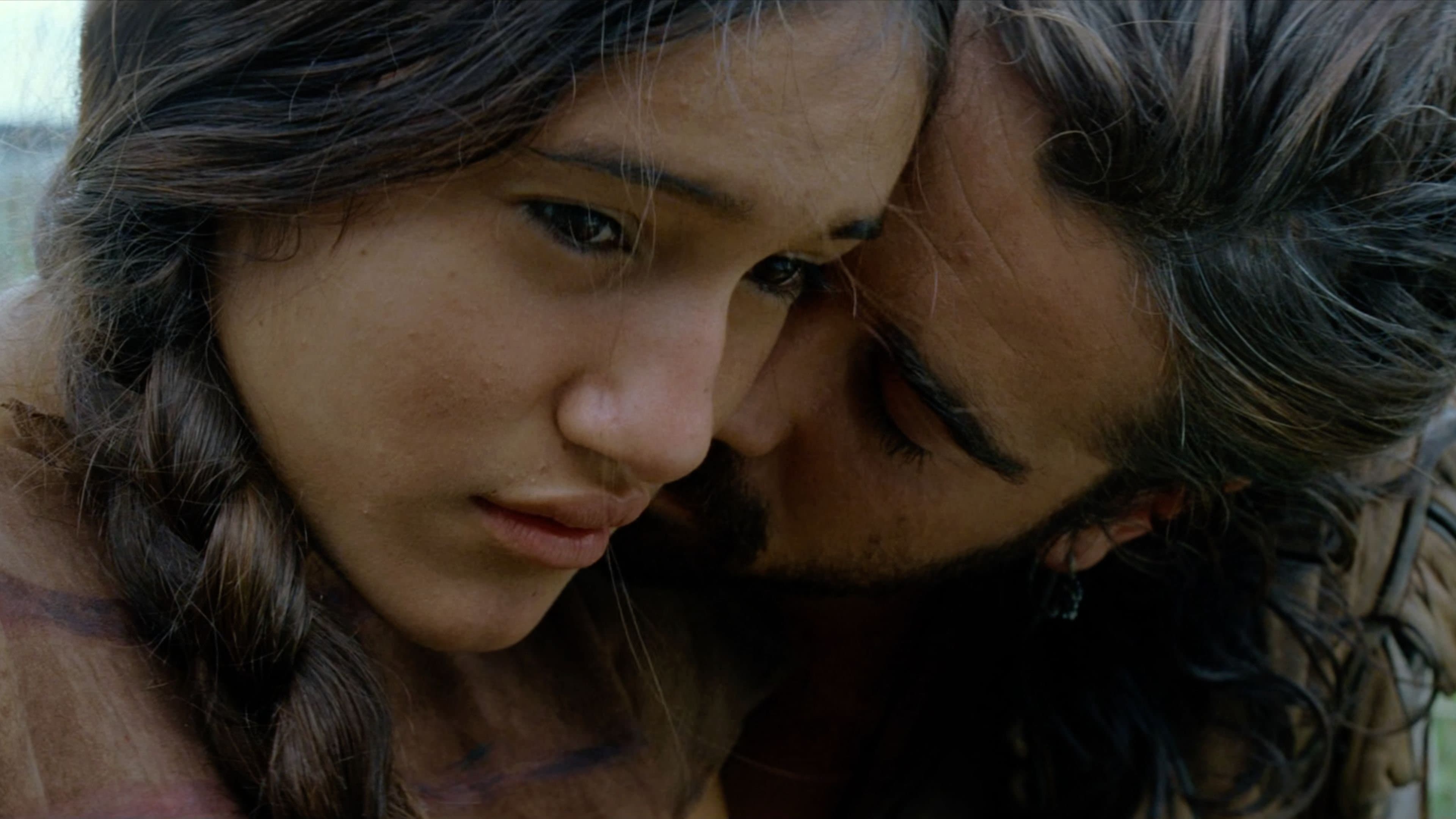
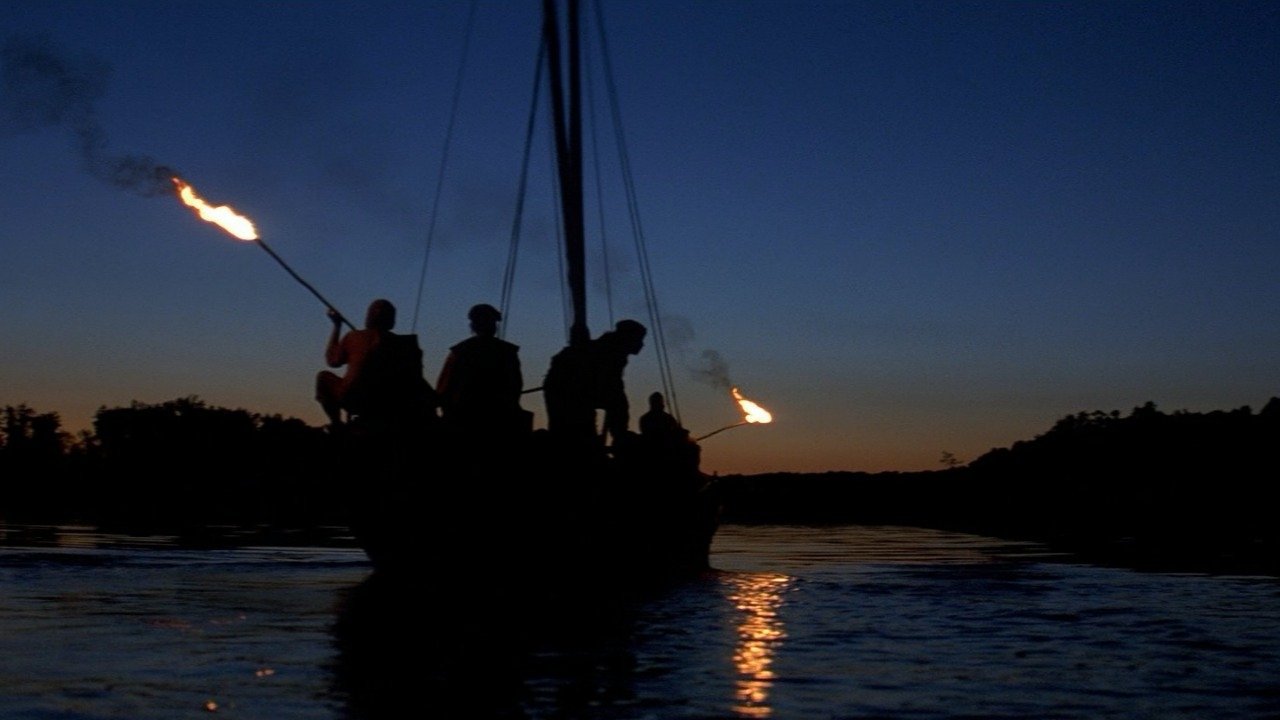
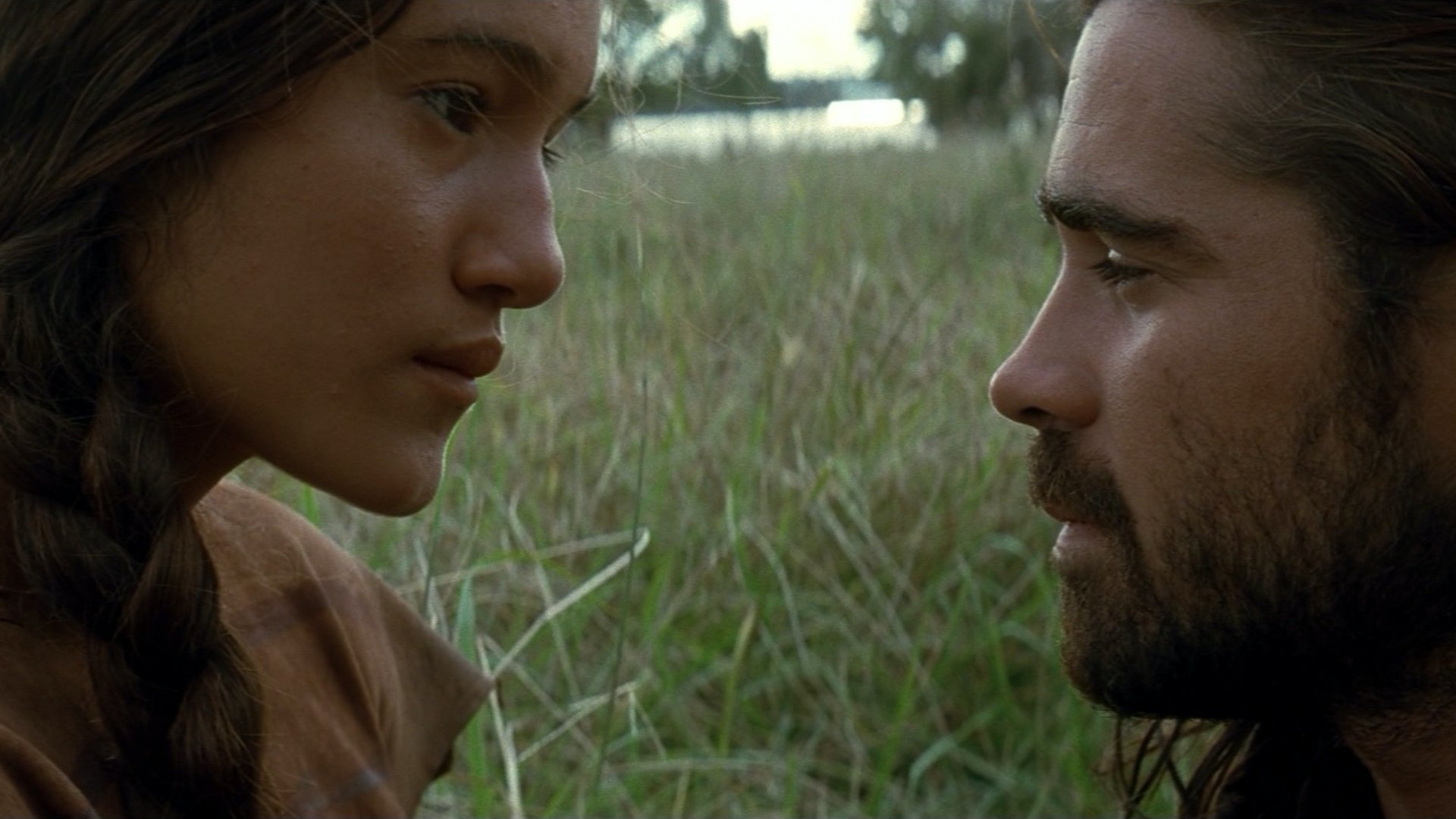
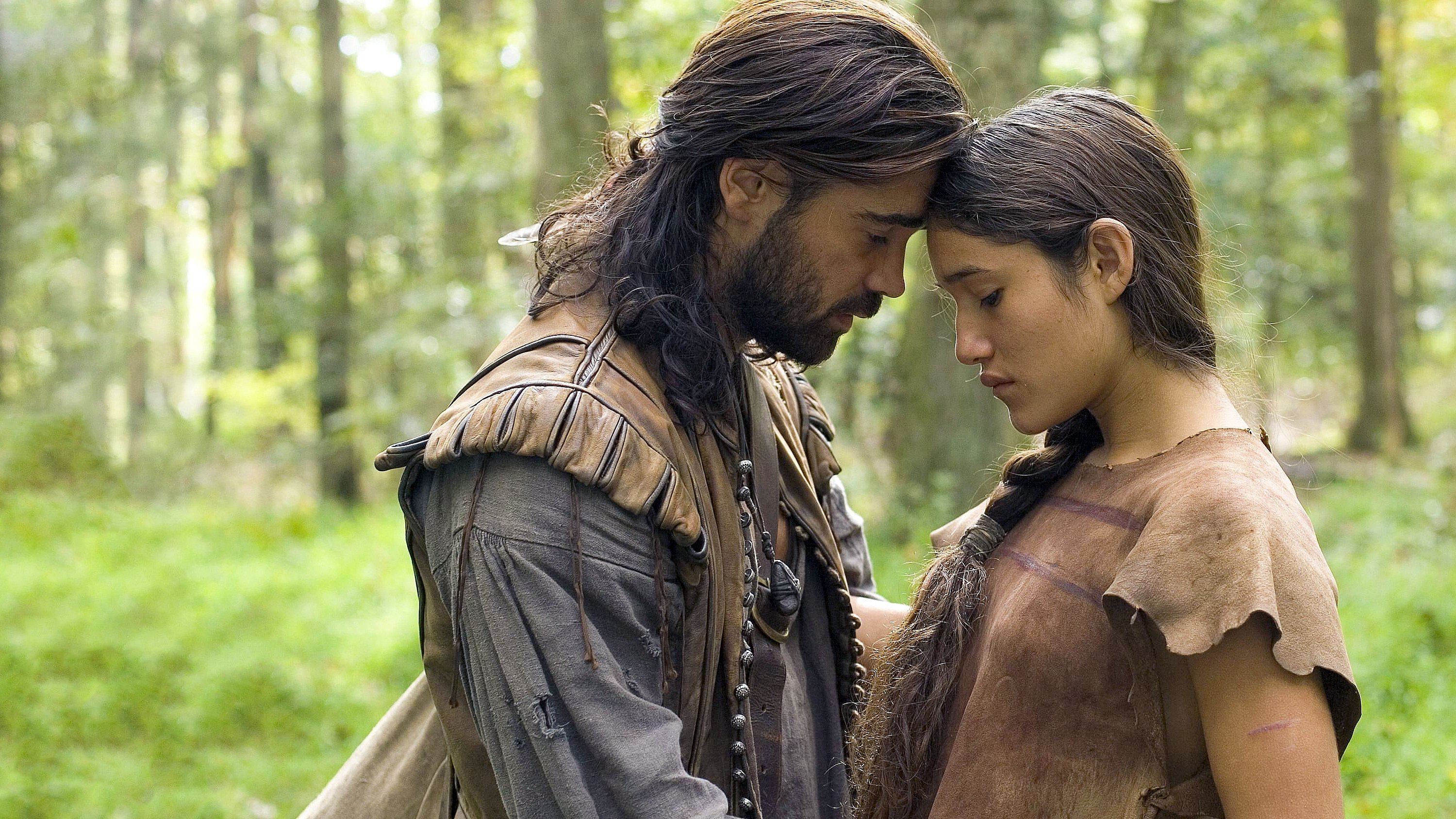
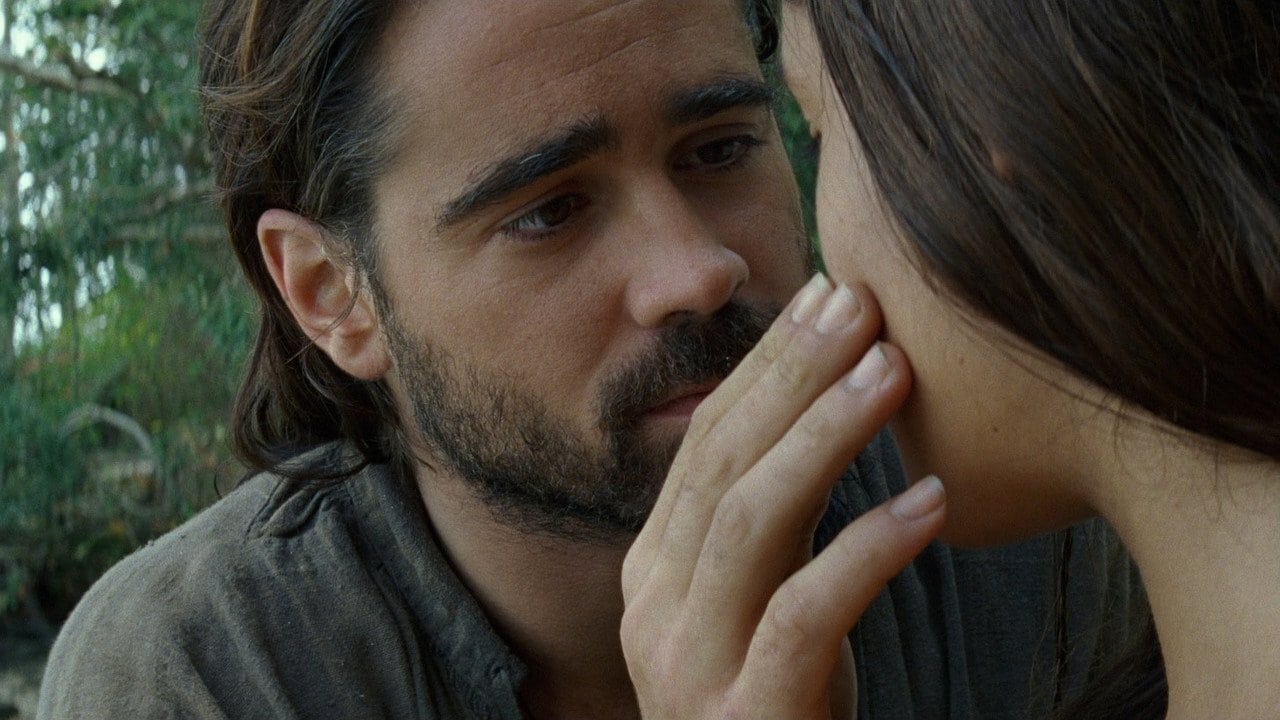
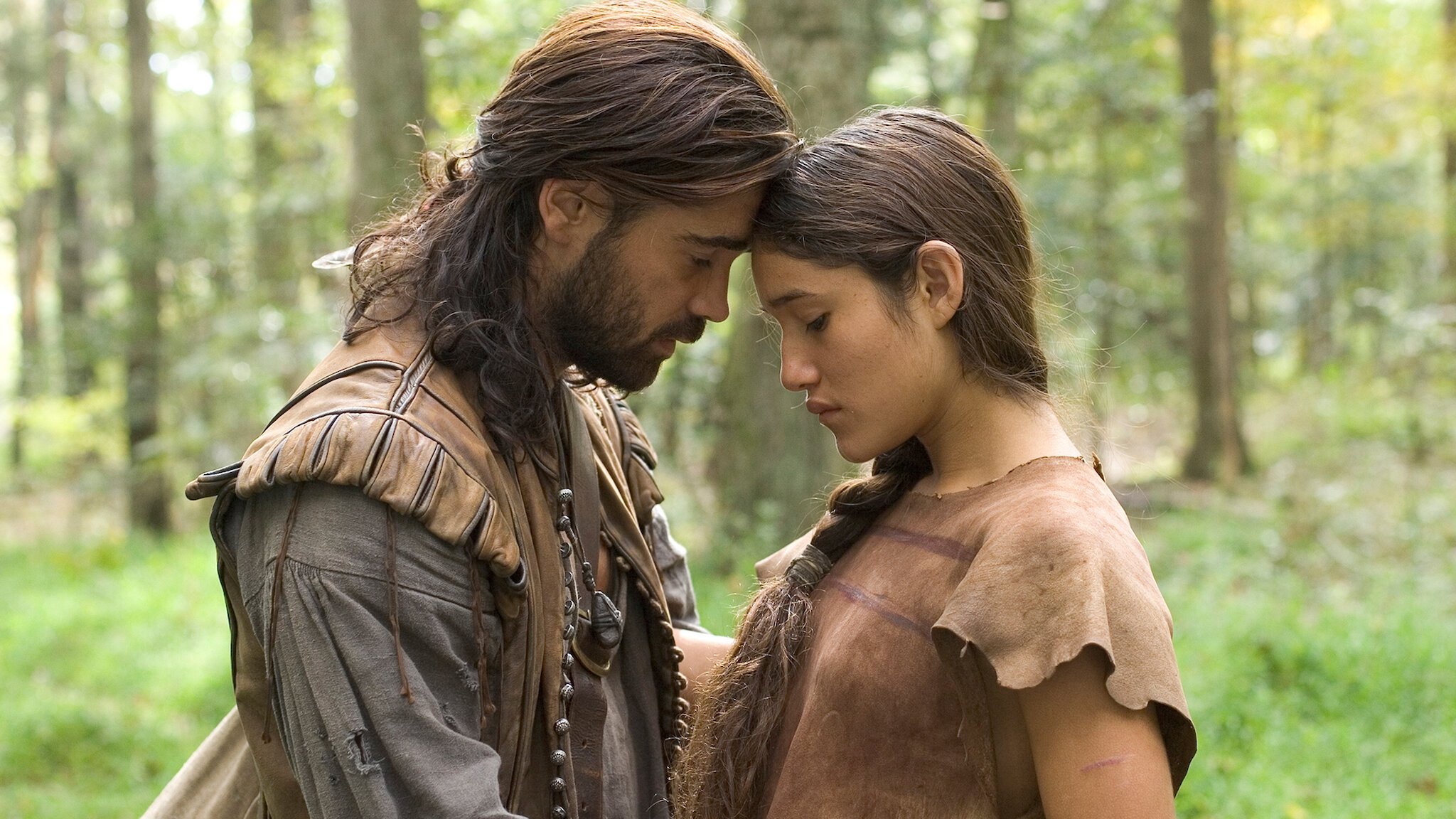
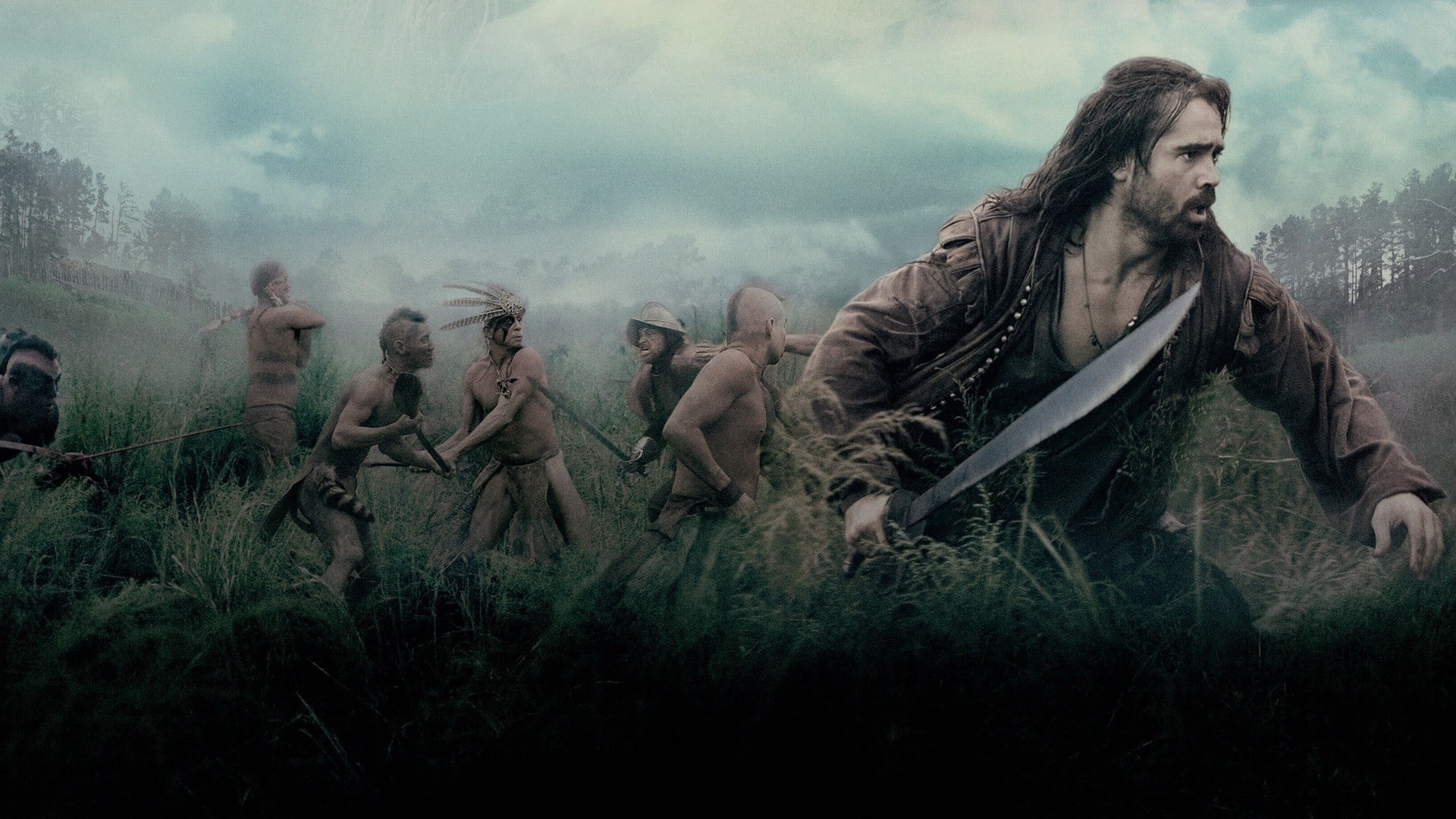
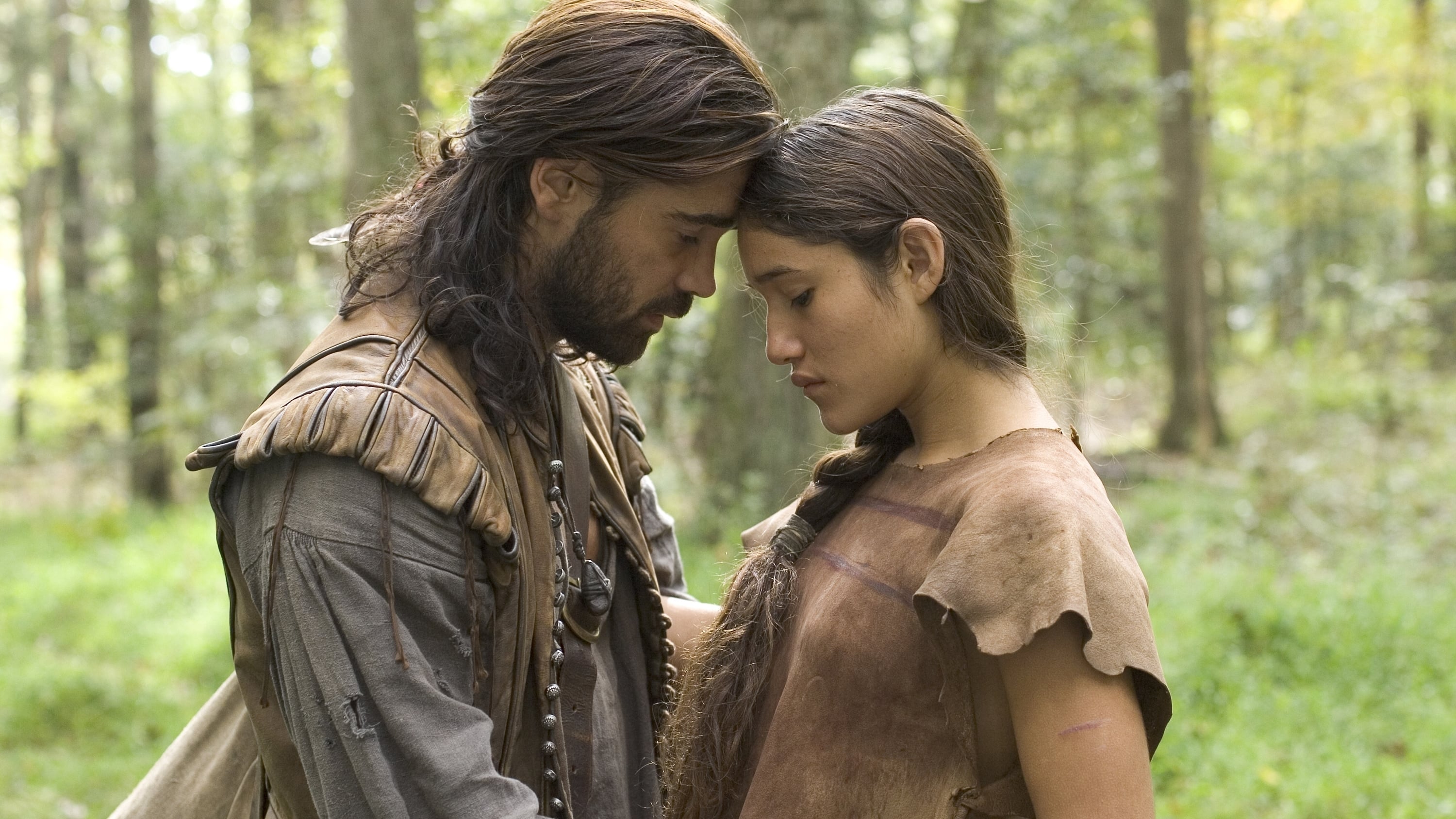
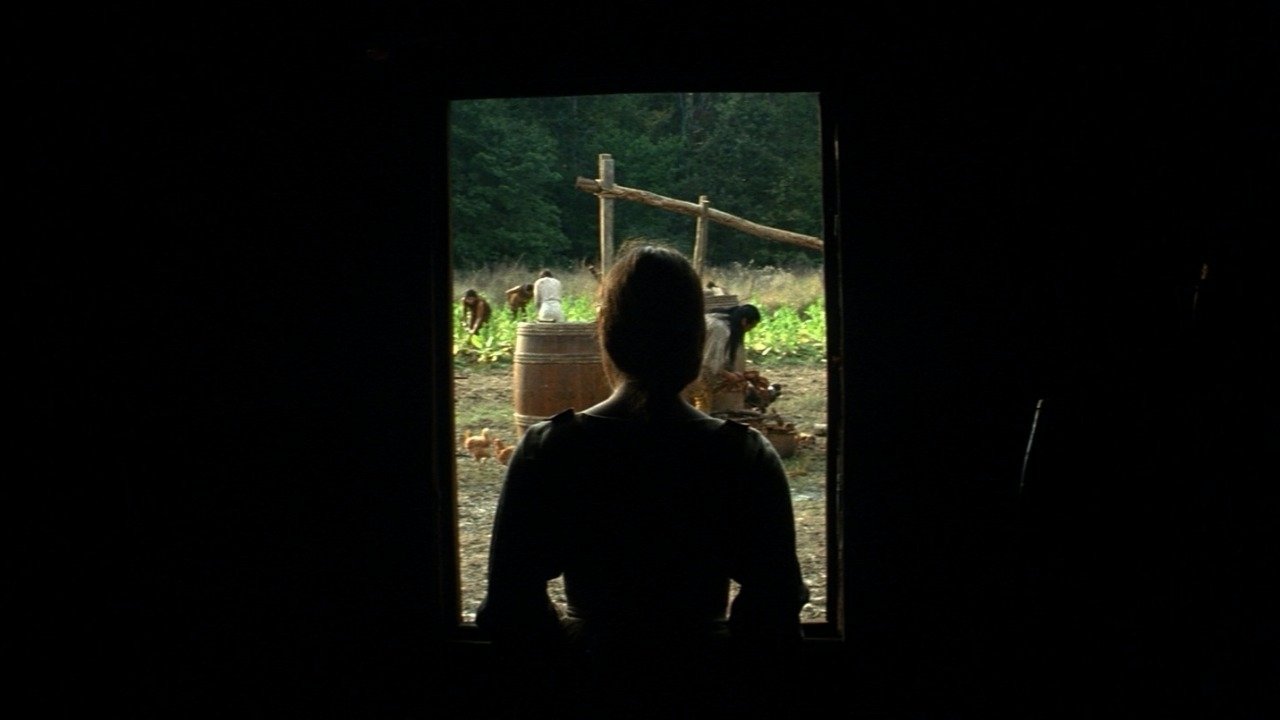
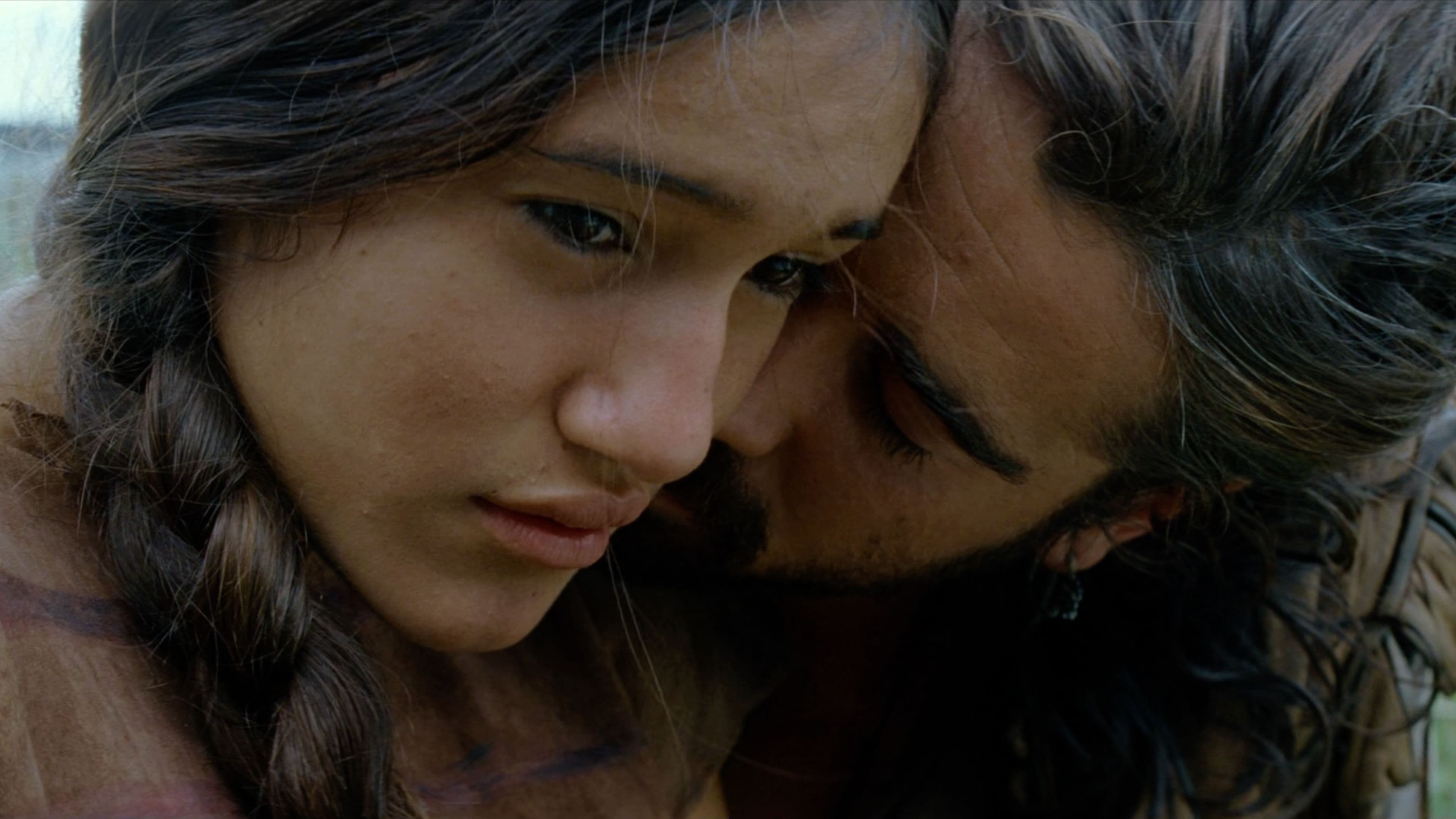
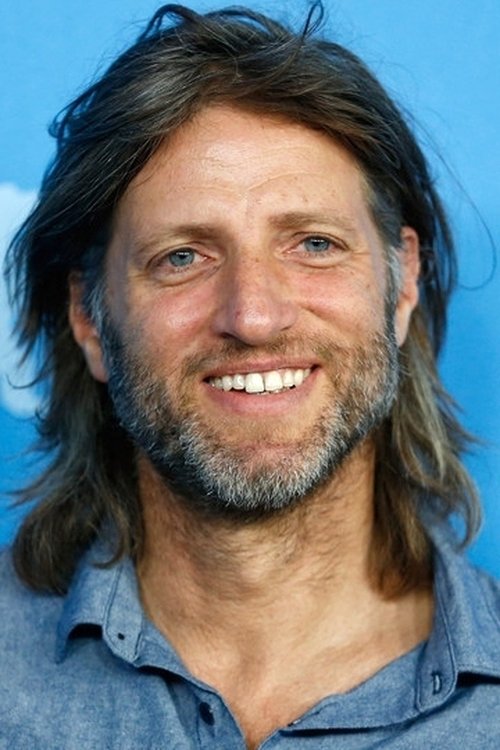
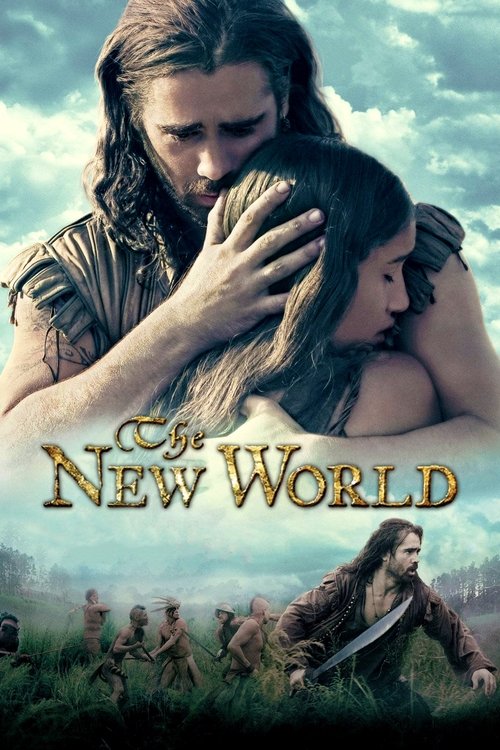
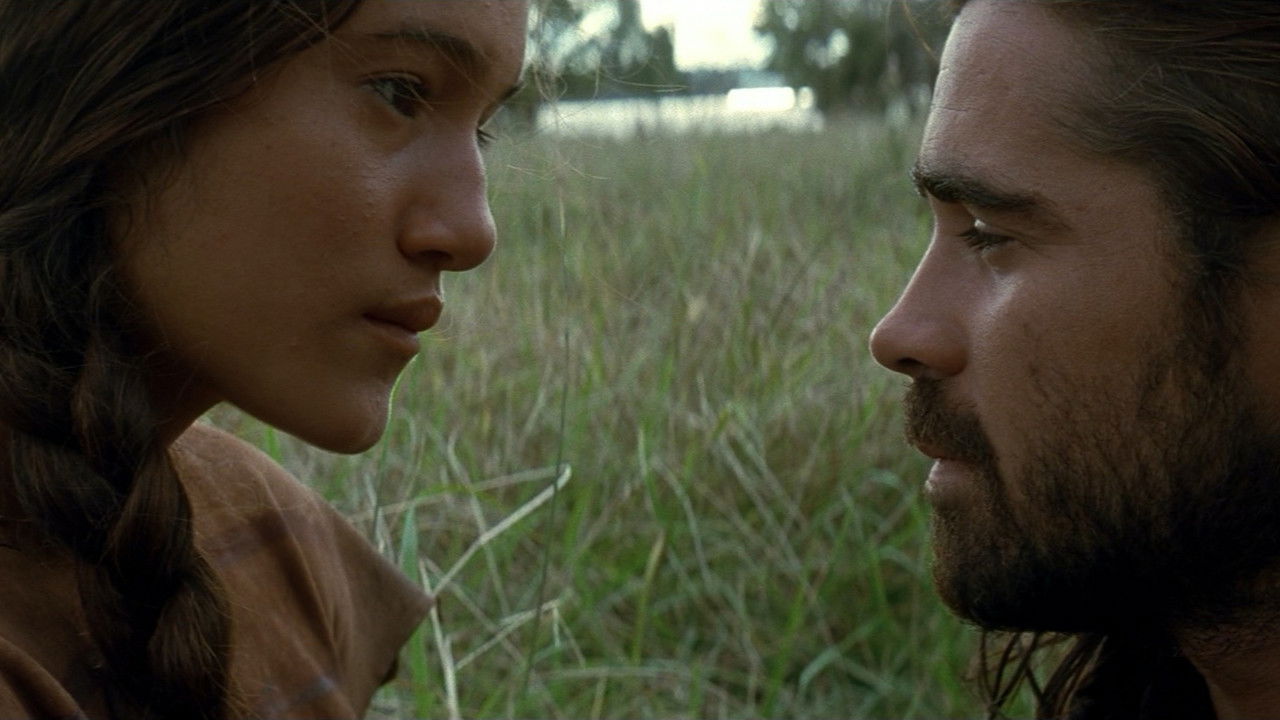
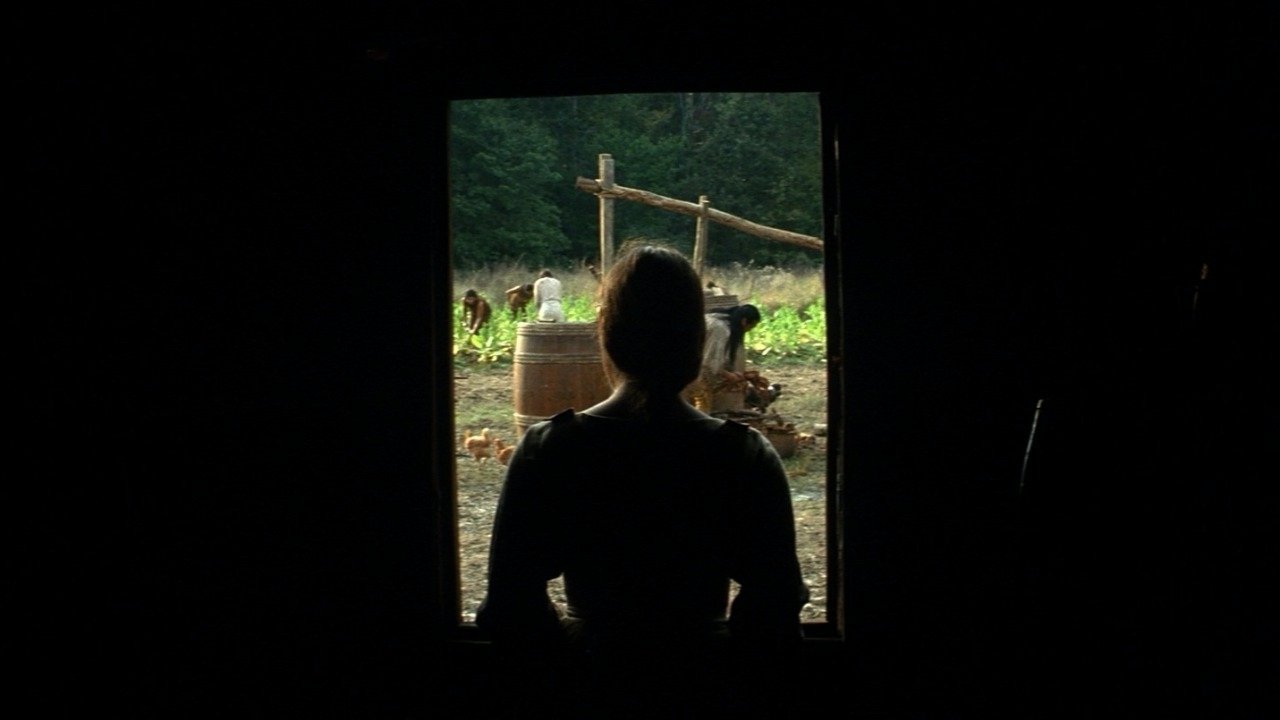
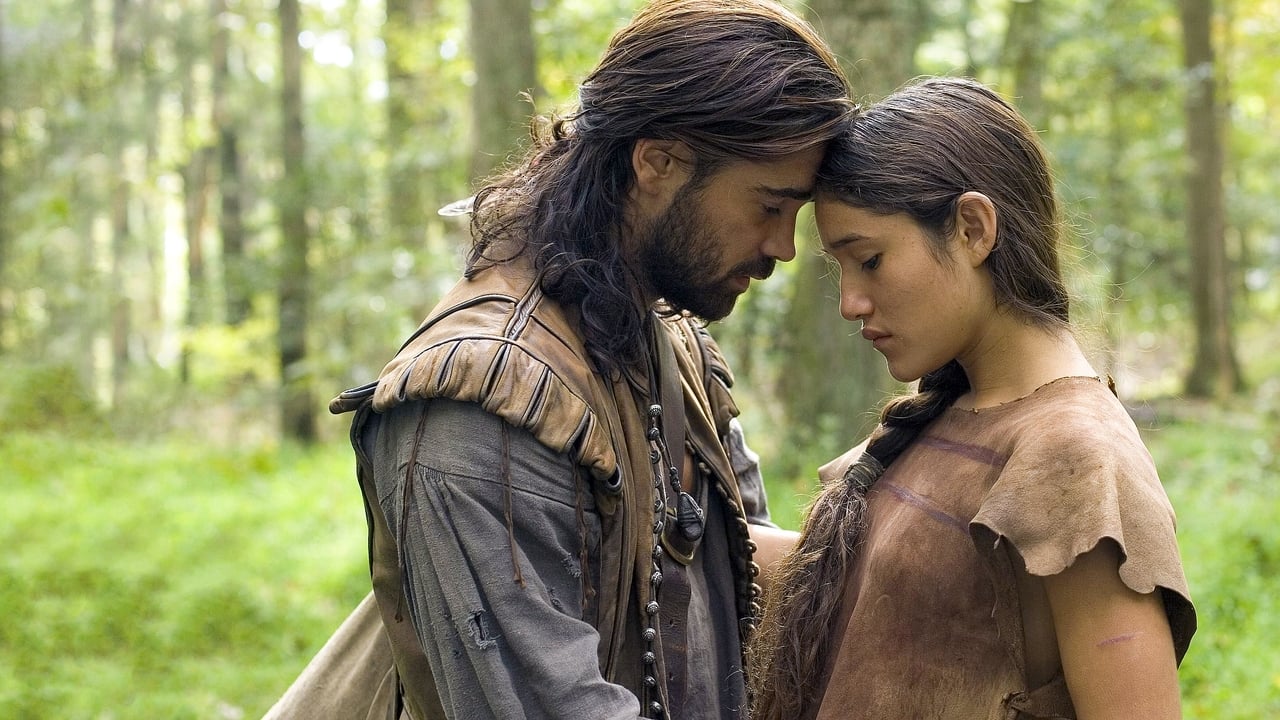
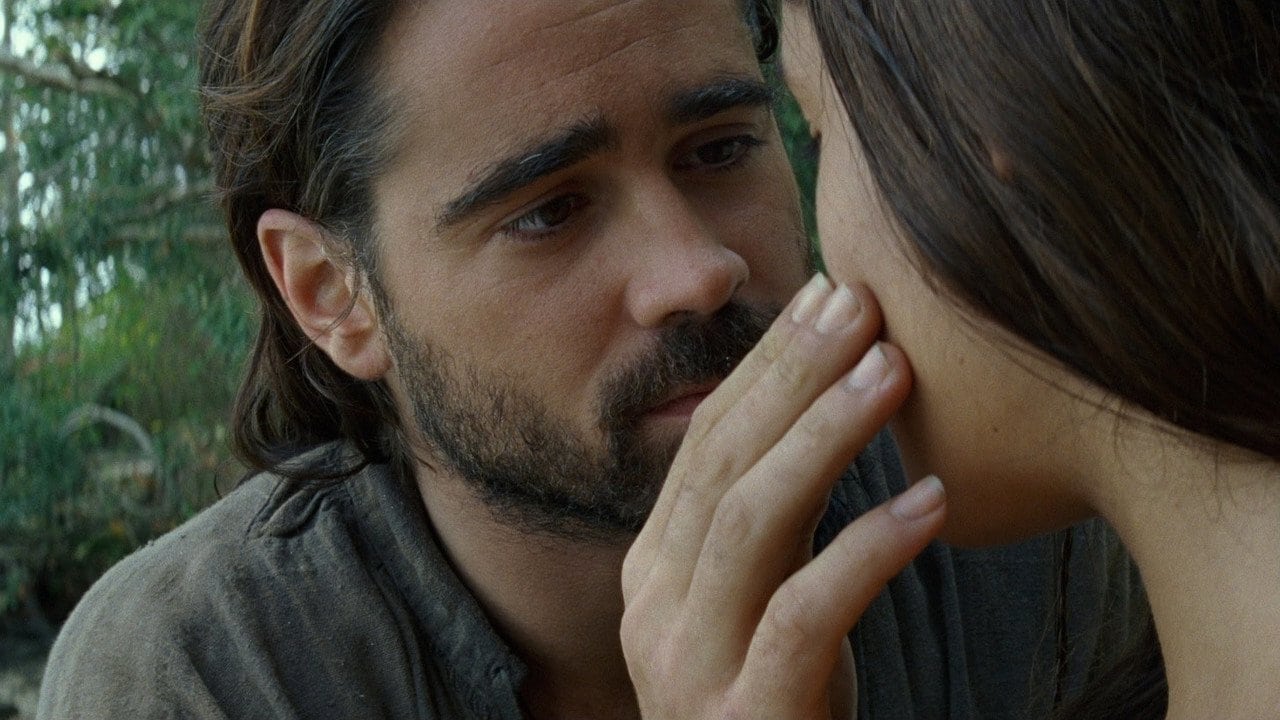
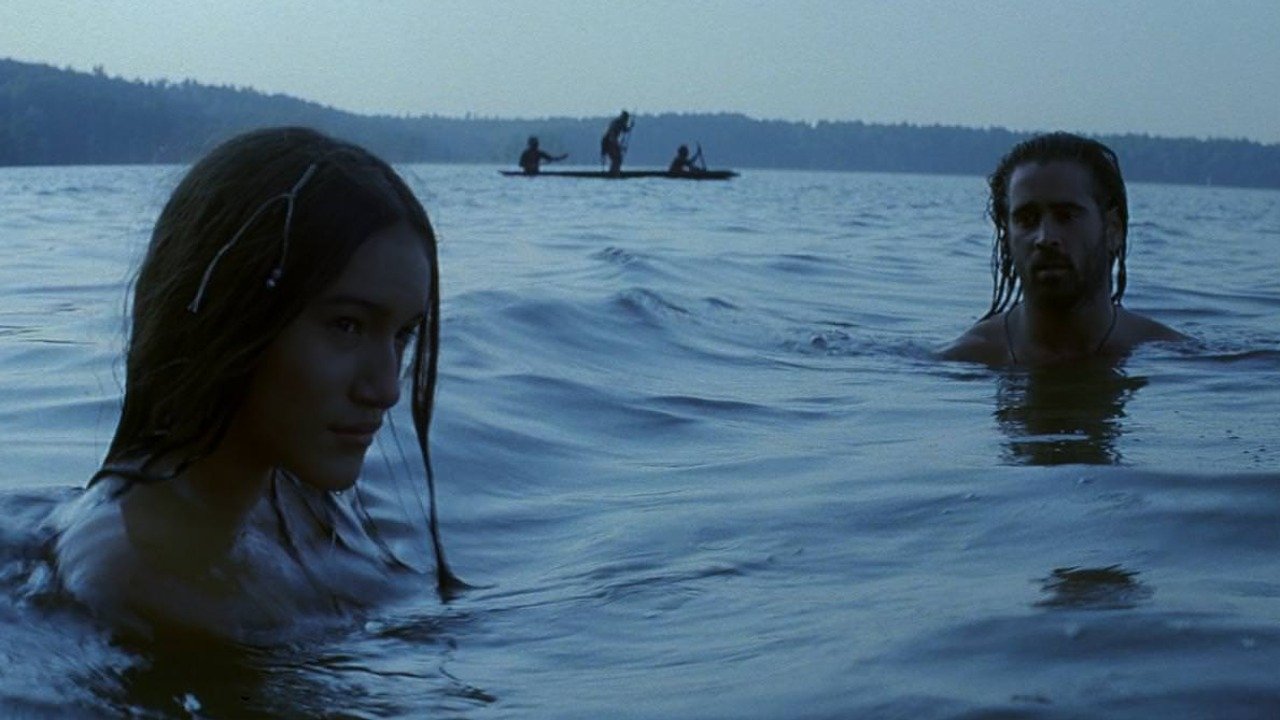
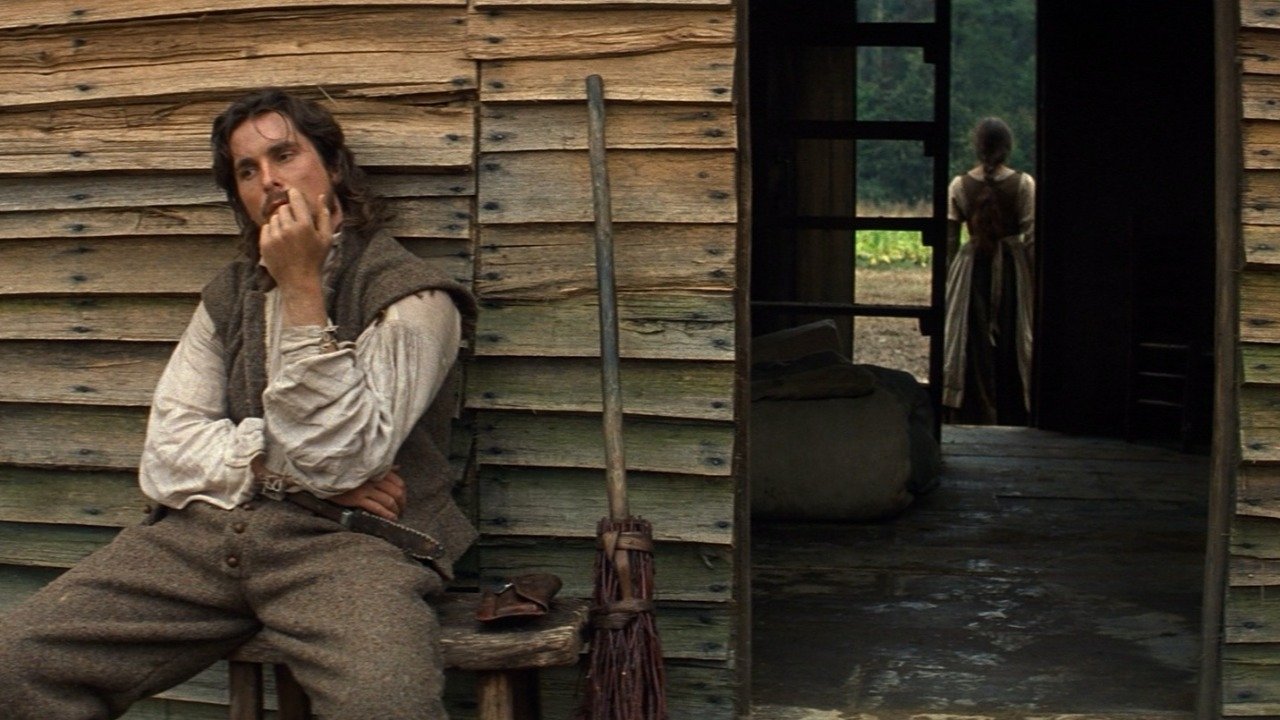
Terrence Malick presents us a historical epic that recounts the arrival of the English in Virginia with that poetic tone that so deeply characterizes him. The story of Pocahontas and the Man. The story of Man and Nature. The story of the journey and the arrival. This film is The New World, one of the most important works of the century and a landmark in the history of modern American cinema.
The New World makes impeccable use of Wagner's music, more specifically Das Rheingold: Vorspiel. I’ve said it many times: it’s one of my favorite musical pieces. A piece so sublime and colossal that it makes you feel as if you were witnessing Genesis. The beginning of something. A kind of prelude to what’s coming. Something monumental. And here it was perfect (and even functions as a kind of meta-cinema), because what was monumental here was the film itself—and within the film, the story of Pocahontas and her influence across the world.
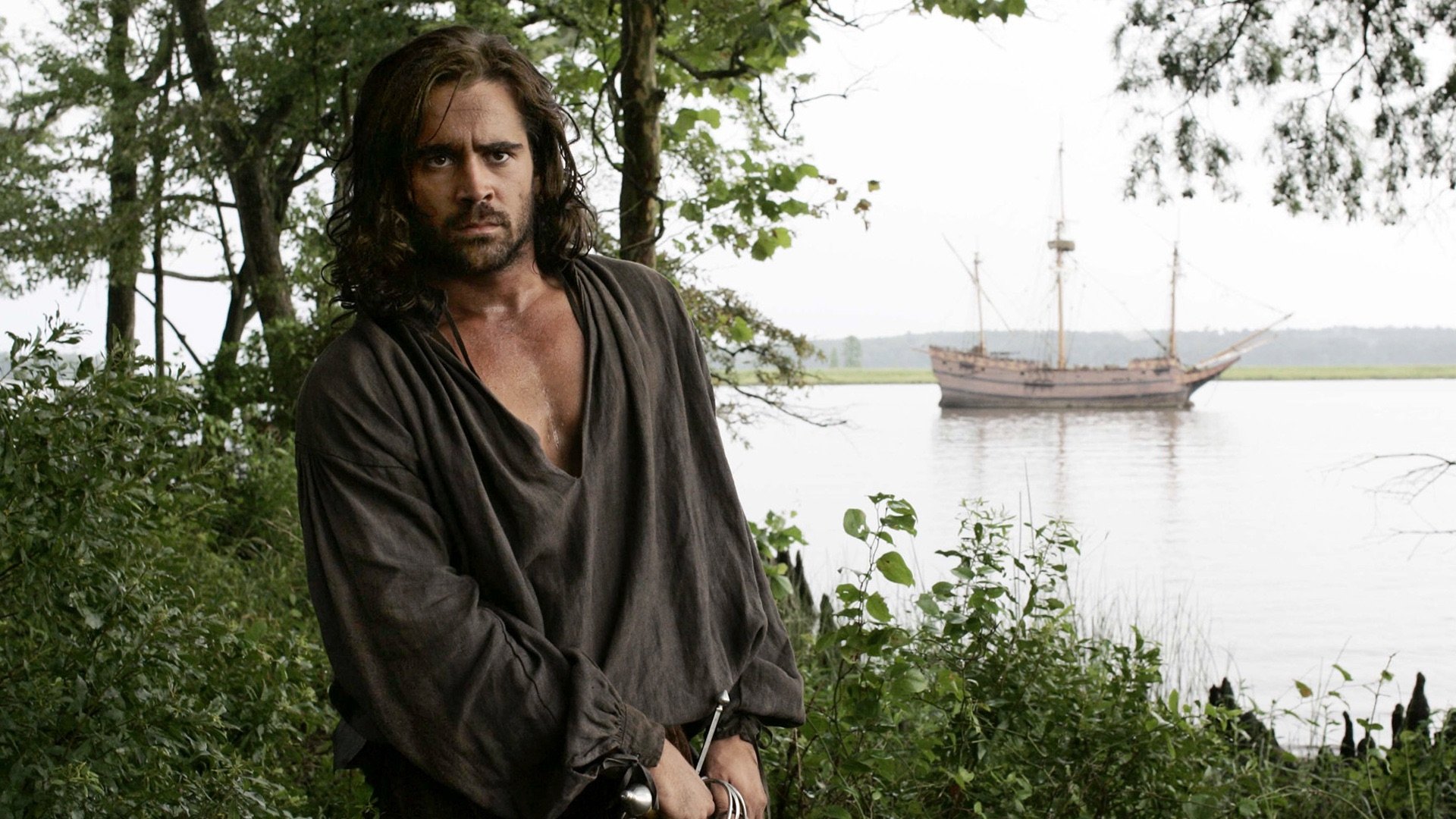
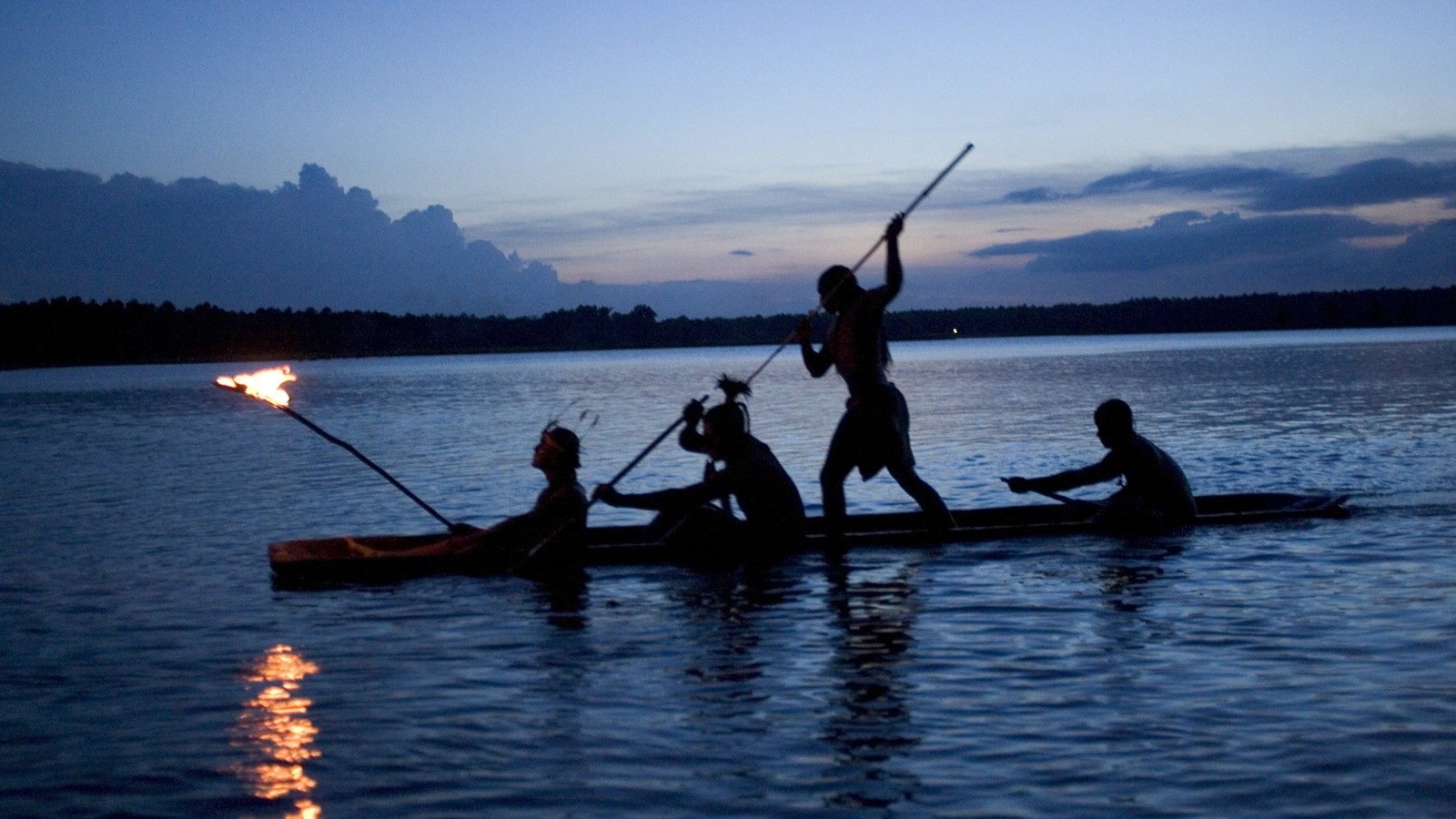
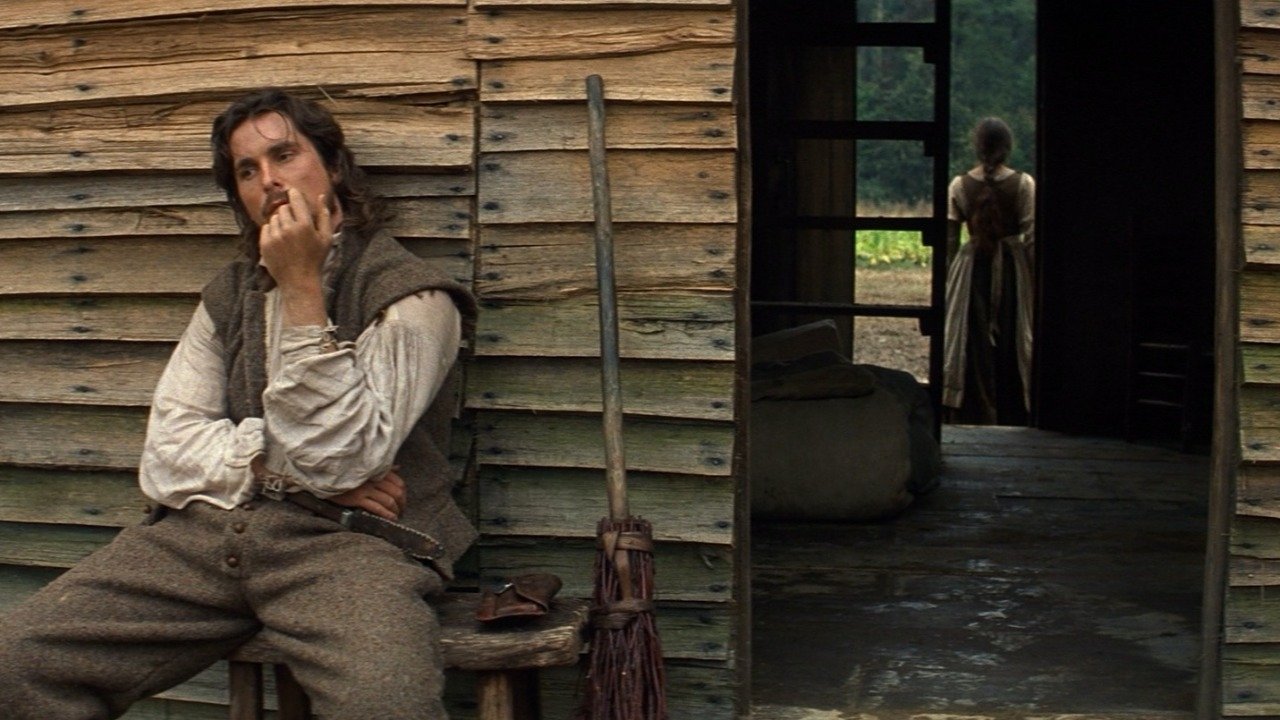
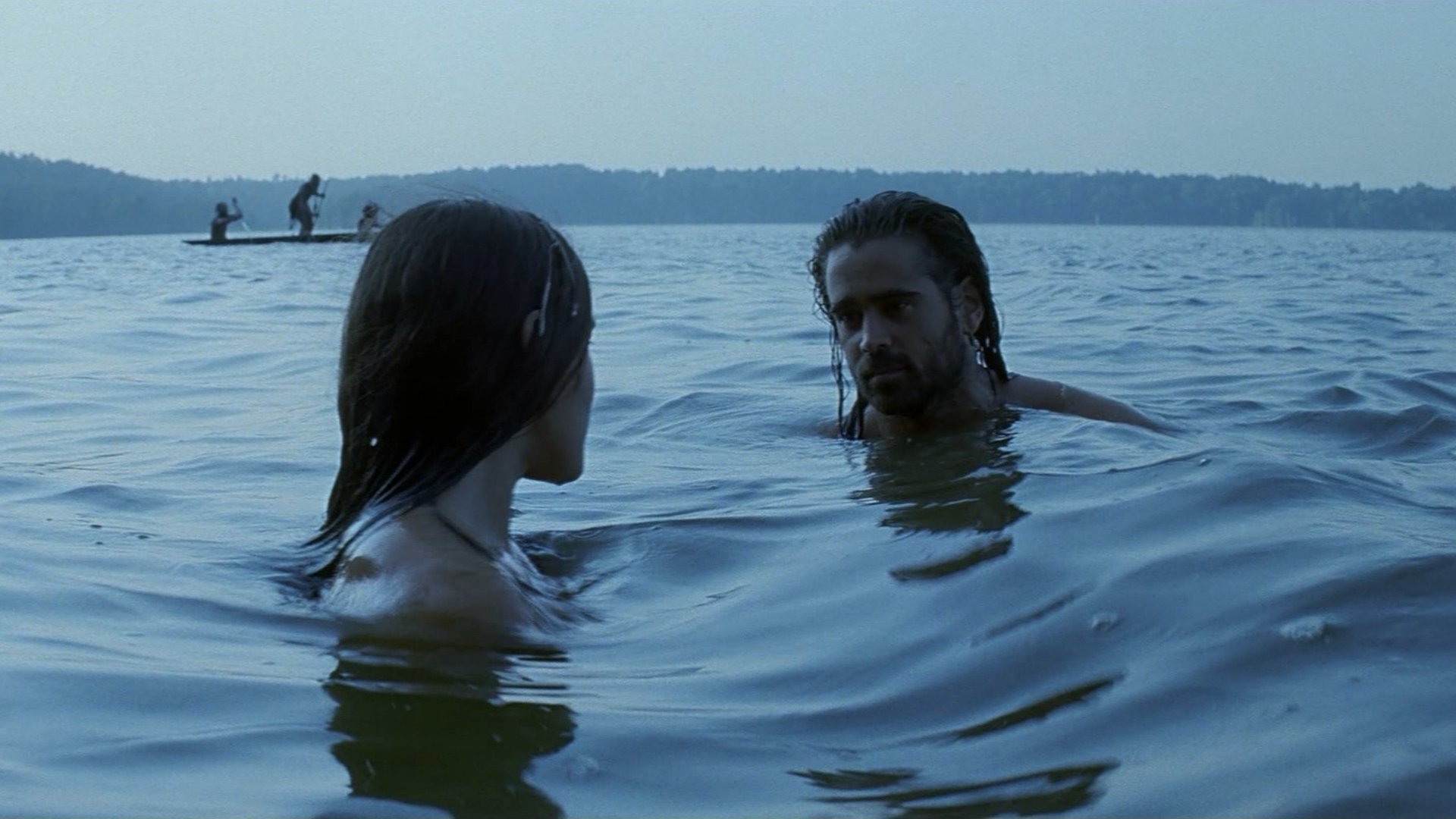
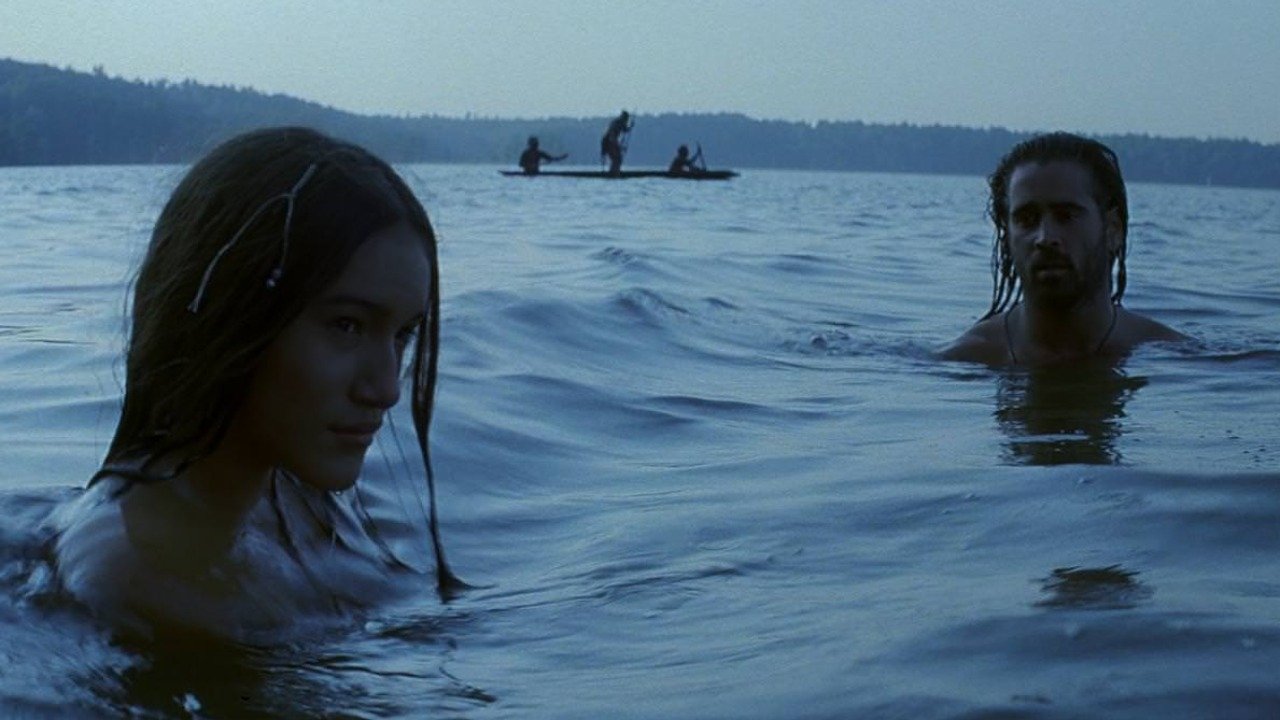
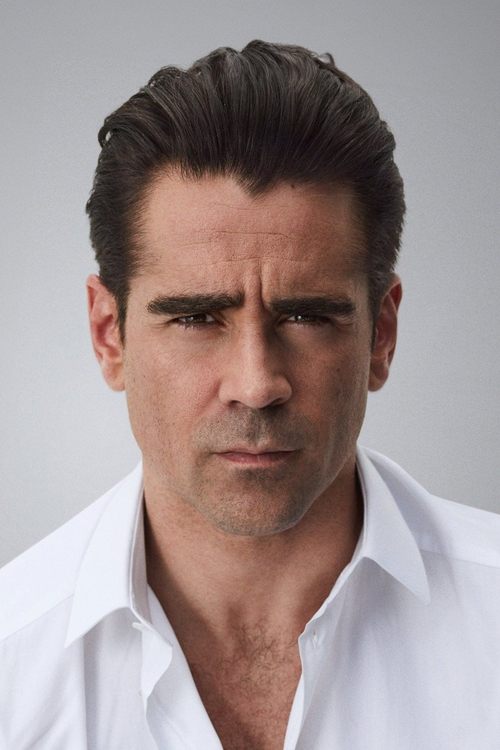
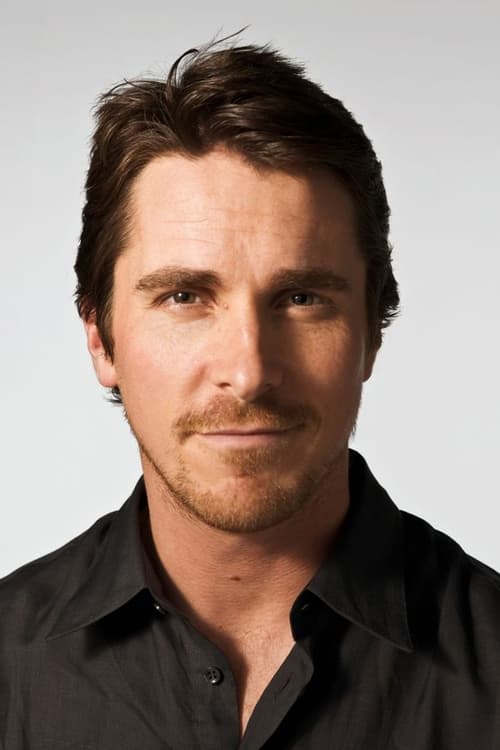
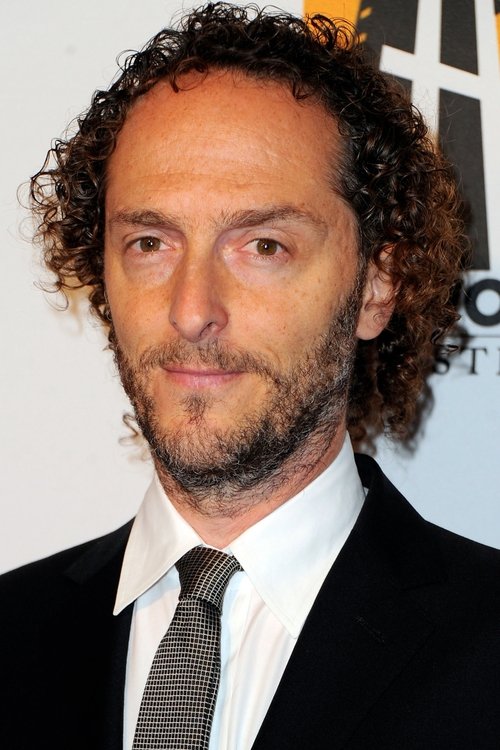
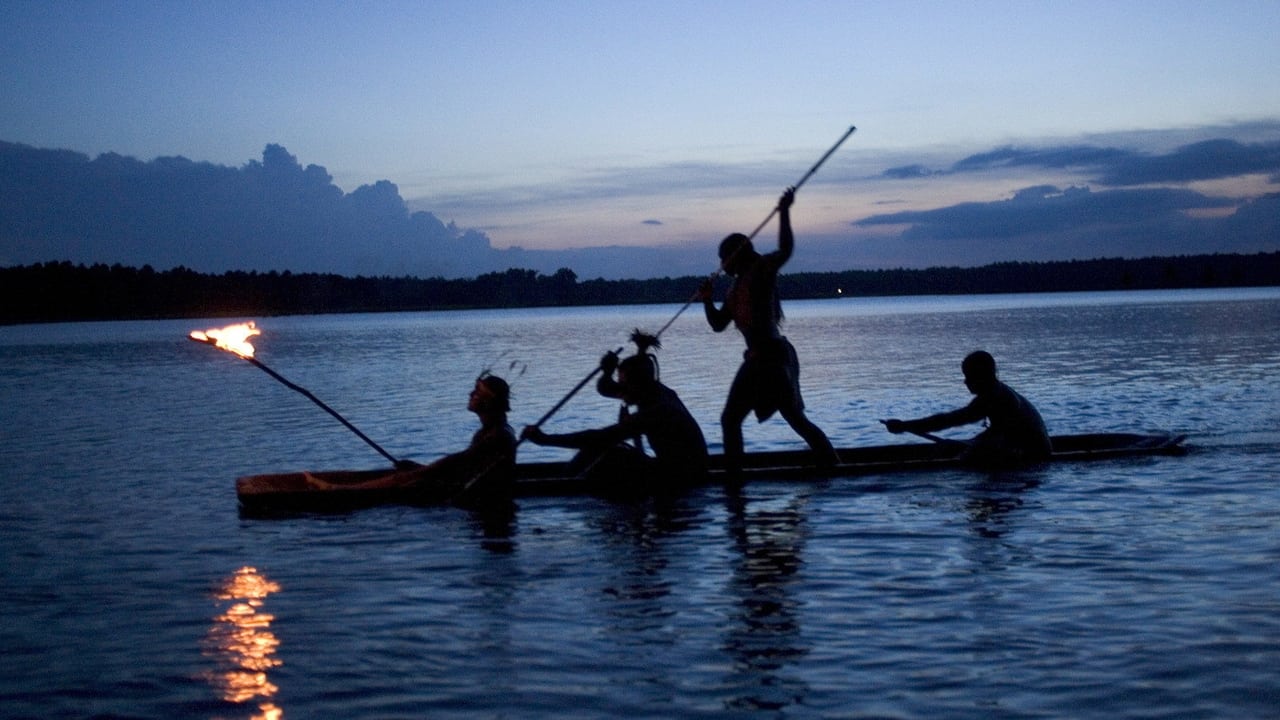
On a technical level, it was wonderful: Lubezki’s immense cinematography immerses you in a world so beautiful and, at the same time, capable of showing everything that is painful within it. The production design makes you feel as if they had traveled back in time and recorded exactly what happened. James Horner’s music, and the performances by Q'orianka Kilcher as Pocahontas, Colin Farrell as Captain Smith, and Christian Bale as John Rolfe. And let us not forget the many other actors who gave their souls to this great work.
Malick tells us a unique story. The title The New World fits not only the English arriving in the Americas, but also the natives arriving in England. Both come from different worlds, and both arrive in new ones, with different rules and different natures. It functions as a kind of metaphor—that globalization had already begun. Or rather, that it had always been happening.
"For since the creation of the world, God’s invisible qualities—his eternal power and divine nature—have been clearly seen, being understood from what has been made, so that people are without excuse."
— Romans 1:20
Thank you for reading, and may God bless you all.
Amen.
98/100
Terrence Malick presents us a historical epic that recounts the arrival of the English in Virginia with that poetic tone that so deeply characterizes him. The story of Pocahontas and the Man. The story of Man and Nature. The story of the journey and the arrival. This film is The New World, one of the most important works of the century and a landmark in the history of modern American cinema.
The New World makes impeccable use of Wagner's music, more specifically Das Rheingold: Vorspiel. I’ve said it many times: it’s one of my favorite musical pieces. A piece so sublime and colossal that it makes you feel as if you were witnessing Genesis. The beginning of something. A kind of prelude to what’s coming. Something monumental. And here it was perfect (and even functions as a kind of meta-cinema), because what was monumental here was the film itself—and within the film, the story of Pocahontas and her influence across the world.
On a technical level, it was wonderful: Lubezki’s immense cinematography immerses you in a world so beautiful and, at the same time, capable of showing everything that is painful within it. The production design makes you feel as if they had traveled back in time and recorded exactly what happened. James Horner’s music, and the performances by Q'orianka Kilcher as Pocahontas, Colin Farrell as Captain Smith, and Christian Bale as John Rolfe. And let us not forget the many other actors who gave their souls to this great work.
Malick tells us a unique story. The title The New World fits not only the English arriving in the Americas, but also the natives arriving in England. Both come from different worlds, and both arrive in new ones, with different rules and different natures. It functions as a kind of metaphor—that globalization had already begun. Or rather, that it had always been happening.
"For since the creation of the world, God’s invisible qualities—his eternal power and divine nature—have been clearly seen, being understood from what has been made, so that people are without excuse."
— Romans 1:20
Thank you for reading, and may God bless you all.
Amen.
98/100