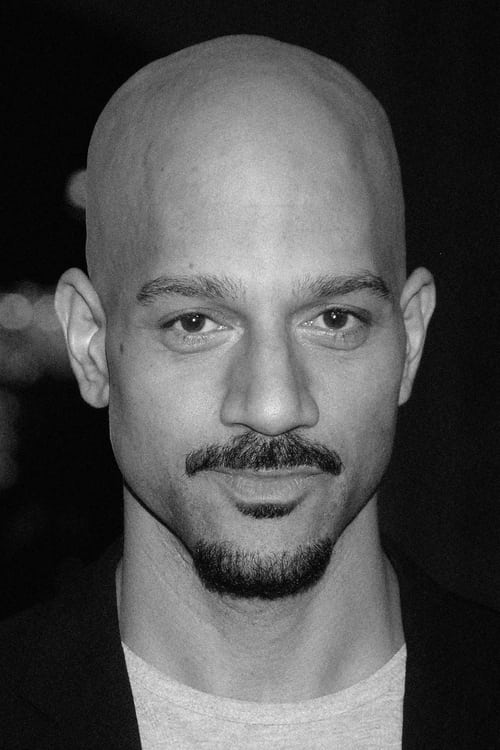
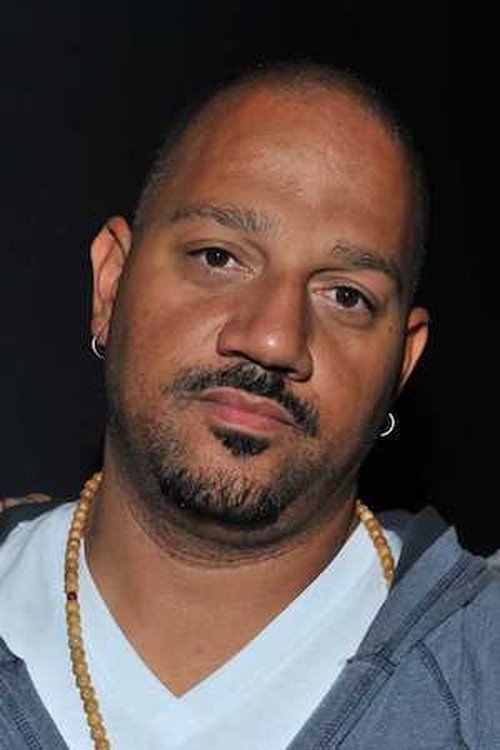
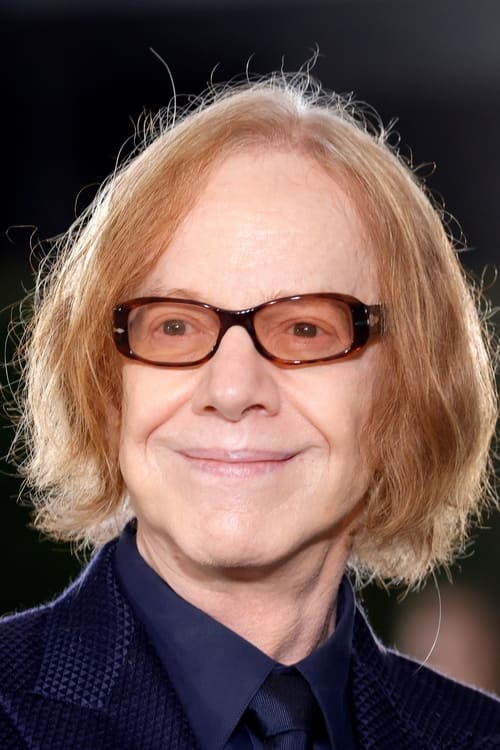
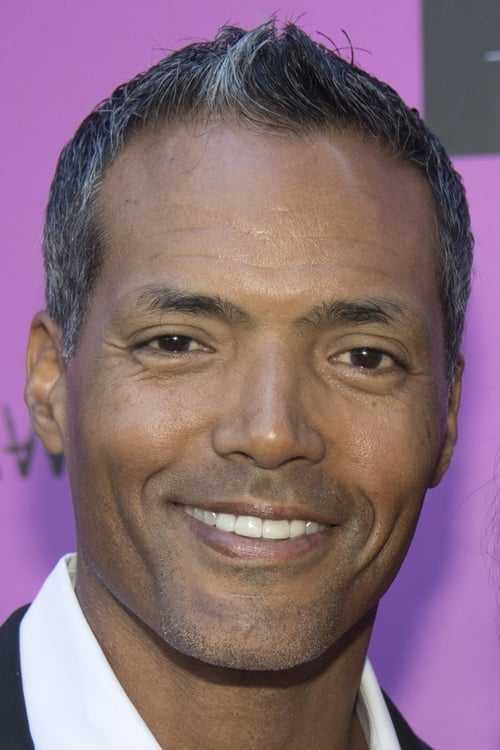
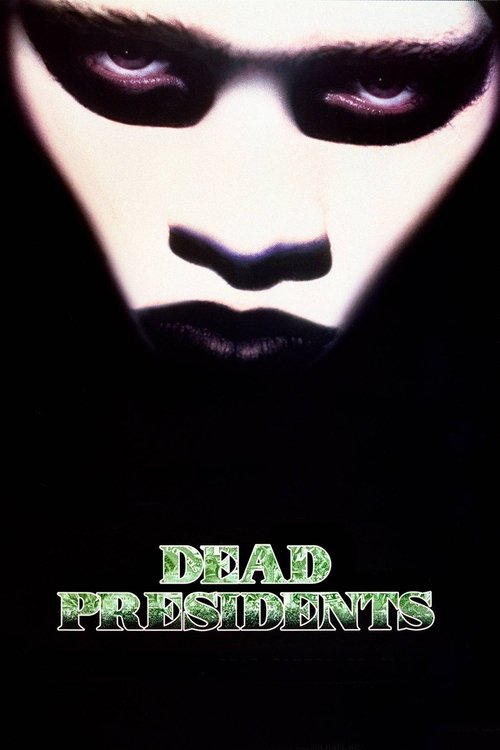
If Platoon represents softcore liberalism, then Dead Presidents functions as its conservative counterpart. The film looks ready to indict America for what it does to Black men. Still, it keeps rerouting that violence into heroic bloodshed about a human who internalizes every humiliation and then fires his resentment at everyone except the system that built his oppression. That contradiction gives the film its charge and its weakness. The Hughes brothers let the trauma of war bleed into issues of addiction, emasculation, and desperation, but they also keep shrinking structural violence down to Anthony’s wounded manhood. The result is a film that sprawls and overreaches, while still exposing what America does best: recruit Black individuals for discipline and sacrifice, only to abandon them the moment they ask for a life in return.
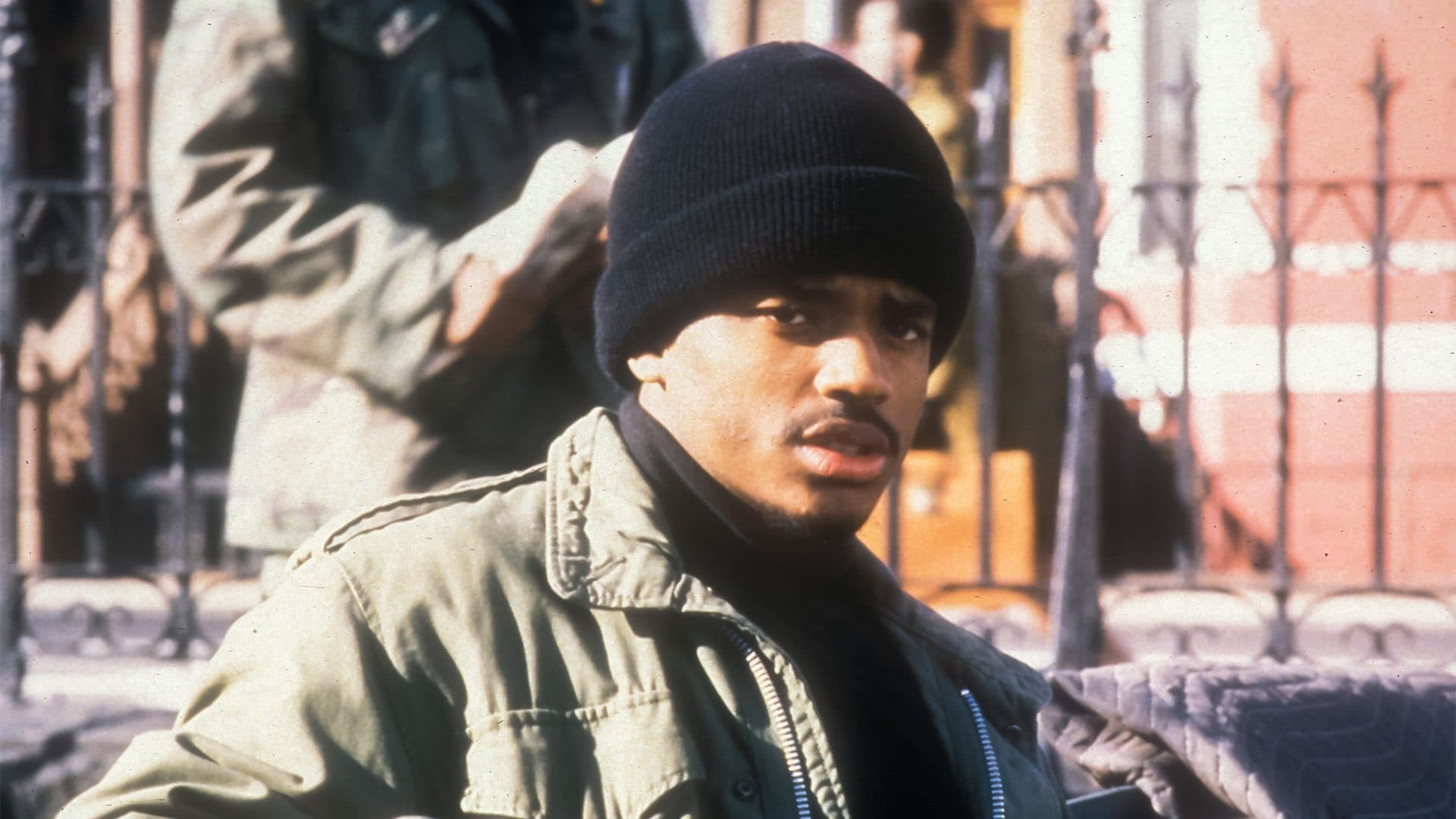
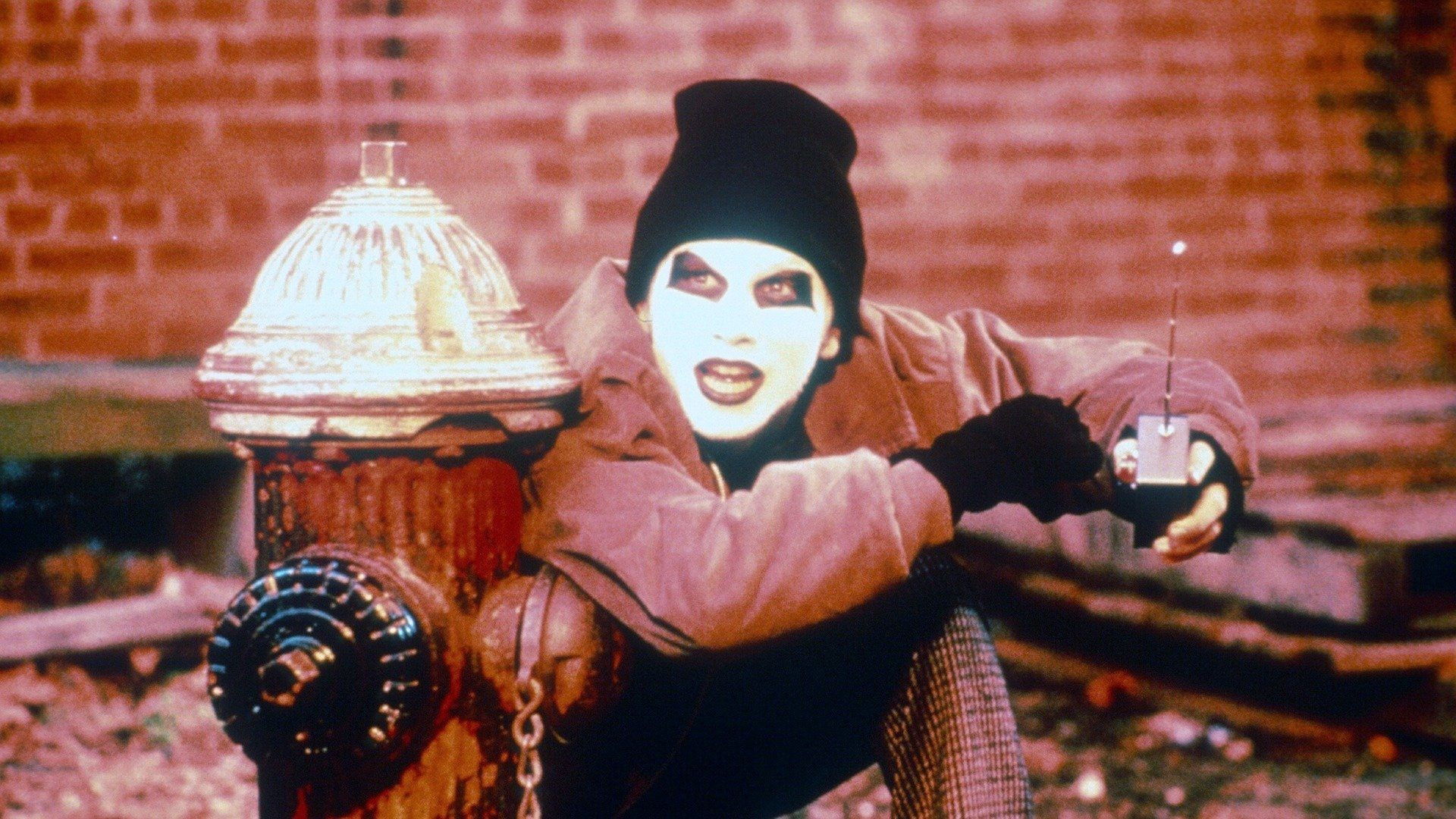
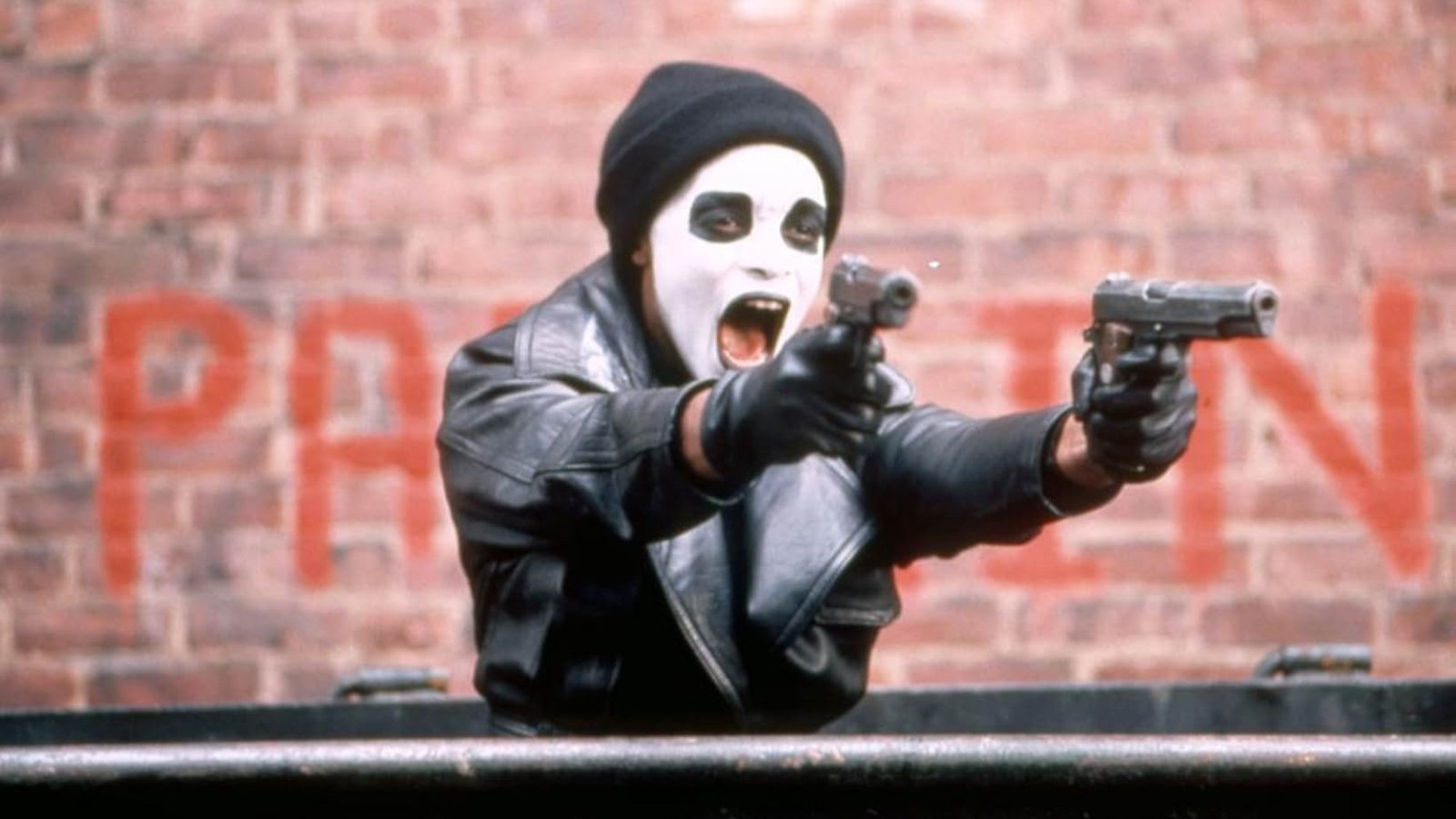
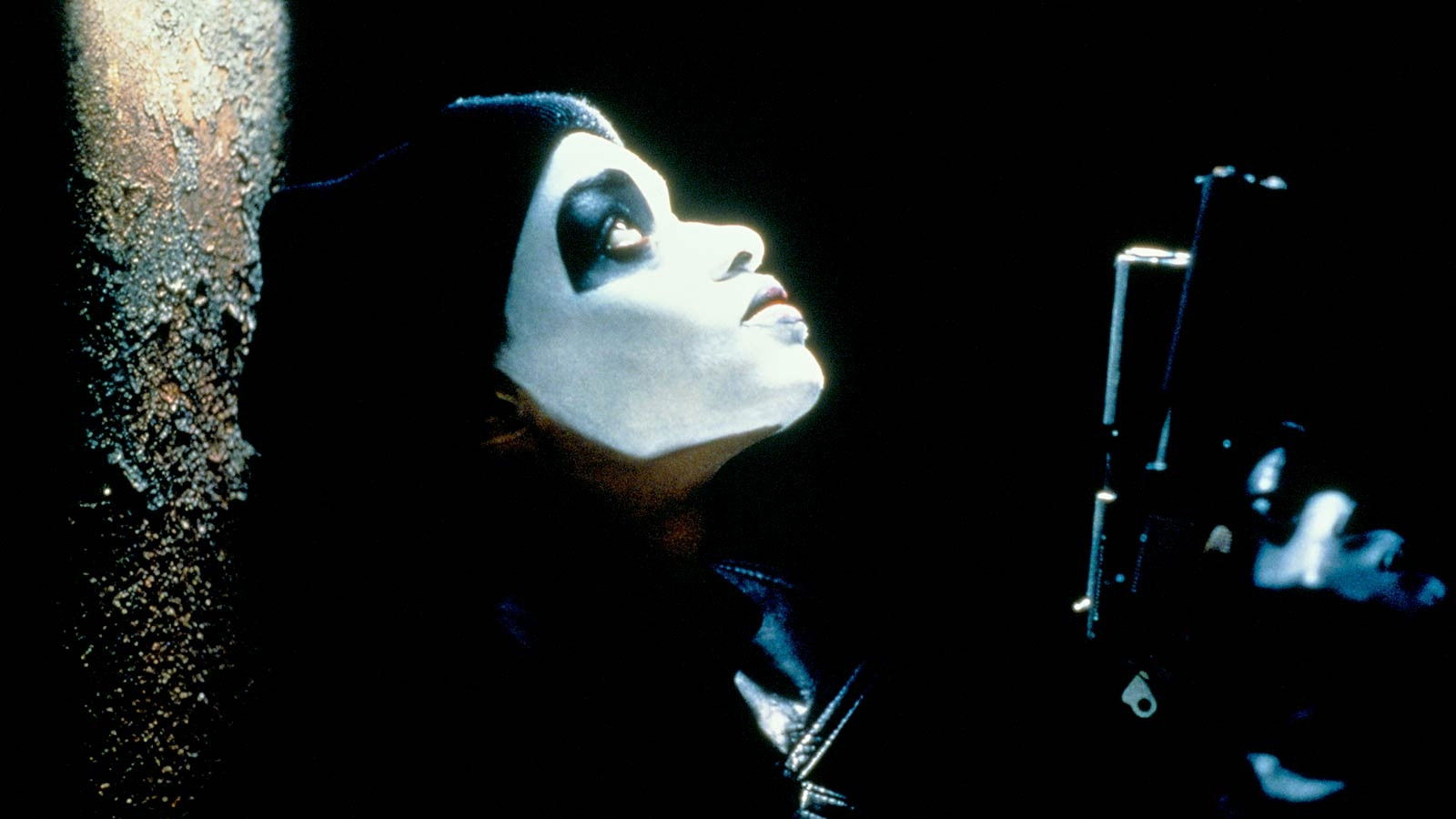
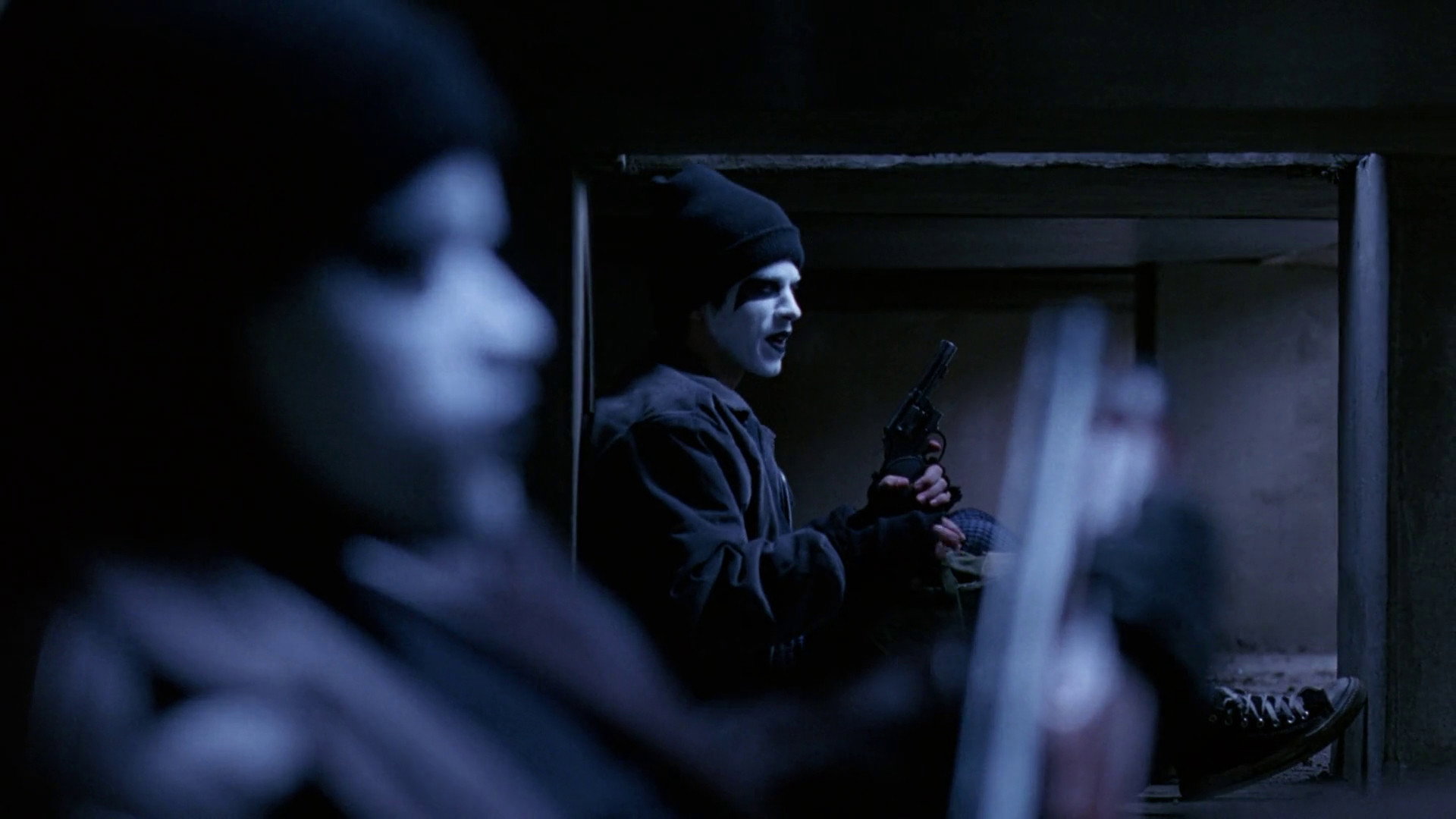
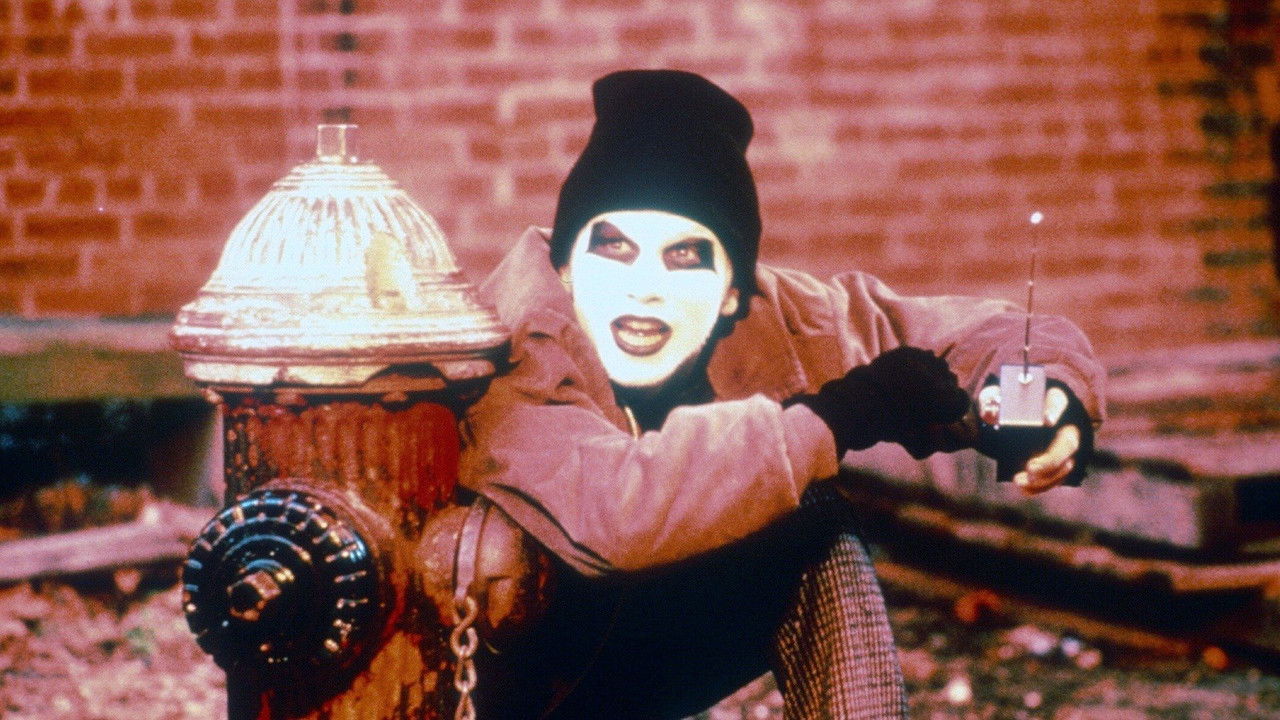
Dead Presidents proves more compelling than its marketing implies, as it is not fundamentally a heist film. The robbery arrives late and merely finalizes a collapse already underway. The film tracks an odyssey from adolescence to war to domestic ruin, and the Hughes brothers understand that the real theft happens long before Anthony ever smears on the face paint. Society deprives him of innocence, labor, and dignity. Here, the comparison to Platoon becomes instructive. Both films focus on American-inflicted injury, but Dead Presidents expands this theme by examining its consequences at home. The trauma of war does not remain confined to Vietnam; it returns to the Bronx as unemployment, addiction, psychological distress, and the grim irony that the military trains Anthony most effectively to butcher.
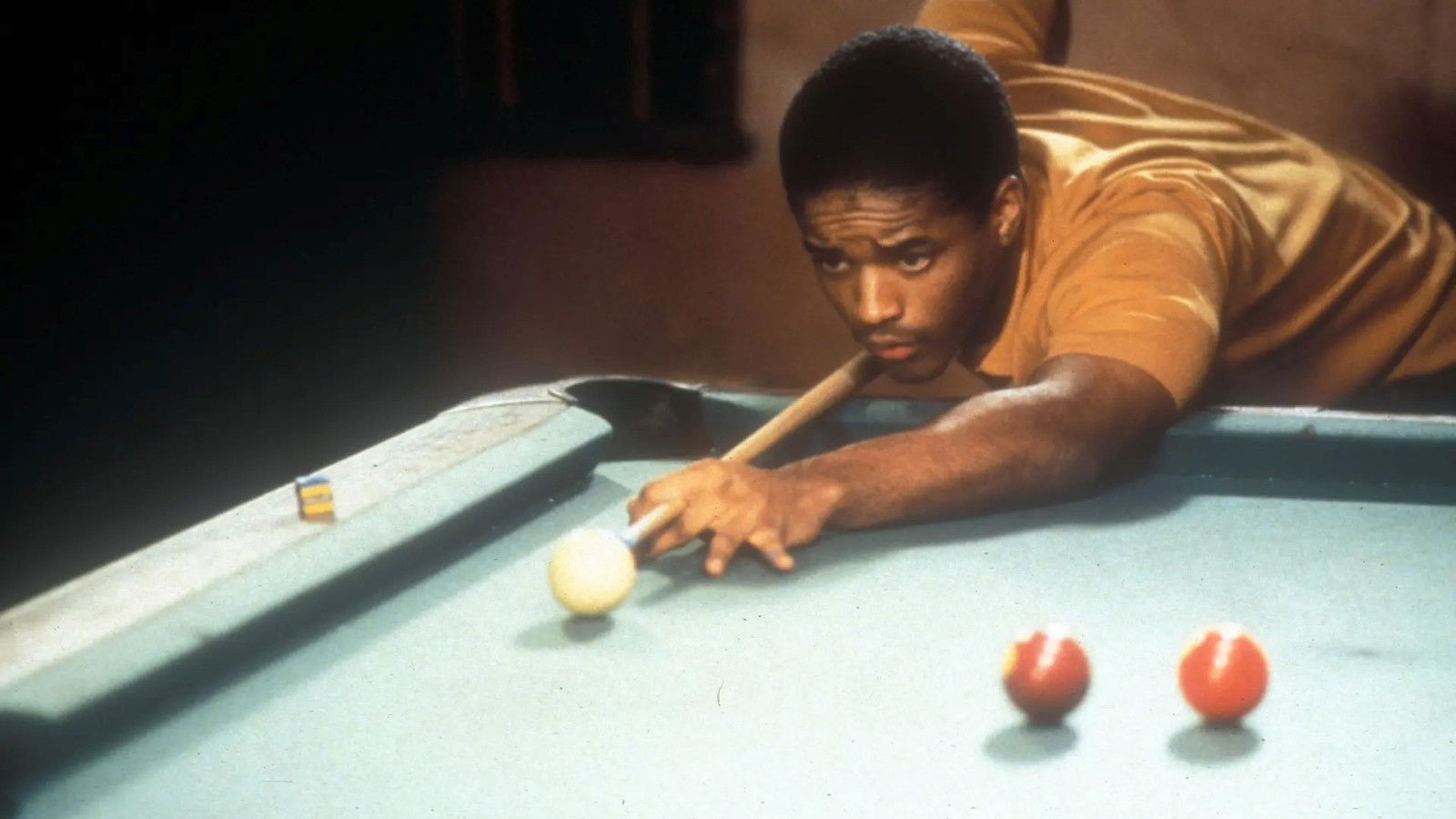
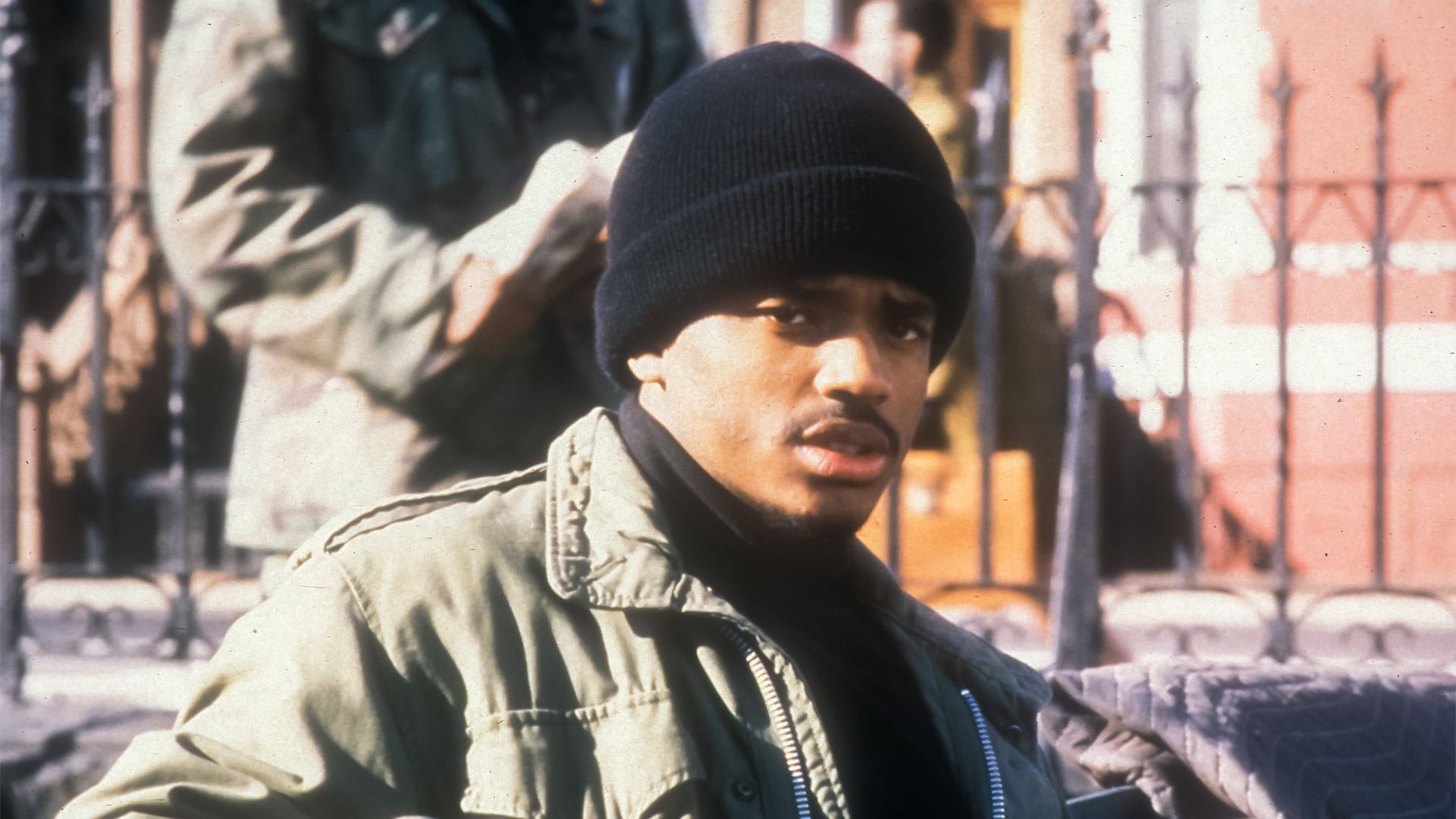
That is where the film’s politics actually bite. For Black veterans, betrayal comes as a package deal. Anthony does not just survive war and limp home. He returns to a country already primed to reject him. The state can always convert boyhood into service, discipline, and sacrifice. That early celebration of life rarely converts that sacrifice into security, stability, or dignity. The first half matters because it gathers what the film will later tear apart: community, youthful drift, family aspirations, and relationships. Upon Anthony’s entry into Vietnam, the movie becomes more bitter. It drops the fantasy of clean personal choice and starts tracing how false promises funnel Black men toward catastrophe. America commands him to prove his manhood through war, then denies him any honorable way to inhabit that manhood once he gets home.
That larger critique should give the movie a powerful center. Instead, the film often retreats into a more poisonous logic. It dresses itself up as a serious study of what America does to Black men. Still, it repeatedly frames Black women as agents of Anthony’s humiliation rather than people trapped in the same machinery of deprivation. Their disappointment, anger, and practical demands start to register less as social pressure and more as an emasculating force. The film keeps nudging us to read Anthony as a man undermined from every direction, by the state, by poverty, by war, and then by women at home. That move warps the entire moral frame. It pulls our attention away from the structures that crush everyone in his orbit and pushes us toward a narrower fantasy of injured masculinity. Instead of exposing how racist capitalism fractures Black family life, the film too often invites us to watch Anthony experience home as another site of castration.
That same narrowing weakens the film’s treatment of politics elsewhere. The Panthers drift through the movie as superficially as possible. They signal militancy, but the film never lets them develop into a real political counterweight. The Vietnamese fare even worse. Like Platoon, Dead Presidents keeps them at a distance and rarely grants them full humanity, even though the possibility of solidarity between Americans and other populations brutalized by imperial violence. The film hovers around that connection, then abandons it. It chooses grievance over analysis. It chooses masculine injury over political solidarity. It chooses Anthony’s psychological decline over a comprehensive examination of the system. That choice oversimplifies the film and undermines the critical potential.
Formally, the film almost reveals this contradiction by accident. It wants to be a coming-of-age story, a Vietnam nightmare, a Blaxploitation film, a PTSD film, a family tragedy, and then finally a heist picture. The structure keeps mutating because Anthony no longer occupies any stable role that America will let him keep. The son does not become a scholar. A soldier does not become a citizen. The worker does not become a provider. Husband does not become a protector. Every institution that claims to shape him instead breaks him, then passes him from one crisis to the next. The tonal instability can feel sloppy, but it also exposes the violence of the film’s world. Anthony keeps moving through systems that promise form and deliver collapse. The country does not rehabilitate him. It corners him until violence emerges as the only viable means of expression.
That is why the film lingers even while it fumbles. The Hughes brothers pack the movie with intense anger, bold style, and vivid depictions of trauma. They also let that anger drift into a worldview so bitter that it almost poisons its own critique. By the end, Dead Presidents does not just indict America for exploiting Black men. It also frames Anthony as such a vortex of harm that nearly everyone around him would have lived longer and better without him. That is the film’s ugliest and most conservative turn. It starts with the language of structural violence and ends with a damaged man who seems to justify every suspicion the system ever had about him. That is why the movie unsettles me. It reaches for a radical lament and lands on turning into spectacle and withholding trust from those the film purports to represent.
If Platoon represents softcore liberalism, then Dead Presidents functions as its conservative counterpart. The film looks ready to indict America for what it does to Black men. Still, it keeps rerouting that violence into heroic bloodshed about a human who internalizes every humiliation and then fires his resentment at everyone except the system that built his oppression. That contradiction gives the film its charge and its weakness. The Hughes brothers let the trauma of war bleed into issues of addiction, emasculation, and desperation, but they also keep shrinking structural violence down to Anthony’s wounded manhood. The result is a film that sprawls and overreaches, while still exposing what America does best: recruit Black individuals for discipline and sacrifice, only to abandon them the moment they ask for a life in return.
Dead Presidents proves more compelling than its marketing implies, as it is not fundamentally a heist film. The robbery arrives late and merely finalizes a collapse already underway. The film tracks an odyssey from adolescence to war to domestic ruin, and the Hughes brothers understand that the real theft happens long before Anthony ever smears on the face paint. Society deprives him of innocence, labor, and dignity. Here, the comparison to Platoon becomes instructive. Both films focus on American-inflicted injury, but Dead Presidents expands this theme by examining its consequences at home. The trauma of war does not remain confined to Vietnam; it returns to the Bronx as unemployment, addiction, psychological distress, and the grim irony that the military trains Anthony most effectively to butcher.
That is where the film’s politics actually bite. For Black veterans, betrayal comes as a package deal. Anthony does not just survive war and limp home. He returns to a country already primed to reject him. The state can always convert boyhood into service, discipline, and sacrifice. That early celebration of life rarely converts that sacrifice into security, stability, or dignity. The first half matters because it gathers what the film will later tear apart: community, youthful drift, family aspirations, and relationships. Upon Anthony’s entry into Vietnam, the movie becomes more bitter. It drops the fantasy of clean personal choice and starts tracing how false promises funnel Black men toward catastrophe. America commands him to prove his manhood through war, then denies him any honorable way to inhabit that manhood once he gets home.
That larger critique should give the movie a powerful center. Instead, the film often retreats into a more poisonous logic. It dresses itself up as a serious study of what America does to Black men. Still, it repeatedly frames Black women as agents of Anthony’s humiliation rather than people trapped in the same machinery of deprivation. Their disappointment, anger, and practical demands start to register less as social pressure and more as an emasculating force. The film keeps nudging us to read Anthony as a man undermined from every direction, by the state, by poverty, by war, and then by women at home. That move warps the entire moral frame. It pulls our attention away from the structures that crush everyone in his orbit and pushes us toward a narrower fantasy of injured masculinity. Instead of exposing how racist capitalism fractures Black family life, the film too often invites us to watch Anthony experience home as another site of castration.
That same narrowing weakens the film’s treatment of politics elsewhere. The Panthers drift through the movie as superficially as possible. They signal militancy, but the film never lets them develop into a real political counterweight. The Vietnamese fare even worse. Like Platoon, Dead Presidents keeps them at a distance and rarely grants them full humanity, even though the possibility of solidarity between Americans and other populations brutalized by imperial violence. The film hovers around that connection, then abandons it. It chooses grievance over analysis. It chooses masculine injury over political solidarity. It chooses Anthony’s psychological decline over a comprehensive examination of the system. That choice oversimplifies the film and undermines the critical potential.
Formally, the film almost reveals this contradiction by accident. It wants to be a coming-of-age story, a Vietnam nightmare, a Blaxploitation film, a PTSD film, a family tragedy, and then finally a heist picture. The structure keeps mutating because Anthony no longer occupies any stable role that America will let him keep. The son does not become a scholar. A soldier does not become a citizen. The worker does not become a provider. Husband does not become a protector. Every institution that claims to shape him instead breaks him, then passes him from one crisis to the next. The tonal instability can feel sloppy, but it also exposes the violence of the film’s world. Anthony keeps moving through systems that promise form and deliver collapse. The country does not rehabilitate him. It corners him until violence emerges as the only viable means of expression.
That is why the film lingers even while it fumbles. The Hughes brothers pack the movie with intense anger, bold style, and vivid depictions of trauma. They also let that anger drift into a worldview so bitter that it almost poisons its own critique. By the end, Dead Presidents does not just indict America for exploiting Black men. It also frames Anthony as such a vortex of harm that nearly everyone around him would have lived longer and better without him. That is the film’s ugliest and most conservative turn. It starts with the language of structural violence and ends with a damaged man who seems to justify every suspicion the system ever had about him. That is why the movie unsettles me. It reaches for a radical lament and lands on turning into spectacle and withholding trust from those the film purports to represent.