
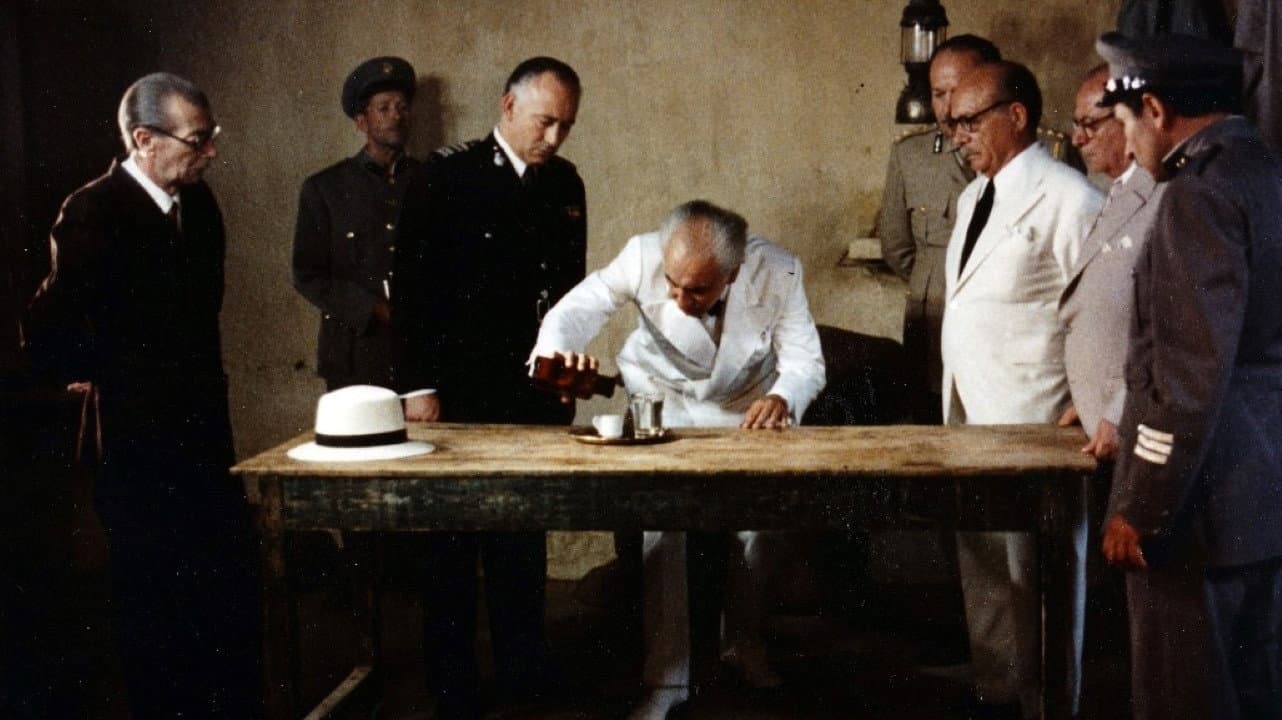
Days of '36
1972·Drama·1h 45m
7.1
★


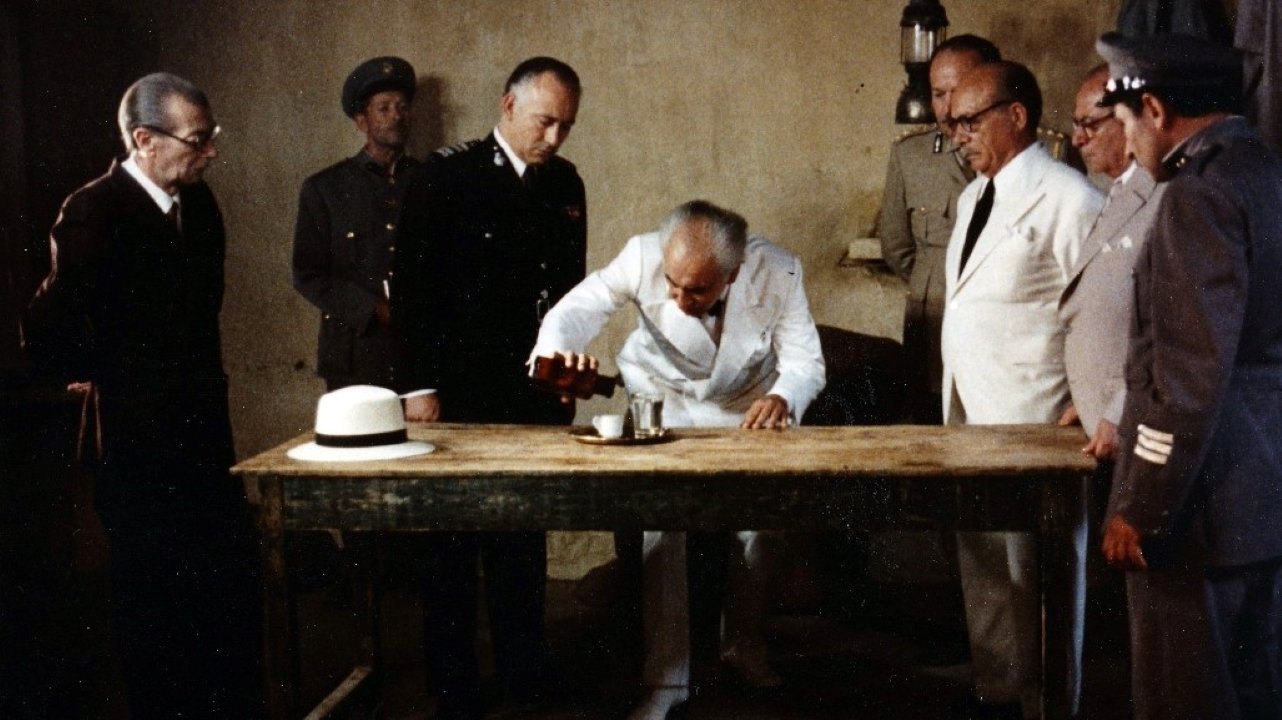
The assassin of a prominent trade unionist takes a conservative MP hostage, throwing the government into a state of disarray.
Directed by Theo Angelopoulos
greece
informant
military dictatorship

IMDB
N/A
Cast

Thanos Grammenos
Brother of Convict
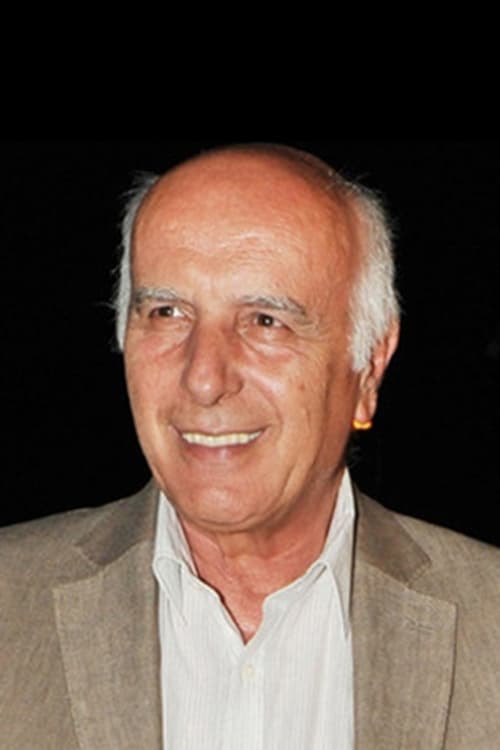
Giorgos Kyritsis
Kontaxis
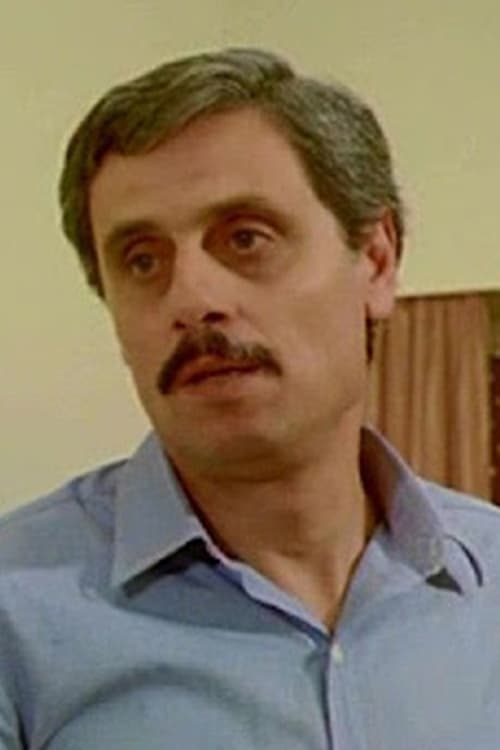
Petros Zarkadis
Sofianos' Accomplice
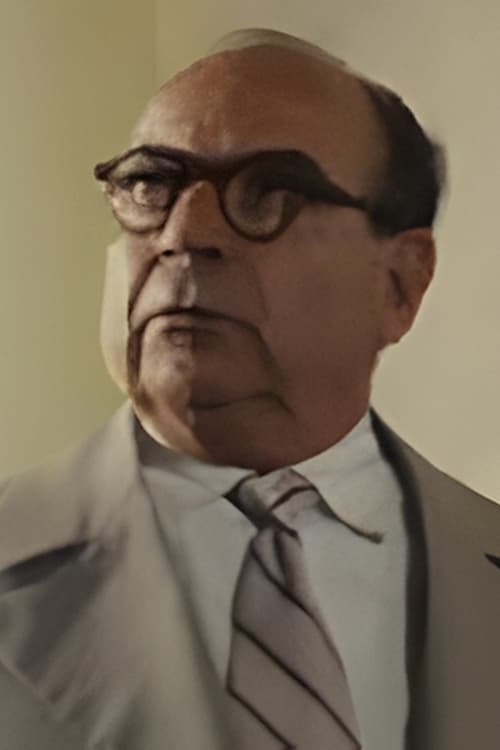
Christoforos Nezer
Prison Director

Toula Stathopoulou
Prostitute
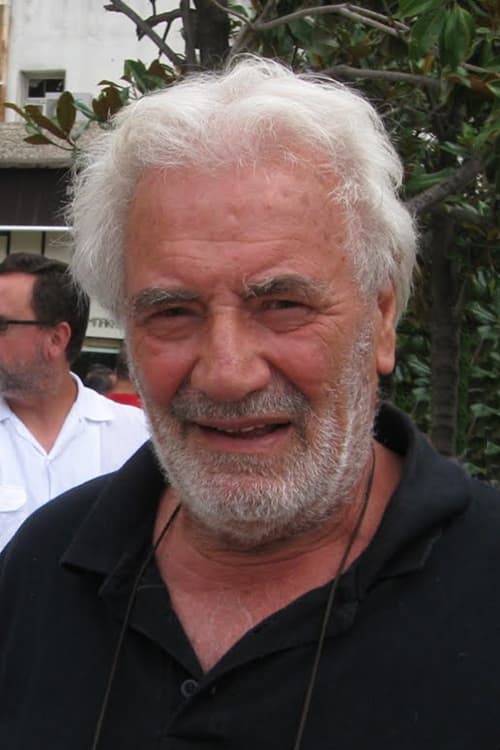
Christos Kalavrouzos
Second Trade Unionist

Vasilis Tsaglos
Prison Guard

Giannis Kandilas
Hostage

Petros Markaris
Murdered Trade Unionist
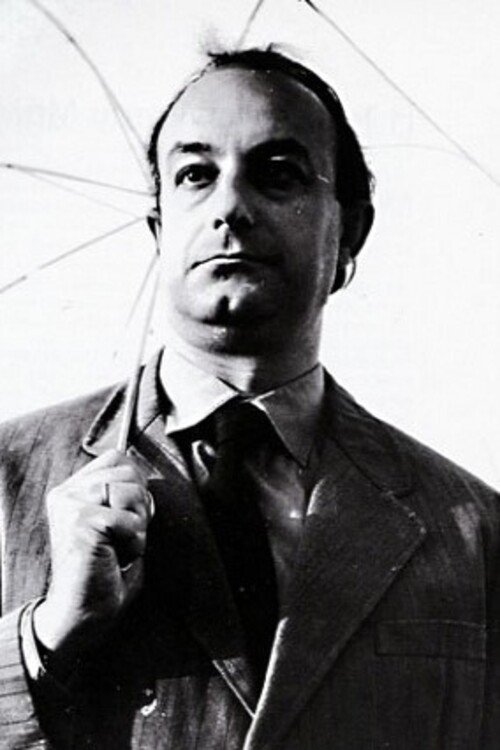
Kostas Sfikas
Prosecutor's Assistant

Christoforos Himaras
Minister
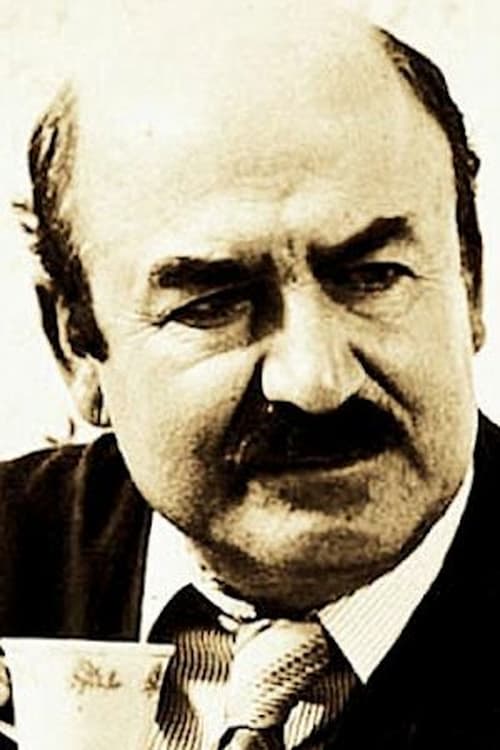
Vangelis Kazan
Crew
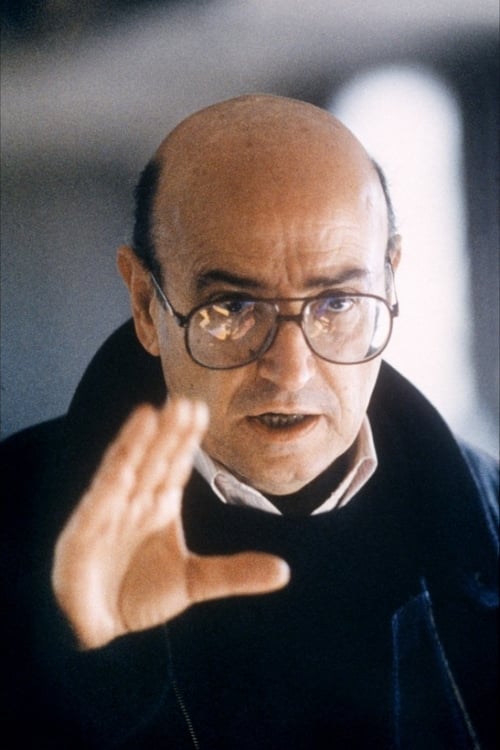
Theo Angelopoulos
Director
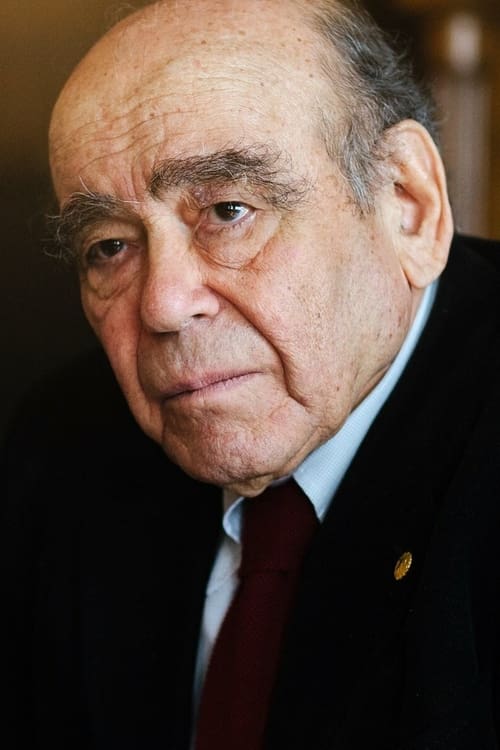
Thanasis Valtinos
Writer
Theo Angelopoulos
Writer
Petros Markaris
Writer
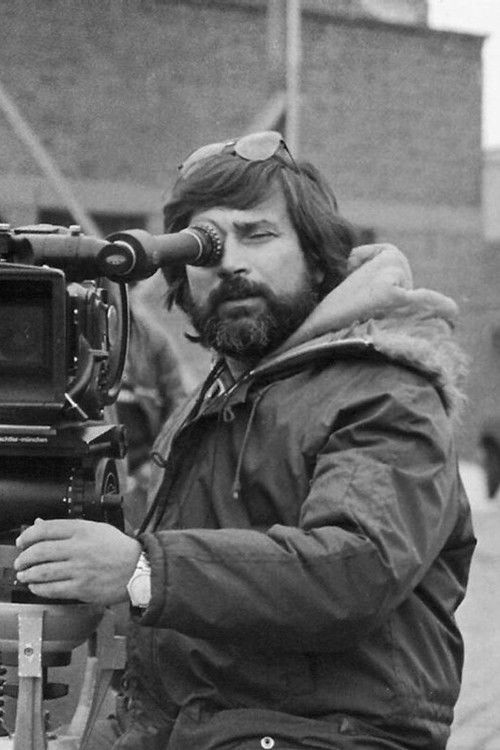
Giorgos Arvanitis
Director of Photography
Thanasis Arvanitis
Sound Designer

Giorgos Papastefanou
Music Programmer
Popular Reviews
8 reviews
Hektor
8.0★ · 07/17/25

If this is Angelopolous’ bottom floor, then it’s still hovering around like the 100th story or so.
AND THAT’S THE BARE MINIMUM! Im not hearing anything else.
Even at his most distant and observational version of himself, Angelopolous towers above basically everyone else in the industry. Deliberately opaque in narrative, yet sharp and concise in theme: Days of 36 marks the start of his history trilogy. There is offered little to no room for ambiguity in what’s being confronted, despite the narratives refusal of giving the viewer easy answers. None of the characters are given much of a morality, which is enforced by the depletion of close-up shots. It feels like Angelopolous it completely set on discouraging the viewers from forming a moral judgement, and instead strives for a more objective perspective and focus on political intrigue. But it’s unfortunately no history lesson, so it requires the viewer to put in the effort to meet it halfway.
The best example of this lies in the title, which is incredibly literal and impossible to misinterpret. It anchors the viewer in time and lends atleast some foreground to grasp on to and navigate from, despite the film probably requiring some extra research in Greeces history to fully understand the gravity of its origin. Especially in the lead up to the 1936 Metaxas dictatorship, which is when the film is set - a time plagued with instability, authoritarian manoeuvring and suppression of ideology.
It’s not treated as a spectacle nor a tragic collapse, but as an inevitability.
From his cinematic skyscraper, Angelopolous glares down upon us, offering us a truth set in stone. Not to scare or intimidate, but to remind us - history doesn’t whisper or quiver, it eternally enforces itself into our everyday life. It shapes the yesterday, the today and the tomorrow. It’s not a dramatisation, it’s a dissection. He doesn’t want empathy but awareness. For you to not care for, but merely observe, as the political pawns navigates a scorched and corrupt system of corruption instead of care and justice. It deprives in front of our eyes, patiently and distant but fully authentic.
This over-head composed vasectomy of power and corruption marks what might be his only - and by extension his biggest steeping stone in his career. And despite being maybe Angelopolous at his weakest, without it there is so much of him - stylistically and thematically, we’d probably never get to see. A required and important watch.
AND THAT’S THE BARE MINIMUM! Im not hearing anything else.
Even at his most distant and observational version of himself, Angelopolous towers above basically everyone else in the industry. Deliberately opaque in narrative, yet sharp and concise in theme: Days of 36 marks the start of his history trilogy. There is offered little to no room for ambiguity in what’s being confronted, despite the narratives refusal of giving the viewer easy answers. None of the characters are given much of a morality, which is enforced by the depletion of close-up shots. It feels like Angelopolous it completely set on discouraging the viewers from forming a moral judgement, and instead strives for a more objective perspective and focus on political intrigue. But it’s unfortunately no history lesson, so it requires the viewer to put in the effort to meet it halfway.
The best example of this lies in the title, which is incredibly literal and impossible to misinterpret. It anchors the viewer in time and lends atleast some foreground to grasp on to and navigate from, despite the film probably requiring some extra research in Greeces history to fully understand the gravity of its origin. Especially in the lead up to the 1936 Metaxas dictatorship, which is when the film is set - a time plagued with instability, authoritarian manoeuvring and suppression of ideology.
It’s not treated as a spectacle nor a tragic collapse, but as an inevitability.
From his cinematic skyscraper, Angelopolous glares down upon us, offering us a truth set in stone. Not to scare or intimidate, but to remind us - history doesn’t whisper or quiver, it eternally enforces itself into our everyday life. It shapes the yesterday, the today and the tomorrow. It’s not a dramatisation, it’s a dissection. He doesn’t want empathy but awareness. For you to not care for, but merely observe, as the political pawns navigates a scorched and corrupt system of corruption instead of care and justice. It deprives in front of our eyes, patiently and distant but fully authentic.
This over-head composed vasectomy of power and corruption marks what might be his only - and by extension his biggest steeping stone in his career. And despite being maybe Angelopolous at his weakest, without it there is so much of him - stylistically and thematically, we’d probably never get to see. A required and important watch.
If this is Angelopolous’ bottom floor, then it’s still hovering around like the 100th story or so.
AND THAT’S THE BARE MINIMUM! Im not hearing anything else.
Even at his most distant and observational version of himself, Angelopolous towers above basically everyone else in the industry. Deliberately opaque in narrative, yet sharp and concise in theme: Days of 36 marks the start of his history trilogy. There is offered little to no room for ambiguity in what’s being confronted, despite the narratives refusal of giving the viewer easy answers. None of the characters are given much of a morality, which is enforced by the depletion of close-up shots. It feels like Angelopolous it completely set on discouraging the viewers from forming a moral judgement, and instead strives for a more objective perspective and focus on political intrigue. But it’s unfortunately no history lesson, so it requires the viewer to put in the effort to meet it halfway.
The best example of this lies in the title, which is incredibly literal and impossible to misinterpret. It anchors the viewer in time and lends atleast some foreground to grasp on to and navigate from, despite the film probably requiring some extra research in Greeces history to fully understand the gravity of its origin. Especially in the lead up to the 1936 Metaxas dictatorship, which is when the film is set - a time plagued with instability, authoritarian manoeuvring and suppression of ideology.
It’s not treated as a spectacle nor a tragic collapse, but as an inevitability.
From his cinematic skyscraper, Angelopolous glares down upon us, offering us a truth set in stone. Not to scare or intimidate, but to remind us - history doesn’t whisper or quiver, it eternally enforces itself into our everyday life. It shapes the yesterday, the today and the tomorrow. It’s not a dramatisation, it’s a dissection. He doesn’t want empathy but awareness. For you to not care for, but merely observe, as the political pawns navigates a scorched and corrupt system of corruption instead of care and justice. It deprives in front of our eyes, patiently and distant but fully authentic.
This over-head composed vasectomy of power and corruption marks what might be his only - and by extension his biggest steeping stone in his career. And despite being maybe Angelopolous at his weakest, without it there is so much of him - stylistically and thematically, we’d probably never get to see. A required and important watch.
AND THAT’S THE BARE MINIMUM! Im not hearing anything else.
Even at his most distant and observational version of himself, Angelopolous towers above basically everyone else in the industry. Deliberately opaque in narrative, yet sharp and concise in theme: Days of 36 marks the start of his history trilogy. There is offered little to no room for ambiguity in what’s being confronted, despite the narratives refusal of giving the viewer easy answers. None of the characters are given much of a morality, which is enforced by the depletion of close-up shots. It feels like Angelopolous it completely set on discouraging the viewers from forming a moral judgement, and instead strives for a more objective perspective and focus on political intrigue. But it’s unfortunately no history lesson, so it requires the viewer to put in the effort to meet it halfway.
The best example of this lies in the title, which is incredibly literal and impossible to misinterpret. It anchors the viewer in time and lends atleast some foreground to grasp on to and navigate from, despite the film probably requiring some extra research in Greeces history to fully understand the gravity of its origin. Especially in the lead up to the 1936 Metaxas dictatorship, which is when the film is set - a time plagued with instability, authoritarian manoeuvring and suppression of ideology.
It’s not treated as a spectacle nor a tragic collapse, but as an inevitability.
From his cinematic skyscraper, Angelopolous glares down upon us, offering us a truth set in stone. Not to scare or intimidate, but to remind us - history doesn’t whisper or quiver, it eternally enforces itself into our everyday life. It shapes the yesterday, the today and the tomorrow. It’s not a dramatisation, it’s a dissection. He doesn’t want empathy but awareness. For you to not care for, but merely observe, as the political pawns navigates a scorched and corrupt system of corruption instead of care and justice. It deprives in front of our eyes, patiently and distant but fully authentic.
This over-head composed vasectomy of power and corruption marks what might be his only - and by extension his biggest steeping stone in his career. And despite being maybe Angelopolous at his weakest, without it there is so much of him - stylistically and thematically, we’d probably never get to see. A required and important watch.


Stkon
6.0★ · 06/29/26
ayvln
5.0★ · 06/01/26
Eclectic Sorcerer
7.0★ · 03/13/26
Eclectic Sorcerer
7.0★ · 03/13/26