

1946·Drama·1h 39m
7.1
★
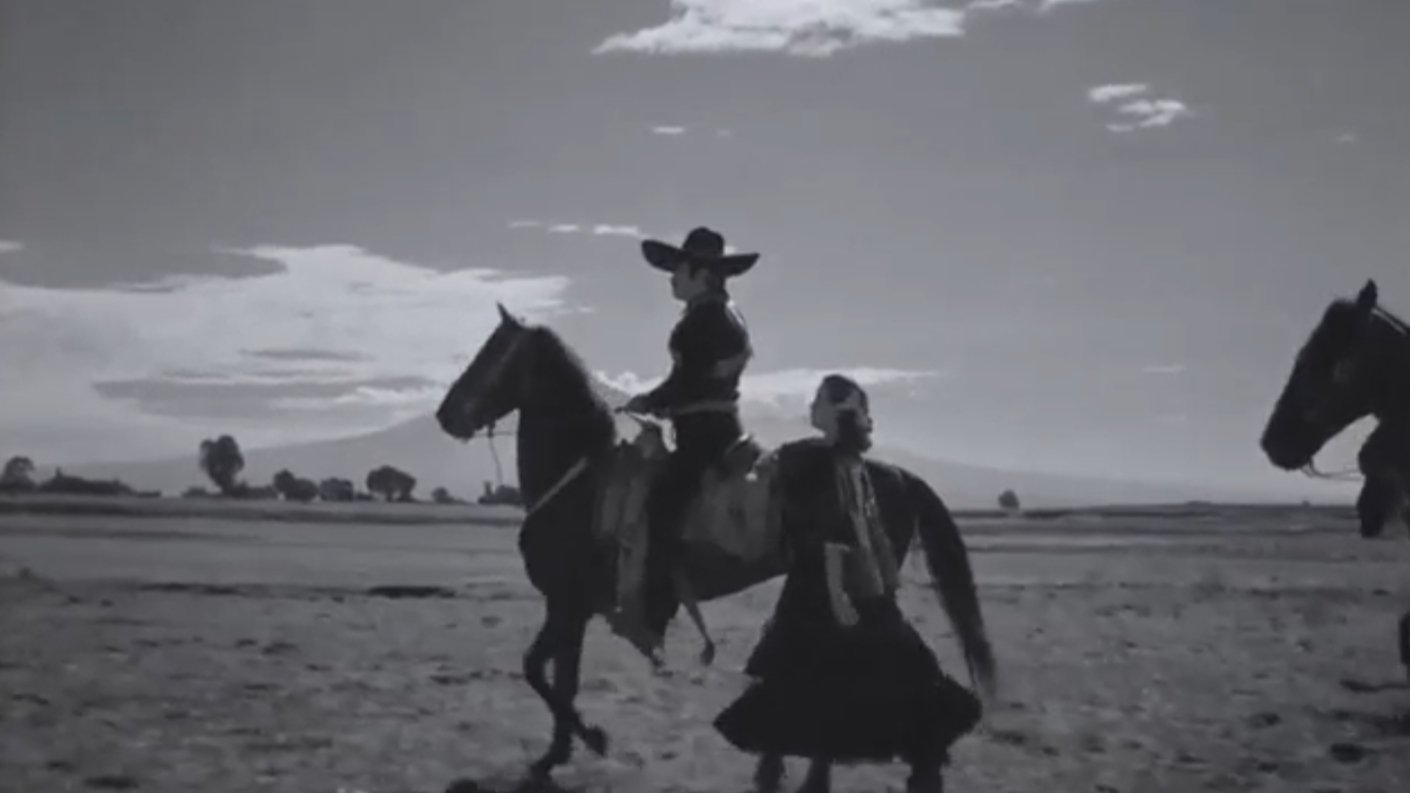
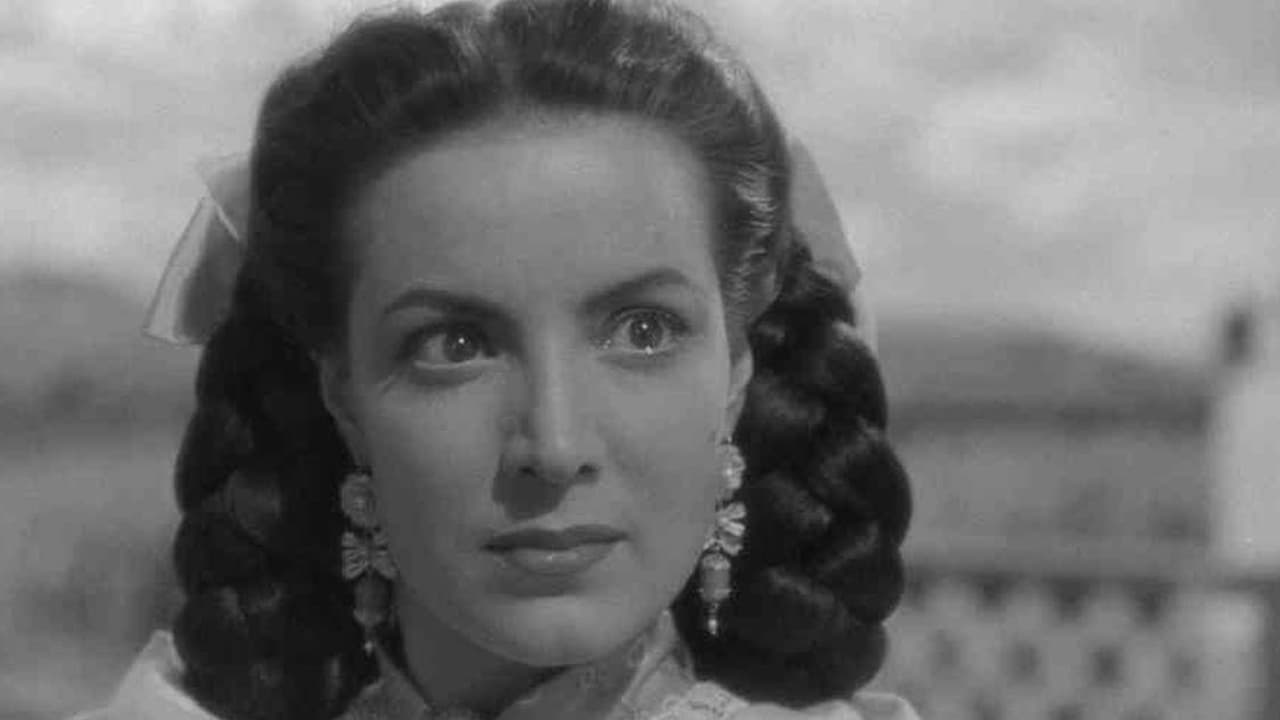
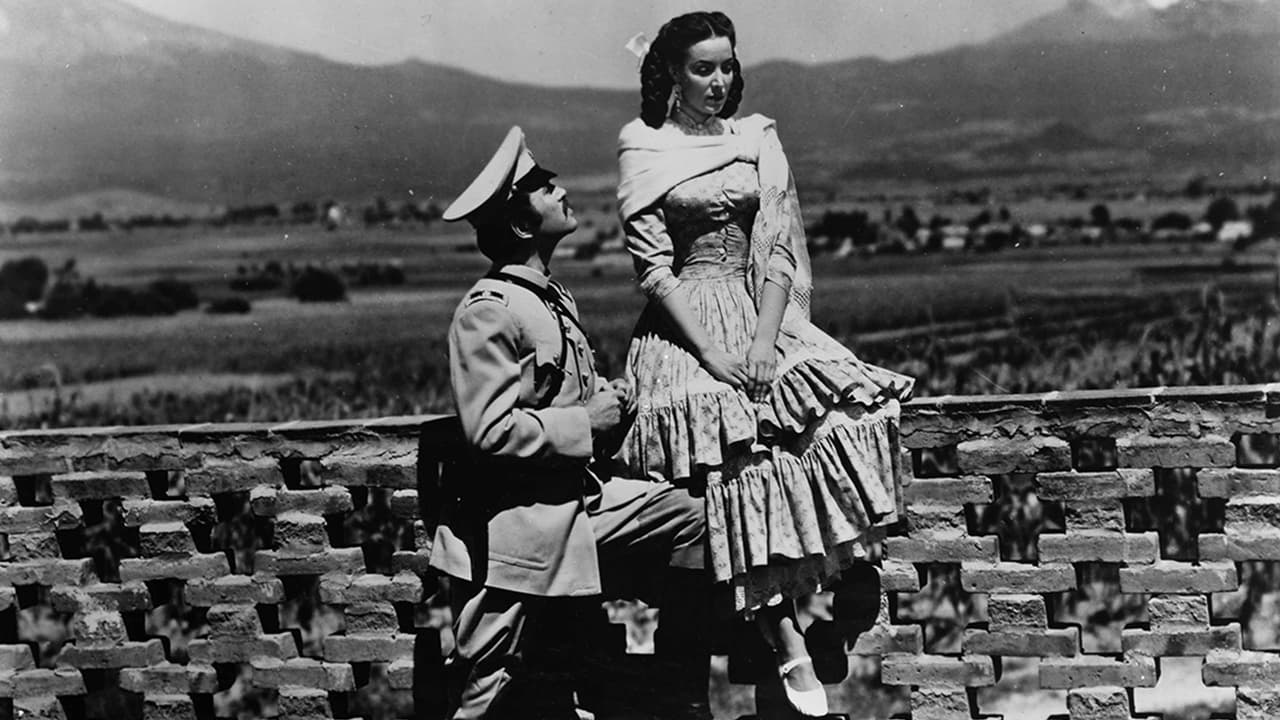
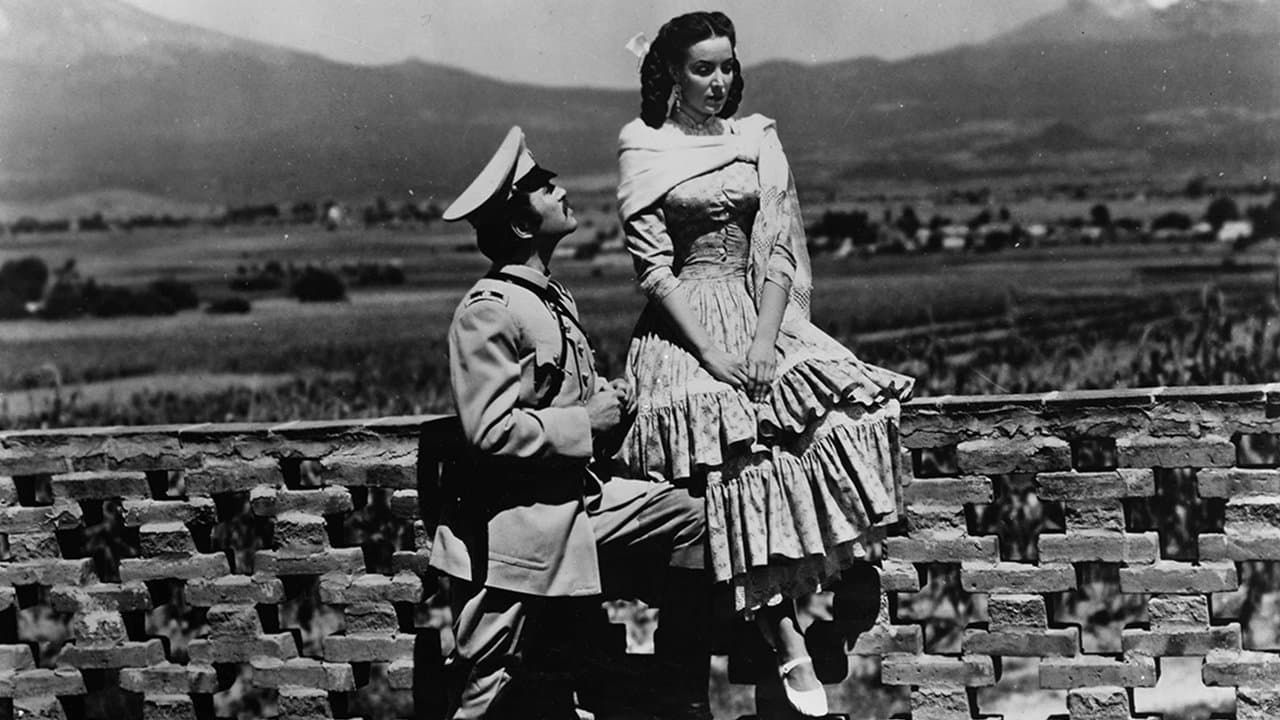
In Mexican Revolution times, a guerrilla general and his troops take the conservative town of Cholula, near by Mexico City. As the revolutionaries mistreat the town's riches, General Reyes falls for beautiful and wild Beatriz Peñafiel, the daughter of one of the town's richest men.
Directed by Emilio Fernández
horse
mexican revolution
love-hate relationship
love
singing
execution
firecracker
catholic priest

IMDB
N/A
Cast

María Félix
Beatriz Peñafiel
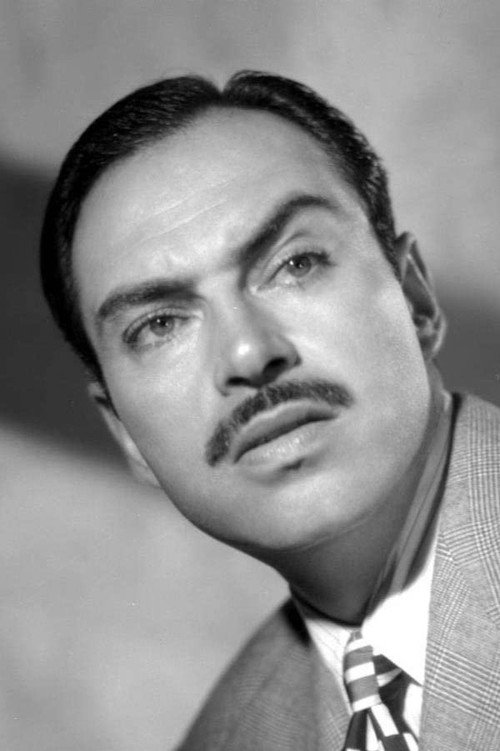
Pedro Armendáriz
Gen. José Juan Reyes
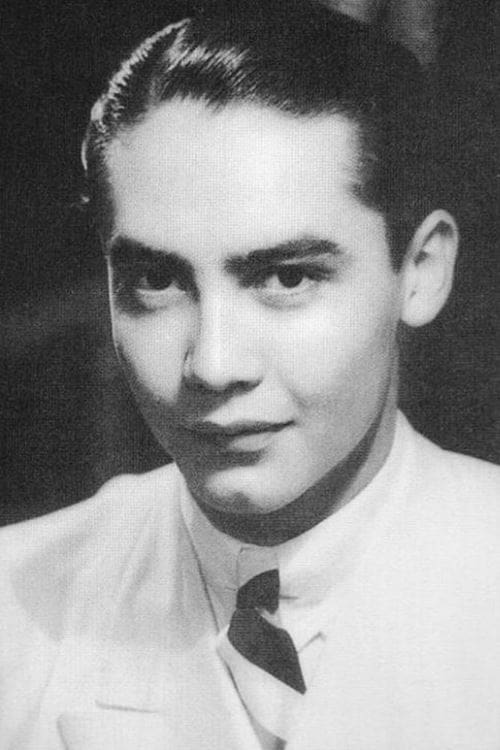
Fernando Fernández
Priest Rafael Sierra
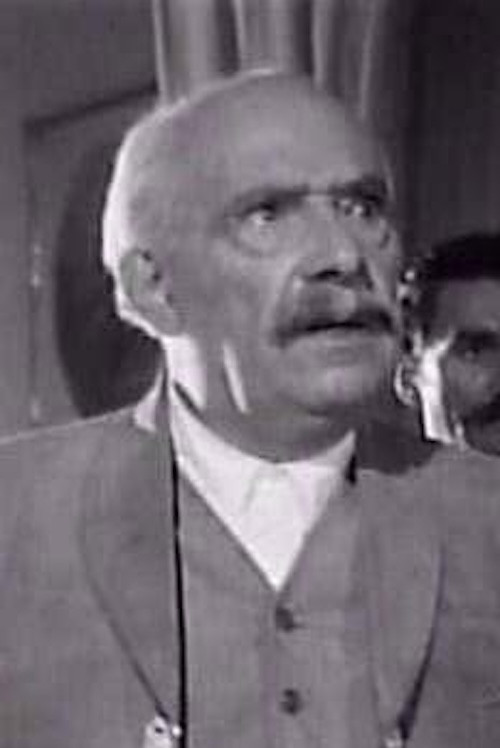
José Morcillo
Carlos Peñafiel

Eduardo Arozamena
Mayor Joaquín Gómez

Miguel Inclán
Capt. Bocanegra
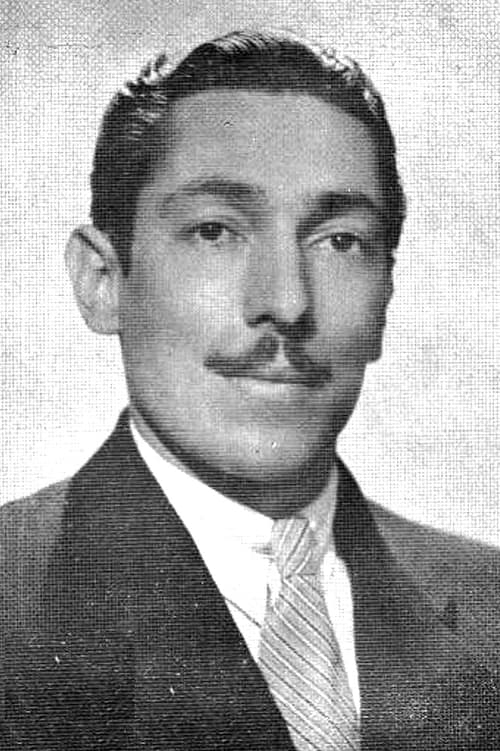
Manuel Dondé
Fidel Bernal
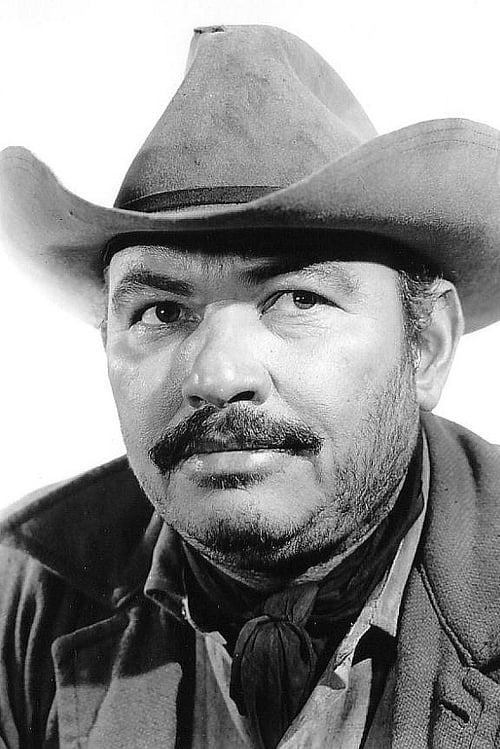
Juan García
Capt. Quiñones
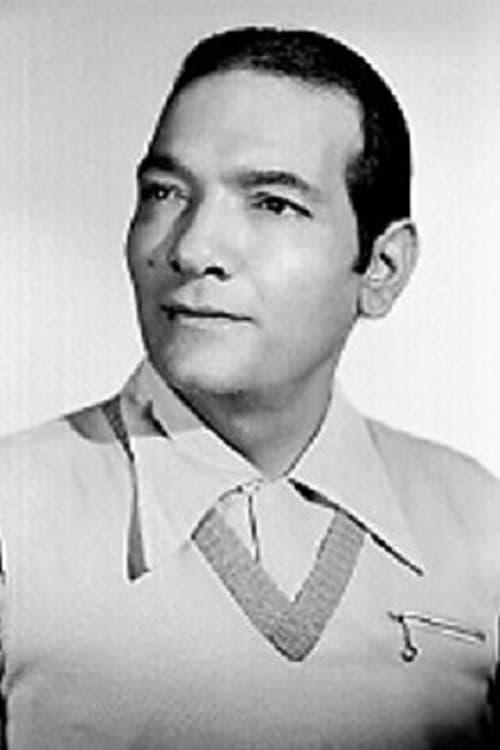
José Torvay
Maestro Apolonio Sánchez
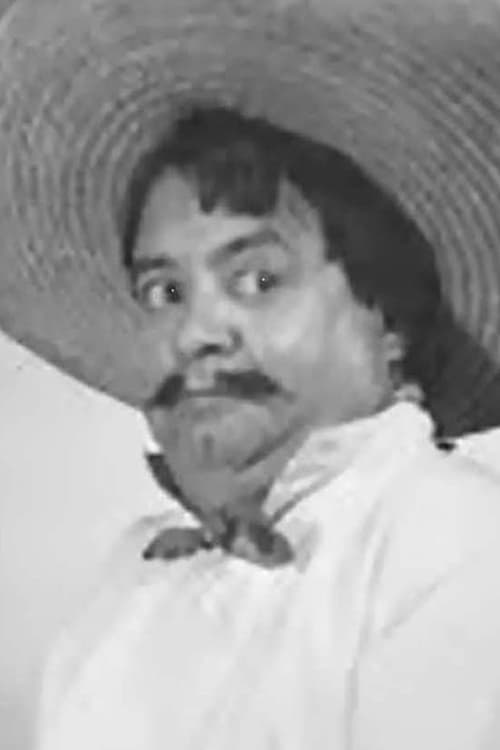
Pascual García Peña
Merolico
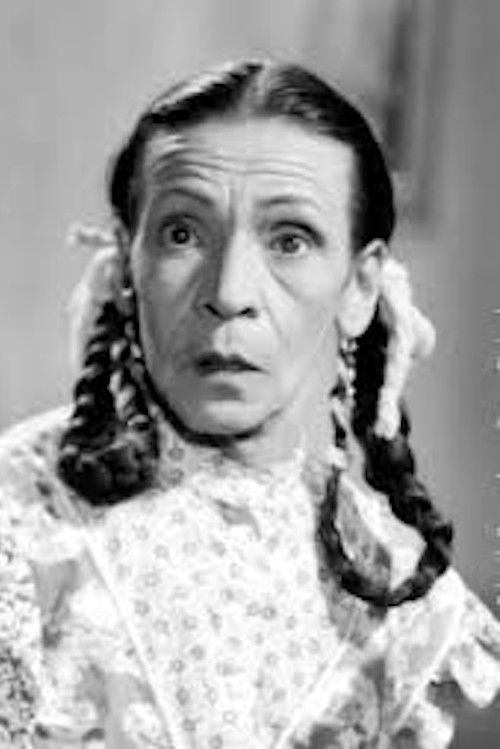
Enriqueta Reza
Manuela (uncredited)

Arturo Soto Rangel
Juez (uncredited)
Crew
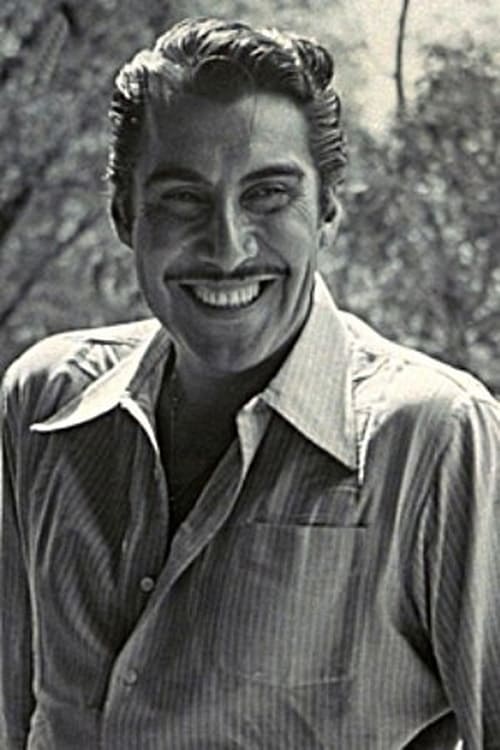
Emilio Fernández
Director

Benito Alazraki
Writer
Emilio Fernández
Screenplay
Gloria Schoemann
Editor
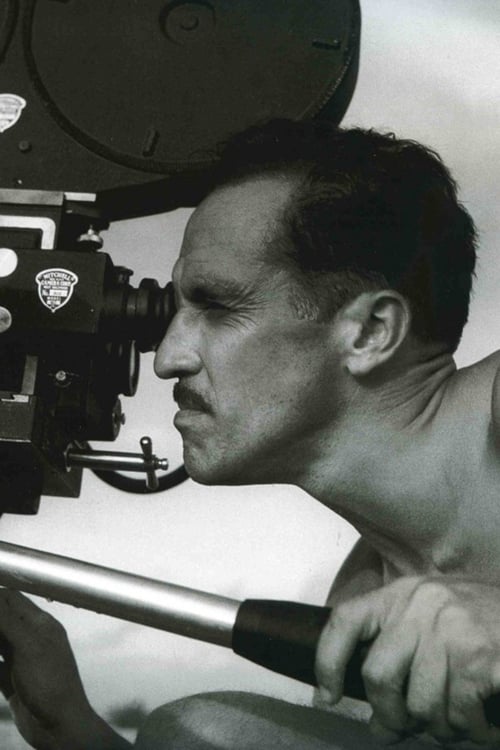
Gabriel Figueroa
Director of Photography
Benito Alazraki
Producer
Popular Reviews
24 reviews
Natalia Gaytan
8.0★ · 02/01/26

This film reminded me a lot of Sara Gomez's De Cierta Manera in that it uses romance to challenge traditional gender norms during a revolutionary time, using Beatriz as a vehicle to reject passivity and love as a way to reshape what masculinity is defined by. In the film, love is not presented as soft but rather as something that entails confrontation, a pathway to change that is not comfortable but necessary.
Beatriz refuses to be a woman who requires protection or who falls into submissiveness. She is perceived as different from others, yet not as less of a woman because of it. Her father hands her a gun to protect the house, she slaps the General for being a "pelado," and she refuses to be negotiated for. She states that "hay cosas que reclaman mejor las mujeres," embracing her power because she is a woman and not despite it. Even in her wedding, she wears a black dress, a simple wardrobe choice that negates traditional ideas of femininity.
The General is first presented as a harsh man, yet even in his introduction, he finds a softness for love. The emotional hardness that seems to surround him slowly collapses as the film progresses and his love for Beatriz deepens. Rather than becoming weak because of this, he gains a different kind of power, one that motivates him to change while continuing to do what is best for the revolution. It is this power of love that leads to his confession to Beatriz in the end, and that same power that draws Beatriz into joining the fight.
Beatriz refuses to be a woman who requires protection or who falls into submissiveness. She is perceived as different from others, yet not as less of a woman because of it. Her father hands her a gun to protect the house, she slaps the General for being a "pelado," and she refuses to be negotiated for. She states that "hay cosas que reclaman mejor las mujeres," embracing her power because she is a woman and not despite it. Even in her wedding, she wears a black dress, a simple wardrobe choice that negates traditional ideas of femininity.
The General is first presented as a harsh man, yet even in his introduction, he finds a softness for love. The emotional hardness that seems to surround him slowly collapses as the film progresses and his love for Beatriz deepens. Rather than becoming weak because of this, he gains a different kind of power, one that motivates him to change while continuing to do what is best for the revolution. It is this power of love that leads to his confession to Beatriz in the end, and that same power that draws Beatriz into joining the fight.
This film reminded me a lot of Sara Gomez's De Cierta Manera in that it uses romance to challenge traditional gender norms during a revolutionary time, using Beatriz as a vehicle to reject passivity and love as a way to reshape what masculinity is defined by. In the film, love is not presented as soft but rather as something that entails confrontation, a pathway to change that is not comfortable but necessary.
Beatriz refuses to be a woman who requires protection or who falls into submissiveness. She is perceived as different from others, yet not as less of a woman because of it. Her father hands her a gun to protect the house, she slaps the General for being a "pelado," and she refuses to be negotiated for. She states that "hay cosas que reclaman mejor las mujeres," embracing her power because she is a woman and not despite it. Even in her wedding, she wears a black dress, a simple wardrobe choice that negates traditional ideas of femininity.
The General is first presented as a harsh man, yet even in his introduction, he finds a softness for love. The emotional hardness that seems to surround him slowly collapses as the film progresses and his love for Beatriz deepens. Rather than becoming weak because of this, he gains a different kind of power, one that motivates him to change while continuing to do what is best for the revolution. It is this power of love that leads to his confession to Beatriz in the end, and that same power that draws Beatriz into joining the fight.
Beatriz refuses to be a woman who requires protection or who falls into submissiveness. She is perceived as different from others, yet not as less of a woman because of it. Her father hands her a gun to protect the house, she slaps the General for being a "pelado," and she refuses to be negotiated for. She states that "hay cosas que reclaman mejor las mujeres," embracing her power because she is a woman and not despite it. Even in her wedding, she wears a black dress, a simple wardrobe choice that negates traditional ideas of femininity.
The General is first presented as a harsh man, yet even in his introduction, he finds a softness for love. The emotional hardness that seems to surround him slowly collapses as the film progresses and his love for Beatriz deepens. Rather than becoming weak because of this, he gains a different kind of power, one that motivates him to change while continuing to do what is best for the revolution. It is this power of love that leads to his confession to Beatriz in the end, and that same power that draws Beatriz into joining the fight.


Luisa
10.0★ · 01/22/26
"Yo que soy gente decente tuve que robarme a mi mujer [...] chaparro, ¡pero me casé!"
qué guión!!! qué vestuario!!!! pero sobre todo, qué actuaciones! lo que transmite María Félix con la rudeza de su expresión verbal es exactamente igual de intenso que su rostro! igual con Pedro Armendáriz, porrrr Dios!
encuentro profundamente tierna la evolución de ambos personajes, pero también sus presentaciones: la paternidad del general que tiene a la niña en su oficina improvisada mientras sentencia de muerte a los ricos porque no confía que nadie la cuide como él. la firmeza con la que le entrega todo el dinero que lleva encima al maestro para que siga educando a los hijos de los obreros! el enamoramiento instantáneo a partir de que una mujer lo reta! los conocimientos sobre arte cultura e historia de un personaje que comúnmente se retrataría como ignorante y brusco (gracias Indio Fernández!!!)
la dimensión de Beatriz creo que es raro de ver, incluso en personajes femeninos actuales. sí, caen en la obviedad de pronunciarla tan ruda como sensible, pero respaldado con lo visual. ahora creo que sería más difícil ver que un personaje femenino se nombrara poderoso solo por ser mujer, y que el entorno respetara de esa manera su declaración y la respaldara. estoy en shock!!!!!!
te amo maría félix!!!!!!!!!!!!!
qué guión!!! qué vestuario!!!! pero sobre todo, qué actuaciones! lo que transmite María Félix con la rudeza de su expresión verbal es exactamente igual de intenso que su rostro! igual con Pedro Armendáriz, porrrr Dios!
encuentro profundamente tierna la evolución de ambos personajes, pero también sus presentaciones: la paternidad del general que tiene a la niña en su oficina improvisada mientras sentencia de muerte a los ricos porque no confía que nadie la cuide como él. la firmeza con la que le entrega todo el dinero que lleva encima al maestro para que siga educando a los hijos de los obreros! el enamoramiento instantáneo a partir de que una mujer lo reta! los conocimientos sobre arte cultura e historia de un personaje que comúnmente se retrataría como ignorante y brusco (gracias Indio Fernández!!!)
la dimensión de Beatriz creo que es raro de ver, incluso en personajes femeninos actuales. sí, caen en la obviedad de pronunciarla tan ruda como sensible, pero respaldado con lo visual. ahora creo que sería más difícil ver que un personaje femenino se nombrara poderoso solo por ser mujer, y que el entorno respetara de esa manera su declaración y la respaldara. estoy en shock!!!!!!
te amo maría félix!!!!!!!!!!!!!
"Yo que soy gente decente tuve que robarme a mi mujer [...] chaparro, ¡pero me casé!"
qué guión!!! qué vestuario!!!! pero sobre todo, qué actuaciones! lo que transmite María Félix con la rudeza de su expresión verbal es exactamente igual de intenso que su rostro! igual con Pedro Armendáriz, porrrr Dios!
encuentro profundamente tierna la evolución de ambos personajes, pero también sus presentaciones: la paternidad del general que tiene a la niña en su oficina improvisada mientras sentencia de muerte a los ricos porque no confía que nadie la cuide como él. la firmeza con la que le entrega todo el dinero que lleva encima al maestro para que siga educando a los hijos de los obreros! el enamoramiento instantáneo a partir de que una mujer lo reta! los conocimientos sobre arte cultura e historia de un personaje que comúnmente se retrataría como ignorante y brusco (gracias Indio Fernández!!!)
la dimensión de Beatriz creo que es raro de ver, incluso en personajes femeninos actuales. sí, caen en la obviedad de pronunciarla tan ruda como sensible, pero respaldado con lo visual. ahora creo que sería más difícil ver que un personaje femenino se nombrara poderoso solo por ser mujer, y que el entorno respetara de esa manera su declaración y la respaldara. estoy en shock!!!!!!
te amo maría félix!!!!!!!!!!!!!
qué guión!!! qué vestuario!!!! pero sobre todo, qué actuaciones! lo que transmite María Félix con la rudeza de su expresión verbal es exactamente igual de intenso que su rostro! igual con Pedro Armendáriz, porrrr Dios!
encuentro profundamente tierna la evolución de ambos personajes, pero también sus presentaciones: la paternidad del general que tiene a la niña en su oficina improvisada mientras sentencia de muerte a los ricos porque no confía que nadie la cuide como él. la firmeza con la que le entrega todo el dinero que lleva encima al maestro para que siga educando a los hijos de los obreros! el enamoramiento instantáneo a partir de que una mujer lo reta! los conocimientos sobre arte cultura e historia de un personaje que comúnmente se retrataría como ignorante y brusco (gracias Indio Fernández!!!)
la dimensión de Beatriz creo que es raro de ver, incluso en personajes femeninos actuales. sí, caen en la obviedad de pronunciarla tan ruda como sensible, pero respaldado con lo visual. ahora creo que sería más difícil ver que un personaje femenino se nombrara poderoso solo por ser mujer, y que el entorno respetara de esa manera su declaración y la respaldara. estoy en shock!!!!!!
te amo maría félix!!!!!!!!!!!!!
glup shitto
10.0★ · 01/07/26
the “Ave María” and “Malagueña Salerosa” sequences will no doubt be seared into my brain.
NO ONE LOVES HARDER THAN A MEXICAN I KNOW THAT’S RIGHT ‼️‼️
NO ONE LOVES HARDER THAN A MEXICAN I KNOW THAT’S RIGHT ‼️‼️
the “Ave María” and “Malagueña Salerosa” sequences will no doubt be seared into my brain.
NO ONE LOVES HARDER THAN A MEXICAN I KNOW THAT’S RIGHT ‼️‼️
NO ONE LOVES HARDER THAN A MEXICAN I KNOW THAT’S RIGHT ‼️‼️
Daniela Rendón
7.9★ · 12/19/24
no puede ser. el diálogo y la actuación 10/10 se los juro
no puede ser. el diálogo y la actuación 10/10 se los juro
Yami Rodriguez
8.0★ · 12/10/23
she just like me fr
she just like me fr