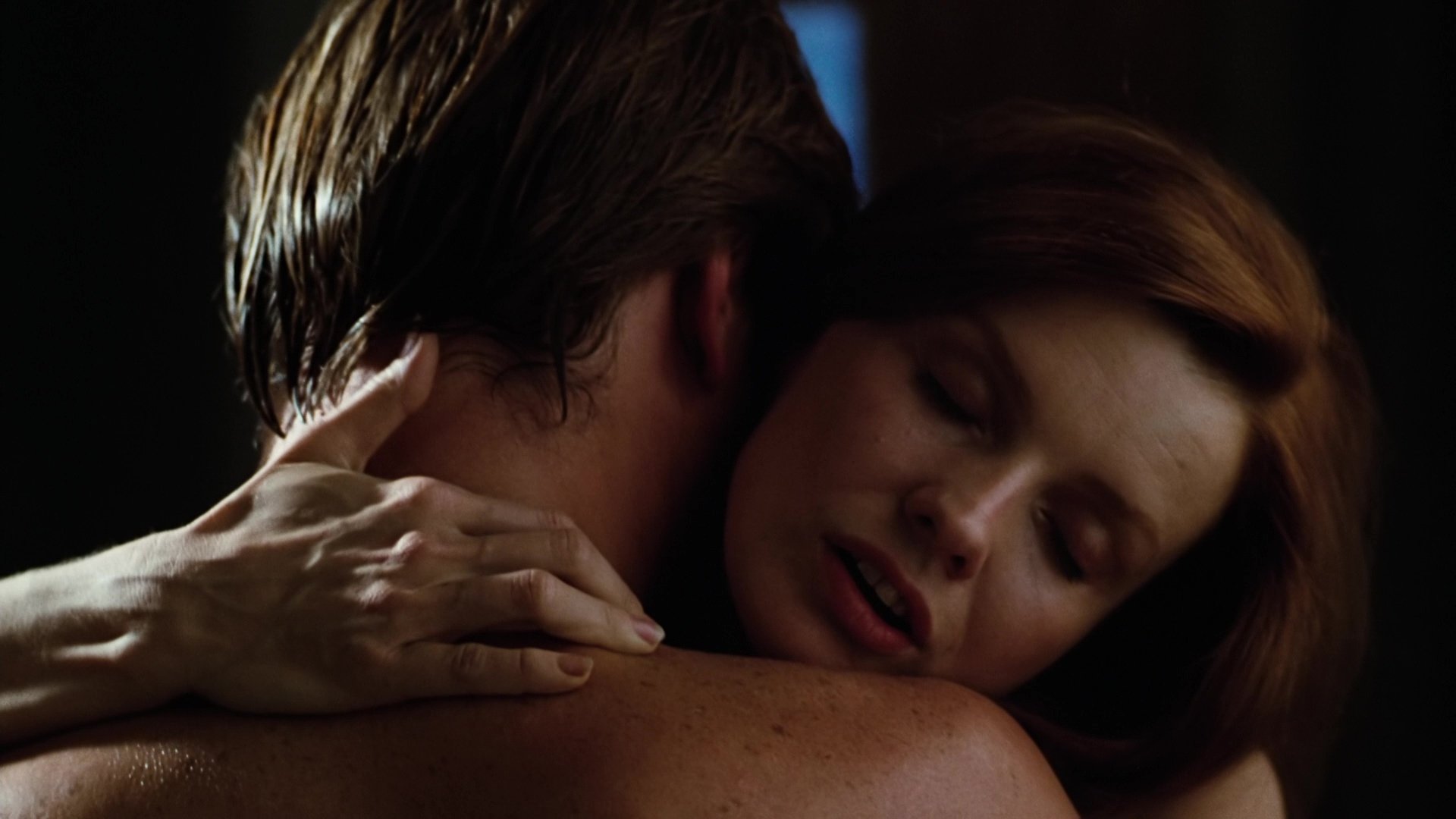
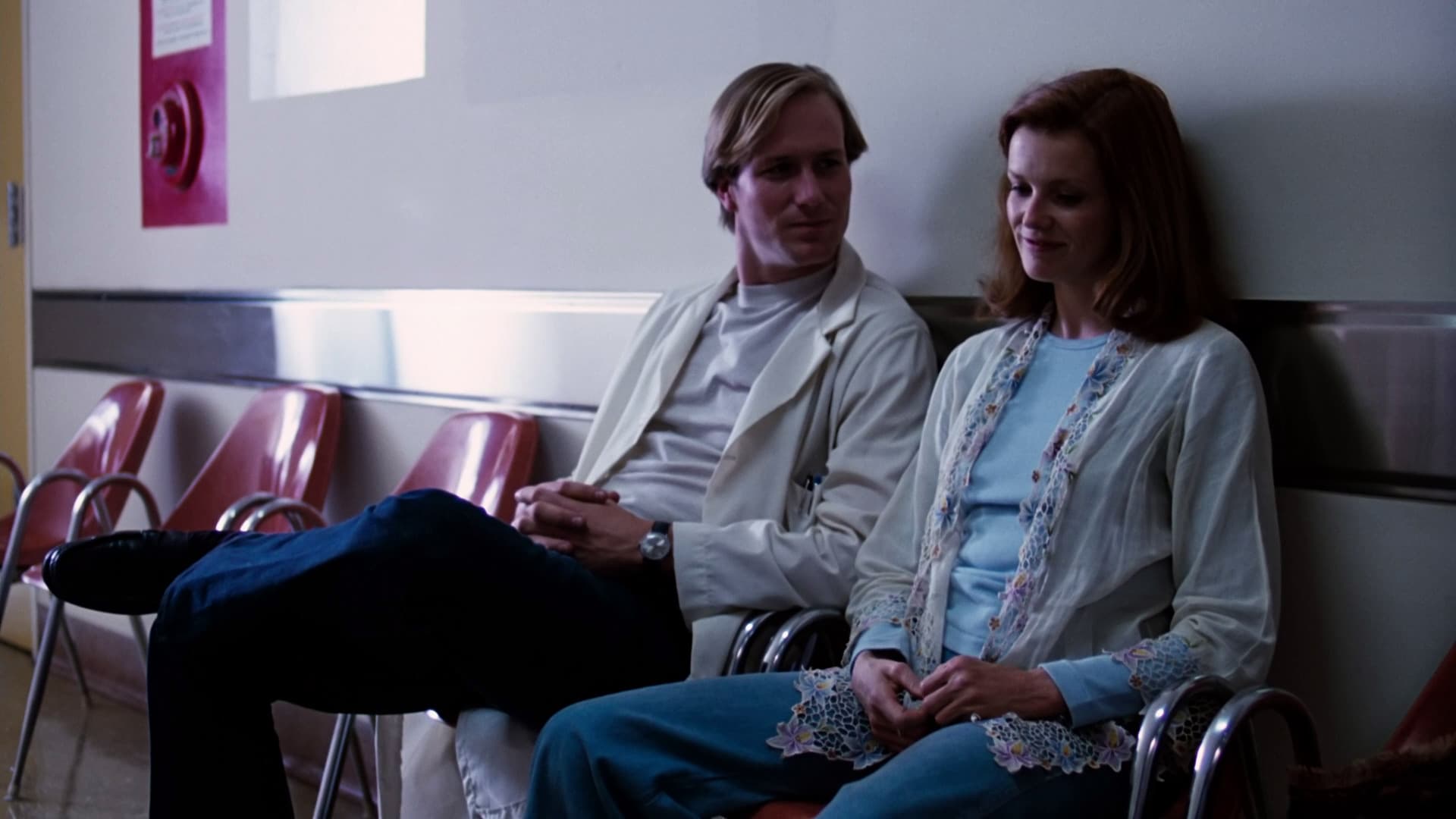
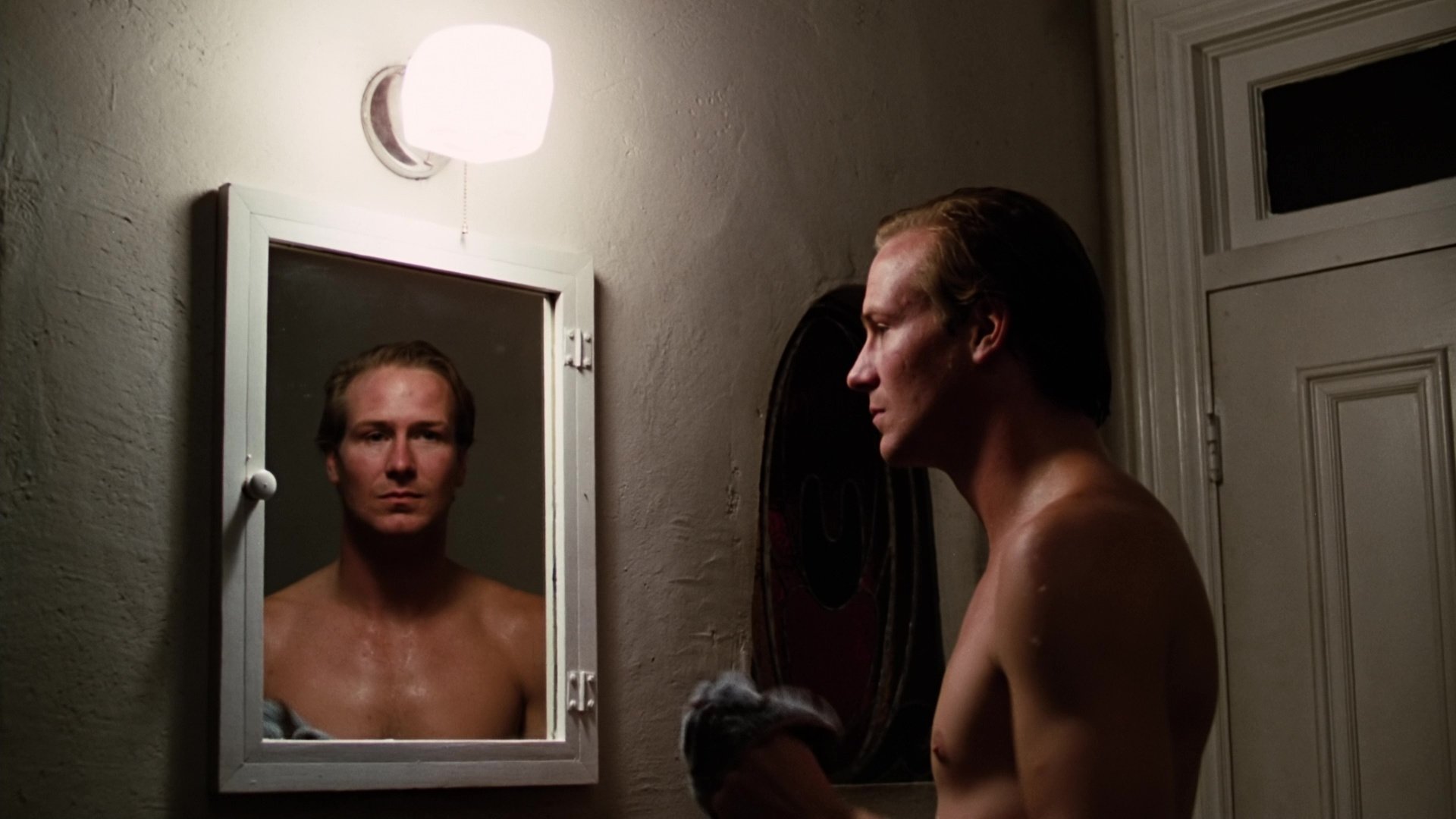
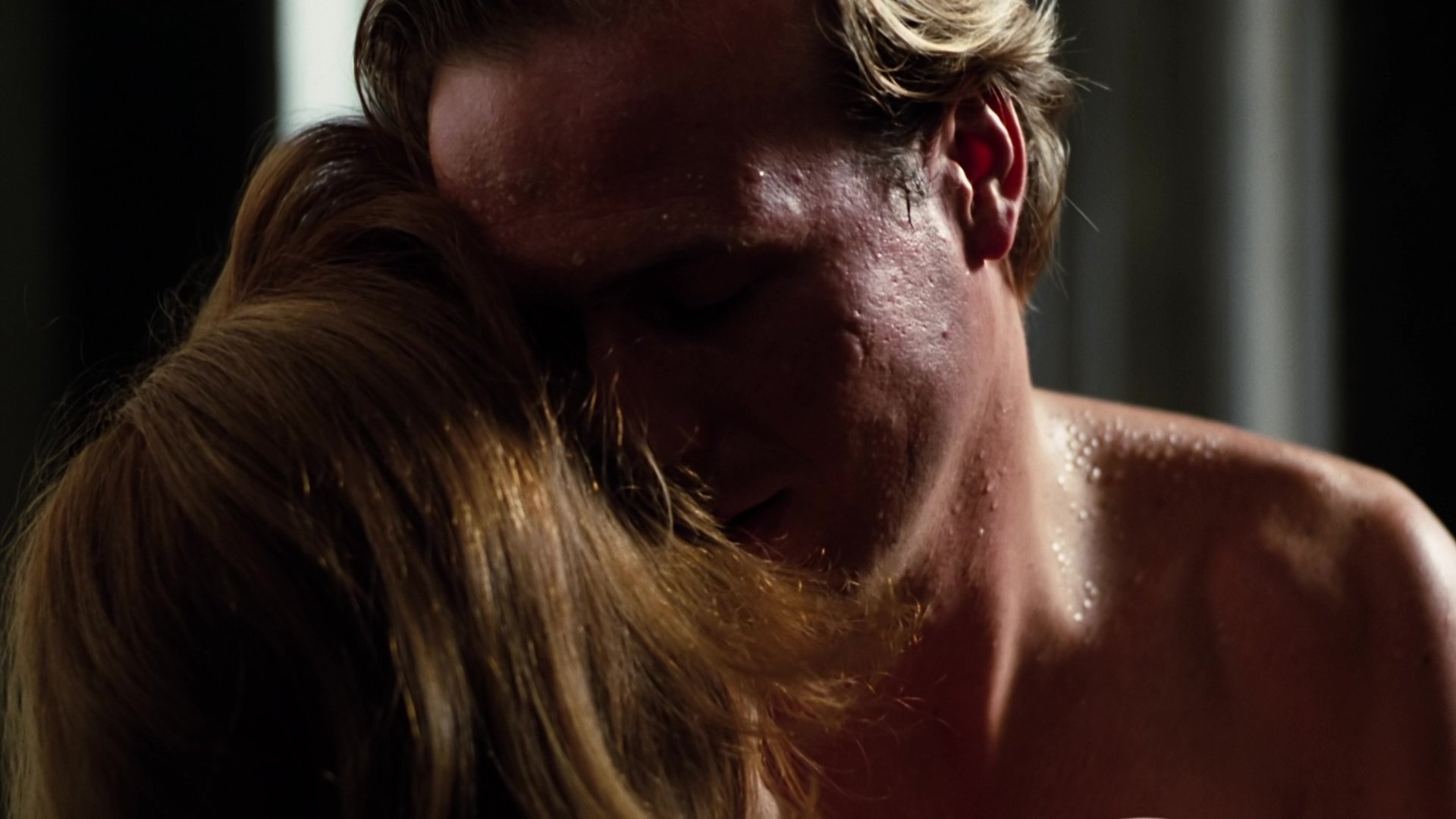
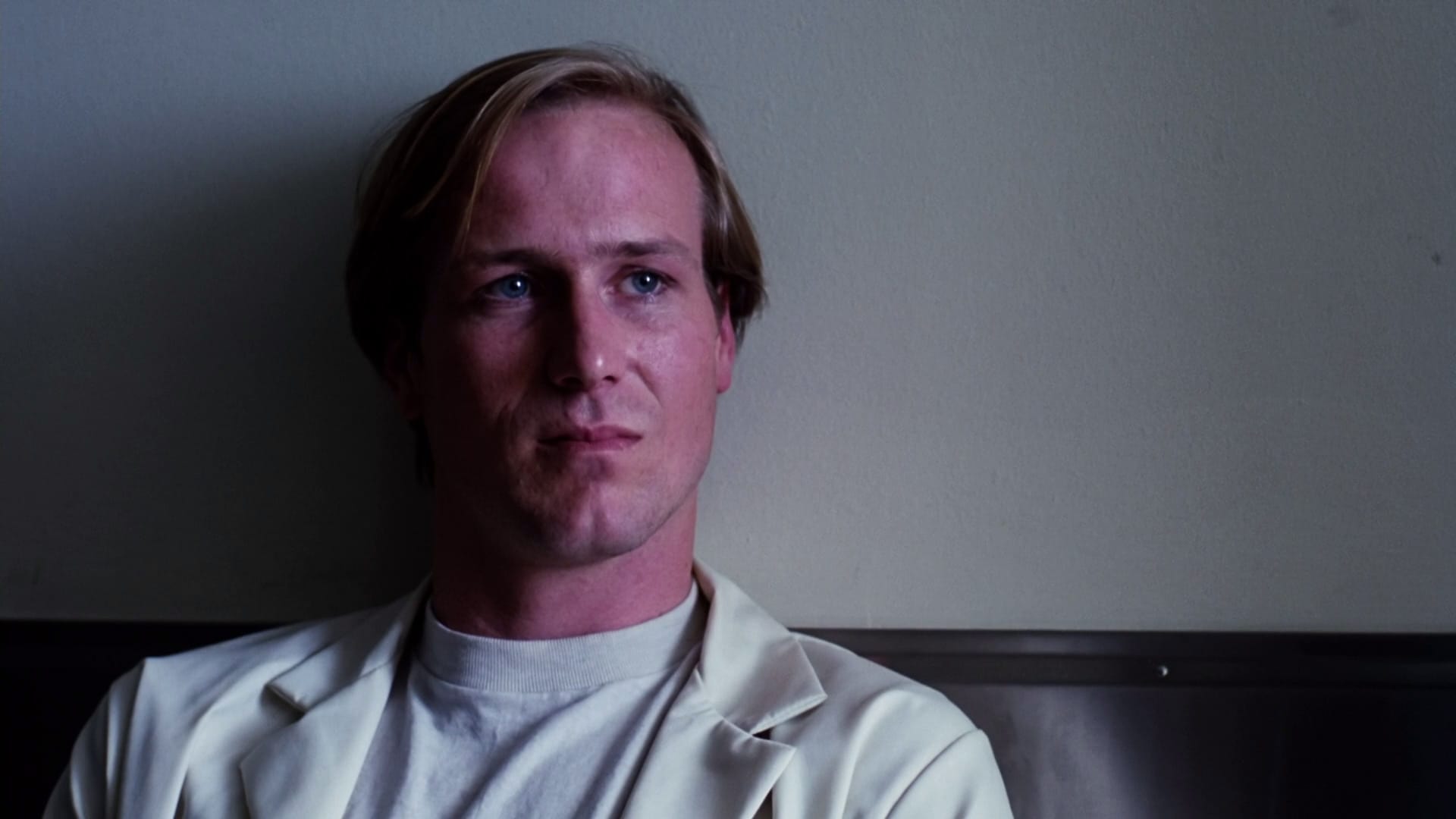
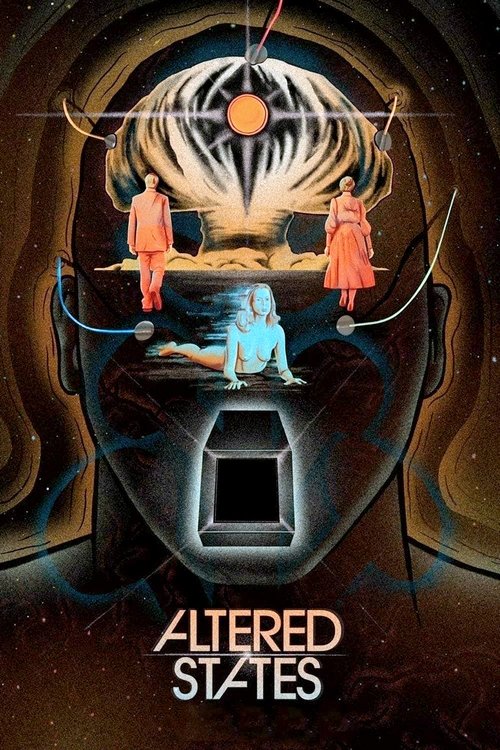
The film is all over the place. But I really, really liked it. I’m not quite sure if it was the constant barrage of surreal, almost nonsensical imagery or just the fact that it centers on this guy who is kind of a freak, but something about it really worked for me. It’s chaotic, but in a way that feels intentional rather than messy. At the same time, I could definitely understand why someone would not like this film for the same reason; it is really, really chaotic. Very much an experimental film.
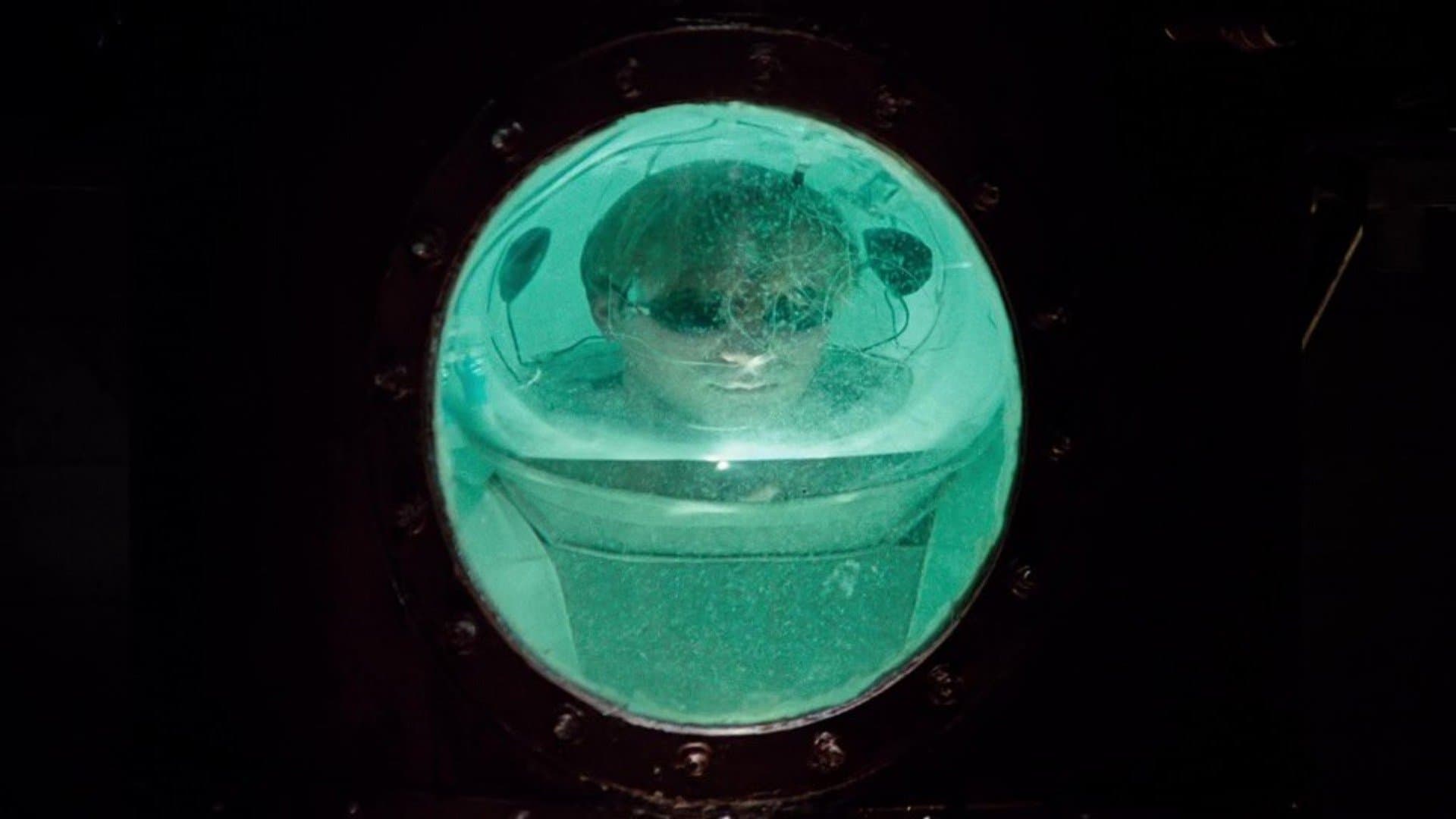
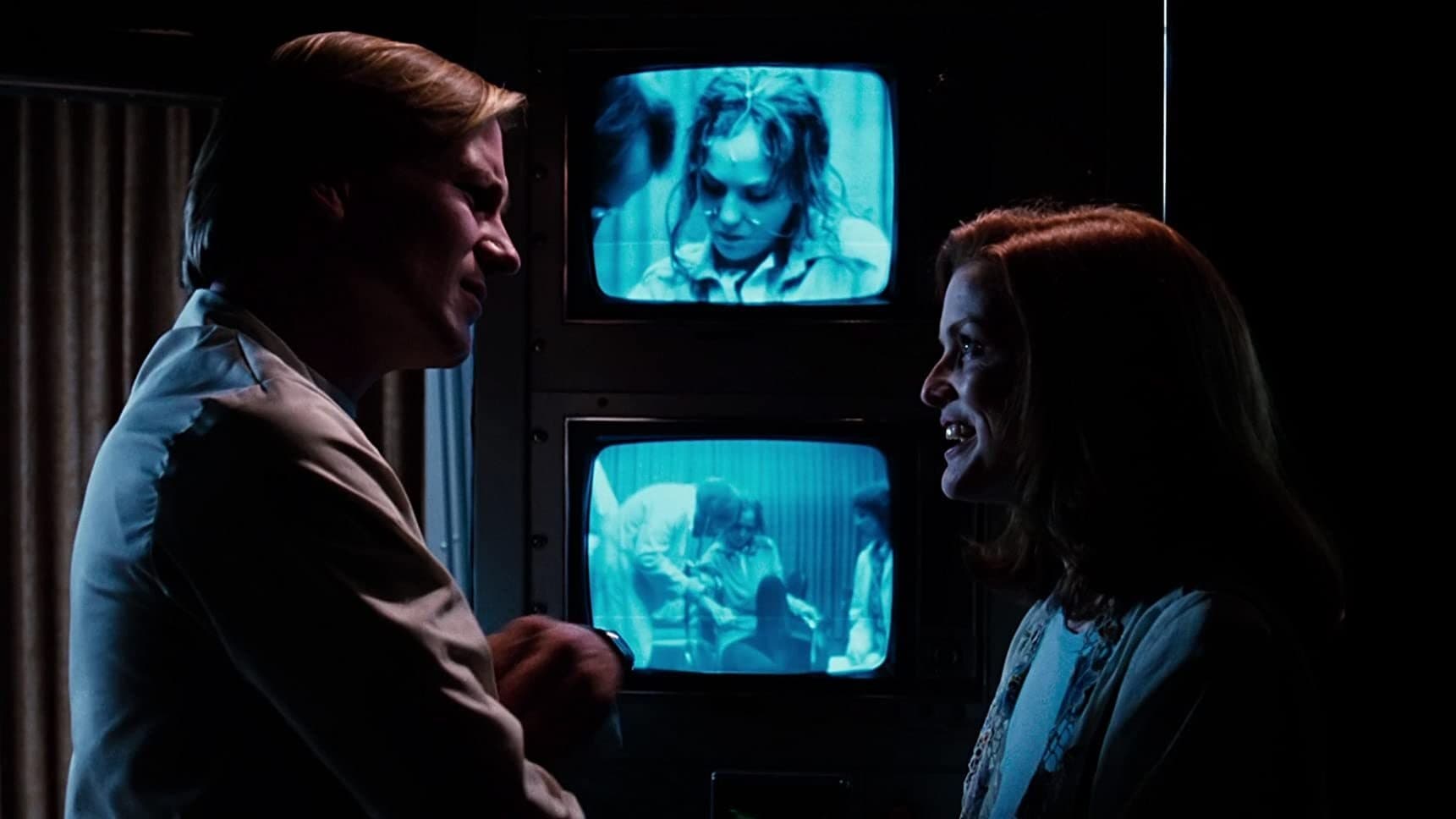
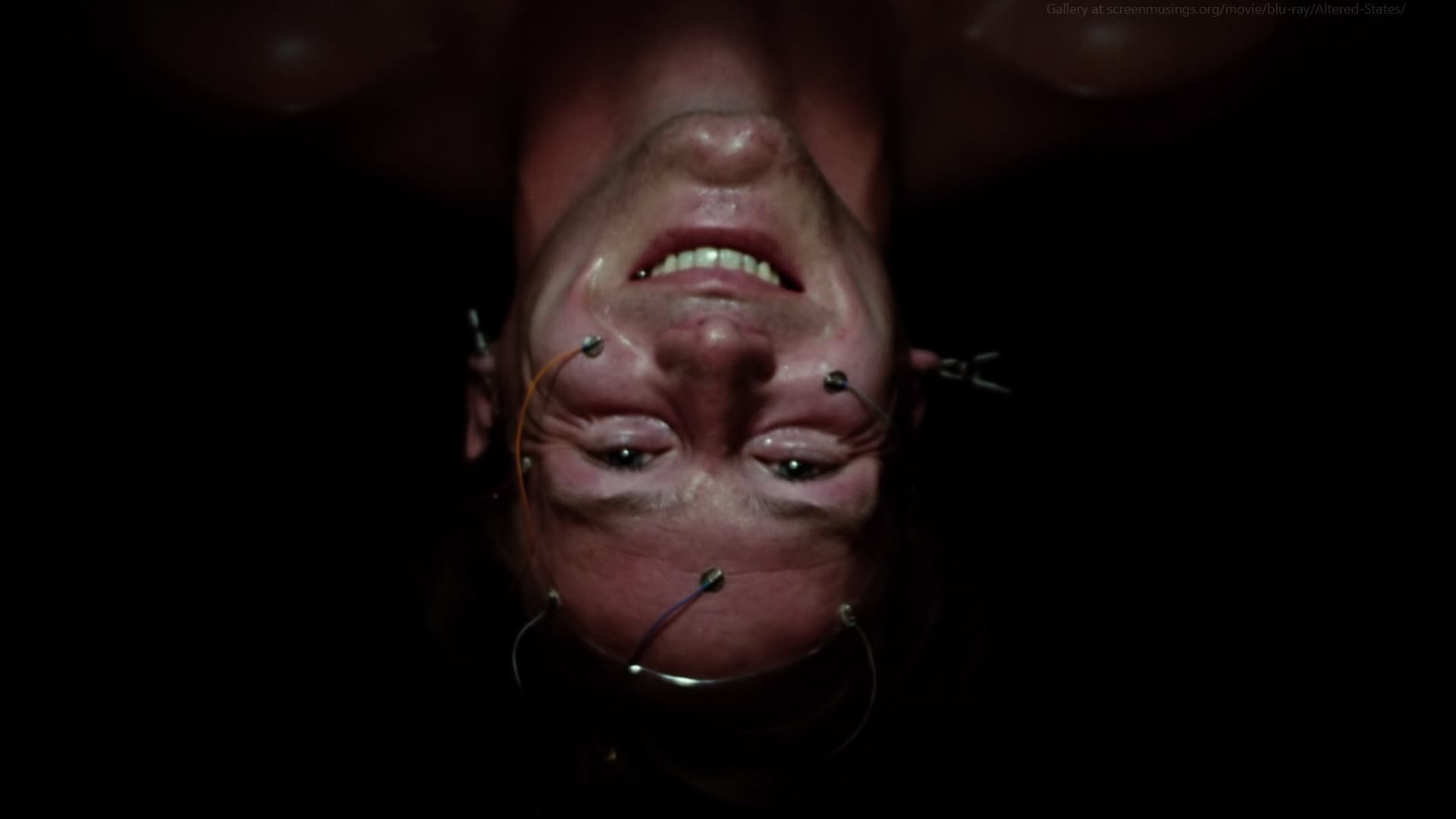
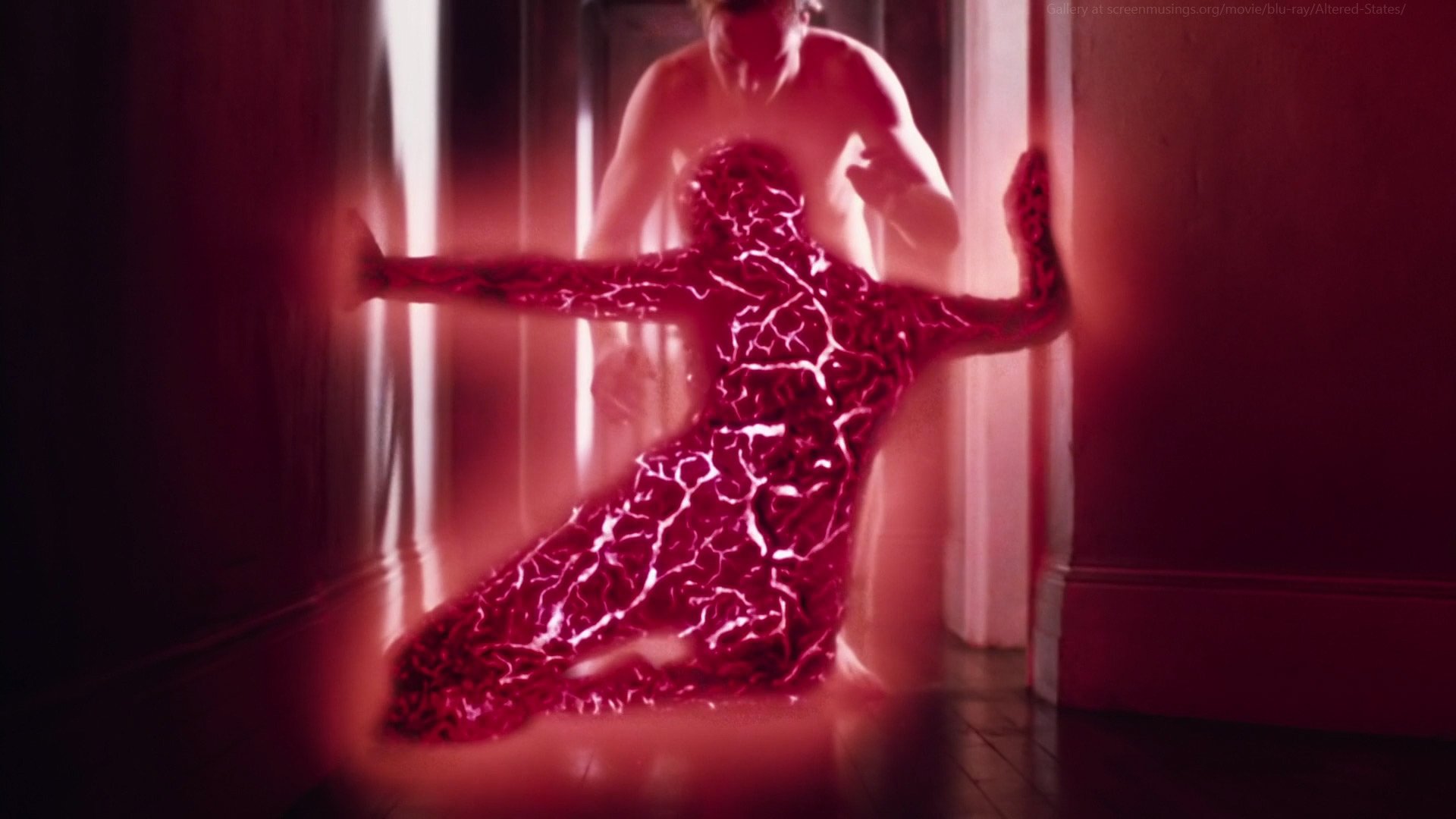
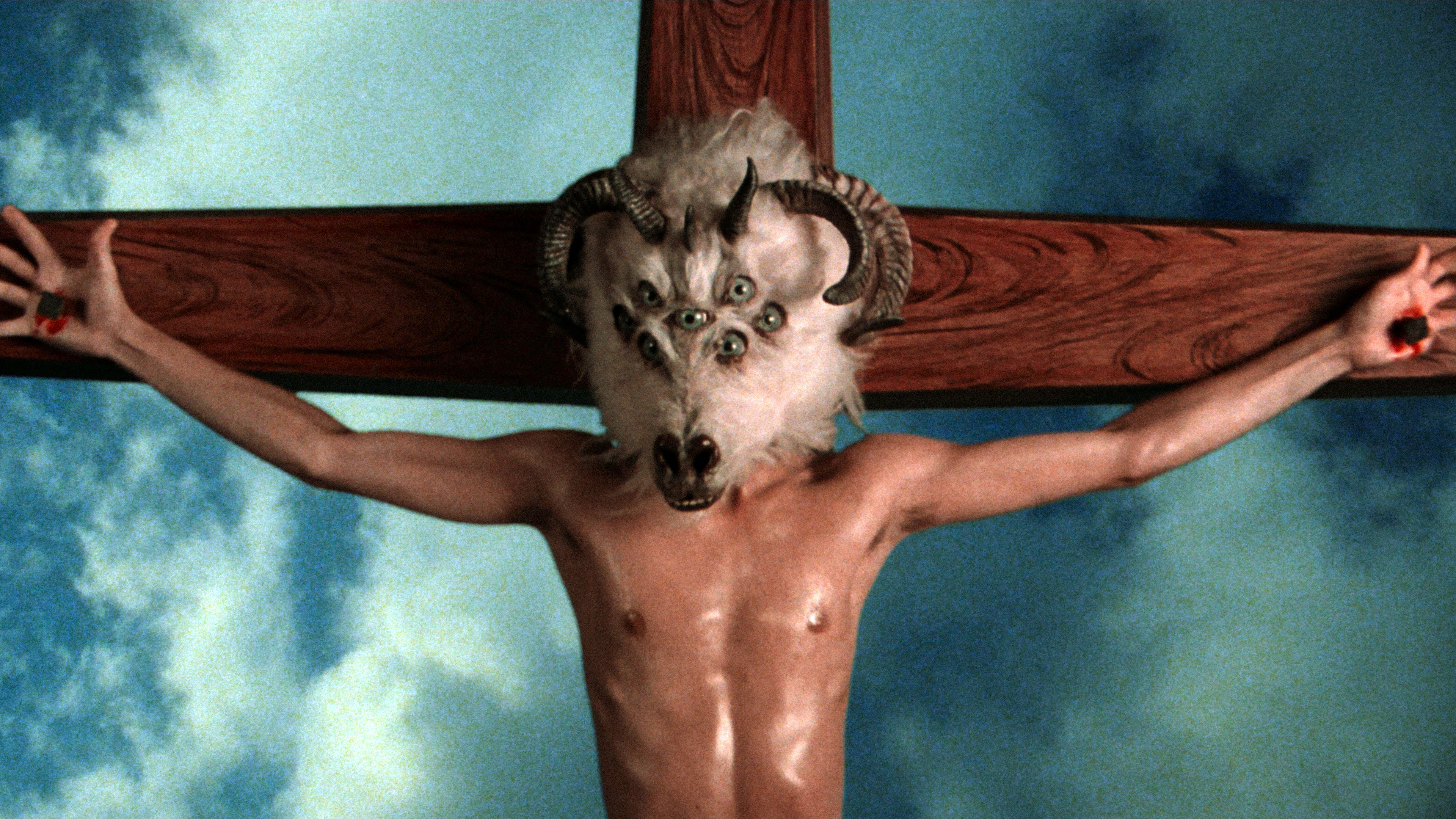
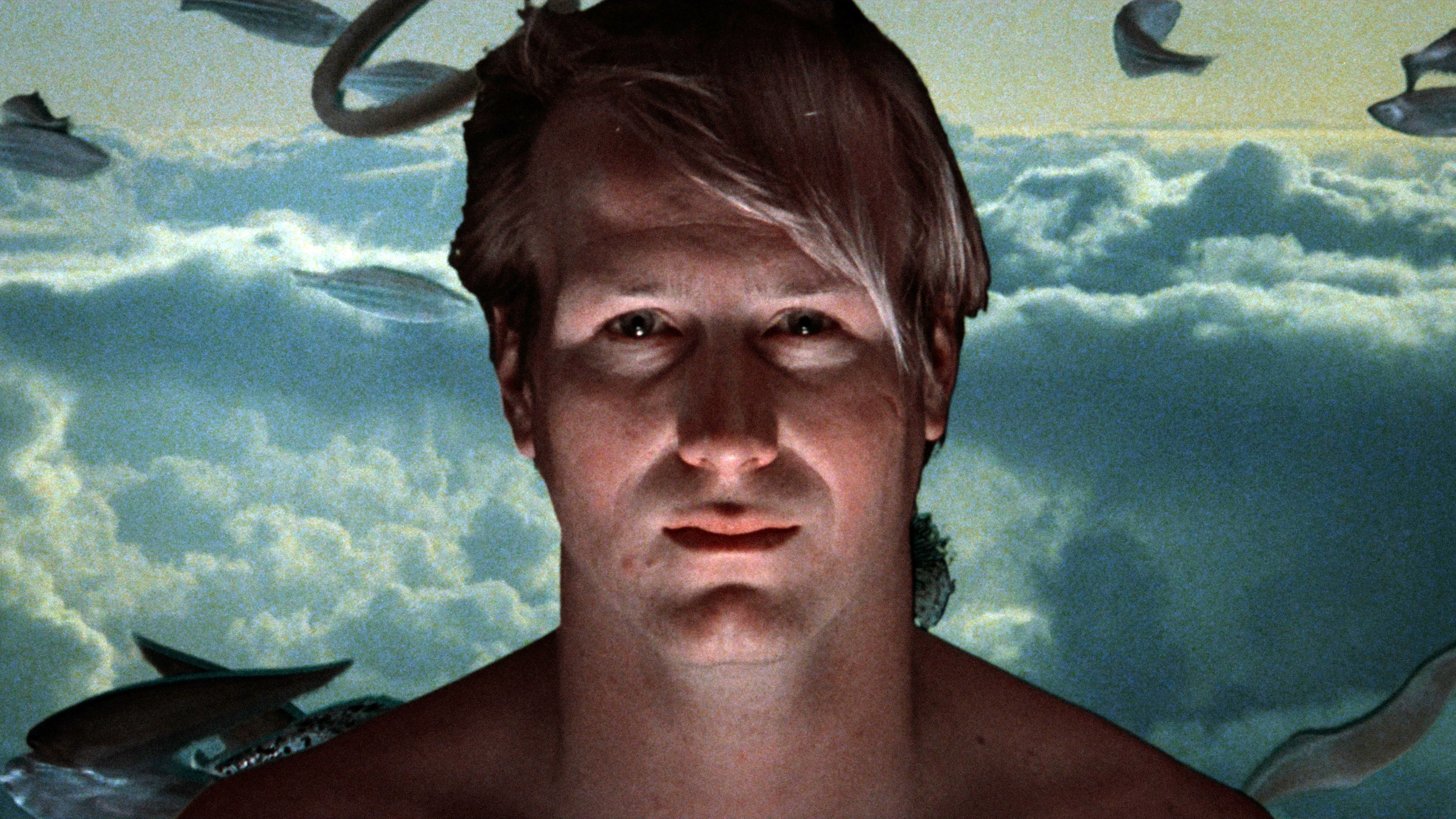
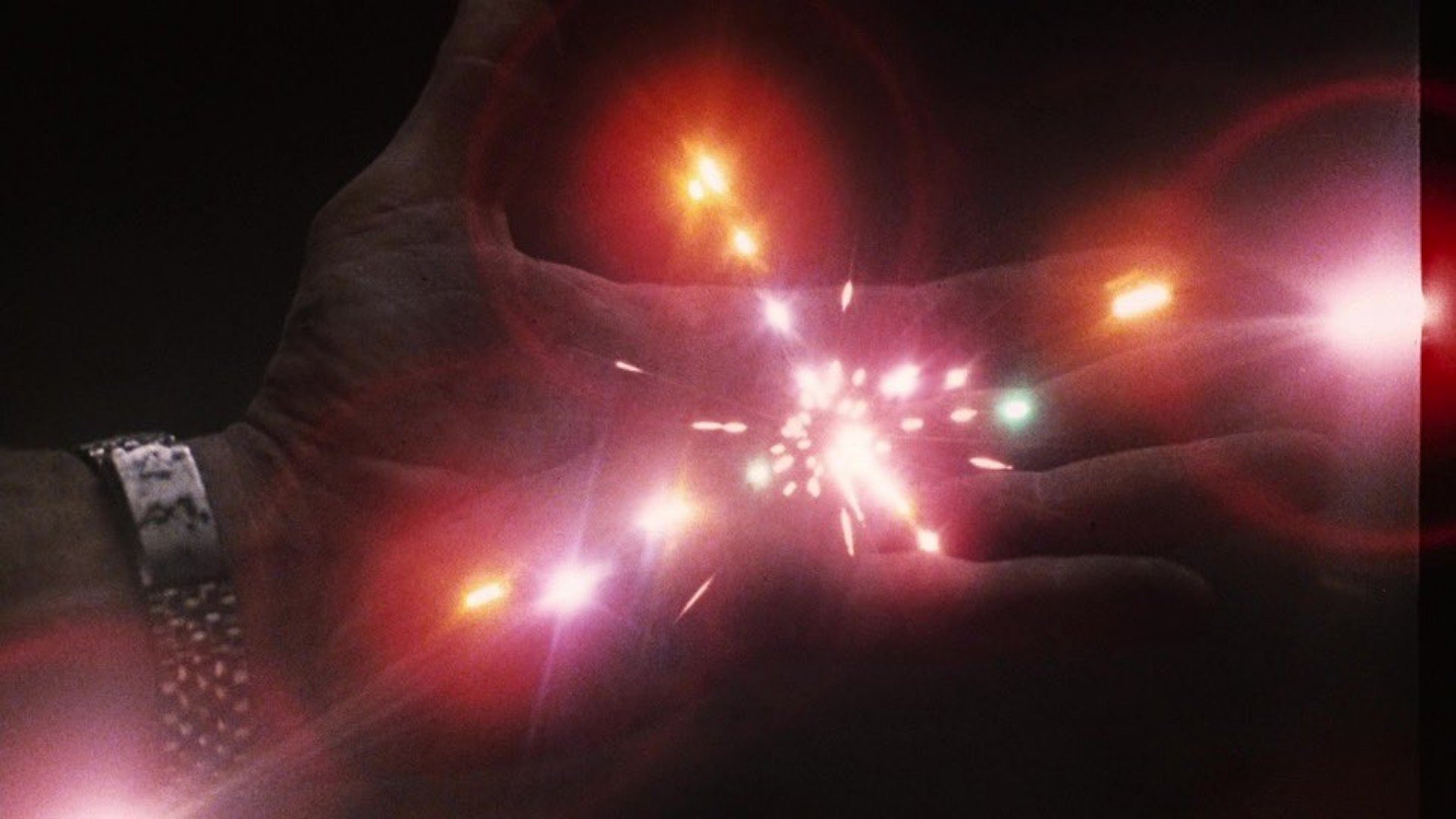
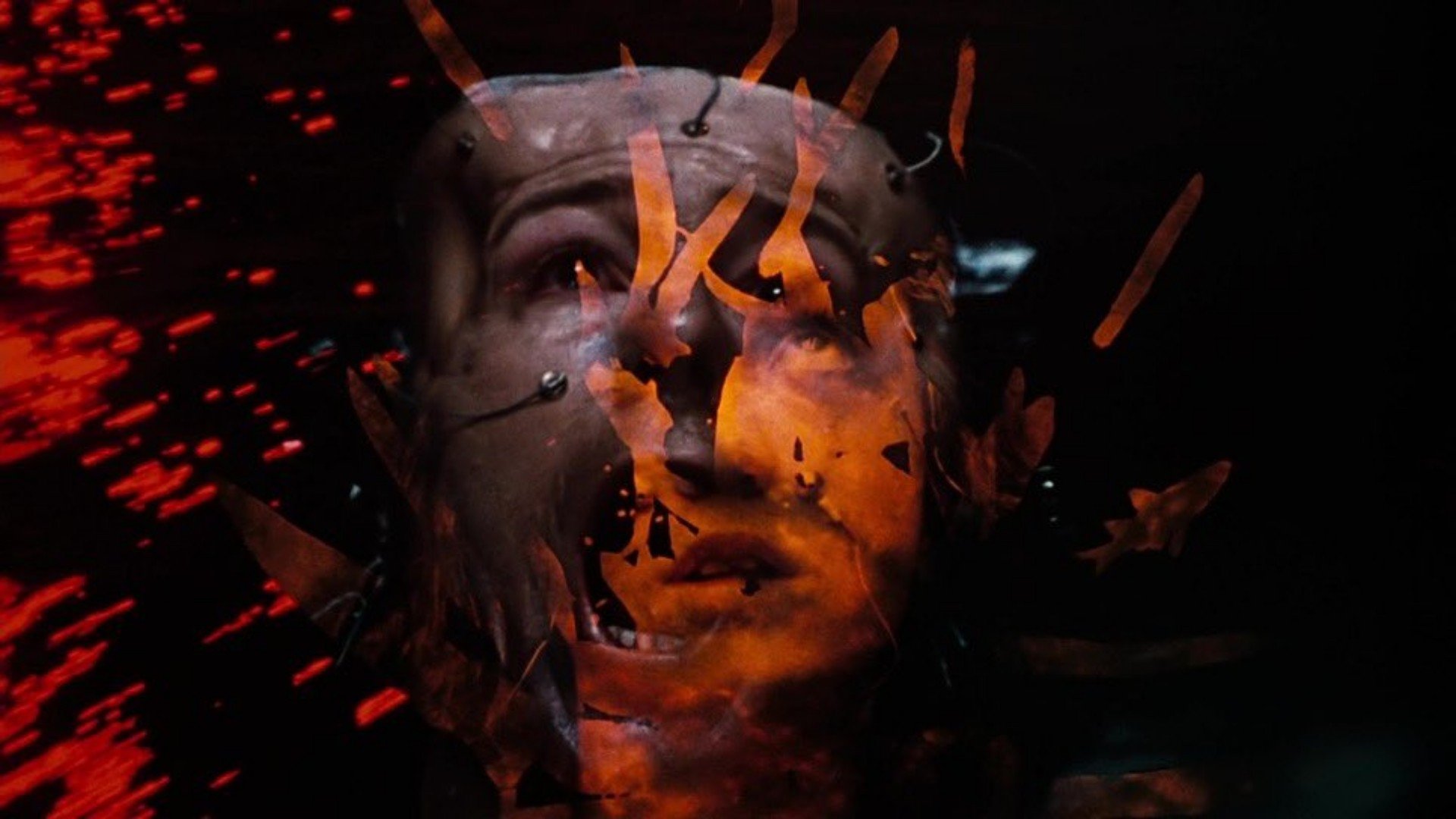
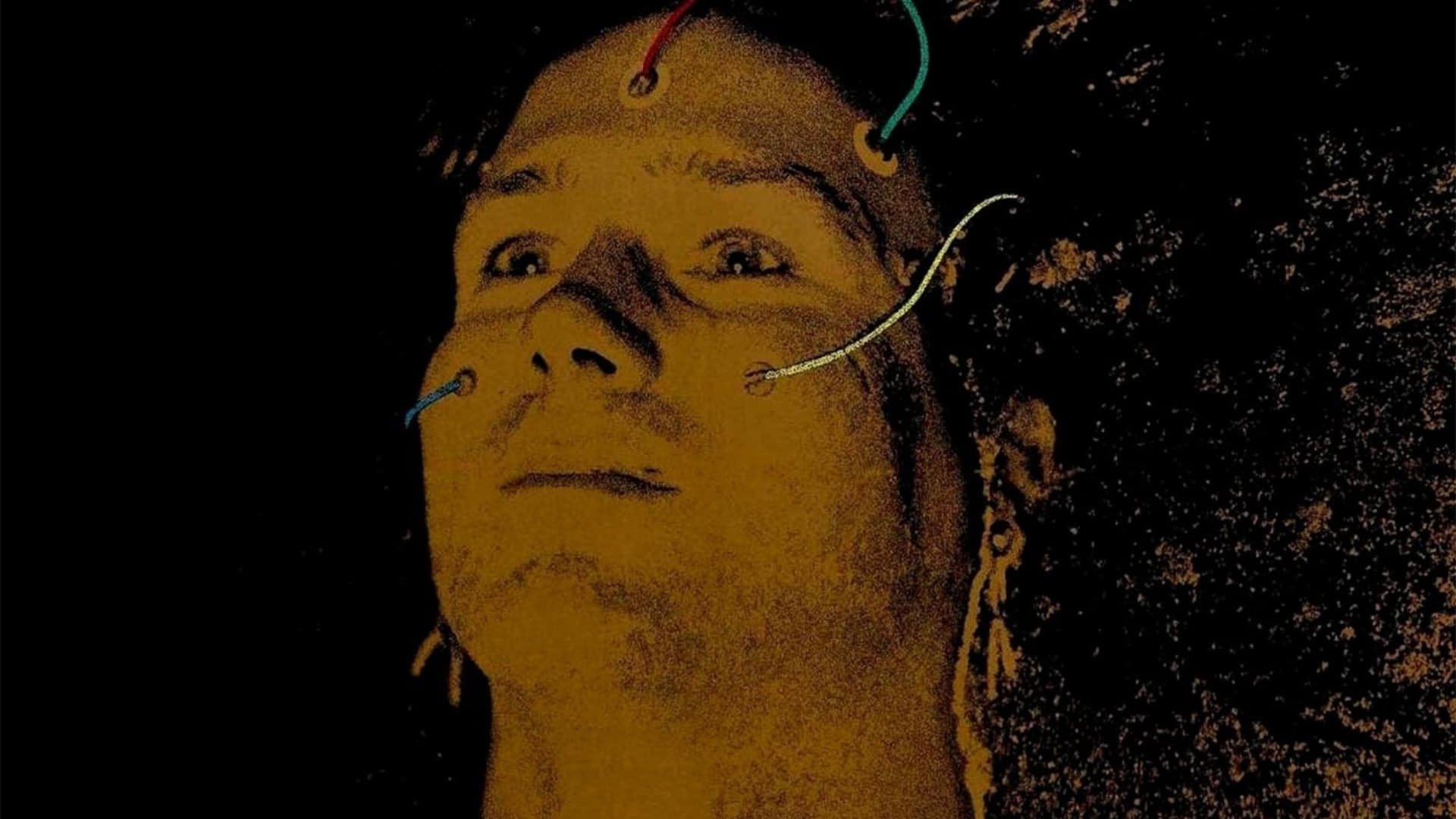
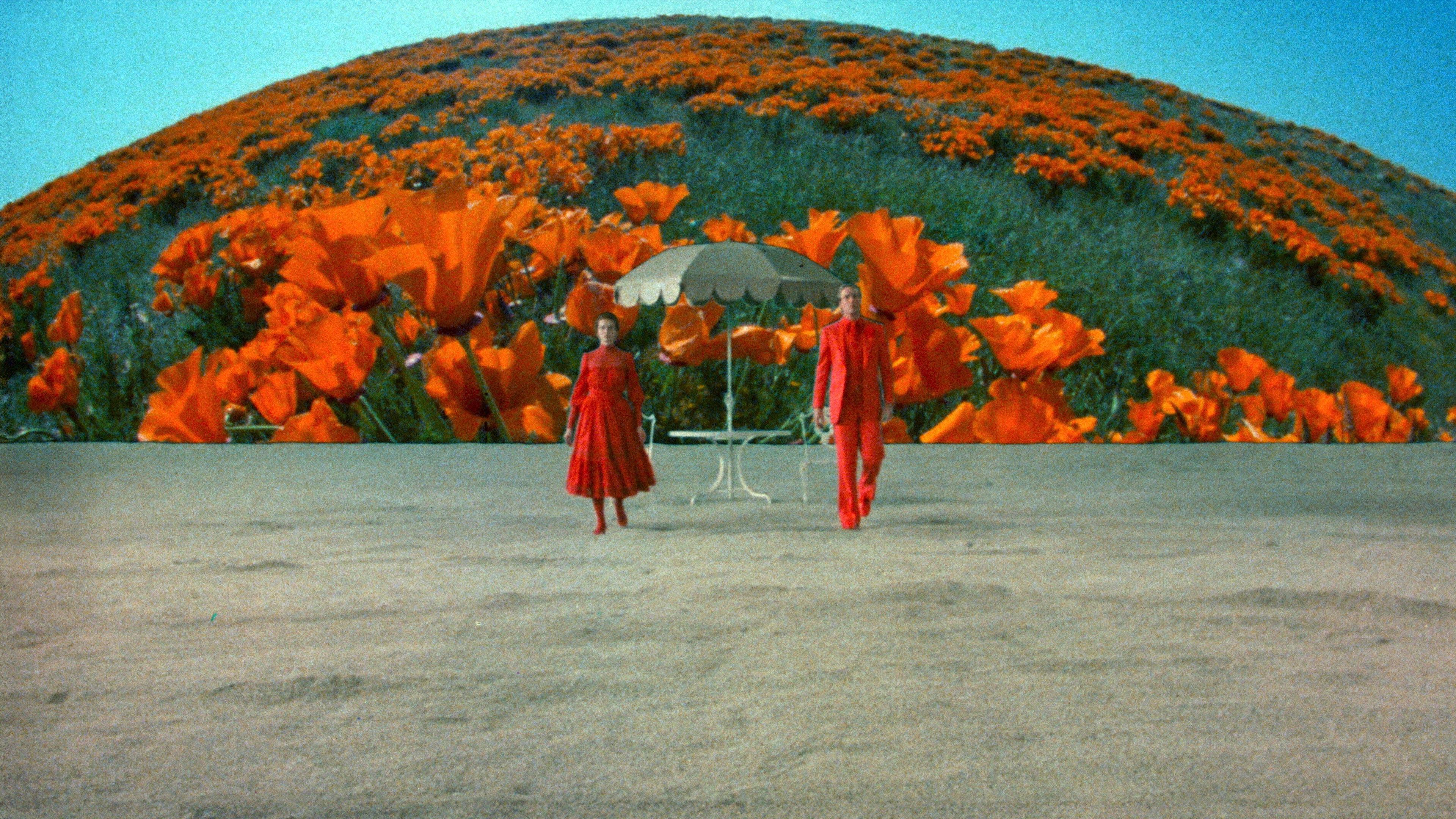
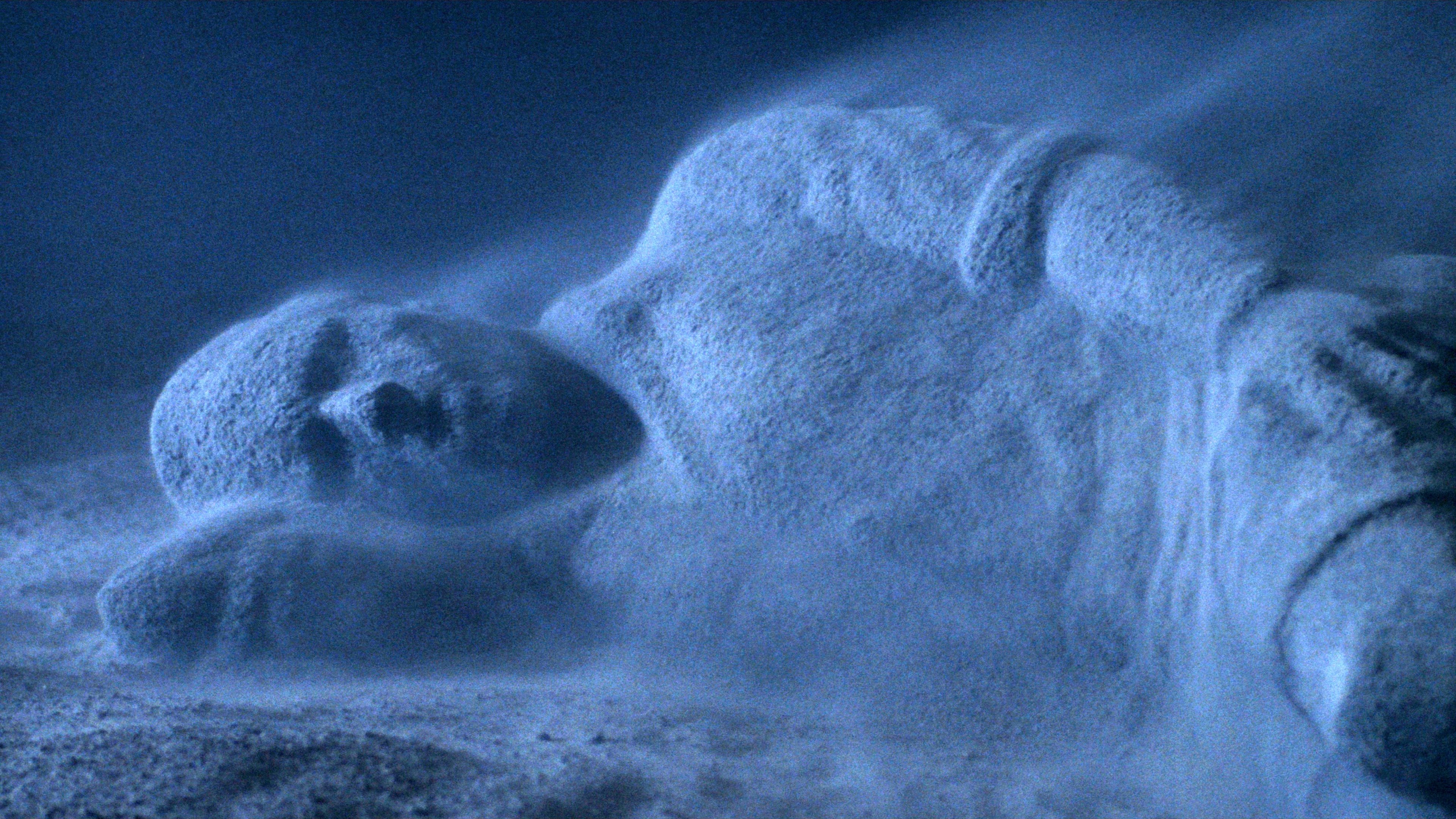
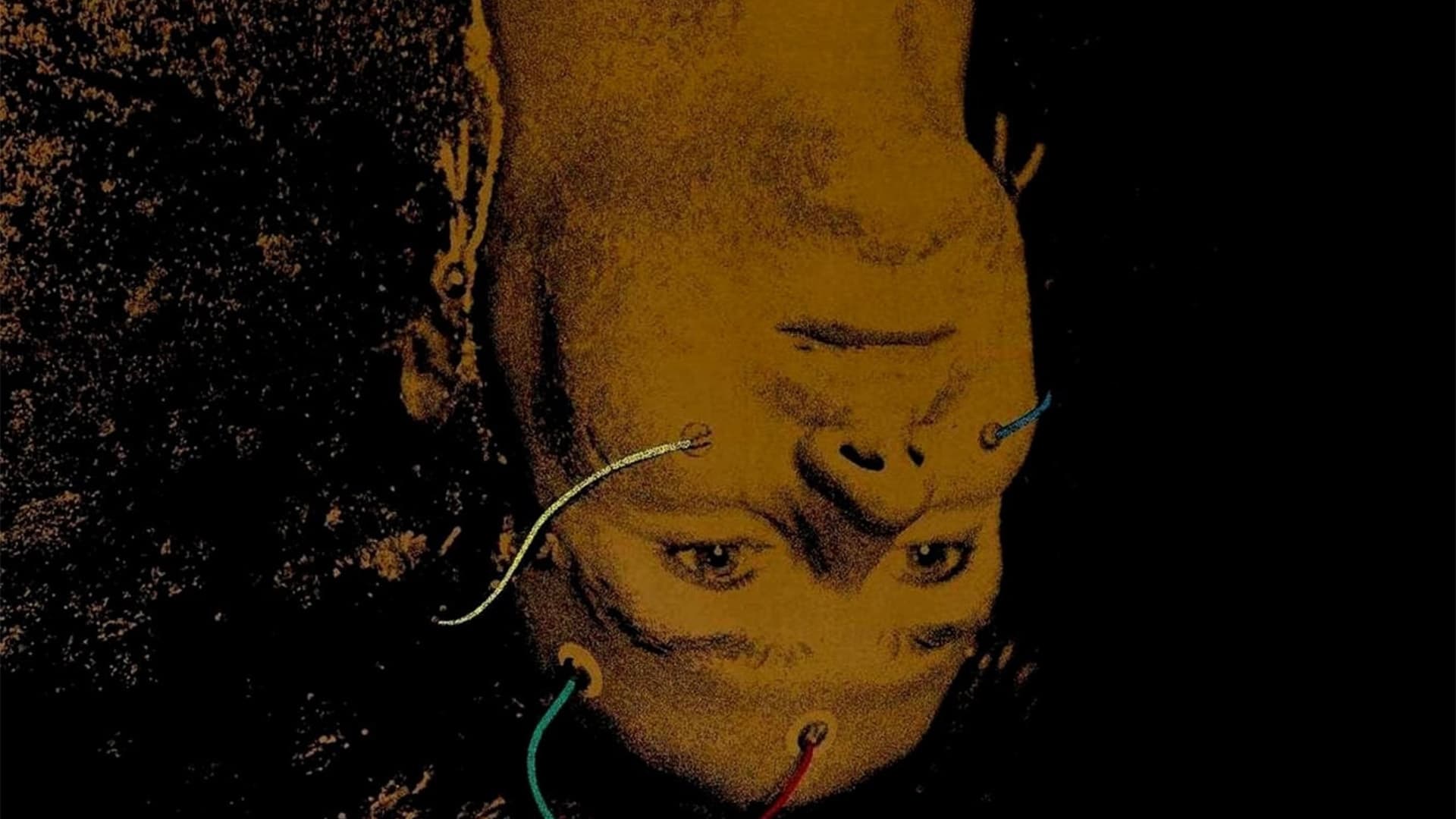
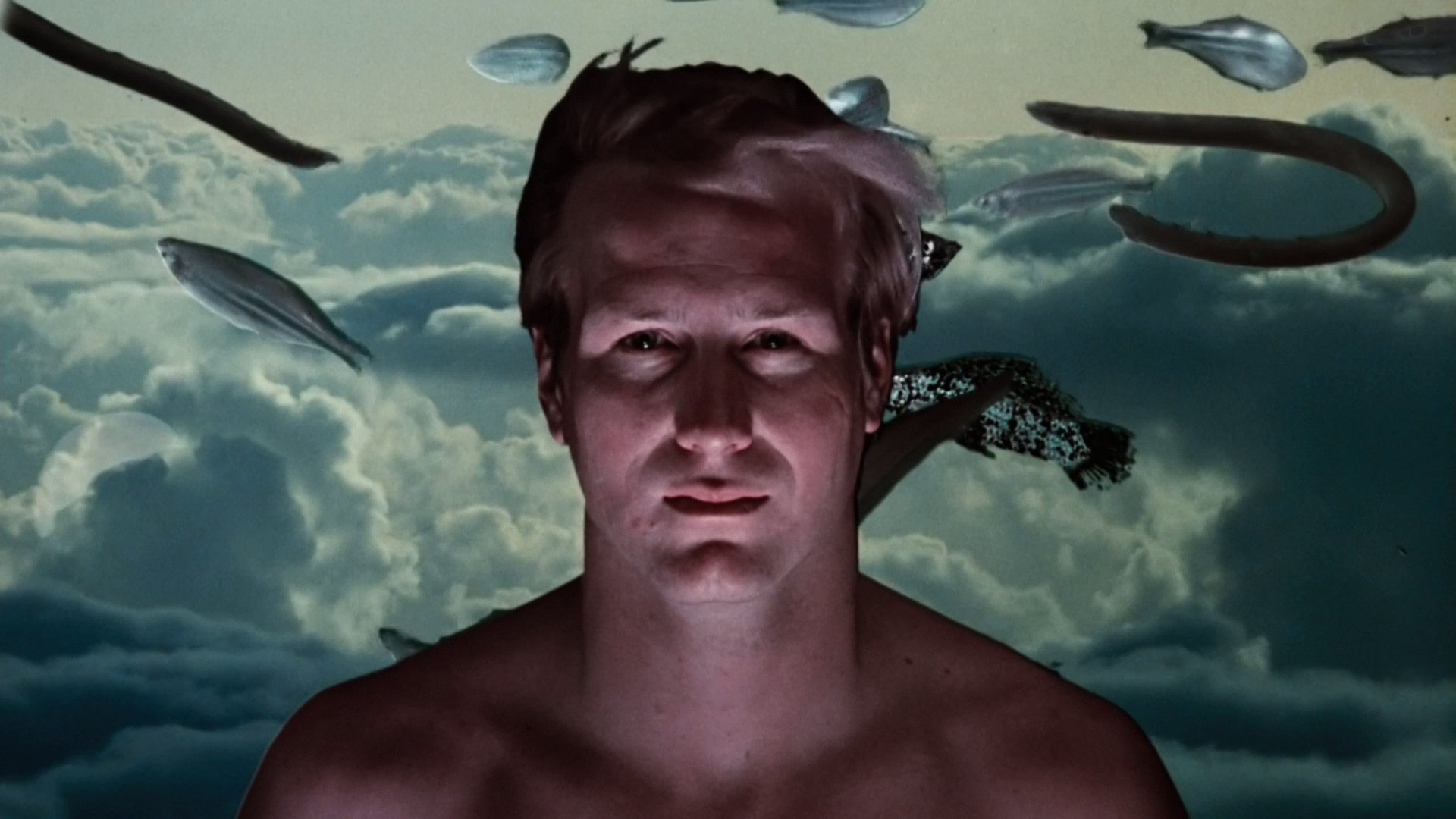
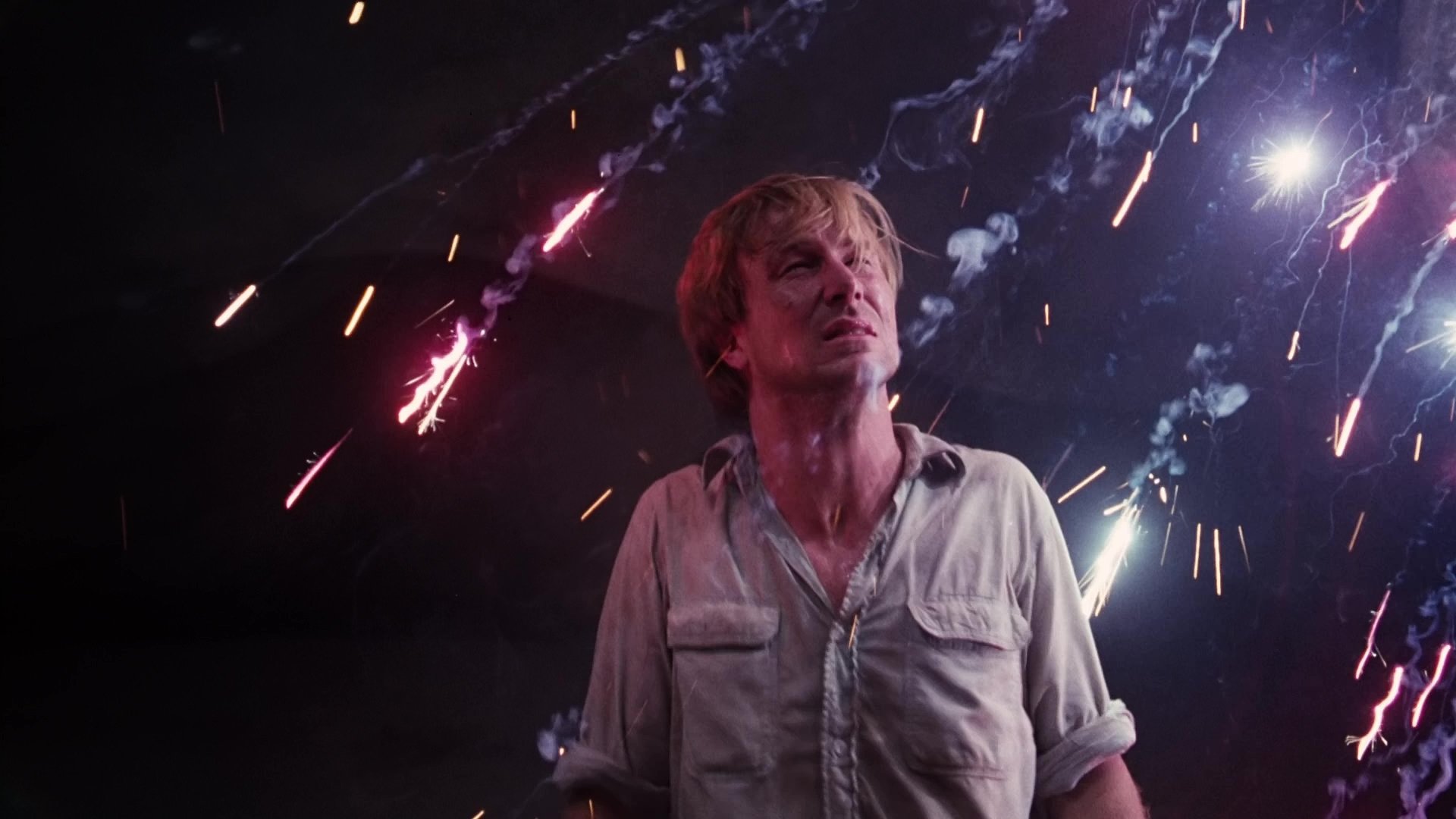
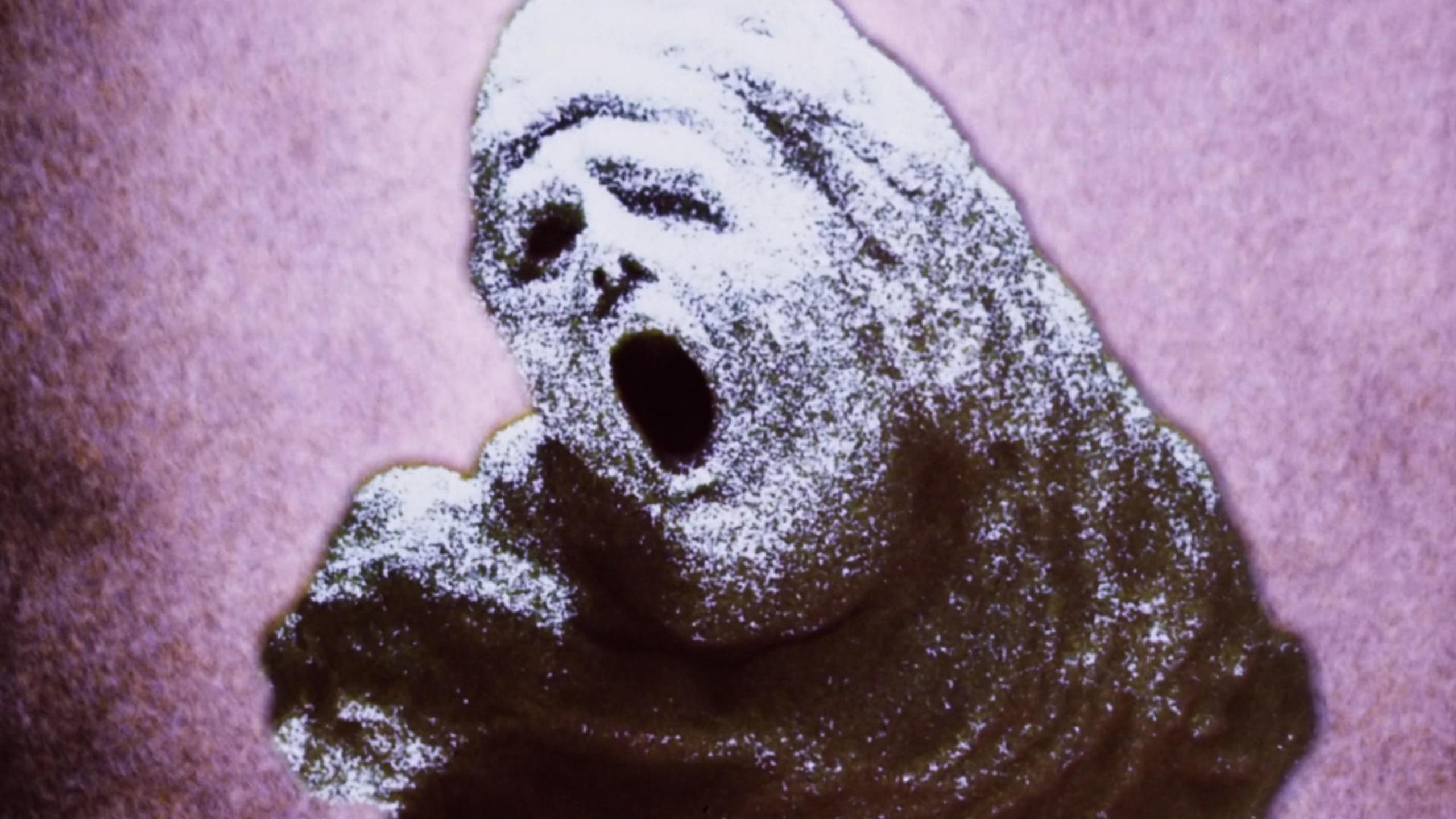
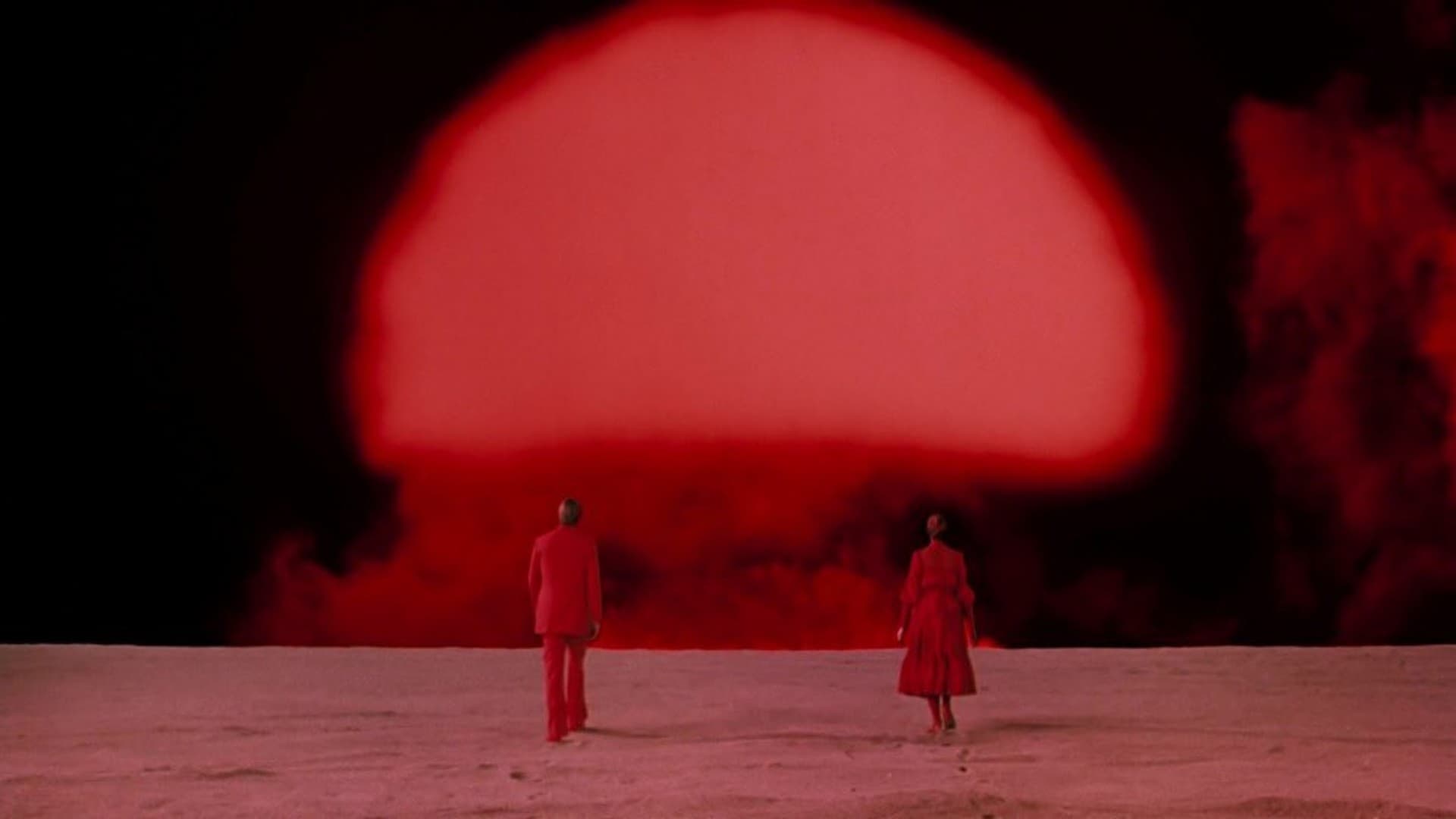
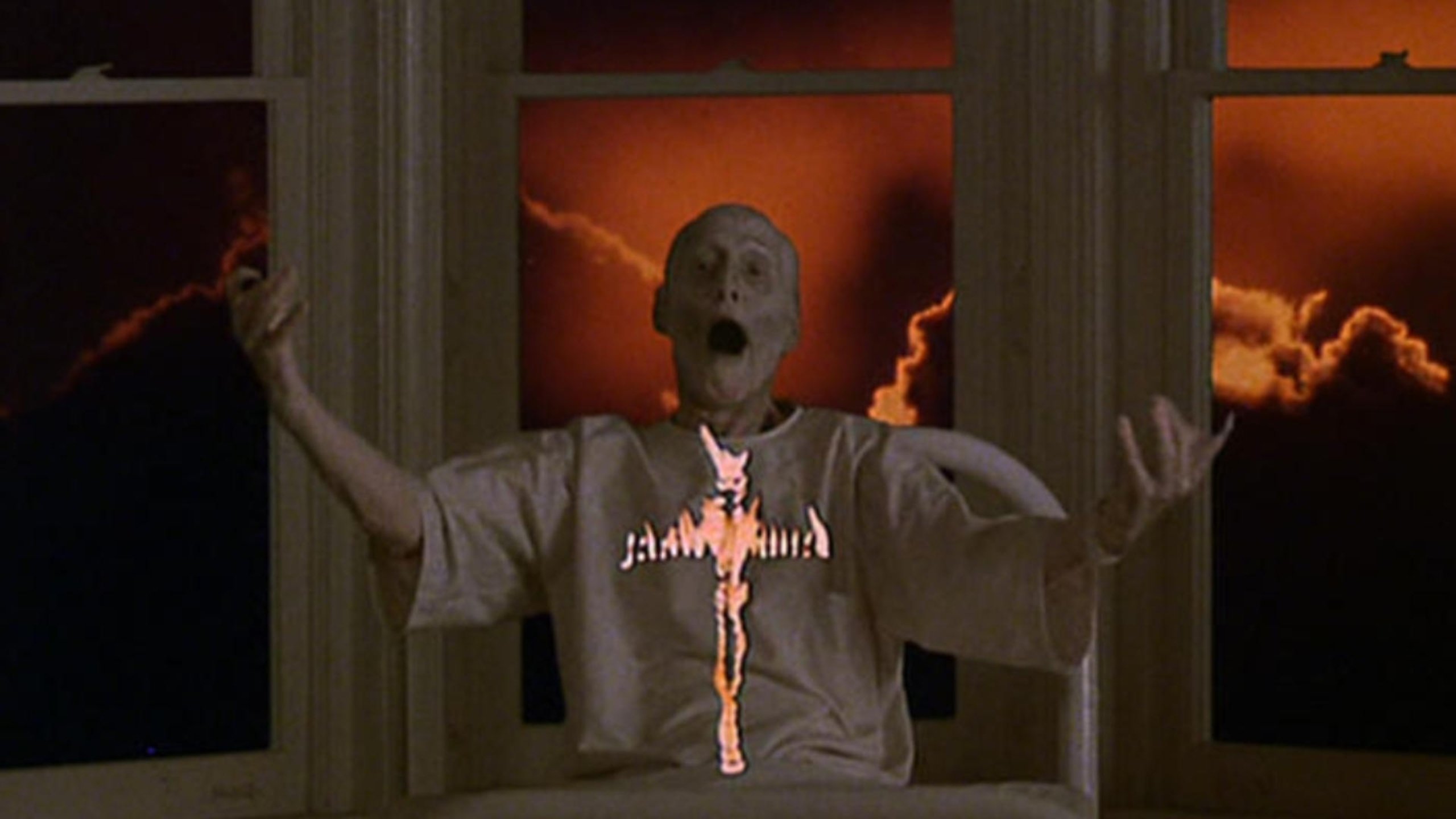
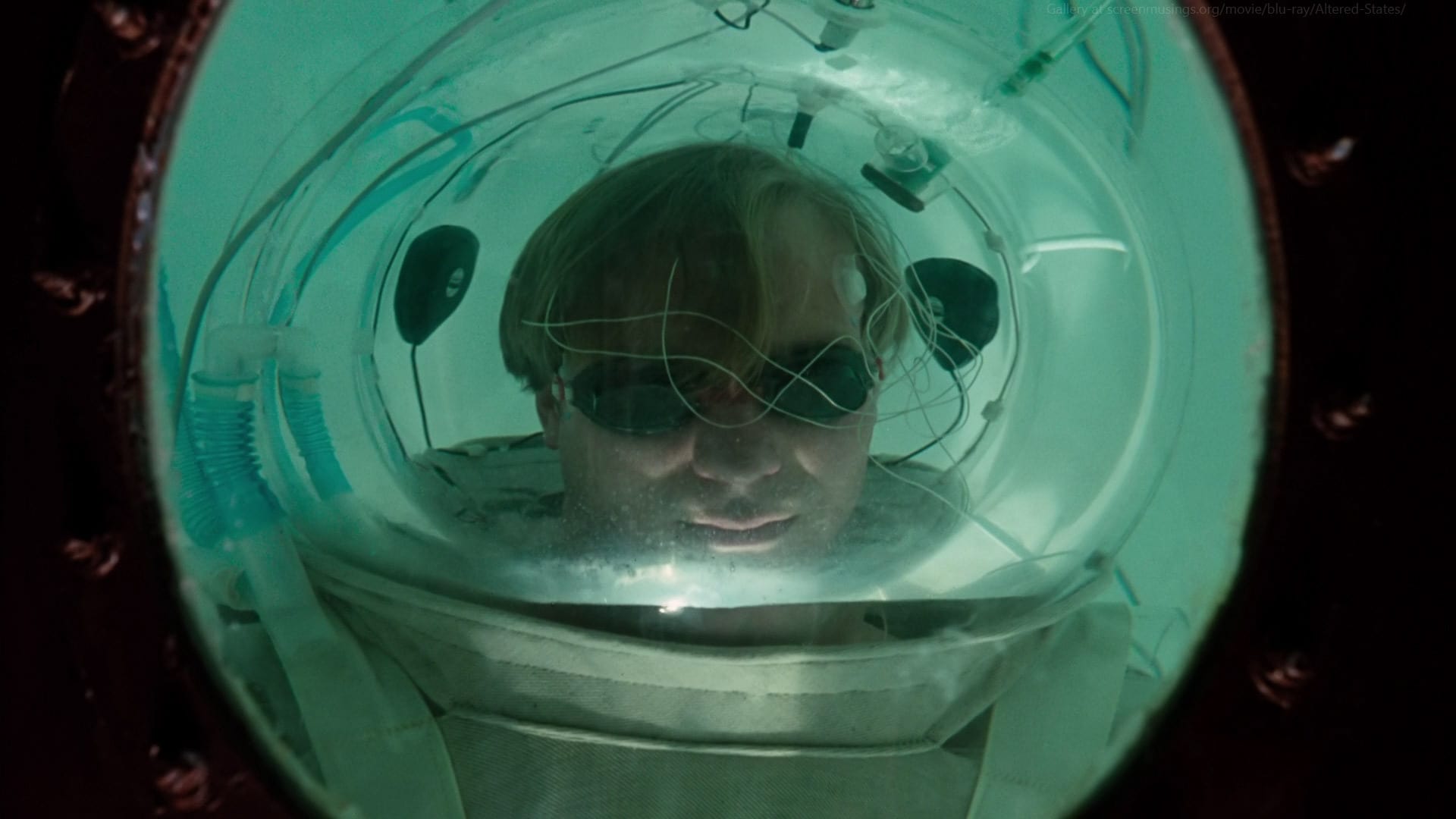
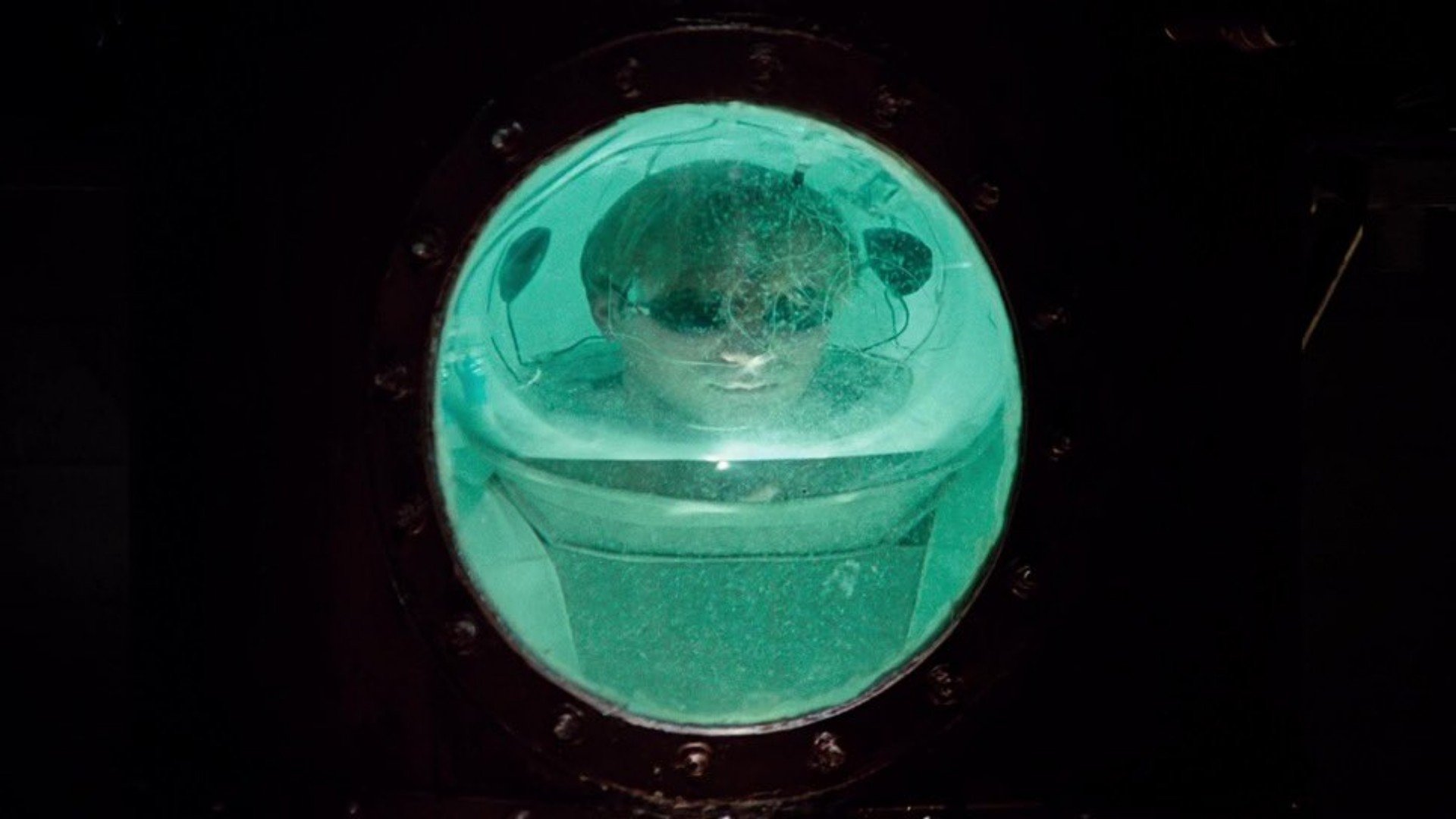
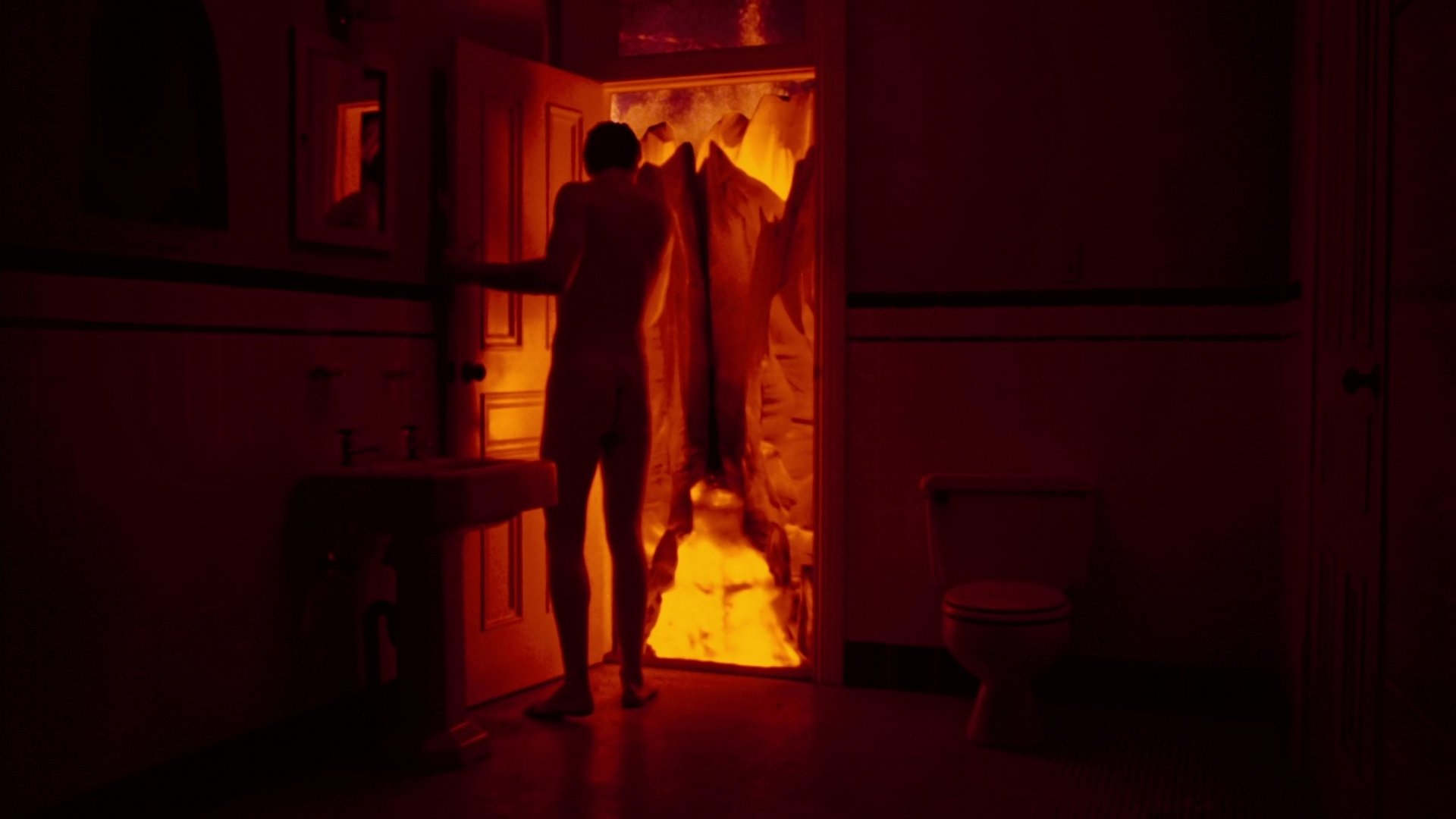
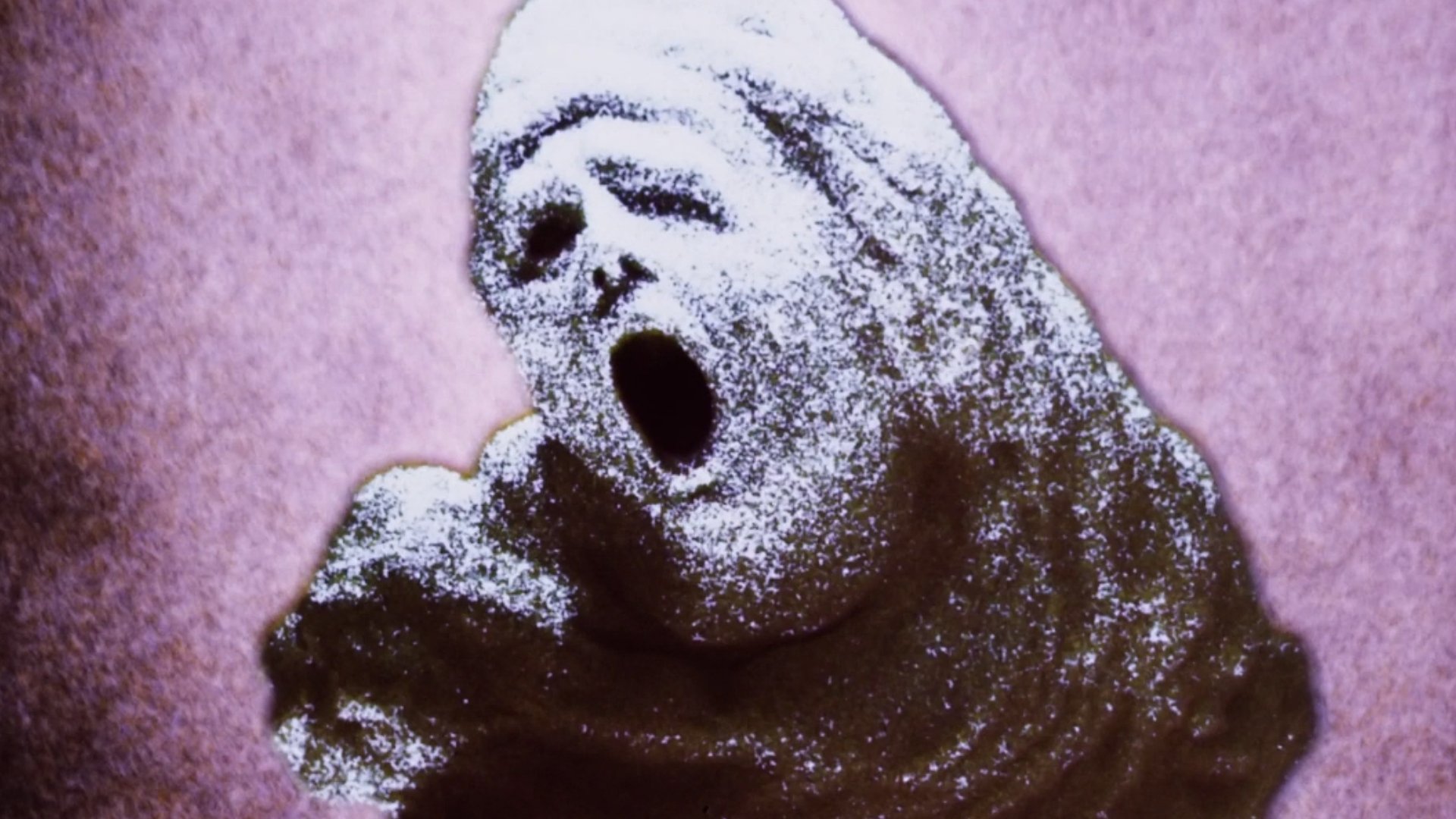
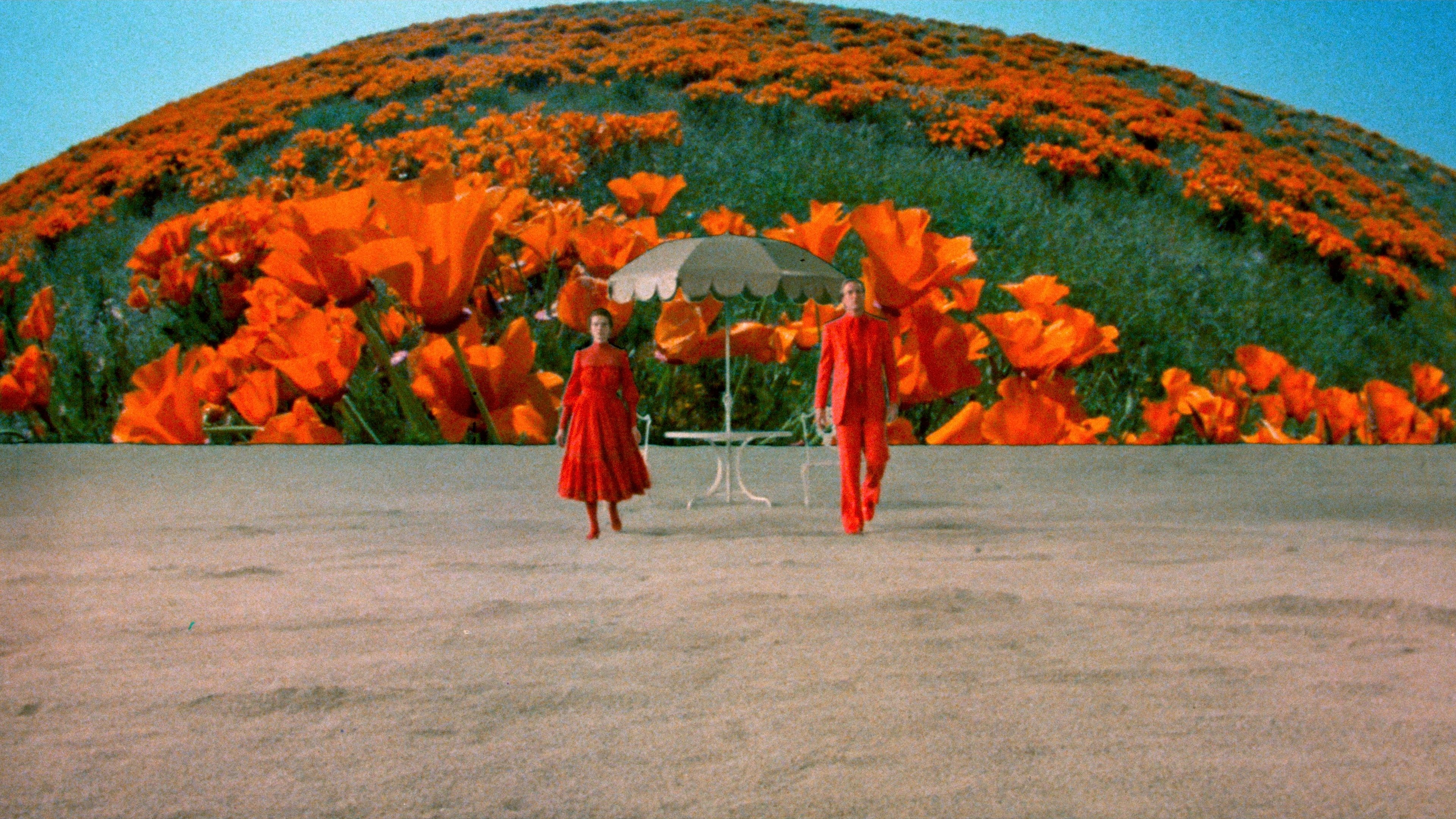
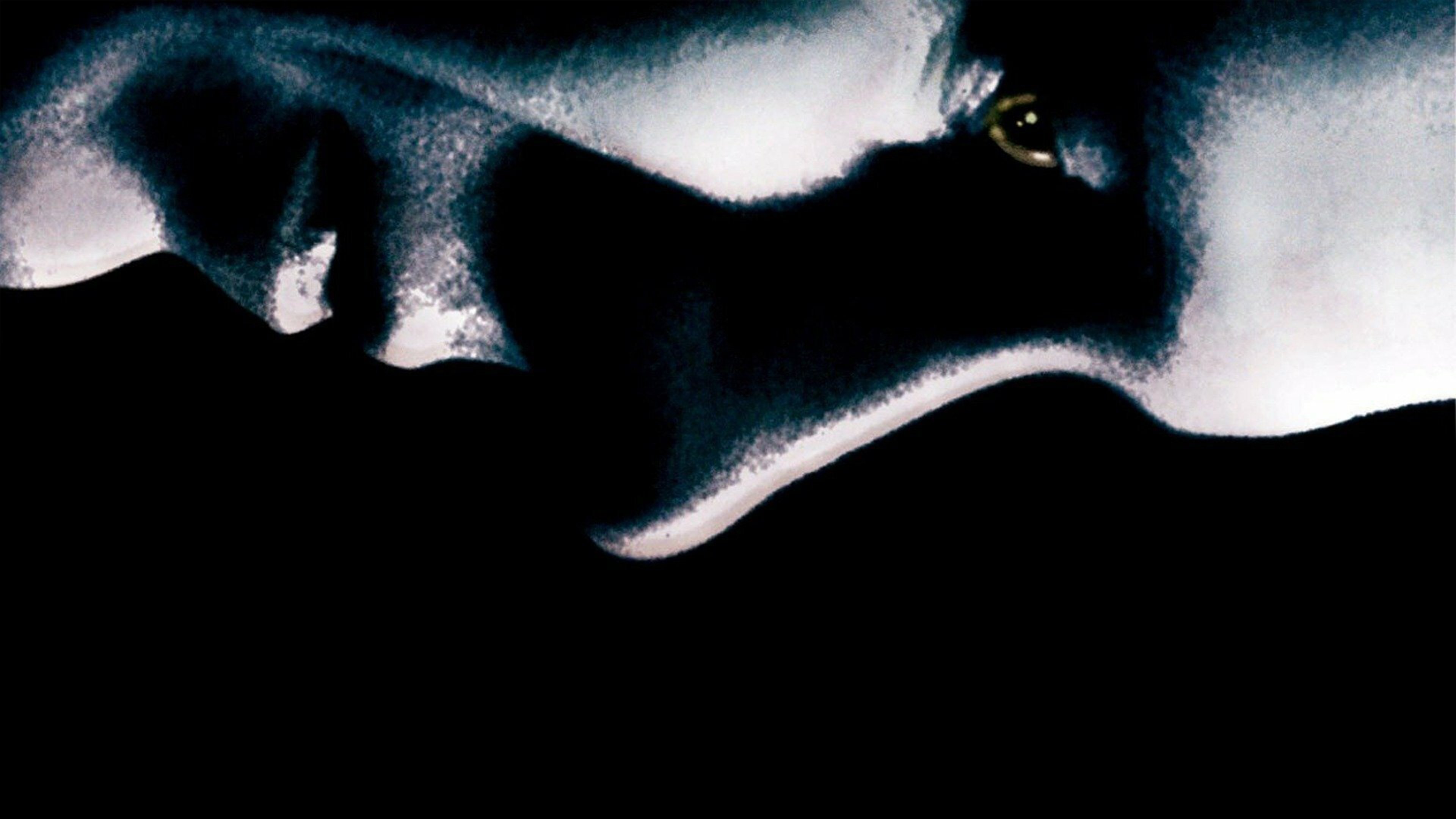
The editing is great. The visuals as a whole were pretty good, especially considering this film came out in the 80s. One montage has these rapid, almost chaotic cuts during Jessup’s hallucinations, which kind of creates a “sensory overload,” mimicking the instability of his mind. I really enjoyed this. These sequences feel like pure experience, aligning with horror as something felt rather than explained. The juxtaposition of scientific imagery with religious and primal visuals intensifies this, suggesting that beneath Jessup’s rational thought lies something uncontrollable. It makes the horror feel internal, as Jessup is not just confronting something external but actively losing control of himself, devolving into a primitive, instinct-driven state.
This regression reminds me of modern-day isolated tribes, whose way of life is shaped by instinct and survival, largely removed from what we consider “civilization.” I think the reason this is unsettling for me isn’t just the unfamiliarity, but the realization that this way of being isn’t distant or impossible, but something I could have embodied if I had been raised under different conditions. I think this film plays on that with the idea that the “primitive” condition is not something distant or separate from modern humanity, but something embedded within us, buried beneath layers of consciousness and civilization. It almost suggests that this instinctual state is not lost to time, but instead lies dormant, waiting to resurface under the right conditions. That implication made it very effective to me as a “horror film.”
I also believe that this film is important to the horror genre as it bridges the gap between sci-fi and horror, exploring cosmic insignificance, and showing how horror can operate philosophically as well as viscerally.
Thank you for this Ken Russell.
The film is all over the place. But I really, really liked it. I’m not quite sure if it was the constant barrage of surreal, almost nonsensical imagery or just the fact that it centers on this guy who is kind of a freak, but something about it really worked for me. It’s chaotic, but in a way that feels intentional rather than messy. At the same time, I could definitely understand why someone would not like this film for the same reason; it is really, really chaotic. Very much an experimental film.
The editing is great. The visuals as a whole were pretty good, especially considering this film came out in the 80s. One montage has these rapid, almost chaotic cuts during Jessup’s hallucinations, which kind of creates a “sensory overload,” mimicking the instability of his mind. I really enjoyed this. These sequences feel like pure experience, aligning with horror as something felt rather than explained. The juxtaposition of scientific imagery with religious and primal visuals intensifies this, suggesting that beneath Jessup’s rational thought lies something uncontrollable. It makes the horror feel internal, as Jessup is not just confronting something external but actively losing control of himself, devolving into a primitive, instinct-driven state.
This regression reminds me of modern-day isolated tribes, whose way of life is shaped by instinct and survival, largely removed from what we consider “civilization.” I think the reason this is unsettling for me isn’t just the unfamiliarity, but the realization that this way of being isn’t distant or impossible, but something I could have embodied if I had been raised under different conditions. I think this film plays on that with the idea that the “primitive” condition is not something distant or separate from modern humanity, but something embedded within us, buried beneath layers of consciousness and civilization. It almost suggests that this instinctual state is not lost to time, but instead lies dormant, waiting to resurface under the right conditions. That implication made it very effective to me as a “horror film.”
I also believe that this film is important to the horror genre as it bridges the gap between sci-fi and horror, exploring cosmic insignificance, and showing how horror can operate philosophically as well as viscerally.
Thank you for this Ken Russell.