Twinkle twinkle, Uncle FloydWe were dumb, but you were fun, boyHow I wonder where you are
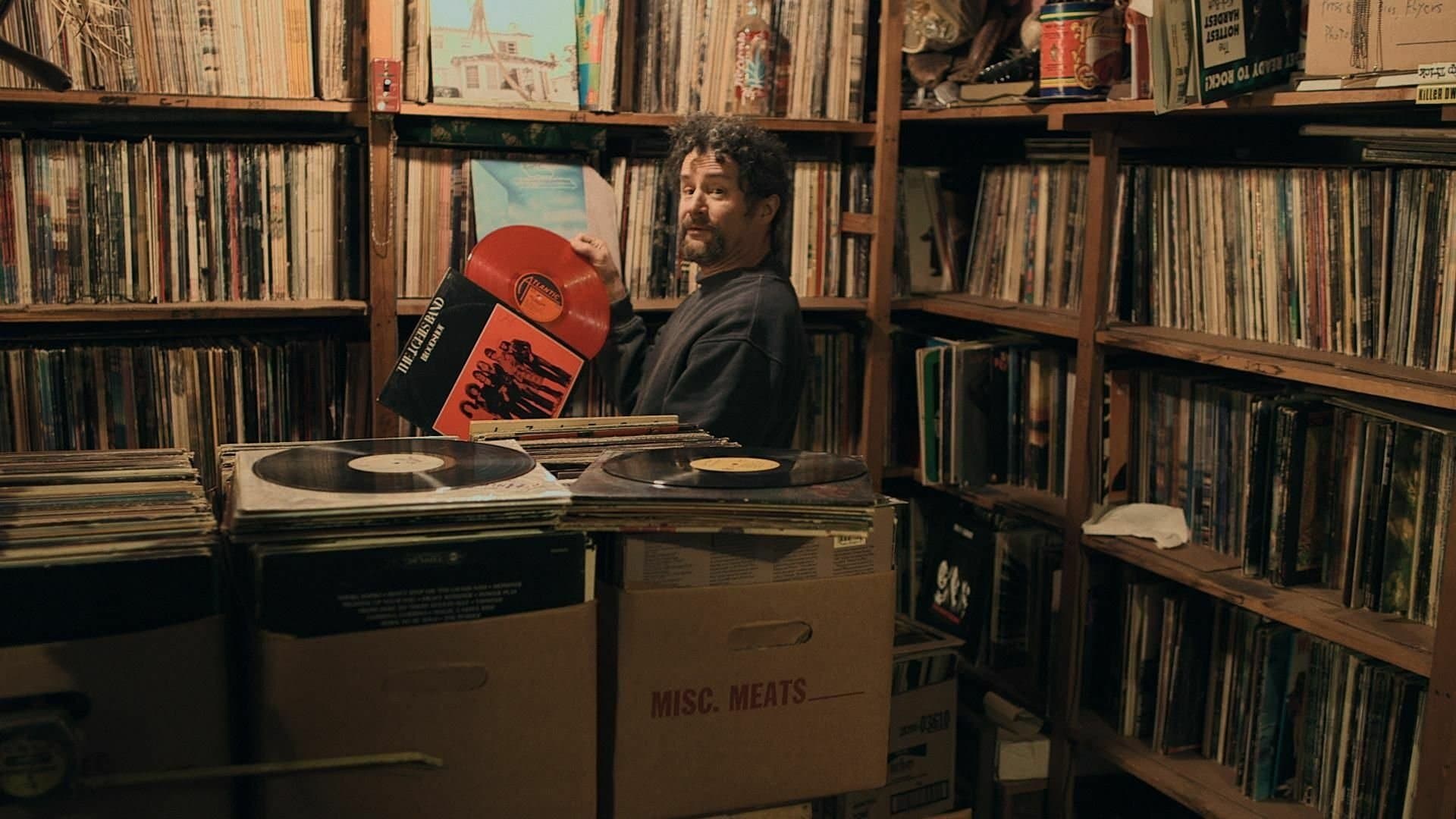
Flipside is a documentary about the titular record store in Pompton Lakes, New Jersey, but it's also not about that. Oddly, what Flipside reminds me of more than anything is the kind of documentaries the late Agnes Varda would make (I know, surprising to mention her amidst the Summer of Varda). In The Beaches of Agnes and Varda by Agnes, she would guide the viewer through each of her projects while connecting them to the present, demonstrating the distance time has given her and us as viewers from the people and places they have forever immortalized in film stock. Chris Wilcha's situation is sort of the opposite: rather than touring his extensive library of films, here he pours through the decades of unrealized documentaries and unfinished projects gathering dust on hard drives in his office. A documentary about an author struggling with writers block, a documentary about the White Stripes, a documentary about Ira Glass's Three Acts, Two Dances, One Radio Host show, all existing as unedited footage and incomplete pitches. Even the documentary he opens the film with, ostensibly the closest he's come in recent years to having a documentary project greenlit, is revealed to be more of an exercise in allowing the late great jazz photographer Herman Leonard the experience of a documentary crew expressing curiosity in his portfolio. This, in some ways, is the core theme of the film. Wilcha's past with the titular record store leads him on a quest to renew interest in it as its owner and his vast library of records seems to recede further into obscurity. This is put on pause for a decade (as so many of his projects seem to peter out) before he returns with renewed interest in not only this hot spot of vinyl nerdom, but also his own life and anxieties about aging. Just about everyone we meet in this film has their own parallel experience in helplessly watching the sands of time fall day by day and many of them find comfort in the same things Wilcha does. His father berates Chris for leaving two closets full of ephemera for 30 years while he himself has a shoebox full of obsolete AOL discs and is a compulsive collector of hotel soaps and shampoos. As Wilcha says towards the beginning of the film, he not only needs to collect these items but he feels as though he has been placed in charge of remembering everything. Every letter, every magazine, every shirt, even a barf bag from a plane in the 70s is preserved to say "I was here, I was here and this mattered to me." Others like the cult TV personality Uncle Floyd or former colleague and romantic partner Tracy Wilson find comfort in the clutter of Flipside as an archive of the past. I find myself enamored with this in the same way I love other documentaries of its ilk about memorializing the past through items or media (a surprisingly robust microgenre of documentaries that includes Bathtubs Over Broadway, Obit, Other Music, Alan Zweig's Vinyl, as well as career retrospective docs like the aforementioned Varda films, The Sparks Brothers, Made in England, and Film: The Living Record of Our Memory). Frankly, I wish I could see more, hear more from Wilcha as he recounts decades of commercial filmmaking, smell the Slim Jim-esque smell of smoked meat in the aisles of Flipside. Mostly though, Flipside is a stirring testament to creative perseverance even in the face of failure, an incredible document of an artist's life through the fragmented pieces of unfinished work like scrubbing through Wilcha's subconscious for what matters to him before the next thought comes ramming through. Will be rewatching many times.
Twinkle twinkle, Uncle FloydWe were dumb, but you were fun, boyHow I wonder where you are
Flipside is a documentary about the titular record store in Pompton Lakes, New Jersey, but it's also not about that. Oddly, what Flipside reminds me of more than anything is the kind of documentaries the late Agnes Varda would make (I know, surprising to mention her amidst the Summer of Varda). In The Beaches of Agnes and Varda by Agnes, she would guide the viewer through each of her projects while connecting them to the present, demonstrating the distance time has given her and us as viewers from the people and places they have forever immortalized in film stock. Chris Wilcha's situation is sort of the opposite: rather than touring his extensive library of films, here he pours through the decades of unrealized documentaries and unfinished projects gathering dust on hard drives in his office. A documentary about an author struggling with writers block, a documentary about the White Stripes, a documentary about Ira Glass's Three Acts, Two Dances, One Radio Host show, all existing as unedited footage and incomplete pitches. Even the documentary he opens the film with, ostensibly the closest he's come in recent years to having a documentary project greenlit, is revealed to be more of an exercise in allowing the late great jazz photographer Herman Leonard the experience of a documentary crew expressing curiosity in his portfolio. This, in some ways, is the core theme of the film. Wilcha's past with the titular record store leads him on a quest to renew interest in it as its owner and his vast library of records seems to recede further into obscurity. This is put on pause for a decade (as so many of his projects seem to peter out) before he returns with renewed interest in not only this hot spot of vinyl nerdom, but also his own life and anxieties about aging. Just about everyone we meet in this film has their own parallel experience in helplessly watching the sands of time fall day by day and many of them find comfort in the same things Wilcha does. His father berates Chris for leaving two closets full of ephemera for 30 years while he himself has a shoebox full of obsolete AOL discs and is a compulsive collector of hotel soaps and shampoos. As Wilcha says towards the beginning of the film, he not only needs to collect these items but he feels as though he has been placed in charge of remembering everything. Every letter, every magazine, every shirt, even a barf bag from a plane in the 70s is preserved to say "I was here, I was here and this mattered to me." Others like the cult TV personality Uncle Floyd or former colleague and romantic partner Tracy Wilson find comfort in the clutter of Flipside as an archive of the past. I find myself enamored with this in the same way I love other documentaries of its ilk about memorializing the past through items or media (a surprisingly robust microgenre of documentaries that includes Bathtubs Over Broadway, Obit, Other Music, Alan Zweig's Vinyl, as well as career retrospective docs like the aforementioned Varda films, The Sparks Brothers, Made in England, and Film: The Living Record of Our Memory). Frankly, I wish I could see more, hear more from Wilcha as he recounts decades of commercial filmmaking, smell the Slim Jim-esque smell of smoked meat in the aisles of Flipside. Mostly though, Flipside is a stirring testament to creative perseverance even in the face of failure, an incredible document of an artist's life through the fragmented pieces of unfinished work like scrubbing through Wilcha's subconscious for what matters to him before the next thought comes ramming through. Will be rewatching many times.