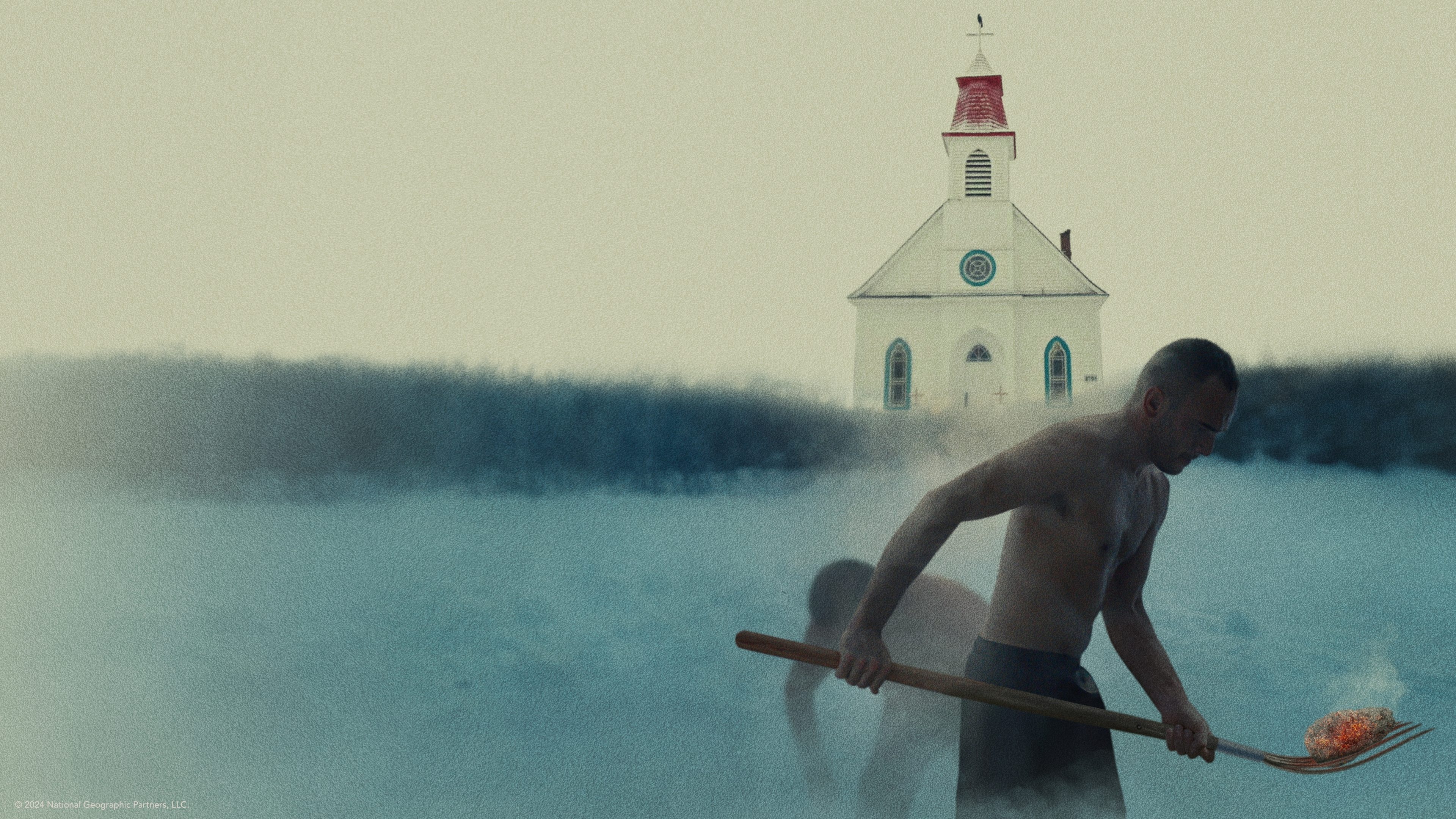
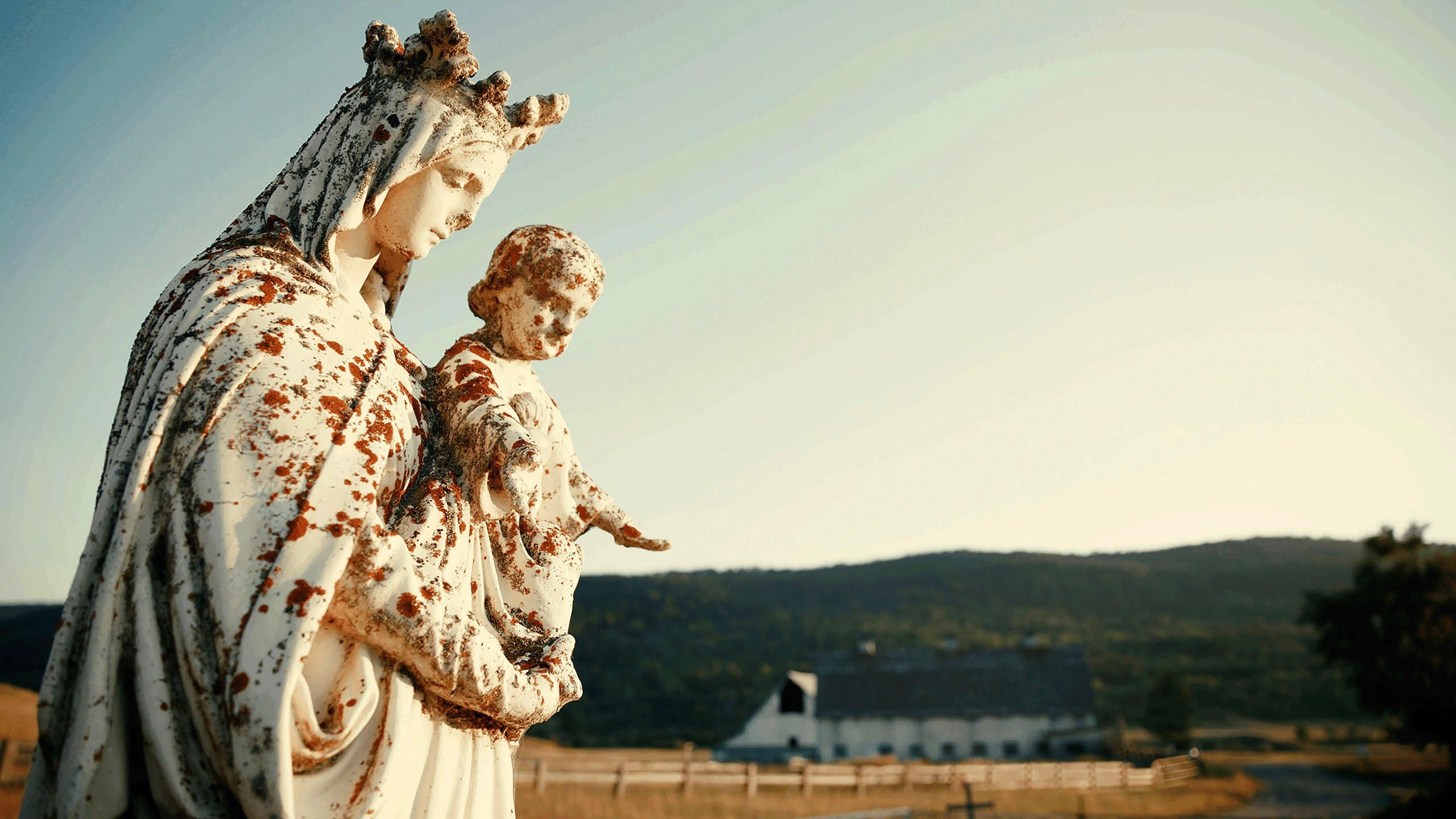
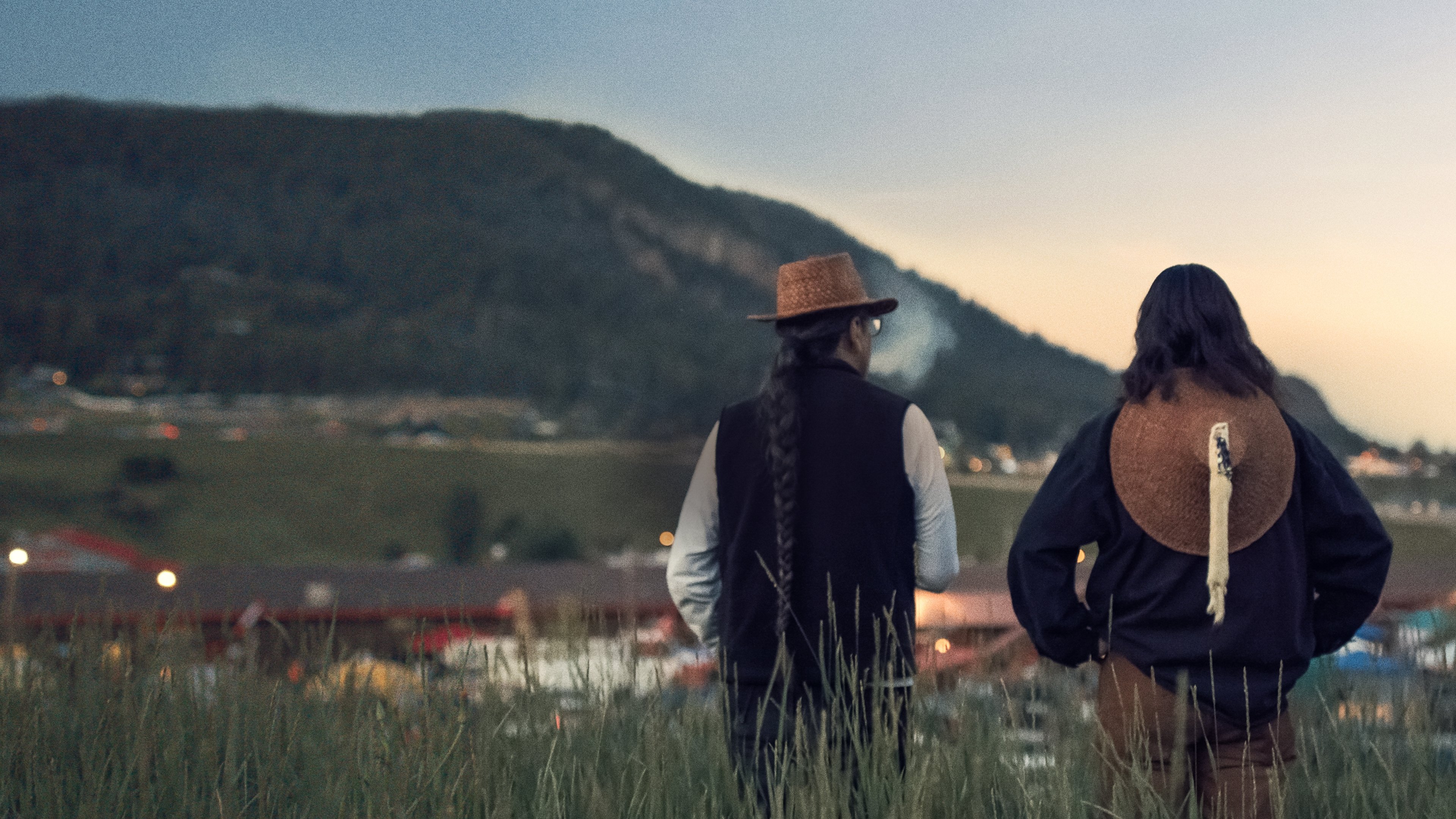
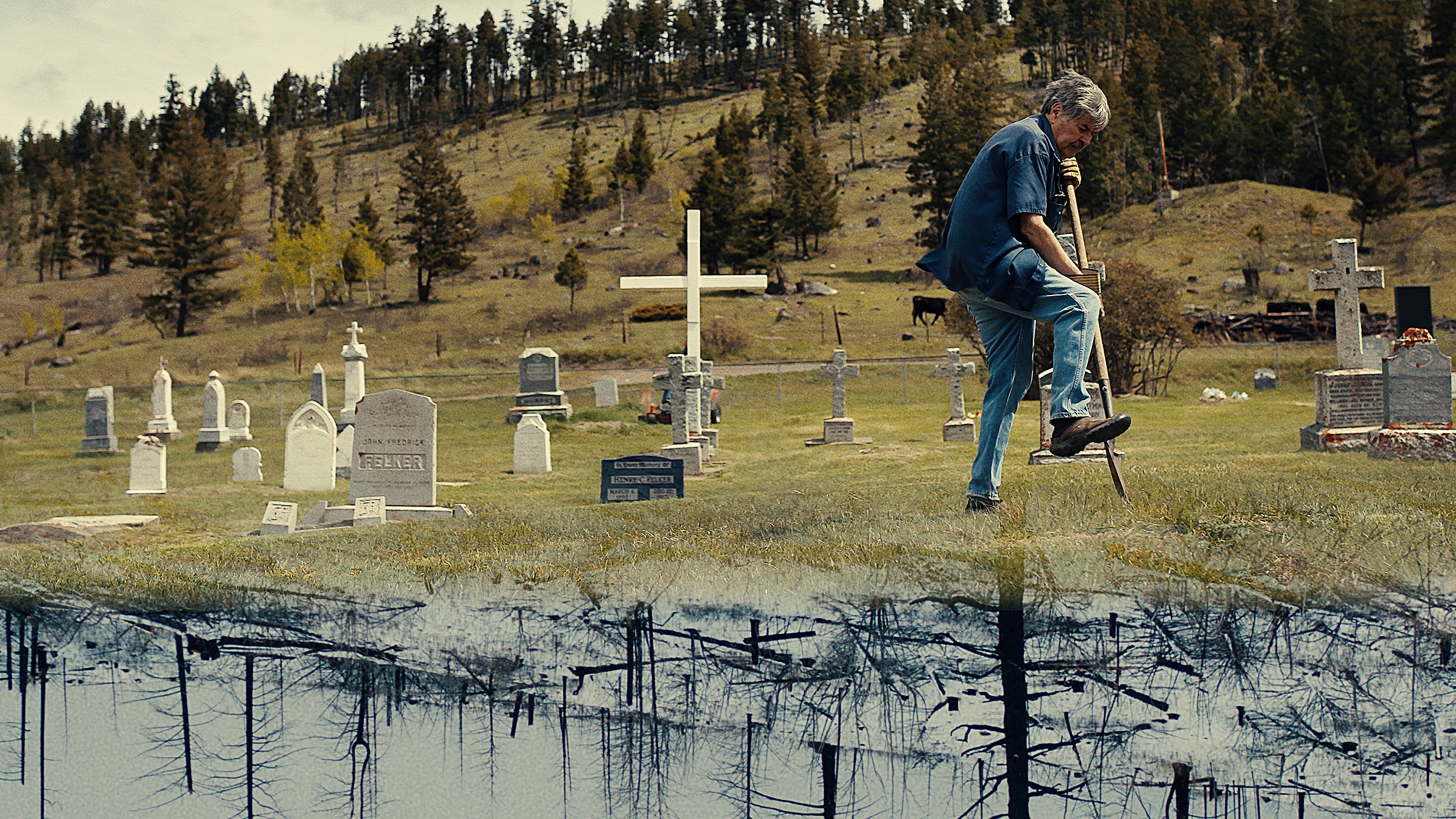
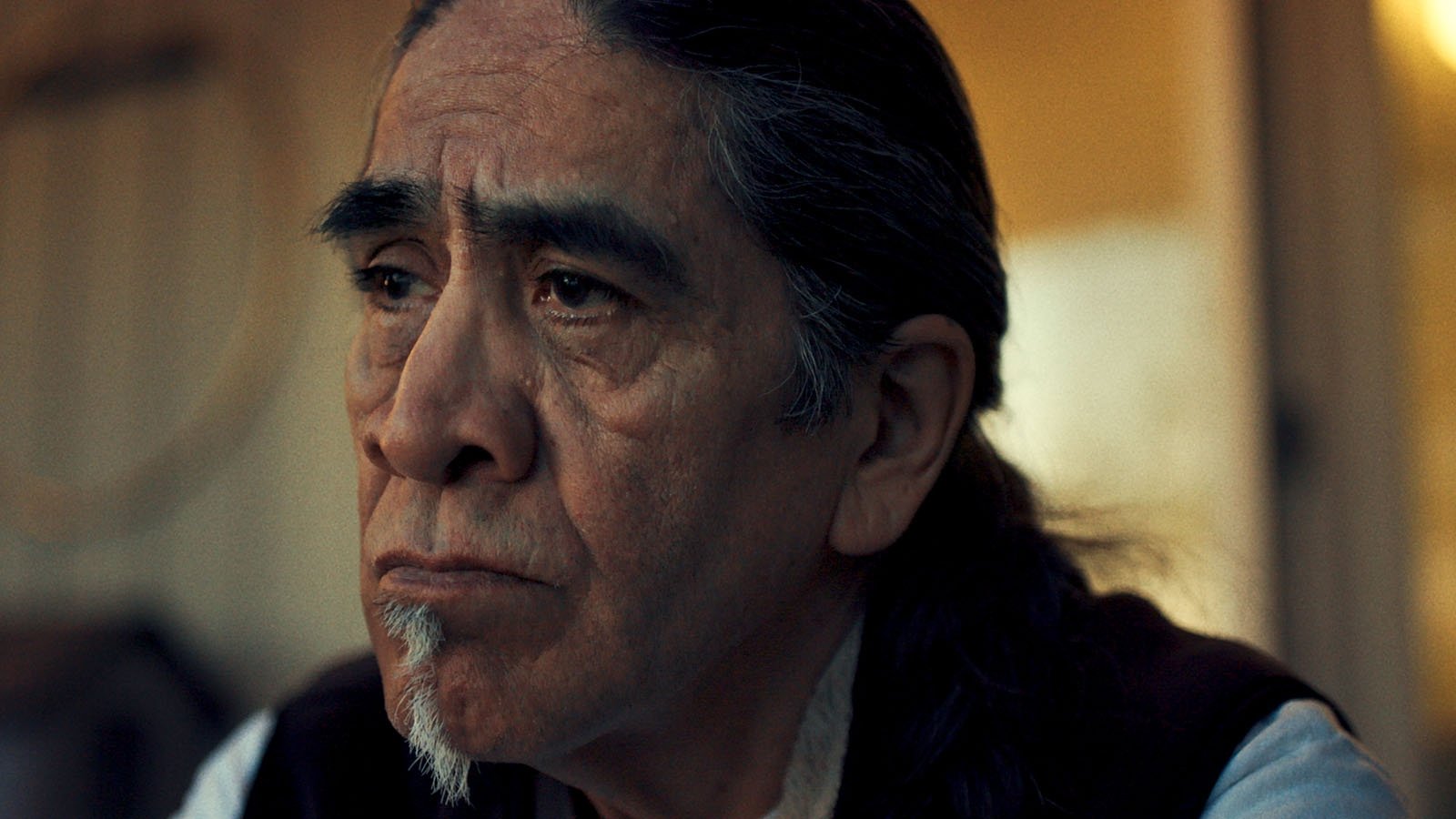
This documentary is essential viewing - not because it will suddenly convert racists but because more people need to understand how deep and far-reaching the atrocities committed by the Catholic Church. These weren't acts by rogue priests or "a few bad apples." These were horrors committed on an entire people in a systemic approach over the course of generations. Sugarcane does a decent job of laying all of this out through painstaking investigative journalism but through the story of two survivors: 1: a father born in a residential school who takes a journey of discovery ,with the help of his son, to uncover the truth of his birth, and 2: a former chief who has to reconcile the tragic circumstances of his birth with his religious beliefs and connections to the church.
By the end they both get some closure, so the movie isn't totally depressing - but it's not an easy watch. However, sitting in that discomfort is necessary. This documentary is patient and gives you a full sense of the generational trauma this community is struggling with. This film, as Roger Ebert has said, is an empathy machine - and in today's society, we need more people to empathize. But Sugarcane also shows that we need institutions like the Catholic Church and the US/Canadian government to do more than just acknowledge or apologize. As Chief Rick says when he confronts a priest who currently works for the same Catholic organization that managed the residential school he was abused at, without action - apologies are just words.
PS: I'm grateful this was a Toki Movie Club pick - otherwise I'm afraid I would have just kept pushing it lower on my watchlist in favor or lighter fare.
This documentary is essential viewing - not because it will suddenly convert racists but because more people need to understand how deep and far-reaching the atrocities committed by the Catholic Church. These weren't acts by rogue priests or "a few bad apples." These were horrors committed on an entire people in a systemic approach over the course of generations. Sugarcane does a decent job of laying all of this out through painstaking investigative journalism but through the story of two survivors: 1: a father born in a residential school who takes a journey of discovery ,with the help of his son, to uncover the truth of his birth, and 2: a former chief who has to reconcile the tragic circumstances of his birth with his religious beliefs and connections to the church.
By the end they both get some closure, so the movie isn't totally depressing - but it's not an easy watch. However, sitting in that discomfort is necessary. This documentary is patient and gives you a full sense of the generational trauma this community is struggling with. This film, as Roger Ebert has said, is an empathy machine - and in today's society, we need more people to empathize. But Sugarcane also shows that we need institutions like the Catholic Church and the US/Canadian government to do more than just acknowledge or apologize. As Chief Rick says when he confronts a priest who currently works for the same Catholic organization that managed the residential school he was abused at, without action - apologies are just words.
PS: I'm grateful this was a Toki Movie Club pick - otherwise I'm afraid I would have just kept pushing it lower on my watchlist in favor or lighter fare.