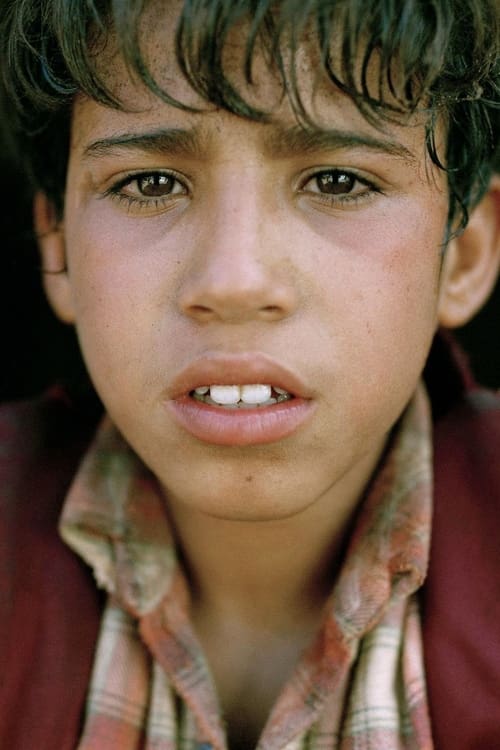
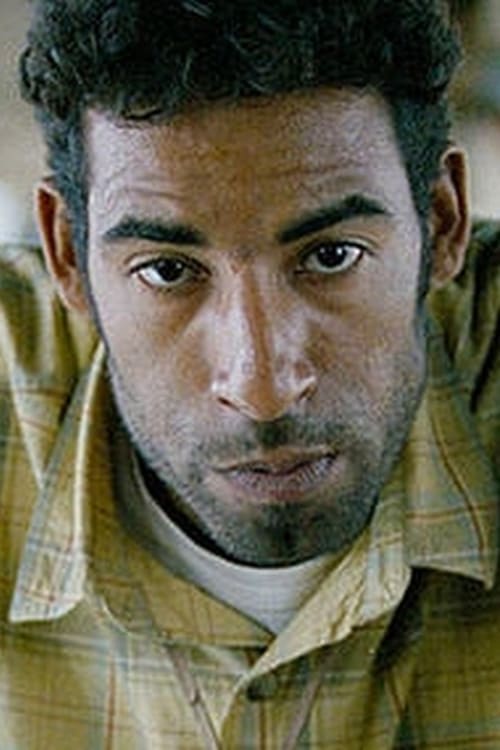
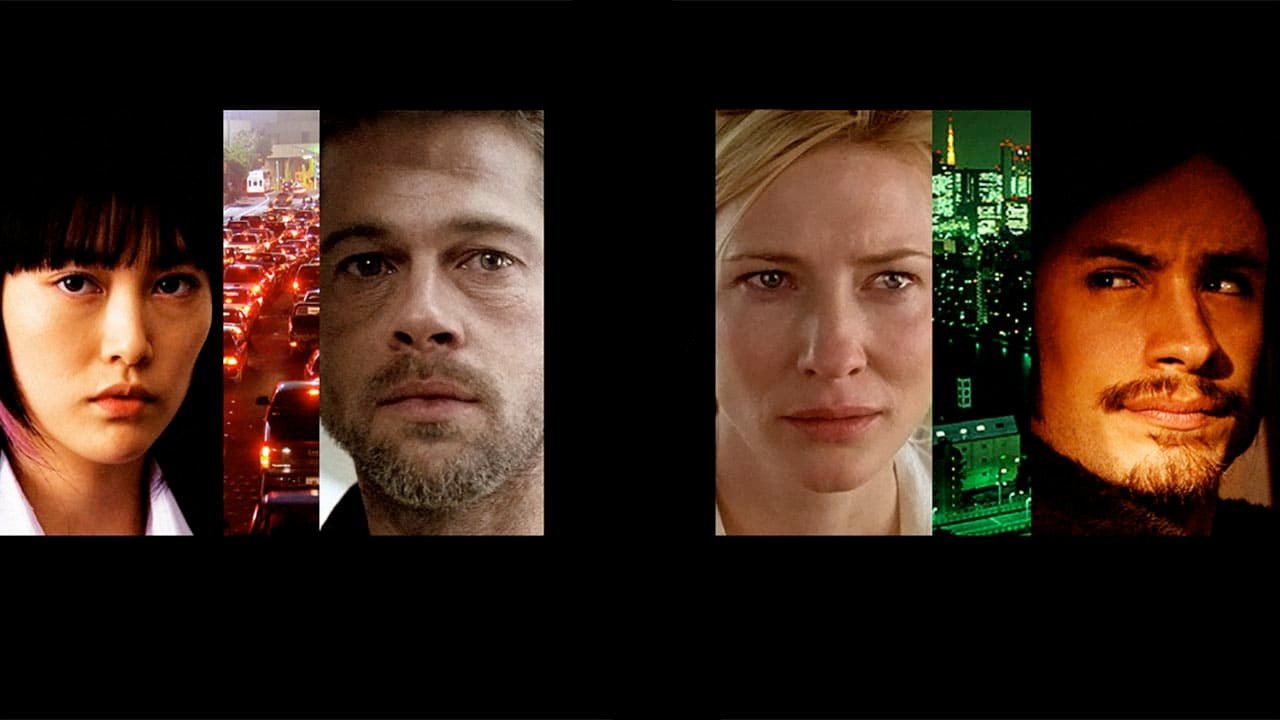
I haven’t fully written my thoughts on Babel yet — and honestly, I’m still living with it.
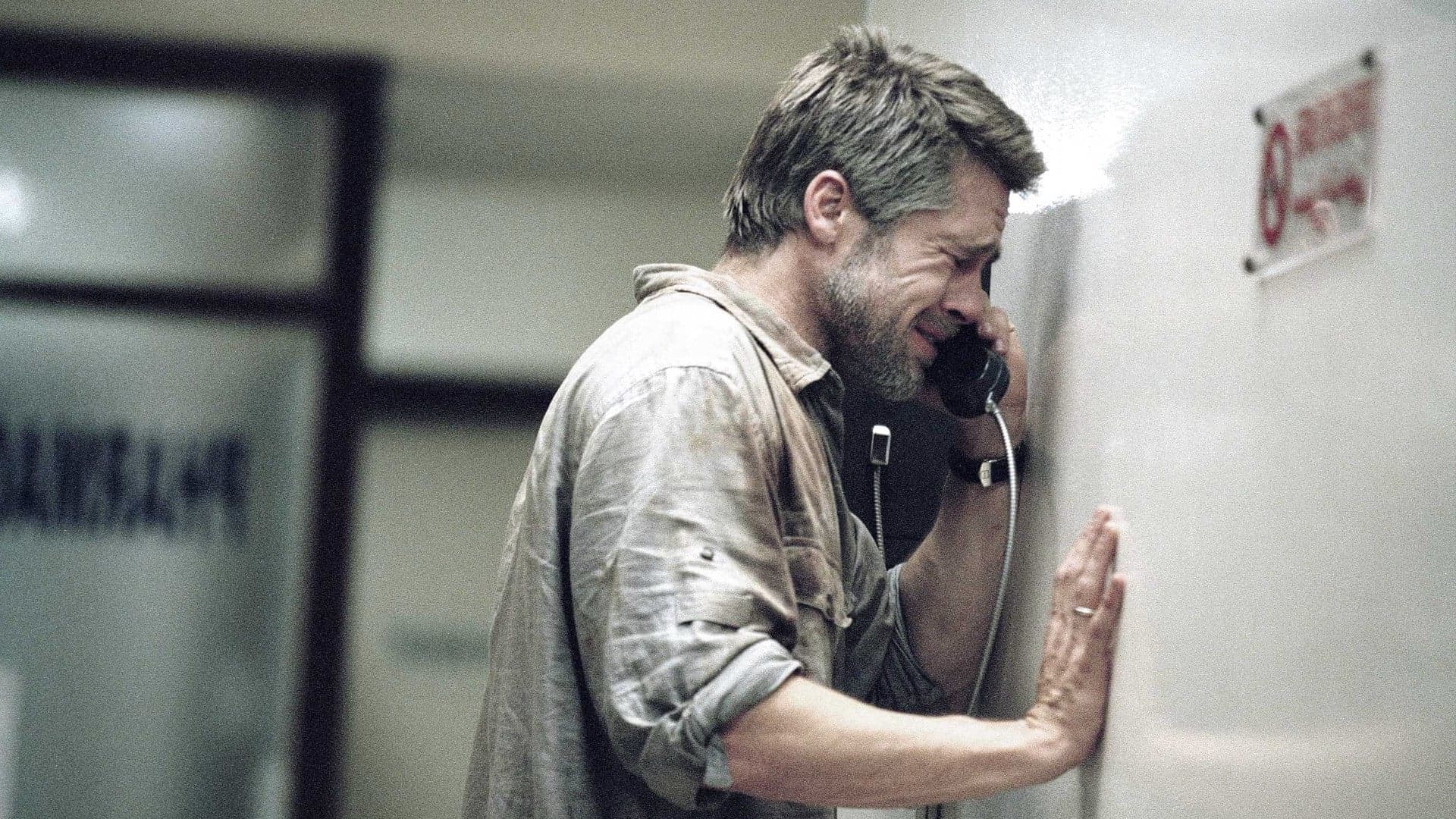
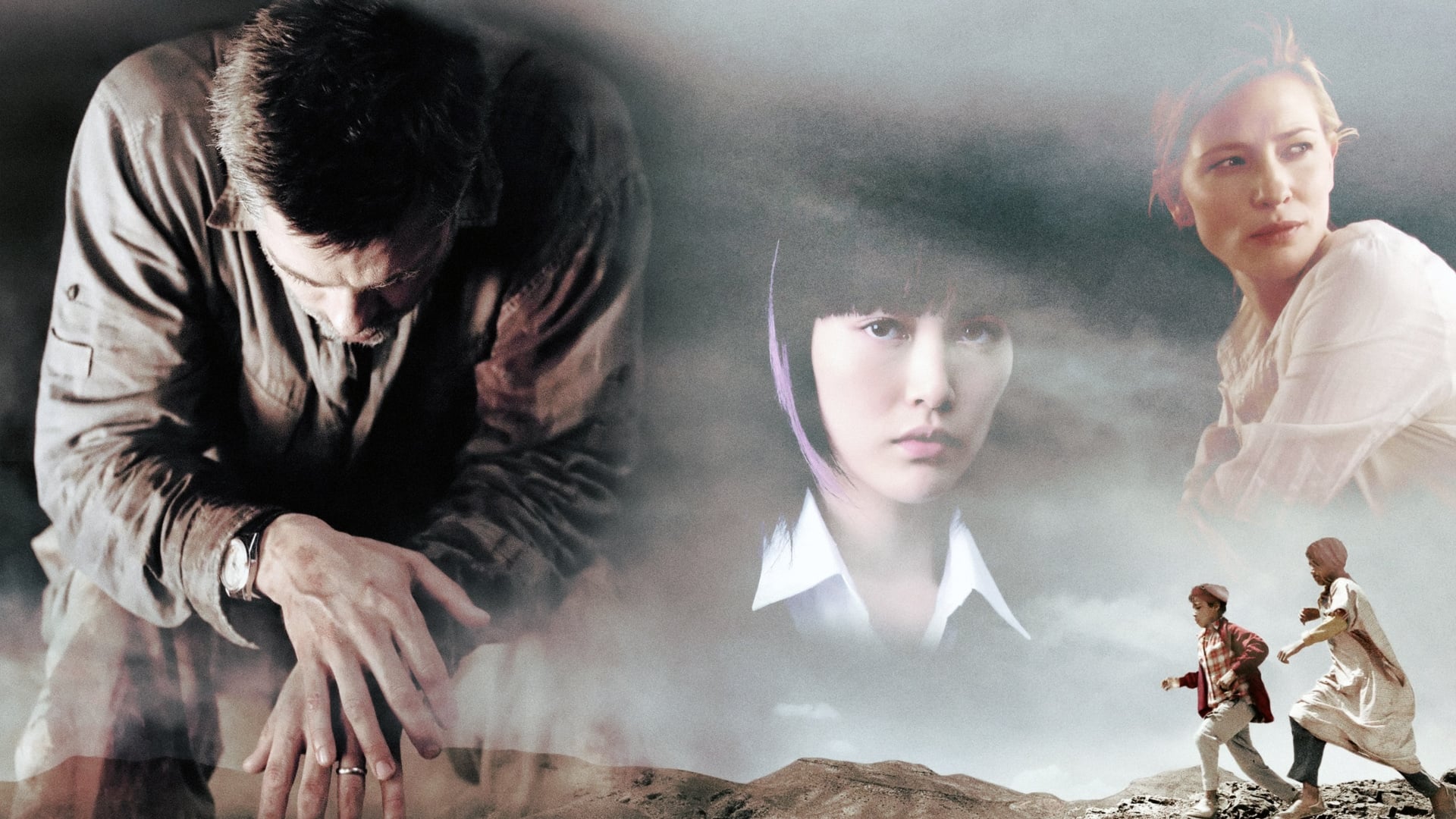
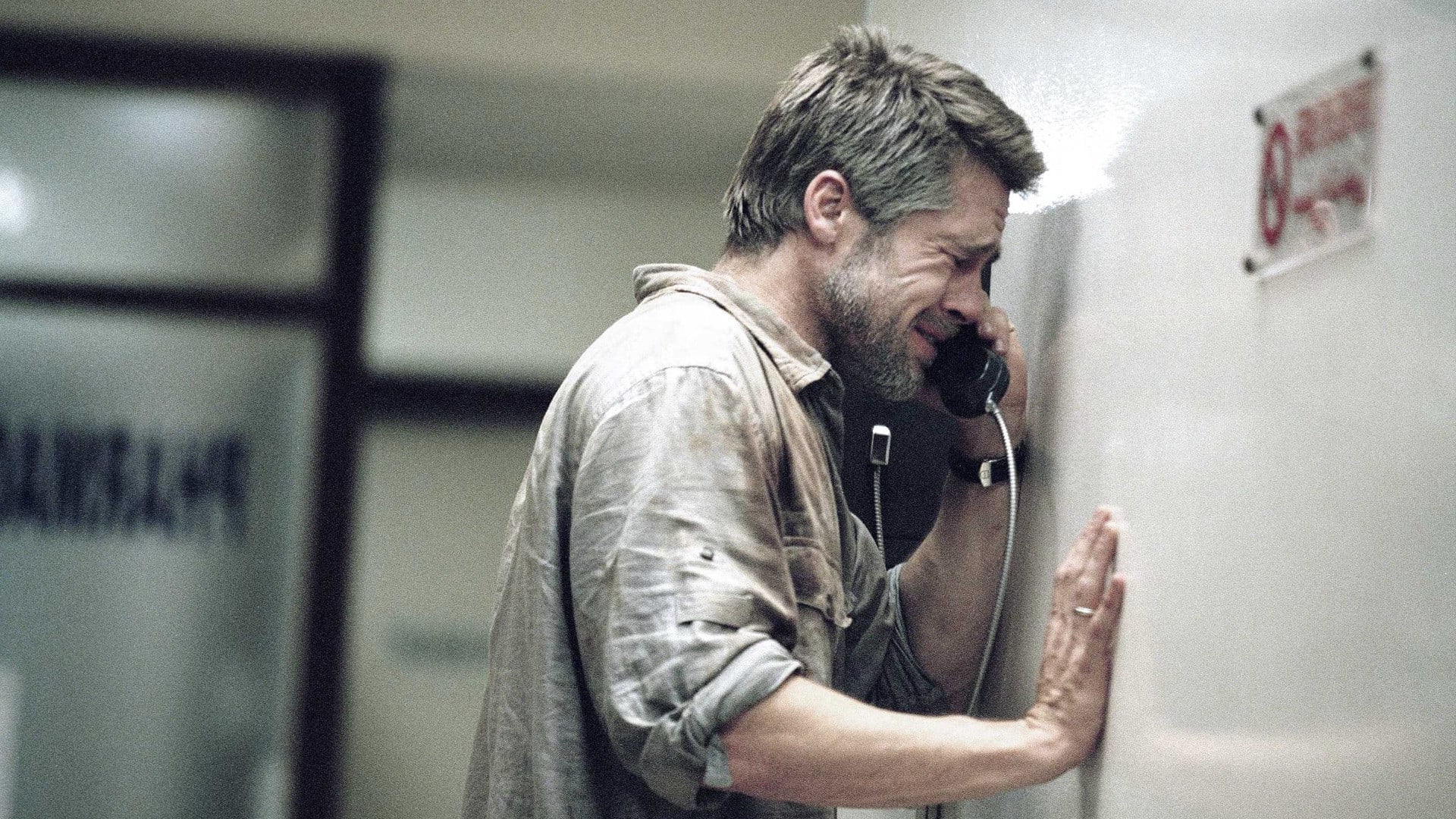
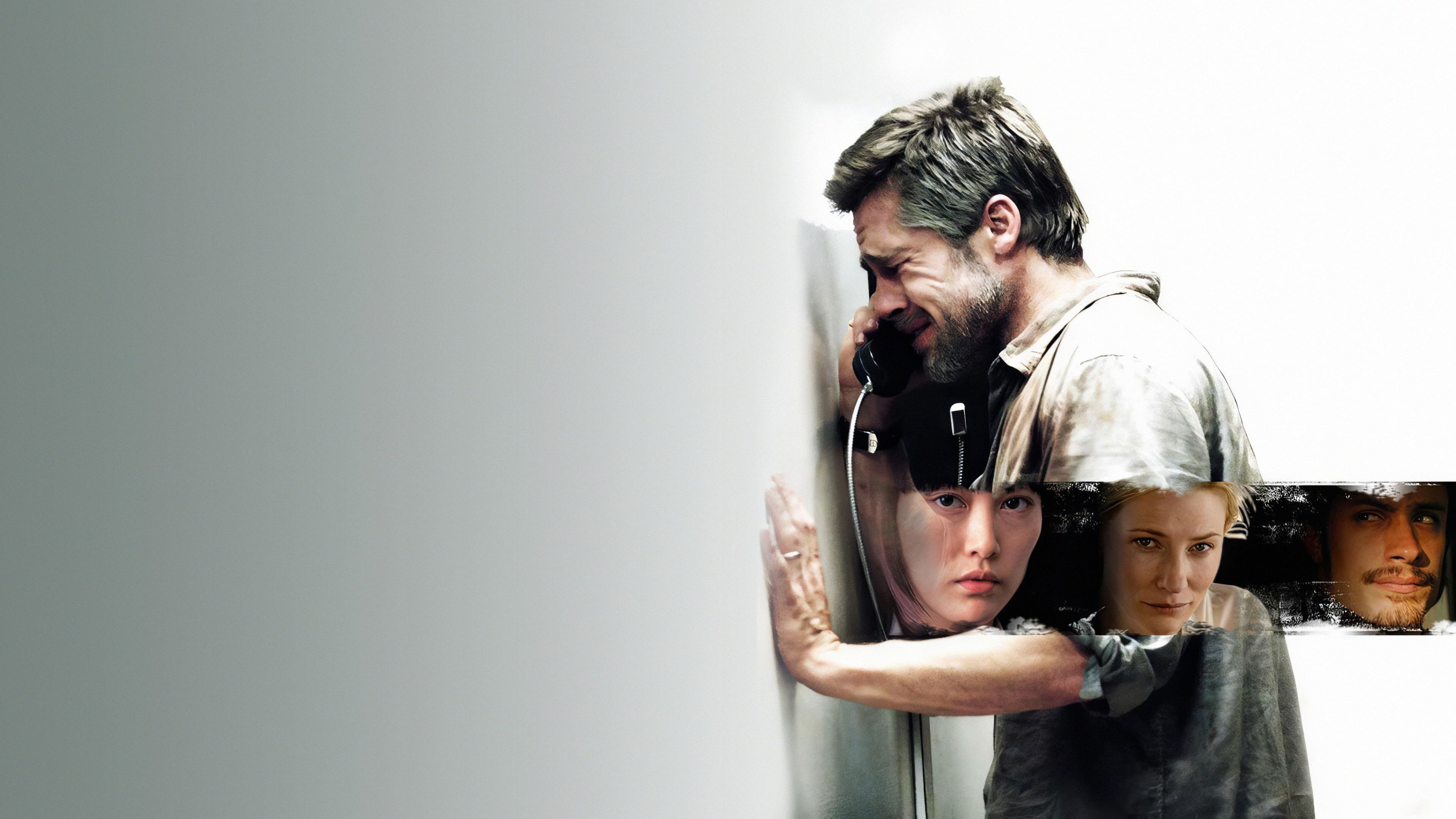
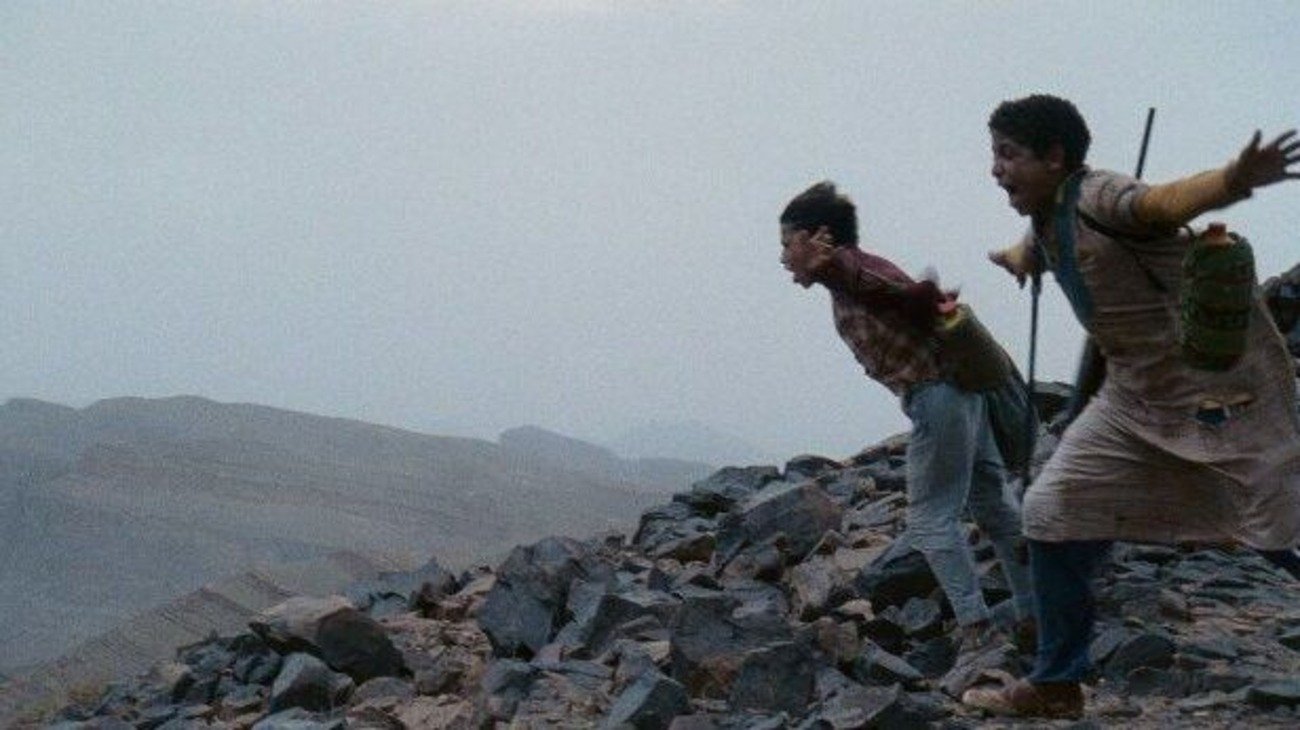
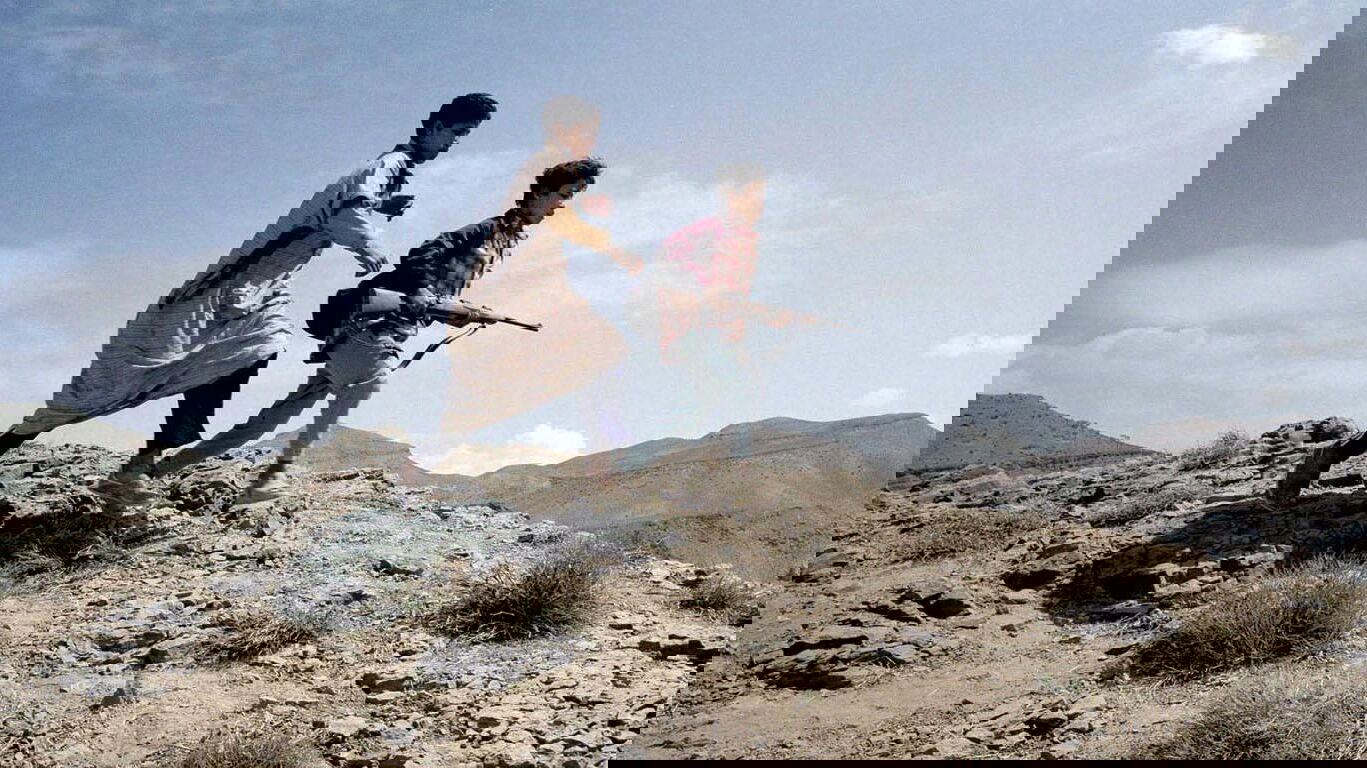
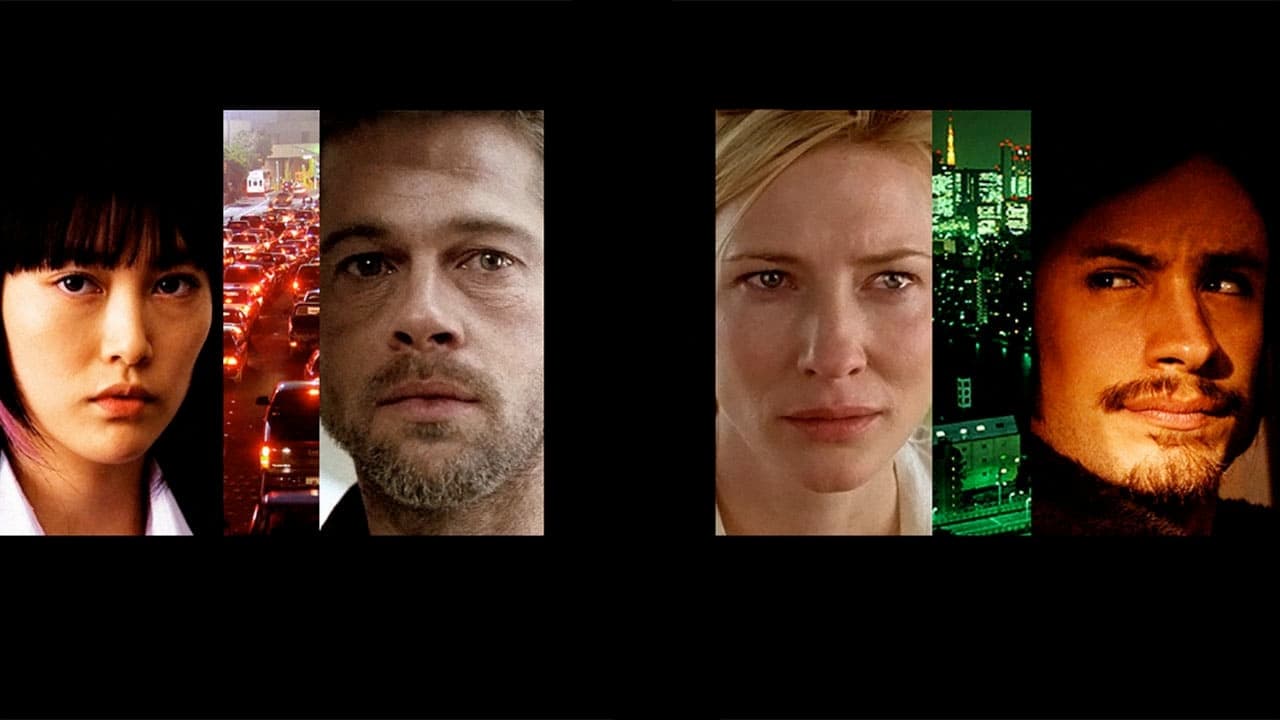
What struck me most rewatching it this time wasn’t the scale of the story or its interlocking structure, but how deeply it commits to showing grief from the inside out. Across continents, families are breaking — not because they don’t care, but because they don’t know how to speak to one another through loss.
One of the most affecting threads belongs to a deaf teenage girl in Japan, isolated not only by language, but by grief she doesn’t yet have words for. She’s navigating desire, alienation, and rage in a world that constantly looks past her — all while carrying the trauma of a personal loss. Her pain isn’t loud or dramatic; it’s restless, searching, and aching to be acknowledged.
I haven’t fully written my thoughts on Babel yet — and honestly, I’m still living with it.
What struck me most rewatching it this time wasn’t the scale of the story or its interlocking structure, but how deeply it commits to showing grief from the inside out. Across continents, families are breaking — not because they don’t care, but because they don’t know how to speak to one another through loss.
One of the most affecting threads belongs to a deaf teenage girl in Japan, isolated not only by language, but by grief she doesn’t yet have words for. She’s navigating desire, alienation, and rage in a world that constantly looks past her — all while carrying the trauma of a personal loss. Her pain isn’t loud or dramatic; it’s restless, searching, and aching to be acknowledged.